
Water reuse in industry

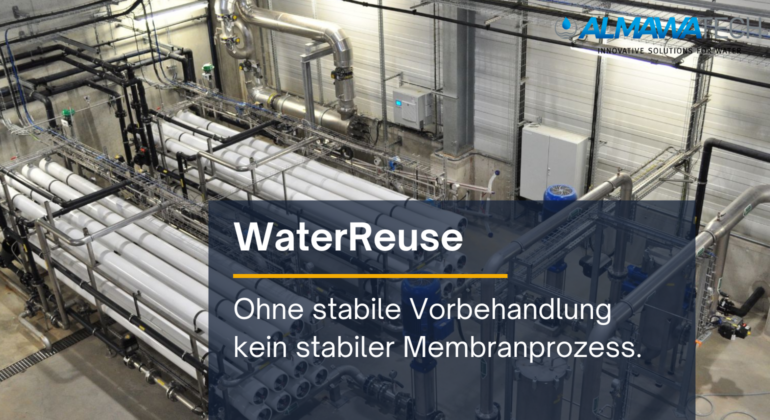
Water reuse in industry – challenges, risks, and success factors for stable and economical systems

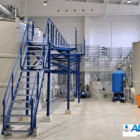
Water reuse in industry is much more than just a "membrane project." Fluctuating inflow conditions are crucial for stable, economical plants, as they increase the risk of scaling and biofouling. The article shows why robust pre-treatment with buffering, solids and grease separation, and controlled nutrient balance is the key to success, and which technologies and design principles have proven themselves in practice.

Read more

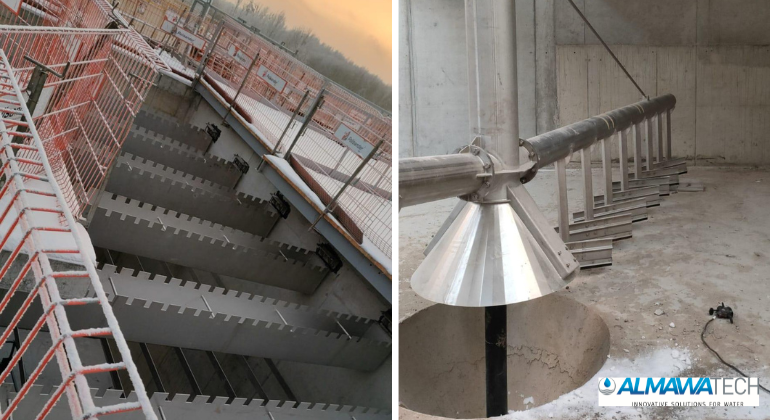
Pre-treatment of dairy wastewater before discharge into the sewer system

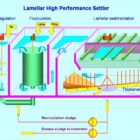
Dairy wastewater varies greatly and often contains fats (FOG), high COD loads, and extreme pH peaks from CIP cleaning. In our article, we show how economical pretreatment with screening, aerated buffer, neutralization, and DAF flotation reliably reduces these loads: robust, measurement-based, and designed for industrial practice.

Read more

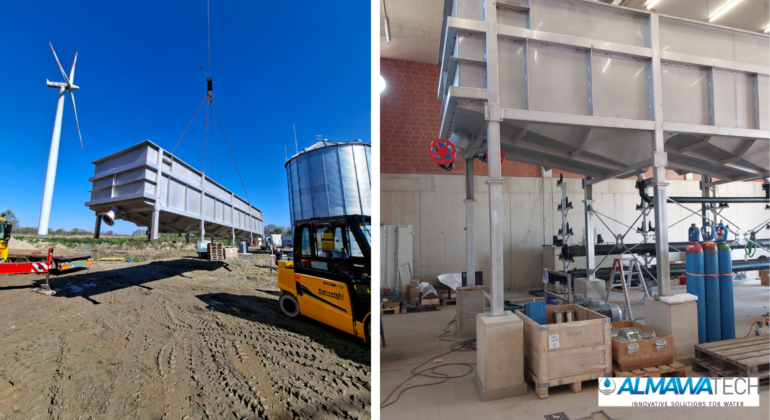
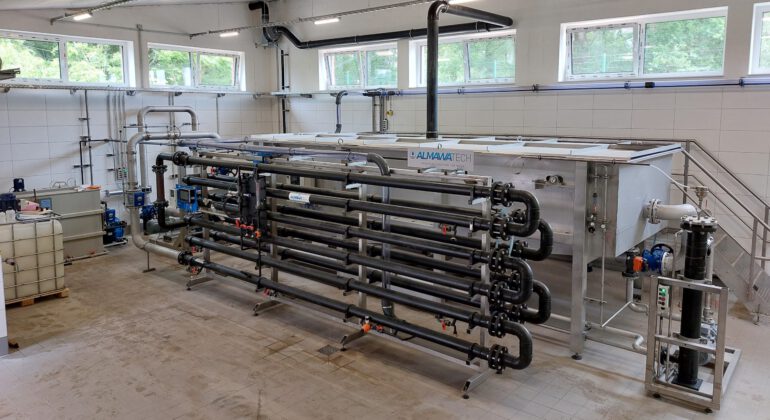
ALMAWATECH commissions seawater treatment plant for the GEOMAR Helmholtz Center in Kiel

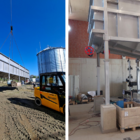
ALMAWATECH has commissioned a high-performance seawater treatment plant for the renowned GEOMAR Helmholtz Center in Kiel. The aim was to filter and treat raw water from the Kiel harbor basin in such a way that it meets the high requirements of marine biological and chemical research projects. The plant was planned and implemented with a particular focus on operational safety, corrosion protection and ease of maintenance. In this article, we show the technical highlights of the plant and take a look behind the scenes of the project.

Read more
Splitting plant for the treatment of waste water

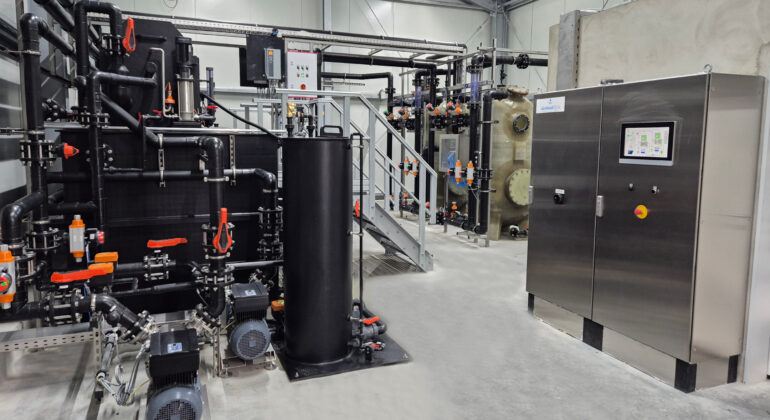
Successful commissioning of an ALMA CHEM MCW CP system in Leipzig

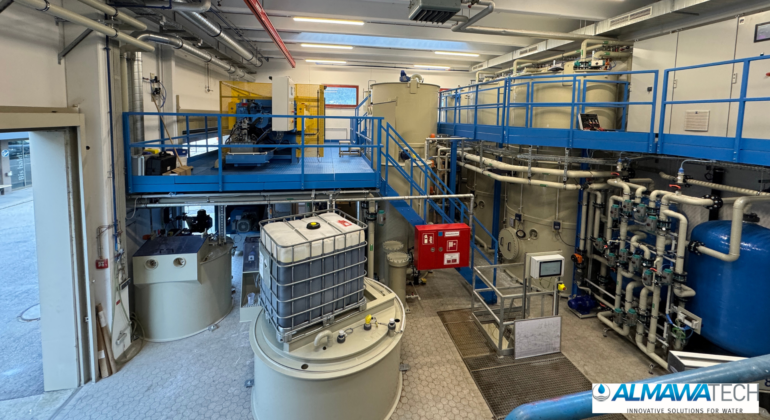
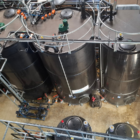
An ALMA CHEM MCW CP batch plant was successfully commissioned in Leipzig. It treats around 20 m³ of specialty chemicals wastewater per week and reliably removes heavy metals, AOX, hydrocarbons and chromium(VI). Precipitation, flocculation, neutralization, chamber filter press, gravel filter and ion exchanger ensure compliance with the limit values in Annex 40.

Read more