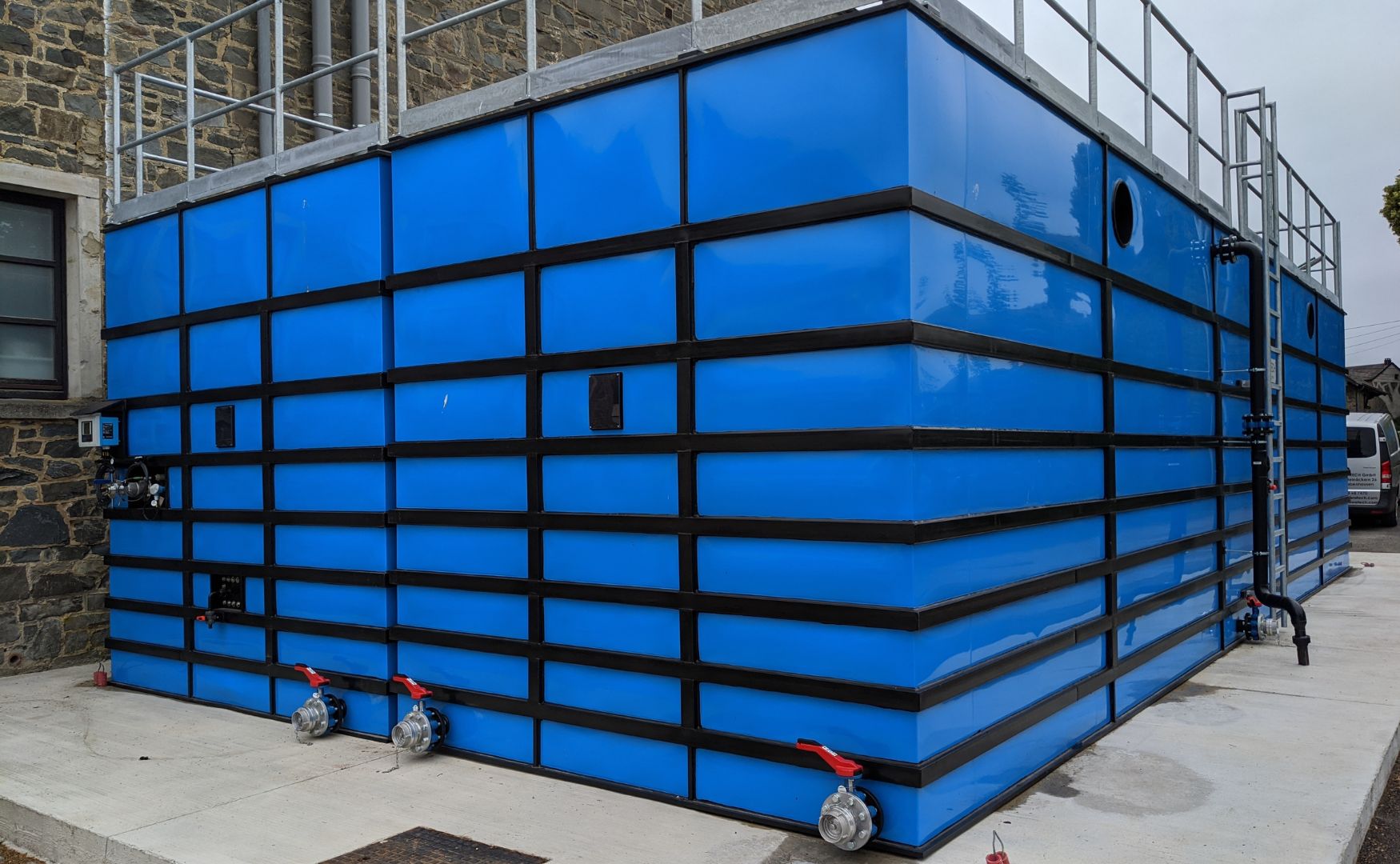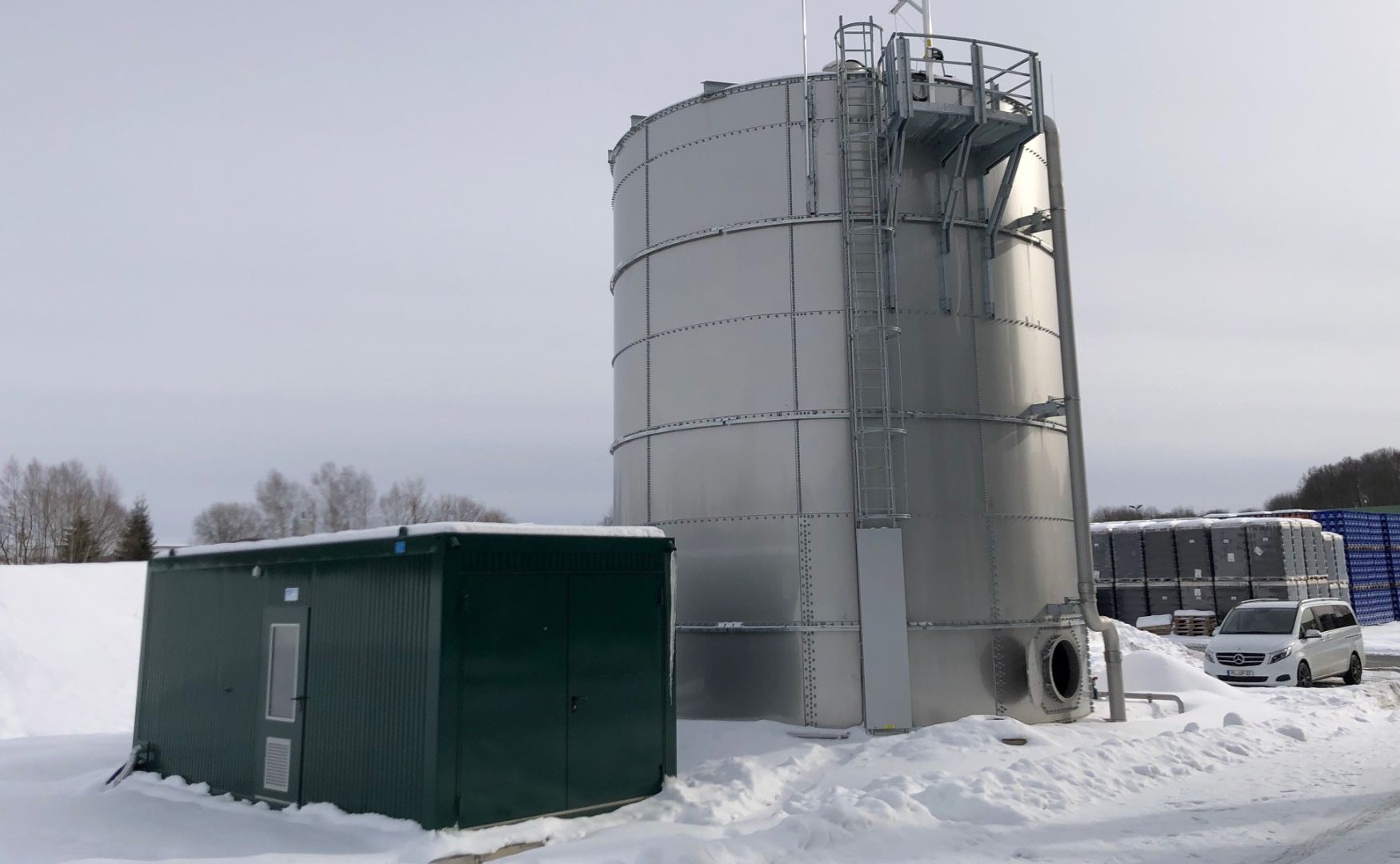



Turnkey containerized systems for industrial wastewater and water treatment
Have a container system designed
Maksim Neubauer
Head of International Project Development
What is a container-based wastewater treatment plant?
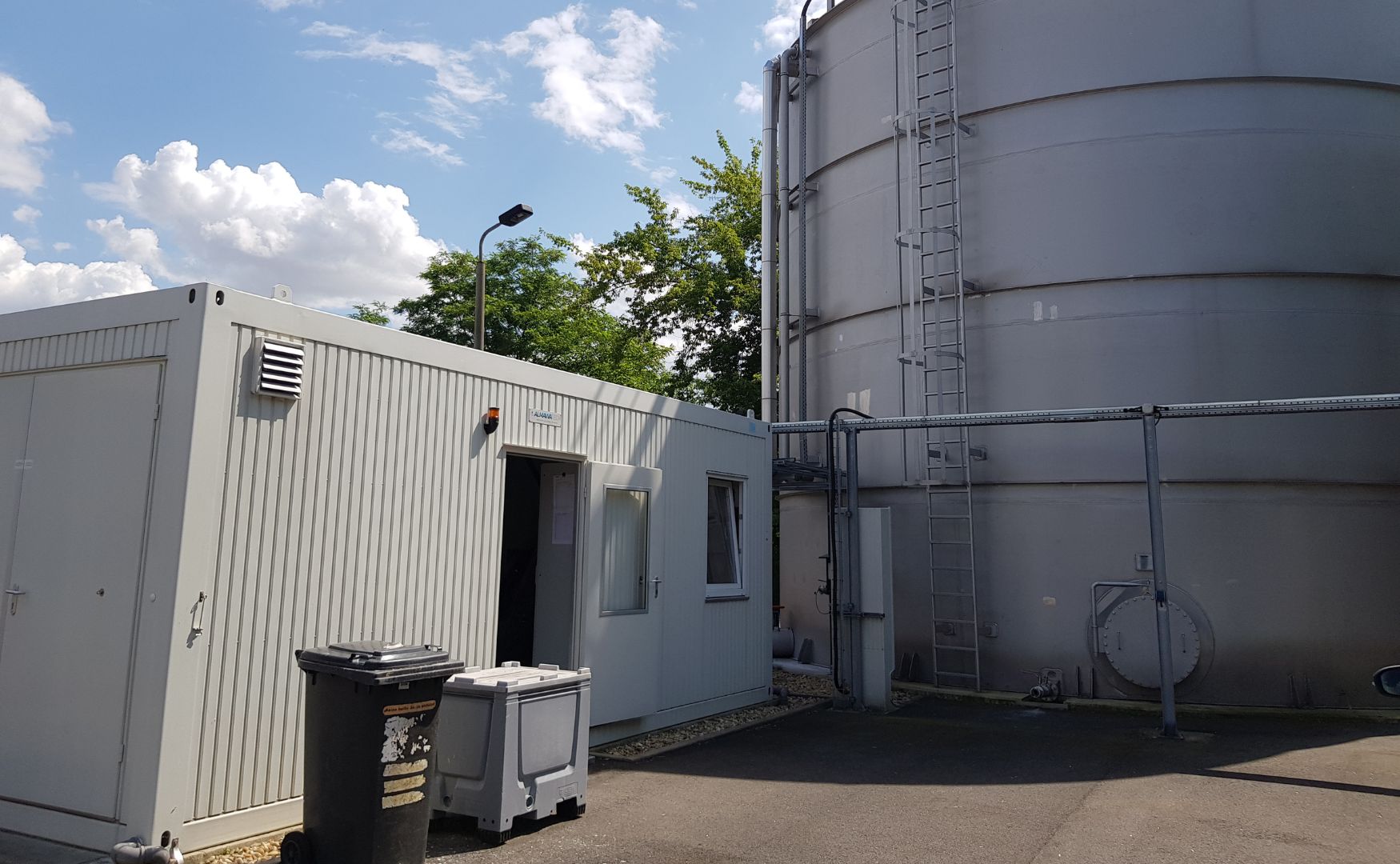
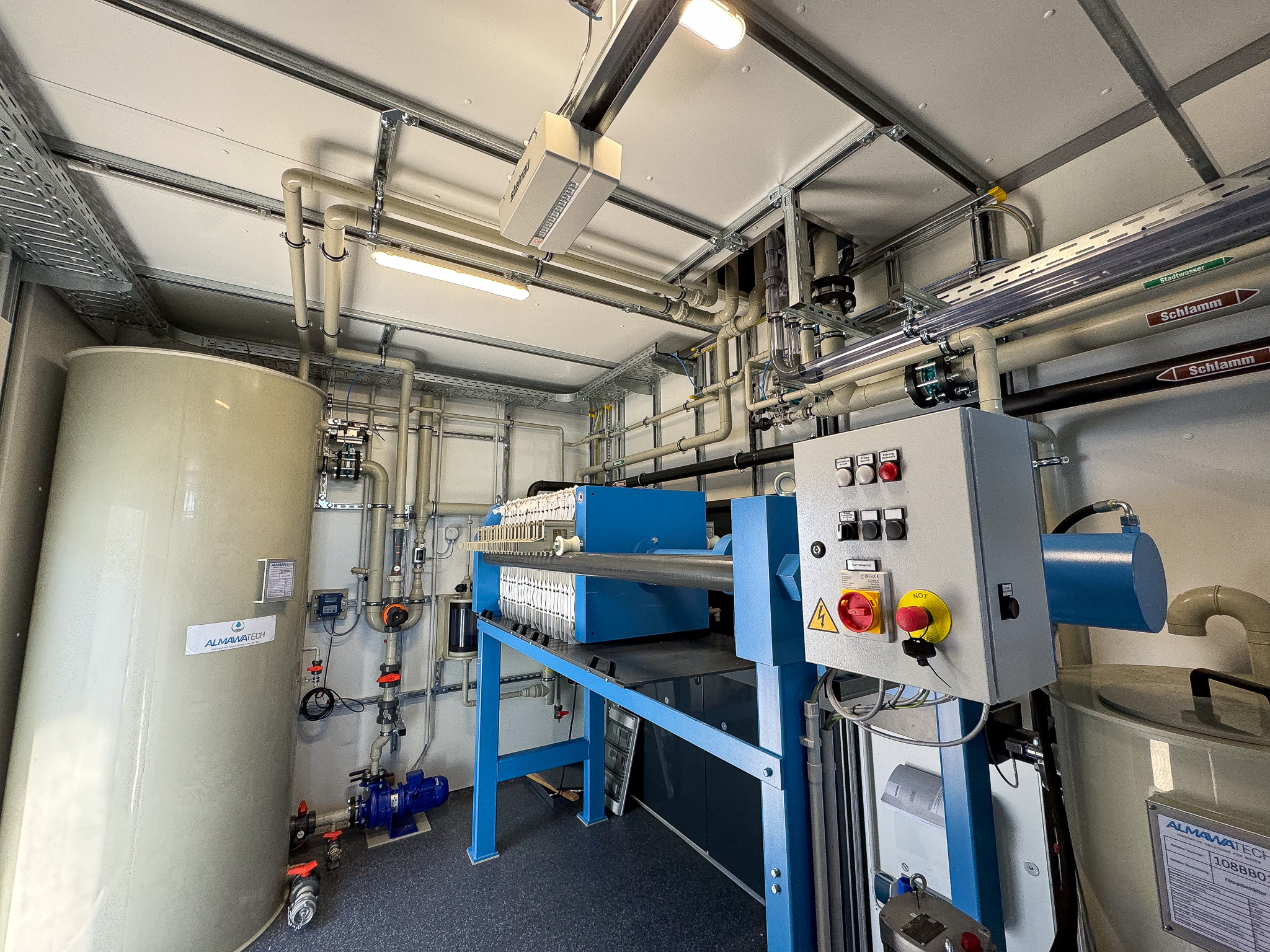
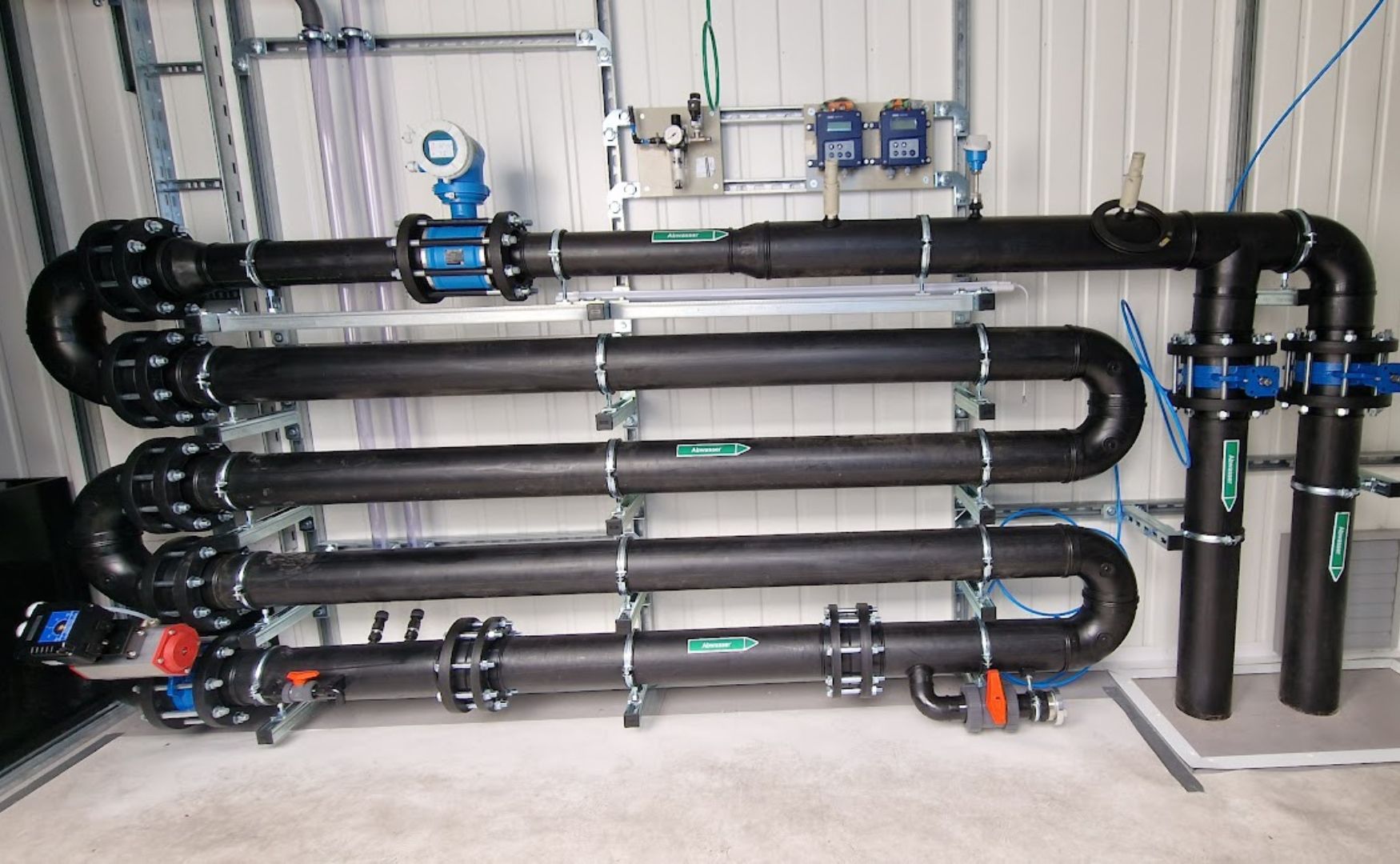
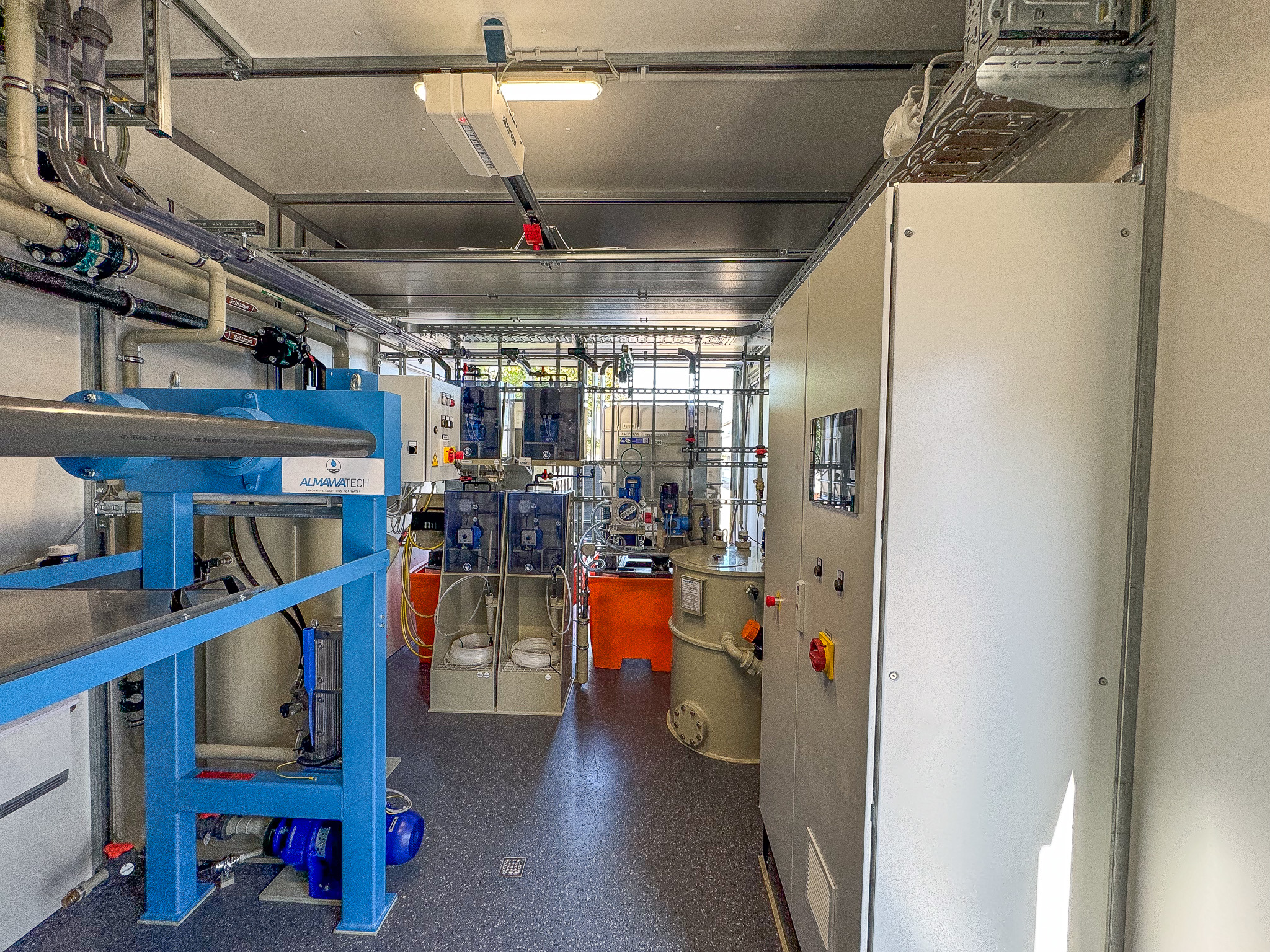
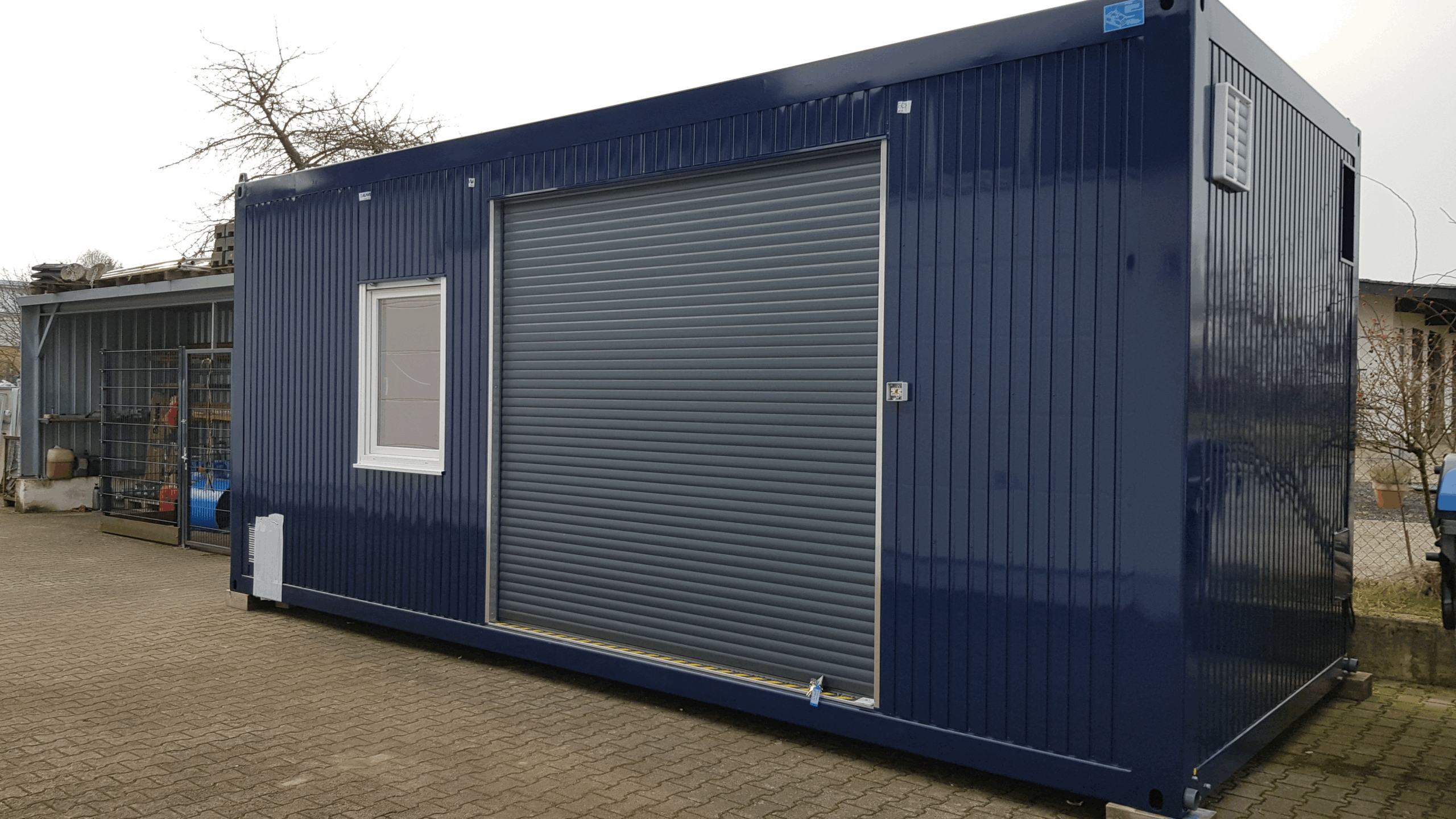
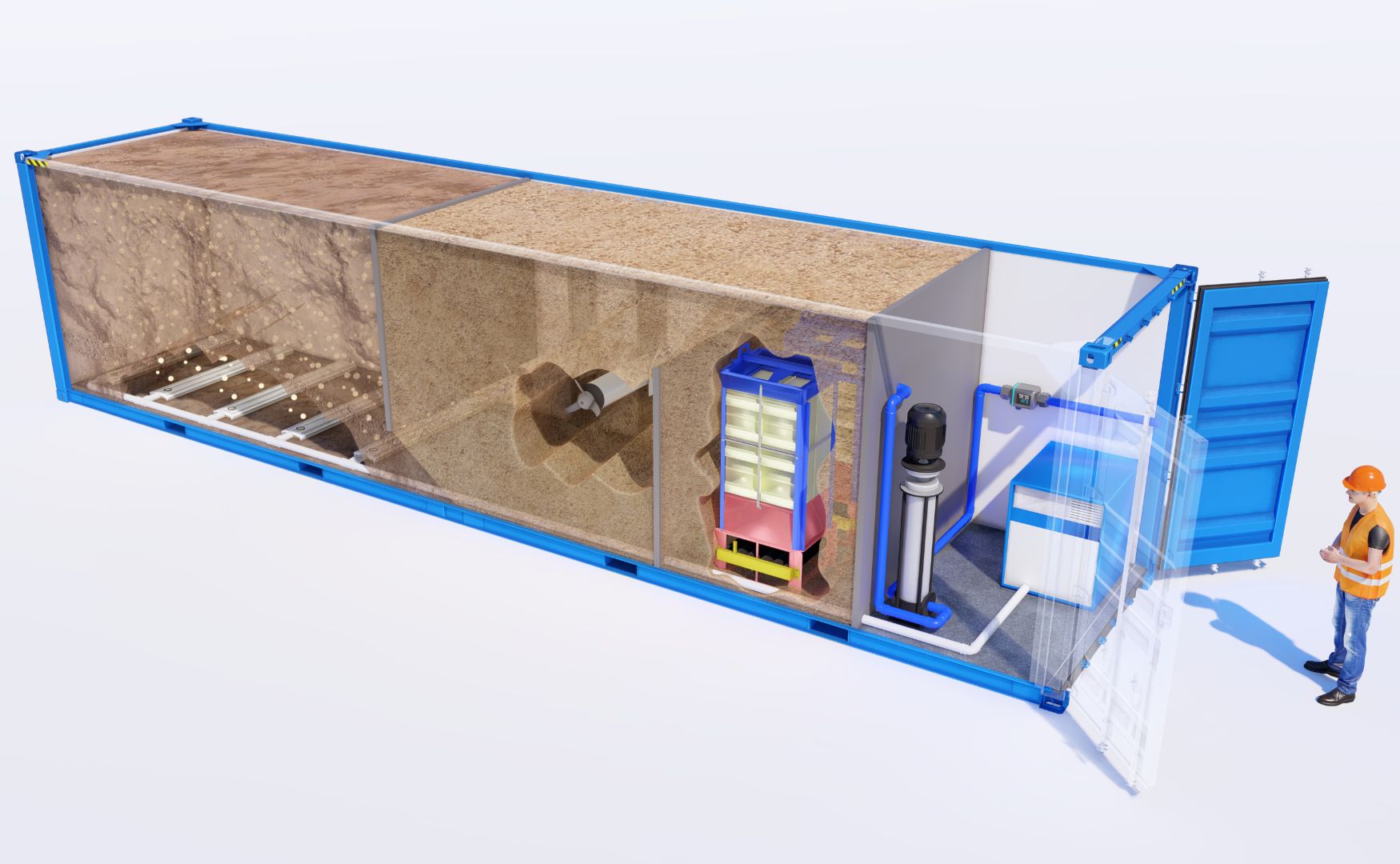
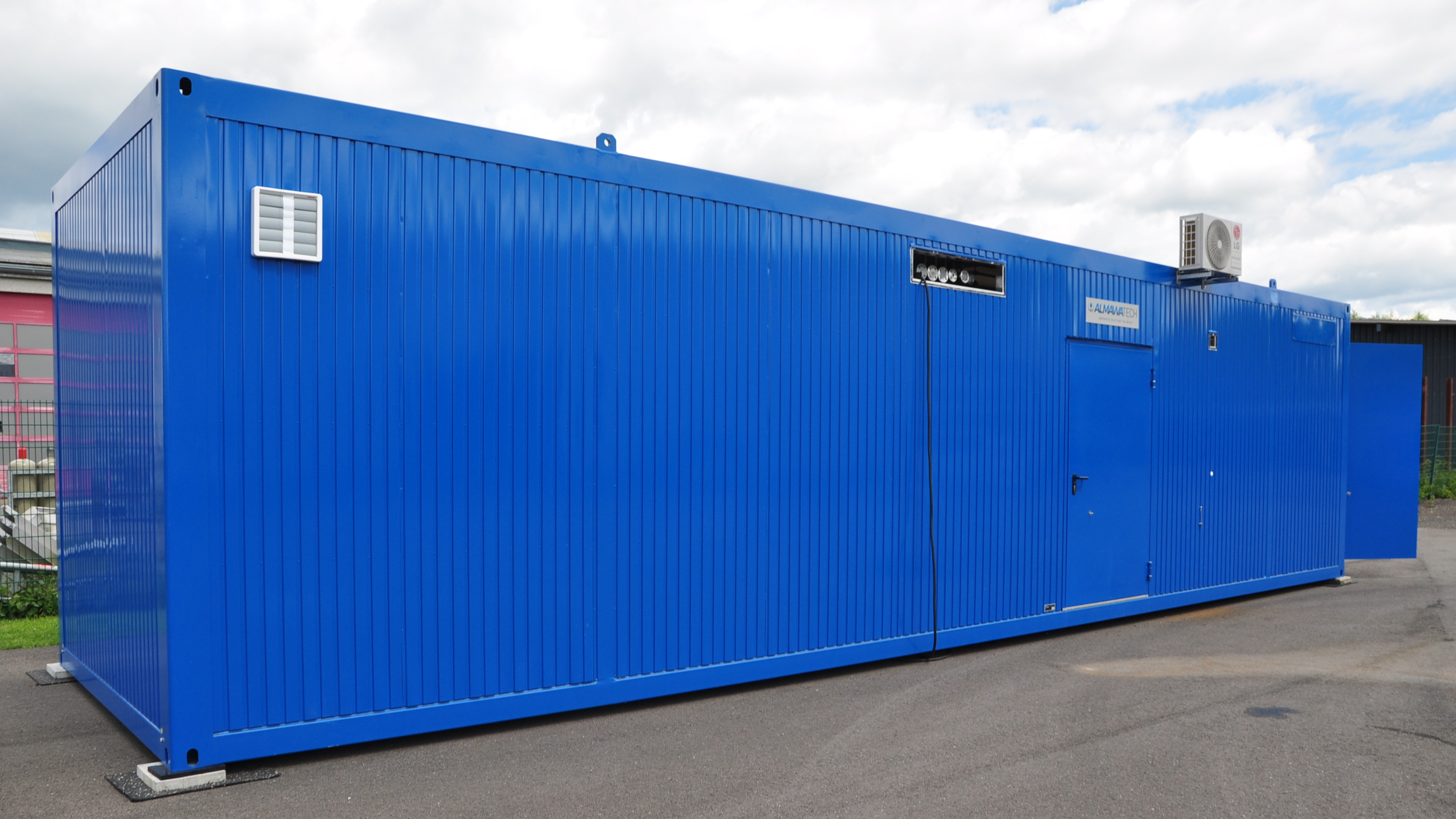
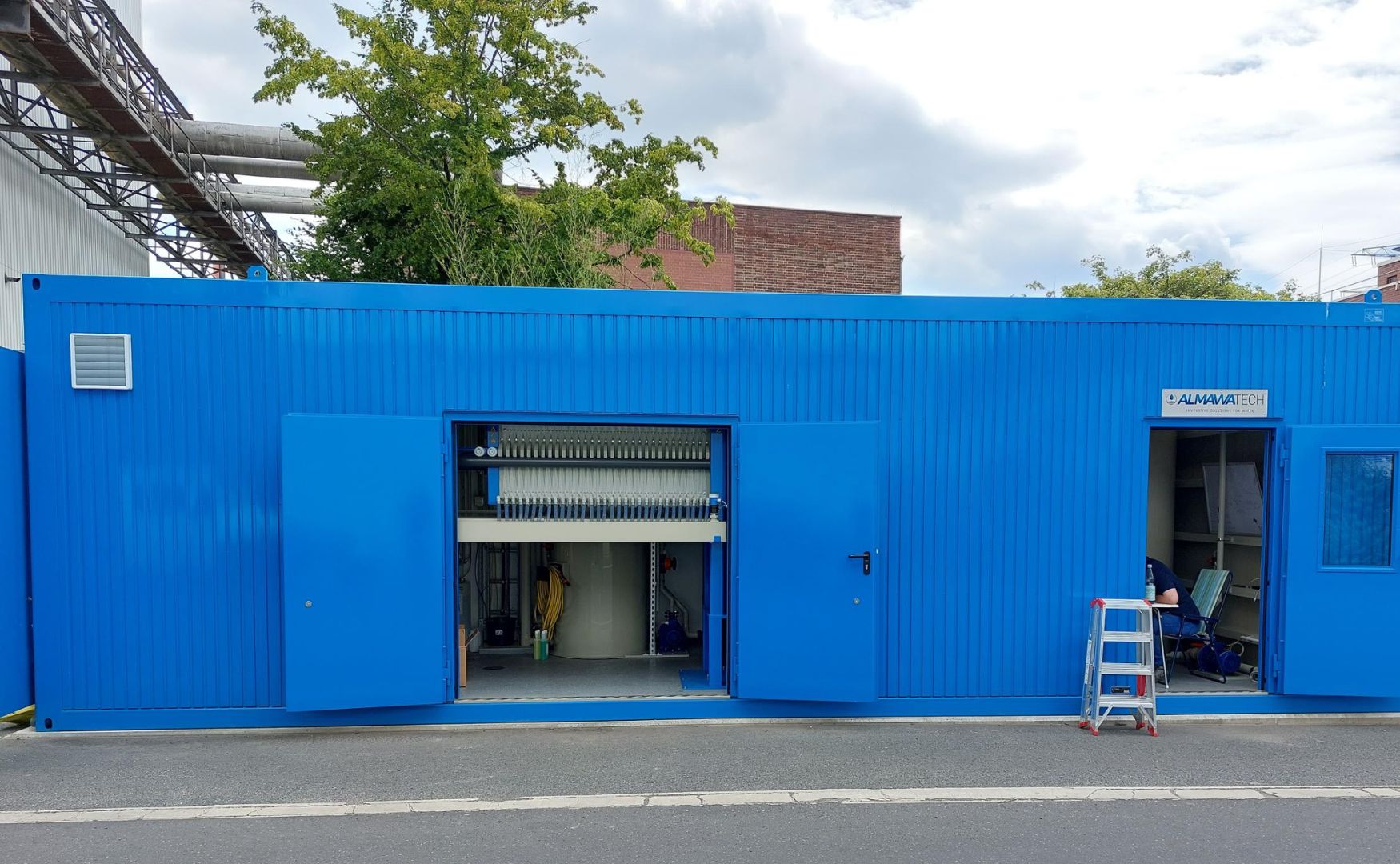
A containerized wastewater treatment plant is a fully equipped wastewater treatment facility whose process technology is installed in one or more technical service containers. Unlike traditional plant buildings, large portions of the plant are already assembled, piped, wired, and tested at the factory.
Containerized wastewater treatment plants can include both individual treatment steps and complete, multi-stage wastewater treatment processes. Depending on the type of industrial wastewater, processes such as neutralization, precipitation and flocculation, flotation, biological treatment, filtration, and membrane technology can be combined.
A container-based wastewater treatment plant is not limited to biological wastewater treatment. In industrial plant engineering, even complex chemical-physical and membrane-based water and wastewater treatment systems can be fully implemented using container-based construction.
What types of water treatment systems can be built inside a container?
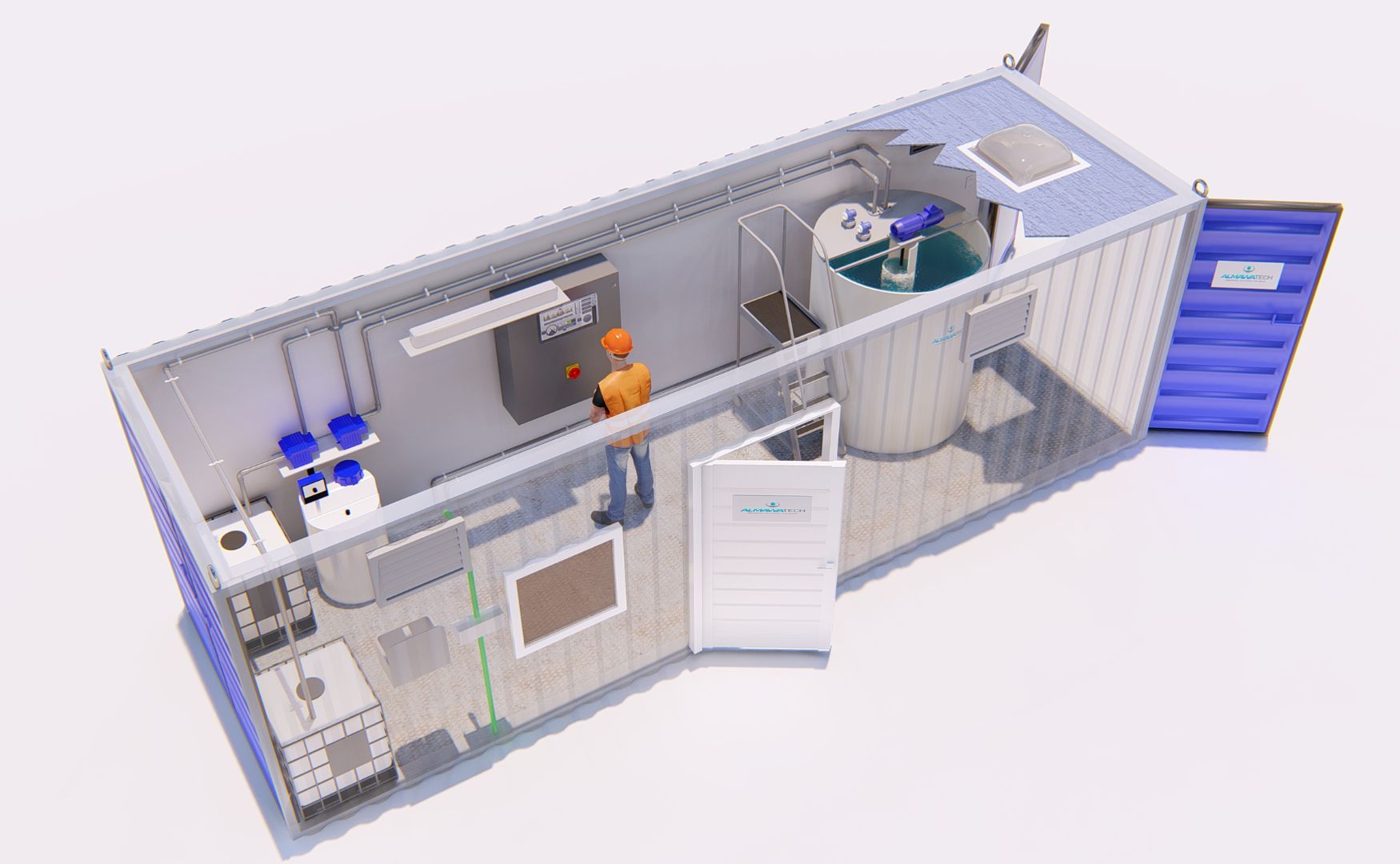
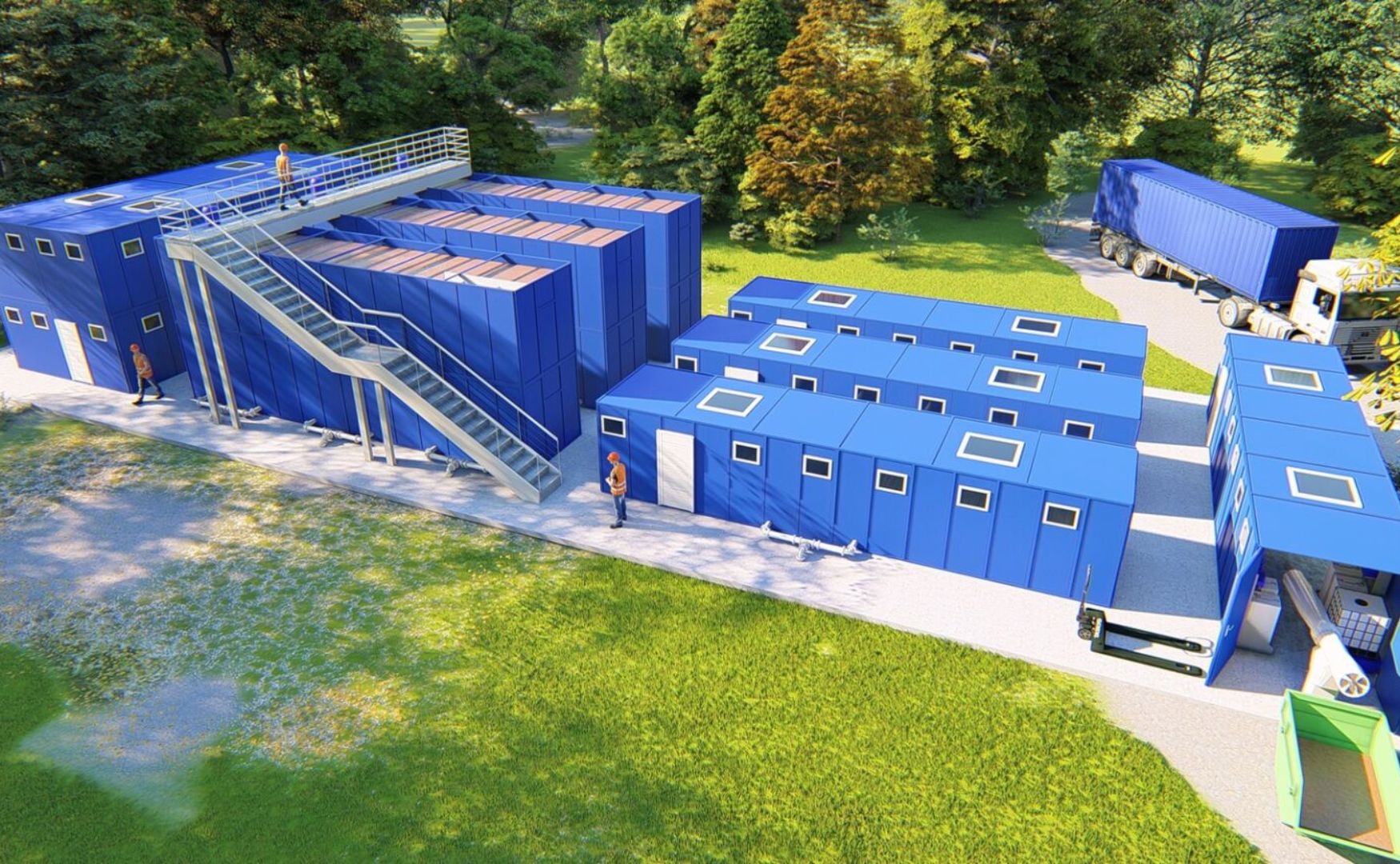
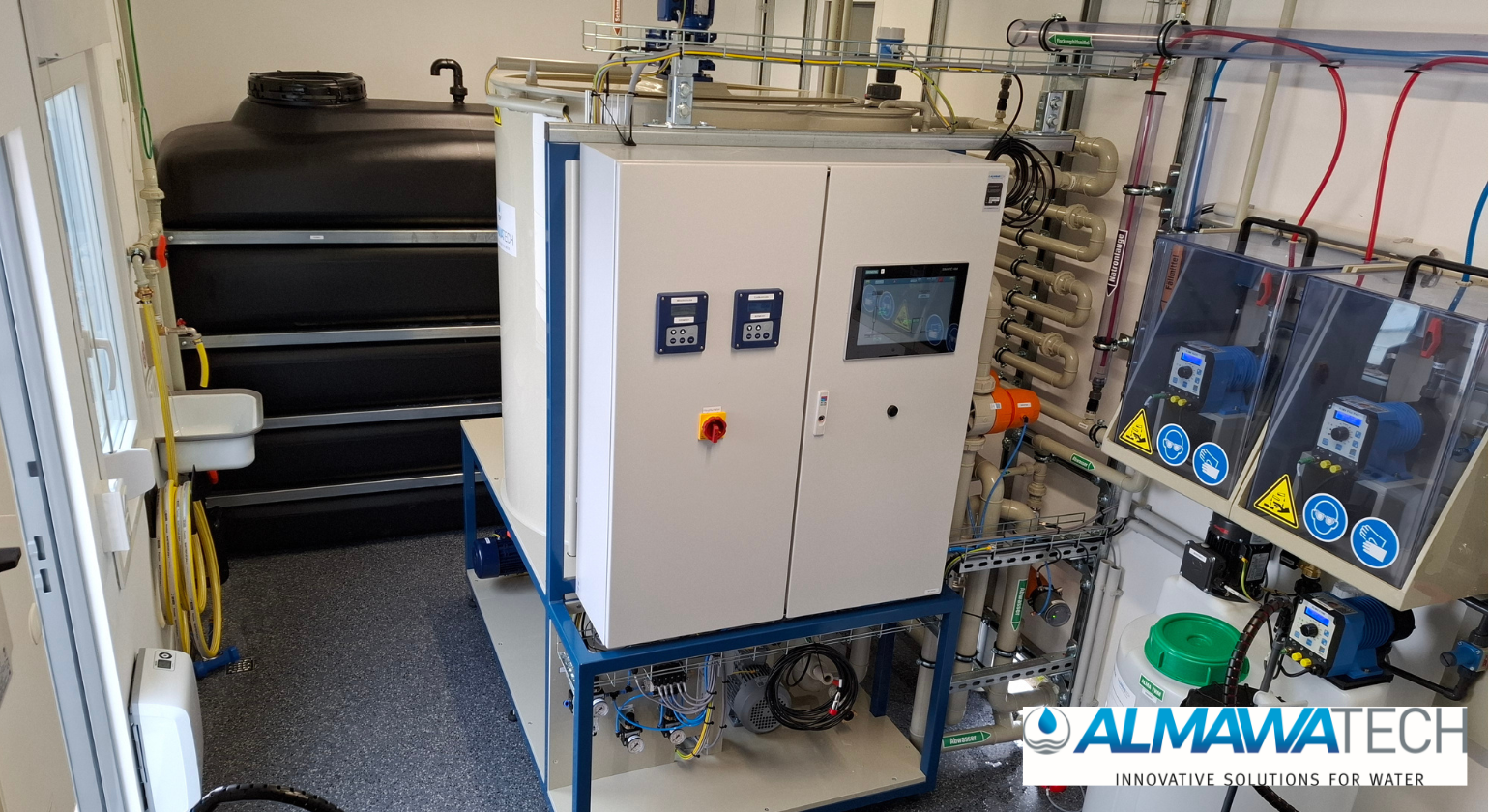
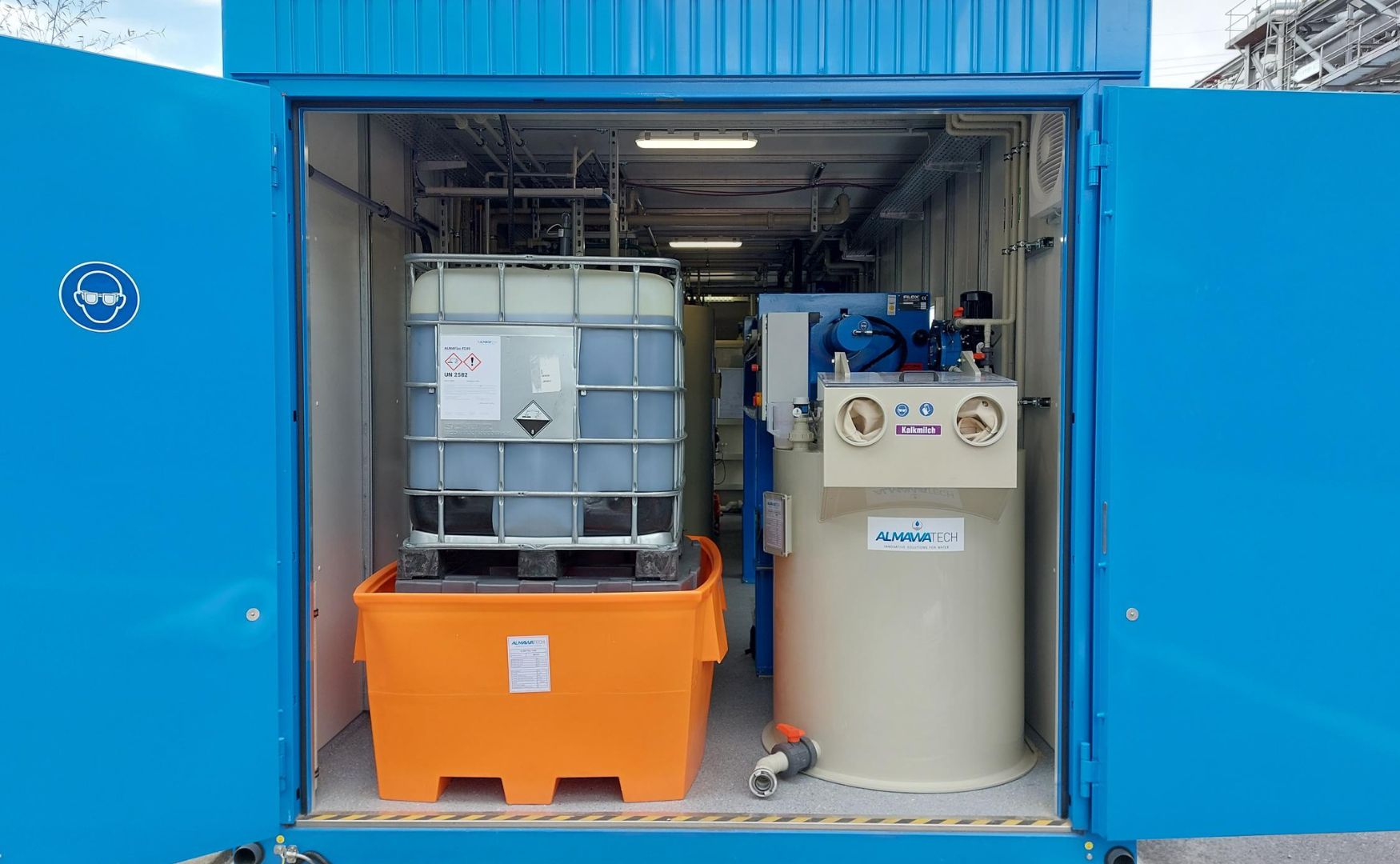
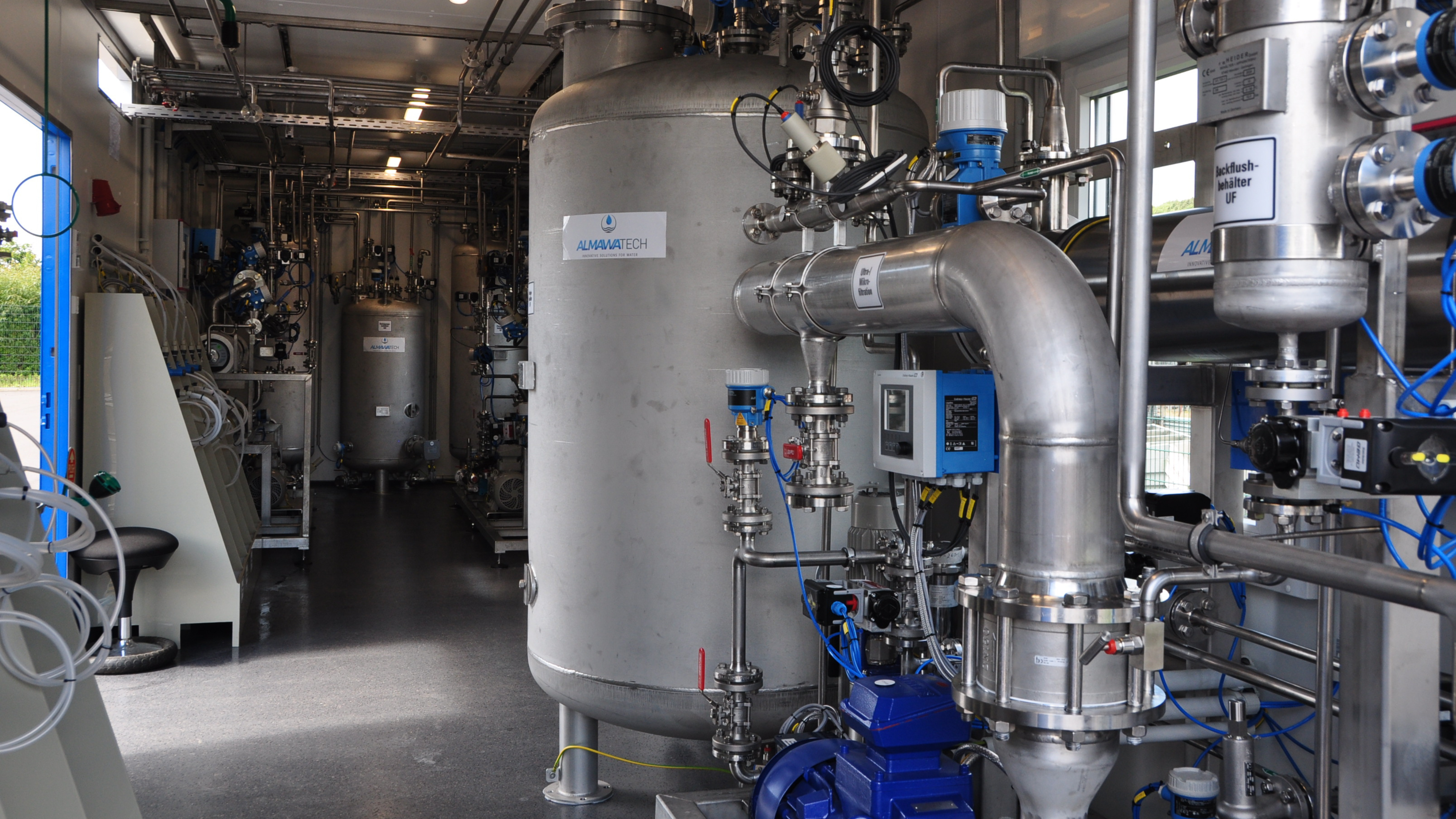
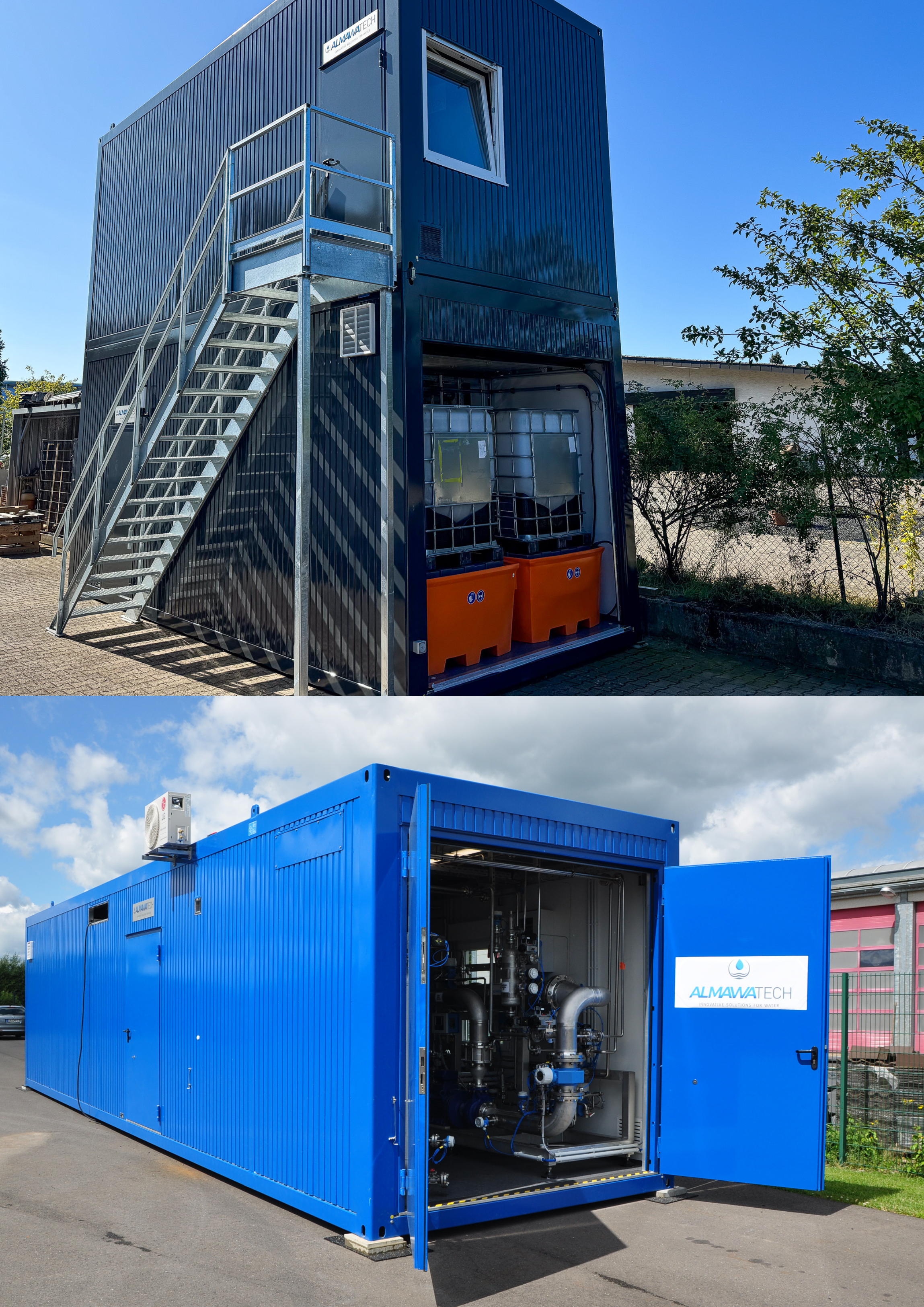
The ALMA module serves as a custom-designed equipment room for various industrial water and wastewater treatment processes. The choice of equipment depends on the raw water or wastewater, throughput, required effluent parameters, and available installation space.
CP Systems in Containers
Chemical-physical systems for neutralization, precipitation, and flocculation, as well as for the removal of heavy metals, solids, and other contaminants.
Container-Based Flotation Plants
DAF flotation systems for the removal of suspended solids, fats, oils, and particulate organic contaminants from industrial wastewater.
Container-Based Neutralization Systems
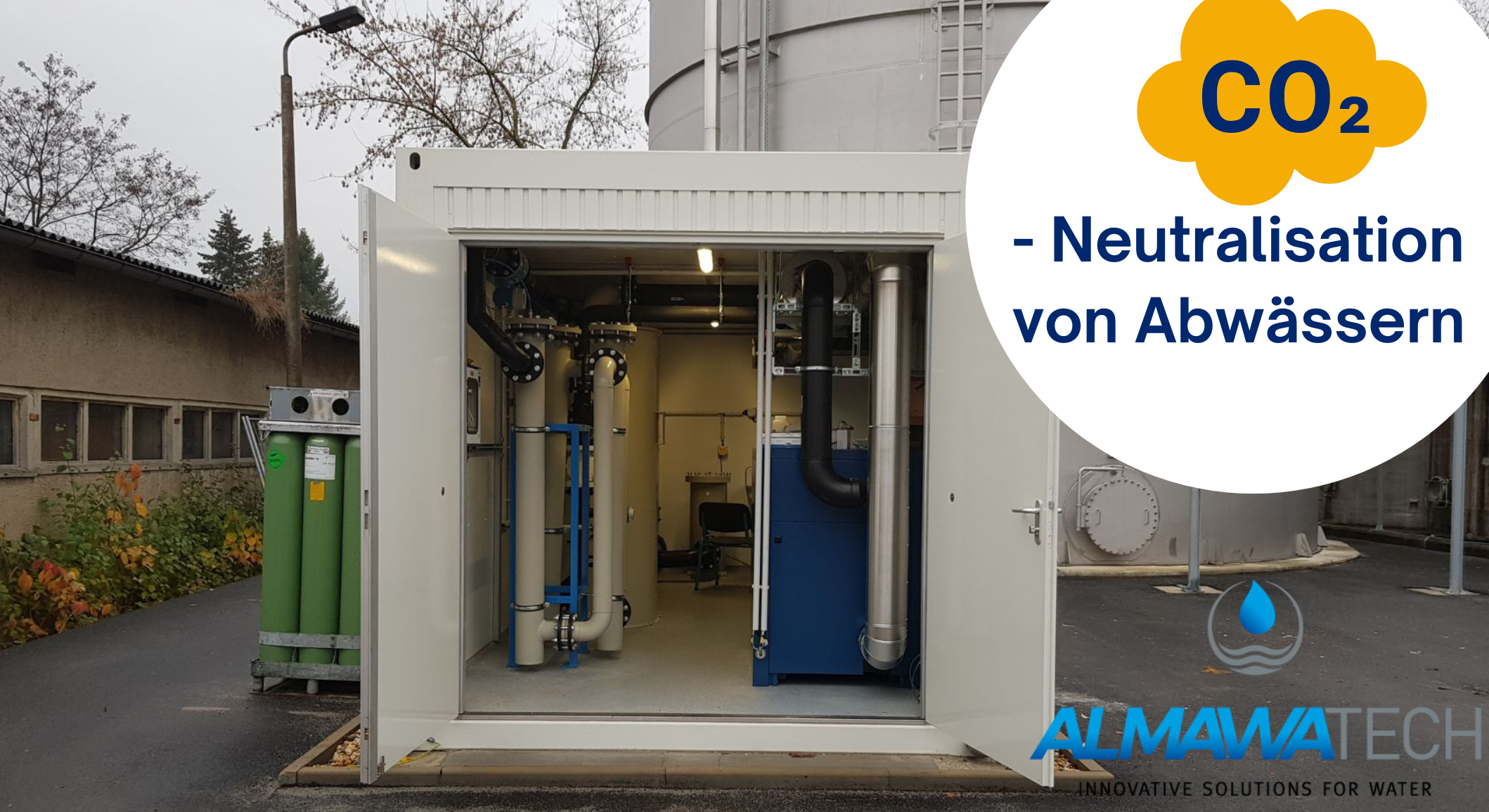
Automatic neutralization systems for acidic or alkaline industrial wastewater with integrated dosing, measurement, and control technology.
Biological Container-Based Wastewater Treatment Plants
Aerobic biological treatment systems for industrial wastewater containing organic contaminants, such as MBBR, biofilm, or similar biological systems.
Reverse Osmosis Systems in Containers
Fully integrated reverse osmosis systems for desalination, process water treatment, or water reuse in industrial applications.
Ultrafiltration and Membrane Filtration
Membrane systems for the separation of solids, colloids, and other impurities, or as a pretreatment for a downstream reverse osmosis system.
Container-Based Filtration Systems
Sand filters, activated carbon filters, ion exchangers, and other filtration stages can be integrated individually or as part of a multi-stage water treatment system.
Container-based wastewater treatment plant or container-based water treatment plant—what's the difference?
A container-based wastewater treatment plant treats wastewater, while a container-based water treatment plant treats raw, process, or pretreated water to achieve a desired water quality. The modular container design can be used for both applications.
| Task | Typical Container Facility |
|---|---|
| Neutralizing Industrial Wastewater | Neutralization system |
| Remove Heavy Metals | CP system |
| Separate Fats, Oils, and Solids | Flotation plant |
| Reduce Organic COD Load | Biological Container-Based Wastewater Treatment Plant |
| Desalinate water | Reverse osmosis system |
| Treating Water for Reuse | UF/RO Water Reuse Plant |
| Remove Particles and Turbidity | Filtration System |
| Treating Multiple Contaminants | Multi-stage container system |
A containerized system is a type of structure, not a single water treatment process. The processes installed in one or more technical service containers depend on the specific water- or wastewater application and the required effluent quality.
Submit Water Analysis
Maksim Neubauer
Head of International Project Development
Advantages of a Container-Style Water Treatment Plant
Containerized systems combine industrial water and wastewater treatment with a high degree of prefabrication, a compact design, and minimal on-site construction work.
High Degree of Prefabrication
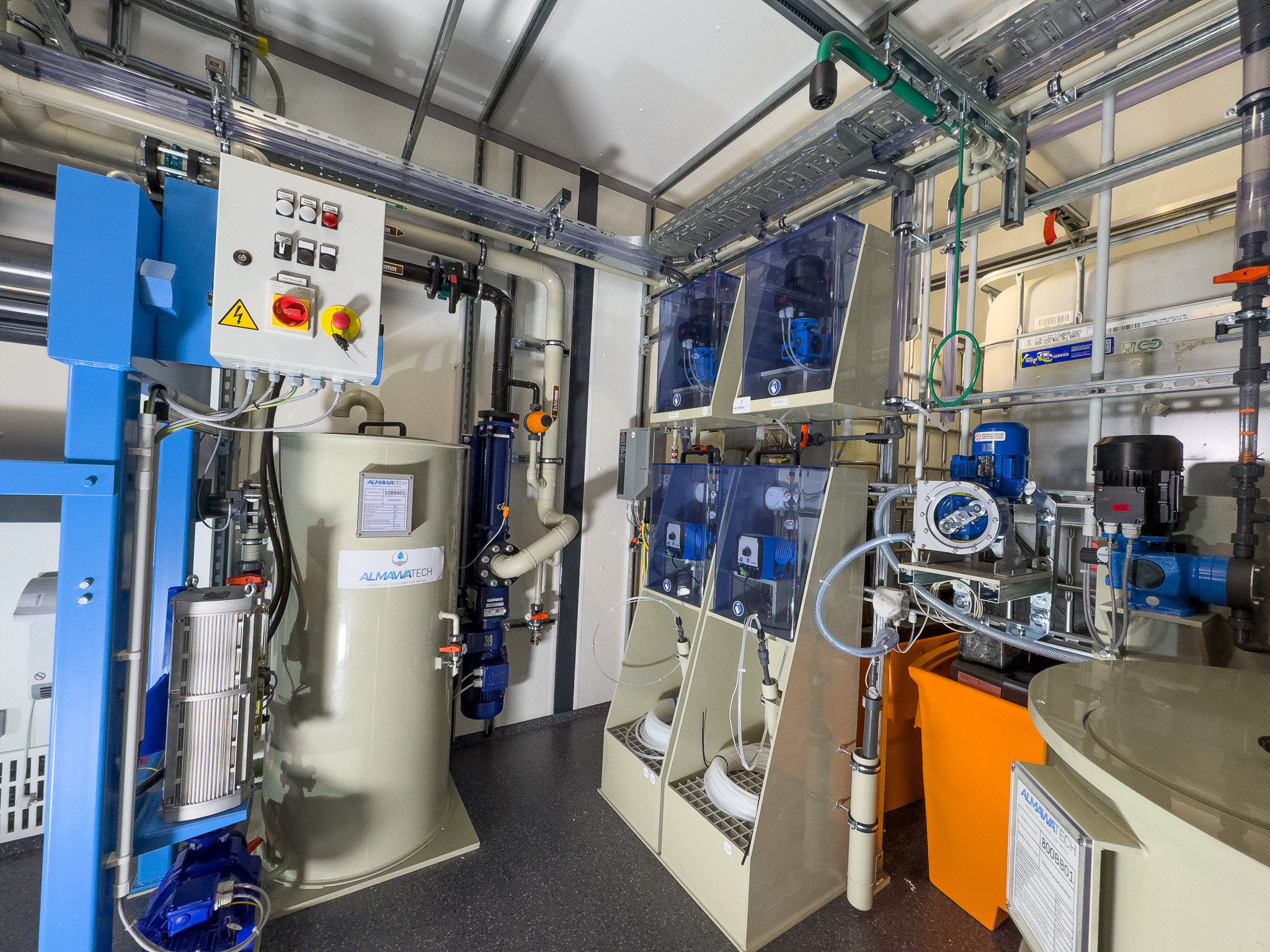
Pumps, tanks, piping, valves, measurement technology, and automation systems can be assembled, piped, wired, and tested at the factory.
Short on-site installation time
On-site, the work focuses primarily on installation, utility connections, electrical hookups, and subsequent commissioning.
Low space requirement
Through targeted three-dimensional facility planning, extensive water and wastewater treatment systems can be integrated into a relatively small area.
Modular and expandable
If the volume of water or wastewater increases, or if additional treatment steps are required, additional technical modules can be added.
Protected Equipment Room
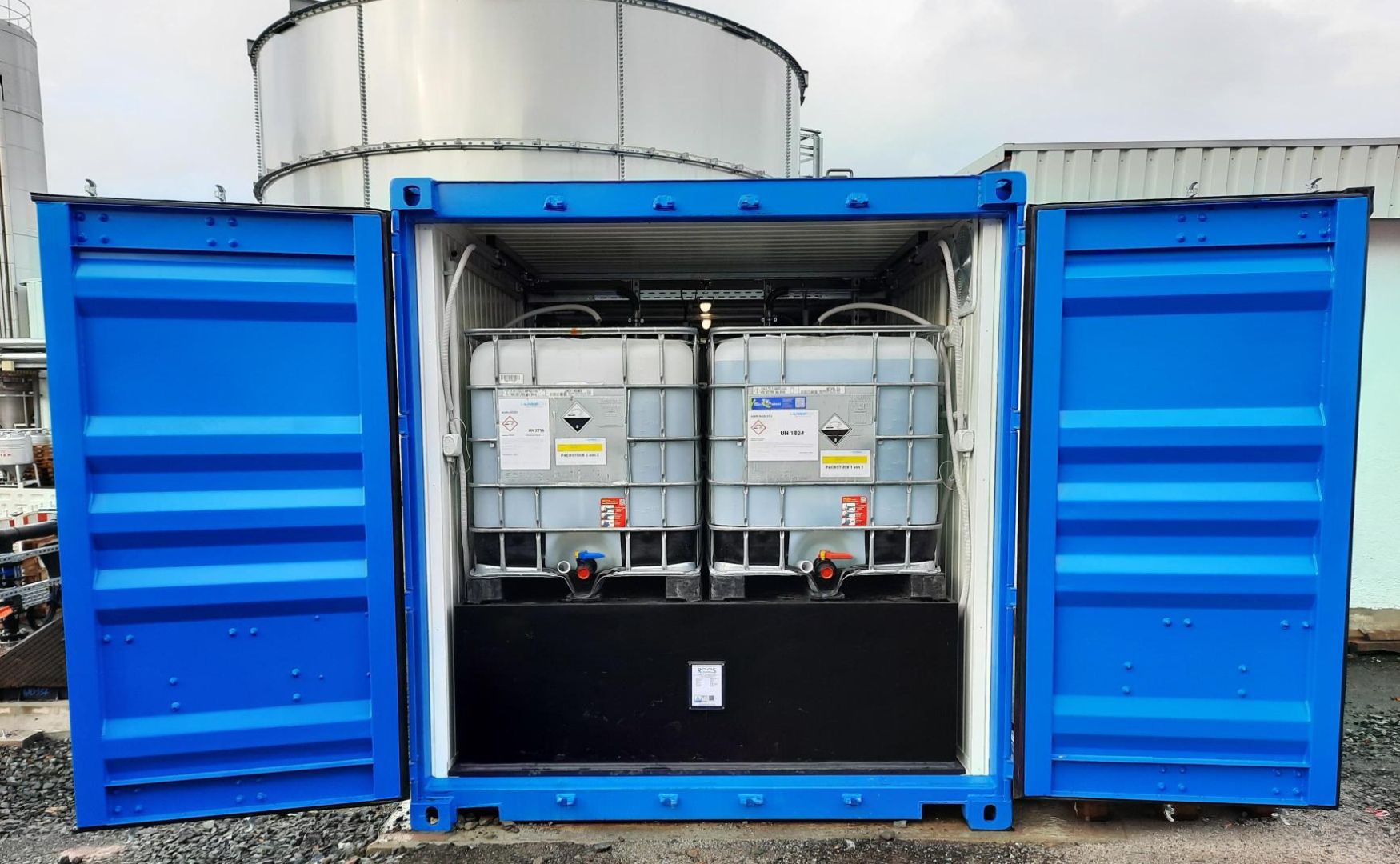
The plant equipment is located in an enclosed, insulated, and weather-protected equipment room to ensure reliable industrial operation.
Flexible Setup
Container facilities can be set up next to production buildings, in limited spaces, or at locations without an existing utility room.
One container or several modules?
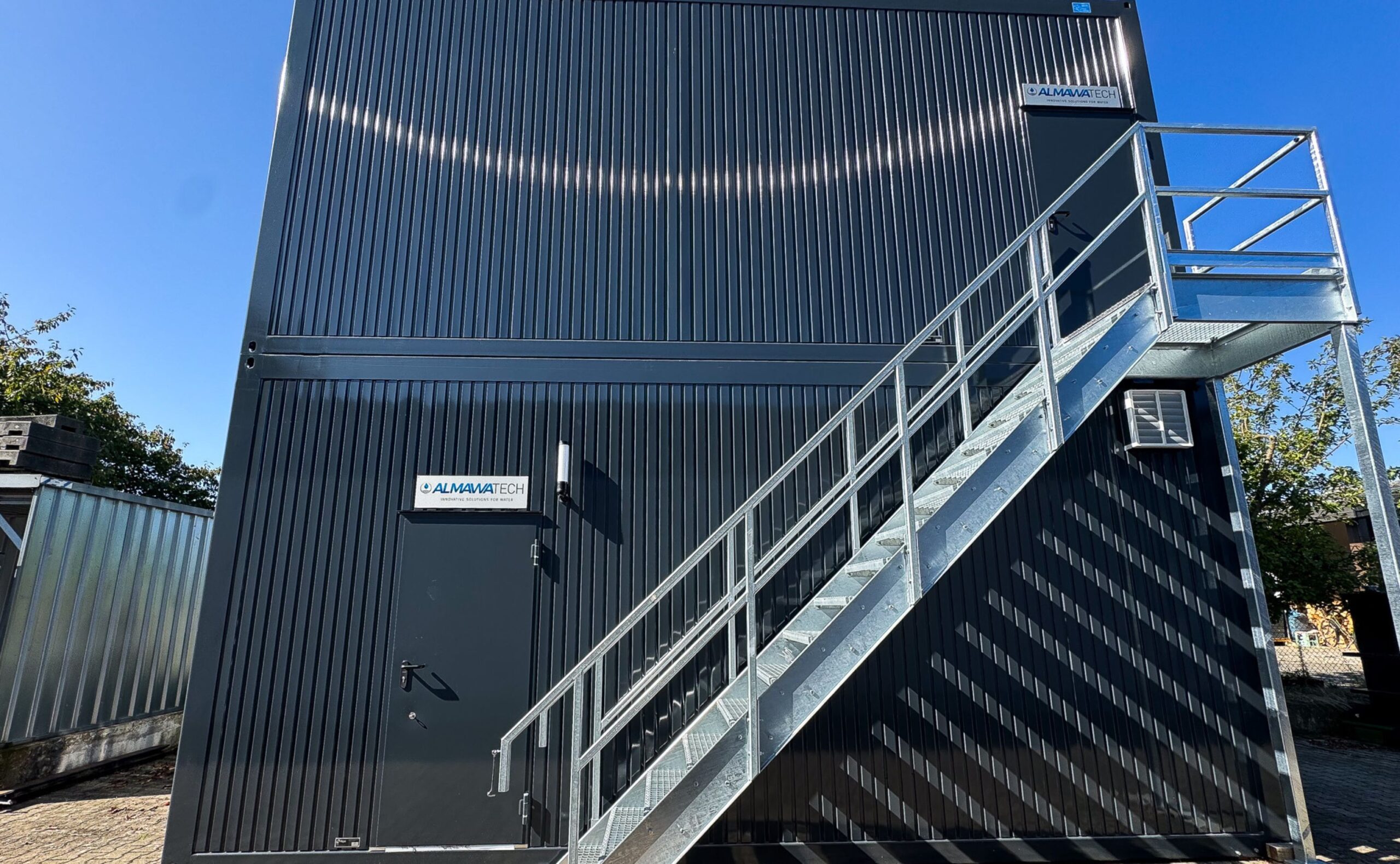
Not every water or wastewater treatment system needs to fit entirely into a single container. For more complex treatment processes, the process technology can be distributed across several interconnected ALMA modules.
The modules are combined according to the specific treatment task. A system can therefore consist of just one technical room container or of several interconnected container systems.
When is a container-based wastewater treatment plant particularly useful?
Containerized systems are particularly well-suited when industrial water or wastewater treatment needs to be implemented or expanded quickly, in a compact manner, and with as little construction work as possible.
Container-Based Wastewater Treatment Plants for Industrial Applications
ALMAWATECH develops containerized systems for a variety of industrial water and wastewater applications. The specific processes used depend on the industry, water chemistry, contaminant load, and desired effluent quality.
Food and beverage industry
Flotation, biological treatment, filtration, and water reuse for production wastewater containing organic contaminants.
Metal processing & electroplating
Neutralization, precipitation, flocculation, heavy metal removal, and further filtration.
Recycling & Waste Disposal
Multistage chemical-physical treatment of complex industrial wastewater.
Chemical & Pharmaceutical Industry
Customized treatment chains consisting of neutralization, CP treatment, filtration, and membrane technology.
Energy & Process Industry
Water treatment, reverse osmosis, and water reuse systems for specific industrial process water qualities.
What information do we need for the design?
To perform the initial design of a container-based wastewater treatment plant or container-based water treatment plant, we need some basic process and site data. This allows us to reliably plan the process, plant size, and number of containers required in the initial planning phase.
This information helps us with the initial design
- Average and Maximum Flow Rate
- Existing Water or Wastewater Analysis
- Desired effluent or product water quality
- Facility Operating Hours
- Daily and Seasonal Fluctuations in Load
- Available installation space
- Available Media Connections
- Ambient temperatures at the plant site
- Existing pre- or post-treatment stages
Based on your water analysis, the flow rate, and the desired effluent quality, we develop a suitable treatment process and determine how the entire system can be implemented in one or more ALMA modules. .
References for Container-Based Water and Wastewater Treatment Plants

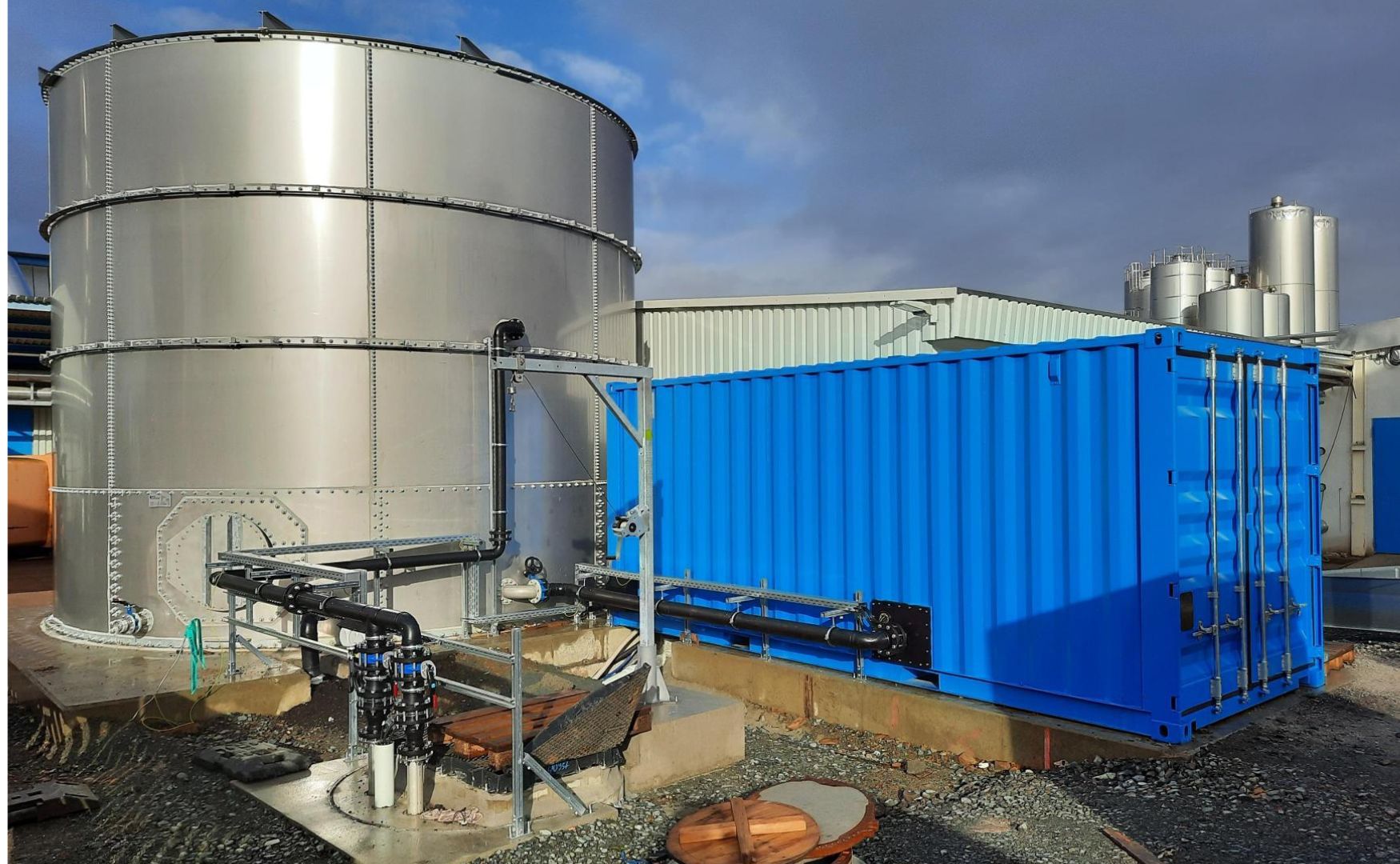
Vogtlandmilch GmbH, Germany
A grease trap with a neutralization system (ALMA Neutra) installed in the ALMA module.
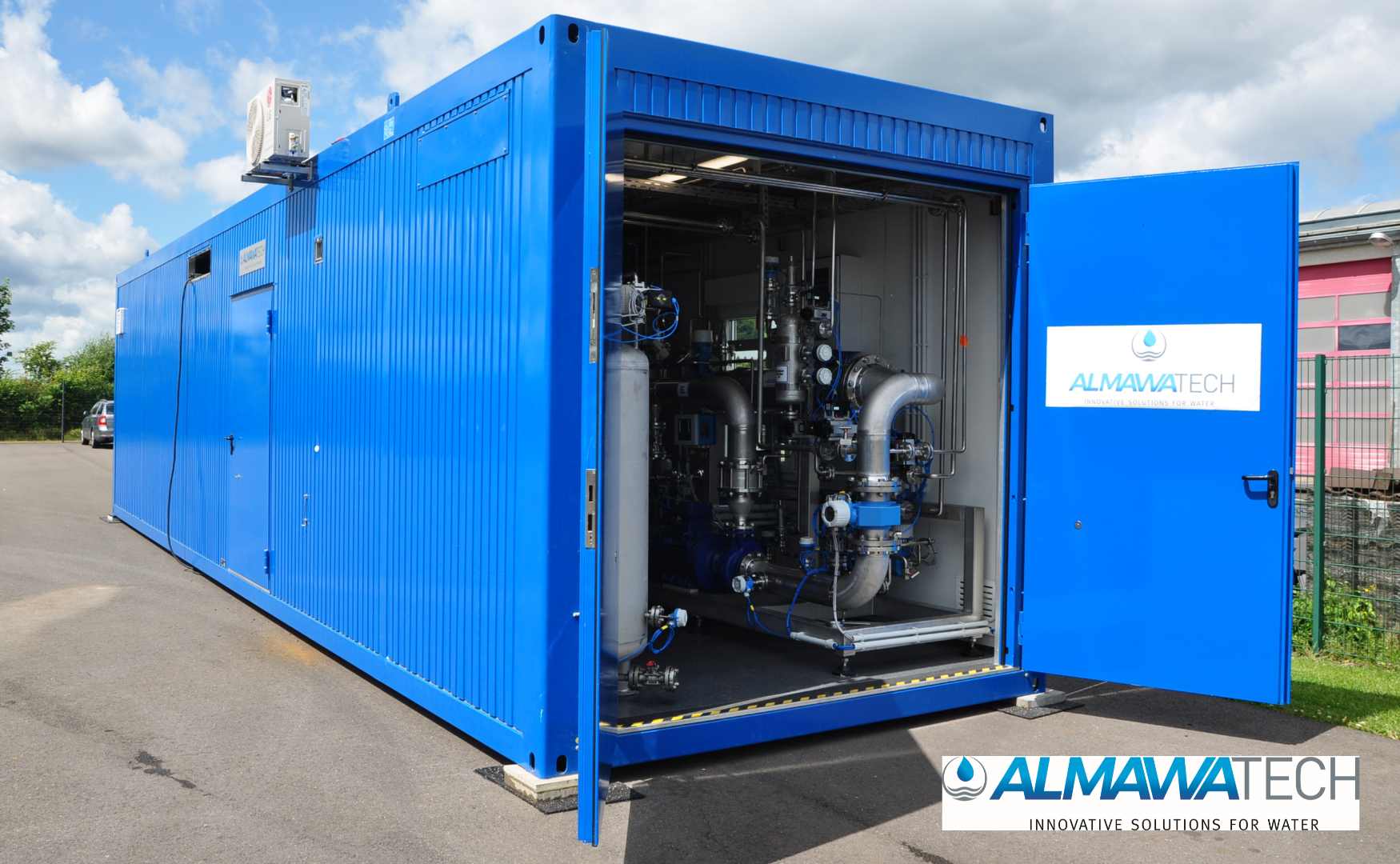
Manufacturer of functional materials, Germany
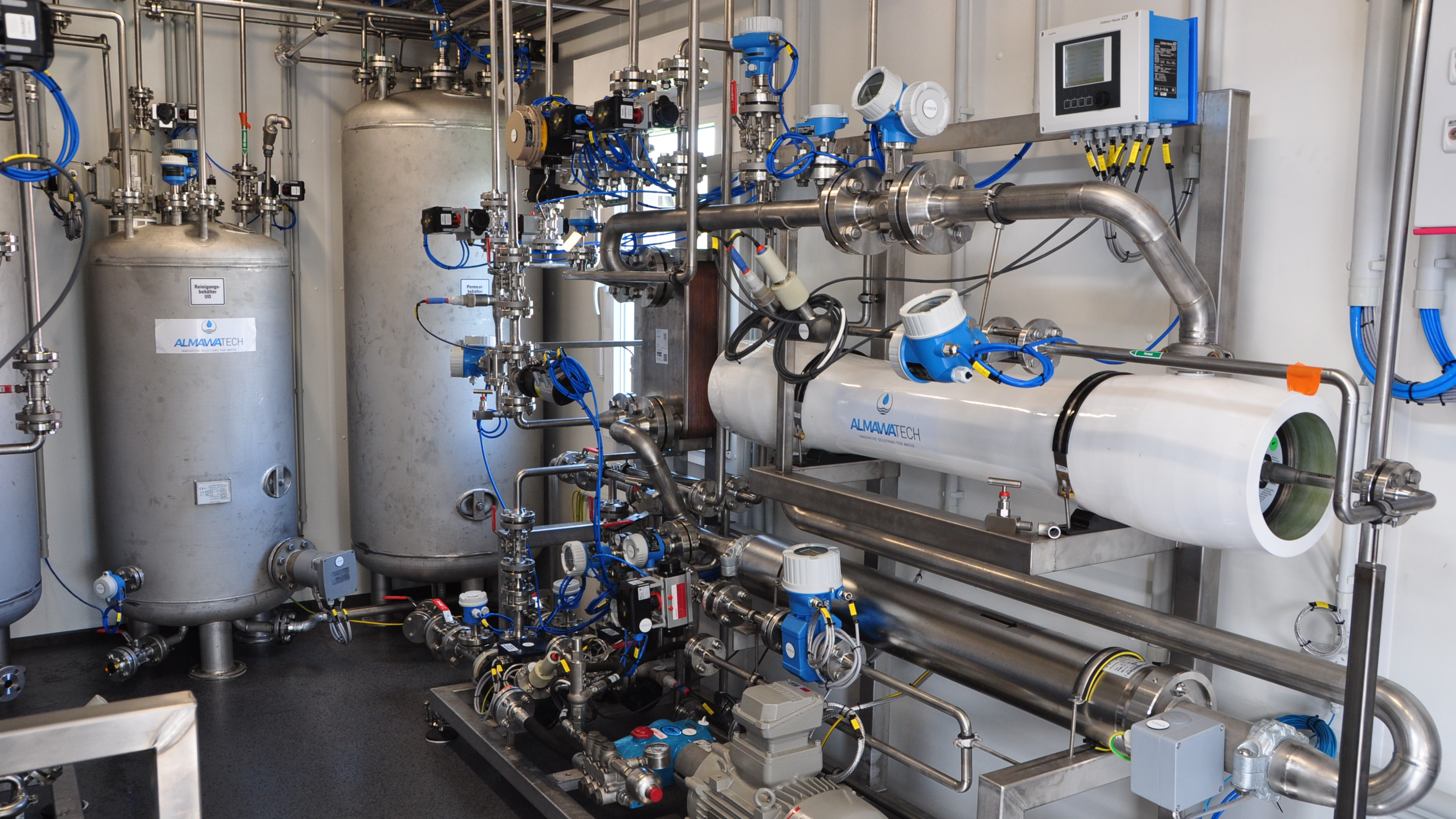
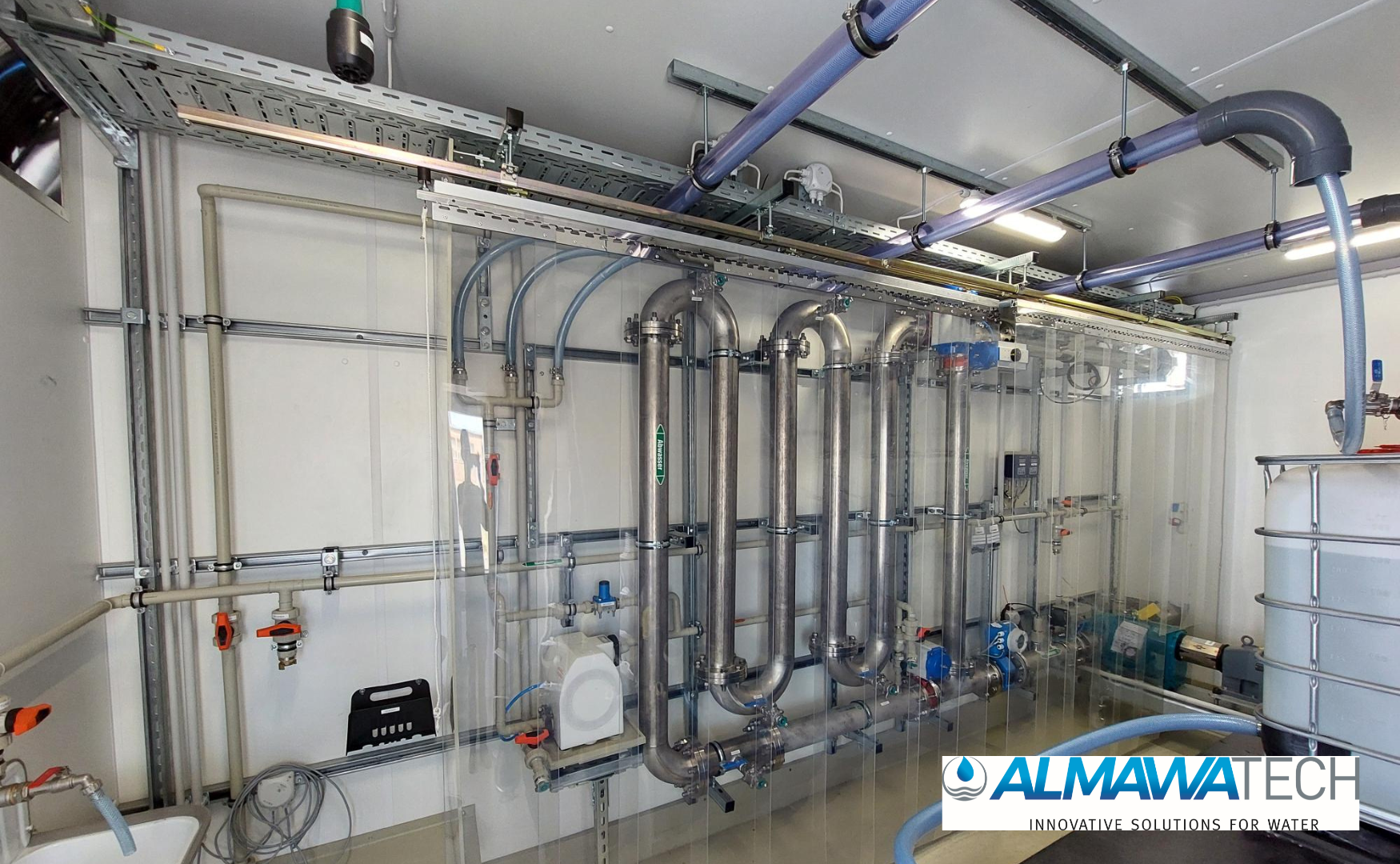
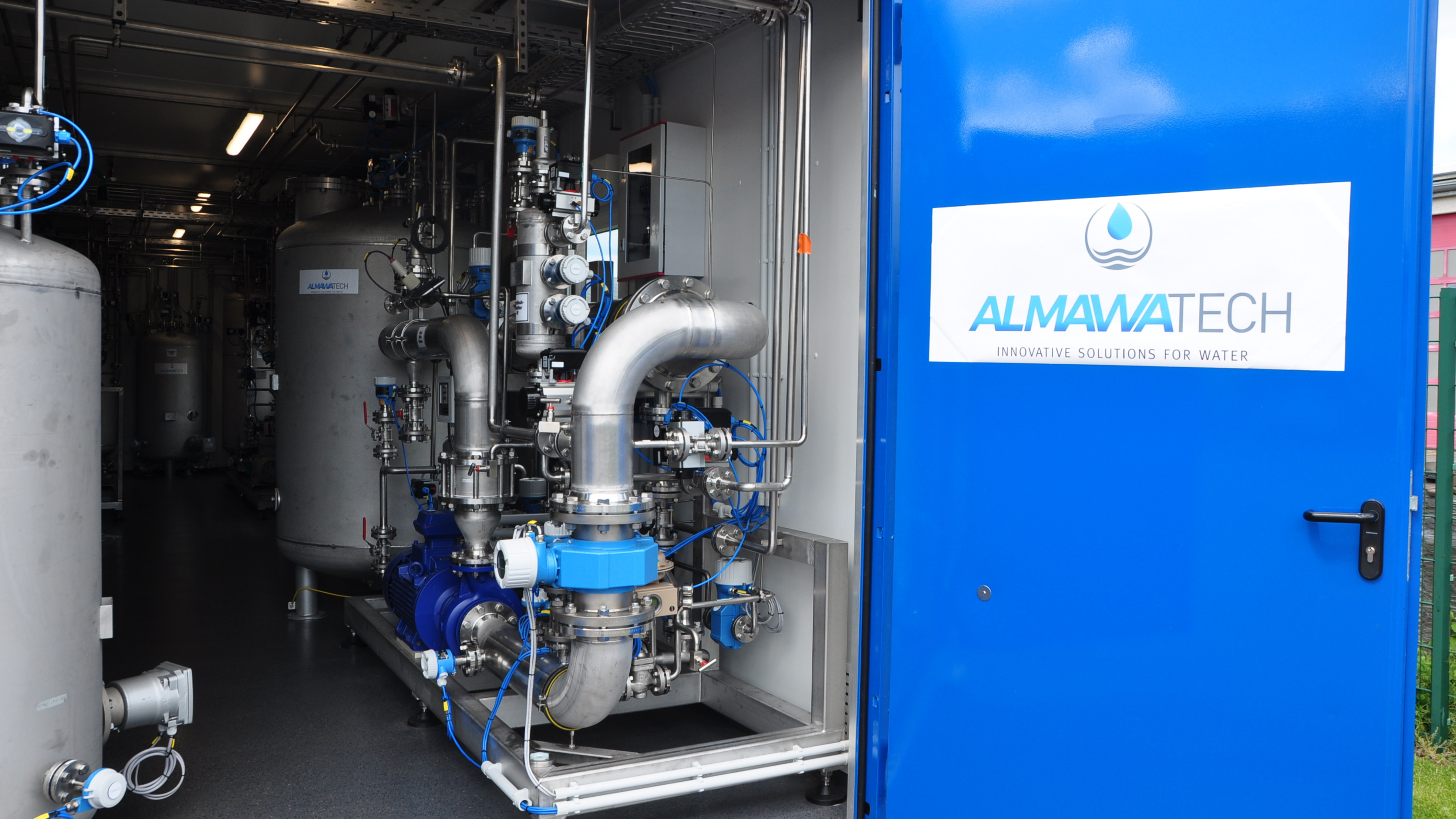
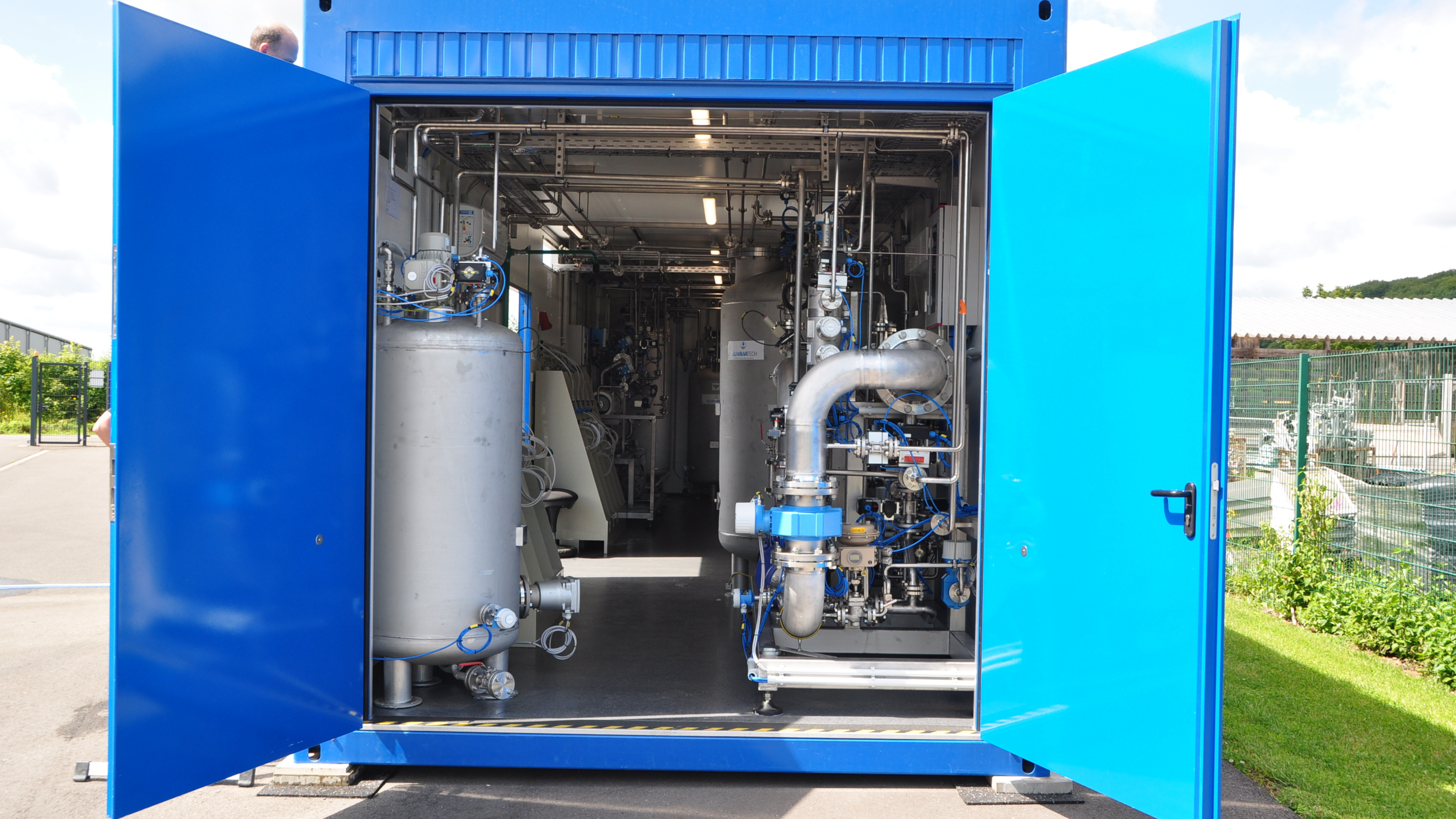
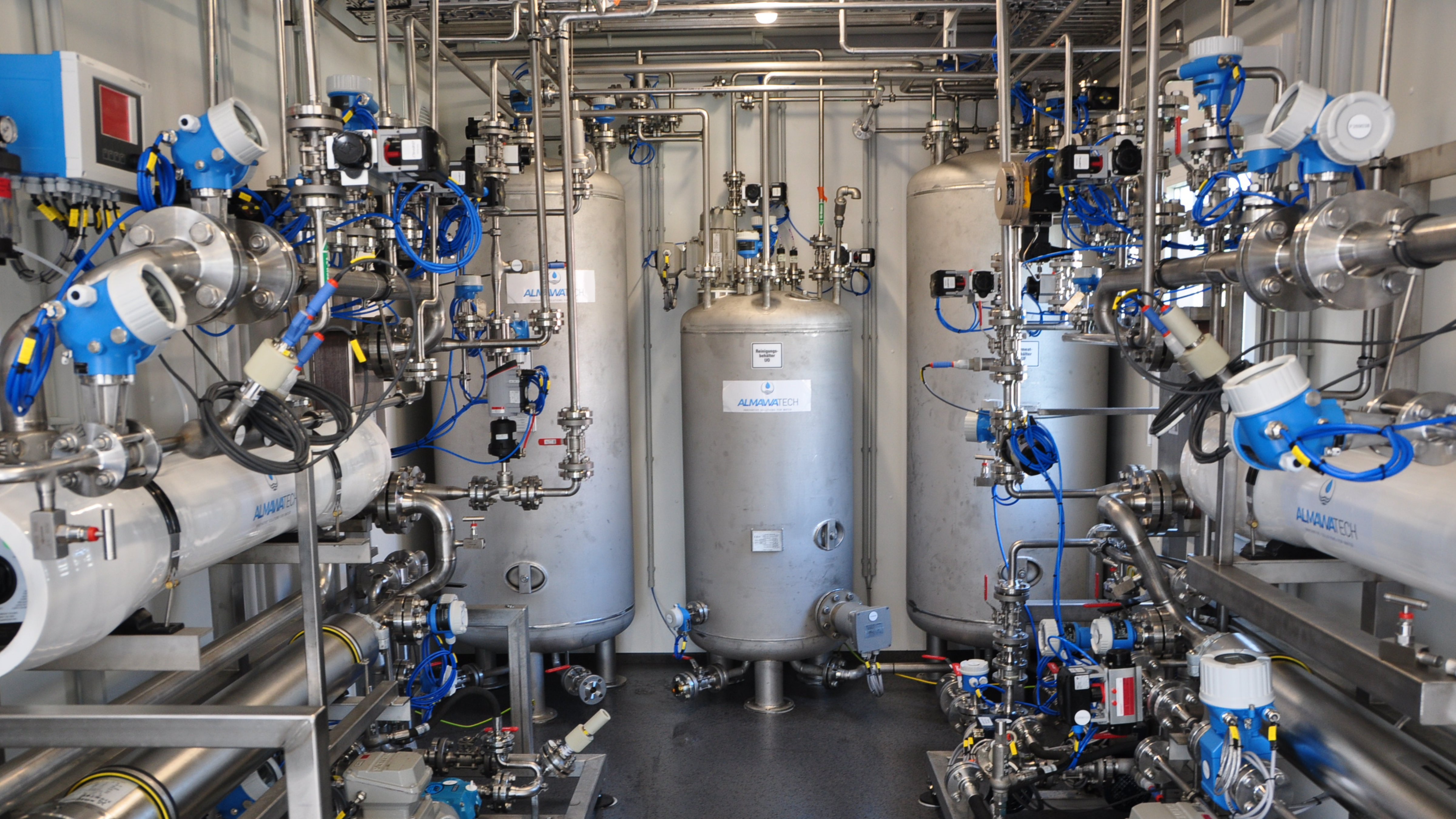
Multi-stage membrane system with ultrafiltration and reverse osmosis, constructed of stainless steel.
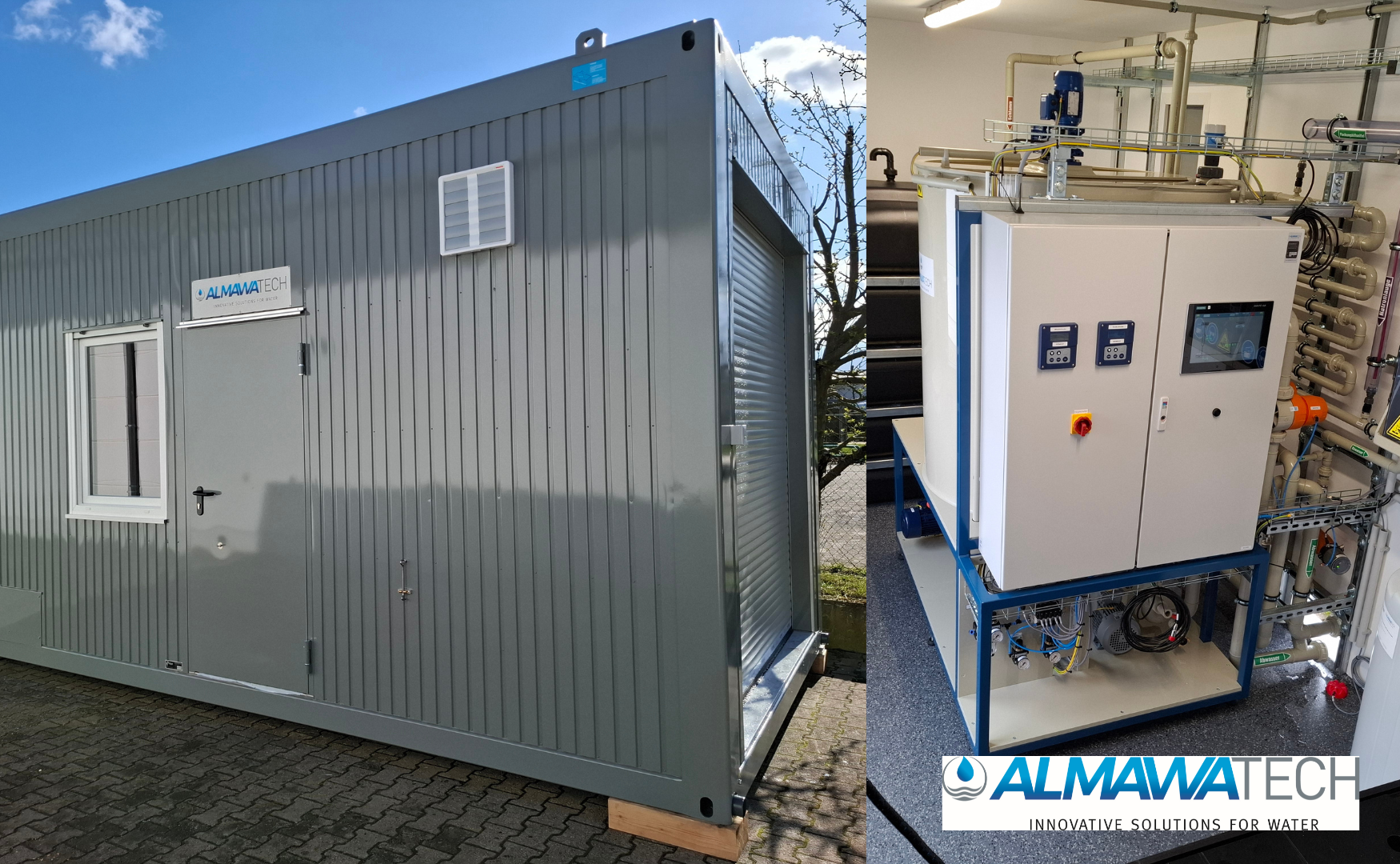
Original Sacher Torten Manufaktur, LLC
ALMAWATECH built a compact, turnkey flotation plant using the ALMA module for the long-established company Sacher.
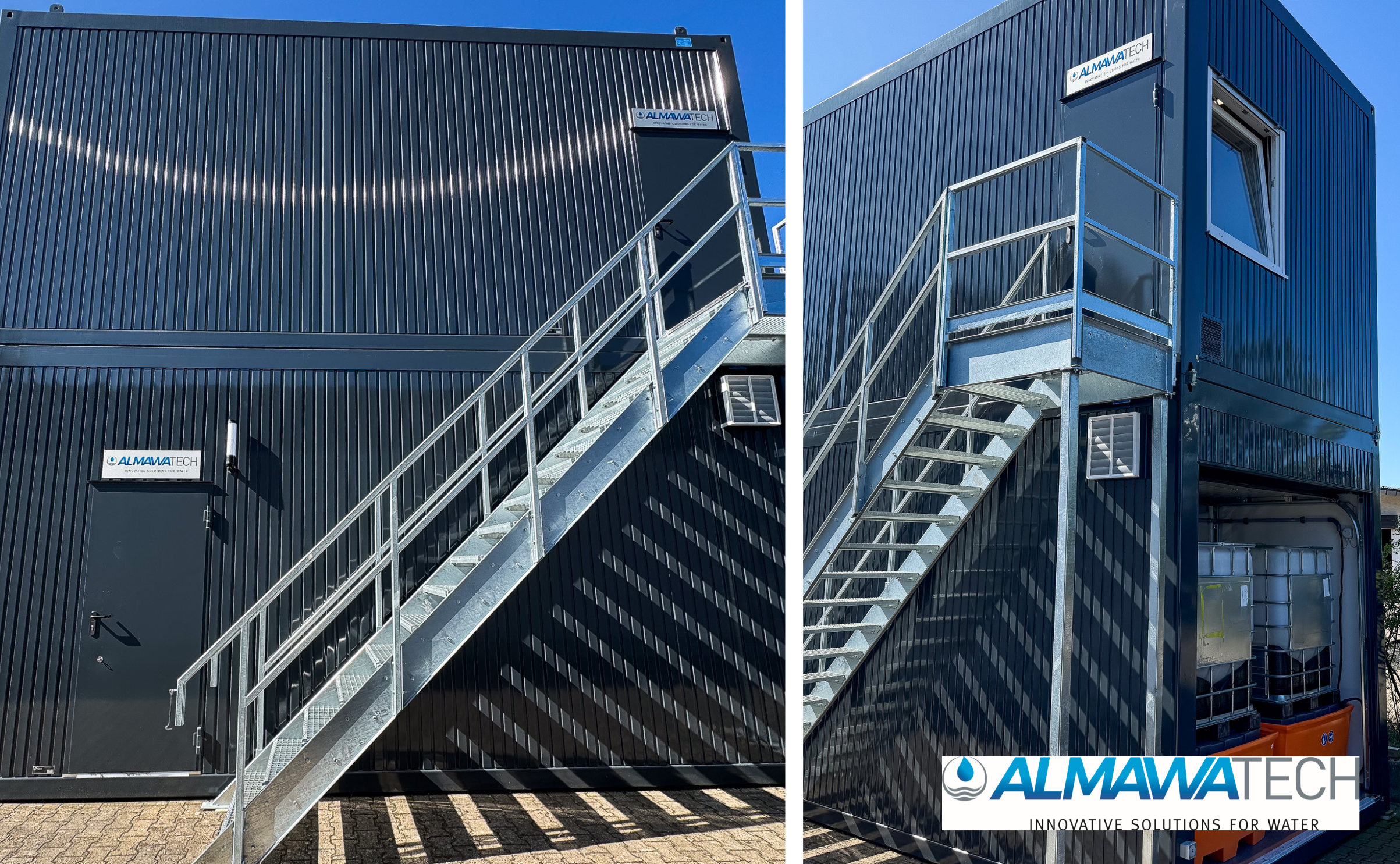
Möller Medical, Fulda, Germany
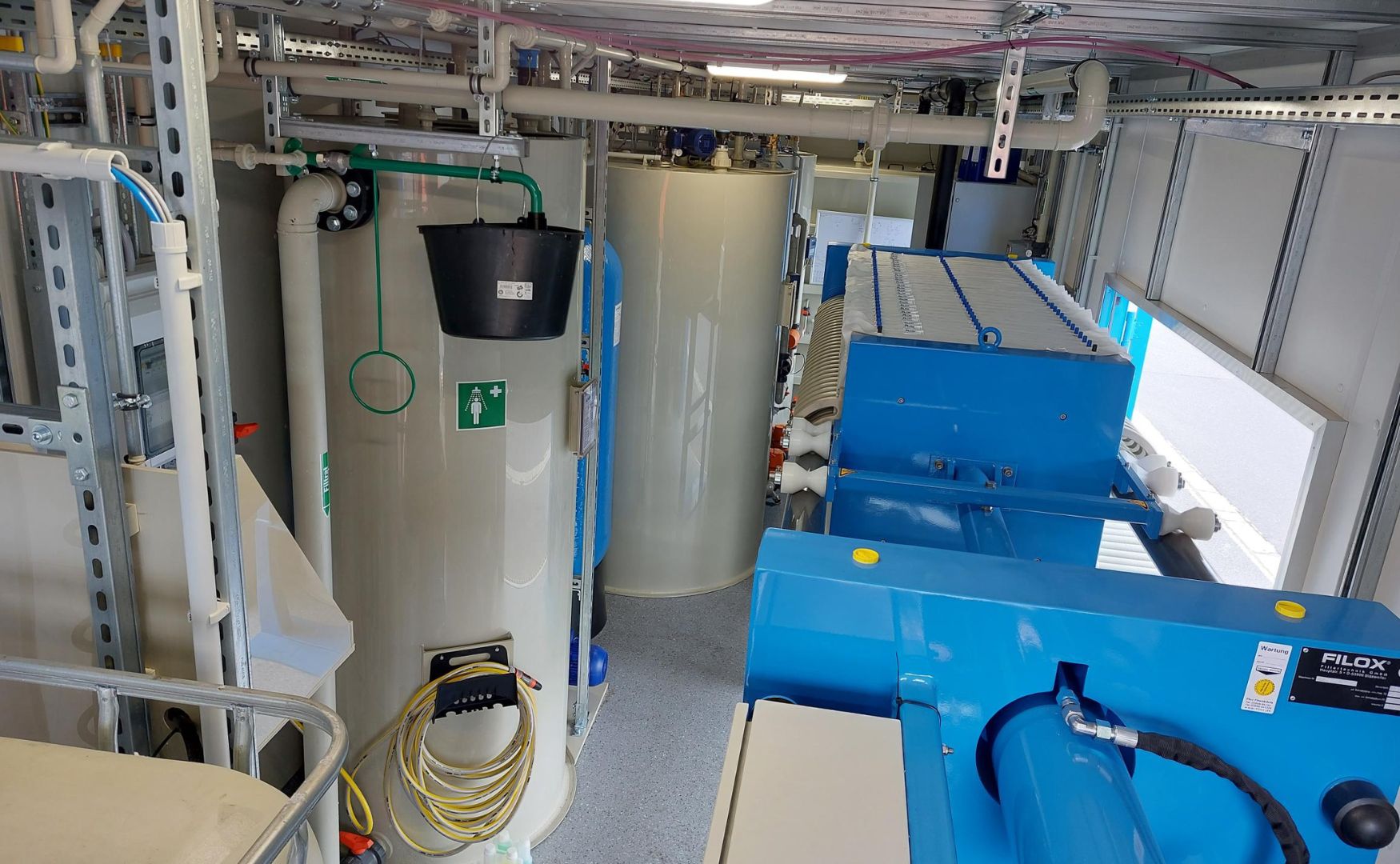
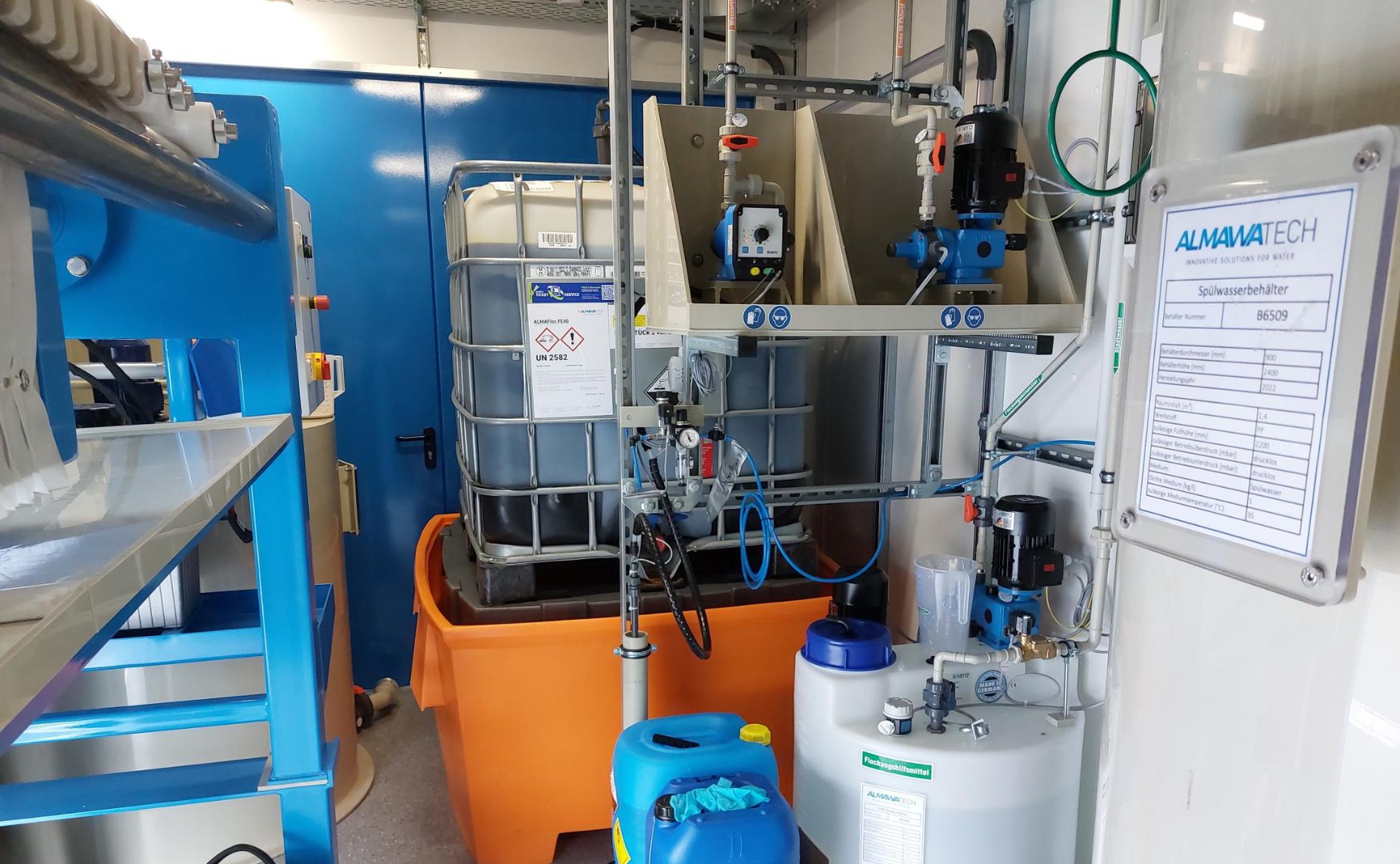
Heavy-metal precipitation plant with neutralization and sludge dewatering for 12 m³/d (CP plant)
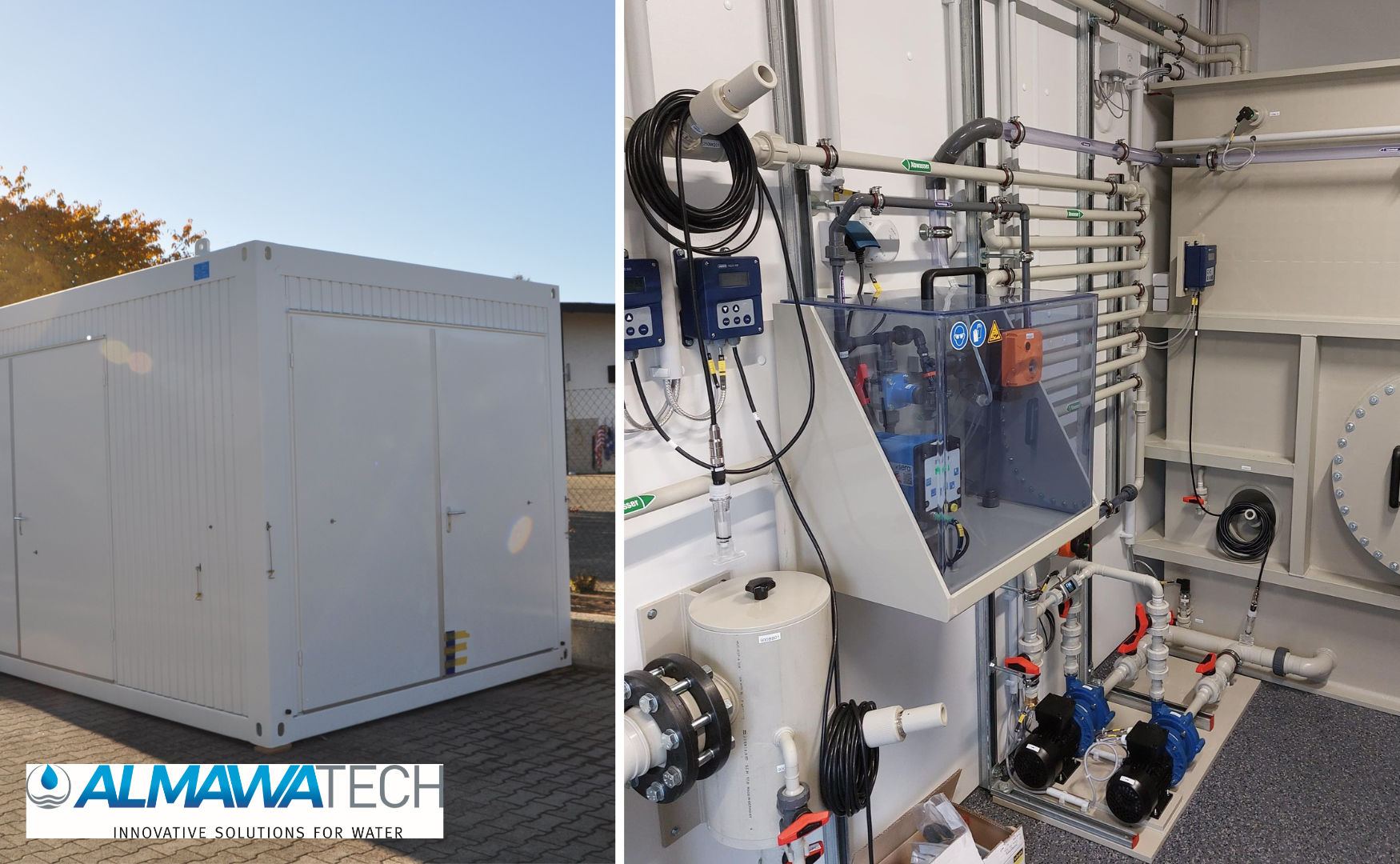
Tobacco Factory, Luxembourg ALMA Neutra
Compact container-style neutralization plant for treating 30 m³/day of acidic wastewater.
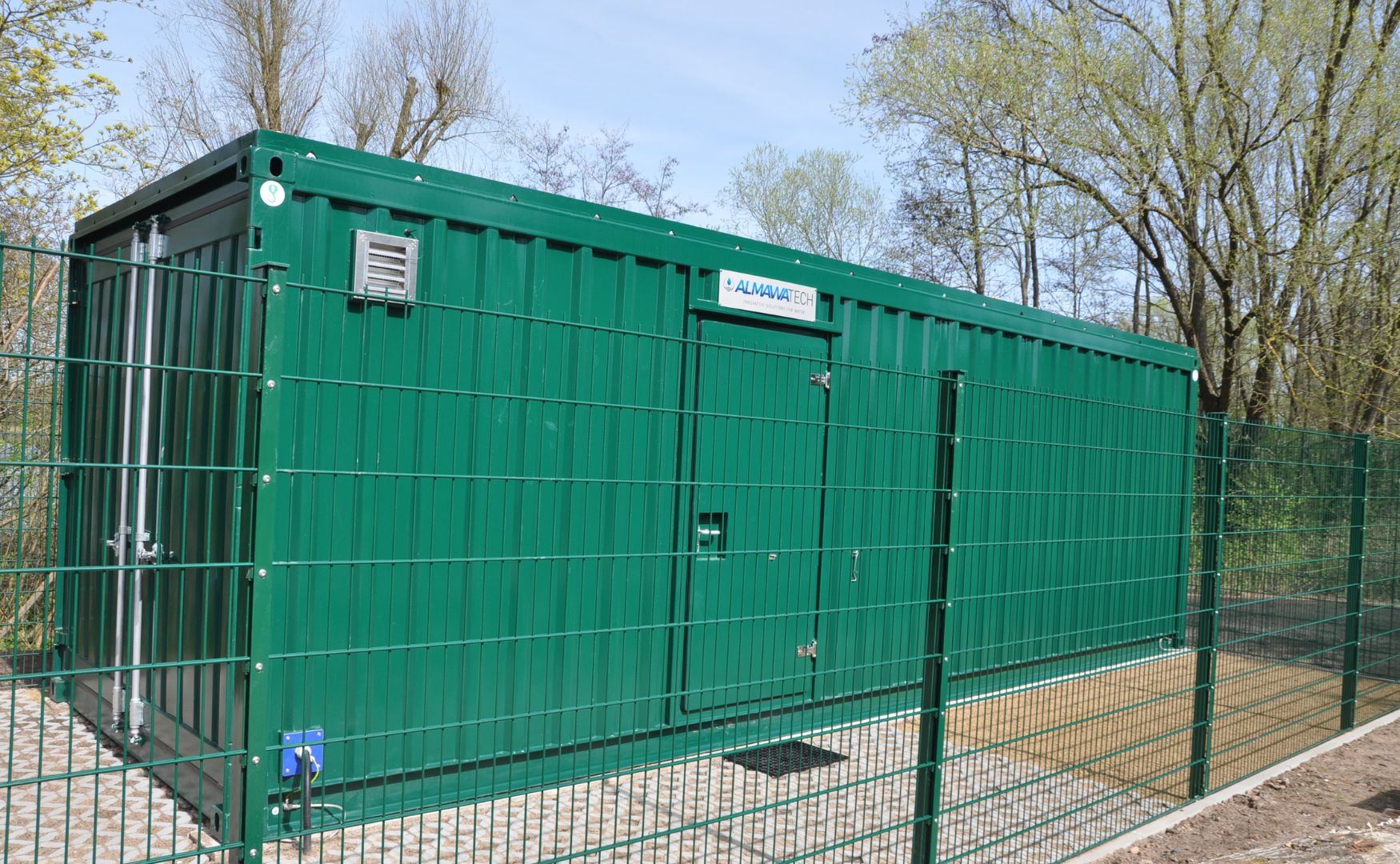
Schultheis Pond, Offenbach
Container-based flotation plant (ALMA NeoDAF HDED) for the efficient removal of phosphates from the ...
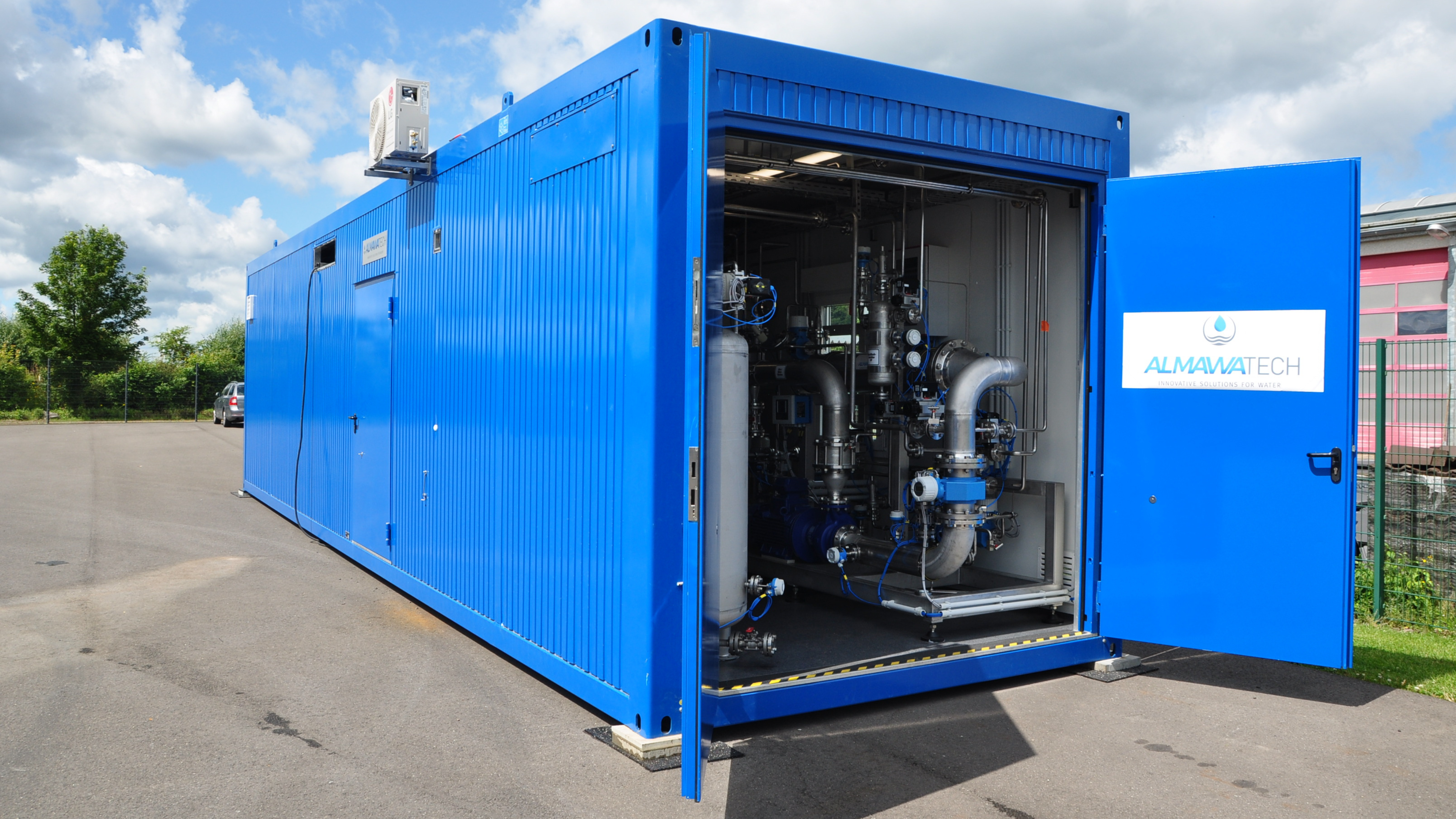
ALMAWATECH – Turnkey Water and Wastewater Treatment Systems in Containers
This is how a custom container system is created
1. Analyze water or wastewater
2. Select Process Engineering
3. Design the container and layout
4. Fully equip the facility
5. Pre-assembly and Testing
6. Installation and Commissioning
Technical documentation and data sheets for container-based wastewater treatment systems
Photos of container-based water treatment plants
FAQ - Container-Based Wastewater Treatment Systems and Water Treatment in Containers
For which companies is a container-based wastewater treatment plant particularly worthwhile?
A containerized wastewater treatment plant is particularly appealing to industrial companies that need a compact, pre-assembled, and quickly integrable wastewater treatment solution. Typical applications include production sites with limited space, a lack of utility rooms, new production lines, decentralized wastewater streams, or a desire to expand existing systems in a modular fashion.
Is a container-based wastewater treatment plant also suitable for consistently high volumes of wastewater?
Yes. Containerized treatment systems are not inherently limited to small volumes of wastewater. Higher hydraulic capacities can be achieved using appropriately sized equipment or multiple interconnected modules. The key factors are the chosen process, the required tank volumes, the space requirements of the components, and the desired level of redundancy.
How customizable is a container-based water treatment plant?
Highly customizable. A containerized treatment system is not designed as a rigid, off-the-shelf product, but is tailored to water quality, flow rate, target parameters, space constraints, and operational requirements. The container size, number of modules, level of automation, interfaces, and the combination of various treatment processes can also be customized for each specific project.
How quickly can a container facility be installed at the site?
Thanks to the high degree of prefabrication, on-site installation work can be significantly reduced. Many components are already assembled, piped, wired, and tested at the factory. On-site, the work essentially consists of installation, utility connections, electrical integration, functional testing, and commissioning. The exact duration depends on the scope of the system and the on-site conditions.
Can a container-based wastewater treatment plant be expanded later on?
Yes. A key advantage of modular containerized treatment plants is their scalability. If the volume of wastewater increases or additional treatment steps are required, more modules or process stages can be added. This allows the plant to scale up in line with production capacity, discharge requirements, or new water reuse goals.
Can containerized systems also be integrated into existing wastewater treatment plants?
Yes. Containerized systems are ideal for retrofitting existing water and wastewater treatment facilities. For example, they can provide additional neutralization, flotation, filtration, biological treatment, or membrane technology without the need to construct an entirely new utility building.
Are container-based water treatment systems suitable for year-round outdoor operation?
Yes, provided the utility room is designed accordingly. Depending on the location, insulation, heating, ventilation, frost protection, or air conditioning can be provided. This ensures that the water and wastewater systems can operate safely and reliably even under demanding environmental conditions.
Can a container terminal be operated fully automatically?
Yes. Containerized wastewater treatment plants and water treatment plants can be equipped with their own measurement, control, and regulation technology, as well as a control cabinet and user interface. Additionally, integration with existing process control systems is possible. Digital monitoring allows for the centralized tracking of operating conditions, trends, and alarms.
Is a container-based facility more cost-effective than a permanent facility building?
That depends on the project. Advantages often stem from the high degree of prefabrication, reduced on-site construction work, short installation times, and the compact design. A container solution can be more cost-effective than a completely new facility building, particularly when there is no technical space available, for expansion projects, or when the construction area is limited.
Can ALMAWATECH supply a complete, turnkey container-based wastewater treatment plant?
Yes. ALMAWATECH can support the container solution from process design through plant and container layout, mechanical and electrical equipment, and automation, all the way through to commissioning. Depending on the project, individual treatment stages or complete multi-stage water and wastewater treatment plants can be implemented as a modular, turnkey solution.
Our Container-Based Wastewater and Process Water Treatment Systems


ALMA CHEM MCW Modular
A CP plant constructed using a modular container design, featuring final filtration and sludge dewatering.
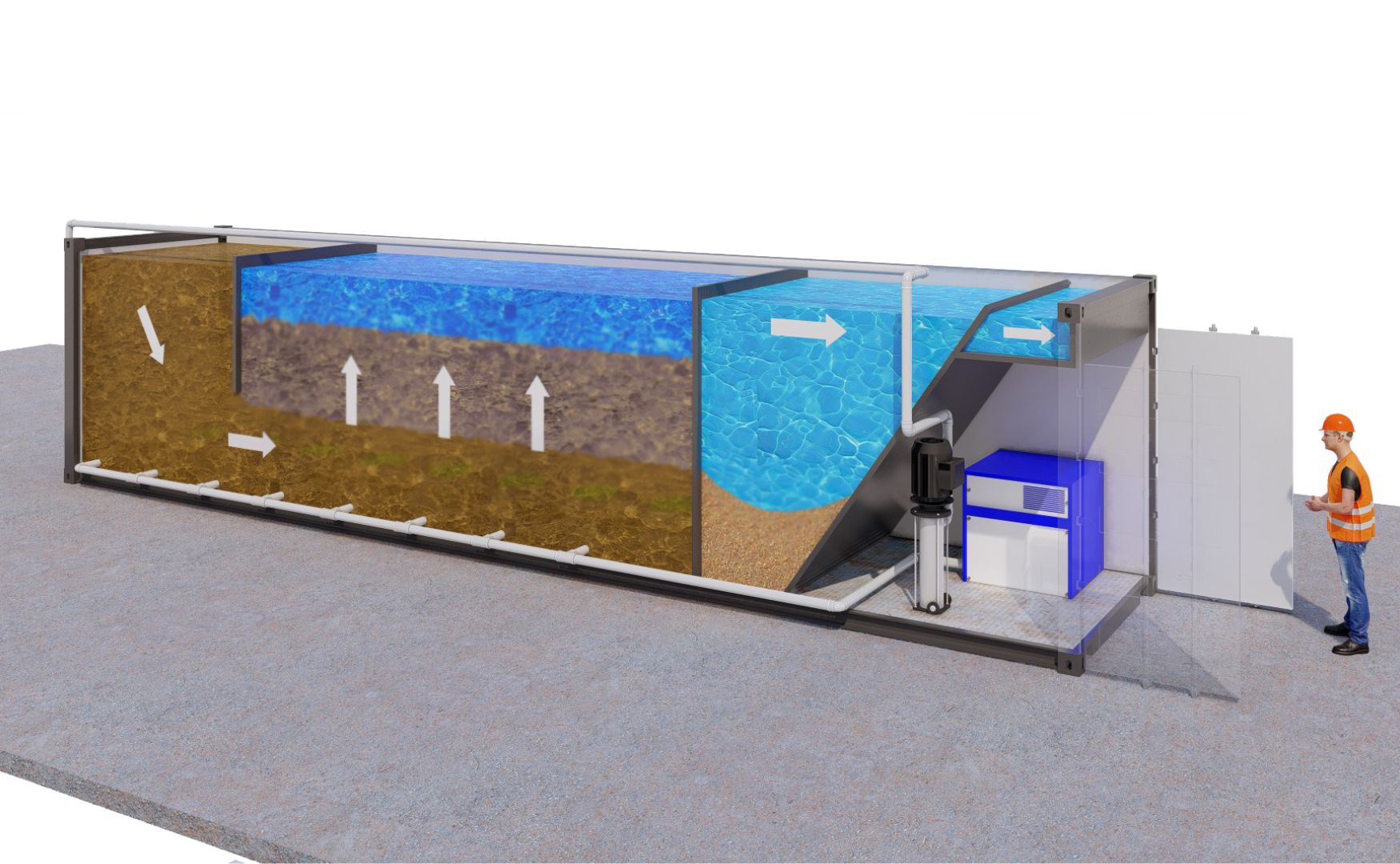
ALMA BIO Compact MBBR
Biological treatment to reduce the organic load, also possible with nitrogen and phosphate elimination.
Have a container-based wastewater treatment plant designed for your wastewater
Maksim Neubauer
Head of International Project Development