


River water treatment plants
Your experts for river water treatment - directly accessible
Maksim Neubauer
Head of International Project Development & Water Reuse
Siegfried Hirschmann
Senior Expert, Process and Fresh Water
References River water treatment plants

Paper mill, Poland, ALMA BHU LHPS
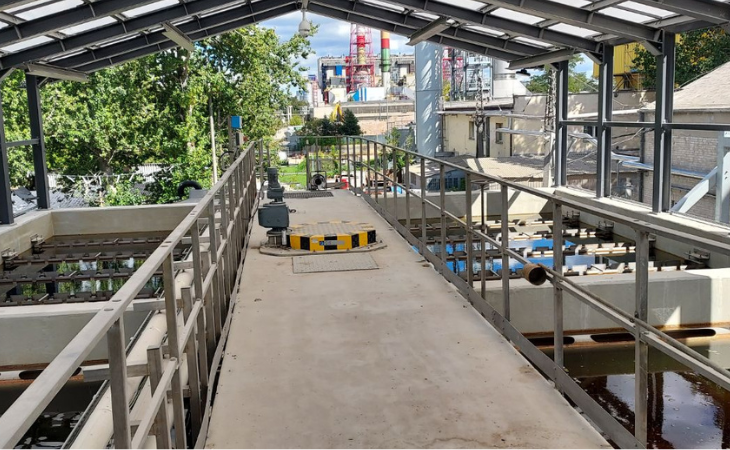
River water treatment plant with a capacity of 800 m³/h for a leading global manufacturer of paper, corrugated board and corrugated cardboard in Poland.
Aquatech, USA, ALMA BHU LHPS
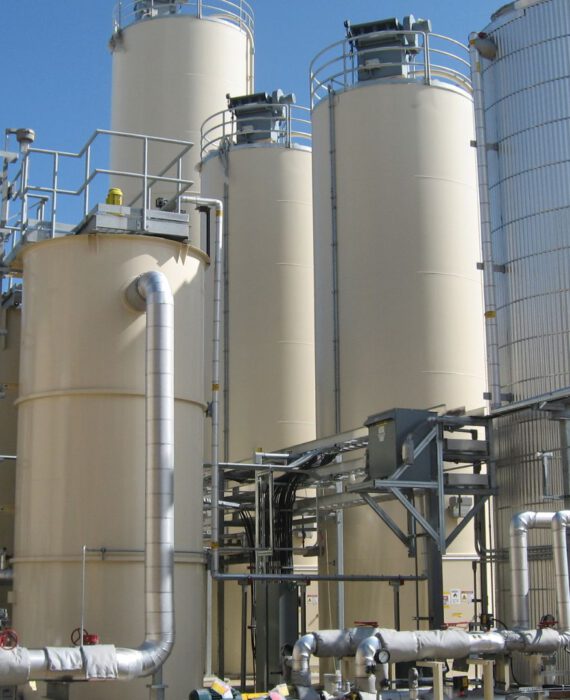
A river water treatment plant for the production of process water, cooling water and boiler feed water with a capacity of 295 m³/h for the company Aquatech in Idaho, USA. In addition, our ALMA BHU LHPS process is used to soften the river water and remove silicates.
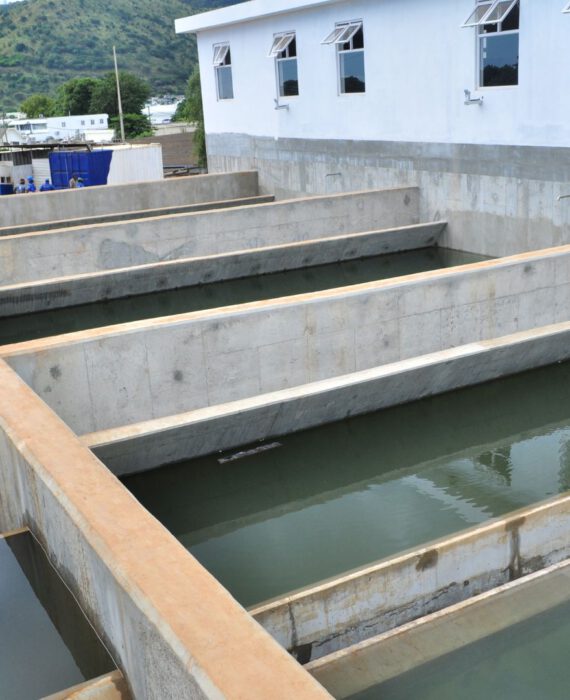
Sotravic Ltée, Mauritius, ALMA BHU LHPS
A drinking water treatment plant for surface water from various sources with a capacity of 3,333 m³/h. Realized with the combination of the ALMA BHU LHPS and the ALMA BHU MMF process for the company Sotravic Ltée on Mauritius.
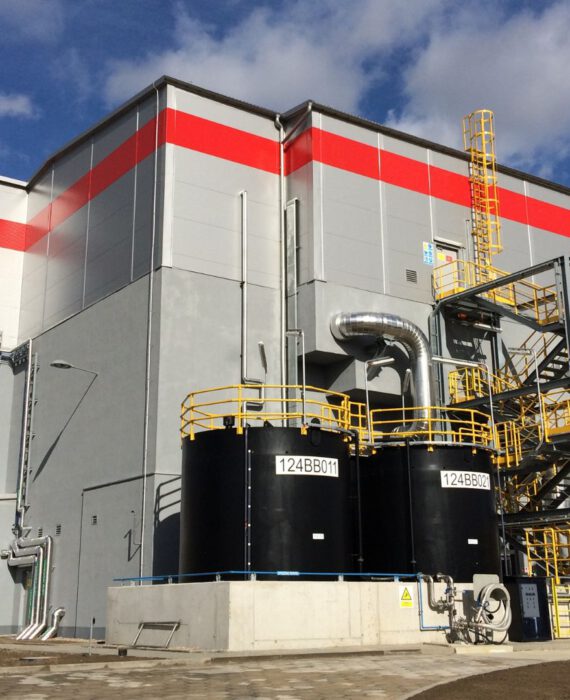
BUDIMEX S.A., Poland, ALMA BHU LHPS
A river water treatment plant with a capacity of 3 x 1,400 m³/h using the ALMA BHU LHPS process for the company BUDIMEX S.A. in Warsaw, Poland.
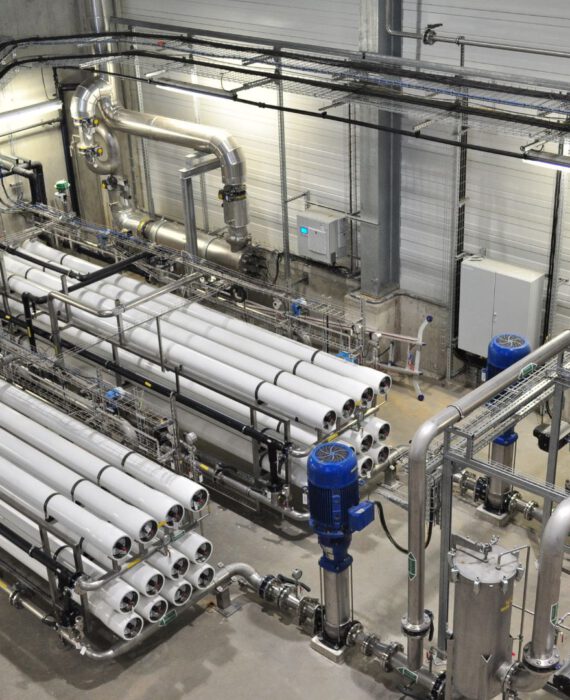
Südzucker Zeitz PWT
A river water treatment plant with a capacity of 220 m³/h using the ALMA BiosS-Treat processfor Südzucker AG at the Zeitz site.
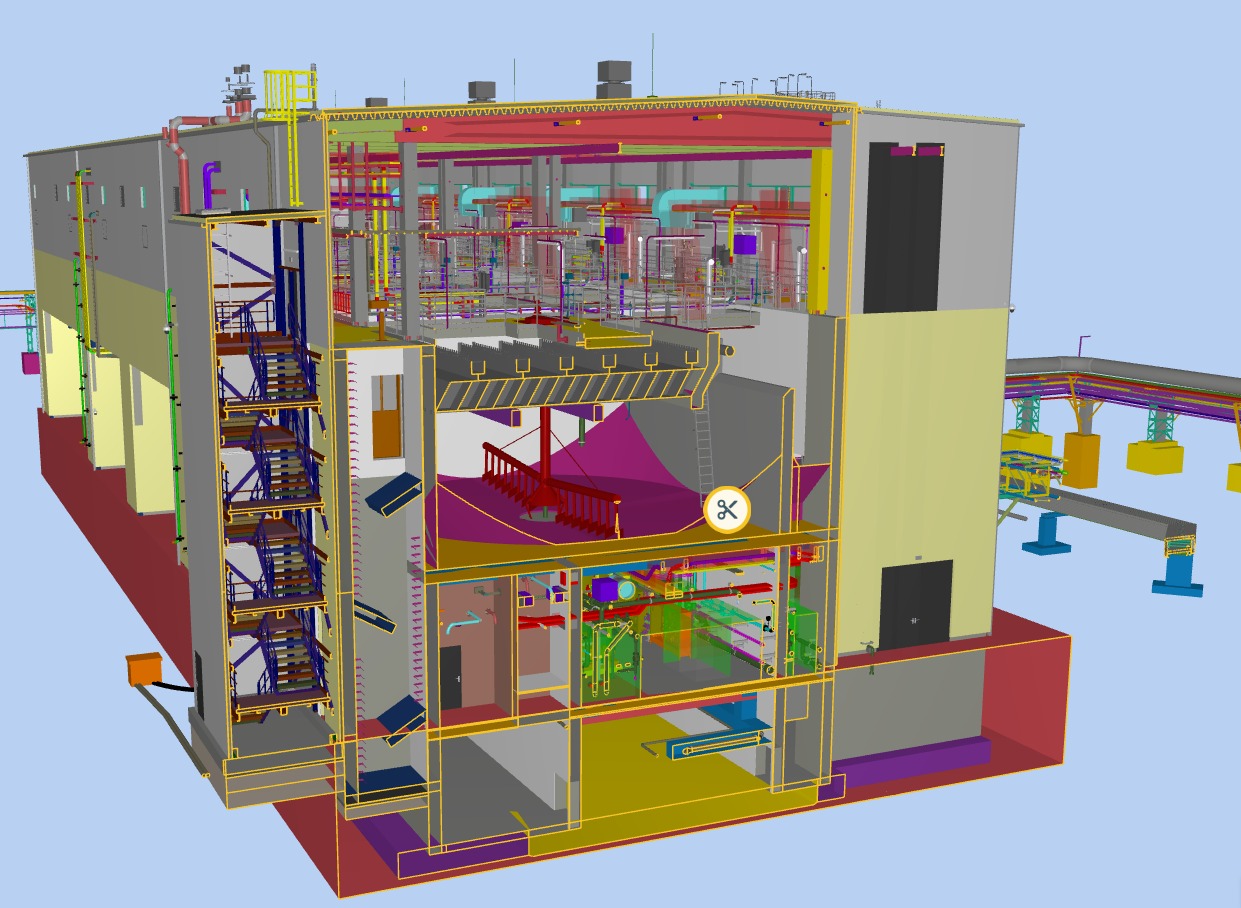
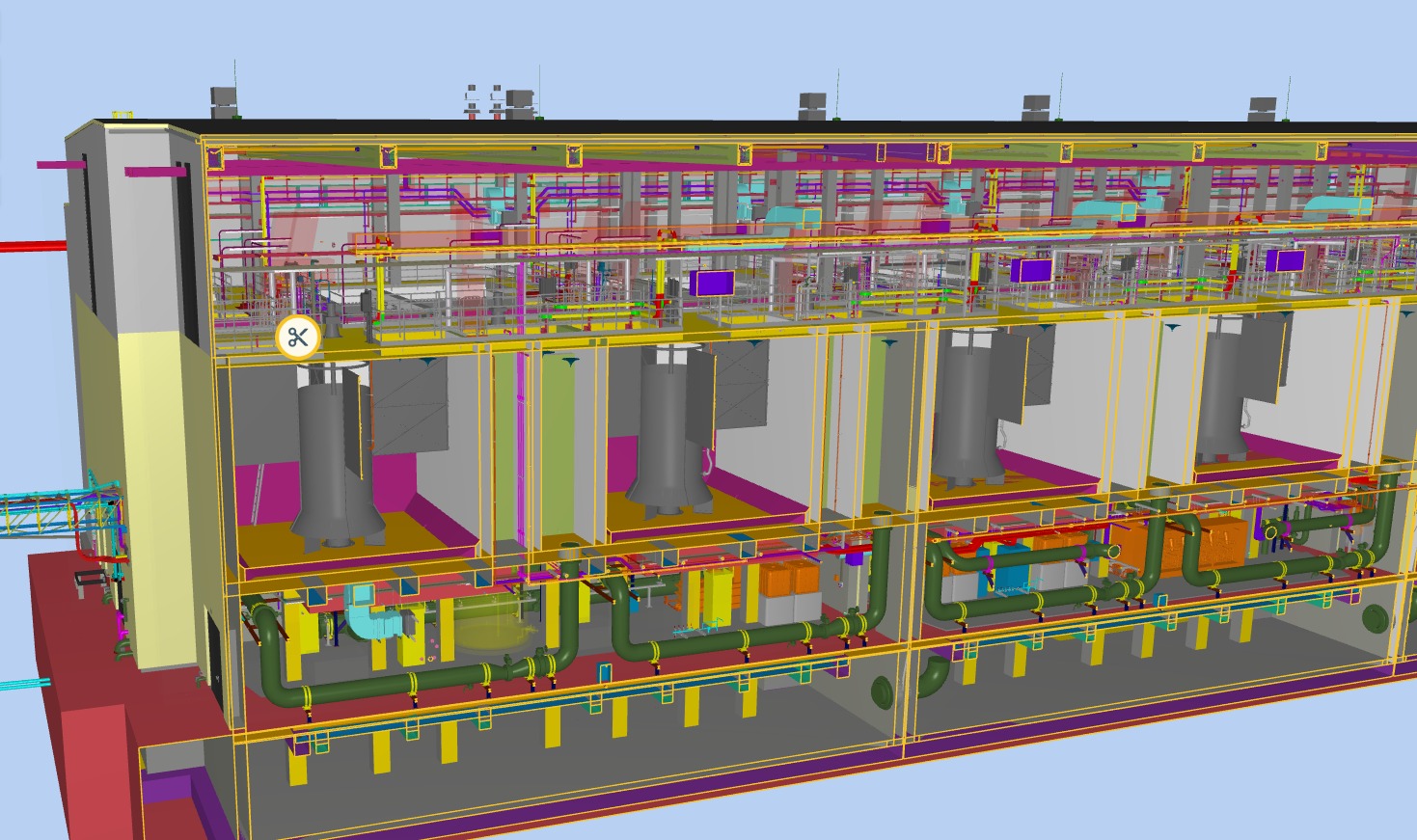
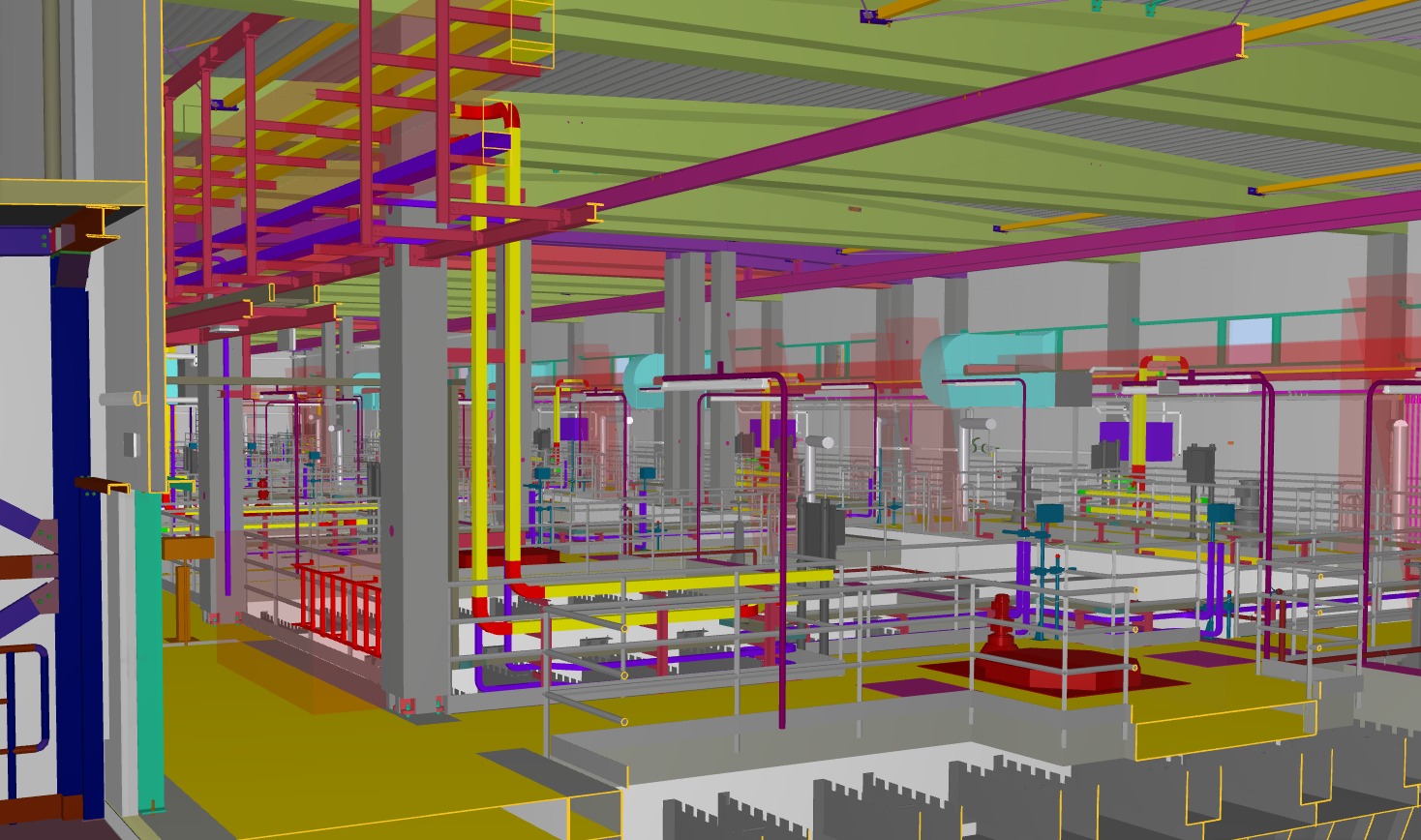
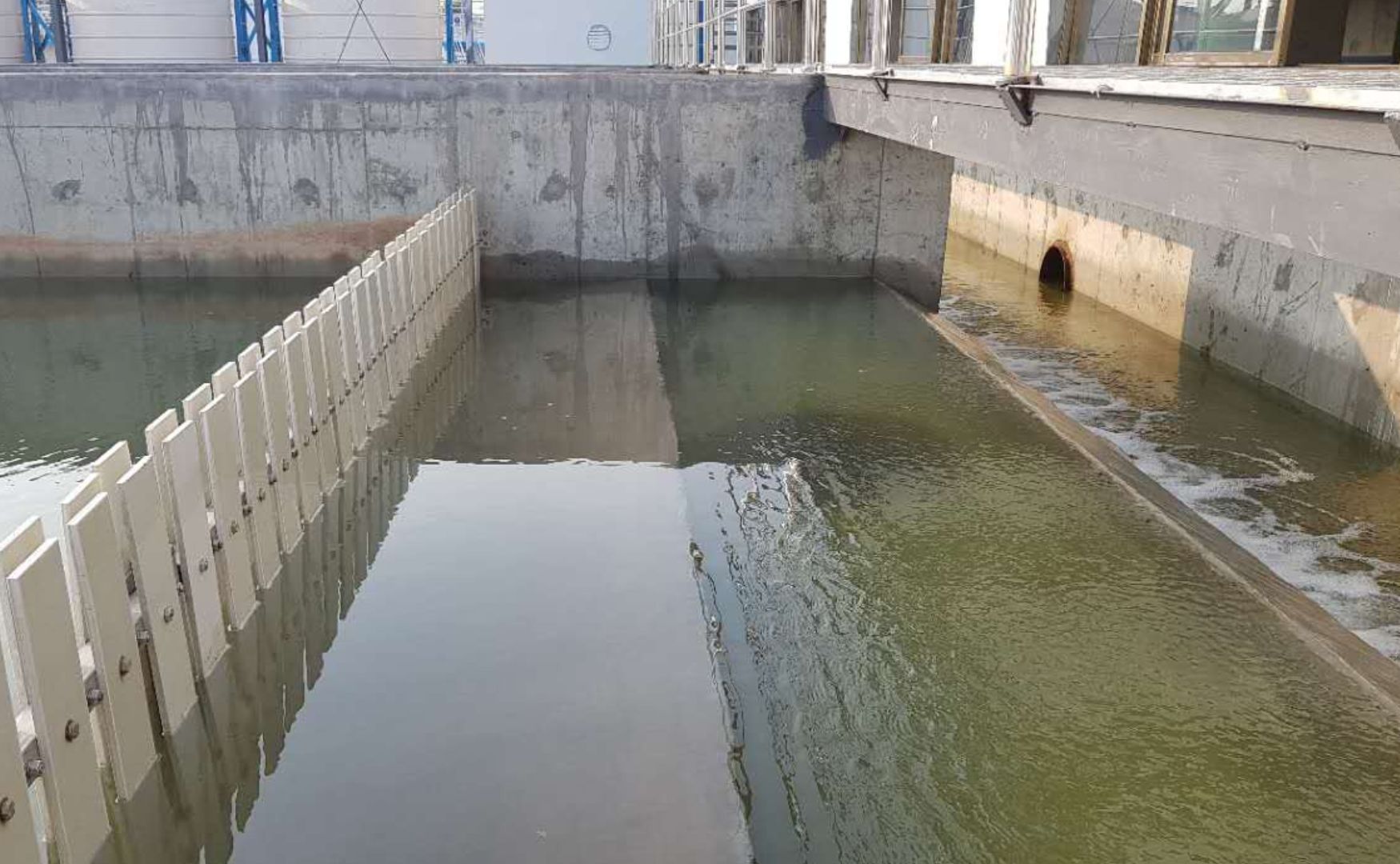
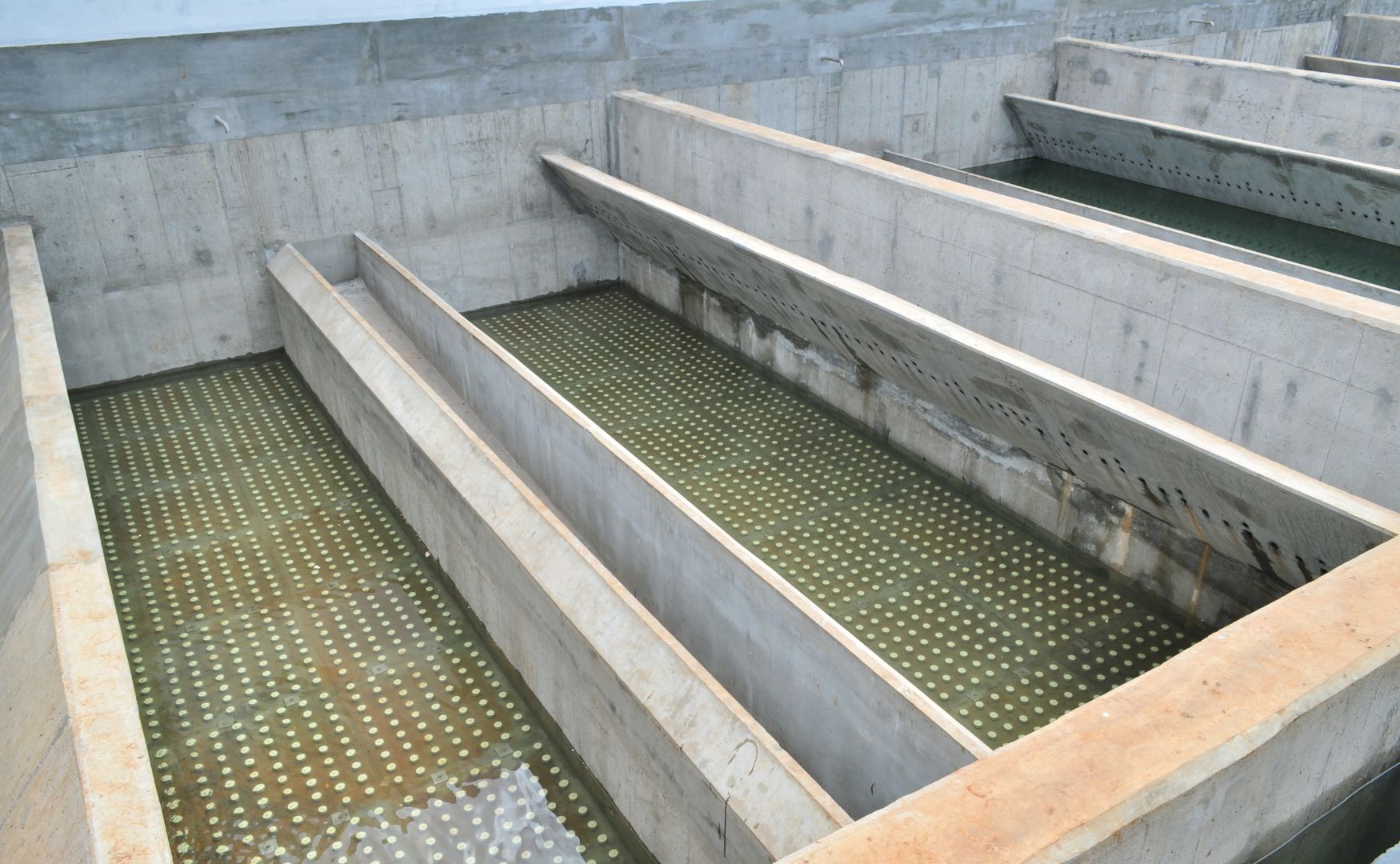
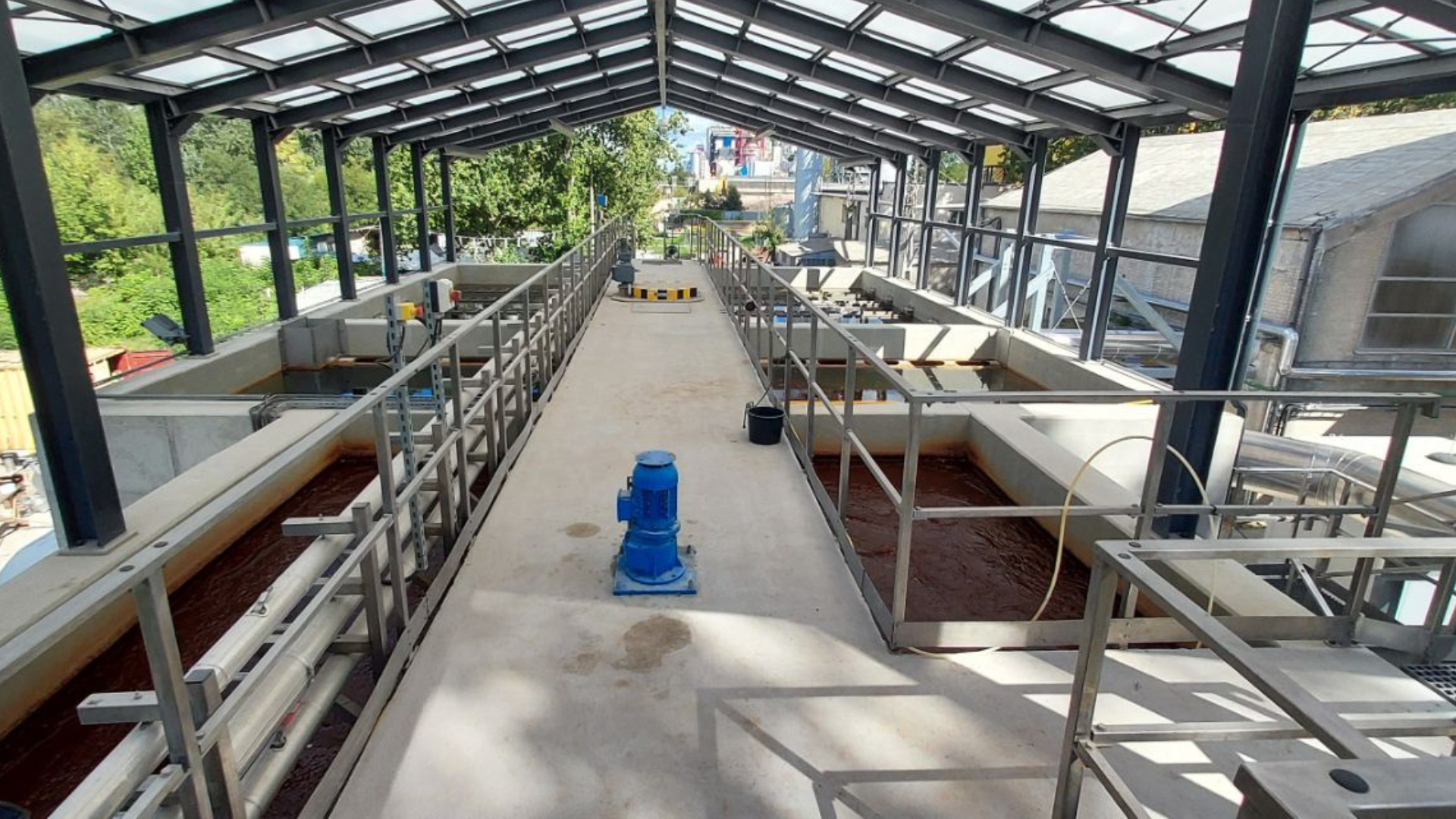
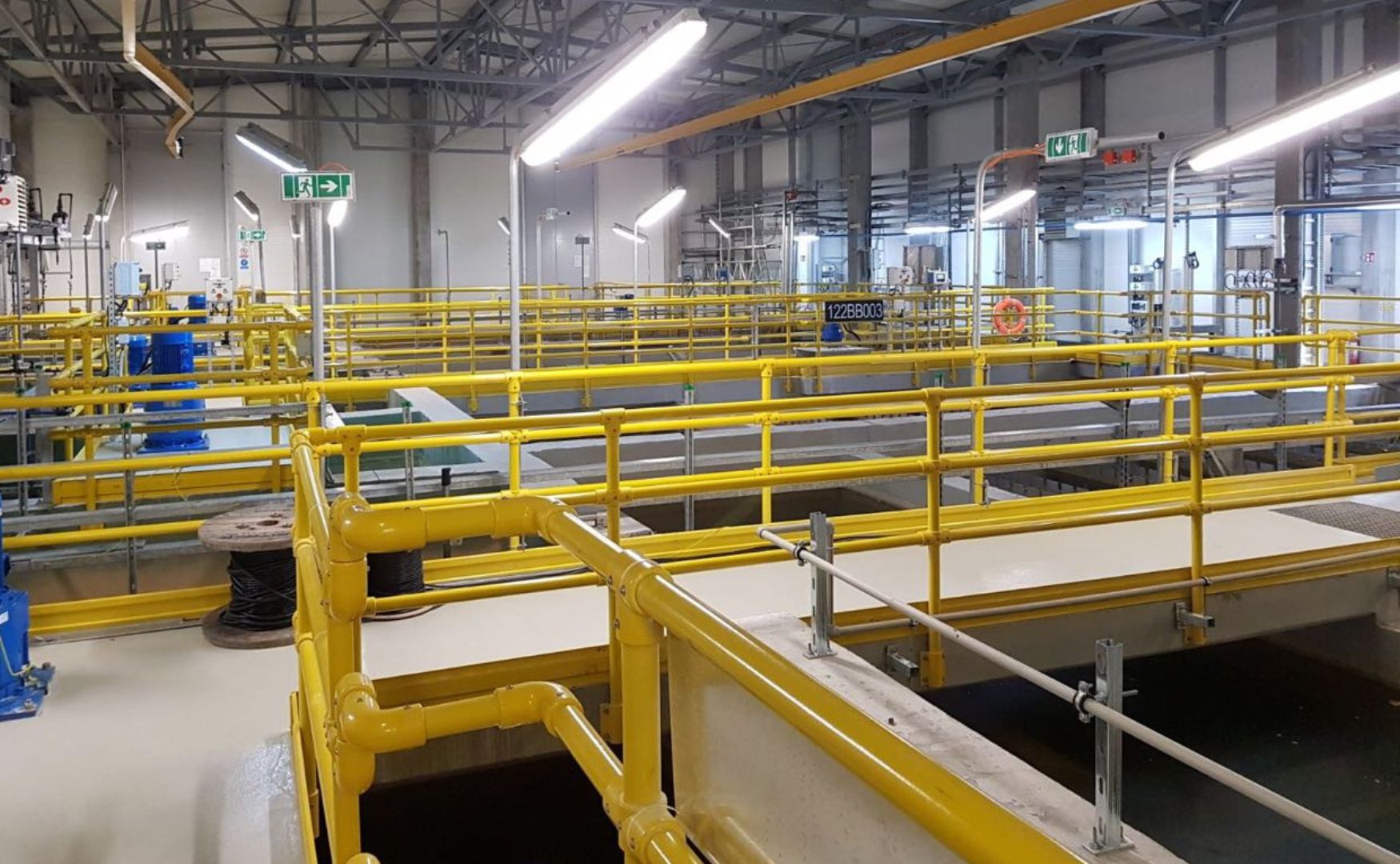
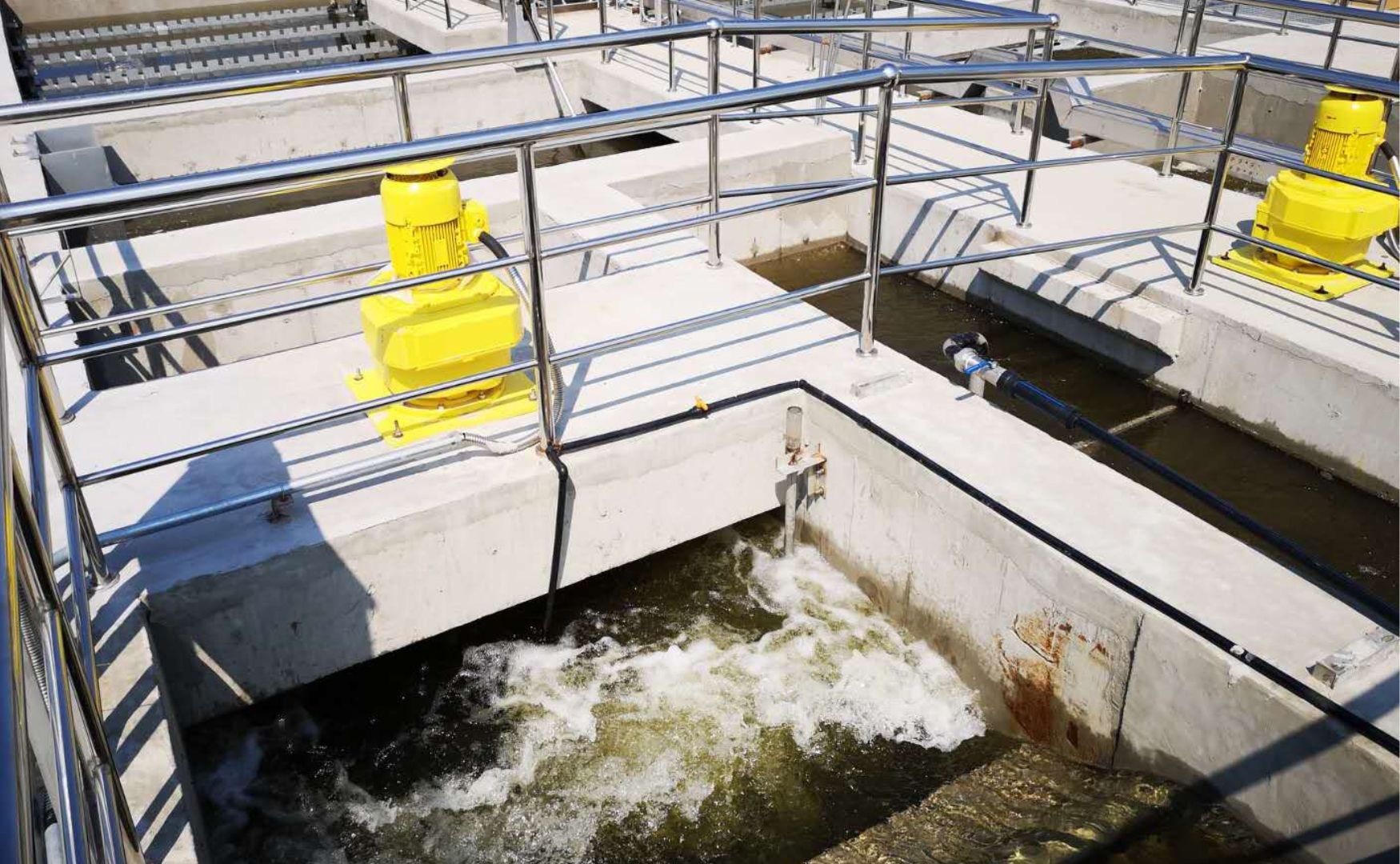
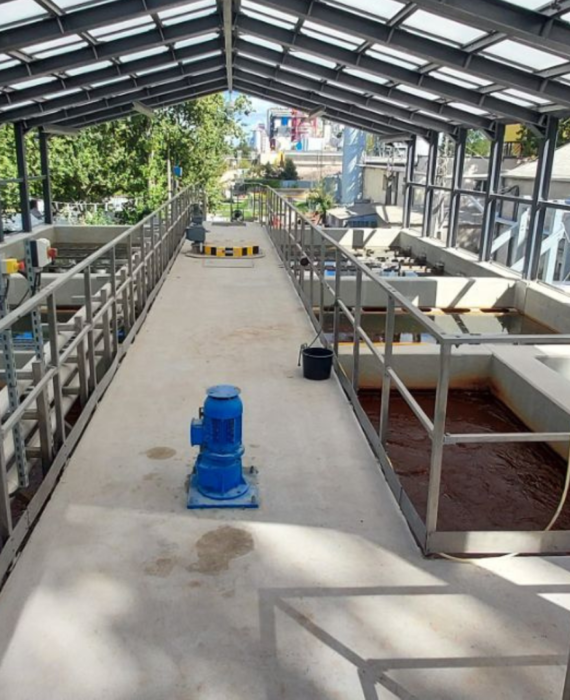
Impressions from the planning and installation of our latest river water treatment system
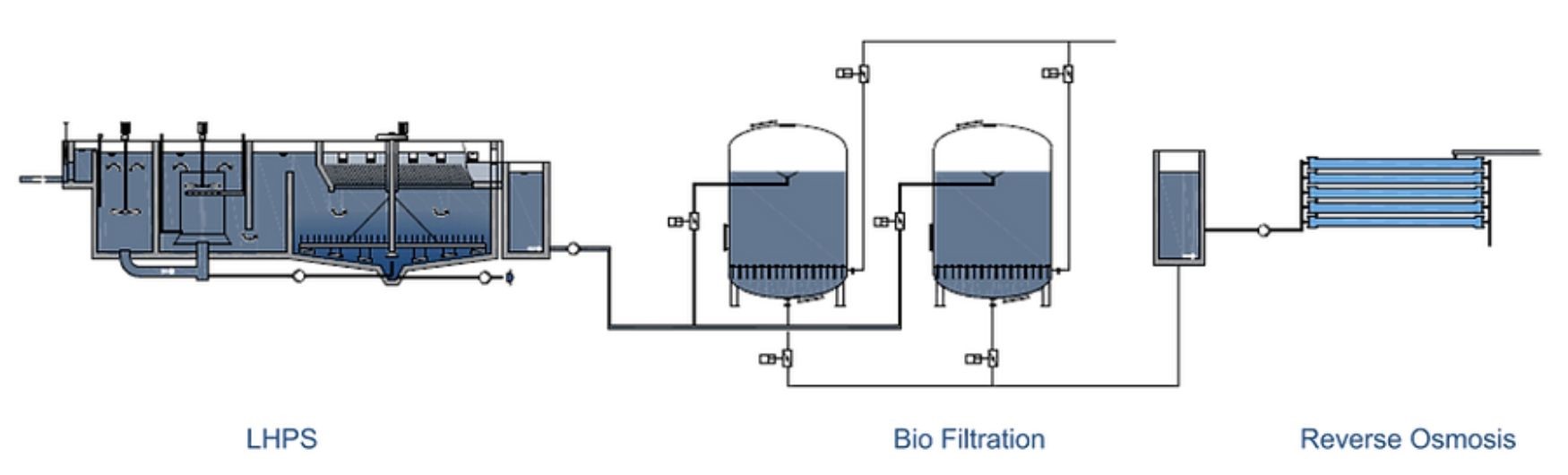
Process Flowchart: Pretreatment and Multilayer Filters
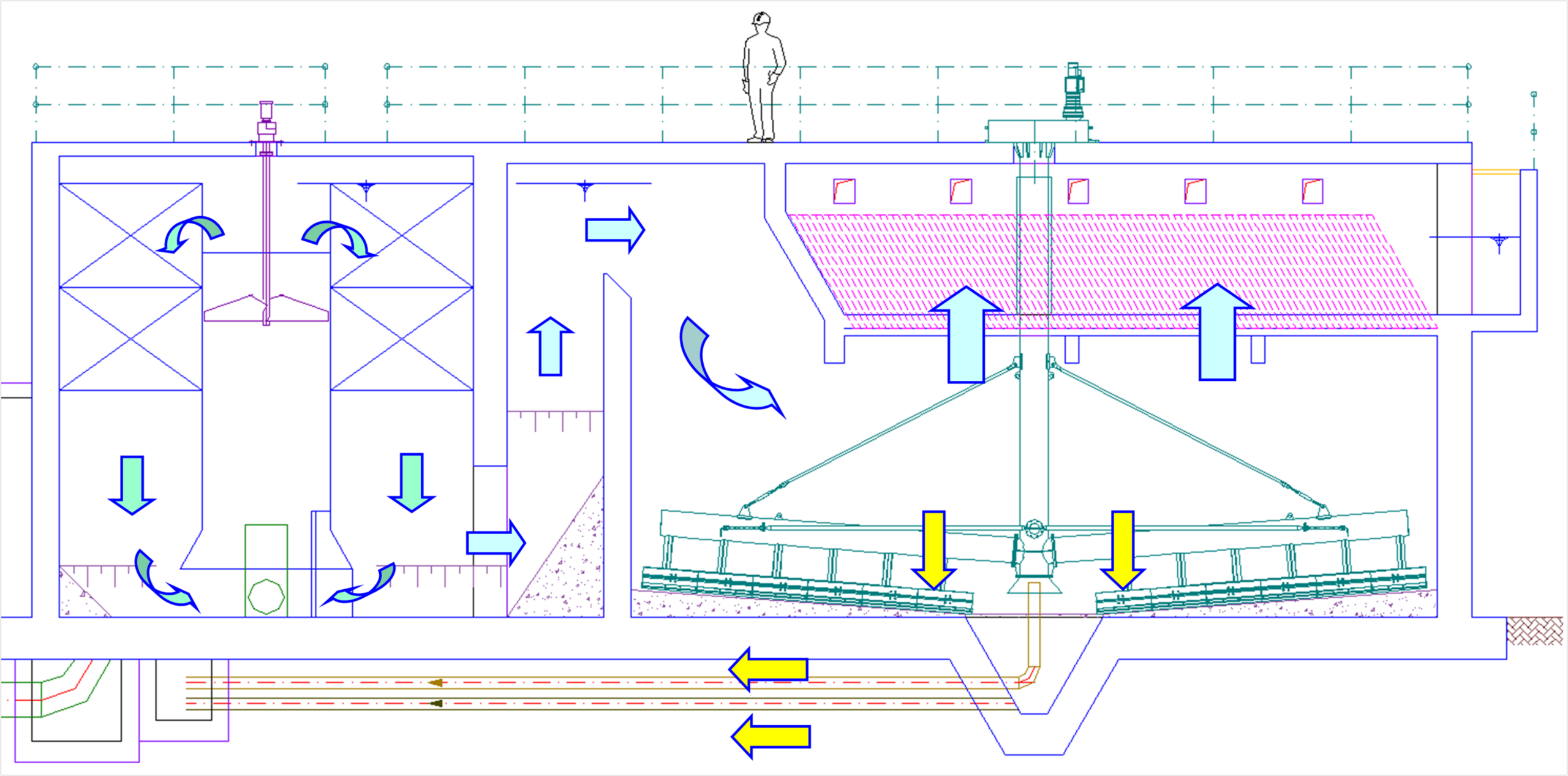
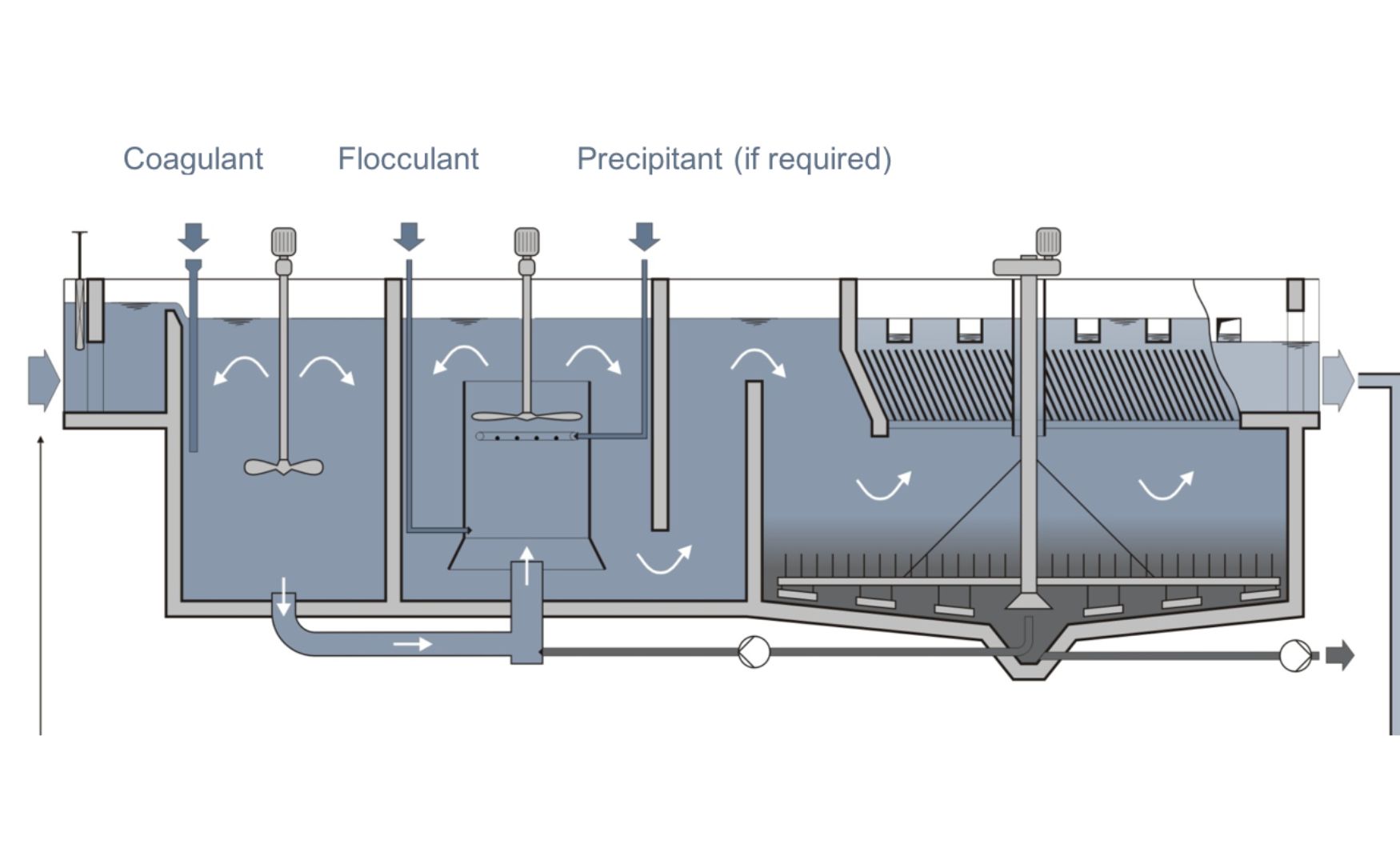
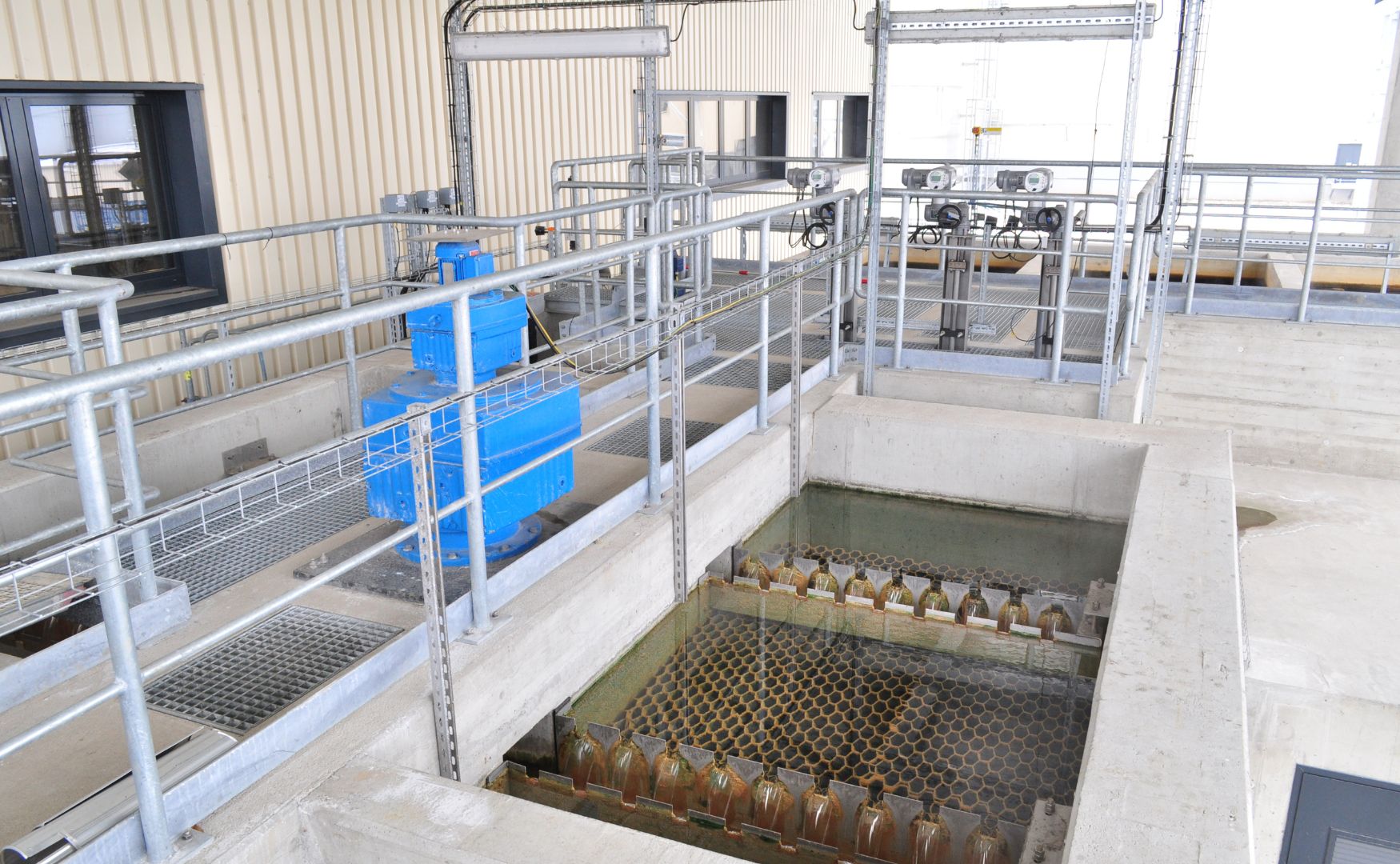
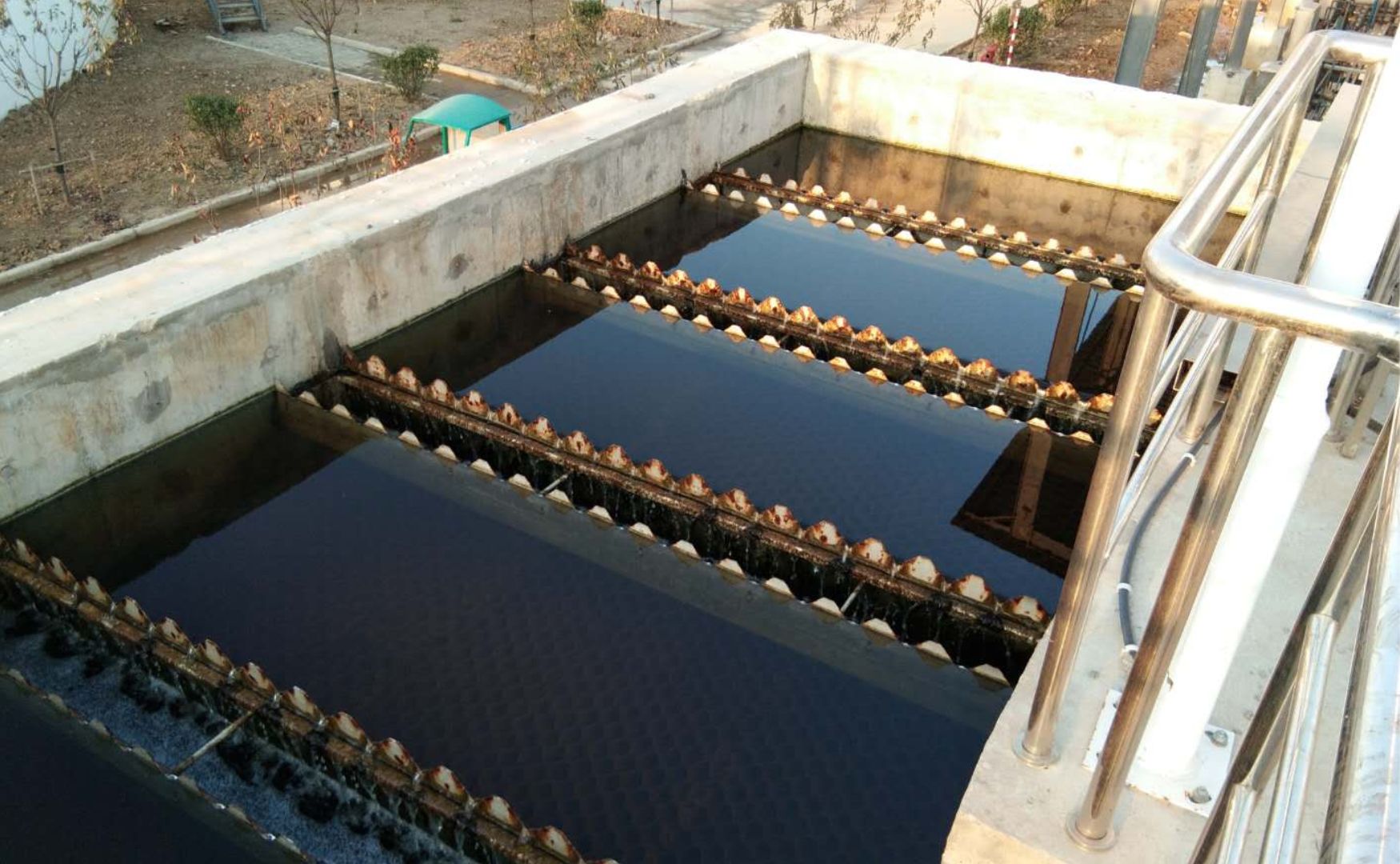
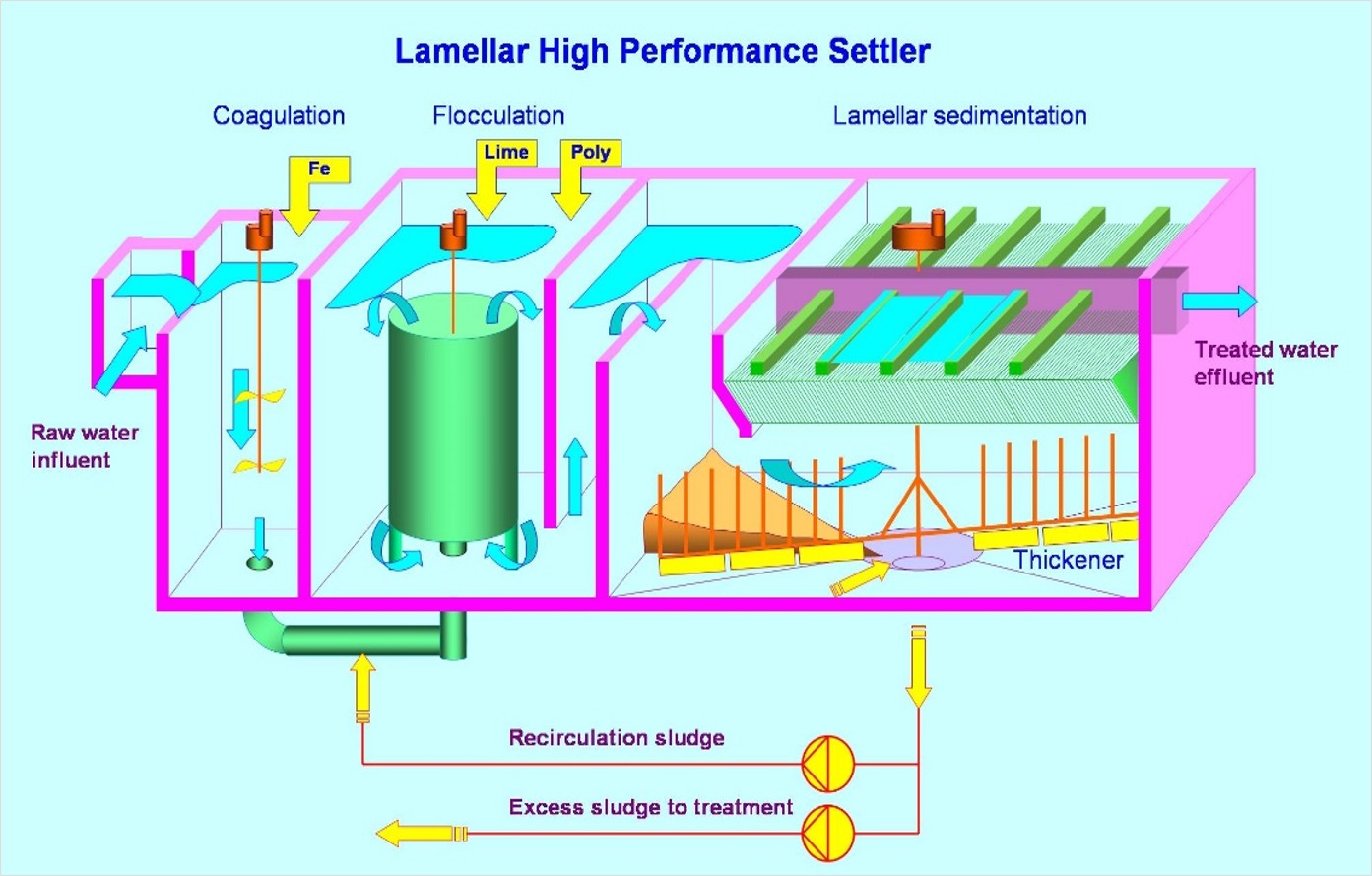
Solid Separation Using ALMA BHU LHPS
River water treatment tailored to the raw water quality and intended use
River and surface water are subject to significant seasonal fluctuations. Turbidity, suspended solids, organic matter, hardness, silicates, and microbiological contamination can change significantly within a short period of time. For this reason, every river water treatment plant is designed as a coordinated process chain— from raw water analysis through precipitation and filtration to the required treated water quality.
Analyze Raw Water
Turbidity, solids, hardness, alkalinity, organic load, silicates, metals, and seasonal fluctuations form the basis for the design.
Coagulation, flocculation, and sedimentation
Colloidal substances, suspended solids, and chemically precipitable constituents are converted into easily separable flocs and removed in the high-performance separator.
Filtering and Post-Treatment
Sand and multilayer filters reduce any remaining particles. Activated carbon, biofiltration, UV, or ozone can treat organic and hygiene-related contaminants.
Create a target water
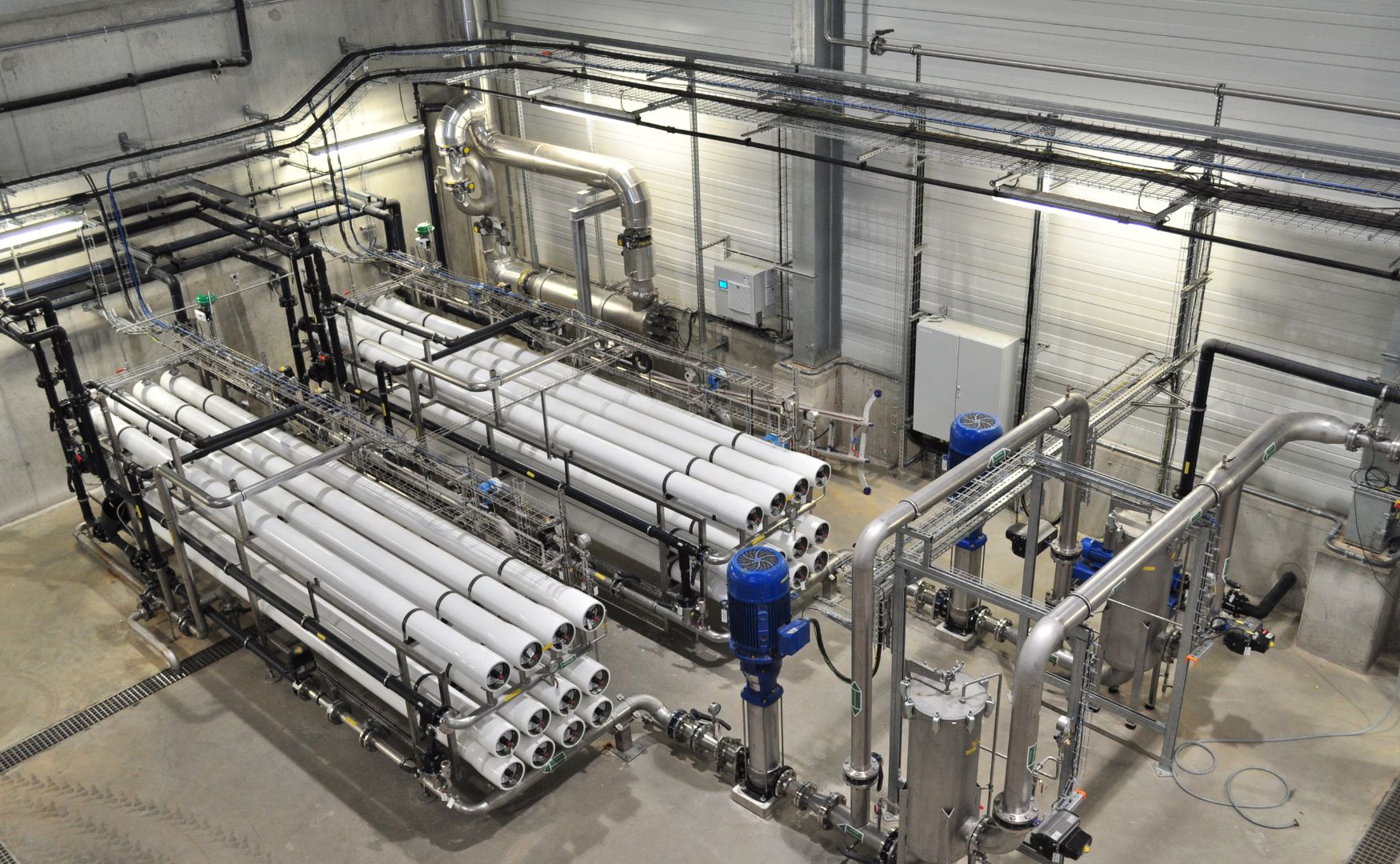
Depending on the application, water softening, ion exchange, ultrafiltration, or reverse osmosis are used to produce the required process and service water quality.
What raw water issues are addressed?
- Fluctuating Turbidity and Suspended Solids Loads Adjustment of precipitation, flocculation, and filtration performance to normal operation, low-water conditions, and flood events.
- Colloidal and Organic Natural Substances Reduction of humic substances, algae, finely dispersed particles, and other organic components in raw water.
- Hardness and Alkalinity Decarbonization and softening to limit mineral deposits in downstream process and membrane systems.
- Silicates, Iron, and Manganese Project-specific precipitation, oxidation, and filtration stages for the removal of suitable inorganic constituents.
- Microbiological Contamination Reduction through filtration, UV, ozone, or additional hygienic barriers appropriate to the intended end use.
Which technologies are being combined?
- ALMA BHU LHPS Compact precipitation, flocculation, high-performance sedimentation, and sludge thickening for high hydraulic capacities.
- Sand and Multilayer Filtration Deep filtration to reduce residual suspended solids, flocs, and turbidity.
- Biologically Active Filtration Reduction of biologically available organic substances and stabilization of the water prior to further membrane processes.
- Activated Carbon, Ozone, and UV Treatment of selected organic substances, odor and taste compounds, as well as hygienically relevant contaminants.
- UF, RO, and Ion Exchange Advanced particle removal, desalination, and polishing for demanding industrial water quality requirements.
Process water
Specified water quality for production, washing, rinsing, and treatment processes.
Cooling water
Reduction of solids, hardness-forming substances, and other components that contribute to scale formation.
boiler feed water
Pre-treatment for water softening, ion exchange, reverse osmosis, and further desalination.
Drinking Water and Water for Domestic Use
Multi-stage treatment with customized filtration and hygiene barriers.
From raw water analysis to stable plant operation
Our river water treatment plants
FAQ - River Water Treatment
How does modern river water treatment work?
A modern river water treatment system consists of several coordinated process stages. The goal is to treat raw water from rivers, lakes, reservoirs, or other surface water sources in such a way that suspended solids, turbidity, organic matter, microorganisms, odor- and taste-causing substances, and other undesirable constituents are reliably reduced.
At ALMAWATECH, a multi-step process chain is used for this purpose:
Flocculation and decarbonization ALMA BHU LHPS → ALMA BHU OXI Ozonation → Deacidification → Multilayer filtration ALMA BHU MMF → Activated carbon filtration ALMA BHU AKF → ALMA OXI UV disinfection
The ALMA BHU LHPS handles precipitation, flocculation, sedimentation, and sludge thickening. In this stage, solids, turbidity, and colloidal substances—as well as, depending on the raw water and chemical dosing, constituents such as phosphorus, metals, or hardness-forming substances—are removed through precipitation and decarbonization. This is followed by ALMA BHU OXI ozonation for the oxidative treatment of organic substances in the water. After pH stabilization, the water passes through the ALMA BHU MMF multilayer filtration and then undergoes ALMA BHU AKF activated carbon filtration to further remove dissolved organic substances and adsorbable trace substances. Finally, an ALMA OXI UV disinfection system ensures microbiological safety.
This combination is particularly well-suited for surface water because river water quality can vary significantly from season to season. Rain, flooding, algal growth, dry spells, or inputs from the watershed affect turbidity, suspended solids, organic load, and microbiology. A robust river water treatment system must therefore not only be designed for normal operation but also function reliably even when raw water quality fluctuates.
Why is river water more difficult to treat than groundwater?
River water and surface water are dynamic raw water sources. Unlike groundwater, which often has a relatively constant composition, the quality of rivers and lakes can vary—sometimes significantly—over the course of the year. During heavy rainfall or flooding, turbidity and suspended solids can increase sharply. In the summer, higher temperatures, algal growth, and biological activity can affect water quality. Levels of organic matter, trace substances, and microorganisms can also fluctuate over time.
Typical challenges in river water treatment include:
- fluctuating turbidity and suspended solids loads,
- colloidal particles,
- Algae and biological contamination,
- natural organic substances,
- Flavoring and aroma compounds,
- Trace substances and micropollutants,
- fluctuating temperatures,
- variable pH levels and acid capacities,
- Seasonal changes in raw water quality.
For this reason, a single treatment stage is generally not sufficient for river water. While filtration alone would remove particles, it would not adequately treat dissolved organic matter, colloidal components, or microbiological risks. Modern surface water treatment therefore combines physicochemical processes, oxidation, filtration, adsorption, and disinfection.
The process chain must be designed so that each stage protects and reduces the load on the subsequent stage. The ALMA BHU LHPS first reduces the solids and turbidity load. The ALMA BHU OXI ozonation process oxidizes organic substances in the water. The ALMA BHU MMF removes remaining particles and residual flocs. The ALMA BHU AKF adsorbs dissolved organic substances. The ALMA OXI UV disinfection process ensures the water is microbiologically safe.
What role does ALMA BHU LHPS play in river water treatment?
The ALMA BHU LHPS is the central chemical-physical pretreatment stage in river water and surface water treatment. It combines coagulation, flocculation, lamellar sedimentation, and sludge thickening in a compact reactor unit. The process is designed to remove solids, turbidity, colloidal particles, and precipitable water constituents. Depending on the raw water composition and chemical dosing, the ALMA BHU LHPS can also be used for decarbonization, phosphorus removal, or the reduction of certain metals.
In the first step, a precipitant or coagulant is added to the raw water. This destabilizes very fine particles and colloidal substances. Without chemical treatment, these particles are often so small and evenly distributed that they cannot settle properly or be filtered efficiently. Coagulation results in the formation of the first microflocs.
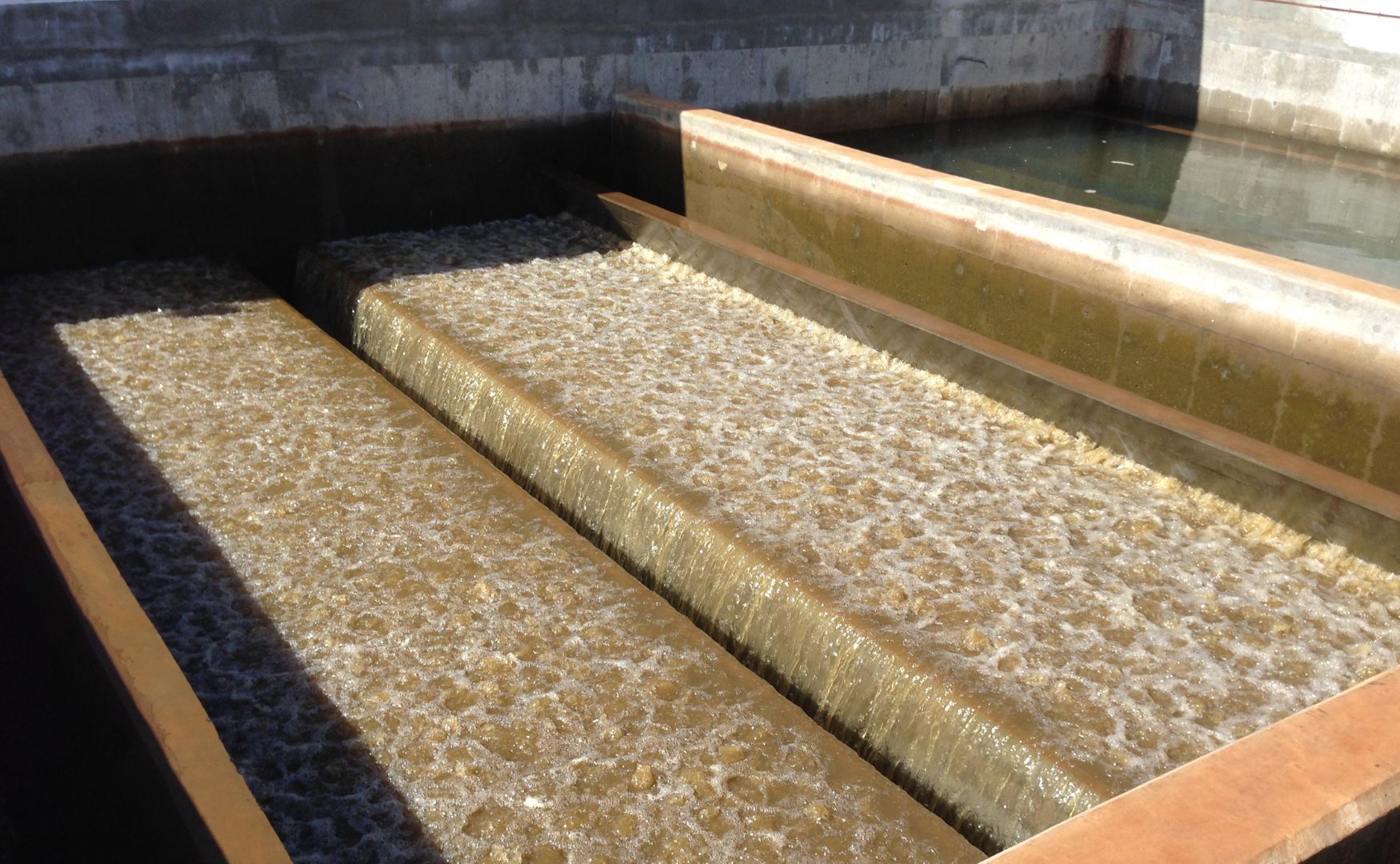
In the flocculation zone, these microflocs are transformed into larger, denser, and easily settleable flocs with the help of flocculants and recirculated activated sludge. The reactor’s hydraulic design allows the flocs to grow without being destroyed by excessive shear forces.
Solid separation then takes place in the lamellar sedimentation tank. The flocs that form sink to the bottom and are collected in the integrated sludge thickener. A portion of the thickened sludge is returned to the flocculation stage as contact sludge. This improves floc formation and process stability, particularly when raw water quality fluctuates.
Why are precipitation, flocculation, decarbonization, and lamellar sedimentation so important?
Precipitation, flocculation, and sedimentation form the basis for stable river water treatment. Many undesirable substances in raw water are present as fine particles, colloidal matter, or dissolved compounds. These cannot be adequately removed by simple filtration alone.
During precipitation, appropriate chemicals are added in measured doses to convert dissolved or colloidal substances into poorly soluble compounds. During coagulation, particles are destabilized so that they can combine to form microflocs. In the subsequent flocculation process, these microflocs grow into larger macroflocs that can be reliably removed by settling.
Depending on the design, decarbonization can be used to reduce carbonate hardness or excess carbon dioxide and hardness-forming substances. This is particularly important when the goal is to stabilize water quality for subsequent processes or to reduce deposits in pipes and plant components.
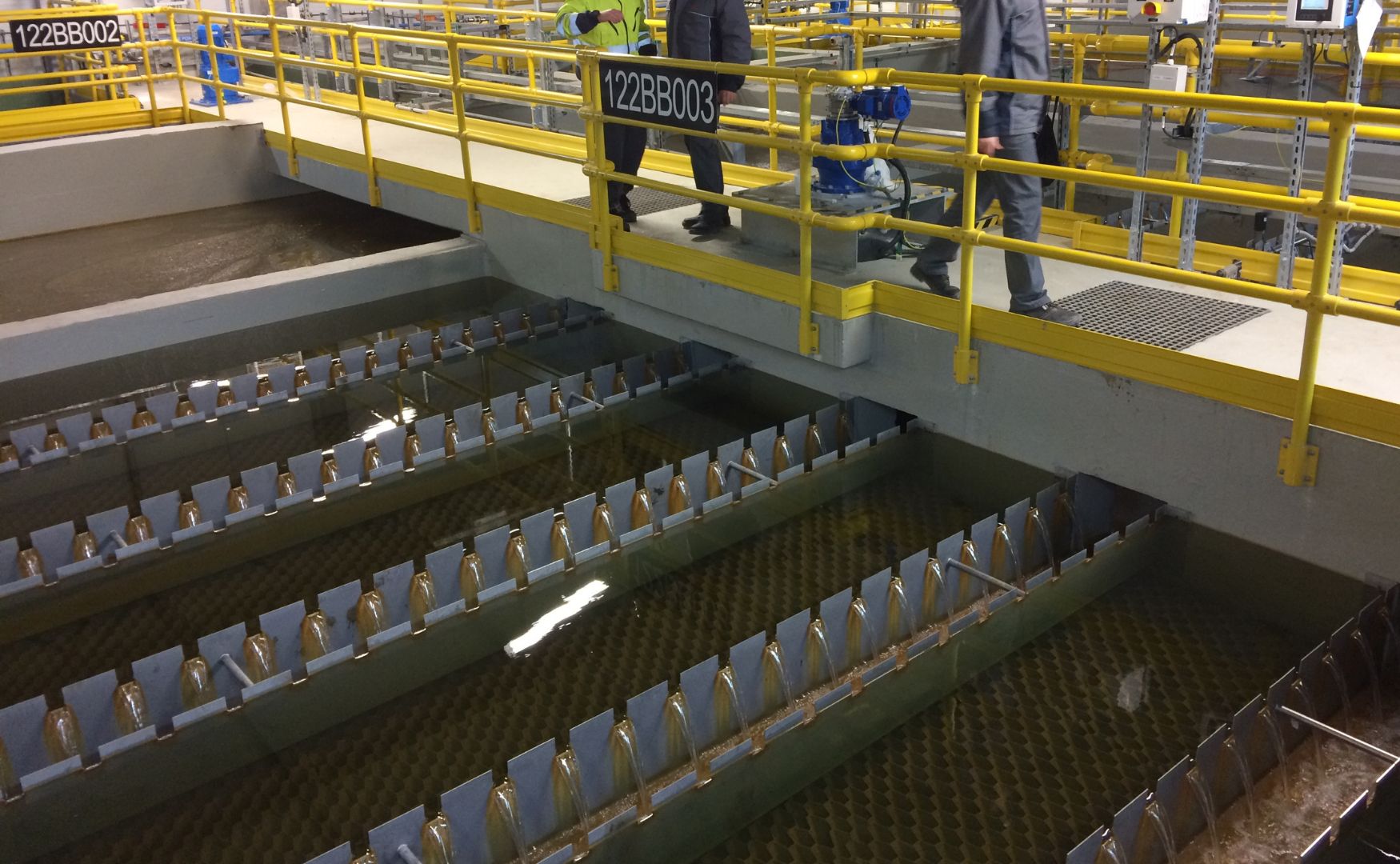
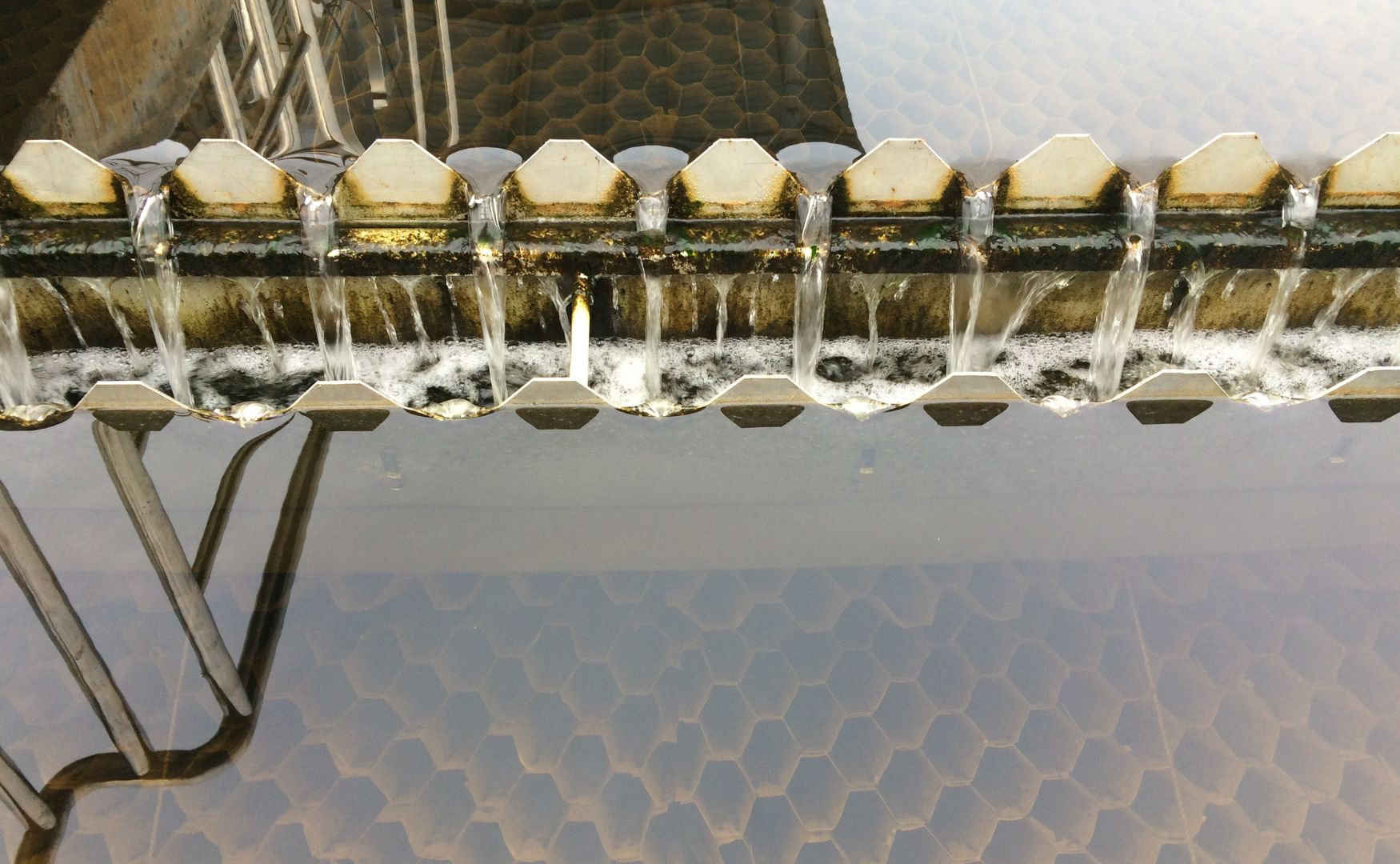
Lamellar sedimentation then separates the formed flocs from the water. The use of inclined lamellae significantly increases the effective sedimentation area. This allows high flow rates to be treated in a comparatively small space. The solids slide along the lamellae into the sludge zone, while the clarified water is carried onward.
This stage is crucial because it significantly reduces the load on the subsequent processes. The more effectively solids, turbidity, and precipitable substances are removed in the ALMA BHU LHPS, the more stable the operation of the ALMA BHU OXI ozonation, ALMA BHU MMF, ALMA BHU AKF, and ALMA OXI UV disinfection systems will be.
What role does ozonation play in river water treatment?
The ALMA BHU OXI Ozonation is an oxidative treatment stage in river water treatment. Ozone is a powerful oxidizing agent that can chemically alter organic substances in water, reduce microorganisms, and support subsequent biological or adsorptive treatment stages.
In the process sequence described, ozone is used at two points. Pre-ozonation can be used for disinfection prior to precipitation. The main ozonation takes place after the ALMA BHU LHPS as a wet oxidation stage. The goal of the main ozonation stage is not necessarily the complete mineralization of organic substances. Rather, the aim is to oxidatively modify organic water constituents that are difficult to biodegrade or persistent so that they can be more effectively removed in the subsequent filtration stages.
This is particularly important because river water often contains natural organic substances, odor- and taste-causing compounds, or organic trace substances. The ALMA BHU OXI ozonation process can partially break down or convert these substances. This improves the bioavailability of certain organic compounds and allows the downstream ALMA BHU AKF to operate more efficiently.
After ozonation, residual ozone must be handled safely. In the process sequence described, residual ozone is destroyed using ALMA OXI UV systems before the water enters the multilayer filtration stage. In addition, residual ozone measurements and gas detection systems are used to ensure safe plant operation.
Why is deacidification or pH stabilization used after ozonation?
After precipitation, flocculation, sedimentation, and ozonation, pH adjustment may be necessary. Deacidification serves to remove excess carbon dioxide and adjust the pH of the treated water to a stable range suitable for the subsequent treatment stages.
In the process sequence described, caustic soda is added to the feed to the ALMA BHU MMF based on the measured pH value. Under certain operating conditions, the dosing point can also be moved upstream of the ALMA BHU AKF. In addition, a pH measurement can be included after the activated carbon filtration to verify the deacidification once again and make any necessary adjustments.
pH stabilization is important for several reasons. For one thing, the pH value affects the effectiveness of physicochemical processes. For another, an unfavorable pH value can promote corrosion, scaling, or malfunctions in downstream filtration and disinfection stages. A stable pH value is also important for activated carbon filtration and subsequent use as drinking water, process water, or industrial water.
Deacidification is therefore not an isolated, standalone step, but rather an important component of the overall system. It ensures that the water is conditioned in a controlled manner after oxidative treatment and that the subsequent filtration stages can operate under stable conditions.
What is the function of the ALMA BHU MMF multilayer filtration system?
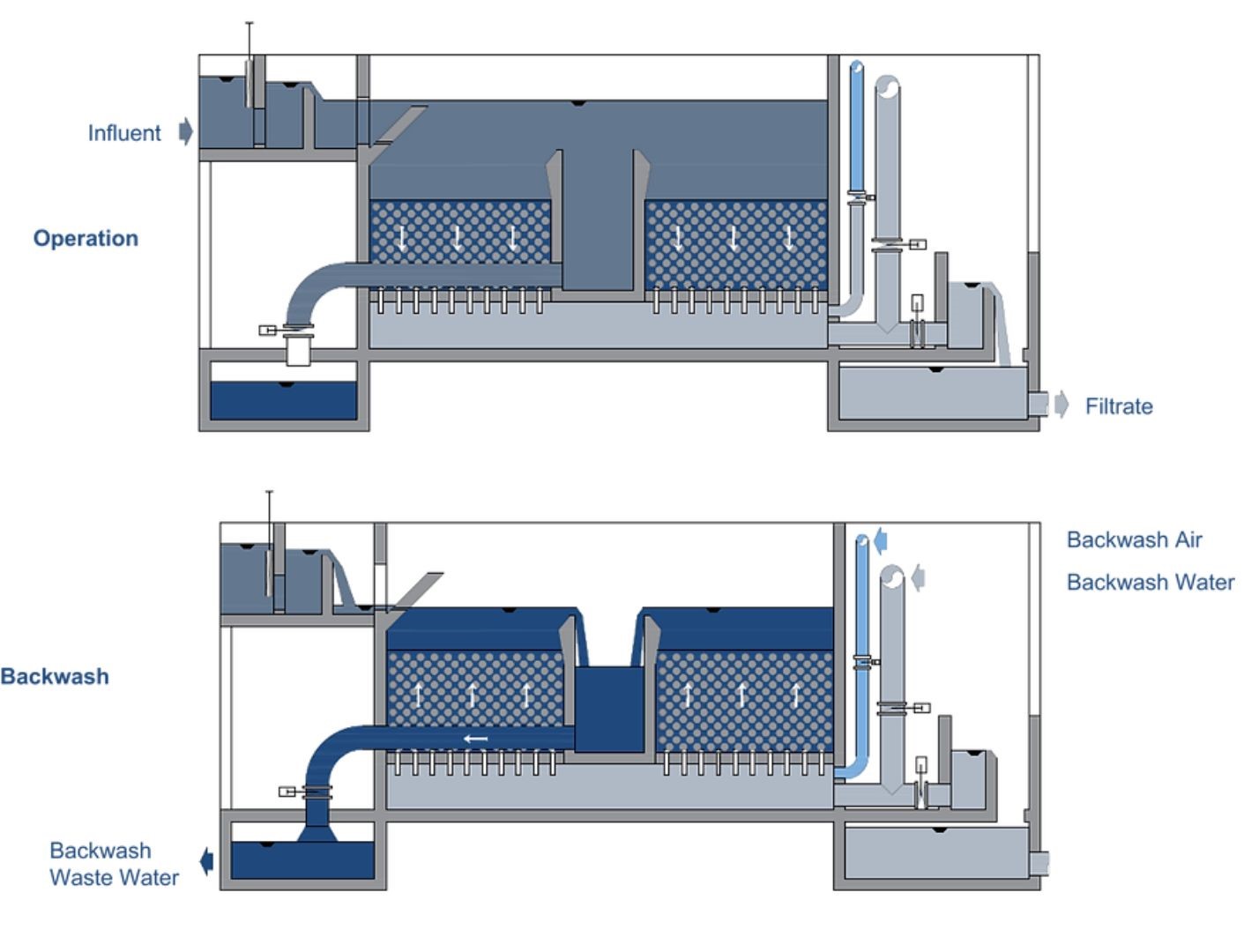
The ALMA BHU MMF Multilayer Filtration is a mechanical fine filtration process used in river water treatment. It is employed after precipitation, flocculation, sedimentation, ozonation, and deacidification to remove remaining particles, residual flocs, turbidity, and filterable substances from the water.
The water flows through the filter bed from top to bottom. The filter bed typically consists of several layers: anthracite as the top filter layer, fine sand as the underlying filter layer, and support gravel to stabilize the filter bed. This combination enables true depth filtration. Coarser particles are primarily retained in the upper anthracite layer, while finer particles are separated deeper within the sand bed.
The ALMA BHU MMF performs several functions simultaneously. It improves clear water quality, reduces turbidity, and protects downstream process stages—such as the ALMA BHU AKF or ALMA OXI UV disinfection —from particle contamination. Consistent filtrate quality is particularly important because particles can impair the effectiveness of UV disinfection and place an unnecessary burden on activated carbon filters.
The ALMA BHU MMF is backwashed automatically based on a time interval or an increase in differential pressure. Air and water are used in separate steps to remove the solids retained in the filter bed without permanently disrupting the layer structure. The backwash logic is designed to prevent loss of filter media and to restore stable filtrate quality after backwashing.
What is the function of the ALMA BHU AKF activated carbon filtration system?
The ALMA BHU AKF activated carbon filtration system handles the further treatment of water that has already been mechanically purified. While the ALMA BHU LHPS and ALMA BHU MMF primarily remove solids, turbidity, colloidal substances, and residual flocs, the ALMA BHU AKF is designed to adsorb dissolved organic compounds.
Activated carbon has a very large internal surface area and can bind organic substances in water to its surface. This makes the ALMA BHU AKF particularly suitable for reducing odor and taste compounds, dissolved organic compounds, adsorbable trace substances, and certain micropollutants. Which substances can be removed and to what extent depends on the properties of the substances, the raw water quality, pretreatment, contact time, and the properties of the activated carbon.
In the ALMA BHU concept, the ALMA BHU AKF follows the ALMA BHU MMF. This makes sense from a process engineering perspective because the multilayer filtration reduces the particulate load and protects the activated carbon from solid contamination. As a result, the activated carbon can operate more efficiently, and its service life is extended.
The activated carbon filters are designed similarly to the multilayer filters in terms of construction and hydraulics, but feature a single-layer filter bed of granular activated carbon. An oxygen saturation stage can be installed upstream of the ALMA BHU AKF to ensure stable conditions in the feed stream to the activated carbon filtration system.
Why is the sequence ALMA BHU LHPS, ozonation, deacidification, ALMA BHU MMF, ALMA BHU AKF, and UV treatment important?
The sequence of the treatment stages is critical to the efficiency, operational reliability, and cost-effectiveness of the entire river water treatment process. Each stage performs a specific function and protects the subsequent stage.
The ALMA BHU LHPS first removes solids, turbidity, colloidal substances, and precipitable constituents. This reduces the load on the ozonation process and prepares the water for oxidative treatment. The ALMA BHU OXI Ozonation transforms organic substances in the water and can subsequently improve their biological or adsorptive removability. Deacidification stabilizes the pH and creates suitable conditions for the subsequent filtration stages.
The ALMA BHU MMF then removes any remaining particles, residual flakes, and cloudiness. In this way, it protects the ALMA BHU AKF, which reduces dissolved organic matter and adsorbable trace substances. The final UV treatment ensures the microbiological safety of the treated water.
This sequence is particularly important because an incorrect order can increase operating costs and reduce the effectiveness of individual stages. For example, if activated carbon filtration were used too early in the process, it could become unnecessarily clogged with particles and floc residues. If ALMA OXI UV disinfection were performed before sufficient turbidity removal, particles could impair the disinfection effect.
A well-designed process sequence therefore ensures that the water is stabilized, clarified, treated with oxidizing agents, filtered, purified by adsorption, and finally disinfected, step by step.
What substances can be removed during river water and surface water treatment?
The substances that can be removed always depend on the raw water quality, the design of the treatment stages, and the target water quality. However, a multi-stage river water treatment process can reduce a wide range of constituents.
The ALMA BHU LHPS primarily removes suspended solids, turbidity, colloidal particles, flocs, particulate-bound constituents, and substances that can be separated by precipitation. Depending on chemical dosing and process control, it can also contribute to phosphorus removal, metal reduction, and decarbonization.
The ALMA BHU OXI Ozonation oxidizes organic substances in water, reduces certain odor and taste compounds, and can support subsequent biological or adsorptive treatment. Deacidification stabilizes the pH and improves operating conditions for subsequent stages.
The ALMA BHU MMF removes remaining particles, residual flakes, turbidity, and filterable substances. It thus serves as an important barrier prior to activated carbon filtration and UV disinfection. The ALMA BHU AKF reduces dissolved organic matter, adsorbable trace substances, odor and taste compounds, and certain micropollutants. The final ALMA OXI UV treatment serves to inactivate microorganisms.
Typical target substances and target parameters include:
- Suspended solids,
- Cloudiness,
- colloidal particles,
- Algae and algae components,
- natural organic substances,
- color-forming substances,
- Flavoring and aroma compounds,
- Phosphorus compounds,
- particulate-bound metals,
- Carbonate hardness or hardness-forming substances in the context of decarbonization,
- organic trace substances,
- Micropollutants,
- Microorganisms.
Raw water analyses, seasonal fluctuations, target water quality, flow rate, and redundancy requirements are critical for a robust design.
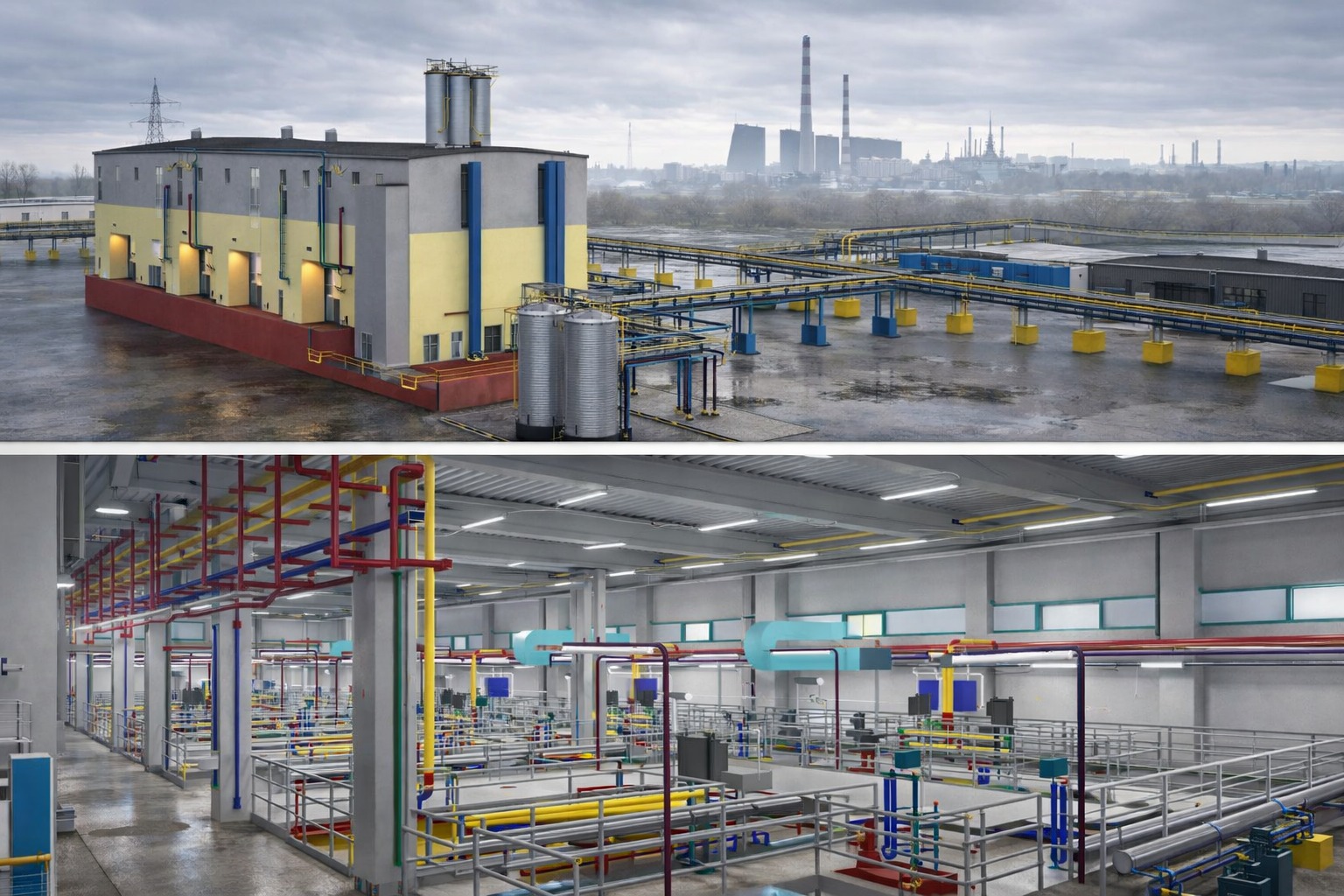
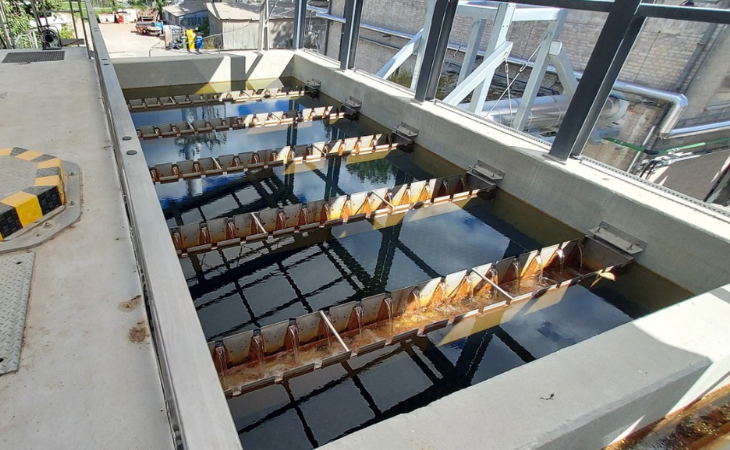
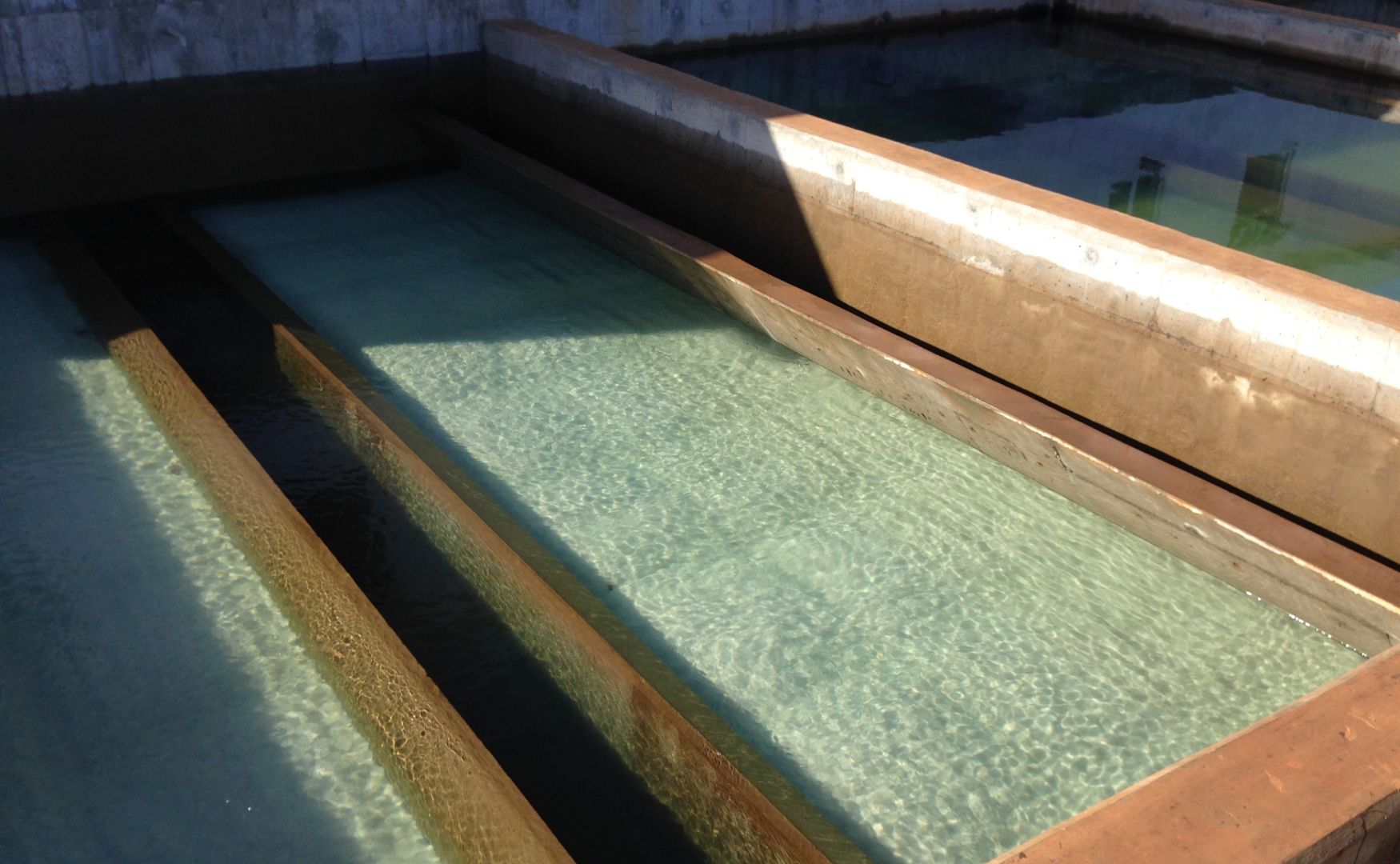
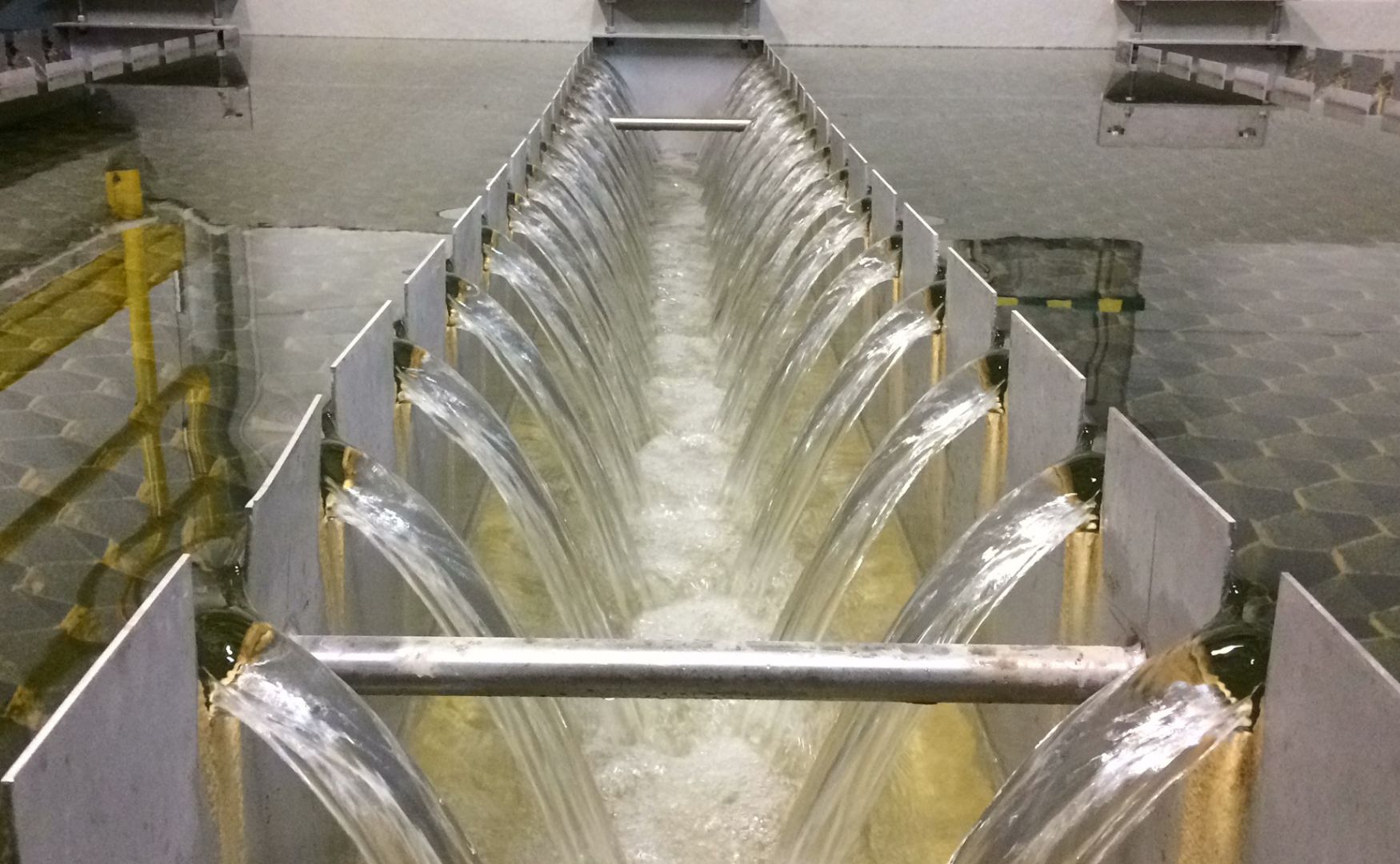
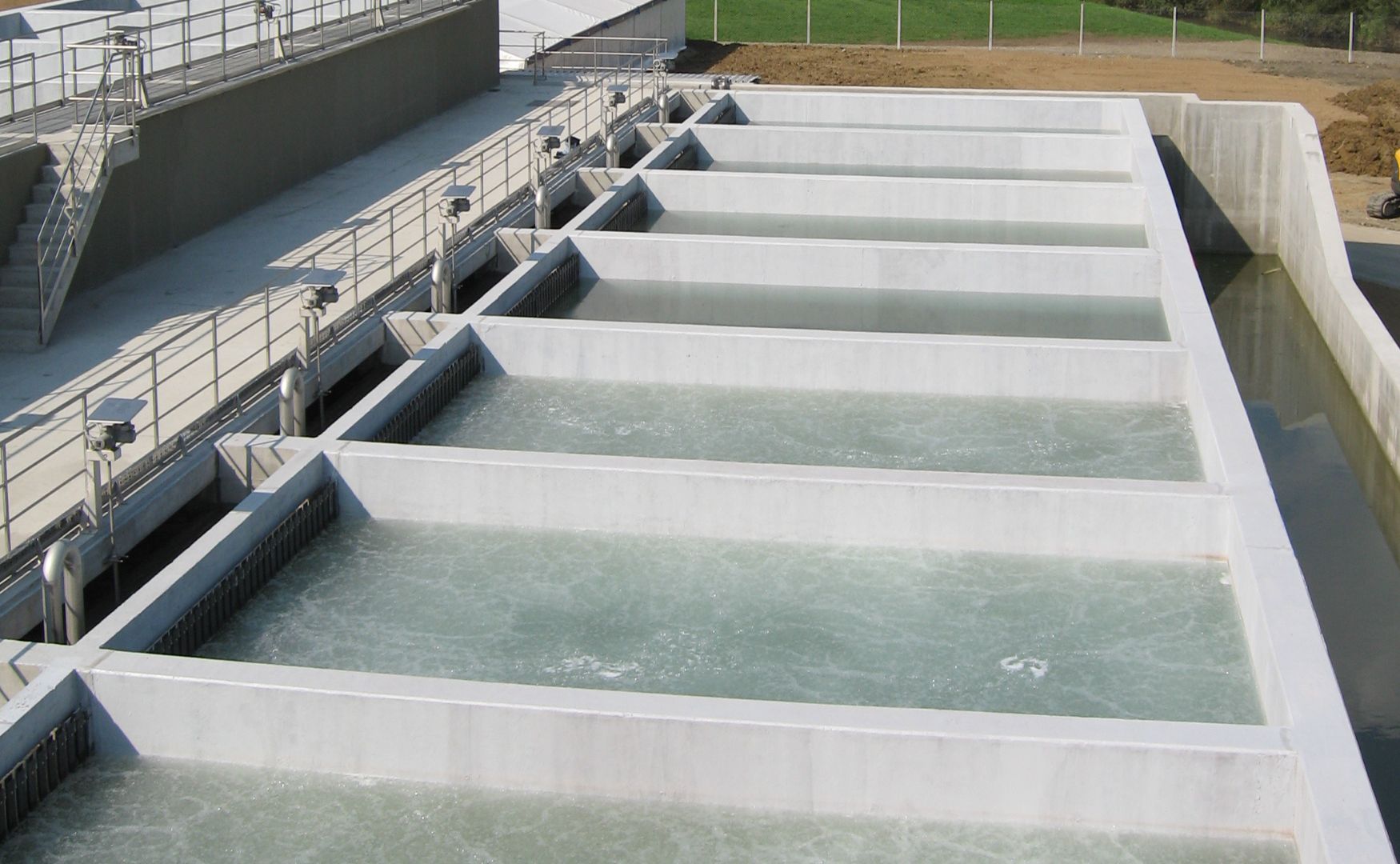
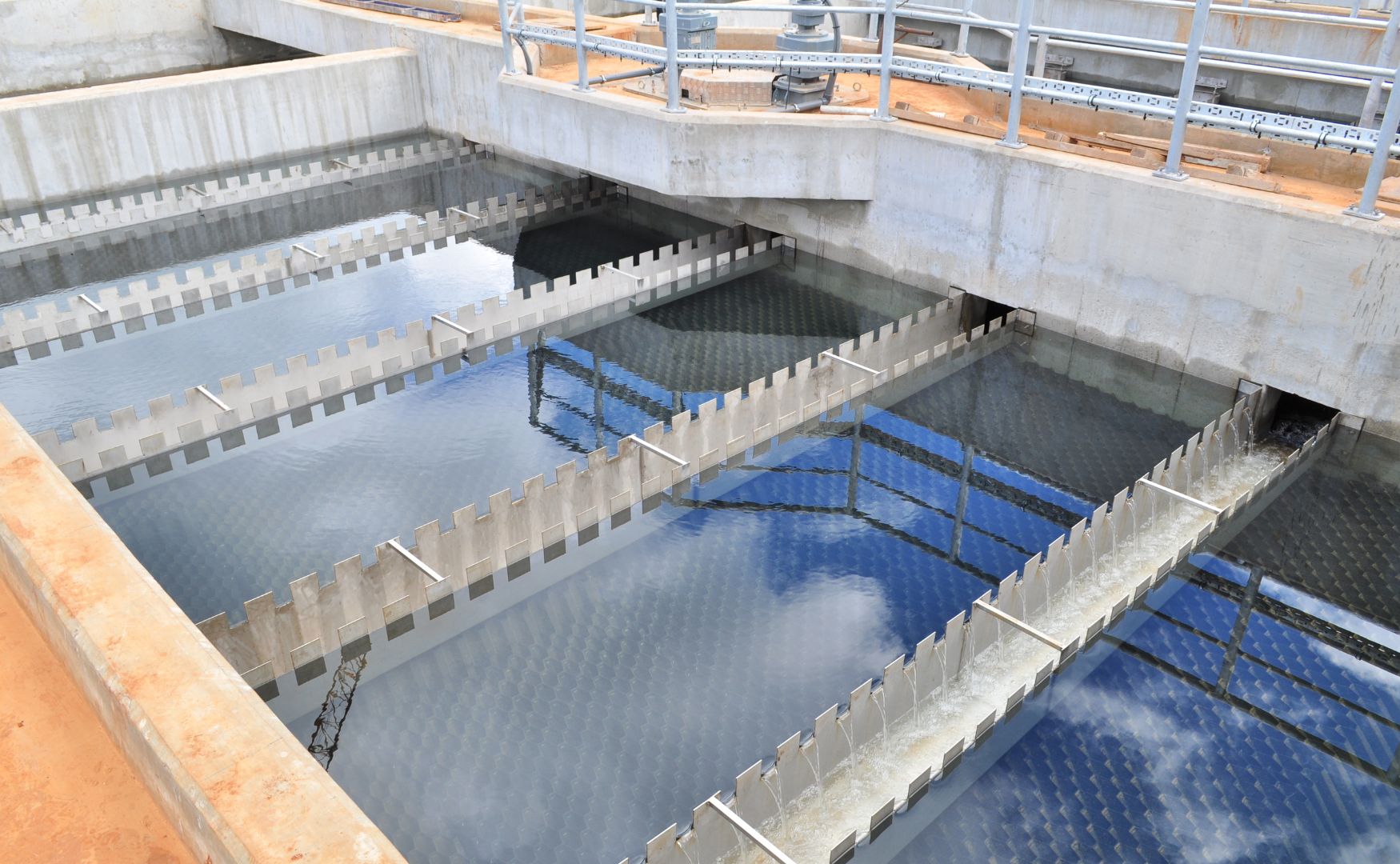
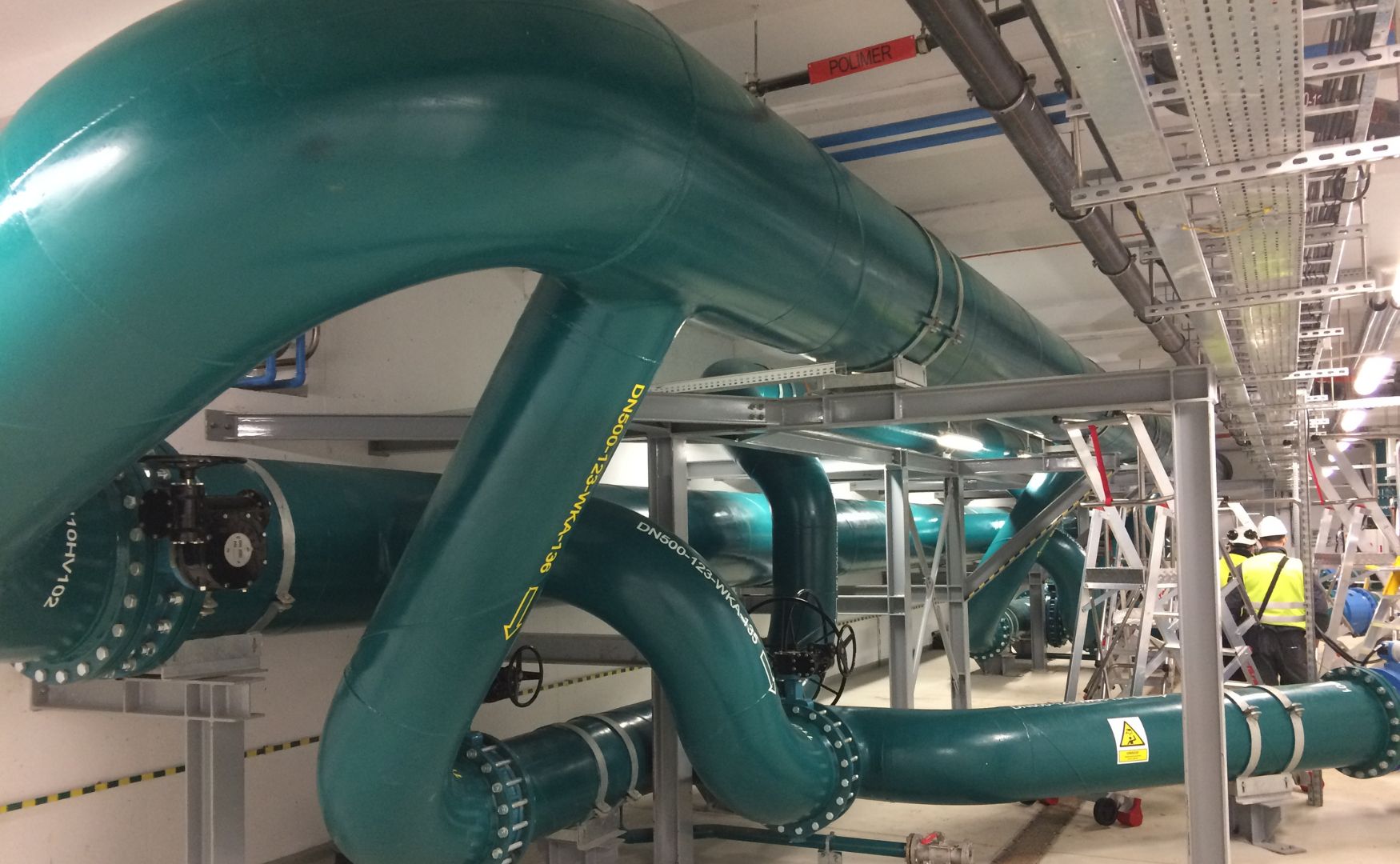
Reference photos river water treatment
Technologies for river water treatment

ALMA BHU BiosS-Treat
The patented BiosS-Treat combines a
precipitation step with subsequent biologically active filtration and reverse osmosis.

ALMA BHU SMF/MMF
Single media/multi-media filtration enables particles of any size to be separated and partially biodegraded.

ALMA BHU LHPS
Continuous flow system for precipitation and flocculation as a compact system for large wastewater flows of up to 6,000 m³/h with special honeycomb-shaped lamella separator.
Get in touch with us!
Siegfried Hirschmann
Senior Expert, Process and Fresh Water
Maksim Neubauer
Head of International Project Development & Water Reuse