ALMA BHU LHPS
Your expert for river water treatment - directly accessible
Maksim Neubauer
Head of International Project Development & Water Reuse
References River water treatment plants

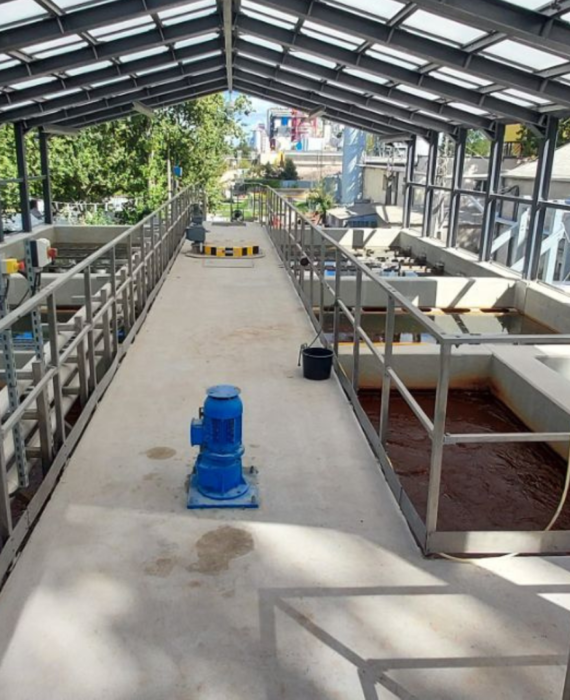
Paper mill, Poland, ALMA BHU LHPS
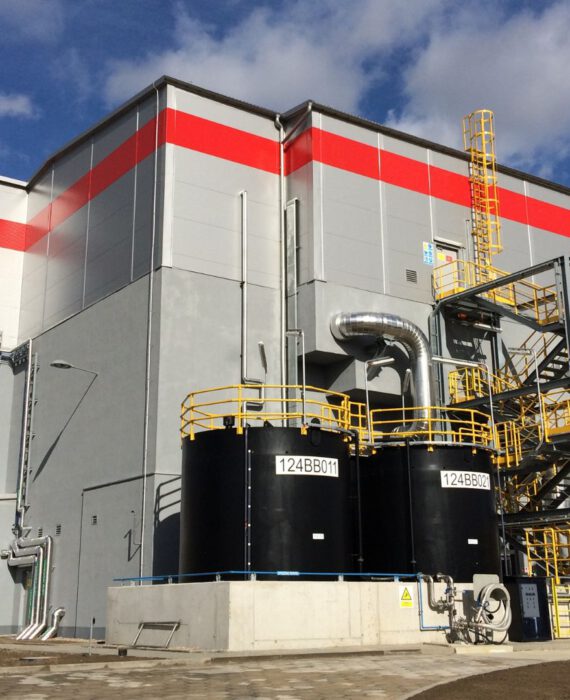
River water treatment plant with a capacity of 800 m³/h for a leading global manufacturer of paper, corrugated board and corrugated cardboard in Poland.

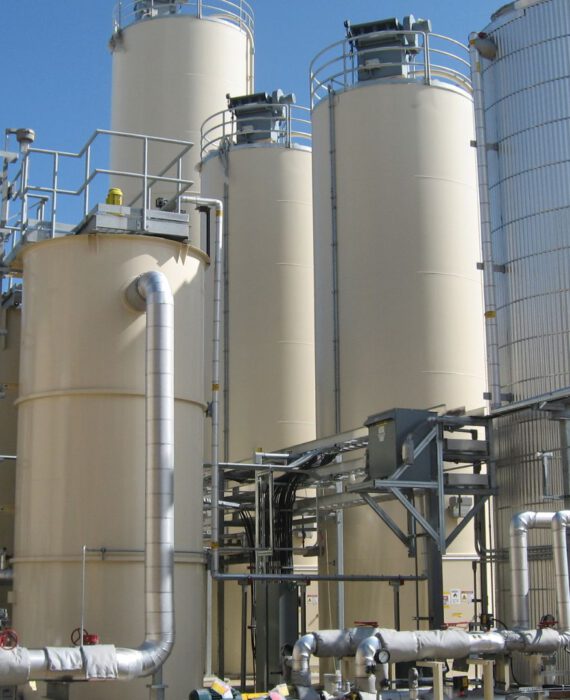
Aquatech, USA, ALMA BHU LHPS
A river water treatment plant for the production of process water, cooling water and boiler feed water with a capacity of 295 m³/h for the company Aquatech in Idaho, USA. In addition, our ALMA BHU LHPS process is used to soften the river water and remove silicates.

Sotravic Ltée, Mauritius, ALMA BHU LHPS
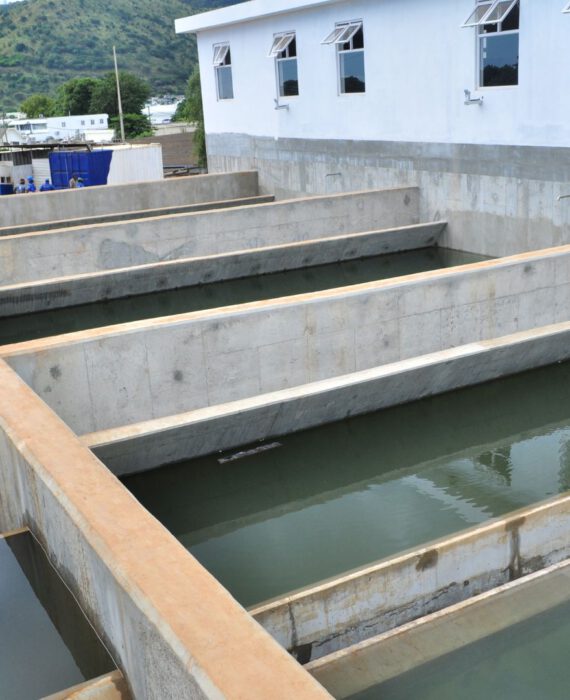
A drinking water treatment plant for surface water from various sources with a capacity of 3,333 m³/h. Realized with the combination of the ALMA BHU LHPS and the ALMA BHU MMF process for the company Sotravic Ltée on Mauritius.

BUDIMEX S.A., Poland, ALMA BHU LHPS
A river water treatment plant with a capacity of 3 x 1,400 m³/h using the ALMA BHU LHPS process for the company BUDIMEX S.A. in Warsaw, Poland.

Südzucker Zeitz PWT
A river water treatment plant with a capacity of 220 m³/h using the ALMA BiosS-Treat processfor Südzucker AG at the Zeitz site.
Compact Water Treatment and Pretreatment for Water Reuse
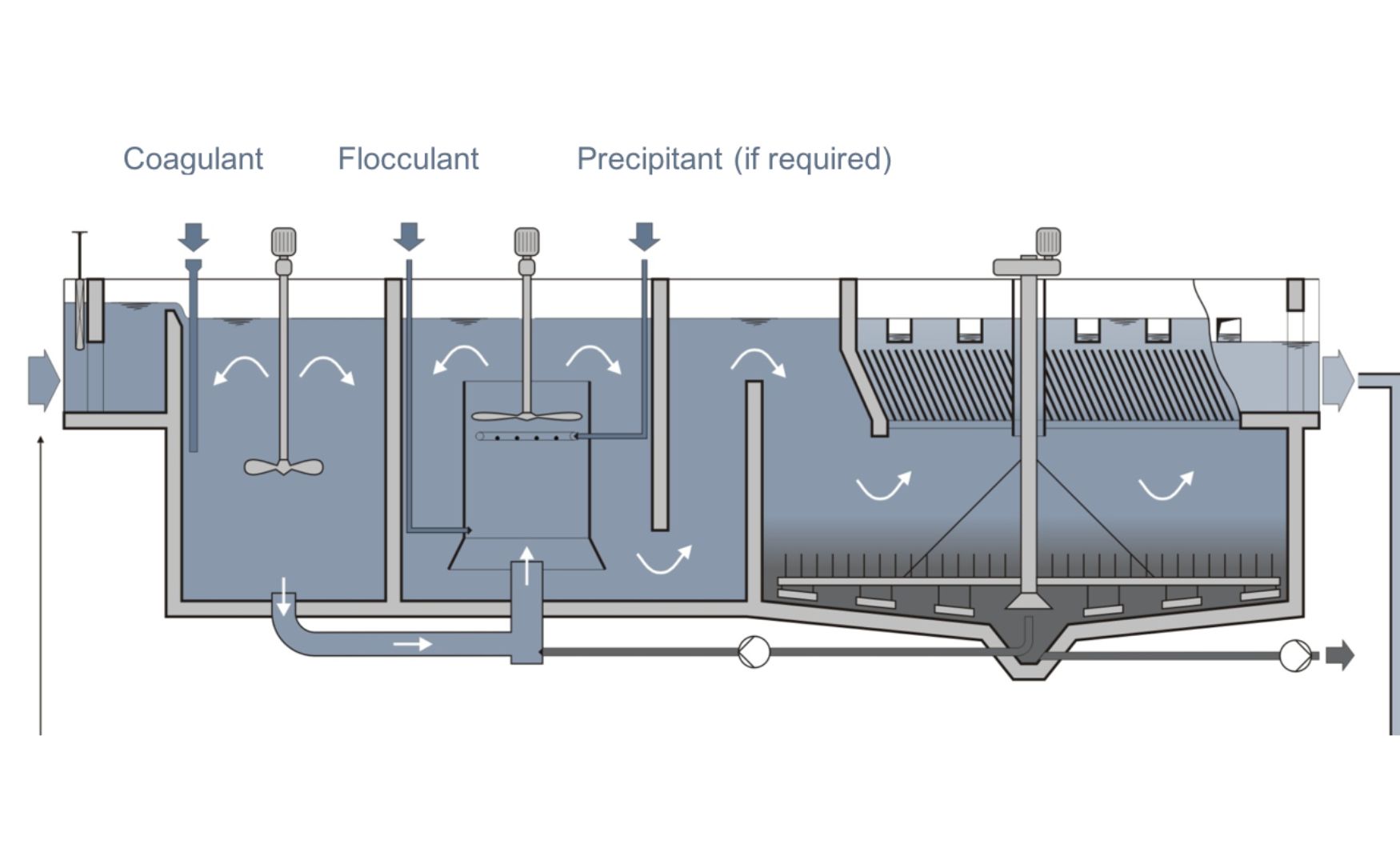
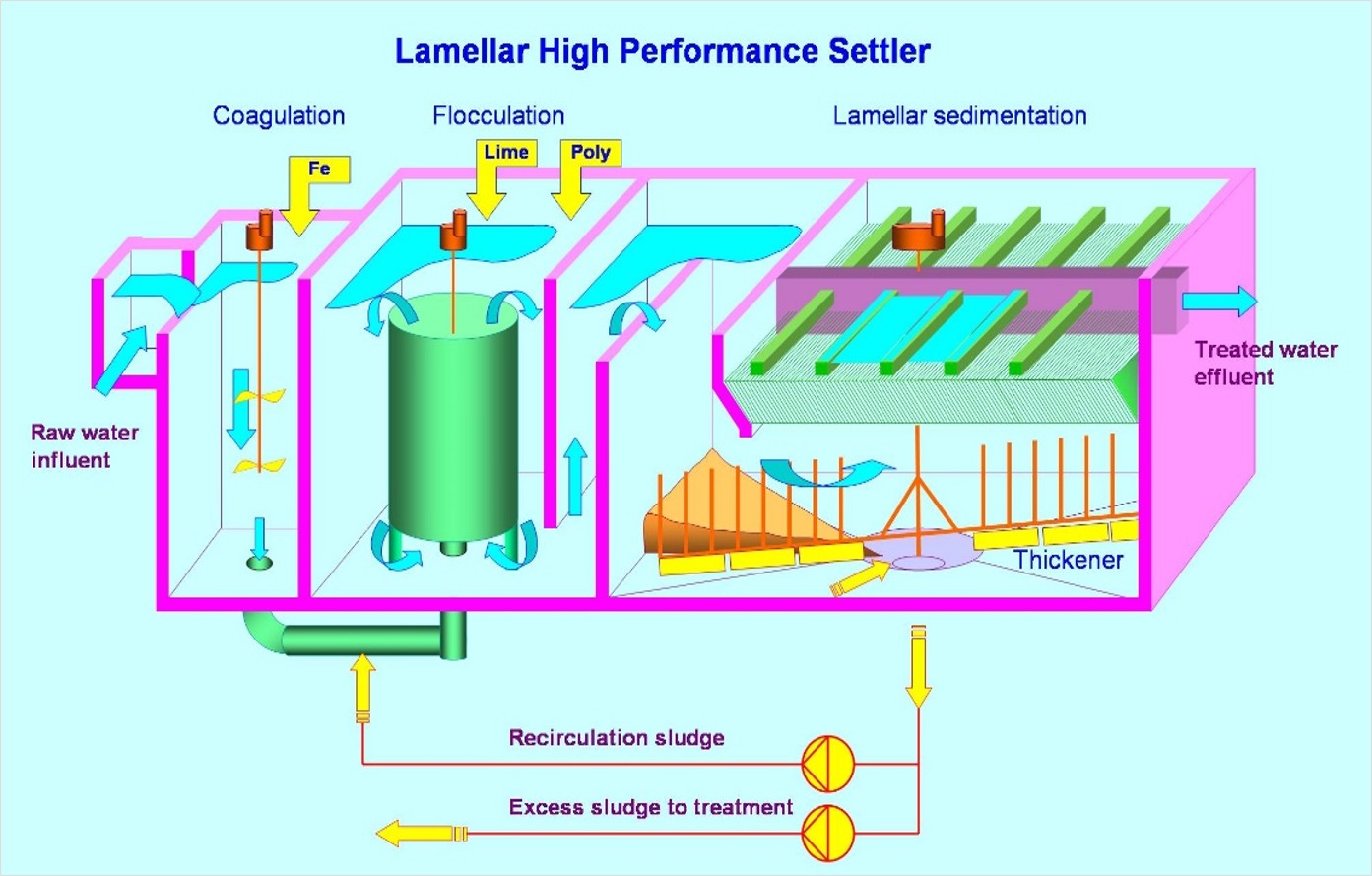
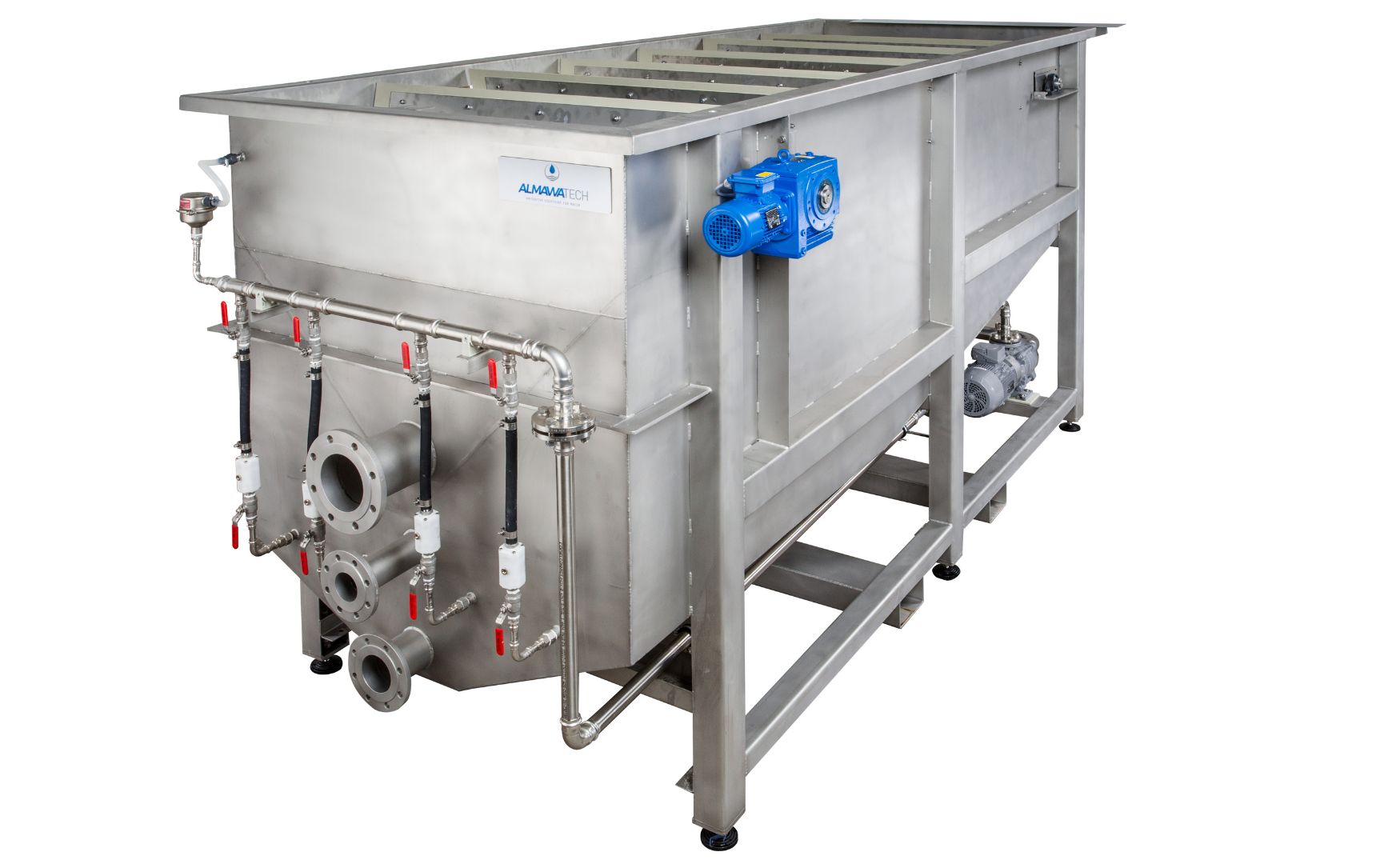
The ALMA BHU LHPS combines coagulation, flocculation, contact sludge recirculation, lamellar sedimentation, and sludge thickening in a compact process unit. The system is suitable both for the treatment of river and surface water and for the advanced treatment of biologically treated wastewater prior to water reuse. In the process, turbidity, suspended solids, residual organic loads, phosphorus, and other chemically precipitable constituents are reliably reduced.
Coagulation
Precipitating agents destabilize colloidal and finely dispersed particles and convert dissolved constituents into separable reaction products.
Flocculation
Flocculants and recirculated activated sludge promote the formation of large, stable, and easily settling flocs.
Lamellar Sedimentation
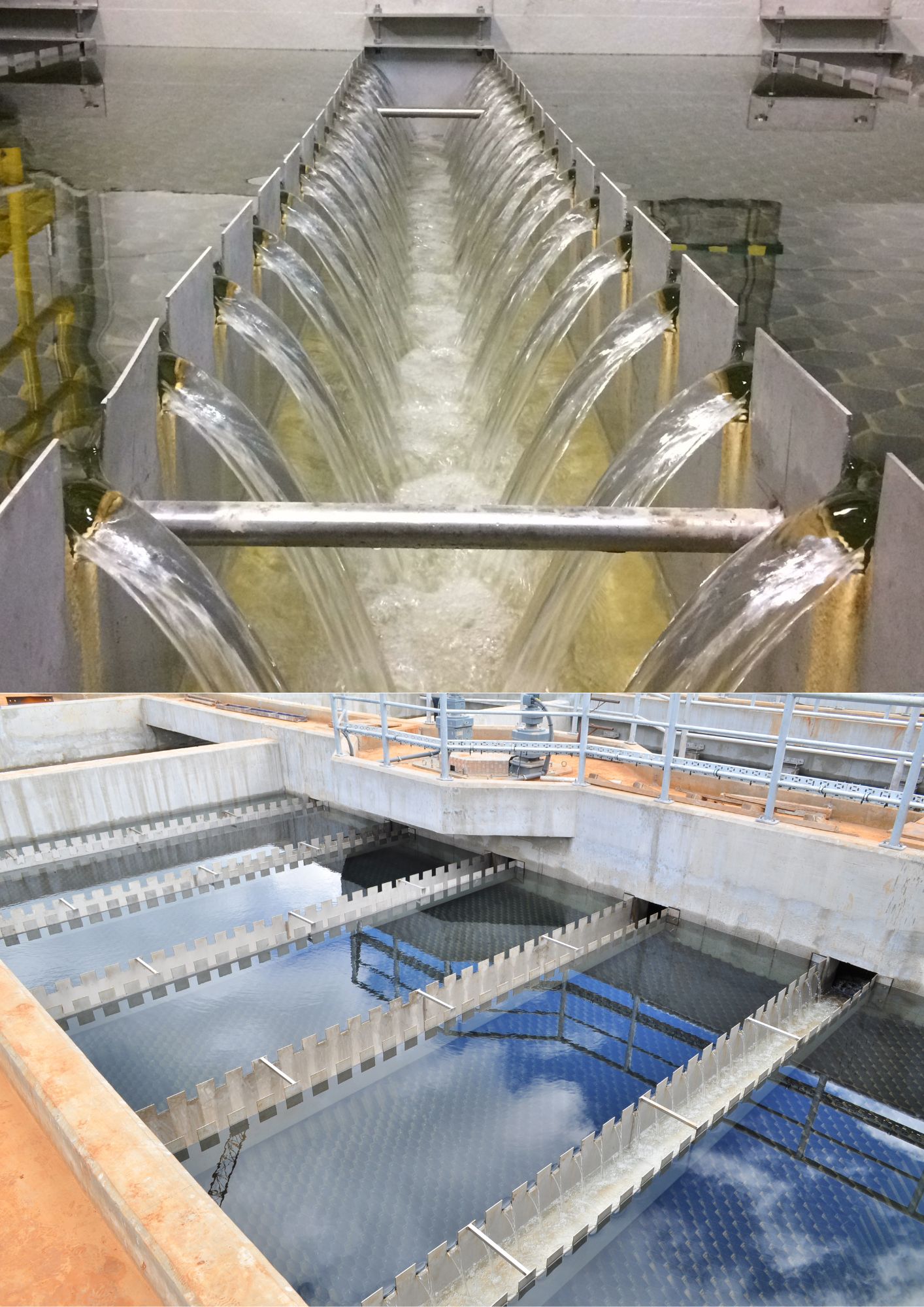
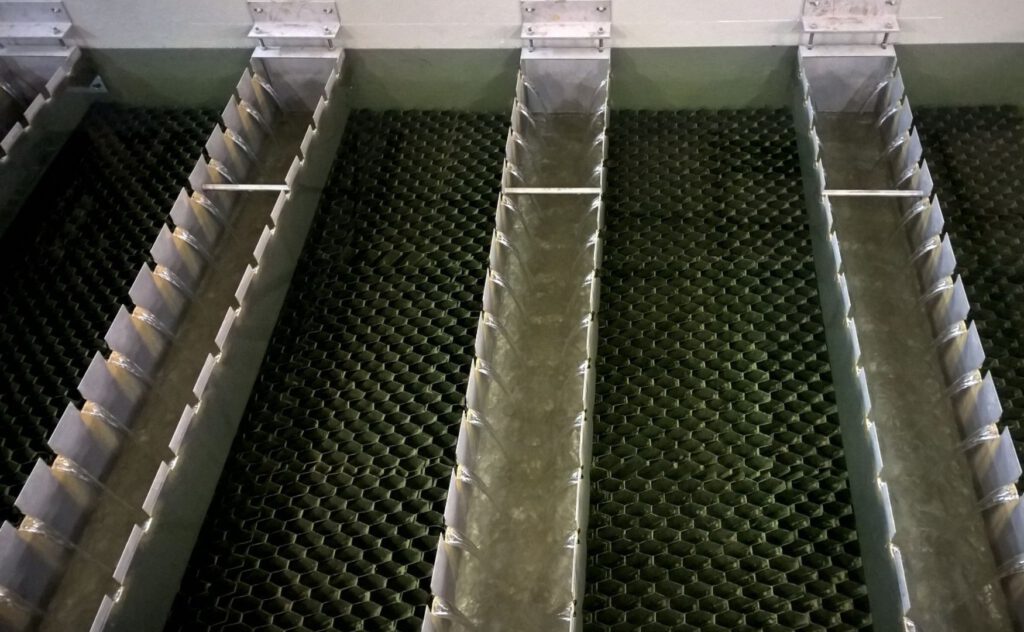
Inclined slats multiply the effective settling surface area and allow for high hydraulic loads with a comparatively small footprint.
Sludge Thickening
Separated solids are collected, thickened, and partially returned to the process as contact sludge.
Which water streams can be treated?
- River and Surface Water Removal of turbidity, suspended solids, mineral particles, algae, and organic natural substances.
- Process Flow in Biological Wastewater Treatment Plants Further reduction of suspended solids, residual phosphorus, and particle-bound organic contaminants.
- Industrial wastewater prior to water reuse Chemical-physical pretreatment prior to filtration, ultrafiltration, nanofiltration, or reverse osmosis.
- Process and Recirculating Water Treatment of contaminated partial flows prior to in-plant recycling or a further treatment stage.
- Water containing precipitable substances Removal of phosphorus, hardness-forming substances, metals, and other constituents through optimized precipitation conditions.
What is the ALMA BHU LHPS used for?
- Pre-treatment for Water Reuse Reducing the load on downstream membrane processes and improving the conditions for on-site water reuse.
- Post-treatment of Municipal and Industrial Wastewater Treatment Plants Reduction of remaining solids, phosphorus, and residual loads in biologically treated effluent.
- Pre-treatment for Reverse Osmosis Systems Reduction of particulate and colloidal load to minimize fouling and cleaning requirements.
- Process and Cooling Water Treatment Treatment of raw or recirculated water for industrial production and cooling systems.
- Boiler Feedwater and Drinking Water Pretreatment Relief for downstream filtration, water softening, ion exchange, or membrane stages.
Typical Integration into a Water Reuse System
Process diagram: ALMA BHU LHPS
Downloads
Tender text
Please contact our specialist for precipitation/flocculation systems: E-Mail
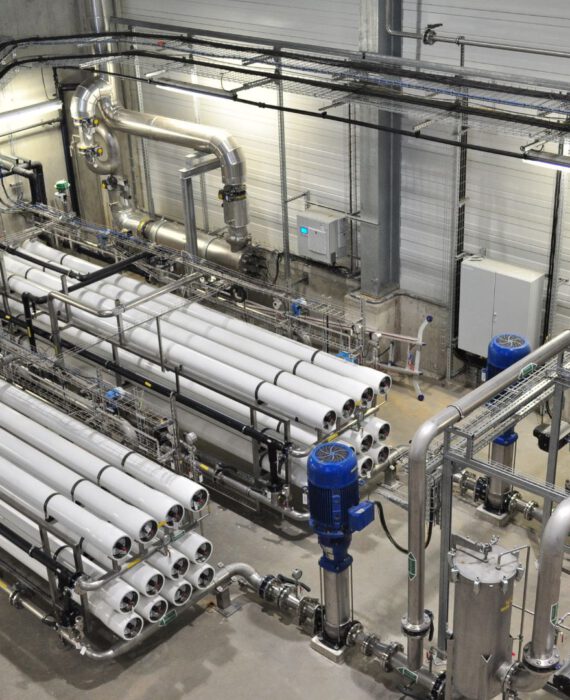
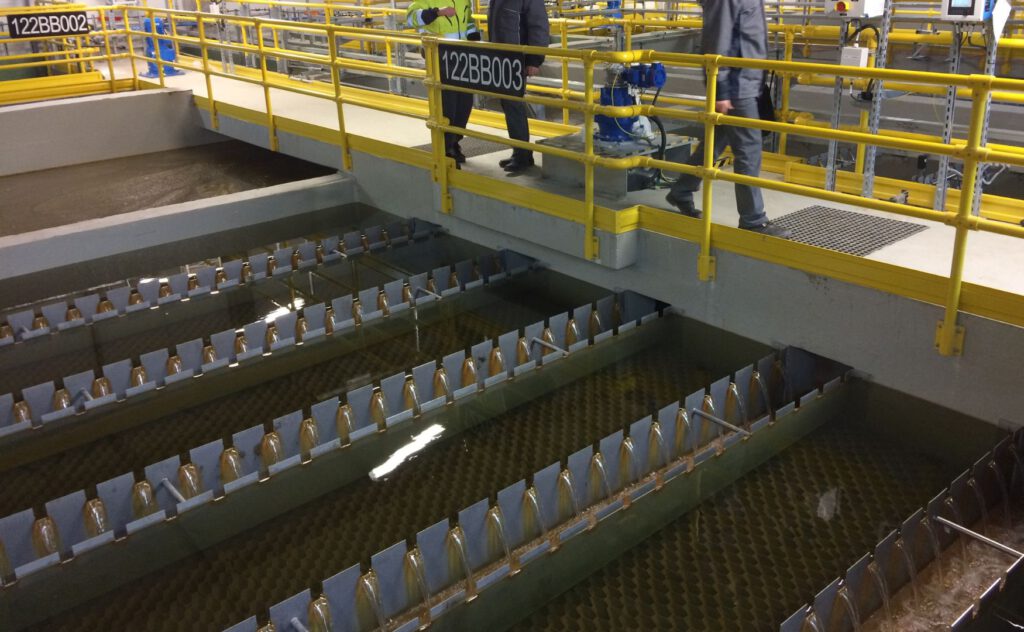
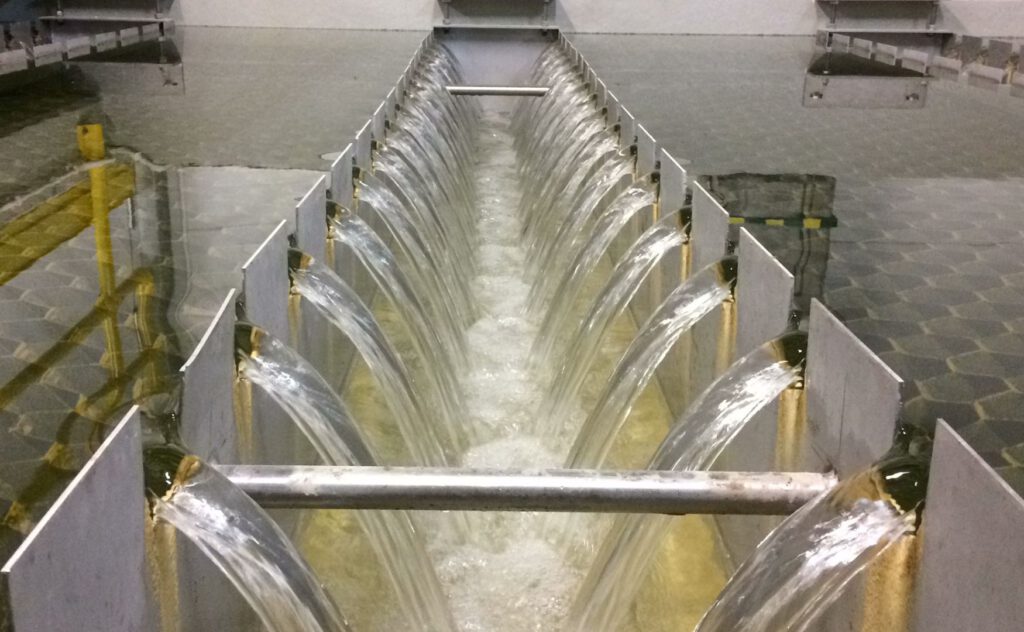
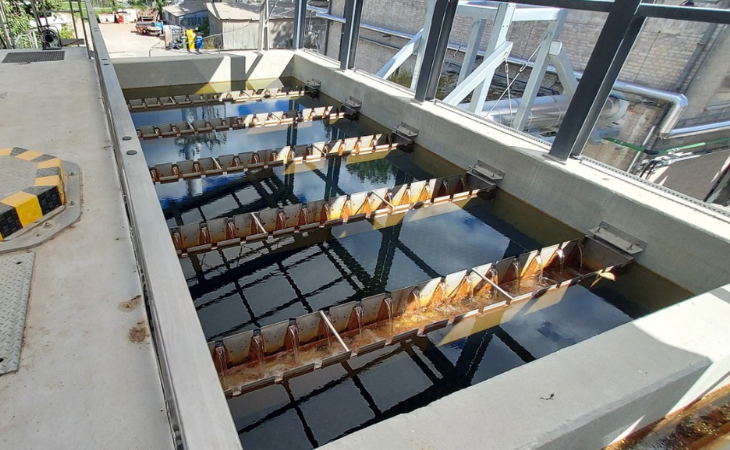
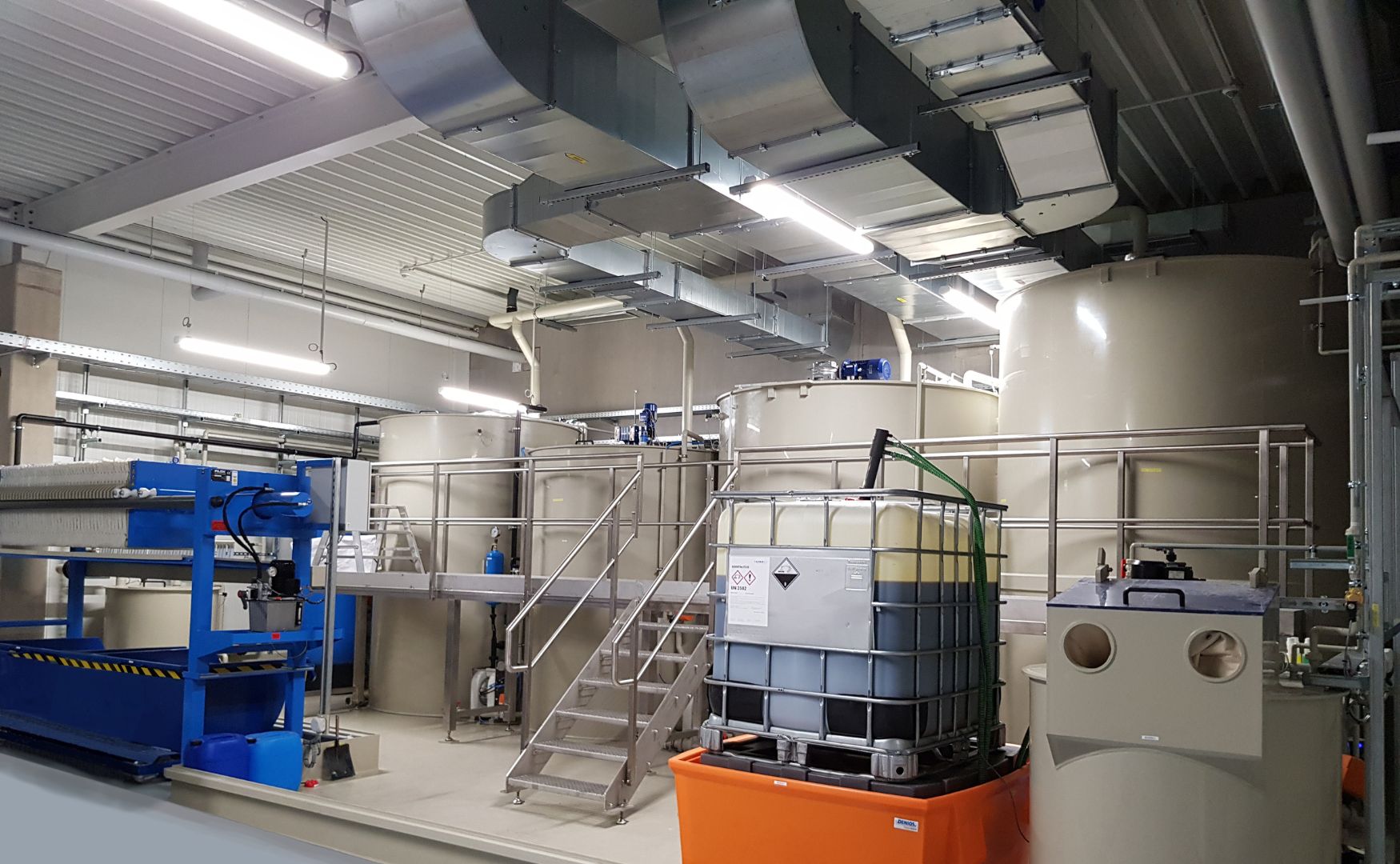
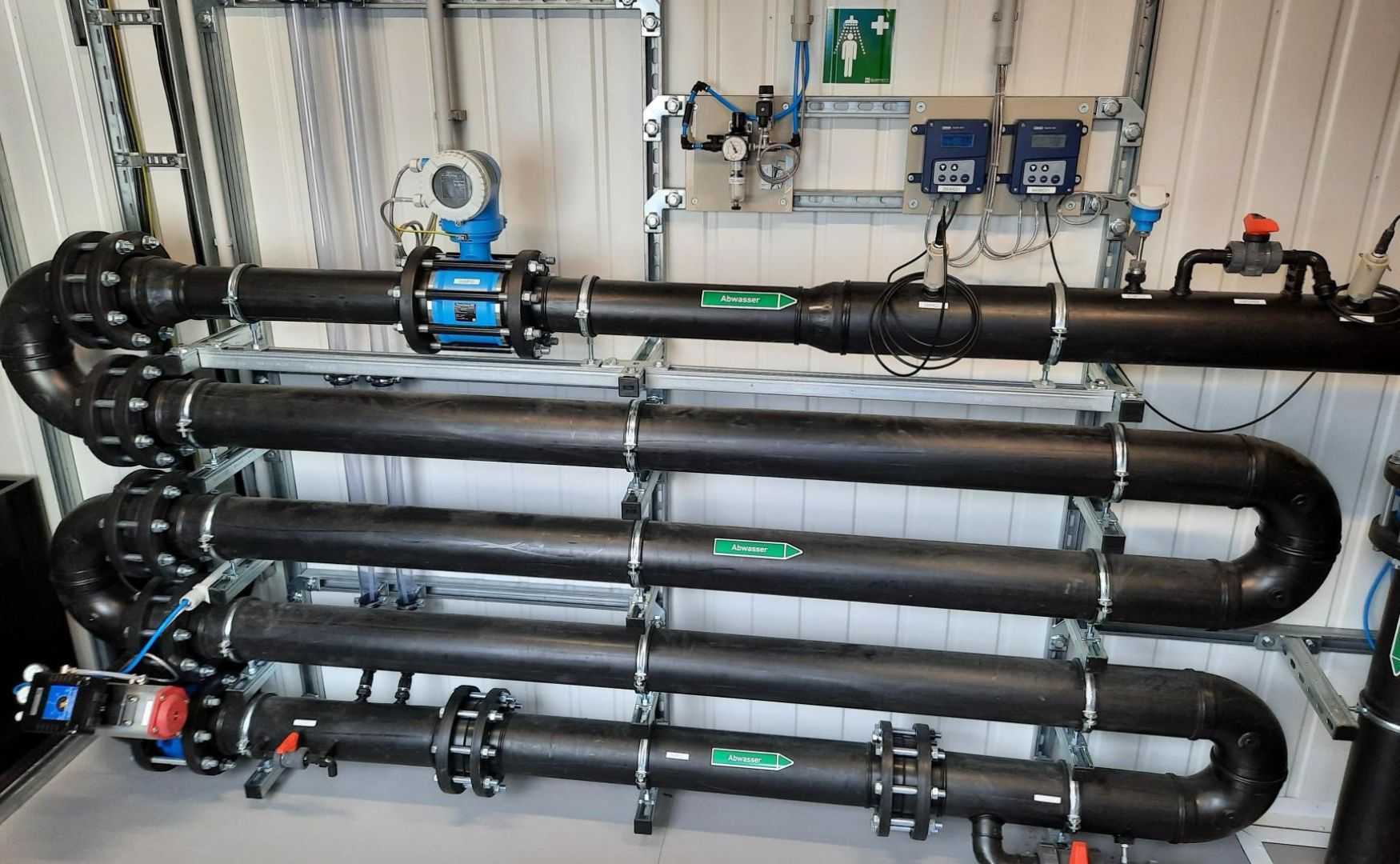
Reference photos


FAQ - Surface Water Treatment Using the LHPS Process
How does the ALMA BHU LHPS work?
The ALMA BHU LHPS (Lamellar High Performance Settler) is a multistage process for physicochemical water treatment that combines the process steps of coagulation, flocculation, sedimentation, and sludge thickening in a compact reactor system. The process is used for the treatment of river water, surface water, and drinking water and is designed to reliably remove turbidity, suspended solids, phosphorus, and dissolved and colloidal substances.
The treatment concept is based on optimally coordinated reaction kinetics. The goal is to first chemically destabilize the finest particles, then aggregate them into settleable flocs, and finally separate them efficiently from the water.
Coagulation – Destabilization of the finest particles
The first step in the process is coagulation. In this step, a coagulant—such as polyaluminum chloride (PAC)—is added to the raw water and thoroughly mixed with it within a few seconds.
Many natural turbidity-causing substances and organic particles exist as colloidal suspensions. Because of their surface electrical charge, these particles repel one another and cannot settle. The addition of the coagulant neutralizes these charges. At the same time, the first sparingly soluble metal hydroxides form, which adsorb dissolved substances and bind the finest particles.
The result is stable microflocs, which serve as the starting point for the subsequent flocculation reaction.
Flocculation – Formation of Sedimentable Macroflocs
The actual flocculation takes place in the second stage of the process.
Here, a polymer is added to the water as a flocculant. At the same time, already thickened contact sludge is recirculated from the sedimentation zone. The solids contained in the sludge serve as nucleation and aggregation sites, causing the microflocs to develop into larger and significantly denser macroflocs.
The hydraulic system of the ALMA BHU LHPS was specifically designed to allow flocs to grow with as little shear stress as possible. The gradual application of energy results in mechanically stable flocs with excellent sedimentation properties.
The integrated contact sludge recirculation system further improves reaction kinetics, increases floc density, and enhances process stability even when raw water quality fluctuates significantly.
Lamellar Sedimentation – Efficient Solid-Liquid Separation
After the flocculation reaction is complete, the water enters the integrated lamella clarifier.
Here, water and solids are separated through sedimentation. The inclined lamella packs increase the effective settling area many times over compared to conventional sedimentation tanks. This makes it possible to handle high hydraulic loads on a comparatively small footprint.
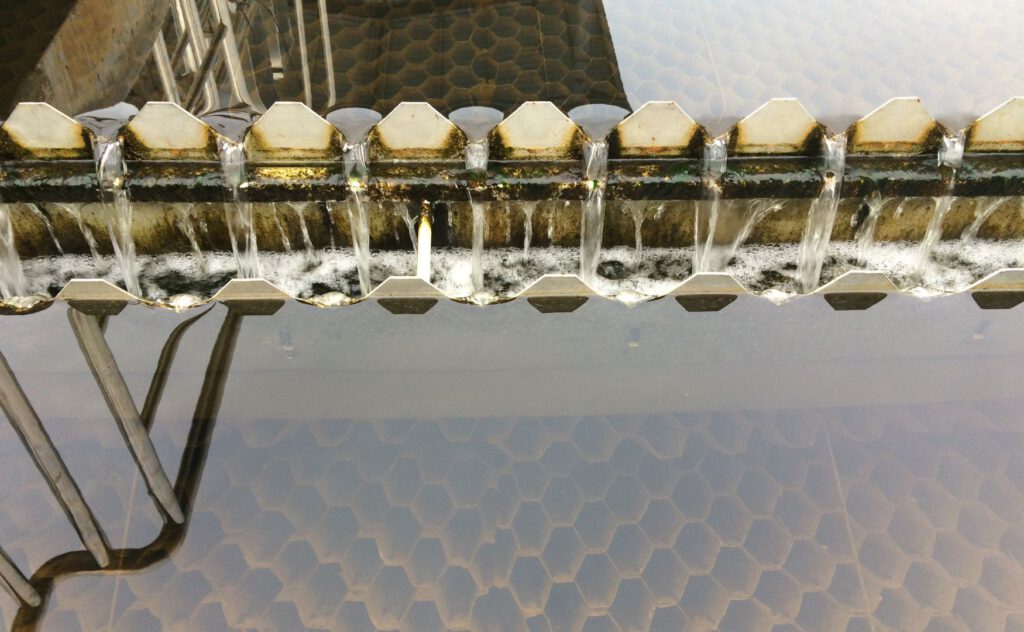
While the treated water flows upward between the lamellae and is discharged through clear-water channels, the settled flocs slide along the lamellae into the sludge zone below.
This design ensures consistently low turbidity levels even with fluctuating flow rates and varying raw water qualities.
Sludge Thickening and Activated Sludge Recirculation
The separated solids are collected in the lower section of the reactor and continuously thickened. A scraper system transports the sludge to a central sludge hopper.
A specified proportion of this sludge is recirculated back to the flocculation stage. This contact sludge recirculation is a key feature of the ALMA BHU LHPS. It increases the number of available crystallization nuclei, improves floc formation, and raises the solids concentration within the process.
The remaining excess sludge is automatically discharged and fed into the downstream sludge dewatering system.
Automatic Process Control
All process steps are continuously monitored and controlled via the ALMAControl® control system. The dosing of precipitants and flocculants, pH control, sludge recirculation, and excess sludge removal are automatically adjusted to the specific plant operating conditions.
As a result, the ALMA BHU LHPS operates with high process reliability and consistent water quality even when raw water quality fluctuates significantly, seasonal changes occur, and flow rates vary.
Integrated Process in a Compact Reactor Unit
Unlike conventional precipitation and flocculation systems, in which the individual process steps often take place in separate structures, the ALMA BHU LHPS combines all process stages into a single reactor unit that is optimized both hydraulically and in terms of process engineering. The result is a compact, high-performance, and cost-effective solution for the treatment of river water, surface water, and drinking water, as well as a pretreatment stage for subsequent filtration or membrane processes.

What are the functions of coagulation and flocculation?
Coagulation and flocculation form the basis of all physicochemical water treatment processes and prepare the solids for subsequent sedimentation.
During coagulation, a coagulant—such as polyaluminum chloride (PAC)—is added to the raw water. This neutralizes the surface charge of very fine particles and colloidal substances, thereby eliminating the repulsive forces between them. At the same time, sparingly soluble metal hydroxides are formed, which bind dissolved substances and form the first microflocs.
In the subsequent flocculation process, these microflocs are combined into larger, stable macroflocs through the addition of a polymer. The specially designed hydraulic system of the ALMA BHU LHPS ensures a controlled energy input, allowing the flocs to grow without being broken down again by shear forces.
Only flakes that are sufficiently large and stable can be reliably separated during the subsequent lamellar sedimentation process and ensure a consistently high quality of clarified water.
Why is contact sludge recirculated?
The recirculation of contact sludge is a key feature of the ALMA BHU LHPS and plays a crucial role in the process's performance.
Some of the sludge settled in the sedimentation zone is recirculated back into the flocculation reactor. The solid particles it contains serve as crystallization and attachment nuclei to which newly formed microflocs can attach. This results in larger, denser, and mechanically more stable flocs.
In addition to improving floc formation, contact sludge recirculation also increases the reaction rate of the precipitation processes. Organic and inorganic constituents can adsorb more effectively to the flocs, thereby increasing separation efficiency and maintaining process stability even when raw water quality fluctuates.
In addition, the higher solids concentration in the reactor results in more efficient sludge thickening. The resulting excess sludge thus already has a high dry matter content and can be fed into the sludge dewatering process without the need for preliminary thickening.
How does lamellar sedimentation work?
Lamellar sedimentation is used to separate the solids formed during precipitation and flocculation from the treated water. In the ALMA BHU LHPS, the water flows evenly into the sedimentation zone after the flocculation reaction, where specially arranged lamellar packs increase the effective settling area many times over.
As the water slowly flows upward between the slanted lamellae, the flocs that form settle due to their higher density. The solids slide down along the lamellae into the integrated sludge compartment, while the clarified water is discharged through collection channels.
Thanks to the large effective sedimentation area, high hydraulic loads can be achieved on a comparatively small footprint. At the same time, the optimized flow pattern ensures uniform solids separation and consistently high clear water quality, even with fluctuating raw water qualities or flow rates.
What are the advantages of an integrated sludge thickener?
The integrated sludge thickener continuously collects and thickens the solids separated during lamellar sedimentation. This brings the sludge to a high solids concentration while it is still inside the reactor, optimally preparing it for subsequent sludge treatment.
A key advantage is that a portion of the thickened sludge can be recirculated directly into the flocculation stage as contact sludge. This improves floc formation, accelerates chemical reactions, and increases process stability.
At the same time, the high sludge concentration reduces the volume of sludge to be pumped and eases the load on downstream dewatering equipment. In many applications, this eliminates the need for additional thickening stages, which reduces both capital and operating costs.
Continuous sludge removal also prevents deposits from forming in the reactor and ensures consistently stable plant operation.
For which types of raw water is the ALMA BHU LHPS suitable?
The ALMA BHU LHPS was developed for the treatment of a wide variety of raw water sources and is particularly well-suited for applications involving high levels of suspended solids and turbidity or fluctuating water quality.
Typical applications include river water treatment, surface water treatment, lake and reservoir water treatment, and drinking water treatment. In addition, the process is used as a pretreatment for membrane filtration systems, activated carbon filtration, or multilayer filters.
The ALMA BHU LHPS reliably removes suspended solids, turbidity, algae, organic particles, and substances that can be separated by chemical precipitation, such as phosphorus or metals. Thanks to automatic process control and the integrated contact sludge recirculation system, the plant operates with a high degree of reliability even when raw water quality fluctuates significantly with the seasons, during flood events, or when flow rates vary.
Each system is individually designed to meet the hydraulic requirements, the raw water composition, and the desired effluent quality, and can be used in both municipal water treatment plants and industrial water treatment facilities.
What substances can be removed using the ALMA BHU LHPS?
The ALMA BHU LHPS removes both suspended and chemically precipitable substances from a wide variety of raw water sources. The process is particularly suitable for reducing turbidity, suspended solids, and colloidal particles, as well as for removing algae and natural organic substances.
By adding appropriate precipitants and flocculants, dissolved substances can also be converted into poorly soluble compounds and subsequently allowed to settle. These include, for example, phosphorus compounds, iron, manganese, and other metals or inorganic trace substances, provided they can be chemically precipitated.
The actual separation efficiency depends on the composition of the raw water, the process chemicals used, and the effluent water quality requirements. The ALMA BHU LHPS is therefore custom-designed for each specific application and can be optimally adapted to different water qualities.
Why are lamella clarifiers used?
Lamella clarifiers enable particularly efficient solids separation in a small footprint. The inclined lamellae significantly increase the effective sedimentation area compared to a conventional settling tank, allowing the system to handle much higher hydraulic loads.
As the water flows upward between the slats, the separated flocs slide along the slats into the sludge zone. This results in short sedimentation paths, uniform flow distribution, and high separation efficiency.
Compared to conventional sedimentation tanks, lamella clarifiers are characterized by their compact design, smaller footprint, and high process stability. They deliver a consistently high quality of clarified water even when raw water quality and flow rates fluctuate, and are therefore currently the state of the art in municipal and industrial water treatment.
How is the process regulated?
The ALMA BHU LHPS is operated fully automatically via the ALMAControl® control system. All process steps are continuously monitored and adjusted to the current raw water quality and plant operation.
The dosage of coagulants and flocculants is proportional to the flow rate and can also be optimized based on measured values such as pH or turbidity. Similarly, sludge recirculation and excess sludge removal are automatically controlled to ensure a constant solids concentration in the reactor.
Integrated measurement and control technology continuously monitors and displays all relevant operating parameters. This enables the plant to respond automatically to fluctuations in raw water quality, seasonal changes, or load variations, ensuring stable, energy-efficient, and chemical-efficient plant operation.
The open automation concept also enables integration into higher-level process control systems, as well as remote monitoring and process optimization during operation.
Similar products: CP systems

ALMA CHEM MCW Modular
Modular precipitation and flocculation system, with reverse osmosis module for water reuse if required.

ALMA OXI Fenton
Combination process of precipitation and flocculation plant with dosing of hydrogen peroxide for the elimination of poorly degradable COD and trace substances.

ALMA CHEM MCW
Chemical-physical precipitation and flocculation plant incl. sludge treatment as a continuous or batch plant for wastewater from the non-food industry.

ALMA Neutra
Neutralization system for pH value regulation with acid/alkali/CO₂ in the compact ALMA module.

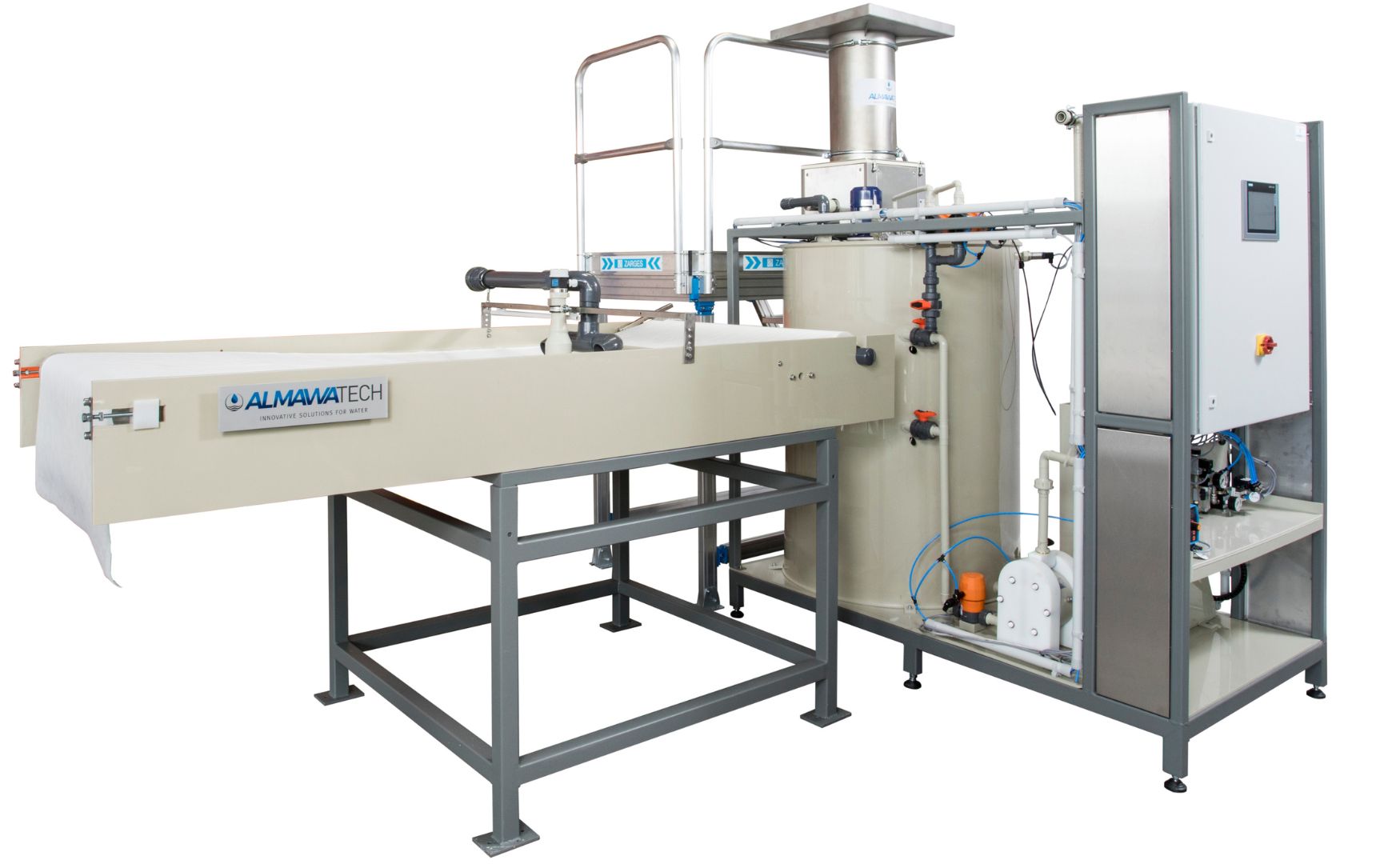
ALMA CP Compact
Compact CP system for precipitation and flocculation of dissolved impurities with subsequent sludge separation via a belt filter.

ALMA NeoDAF HDED
The ALMA NeoDAF HDED is a dissolved air flotation system for wastewater flows of 12 - 150 m³/h.
Get in touch with us!
Maksim Neubauer
Head of International Project Development & Water Reuse