

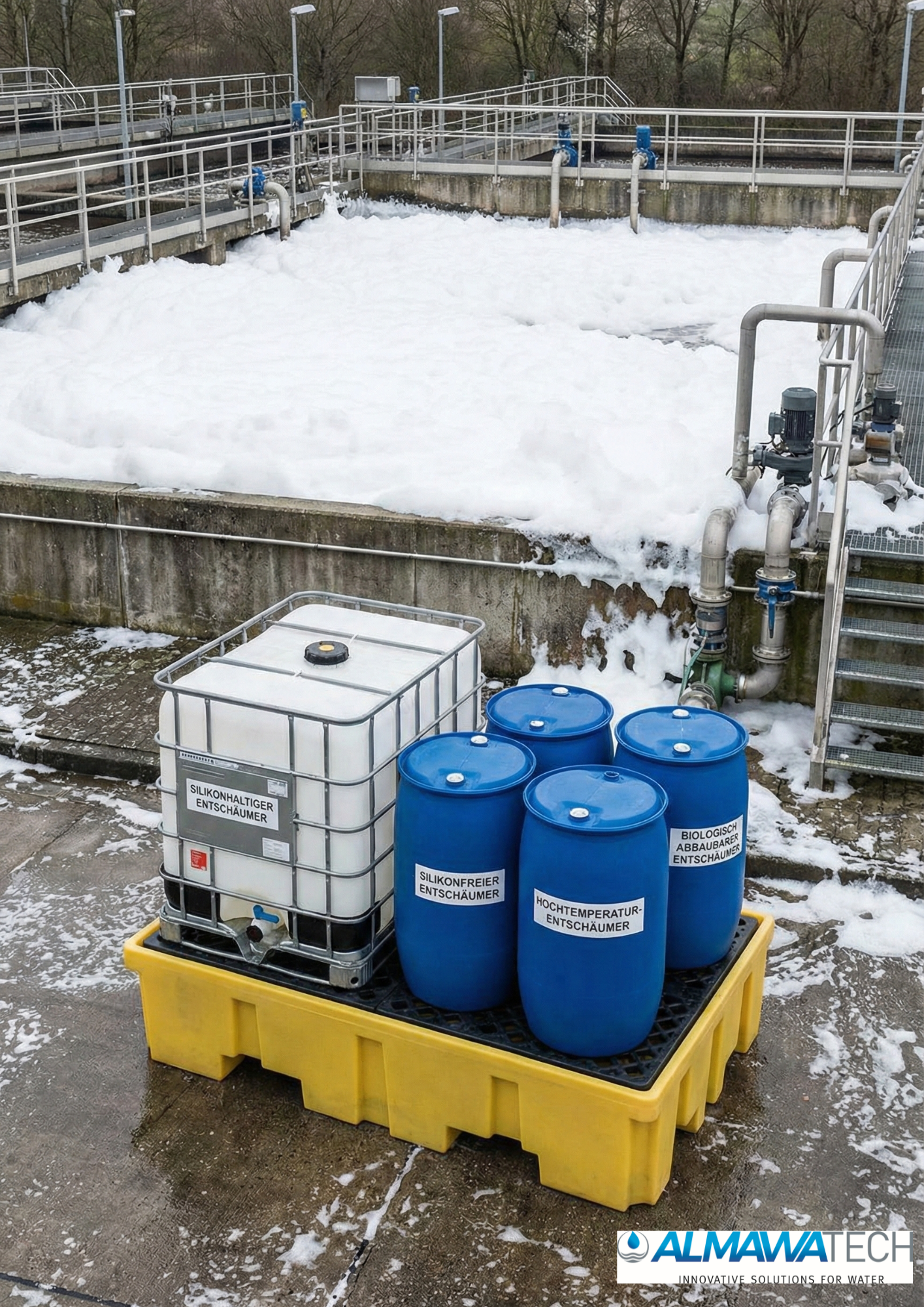
Our solution: foam control with a system
Acute foaming? We can help!

Frank Kuntze
Sales Manager Water and Process Additives
Why foam control is important
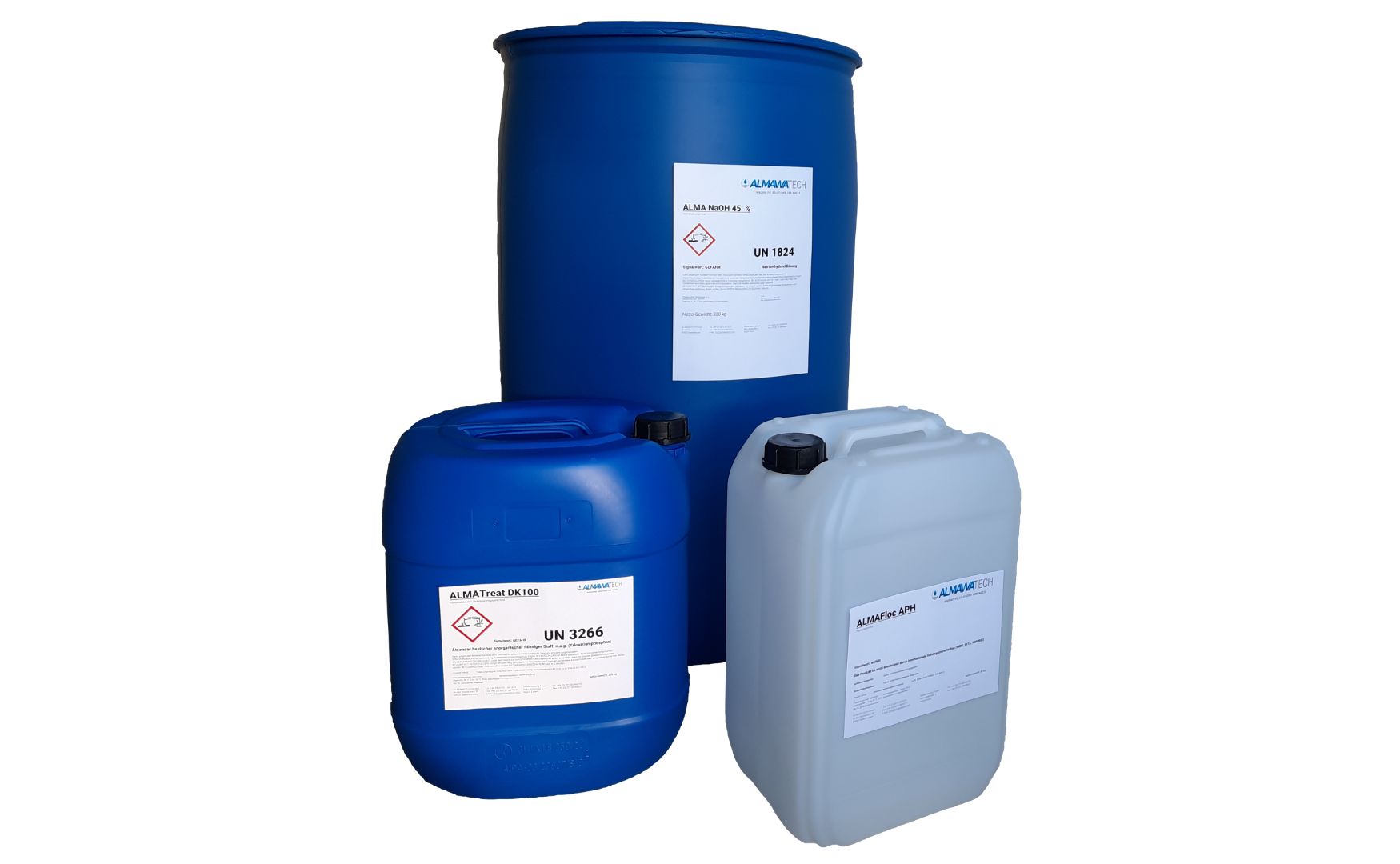
Proof of Performance - Our references






Your benefits with ALMA AQUA cleaning agents
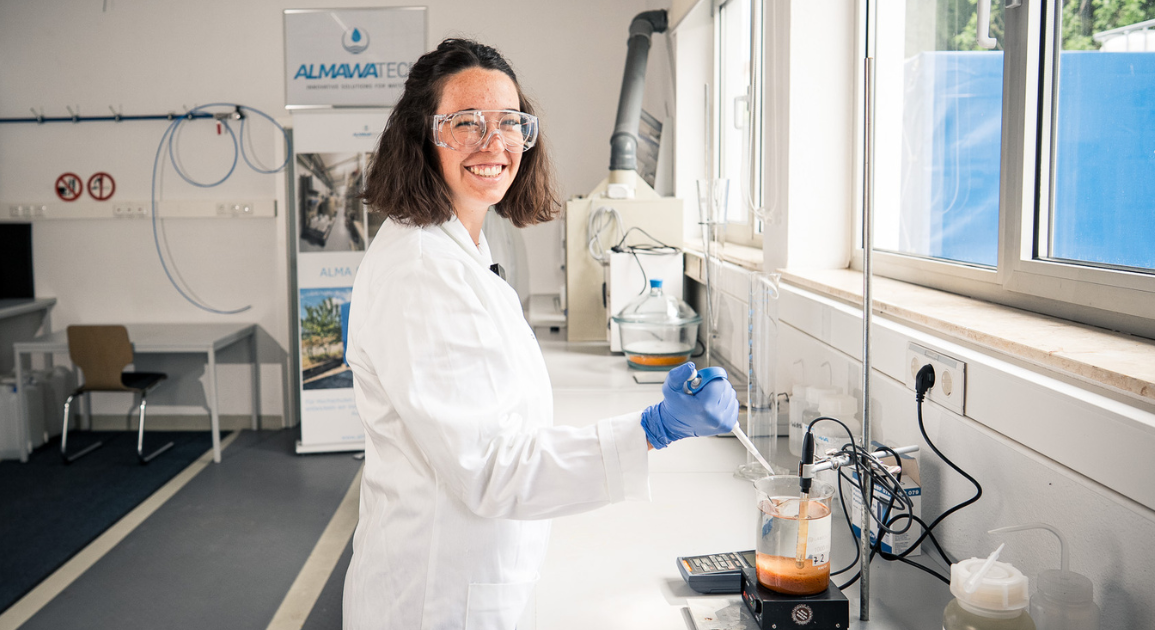
Service & technology - everything from a single source
Advice & system recording
Pavement and water analysis
Online monitoring & software solutions
Integrated dosing and control technology
Automated additive replenishment
Evaluation & reporting
Formulations & compatibility
OEM & private label solutions
FAQ
What are the causes of foaming in water systems?
Foam formation in cooling, boiler and waste water systems always has a physical-chemical basis: gas bubbles (usually air) are stabilized by surface-active substances in the liquid so that they do not burst.
Common causes by process:
Cooling water systems: surfactants from biocide programs, organic degradation products from biofilms, leakages from heat exchangers (e.g. oil ingress)
Boiler systems/evaporators: High solids content (TDS), organic contamination, oil or grease, insufficient desalination
Biological wastewater treatment plants: overdosing of nutrients, input of surfactants from production wastewater, high protein or carbohydrate concentrations
Paper industry: resins, glues and lignin from fiber processing
Chemical industry: reaction by-products, surfactants or polymers from processes
Practical example:
In an industrial grease processing plant, a minimal amount of oil in the cooling water resulted in a stable, highly viscous foam that only disappeared after the use of a special silicone-containing defoamer.
How do defoamers work chemically and physically?
The effect of defoamers is based on several mechanisms:
Local surface tension reduction: The defoamer destabilizes the boundary layer of the foam lamella in a targeted manner, allowing the liquid to drain out of the bubble more quickly.
Incorporation of hydrophobic particles: Dispersed particles (e.g. silicon dioxide) disrupt the stability of the foaming agents and act as "predetermined breaking points" in the bubble wall.
Exchange of liquid in the lamella: Oil droplets displace water from the bubble wall and cause it to collapse.
Long-term effect due to anti-foaming agents: Certain additives form a protective film on the surface of the liquid to prevent it from foaming again.
Difference depending on the formulation:
Silicone-containing defoamers: extremely fast action, very low dosage
Silicone-free defoamers: slightly slower but more stable long-term effect
Polyether or wax-based: temperature-stable and suitable for hot water applications
What types of defoamers are there and when is which type used?
Silicone-containing defoamers:
Area of application: cooling circuits, waste water treatment, chemical processes
Advantages: Very fast effect, high efficiency with low dosage
Disadvantage: Can lead to irreversible blockages in membrane systems (RO, UF)
Silicone-free defoamers (polyethers, waxes, mineral oils):
Area of application: Food industry, membrane systems, applications with silicone restrictions
Advantages: Membrane compatible, no silicone residue
Disadvantage: Usually higher dosage required
Biodegradable defoamer:
Area of application: Biological clarification stages so as not to inhibit microbial activity
Advantages: Environmentally friendly, quickly degradable
Disadvantage: Usually not as long-lasting effective as silicone-based products
High-temperature defoamer:
Area of application: Boiler systems, evaporators, processes >100 °C
Advantages: Temperature and pressure stable, no loss of effectiveness at high temperatures
Practical example:
In a paper mill with highly resinous process water, only a silicone-containing defoamer could break the foam within seconds - a silicone-free test led to a delayed effect and higher consumption.
In which system areas are ALMA AQUA defoamers typically used?
Our defoamers are used in many industries, e.g:
Cooling water systems: Foam due to biocide programs or organic contamination
Boiler systems/evaporators: Foam formation due to dissolved solids or oils
Biological wastewater treatment: Foam formation with high protein or surfactant loads
Paper industry: Foam in stock preparation and paper machines
Chemical industry: Foam in reactors and during synthesis processes
Food industry: foam in fermenters, CIP processes or raw material reception
How is the correct dosage for a defoamer determined?
The optimum dosage depends on the water chemistry, foam load, temperature and system type.
Procedure for ALMA AQUA:
Analysis of the foam situation on site (sampling, foam formation test)
Laboratory test with various defoamer types to determine effectiveness
Pilot dosing in the system with different quantities
Monitoring: foam height, foam duration, possible interactions with other additives
Fine adjustment: Automatic dosing via sensors or manually at intervals
Tip: Continuous preventive dosing is often more efficient than purely reactive shock dosing.
Can a defoamer affect biological sewage treatment plants or membranes?
Yes - the wrong choice or dosage can cause considerable problems:
Biological wastewater treatment plants:
Some defoamers can inhibit the transfer of oxygen into the liquid, which slows down the breakdown of COD.
Silicone particles can accumulate in the sludge and impair the settling properties.
Solution: use biodegradable defoamers that have no negative impact on the biomass.
Membrane systems:
Products containing silicone often lead to irreversible membrane fouling.
Even the smallest amounts can hydrophobize the membrane pores and greatly reduce the flow.
Solution: use silicone-free, RO-compatible formulations that meet the manufacturer's specifications.
Practical example:
In a reverse osmosis system, the uncontrolled use of a silicone-containing defoamer led to a 40 % loss of permeate flow - only membrane cleaning with special dispersants was able to limit the damage.
What regulatory requirements apply to defoamers?
Different guidelines must be observed depending on the area of application:
Food industry: defoamers must be FDA or EU compliant for food contact (e.g. Regulation (EU) No. 10/2011).
Waste water area: Compliance with the Waste Water Ordinance (AbwV), observe biodegradability.
Cooling towers / evaporative cooling systems: Use must be compatible with biocide and corrosion protection programs (VDI 2047 / 42nd BImSchV).
Membrane systems: Observe the manufacturer's approvals in order not to invalidate the warranty.
Can defoamers be used preventively?
Yes - and in many processes it is even more economical.
Preventive use reduces the risk of sudden foam outbreaks that lead to production downtime or loss of efficiency.
Example: In a paper machine, continuous low dosing resulted in constant freedom from foam and prevented expensive production interruptions.
How quickly do ALMA AQUA defoamers work?
In most cases within seconds to a few minutes.
The speed of action depends on the load, temperature and flow.
Products containing silicone act particularly quickly, silicone-free products often act somewhat more slowly, but are more stable in the long term.
Can a defoamer be selected incorrectly?
Yes - and the consequences range from production downtimes to system damage:
Lack of effect: If the defoamer does not match the foaming agent, there will be no effect (e.g. silicone-free against very stable silicate foam).
Incompatibility with other additives: Can lead to flocculation, oil film or reaction products that interfere with measuring devices.
Material damage: Certain solvents in defoamers can attack seals or coatings.
Process disturbances: In biological clarification stages or membrane systems, an incorrect defoamer can massively impair performance.
Therefore:
ALMA AQUA always recommends an on-site or laboratory test before using a defoamer permanently. This ensures that the effect, compatibility and long-term compatibility are right.
How do I identify the exact cause of foaming in my system?
An effective foam cause analysis begins with the systematic recording of all relevant operating data and water parameters.
ALMA AQUA proceeds in several steps:
On-site operational monitoring
Visual analysis of the foam properties (dry, moist, viscous)
Recording of process conditions (temperature, flow rate, pH, air supply)
Sampling & laboratory analysis
Foam liquid: analysis for surfactants, fats, proteins, polymers
Plant water: analysis for COD, TSS, oils, surface tension
Microbiological tests: Detection of biofilm products (EPS, bacterial species)
Check process history
Latest changes to the water chemistry or dosing strategy
Use of new additives or raw materials
Production changes or cleaning intervals
Simulation on a laboratory scale
Adjusting the foam formation with system water to test suitable defoamers in a targeted manner
Practical tip:
Many foam formations are multifactorial - e.g. combination of surfactants + biofilm + solids load. In such cases, a combination strategy of eliminating the cause of foaming and using a defoamer is most effective.
How can a foam situation be prevented permanently and sustainably?
Short-term defoaming is usually easy - the challenge lies in long-term foam control.
ALMA AQUA recommends process optimization in 4 steps:
Source control
Reduction of surfactant or grease contamination at the source
Optimization of cleaning processes to minimize residual chemicals in the cycle
Optimize process parameters
Reduction of the flow velocity in critical areas
Avoidance of excessive air or gas ingress into pumps and pipes
Long-term dosing variants
Use of defoamers as a continuous low dosage for prevention
Combination with dispersants to remove foam stabilizers (e.g. particles)
Regular monitoring
Online measuring systems for foam height or surface tension
Documentation of the foam tendency, dosing quantities and system conditions
Practical example:
In a paper mill, continuous dosing of a temperature-stable defoamer and simultaneous adjustment of the air content in the process water line reduced foam formation by 95% - without any negative effects on the production process.
Need technical advice? Inquire now!
Frank Kuntze
Sales Manager Water and Process Additives