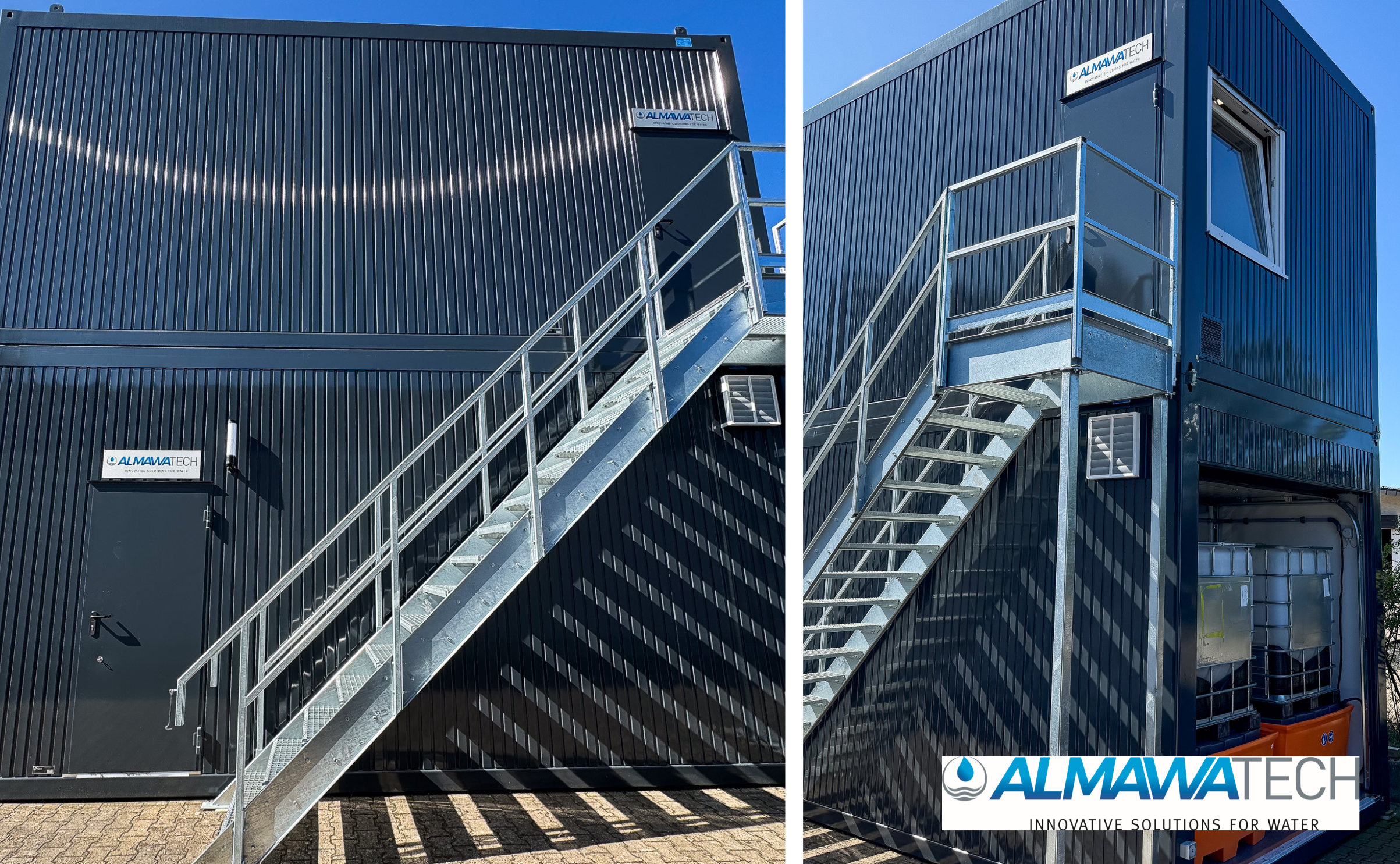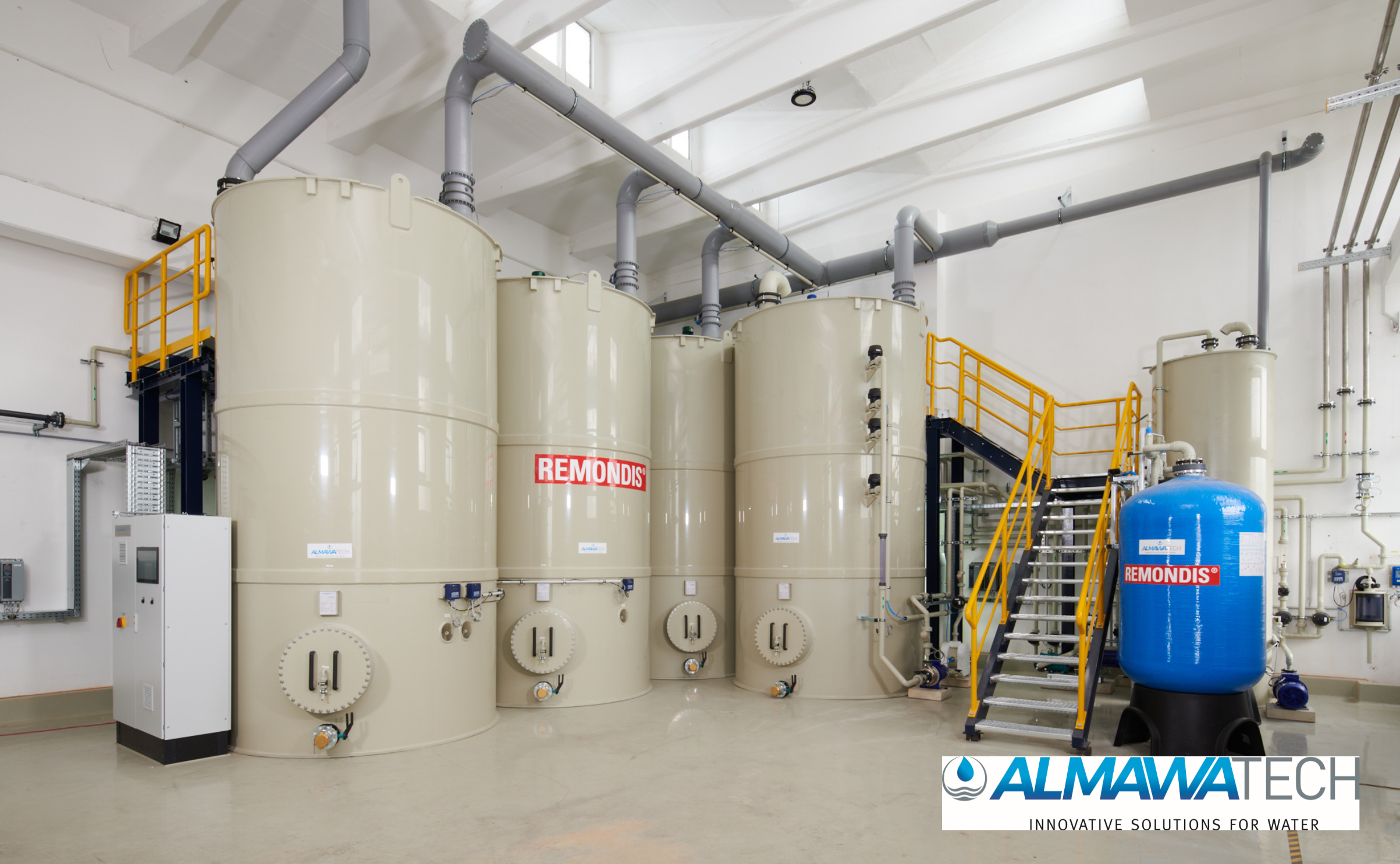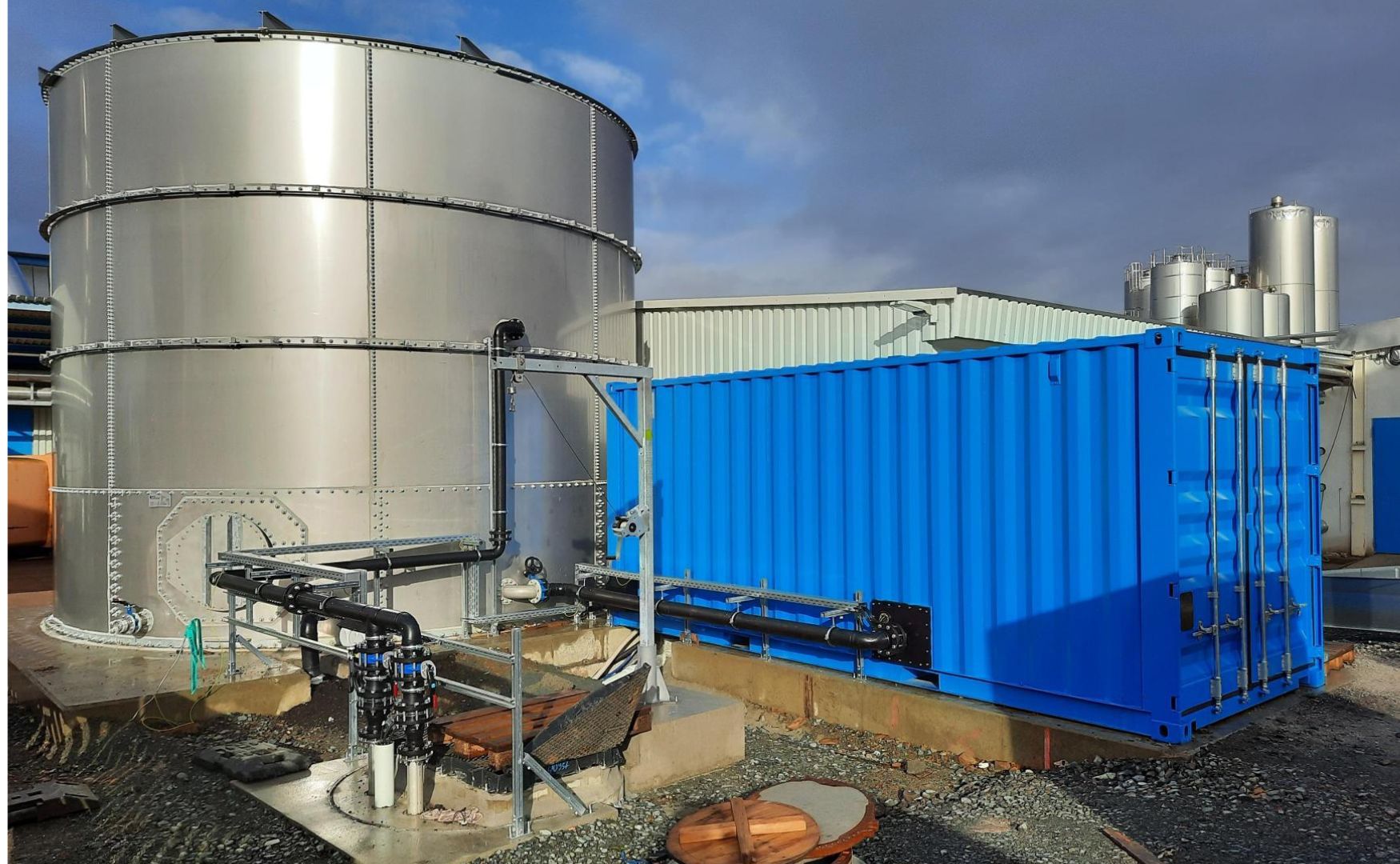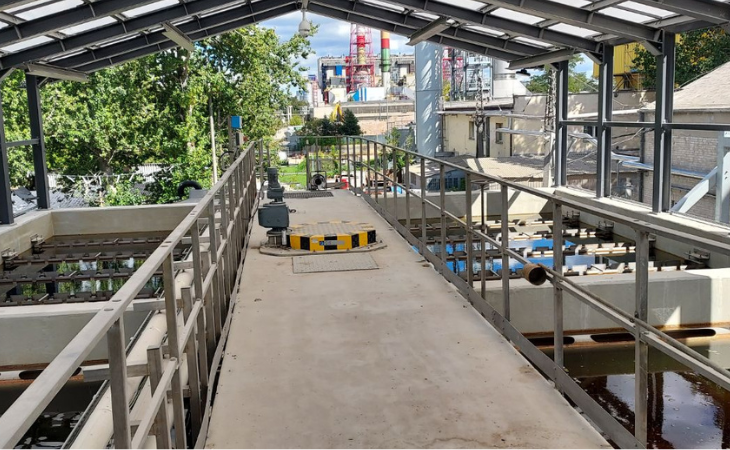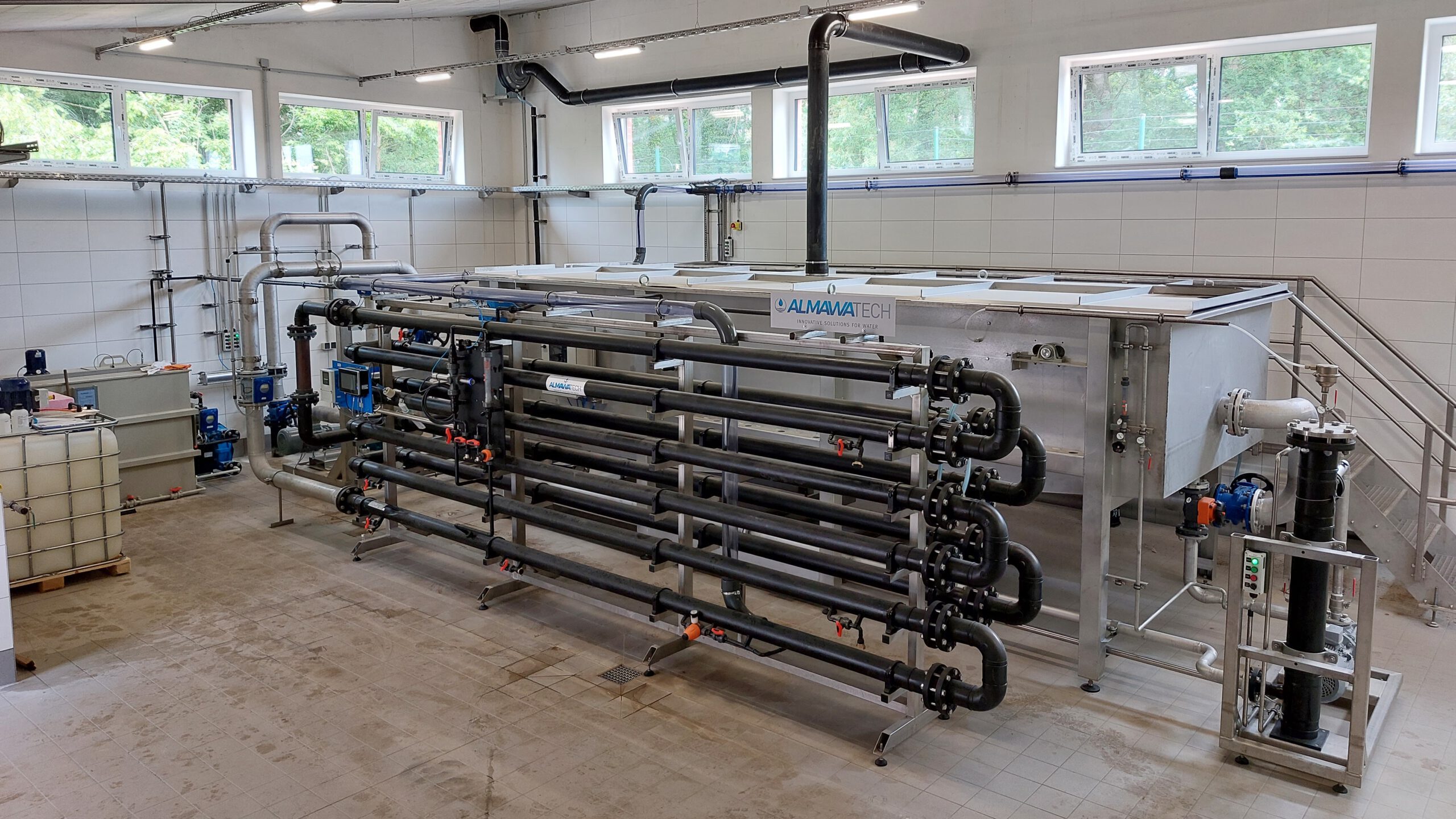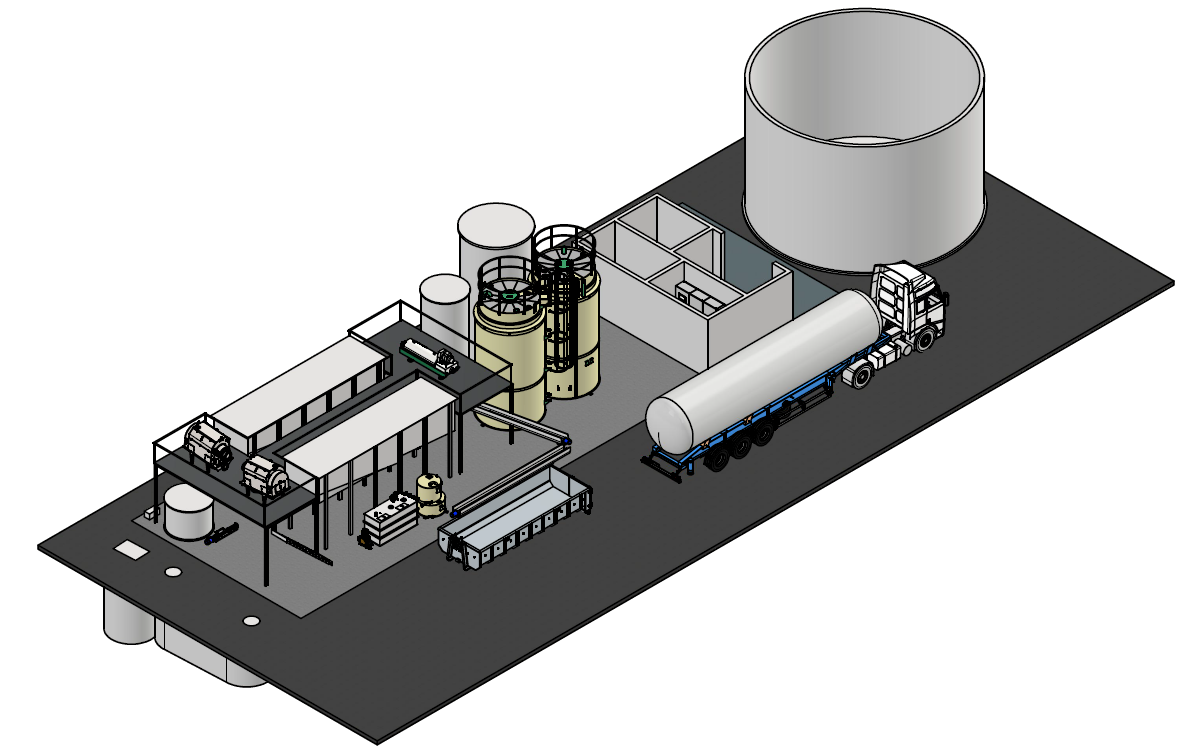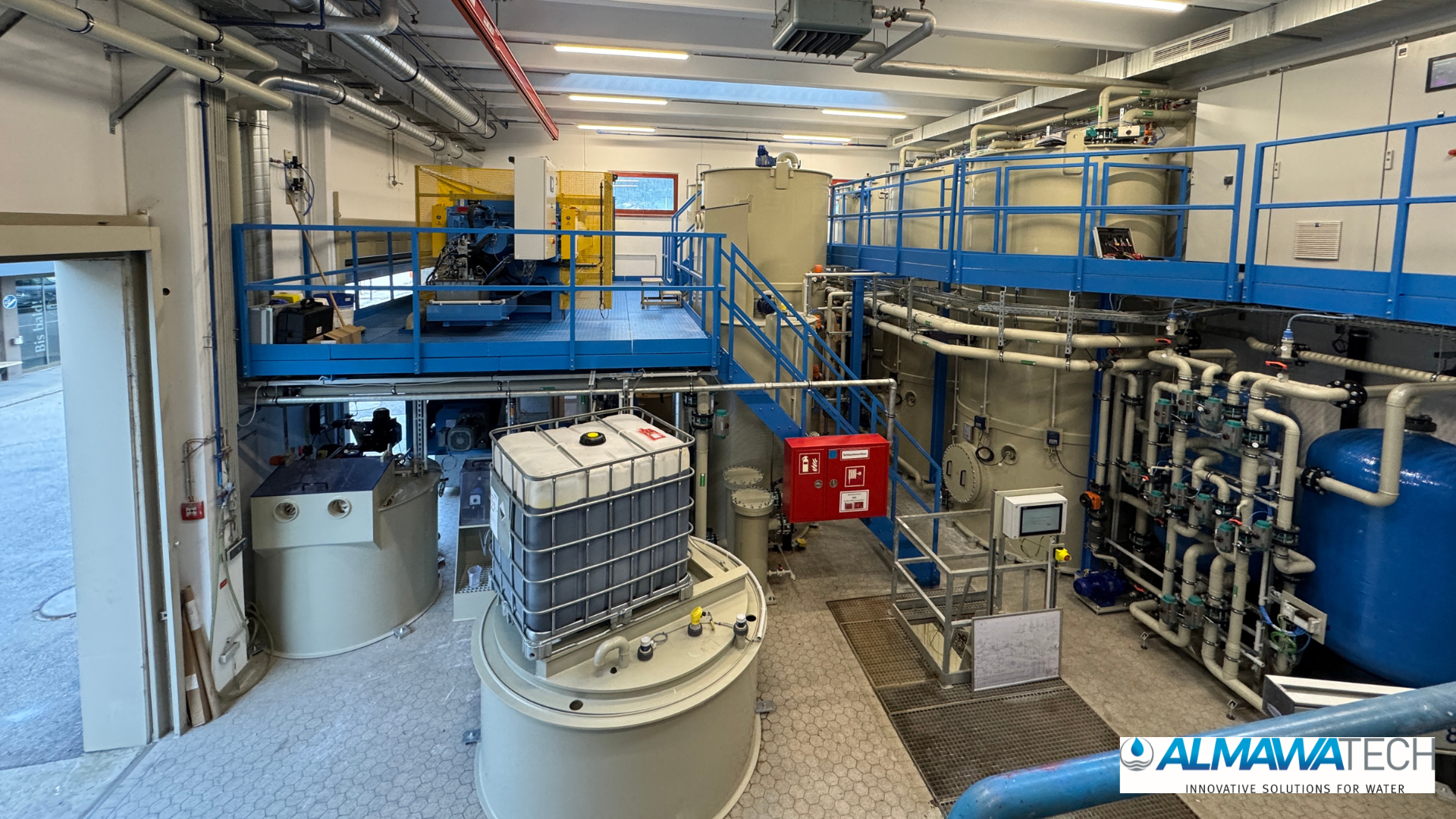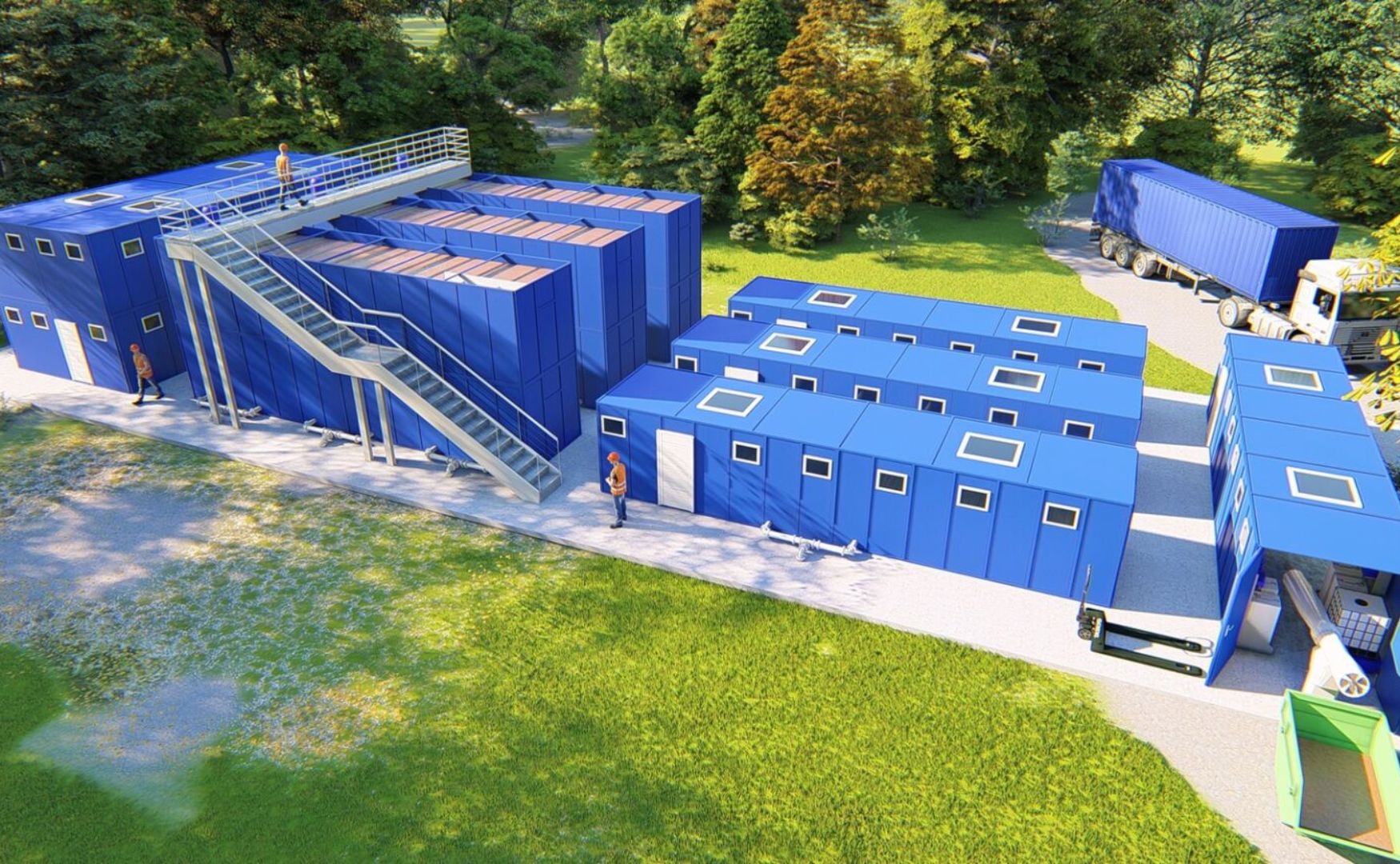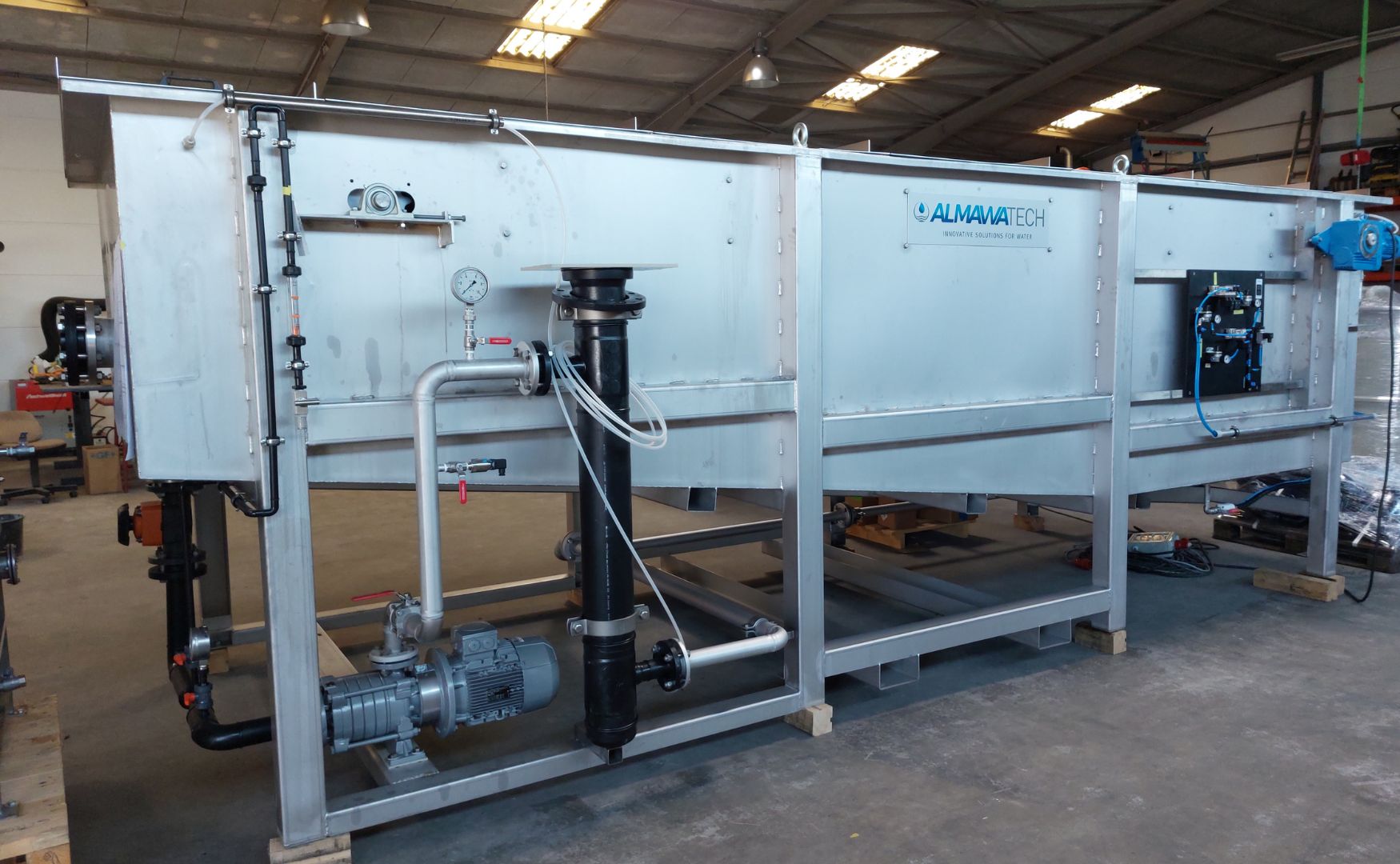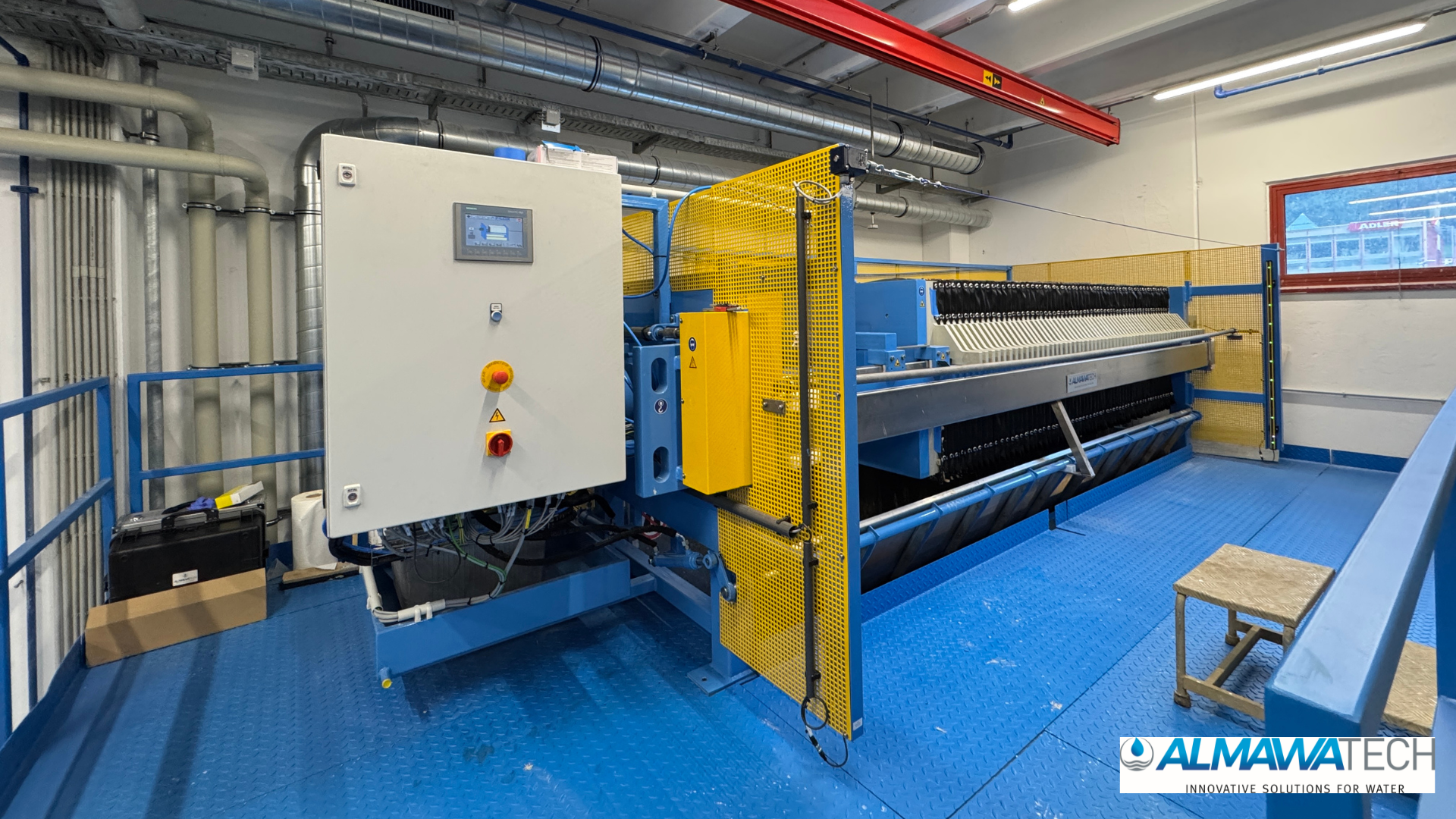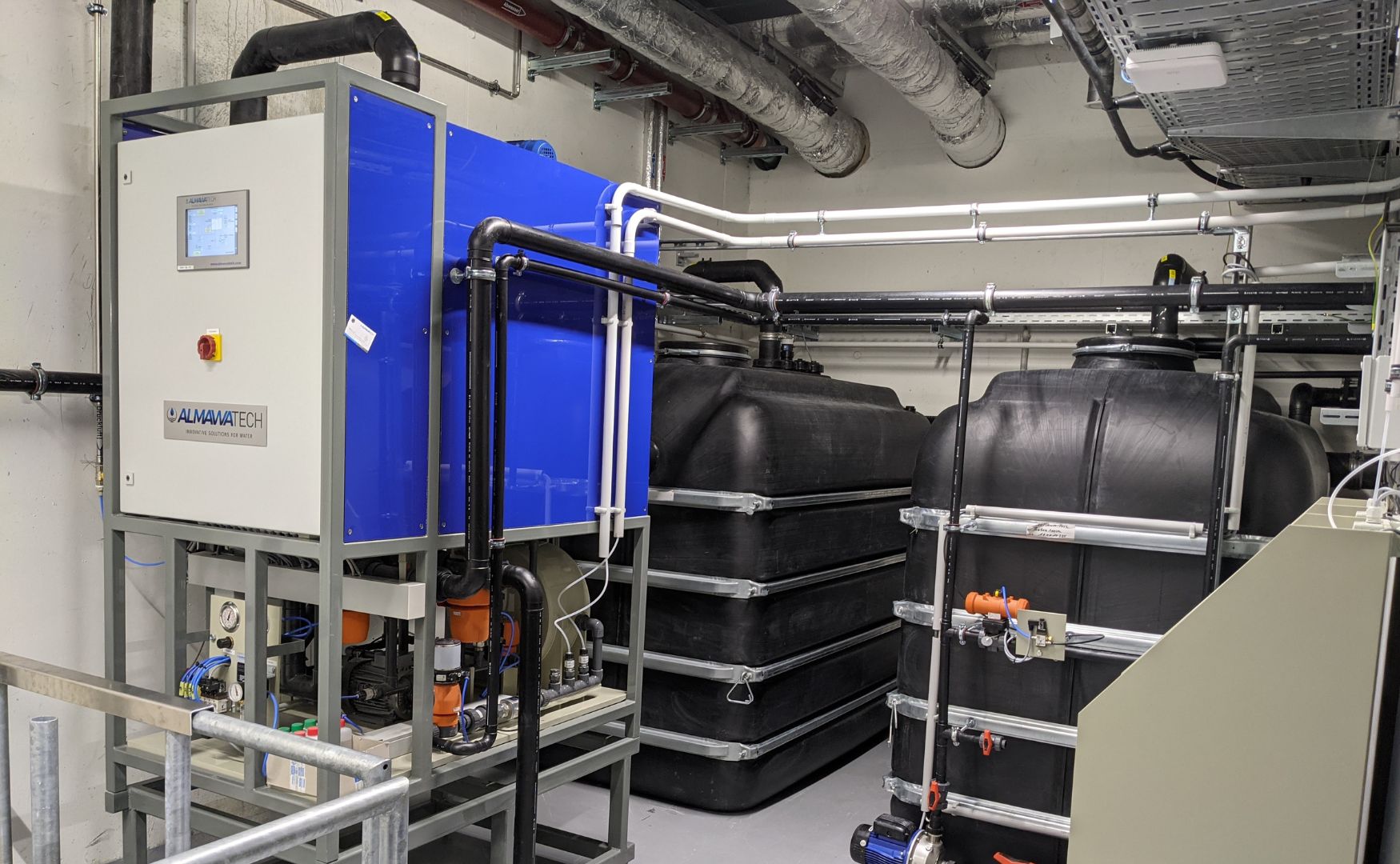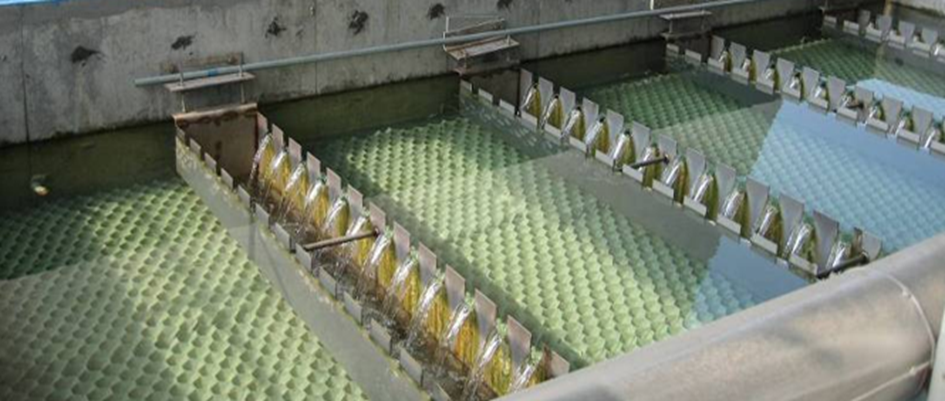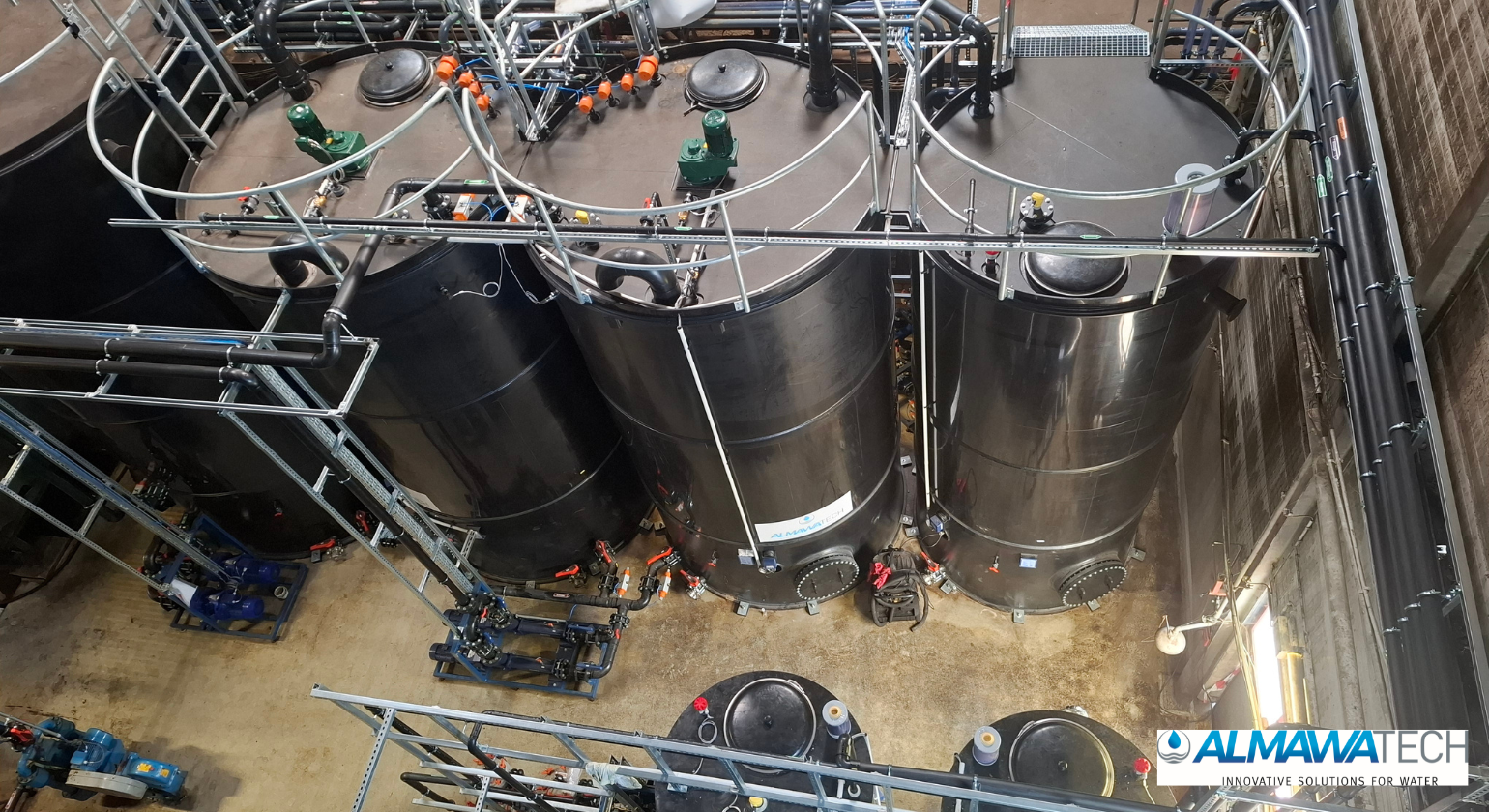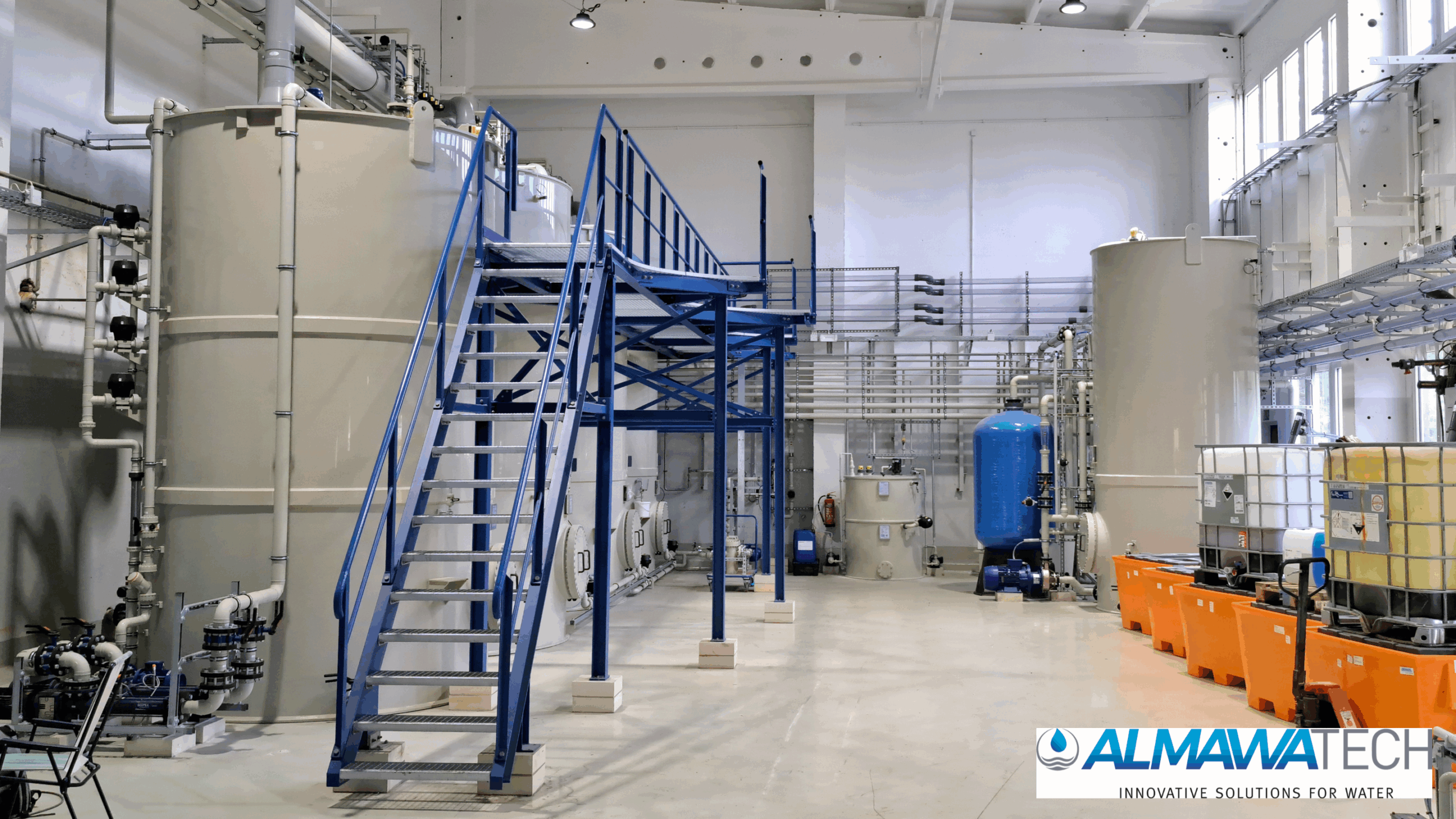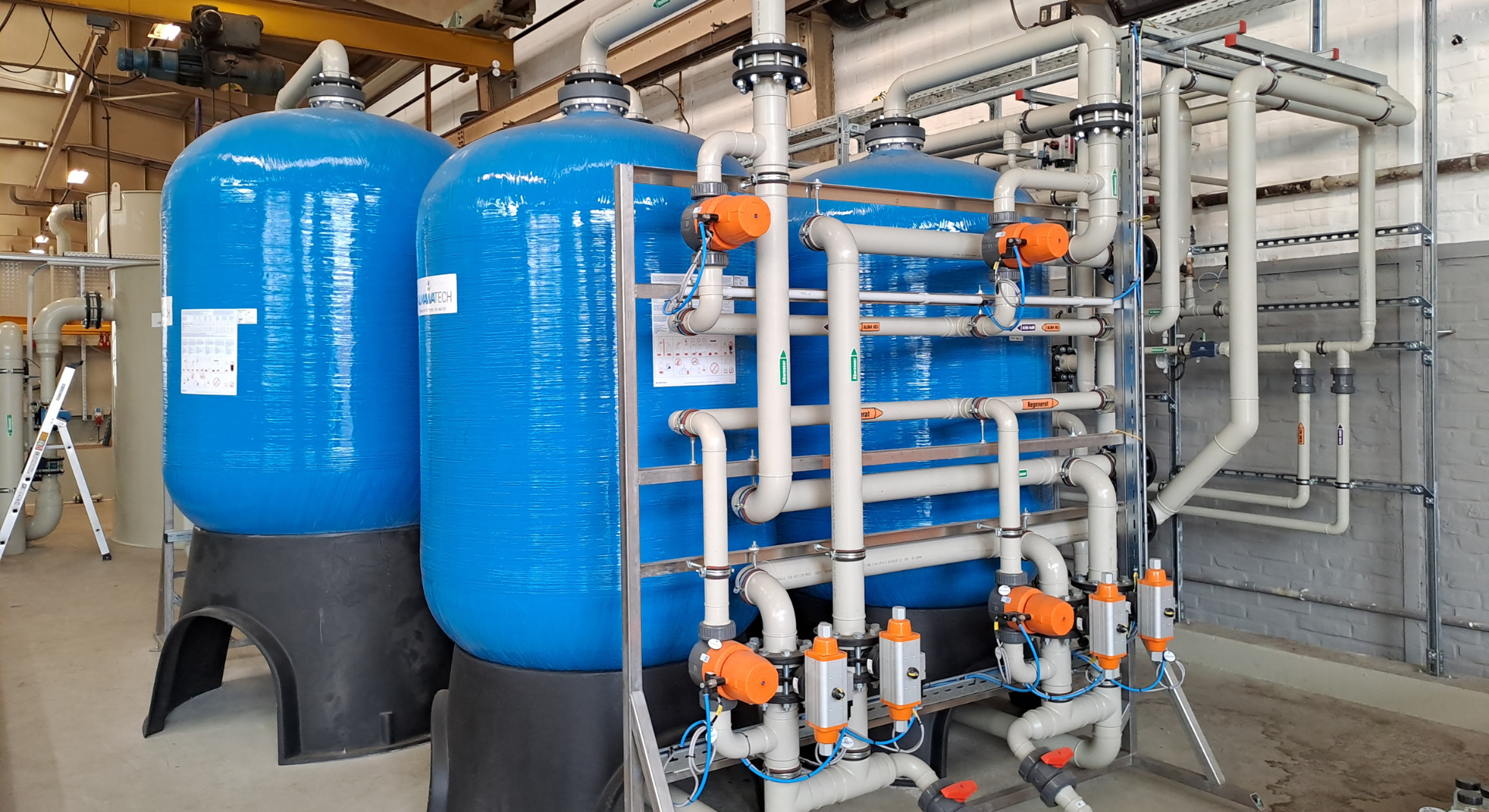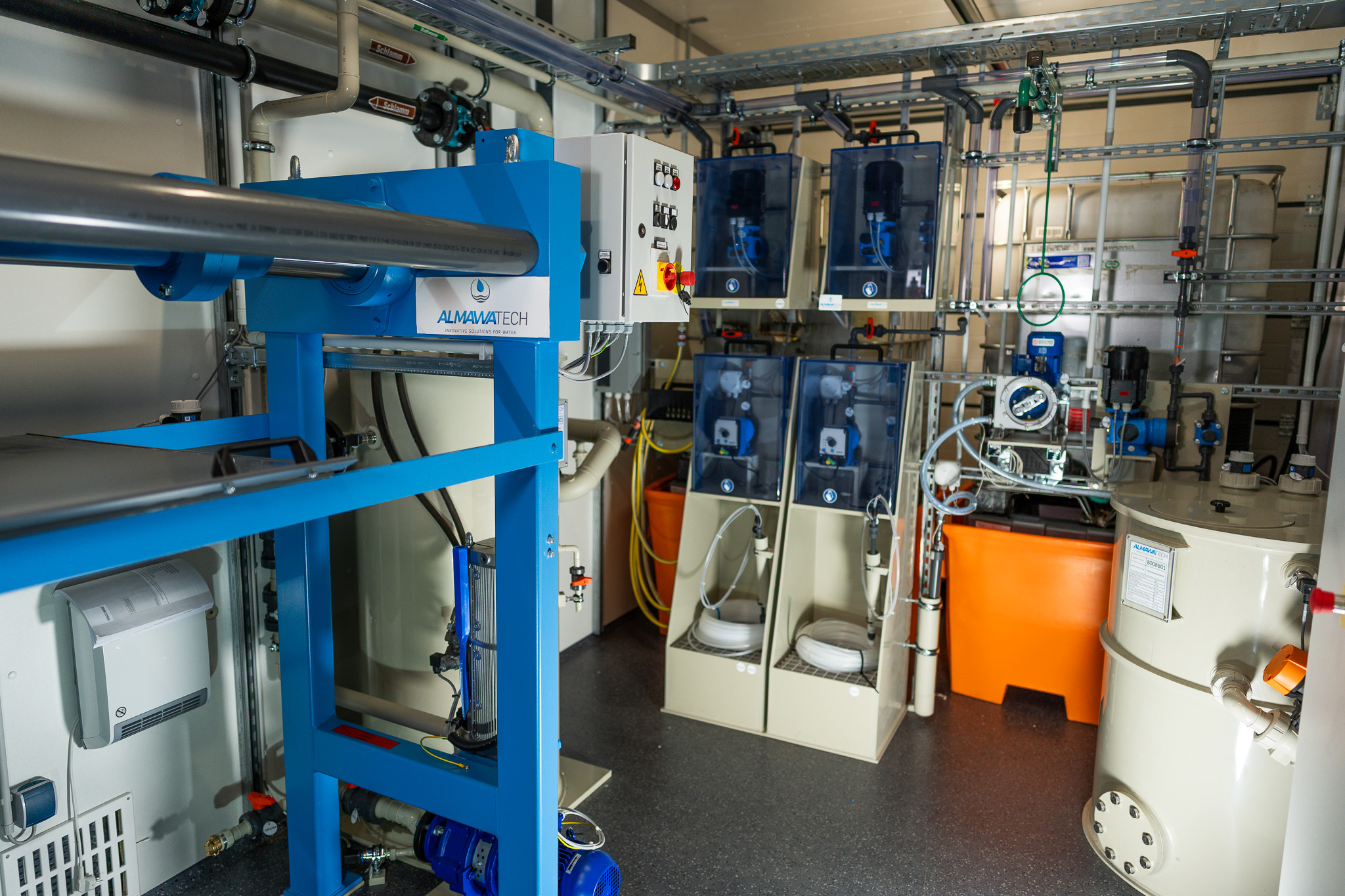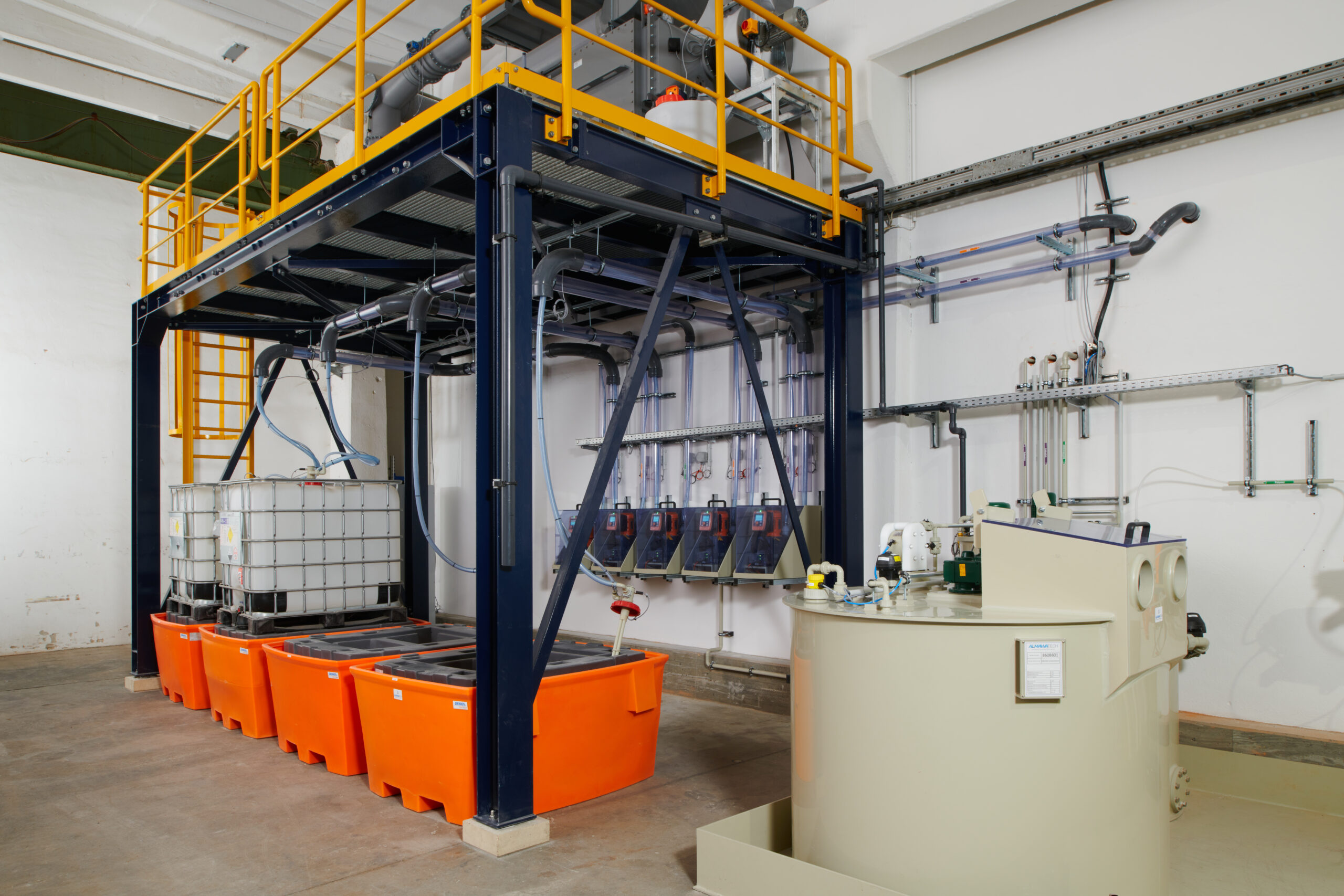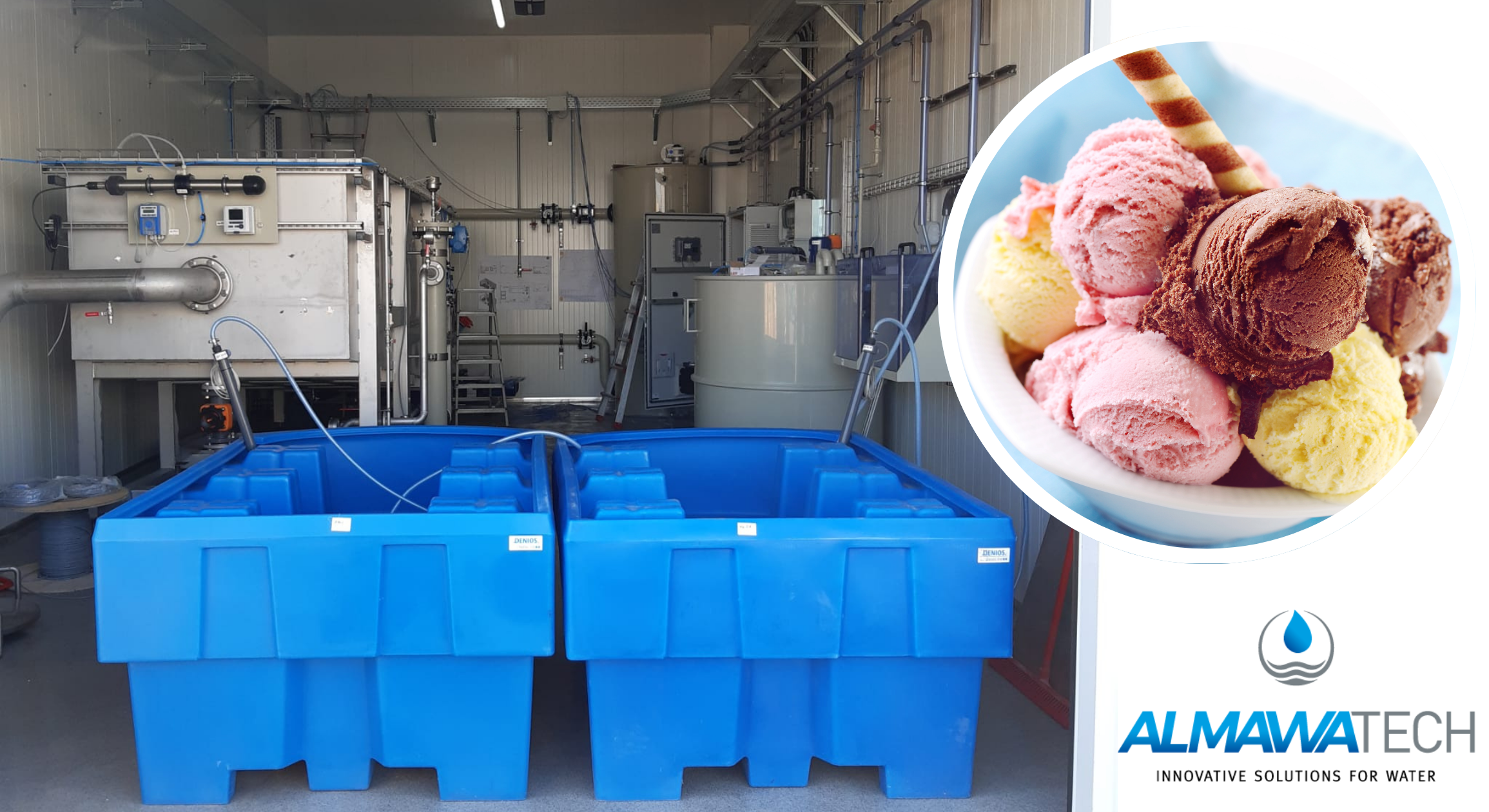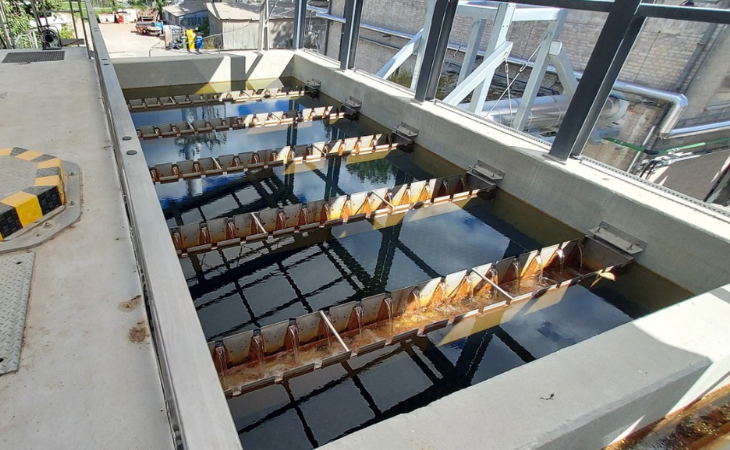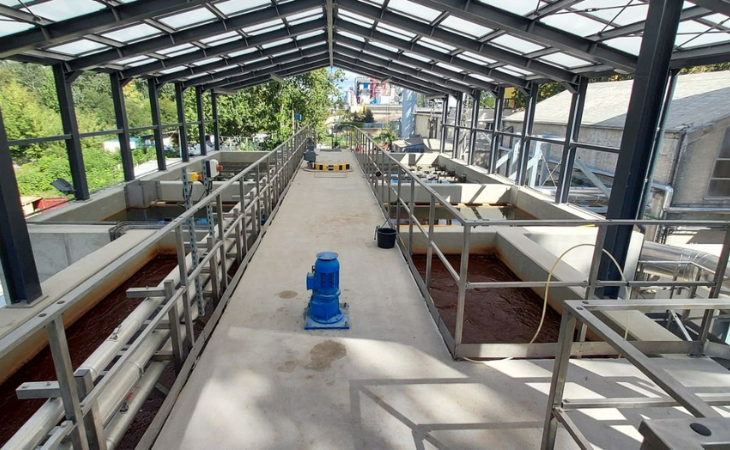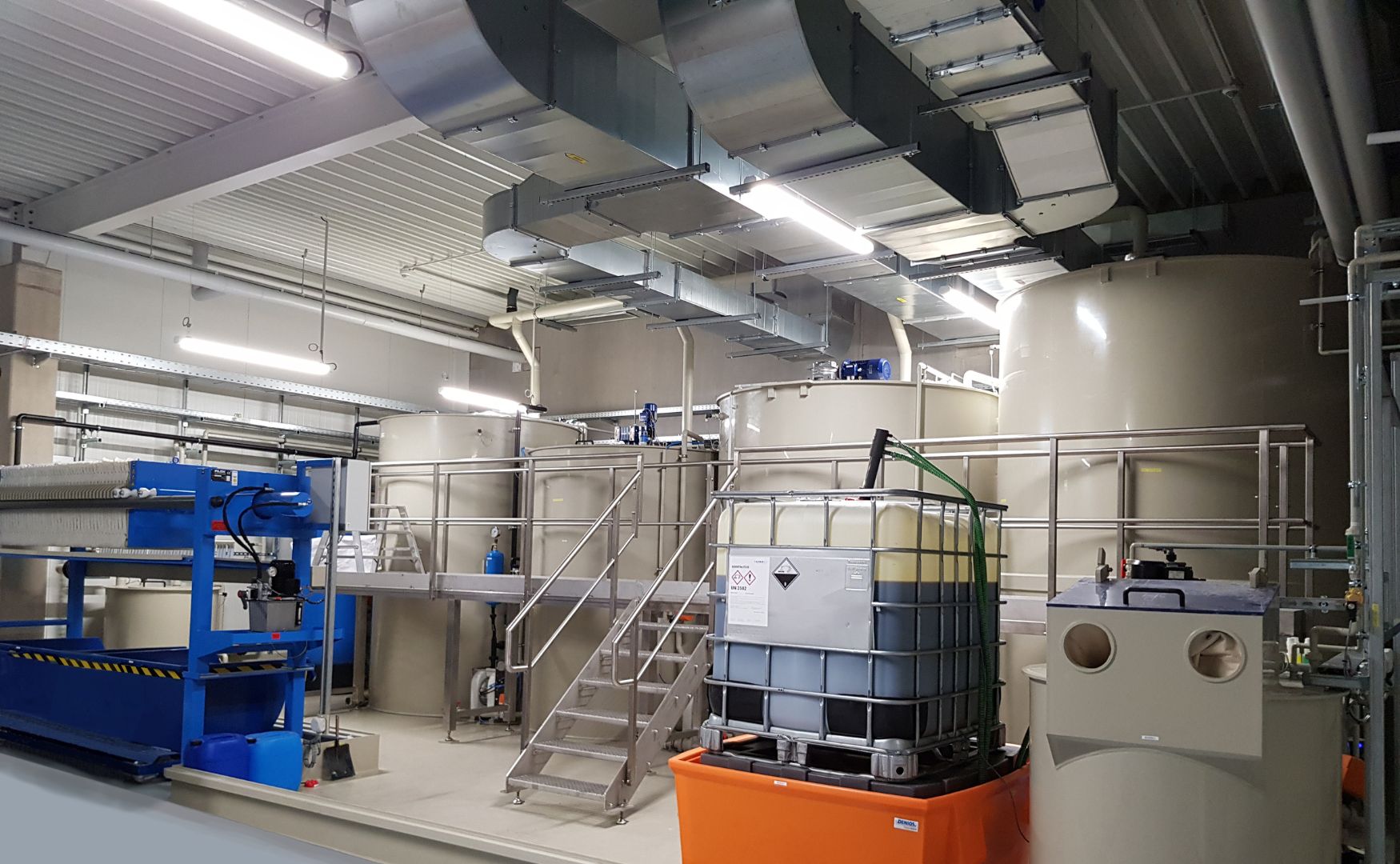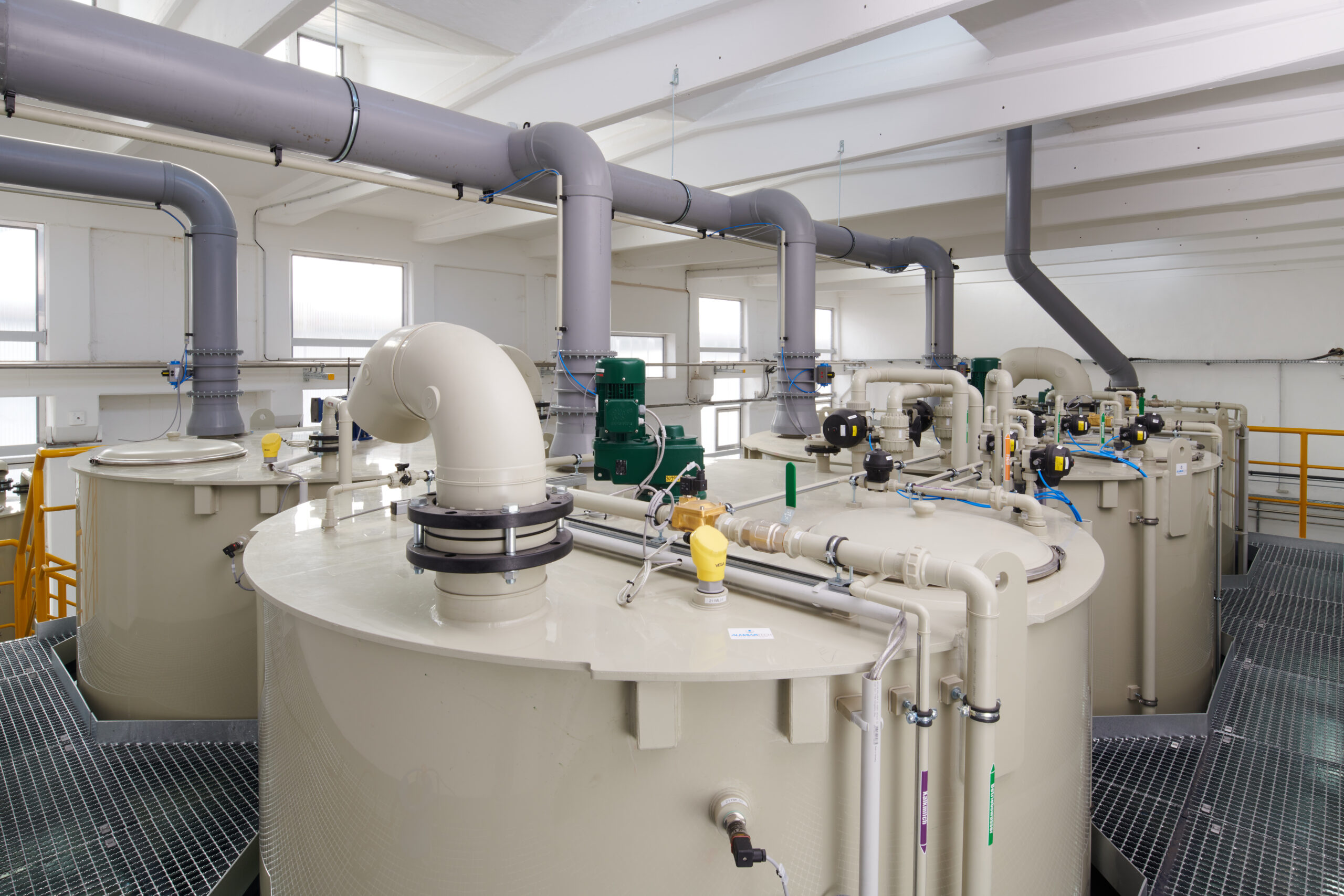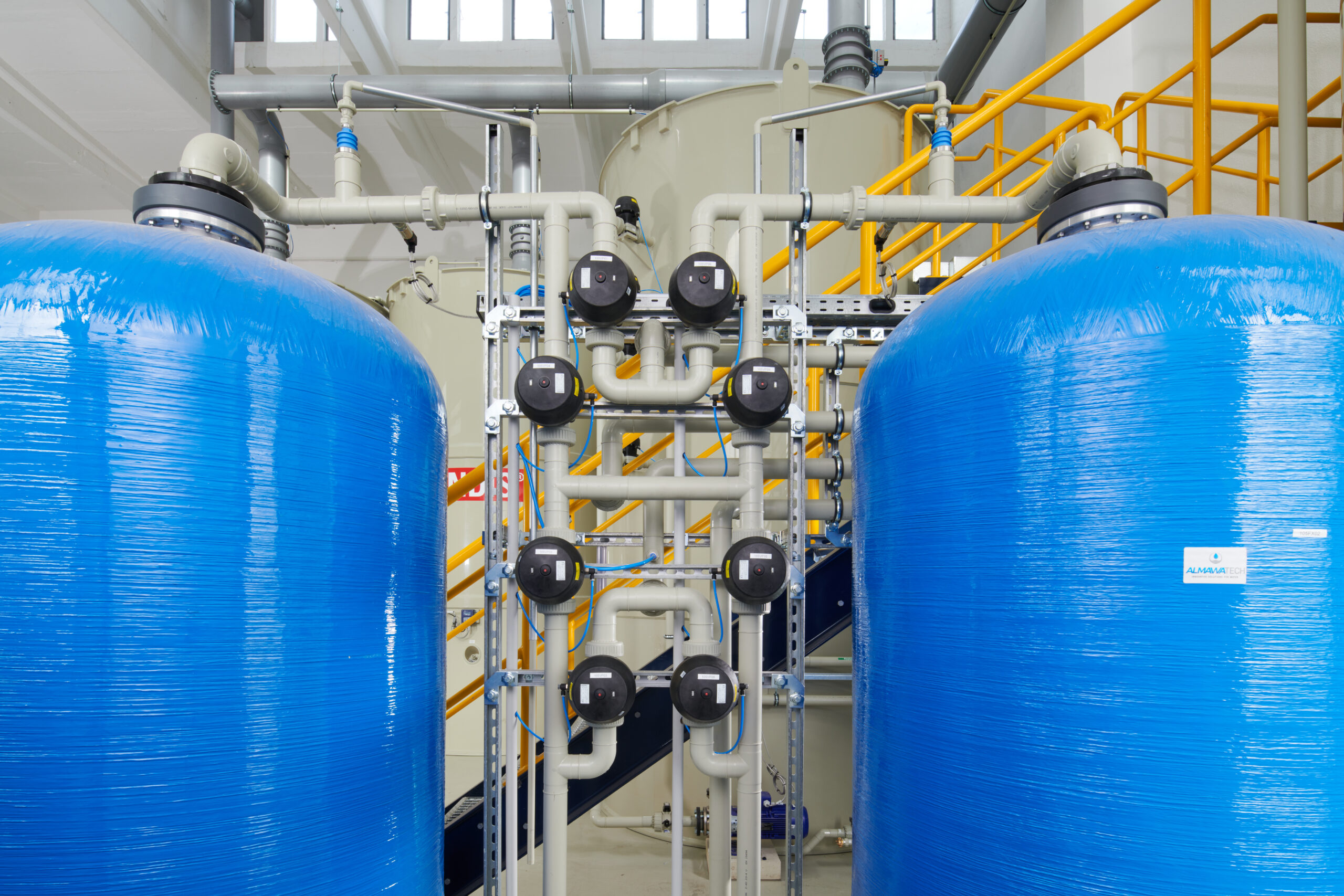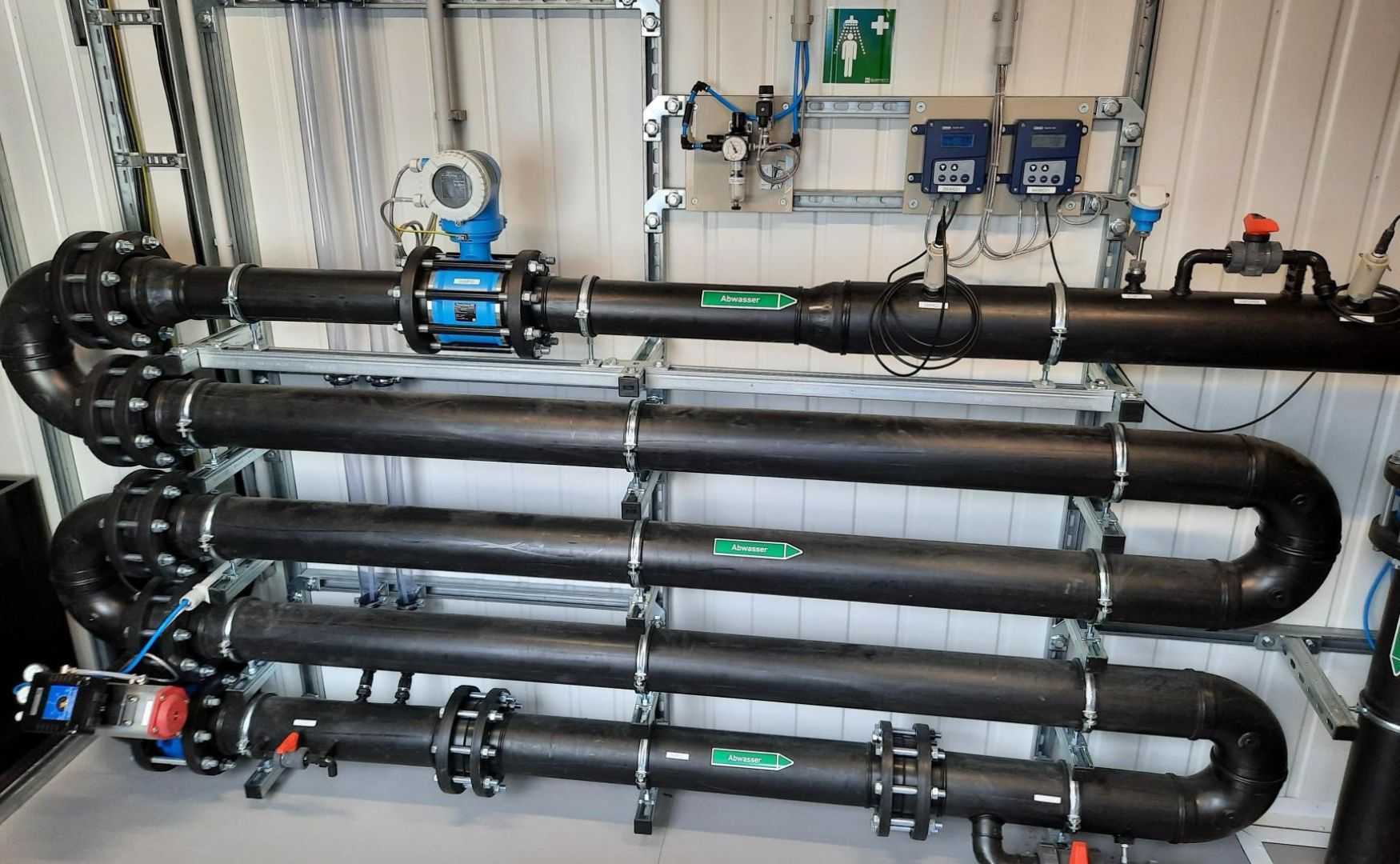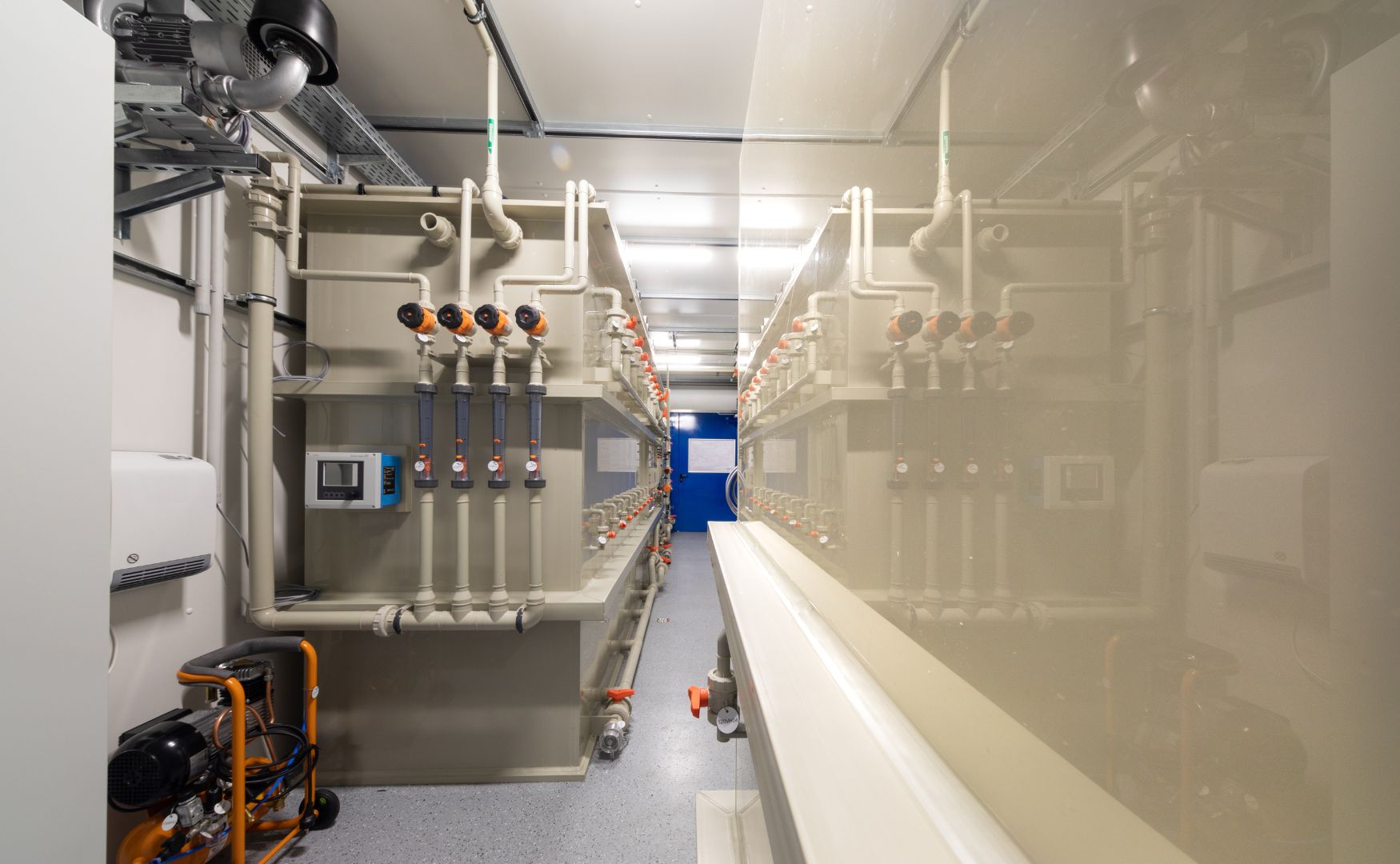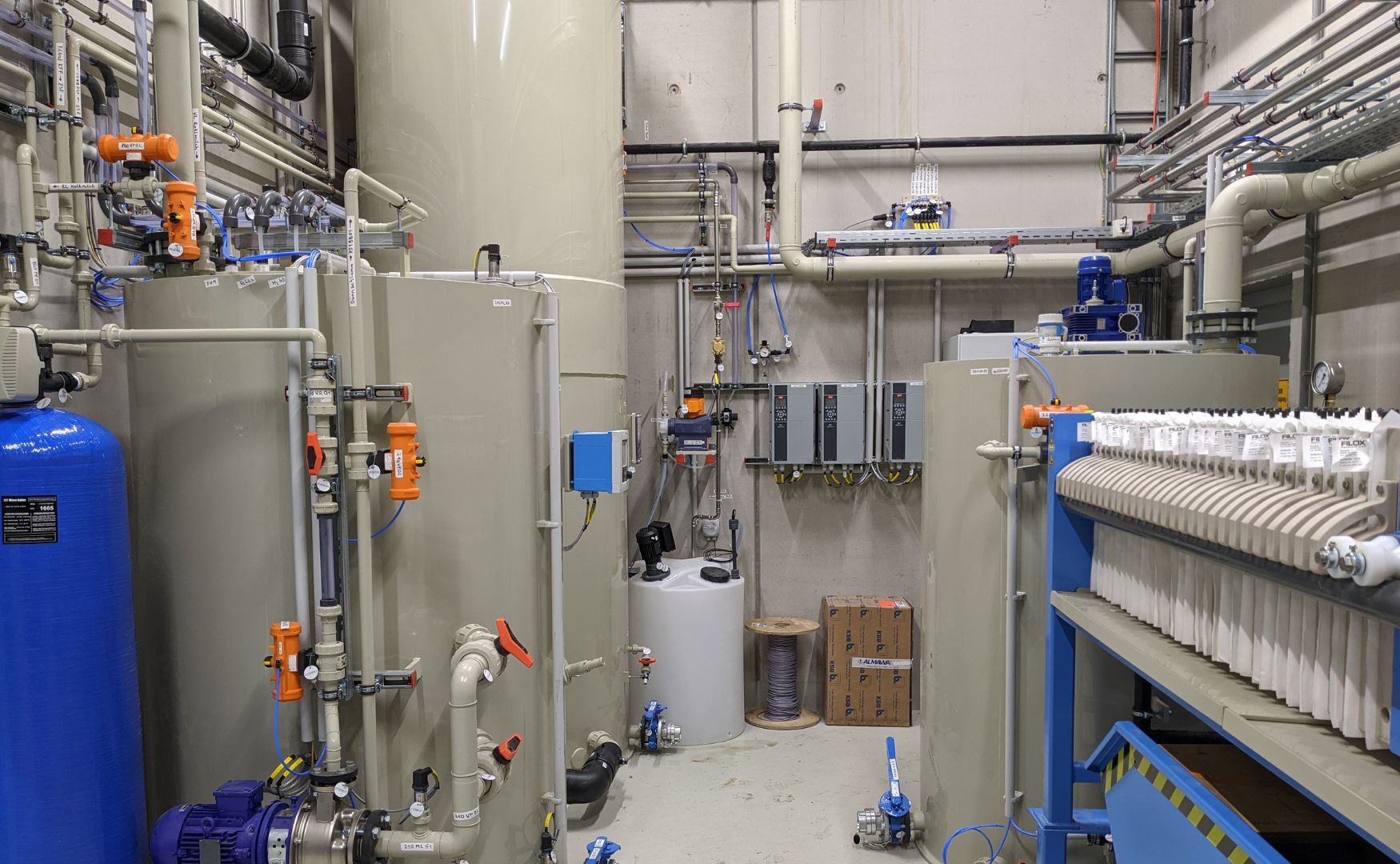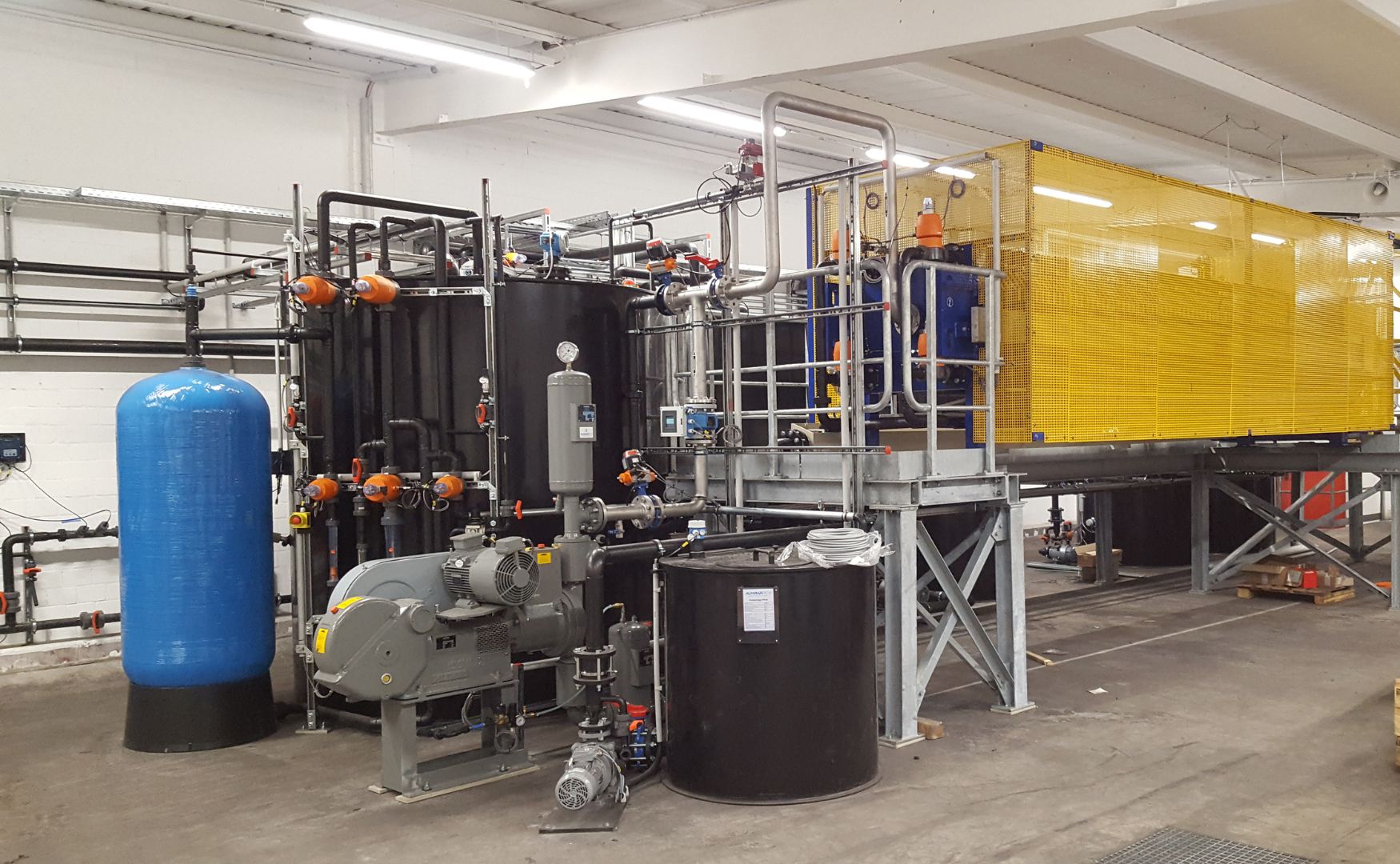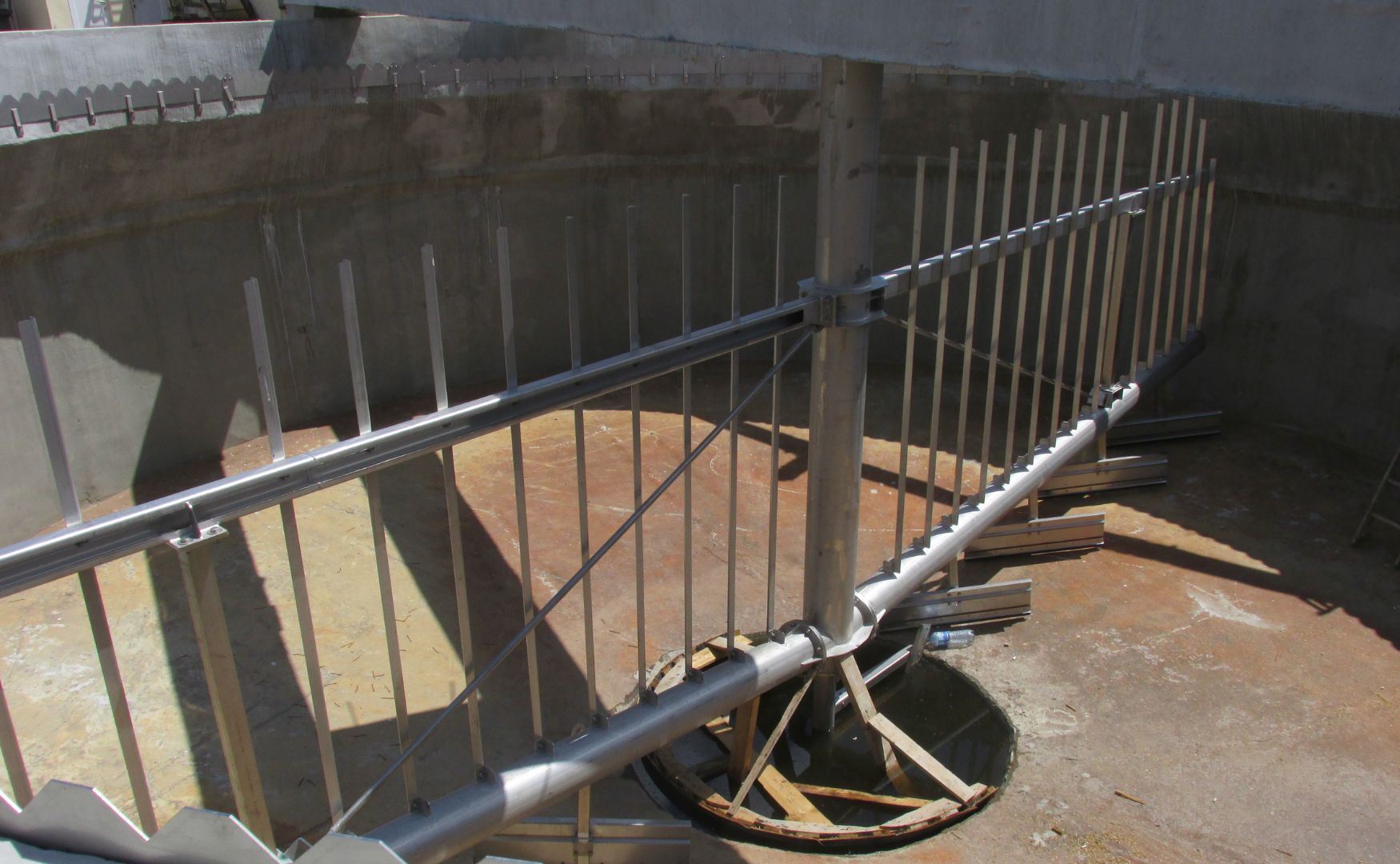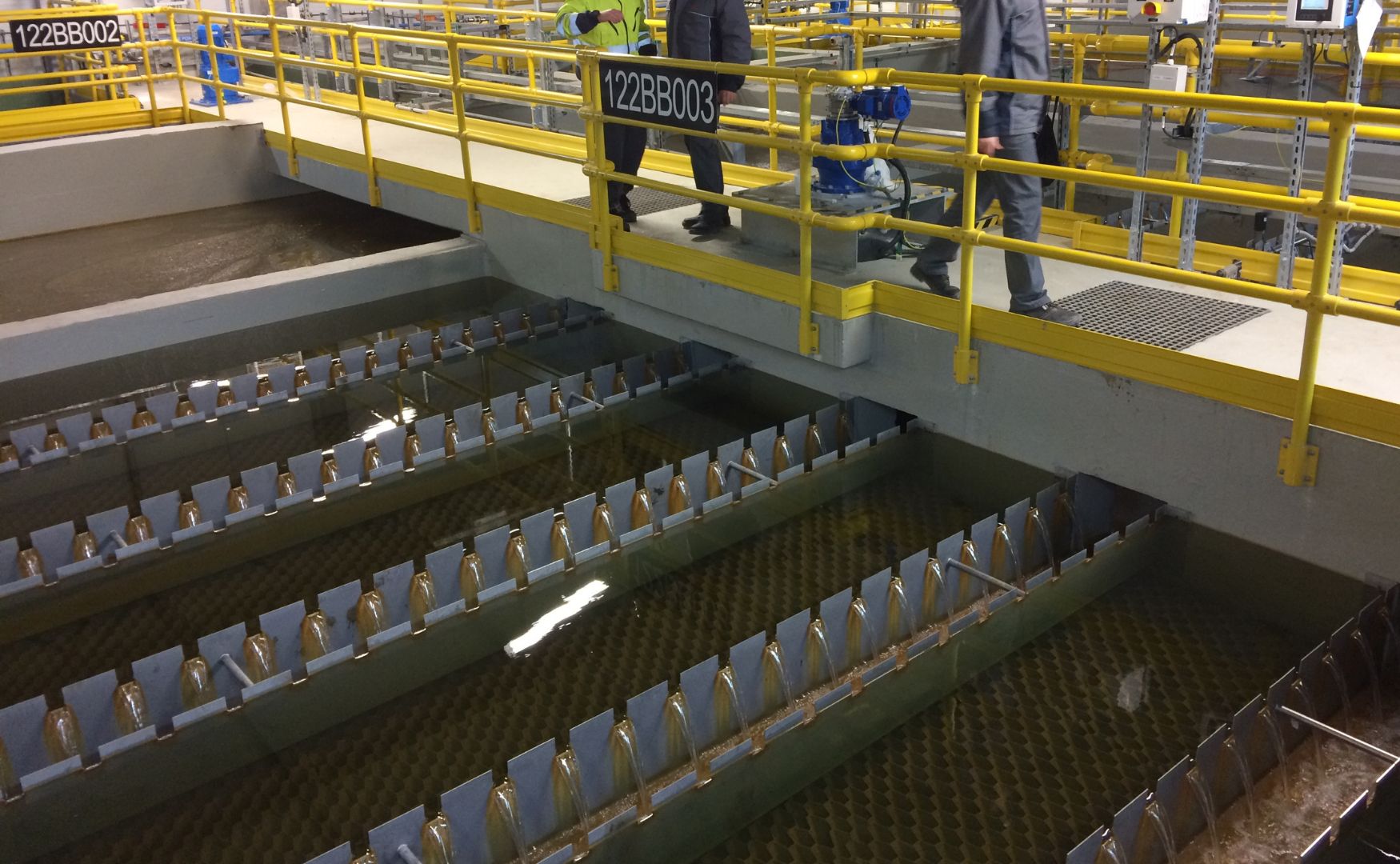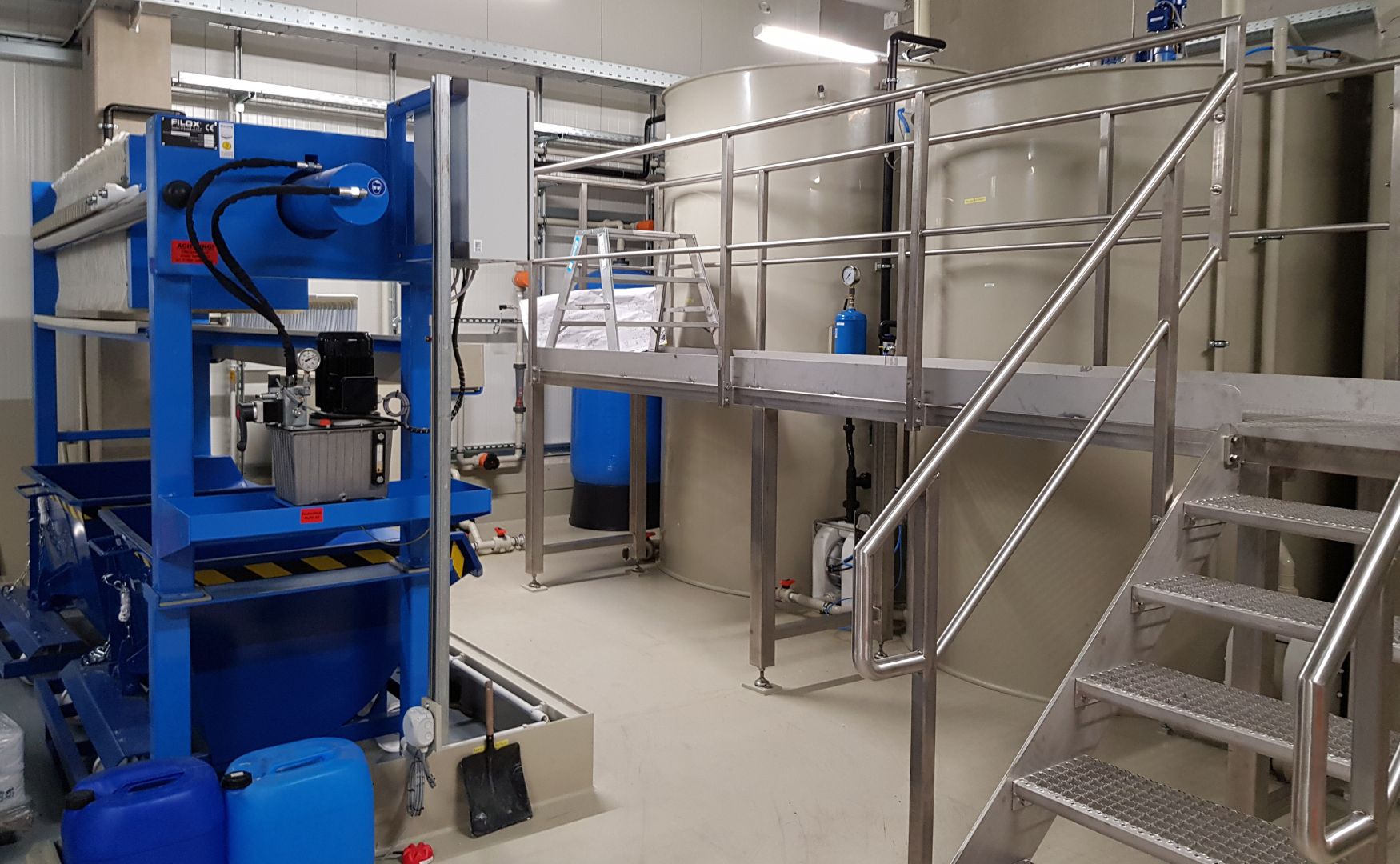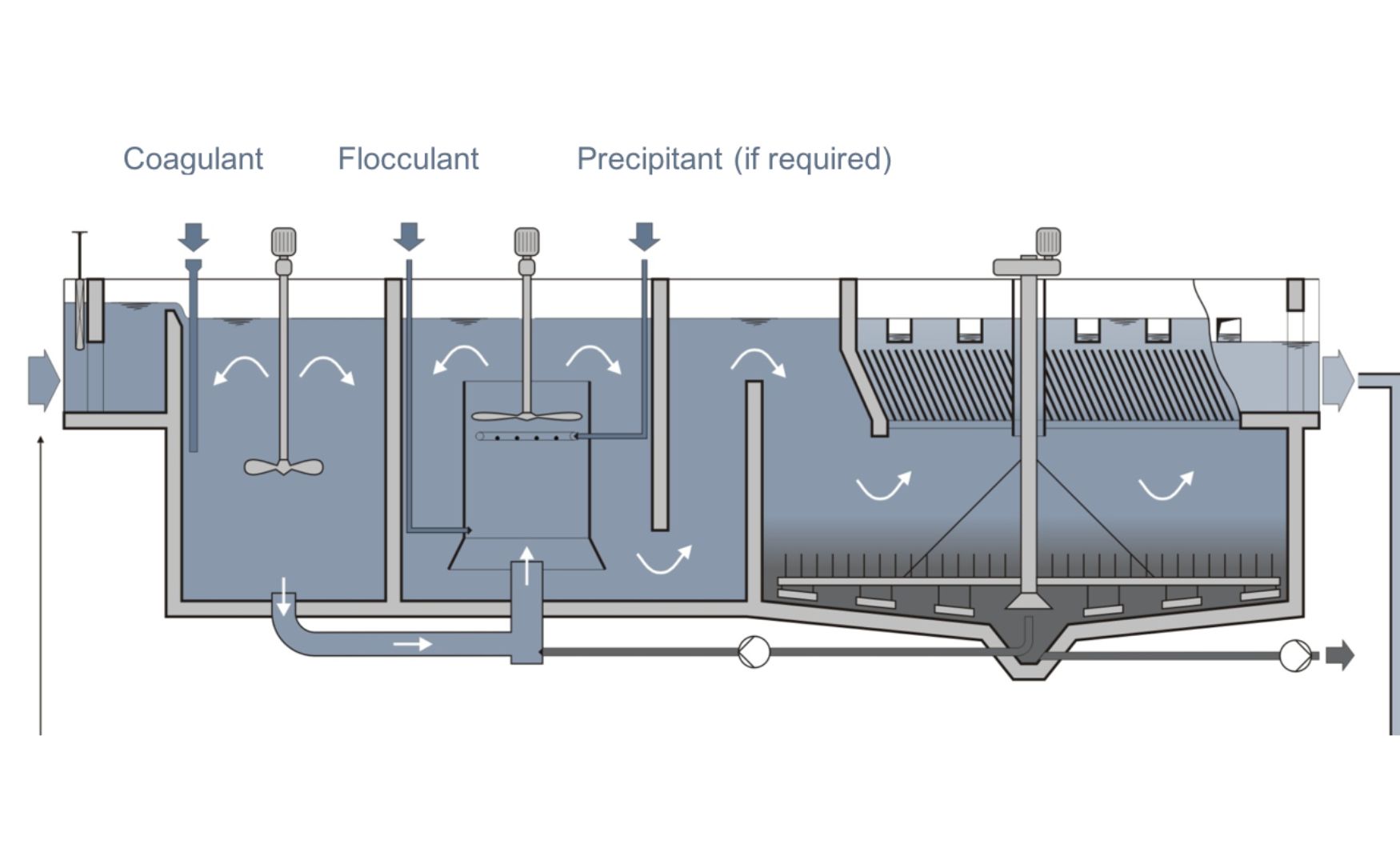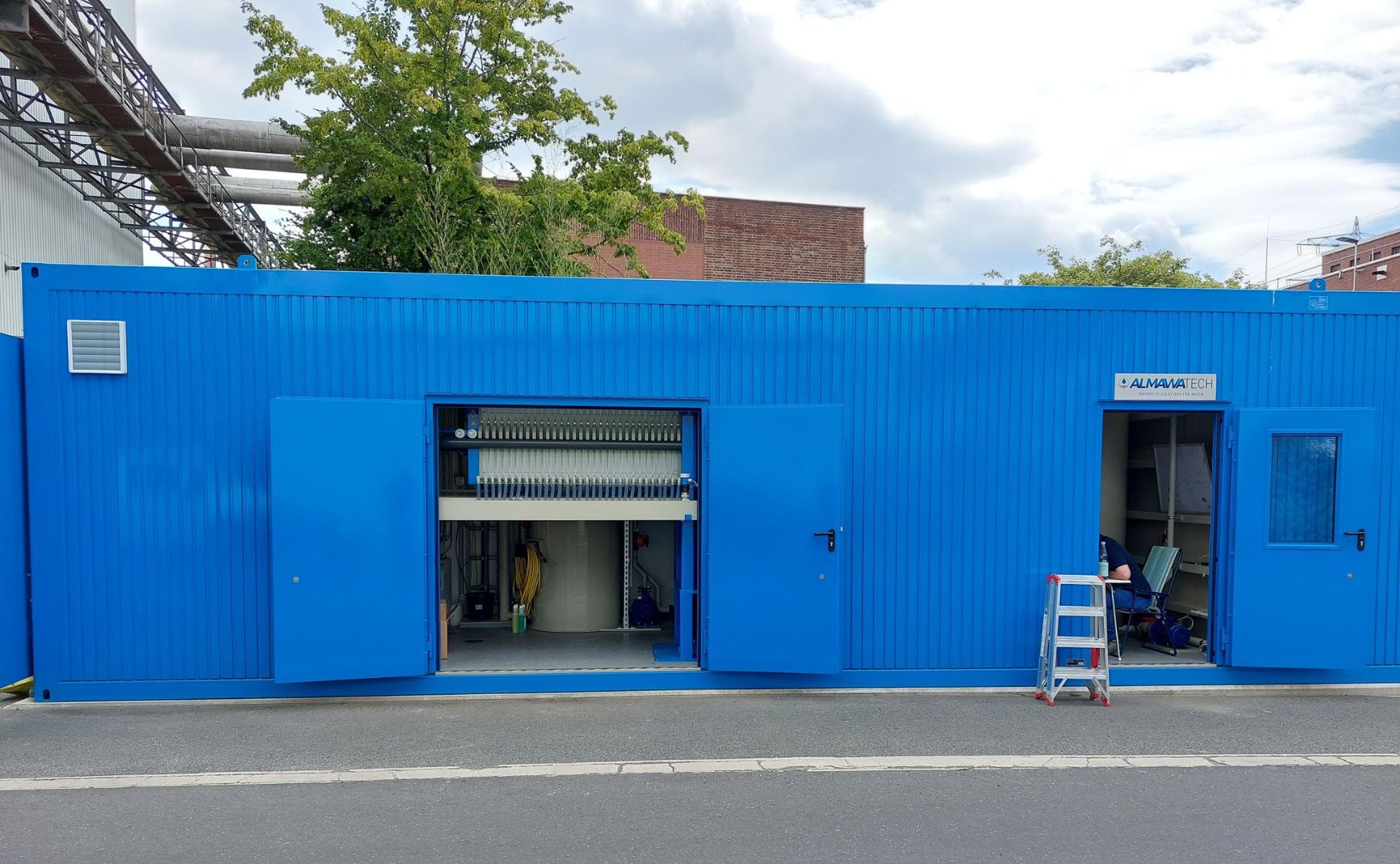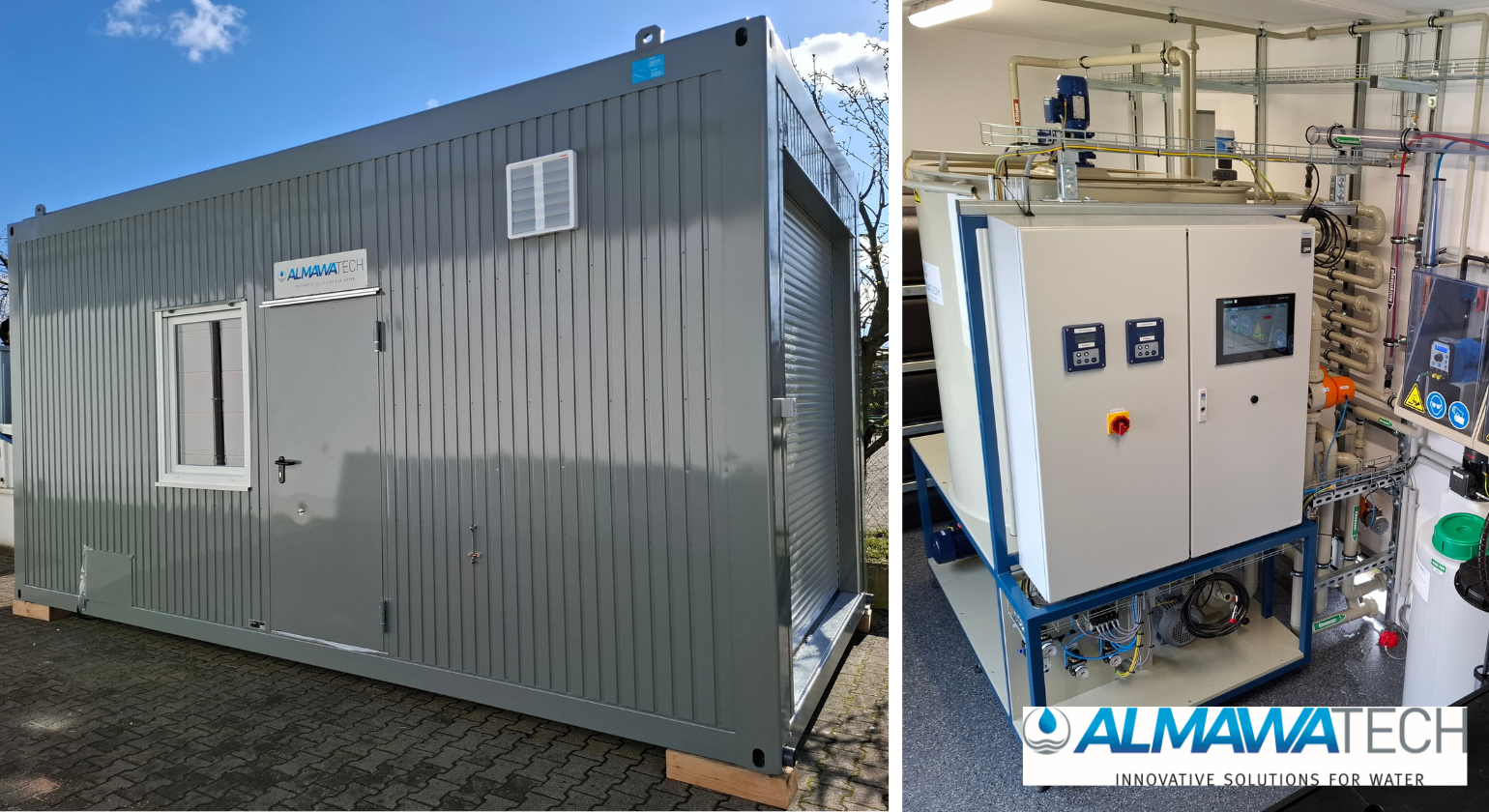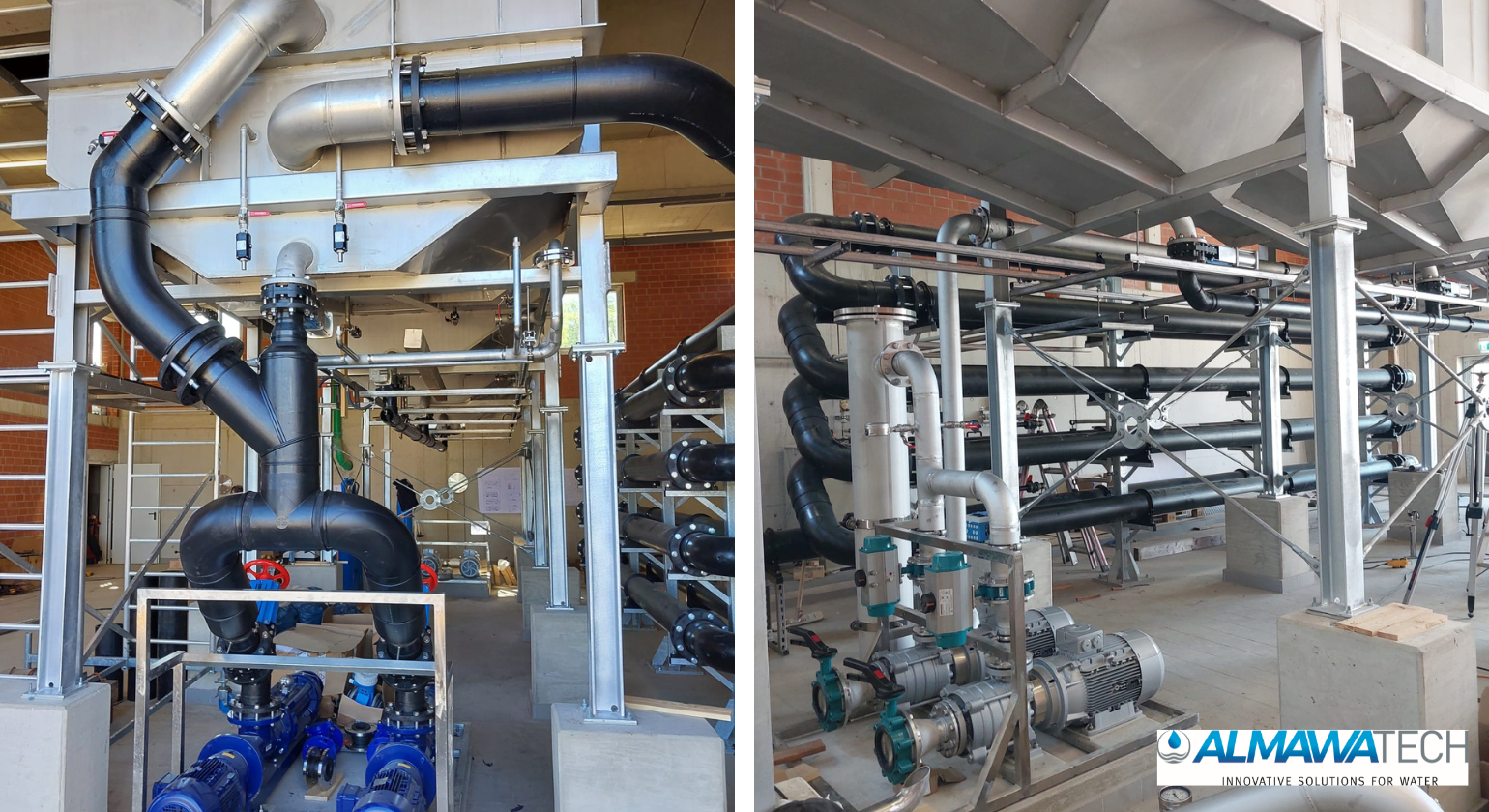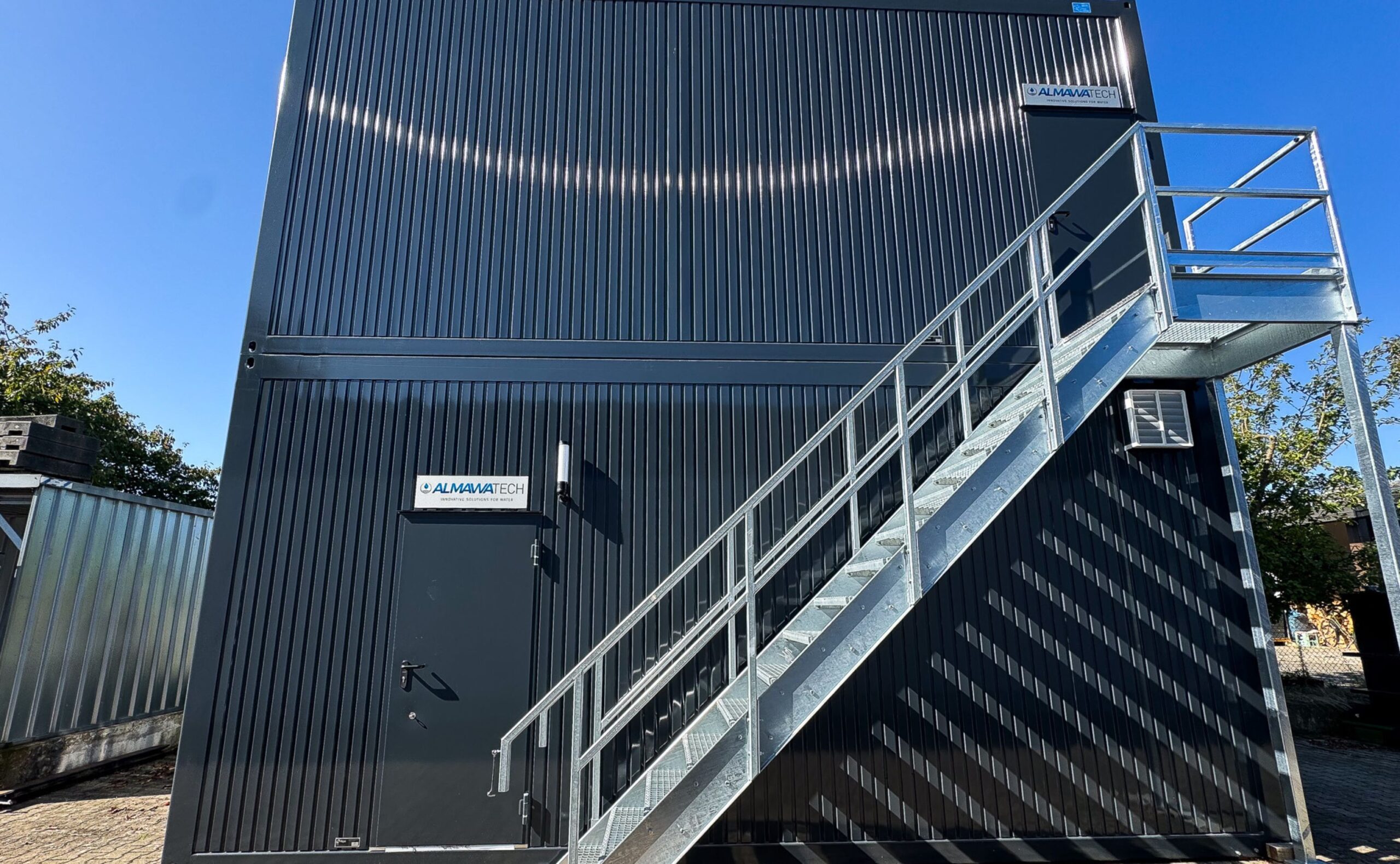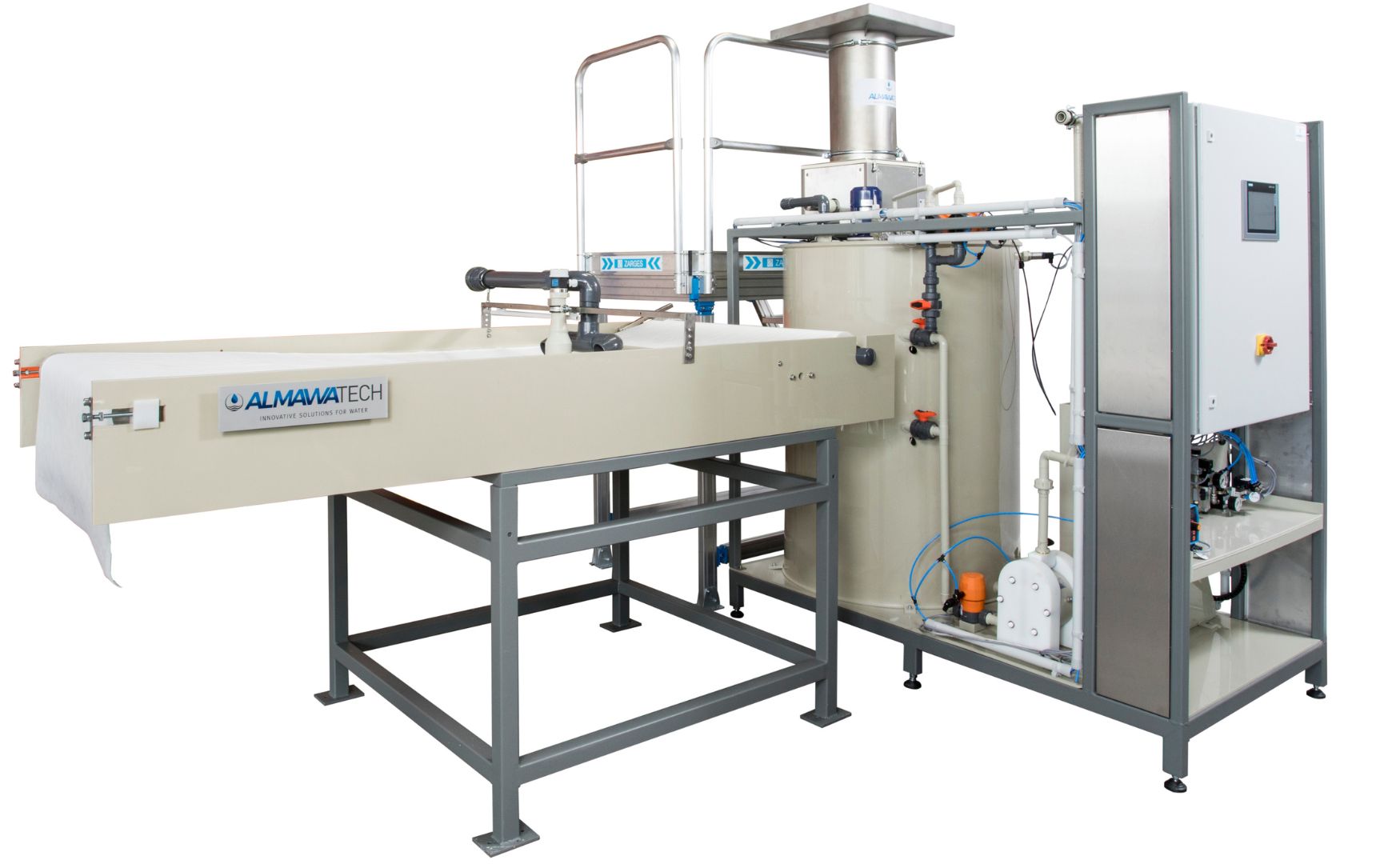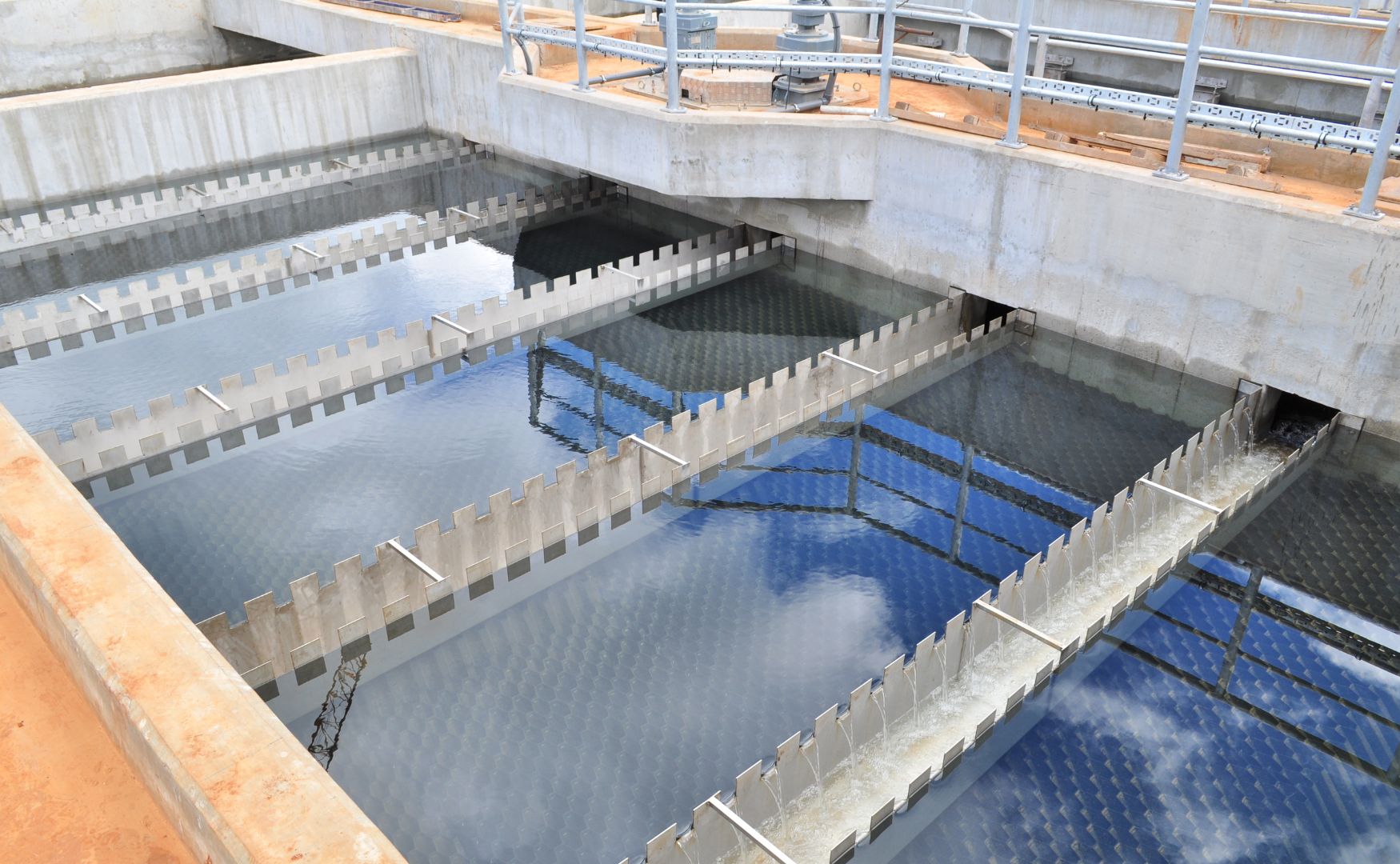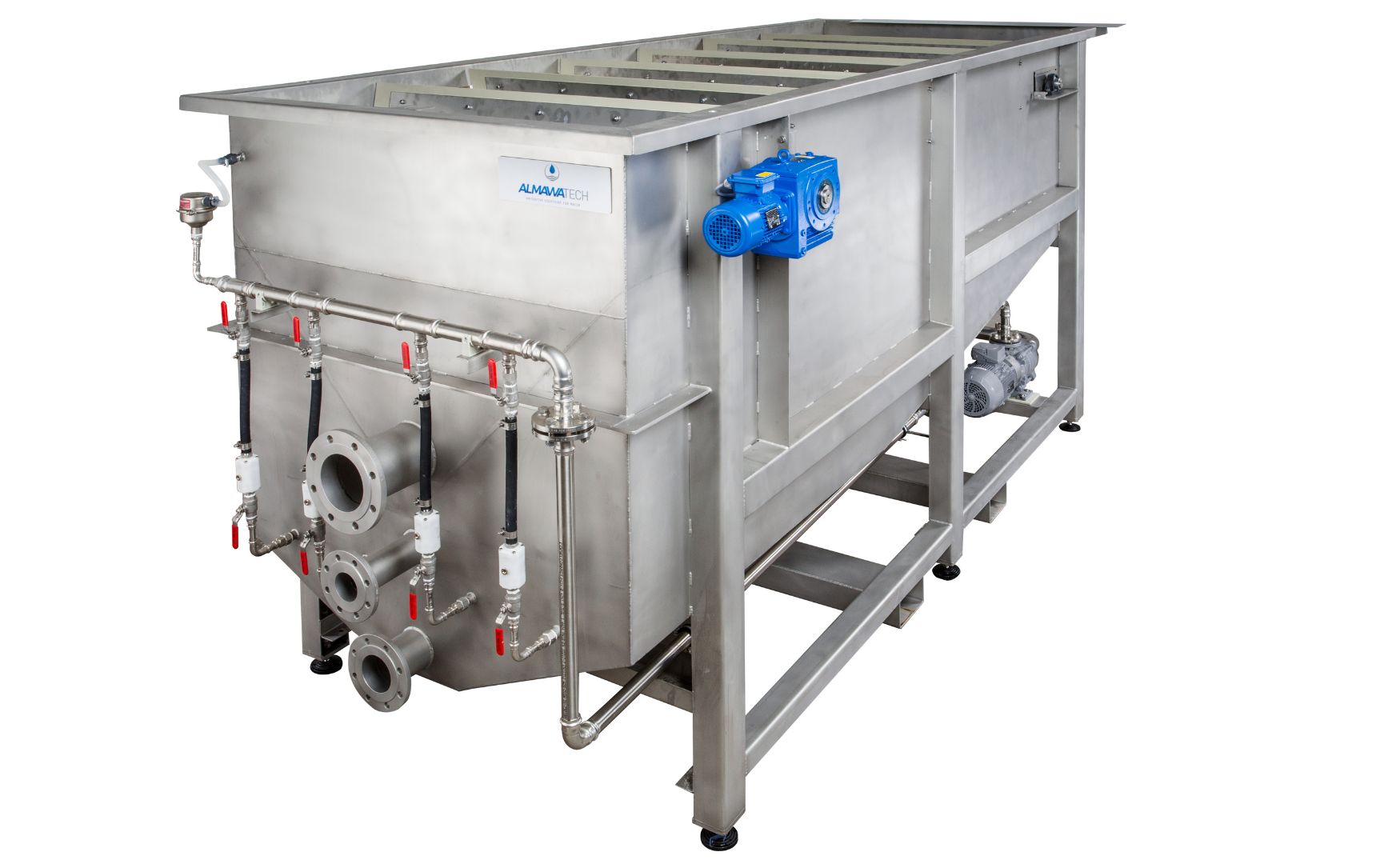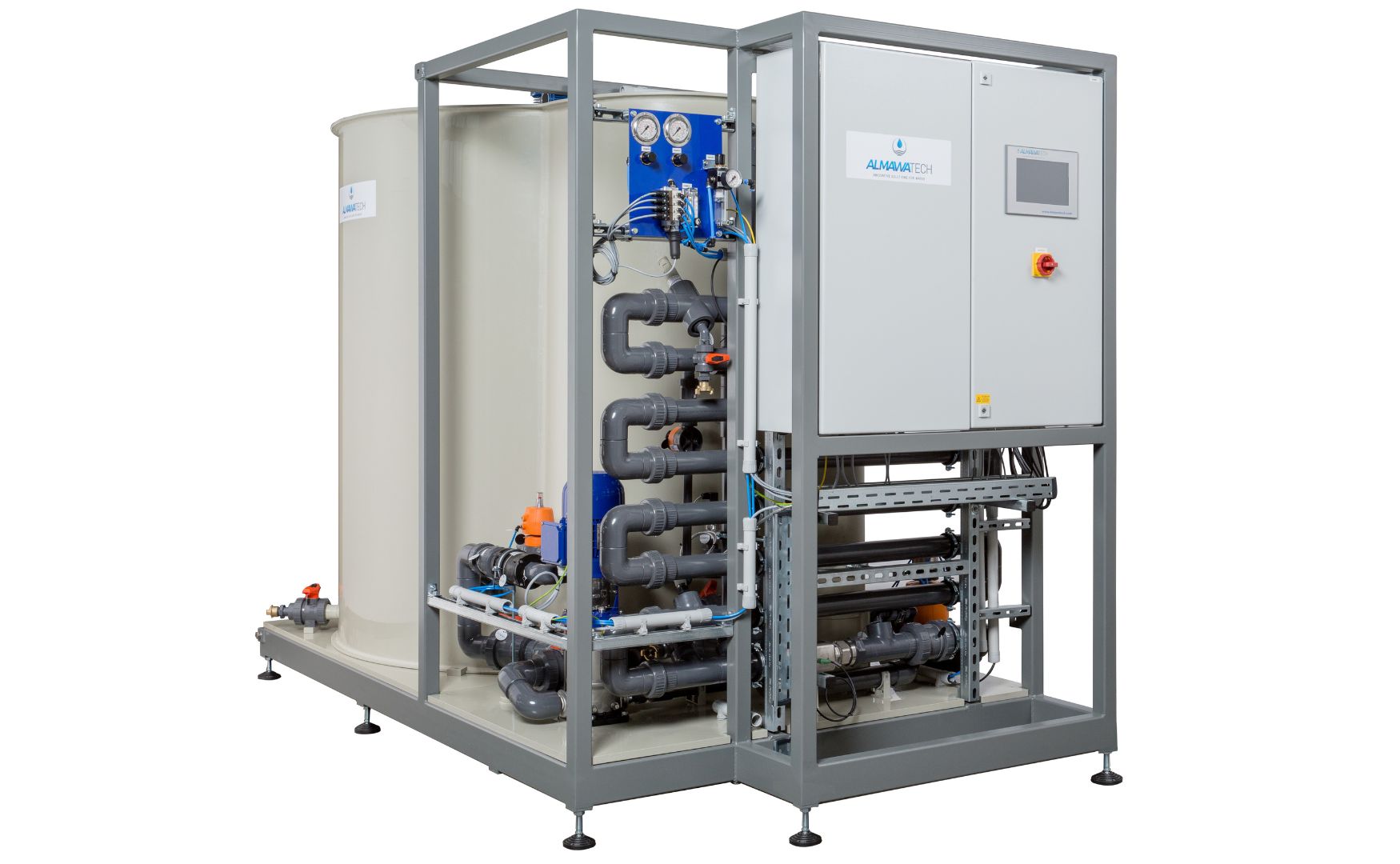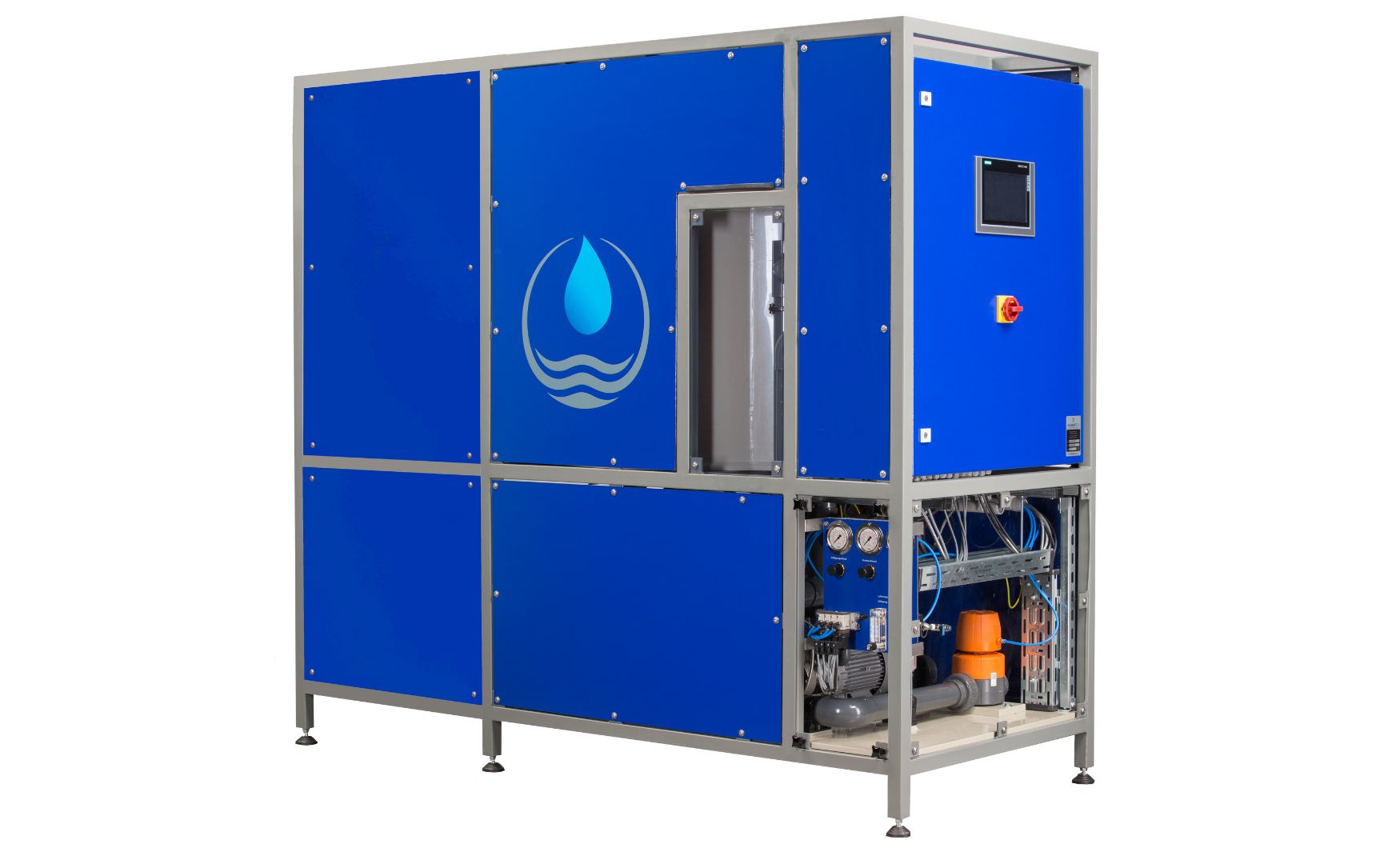


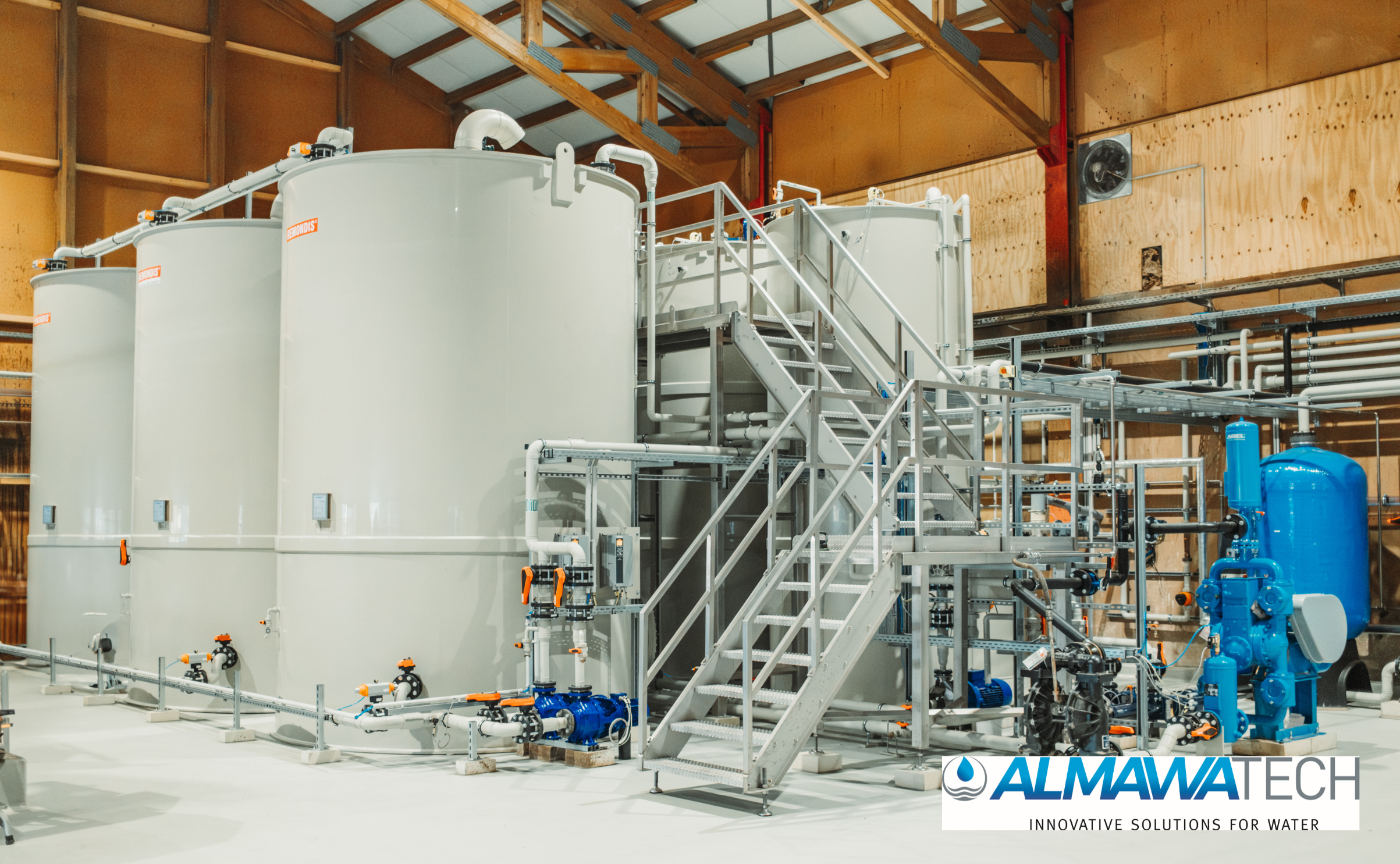
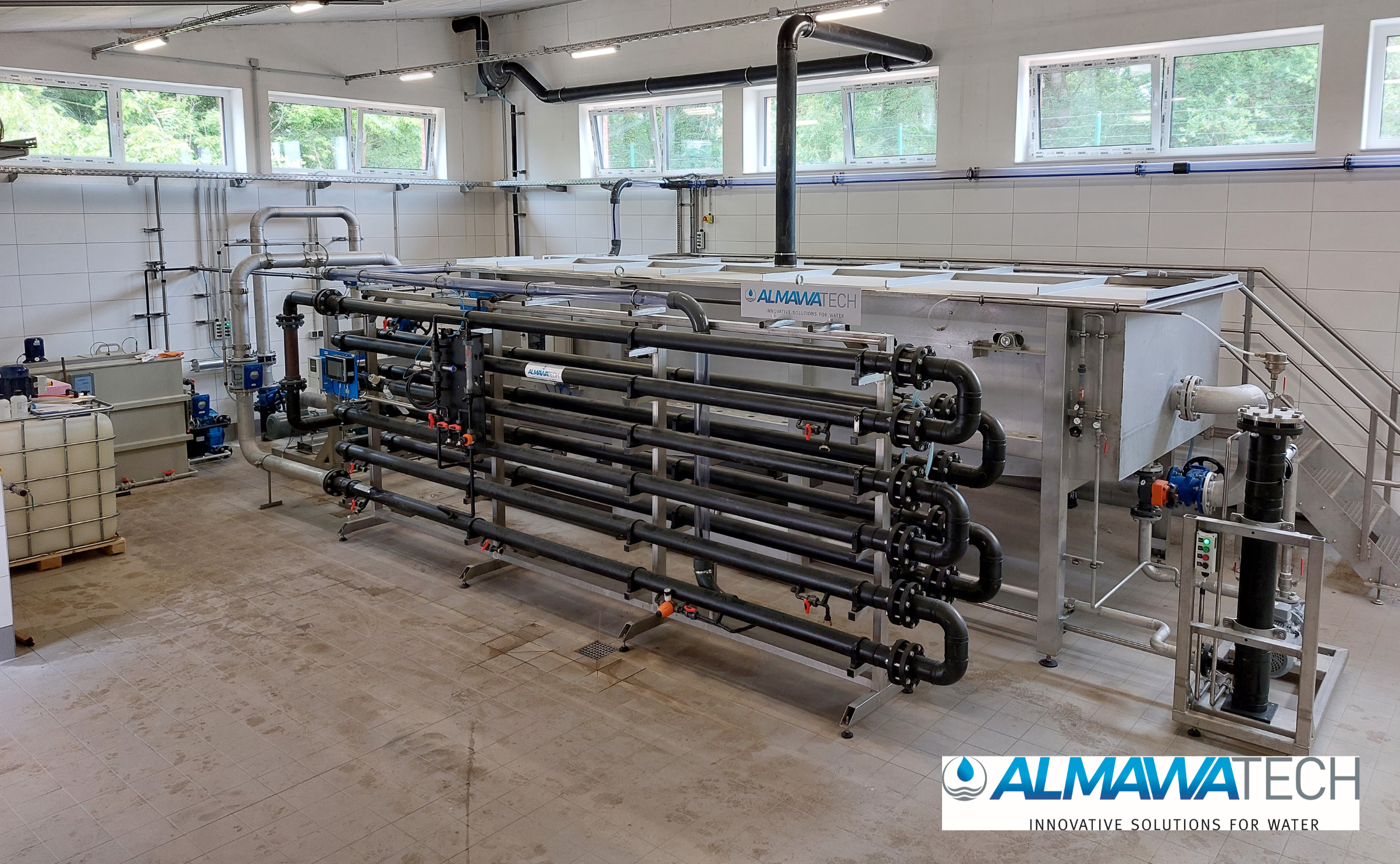
Splitting plant, emulsion splitting plant and CP plant for wastewater treatment

Chemical-Physical Wastewater Treatment for Industrial Wastewater

CP systems are chemical-physical wastewater treatment systems designed to remove dissolved, finely dispersed, and suspended substances from industrial wastewater. Depending on the application, they combine neutralization, precipitation, coagulation, flocculation, and an appropriate solids separation process.

ALMAWATECH designs and manufactures custom CP systems in compact, batch, continuous, containerized, or large-scale configurations. From analysis and laboratory testing through engineering and manufacturing to commissioning, we deliver a comprehensive solution tailored to water chemistry, target parameters, and operational requirements.
Plant Engineers and Manufacturers of Custom CP Systems
Batch, continuous, compact, and container systems
For heavy metals, solids, emulsions, and other industrial wastewater
Planning, plant construction, commissioning, and service—all from a single source

Request Technical Consultation

dominik_hoffmann_almawatech

Dominik Hoffmann

Head of Project Development

maksim_neuabauer_almawatech

Maksim Neubauer

Head of International Project Development

How a CP System Works: From Neutralization to Sludge Treatment

A CP system combines chemical reactions with physical separation processes. Dissolved and finely dispersed constituents are converted into separable solids, aggregated into stable flocs, and then removed from the water.

Step 1

Adjust the pH level

Acids, bases, or CO₂ create the optimal conditions for the subsequent reactions.

Step 2

Precipitating Ingredients

Dissolved substances are converted by suitable precipitating agents into sparingly soluble compounds.

Step 3

Form flakes

Small particles and precipitation products are combined to form larger, easily separable flocs.

Step 4

Separate solids

Sedimentation, flotation, or filtration separate the flocs that have formed from the treated water.

Step 5

Treating Sludge

The separated sludge is thickened, dewatered, and prepared for disposal.

The exact process sequence is designed on a case-by-case basis. Wastewater composition, target values, flow rate, and floc properties determine the chemicals used, reaction stages, and separation processes.

ALMAWATECH: A Manufacturer of Custom CP Systems

Industrial wastewater varies in composition, concentration, pH, temperature, and volume. Therefore, a CP system should not be selected based solely on flow rate.

ALMAWATECH develops the treatment concept based on the actual wastewater conditions and the required effluent quality. For complex wastewater streams, laboratory and pilot-scale tests help determine the appropriate pH ranges, precipitants and flocculants, dosages, and separation processes.

Building on this, we design and manufacture complete CP systems that include dosing and reaction technology, solids separation, sludge treatment, and measurement, control, and automation technology. Installation, commissioning, training, maintenance, and process optimization can also be included in the scope of services.
CP Batch Treatment System for Industrial Wastewater
Wastewater Analysis and Design
Planning and engineering
Construction of the Water Treatment Plant
Dosing and Measurement Technology
Control and Automation
Commissioning and training
Maintenance, Service, and Process Optimization

When is a CP system a good choice for industrial wastewater?

A CP system is useful when industrial wastewater contains dissolved, colloidal, or suspended substances that cannot be adequately broken down biologically or that must be specifically removed prior to further treatment steps.

Chemical-physical treatment can be used as a standalone wastewater treatment process, as a pretreatment step prior to a biological treatment system, as a protective stage preceding filtration and membrane technology, or as part of a water reuse concept.

Typical Applications of Chemical-Physical Treatment

Heavy metal removal
Phosphorus and Fluoride Precipitation
Solid and Turbidity Reduction
Emulsion Breakdown and Oil Separation
Decarbonization and Water Softening
Pretreatment of Biological Systems
Post-Treatment and Water Reuse
Reducing the Load on Municipal or Industrial Wastewater Treatment Plants
Process Water Treatment and Partial-Flow Treatment

Industries with wastewater that can be treated using chemical and physical methods

Metalworking and Electroplating
Paint, Varnish, and Coatings Industry
Recycling and Waste Management Industry
Battery Manufacturing and Battery Recycling
Chemical and pharmaceutical industry
Textile, Plastics, and Paper Industries
Cleaning and Laundry Services
Energy, Process, and Water Management
Food and beverage industry

Advantages of Custom-Designed Chemical-Physical Treatment Systems

Our CP systems are not selected as standard systems, but are tailored to water chemistry, flow rate, operating mode, and the required discharge quality.

Customized Process Design

Reaction stages, chemicals, and separation processes are designed to suit the specific wastewater treatment task.

Complete system

Dosing, reaction, solids separation, sludge treatment, and automation—all from a single source.

Flexible Construction Method

As a compact, batch, continuous, container, or large-scale system for various quantities and locations.

Support All the Way to the Workplace

From laboratory testing and planning through commissioning to process optimization and technical support.

Process Engineering and Plant Construction from a Single Source The treatment concept is developed as a complete system rather than being assembled from individual components that are independent of one another .

Comparing CP Systems: Which Solution Is Right for Your Wastewater?

The Right Solution Typical Task Typical throughput Design
ALMA BHU LHPS
Large-scale system solution
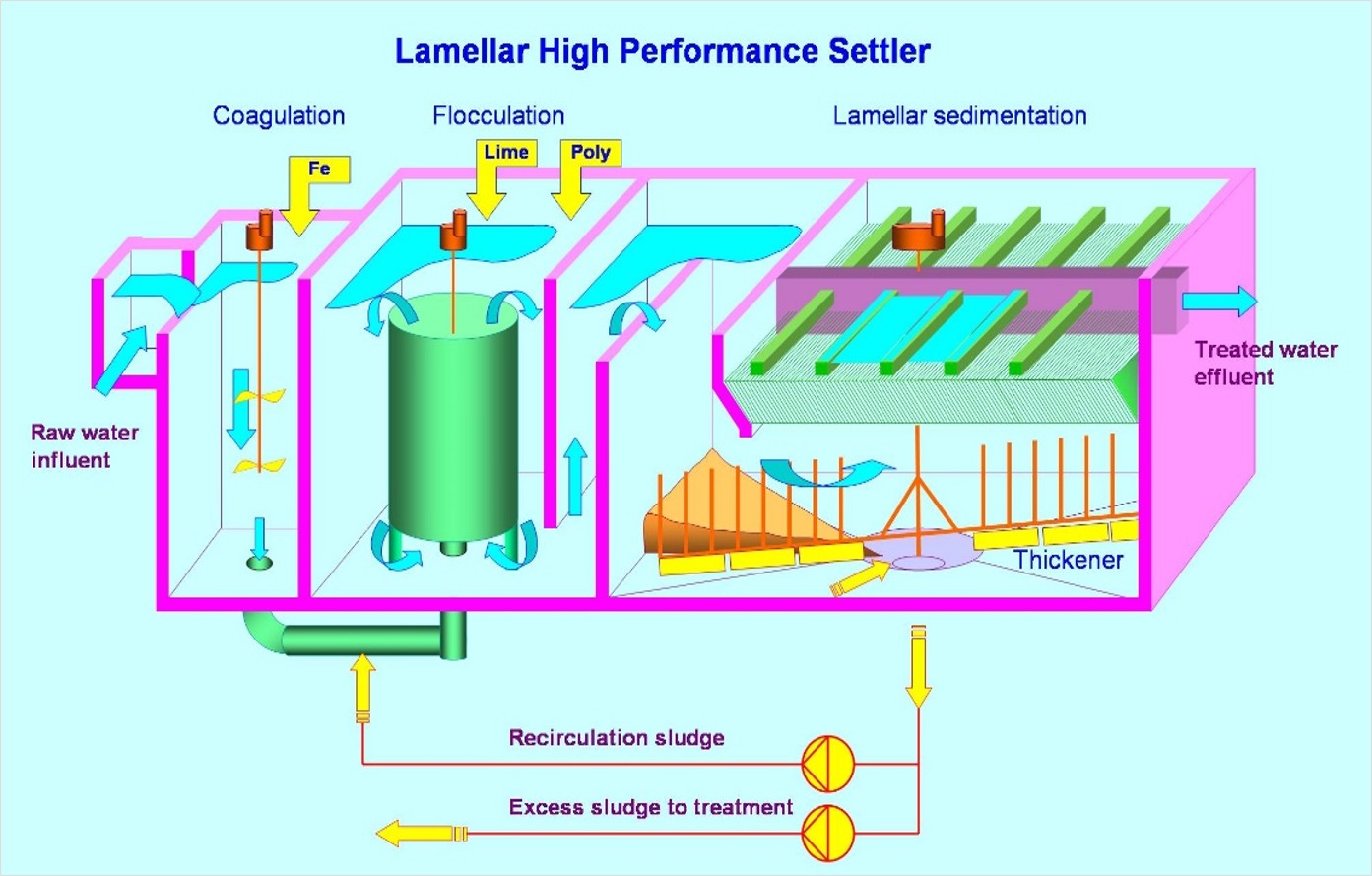
Large raw water and flow rates with easily settleable flocs 50–10,000 m³/h Continuous flow system with precipitation, flocculation, and lamellar sedimentation; steel or concrete construction
ALMA CHEM MCW
Custom CP System
Customized and complex industrial wastewater treated via batch or continuous treatment 1–100 m³/h
or 1–25 m³ per batch
Project-specific batch or continuous-flow system; freestanding, in-house, or optionally in the ALMA module
ALMA CHEM MCW Modular
Container Solution
Decentralized, internationally deployable, or pre-assembled system solution 1–500 m³/h Modular precipitation and flocculation system housed in equipment containers with optional sludge treatment
ALMA CP Compact
Compact System
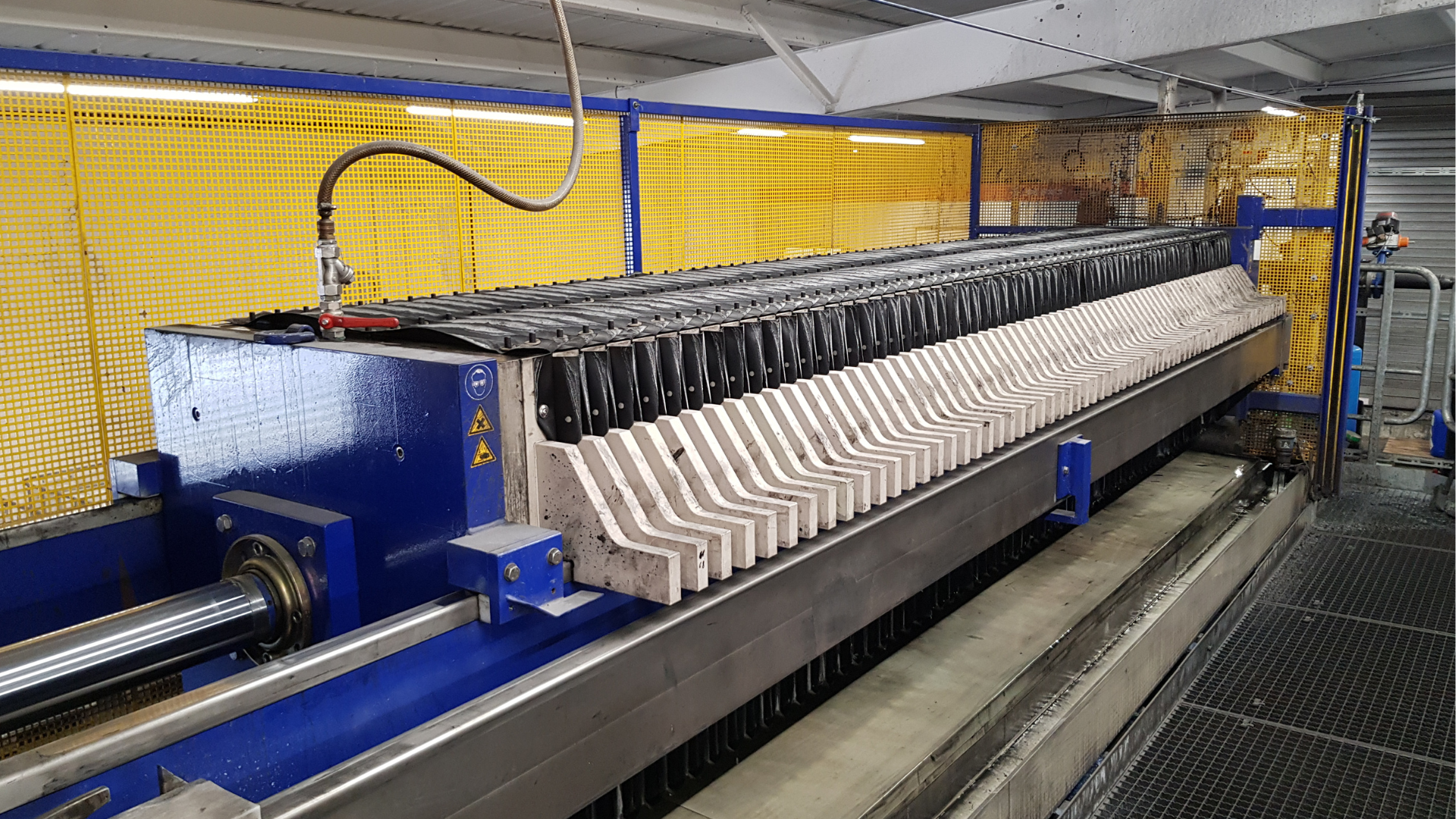
Small, highly concentrated, or intermittently generated partial flows 0.5–10 m³/day Space-saving, pre-assembled compact system with integrated controls and belt filter for sludge separation
ALMA Neutra
Neutralization Plant
pH adjustment of acidic or alkaline wastewater without a complete precipitation system 1–5,000 m³/h Automatic single- or double-sided continuous neutralization; compact, freestanding, or integrated into the ALMA module
ALMA NeoDAF
Flotation plant
Light flocs or flocs that do not settle well, as well as fats, oils, and emulsions approx. 1–200 m³/h
depending on the series
Pressure-relief flotation as a compact or industrial system made of polypropylene or stainless steel
ALMA OXI Fenton
Oxidation Process
Refractory CSB and selected hard-to-degrade, persistent, or toxic trace substances 20–1,000 m³/day Two-stage Fenton reactor system as a batch or continuous flow system

Planning and Construction of a Wastewater Treatment Plant: From Wastewater Sampling to Commissioning

1. Inquiry and Technical Clarification

Please send us information regarding wastewater volume, analysis results, existing wastewater treatment systems, and discharge conditions.

2. On-site Visit & Assessment

Survey to determine space availability, connection points, pipeline routes, and accessibility.

3. Analysis and Selection of Methods

We determine the combination of neutralization, precipitation, flocculation, solids removal, and sludge treatment.

4. Design and Proposal

We design the system, specify the dosing technology, control system, materials, integration, and operating strategy.

5. Plant Construction and Integration

The CP system is custom-built for each project, installed, and integrated into the existing wastewater treatment or production facility.

6. Commissioning and Optimization

We commission the system, adjust the dosing and process parameters, and assist you with system operation.

References for CP Systems and Industrial Wastewater Treatment

Solid Separation Following Precipitation and Flocculation

After precipitation and flocculation, the solids formed must be reliably separated from the clarified water. The appropriate process depends primarily on floc density, settling behavior, solids load, flow rate, and the desired effluent quality.

Sedimentation

For heavy, stable, and easily settable flocs. The solids sink to the bottom of the tank and are removed from there as sludge.

Lamellar separation

For flocs that settle well at high volume flow rates. The lamellae increase the effective settling area while maintaining a compact system design.

Flotation

For light or poorly sedimentable flocs, as well as fats, oils, and emulsions. Fine air bubbles carry the solids to the water's surface.

Belt Filtration

For low flow rates and easily filterable flocs. The solids are retained on a filter belt and continuously discharged.

Sand or multimedia filtration

For remaining flakes and fine particles. It is usually used as a downstream polishing stage following sedimentation or flotation.

Microfiltration or Ultrafiltration

For applications with high filtrate quality requirements, such as those preceding reverse osmosis or water reuse. The membranes remove the finest particles and residual flocs.

Technical documentation and data sheets for CP systems

Technical Guide to CP Systems - Fundamentals, Design, and Applications of Precipitation Systems: Download

Examples of Plants in the Field of Chemical and Physical Plant Engineering

Frequently Asked Questions About CP Systems and Precipitation Systems

A CP plant is a chemical-physical wastewater treatment plant. It combines chemical processes such as neutralization, precipitation, coagulation, and flocculation with physical separation processes such as sedimentation, flotation, or filtration.

The goal is to convert dissolved, colloidal, or suspended substances in industrial wastewater into a form that can be separated. The resulting solids are then removed from the water and further treated as sludge.

Depending on the water chemistry and process design, the following substances, among others, can be reduced or removed:

  • Heavy metals such as nickel, copper, zinc, chromium, or lead
  • Phosphorus and Phosphates
  • Fluoride and other precipitable anions
  • suspended solids and turbidity
  • colloidal particles
  • Hardness-forming substances and carbonates
  • Oils, fats, and suitable emulsions
  • Pigments, paint components, and mineral particles

The achievable treatment performance depends, among other factors, on the concentration, form of binding, complexation, pH, temperature, and other constituents of the wastewater.

In precipitation, dissolved substances are converted into poorly soluble solids through a chemical reaction. A typical example is the precipitation of dissolved metal ions as metal hydroxides or metal sulfides.

During flocculation, these fine precipitates and other particles are aggregated into larger flocs. This makes it easier to subsequently settle, float, or filter them.

Precipitation and flocculation serve different purposes, but are often combined directly in a CP system.

A batch system is particularly well-suited for:

  • small volumes of wastewater or wastewater generated intermittently
  • compositions that fluctuate widely
  • highly concentrated partial currents
  • Controlled processing of individual batches

A continuous-flow system is particularly well-suited for:

  • regular wastewater flows
  • medium to high flow rates
  • automated continuous operation
  • largely continuous production processes

The selection depends on the volume of wastewater, fluctuations in load, the production process, monitoring requirements, and the available installation space.

Flotation is often advantageous when the flocs formed have a low density and settle only slowly or incompletely.

Typical use cases include:

  • light flakes
  • Fats and Oils
  • Emulsions
  • organic solids
  • particles that do not settle easily

In pressure-relief flotation, fine air bubbles attach themselves to the solids and carry them to the water’s surface. For heavy, mineral-rich, and easily settable flocs, however, sedimentation or lamellar separation is often more suitable.

For complex, variable, or previously unknown industrial wastewater, laboratory or pilot-scale tests are highly recommended.

The following parameters, among others, can be examined:

  • appropriate pH range
  • appropriate precipitant and flocculant
  • Required chemical dosage
  • Flocculation and Settling Behavior
  • Sludge Volume and Dewaterability
  • achievable process quality
  • Possible interactions with other ingredients

The results reduce design risk and provide a solid foundation for planning, investment, and operation.

The following information is particularly helpful for an initial technical assessment:

  • Source and Type of Wastewater
  • Average and maximum flow rate
  • continuous or batch-based wastewater generation
  • Latest water analyses
  • Relevant target substances and concentrations
  • Required flow or discharge values
  • Existing pre- and post-treatment
  • available installation space
  • Requirements for Automation and Sludge Treatment

The more complete this data is, the more accurately the process concept, plant size, and potential project scope can be assessed.

Yes. A CP system can be used as a standalone treatment process or integrated into an existing plant as an additional treatment stage. Possible applications include pretreatment prior to a biological wastewater treatment plant, the removal of specific contaminant loads from a partial flow, or pretreatment prior to filtration, membrane technology, and water reuse.

For the integration, factors such as the existing hydraulic system, installation space, interfaces, control technology, and subsequent treatment steps are taken into account.

The operating costs of a CP system depend primarily on chemical consumption, energy requirements, sludge production, disposal costs, and maintenance needs. It is therefore not possible to provide a reliable estimate without knowing the characteristics of the wastewater and the required effluent quality.

Laboratory tests, needs-based chemical dosing, and tailored sludge treatment help reduce the consumption of operating materials and the volume of residual materials. In addition to the investment costs, the long-term operating costs should therefore always be taken into account.

Our chemical-physical treatment plants

Have a CP system designed for your wastewater

dominik_hoffmann_almawatech

Dominik Hoffmann

Head of Project Development

maksim_neuabauer_almawatech

Maksim Neubauer

Head of International Project Development