
cooling water recycling
Your experts for cooling tower recycling – directly accessible


References Cooling water recycling
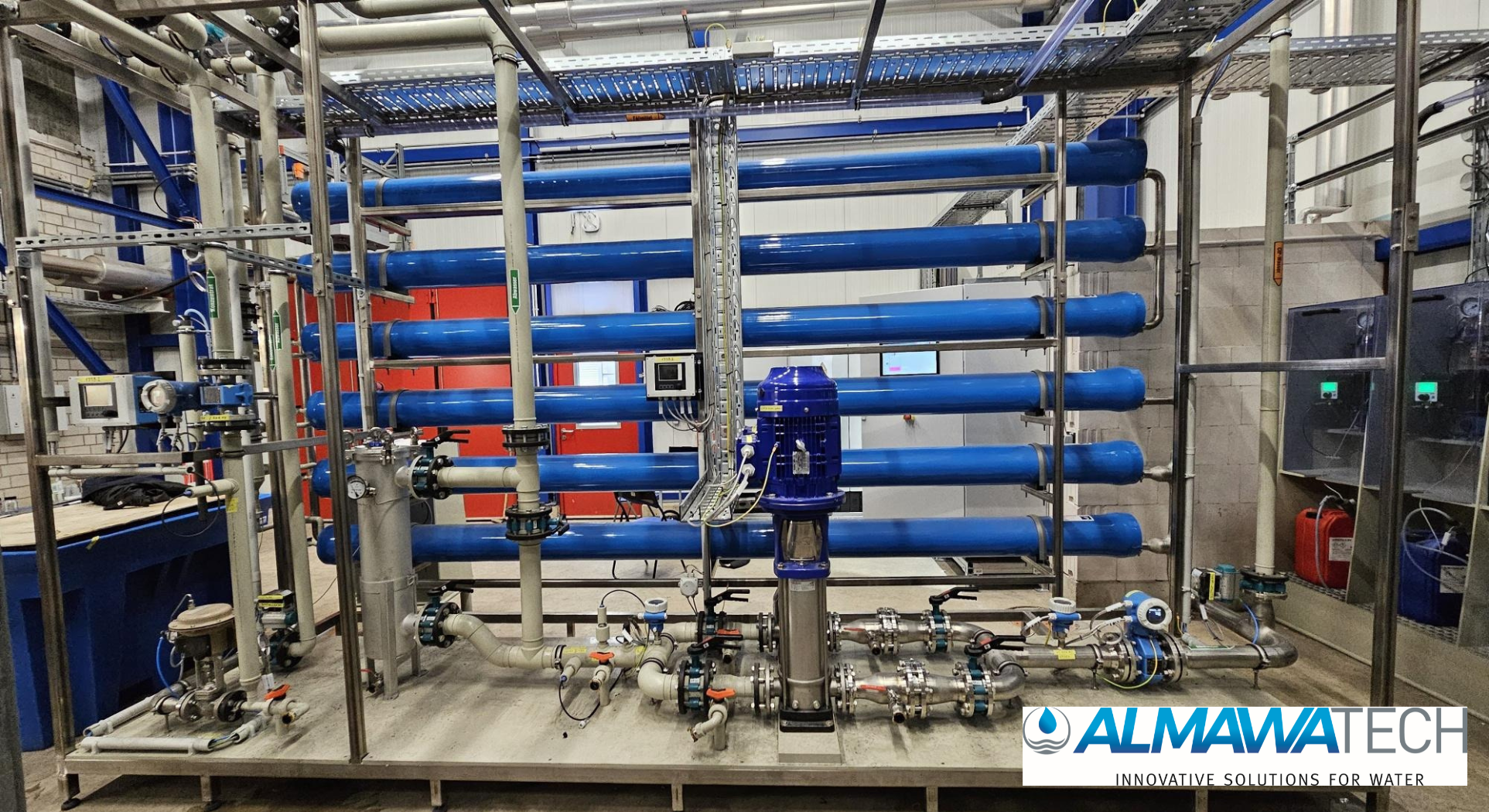

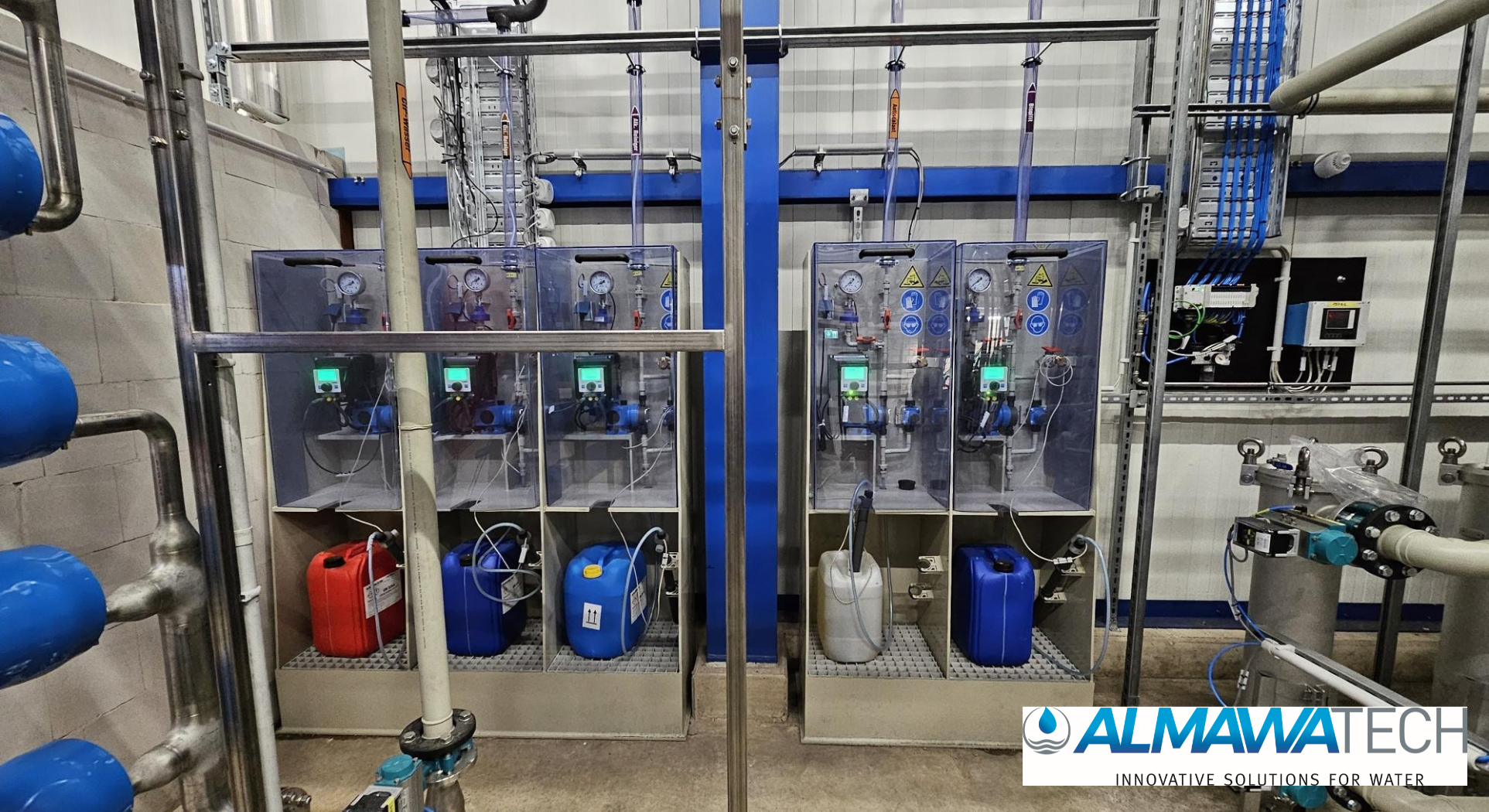
Why cooling tower blowdown water recycling has often failed in the past
The key difference: cooling water treatment first, recycling second

Three-step system principle

1: Stabilize
We design cooling tower treatment in such a way that water chemistry, corrosion protection, and biological balance are permanently controlled.
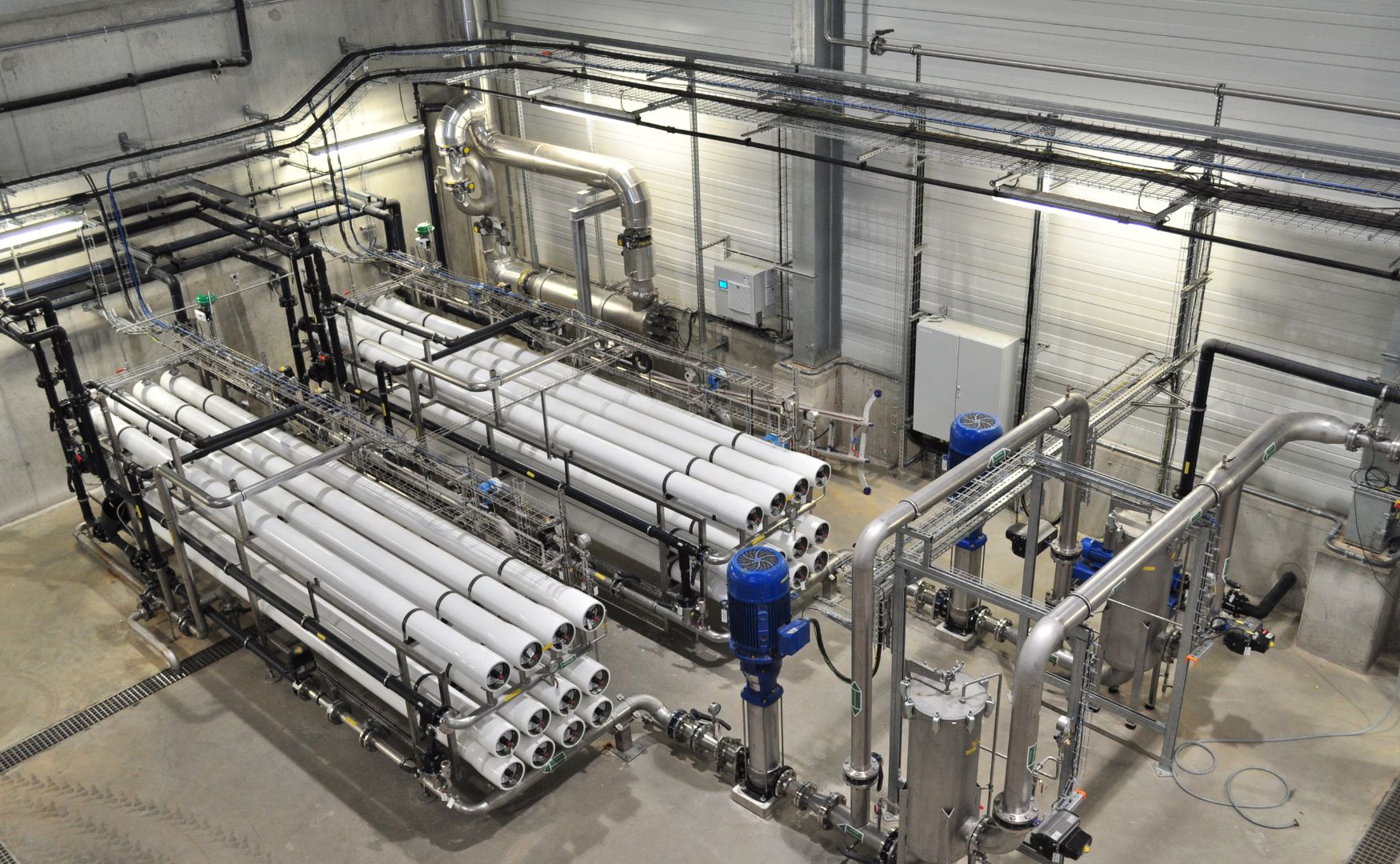
2: Recycle
The cooling tower blowdown water is treated in the water recycling plant—with process control that is coordinated with the upstream treatment.
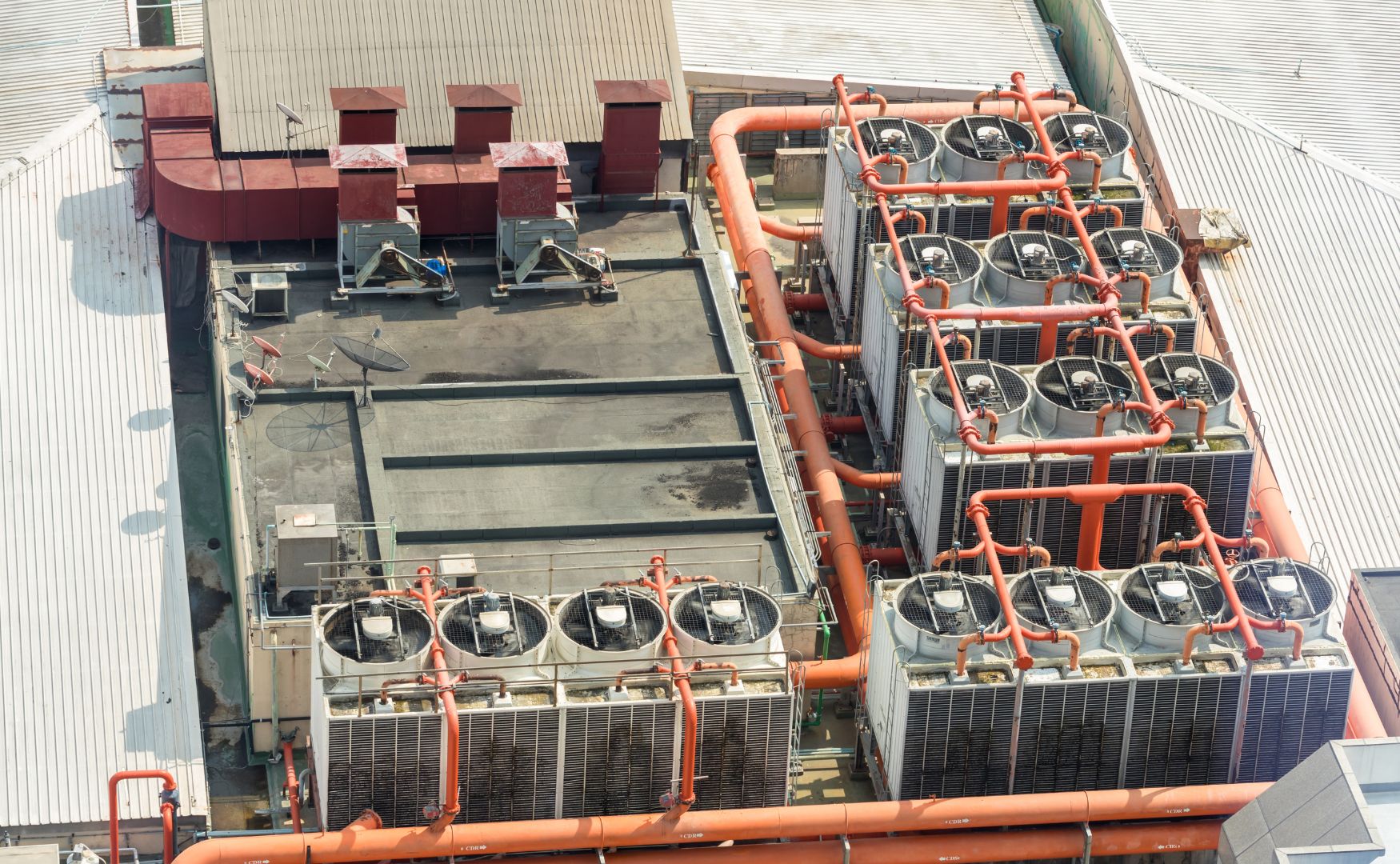
3: Return
The treated water is fed back into the cooling circuit. The result: significantly lower fresh water consumption and reduced wastewater volumes.
Benefits for our customers
Components of the complete solution
Cooling water treatment
water recycling plant
Service & Operation
Check your recycling potential!
FAQ
Why does recycling cooling tower blowdown water not work without a coordinated additive program?
The blowdown water is not a constant medium, but varies depending on load, evaporation, make-up water quality, and operating strategy (thickening). This causes changes in salinity, organic matter, solids load, and the concentrations of treatment chemicals. However, many classic cooling tower programs are not designed for the blowdown water to subsequently undergo treatment steps, including membrane-based processes, and be returned.
The following are particularly critical:
Membrane-damaging or membrane-fouling ingredients from cooling tower additives (e.g., certain surfactants/dispersants, polymer-based additives, biocide/inhibitor components, or carriers) that can lead to fouling, wetting problems, or material stress.
Shock dosing (e.g., biocides) creates high concentrations in the short term, which destabilize pretreatment and membrane stages or require an additional adsorption/decay section.
Metal ion inputs and corrosion products in the case of unsuitable corrosion protection increase the tendency toward precipitation/deposits (e.g., iron hydroxides), which puts strain on filters, UF/RO, and heat exchangers.
Biological growth/biofouling significantly impairs the operational reliability of the treatment system (increase in differential pressure, more frequent cleaning, drop in performance).
A coordinated additive program specifically addresses these issues: It stabilizes water chemistry and microbiology in the cooling tower, reduces critical substance inputs into the blowdown water, and thus ensures reproducible raw water quality. It is this reproducibility that makes water reuse technically manageable and economical.
How does your complete system work technically, and how does it differ from "recycling systems behind the cooling system"?
The main difference is the system design as a process chain: cooling tower treatment (prerequisite) → conditioning (recycling) → recirculation (integration). Many concepts only start with conditioning. In practice, however, upstream cooling water chemistry is the decisive lever for stable conditioning operation.
Technically, the solution typically includes:
Cooling water treatment prior to system preparation: Additive programs (corrosion protection, inhibitors against biological growth, dispersion/scale control if necessary) are selected and dosed in such a way that they are compatible with downstream treatment. The aim is to achieve a defined, recyclable blowdown water quality.
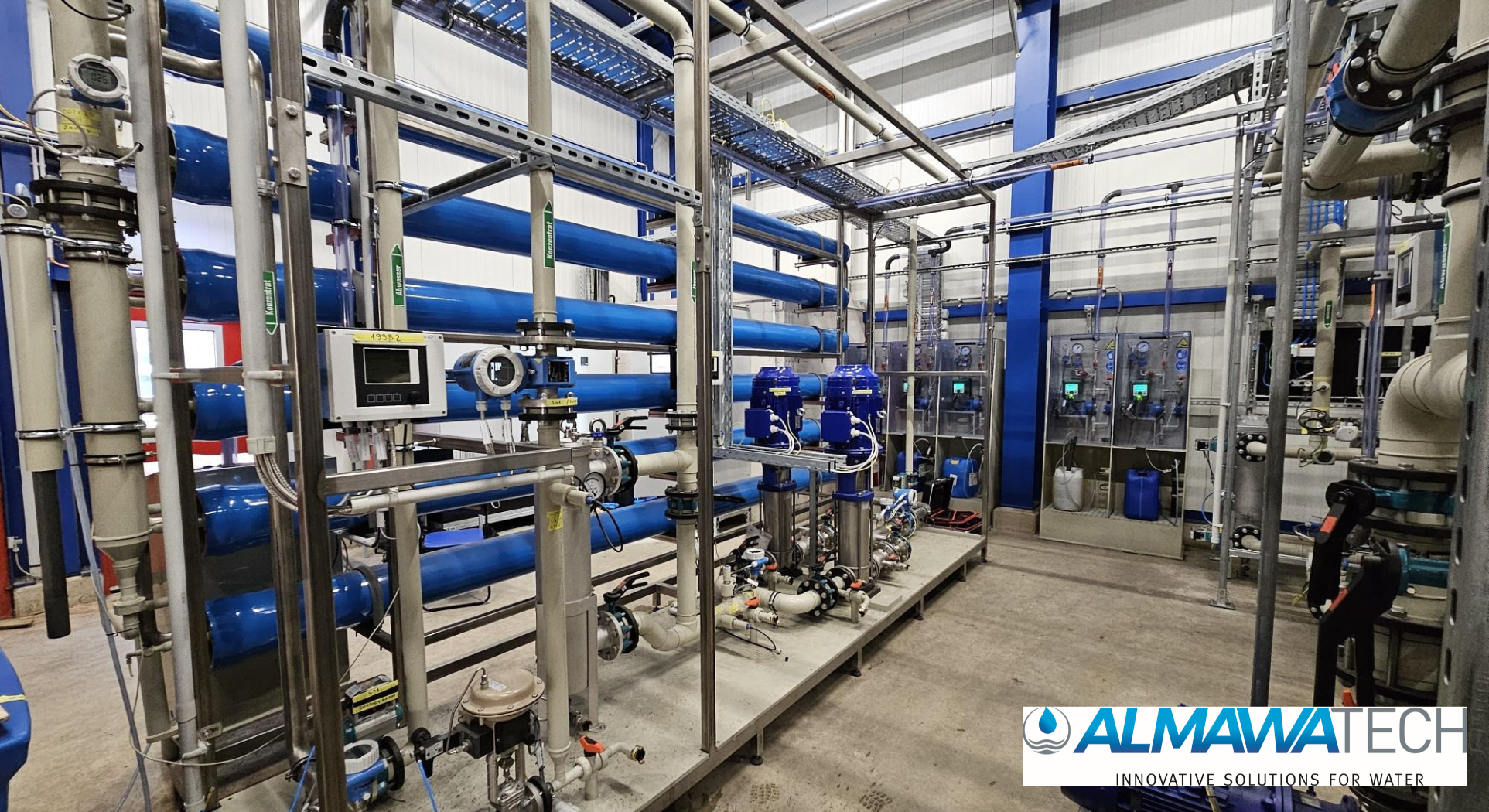
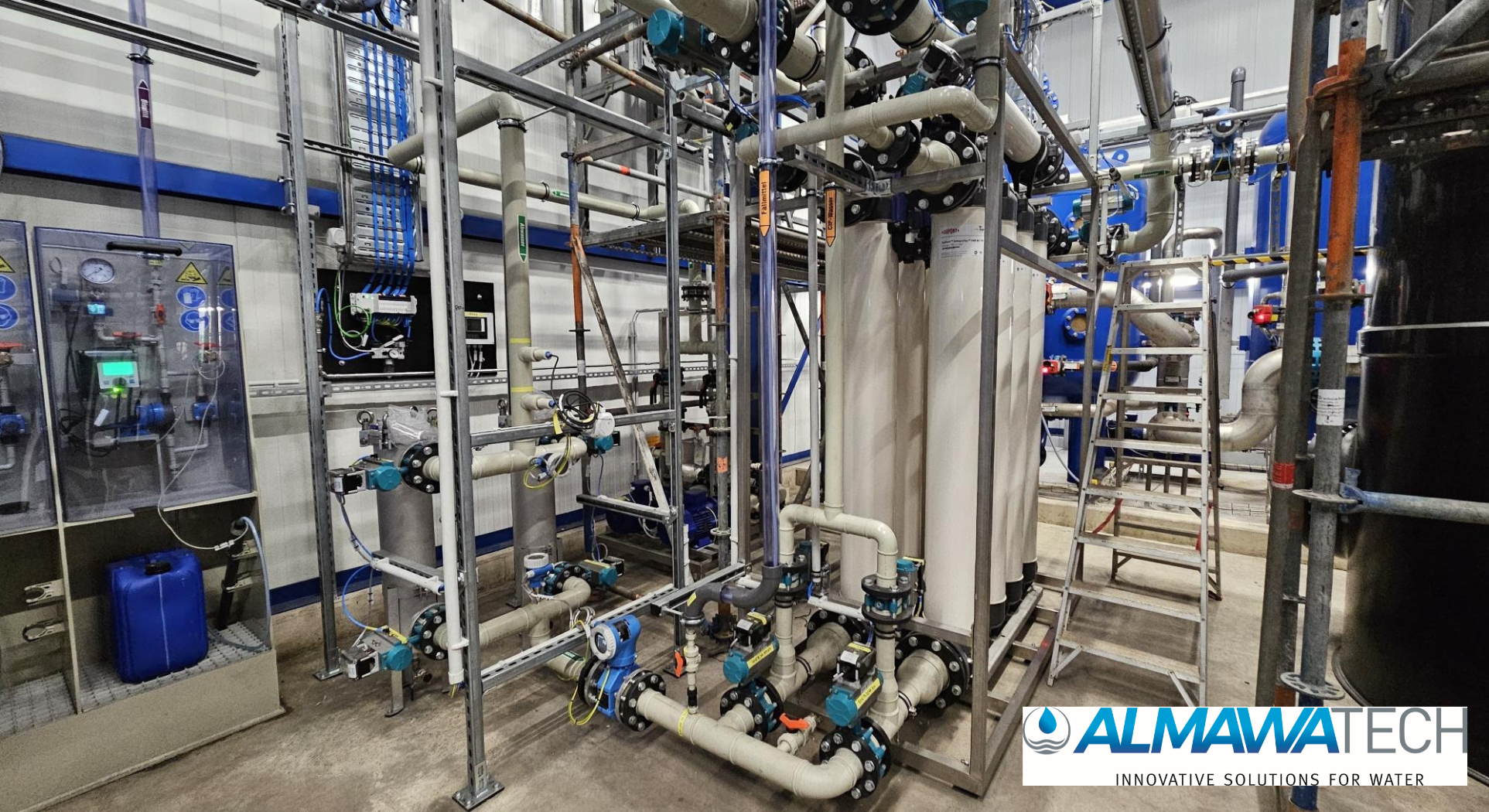
Recycling stage for blowdown water: A suitable treatment chain is designed depending on water quality and objectives (recycling rate, conductivity, suspended solids, organic matter). In practice, this often consists of pre-filtration/fine filtration, flocculation/separation if necessary, optional adsorption/sterilization, and—if required—membrane-based steps.
Recirculation and operational integration: The treated water is recirculated into the cooling tower circuit in a controlled manner. The interaction between thickening strategy, conductivity control, additive dosing, and treatment capacity is coordinated in such a way that operation remains stable (no "chemical peaks," no gradual accumulation of problematic components).
The advantage of this approach is that you do not receive an isolated treatment plant, but rather a coordinated overall system that enables process reliability, availability, and realistic recycling rates—even under changing operating conditions.
What data do you need for a reliable potential assessment?
For a technically reliable potential assessment, parameters that describe raw water variability, chemical treatment, and mass flows are particularly important. Your checklist is designed precisely for this purpose.
Particularly relevant are:
System data and flows: System volume, circulating water volume, fresh water supply, blowdown rate, control strategy (conductance/time-controlled), typical degree of thickening.
Treatment chemistry: additives used (inhibitors, biocides, dispersants), dosing method (continuous/intermittent), known special features (e.g., seasonal changes).
Water quality: Conductivity, pH, hardness/alkalinity, metals/turbidity/TOC if applicable, known problem indicators (corrosion, deposits, biofouling).
Constraints: space, integration options, desired objectives (water savings, costs, ESG/footprint), operational restrictions.
Procedure after receipt:
Plausibility check & rough concept: We check whether the treatment needs to be designed more for stabilization/separation (solids/organic matter) or additionally for desalination (e.g., in the case of very high conductivity).
Additive compatibility assessment: We identify potential "showstoppers" (membrane-critical substances, shock dosages, metal/biofouling risks) and derive adjustments for a recyclable treatment program.
On-site appointment & measurement concept: Upon request, we will visit your premises, assess the integration on site (hydraulics, footprint, sampling, automation), and, if necessary, define a short measurement program to verify the design.
The checklist thus provides a clear technical roadmap: suitable treatment, appropriate plant technology, realistic recovery rates, and an operating concept that works in everyday practice.
What role do ALMA AQUA process additives play in cooling water recycling?
ALMAWATECH develops and manufactures its own process additives for cooling systems, boiler systems, membrane systems, and wastewater treatment plants under the ALMA AQUA brand. This gives us a deep understanding of the mechanisms of action, interactions, and limitations of water chemistry treatment programs,which is a decisive advantage in cooling water recycling.
In the context of cooling water recycling, this means specifically:
We know the chemical composition and behavior of our active ingredients throughout the entire process, from the cooling tower to treatment and recirculation.
Additive programs can be specifically designed to inhibit corrosion and biofouling while remaining compatible with membranes and treatment processes.
Undesirable side effects such as membrane fouling, foaming, incompatibilities, or the accumulation of problematic substances can already be taken into account during product development.
Since we are experts in both chemistry and plant engineering, we can not only combine cooling water treatment and recycling, but also precisely coordinate them in terms of chemistry and process technology. This is a key component for long-term stable and economical operation.
Why do cooling systems in industrial plants offer the greatest potential for water savings?
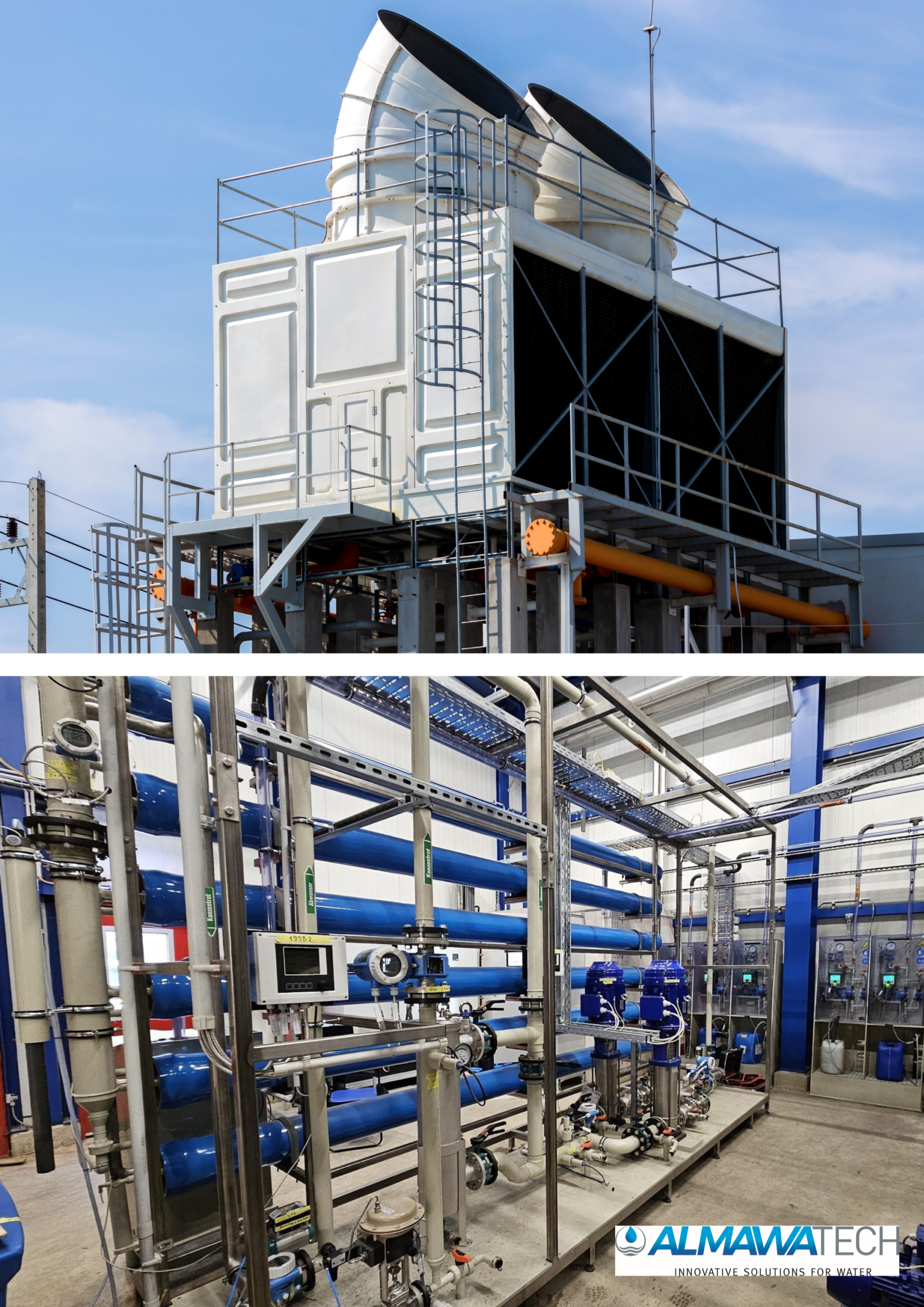
In manufacturing plants, cooling systems are usually the largest single consumer of water. The main loss is due to evaporation and, to an even greater extent, blowdown, which is necessary to limit salt and substance accumulation.
Compared to other water flows in operation, cooling systems therefore offer particular advantages for water reuse:
High continuous water volumes with a relatively consistent basic composition
Blowdown water occurs regularly and predictably
A large proportion of the water can be returned to the cooling circuit in the same quality, provided it is treated appropriately.
Any reduction in the blowdown rate has a direct impact on fresh water requirements and wastewater volume.
For this reason, the potential for water savings in cooling systems is often significantly higher than in other process water flows. In many cases, reductions in fresh water consumption in the cooling circuit in the double-digit percentage range are achievable—depending on system design, water quality, and operating mode.
How does ALMAWATECH ensure the long-term stable operation of cooling water recycling plants and cooling systems?
The sustainable operation of a cooling water recycling system is inextricably linked to the safe and compliant operation of the entire cooling system. Cooling water recycling must not be viewed in isolation, but must be an integral part of the cooling water cycle. This is precisely where ALMAWATECH's holistic approach comes in.
Holistic view of cooling system and recycling plant
ALMAWATECH designs cooling systems and cooling water recycling plants as coupled systems. Cooling water treatment is designed to ensure both the safe operation of the cooling tower and the stable operation of the recycling plant. Changes in the degree of thickening, the blowdown rate, or the additive dosage are always evaluated taking into account their effects on both parts of the system.
Operational safety and hygiene in accordance with 42. BImSchV and VDI 2047 Sheet 2
In Germany, the operation of cooling towers is subject to the 42nd BImSchV ( Federal Immission Control Act ) and the hygiene requirements of VDI 2047 Sheet 2. ALMAWATECH supports operators in fully complying with these requirements, even with integrated recycling concepts:
Hygienically flawless operation of the cooling system thanks to coordinated biocide and inhibitor programs
Ensuring stable water quality to minimize the risk of Legionella growth
Support in implementing an operating log in accordance with 42. BImSchV
Integration of the cooling water recycling system into the existing hygiene and safety concept of the cooling system
Sampling, monitoring, and reporting
A key component of the operating concept is a structured monitoring and sampling concept that covers both the cooling system and the recycling plant:
Definition of suitable sampling points in circulating water, blowdown water, and treated recycled water
Regular chemical, physical, and microbiological analyses (e.g., conductivity, pH, corrosion indicators, biofouling, Legionella)
Support in organizing and evaluating the legally required inspections in accordance with 42. BImSchV
Technical evaluation of the analysis results and derivation of measures for optimizing cooling water treatment and the recycling plant
The data obtained is incorporated into a transparent reporting system that supports operators in internal audits, regulatory inspections, and ESG or sustainability reports.
Ongoing support and optimization
ALMAWATECH actively supports the operation of the systems even after commissioning:
Regular operational and plant reviews
Adjustment of cooling water treatment in response to changed operating conditions
Optimization of recycling mode to maximize the return rate while maintaining operational safety
Training of operating personnel in the use of cooling systems and recycling equipment
Through the close integration of cooling water chemistry, recycling technology, monitoring, and regulatory expertise, ALMAWATECH ensures that cooling water recycling is not only technically feasible, but can also be operated safely, legally, and economically on a long-term basis.
Get in touch with us!

Siegfried Hirschmann
Senior Expert, Process and Fresh Water
Maksim Neubauer
Head of International Project Development & Water Reuse