

Automatic neutralization system ALMA NEUTRA for pH value adjustment of waste water
Compact wastewater neutralization

ALMA Neutra

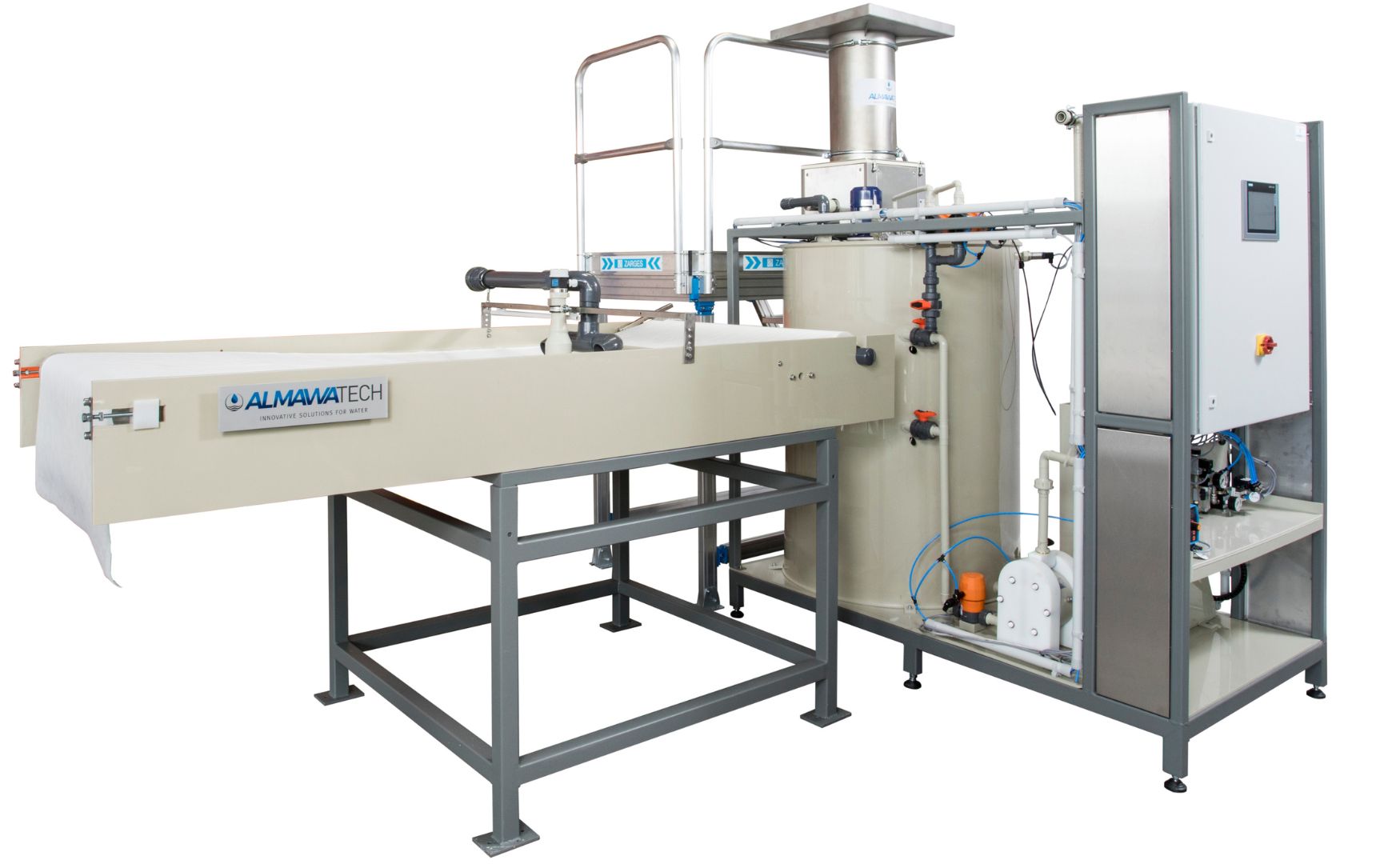
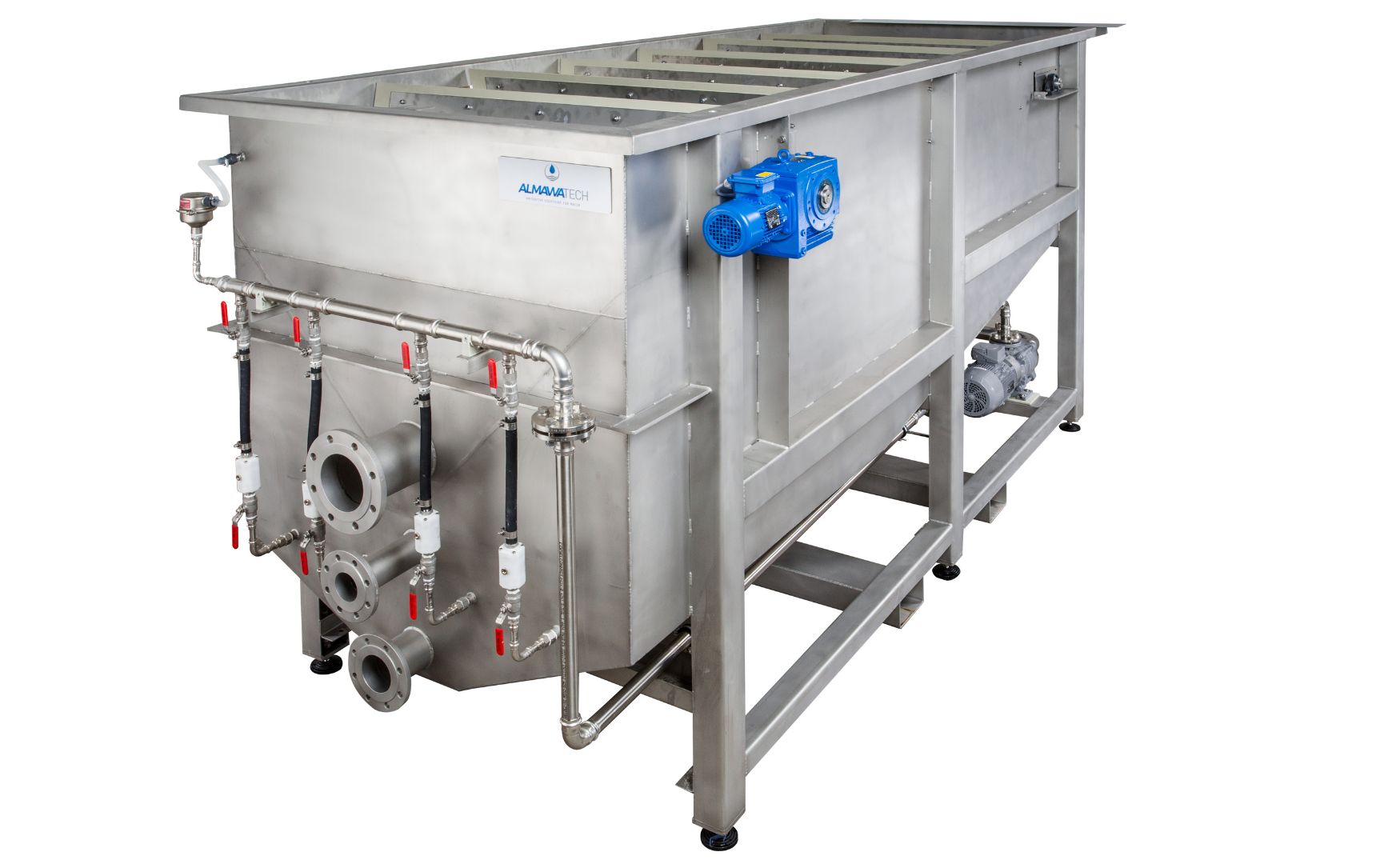
The ALMA Neutra is an automatic neutralization system in the ALMA module that neutralizes alkaline or acidic wastewater from industrial rinsing processes. The purpose of the continuous flow system is to correct the pH value so that the wastewater can be discharged.

Acid, lye or CO₂ can be used as neutralizing agents to correct the pH.
Technical data
Main applications
Food industry Beverage industry Pharmaceutical industry Washing stations Cosmetics industry Breweries
Throughput capacity
1 - 200 m³/h
Electricity consumption per m³ of wastewater
1 - 2 kW/h/m³
Reactor volume
1,5 - 10,0 m³

Your experts for neutralization systems - directly accessible

Dominik Hoffmann

Head of Project Development

Maksim Neubauer

Project development

References neutralization systems

Advantages of our neutralization system

High process stability thanks to measurement and control technology with special ALMA Vision software
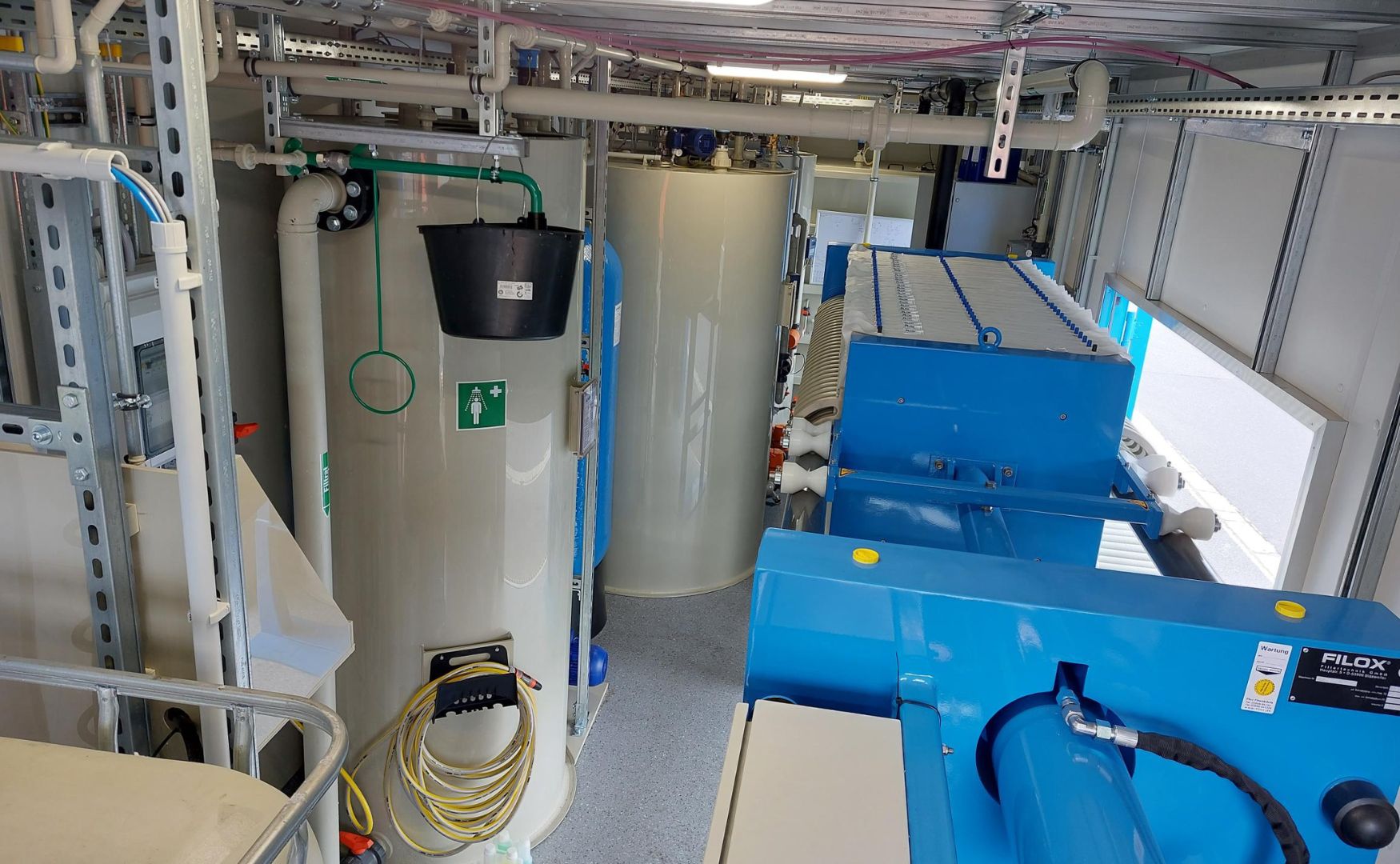
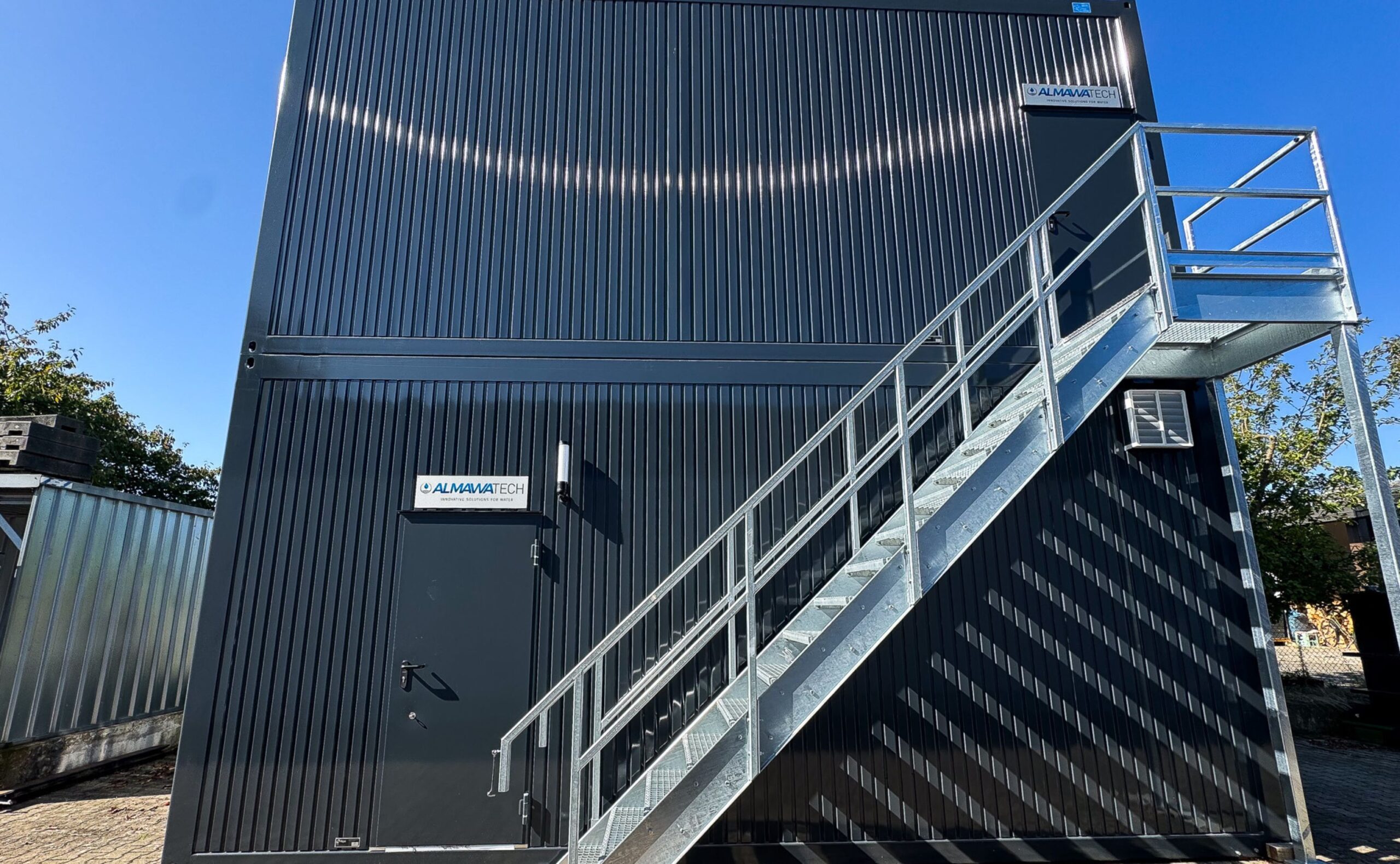
The ALMA module is delivered completely pre-assembled with your wastewater treatment system and only needs to be connected
Integrated pH value control, possible on one or two sides
If required, a separator can be installed upstream to separate coarse and floating matter
Neutralization with acid, lye, CO₂ or flue gas

Technical data: ALMA Neutra

TypeFlow rate m³/hReactor volume m³ProcedureElectricity consumption per m³ of wastewater
Neutra 4D 1 - 41,5Acid/alkali/CO₂ approx. 1 kW/h/m³
Neutra 8D5 - 82,5Acid/alkali/CO₂approx. 1 kW/h/m³
Neutra 15D9 - 154,0Acid/alkali/CO₂approx. 2 kW/h/m³
Neutra 25D16 - 258,0Acid/alkali/CO₂approx. 2 kW/h/m³
Neutra 35D21 - 3510,0Acid/alkali/CO₂approx. 2 kW/h/m³

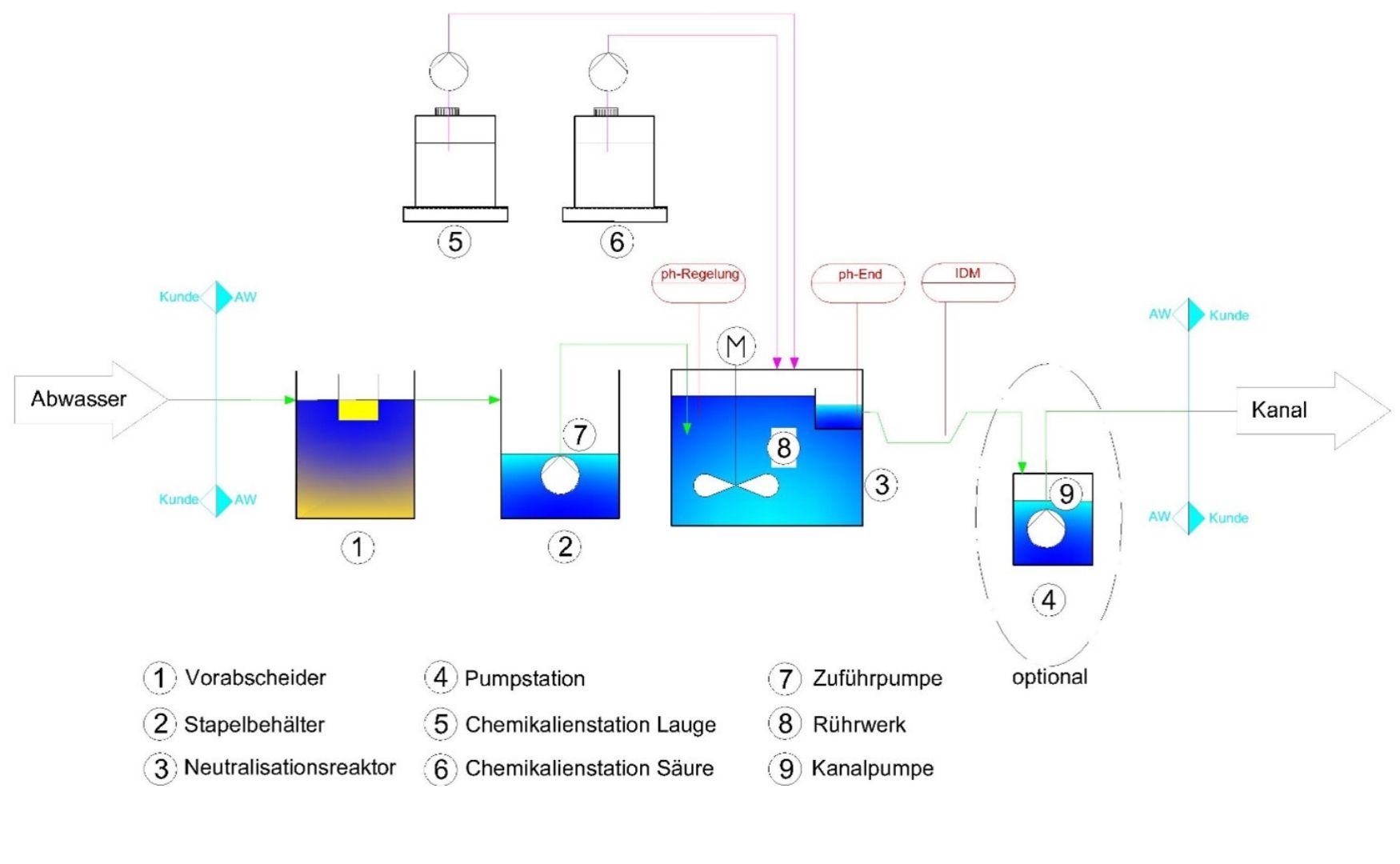
Process sketch: Wastewater neutralization

Downloads

Please contact our specialist for neutralization systems: E-Mail

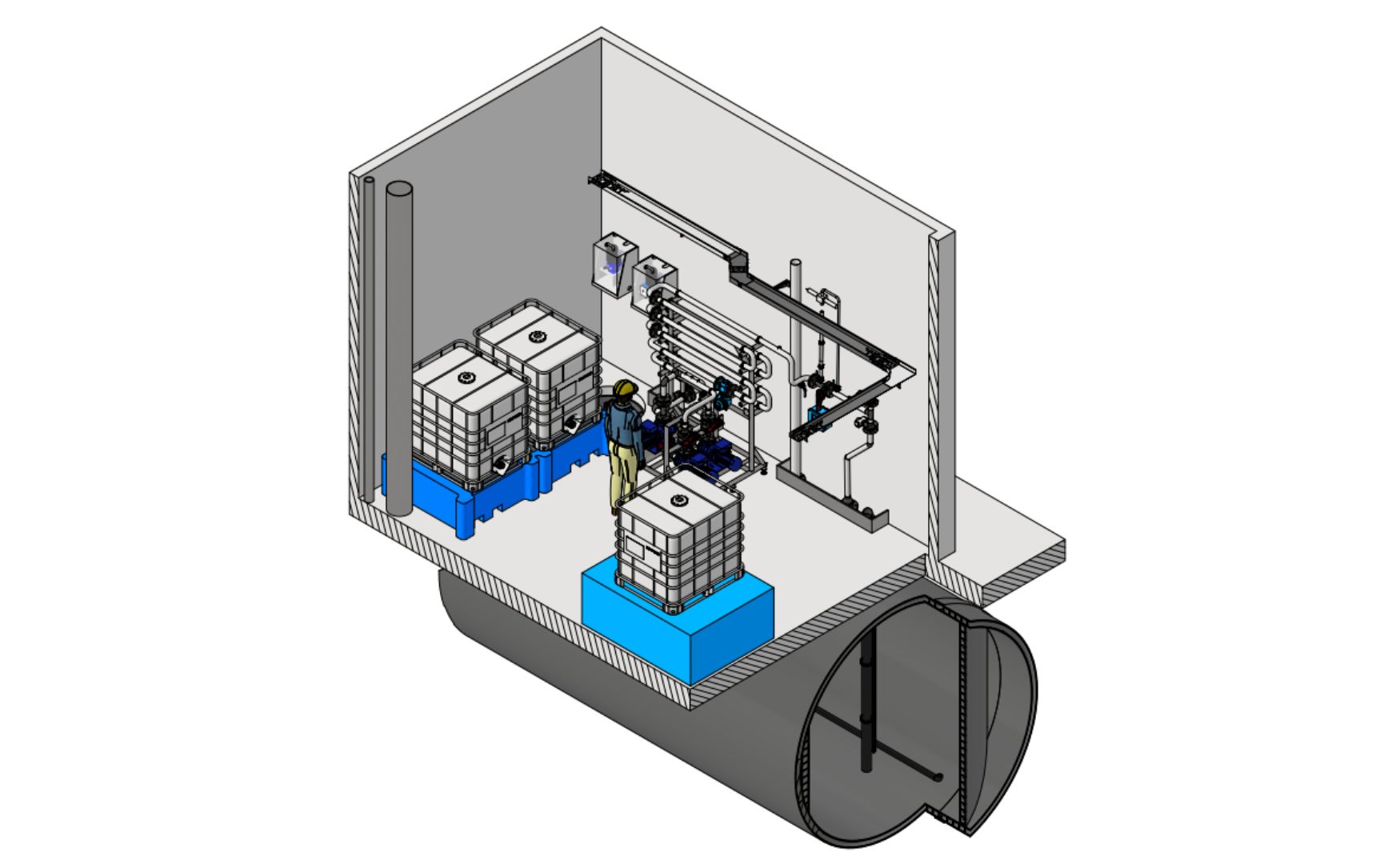
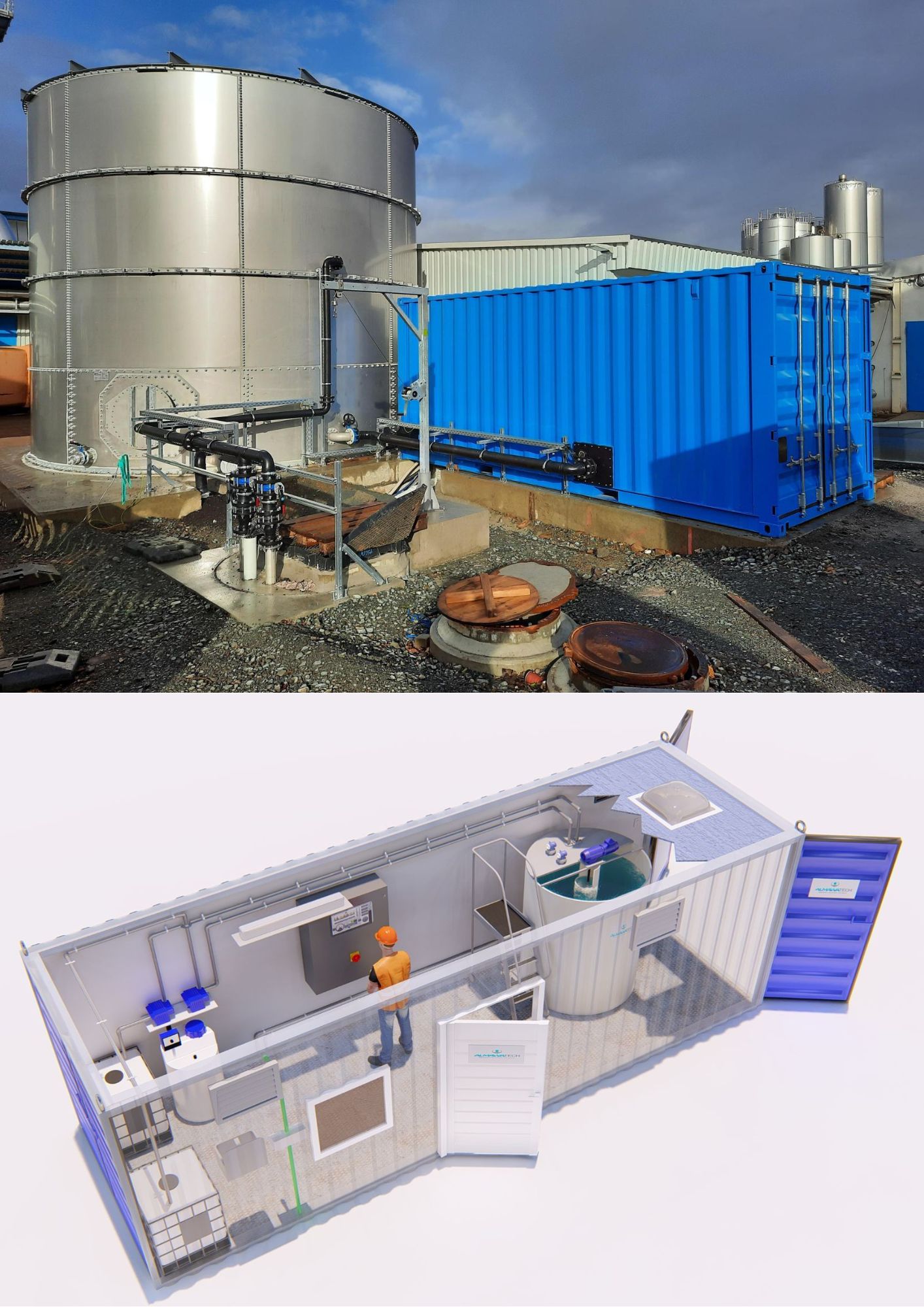
3D example system:

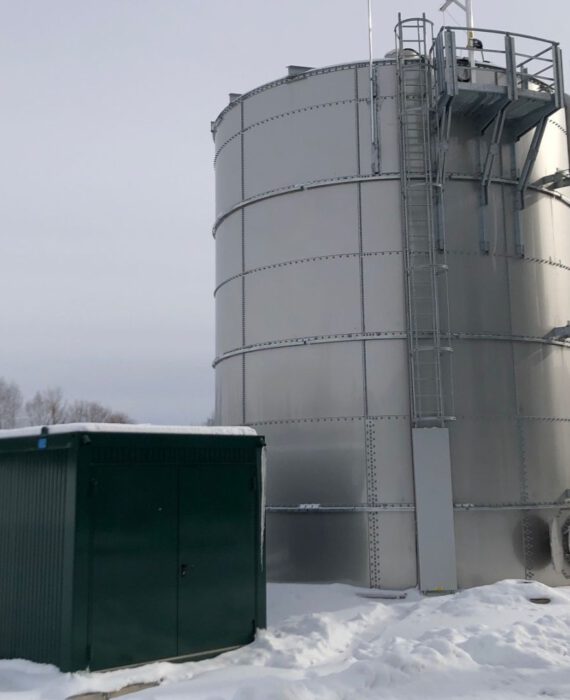
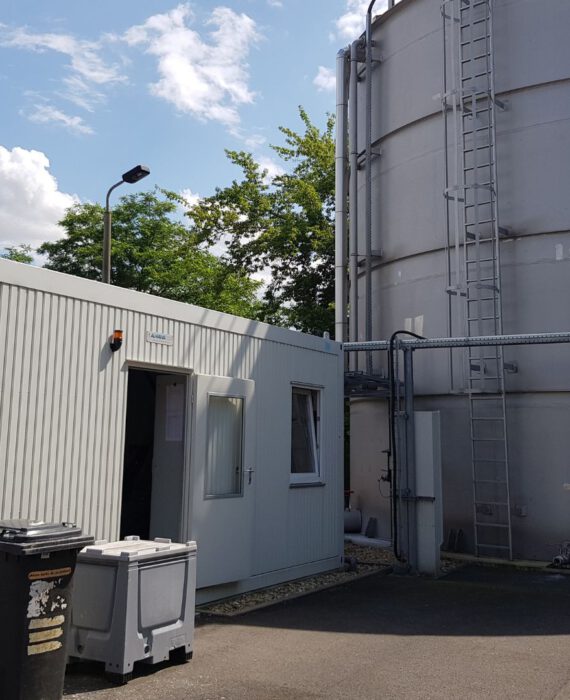
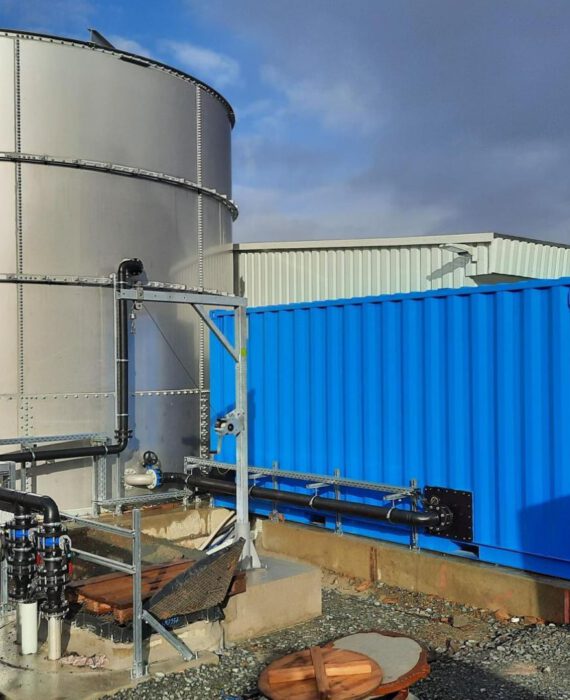
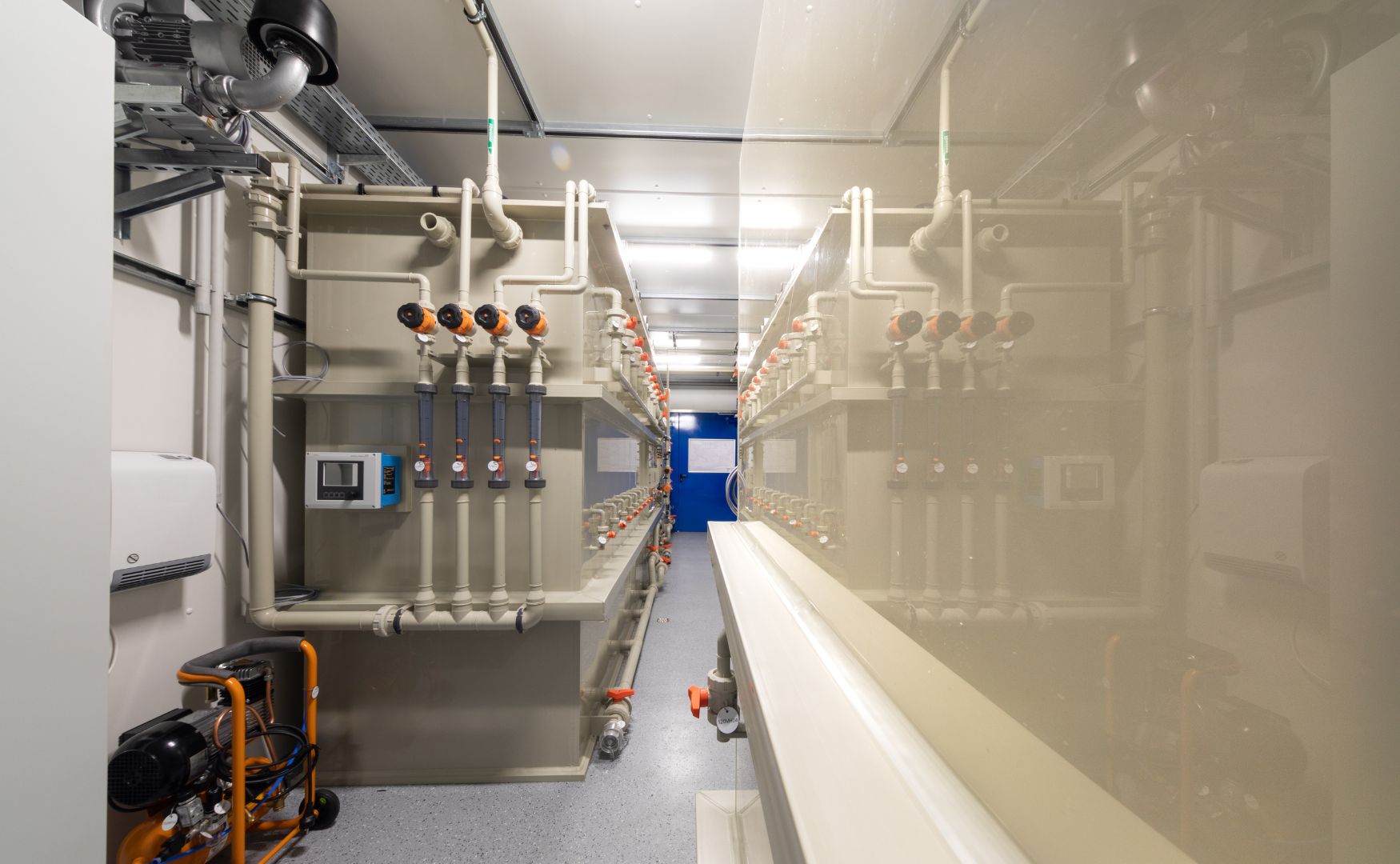
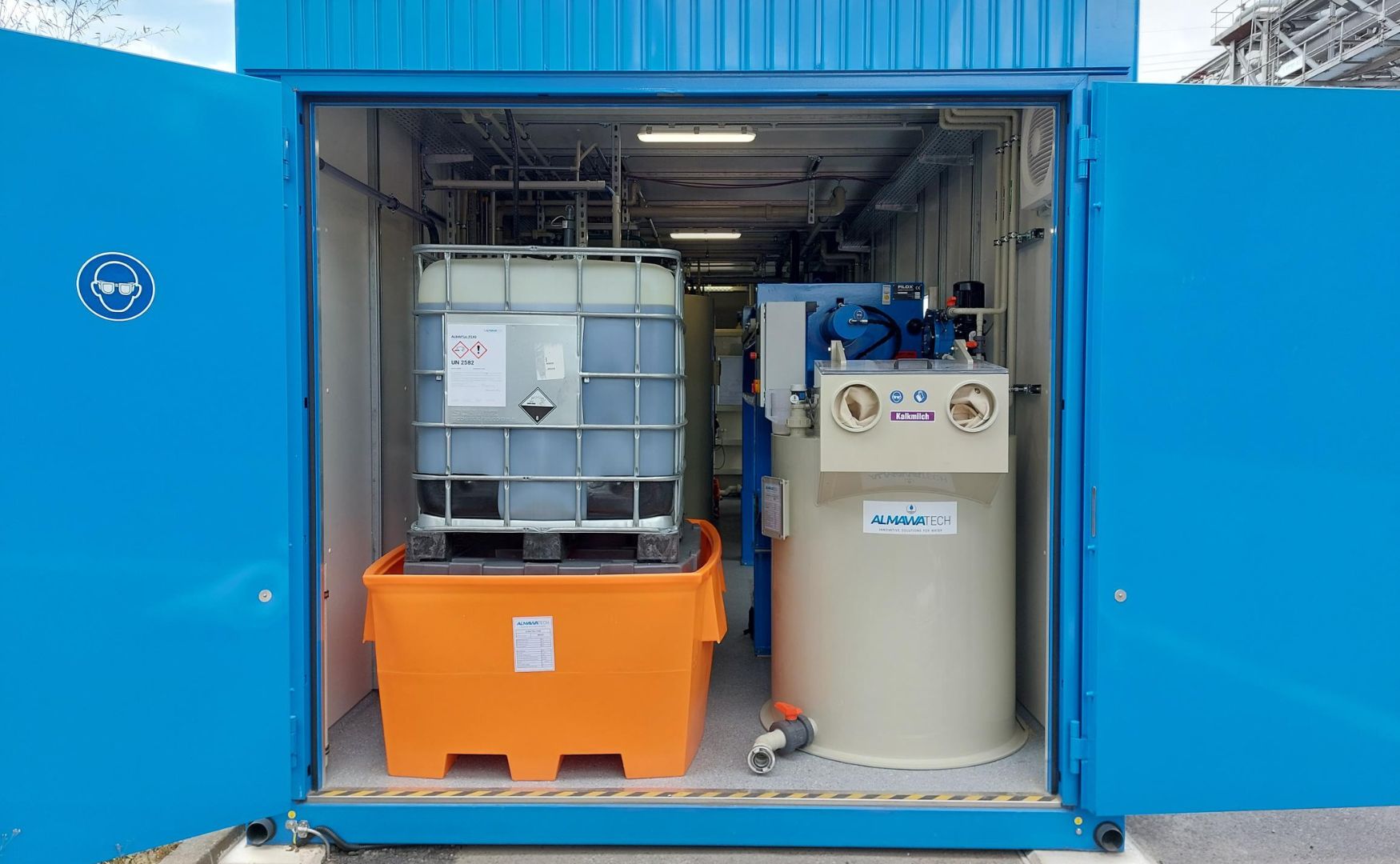
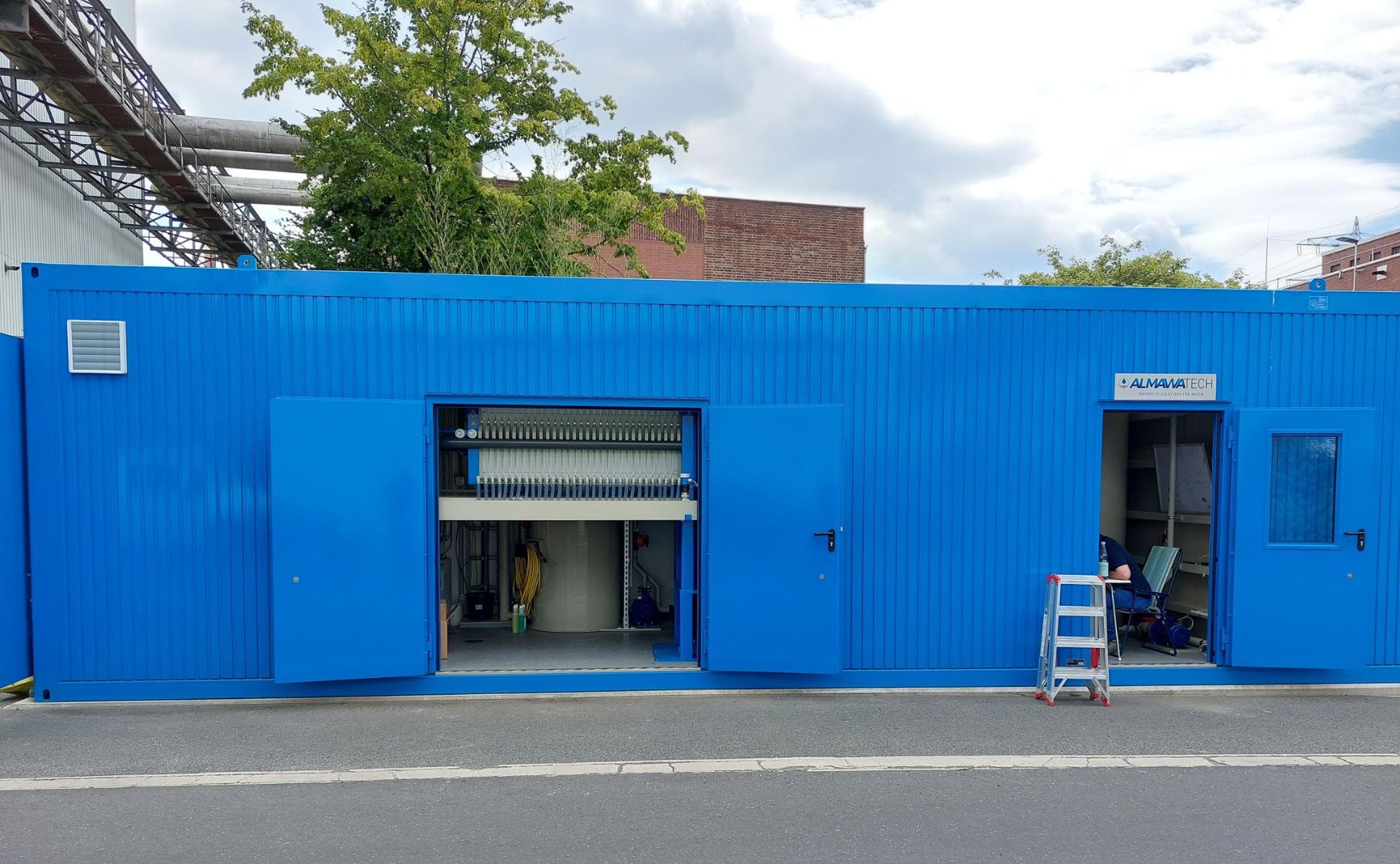
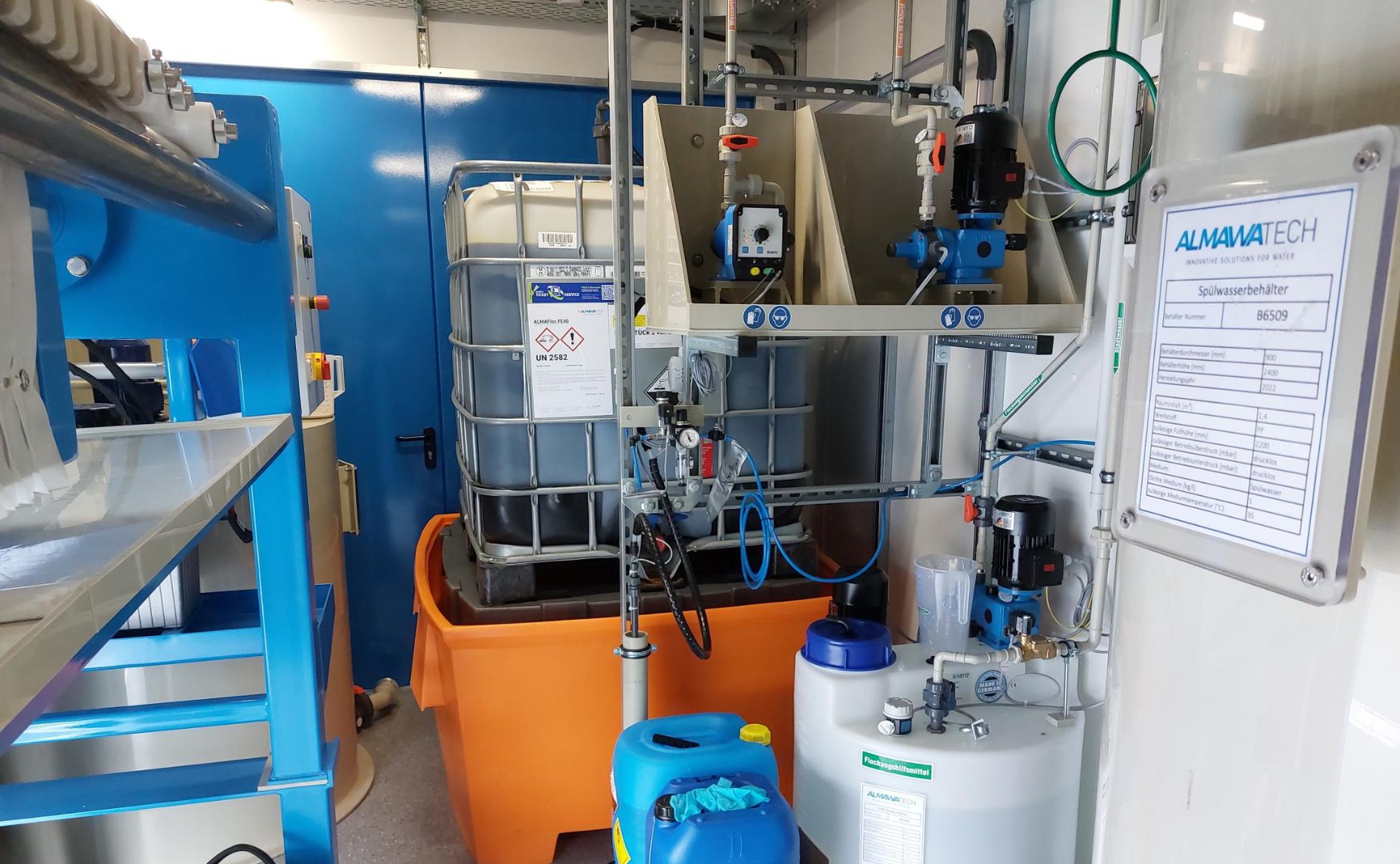
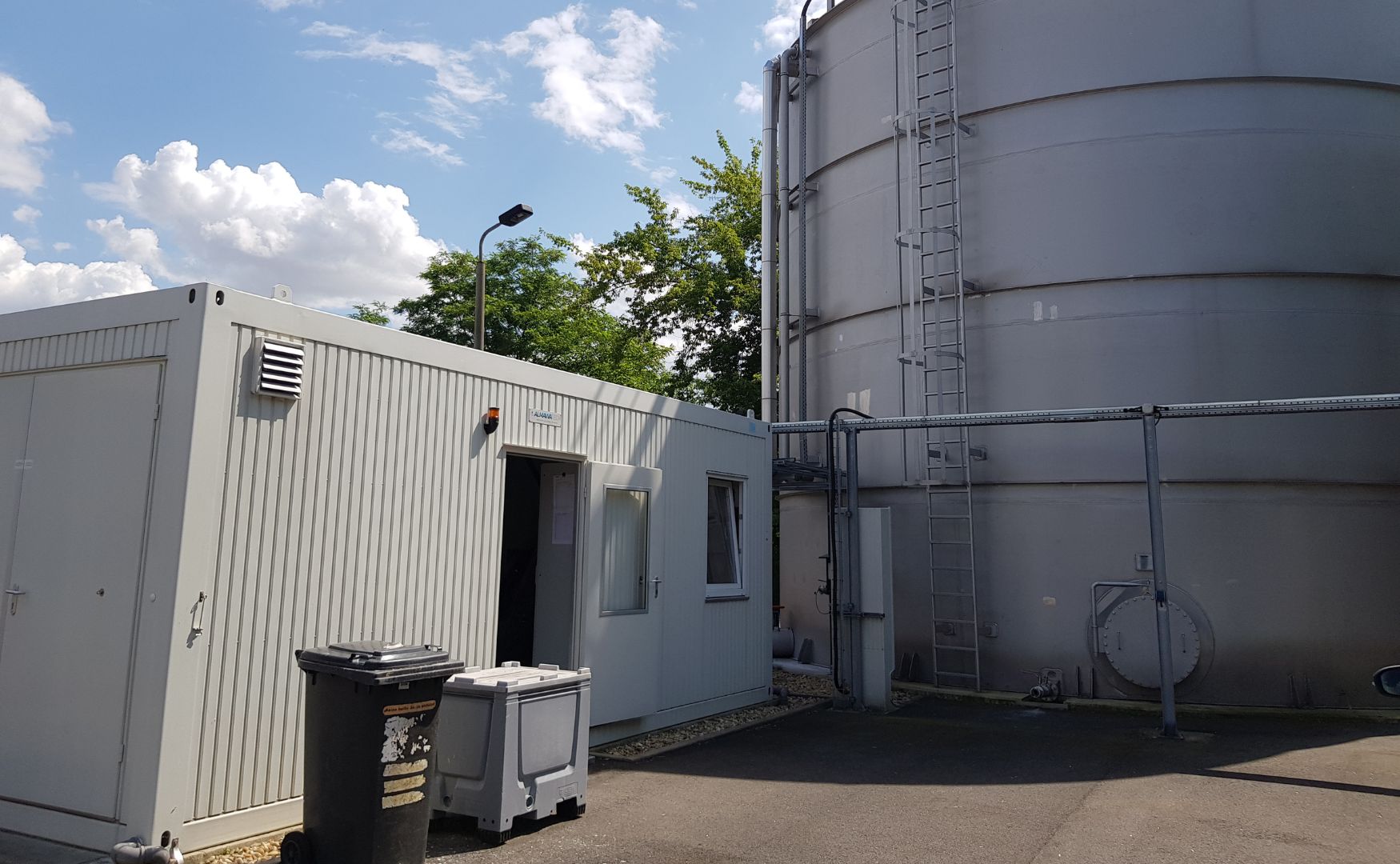
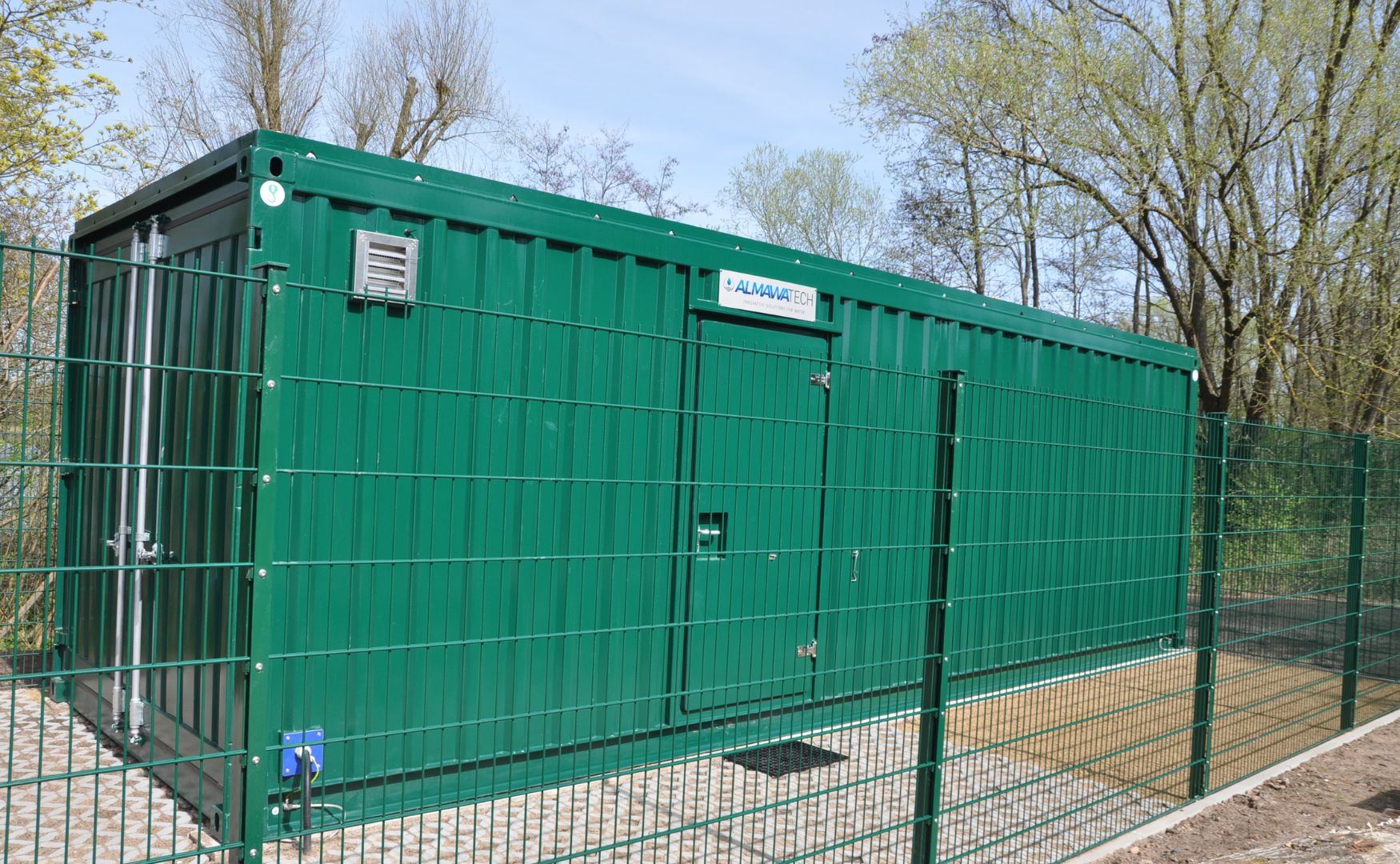
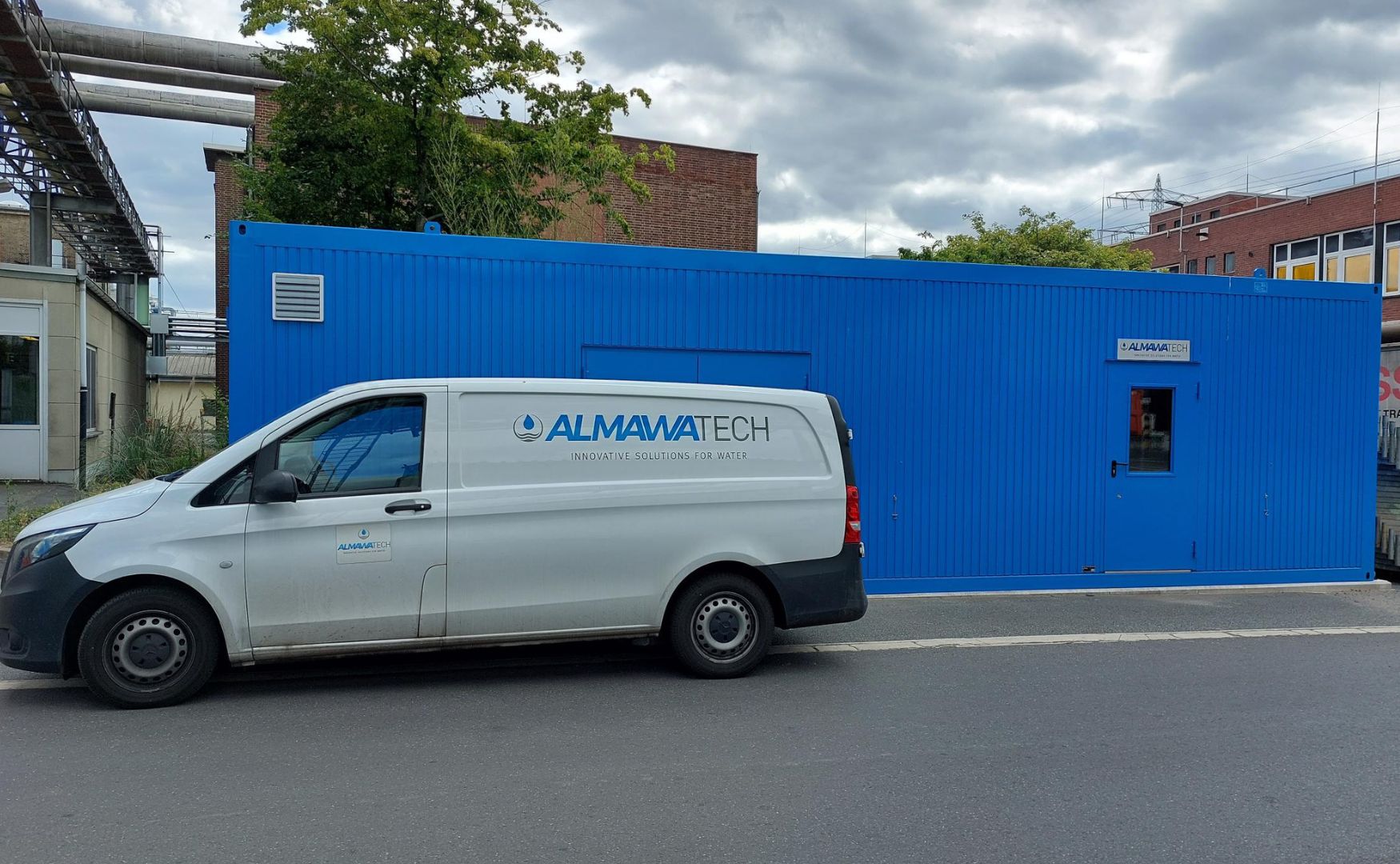
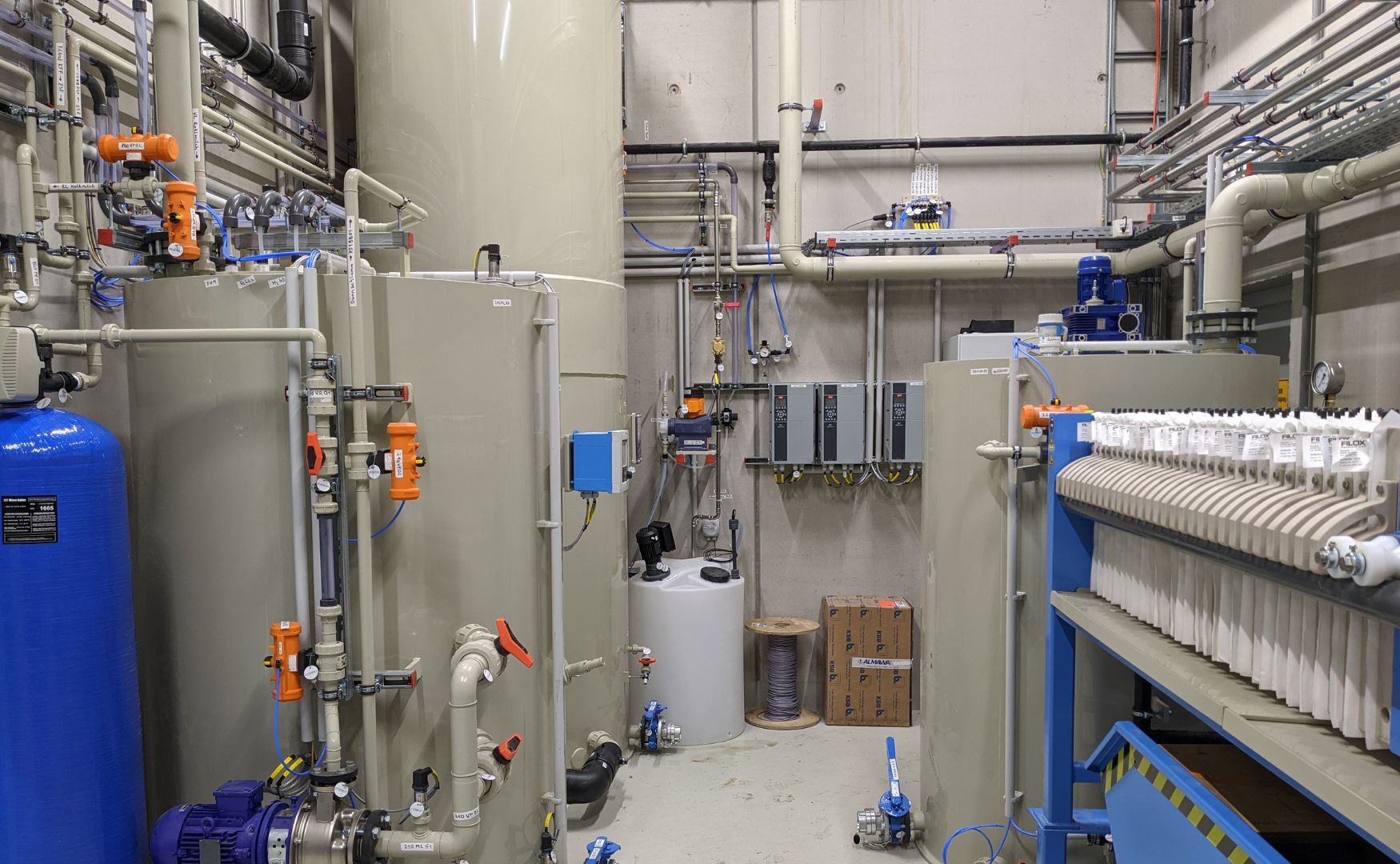
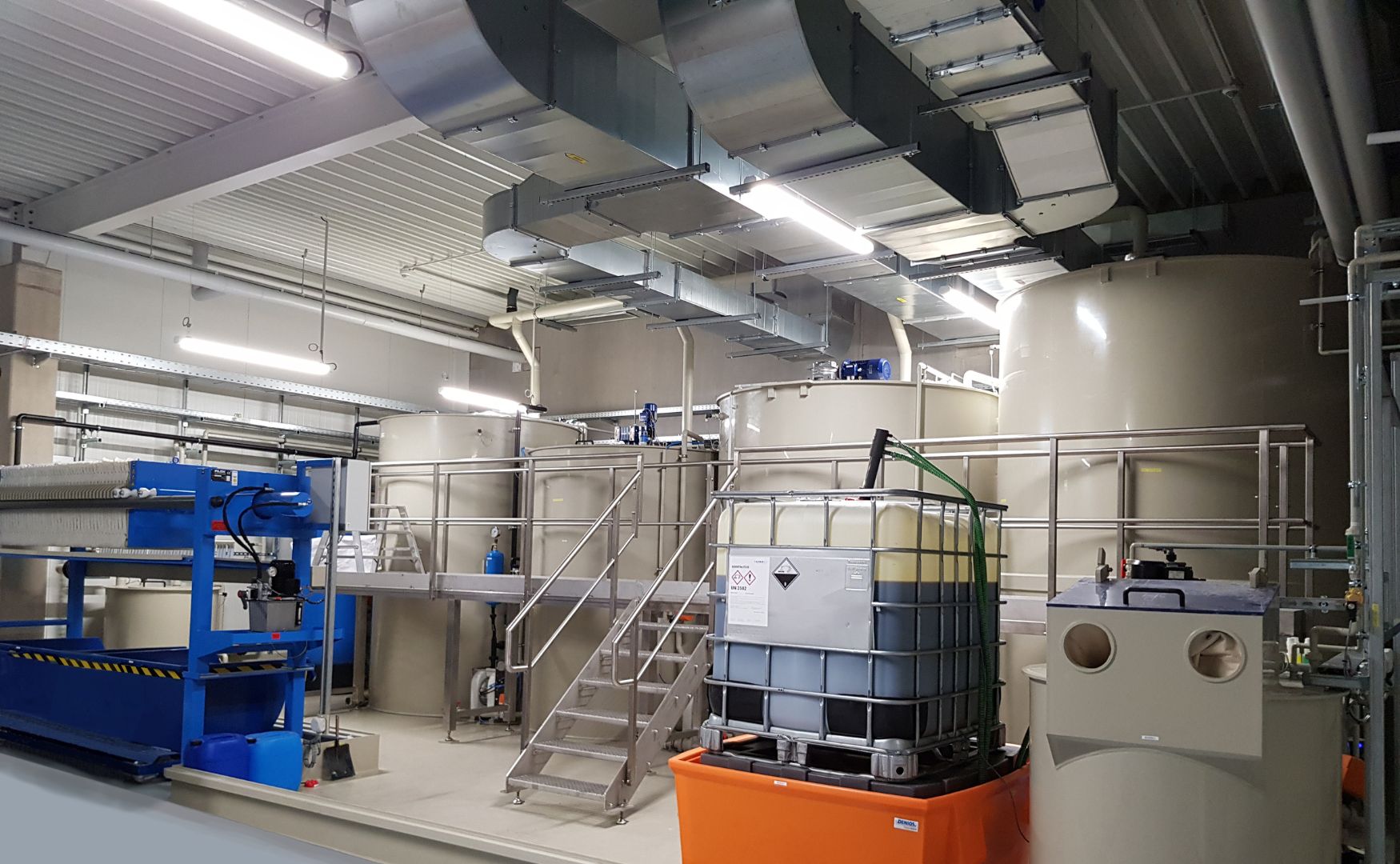
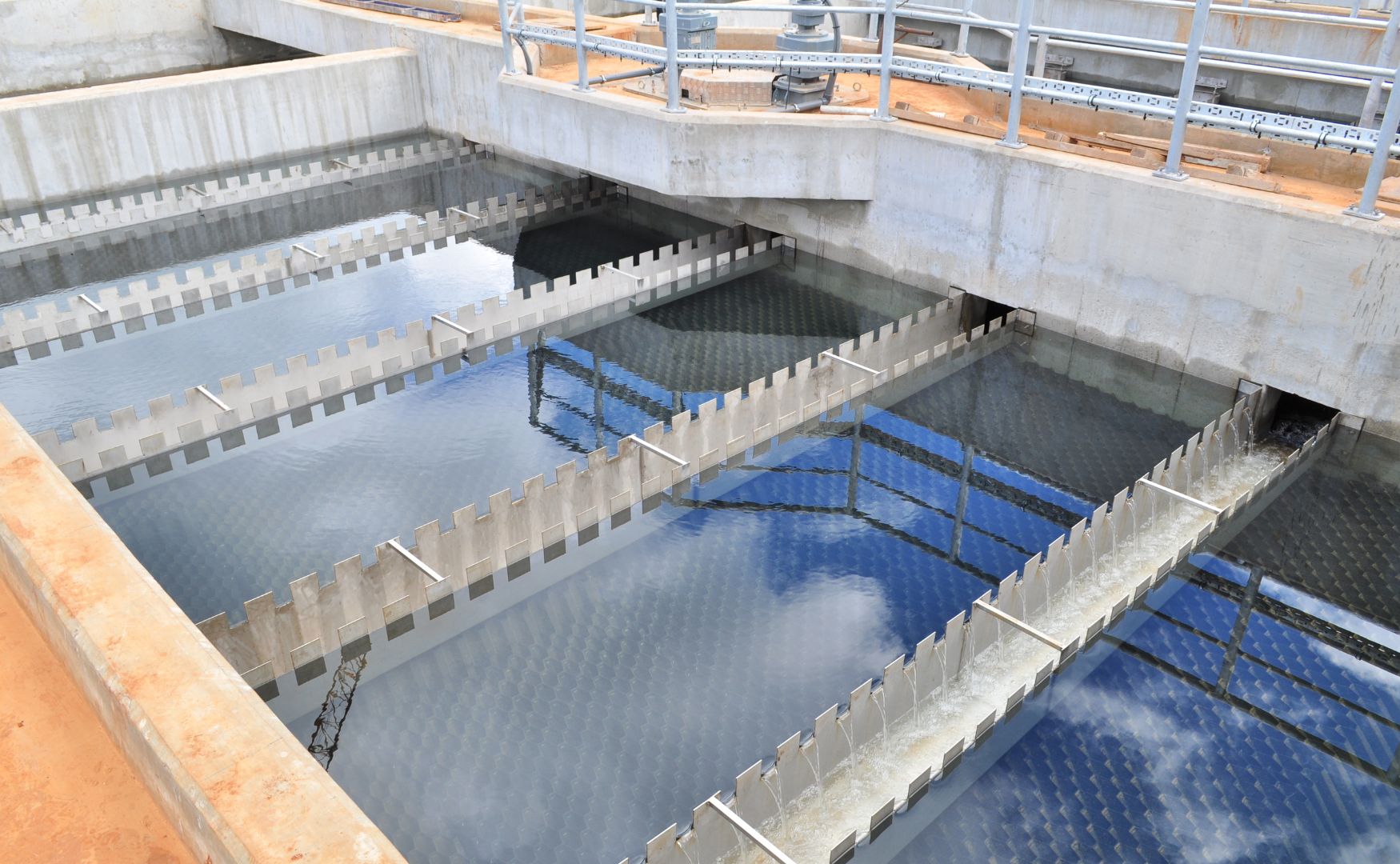
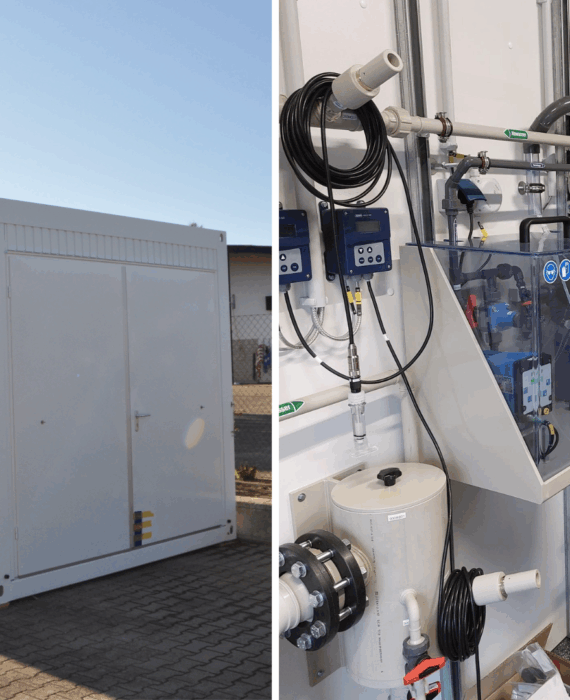
Reference photos: Neutralization of waste water

FAQ

A neutralization plant is a process engineering plant for the targeted adjustment of the pH value of industrial wastewater. The aim is to treat acidic or alkaline wastewater in such a way that it remains within a defined pH range, either for discharge (direct or indirect discharge) or as a pre-treatment stage prior to downstream processes, such as biological wastewater treatment plants in particular.

Why pH neutralization is crucial in industry

The pH value influences:

  • compliance with statutory discharge conditions

  • Corrosion risks in pipelines and aggregates

  • the effectiveness of subsequent process steps (e.g., membranes, biology)

  • Operational safety by preventing sharp pH fluctuations and exothermic reactions

Many industrial wastewater streams fluctuate greatly, e.g., due to batch operation, cleaning phases, or process changes. A neutralization plant ensures stable process conditions by reliably balancing acid or alkali streams using control technology.

Typical areas of application for neutralization systems

Neutralization plants are used, among other things, for:

  • Food industry, e.g., dairies, beverage production, vegetable processing, convenience food
  • chemical and petrochemical processes

  • Metalworking, pickling, surface treatment

  • Electroplating, coating, finishing

  • Waste disposal/treatment and process water treatment

  • as a preliminary stage for the safe operation of biological wastewater treatment plants (pH window is crucial)

What neutralization can do—and what it cannot do

Neutralization is primarily a pH correction. It does not remove dissolved pollutants such as heavy metals or AOX (CP systems are required for this). In practice, however, the neutralization system is often the central basic step that makes further treatment possible in the first place.

Summary
A neutralization plant regulates the pH value of industrial wastewater to ensure compliance with discharge limits and stable operation of downstream processes such as precipitation, flotation, or biological treatment.

Different neutralizing agents are used in neutralization plants, depending on whether the wastewater is predominantly acidic or alkaline, what process goals are to be achieved, and which operating materials are economical or available. As a general rule, neutralization means bringing the pH value into the target range by dosing an acid, alkali, or a CO₂-containing medium.

Acid as a neutralizing agent (for neutralizing alkaline wastewater)

If wastewater is too alkaline (high pH value), acids are typically added, e.g.:

  • Sulfuric acid (H₂SO₄)

  • Hydrochloric acid (HCl)

  • Carbon dioxide (via CO₂ input)

Advantage: fast, reliable pH reduction
Important: safety and material concept due to corrosion and handling

Lye as a neutralizing agent (for neutralizing acidic wastewater)

Alkalis are used for acidic wastewater (low pH value), e.g.:

  • caustic soda (NaOH)

  • Lime milk / calcium hydroxide (Ca(OH)₂)

  • Soda / sodium carbonate (Na₂CO₃) depending on application

Advantage: safe pH increase and pH stabilization
Important: lime can cause solids/sludge to form (system design accordingly)

CO₂ as a neutralizing agent (CO₂ neutralization)

CO₂ can be used as a neutralizing agent, especially to lower alkaline wastewater. CO₂ in water turns into carbonic acid, which reduces the pH value.

Why CO₂ is attractive in practice:

  • CO₂ neutralization is a CO₂ sink and therefore very sustainable.

  • Can lower the pH value "gently" (lower risk of overdose)

  • economical in some cases, especially when CO₂ is available

Limitations:
Depending on the system, CO₂ often reaches a typical pH range, so it is not always a complete substitute for strong acids when very low target pH values are required.

Flue gas as a neutralizing agent (flue gas neutralization)

Flue gas contains CO₂ and can therefore be used for flue gas neutralization. The principle is similar to that of CO₂: CO₂ components lower the pH value through carbon dioxide formation.

Advantages:

  • Utilization of an existing process stream (potential cost advantages)

  • Possible CO₂ utilization / process integration

Important technical points:

  • Flue gas composition and impurities must be evaluated

  • The entry of accompanying substances (e.g., SOx/NOx depending on the source) must be checked.

  • Gas scrubbing/injection technology and control systems must be cleanly designed.

How do you choose the right neutralizing agent?

The following are crucial:

  • Target pH range and required control quality

  • Safety requirements (storage, handling)

  • Reaction products / potential sludge

  • Operating costs and availability (CO₂/flue gas vs. acid/alkali)

  • Requirements of subsequent stages (e.g., precipitation requires defined pH ranges)

Summary
Neutralizing agents can be acids or alkalis; CO₂ or CO₂-containing flue gas via carbonic acid formation are also suitable for lowering the pH. The selection depends on the target pH, controllability, operating costs, and process requirements.

Neutralization plants can be designed as batch plants or continuous flow plants. The right design depends primarily on the volume of wastewater, fluctuations, process risks, and the required discharge values.

Batch neutralization

In batch neutralization, a wastewater tank is filled, the pH value is adjusted as required, and only then is the wastewater discharged.

Advantages:

  • Maximum process control and operational safety

  • Ideal for highly fluctuating wastewater (batches, CIP cleaning, process changes)

  • Excellent compliance with pH limits, as discharge only occurs after stabilization

Typical use cases:

  • discontinuous wastewater generation

  • high fluctuations in pH and composition

  • Safety-critical wastewater (e.g., exothermic neutralization)

Continuous neutralization

In continuous neutralization, the pH value is continuously regulated during flow.

Advantages:

  • economical with constant wastewater production

  • Compact and often more efficient operation with stable inflows

  • Suitable for large volume flows

Typical use cases:

  • continuous processes

  • uniform inflow conditions

  • stable wastewater volumes

Important design criteria

The following are particularly relevant for a clear interpretation:

  • Volume flow and load profile (peaks, batches)

  • pH fluctuation range and neutralization capacity

  • Mixing and reaction times (avoiding local overdose/under-dosage)

  • Measurement and control technology (sensors, redundancy, control strategy)

  • Safety concept (chemical handling, choice of materials, explosion protection if relevant)

Summary
Batch neutralization systems are ideal for fluctuating wastewater volumes and high process reliability, while continuous neutralization is economical for constant volume flows; the load profile, control quality, and safety requirements are decisive factors.

In practice, errors in neutralization systems often lead to unstable pH values, limit values being exceeded, increased chemical consumption, or safety risks. Many of these problems can be avoided through professional design and suitable control strategies.

Common sources of error

  • Mixing and reaction times too short, leading to local over- or under-dosing

  • Unsuitable or incorrectly positioned pH sensors (dead zones, encrustations, drift)

  • Overly aggressive control parameters that cause pH fluctuations

  • Inappropriate choice of neutralizing agent (e.g., CO₂ instead of acid for very low target pH values)

  • No consideration of exothermic reactions in highly acidic or alkaline wastewater

How modern neutralization plants solve these problems

Professionally designed neutralization systems take into account:

  • sufficient mixing energy and reaction volume

  • robust, redundant pH measurement

  • Coordinated control strategies (e.g., cascade or multi-point control)

  • Safe chemical supply and material selection

This allows stable pH values to be achieved and operating resources to be used efficiently.

Summary
Common errors in neutralization systems include incorrect sensor technology, reaction times that are too short, and unsuitable control strategies; these can be avoided through professional design and modern measurement and control technology.

ALMAWATECH neutralization systems are specially designed for continuous industrial operation and combine high process reliability, cost-effectiveness, and ease of use. They are based on many years of experience gained from numerous systems implemented in a wide range of industries.

High operational reliability thanks to optimized measurement and control technology

A key advantage of our neutralization systems is the optimized measurement and control technology, which enables stable and precise pH adjustment, even with highly fluctuating wastewater flows.

By:

  • Precisely designed measuring points

  • robust pH sensor technology

  • adapted control strategies

  • sufficient mixing and reaction zones

Overdosing or underdosing is reliably avoided. In practice, this can result in savings of up to approx. 20% in operating resources (acid, lye, or CO₂).


Fully automatic neutralization process with pH monitoring

Our neutralization plants operate fully automatically. The entire neutralization process is continuously monitored and controlled.

Key advantages:

  • reproducible pH values

  • low operator dependency

  • high system availability

  • secure compliance with discharge limits

Continuous pH value recording can be used as official documentation for direct or indirect dischargers and supports operators in obtaining permits and undergoing audits.


High-quality, durable, and robust components

ALMAWATECH deliberately focuses on high-quality, industrial-grade components that are designed for aggressive media and continuous operation.

For the operator, this means:

  • long service life of the system

  • low susceptibility to faults

  • reduced maintenance and spare parts costs

  • high investment security


Simple operation and maintenance-friendly design

The neutralization plants are designed to:

  • easy to use

  • easily accessible

  • designed for easy maintenance

This reduces downtime and facilitates operation even with limited personnel resources.


Proven technology with many references

Our neutralization systems are based on proven concepts and are successfully used in a wide range of industrial applications.

The advantage for customers:

  • proven technology instead of experimentation

  • high degree of planning reliability

  • Practical solutions based on real-world operating experience


Summary of advantages

ALMAWATECH neutralization systems offer:

  • fully automated neutralization process

  • Stable pH control with official certification

  • Up to approx. 20% savings in operating resources through optimized design

  • durable, robust components

  • easy operation and maintenance

  • numerous references from industry

Summary
ALMAWATECH neutralization systems offer a fully automated neutralization process with precise pH monitoring, save up to approximately 20% in operating resources thanks to optimized control technology, are robust, durable, and easy to operate, and have numerous references.

The professional design of a neutralization plant is crucial for operational safety, economic efficiency, and approval. It should always be based on real wastewater data.

Step-by-step interpretation

  1. Analysis of relevant wastewater parameters (pH range, volume flow, conductivity, temperature)

  2. Evaluation of pH fluctuations and load profiles (continuous or batch)

  3. Selection of suitable neutralizing agents (acid, alkali, CO₂, flue gas)

  4. Determination of the system configuration (batch or continuous)

  5. Design of mixing, reaction, and safety concepts

  6. Integration into existing wastewater structures

Support through laboratory and practical tests

For complex wastewater, the following may also be required:

  • laboratory tests

  • pilot tests

be carried out in order to realistically assess the controllability and behavior of the wastewater.

contact

Operators benefit from early technical assessment to avoid planning errors, oversizing, or subsequent retrofitting. A well-founded design provides planning reliability and reduces costs in the long term.

Summary
The pH curve, volume flow, fluctuations, and safety requirements are analyzed for the design of a neutralization plant; a technical evaluation prevents planning errors and unnecessary operating costs.

Similar products: CP systems

Get in touch with us!

Dominik Hoffmann

Head of Project Development

Maksim Neubauer

Project development