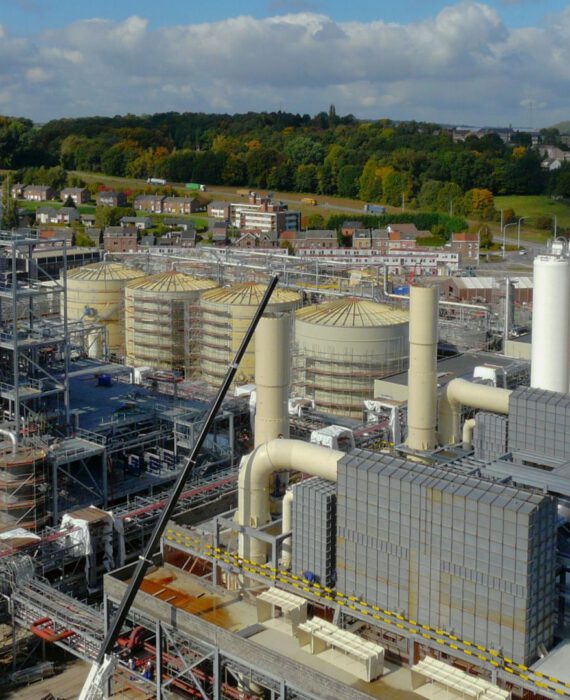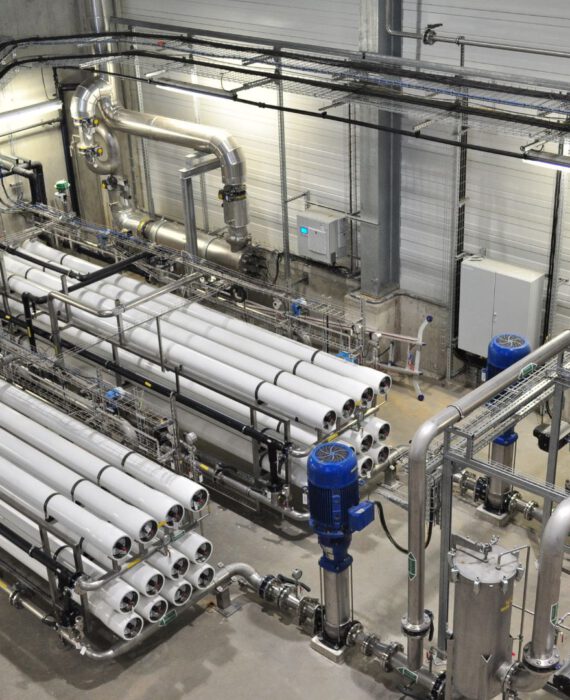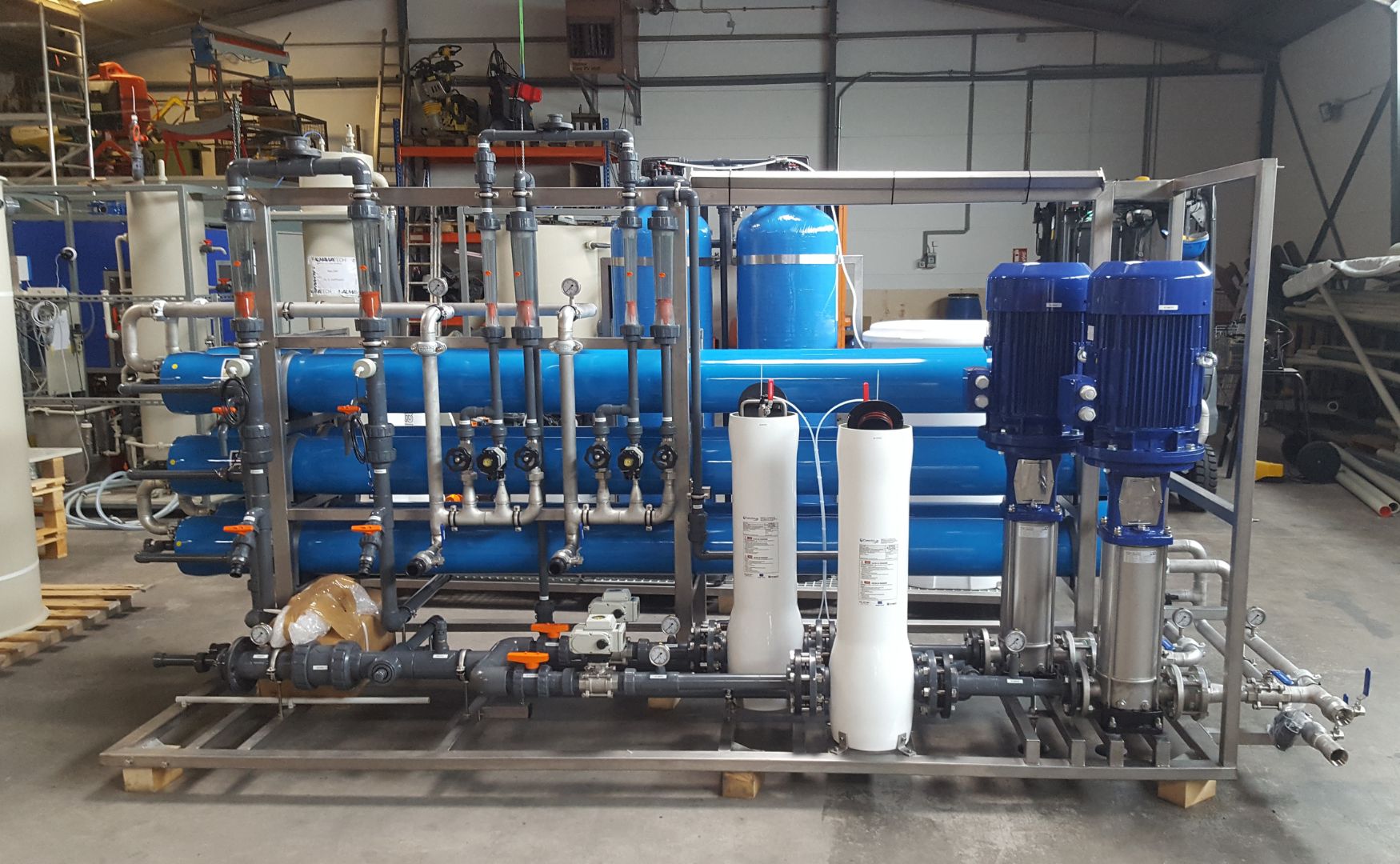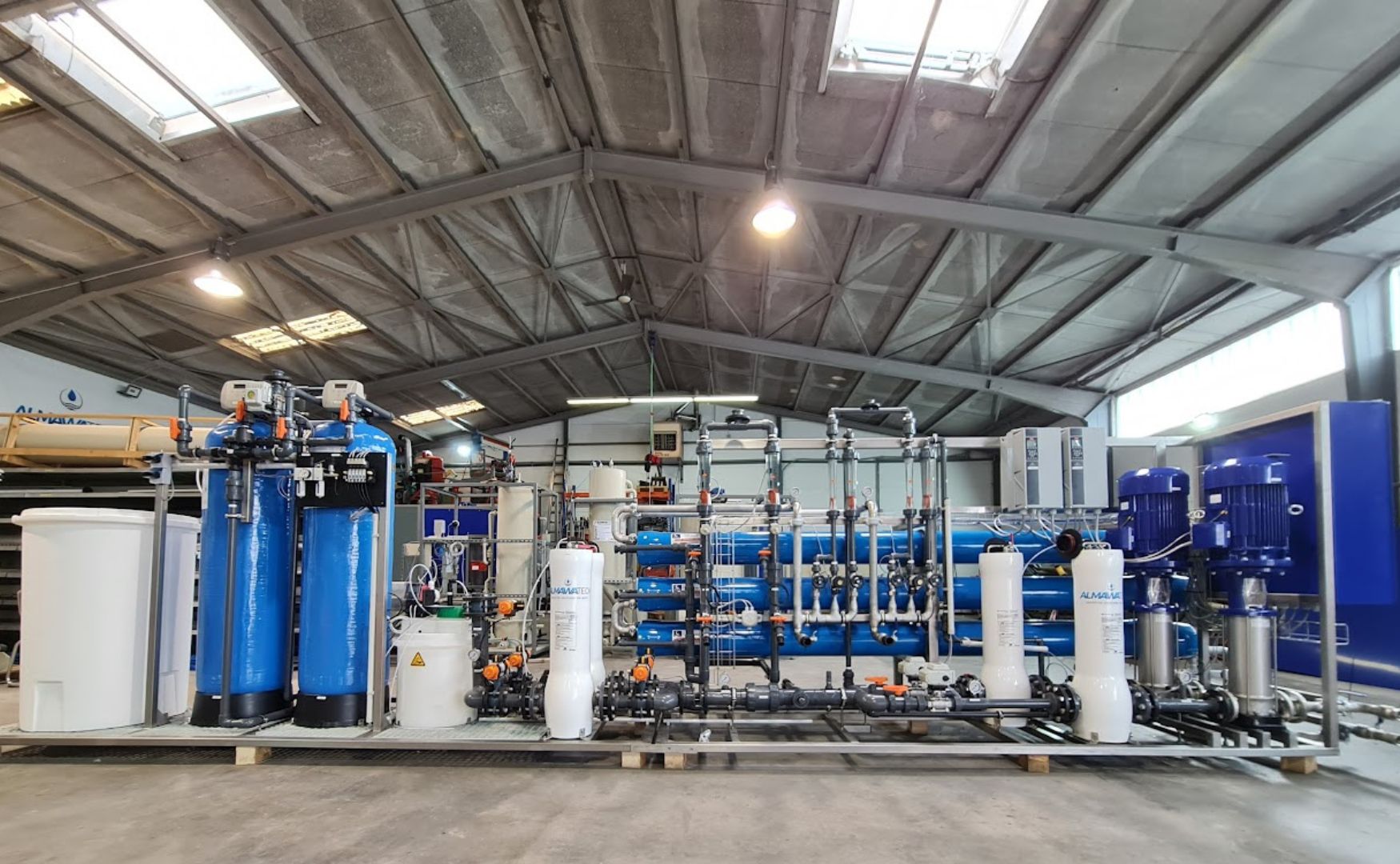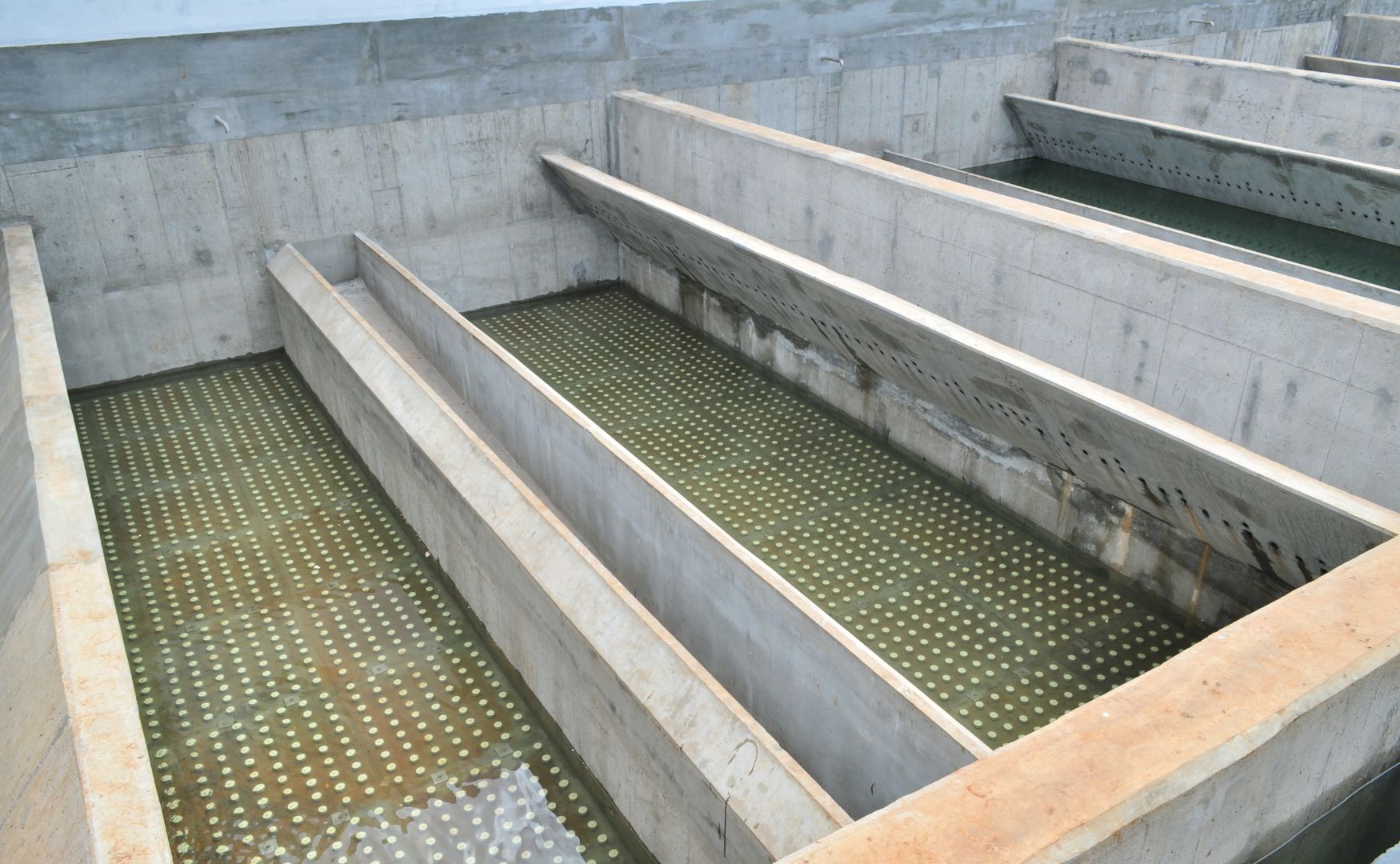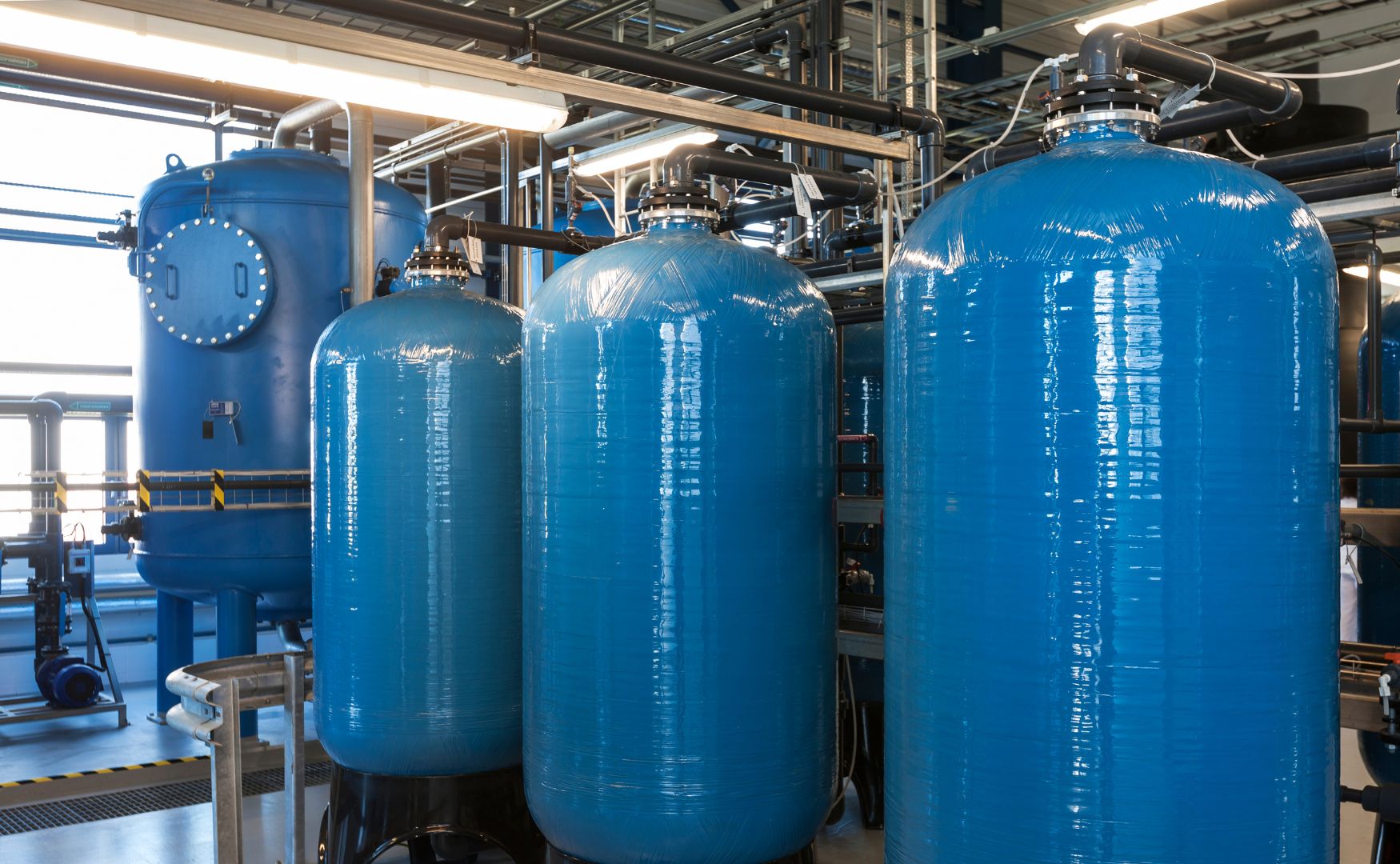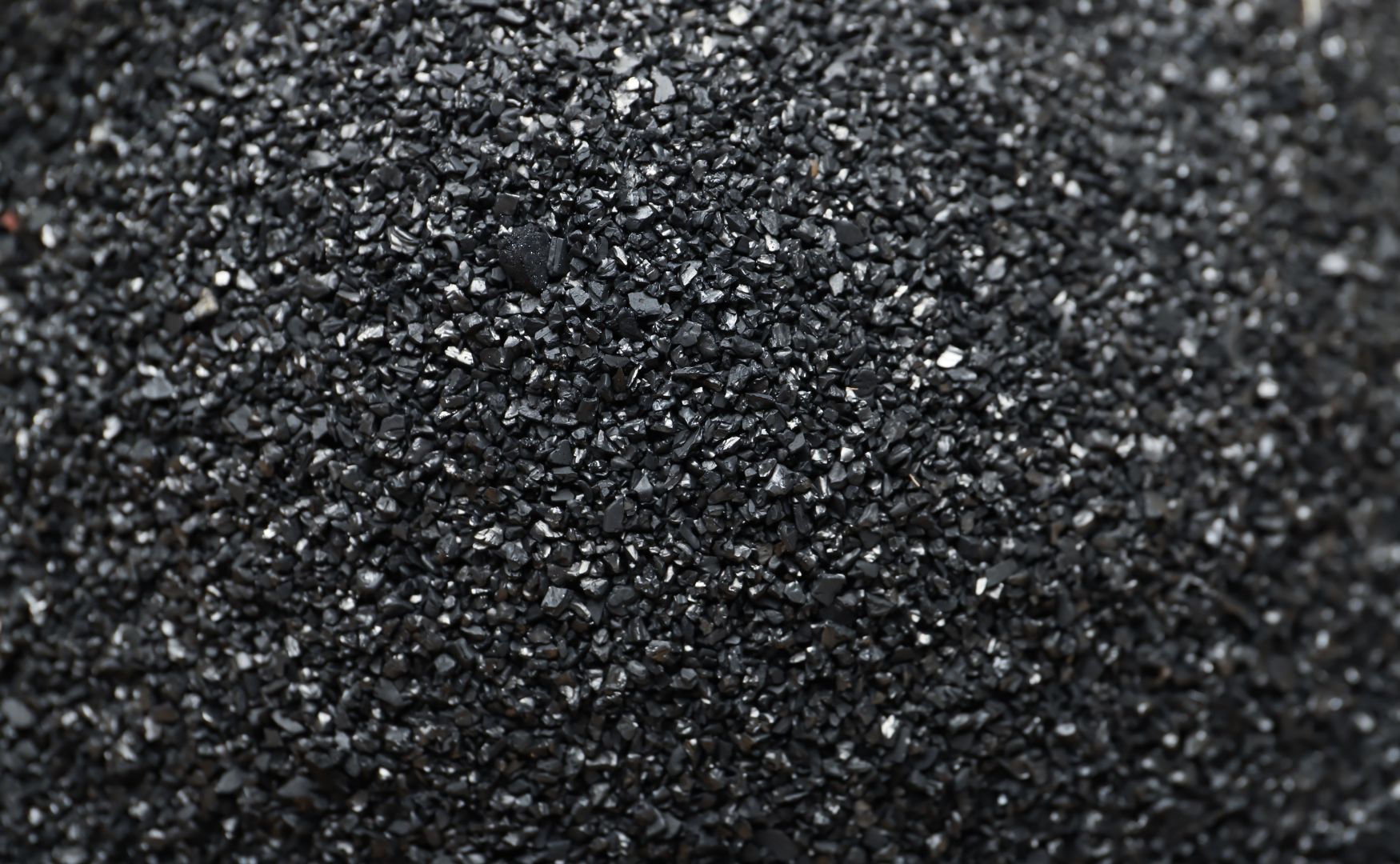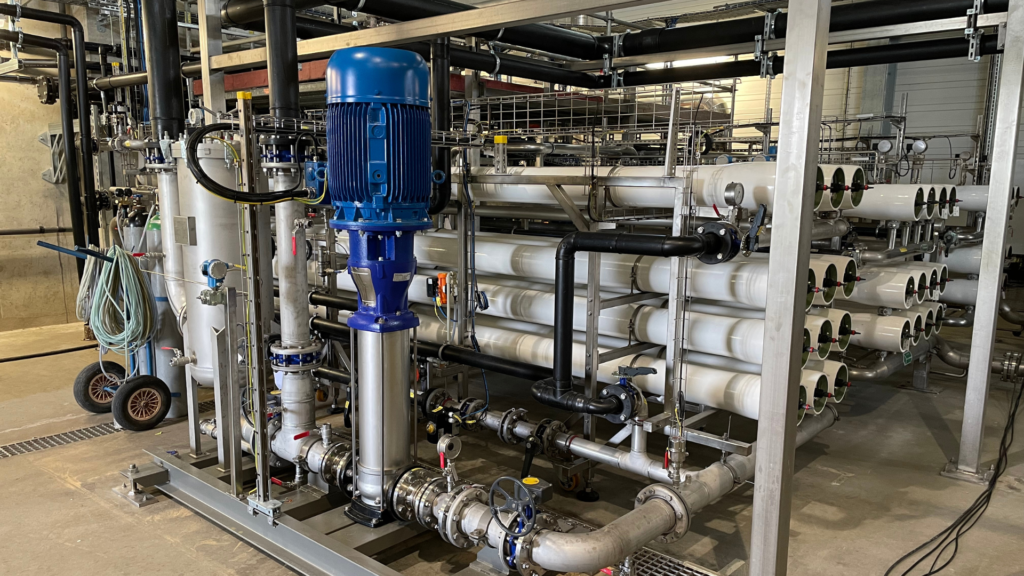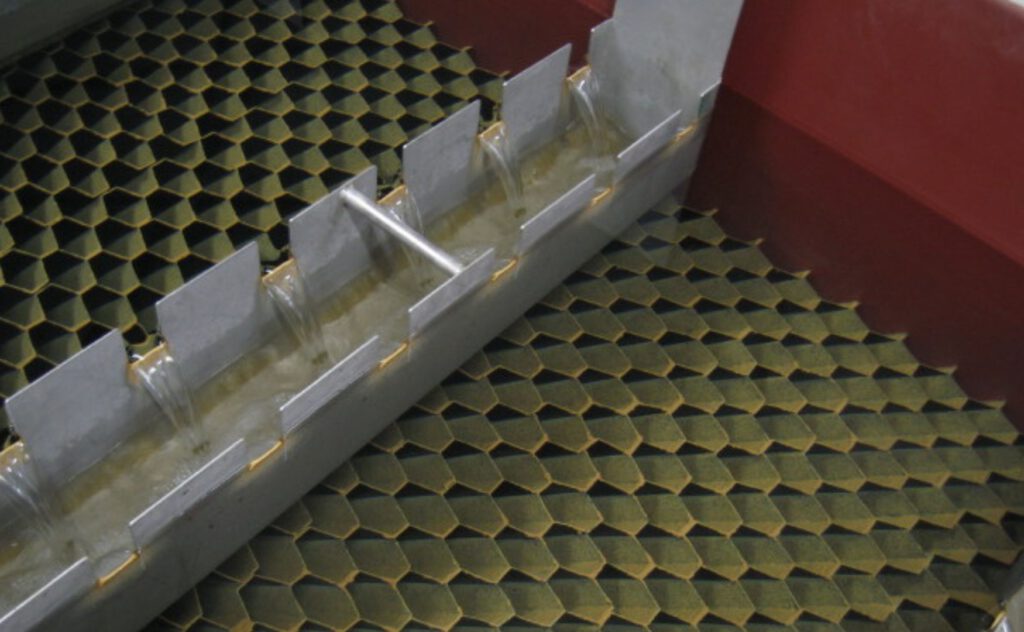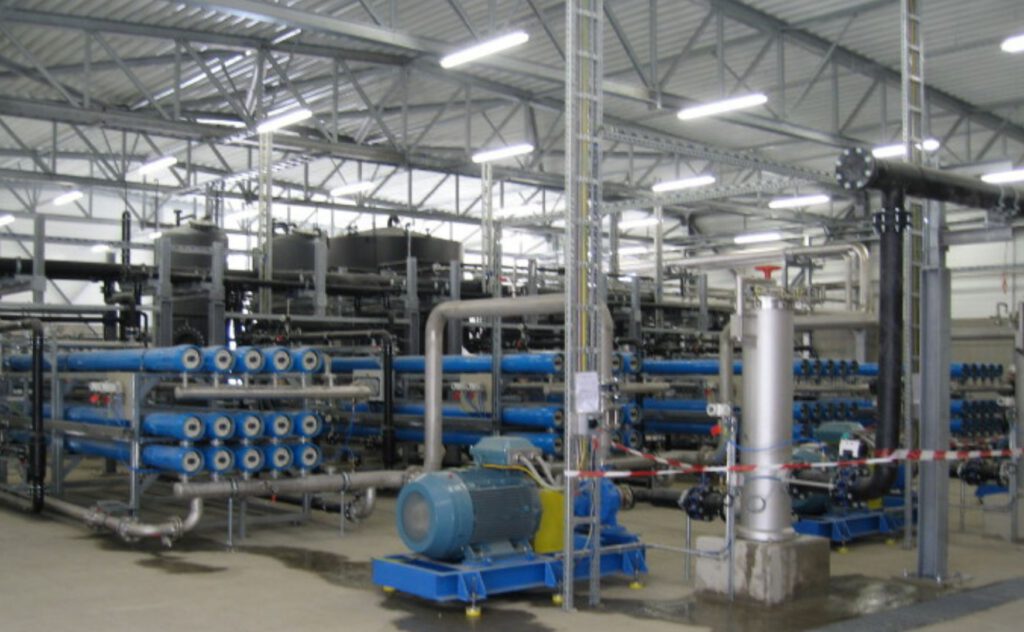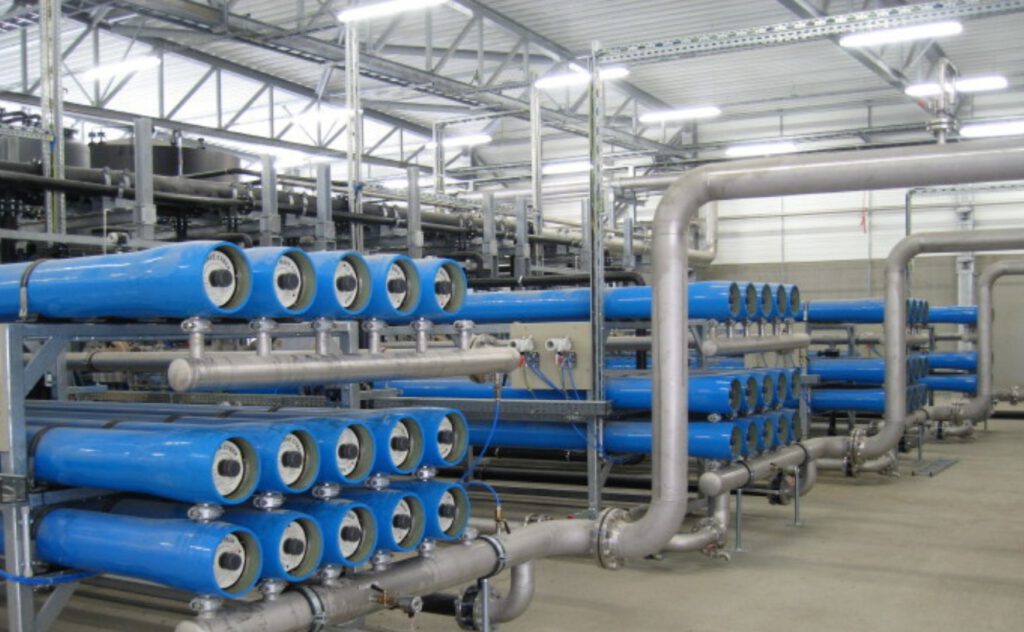

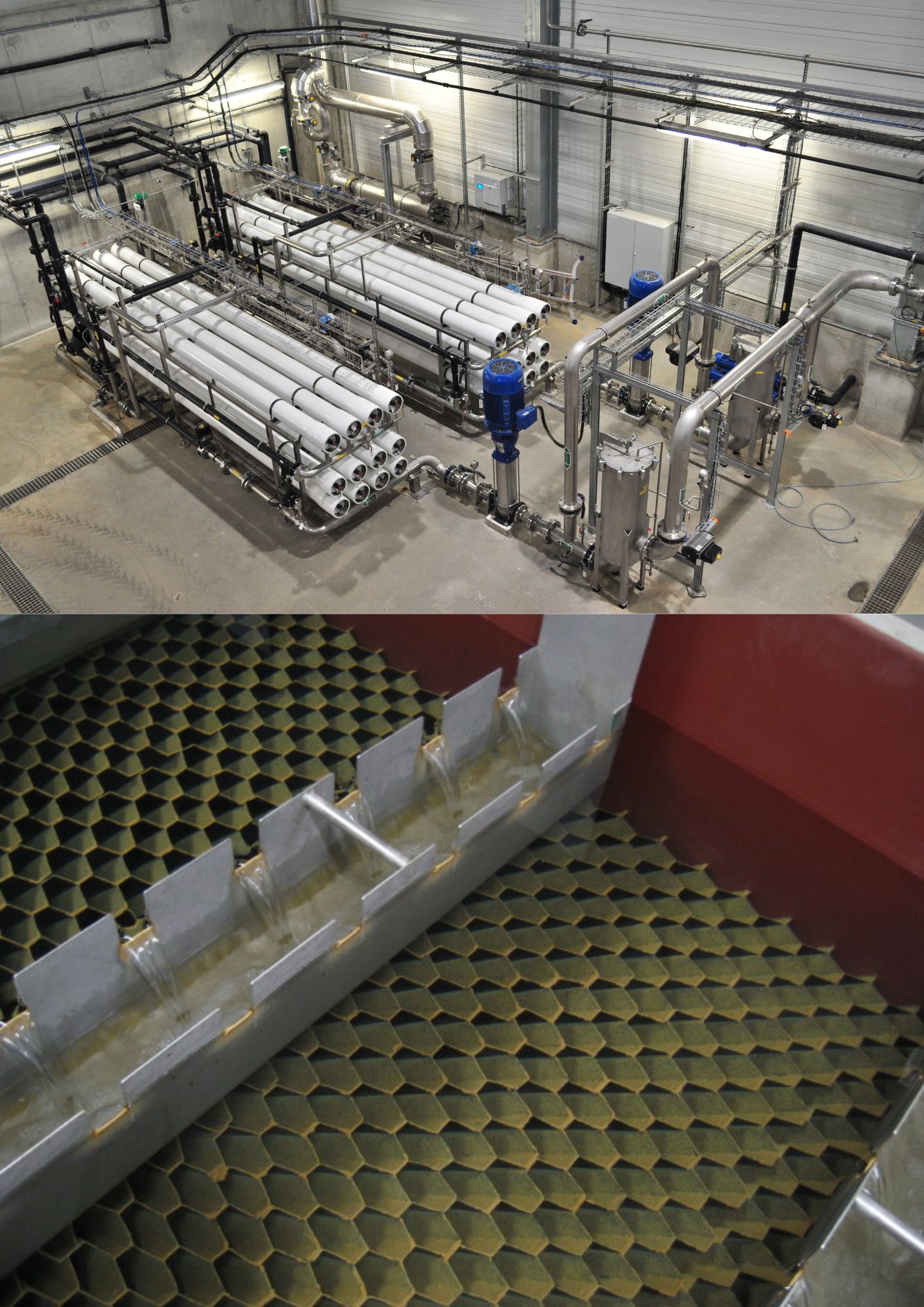


ALMA BHU BiosS-Treat system with special pre-treatment before reverse osmosis
Reverse osmosis with biological pre-treatment

ALMA BHU BiosS-Treat

Reverse osmosis is a key process for the treatment of river water and for industrial water reuse applications. Even low concentrations of biodegradable organic substances can lead to the formation of biofilms on the membrane surfaces. This significantly impairs the performance of the system and leads to increased operating costs due to rising pressure losses and more frequent cleaning processes.

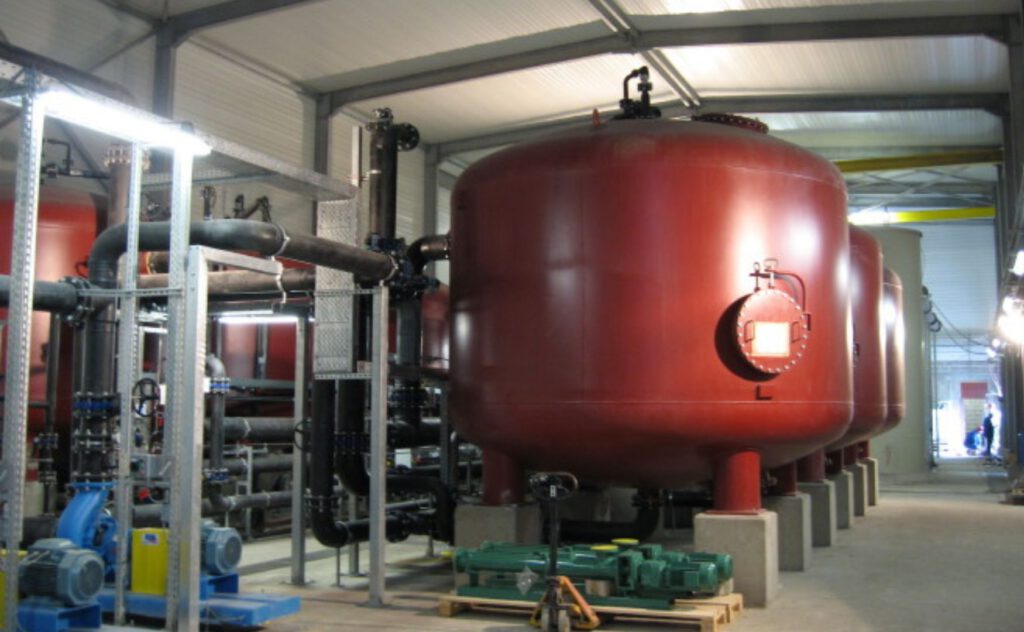
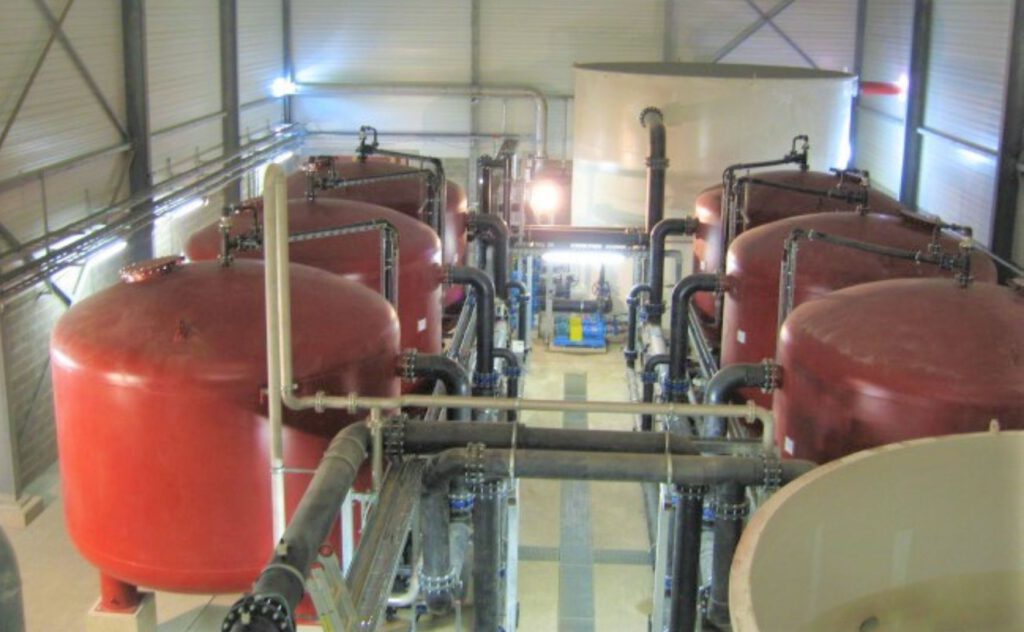
To avoid these problems, the BiosS-Treat system relies on pre-treatment through precipitation and biologically active filtration. This effectively removes biofilm-promoting substances - and enables permanently stable, economical operation of the downstream reverse osmosis system, even with challenging surface water or wastewater.
Technical data
Main applications
Waste water
Process water Water recycling, river water treatment, water reuse
Throughput capacity
100 - 3,000 m³/h
Material
Concrete or steel

Your expert for water reuse and river water treatment - directly accessible

maksim_neuabauer_almawatech

Maksim Neubauer

Head of International Project Development & Water Reuse

siegfried_hirschmann_almawatech_waterreuse

Siegfried Hirschmann

Senior Expert, Process and Fresh Water

References River water treatment & WaterReuse with the ALMA BHU BiosS-Treat process

Special pretreatment for stable operation of reverse osmosis systems

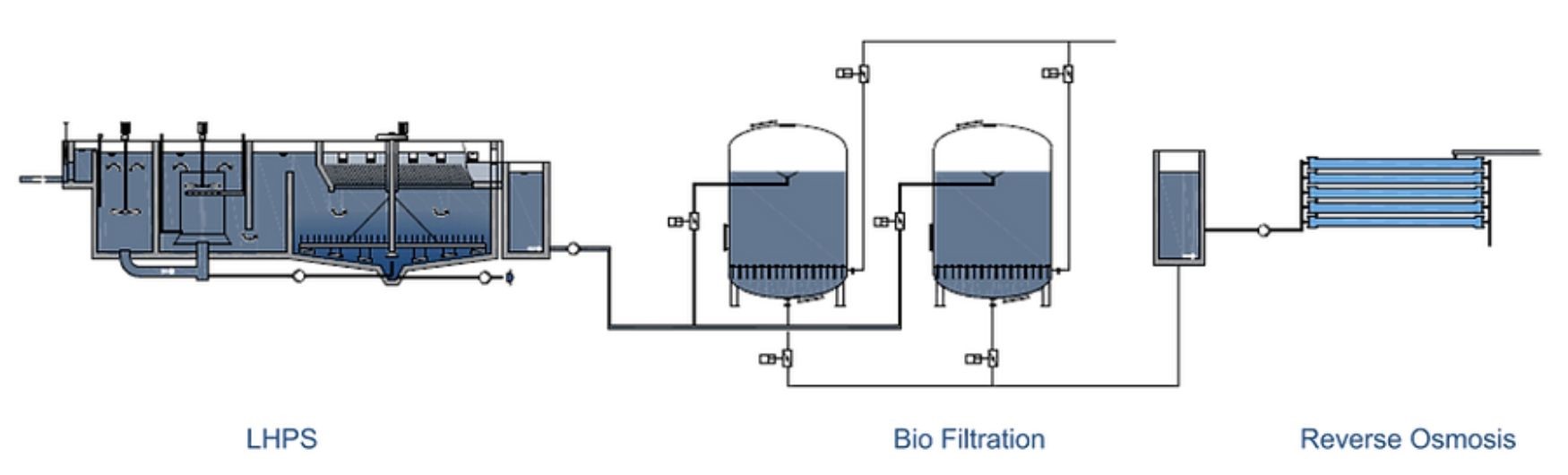
The ALMA BHU BiosS-Treat reduces particles, colloidal matter, and residual biodegradable organic loads upstream of a reverse osmosis system. To achieve this, it combines physicochemical precipitation with biologically active filtration. The process is suitable for river and surface water, process water, and biologically treated wastewater within industrial water reuse systems.

Step 1

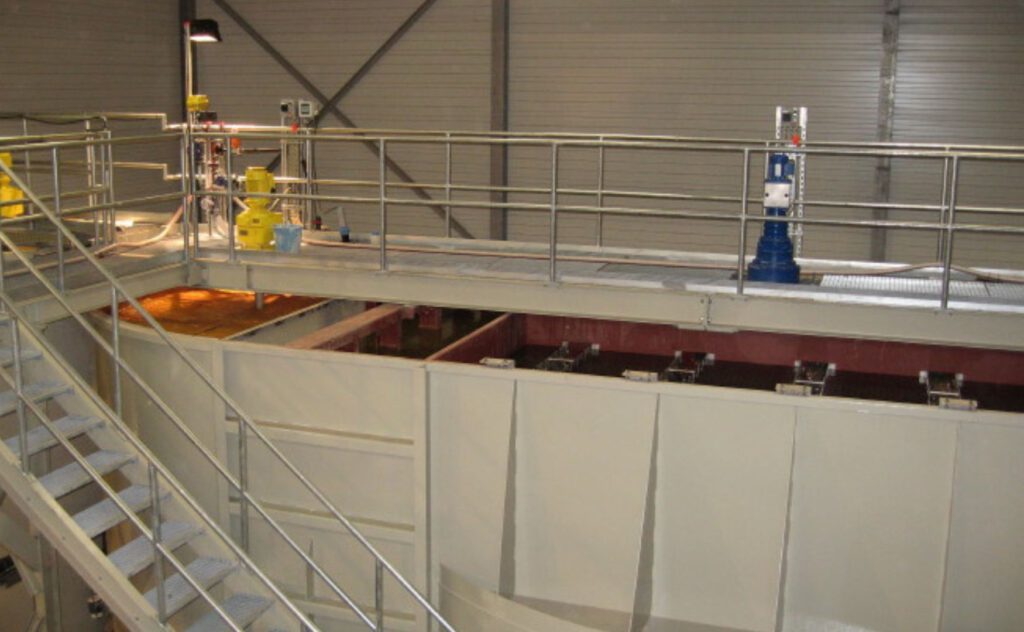
Precipitation and flocculation

Colloidal substances, finely dispersed particles, and chemically precipitable constituents are destabilized and aggregated into separable flocs.

Step 2

Biologically active filtration

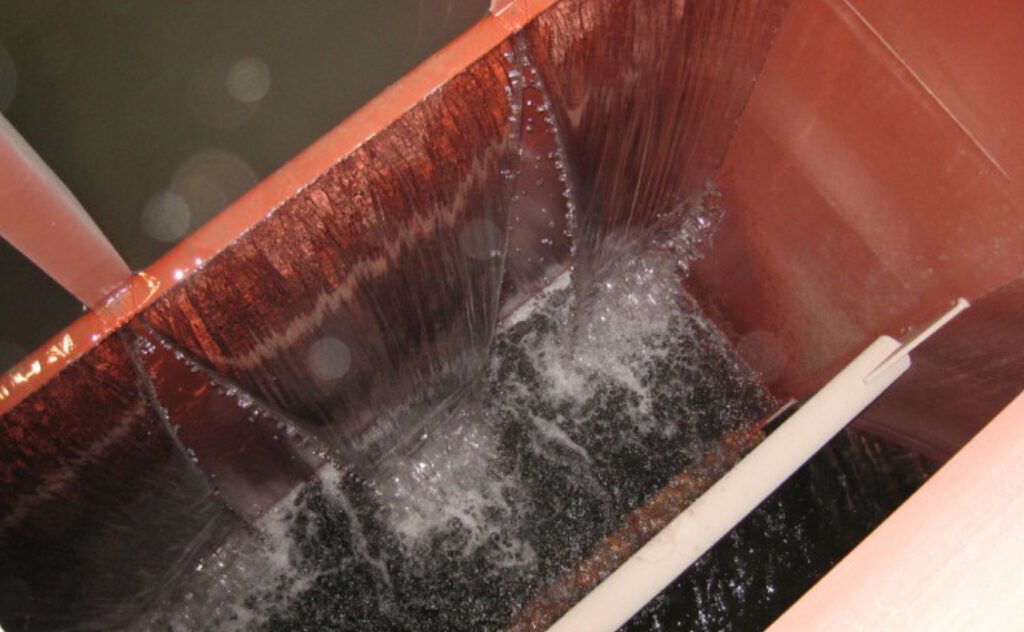
Microorganisms in the filter bed biologically reduce biodegradable organic residues that would otherwise promote the growth of biofilms on membranes.

Step 3

Pre-treated water for reverse osmosis

The downstream reverse osmosis system receives a more stable inflow with reduced particulate, colloidal, and biological contamination.

What problems are reduced by reverse osmosis?

  • Biofouling on Membrane Surfaces Reducing biologically available substances limits the food supply for undesirable microbial growth.
  • Particulate and Colloidal Contaminants Precipitation, flocculation, and filtration reduce fine solids that can clog membranes and upstream filters .
  • Increasing Pressure Losses A more stable flow can limit the buildup of deposits and support more consistent system operation.
  • Frequent Membrane Cleaning Pre-treatment reduces fouling-promoting contaminants and can thereby reduce cleaning intervals and operational downtime.

When is the BiosS-Treat method appropriate?

  • Water Reuse After a Wastewater Treatment Plant For further treatment of biologically treated industrial or municipal wastewater prior to reverse osmosis.
  • River and Surface Water Treatment For raw water with varying turbidity levels, natural organic substances, and biologically degradable residual contaminants.
  • High or fluctuating SDI values For systems in which the particulate and colloidal quality of the feed water impairs the operation of the reverse osmosis system.
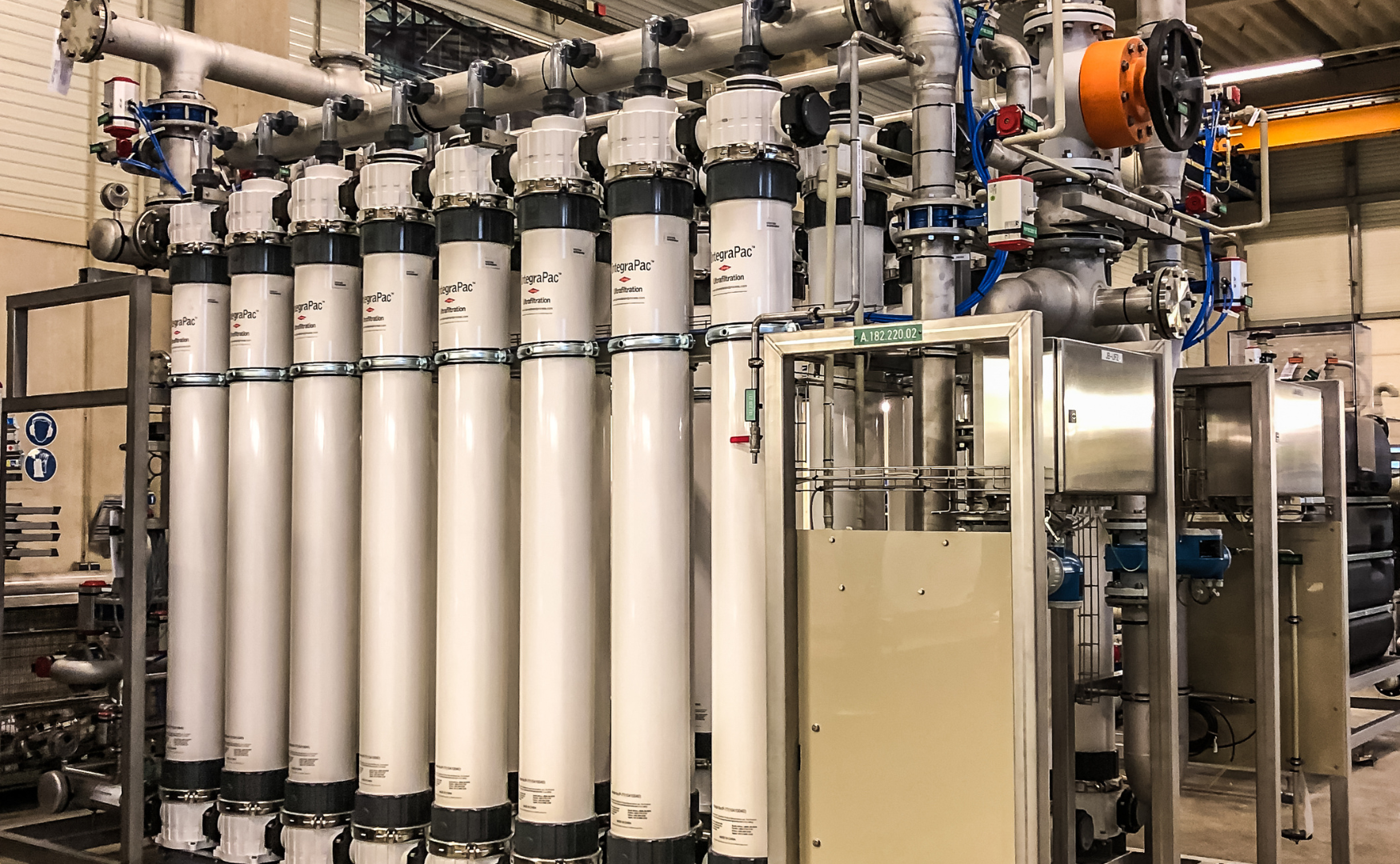
  • An Alternative to Complex Membrane Prefiltration Depending on water quality and the purification objective, the process can serve as a cost-effective alternative or supplement to microfiltration and ultrafiltration.
100–3,000 m³/h Specified hydraulic performance range
Steel or concrete Project-specific construction method depending on throughput, location, and plant design
Precipitation + Biofiltration Combined pretreatment prior to the reverse osmosis system

Typical Integration into a Water Reuse System

1. Raw water or wastewater River water, process water, or biologically treated effluent from an industrial or municipal wastewater treatment plant.
2. ALMA BHU BiosS-Treat Precipitation, flocculation, and biologically active filtration to reduce substances that promote fouling.
3. Reverse Osmosis Desalination and further removal of dissolved substances to ensure high water quality.
4. Water Reuse Use as process water, cooling water, boiler feedwater, or for other operational applications.

Procedure: ALMA BHU BiosS-Treat

Downloads

Please contact our specialist for reverse osmosis and filtration systems: E-Mail

Similar products

Reference photos

Get in touch with us!

maksim_neuabauer_almawatech

Maksim Neubauer

Head of International Project Development & Water Reuse

siegfried_hirschmann_almawatech_waterreuse

Siegfried Hirschmann

Senior Expert, Process and Fresh Water