
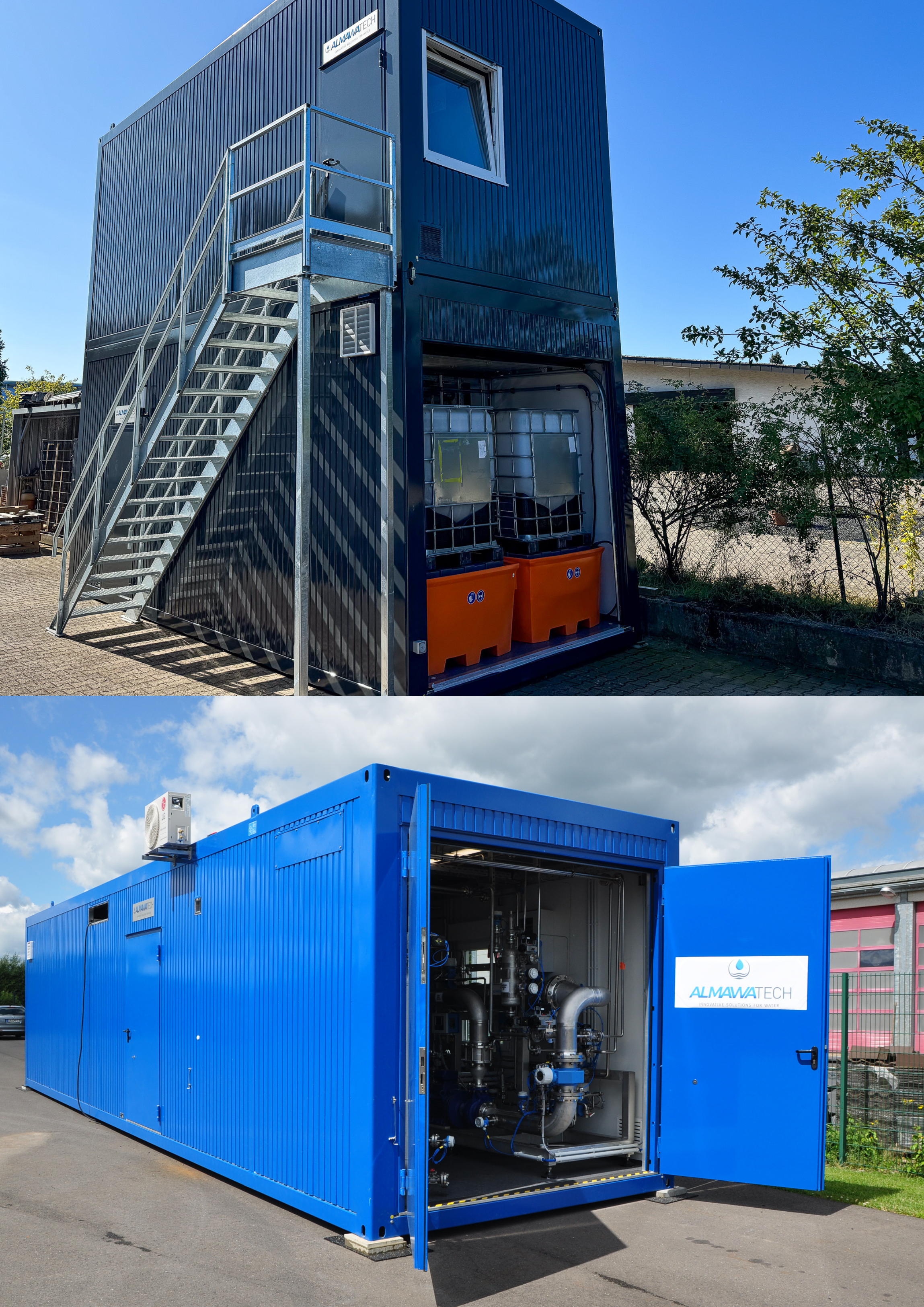


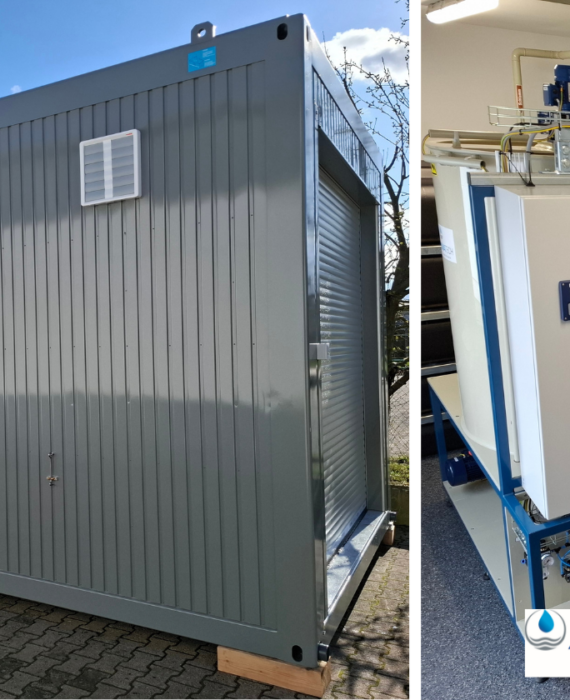
ALMA module
Your experts for container systems - directly accessible
References mobile water treatment plants

Möller Medical GmbH, Germany, ALMA CHEM MCW Modular
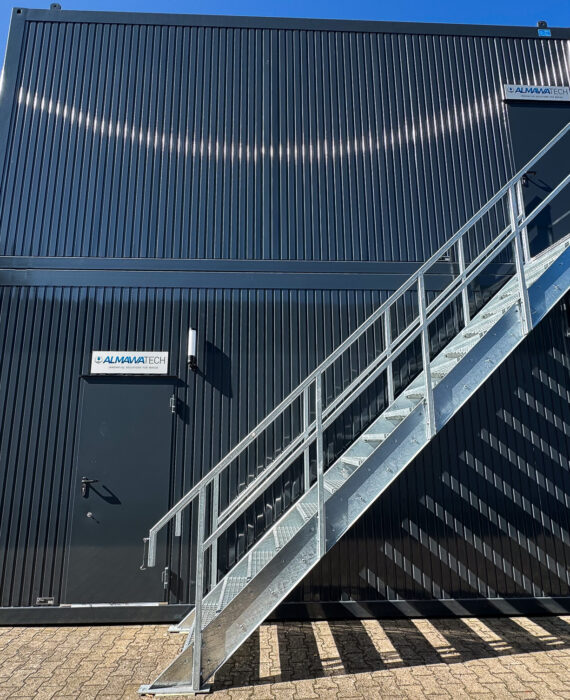
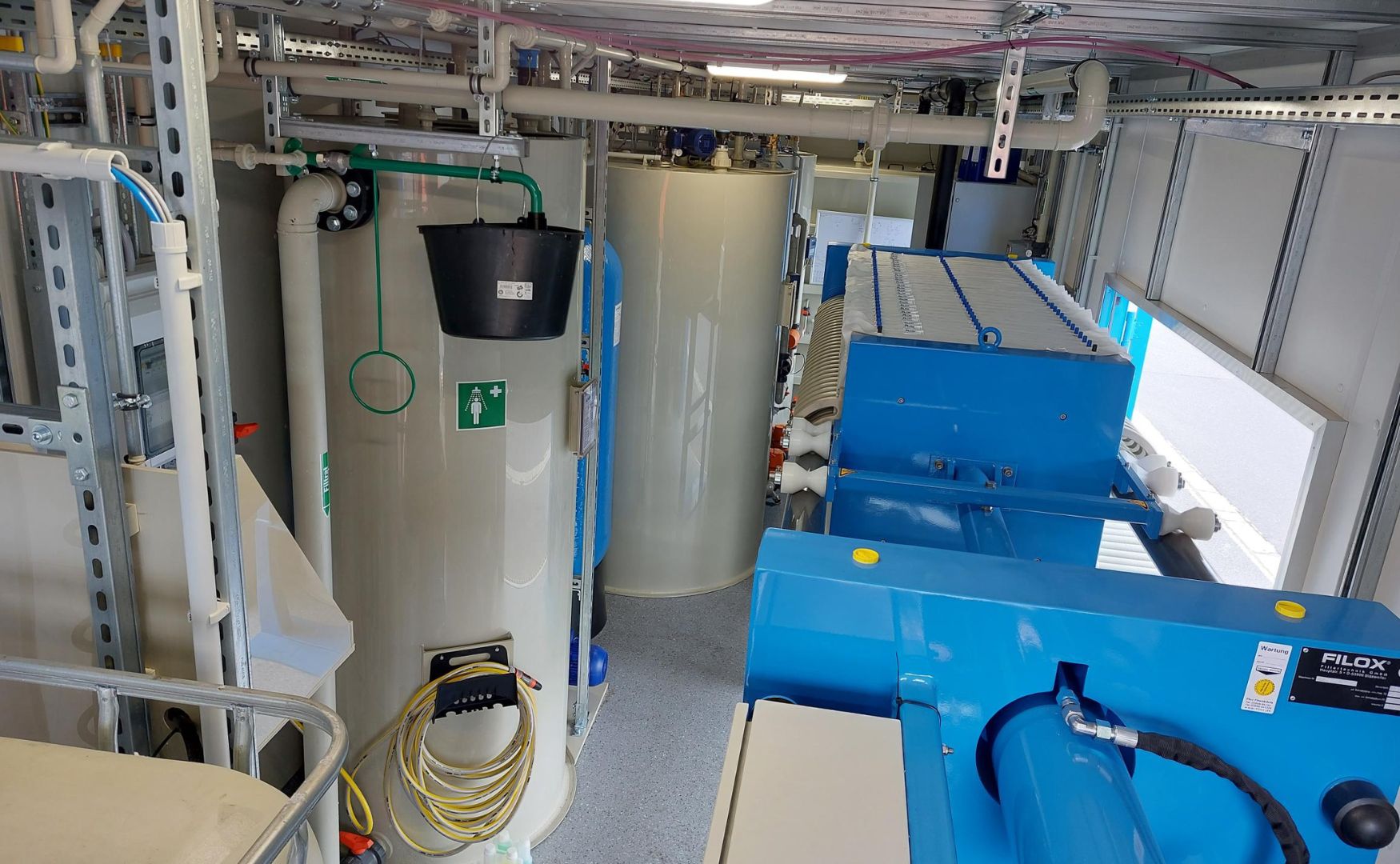
Treatment of 12m3 of acidic and metal-containing wastewater from electroplating, mass finishing and electropolishing, installed in a two-storey ALMA module for the medical technology manufacturer Möller Medical GmbH.
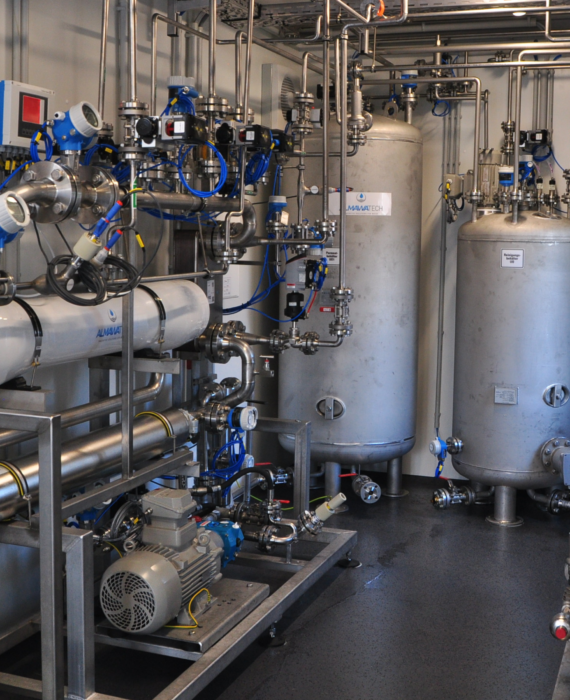
3M, Germany, ALMA OSMO Process
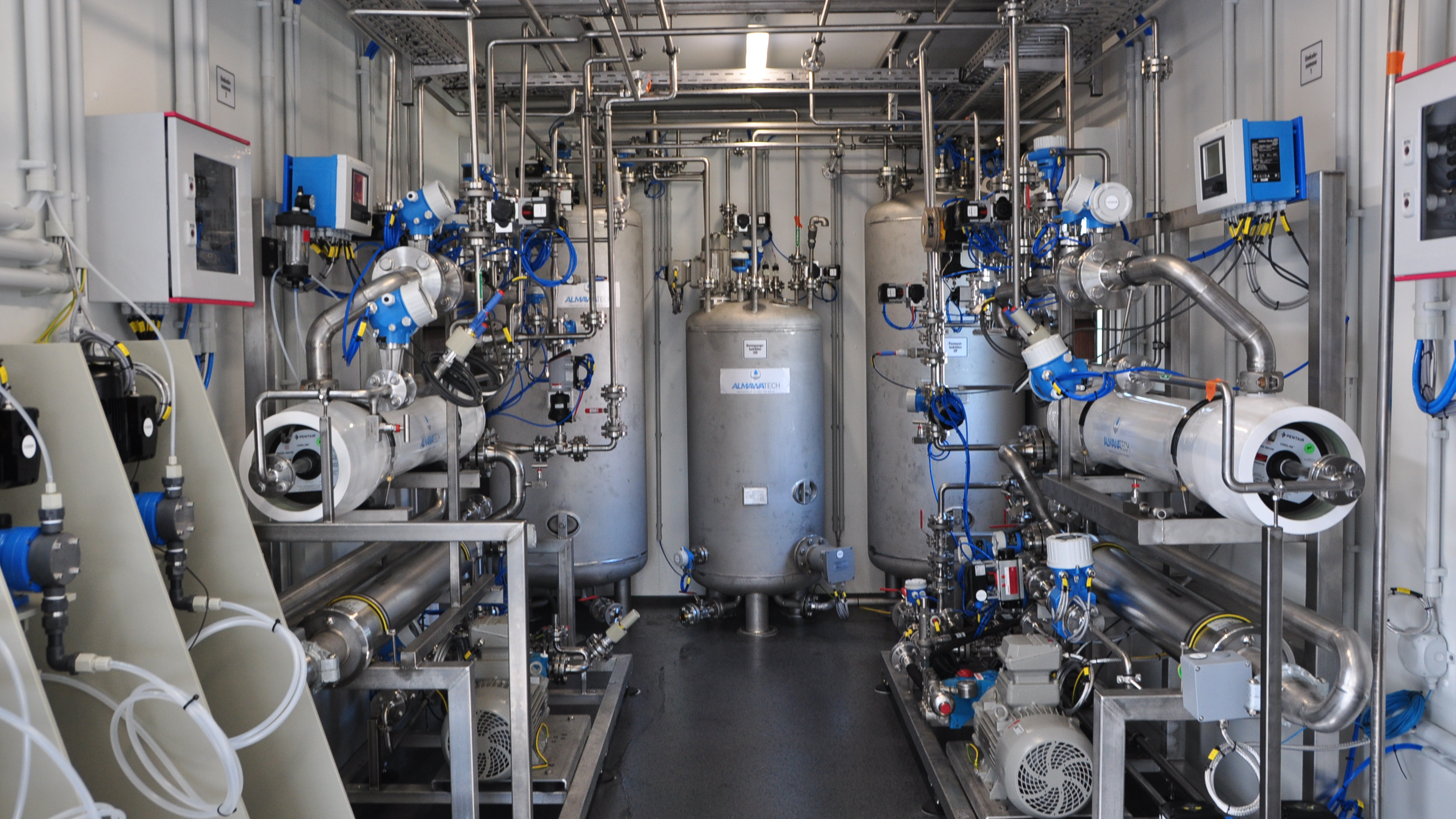
Construction of a multi-stage pilot membrane plant for the removal of per- and polyfluorinated chemicals (PFAS) from wastewater with a hydraulic capacity of 1 m³/h for the company 3M.
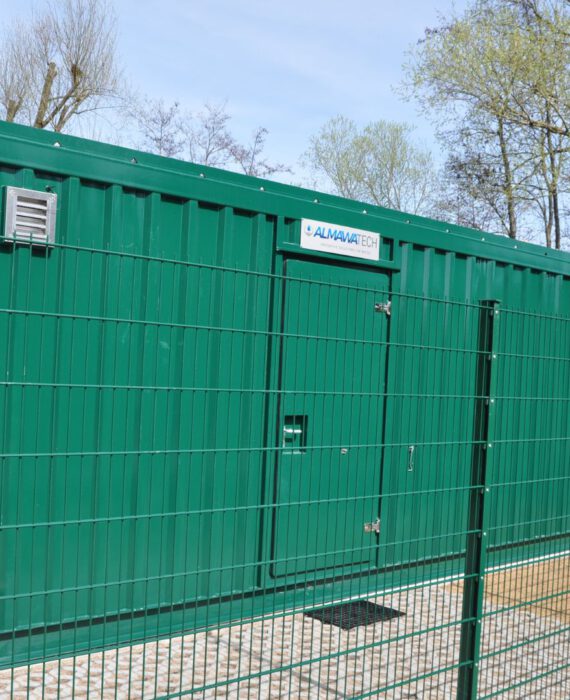
Schultheis Weiher, Offenbach, ALMA NeoDAF HDED
Dissolved air flotation (ALMA NeoDAF HDED) in container design for the efficient reduction of phosphorus concentrations from the "Schultheis-Weiher" bathing water in Offenbach.
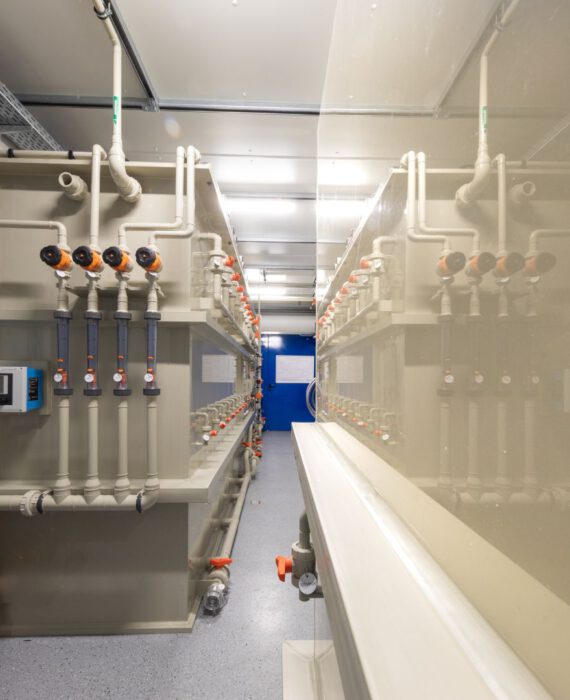
TU Kaiserslautern, ALMA BIO, FENTON, UV, AK
Customized research plant in container design with coarse filtration, biological treatment, ultrafiltration, activated carbon filter, ozonation, hydrogen peroxide dosing and UV treatment for the TU Kaiserslautern.
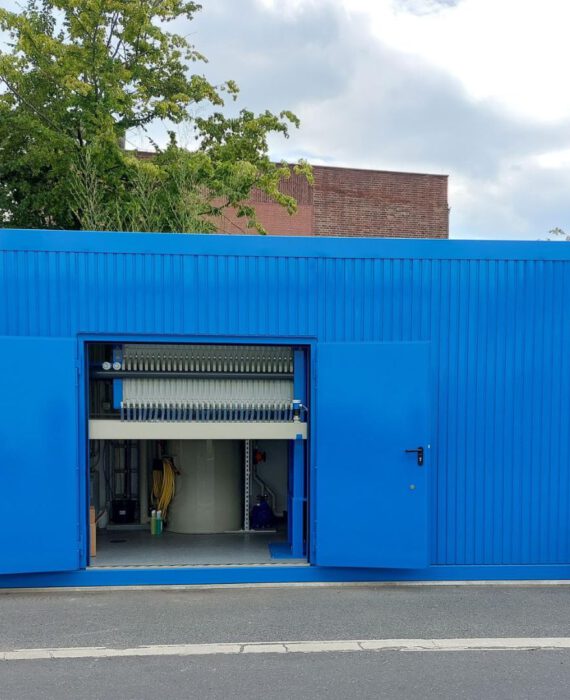
Kalle Casings GmbH & Co. KG, Germany, ALMA CHEM MCW Modular
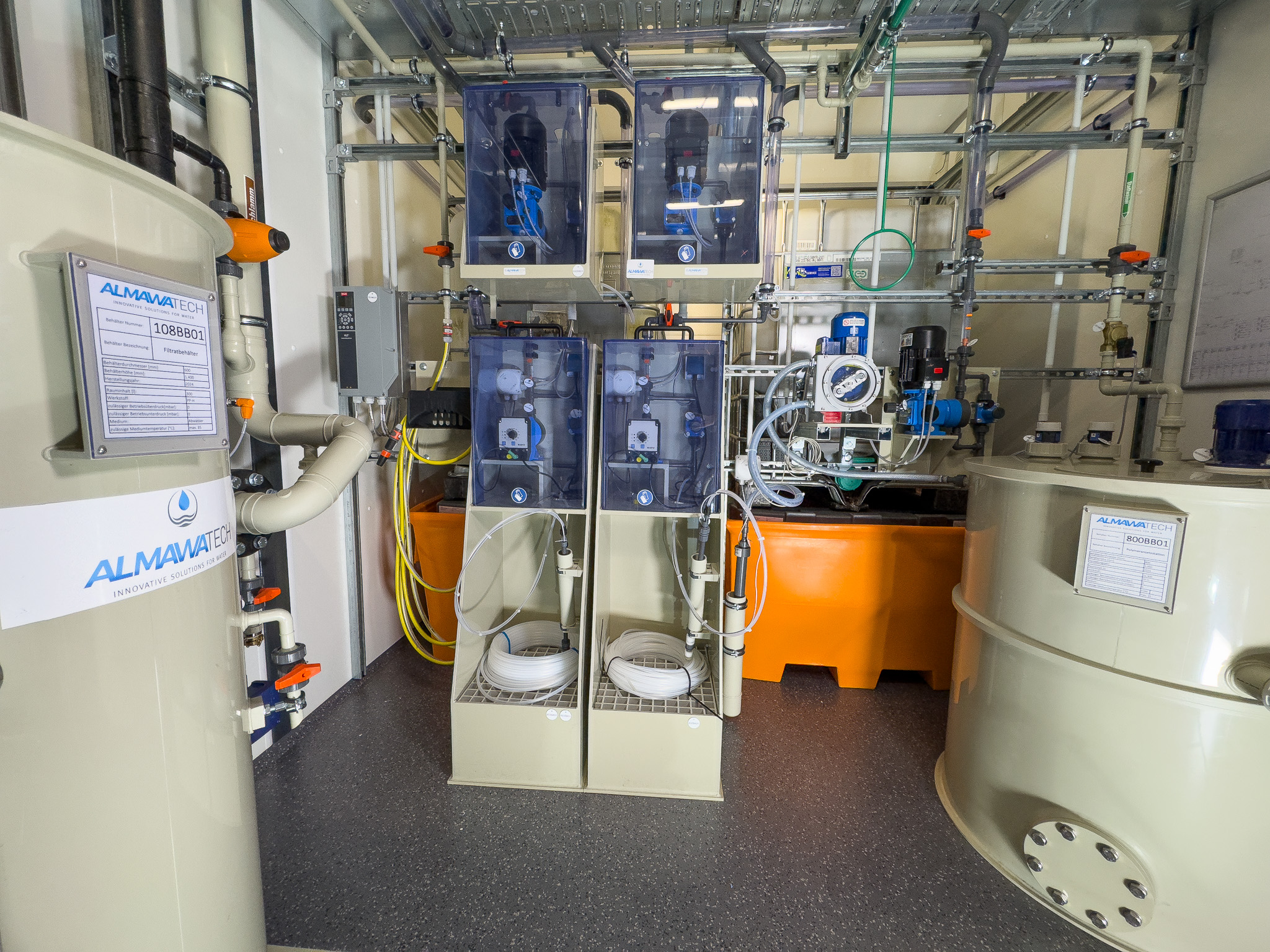
Treatment of 10m3 of rinsing and production wastewater per day using a precipitation and flocculation system in batch operation for Kalle Casings GmbH & Co. KG, installed in the special ALMA module.
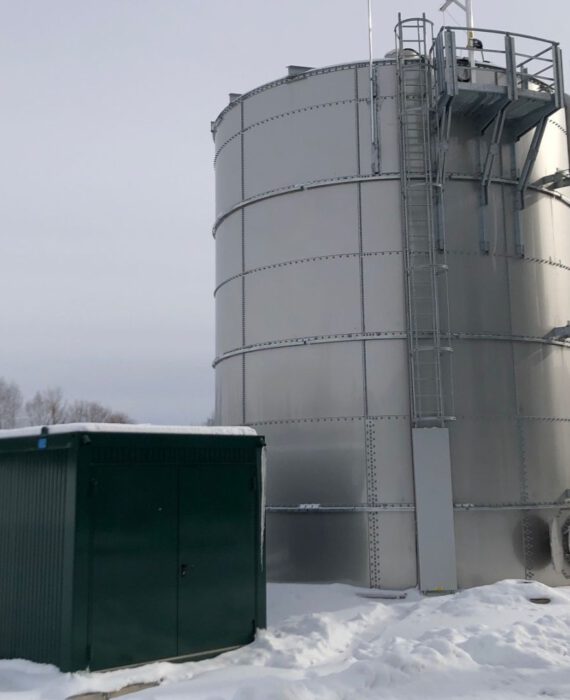
Sternquell Brauerei GmbH, ALMA Neutra
Treatment of 360m3 of brewery wastewater per day with a pump shaft, solids separator and a neutralization system for Sternquell Brauerei GmbH.
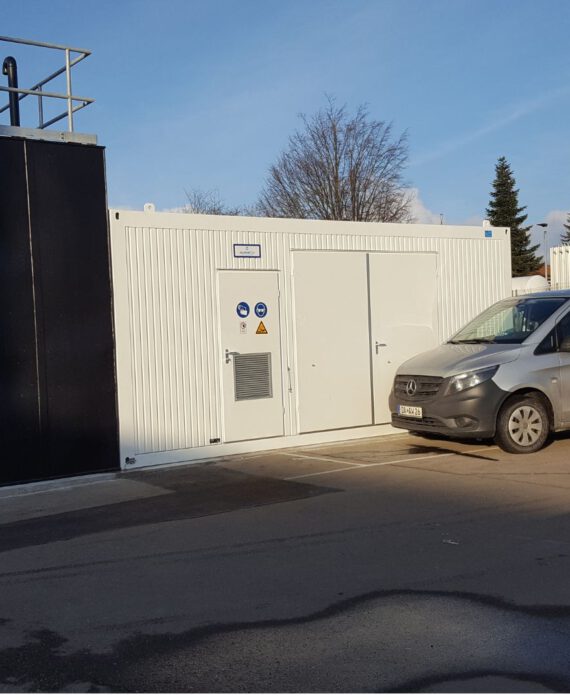
Bäckerei Betz GmbH, Germany, ALMA NeoDAF Blue, grease separator
Treatment of 25m3 of bakery wastewater per day in a grease separator and a flotation plant for Bäckerei Betz GmbH.
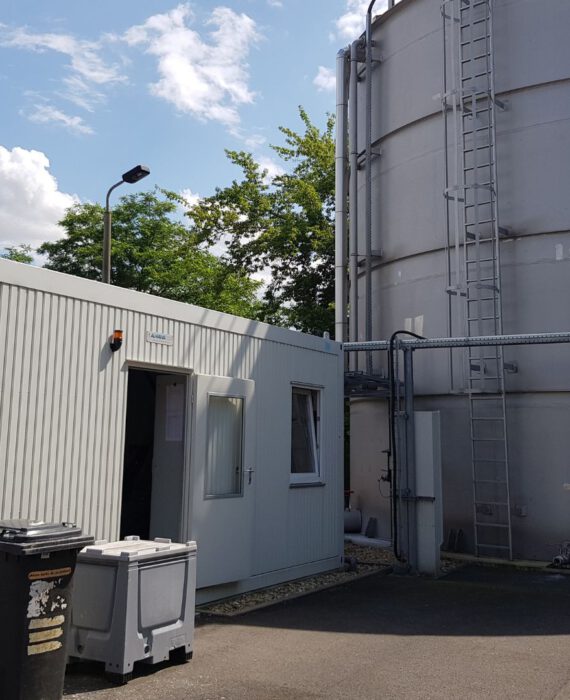
Molkerei Niesky GmbH, Germany, ALMA module
A combination of an aerated mixing and equalization tank with downstream CO₂ neutralization installed in the ALMA module for Molkerei Niesky GmbH.
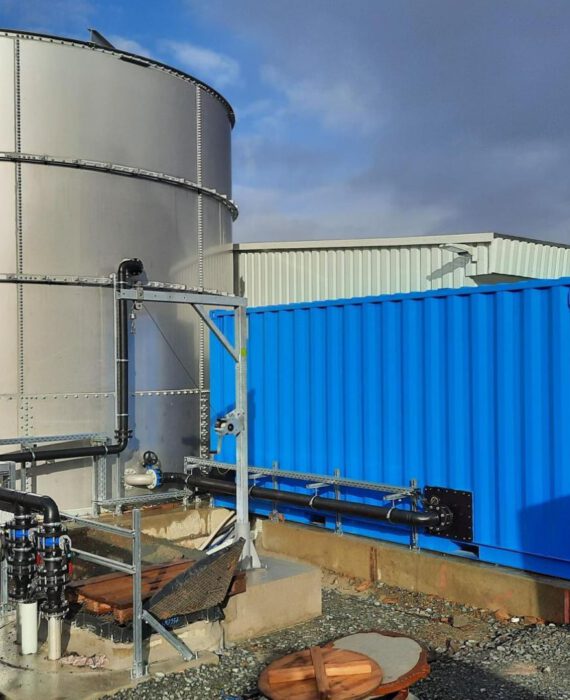
Vogtlandmilch GmbH, Germany, ALMA Neutra
A grease separator with a neutralization system (ALMA Neutra) installed in the ALMA module for Vogtlandmilch GmbH.
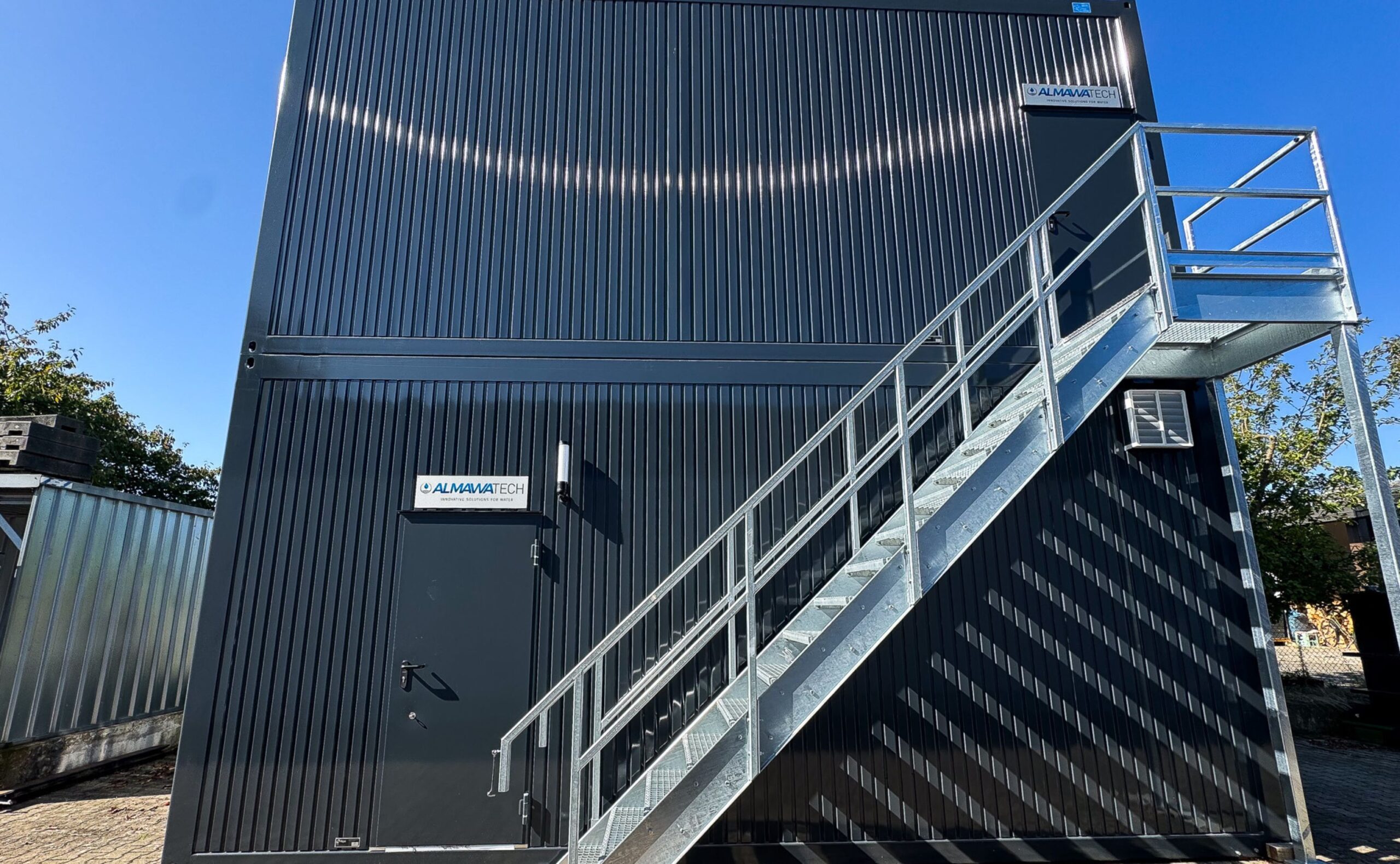
Advantages of our containerized wastewater treatment plants
Technical data: ALMA module
| Procedure | Hydraulic capacity m³/d | Number of modules | Option |
|---|---|---|---|
| Neutralization | |||
| Acid/alkali | 50 - 2.000 | 1 - 2 | Chemical storage |
| CO₂ | 50 - 2.000 | 1 - 2 | |
| Flue gas | 50 - 2.000 | 1 - 2 | |
| Felling/flotation | |||
| Surface water | 50 - 2.000 | 1 - 8 | Chemical storage |
| Wash water | 10 - 2.000 | 1 - 4 | Chemical storage |
| Waste water | 5 - 1.000 | 1 - 4 | Chemical storage |
| Water treatment | |||
| Sand filter | 20 - 1.000 | 1 - 3 | |
| Osmosis | 20 - 500 | 1 - 3 | |
| Demineralized water | 20 - 500 | 1 - 3 | |
| Wastewater biology | |||
| Membrane biology MBR | 50 - 2.000 | 1 - 4 | External revitalization tank |
| MBBR | 30 - 1.000 | 1 - 4 | External revitalization tank |
| Biology aerobic | 10 - 1.000 | 1 - 4 | External reactor |
FAQ - Container sewage treatment plants & mobile wastewater treatment plants
What is a container sewage treatment plant or a container-based wastewater treatment plant?
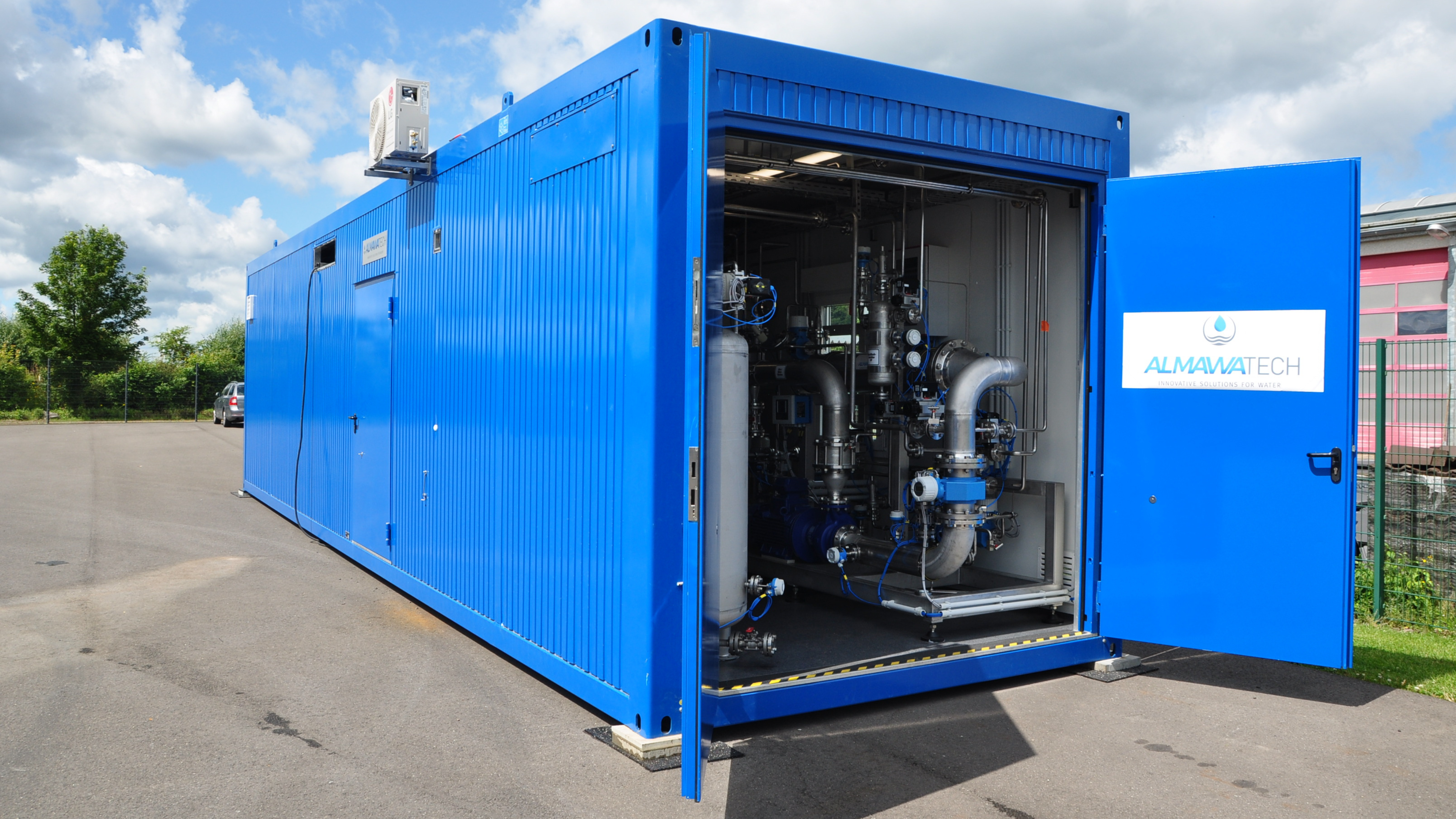
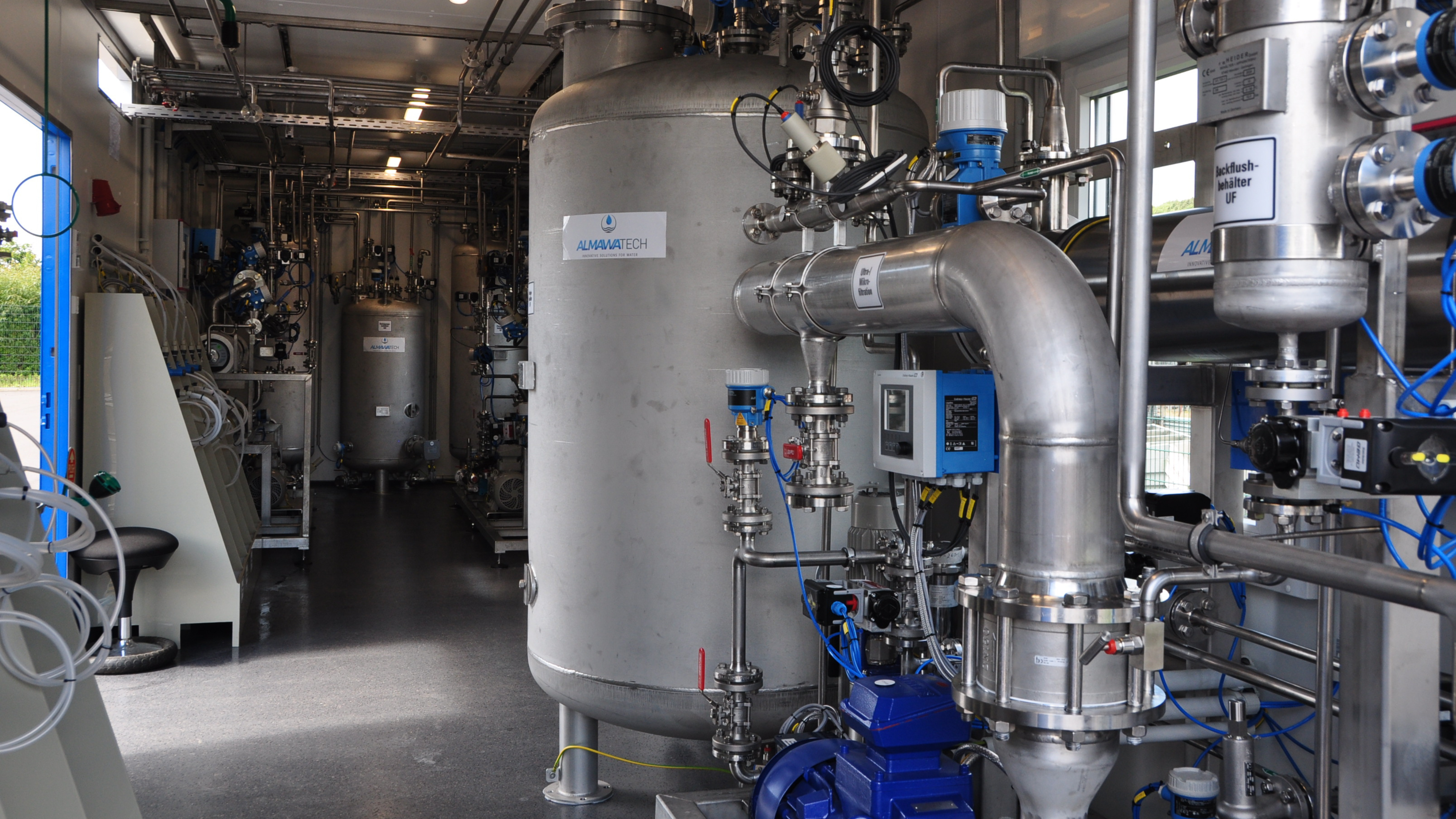
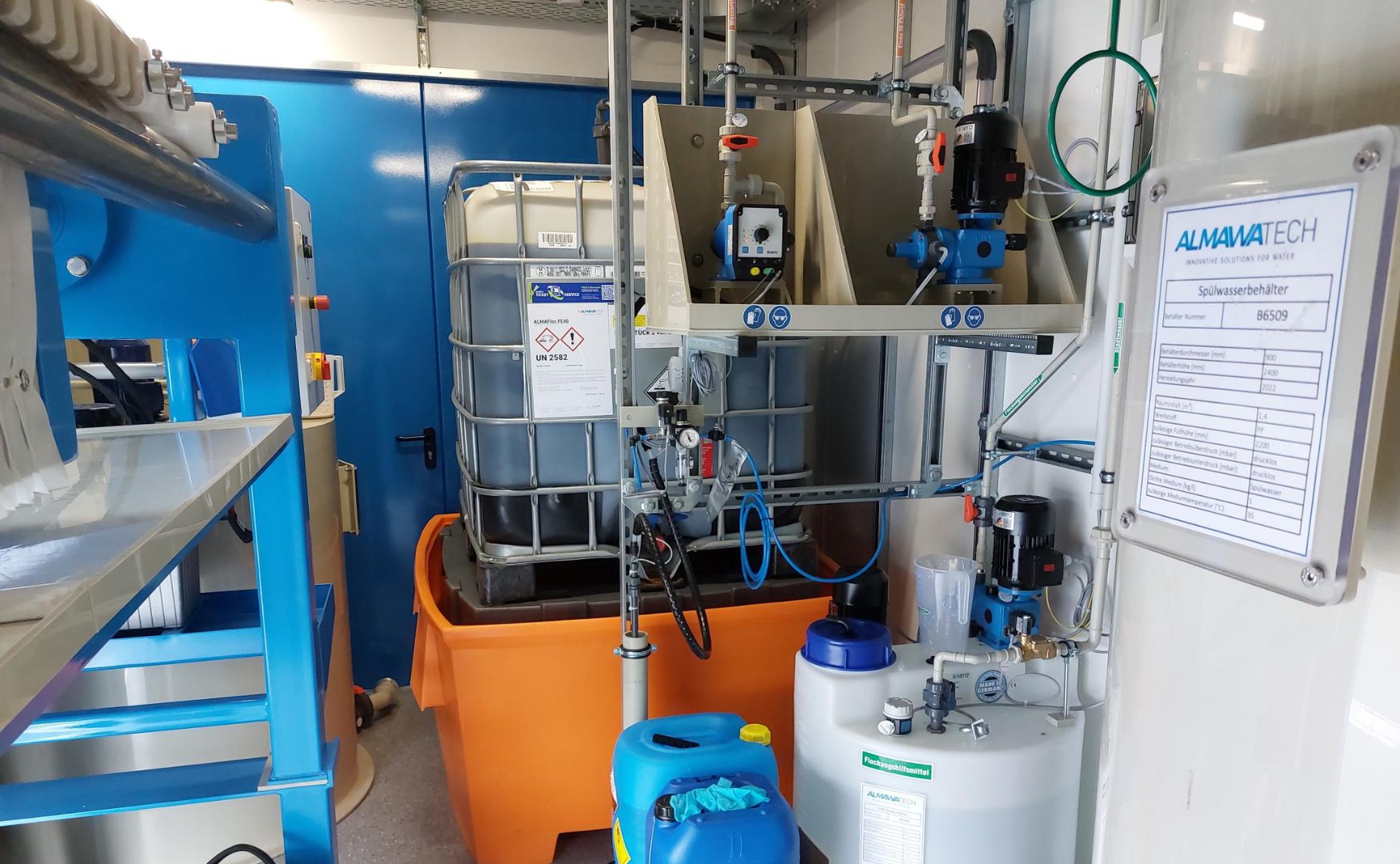
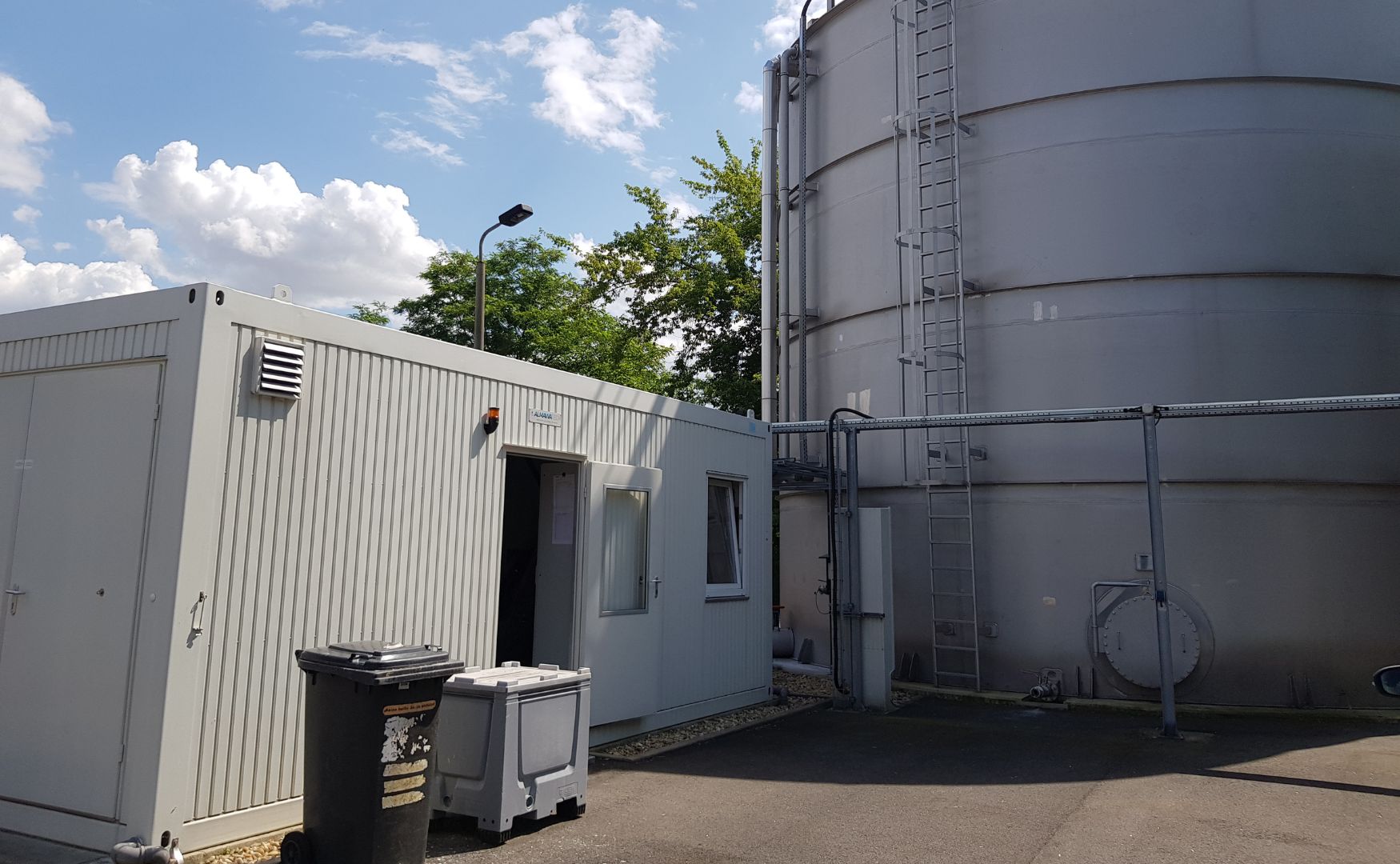
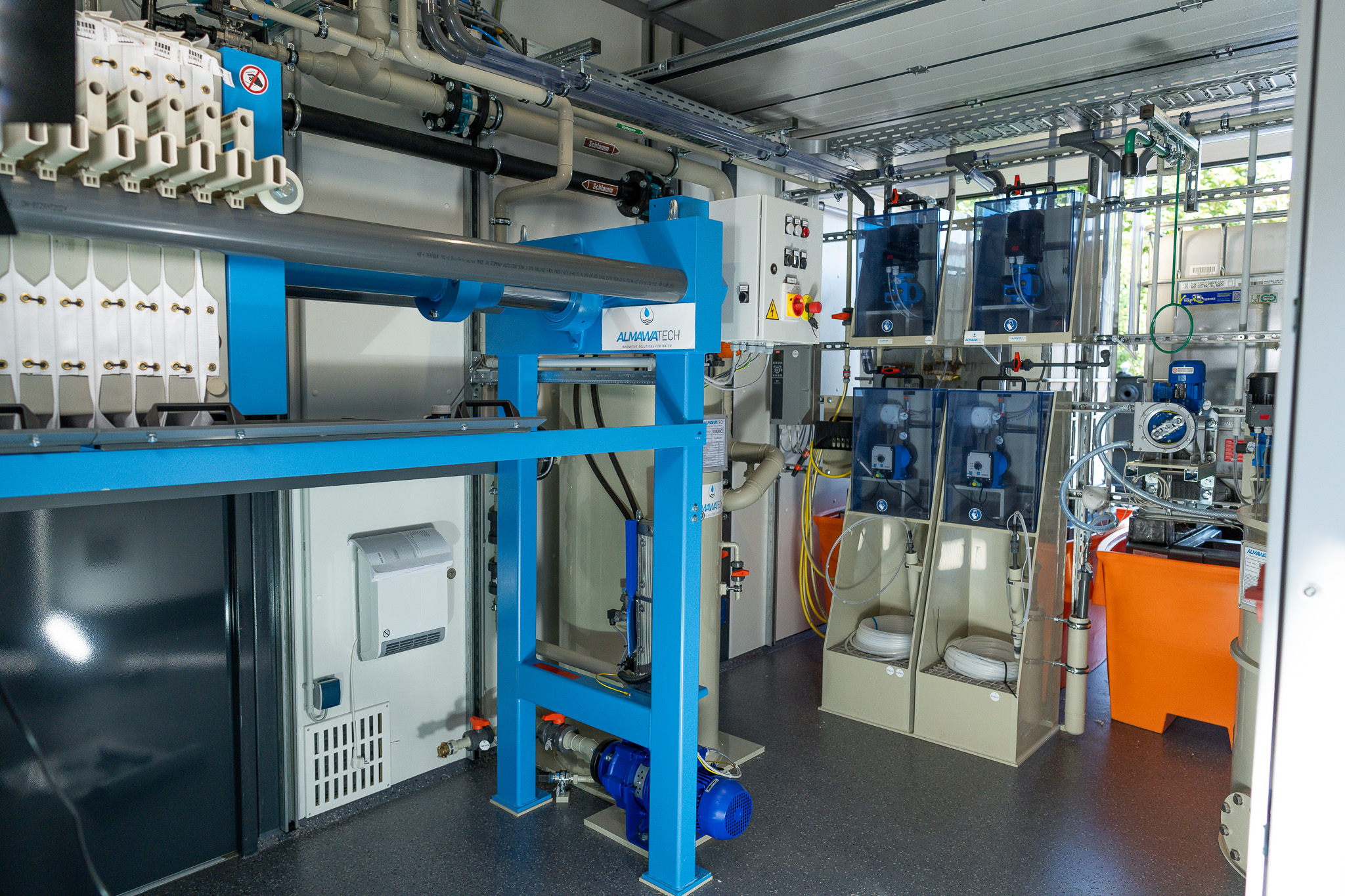
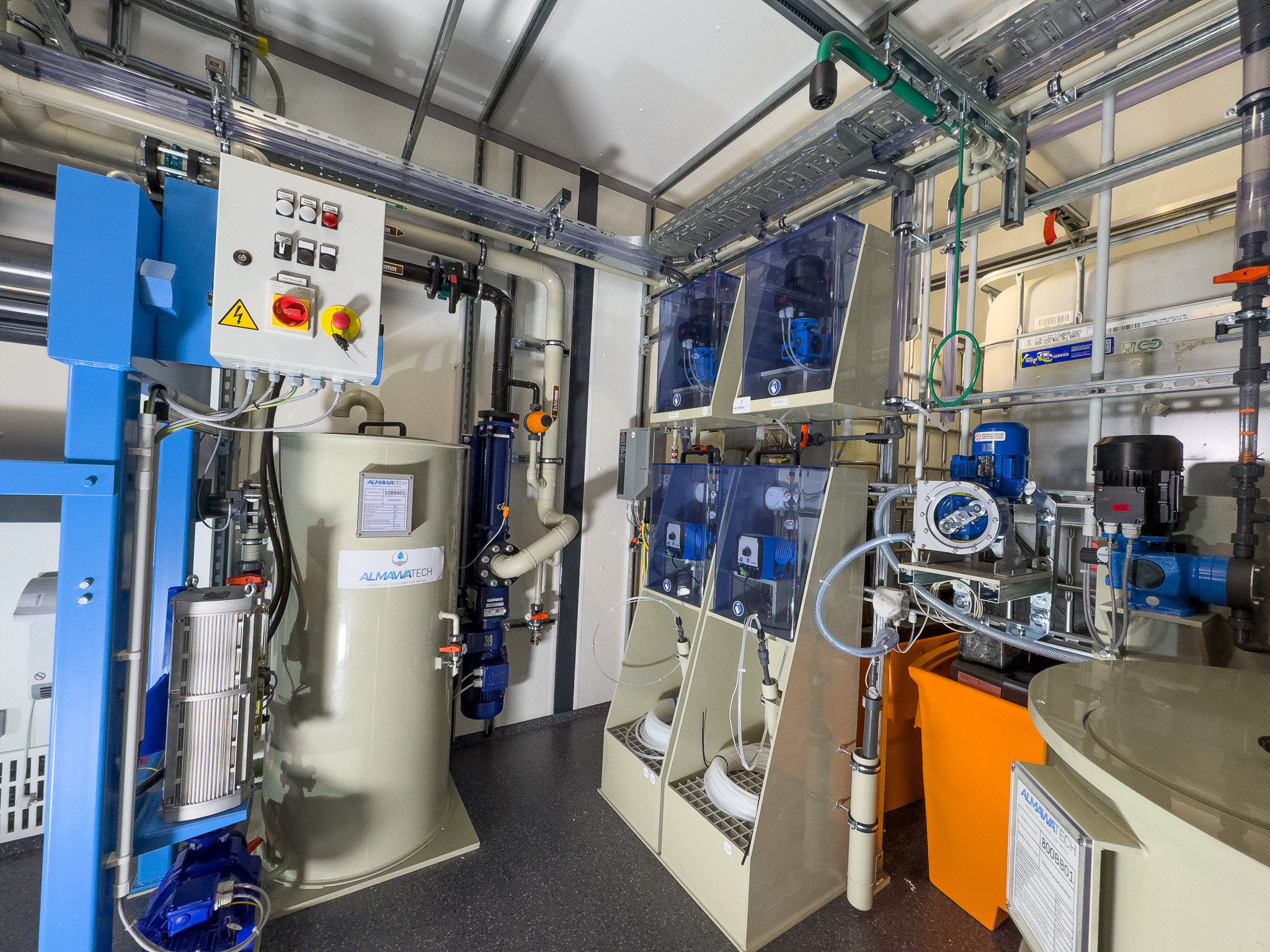
A containerized wastewater treatment plant is a fully equipped industrial water or wastewater treatment plant that is integrated into one or more containers. It offers the same process performance as a stationary plant, but with significantly greater flexibility.
ALMAWATECH container systems are individually engineered, fully pre-assembled, and delivered ready for immediate use. On site, only media connections, electrical connections, commissioning, and training are usually required.
Container sewage treatment plants are particularly suitable as:
mobile wastewater treatment plants
temporary or permanent industrial solutions
Expansion of existing sewage treatment or wastewater facilities
Solutions without permanent structures
Summary
A container sewage treatment plant is a turnkey wastewater treatment plant in container design that can be used flexibly, either mobile or stationary.
How flexible are ALMAWATECH container sewage treatment plants in terms of design, dimensions, and mobility?
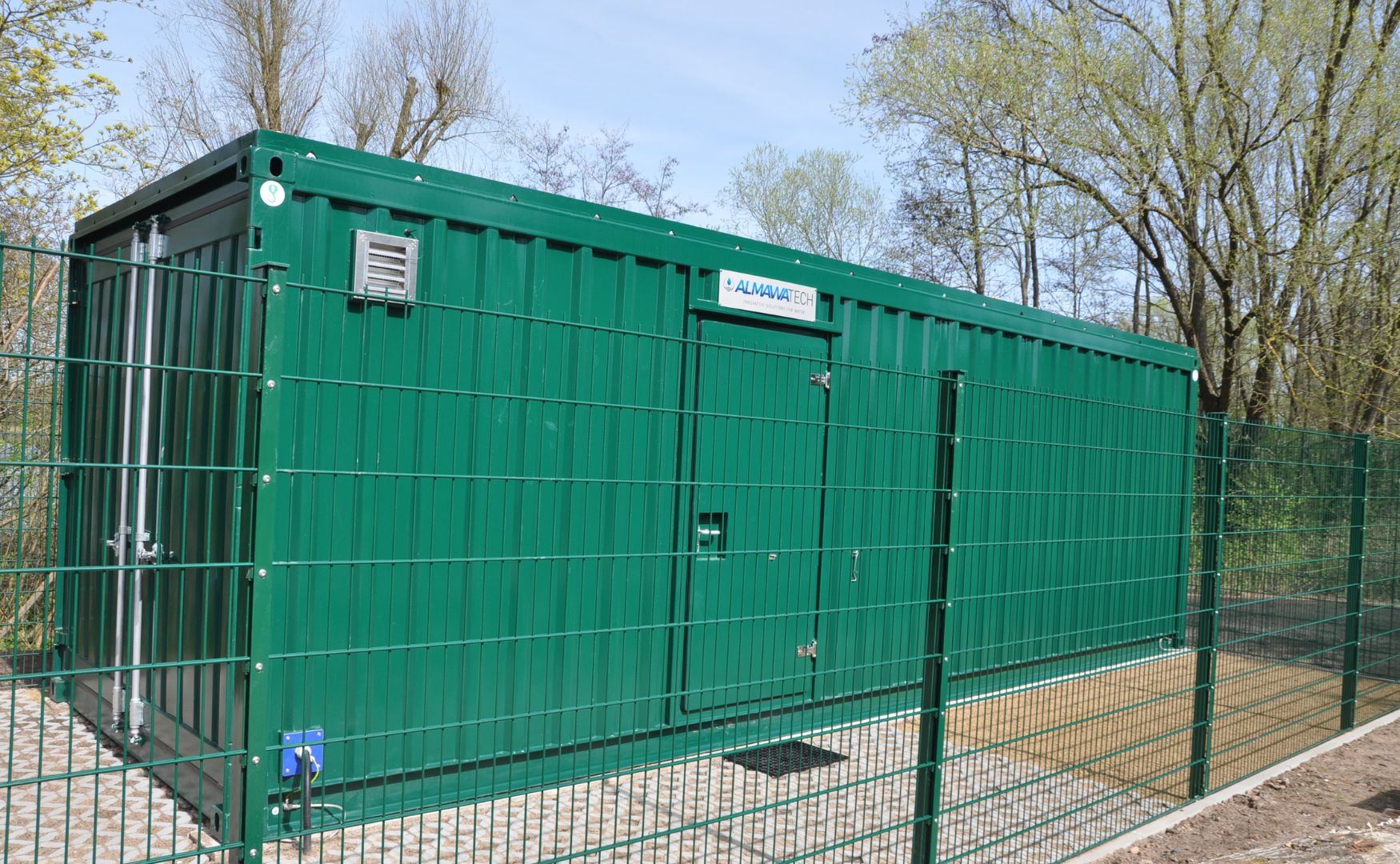
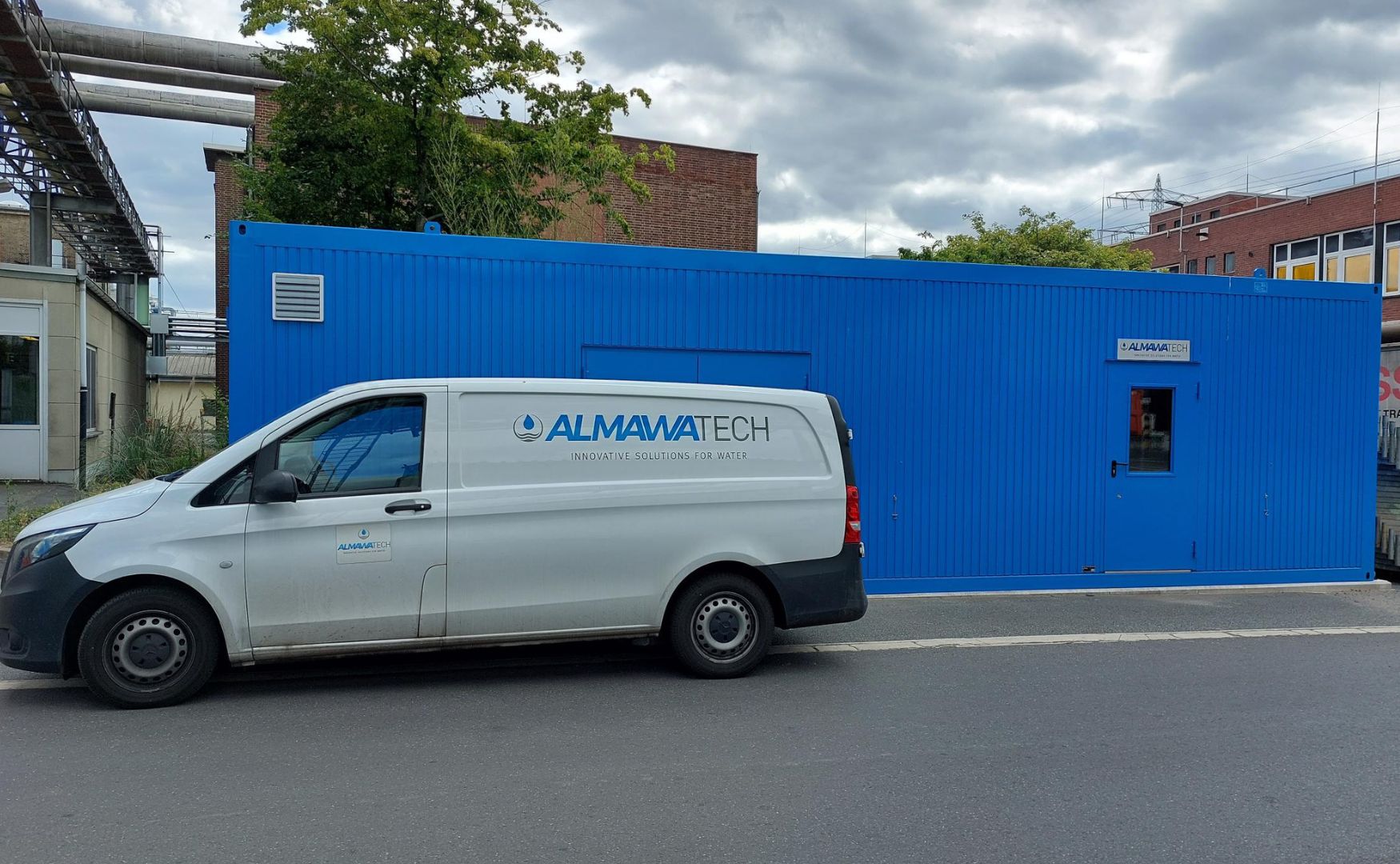
A key feature of ALMAWATECH container systems is their completely flexible engineering. There are no standard containers—each system is designed precisely for the specific application.
Flexible container design
Possible designs are:
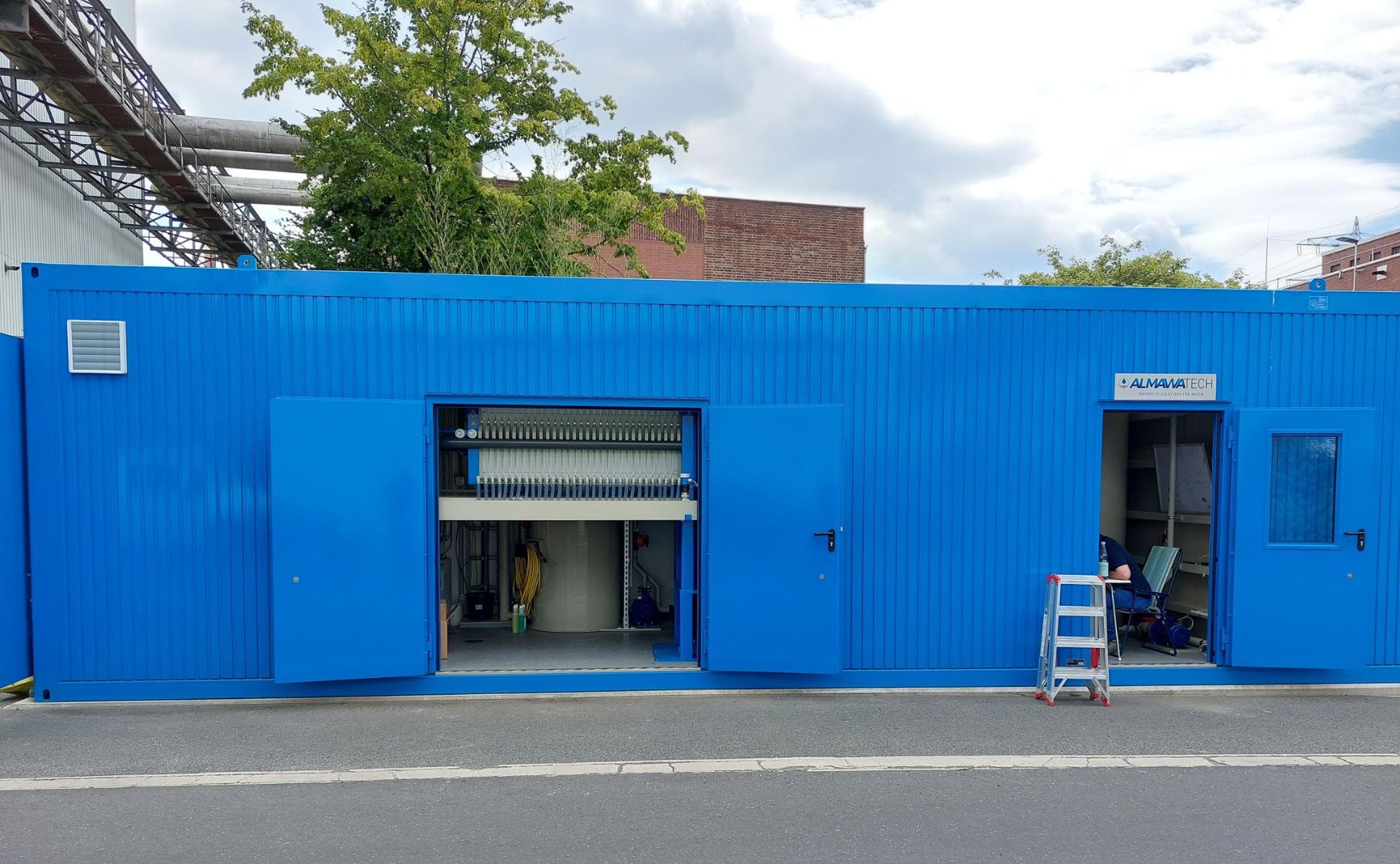
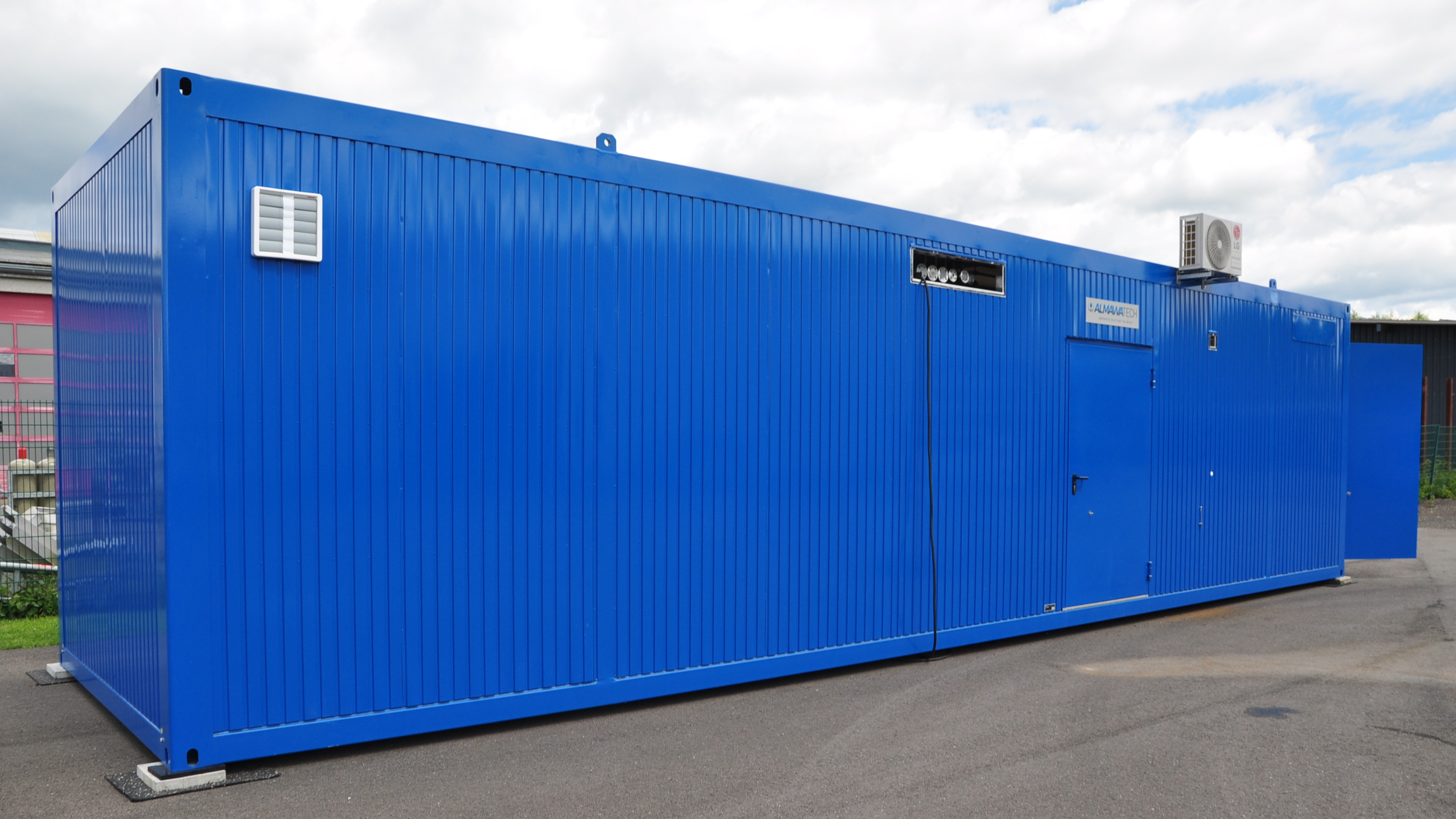
Container lengths of 7 m, 8 m, or 12 m. You pay for the length required to accommodate the system.
3 m container width for optimum operability and maintenance access
Double-deck container sewage treatment plants for limited space
Mobile wastewater treatment plants, e.g., for temporary use or pilot projects
All containers are designed so that:
Aggregates are easily accessible
Maintenance and operation can be carried out safely
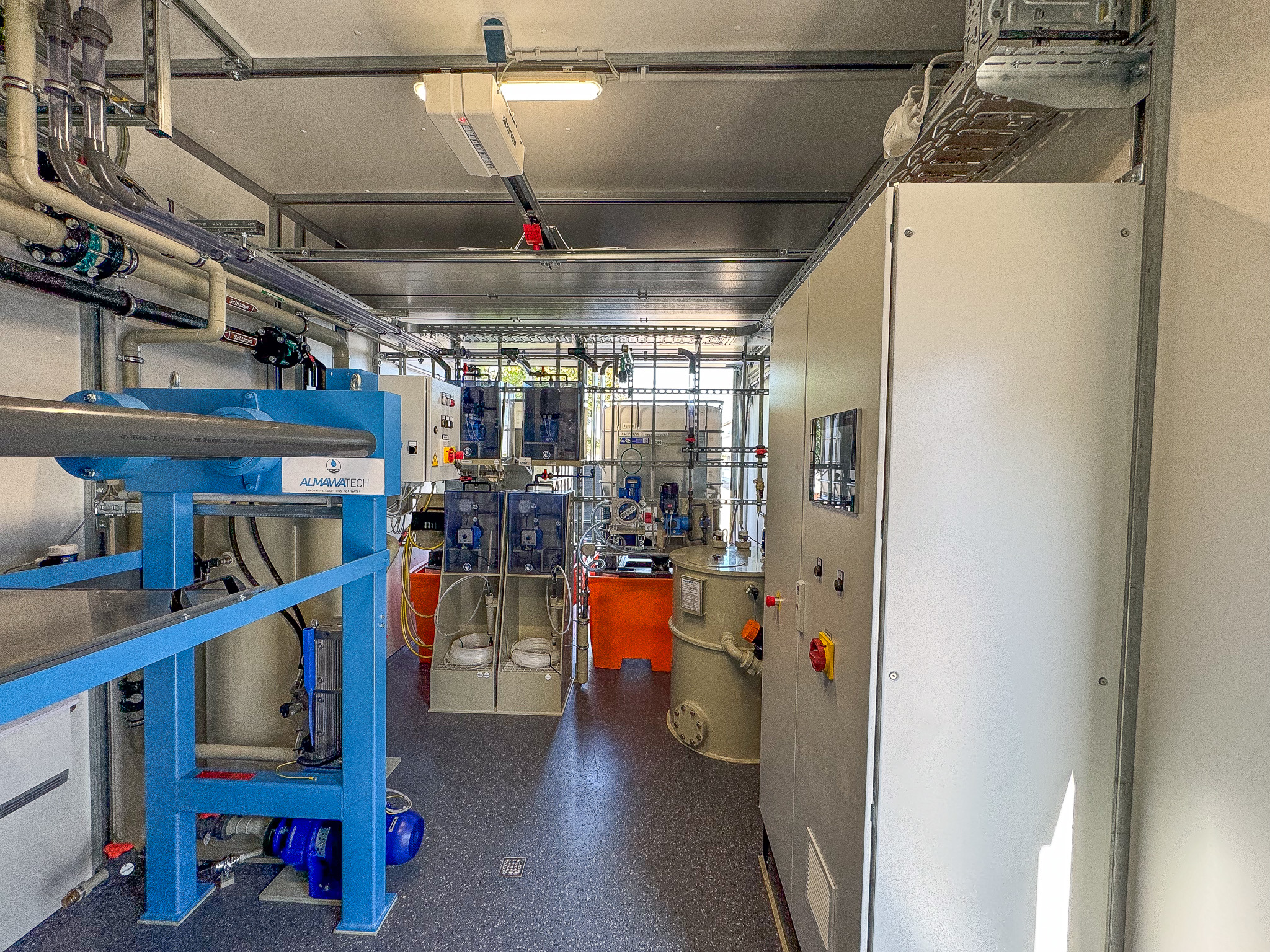
there is sufficient space for pipes, pumps, and switchgear
Insulation, ventilation, and air conditioning
The container facilities are:
fully insulated with mineral wool
weatherproof cladding
To prevent condensation, frost, or overheating:
Ventilation systems
Heating or air conditioning
integrated. This enables year-round operation under a wide range of climatic conditions.
Summary
ALMAWATECH container sewage treatment plants are flexible in length, width, height, available as double-decker or mobile versions, and are fully insulated and air-conditioned.
Which processes and plant types can be implemented as container sewage treatment plants?
The container design at ALMAWATECH is virtually unlimited in terms of process engineering. Both individual systems and complete wastewater treatment chains can be implemented as container solutions.
Possible container facilities
Biological wastewater treatment plants
CP systems (chemical-physical)
Neutralization systems
Flotation plants (DAF)
filtration systems
Membrane systems
Reverse osmosis systems
Combinations of several process stages
All systems can be:
stationary container sewage treatment plant
or mobile wastewater treatment plant
be carried out.
Integrated electrical engineering
The container facilities have:
integrated switchgear
Measurement and control technology
Automation for fully automatic operation
Summary
Biological, chemical-physical, neutralization, flotation, filtration, membrane, and reverse osmosis plants can be implemented entirely as containerized wastewater treatment plants.
What safety and environmental features do ALMAWATECH containerized wastewater treatment plants offer?
Depending on the application, container systems can be equipped with extensive safety and environmental protection features.
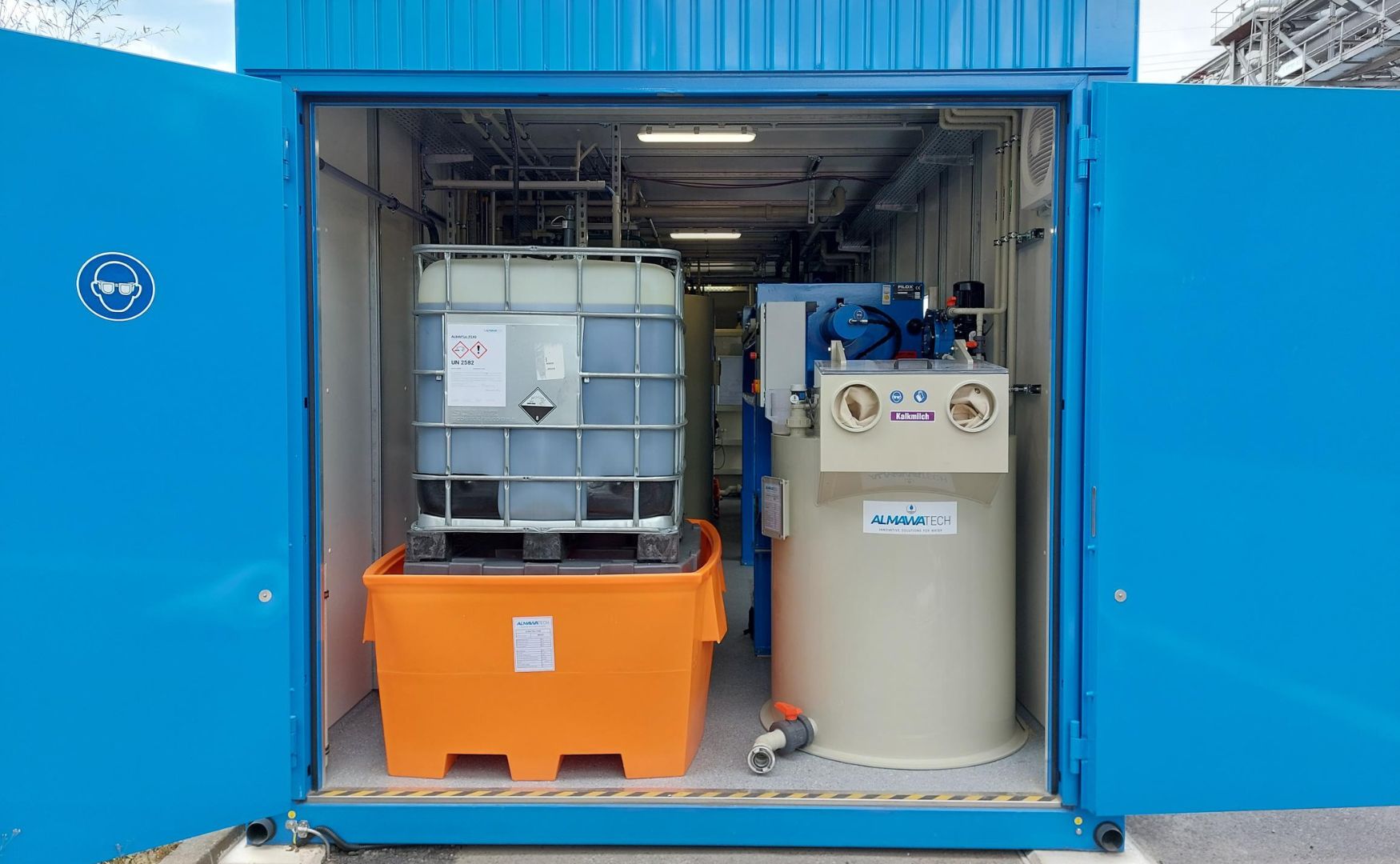
WHG-compliant collection tray
Integrated WHG collection tray for chemicals and operating materials
Increased operational safety
Simplified licensing and operator requirements
Additional security features
controlled ventilation
leakage monitoring
Structured media and cable routing
safe accessibility for maintenance
- signal lights
Summary
Container sewage treatment plants can be equipped with WHG collection trays, ventilation, leak protection, and comprehensive safety features.
What advantages do container sewage treatment plants offer over stationary sewage treatment plants?
Container sewage treatment plants (also known as"container-based sewage treatment plants"or "mobile sewage treatment plants") offer advantages over stationary plants, particularly in terms of project duration, flexibility, investment security, and location requirements. The decisive factor here is that the plant is delivered as a prefabricated, transportable system and only needs to be connected and commissioned at the site.
No permanent structures – often less effort required to obtain permits
A key advantage: container systems are not considered traditional, permanent structures in many projects. This means that, depending on the location and design, the construction and approval costs can be significantly lower than for concrete structures or permanently installed buildings.
Important in practice:
The specific approval requirement depends on the location, use, media, volumes, and local regulations.
However, container construction often provides greater flexibility and reduces the amount of construction work to a minimum (foundations/connection work).
Shorter project and installation times thanks to prefabrication
Container sewage treatment plants are used in the factory:
assembled, piped, and wired
equipped with measurement, control, and regulation technology
including integrated switchgear
prepared as a functional unit
This reduces the effort required on site to:
list
Media connections (inlet/outlet, chemicals, compressed air, gas if applicable)
electrical feed
Commissioning and training
This significantly shortens project times, especially when construction site conditions are difficult or there is time pressure.
Standardized quality, improved accessibility, reduced construction site risk
Compared to pure on-site assembly, the advantages are:
Defined workshop quality (assembly, piping, cabling)
fewer interface problems between trades
Fewer delays due to weather and construction sites
Clean layout planning with good maintenance routes
The 3 m width you mentioned is a real advantage here: it allows for easy operation and maintenance access, which is often not the case in narrow standard containers.
Flexibility and expandability
Container solutions are particularly effective when conditions change:
Capacity expansion through additional containers (modular)
Relocation/transfer when changing location
Temporary expansion during peak loads or renovations
Integration into existing systems without major modifications
This is often a decisive argument, especially in industrial environments, because processes, production volumes, and discharge conditions can change.
Turnkey delivery including installation, commissioning, and training
Another advantage is the clear chain of responsibility:
ALMAWATECH delivers the turnkey system, handles installation, carries out commissioning, and trains operating personnel. This reduces coordination efforts and project risks on the operator side.
Summary
Compared to stationary systems, containerized wastewater treatment plants usually offer shorter project durations, less construction work, high flexibility (modular, relocatable), defined workshop quality, good accessibility, and turnkey delivery including installation and commissioning.
When are mobile wastewater treatment plants in container design the right solution?
A mobile wastewater treatment plant or container sewage treatment plant is particularly useful if a project needs to be implemented quickly, flexibly, and with as little construction work as possible—or if the location makes stationary construction difficult.
Typical use cases with high search and purchase intent
1) Time-critical projects and short-term limit value compliance
If discharge values must be complied with at short notice (e.g., due to official requirements, production expansion, incidents), container construction is ideal because:
Systems can be quickly assembled and installed
the proportion of construction sites is low
Commissioning and handover to be carried out in a structured manner
2) Temporary or mobile deployments
Mobile container systems are suitable for:
Temporary solutions during renovation/refurbishment
temporary production sites
Pilot operation or temporary capacity increase
Rental/trial concepts (depending on the project model)
Here, your flexible design (7 m/8 m/12 m, mobile, two-story) is a clear advantage.
3) Locations with limited space or difficult infrastructure
Container systems are often the best choice for:
limited space
difficult construction site logistics
Existing facilities with little space for expansion
Requirements for compact, orderly installation
Double-decker solutions are particularly relevant here because they save floor space.
4) Applications requiring complete, integrated process engineering
If multiple process stages are required, container systems can be designed as complete systems, e.g.:
Neutralization + CP system + Filtration
Flotation (DAF) + fixed-bed reactor or MBBR
Biological stage + post-filtration
Ultrafiltration (UF) + Reverse Osmosis (RO)
Thanks to integrated switchgear, MSR technology, and air conditioning, these systems are "plug-and-operate" and thus much closer to a finished product than traditional construction site systems.
5) Operation in changing climatic conditions
By:
Complete mineral wool insulation
cladding
Ventilation, heating, or air conditioning
Condensation protection against condensation
Container systems are particularly suitable when temperatures fluctuate greatly or frost-critical conditions prevail. This not only provides comfort, but also protects measurement technology, chemical piping, and fittings.
Decision summary: When container construction is clearly superior
Container systems are the right solution if at least one of the following points applies:
Quick project start and short construction time
flexible/temporary use or possible relocation
Minimal structural alterations and reduced construction site risks
modular expandability
Integrated, climate-controlled, and maintenance-friendly technology required
Summary
Mobile wastewater treatment plants in container design are ideal for time-critical projects, temporary applications, limited space, modular expansions, and complete solutions with integrated MSR and switchgear technology.
Similar products: Mobile water treatment plants

ALMA CHEM MCW Modular
Modular precipitation and flocculation system, with reverse osmosis for water reuse if required.
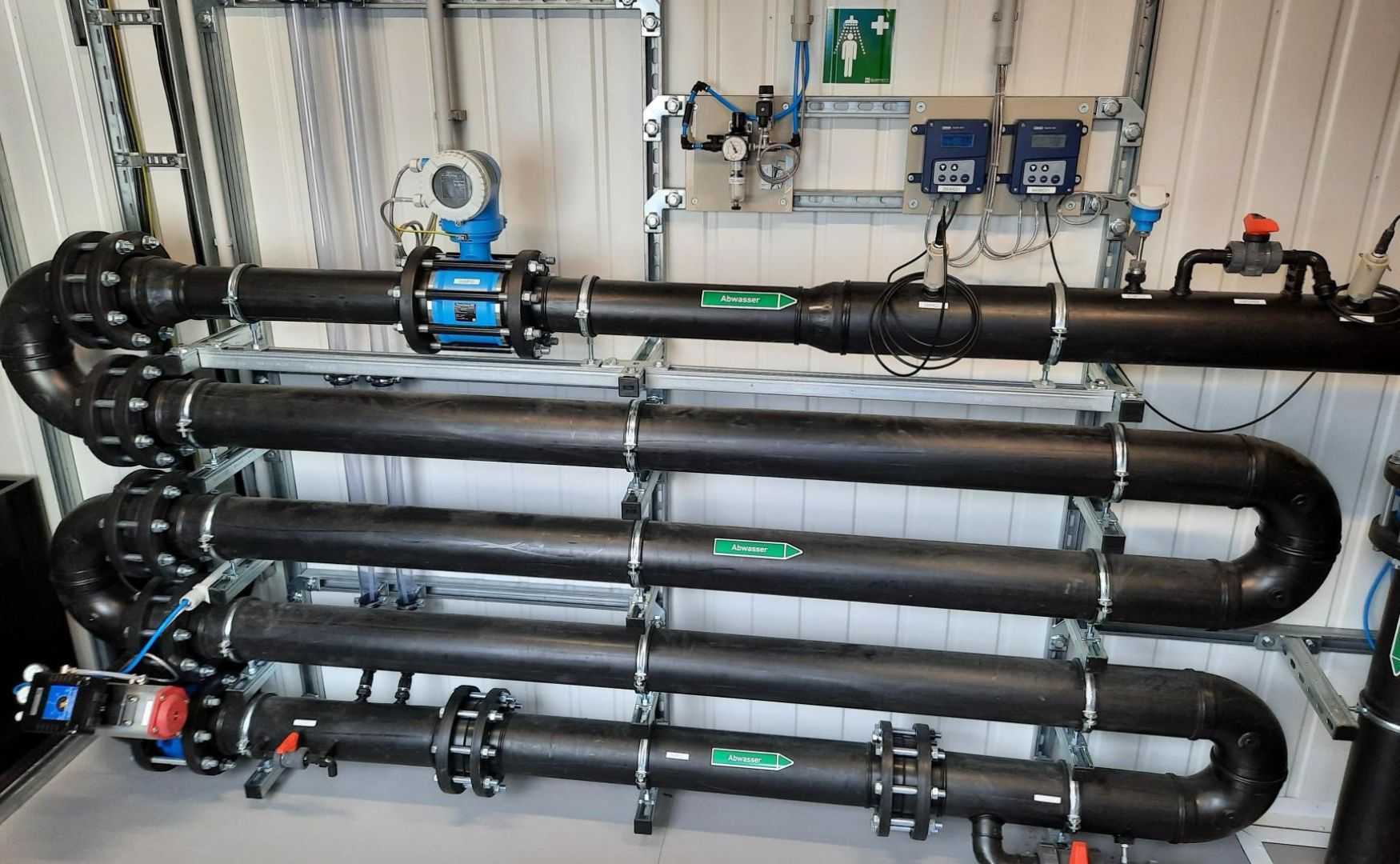
ALMA Neutra
Neutralization system for pH value regulation with acid/alkali/CO₂ in the compact ALMA module.
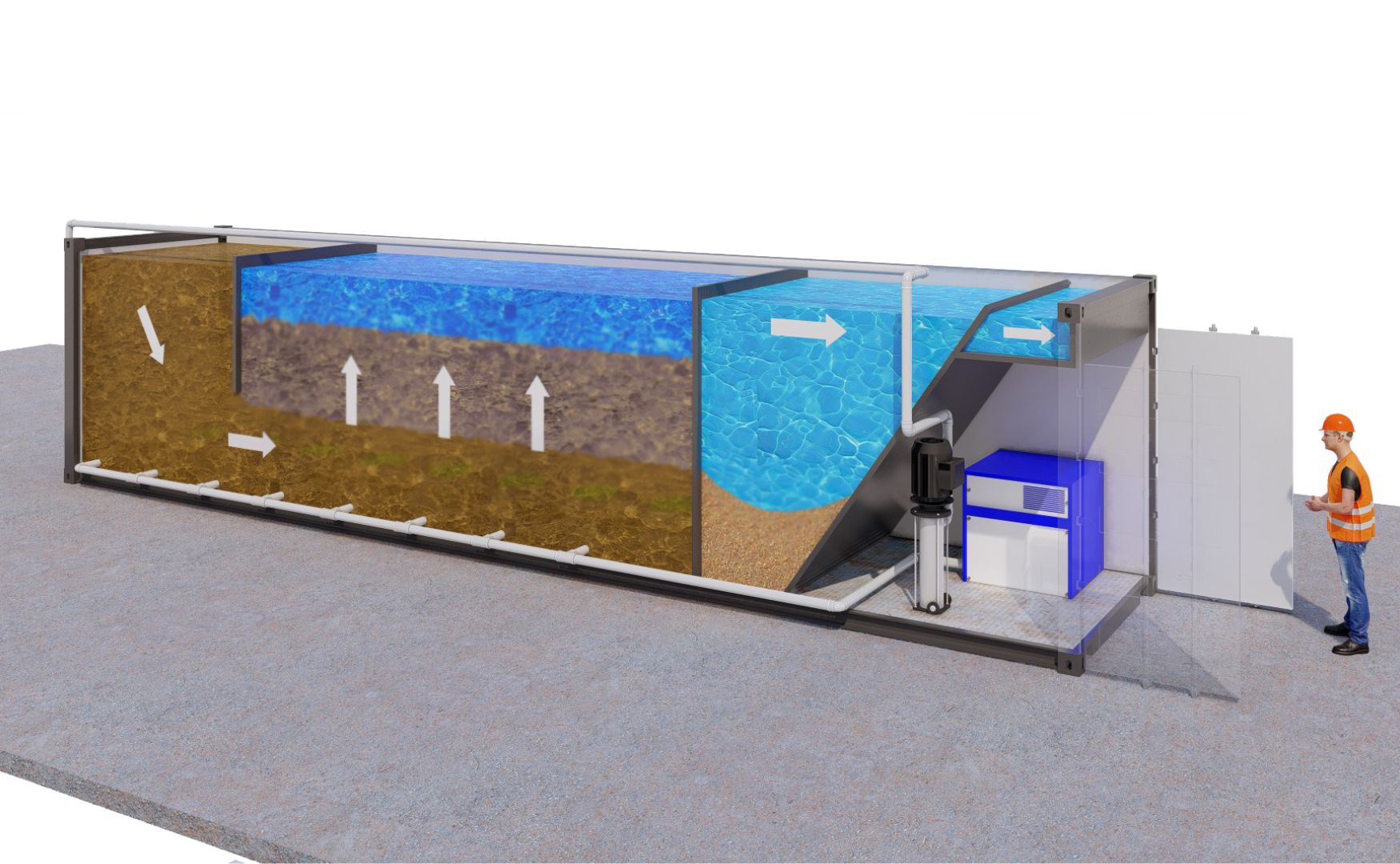
ALMA BIO Compact MBBR
Biological treatment to reduce the organic load, also possible with nitrogen and phosphate elimination.
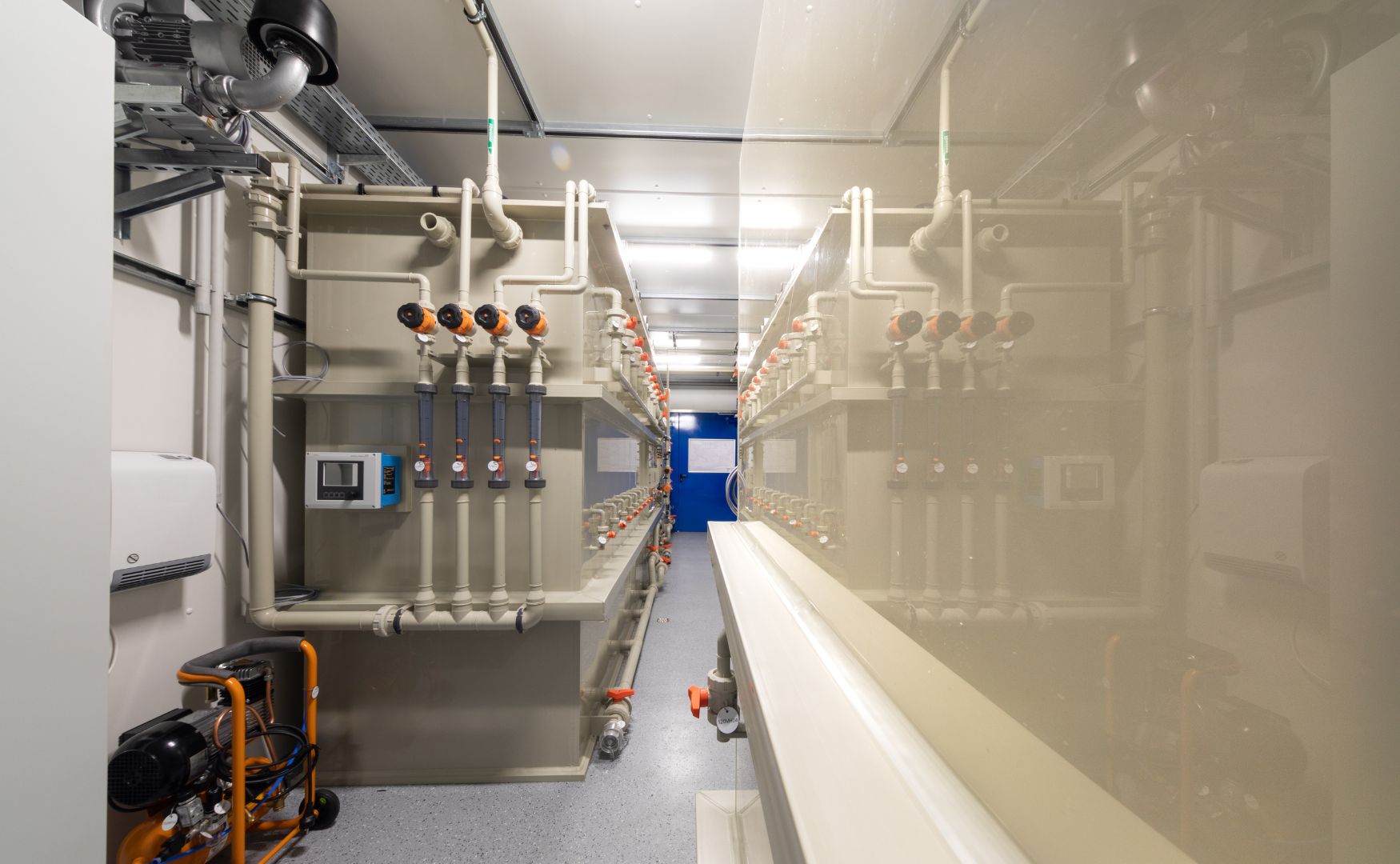
Reference photos: mobile wastewater treatment plants
Get in touch with us!