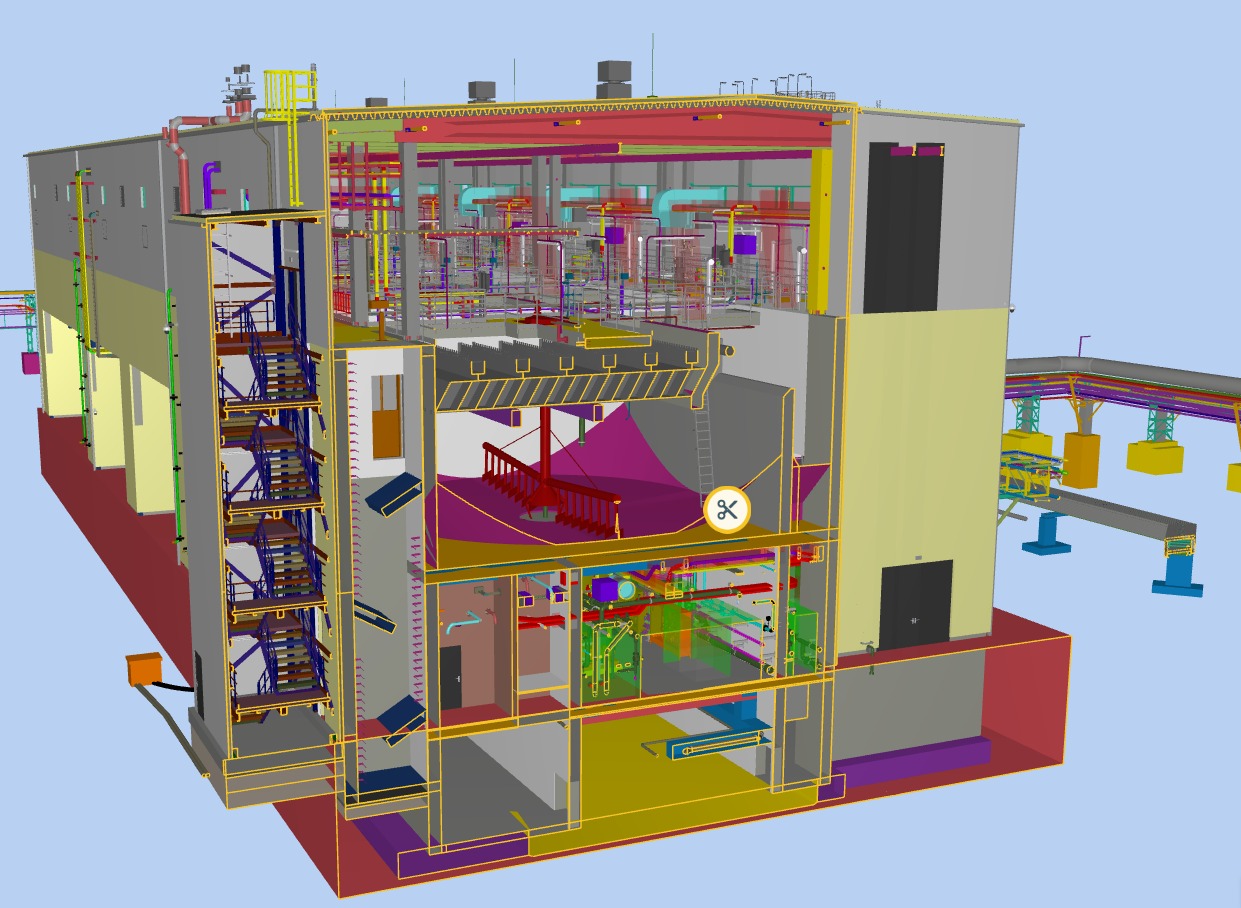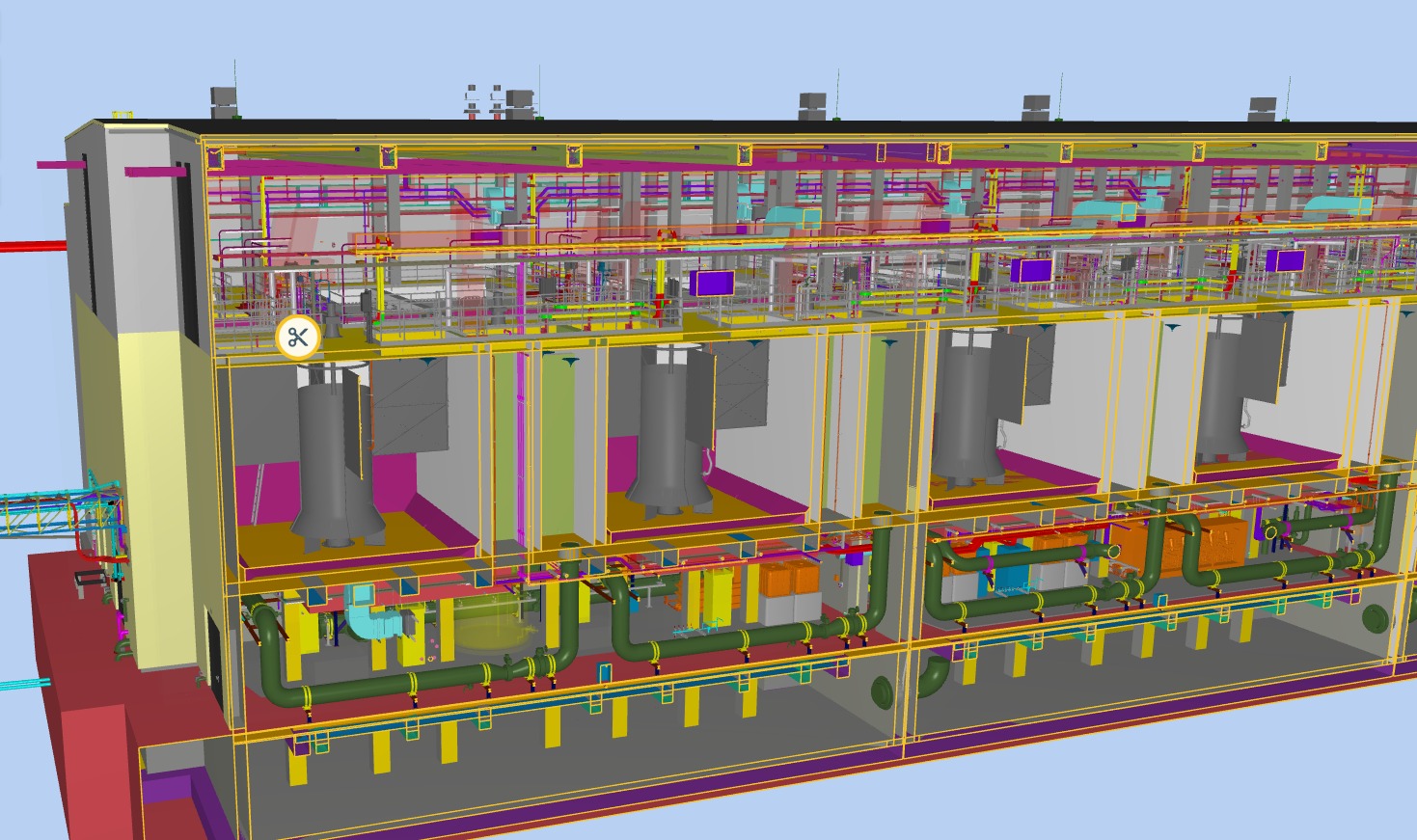

The treatment of surface water, river water, and raw water for drinking water production places high demands on process engineering, chemical dosing, and process stability. Depending on their source and the season, natural waters contain varying amounts of suspended solids, colloidal particles, humic substances, algae, iron, manganese, phosphorus compounds, and organic constituents. Many of these substances are so finely dispersed or dissolved that they cannot be reliably removed by simple sedimentation.
In modern water treatment, processes such as precipitation, coagulation, flocculation, and sedimentation are used for these tasks. The ALMA BHU LHPS, a Lamellar High Performance Settler, combines these process steps into a compact reactor system. The system integrates chemical dosing, rapid mixing, coagulation, flocculation, lamellar sedimentation, and sludge thickening into a multi-chamber unit. This results in a high-performance and stable treatment process that delivers high effluent quality even when raw water quality fluctuates.
The LHPS reactor is particularly well-suited for applications in which large volumes of water must be treated in a small area. This includes, among other things, the treatment of surface water from lakes and reservoirs, the treatment of river water with highly variable turbidity levels, and the pretreatment of raw water in drinking water treatment.
Table of contents
Design and Basic Principle of the LHPS Reactor
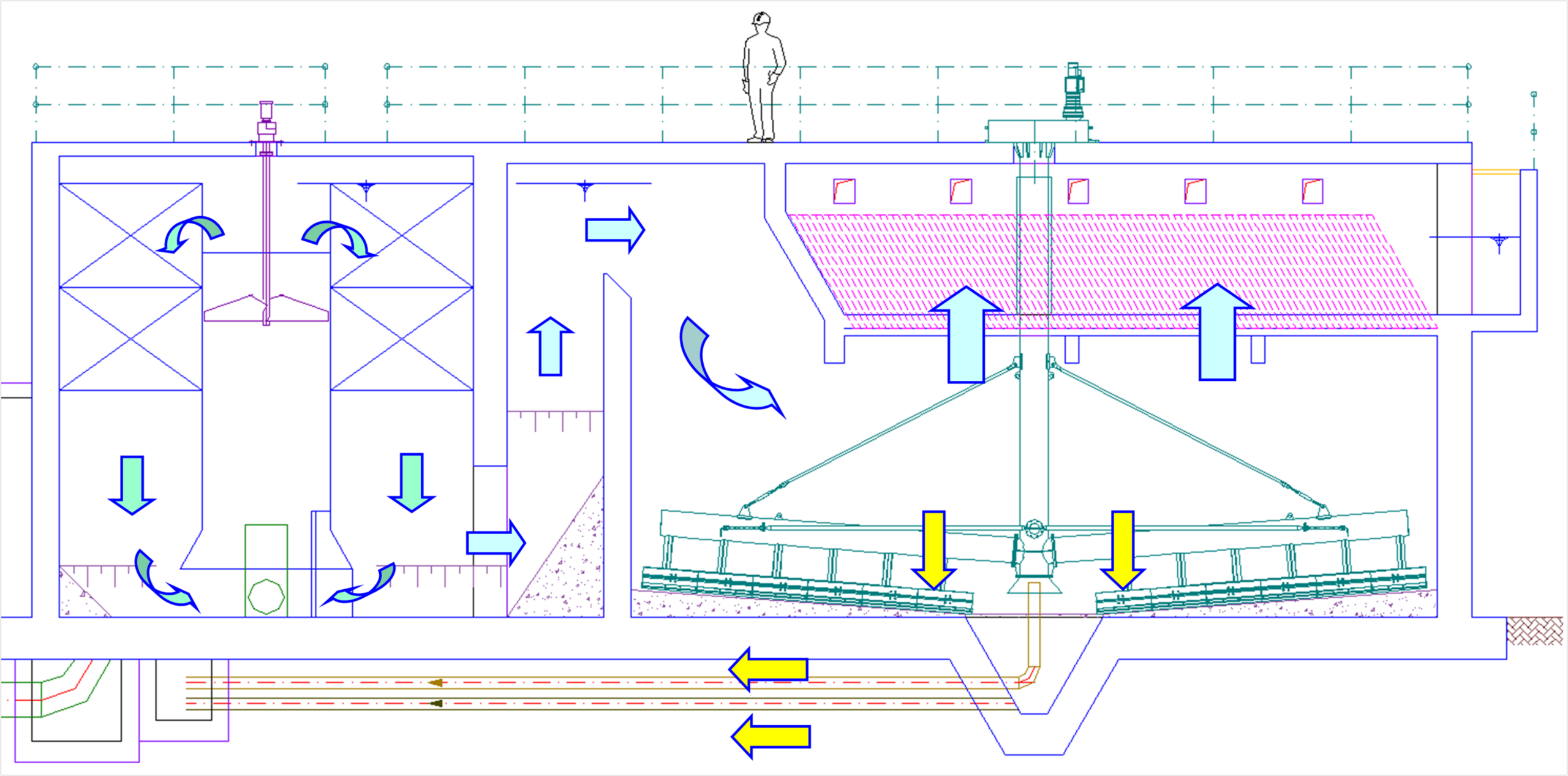
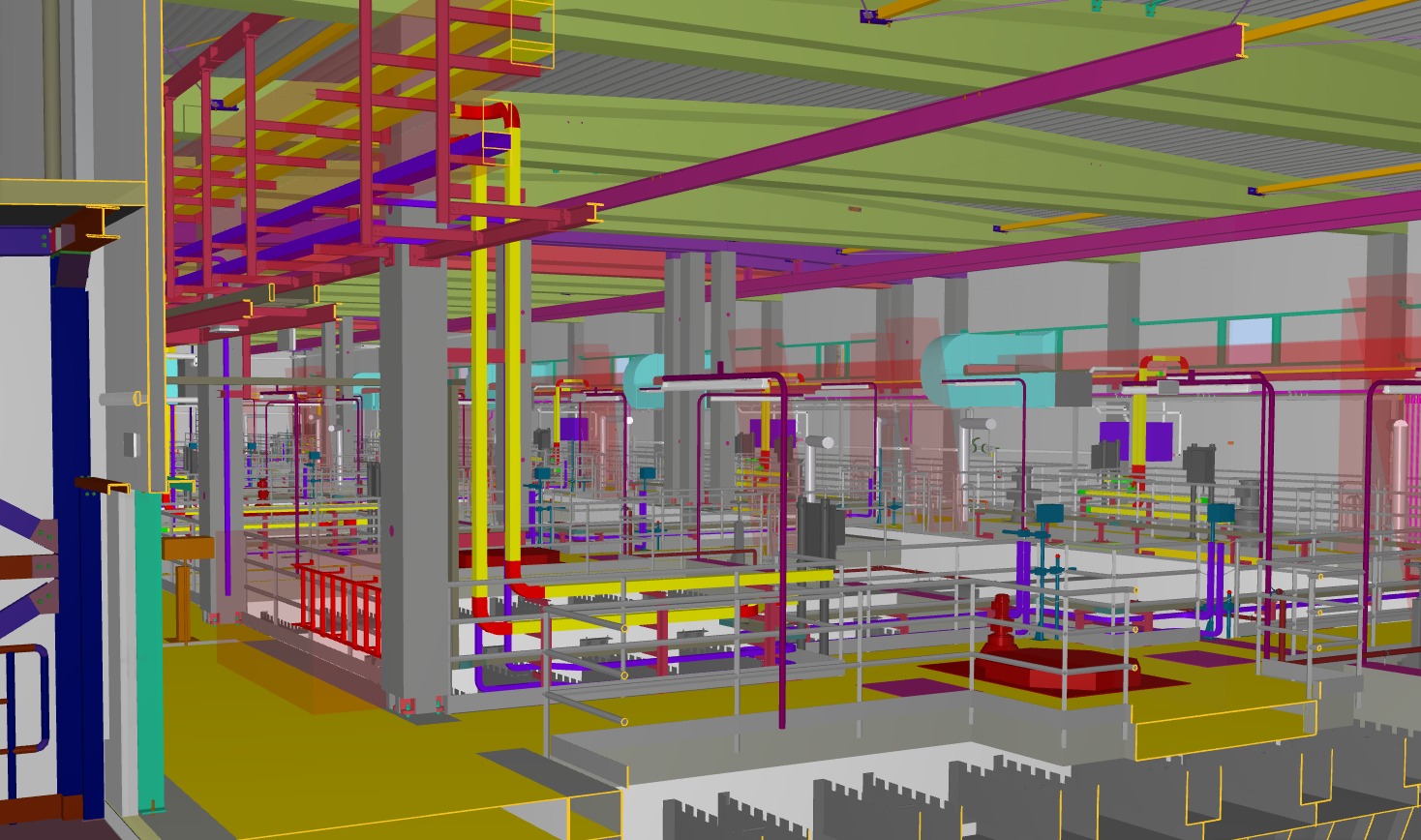
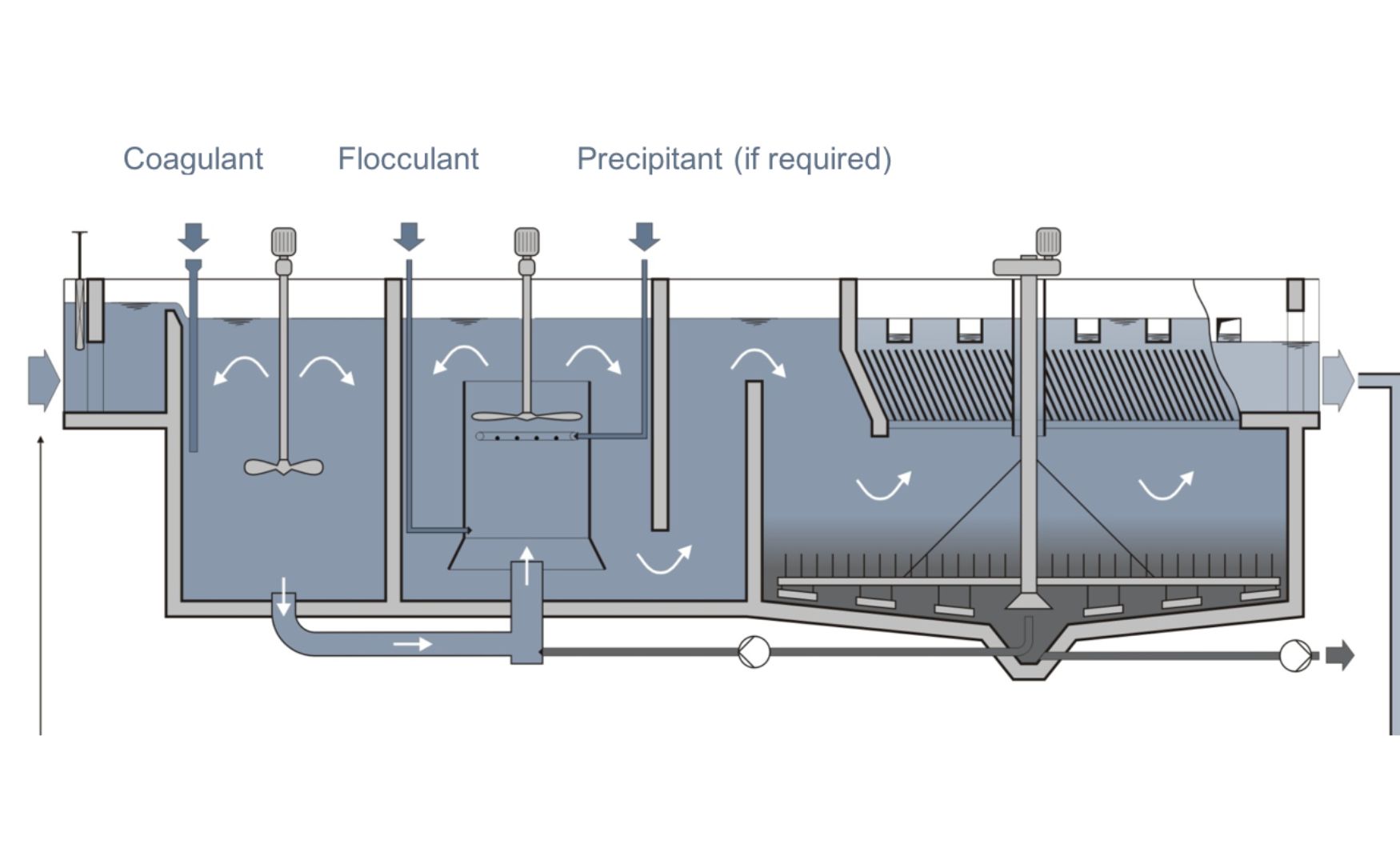
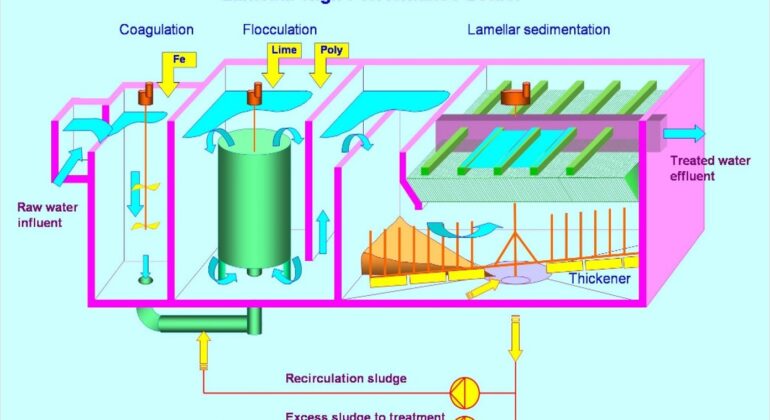
The ALMA BHU LHPS is designed as a multistage reactor system. The individual process zones are interconnected hydraulically and process-technically in such a way that the water constituents are gradually destabilized, converted into flocs, separated, and thickened into sludge.
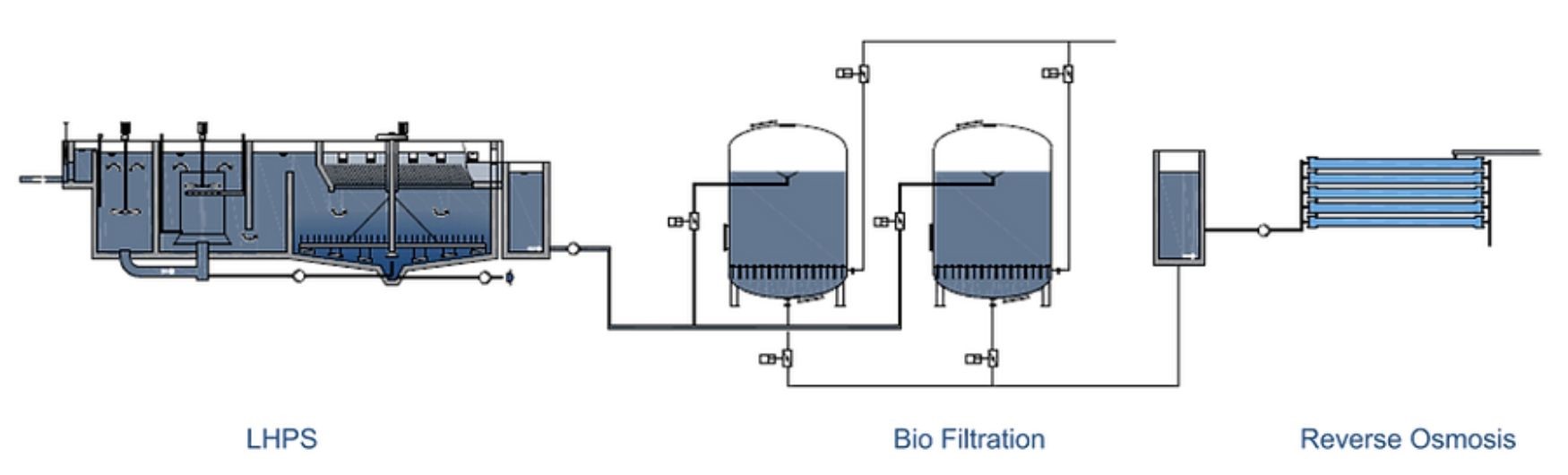
The reactor essentially consists of three consecutive reaction zones: the coagulation reactor, the flocculation reactor, and the sedimentation zone, with a lamella clarifier located above it and a sludge thickening unit located below it.
The coagulant and flocculant are dosed into the coagulation reactor. Poly aluminum chloride (PAC) is typically used for this purpose. Immediately after dosing, the chemical destabilization of the particles in the water begins. Many natural turbidity-causing substances, clay minerals, organic colloids, and finely dispersed particles have an electrical surface charge. This charge prevents the particles from aggregating, as they repel each other electrostatically in water. The addition of PAC reduces or neutralizes these charges. At the same time, aluminum hydroxide structures with a large specific surface area are formed, to which particles, organic matter, and, in some cases, dissolved substances can adsorb.
This causes the particles, which were originally evenly distributed in the water, to form initial microflocs. These are still small and do not settle sufficiently, but they form the basis for subsequent flocculation. It is crucial that the coagulant be distributed quickly and evenly throughout the water. For this reason, PAC is dosed into the LHPS reactor within the area of a high-intensity rapid mixer. The energy input in this zone is deliberately high so that the coagulant comes into contact with the entire raw water stream within a very short time.
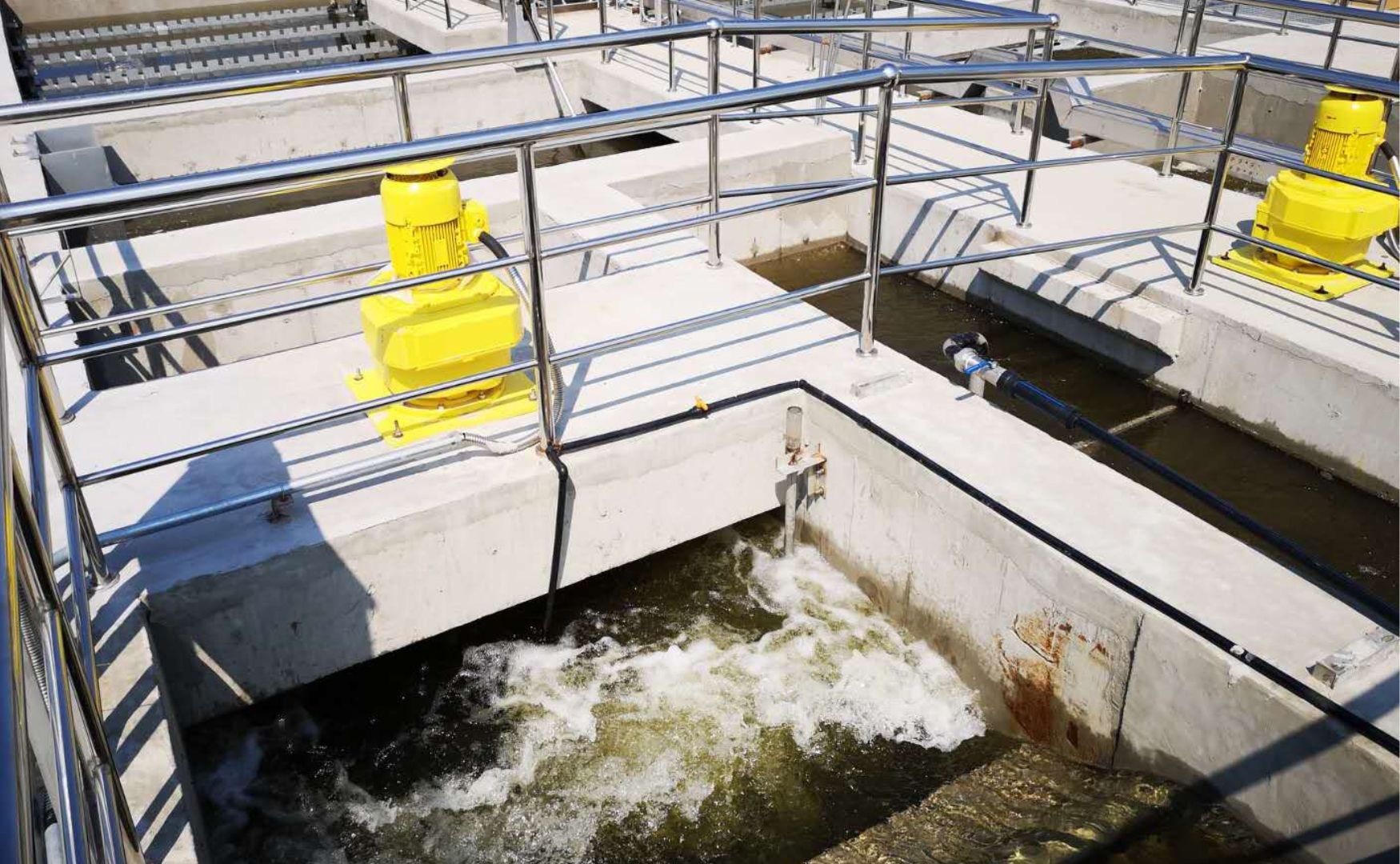
After coagulation, the water enters the flocculation reactor. There, under controlled hydraulic conditions, the microflocs that have formed are aggregated into larger, denser, and easily settable macroflocs. To achieve this, a flocculant—usually a polymer—is dosed into the system. This polymer binds individual microflocs together and promotes the formation of stable floc structures. Unlike in coagulation, high energy input is not desirable in this process stage. Excessive shear forces would destroy the forming flocs. For this reason, the flocculation reactor operates with slow, controlled mixing.
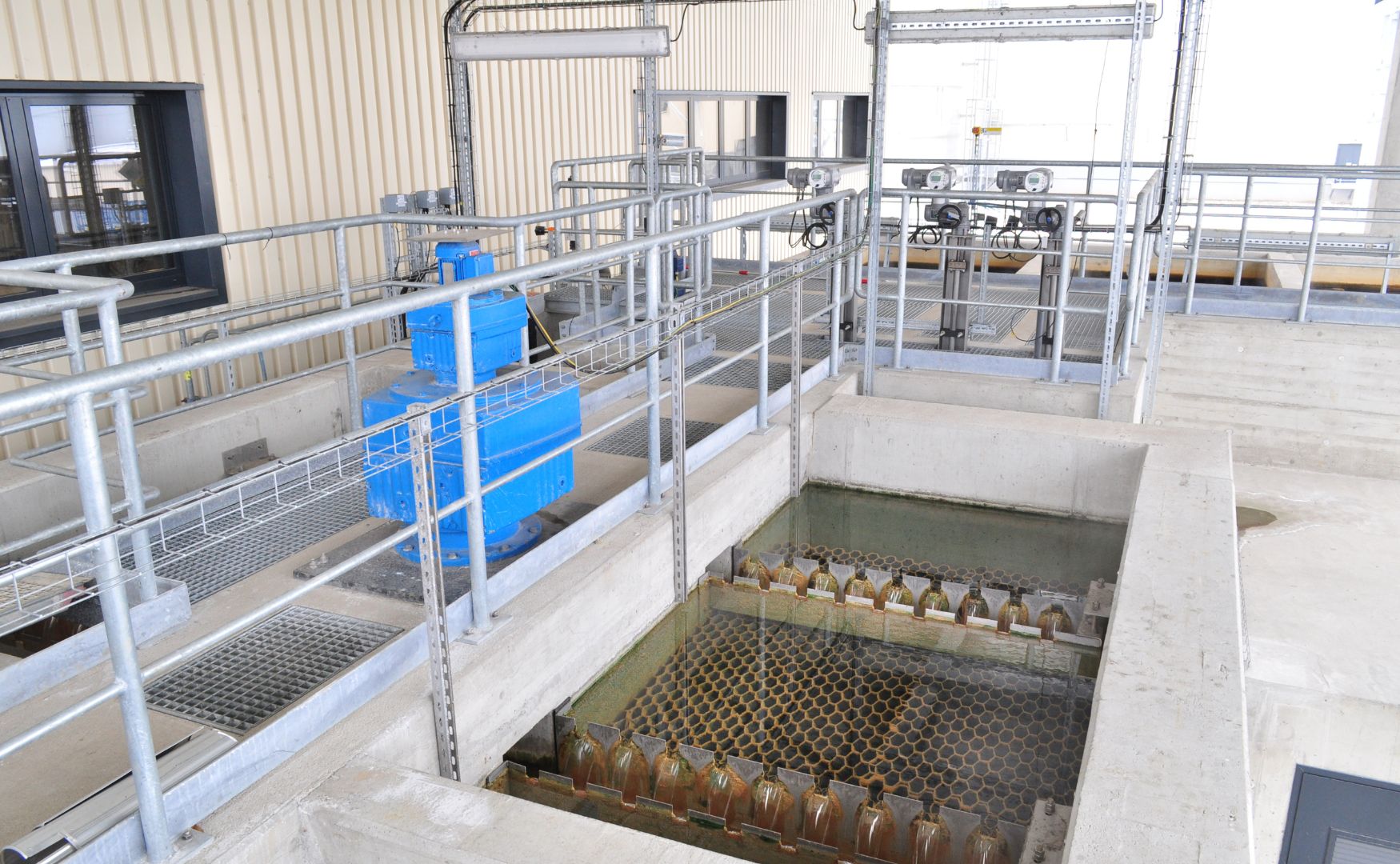
The third main zone is the sedimentation zone. Here, the flocs that have formed are separated by gravity. Above the sedimentation zone are lamella modules that significantly increase the effective settling area. The water flows upward through the lamellae, while the flocs slide down the inclined surfaces and enter the sludge thickening zone. In this way, high hydraulic loads can be achieved with a compact design.
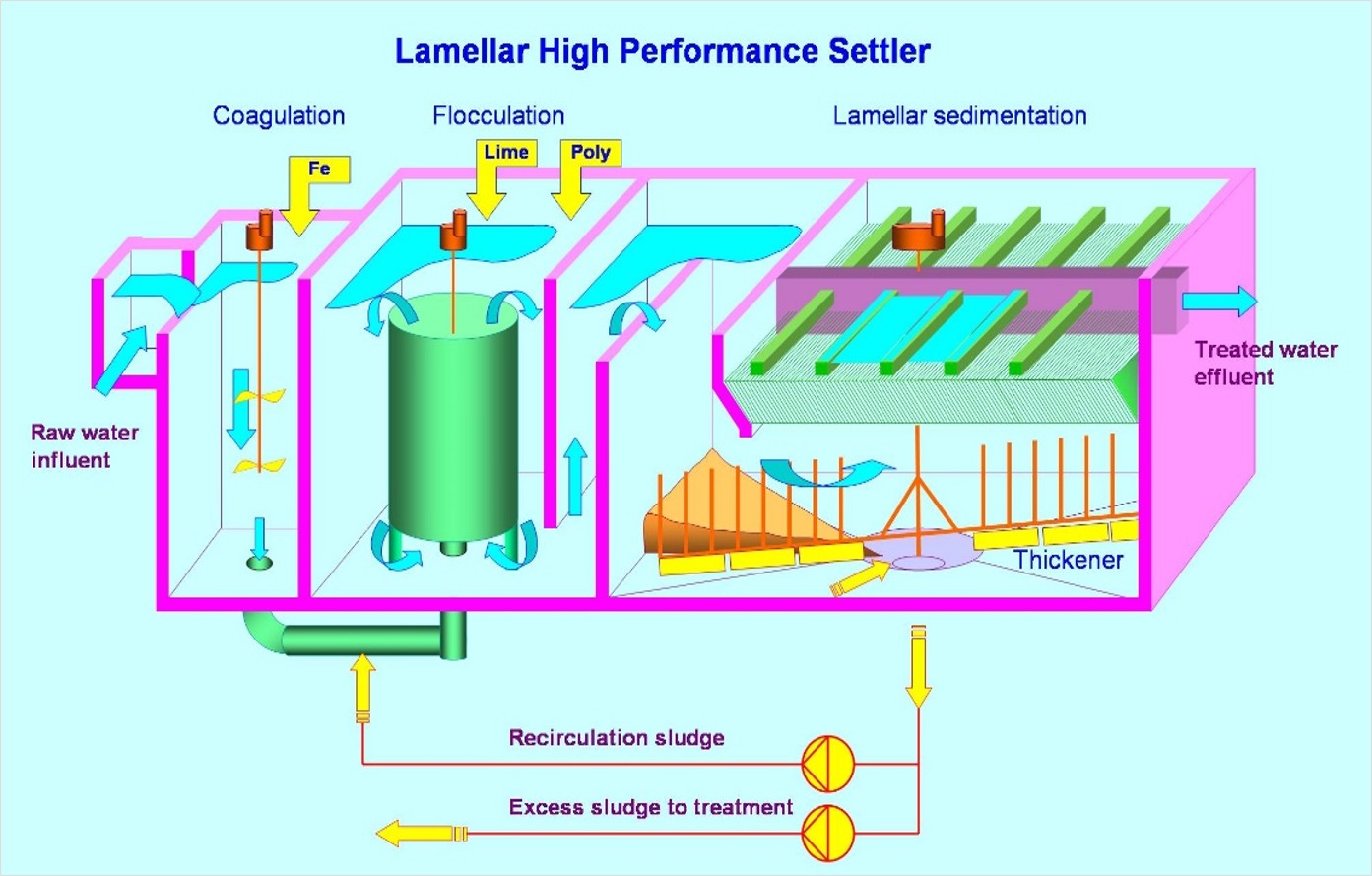
Photo: Basic structure of the ALMA BHU LHPS reactor
Raw water intake and uniform distribution
At the start of the process, the raw water is fed into the individual treatment lines of the LHPS reactor. Each feed line is equipped with a flow meter and control valves, allowing the hydraulic load of each line to be adjusted individually. This even distribution is crucial for stable precipitation and flocculation, as the chemicals are dosed in proportion to the raw water flow.
The quality of raw water often fluctuates significantly, particularly in the case of surface water and river water. Following heavy rainfall events, turbidity, suspended solids, and organic load can increase significantly in the short term. Seasonal factors such as algae growth or fallen leaves also alter the water’s composition. Precise flow control is therefore essential to ensure that the subsequent dosing steps proceed in a stable and reproducible manner.
In drinking water treatment, this controlled distribution of raw water is particularly important because pretreatment alone has a significant impact on the performance of downstream filtration stages, activated carbon filters, or disinfection processes. The more evenly the particles and organic substances are removed during the precipitation and flocculation stages, the lower the load on the subsequent treatment steps.
Coagulation and Rapid Mixing in the LHPS Reactor
In the first active treatment step, the coagulant is injected into the coagulation reactor. The injection point is located in the area of the mixer blades, which ensures very rapid distribution of the coagulant throughout the entire reactor volume. In the process concept described, liquid PAC is used at a dosing concentration of approximately five percent.
PAC is particularly widely used in water treatment because it is highly effective at destabilizing colloidal particles and, at the same time, is relatively easy to control. As soon as PAC enters the raw water, aluminum-containing hydrolysis products form. These react with the particles and dissolved components present in the water. This reduces surface electrical charges, causing the previously stably suspended particles to lose their mutual repulsion. At the same time, fine hydroxide flocs form, which act as adsorption surfaces.
In practice, this means that very small suspended solids, organic colloids, humic substances, or extremely fine metal hydroxides are not simply “filtered out,” but are transformed through chemical and physical processes into a form that can then be mechanically separated. Coagulation thus creates the conditions necessary for non-settleable components to form settleable flocs.
The energy input in the coagulation reactor is significantly higher than in the subsequent flocculation stage. This is necessary because the reactions take place immediately after dosing, and the coagulant must be distributed evenly within a very short time. Insufficient mixing would result in local overdosing or underdosing. Underdosing causes colloids to remain stable, while overdosing can cause flocs to become unstable or lead to unnecessarily high chemical consumption.
The mixing rate and retention time are therefore optimized for the formation of microflocs. The goal is not to produce large flocs at this stage, but rather to achieve the most complete destabilization possible of the water constituents. The resulting microflocs then form the basis for the actual floc formation in the flocculation reactor.

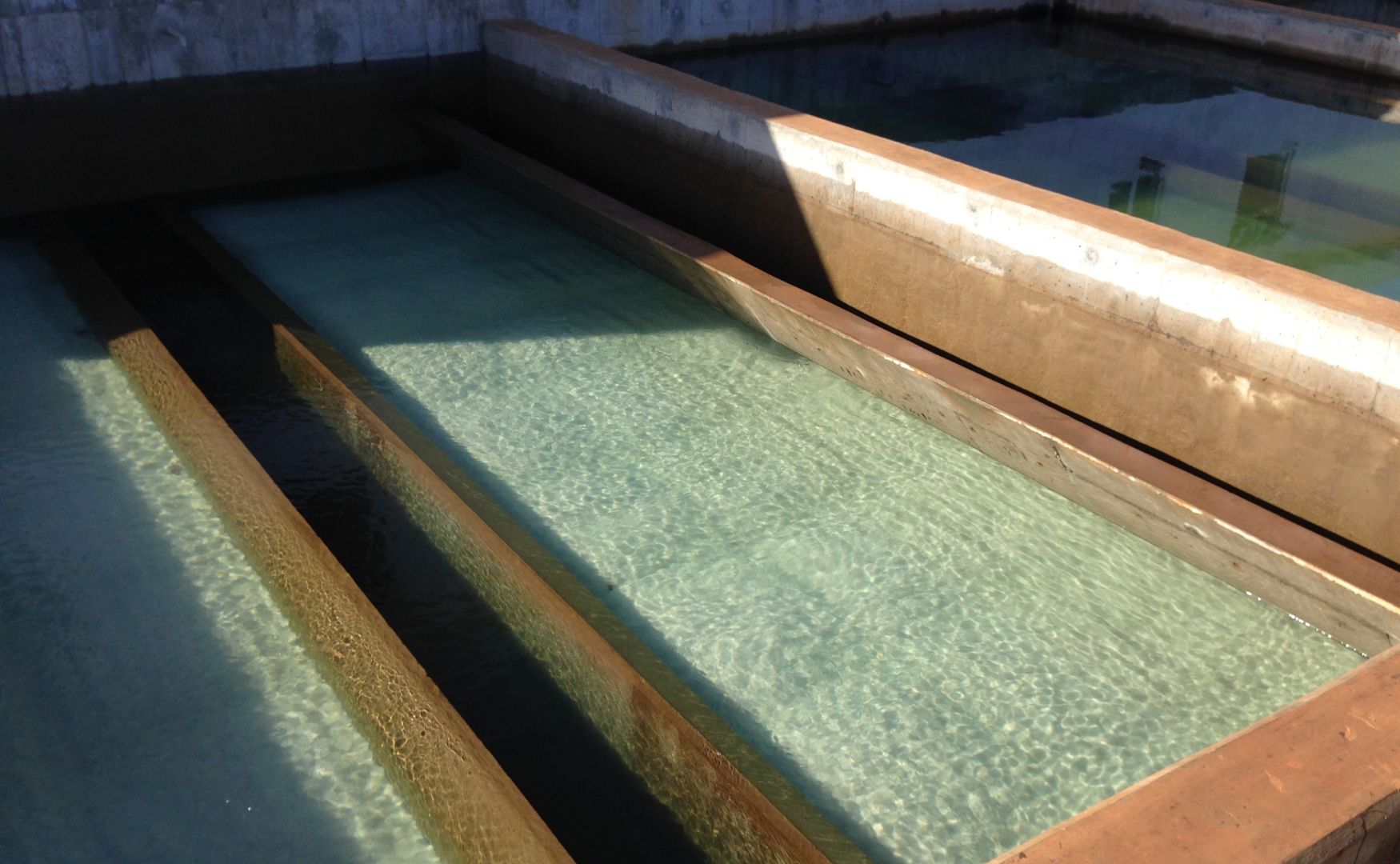
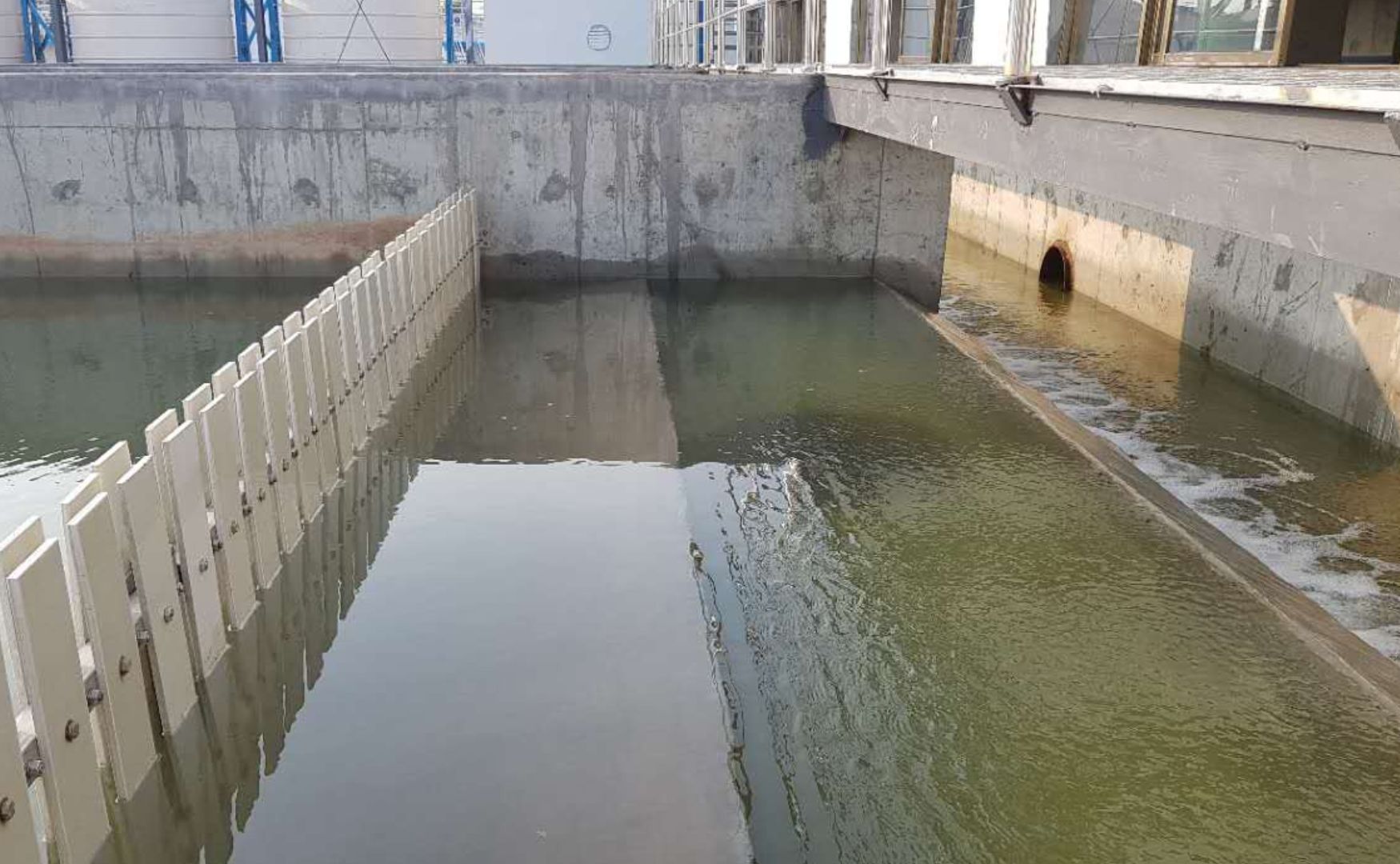
Photo: Schematic diagram of the flocculation reactor
Transfer to the flocculation reactor and addition of contact sludge
After coagulation, the water flows through a connecting pipe at the bottom into the flocculation reactor. A key process step takes place right here in this transition zone: the addition of recirculated sludge.
This return sludge originates from the sedimentation and thickening zone of the LHPS reactor and already contains formed flocs. Returning it to the process introduces active solid surfaces and crystallization nuclei. As a result, precipitation and flocculation reactions occur not only in the free water volume but preferentially on the surfaces of existing particles. This increases the reaction rate and improves the stability of the resulting flocs.
From a chemical and physical perspective, the contact sludge acts as a reaction and adsorption medium. Fine particles, dissolved organic matter, and newly formed hydroxide structures can attach themselves to existing flocs. This increases the floc density in the reactor and significantly raises the probability of successful particle collisions. Many small, slow-reacting units combine to form a denser floc system with improved sedimentation properties.
Another advantage is that the precipitation reactions occur specifically on the suspended flocs and not on the walls, internal components, or agitators. This reduces deposits in the reactor and increases operational reliability. Especially when raw water quality fluctuates—as is typical in river water treatment —contact sludge recirculation contributes significantly to process stability.
Polymer Dosage and Formation of Stable Macroflocs
An anionic polymer is also dosed into the flocculation reactor. The polymer is not primarily used for chemical precipitation, but rather to support the mechanical and physical formation of large, dense, and settleable flocs. The polymer binds the previously formed microflocs together. This creates bridges between individual particles and floc structures, causing the flocs to grow and become more robust.
The polymer is dosed precisely on the inlet side of the turbine agitator. To ensure that the polymer is introduced into the water quickly and evenly, it is distributed through a dosing ring with multiple holes and diluted before addition. This dilution is important because highly concentrated polymer solutions could lead to local overdosing or an uneven floc structure. Good distribution ensures that the polymer comes into contact with as many microflocs as possible and that bridging occurs efficiently.
The polymer dosage is calculated based on the raw water flow and adjusted proportionally. This ensures that the active ingredient concentration remains constant relative to the volume of water treated. If there are significant changes in raw water quality, the dosage concentration can be adjusted. This is particularly relevant for surface water and river water, as turbidity, organic load, and particle composition can change rapidly.
Floc formation depends not only on the correct chemical dosing but also on the flow pattern within the reactor. The flocs must collide with one another frequently enough to allow them to grow. At the same time, the shear forces must not be too high, otherwise large flocs will break apart again. The LHPS flocculation reactor is therefore designed so that energy input, retention time, and agitator characteristics are coordinated with one another.
Slow mixing and gradual energy input
Unlike the rapid mixing in the coagulation reactor, the flocculation reactor uses a slow-speed turbine agitator. The rotational speed is low and can be adjusted via a variable-frequency drive. The goal is to achieve uniform yet gentle mixing.
This operating mode is critical to floc quality. While the coagulation stage requires a high energy input to facilitate rapid chemical reactions, flocculation must take place under significantly calmer conditions. The resulting flocs have a porous structure. They must grow large enough to settle effectively, yet remain dense and stable enough to prevent them from breaking apart again in the sedimentation zone.
The ALMA BHU LHPS uses a graduated energy input for this purpose. From the coagulation reactor through the loop flocculation reactor to the subsequent rise zone, the mixing intensity gradually decreases. This decrease supports the natural growth process of the flocs. Initially, many small microflocs form; these then grow into larger flocs under controlled movement; and in the final zone, the floc structure can further stabilize.
The flocculation zone is designed as a stirred-loop reactor with a closed recirculation flow. The recirculation chamber consists of a central guide tube, in which the turbine is installed, and an outer flocculation zone. Both sections are connected at the top and bottom. As a result, the water circulates in a controlled manner through the reactor, ensuring a uniform contact time and thorough mixing.
This hydraulic design has a significant impact on flocculation kinetics. Floc formation is not a purely chemical process; rather, it depends heavily on the number of effective particle contacts. Too little movement results in insufficient collisions, while too much movement breaks up flocs that have already formed. The ALMA BHU LHPS reactor strikes a balance between these two extremes.
Residence Time as the Key to Consistent Process Quality
The retention time in the flocculation zone and the subsequent rise zone is approximately 12 to 25 minutes in the system described. This retention time is essential for complete floc formation and, consequently, for the quality of the subsequent solids separation.
During this time, several processes occur simultaneously. The destabilized particles attach themselves to the existing flocs, polymer bridges stabilize the floc structure, and contact sludge recirculation increases the number of active surfaces. This results in larger and denser flocs with good settling properties.
A sufficiently long retention time is particularly important with cold water. Low water temperatures increase the viscosity of the water and slow down many reaction and transport processes. In practice, this can cause flocs to grow more slowly or form less stably. By adjusting the retention time and recirculating contact sludge, the process remains stable even at low temperatures.
This is particularly important for surface water treatment, as lakes and reservoirs experience significant temperature fluctuations throughout the year. In river water treatment, rapid changes in raw water turbidity can also occur. In drinking water treatment, on the other hand, consistently high process stability is required to reliably reduce the load on downstream filtration and disinfection stages.
Sedimentation in the LHPS Reactor
After flocculation, the water enters the sedimentation chamber. There, the macroflocs that have formed are separated from the water by gravity. The quality of this separation depends directly on the floc structure achieved previously. Large, dense, and robust flocs settle more quickly and result in lower turbidity levels in the clarified water.
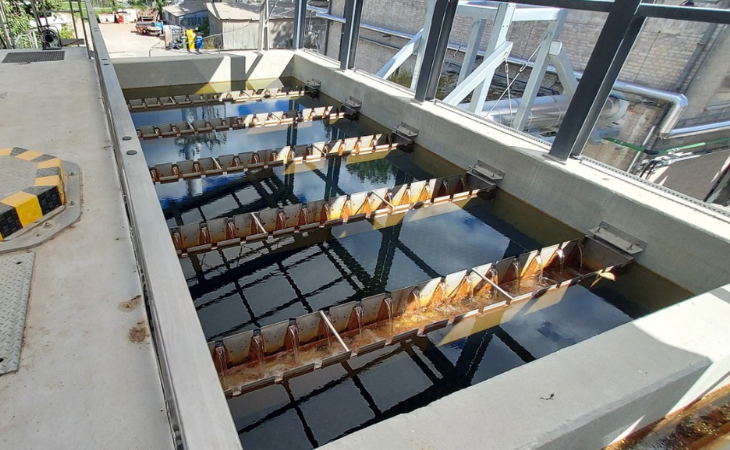
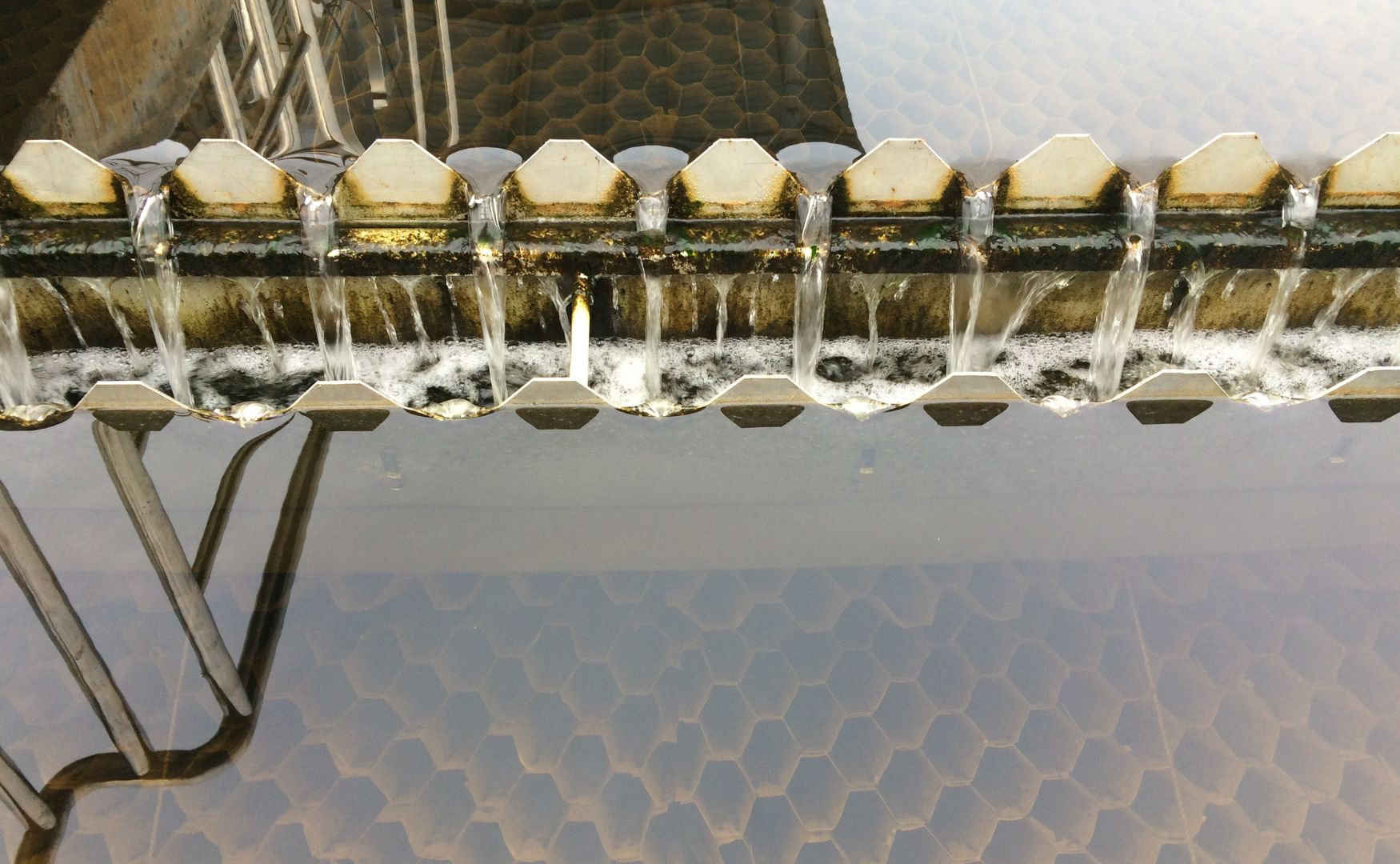
The ALMA BHU LHPS reactor uses lamella-assisted sedimentation. In this process, the sedimentation area is greatly increased by inclined lamella modules. The water flows upward through the lamellae, while the solids slide downward along the lamella surfaces. This countercurrent principle enables high separation efficiency in a comparatively small footprint.
The honeycomb-shaped lamella modules described in this document offer favorable hydraulic properties. Within the lamellae, the flow conditions are calmed, which aids in the separation of fine flocs. At the same time, the modules possess high mechanical stability due to their structure. The lamellae are angled so that the separated flocs slide downward on their own and enter the sludge zone.
From a process engineering perspective, lamellar sedimentation acts to multiply the settling surface area. In a conventional settling tank, the horizontal surface area is the primary factor determining the possible hydraulic load. The inclined lamellae significantly increase this effective surface area. As a result, the reactor can be built in a more compact design without compromising separation performance.
This is a major advantage for river water treatment plants, as high hydraulic loads and high turbidity loads can occur during flood events. In surface water treatment, lamella technology enables a space-saving design, for example, when space is limited in existing water treatment plants. In drinking water treatment, it helps to significantly reduce the particulate load prior to filtration.
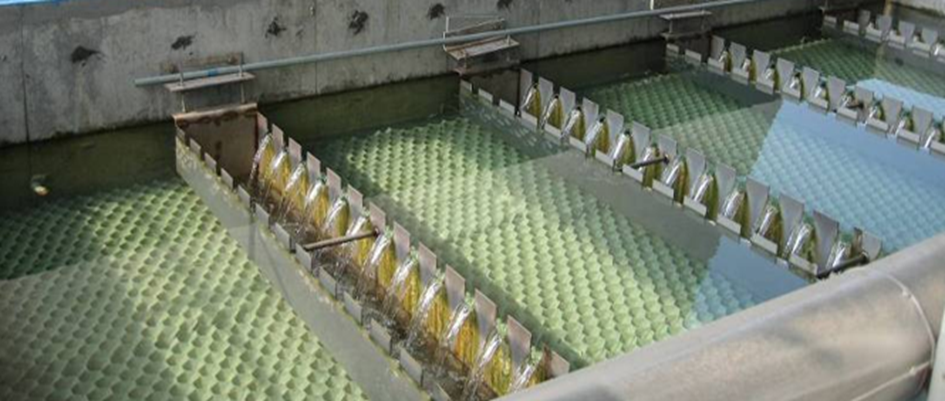
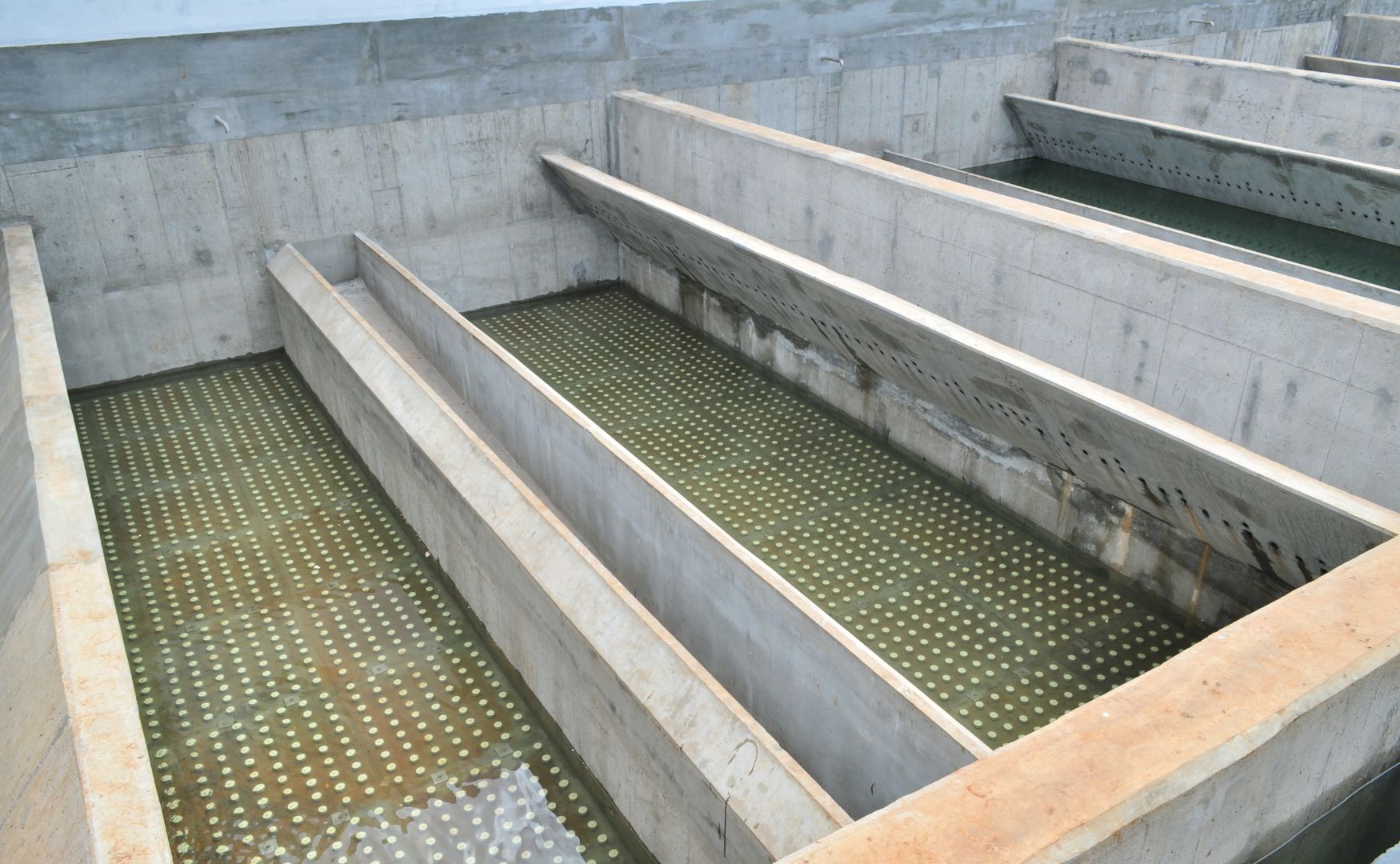
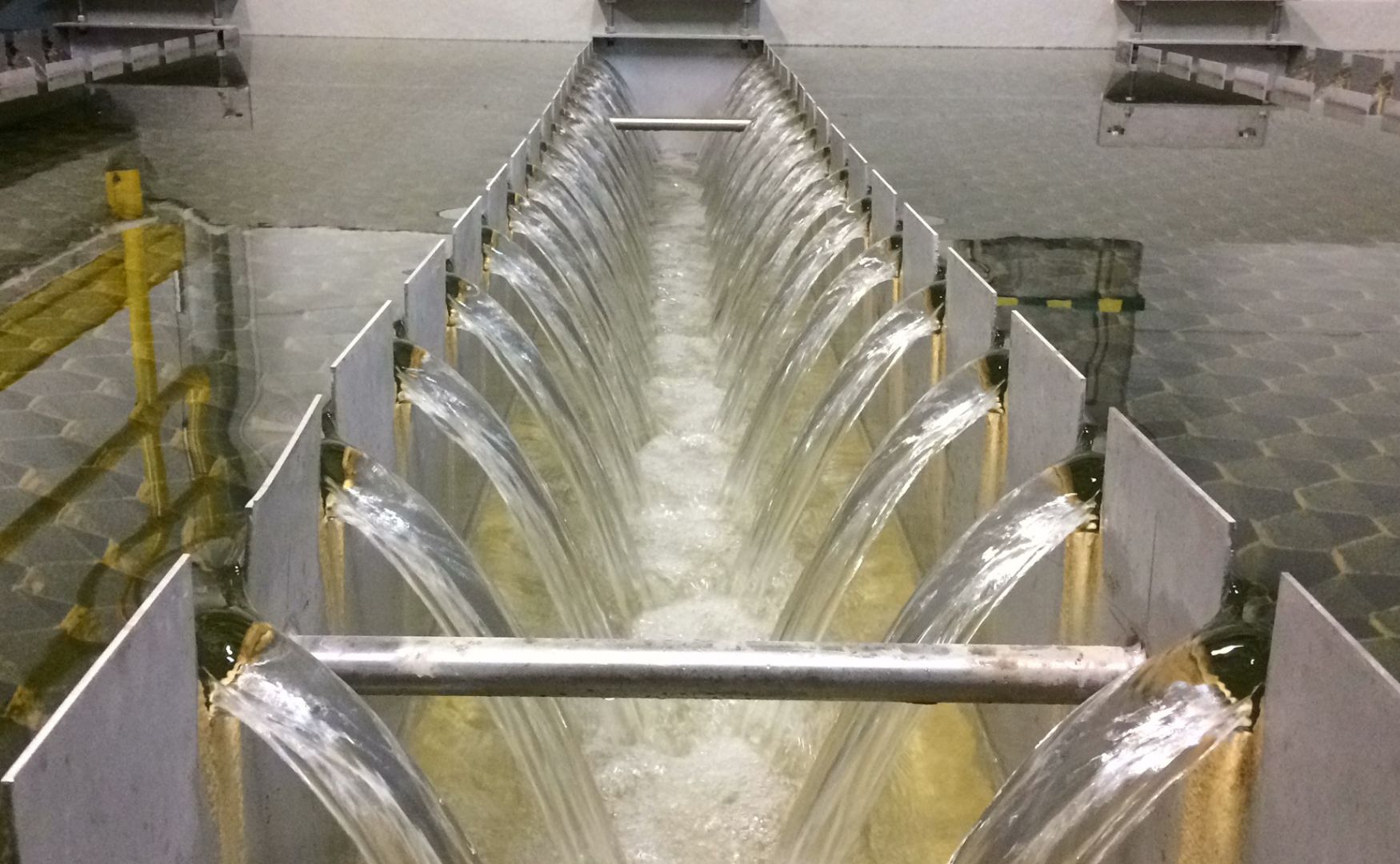
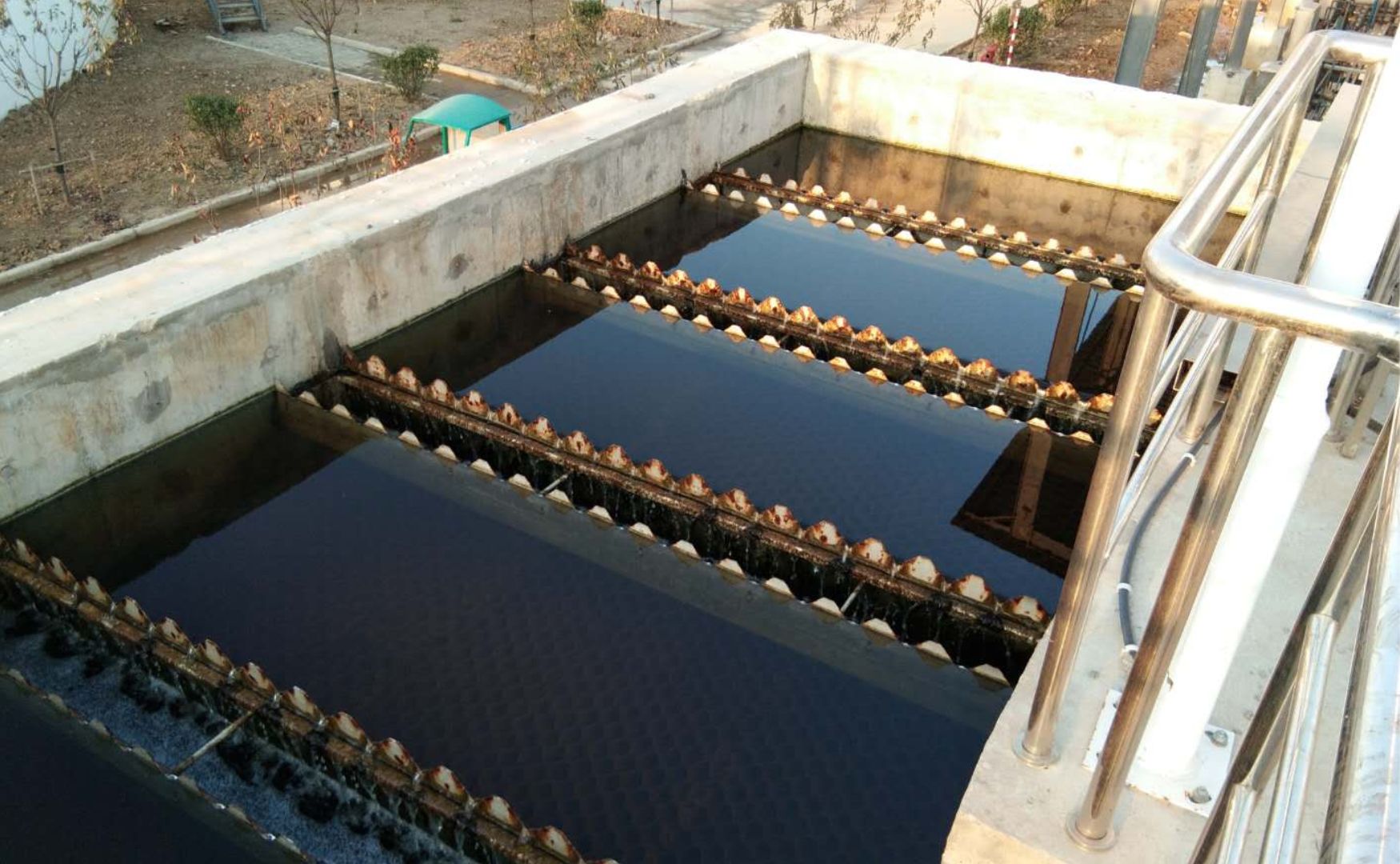
Photo: Sludge separation using a honeycomb-shaped lamellar separator in the ALMA BHU LHPS reactor
Clear Water Drainage and Protection of Drainage Quality
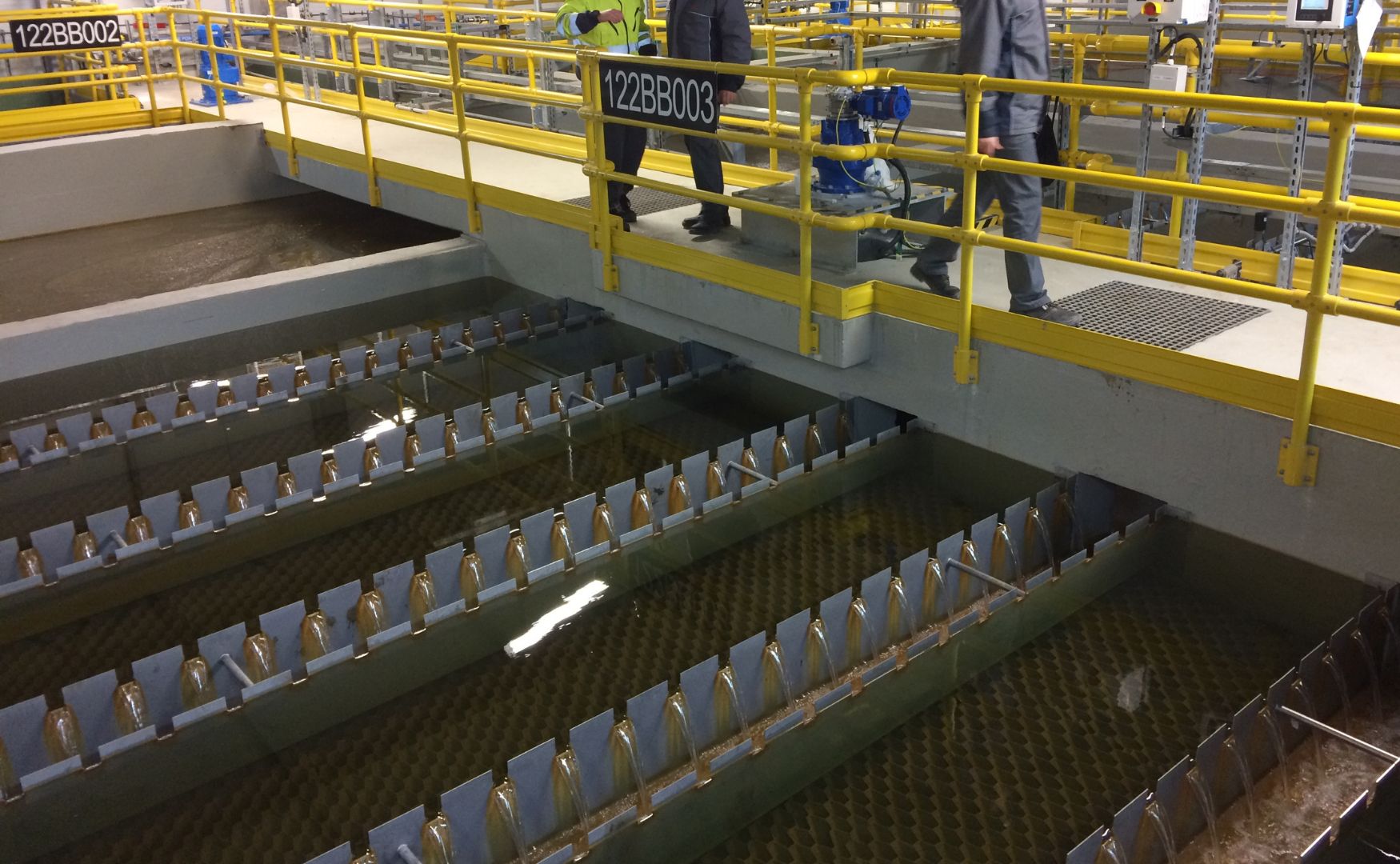
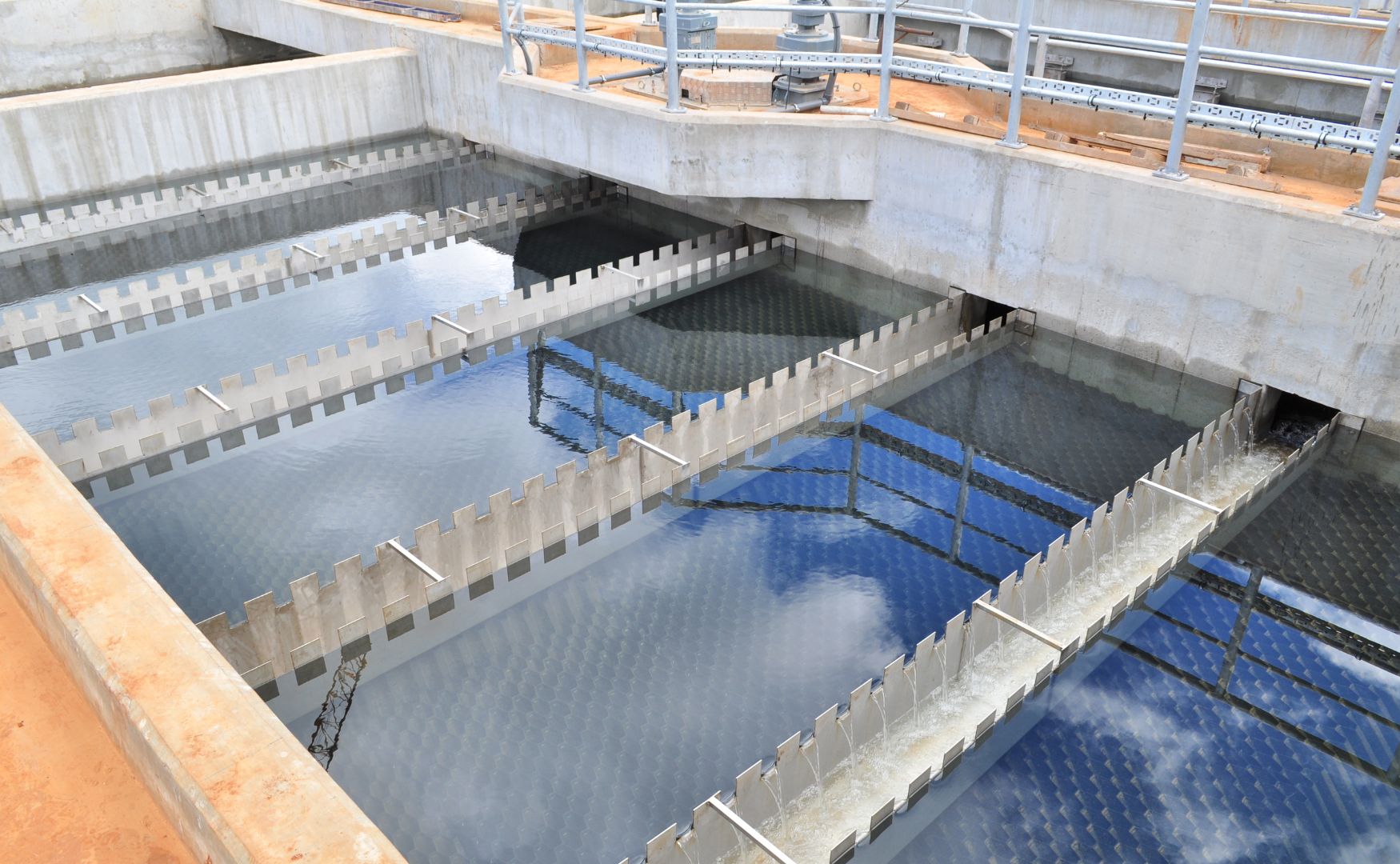
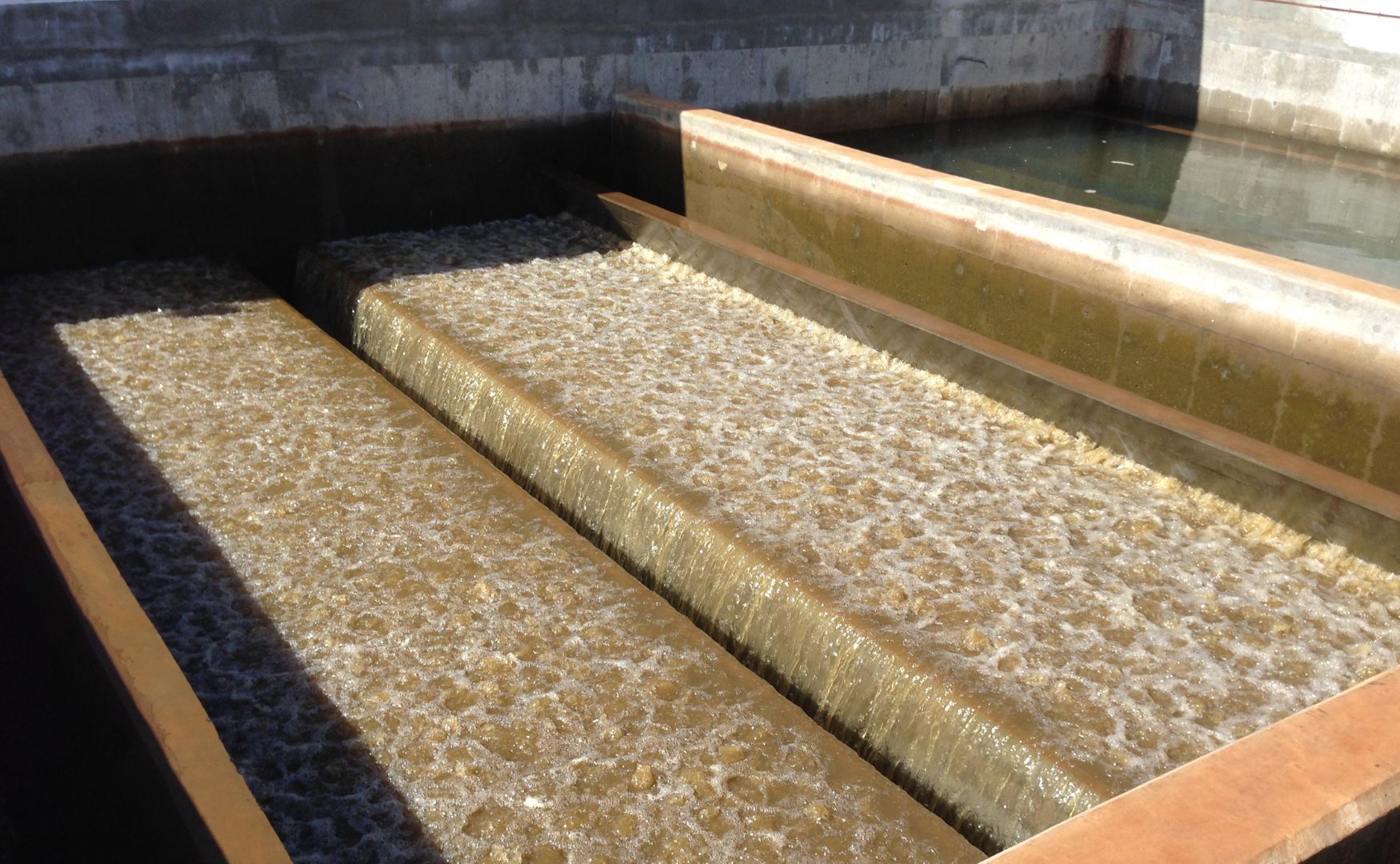
The treated water is collected above the lamellae and discharged through clear-water channels. The clear-water channels are arranged to ensure uniform outflow and prevent hydraulic short-circuiting. Uniform loading of the lamellae is crucial to prevent the flocs from being carried away by local flow peaks.
Process quality is monitored during operation using key parameters such as turbidity and pH. Both values provide important information about process performance. Increasing turbidity in the clarified water may indicate incomplete coagulation, impaired floc formation, hydraulic overload, or excessive shear forces. The pH value affects the effectiveness of the precipitation chemicals and the solubility of the resulting metal hydroxides. Therefore, pH monitoring is an essential part of process control.
This relationship is particularly important in drinking water treatment. Stable precipitation and flocculation not only reduce turbidity but also natural organic substances. This reduces the load on downstream filters, can lower the amount of disinfectant required, and reduces the formation of undesirable disinfection byproducts.
Sludge Thickening in an Integrated System
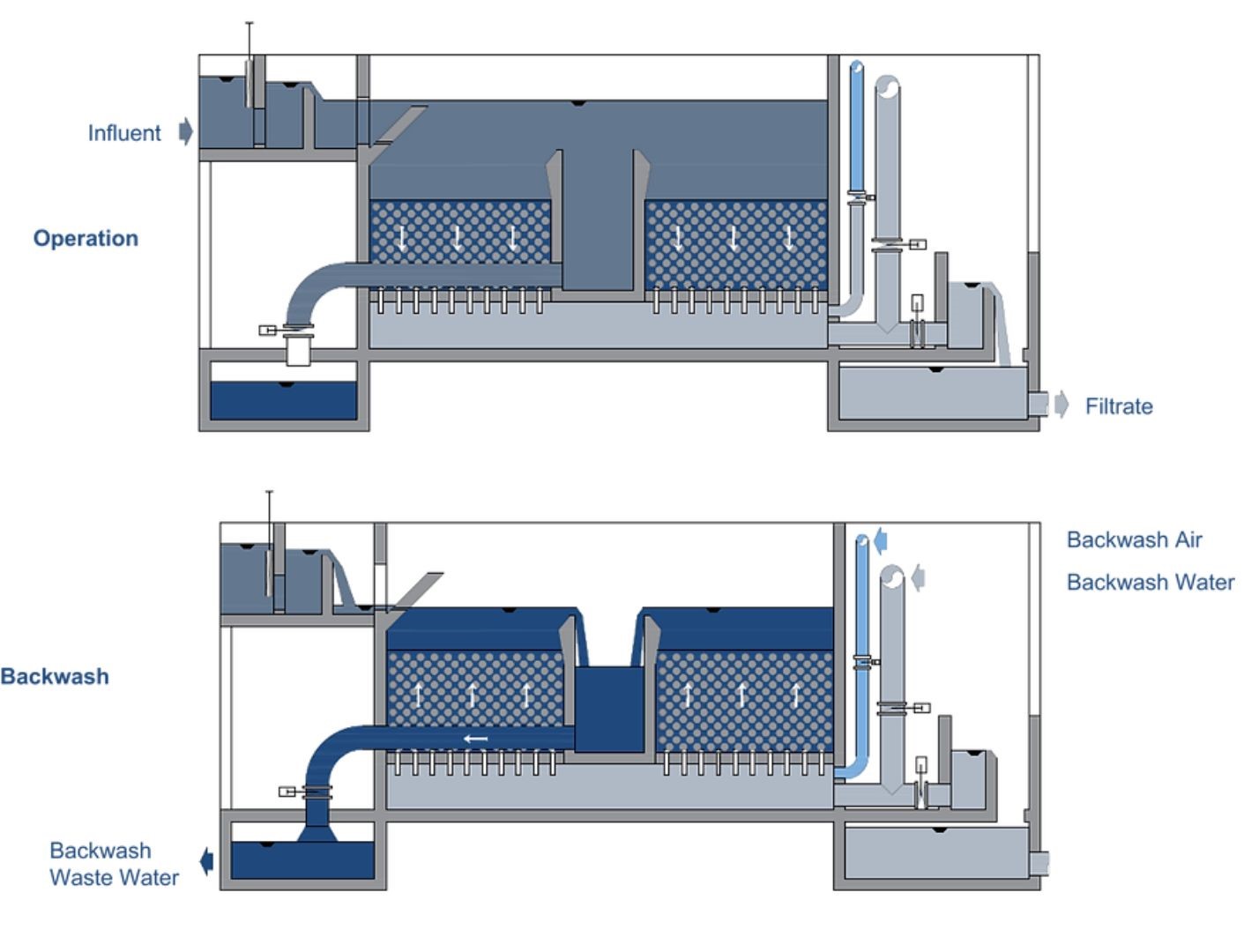
The flocs settled in the sedimentation zone accumulate in the lower section of the LHPS reactor. An integrated sludge thickening zone is located there. A scraper conveys the settled sludge to a central sludge hopper. Additional scraper blades and rake bars aid in the thickening process by agitating the sludge while simultaneously facilitating the drainage of water upward.
Integrated sludge thickening is a key advantage of the LHPS system. Many conventional precipitation and flocculation systems produce relatively thin sludge, which must first be treated in separate thickeners before dewatering. The LHPS can achieve high sludge concentrations through a combination of lamellar sedimentation, sludge removal, and recirculation. As a result, the removed sludge can often be fed directly into the dewatering process.
This reduces the space required, simplifies sludge treatment, and can lower operating costs. At the same time, the high sludge concentration in the system improves the flocculation reaction because a portion of the thickened sludge is recirculated to the flocculation zone as contact sludge.
Return sludge and excess sludge
From the central sludge hopper, a portion of the sludge is returned as return sludge to the upstream flocculation tank via eccentric screw pumps. The pump speed is automatically adjusted based on the raw water flow. This ensures that the ratio of raw water, chemical dosing, and contact sludge remains stable even under varying hydraulic loads.
The excess sludge is removed separately from the sludge hopper. Removal is performed intermittently because, due to its high consistency, the sludge could cause flow rates in the pipes to be too low if it were conveyed continuously. Intermittent conveyance ensures that deposits and blockages are avoided. The control system takes into account raw water flow, raw water turbidity, and sludge density in the sedimentation tank.
This operating mode demonstrates that sludge treatment is not a downstream secondary process, but rather an integral part of water treatment. The quality of flocculation, the efficiency of sedimentation, and the stability of sludge thickening all influence one another. The ALMA BHU LHPS reactor specifically leverages this interaction by not only removing the sludge but also partially reusing it as a reactive process medium.

Photo: Sludge separator with thickening and circular scraper of the ALMA BHU LHPS reactor
Automated Process Control with ALMAControl
The treatment process in the ALMA BHU LHPS reactor is controlled by the ALMAControl system. The automation includes, among other things, the dosing of PAC and polymer based on raw water flow, pH adjustment, sludge recirculation, and excess sludge removal.
Flow-proportional chemical dosing is particularly important because water quality and water volume are not constant in many applications. In the case of surface water, precipitation, algal blooms, or seasonal changes can affect the composition of the raw water. With river water, short-term fluctuations often occur due to flooding, sediment input, or industrial and agricultural influences. In drinking water treatment, however, the process must be maintained with sufficient stability to ensure that the subsequent stages can operate reliably.
In addition to flow rate, turbidity and pH are key control parameters. The pH value influences the solubility and effectiveness of the precipitation products. If the pH value is not within the optimal range, precipitation may be incomplete or the floc quality may decline. By precisely dosing acid or alkali, the process parameters can be adjusted so that coagulation, flocculation, and downstream filtration work together optimally.
Application in Surface Water Treatment
When treating surface water from lakes, reservoirs, or storage basins, the primary focus is often on removing turbidity, algae, humic substances, and phosphorus. The presence of these substances varies greatly by season. While biological processes such as algae growth may dominate in the spring and summer, the fall and winter often result in increased inflow of organic substances and mineral particles.
The LHPS reactor is suitable for this application because it can be operated flexibly from both a chemical and a hydraulic standpoint. PAC dosing destabilizes finely dispersed particles and organic colloids. The subsequent flocculation process transforms these substances into settleable flocs. Lamellar sedimentation reliably removes the solids, while the integrated sludge thickening system concentrates the resulting sludge.
Contact sludge recirculation is particularly beneficial. Surface water often contains substances that react only slowly or incompletely. Recirculating active floc surfaces improves the reaction kinetics. Organic substances can remain in contact with the flocs for longer periods, allowing for better adsorption. This not only improves the quality of the clarified water but also reduces the load on downstream filtration stages.
Application in River Water Treatment
River water poses particularly challenging requirements for process engineering because its quality and quantity can change very rapidly. During floods, turbidity and suspended solids often increase sharply within a short period of time. At the same time, organic pollutants, algae, micropollutants, and agricultural runoff may be present.
A river water treatment system must therefore be robust in the face of hydraulic and chemical fluctuations. The ALMA BHU LHPS reactor achieves this through a combination of intensive rapid mixing, controlled flocculation, contact sludge recirculation, and lamella clarification. Flow-proportional dosing ensures that the amount of chemicals and the raw water flow remain in sync. Sludge recirculation increases the floc density in the system and improves separation even when the raw water composition varies.
Lamellar sedimentation is particularly well-suited for river water because it allows high loads of solids to be treated in a compact space. At the same time, the integrated thickening process ensures that even large volumes of sludge are efficiently removed from the process. This is a significant operational advantage, especially during heavy rainfall or flooding events.
Application in Drinking Water Treatment
In drinking water treatment, precipitation and flocculation usually serve as a key pretreatment step. The goal is to reduce turbidity, natural organic matter, algae, iron, manganese, phosphorus, and particle-bound contaminants to such an extent that the subsequent process steps can operate safely and economically.
The LHPS reactor supports this process by providing stable and controlled removal of the particulate and colloidal fractions. Coagulation reduces the stability of the finest water constituents; flocculation forms separable macroflocs from them; and lamellar sedimentation removes these from the water stream. The result is significantly clearer water with a lower particulate load.
This has a direct impact on the operational safety of a water treatment plant. Filter service life can be extended, backwash intervals can be reduced, and the load on activated carbon or membrane stages is lessened. At the same time, the removal of natural organic compounds can help reduce the need for disinfectants and the potential for the formation of disinfection byproducts.
Process monitoring is also crucial for drinking water treatment. Online measurements of turbidity and pH allow for continuous assessment of effluent quality. In conjunction with automated control, the LHPS reactor can be adapted to changing raw water conditions without compromising the stability of the treatment process.
Advantages of the ALMA BHU LHPS System
The ALMA BHU LHPS combines the essential steps of chemical-physical water treatment into a single compact system. Compared to conventional systems, this offers several process-related advantages.
The intensive rapid mixing ensures that the coagulant is optimally distributed immediately after dosing. The downstream flocculation zone, with its graduated energy input and defined retention time, provides favorable conditions for the formation of stable flocs. Contact sludge recirculation increases the reaction rate, improves adsorption, and results in denser flocs that settle more effectively.
Lamellar sedimentation enables high separation efficiency in a small footprint. At the same time, the integrated sludge thickening ensures that the resulting sludge can be removed in a concentrated form and partially recycled as a process medium. Automatic control via ALMAControl integrates these process steps into a stable, comprehensive system.
This makes the LHPS particularly well-suited for applications that place high demands on process quality, operational reliability, and space efficiency. This applies to municipal and industrial water treatment as well as to the pretreatment of surface water, river water, and raw water for drinking water production.
Conclusion
Precipitation and flocculation are key processes in modern water treatment. They enable the removal of substances that would not settle or be filtered out directly due to their small size, electrical stability, or dissolved state. Through the controlled addition of precipitants and flocculants, these substances are destabilized, bound into flocs, and then mechanically separated.
The ALMA BHU LHPS implements this principle in a compact and high-performance reactor system. Coagulation, flocculation, contact sludge recirculation, lamellar sedimentation, and sludge thickening are integrated into a single process. This results in a stable process that operates reliably even when raw water quality fluctuates.
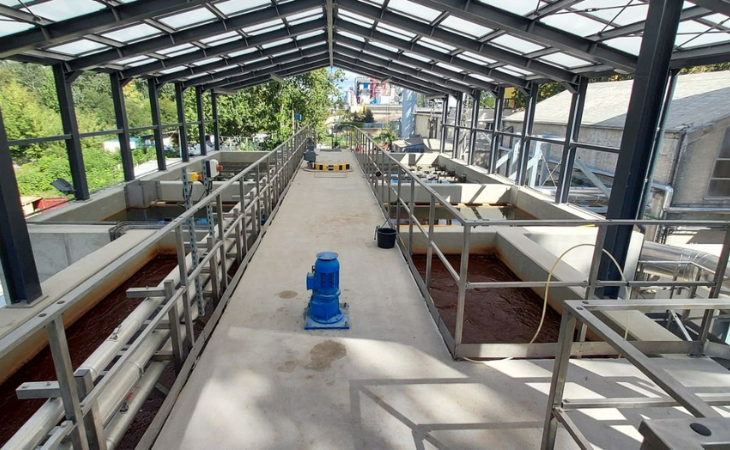
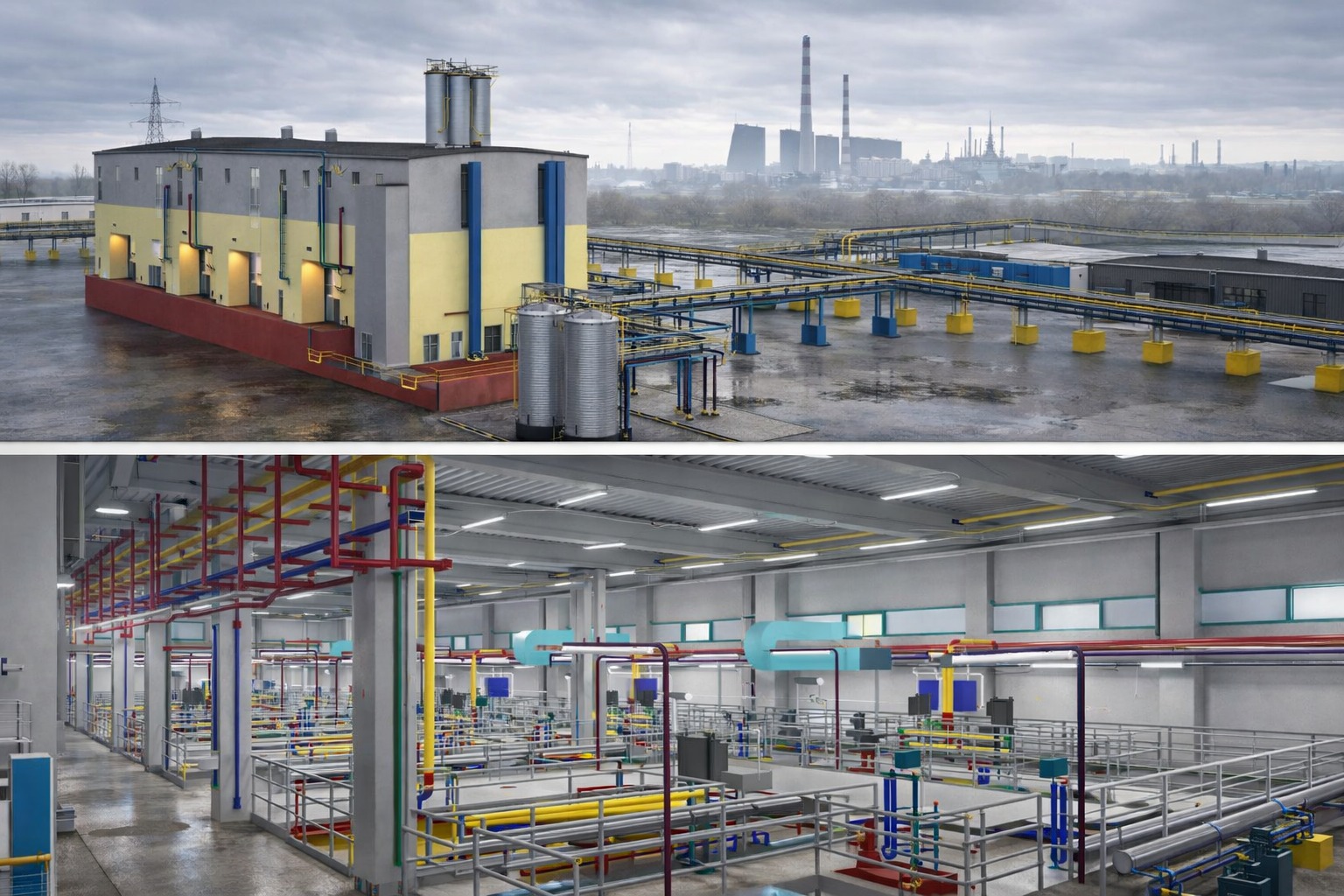
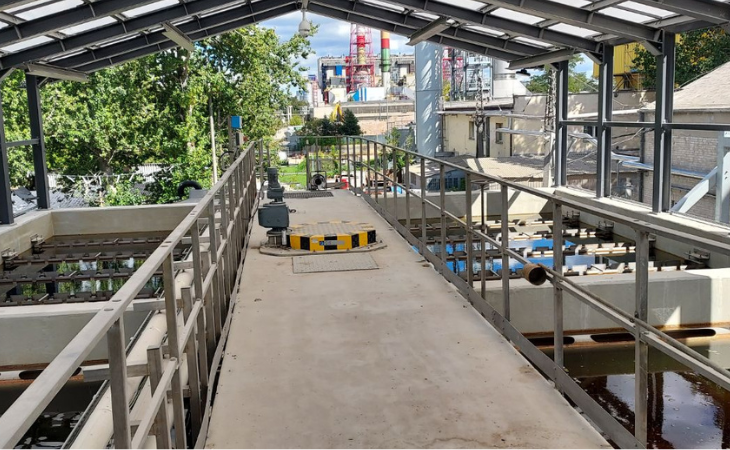
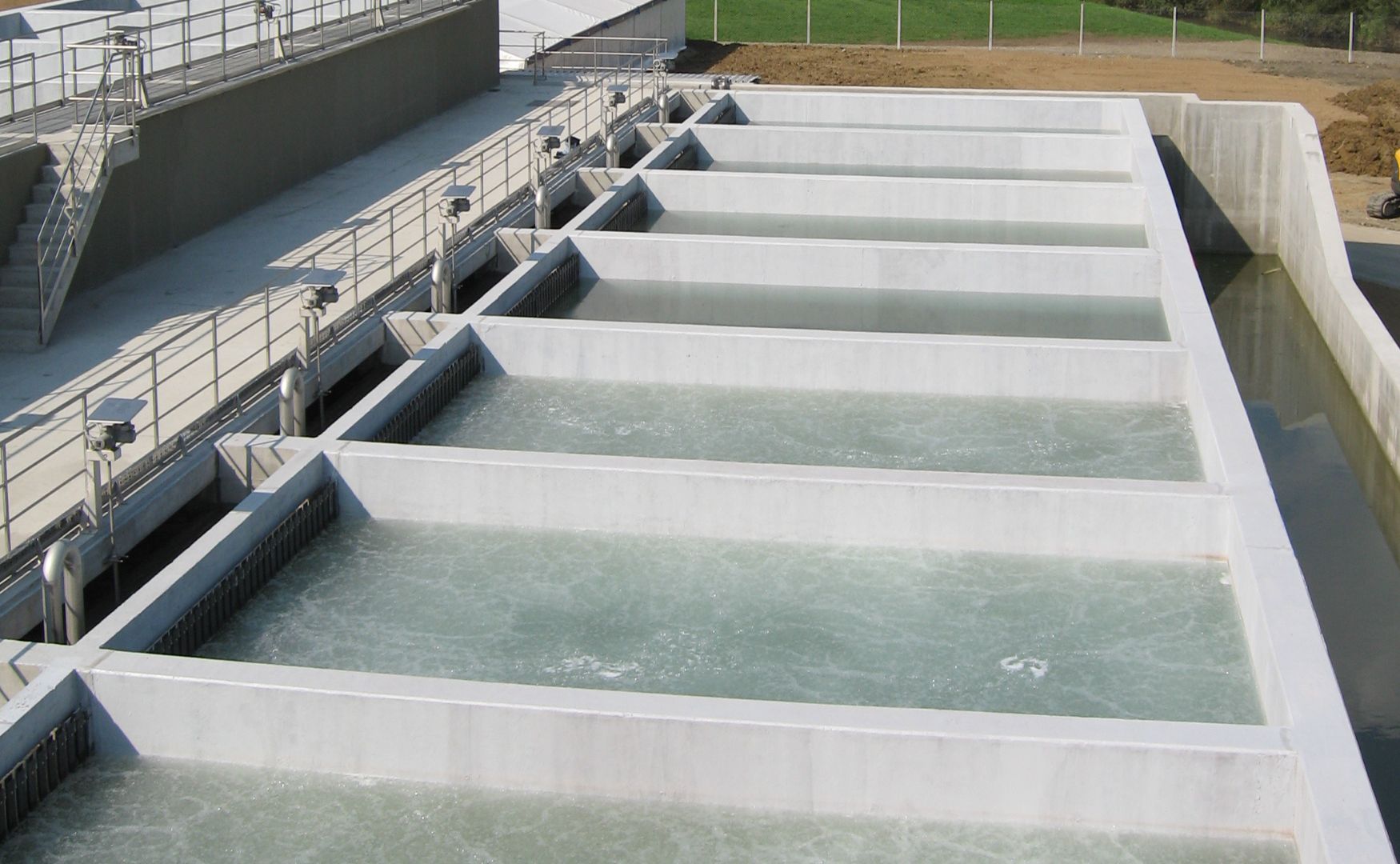
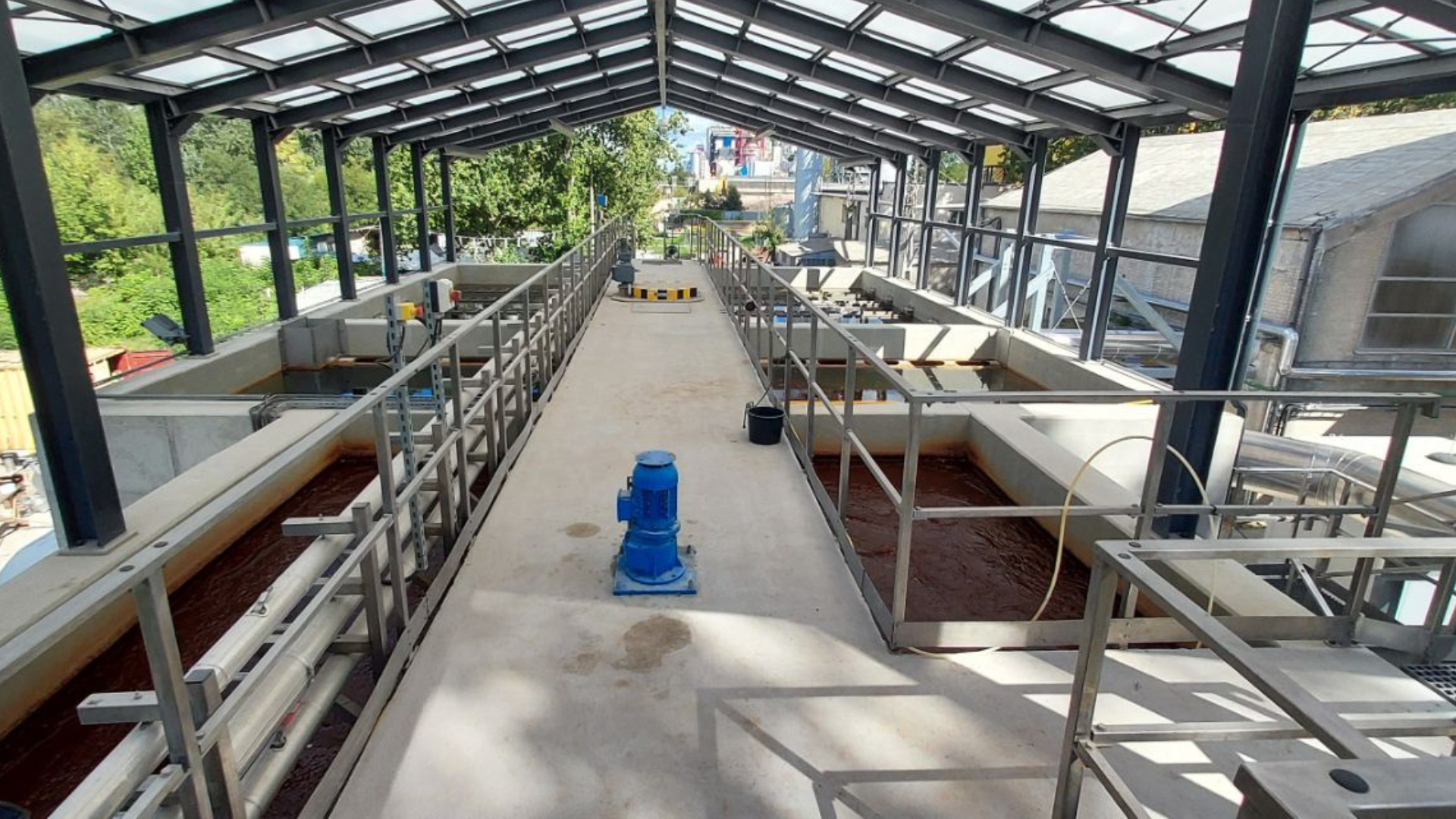
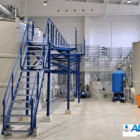
Photo: ALMA BHU LHPS in a paper mill, used as a river water treatment plant
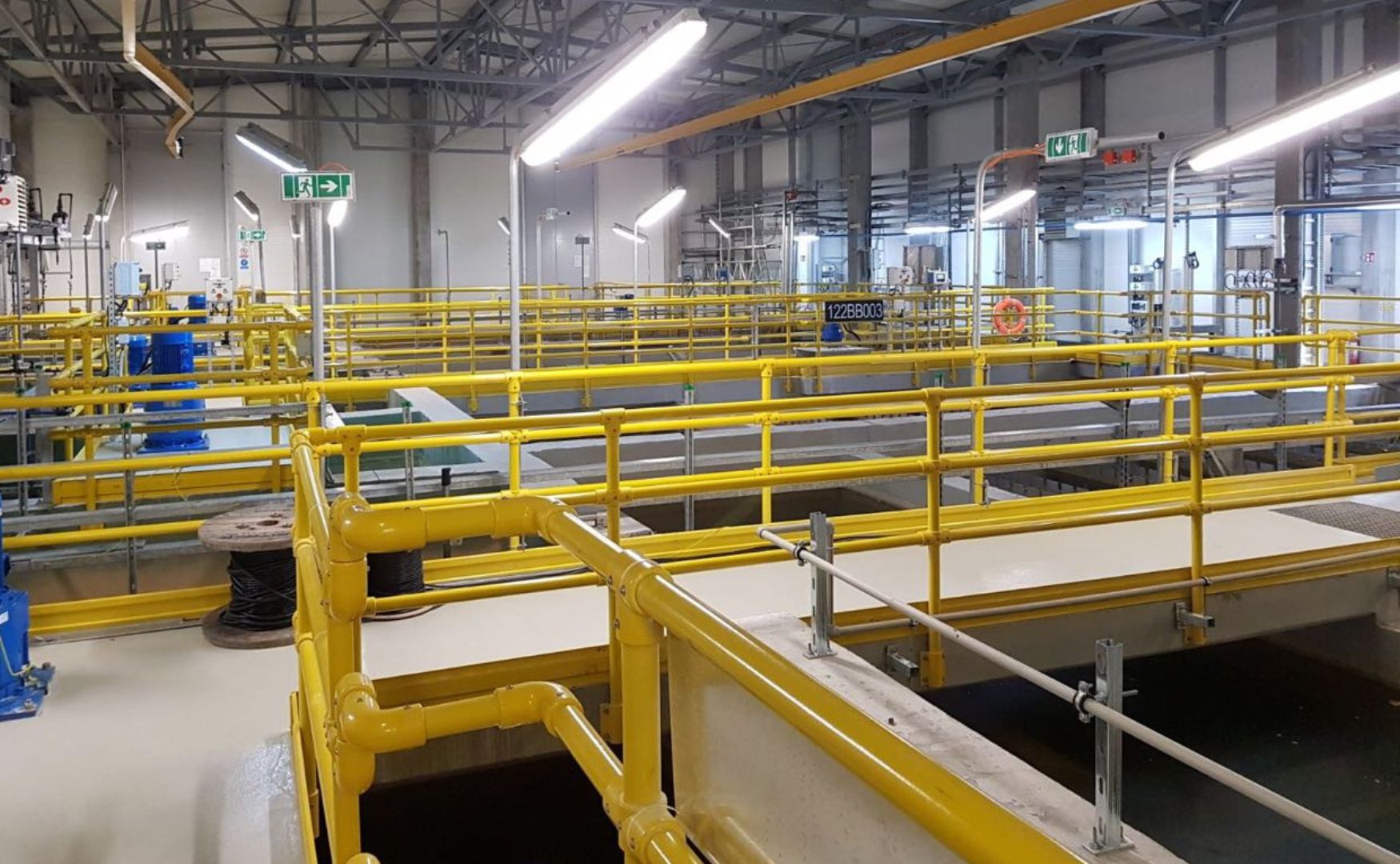
Photos of Completed ALMA BHU LHPS Systems