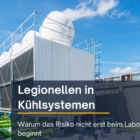
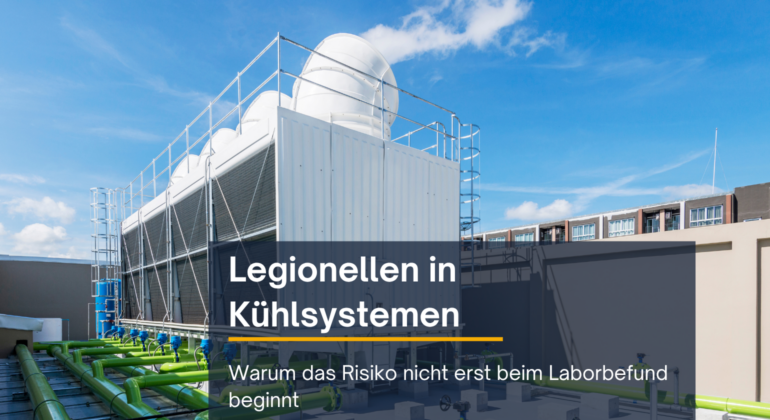
Evaporative cooling systems are indispensable for many industrial processes. At the same time, they can pose a microbiological risk under unfavorable conditions. Therefore, what matters most is not only what a laboratory analysis reveals, but also how effectively water quality, system operation, monitoring, and maintenance work together.
Table of contents
Why Legionella Is a Concern in Cooling Systems
Evaporative cooling systems transfer heat to the environment and thus play a key role in cooling industrial processes. However, the contact between water and air can cause aerosols to form, which are then released into the environment.
If conditions in the cooling system are unfavorable, Legionella bacteria can multiply in the water. If contaminated aerosols are released into the air and inhaled, this can pose a health risk.
Risk minimization therefore begins long before any abnormal laboratory results appear. It is crucial to be aware of the factors that affect hygiene and to monitor them on an ongoing basis.
The most important factors include:
- Water temperature: It affects microbial growth in the system.
- Biofilms and deposits: They can provide microorganisms with protection and habitats.
- Nutrient supply: Organic and other suitable substances can promote the growth of microorganisms.
- Water Treatment: Proper treatment helps control water quality.
- Operating Conditions and Downtime: Changes in operations can affect conditions relevant to hygiene.
- Maintenance and System Condition: Contamination, deposits, and technical defects must be identified and corrected.
- Aerosol formation and release: Another key factor is how water droplets form and are released into the environment.
Effective hygiene management does not consider these factors in isolation, but rather as an interconnected system.
ÖNORM B 5020:2024 – Systematically Implementing Requirements
A structured and traceable approach is essential for the hygienically safe operation of evaporative cooling systems. The ÖNORM B 5020:2024 standard cited in this flyer serves as an important reference point for addressing hygiene-related requirements.
For facility operators, this means that Legionella prevention should not begin only after an abnormal laboratory result has been identified. Rather, a strategy is needed that takes into account the entire system and its ongoing operation.
These include, in particular:
- Planning and Execution
Hygiene considerations must be taken into account as early as the planning stage. These include the proper design of the system and the selection of appropriate materials and components.
- Safe Operation
Stable operating conditions and proper water treatment are essential for maintaining hygienic control during plant operation.
- Regular monitoring
Microbiological testing and the monitoring of relevant water parameters help identify changes at an early stage and assess the effectiveness of existing measures.
- Maintenance and Hygiene
Regular cleaning, maintenance, and inspections of the system's condition help prevent or eliminate deposits and conditions that pose hygiene risks.
- Measures and Documentation
If deviations are identified, appropriate measures must be determined and documented in a traceable manner. Verifying the effectiveness of these measures is also an important part of a systematic approach.
Note: The specific requirements that apply in each case must be determined by referring to the complete standard, the type of facility, and the applicable legal provisions.
Thinking Holistically: Four Areas That Must Work Together
A single measurement can only ever reflect a specific condition at a specific point in time. A safe and hygienically controlled refrigeration system therefore requires the coordinated operation of several components.
Water quality
Appropriate water treatment, monitoring of relevant water parameters, and coordinated water management lay the foundation for stable hygienic conditions.
Plant management
Consistent and controlled operating conditions help prevent unnecessary risks. Operational interruptions and downtime should also be taken into account in the hygiene plan.
Monitoring
Regular analyses and checks make it possible to assess trends, identify anomalies early on, and take the necessary steps.
Maintenance and Hygiene
Cleaning, maintenance, and regular inspections of the system's condition are crucial for keeping contamination and deposits under control.
The goal: to minimize the conditions under which Legionella bacteria can multiply and contaminated aerosols can form or be released.
Interpreting Lab Results Correctly – Making Prevention a Lasting Habit
Laboratory tests are an important part of hygiene monitoring. They provide valuable information about the microbiological condition of the water being tested. However, a single measurement cannot account for all factors affecting a system and is no substitute for comprehensive hygiene management.
Conversely, a normal test result does not automatically mean that all risks are permanently ruled out. Operating conditions can change, for example, due to temperature fluctuations, deposits, changes in water quality, or extended periods of inactivity.
That is why it is important to always evaluate measurement results in the context of the system's condition, operating mode, and previous monitoring results.
Effective Legionella prevention therefore combines regular inspections with preventive measures, proper maintenance, and comprehensive documentation.
AQUA CHECK by ALMAWATECH: Taking a Holistic View of the Cooling System
With AQUA CHECK, ALMAWATECH supports a holistic approach to cooling systems. The focus is not only on individual measurement values, but also on the interplay between technology, operation, and water quality.
The approach consists of several coordinated steps:
- System Analysis: Consider technical conditions, operating procedures, and water quality.
- Risk Identification: Identify and assess hygiene-related vulnerabilities.
- Recommended Action: Identify appropriate approaches to improve operational safety.
- Documentation: Record results and actions in a transparent manner.
- Greater operational safety: Help systematically reduce risks and avoid unnecessary downtime.
Which measures are appropriate in each individual case depends on the specific plant conditions and the identified risks.
Conclusion: Legionella prevention begins long before the lab results are in
A hygienically controlled cooling system is not achieved through a single measurement or a one-time measure. What is crucial is a continuous process that integrates water quality, operational management, monitoring, and maintenance.
Those who identify risks early, consistently assess changes, and systematically implement appropriate measures lay an important foundation for safe and reliable plant operations.
Would you like to have your cooling system thoroughly inspected?
ALMAWATECH helps you systematically identify potential vulnerabilities and develop appropriate measures to improve hygiene and operational safety.
Contact us to learn more about AQUA CHECK.
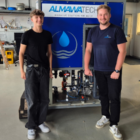
Your contact person for the AQUA CHECK