

ALMA OSMO Process
Your expert for membrane systems - directly accessible
Tibor Kretschman
Head of International Project Development & Water Reuse
References Reverse osmosis systems

EEW, Germany, cooling water recycling, ALMA Osmo
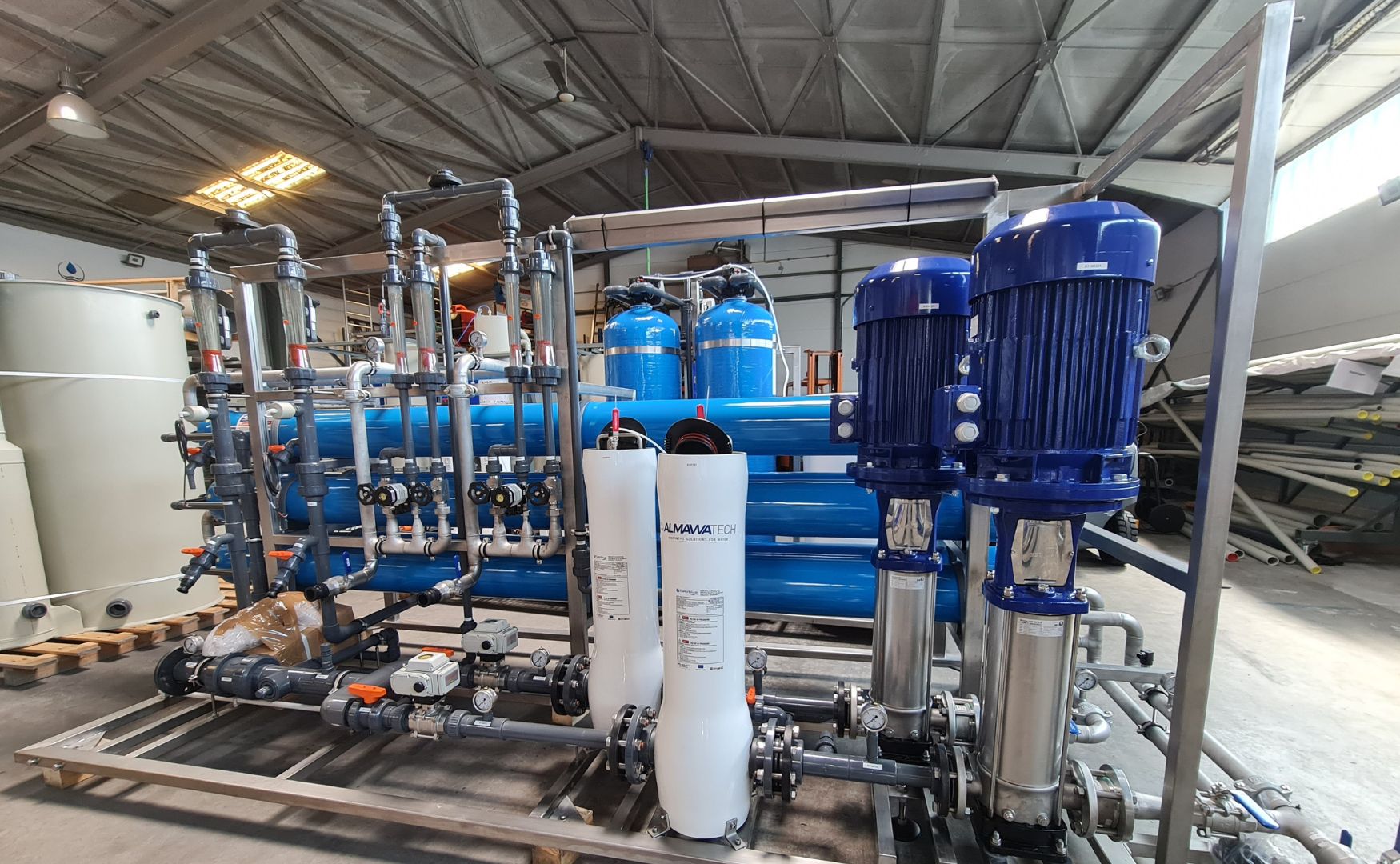
Water reuse from cooling tower blowdown water: Water recycling plant (15–25 m³/h) with ultrafiltration and reverse osmosis for the thermal waste treatment plant of EEW Energy from Waste GmbH at its Helmstedt site.
3M, Germany, ALMA OSMO Process
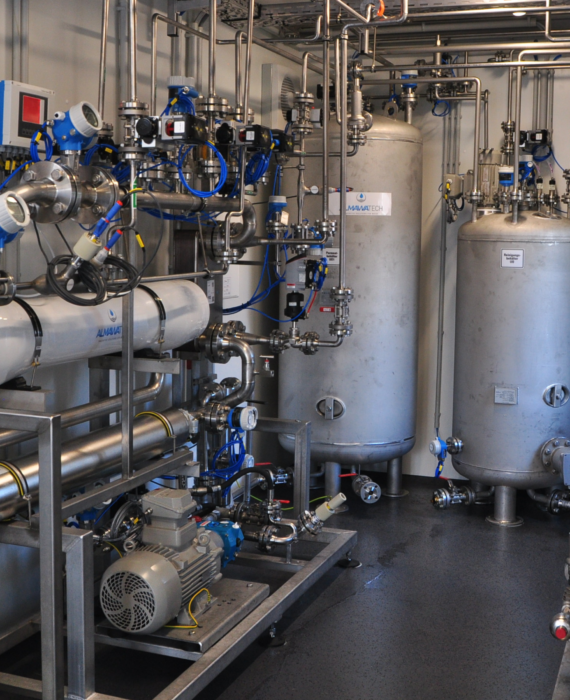
Construction of a multi-stage pilot membrane plant for the removal of per- and polyfluorinated chemicals (PFAS) from wastewater with a hydraulic capacity of 1 m³/h for the company 3M.
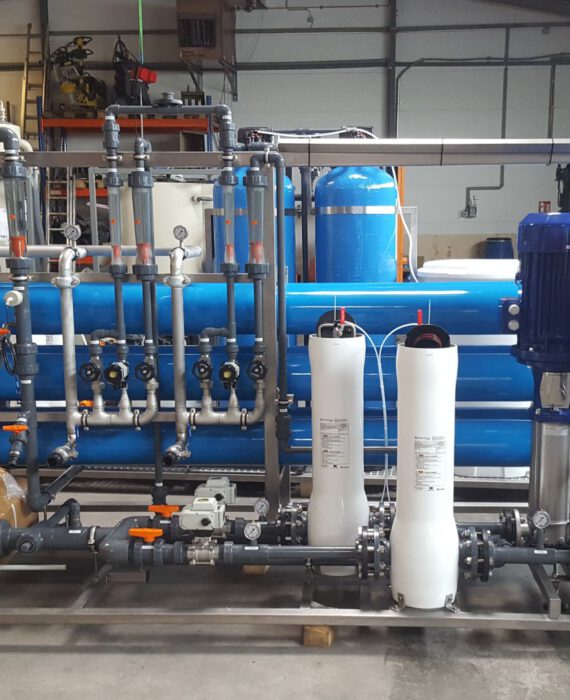
Calvatis GmbH, Germany, ALMA OSMO Process
Treatment of 240m3 of contaminated rainwater per day using softening and reverse osmosis to produce process water for Calvatis GmbH at the Ladenburg site.
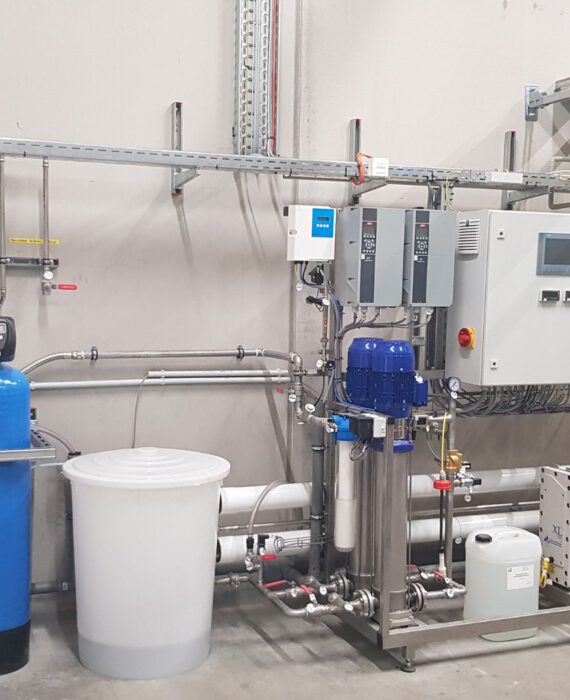
NBG Fiber GmbH, Germany, ALMA OSMO VE
Provision of 2m3 of ultrapure water per hour by means of softening, reverse osmosis and UV treatment for the production of glass fiber for NBG Fiber GmbH.
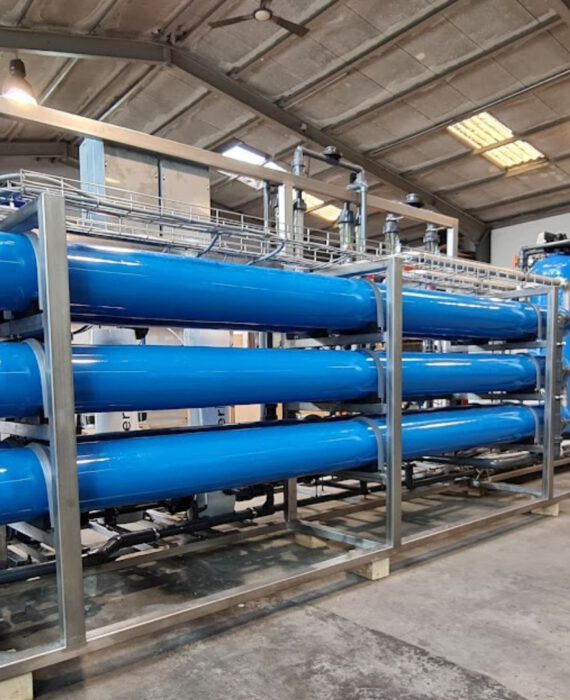
German Aerospace Center, Germany, ALMA OSMO VE
Production of 750 liters of ultrapure water per day by means of softening, reverse osmosis and UV treatment from seawater for the German Aerospace Center (DLR).
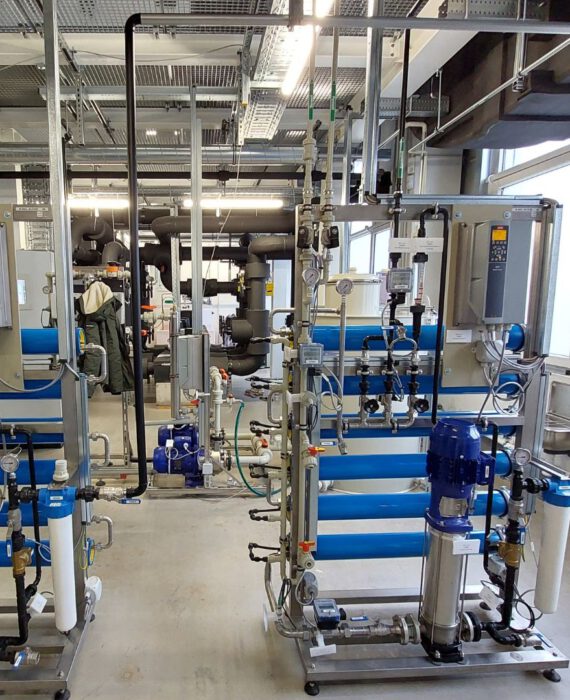
DEAXO GmbH, Germany, ALMA OSMO VE
Production of 30m3 ultrapure water per day by means of softening, reverse osmosis and UV treatment for DEAXO GmbH.
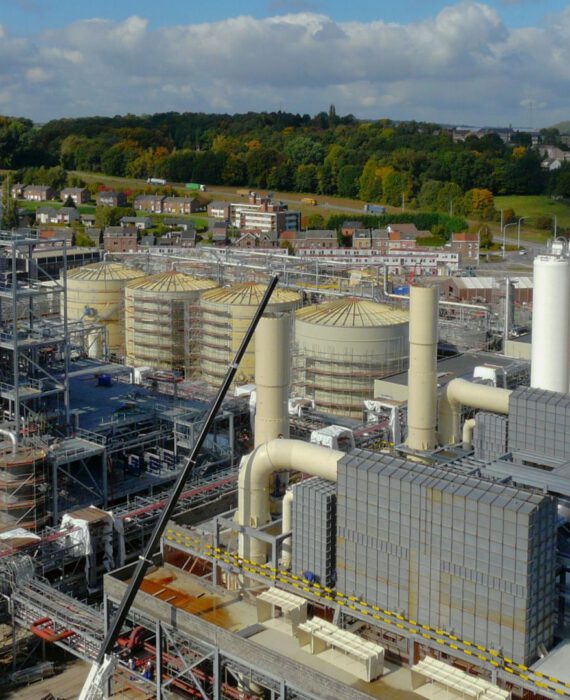
Südzucker AG, Belgium, ALMA BHU BiosS-Treat
A river water treatment plant (2 x 275 m³/h) for the production of process water, cooling water and boiler feed water in drinking water quality with reverse osmosis system and ion exchangers for the company Südzucker AG at the Wanze site in Belgium.
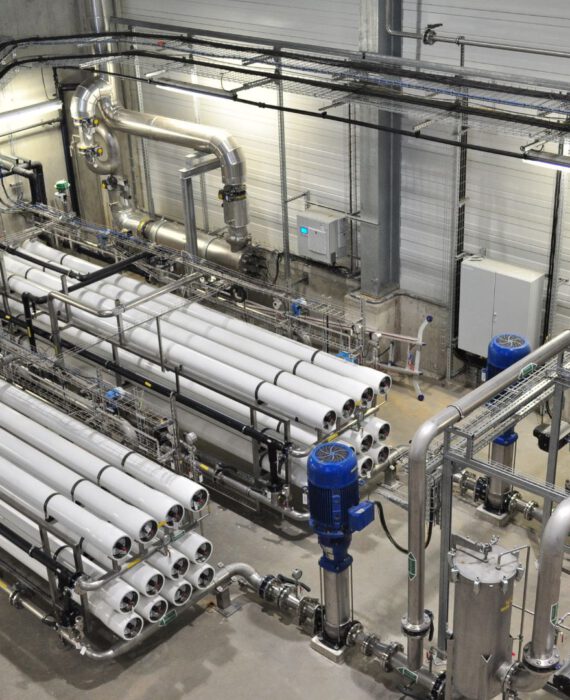
Südzucker Zeitz PWT
A river water treatment plant with a capacity of 220 m³/h using the ALMA BiosS-Treat processfor Südzucker AG at the Zeitz site.
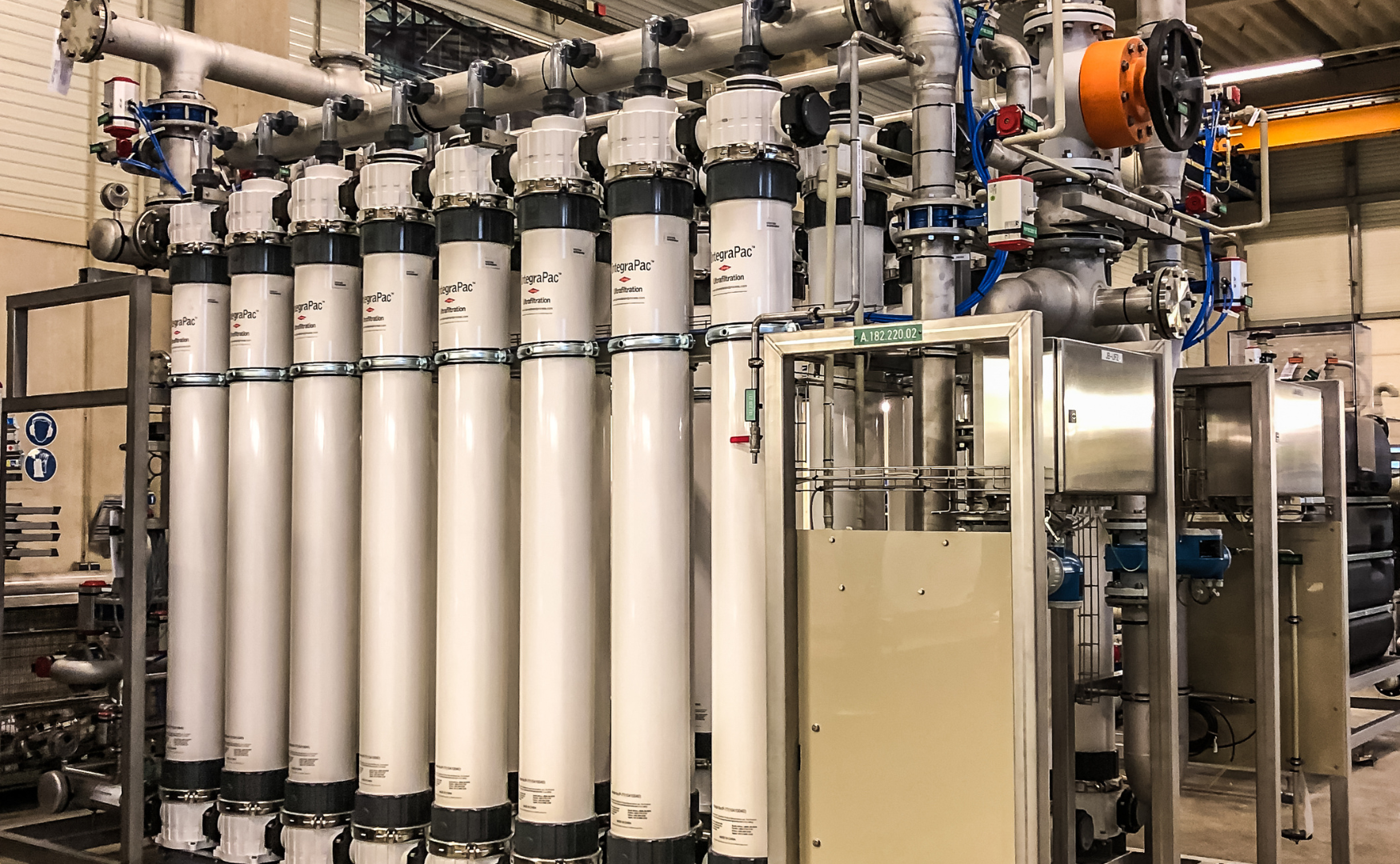
Advantages of our RO system
FAQ - Reverse osmosis system for process and wastewater
What is the ALMA OSMO PROCESS reverse osmosis system and what is it used for?
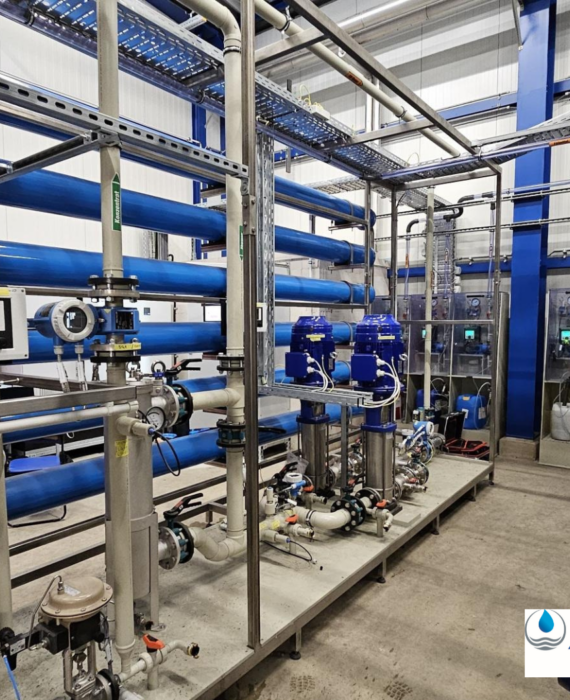
The ALMA OSMO PROCESS is an industrial reverse osmosis (RO) system for treating process water, wastewater, and for industrial water reuse applications. It is used wherever water of a defined, reproducible quality is required or where wastewater needs to be treated to such an extent that it can be reused or returned to downstream processes.
Basic principle of reverse osmosis
In reverse osmosis, water is forced under pressure through a semi-permeable membrane. This process:
dissolved salts
ions
organic substances
Micropollutants
Germs and particles
retained to a very high degree. This results in two partial flows:
Permeate (highly purified treated water)
Concentrate (concentrated residues)
Special feature of the ALMA OSMO PROCESS
The ALMA OSMO PROCESS is not a standard RO system, but a customized industrial plant that is precisely tailored to:
the composition of the process water or wastewater
the desired water quality
the required yield
the operational constraints
is interpreted.
A key feature is that reverse osmosis is always considered as a complete system, including individually tailored pretreatment, membrane protection, and intelligent operation management.
Typical areas of application
Process water treatment (e.g., for production, cooling water, boiler feed water)
Wastewater treatment with downstream reverse osmosis
Water reuse (water cycle closure, internal reuse)
Reduction of fresh water consumption and wastewater volumes
Compliance with strict quality requirements
The ALMA OSMO PROCESS is a key component for sustainable water strategies and reducing operating costs, particularly in industry.
summary The ALMA OSMO PROCESS is a customized industrial reverse osmosis system for treating process water, wastewater, and water reuse applications with individually designed pretreatment and fully automatic operation.
For which flow rates and applications is the ALMA OSMO PROCESS suitable?
The ALMA OSMO PROCESS covers an exceptionally wide range of applications and is suitable for both small, specialized applications and large industrial water volumes. This allows it to be flexibly integrated into a wide variety of industrial processes.
Flow rates from small to large
Typical design areas are:
From approx. 1 m³/h for smaller process or partial flows
Up to 500 m³/h for large-scale industrial applications
Between these cornerstones are:
modular extensions
parallel RO lines
multi-stage plant concepts
Easily achievable. This enables precise adjustment to actual water demand and avoids oversizing or undersizing.
Suitable applications
The ALMA OSMO PROCESS is suitable for, among other things:
continuous process water treatment
Wastewater streams with stable or fluctuating composition
Water reuse projects with high water quality requirements
Partial flow treatments within complex systems
Pilot and expansion stages
Thanks to its flexible design, the system can:
as a standalone solution
or as part of a multi-stage water treatment concept
be used (e.g., in combination with biological pretreatment, CP plant, ultrafiltration).
Scalability and future-proofing
A major advantage of the ALMA OSMO PROCESS is its scalability:
Capacity increase through additional modules
Adaptation to changing water qualities
Integration of additional pretreatment stages in response to increasing requirements
This makes the system particularly future-proof, even if production volumes, legal requirements, or internal water strategies change.
Summary
The ALMA OSMO PROCESS is suitable for flow rates of approximately 1 m³/h to 500 m³/h and can be adapted to small and large industrial applications in a modular fashion.
How is the pretreatment for the ALMA OSMO PROCESS reverse osmosis system designed, and why is it crucial for safe operation?
Pre-treatment is the decisive factor for the success of any industrial reverse osmosis plant. With ALMA OSMO PROCESS, pre-treatment is therefore always tailored to the specific process water or wastewater. The aim is to reliably protect the RO membranes from fouling, scaling, and irreversible damage while ensuring economical operation.
Why individual pre-treatment is necessary
Process water and wastewater differ greatly in terms of:
Particle and solid content
organic load (COD, TOC)
biological activity
Hardness-forming elements (Ca, Mg, Ba, Sr)
Iron, manganese, silicate
colloidal and biofouling-relevant substances
Standardized pretreatment often leads to:
increased cleaning effort (CIP)
shortened membrane service life
unstable operation
high operating costs
Individual pretreatment options of the ALMA OSMO PROCESS
Depending on the water quality, the following preliminary stages are used, among others:
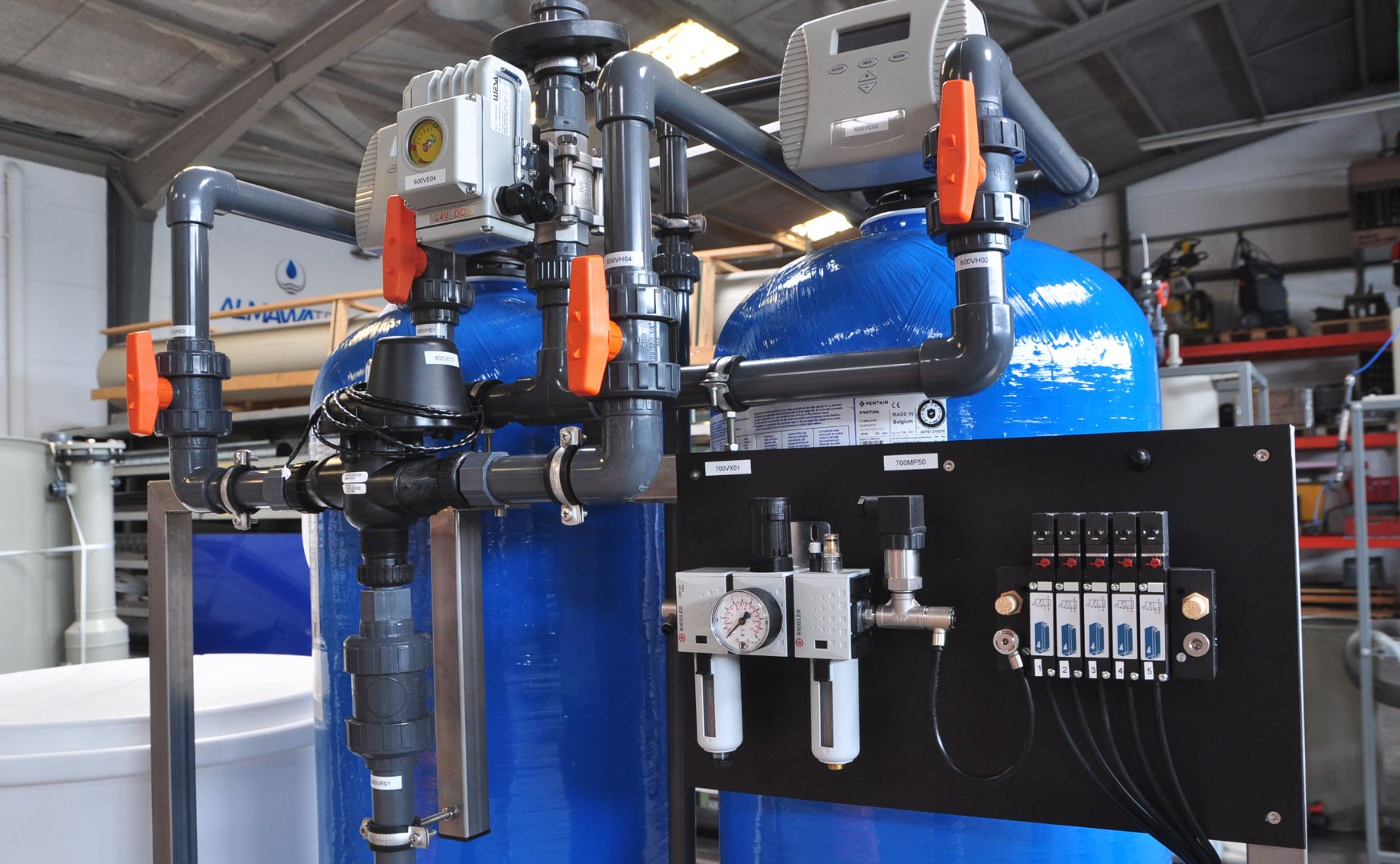
Ultrafiltration (UF) for the reliable separation of particles, colloids, and microorganisms
biological pretreatment to reduce organic contamination
Membrane biology (MBR) for high wastewater quality requirements and space constraints
Biofiltration for stabilizing organic substances
Flocculation filtration for removing the finest particles
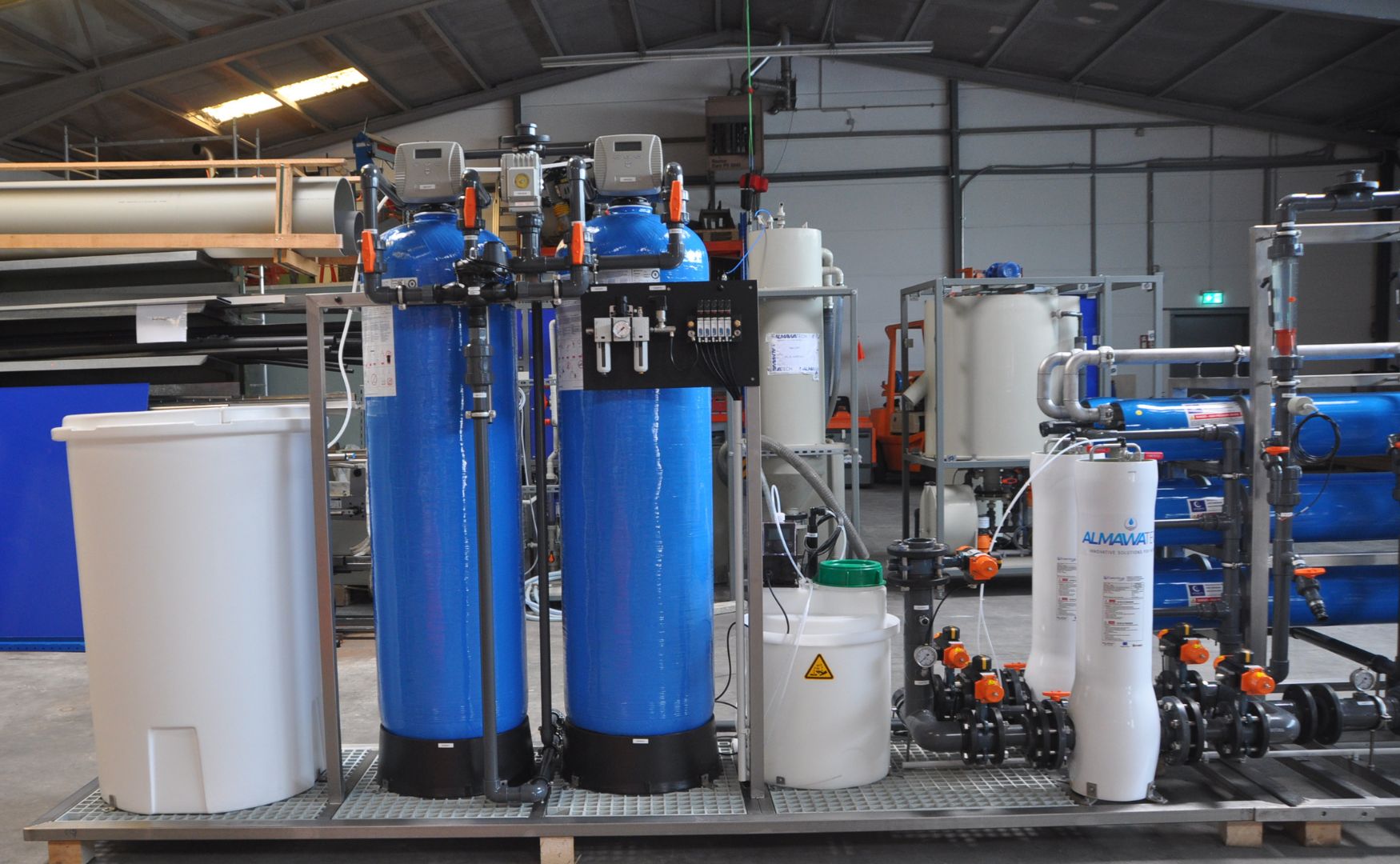
Softening to reduce hardness-forming substances and scaling risks
Chemical-physical preliminary stages (neutralization, CP plant, flotation), if necessary
The selection is made on the basis of detailed water analyses, operating data, and target parameters.
Purpose of pretreatment
The pretreatment of ALMA OSMO PROCESS ensures:
stable permeate quality
long diaphragm service life
reduced CIP frequency
low operating costs
high system availability
summary The pretreatment for ALMA OSMO PROCESS is individually designed using processes such as ultrafiltration, biological pretreatment, or softening to prevent fouling and scaling and ensure economical RO operation.
How does the ALMA OSMO PROCESS protect reverse osmosis membranes from scaling, fouling, and performance degradation?
The long-term stable operation of an industrial reverse osmosis plant depends crucially on the protection of the membranes. ALMA OSMO PROCESS combines chemical, mechanical, and metrological protection concepts that are precisely tailored to the respective water.
Antiscalant dosing – tailored to the water
Each ALMA OSMO PROCESS is equipped with a custom-designed antiscalant dosing station. Dosing is based on:
Water Treatment Additives
Salt and hardness composition
planned yield
Operating pressure
coordinated.
This will result in:
Precipitation of calcium, magnesium, or barium salts
silicate scaling
Crystal formation on the membrane surface
reliably prevented.
CIP cleaning station (cleaning in place)
An integrated CIP cleaning station is part of the ALMA OSMO PROCESS system to restore membrane performance.
Advantages:
chemical cleaning without removing the membranes
short downtimes
Targeted removal of organic, inorganic, or biological deposits
Extension of the diaphragm service life
The CIP strategy is adapted to the respective water quality.
Comprehensive measurement and monitoring technology
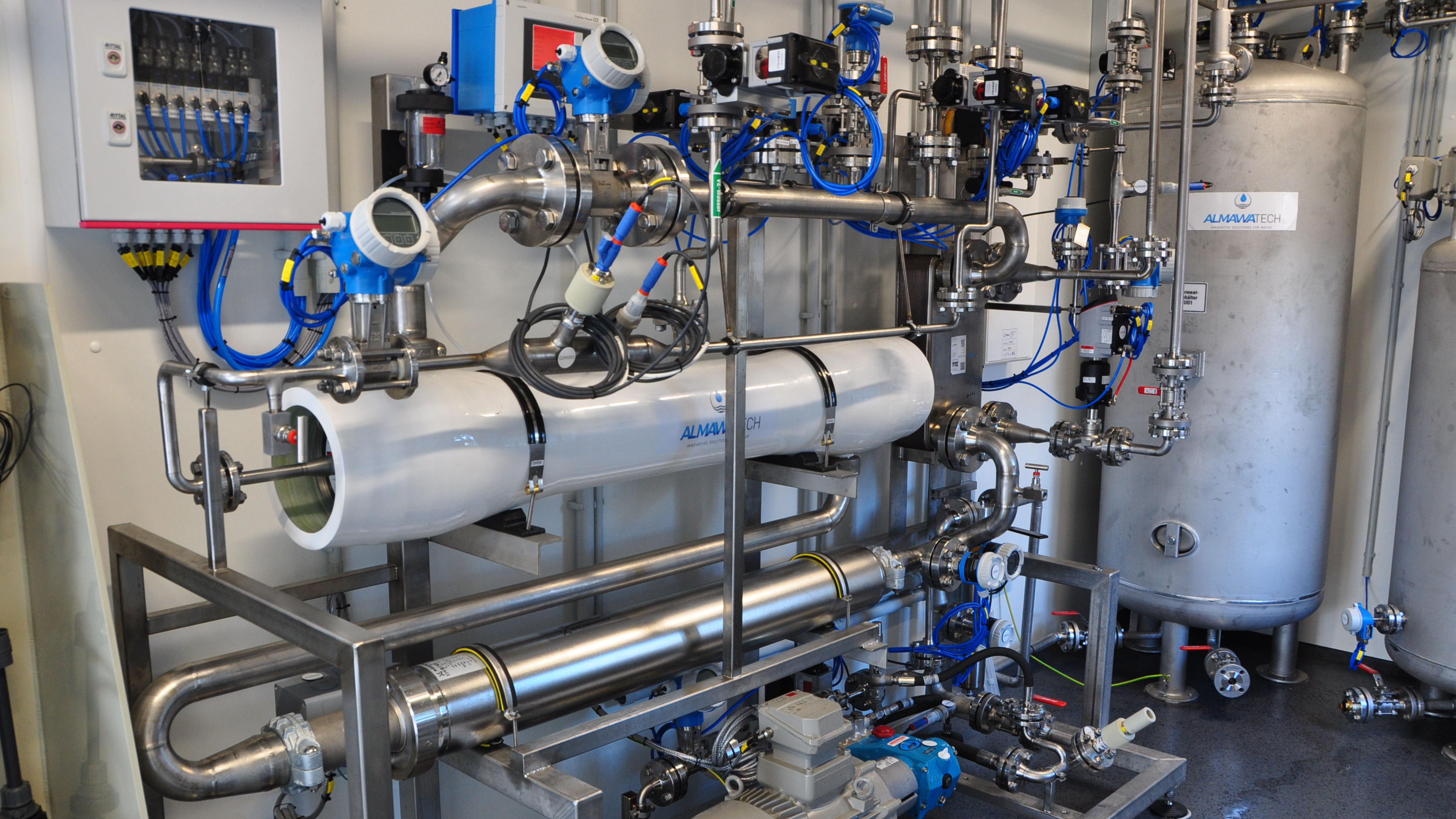
The ALMA OSMO PROCESS is fully monitored by sensors. Among other things, the following are recorded:
Pressures and differential pressures at all relevant stages
Conductivity of raw water, permeate, and concentrate
pH values in the partial flows
Flow rates and yields
This continuous monitoring enables:
Early detection of fouling or scaling
timely initiation of countermeasures
consistently high water quality
Result: maximum protection at minimum operating costs
Through the combination of:
customized pre-treatment
Antiscalant dosage
CIP system
intelligent measurement technology
the reverse osmosis system is permanently protected and operated economically.
summary The ALMA OSMO PROCESS protects its membranes through customized antiscalant dosing, integrated CIP cleaning, and comprehensive pressure, conductivity, and pH monitoring in all partial flows.
Which plant concepts and system configurations are possible with the ALMA OSMO PROCESS reverse osmosis plant?
The ALMA OSMO PROCESS is designed as a highly flexible, modular reverse osmosis system and can be implemented in various process configurations. The aim is to optimally coordinate water yield, operational reliability, and cost-effectiveness, depending on water quality, disposal concept, and reuse objectives.
Flexible system concepts instead of standard RO
Unlike simple standard RO systems, the ALMA OSMO PROCESS is always designed as a customized complete system. Different system architectures can be implemented, including:
Single-stage reverse osmosis for stable raw water quality
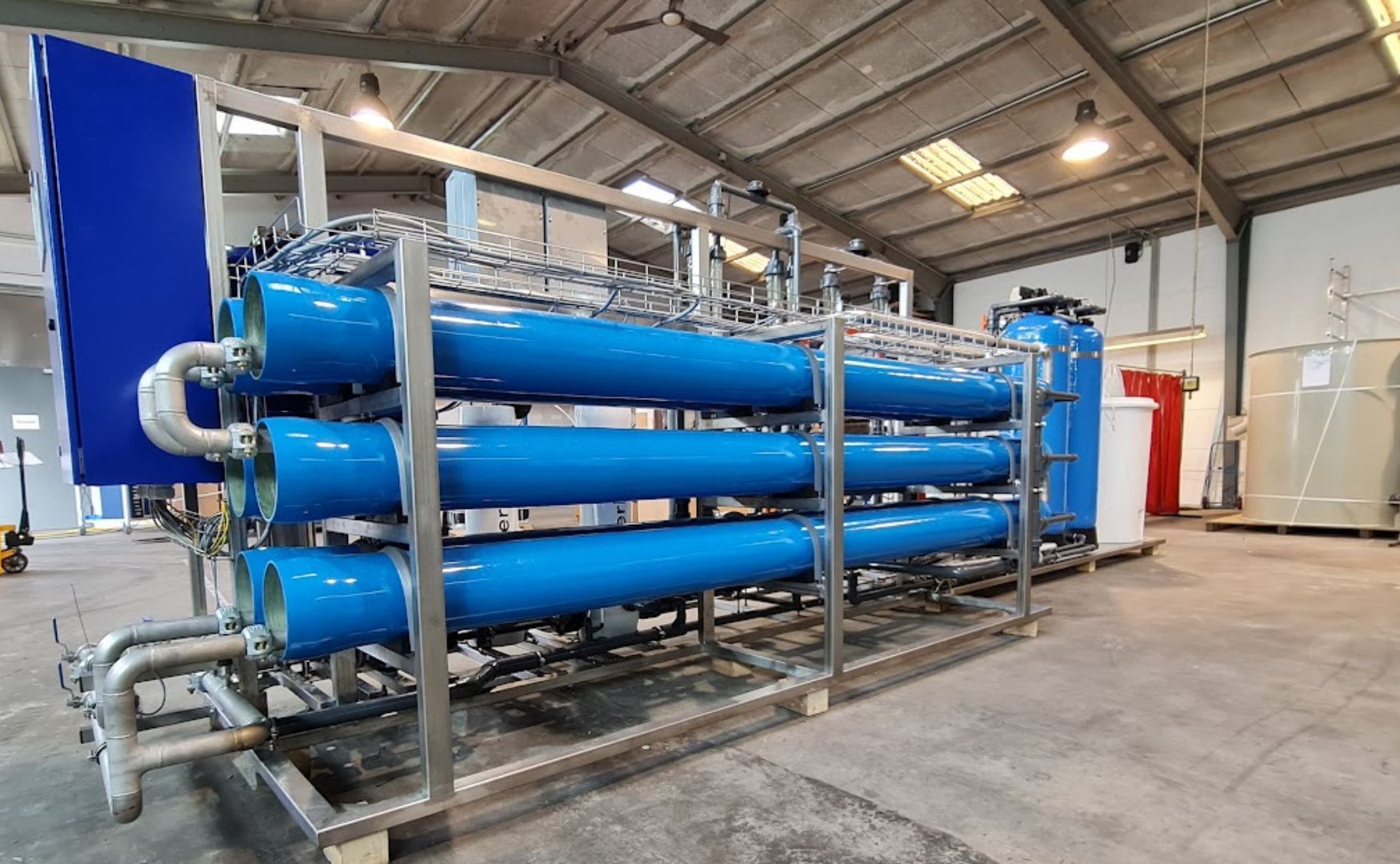
Multi-stage reverse osmosis systems to increase total desalination
Parallel RO lines for redundancy or high flow rates
Modular expansion concepts for future capacity increases
Concentration stages to maximize water recovery
If minimizing concentrate volumes or reducing wastewater costs is the priority, concentrate stages can be used.
Advantages:
significantly higher overall yields
lower concentrate quantities
greater cost-effectiveness with limited disposal options
Permeate stages for the highest water quality
Permeate stages can be integrated for applications with particularly high water quality requirements (e.g., process water, boiler feed water, water reuse).
Goals:
further reduction in conductivity
Ensuring consistent water quality
Adaptation to sensitive production processes
Adaptation to water reuse concepts
Especially in water reuse applications, the system configuration is specifically chosen so that:
maximum internal reuse is possible
different quality levels can be provided
Process water flows are supplied in a targeted manner
The ALMA OSMO PROCESS can thus be seamlessly integrated into individual water circulation concepts.
summary The ALMA OSMO PROCESS can be designed as a single-stage or multi-stage reverse osmosis system with permeate or concentrate stages, parallel lines, and modular expansion to optimize yield, water quality, and cost-effectiveness.
In what design is the ALMA OSMO PROCESS reverse osmosis system supplied, and what are the advantages of this design?
The ALMA OSMO PROCESS is not limited to a fixed design, but is adapted precisely to the structural, logistical, and operational requirements of the project. This allows the system to be optimally integrated into both new and existing infrastructures.
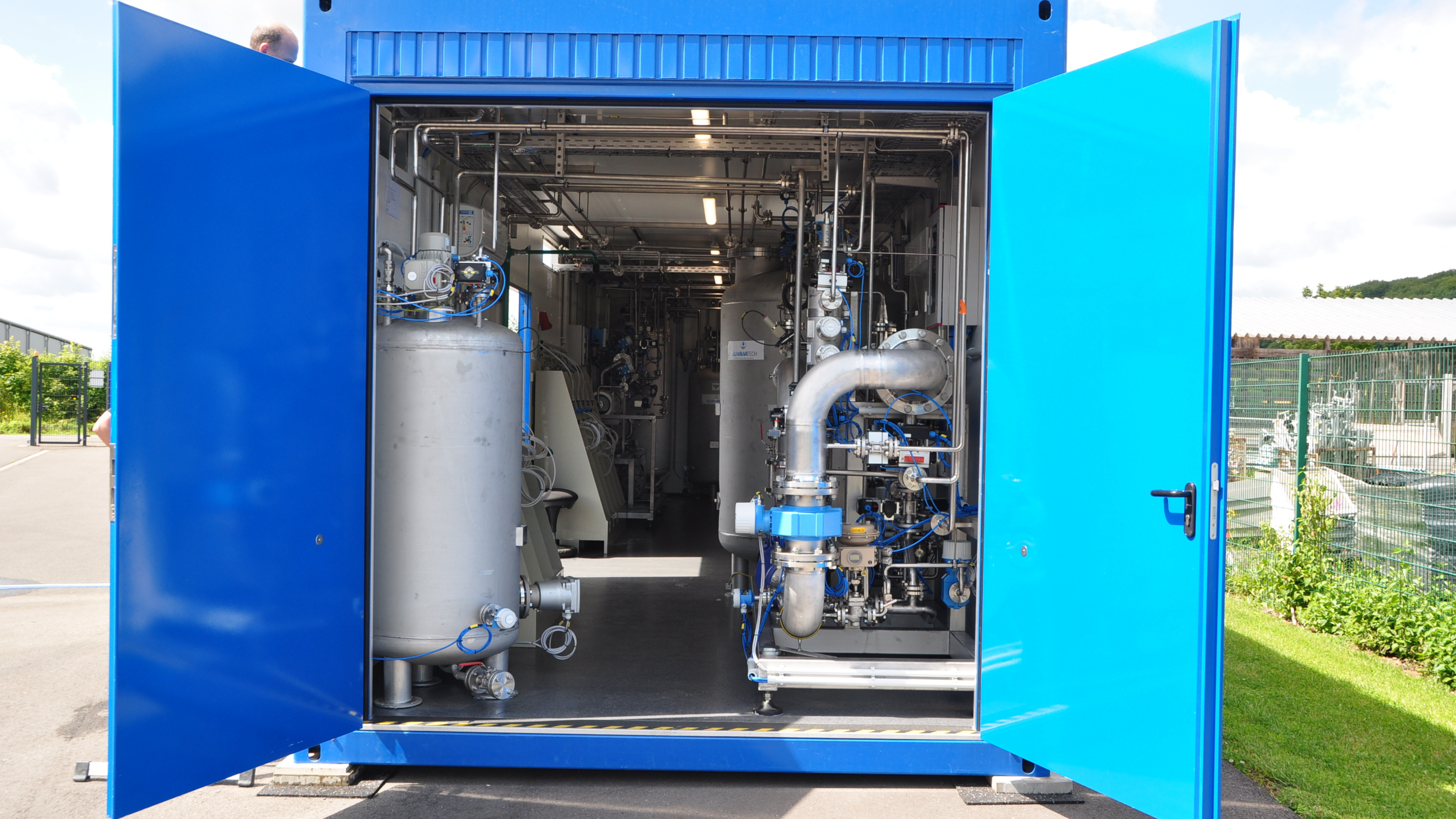
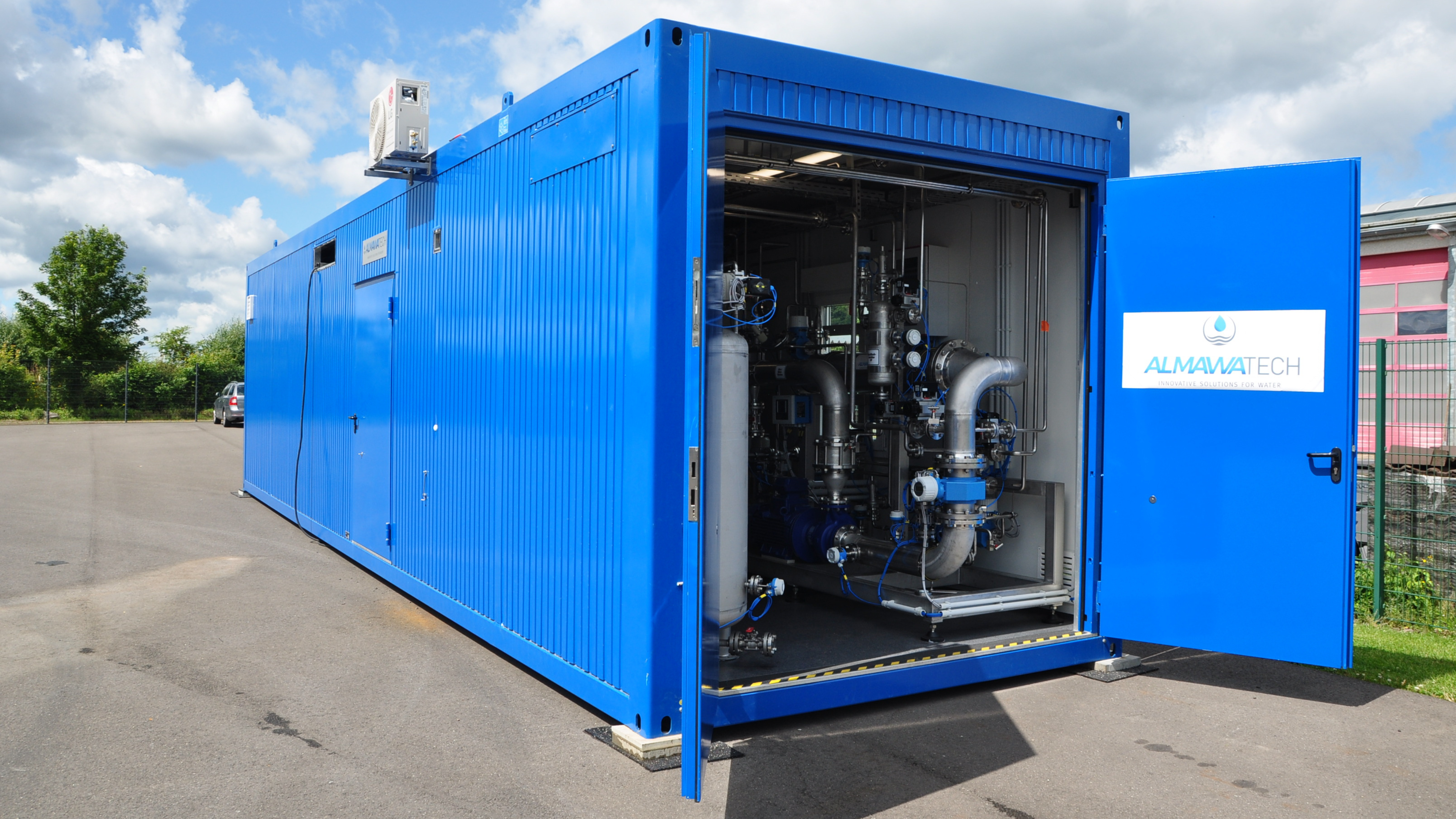
Container construction – turnkey and quick to install
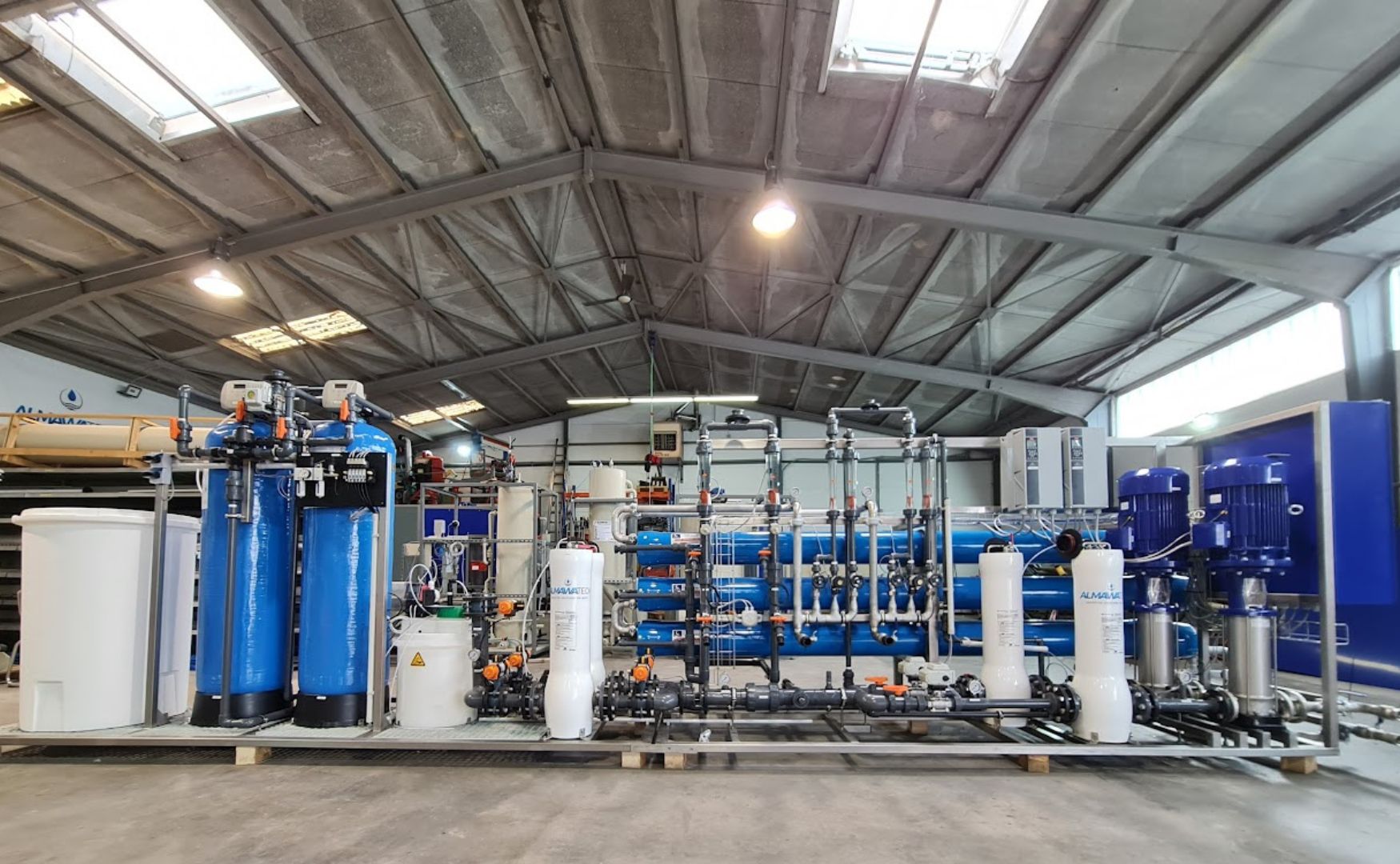
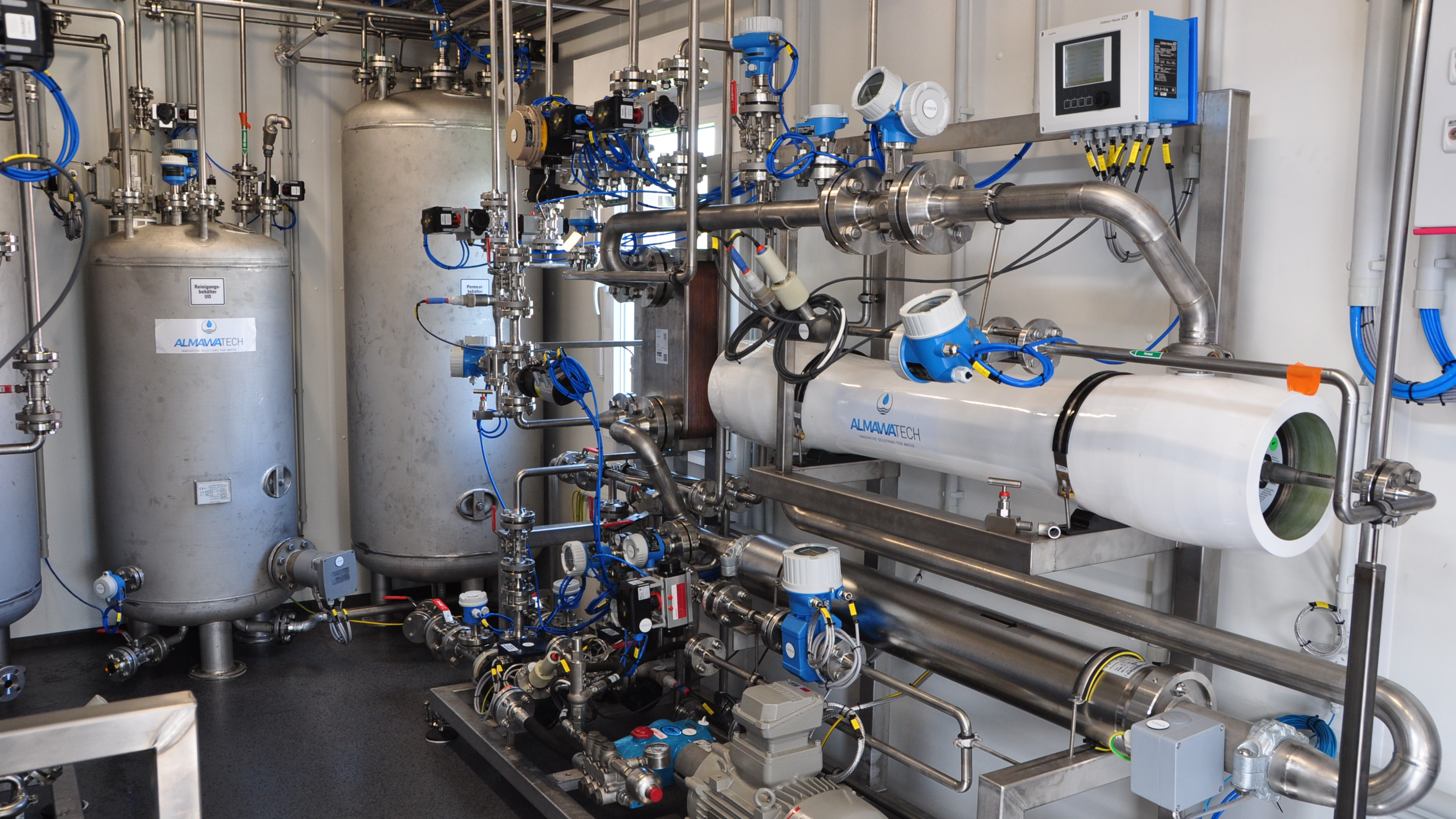
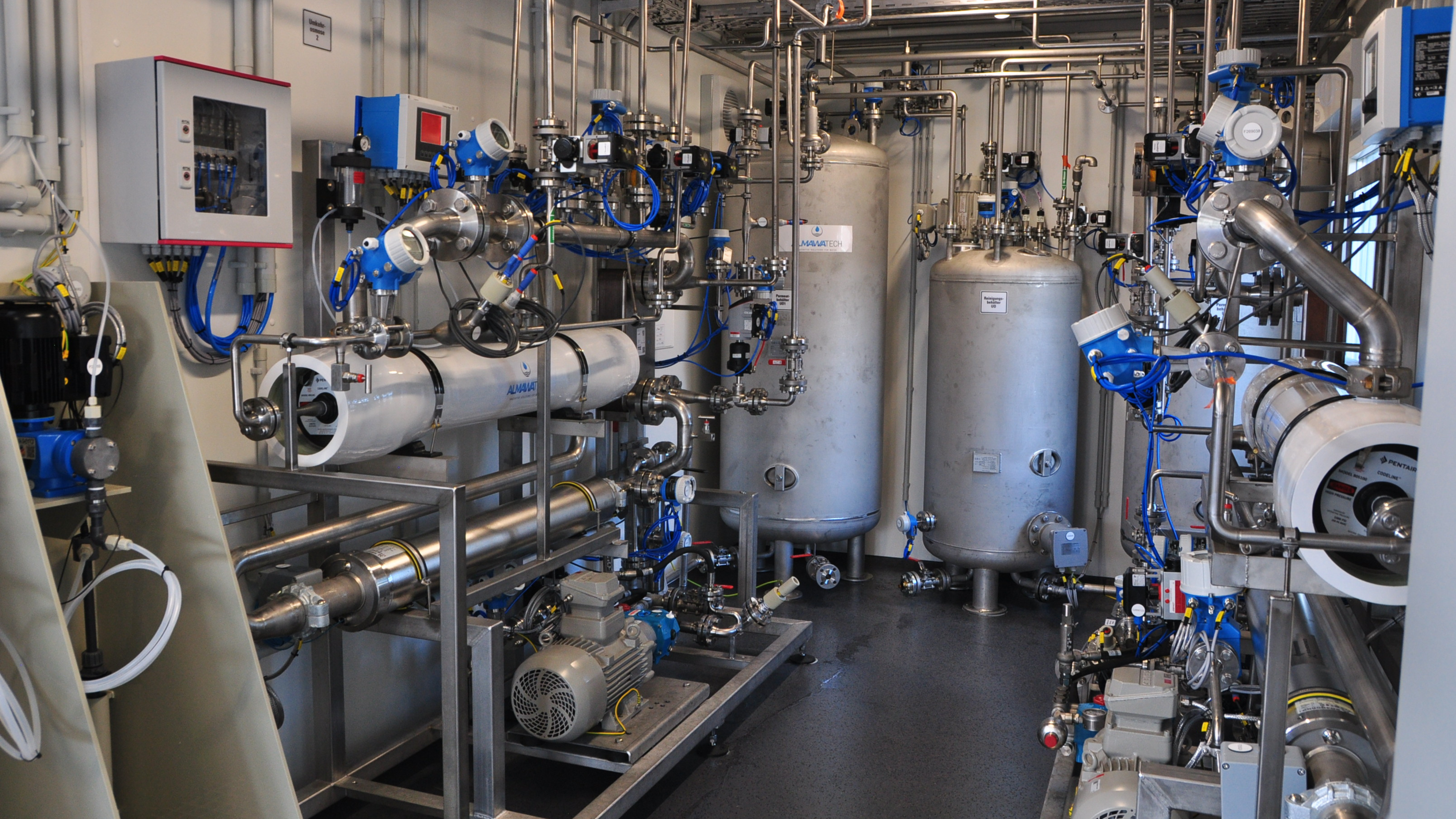
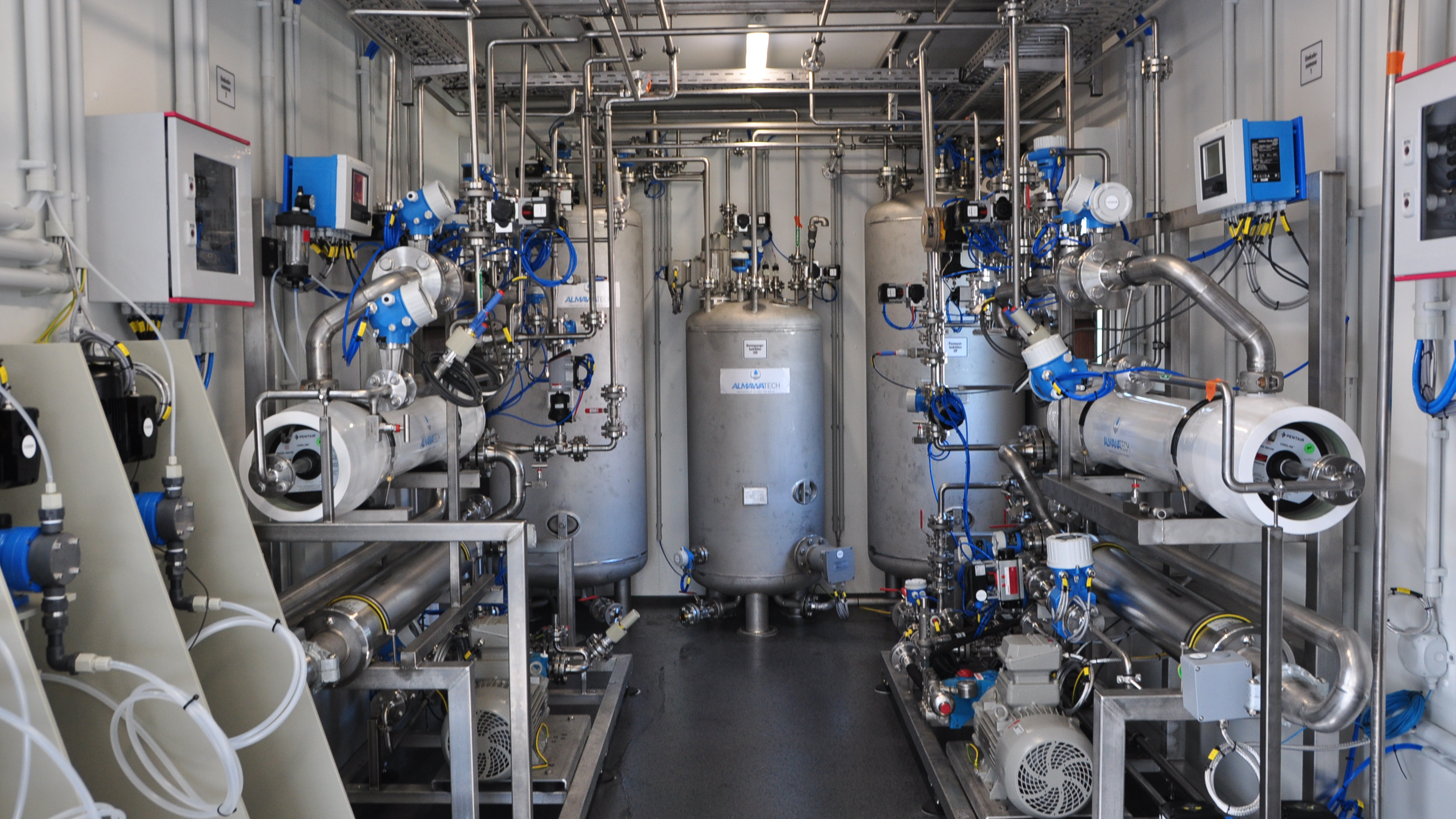
The ALMA OSMO PROCESS is a reverse osmosis system in container design:
fully pre-assembled
piped and wired
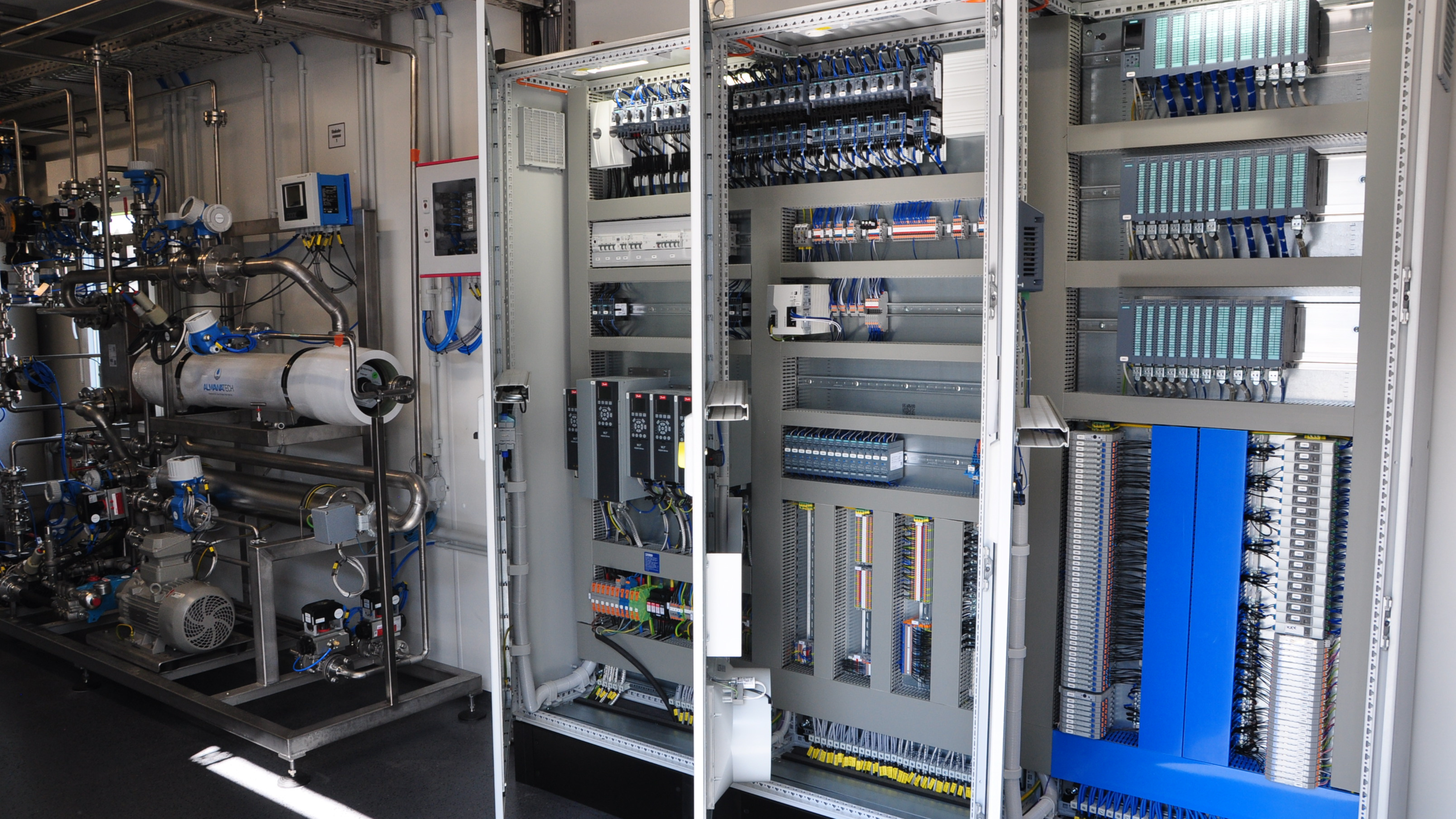
equipped with integrated measurement, control, and regulation technology
Includes antiscalant dosing and CIP cleaning station
Advantages of container construction:
Very short installation and commissioning times
Weatherproof, climate-controlled plant operation
High quality through prefabrication at the factory
Ideal for water reuse projects, temporary solutions, or retrofit applications
The container solution is suitable for both stationary and mobile reverse osmosis systems.
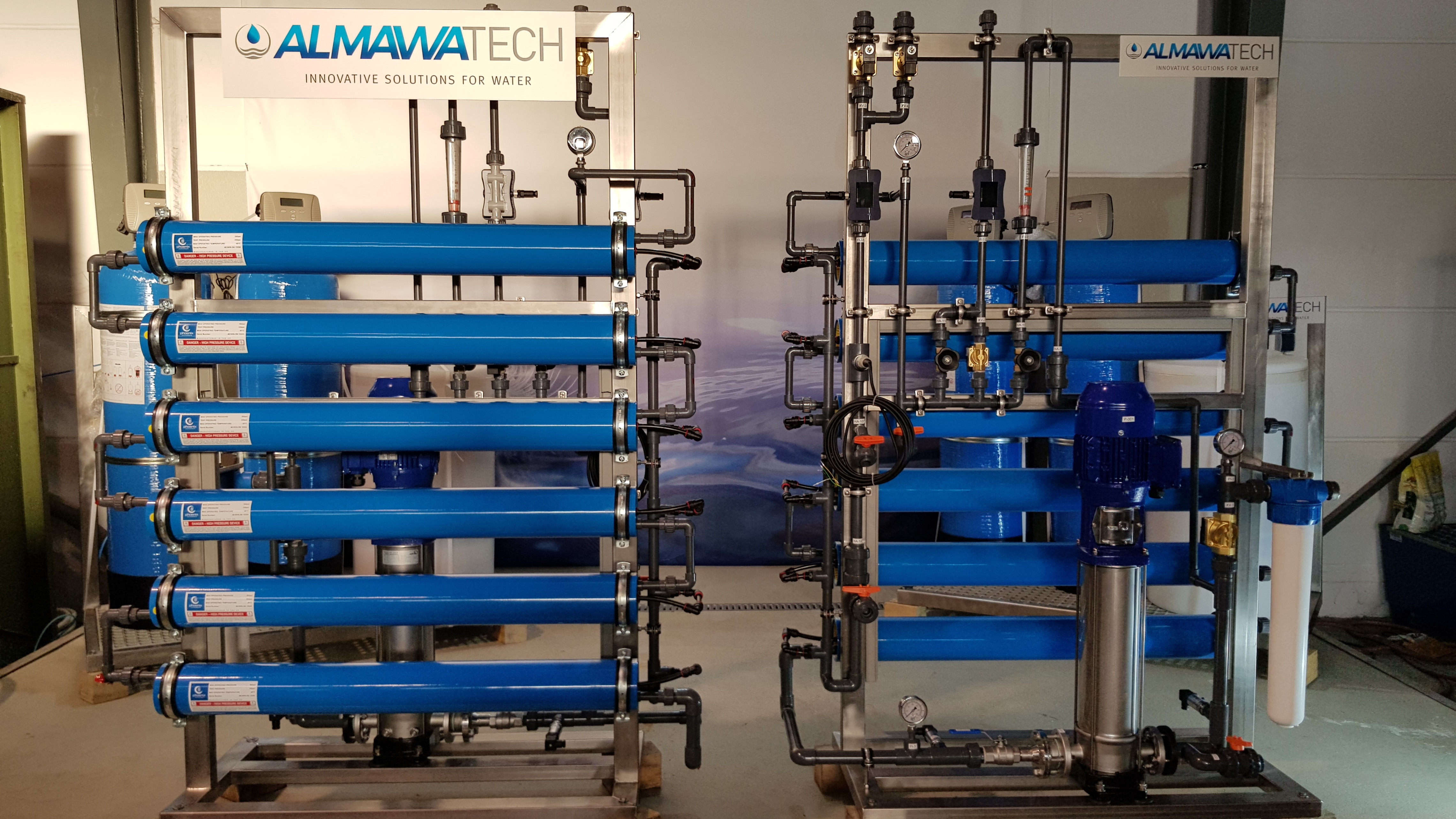
Rack design – flexible integration into existing systems
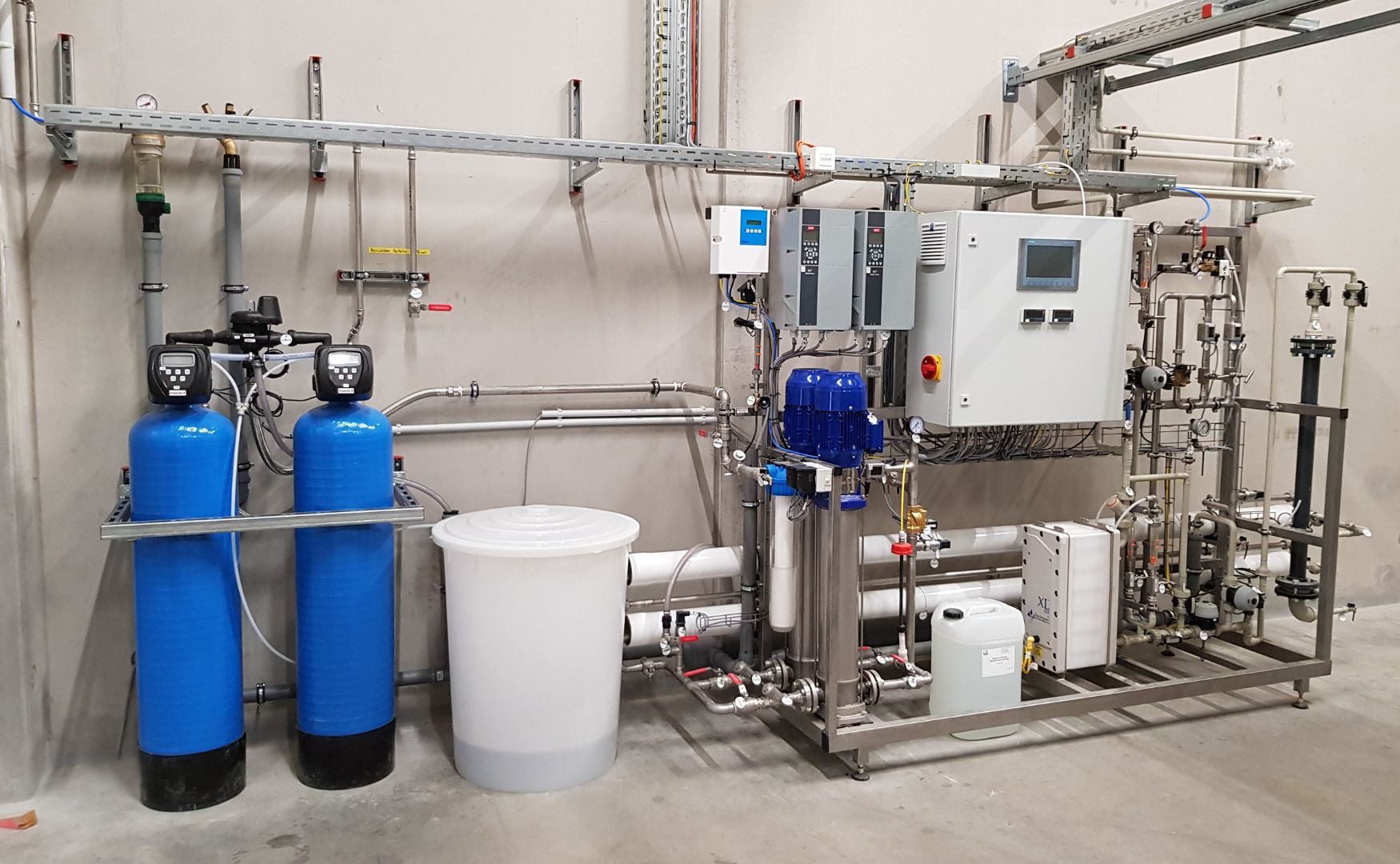
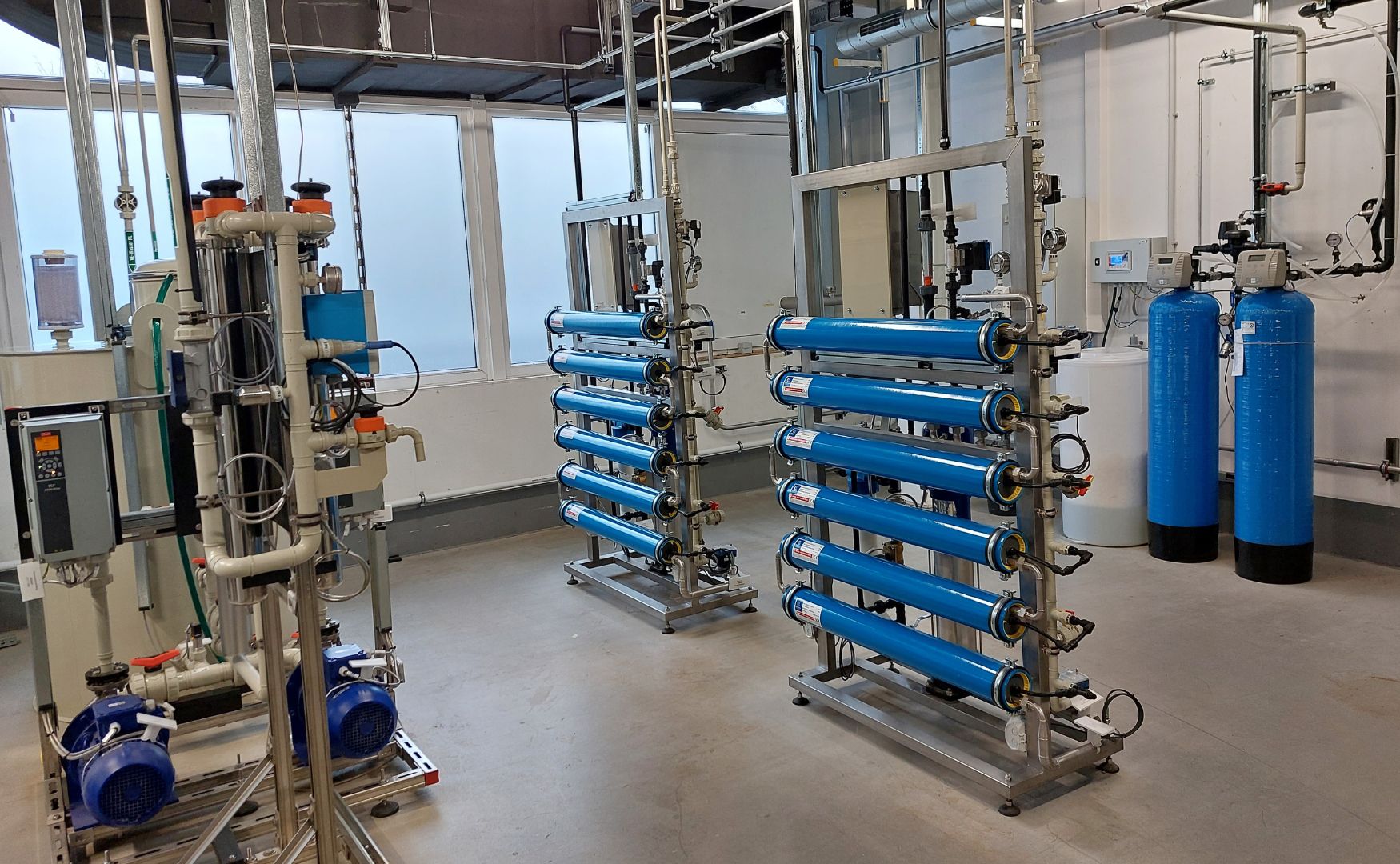
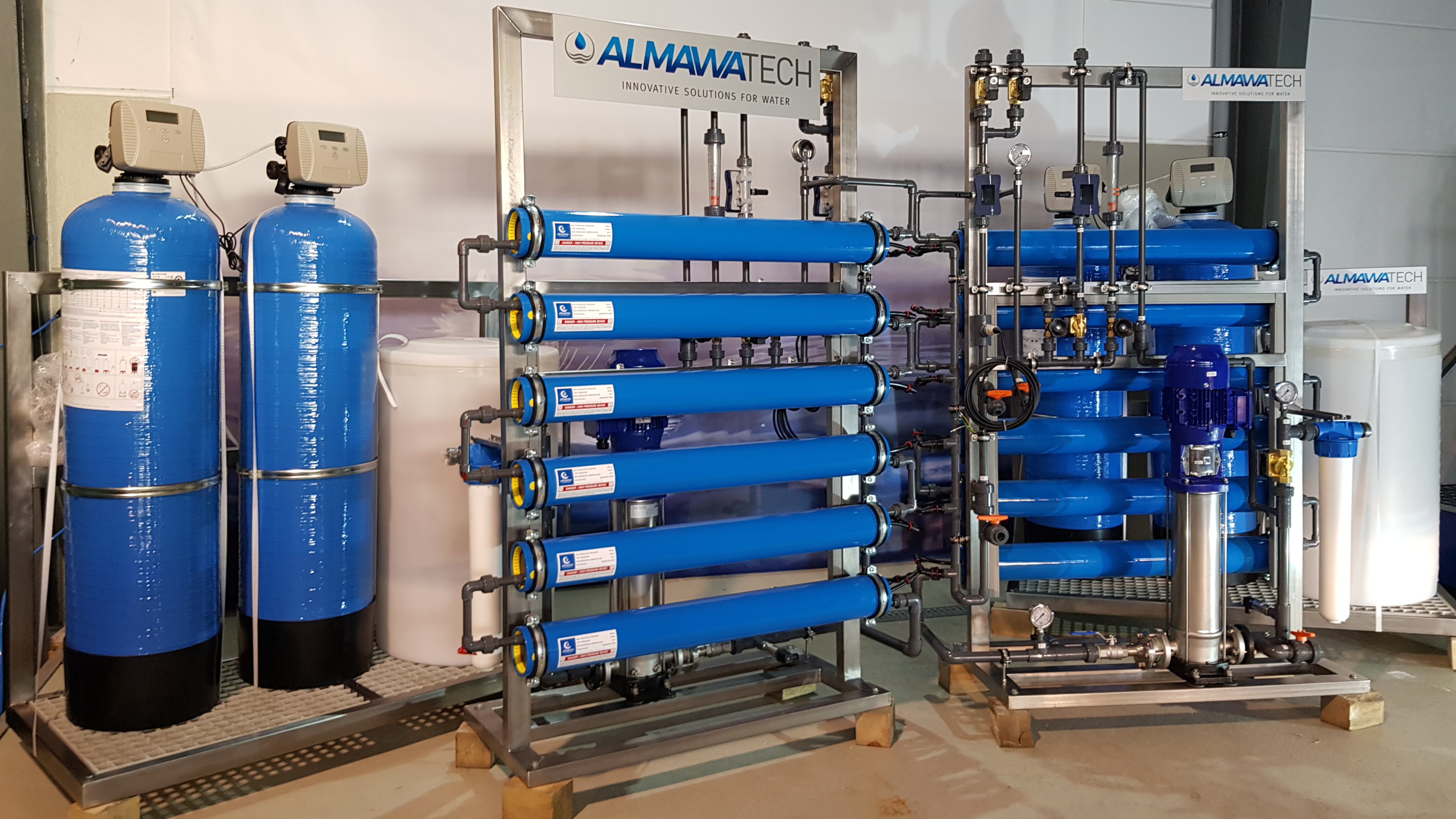
Alternatively, the ALMA OSMO PROCESS can be supplied as a rack system, e.g.:
for installation in existing technical rooms
with limited height
if containers are not possible or desired
Advantages of rack construction:
space-saving
High accessibility of components
flexible arrangement within existing systems
Consistent quality – regardless of the design
Regardless of whether container or rack design:
the process engineering concept remains identical
All systems are fully automated.
All pressures, conductivities, pH values, flow rates, and yields are monitored.
This means that ALMA OSMO PROCESS is fully comparable to classic stationary RO systems in both technical and operational terms – while offering significantly greater flexibility.
Summary
The ALMA OSMO PROCESS is supplied as a container unit or rack system and enables quick, flexible integration into new or existing water and wastewater treatment plants.
Downloads
Tender text
Please contact our specialist for filtration and membrane systems: E-Mail
Similar products: Membrane filtration systems & water recycling

ALMA MEM MF/UF
Microfiltration and ultrafiltration system made of organic or ceramic membranes for the pretreatment of wastewater and process water.
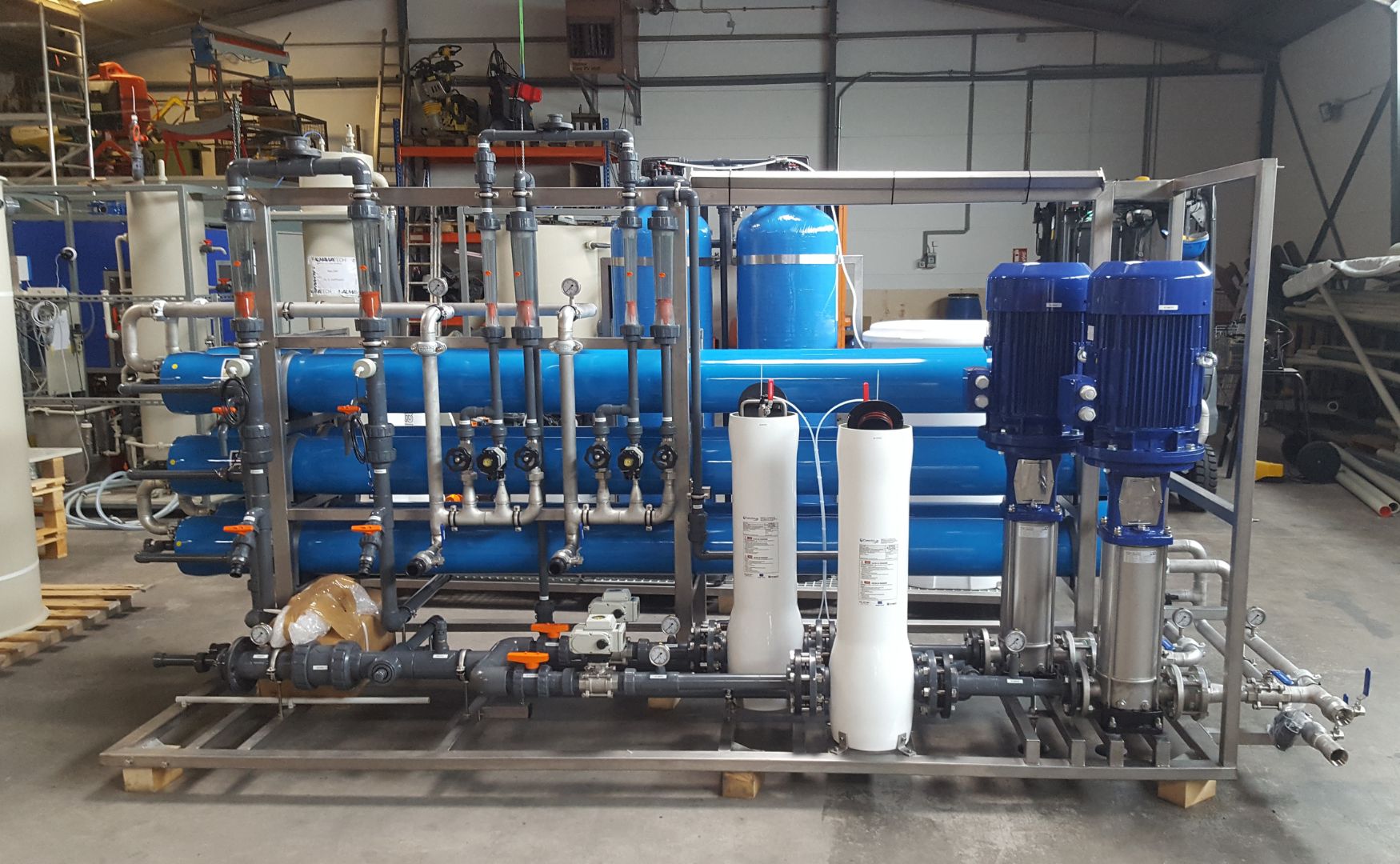
ALMA OSMO VE
Compact and modular reverse osmosis systems with organic membranes for the production of ultrapure water for critical production processes.
ALMA BHU BiosS-Treat
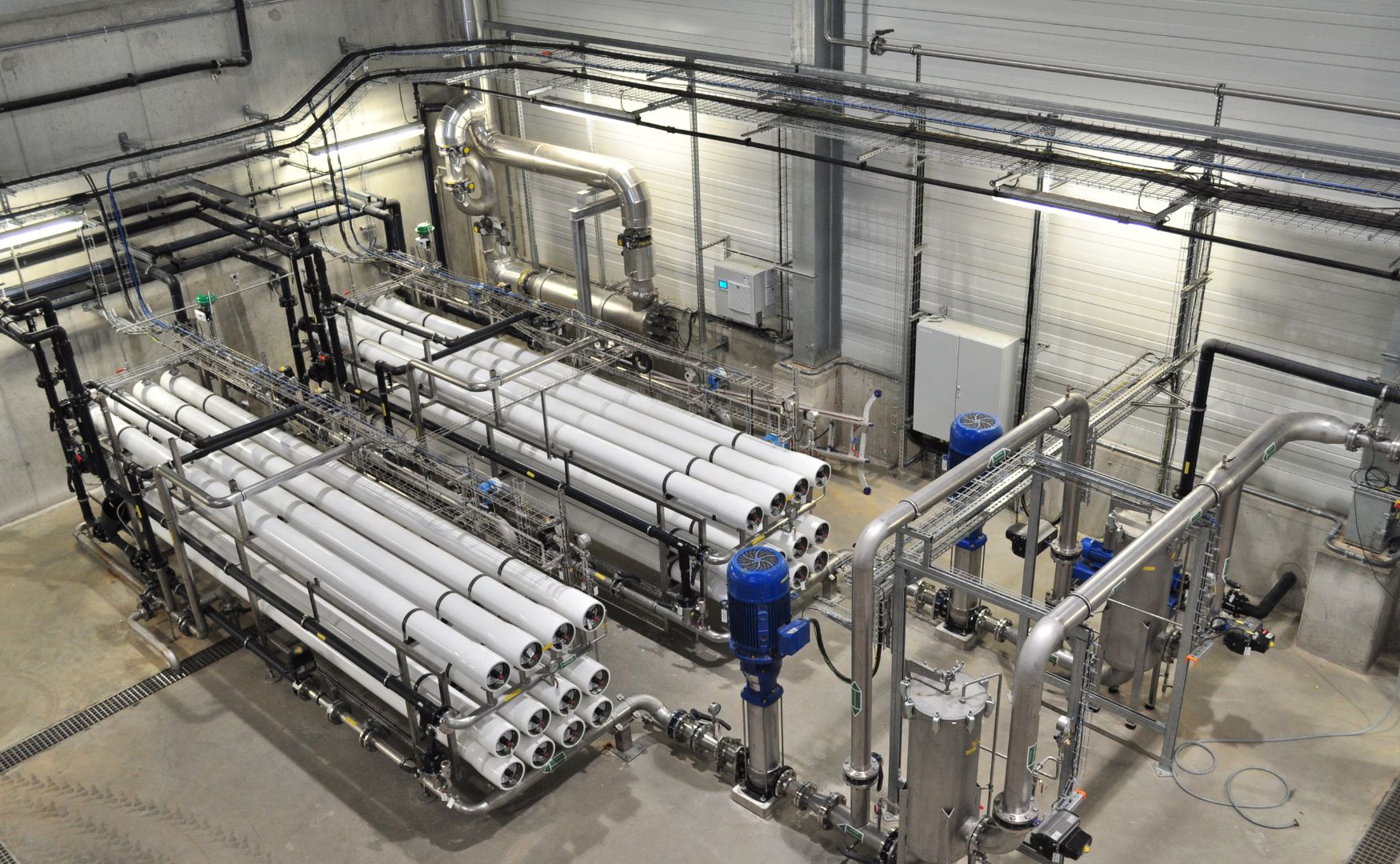
The patented BiosS-Treat combines a
precipitation step with subsequent biologically active filtration and reverse osmosis.
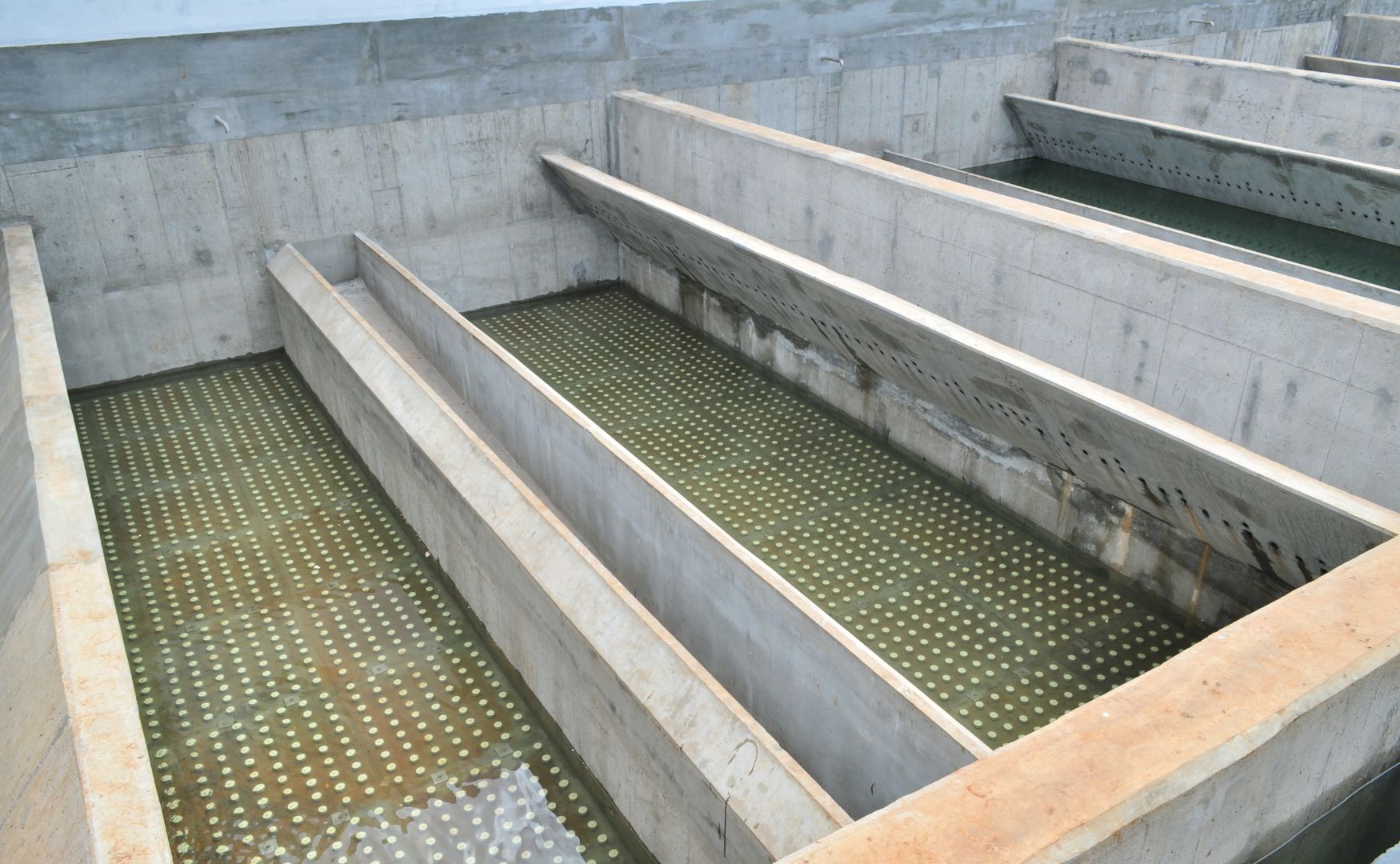
ALMA BHU SMF/MMF
Single media/multi-media filtration enables particles of any size to be separated and partially biodegraded.
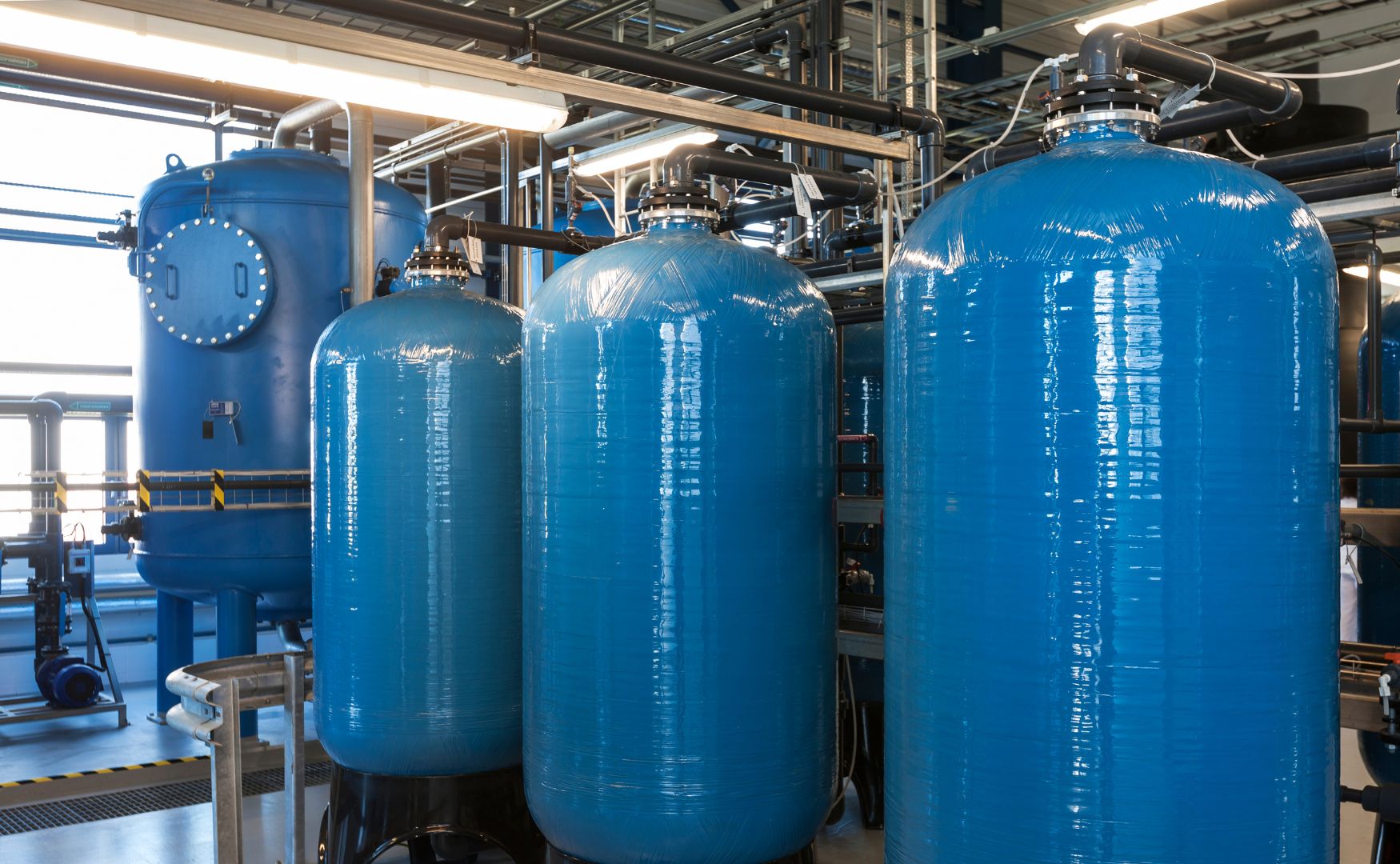
ALMA FIL
The ALMA FIL is a filtration system that uses various filter materials to reduce undissolved substances.
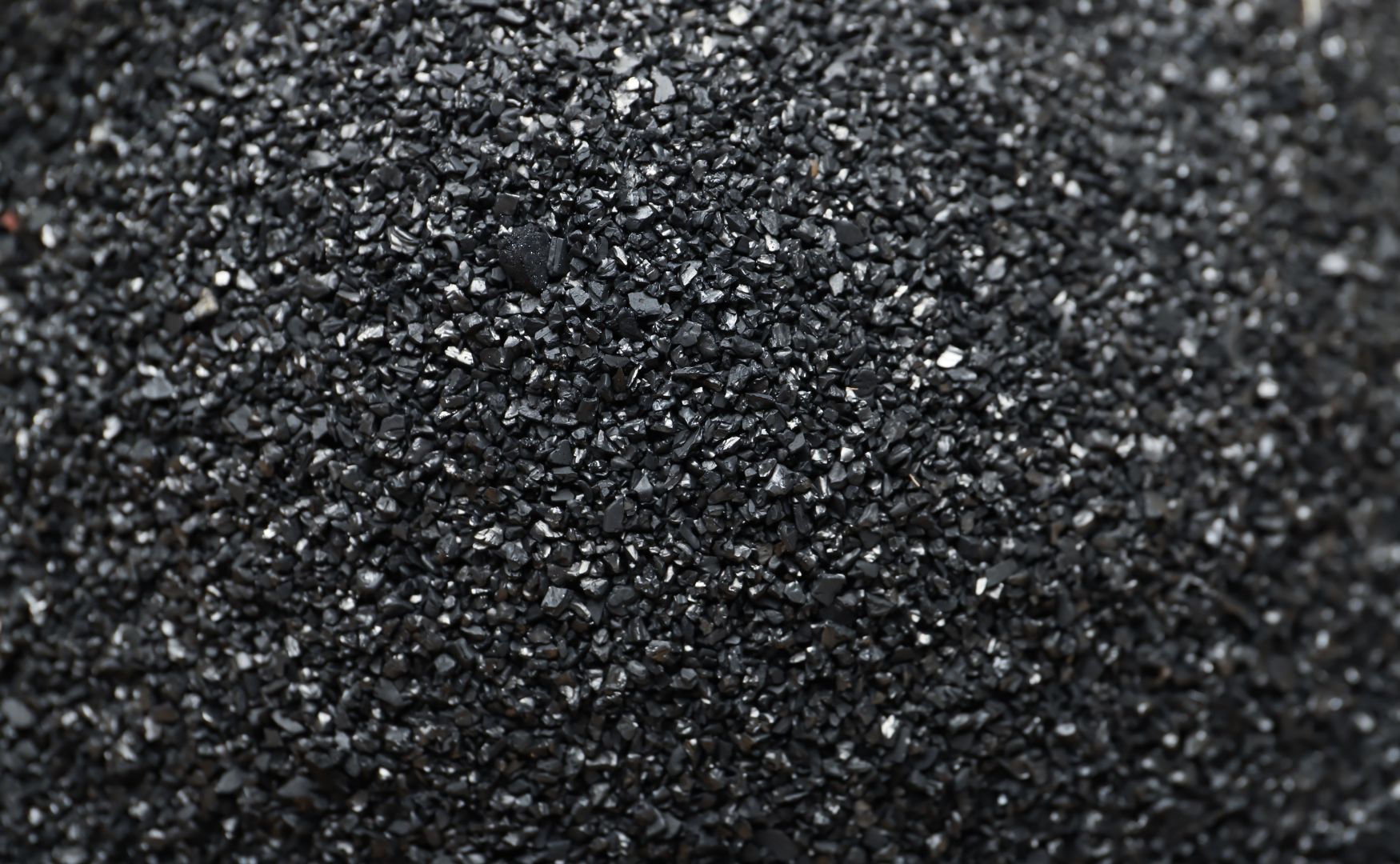
ALMA FIL AK
Our ALMA FIL AK adsorbs and filters undissolved and dissolved substances such as trace substances, AOX, hydrocarbons and dissolved heavy metal ions.
Reference photos: Membrane filtration
Get in touch with us!
Tibor Kretschmann
Head of International Project Development & Water Reuse