

Membrane bioreactor with integrated sedimentation tank and biomass recirculation for optimum degradation of pollutants
Aerobic, biological wastewater treatment

ALMA BIO BBI

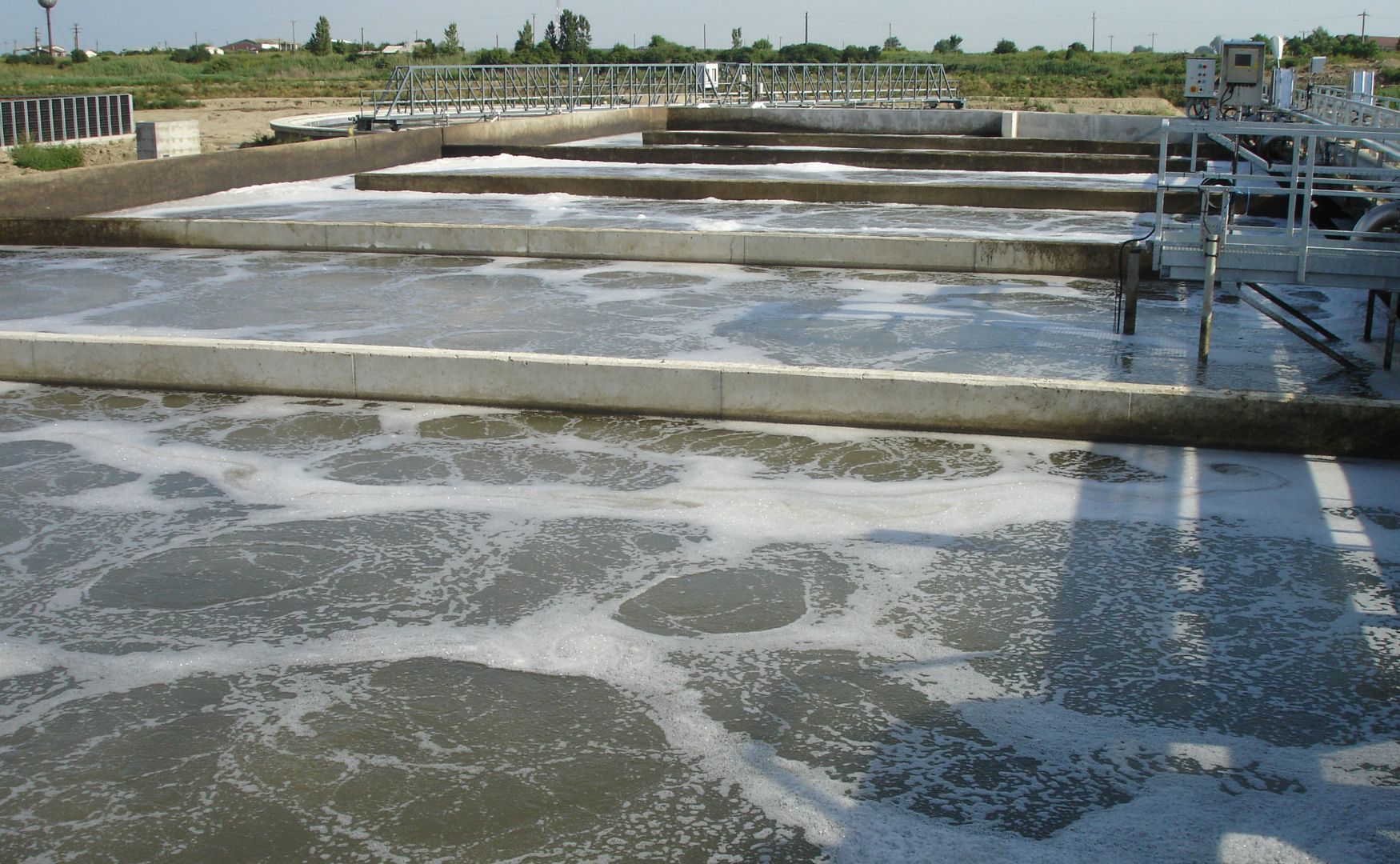
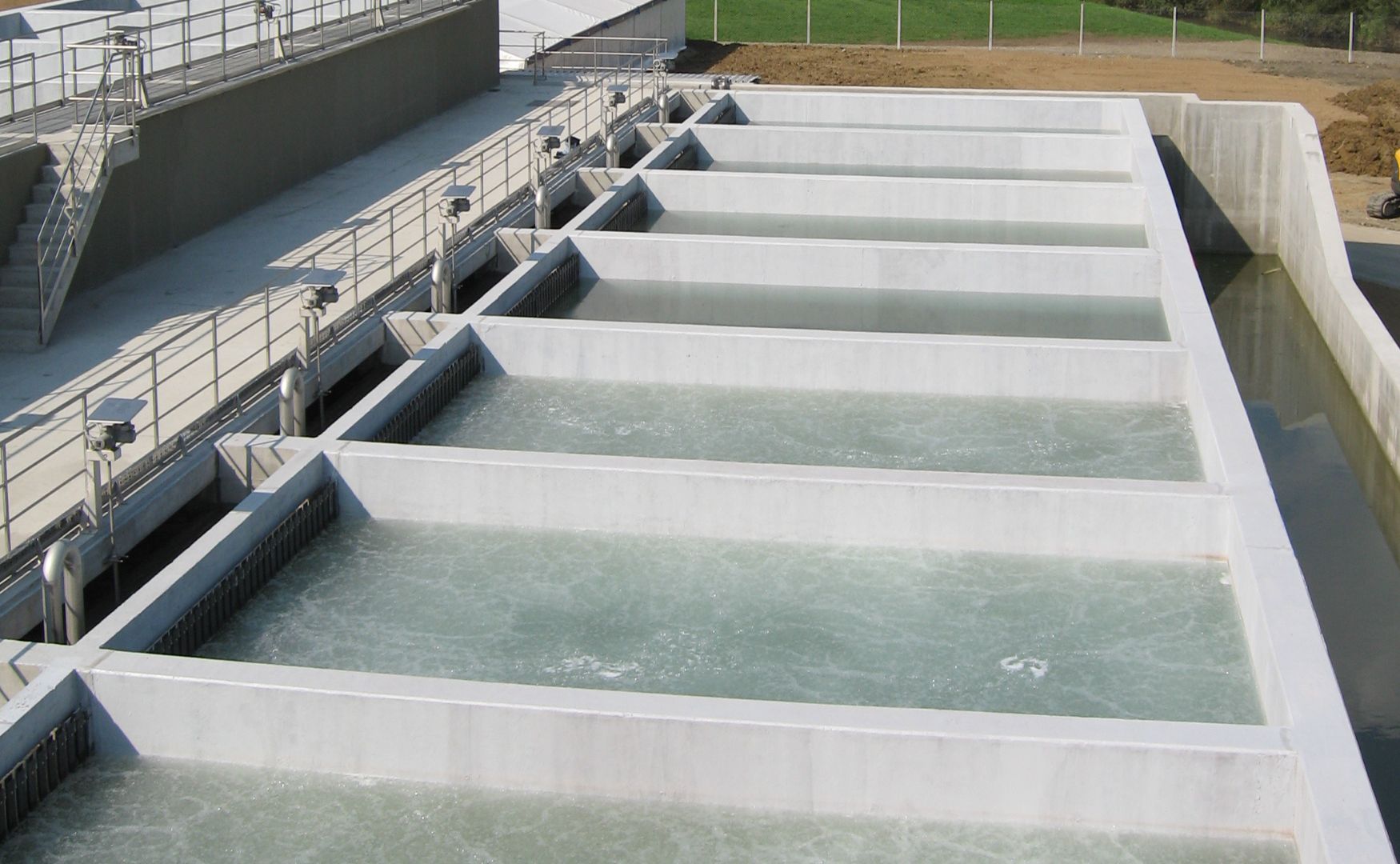
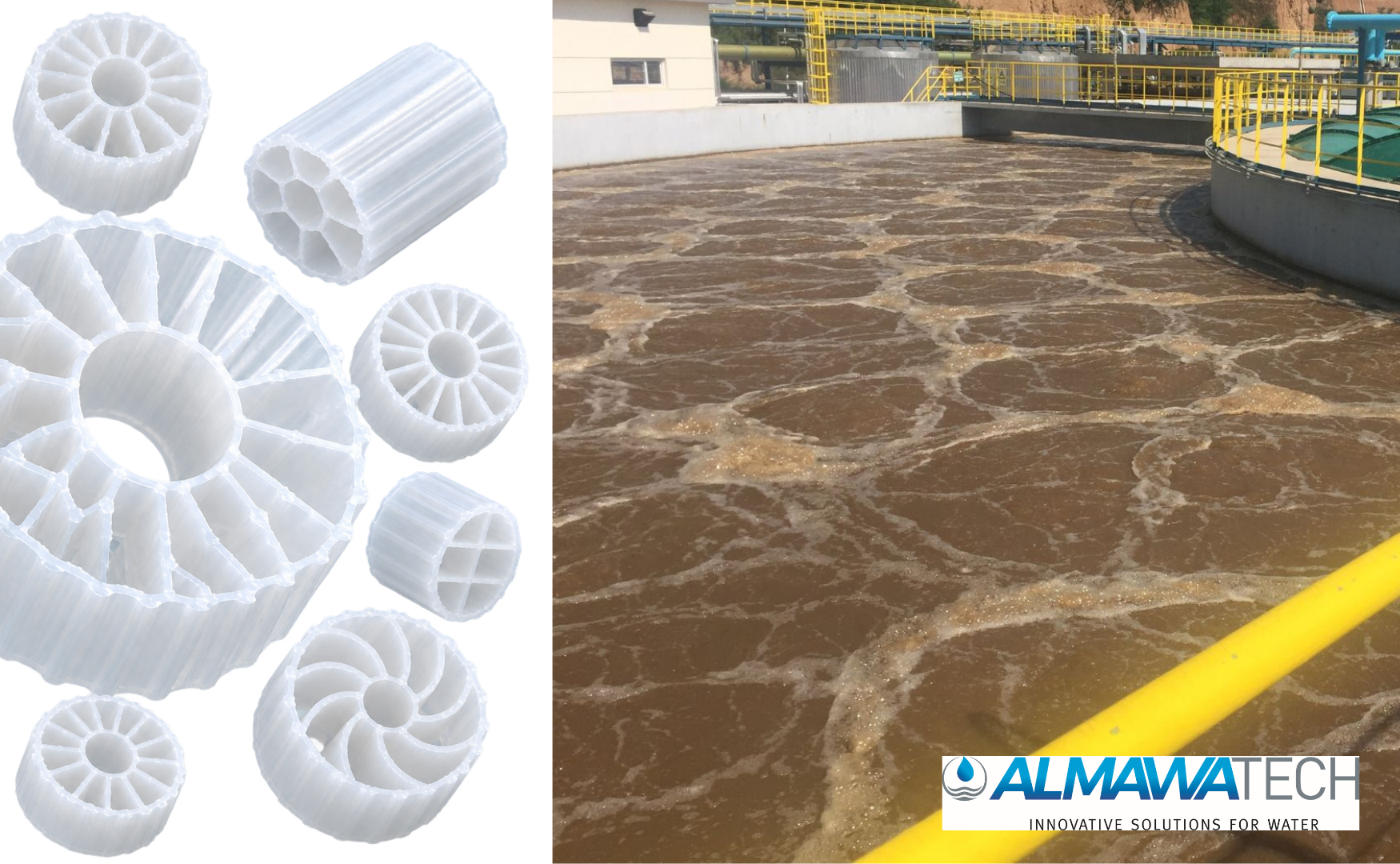
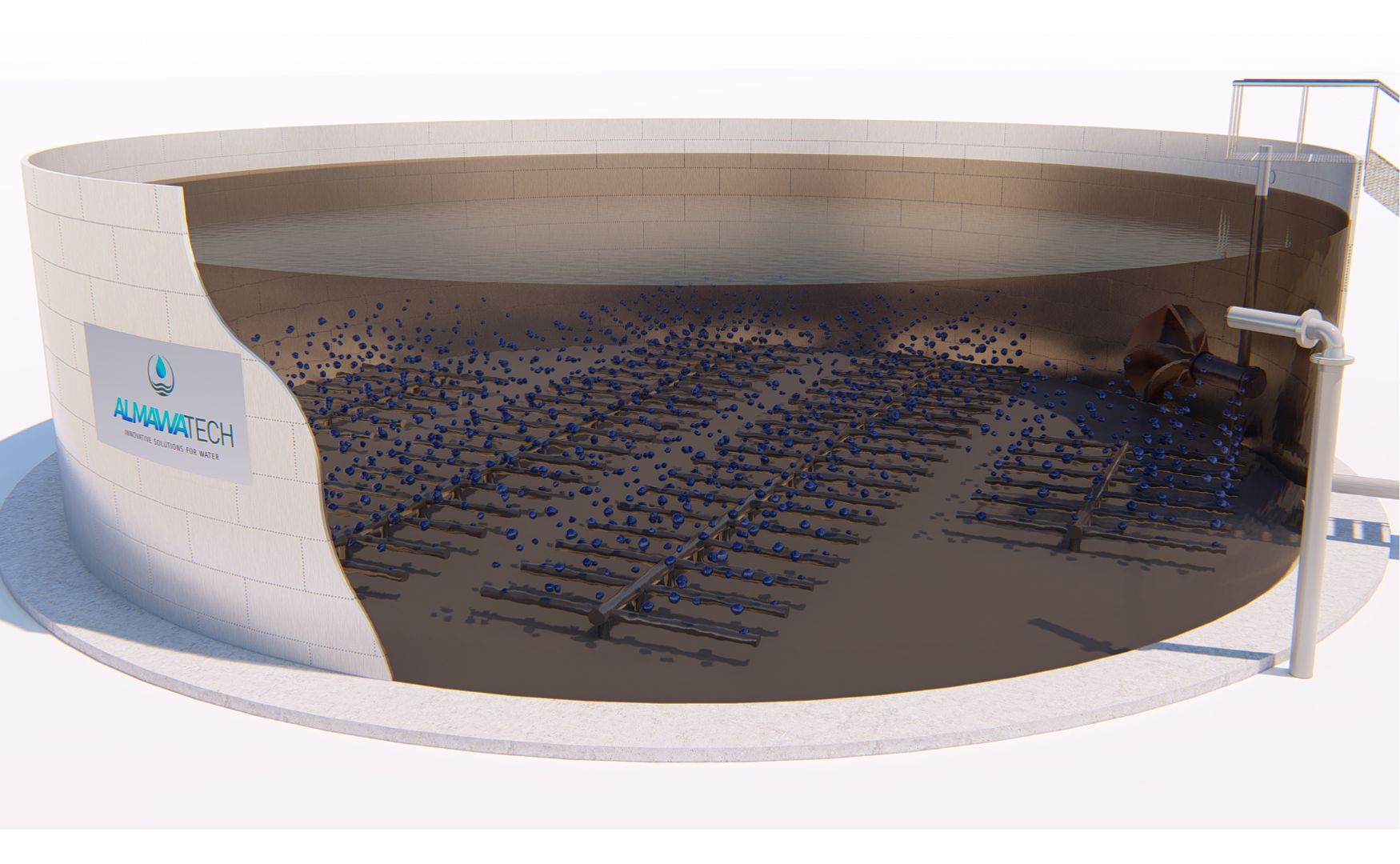
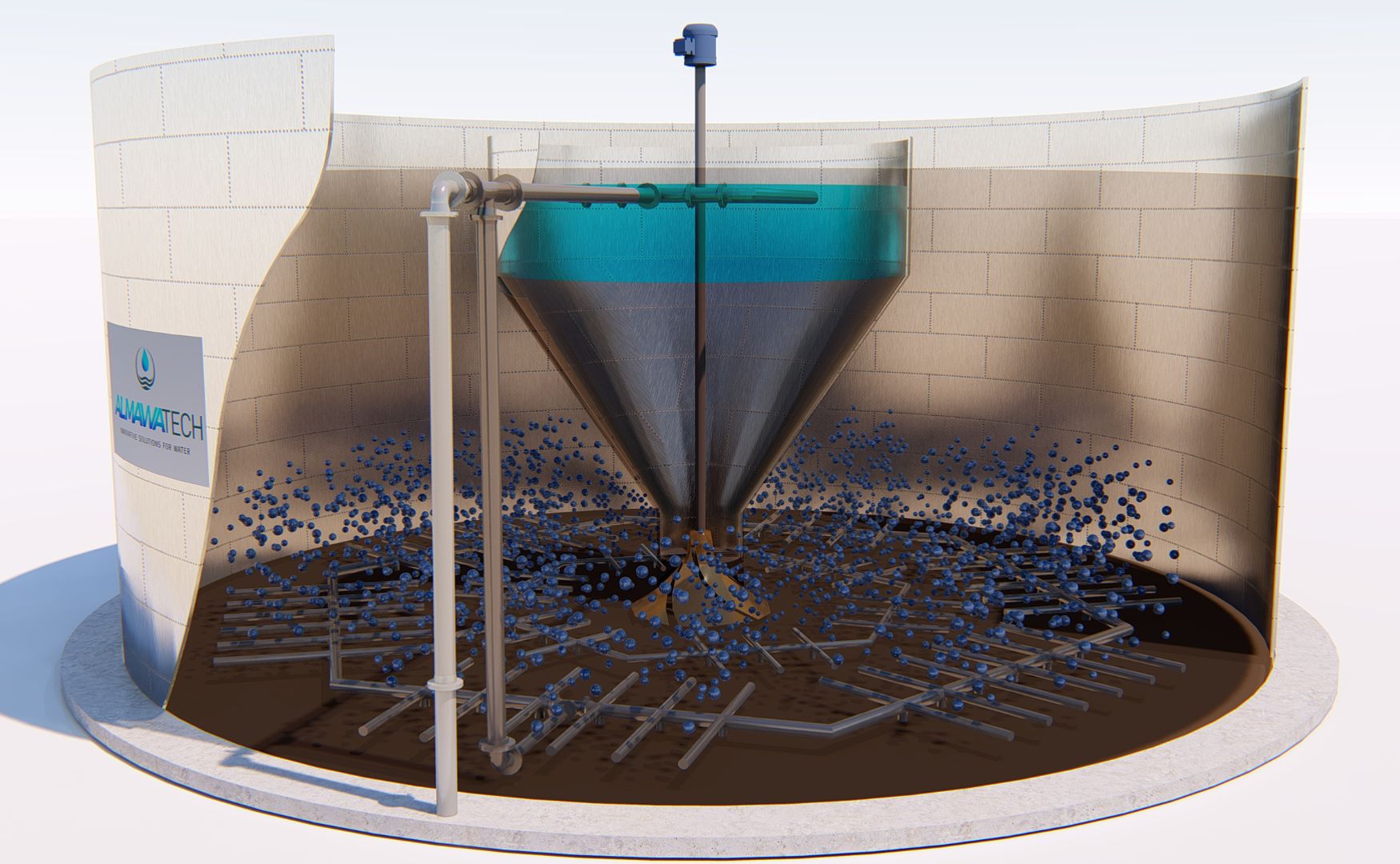
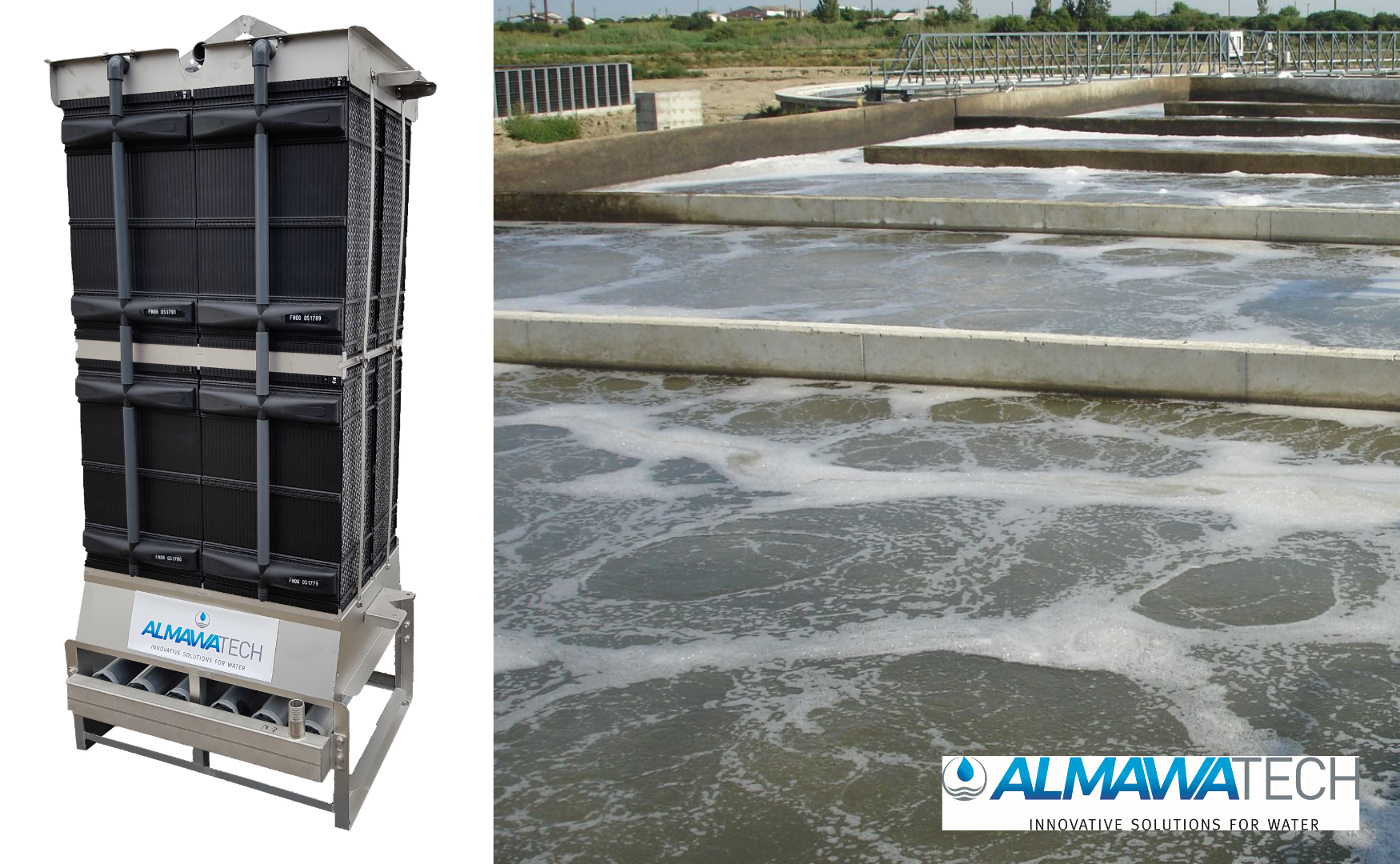
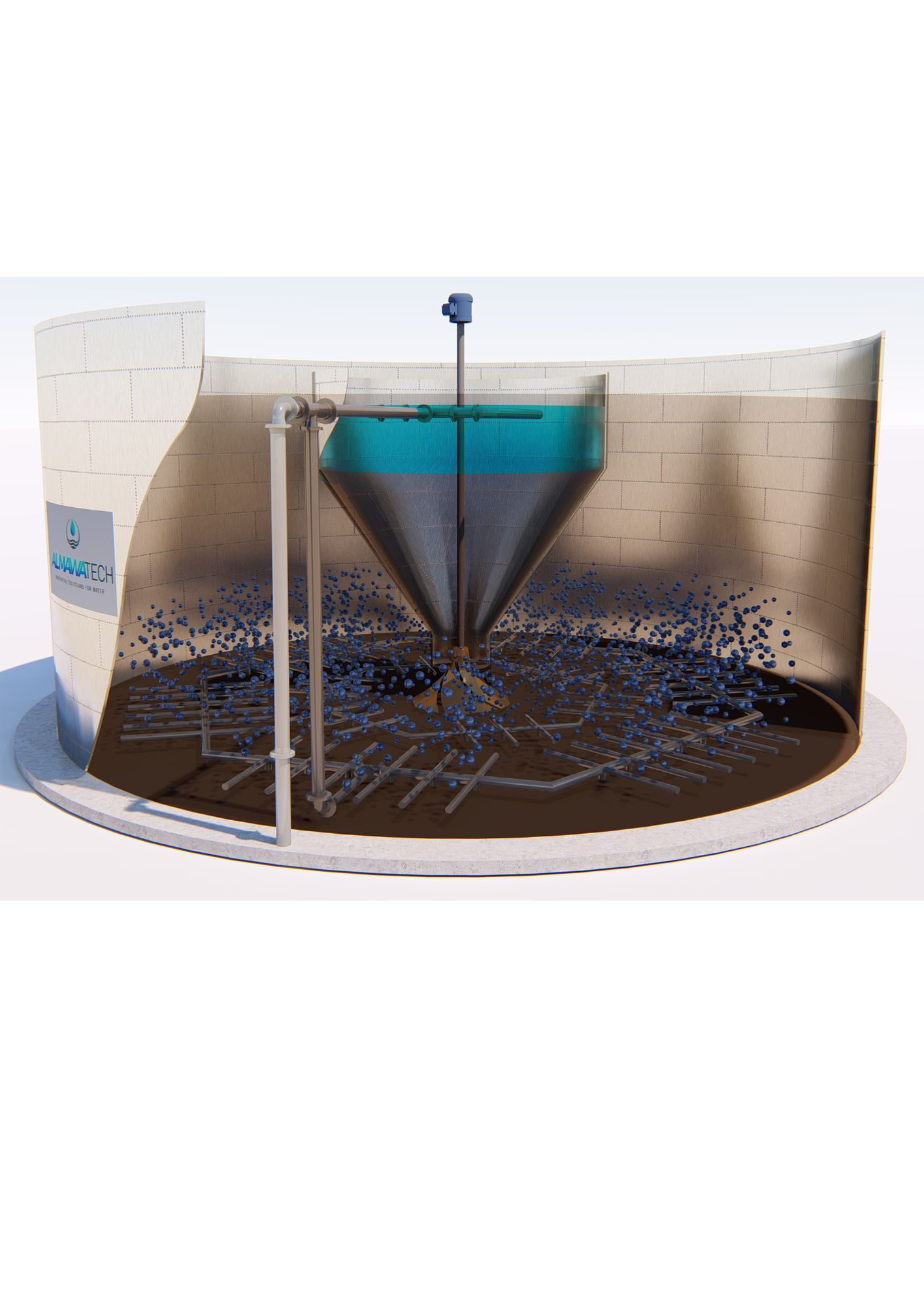
The biological degradation of organic wastewater constituents in the process stages of the ALMA BIO BBI technology effectively reduces the organic load. The system is based on the combination of an aeration tank with fine bubble aeration and an integrated sedimentation tank. This enables effective biomass recirculation and therefore lower sludge disposal costs.
Technical data
Main applications
Food industry, beverage industry, milk processing companies
Throughput capacity
20 - 1,000 m³/d
COD reduction
80–95% COD removal

Your experts for biological wastewater treatment - directly accessible

dominik_hoffmann_almawatech

Dominik Hoffmann

Head of Project Development

maksim_neuabauer_almawatech

Maksim Neubauer

Head of International Project Development

Compact biological wastewater treatment with integrated sedimentation

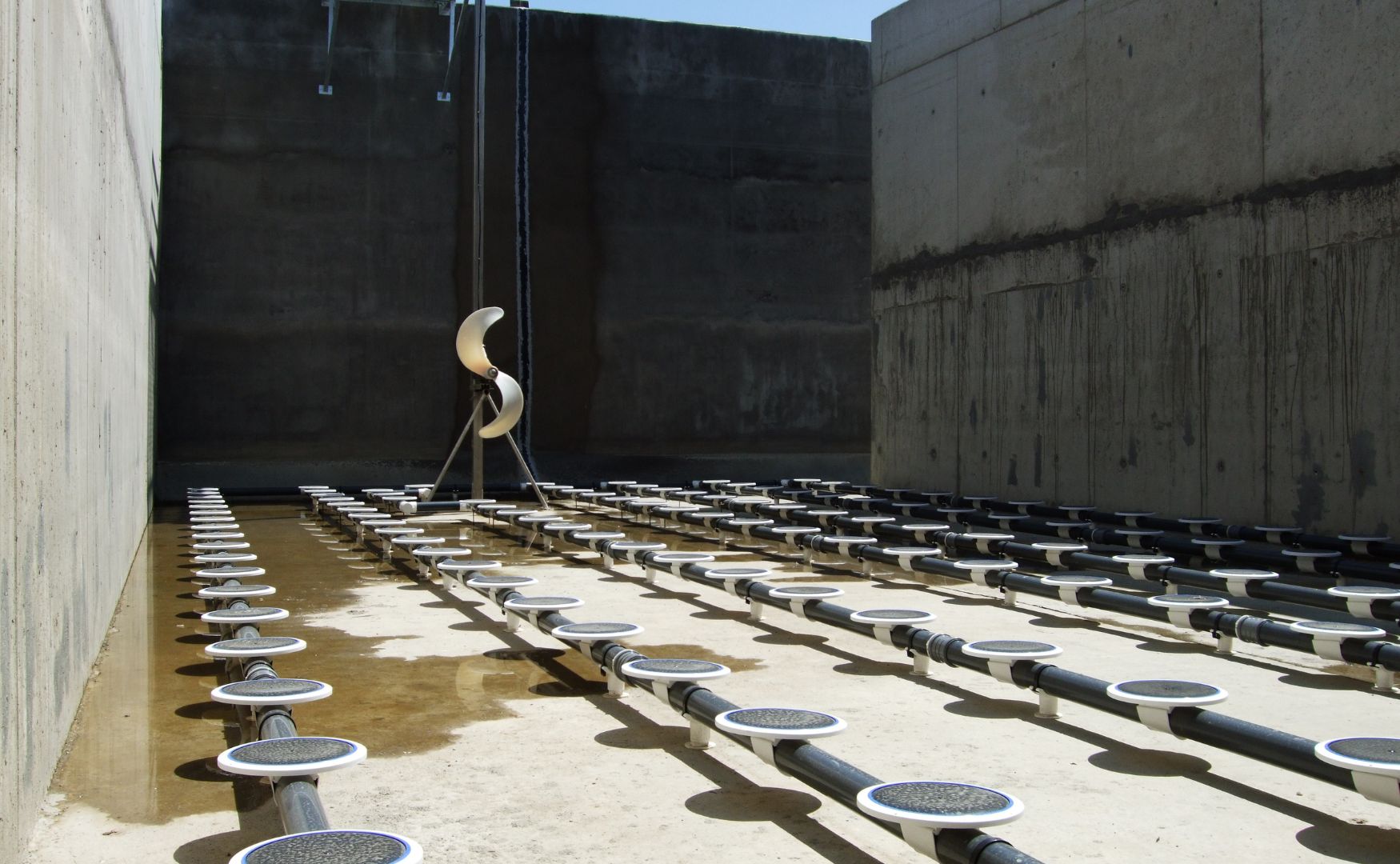
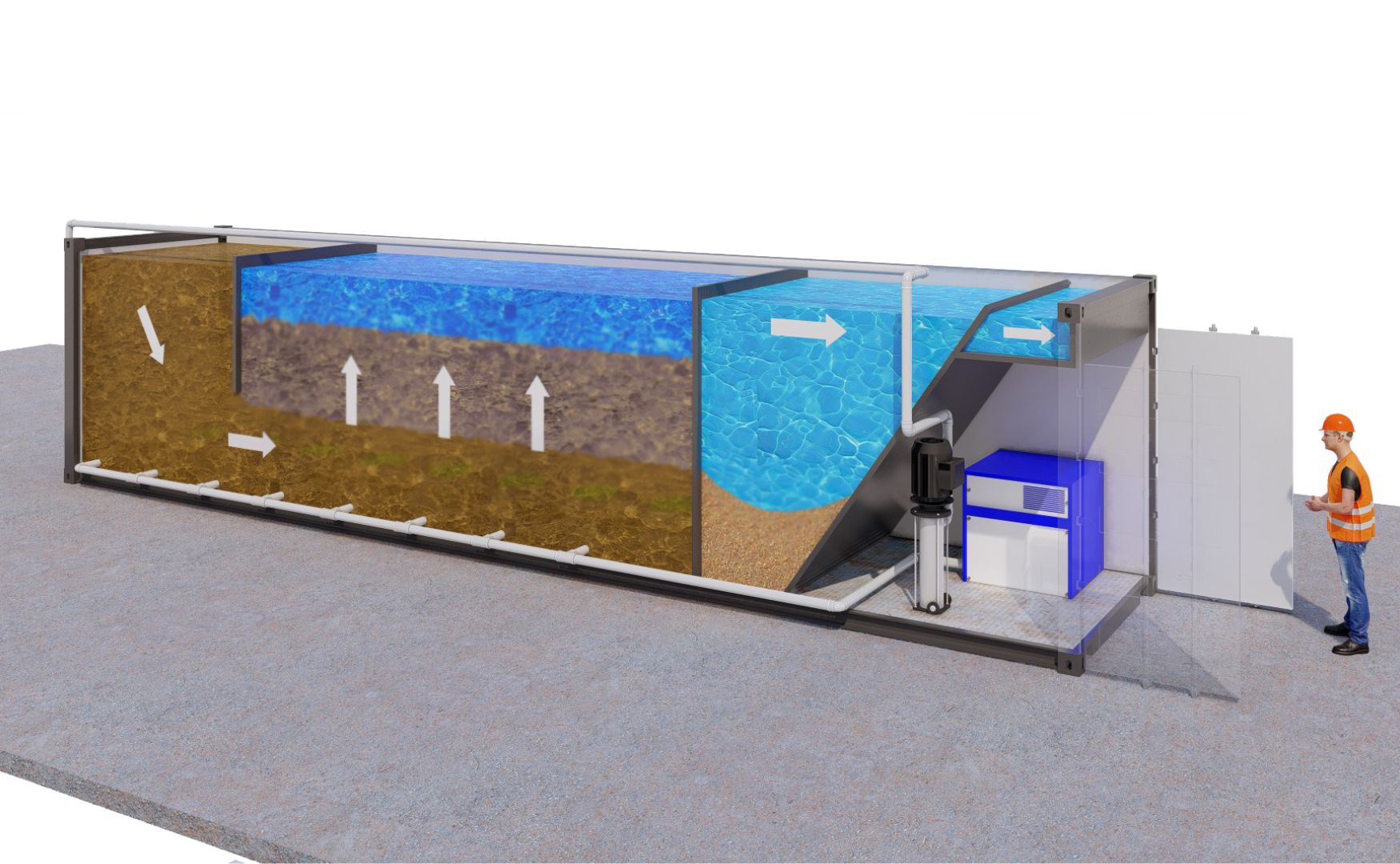
The ALMA BIO BBI combines an aerobic activation tank, fine-bubble aeration, sedimentation, and biomass recirculation into a compact system solution. Organic contents of the wastewater are biologically degraded, while the biomass is separated from the clarified water directly within the system and recirculated back into the activation stage.

Biological treatment

Aerated Activated Sludge Tank

Microorganisms break down biologically available organic substances. Tube-membrane aerators supply the biomass with oxygen as needed.

solid-liquid separation

Integrated Sedimentation

The sludge-water mixture enters the integrated sedimentation zone. There, the biomass settles, while the treated clear water flows out.

Biomass Cycle

Internal Sludge Recirculation

The removed biomass is recirculated via Mammut pumps back into the aeration stage. This maintains a high concentration of active microorganisms in the system.

Benefits of ALMA BIO BBI

  • Biology and Sedimentation in a Single System Depending on the project design, a separate secondary clarifier may not be necessary.
  • Compact Plant Design Combining the process stages reduces interfaces, piping runs, and the space required.
  • Energy-Efficient Fine-Bubble Aeration Tube-membrane aerators produce small air bubbles and promote efficient oxygen transfer.
  • Effective Biomass Recirculation Internal recirculation keeps active biomass in the biological cycle and supports stable degradation rates.
  • Automated Process Control Oxygen, flow, and COD measurements can be used to control plant operations as needed.

BBI or a conventional aeration system?

ALMA BIO BBI for compact applications

Suitable for small to medium wastewater volumes, limited installation space, and projects where a compact combination of biological treatment and sedimentation is desired.

Separate Activation and Secondary Clarification

This may be appropriate for very high flow rates, extensive nitrogen requirements, or more complex, multi-stage biological designs.

Membrane bioreactor for high-quality effluent

If the system must be largely free of solids or if subsequent water reuse is required, membrane separation may offer advantages over sedimentation. .

20–1,000 m³/day Specified hydraulic performance range
80–95% Specified range of CSB reduction
3 Functions Aeration, sedimentation, and biomass recirculation in a single system

Typical Applications of the ALMA BIO BBI

Food industry
beverage industry
Dairies and milk-processing facilities
Production sites with limited floor space
Aerobic Post-Treatment of Pre-Treated Industrial Wastewater
Expansion or Replacement of Compact Biological Treatment Plants

Downloads

Please contact our specialist for biological wastewater treatment plants: E-Mail

Similar products

Get in touch with us!

dominik_hoffmann_almawatech

Dominik Hoffmann

Head of Project Development

maksim_neuabauer_almawatech

Maksim Neubauer

Head of International Project Development