


Moving-Bed Bioreactor for Biological Wastewater Treatment
Aerobic Biological Wastewater Treatment

ALMA BIO MBBR – Moving Bed Biofilm Reactor for COD, ammonium, and nitrogen removal

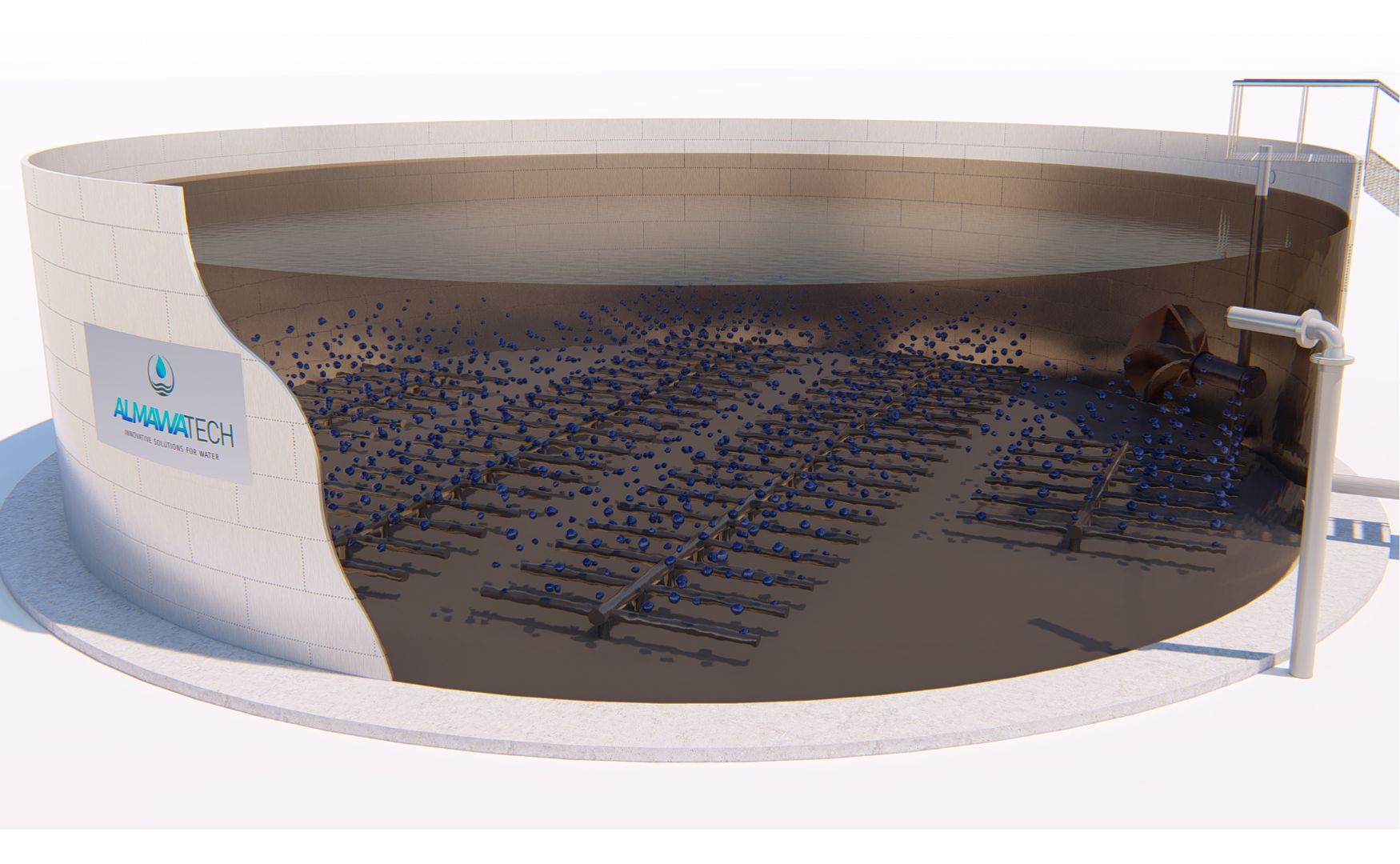
The ALMA BIO MBBR (Moving Bed Biofilm Reactor) is a biological wastewater treatment system designed for industrial wastewater to reduce organic loading as well as ammonium and nitrogen levels. Microorganisms grow as a biofilm on freely moving plastic carriers that are continuously mixed within the reactor.

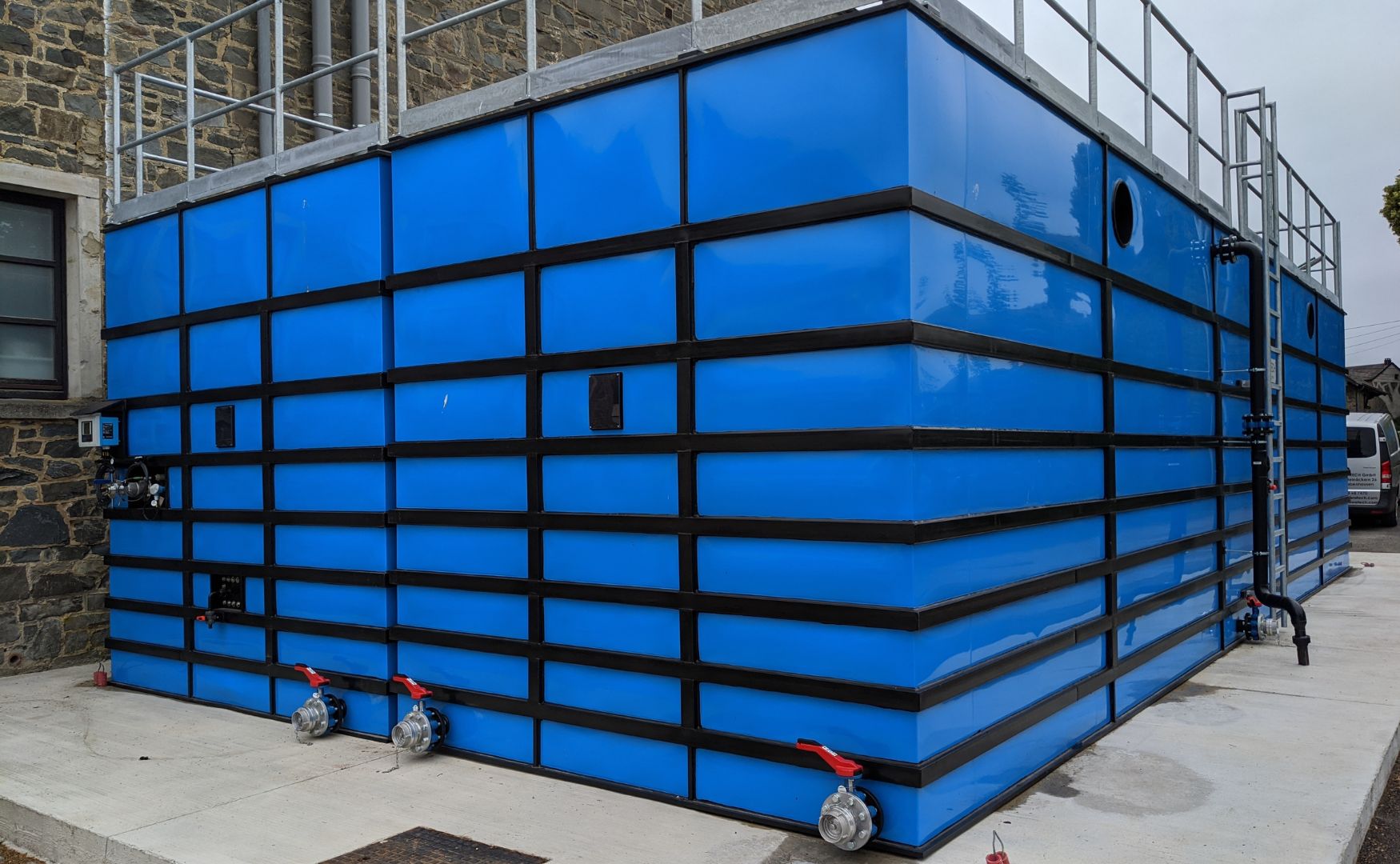
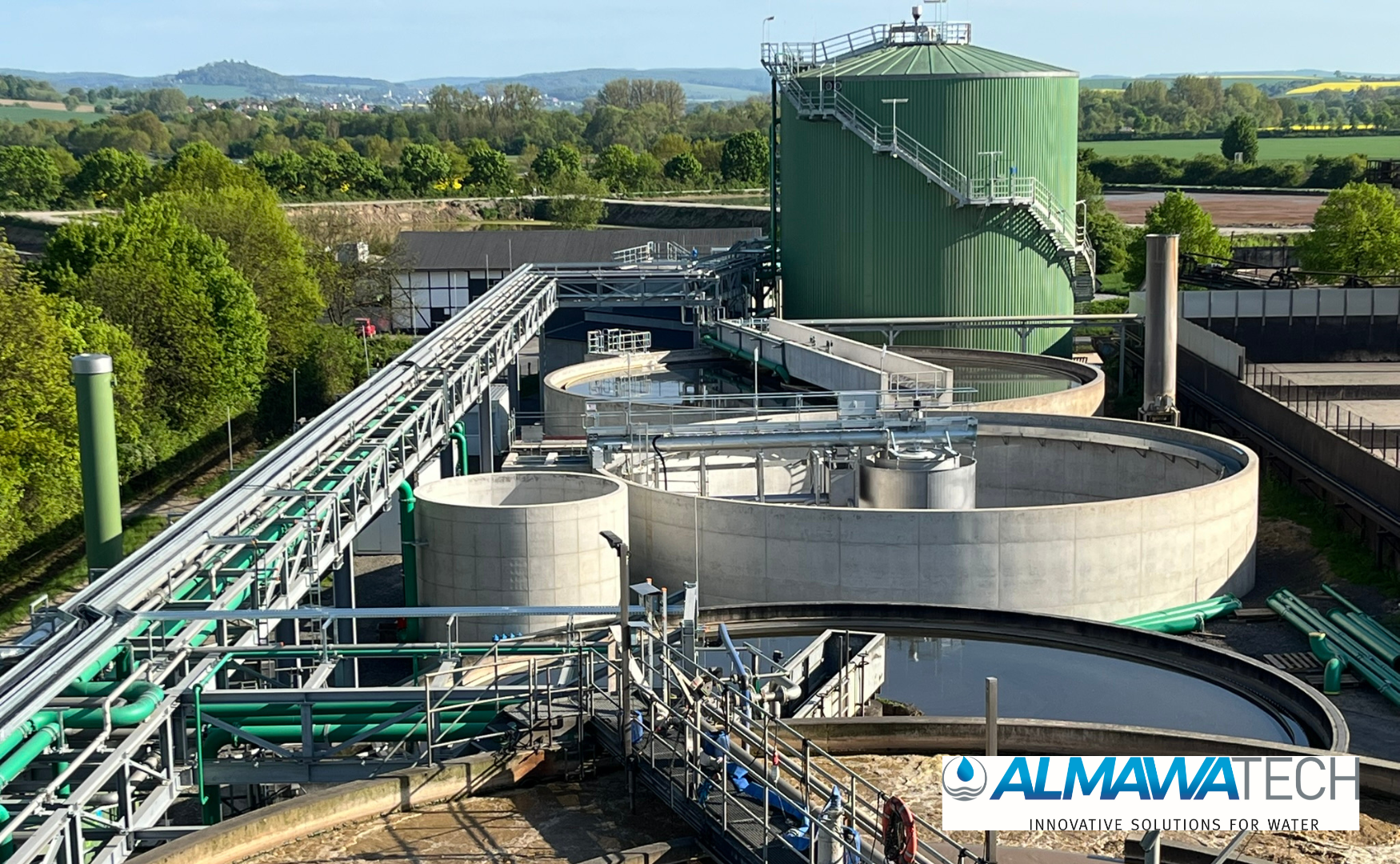
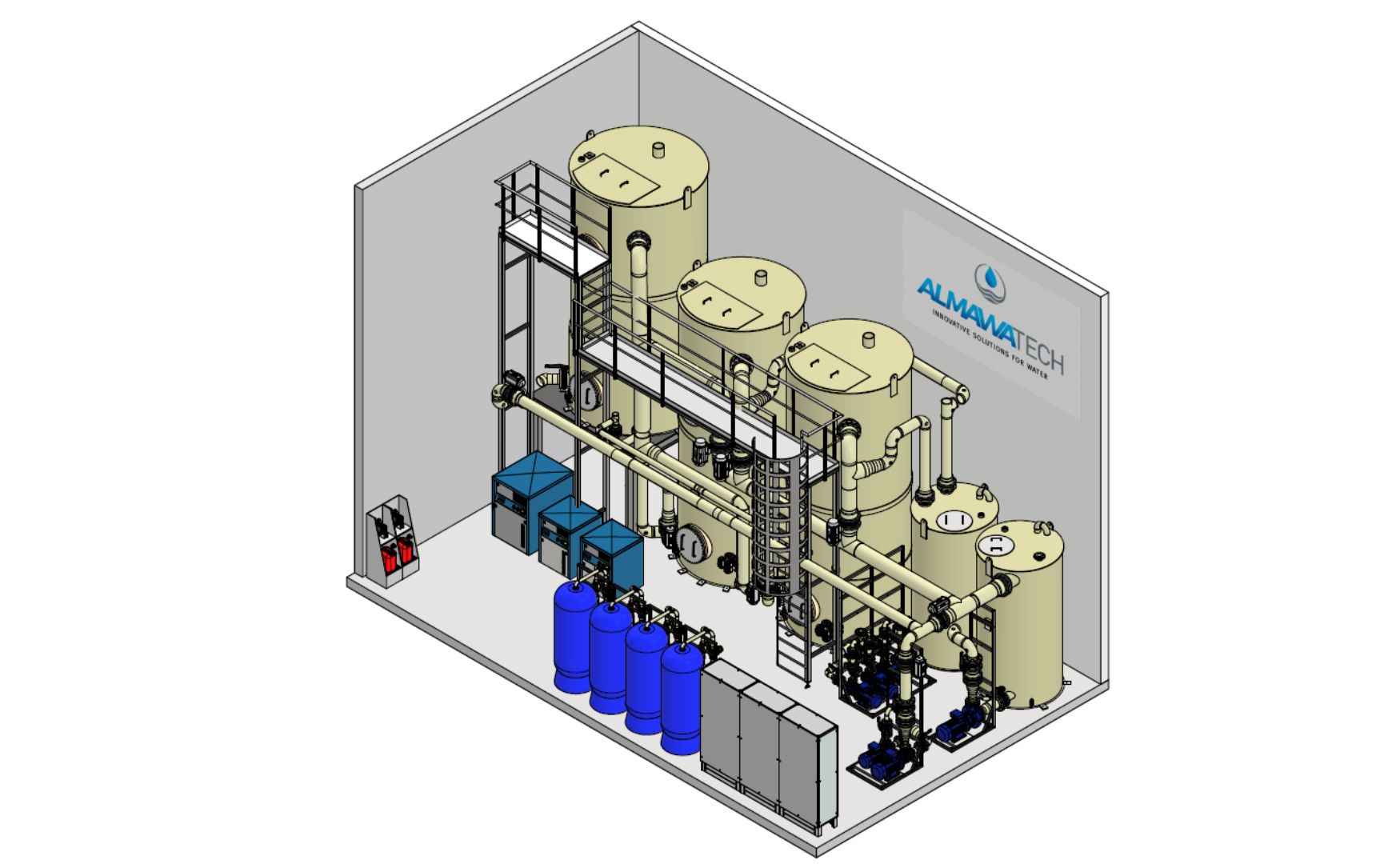
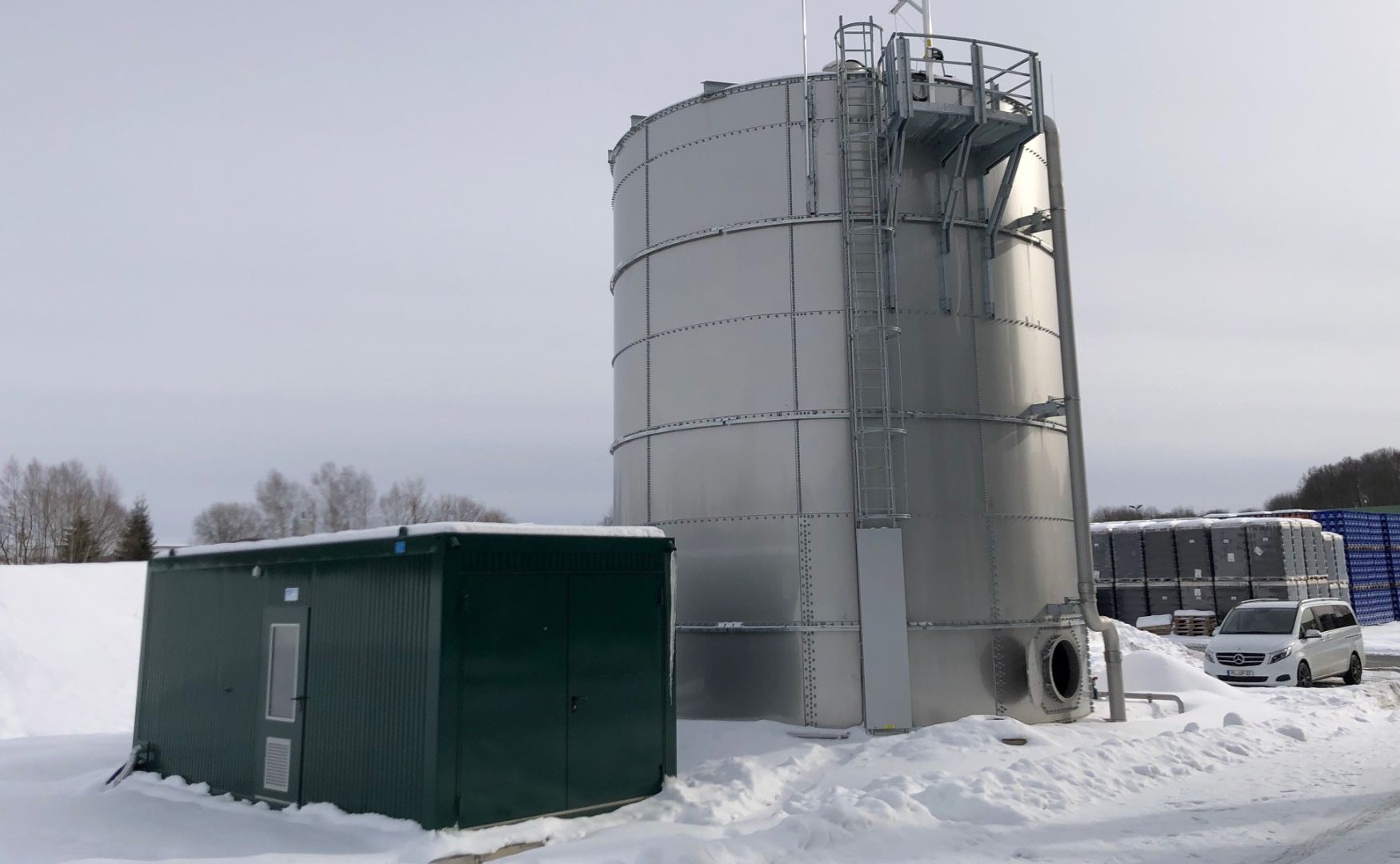
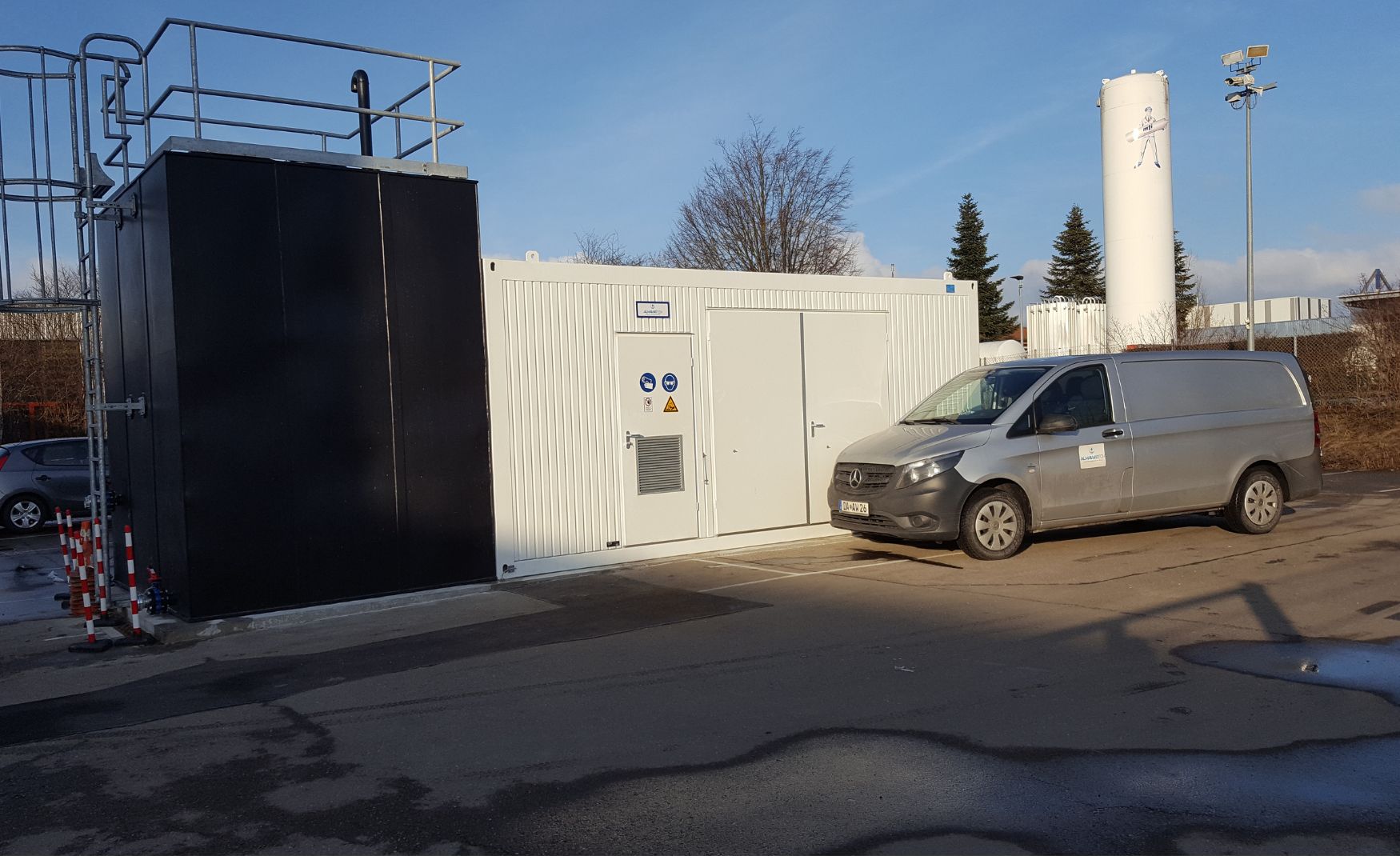
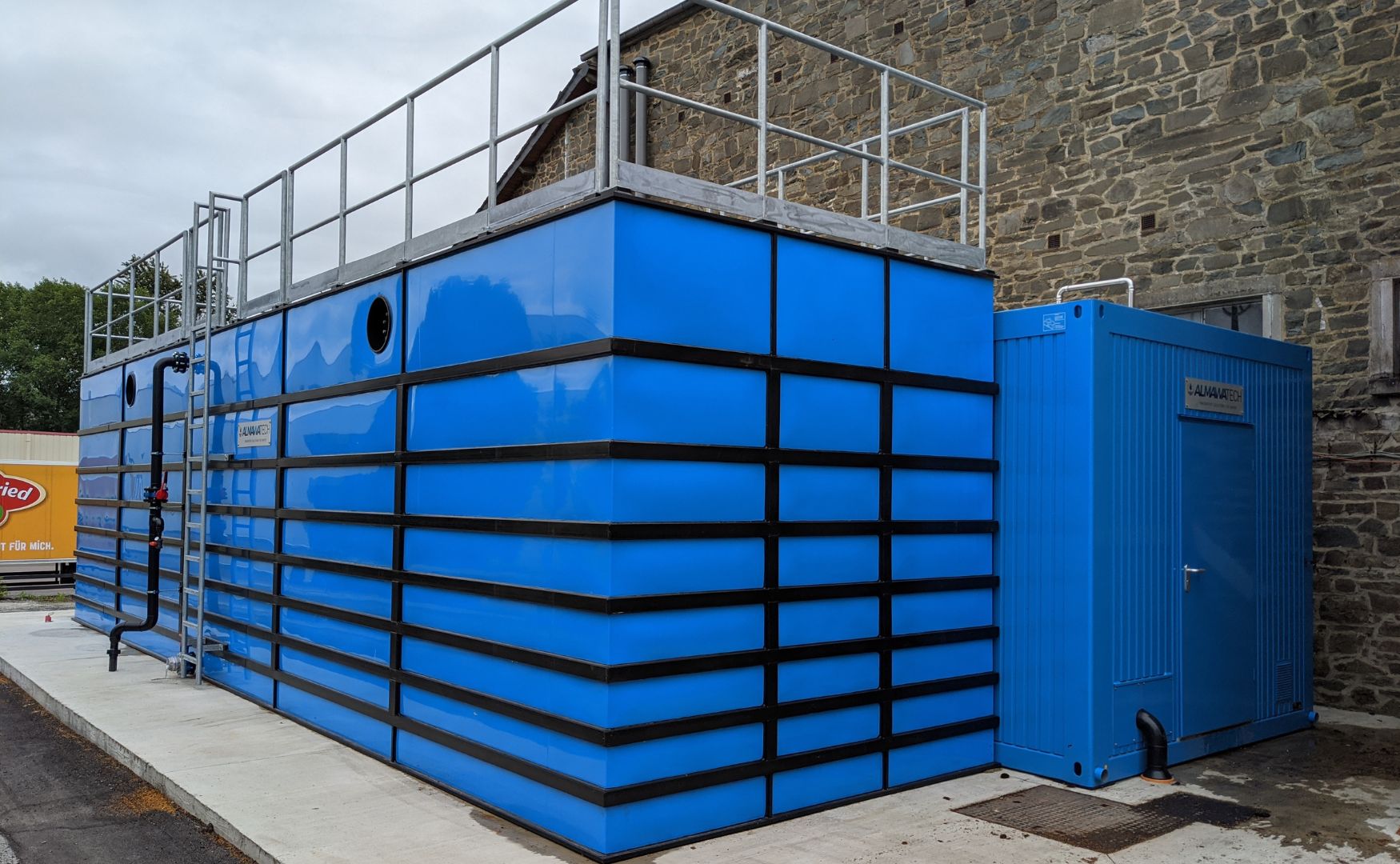
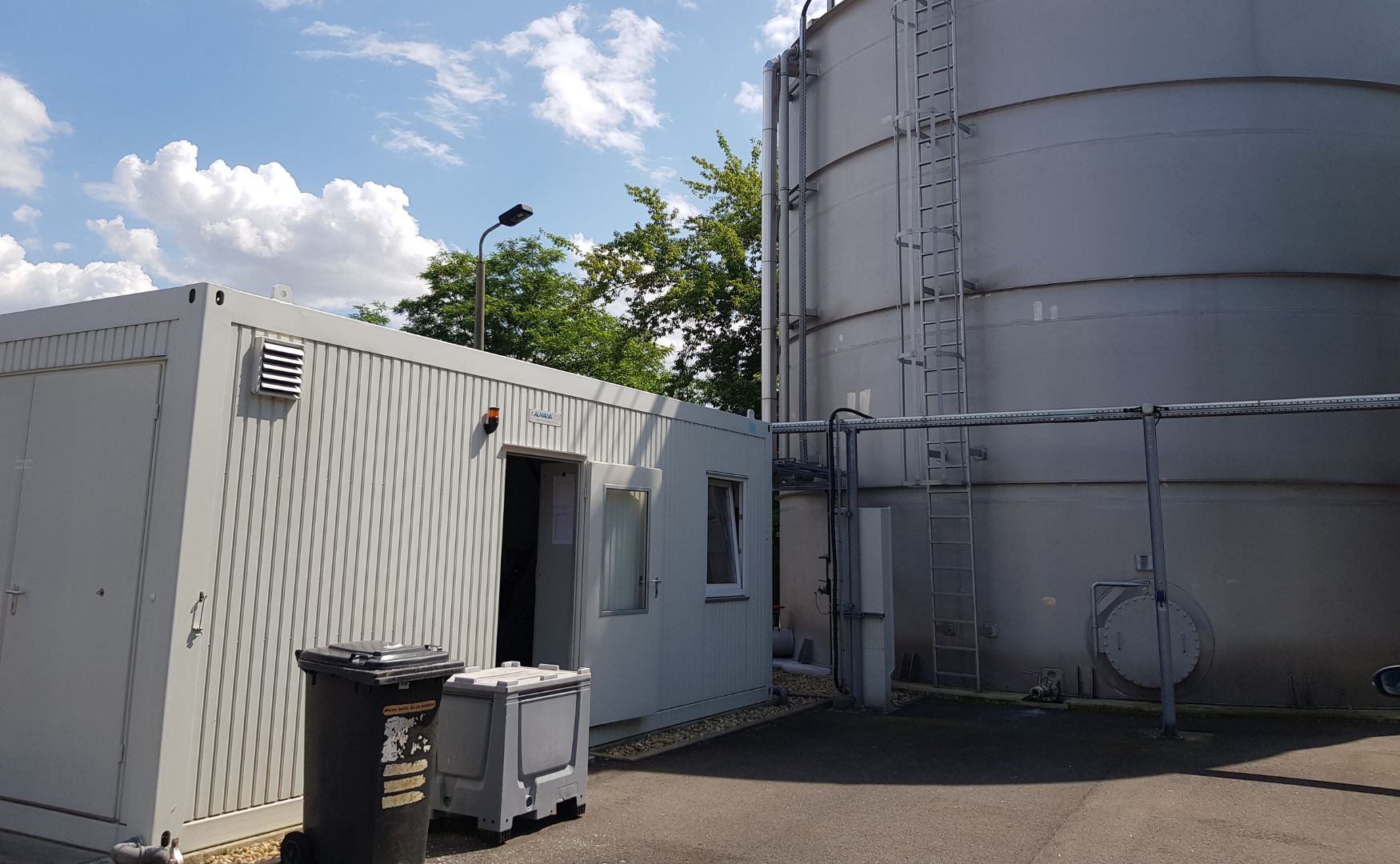
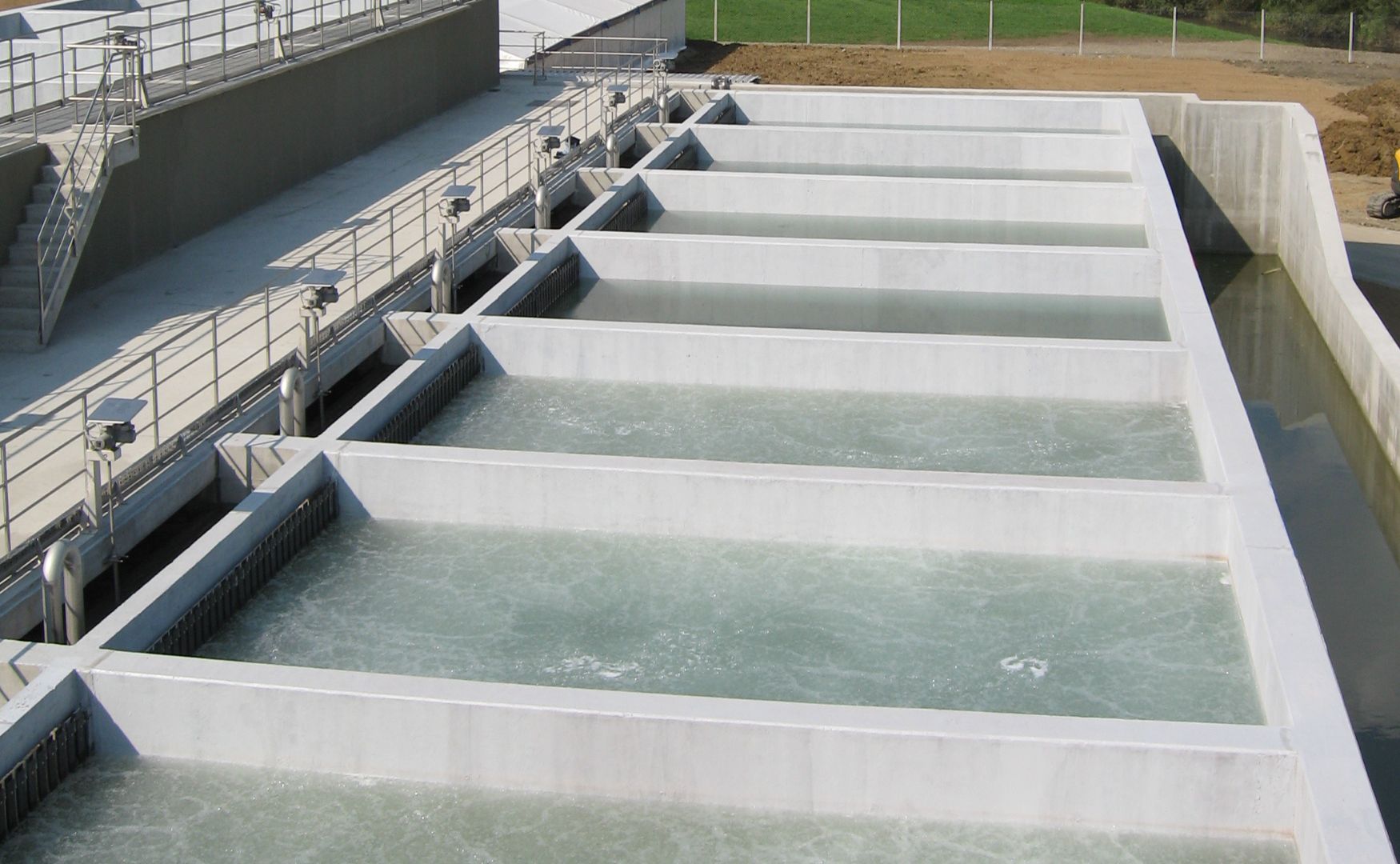
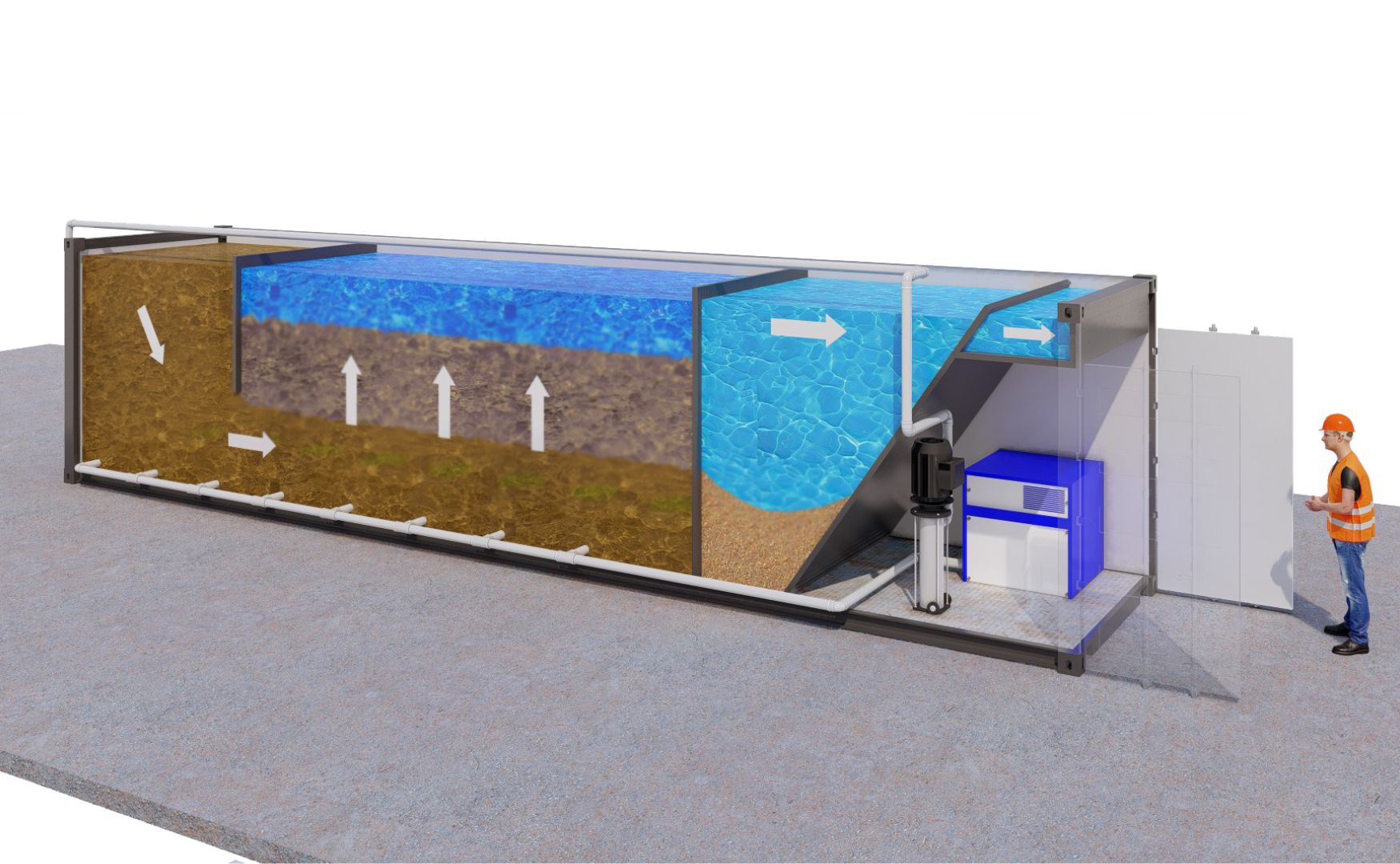
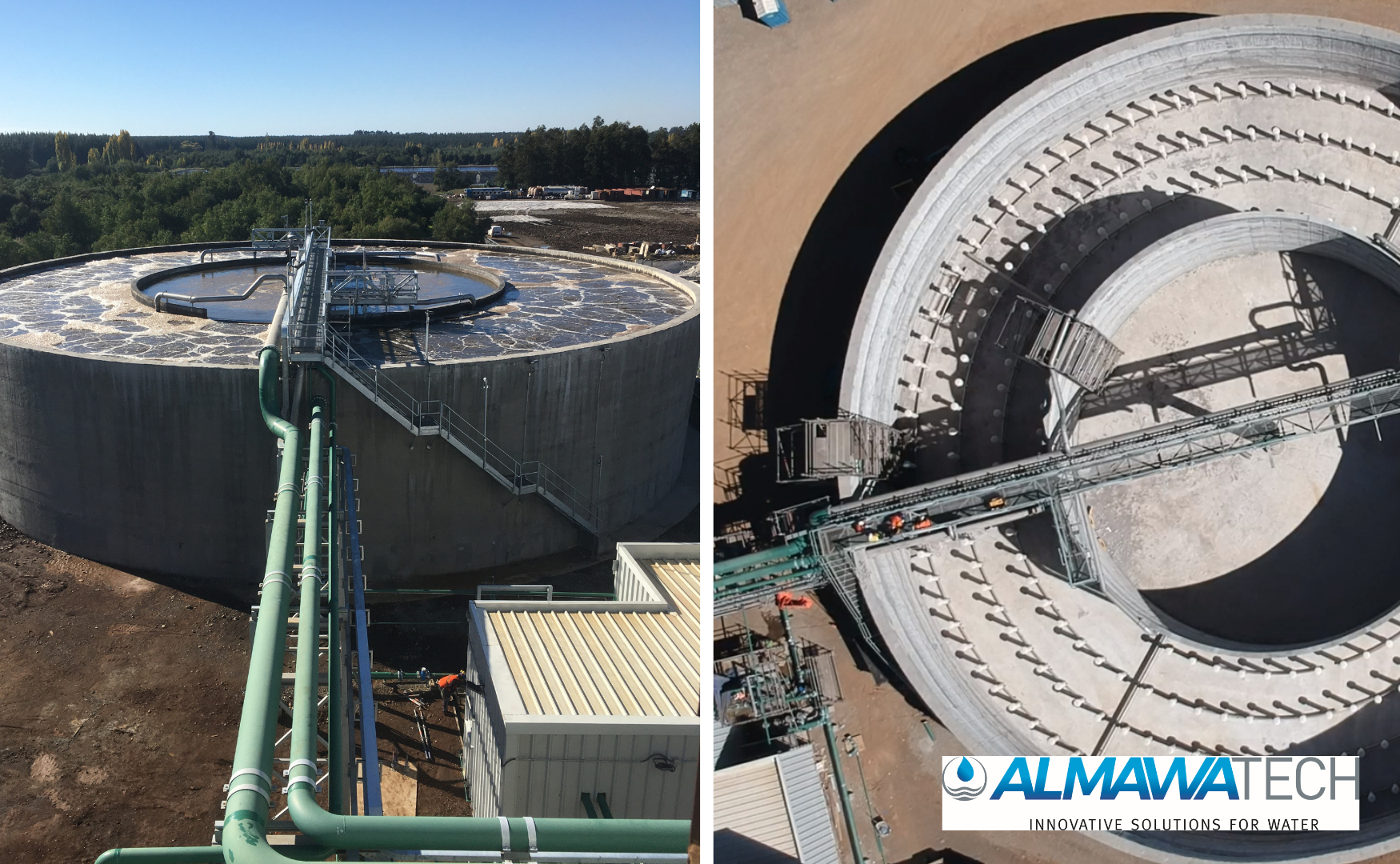
The system is designed on a project-specific basis for hydraulic capacities ranging from 20 to 5,000 m³/h and, depending on the system size and application, can be constructed as a concrete tank, a stainless steel reactor, a PE/PP reactor, or in a containerized design.
Technical data
Main applications
Industrial wastewater, organic process streams, waste streams
Construction method:
Concrete, stainless steel, PE/PP, or container construction
Reduction of:
CSB, Ammonium, and Nitrogen
Hydraulic power
20–5,000 m³/h
Carrier interface:
50–750 m²/m³

Have an MBBR system designed:

dominik_hoffmann_almawatech

Dominik Hoffmann

Head of Project Development

maksim_neuabauer_almawatech

Maksim Neubauer

Head of International Project Development

What is an MBBR reactor?

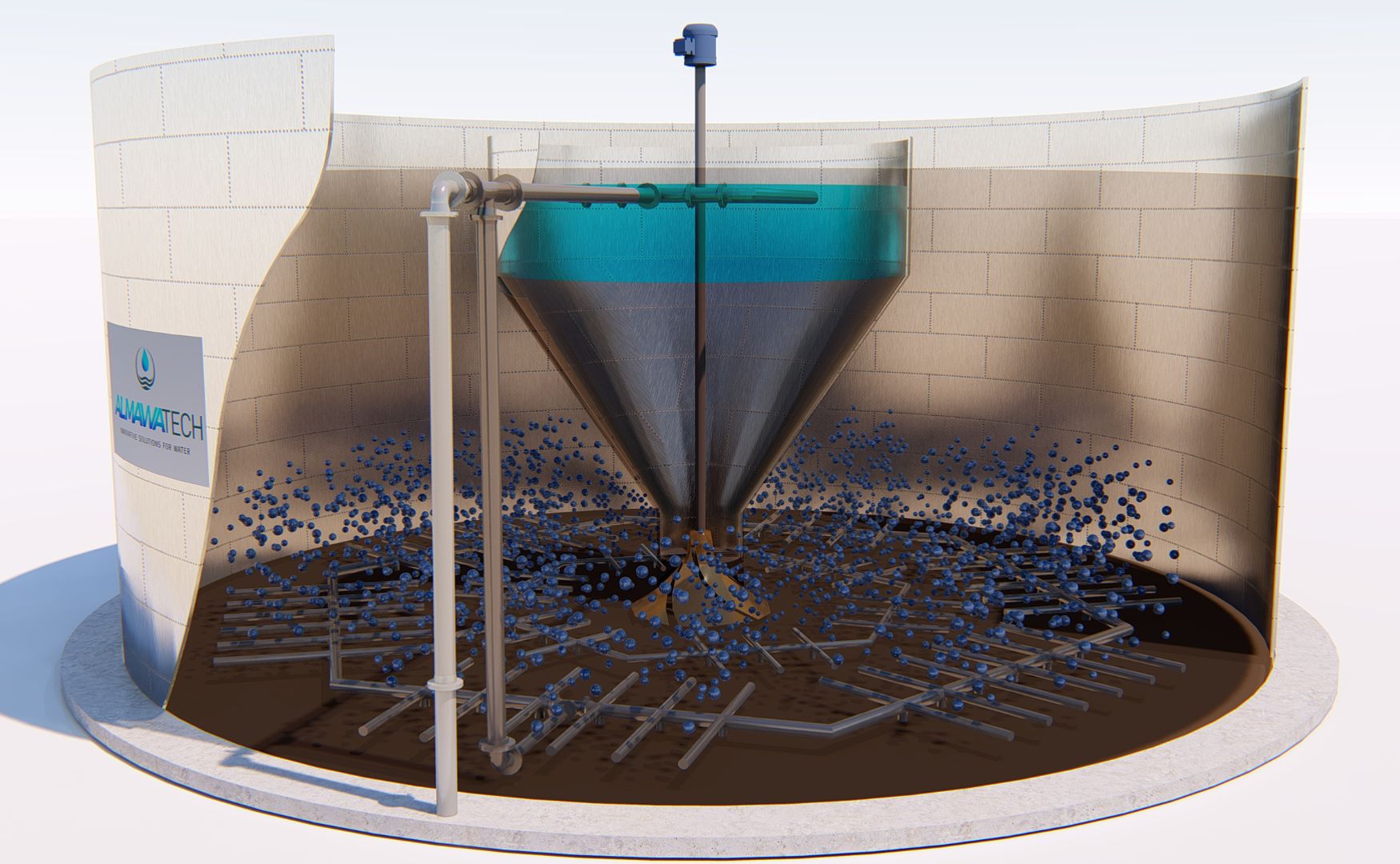
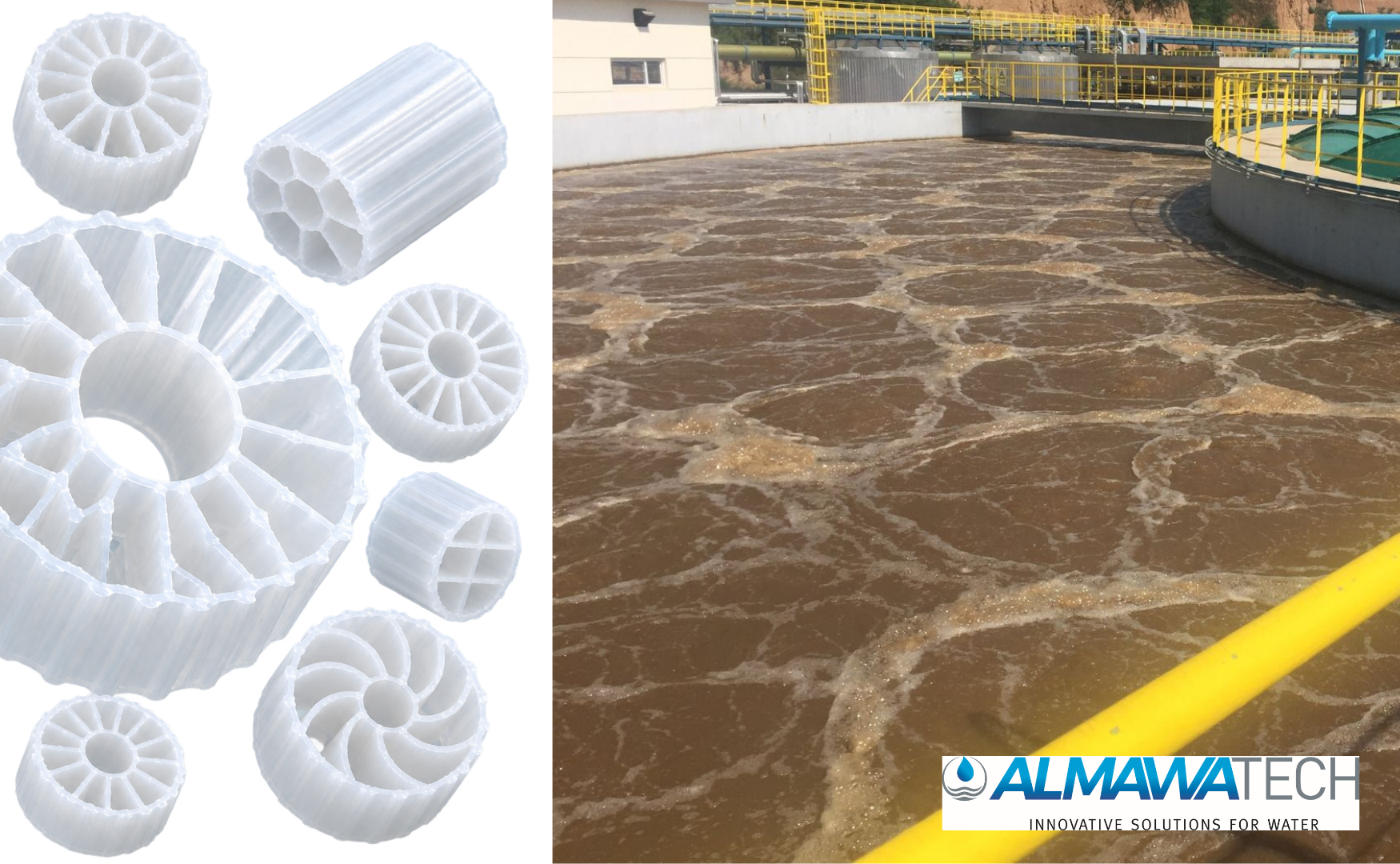
An MBBR reactor (Moving Bed Biofilm Reactor) is a biological wastewater treatment process in which microorganisms grow as a biofilm on freely moving plastic carriers. These so-called carriers move continuously within the reactor and provide a large, protected surface area for the active biomass.

This allows a high concentration of biologically active biomass to be maintained relative to the reactor volume. The MBBR process is suitable both for the biological degradation of organic carbon compounds and for nitrification —and, with appropriate process control, for denitrification.

Biofilm technology is particularly suitable for industrial wastewater with fluctuating influent loads, peak loads, or limited installation space .

An MBBR reactor is a biological wastewater treatment system in which microorganisms grow on freely moving plastic carriers and biologically degrade organic contaminants and nitrogen compounds.

How does the ALMA BIO MBBR work?

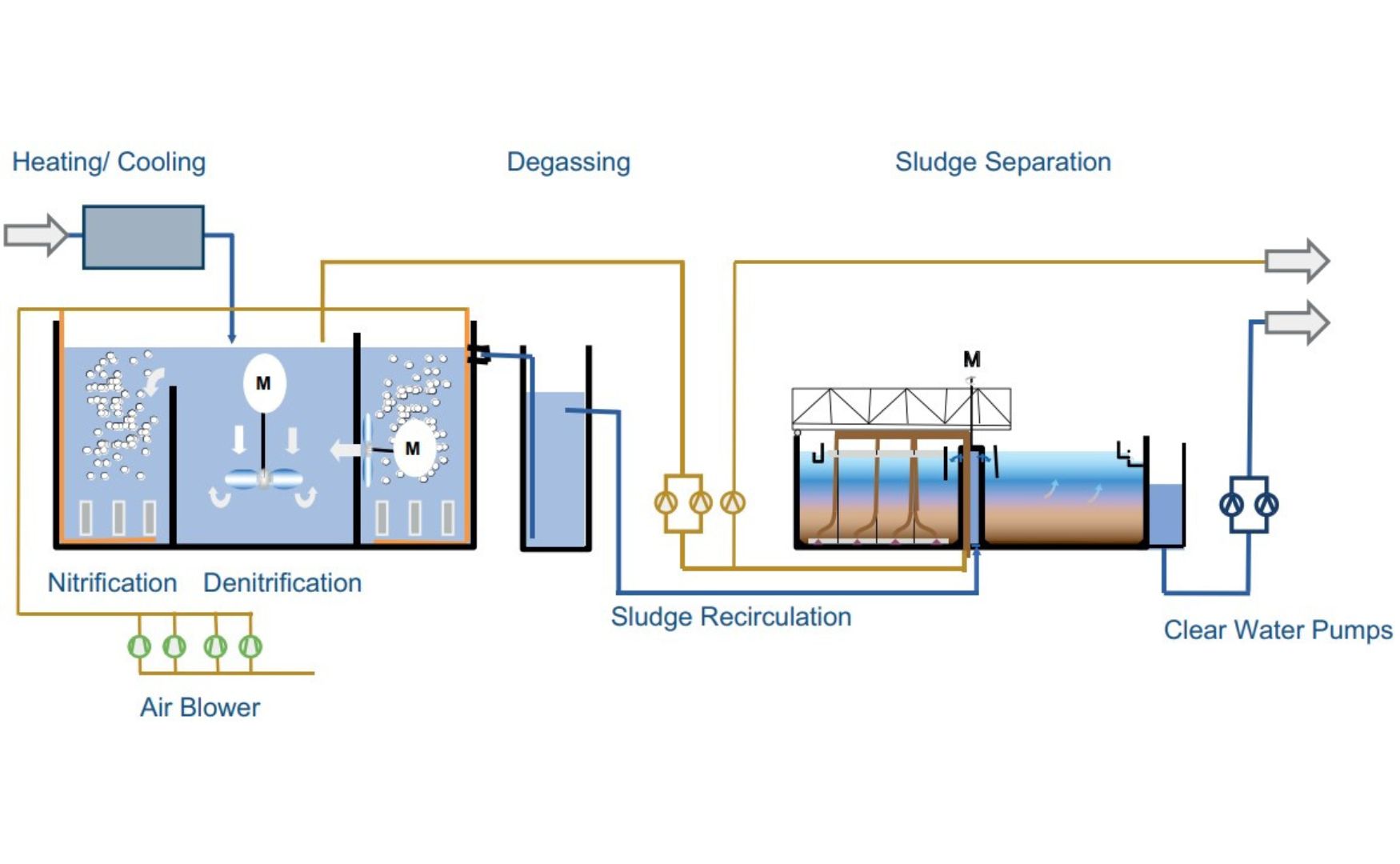
In the ALMA BIO MBBR system, industrial wastewater is treated in several biological process steps. The biomass growing on the carriers breaks down organic contaminants and—depending on the design—also performs nitrogen removal.

1

Supply wastewater

The pretreated industrial wastewater is fed into the MBBR reactor either continuously or based on the load.

2

Biofilm on the carriers

Microorganisms colonize the plastic substrates and form a stable, biologically active biofilm there.

3

Mix the carrier

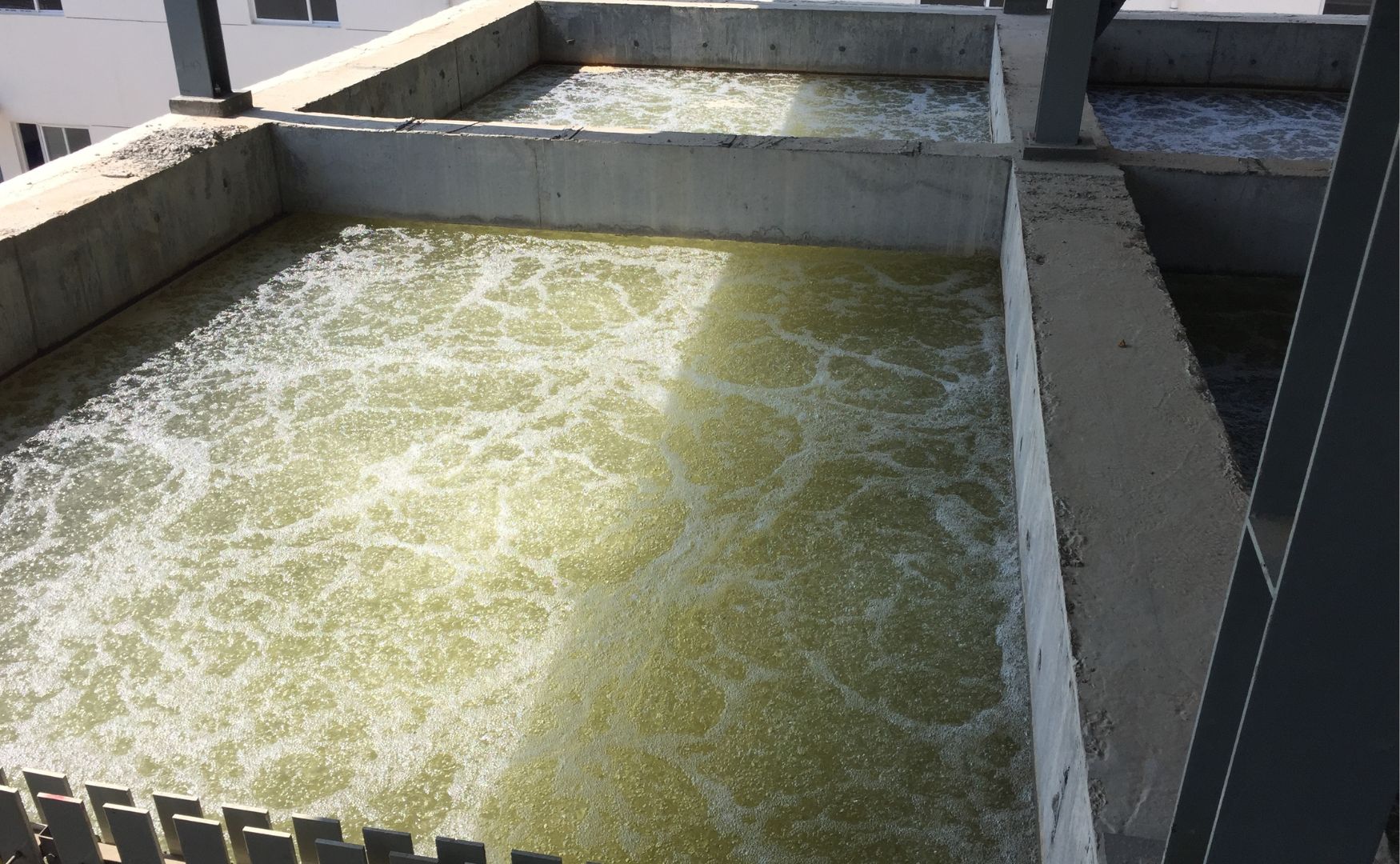
In aerobic reactor stages, aeration simultaneously ensures the supply of oxygen and the continuous agitation of the biofilm.

4

Reduce CSB and BSB

Biologically available carbon compounds are metabolized by microorganisms, thereby reducing the organic COD and BOD loads.

5

Nitrifying ammonium

When the system is designed appropriately, nitrifying microorganisms convert ammonium under aerobic conditions to nitrate.

6

Reduce nitrogen

In upstream or downstream anoxic zones, nitrate can be biologically denitrified, thereby reducing the total nitrogen.

7

Separate biomass

Excess biomass is discharged and, depending on the plant design, separated from the biologically treated wastewater using a suitable solids separation process.

Advantages of the MBBR Process

The combination of biomass that grows firmly on the carriers and freely moving growth structures enables compact, flexible, and load-resistant biological wastewater treatment.

High biological activity

The carriers provide a large, protected surface area for the biofilm, thereby enabling a high concentration of biologically active biomass in the reactor.

Stable under impact loads

The biomass established on the growth media remains in the system and supports robust operation under fluctuating COD and hydraulic loads.

Compact design

Due to the high biomass density, MBBR systems can be implemented for many applications with comparatively small reactor volumes and space requirements.

CSB and Nitrogen Removal

Depending on the reactor configuration, organic contaminants, ammonium, and total nitrogen can be reduced using different biological stages.

Existing systems can be retrofitted

MBBR stages can be integrated into existing wastewater treatment plants to increase capacity, stabilize the process, or improve biological performance.

Flexible Designs

From compact PE/PP reactors to stainless steel, and on to large-volume concrete tanks or container-based systems, the design can be adapted to the throughput and location.

Case Studies in Aerobic Biological Wastewater Treatment

Carrier and Biofilm Surface Area—Critical Factors for MBBR Design

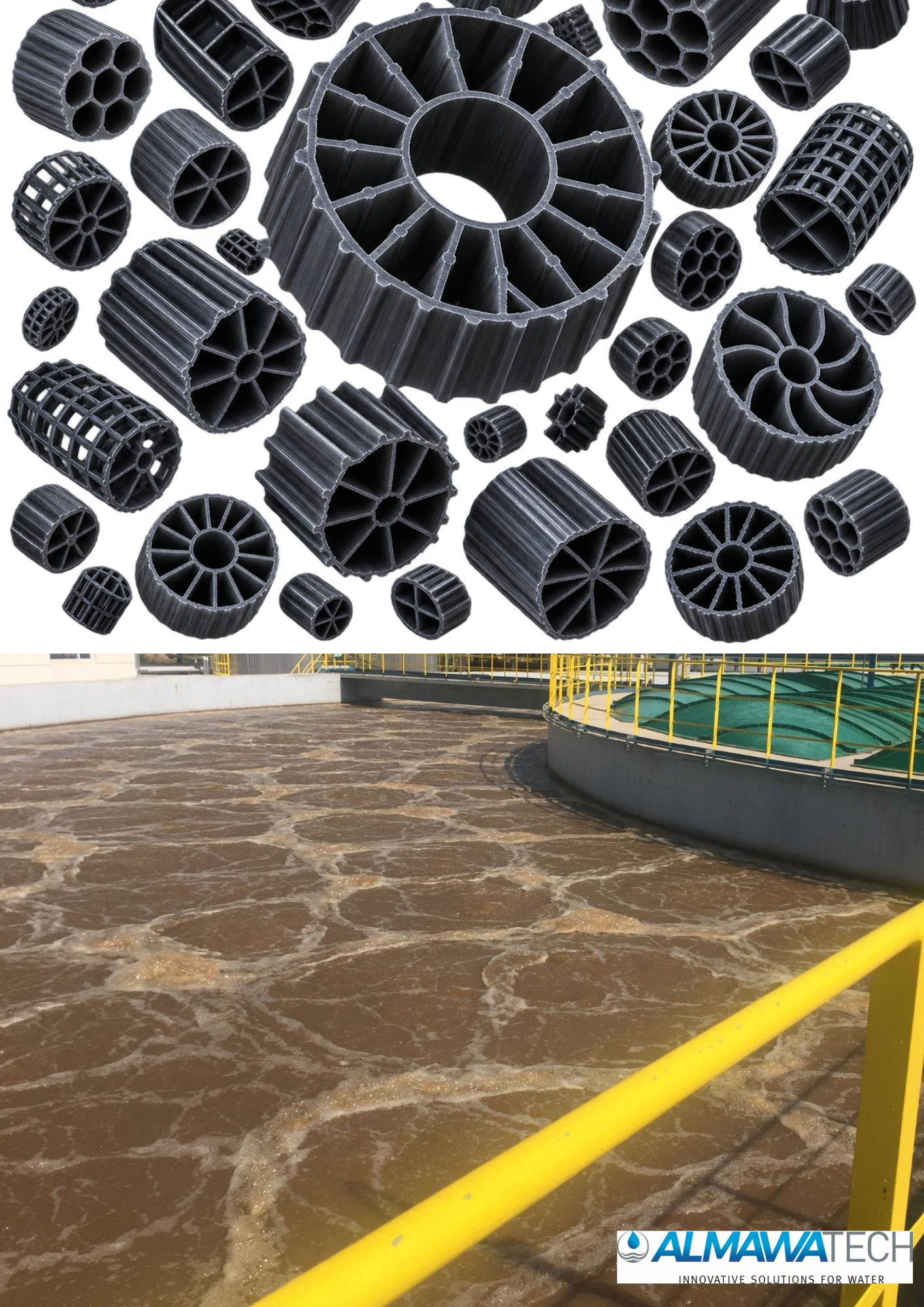
The selection of carriers or growth media is a key component of the process engineering design of an MBBR reactor. Depending on the wastewater load, treatment objective, and biological process, different carrier geometries and specific growth surface areas are used.

Project-Specific Carrier Selection
50–750
m² of specific growth area per m³ of carrier

With the ALMA BIO MBBR, the carrier geometry is not selected based on a one-size-fits-all standard, but rather according to the actual biological load and the desired treatment objective.

1. Determine the load

CSB, BSB, and ammonium loads form the basis for the required biological performance.

2. Select a carrier

The geometry and specific surface area are selected to suit the wastewater, biofilm process, and reactor conditions.

3. Lay out the effective area

What matters is not the maximum nominal area, but the surface area that is biologically usable under real-world conditions.

What factors determine carrier design?

  • Organic COD and BOD load
  • Ammonium load
  • Desired nitrification capacity
  • Wastewater Temperature
  • Oxygen demand
  • Wastewater Composition
  • Possible inhibitors
  • Available reactor area
  • Desired Safety Reserves

A carrier surface area that is as large as possible is not automatically the best solution. The key factor is which surface area is sufficiently aerated under actual process conditions and reliably supplied with oxygen, substrate, and nutrients.

CSB, Ammonium, and Nitrogen Removal Using MBBR

Through the targeted combination of aerobic and anoxic biofilm stages, the ALMA BIO MBBR can be used both to reduce organic loading and for biological nitrogen treatment.

Organic load

CSB and BSB Degradation

Heterotrophic microorganisms in the biofilm biologically degrade available organic carbon compounds. This reduces COD and BOD and alleviates the load on downstream treatment stages.

Ammonium

Nitrification

Nitrifying microorganisms convert ammonium under aerobic conditions first to nitrite and then to nitrate. The biofilm helps ensure that the slow-growing nitrifying bacteria remain in the reactor.

Total nitrogen

Denitrification

For further nitrogen removal, anoxic MBBR stages can be incorporated. There, nitrate is biologically reduced to elemental nitrogen.

When is an MBBR reactor particularly suitable?

MBBR systems are particularly well-suited for industrial wastewater applications that require a compact biofilm stage, high process stability, and flexible adaptation to varying load conditions.

Fluctuating Production Wastewater
Peak Loads in COD or BOD
High Ammonium Loads
Nitrification of Industrial Wastewater
Biological Nitrogen Removal
Limited installation space
Expansion of Existing Activated Sludge Systems
Increasing the Capacity of Existing Biological Treatment Facilities
Decentralized Biological Wastewater Treatment
Multi-stage industrial wastewater treatment systems

An MBBR is particularly useful in situations where a robust biofilm stage with high biomass densityis required, and where the biological treatment must simultaneously remain as stable as possible in the face of hydraulic or organic load peaks.

MBBR or activated sludge—what are the differences?

Both processes use microorganisms for biological wastewater treatment. The main difference lies in how the active biomass is retained in the reactor.

Criterion MBBR Conventional activated sludge process
biomass Primarily as a biofilm on carriers Predominantly freely suspended
Biomass retention Through the carrier in the reactor About Return Sludge
Impact Loads High process robustness More dependent on the age of the sludge and recirculation
Space requirements Often compact Larger tank volumes are often required
Extensibility Carriers or additional biofilm stages are possible Additional basins are often required
Nitrification Very feasible Also quite feasible
Retrofit Well-suited for expansion projects Often, more extensive construction projects

An MBBR differs from the conventional activated sludge process primarily in that a significant portion of the microorganisms is retained as a biofilm on freely moving plastic carriers within the reactor.

MBBR or MBR—what's the difference?

MBBR and MBR are often confused with each other, but they differ, particularly in terms of biomass retention and solids separation.

MBBR

In a moving-bed biofilm reactor, the biomass grows primarily as a biofilm on moving carriers. Excess biomass is discharged from the reactor and subsequently separated from the treated wastewater via a separate solids separation process. treated wastewater.

MBR

In a membrane bioreactor, biological treatment is combined with membrane filtration. The membrane retains biomass and solids, thereby allowing for a nearly solids-free effluent.

An MBR is particularly suitable when very high treatment quality or more extensive water reuse is required. An MBBR, on the other hand, is particularly appealing when the focus is on a robust, compact, and load-stable primary biological treatment stage.

Automated Process Control of the ALMA BIO MBBR

The biological performance of an MBBR depends largely on oxygen supply, hydraulic load, and organic load. The ALMA BIO MBBR can therefore be equipped with a load-dependent process control system.

Flow Measurement

The current wastewater flow serves as a key basis for hydraulic control and the assessment of the system load.

Oxygen measurement

The oxygen concentration is continuously monitored and can be used to adjust aeration as needed .

Integrated CSB Measurement

Continuous or automated COD measurement enables a better assessment of the actual organic load in the influent.

Automatic Ventilation Control

The air supply can be adjusted based on the current process values to account for the biological load and the oxygen demand.

Process Data & Trend Analysis

Measurement data and operating conditions can be visualized, analyzed, and used to continuously optimize the biological process.

Have an MBBR system designed:

dominik_hoffmann_almawatech

Dominik Hoffmann

Head of Project Development

maksim_neuabauer_almawatech

Maksim Neubauer

Head of International Project Development

Technical Design of the ALMA BIO MBBR

The ALMA BIO MBBR is customized for each project to meet specific requirements for hydraulic capacity, biological load, treatment objectives, and existing infrastructure. The reactor design, carriers, aeration, and automation systems are all designed in conjunction with one another.

Parameters Design
Procedure Moving-Bed Biofilm Reactor
Hydraulic power 20–5,000 m³/h
Carrier growth area approx. 50–750 m²/m³
Carrier Selection Tailored to each project based on wastewater load and treatment objectives
Reactor Design Concrete, stainless steel, PE/PP, or containers
Biological Objectives CSB/BSB Removal, Ammonium Removal, and Nitrogen Elimination
Ventilation Project-Specific Ventilation Systems
Measurement Flow, oxygen, and integrated COD measurement
Automation Load-Dependent Process Control
System Integration New and Existing Facilities

Typical industrial applications

The ALMA BIO MBBR is suitable for various types of industrial wastewater containing biodegradable organic pollutants, as well as for applications requiring nitrification and nitrogen removal.

Food industry

Treatment of organically loaded industrial wastewater with fluctuating COD and BOD loads.

Beverage Industry & Breweries

Biological degradation of readily available organic pollutants as well as advanced nitrogen treatment.

Dairies

Treatment of industrial wastewater with high organic loads and significant fluctuations in production.

Chemical industry

Biological treatment of suitable biodegradable fractionates following appropriate pretreatment.

Pharmaceutical & cosmetics industry

Biofilm stages for reducing biodegradable organic loads and nitrogen compounds.

Recycling & Waste Disposal

Biological post-treatment of industrial wastewater that has undergone chemical-physical pretreatment.

What data do we need for the MBBR design?

To develop a robust initial design, we need information on the hydraulic load, organic load, and nitrogen load, as well as on the desired effluent parameters and the existing site conditions.

Key Data for the Initial Design

  • Average and Maximum Flow Rate
  • CSB and BSB
  • Dissolved and Total CSB
  • Ammonium nitrogen
  • Total nitrogen
  • Phosphorus
  • pH value
  • Wastewater Temperature
  • Solids content
  • Hours of Operation
  • Daily and Weekly Profiles
  • Peak loads
  • Existing Pretreatment
  • Desired flow rates
  • Existing pool or available installation space
  • Known inhibitors or contaminants
Submit a wastewater analysis and have an MBBR system designed

Based on your wastewater analysis and the desired effluent parameters, we determine the reactor volume, carrier type, required carrier quantity, oxygen demand, and the appropriate system configuration.

Have an MBBR system designed

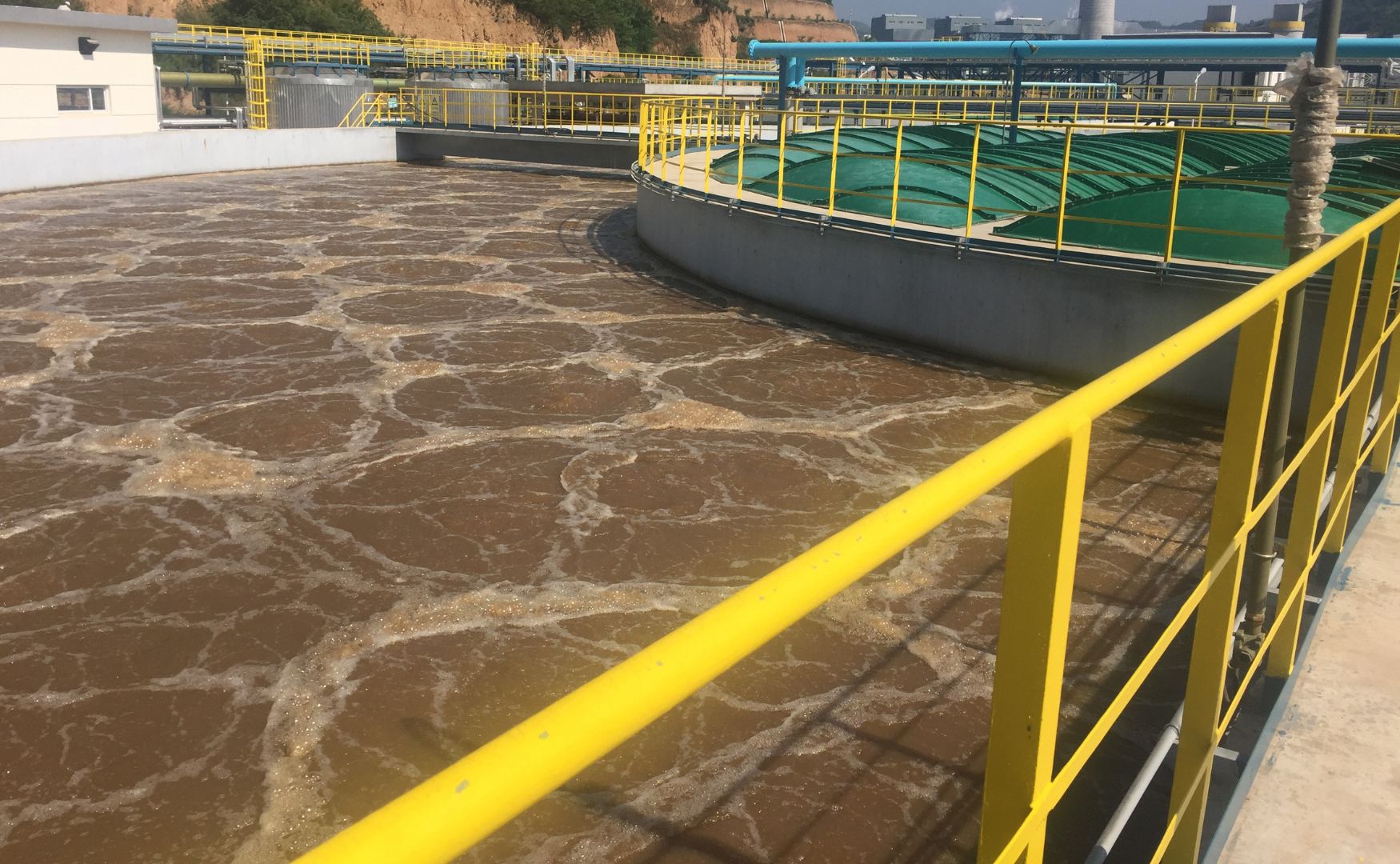
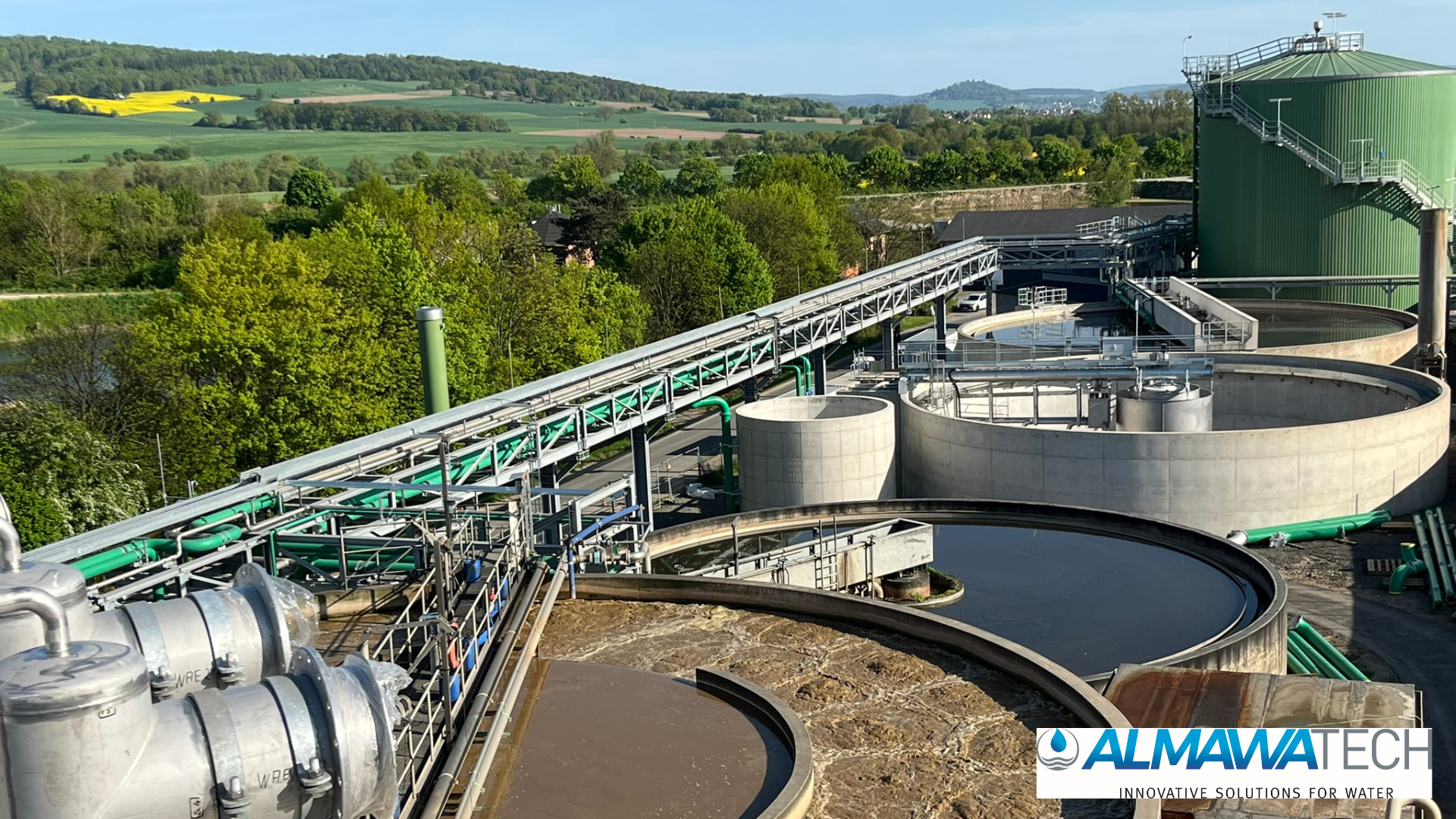
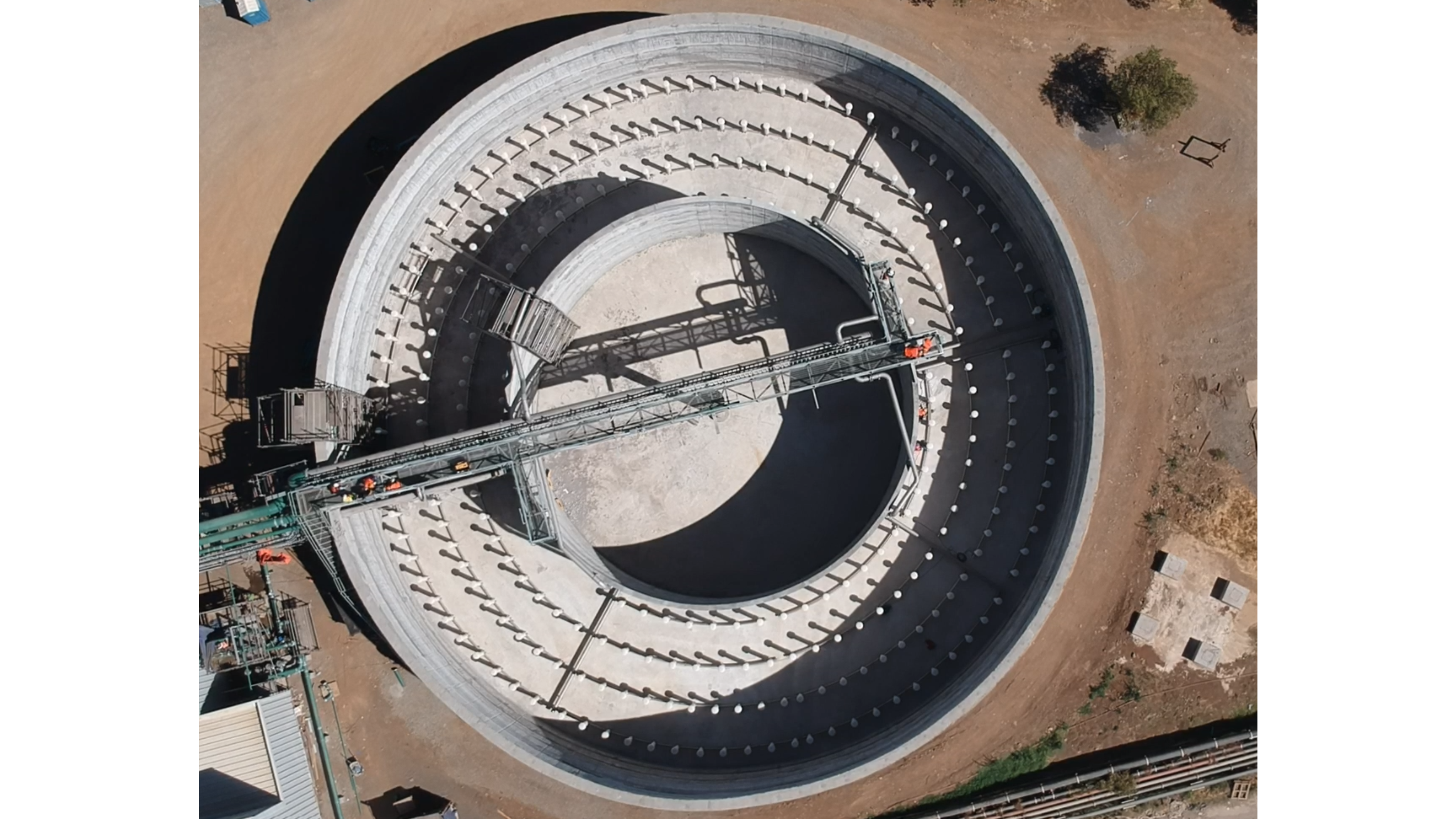
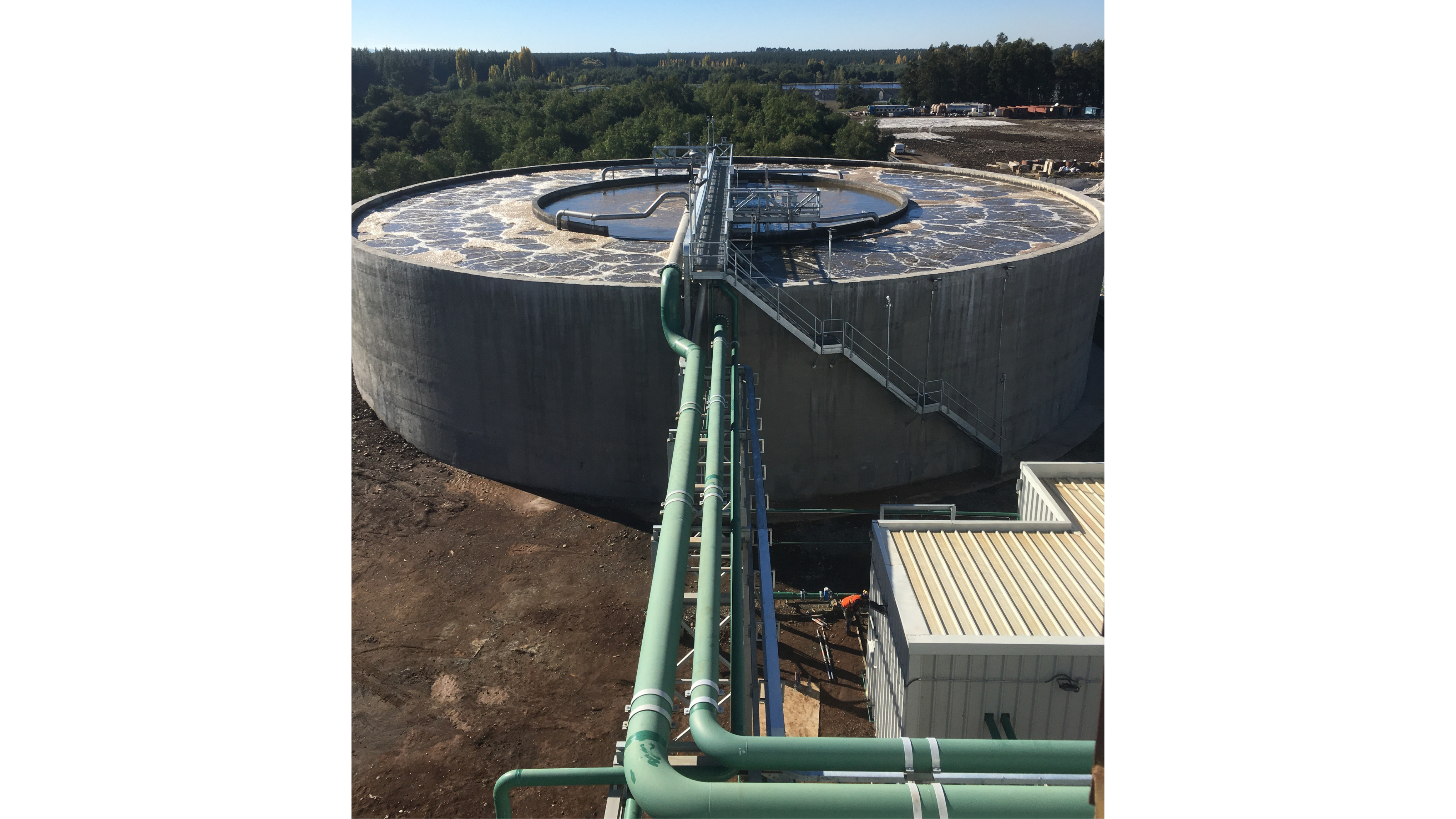
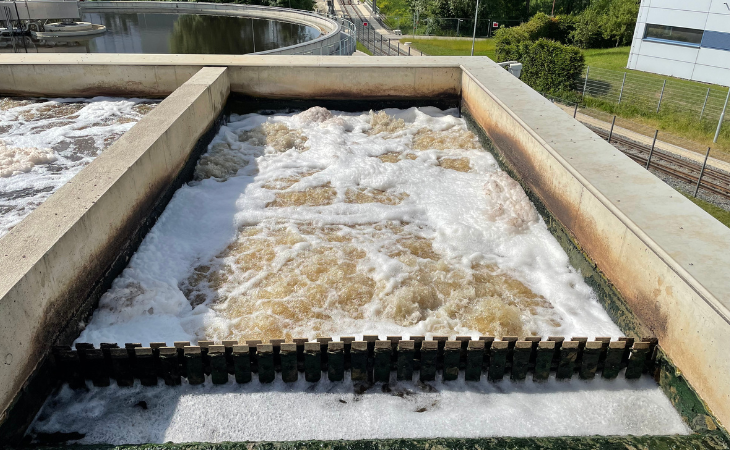
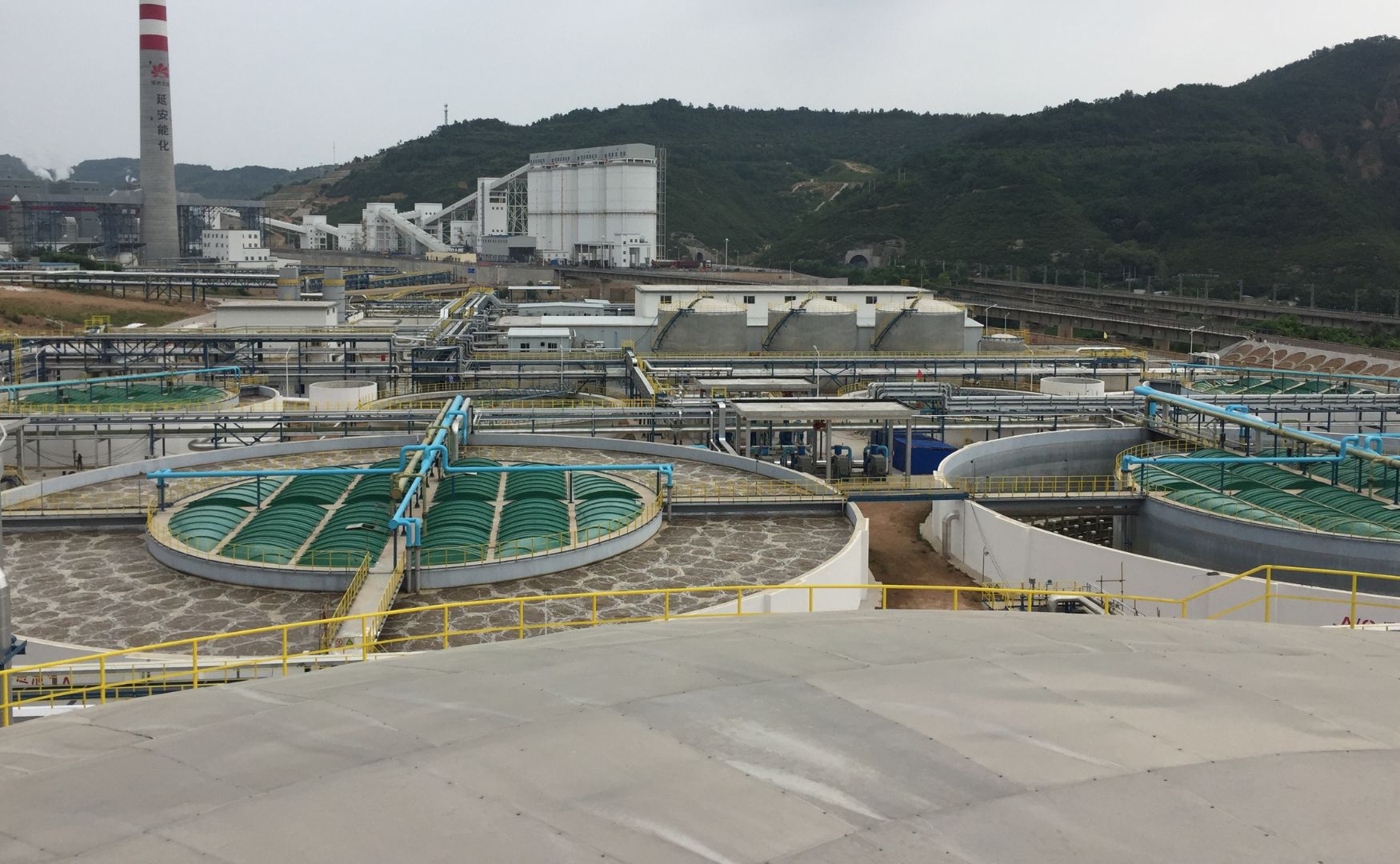
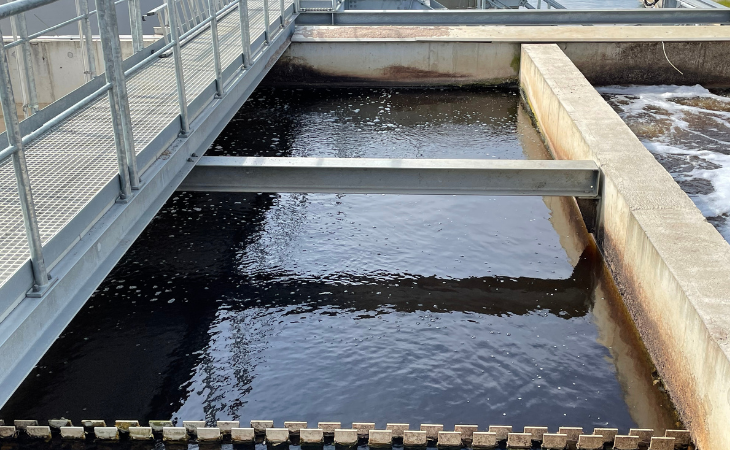
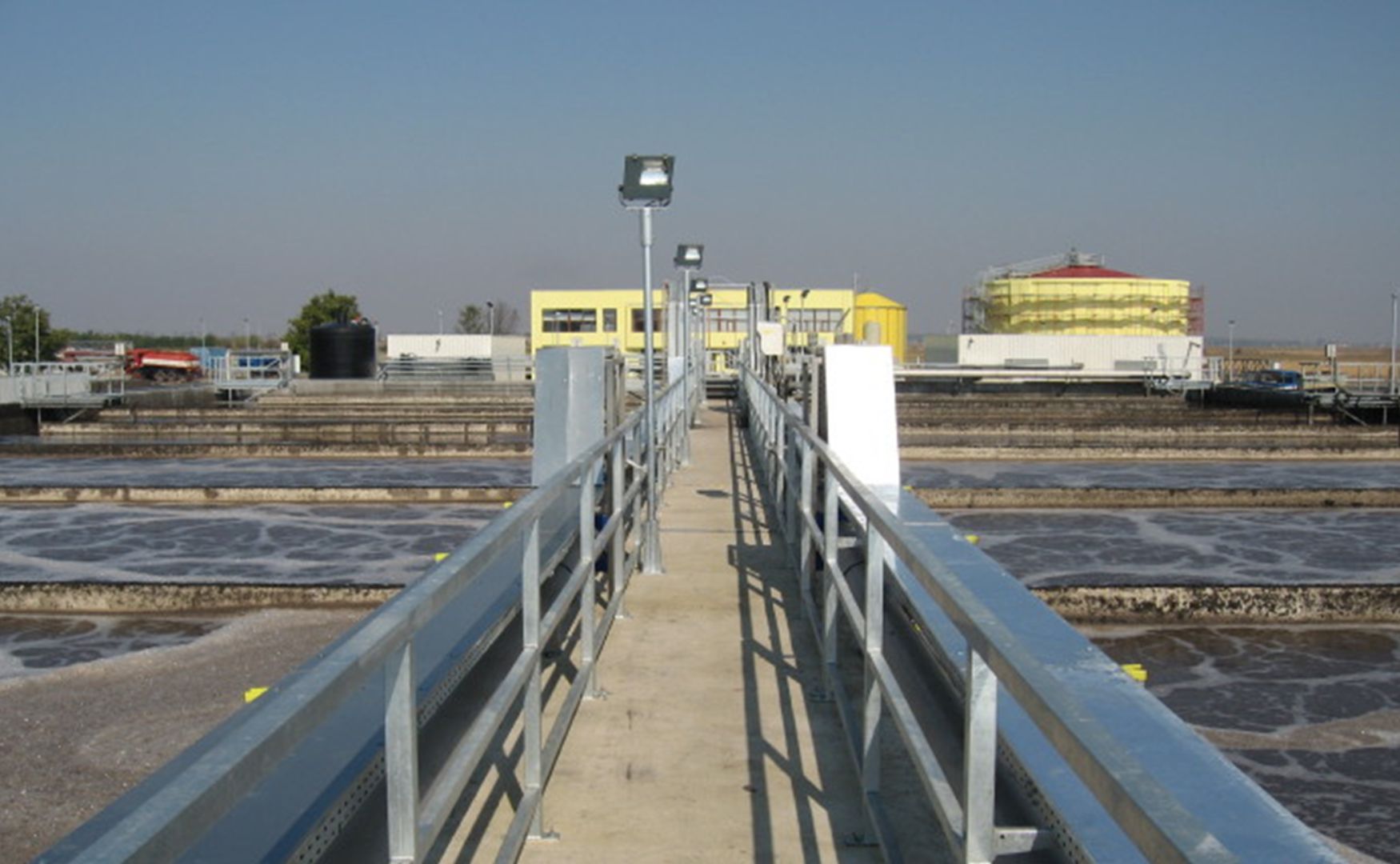
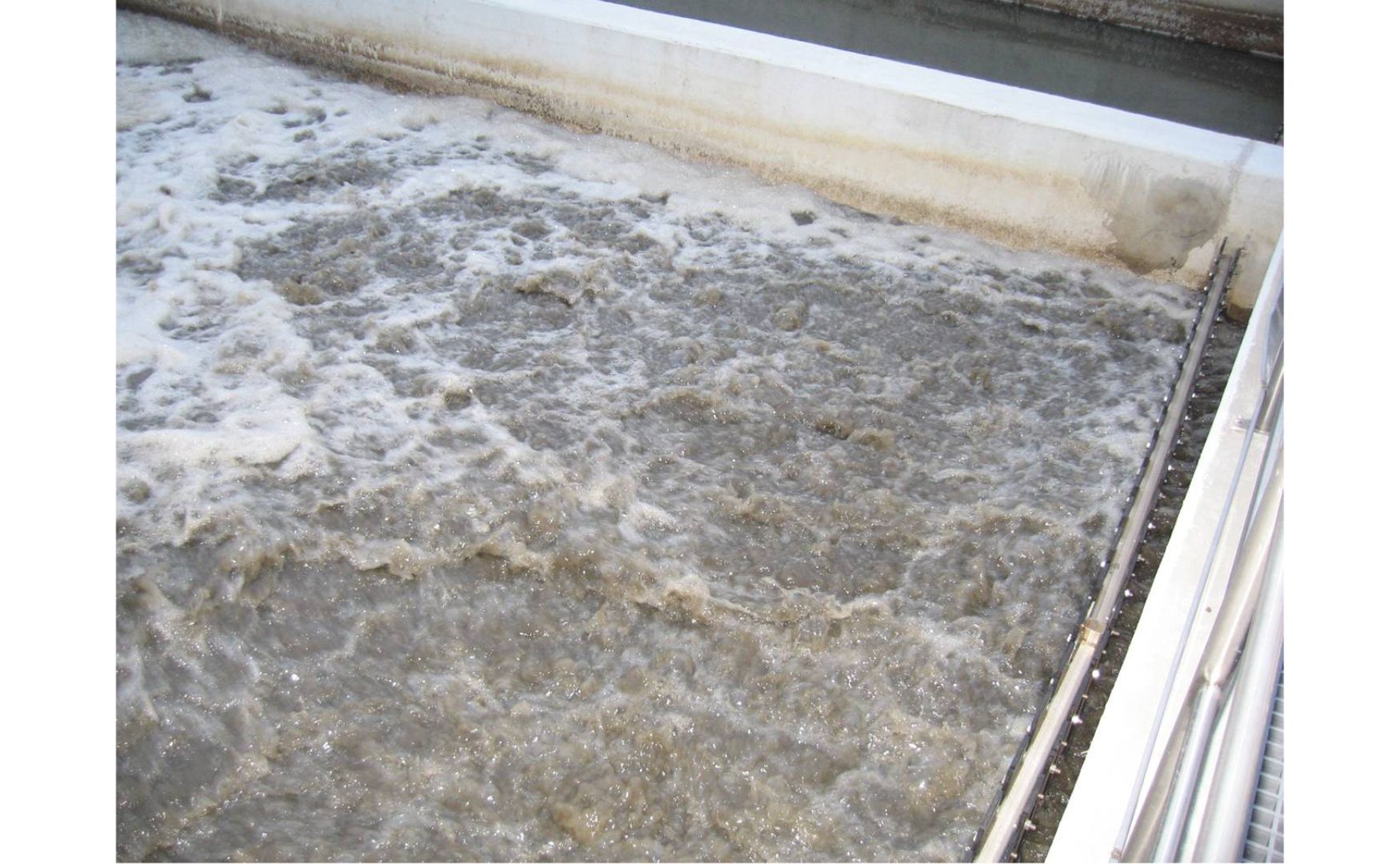
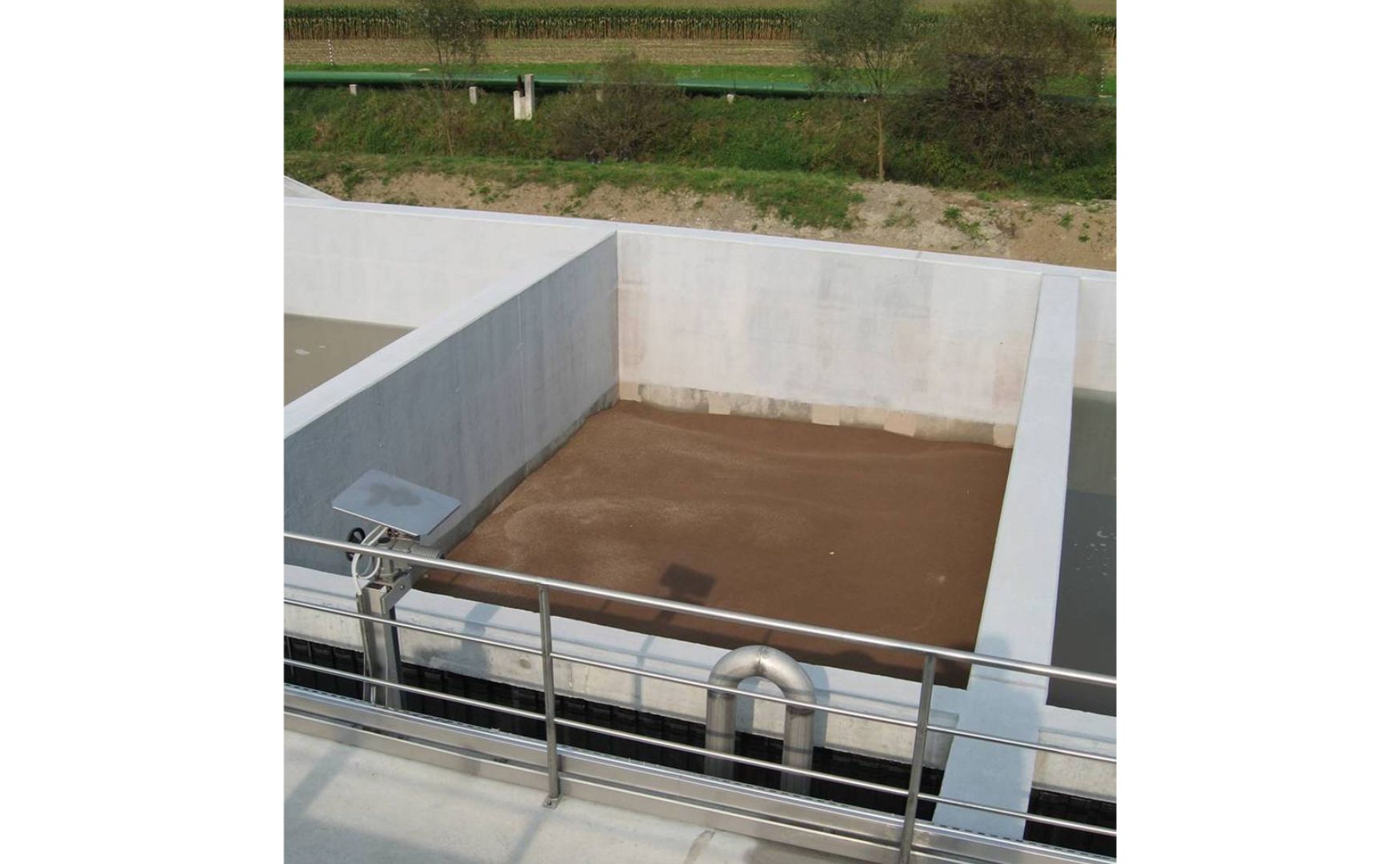
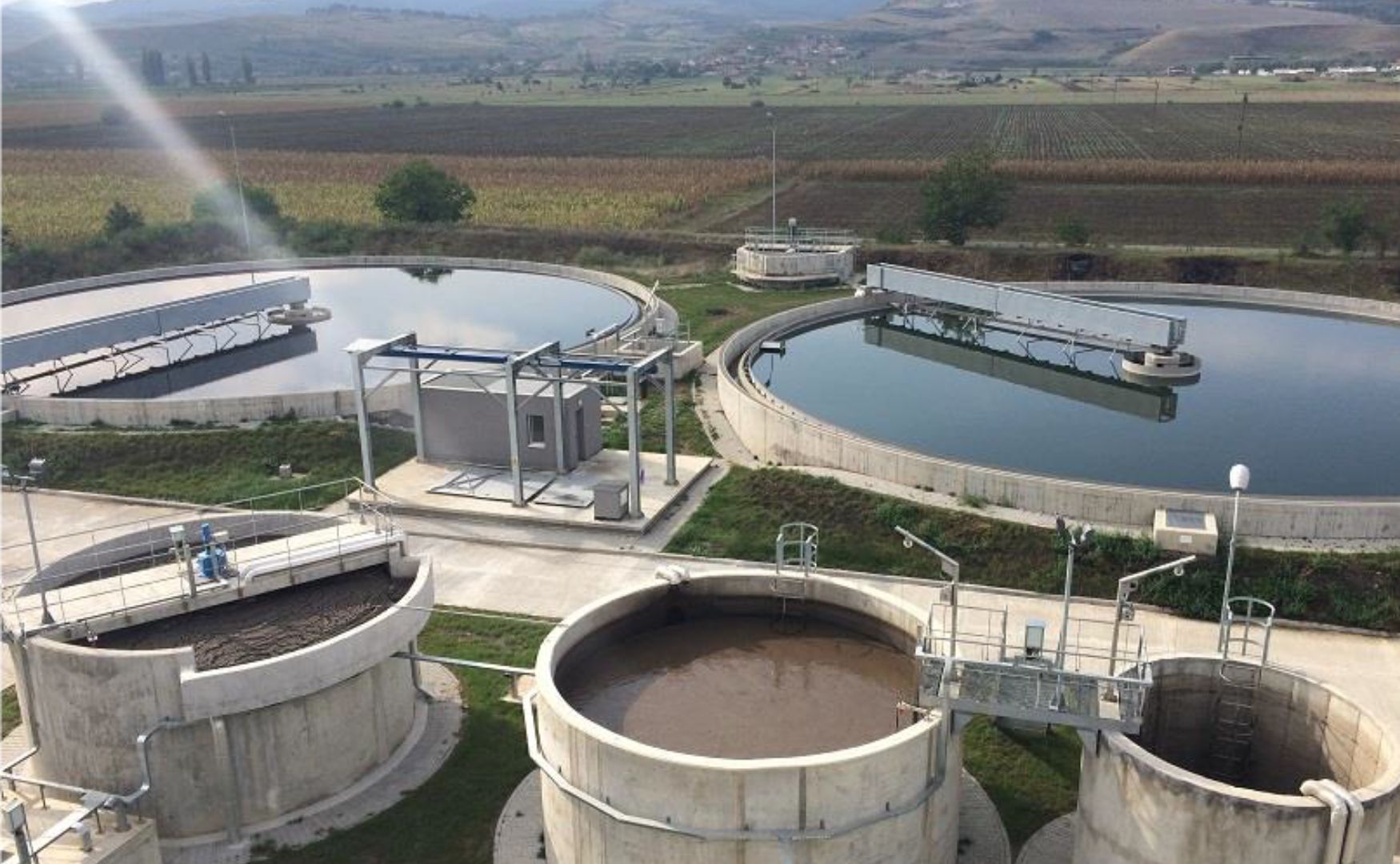
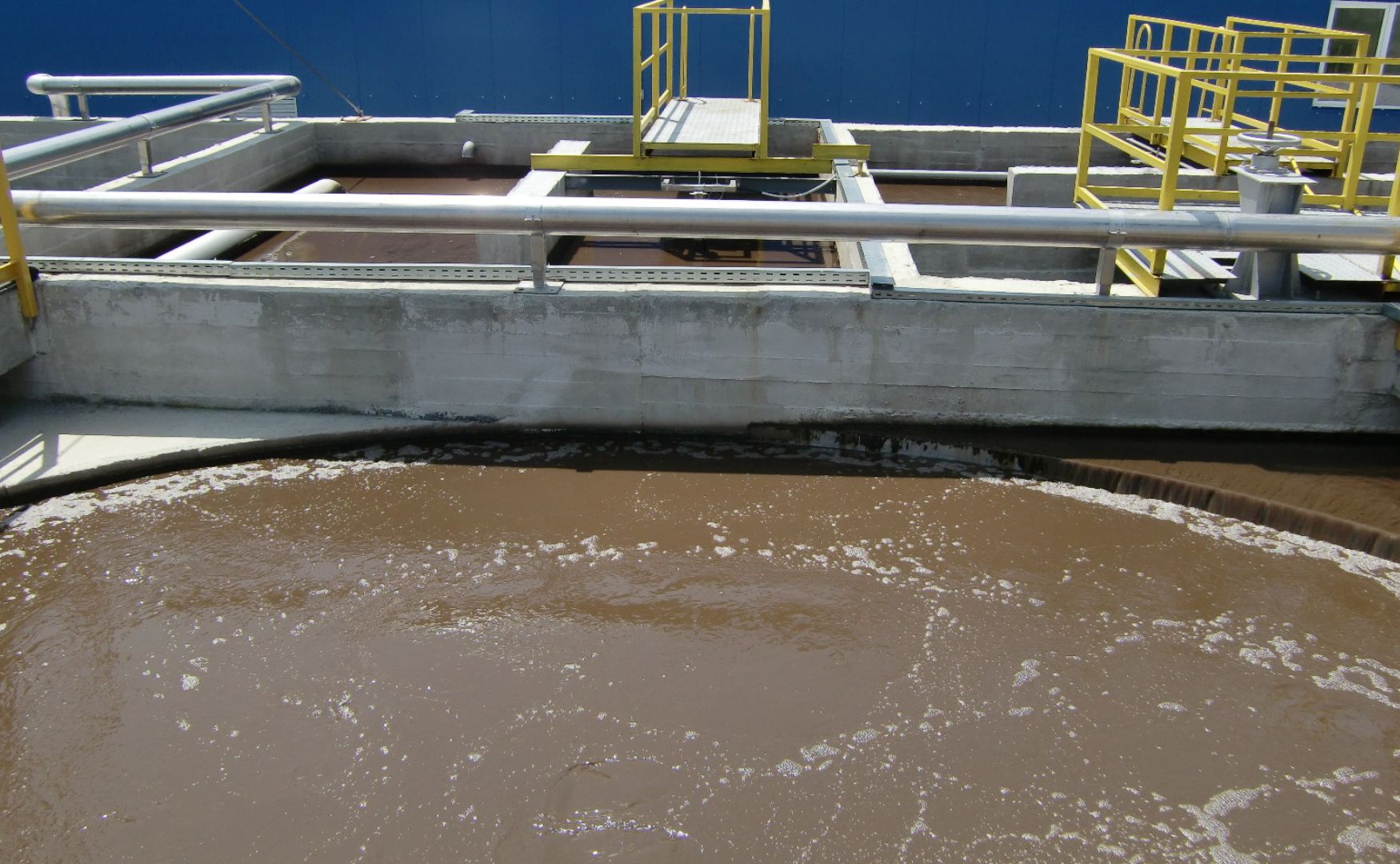
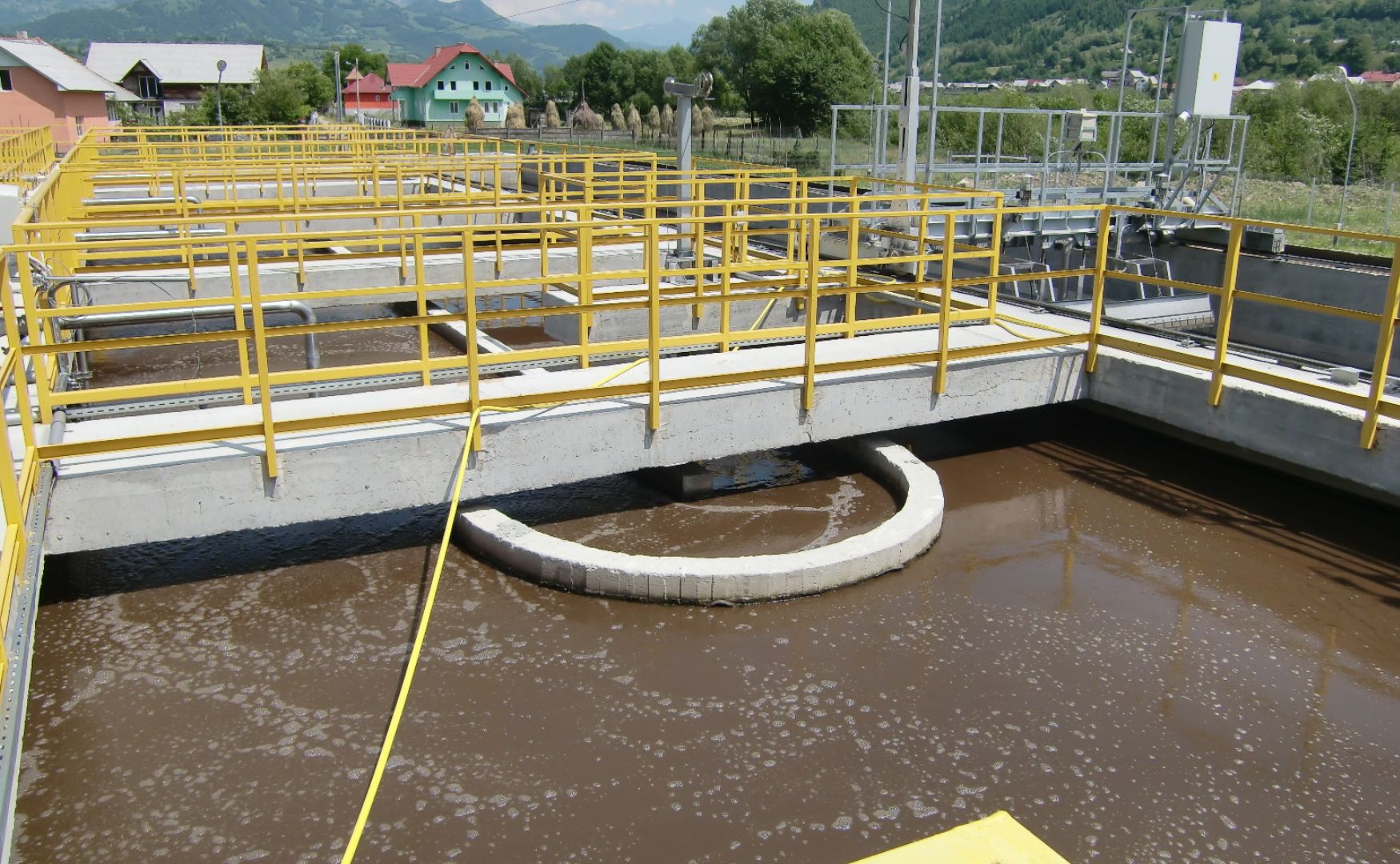
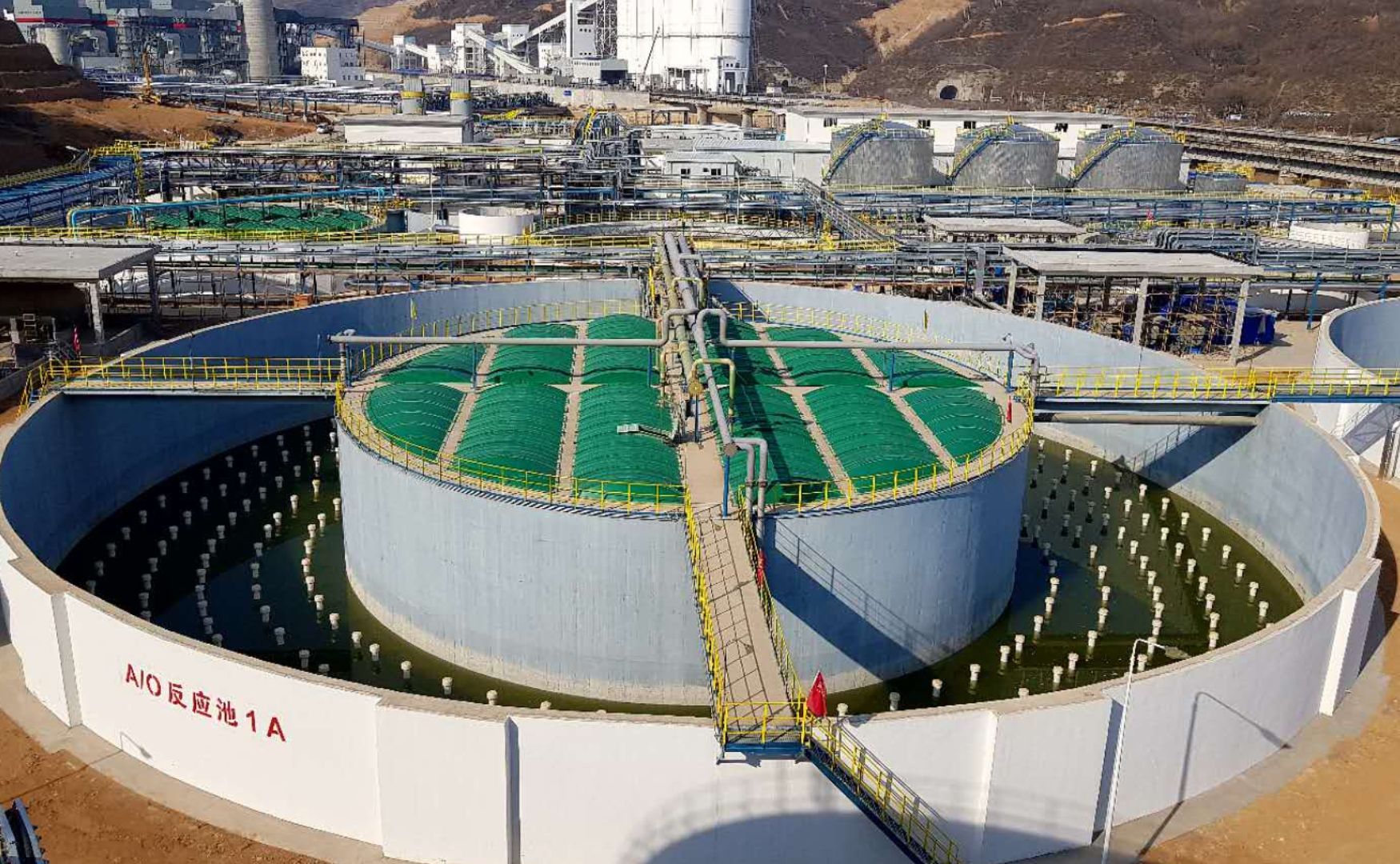
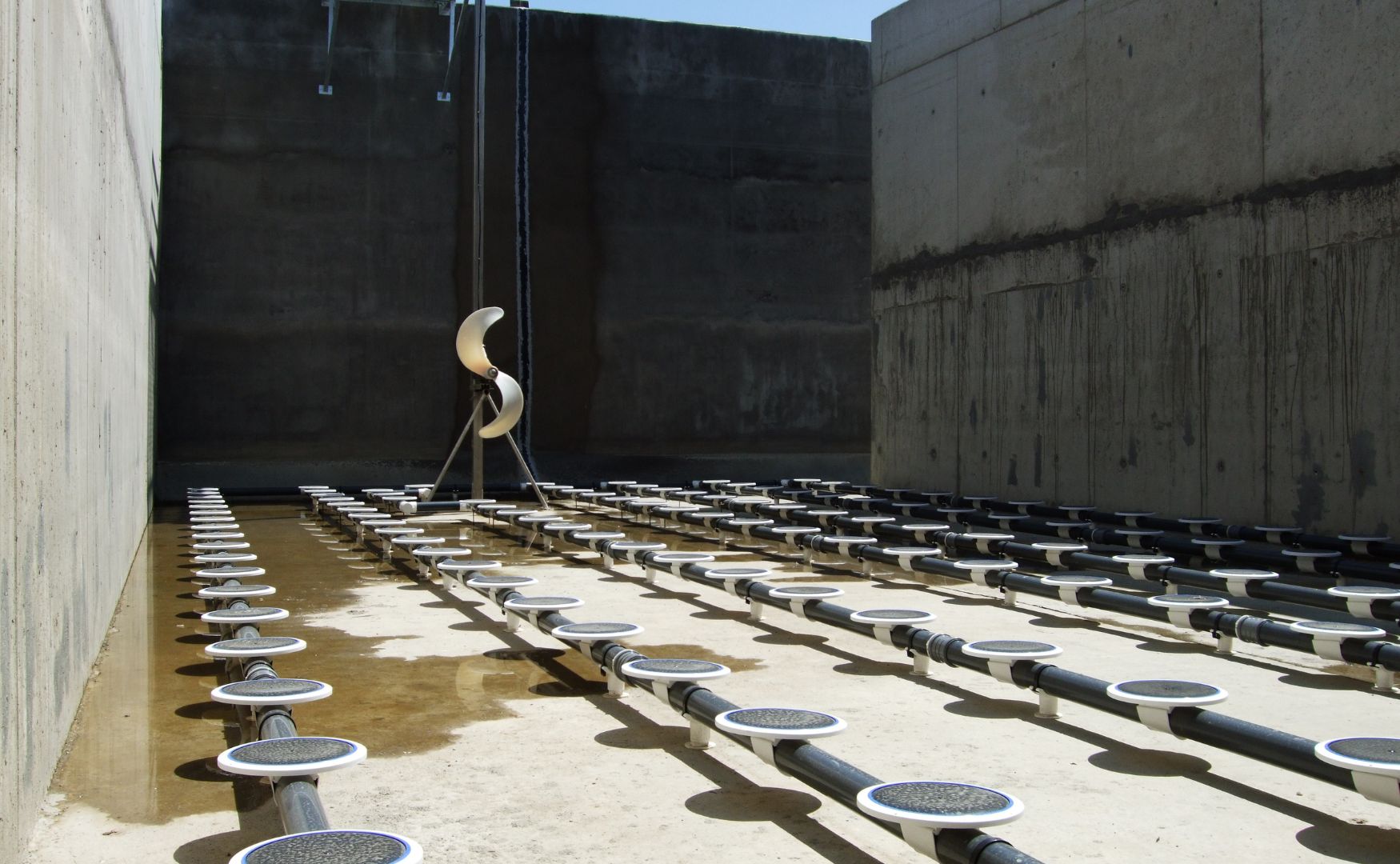
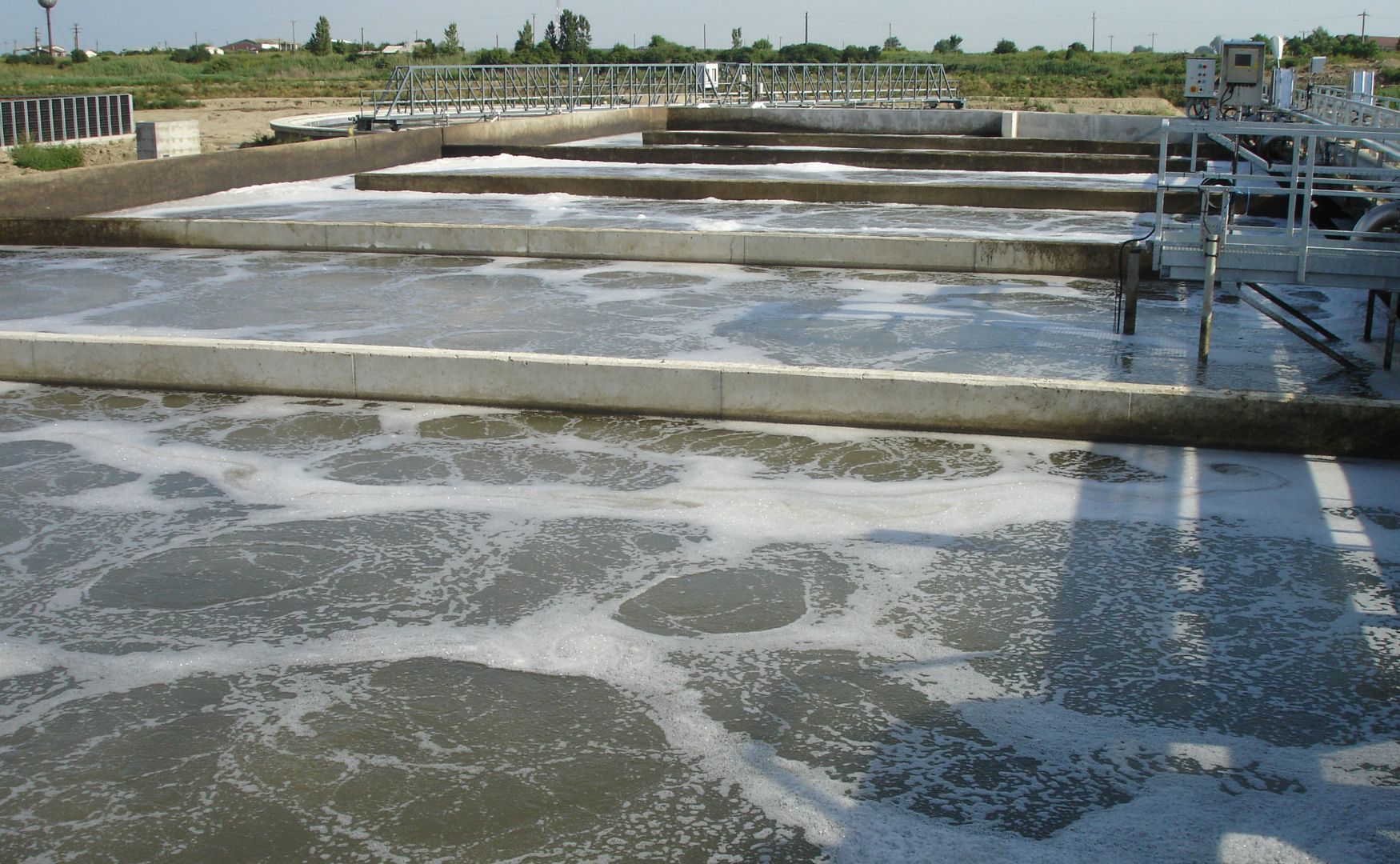
Photos of aerobic wastewater treatment plants

FAQ - ALMA BIO MBBR Suspended-Bed Reactor

MBBR stands for Moving Bed Biofilm Reactor. In this process, microorganisms grow as a biofilm on freely moving plastic carriers inside the reactor. The carriers provide a large, protected surface area for the biomass, thereby enabling compact biological wastewater treatment.

The biomass growing on the carriers remains in the reactor permanently and is not flushed out of the system with every hydraulic fluctuation. As a result, an MBBR can respond with relative robustness to fluctuations in COD, BOD, or ammonium loads, as well as to typical production peaks.

Yes. With proper design, nitrifying microorganisms can colonize the carriers and oxidize ammonium to nitrate under aerobic conditions. The required reactor and carrier design depends in particular on the ammonium load, temperature, oxygen supply, and the required effluent quality.

Yes. MBBR technology is particularly well-suited for expanding the capacity and improving the performance of existing biological wastewater treatment plants. Depending on the existing tank geometry, carriers, retention systems, and aeration can be added, or additional MBBR reactors can be installed.

In a conventional MBBR system, the biofilm growing on the carriers does not require a return sludge stream, as is the case with the conventional activated sludge process. However, biomass that has been released from the biofilm and newly formed biomass must be removed from the treated wastewater using a suitable solids separation process.

Biological start-up is project-specific and depends, among other factors, on the composition of the wastewater, temperature, available inoculum, and the intended load. The organic load is typically increased gradually as the active biofilm develops and stabilizes on the carriers.

MBBR systems are particularly well-suited for biodegradable industrial wastewater from, for example, food, beverage, dairy, chemical, pharmaceutical, cosmetics, or recycling processes. Before designing the system, an assessment is conducted to determine whether the wastewater is sufficiently biodegradable and whether inhibitory or toxic substances require pretreatment.

Our Reactors for Aerobic Wastewater Treatment

Have an MBBR system designed:

dominik_hoffmann_almawatech

Dominik Hoffmann

Head of Project Development

maksim_neuabauer_almawatech

Maksim Neubauer

Head of International Project Development