

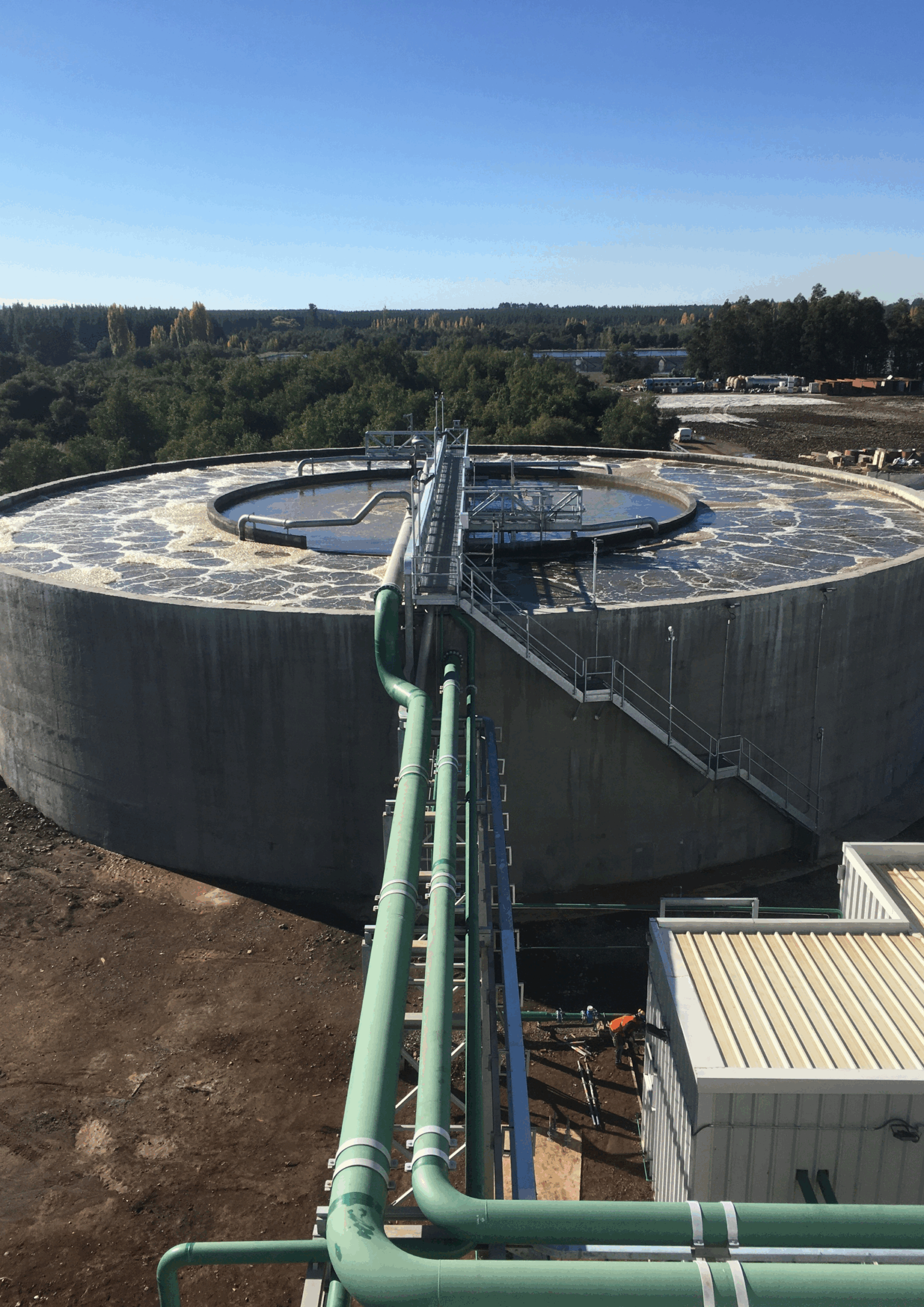

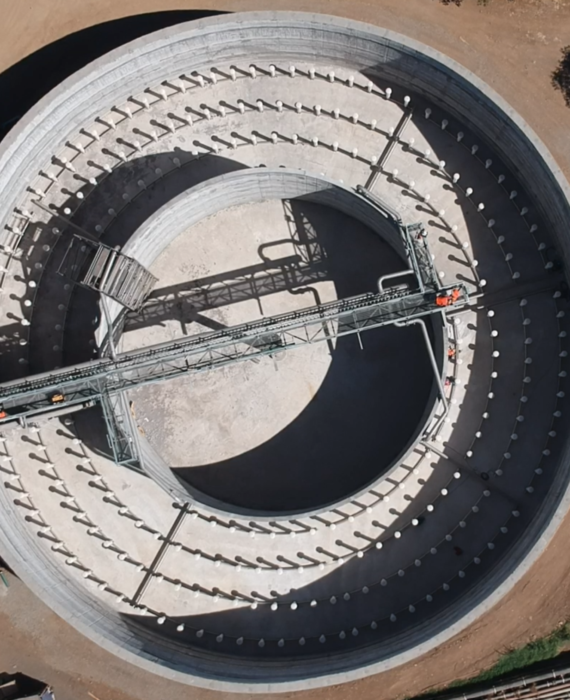
Sugar industry, Chile, ALMA BHU BIO
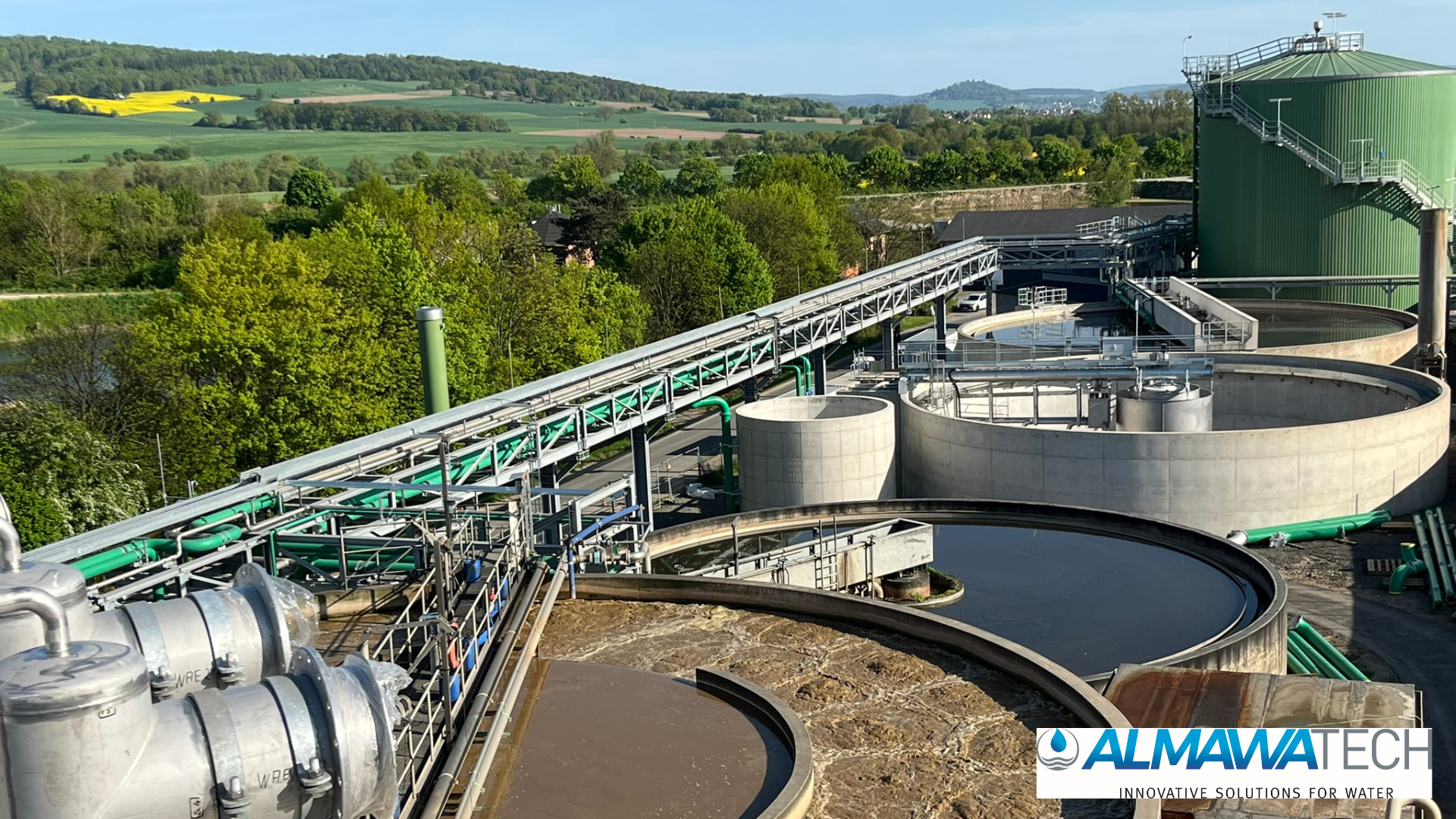
Construction of a biological treatment stage with sedimentation stage for the treatment of 120 m³/h of wastewater from the sugar industry in Pemuco, Chile.
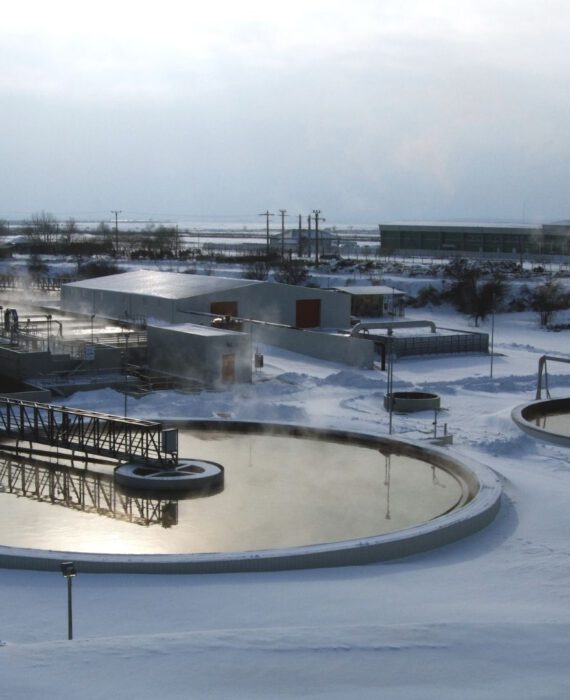
Focsani wastewater treatment plant, Romania, wastewater treatment and biogas plant
Turnkey construction of a municipal wastewater treatment plant with biogas plant as sludge treatment for a total wastewater volume of 40,000 m³/d in Romania.
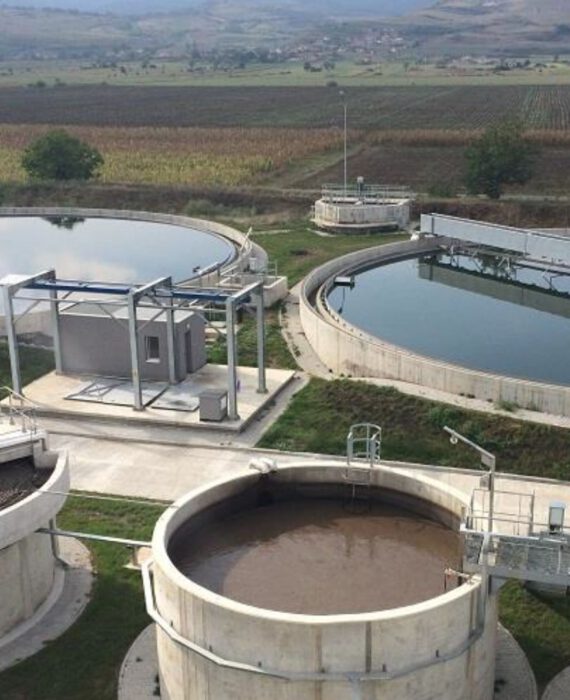
Alba lulia wastewater treatment plant, Romania, wastewater treatment and biogas plant
Construction of a municipal wastewater treatment plant with biological phosphorus elimination and a biogas plant for a total wastewater volume of 21,562 m³/d in Romania.
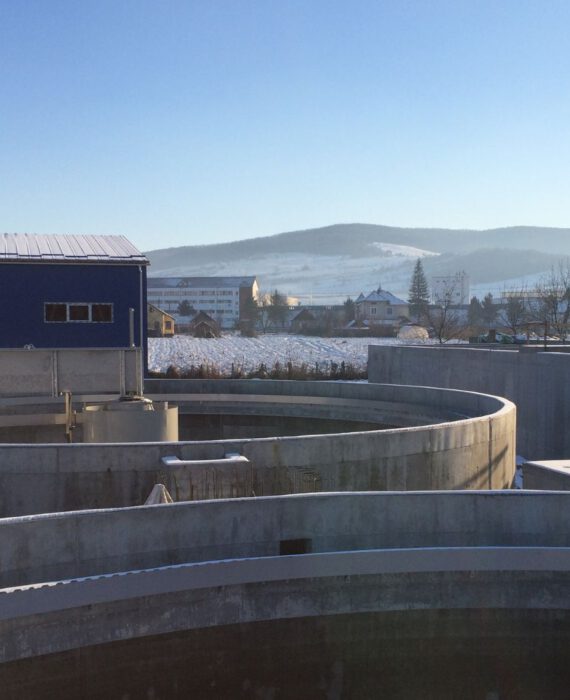
SC AQUABIS S.A, Romania, biological phosphorus elimination, denitrification
Expansion of four municipal wastewater treatment plants for a total wastewater volume of 1,440 m³/h with a focus on nitrogen and phosphorus degradation using biological processes in Romania.
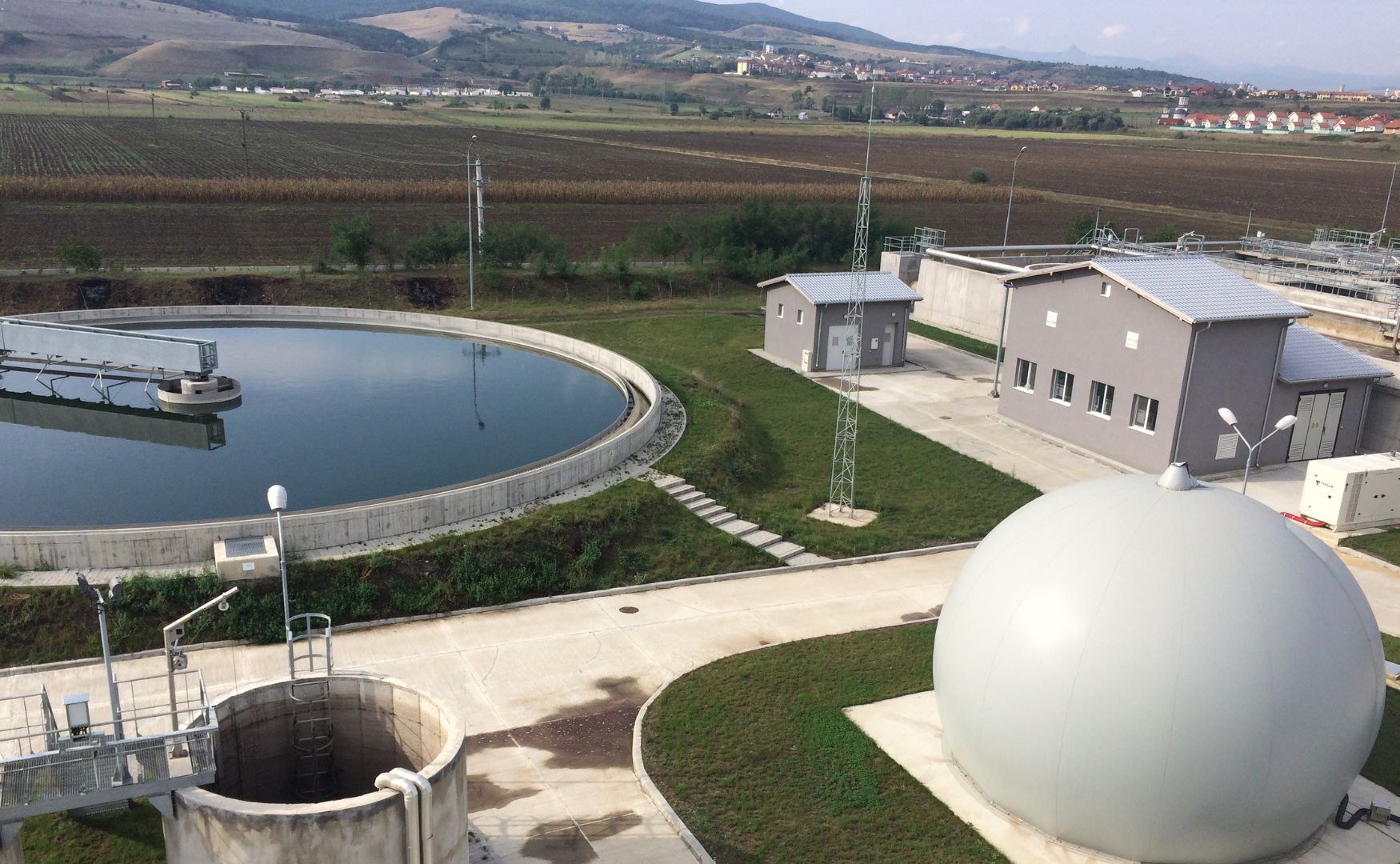
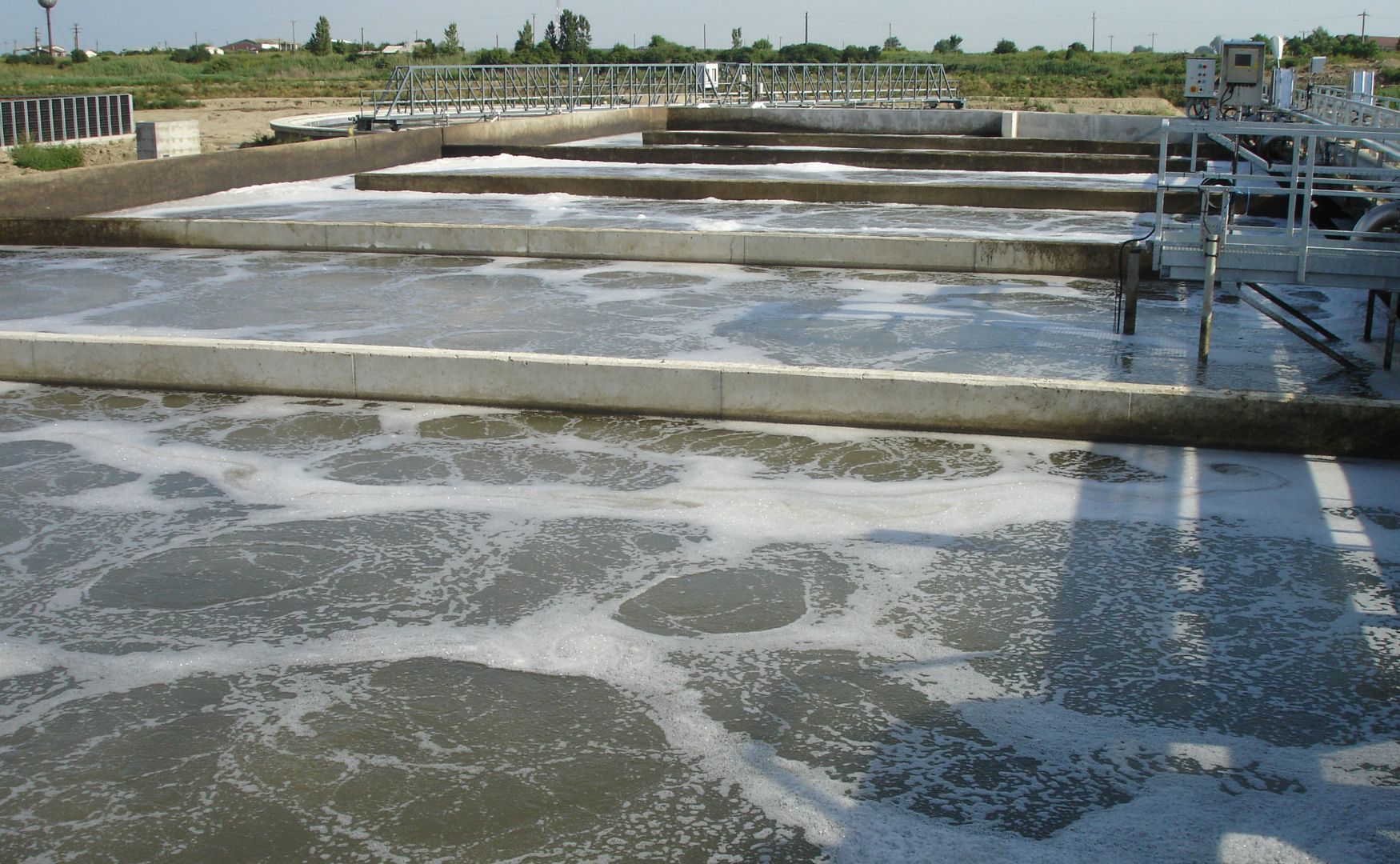
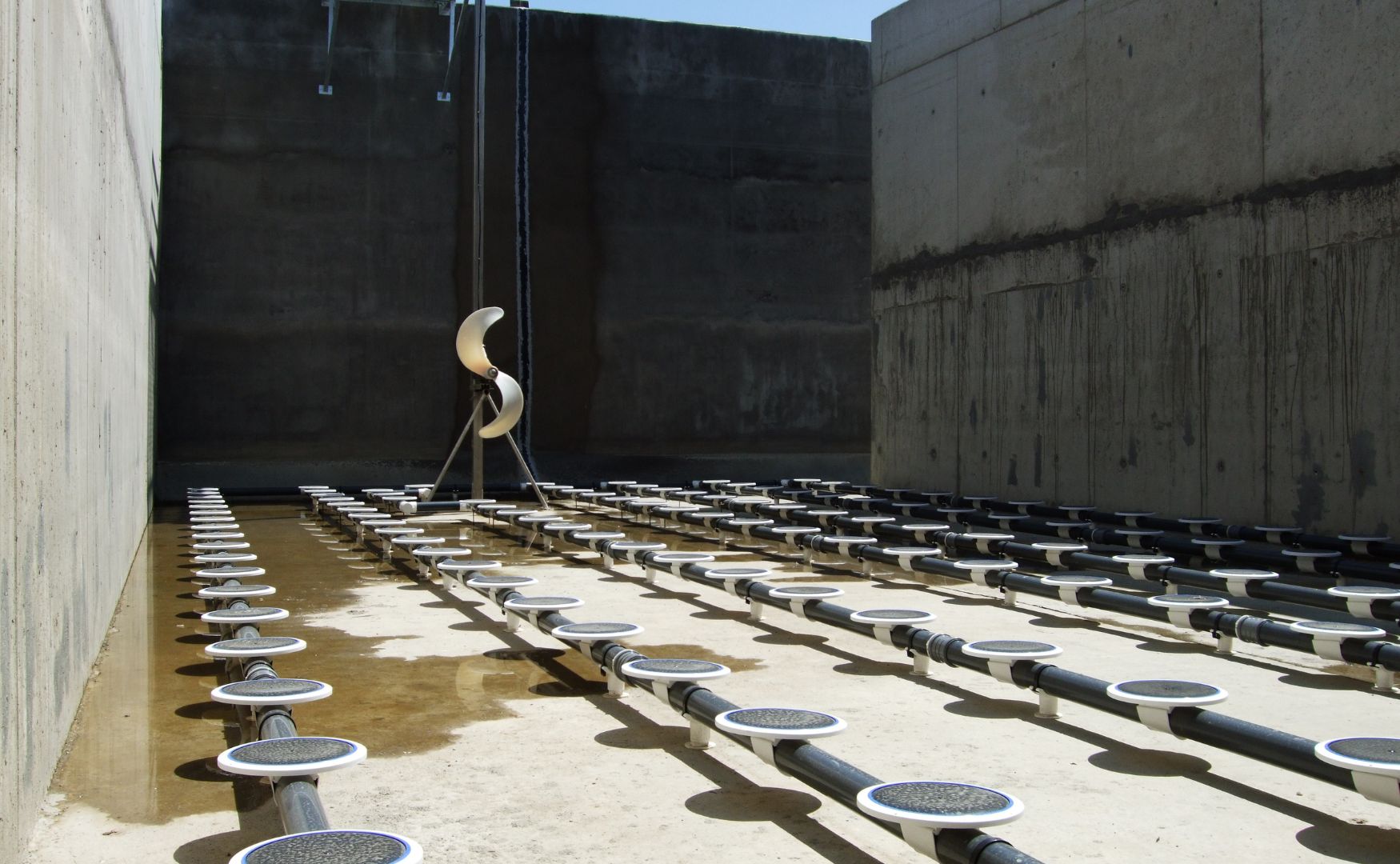
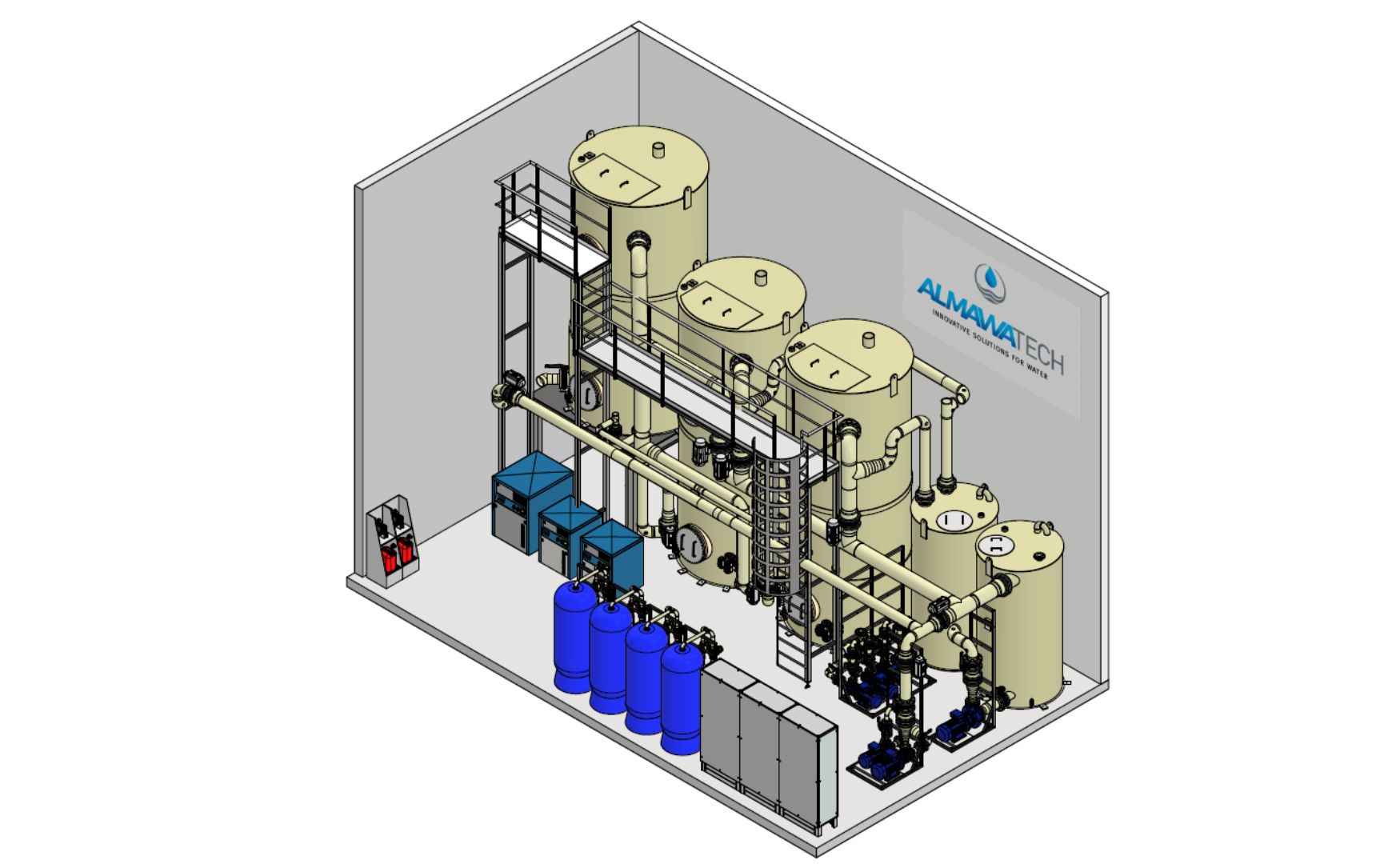
ALMA BioFil Compact
Our compact biologically activated filtration in tank design, equipped with special growth bodies for effective biomass growth.
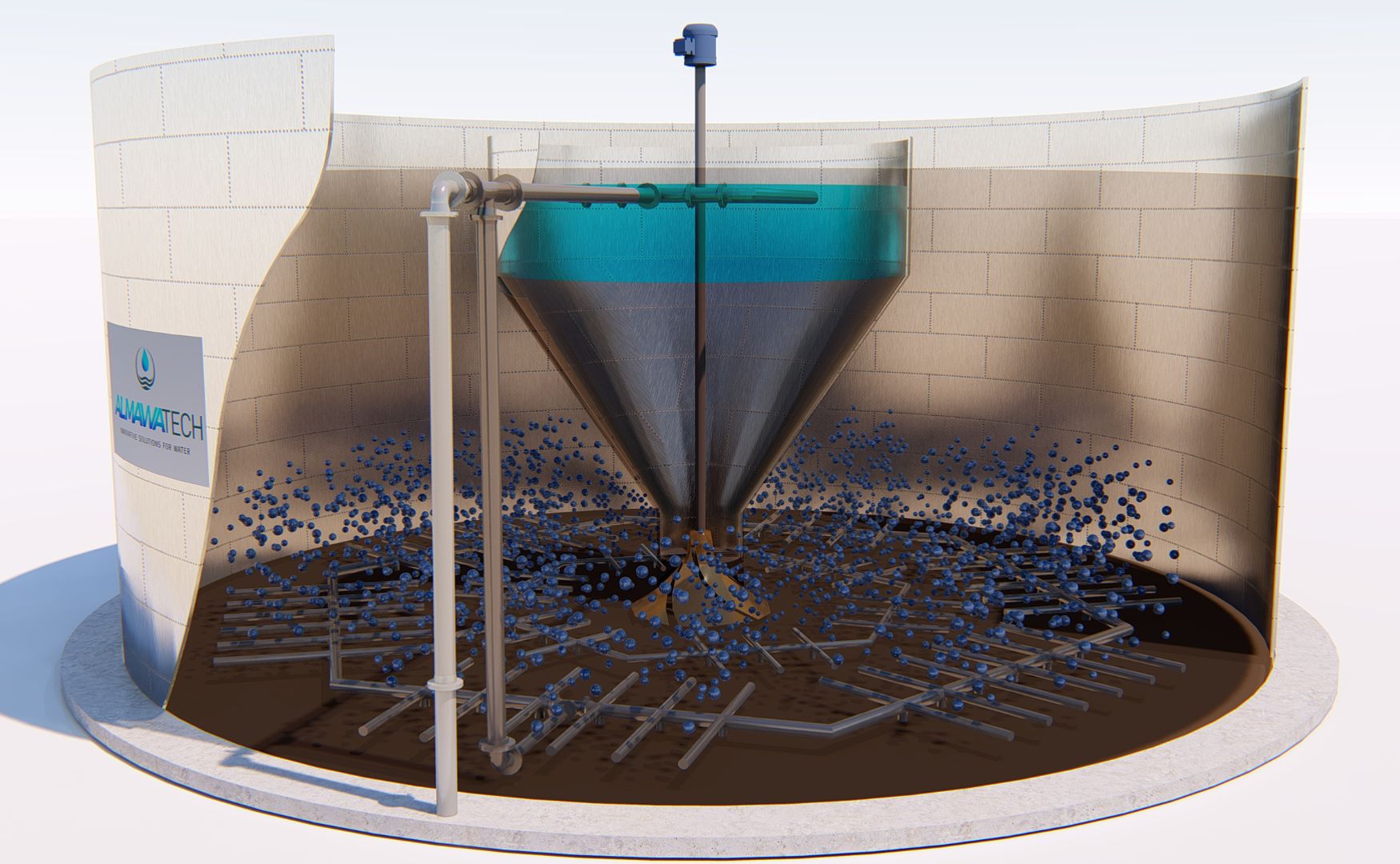
ALMA BIO BBI
The ALMA BIO BBI system is characterized by its integrated sedimenter, which makes it extremely space-saving compared to similar systems.
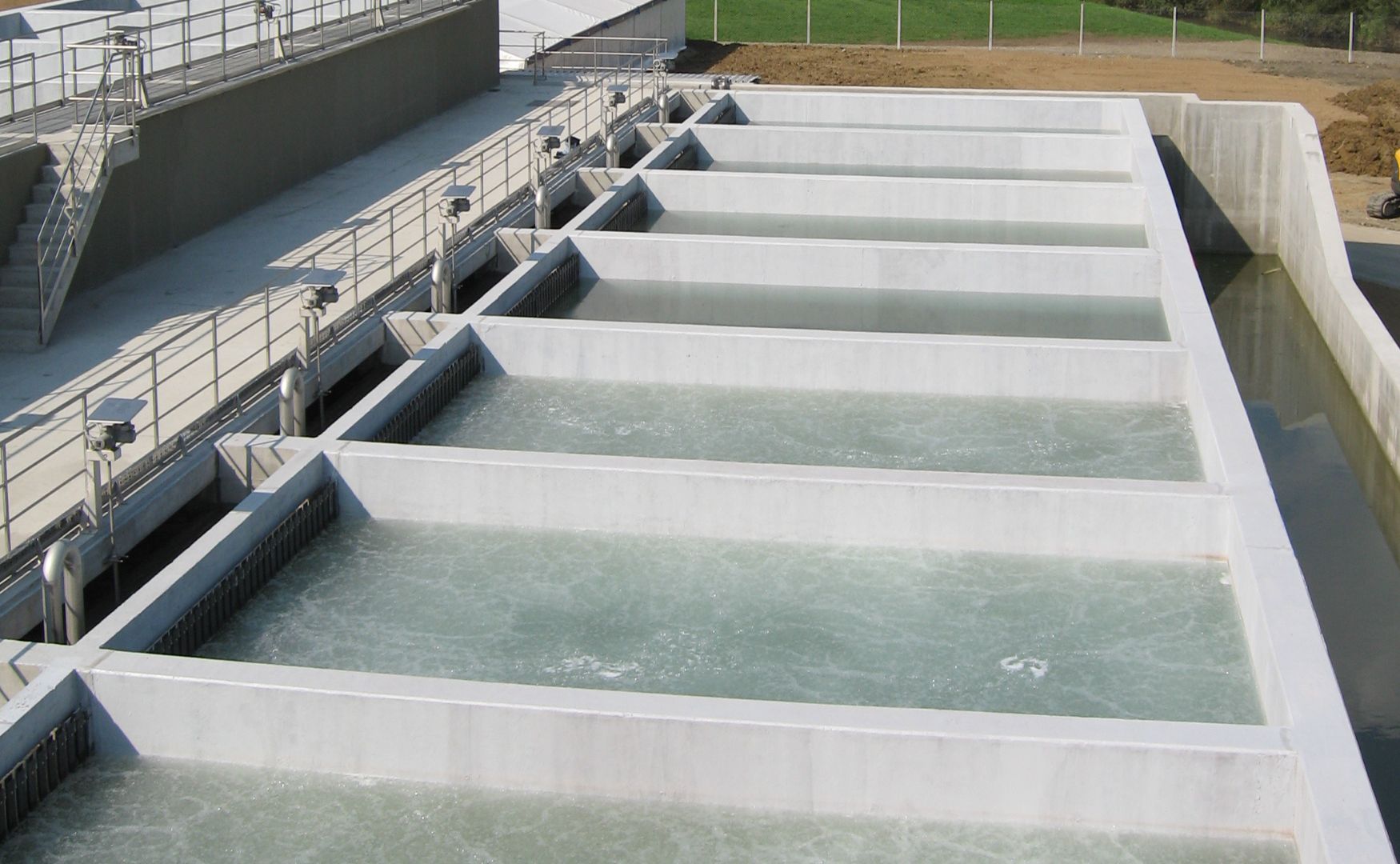
ALMA BAF
Biologically activated filtration (BAF) uses sessile microorganisms to remove organic compounds (BOD, COD) and nitrogen from wastewater.
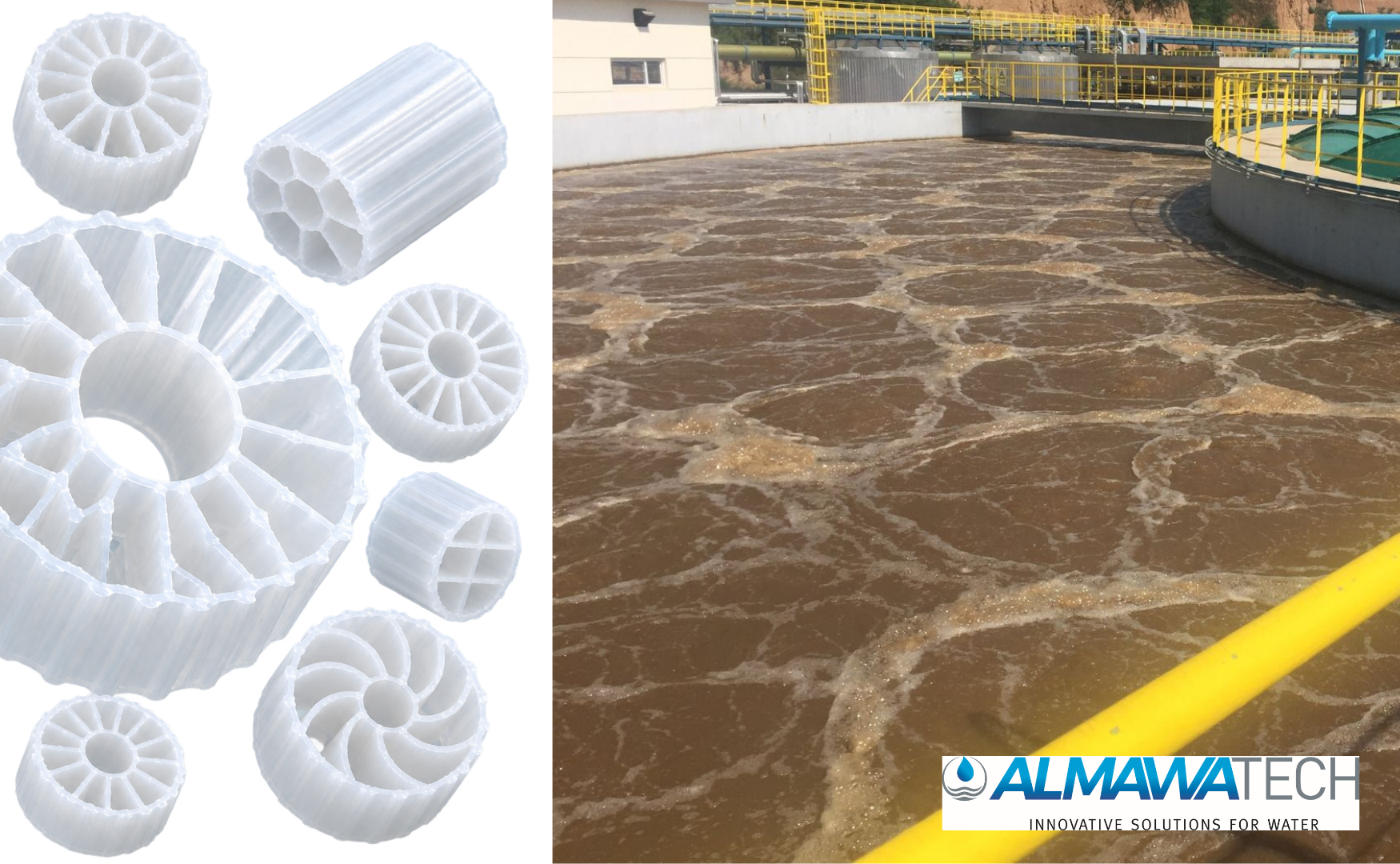
ALMA BIO MBBR
Biological wastewater treatment using free-floating biofilters for the efficient reduction of carbon and nitrogen compounds.
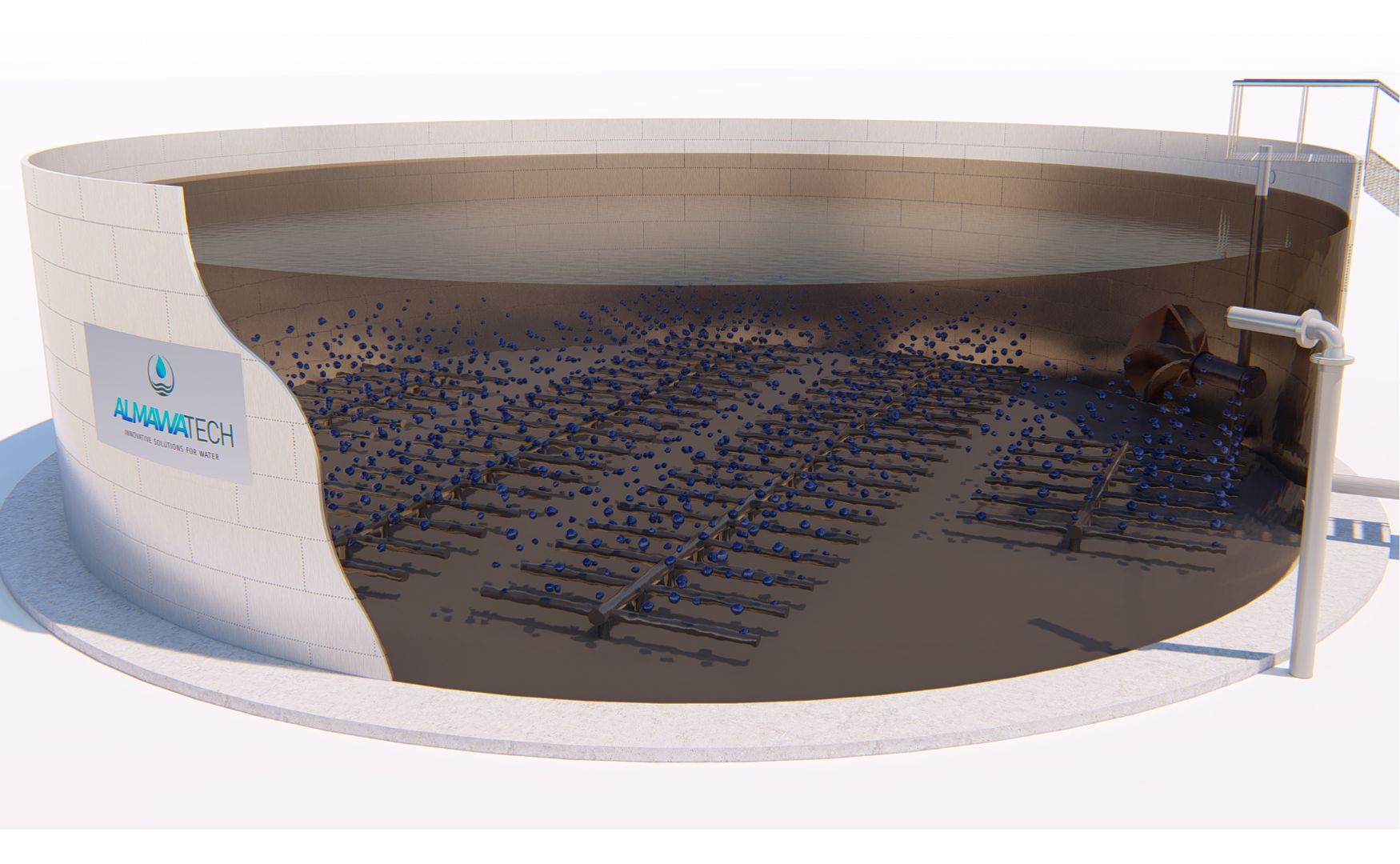
ALMA BIO SBR
A sequentially operated bioreactor with distinct phases for biological treatment, sedimentation, and clear water discharge.
ALMA BHU BIO DEA
Biological deammonification process for energy-efficient nitrogen removal from wastewater with high ammonium content and low oxygen demand.
ALMA BHU BIO
The ALMA BHU BIO System combines nitrification, denitrification, and sedimentation with biomass recirculation to increase conversion rates.
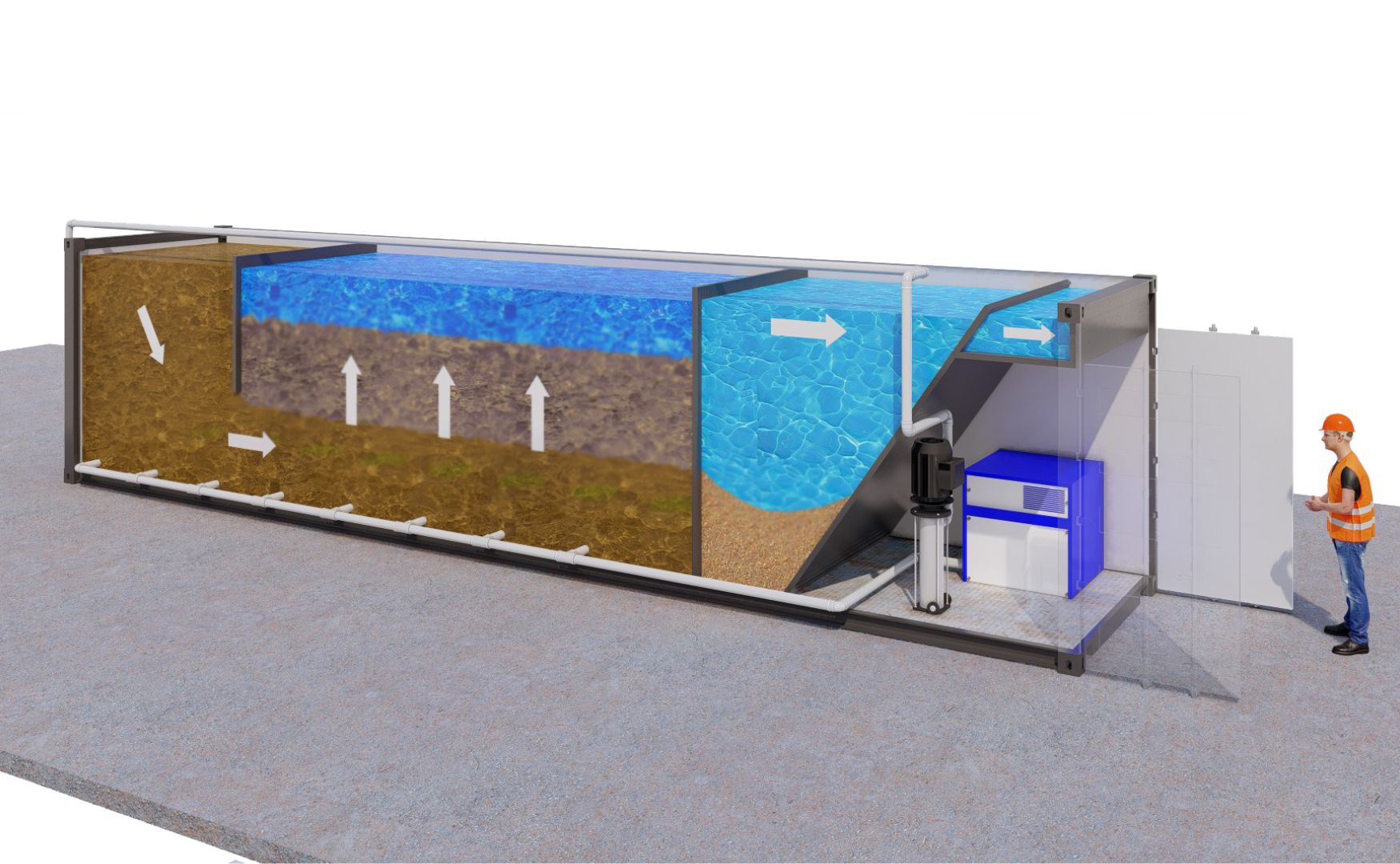
ALMA BIO Compact MBBR
Biological treatment to reduce the organic load, also possible with nitrogen and phosphate elimination in a compact container design.
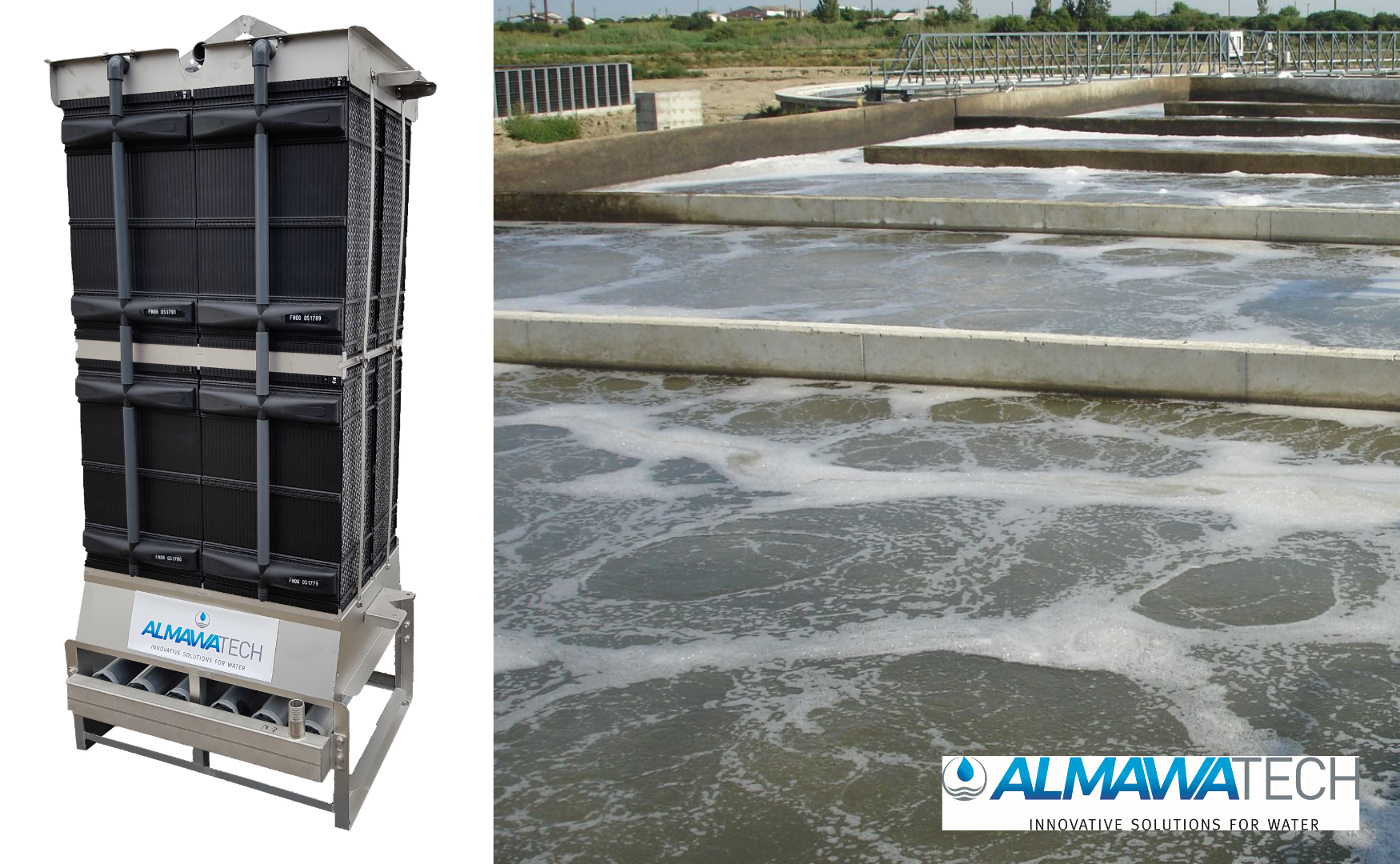
ALMA BIO MBR
Membrane bioreactor with submerged plate modules or an externally mounted ultrafiltration unit in a robust tubular module design.