

Biologically active filtration with ALMA BHU BAF
Biologically active filtration

ALMA BHU BAF

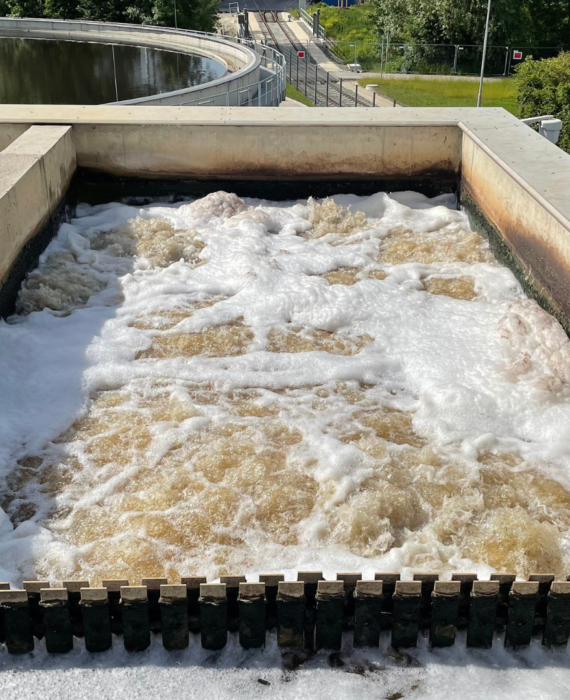
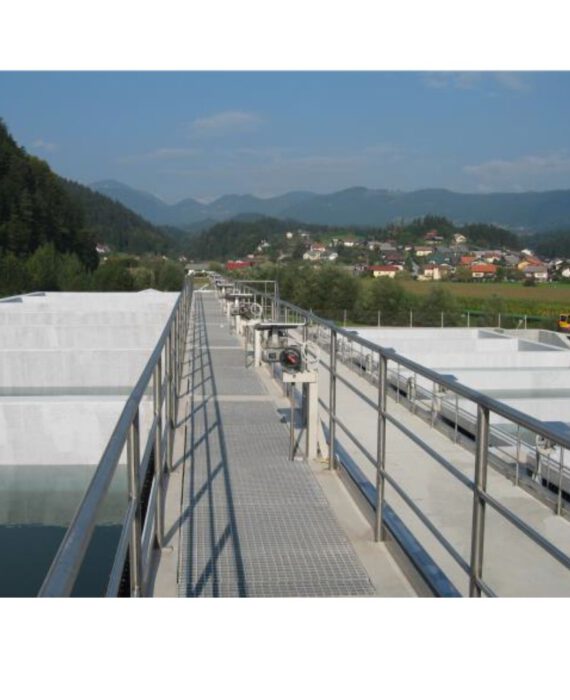
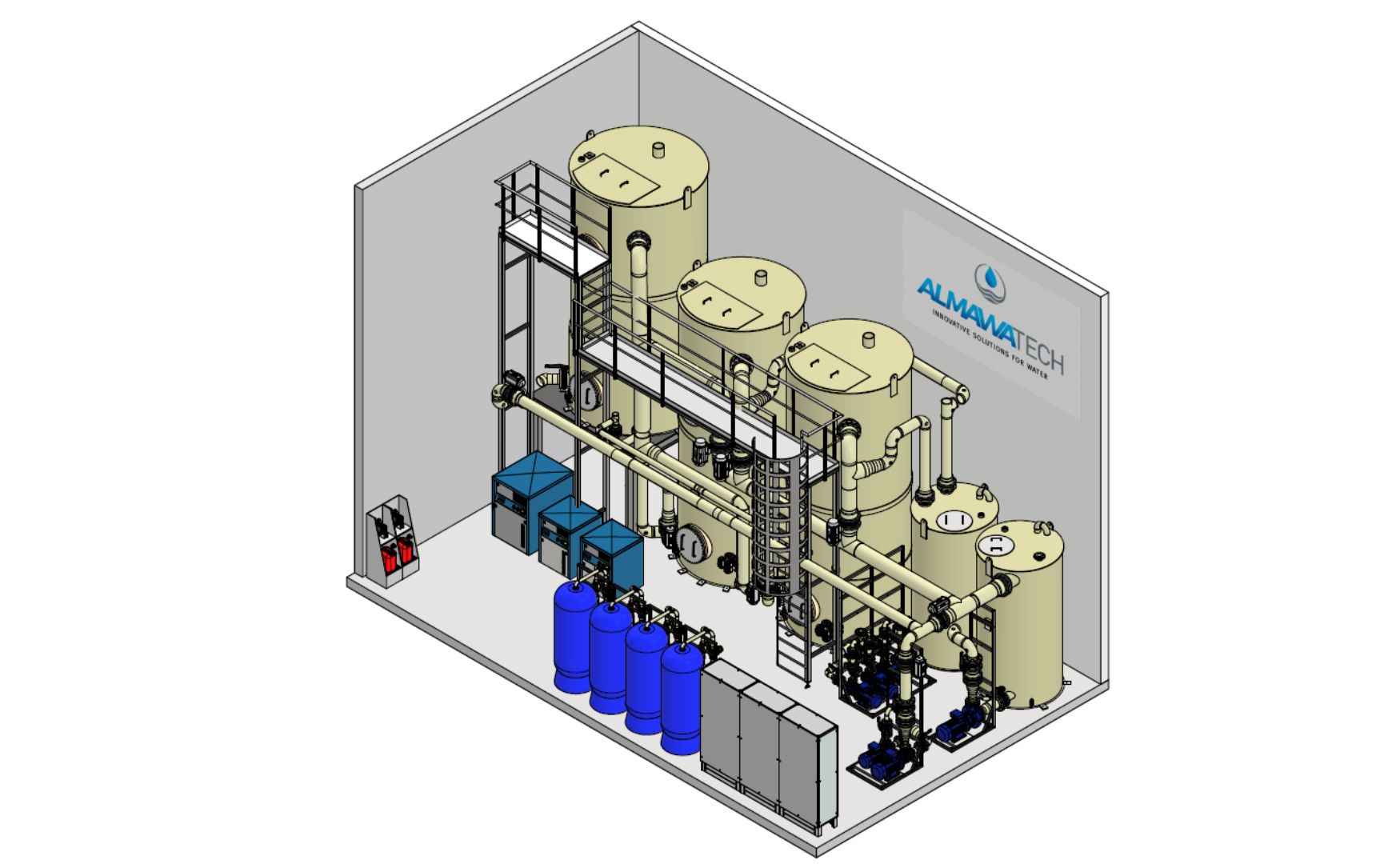
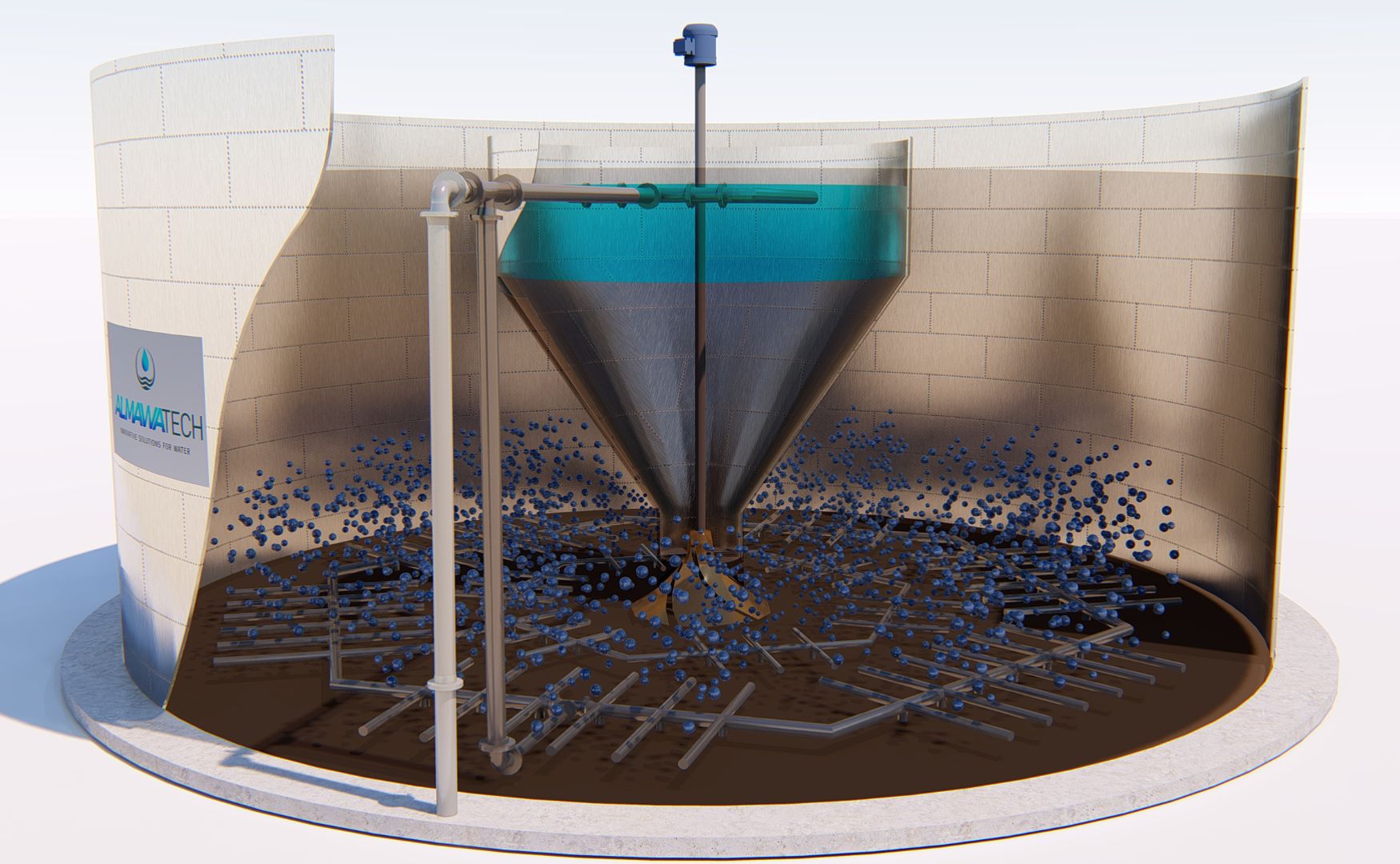
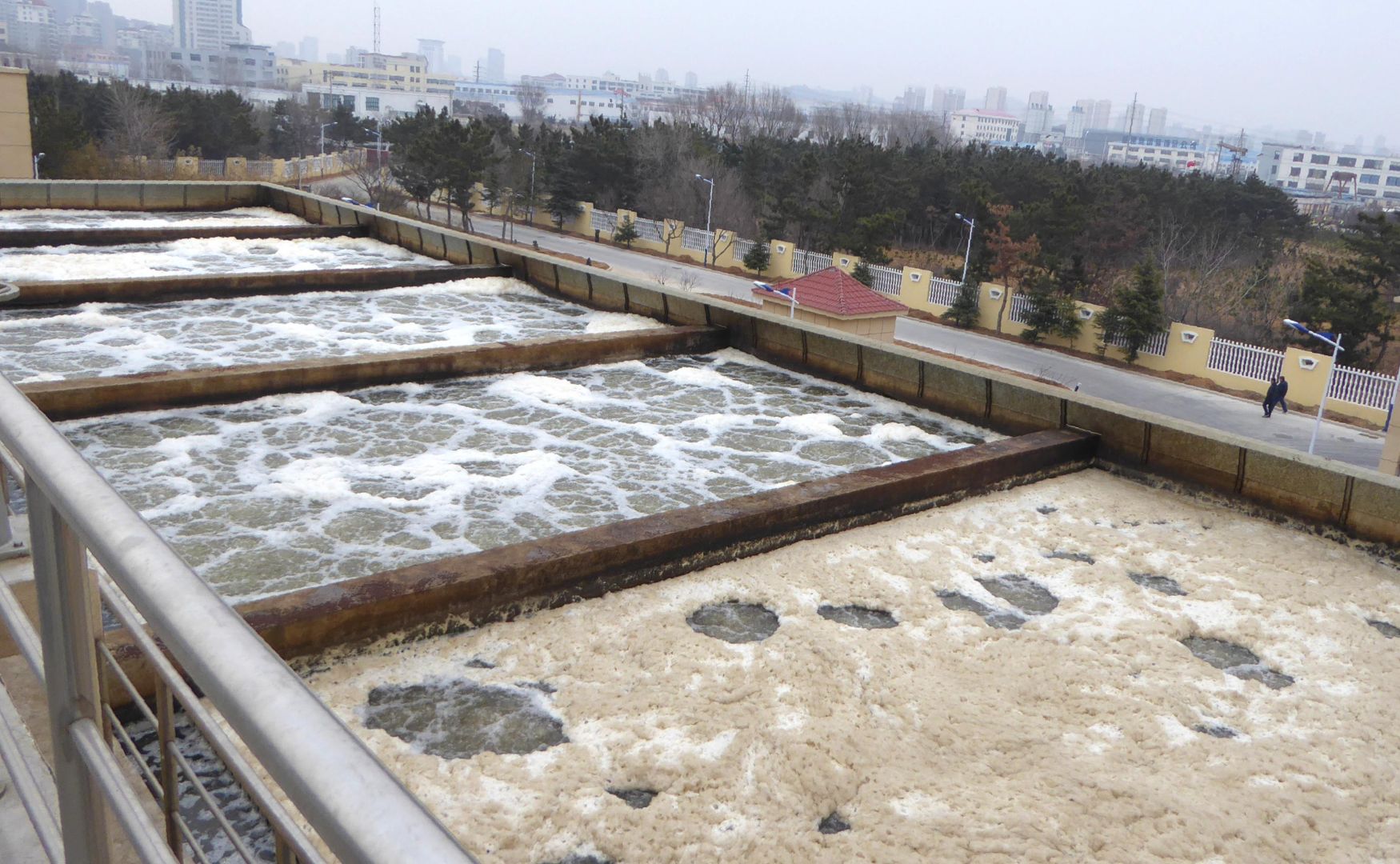
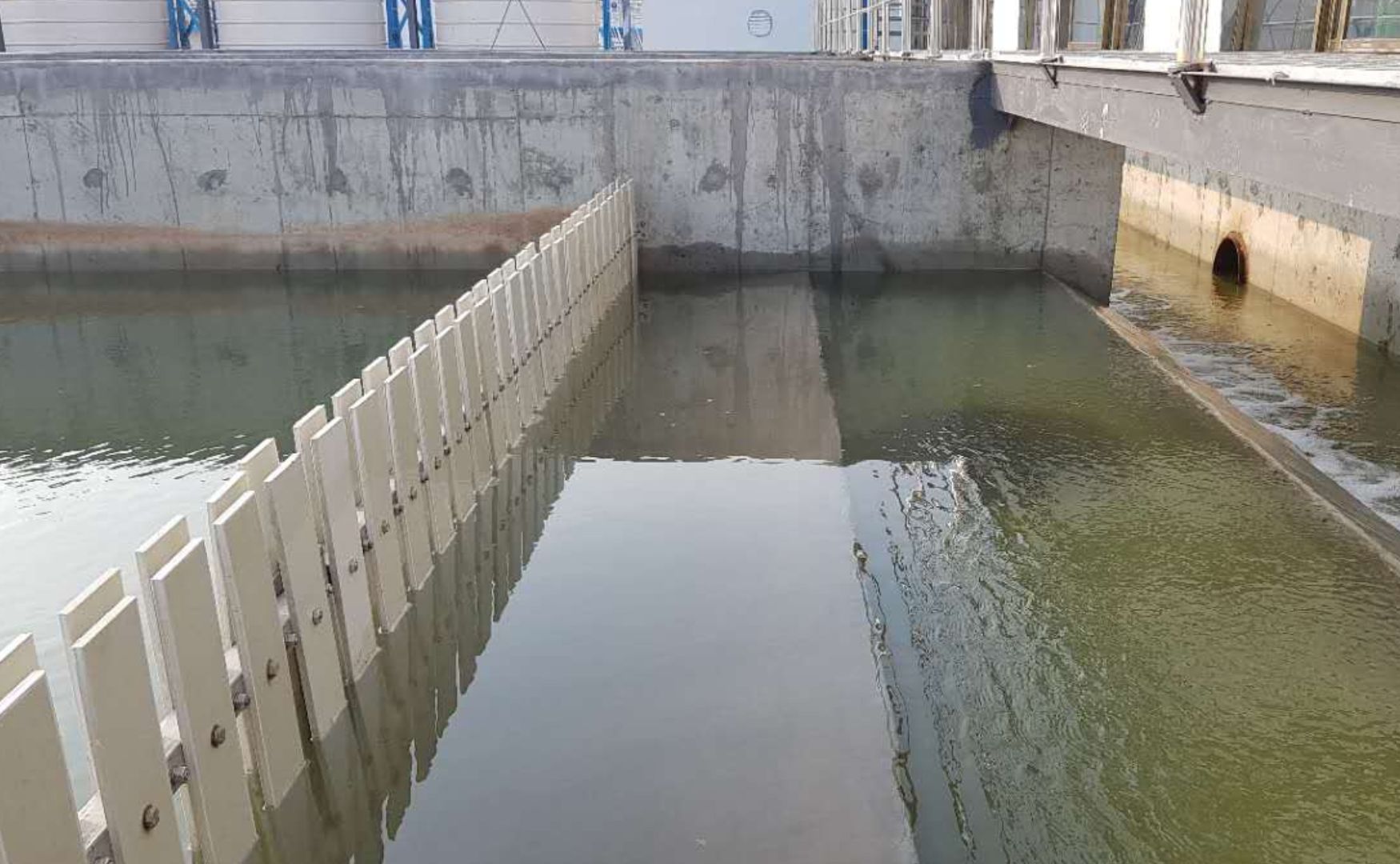
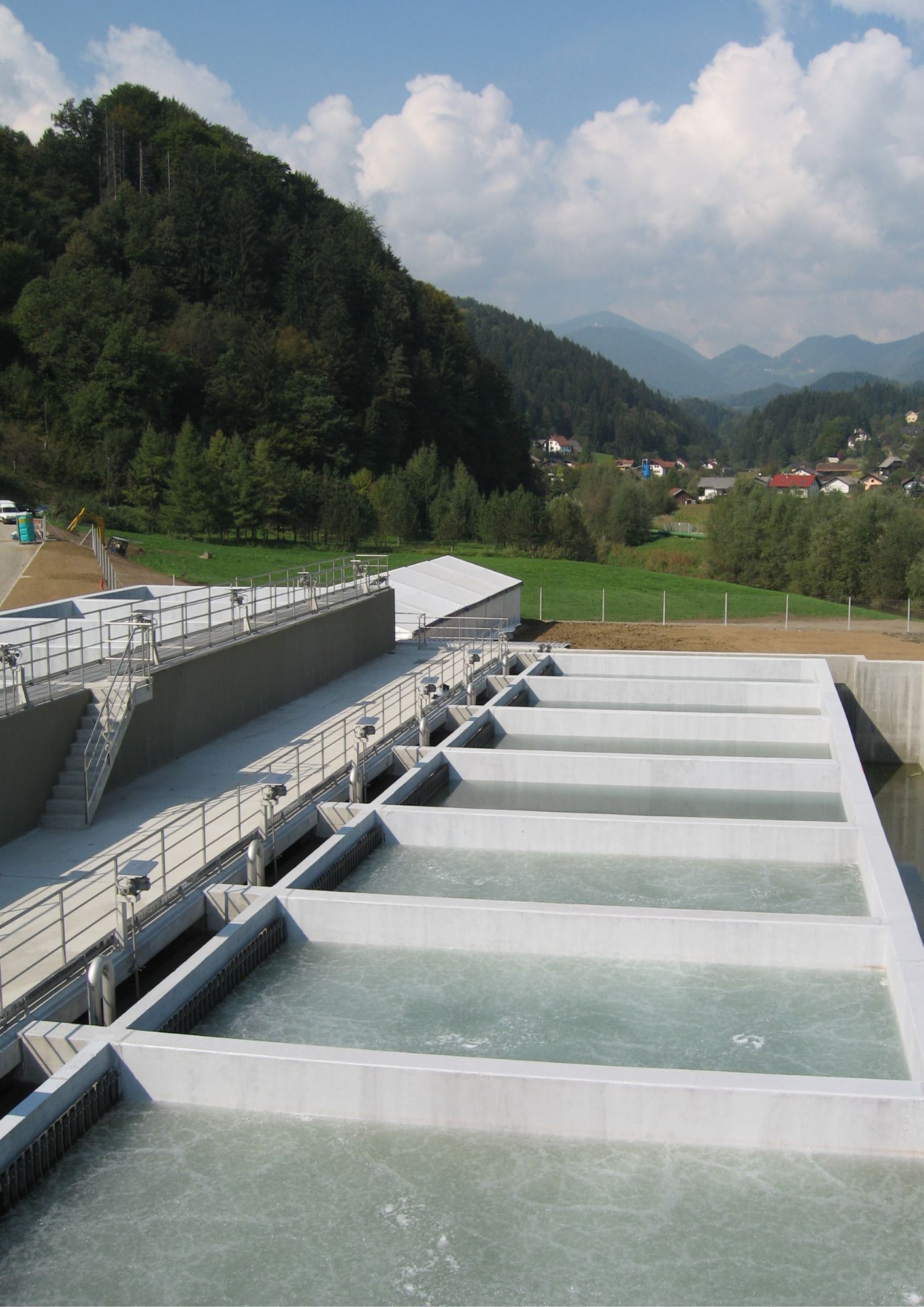
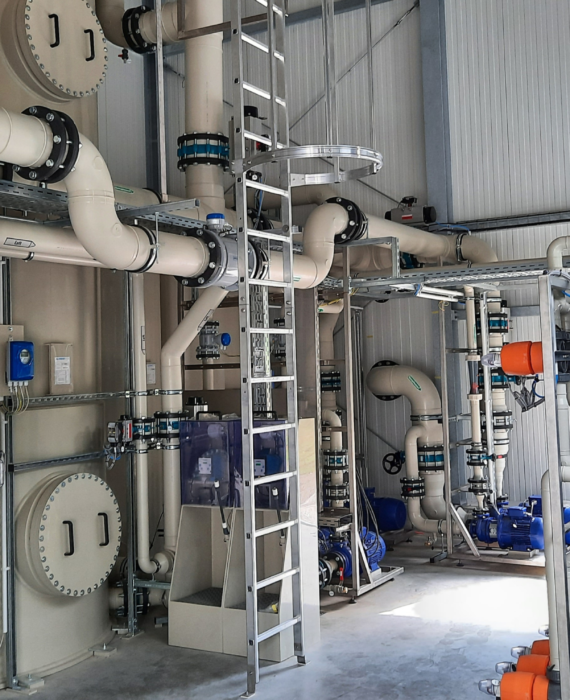
Discover effective, biologically activated filtration (BAF) for wastewater treatment. With the help of microorganisms, organic compounds and nitrogen are removed from wastewater and polluted surface water. The BAF method uses clay-based beads and an even distribution of air and water. Nitrification and denitrification can be carried out in a reactor or in separate filter stages.
Technical data
Main applications
Waste water Surface water Post-treatment
Throughput capacity
100 - 1,000 m³/h
Reduction of org. compounds
max. 95 %
Nitrogen reduction
max. 90 %

Your expert for aerobic biofilm processes

maksim_neuabauer_almawatech

Maksim Neubauer

Head of International Project Development & Water Reuse

References biofiltration systems

Biologically Activated Filtration for Compact Post-Treatment and Water Reuse

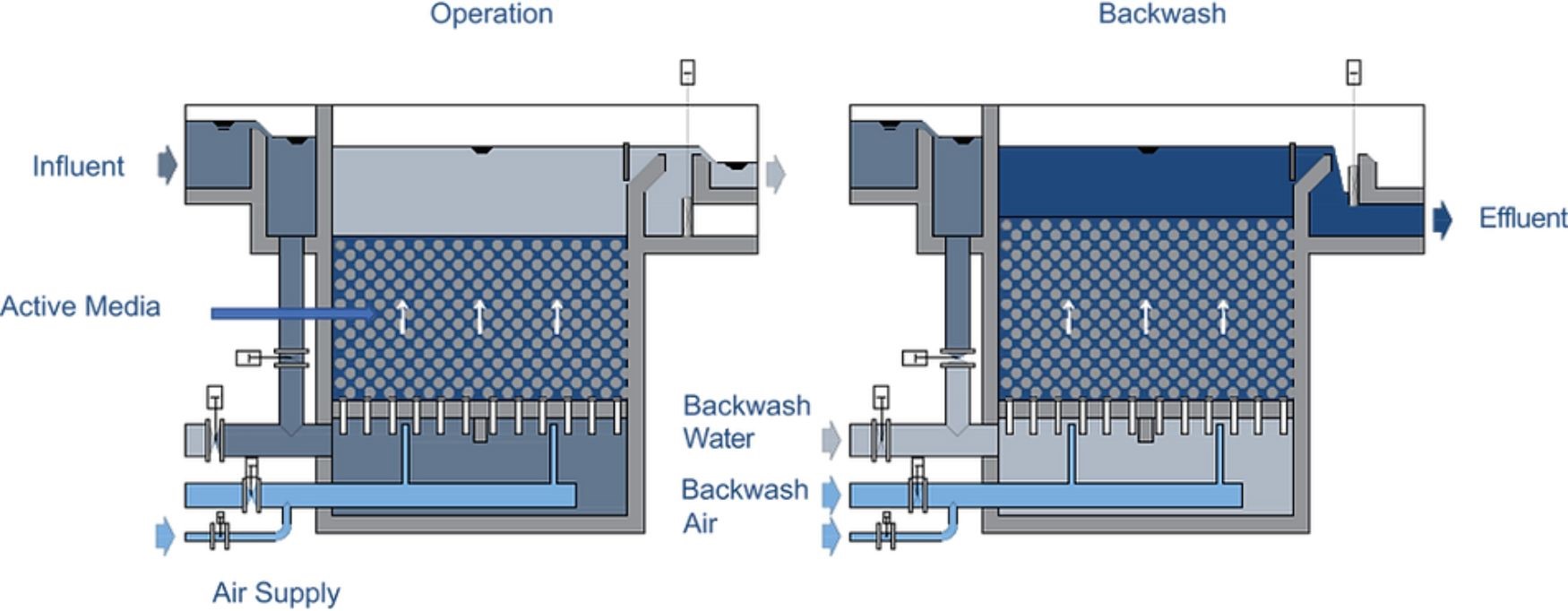
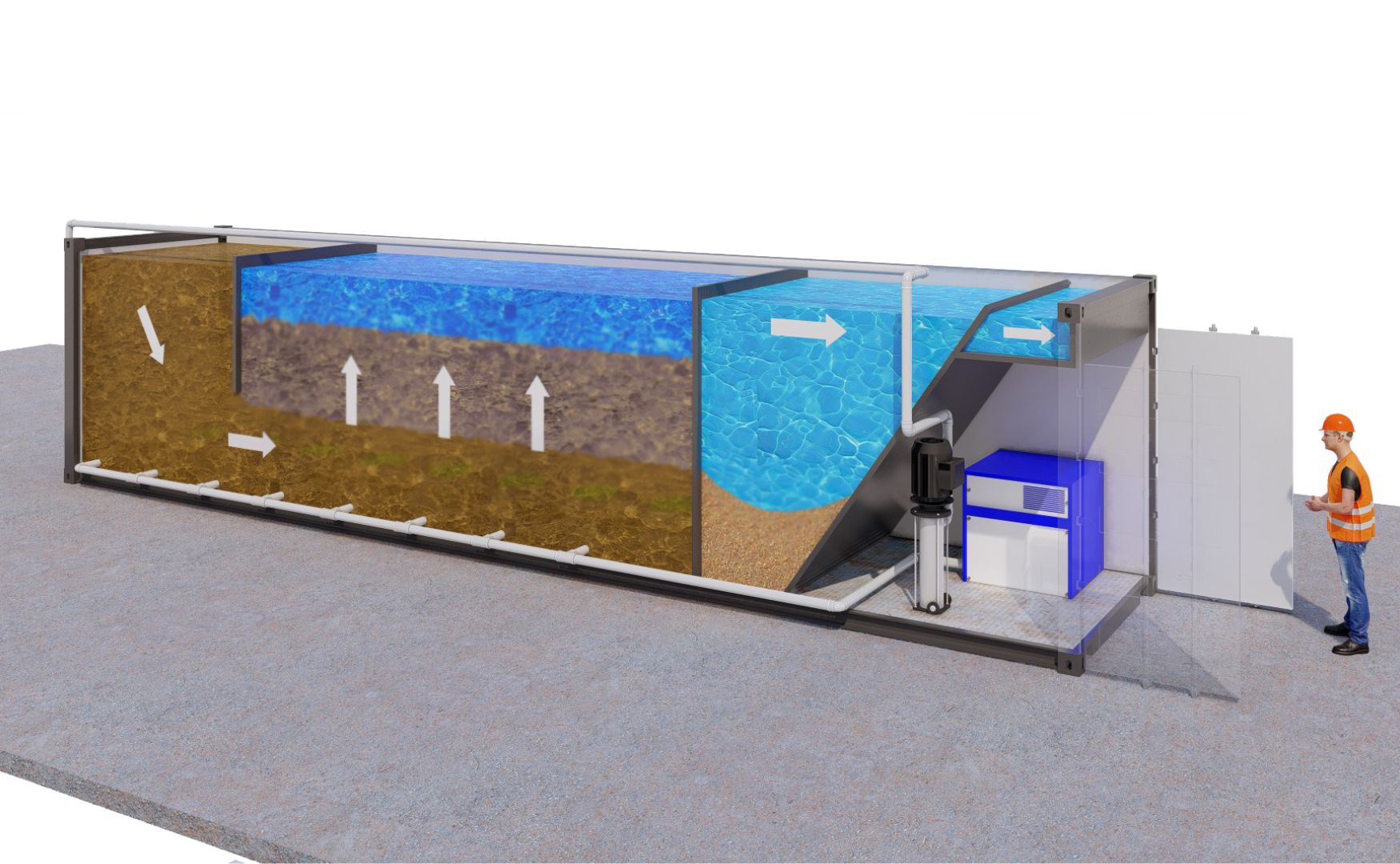
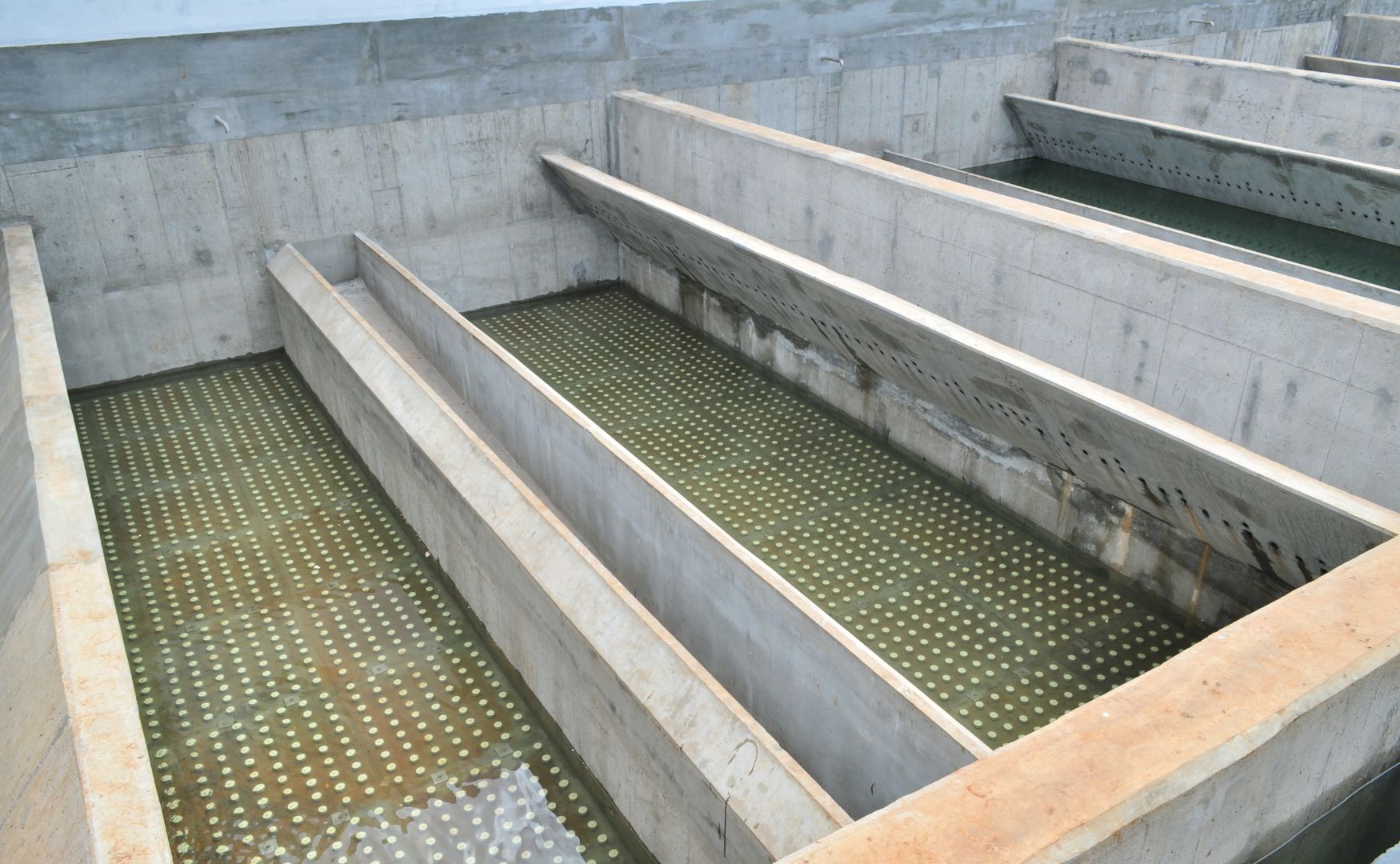
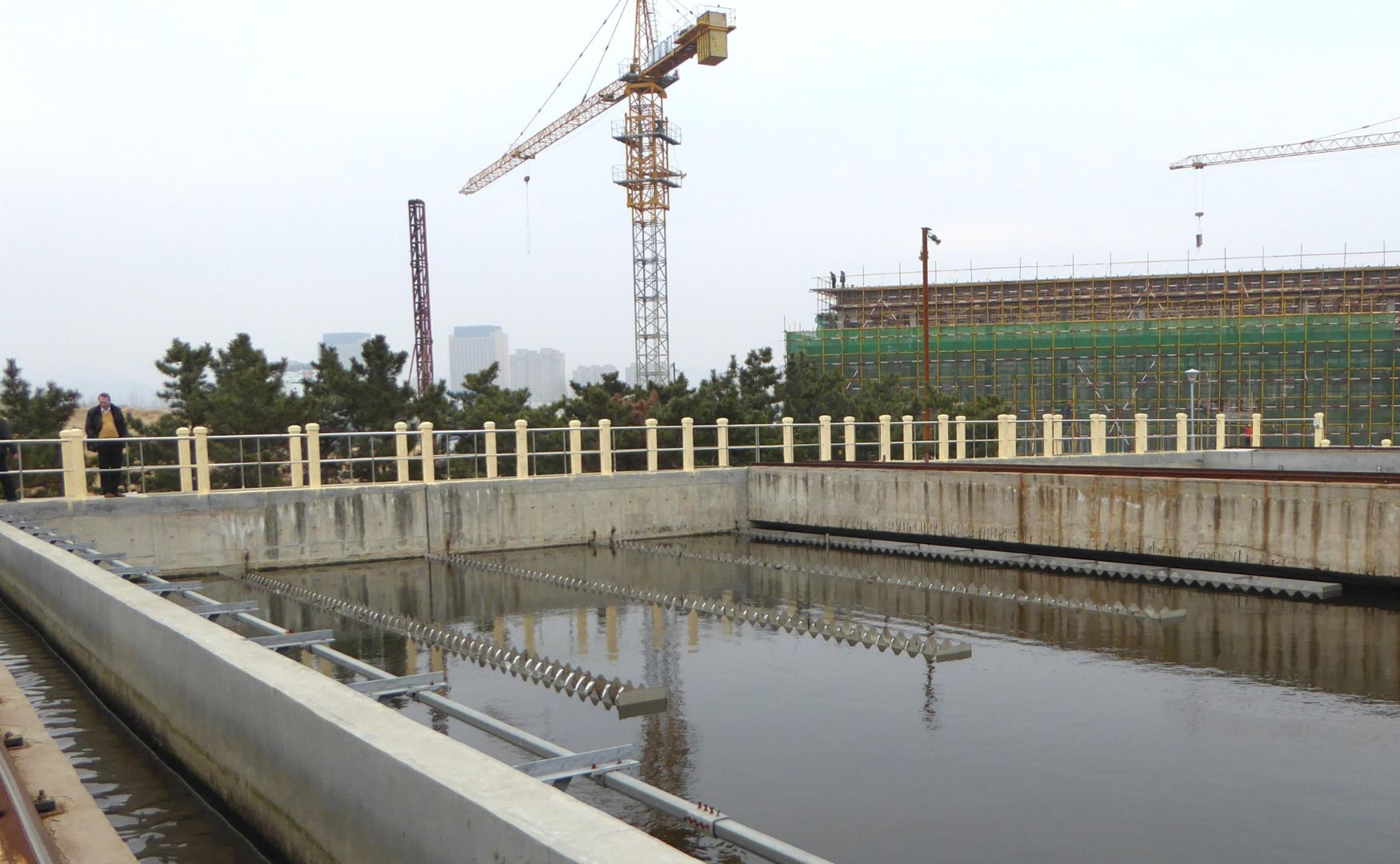
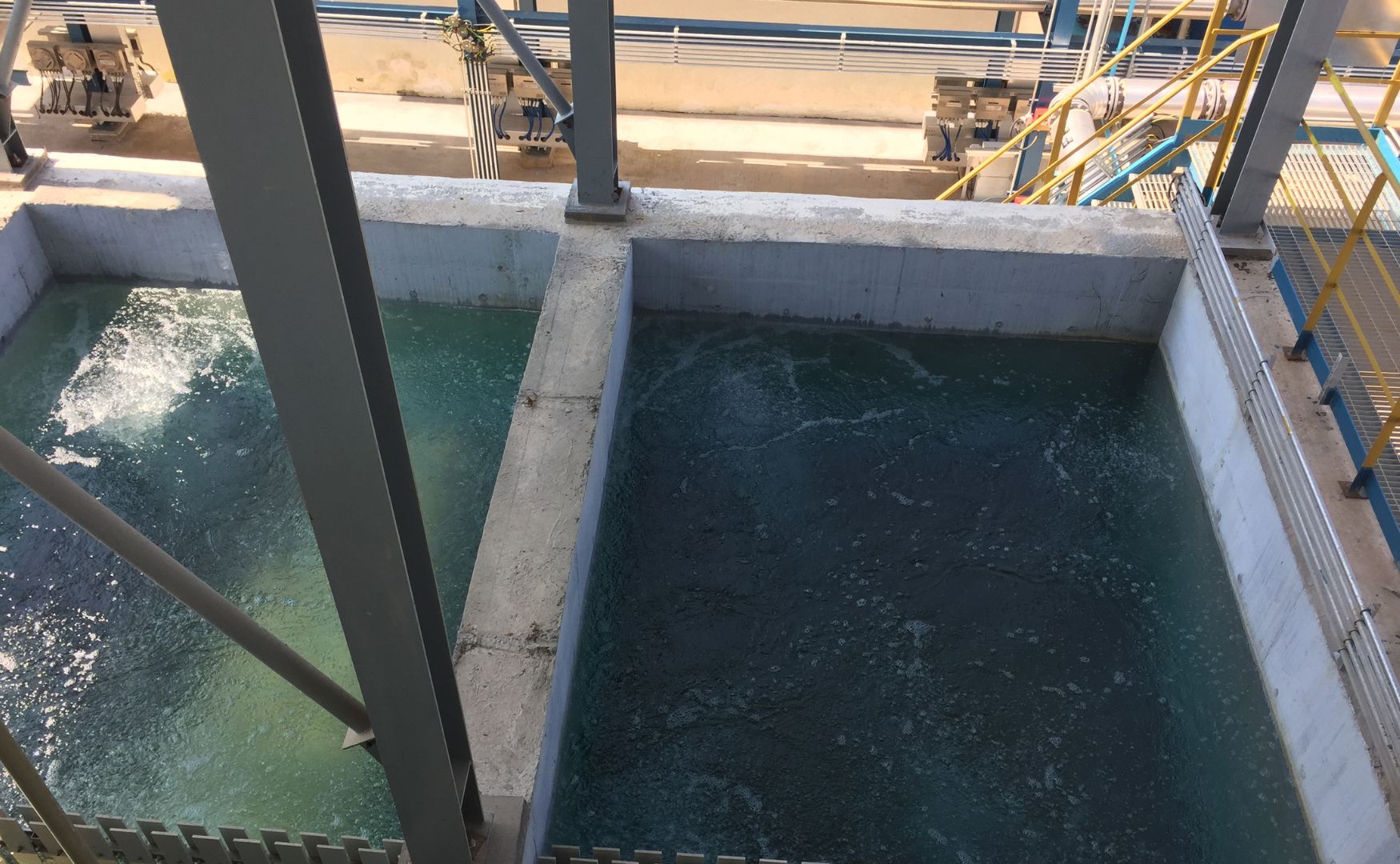
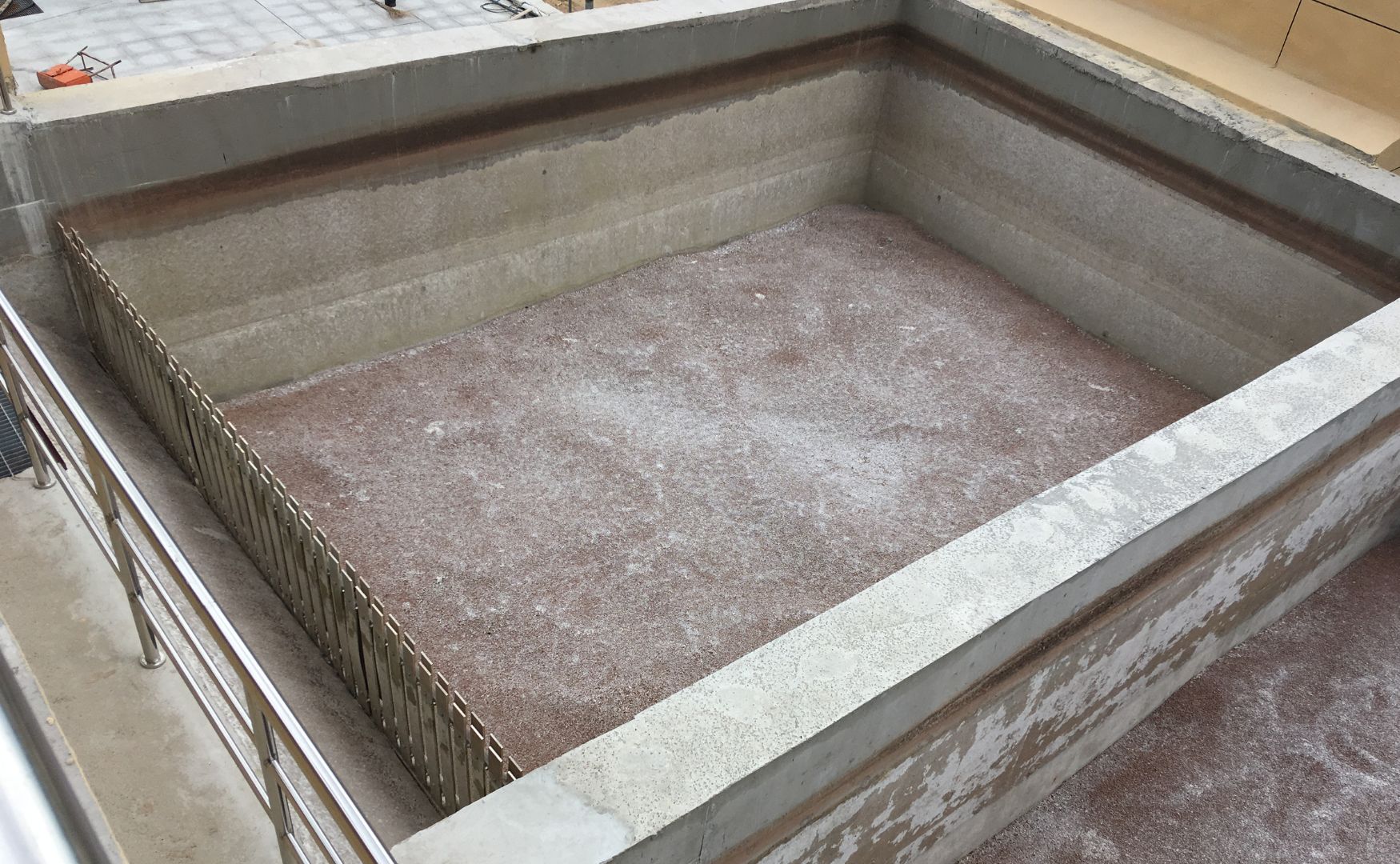
The ALMA BHU BAF combines aerobic biological wastewater treatment and solids filtration in a single compact process stage. Microorganisms grow as a biofilm on a clay-based filter material. As the water flows through the filter bed, organic compounds—and, depending on the design, nitrogen compounds as well—are biologically degraded.

Inlet

Pre-treated wastewater

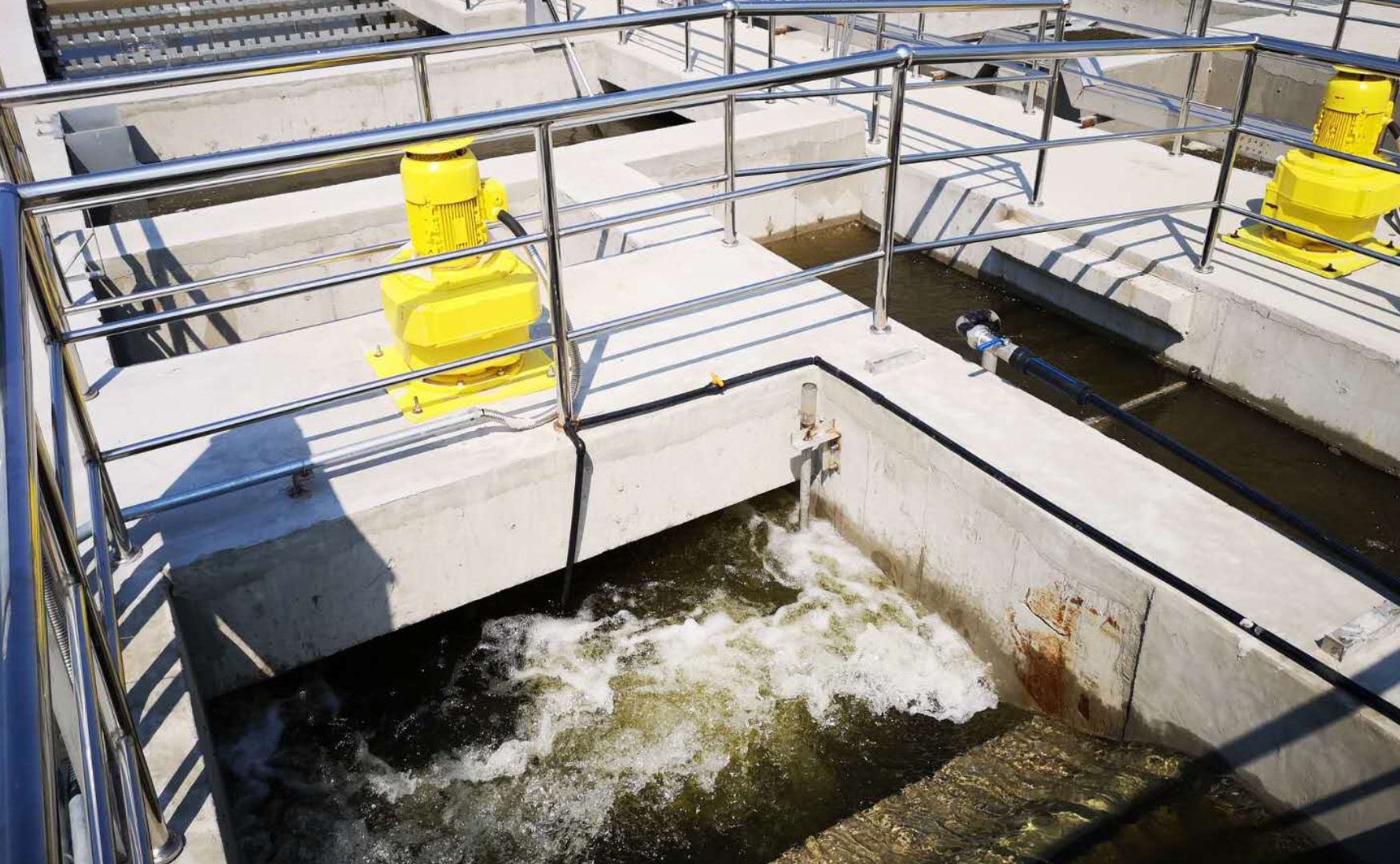
Wastewater or contaminated surface water is evenly distributed across the biologically active filter stage.

Biofilm and Filtration

Biological degradation in the filter bed

Microorganisms on the growth media break down organic contaminants. At the same time, particulate matter is trapped in the filter bed.

Procedure

Biologically treated clear water

The treated water can be discharged or subjected to further filtration, disinfection, or water reuse.

Advantages of biologically activated filtration

  • Biology and Filtration in a Single Step Organic degradation and solids retention take place within the same filter reactor.
  • High biomass concentration The large colonizable surface area of the growth media enables high biological activity within a compact plant footprint.
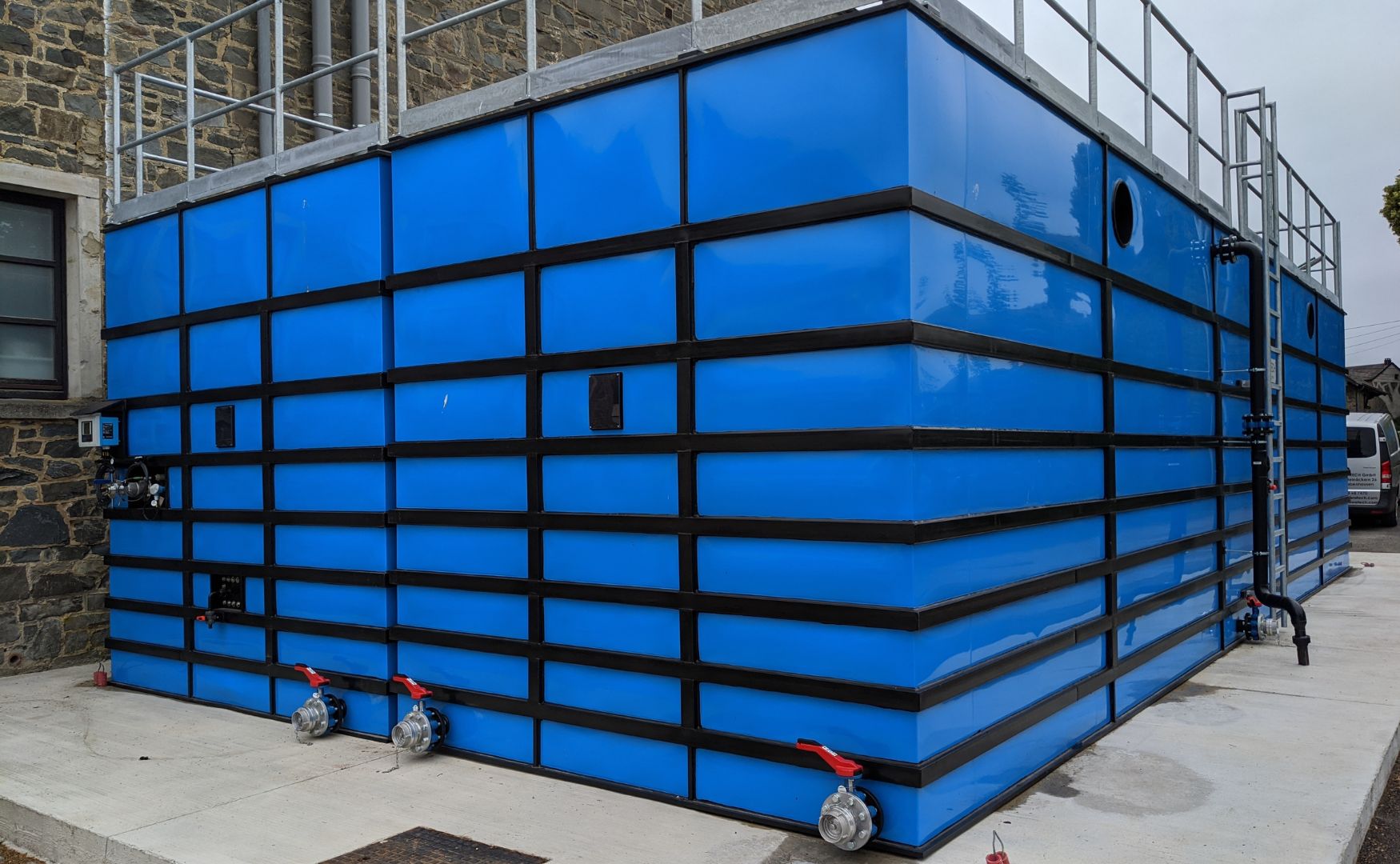
  • Small footprint The compact design is particularly well-suited for expansions at locations with limited available space.
  • Flexible Nitrogen Removal Depending on the specific application, nitrification and denitrification can take place in a combined or in separate filter stages.
  • Suitable as a tertiary treatment stage The BAF can supplement existing biological treatment systems and improve effluent quality prior to further treatment .

When is the ALMA BHU BAF particularly useful?

  • Expansion of Existing Wastewater Treatment Plants For additional biological treatment capacity, without completely rebuilding the existing aeration stage.
  • Tertiary wastewater treatment For further reduction of organic pollutants, nitrogen compounds, and suspended solids.
  • High hydraulic flow rates For industrial and municipal applications with continuous and large volumes of wastewater.
  • Limited space When a traditional expansion with additional aeration and secondary clarification tanks requires too much space.
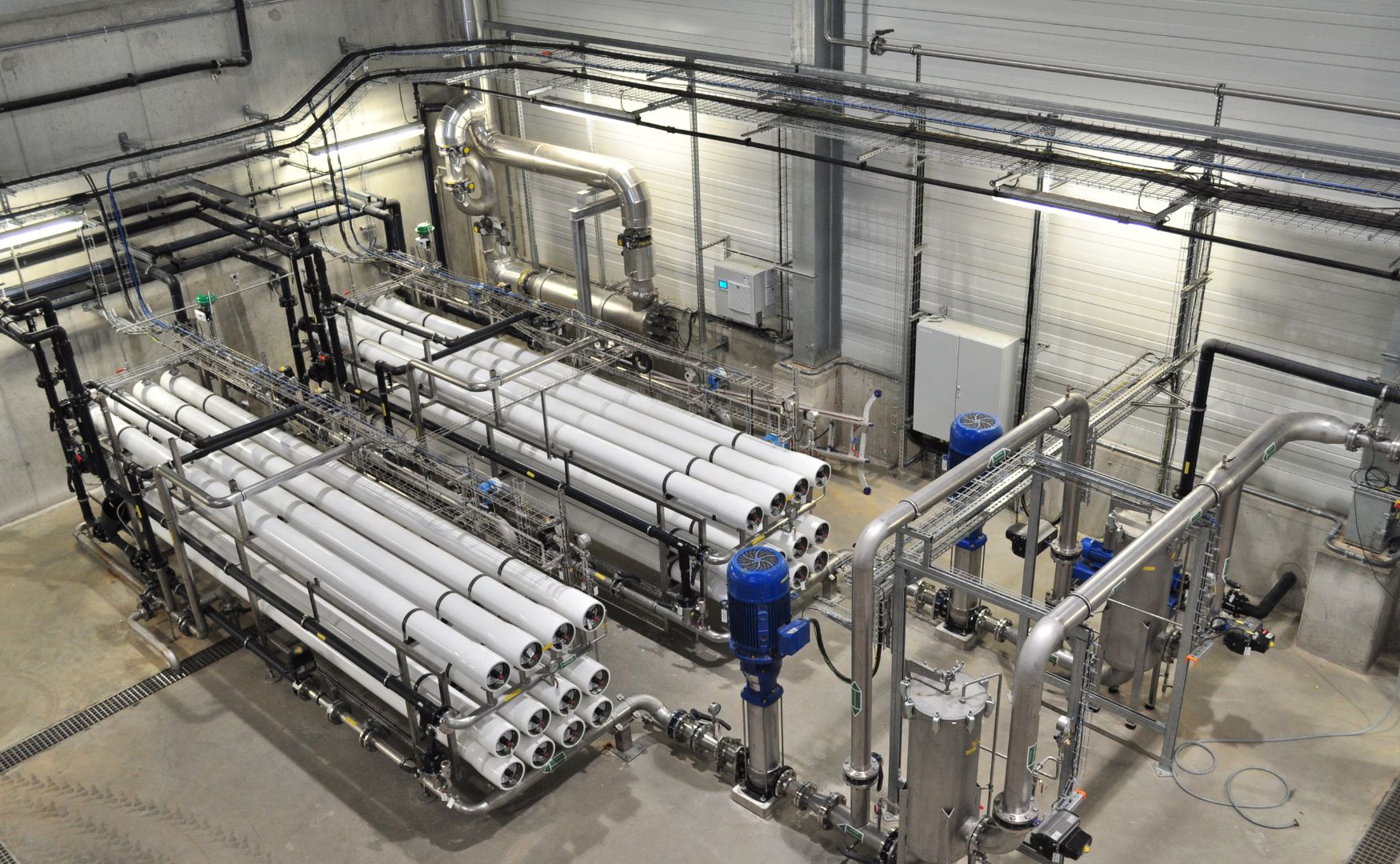
  • Pretreatment for Water Reuse To reduce the biological load on downstream filtration, membrane, or disinfection processes.
100–1,000 m³/h Specified hydraulic performance range
up to 95% Specified maximum reduction of organic compounds
up to 90% Specified maximum reduction of nitrogen compounds
The exact process configuration depends on the cleaning objective

For pure COD removal and nitrification, an aerated filter stage may be sufficient. If extensive denitrification is also required, the ALMA BHU BAF can be supplemented with a separate anoxic filter stage, appropriate recirculation flows, and a demand-based carbon dosing system.

Process diagram: ALMA BHU BAF

Downloads biological filtration

Please contact our specialist for biological wastewater treatment plants: E-Mail

Similar products

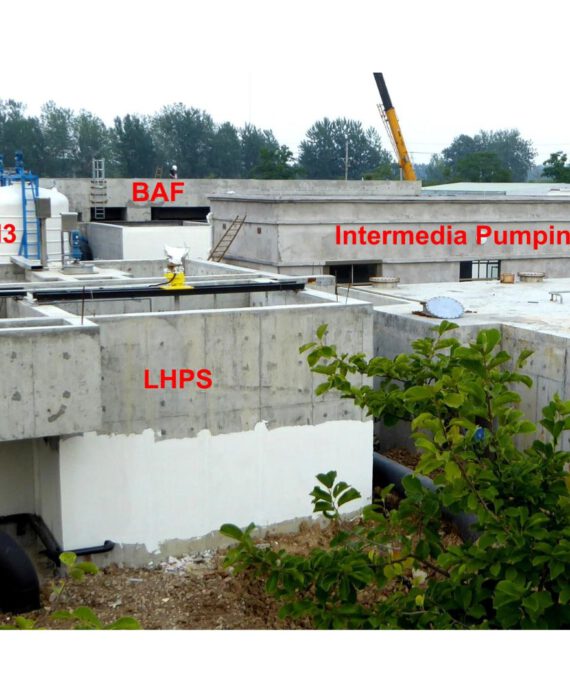
Reference photos

Get in touch with us!

maksim_neuabauer_almawatech

Maksim Neubauer

Head of International Project Development & Water Reuse