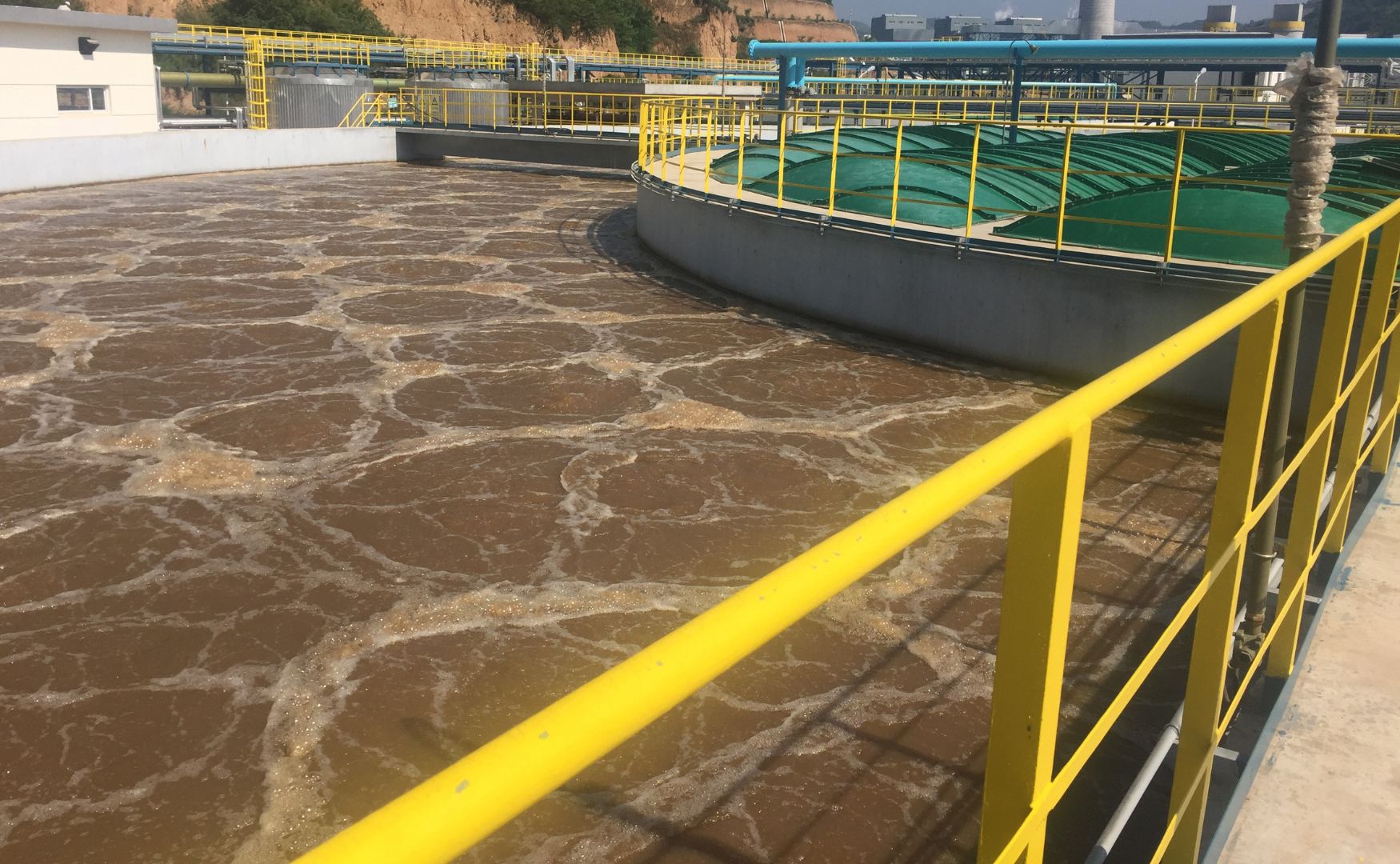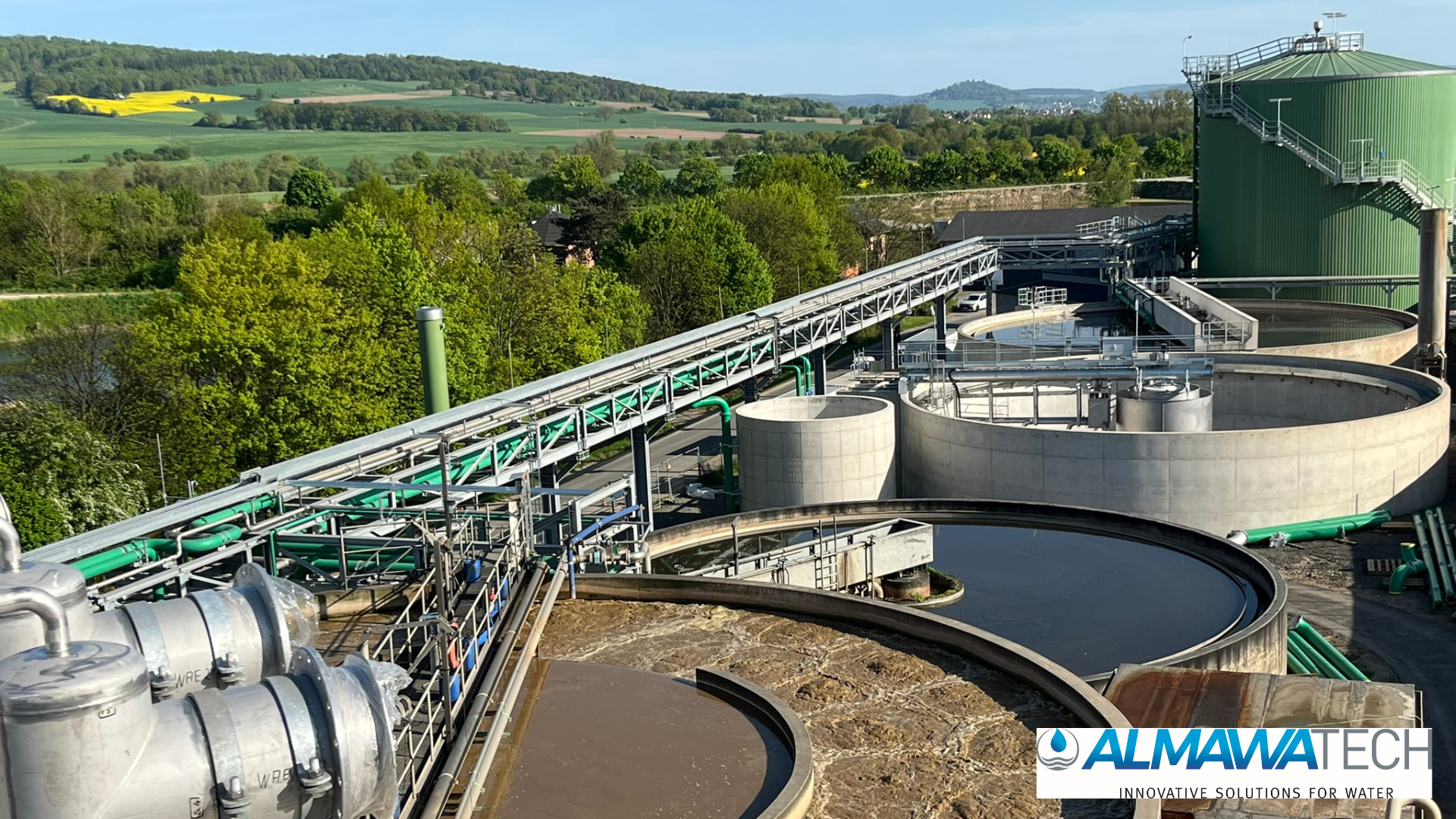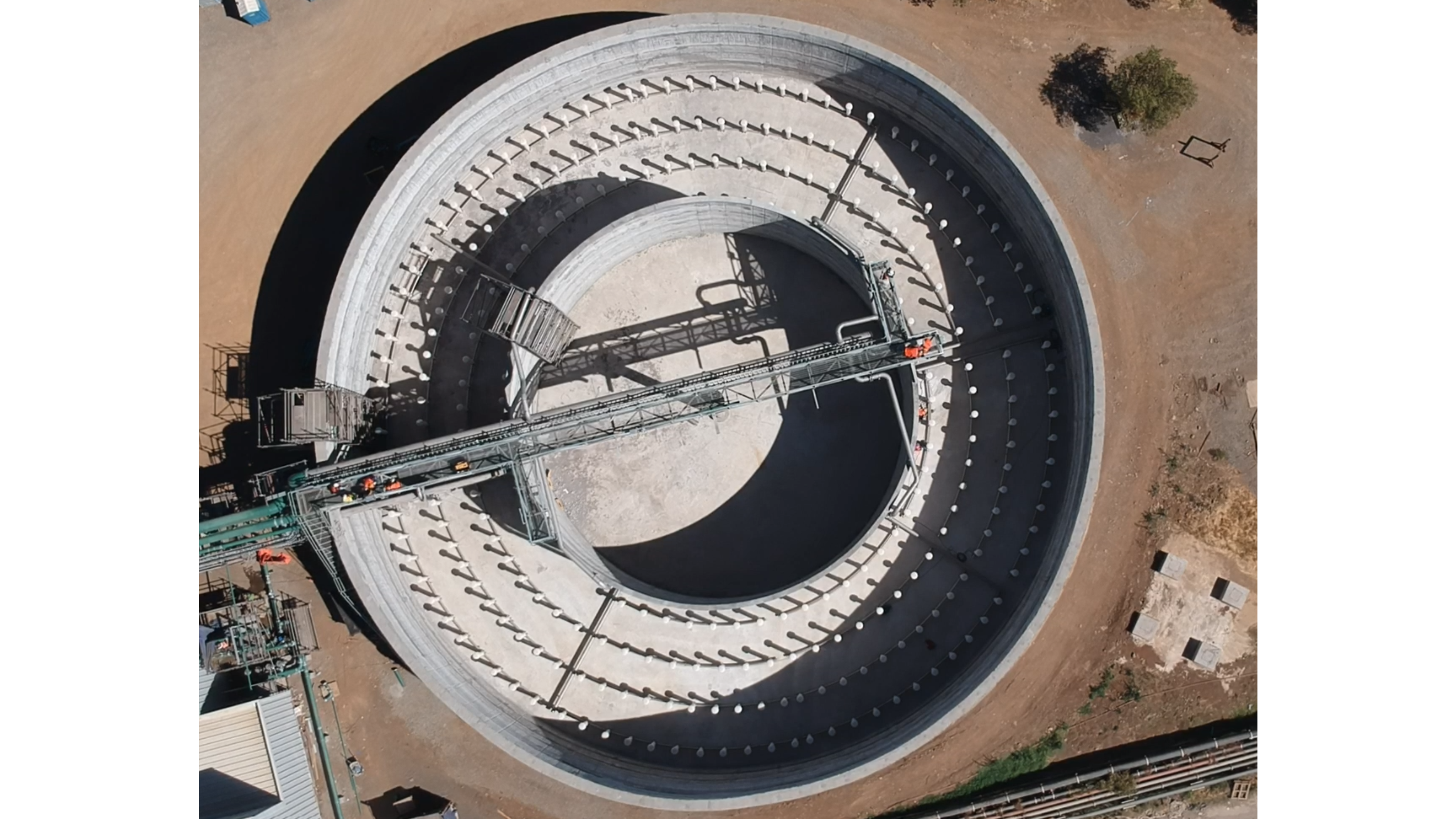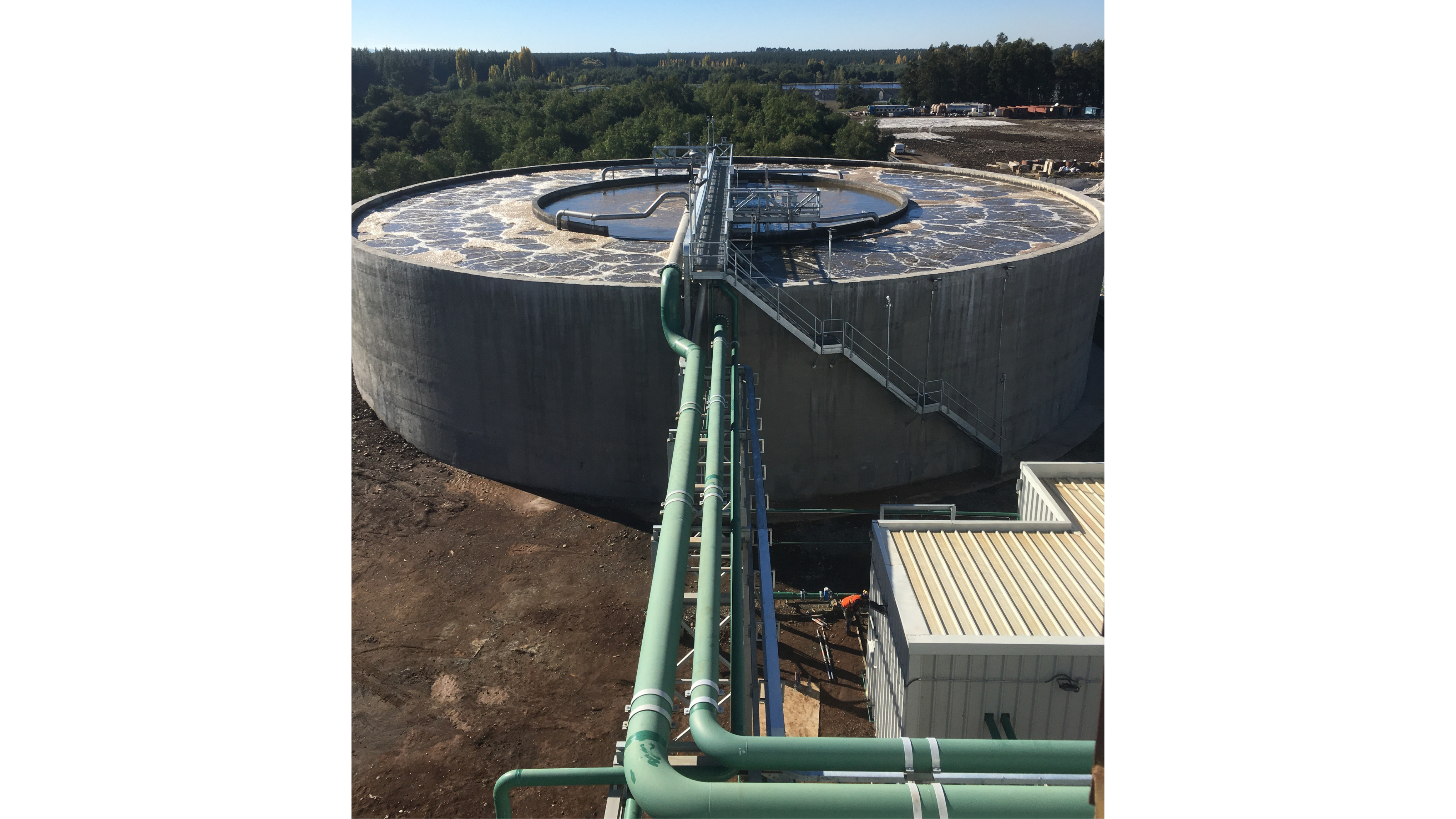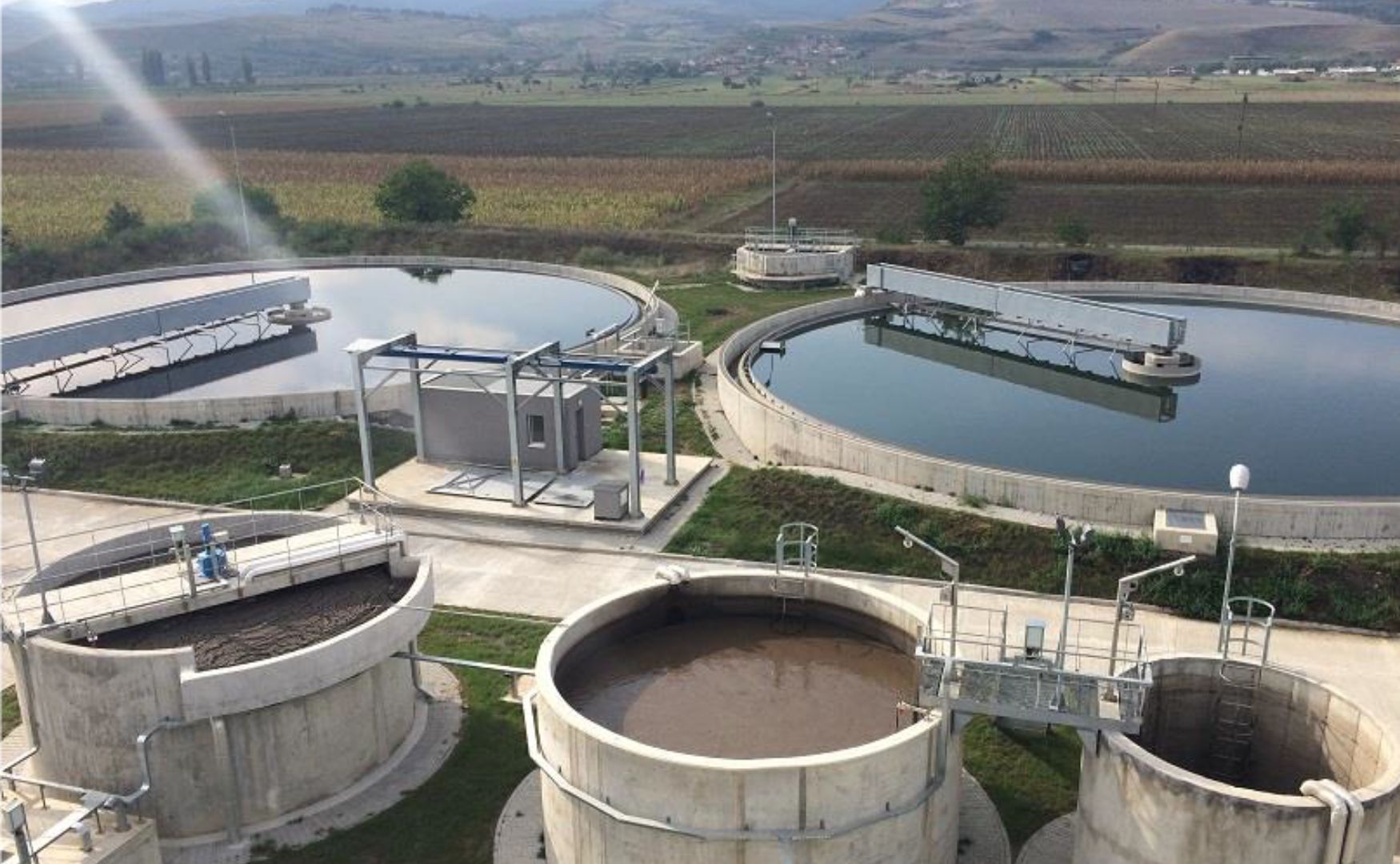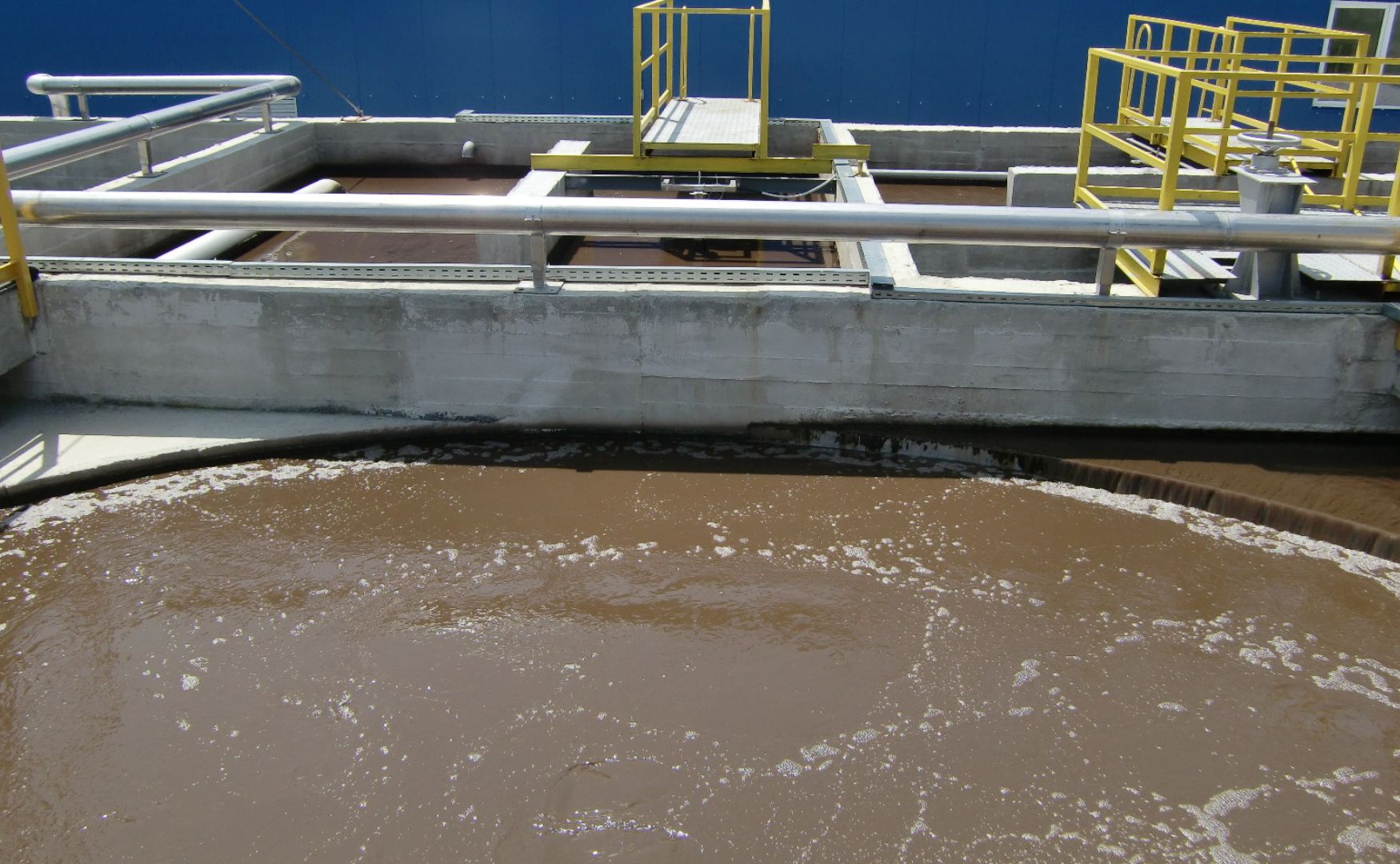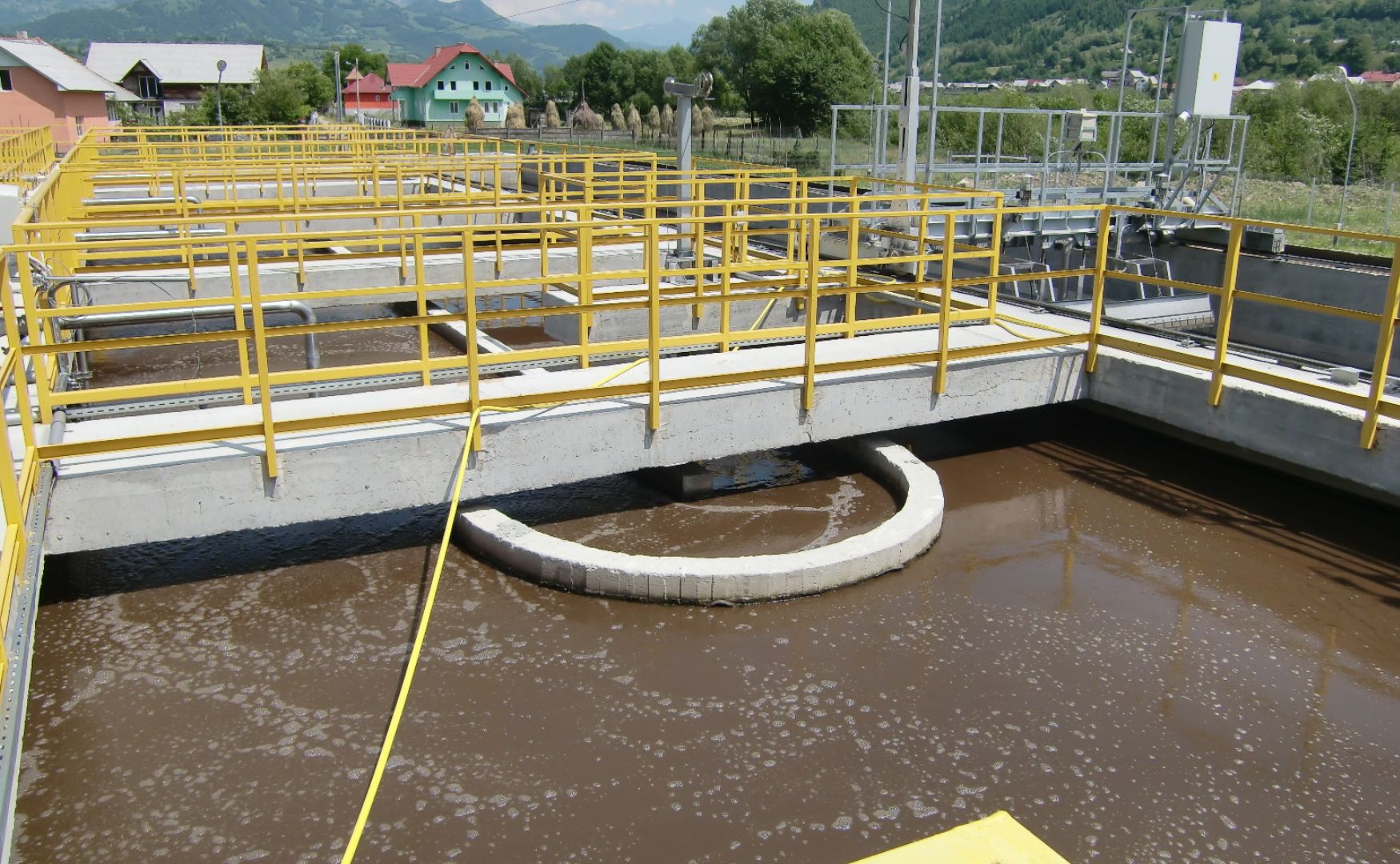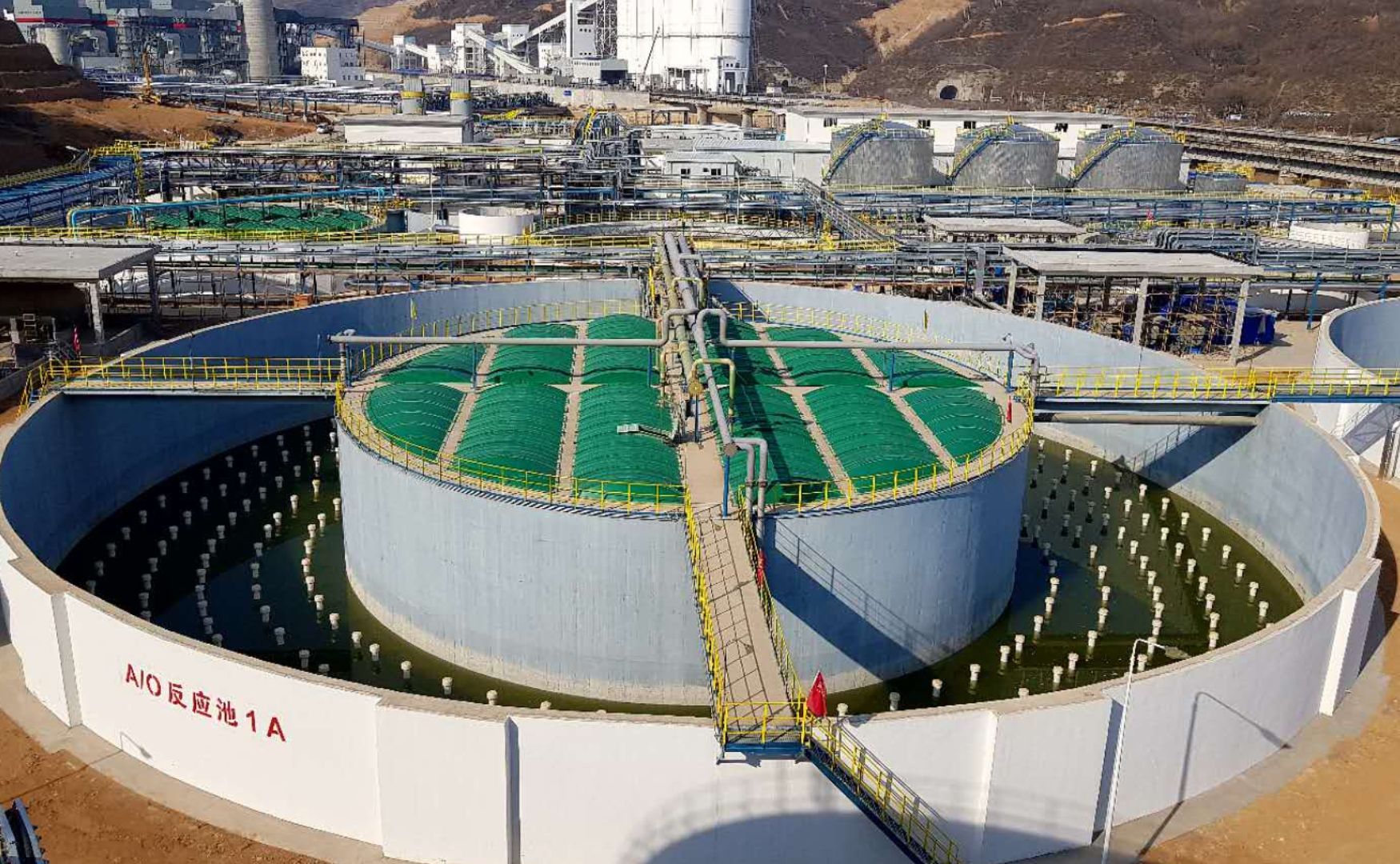



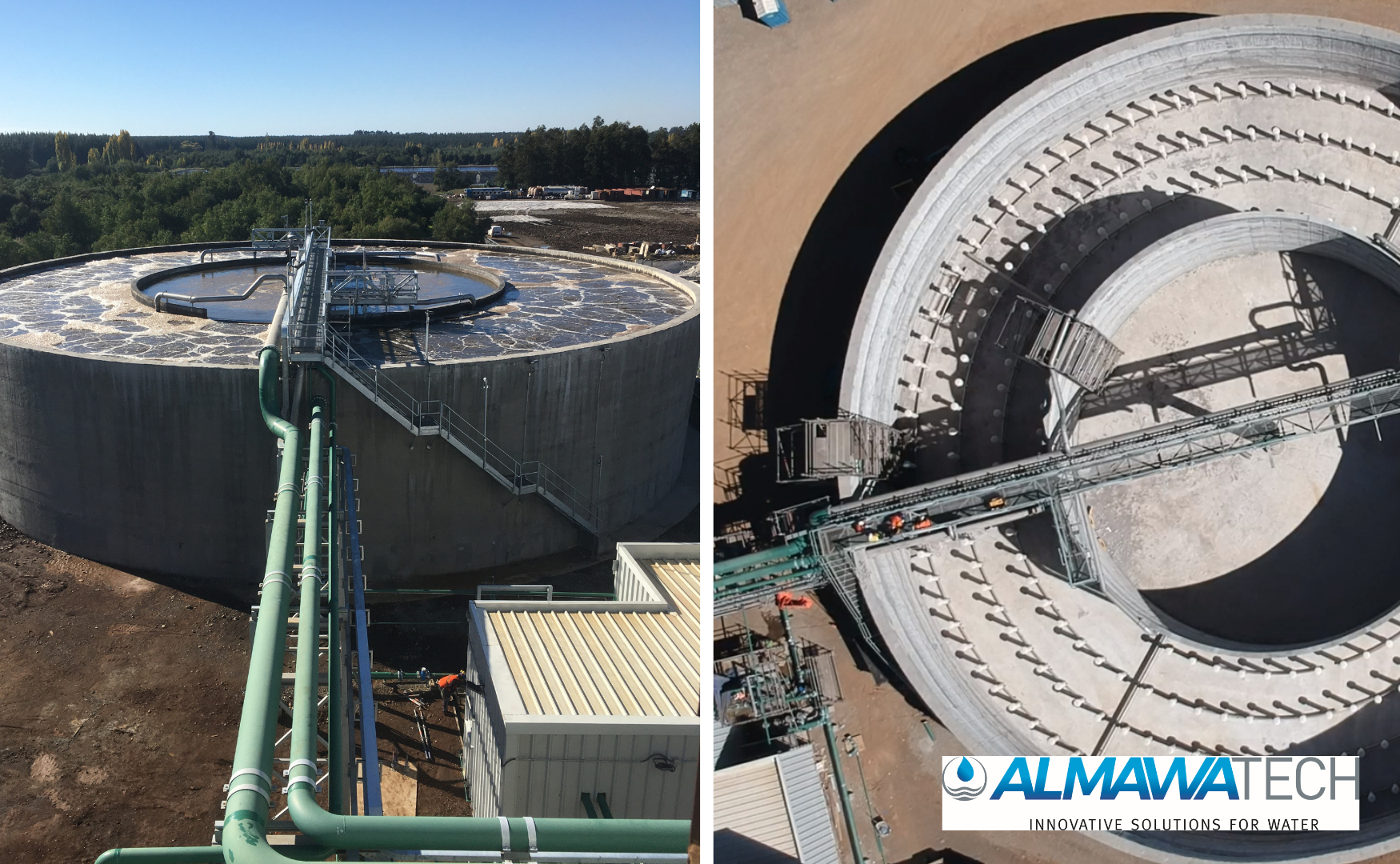
Sequencing-batch reactor for biological wastewater treatment
Aerobic Biological Wastewater Treatment

ALMA BIO SBR – Biological Wastewater Treatment in a Sequencing Batch Reactor

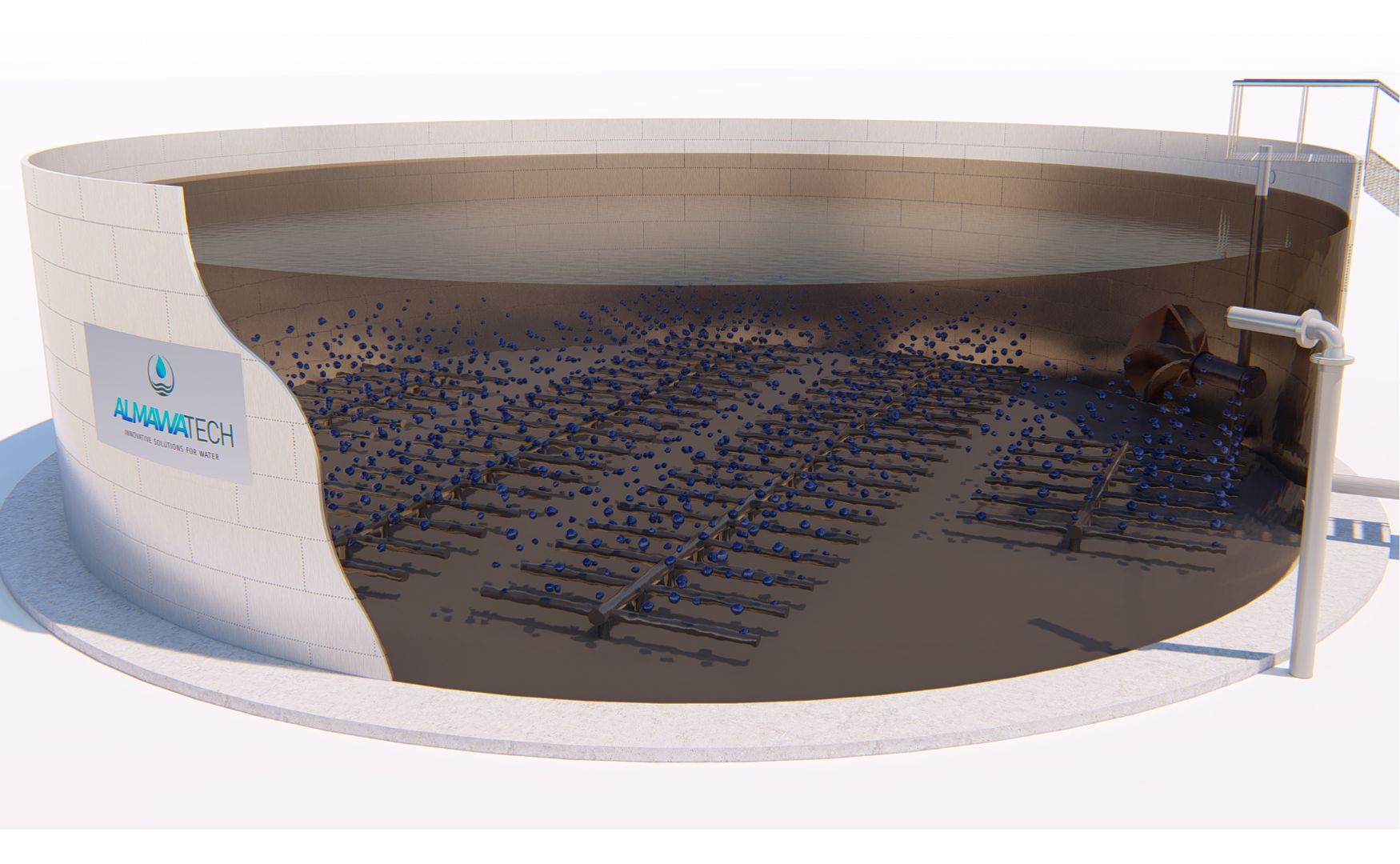
The ALMA BIO SBR (Sequencing Batch Reactor) is a biological wastewater treatment system in which filling, biological reaction, sedimentation, and clear water discharge occur sequentially in the same reactor.

Thanks to the flexible control of the individual process phases, the system can be specifically adapted to different wastewater loads and treatment objectives. The SBR process is particularly well-suited for fluctuating industrial wastewater, intermittent production processes, and the biological degradation of COD, BOD, ammonium, and nitrogen.
Technical data
Main applications
Industrial wastewater, organic process streams, waste streams
Construction method:
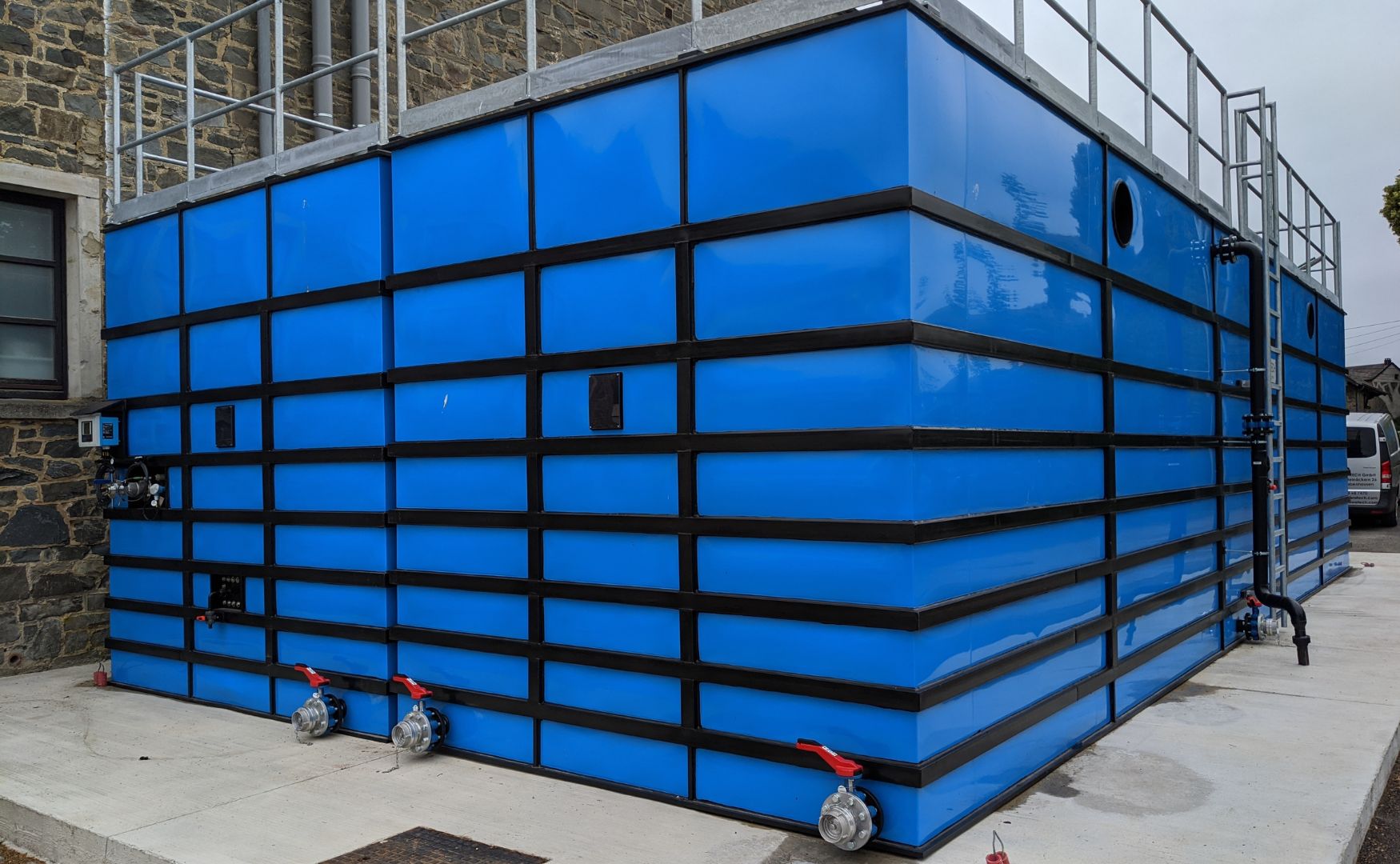
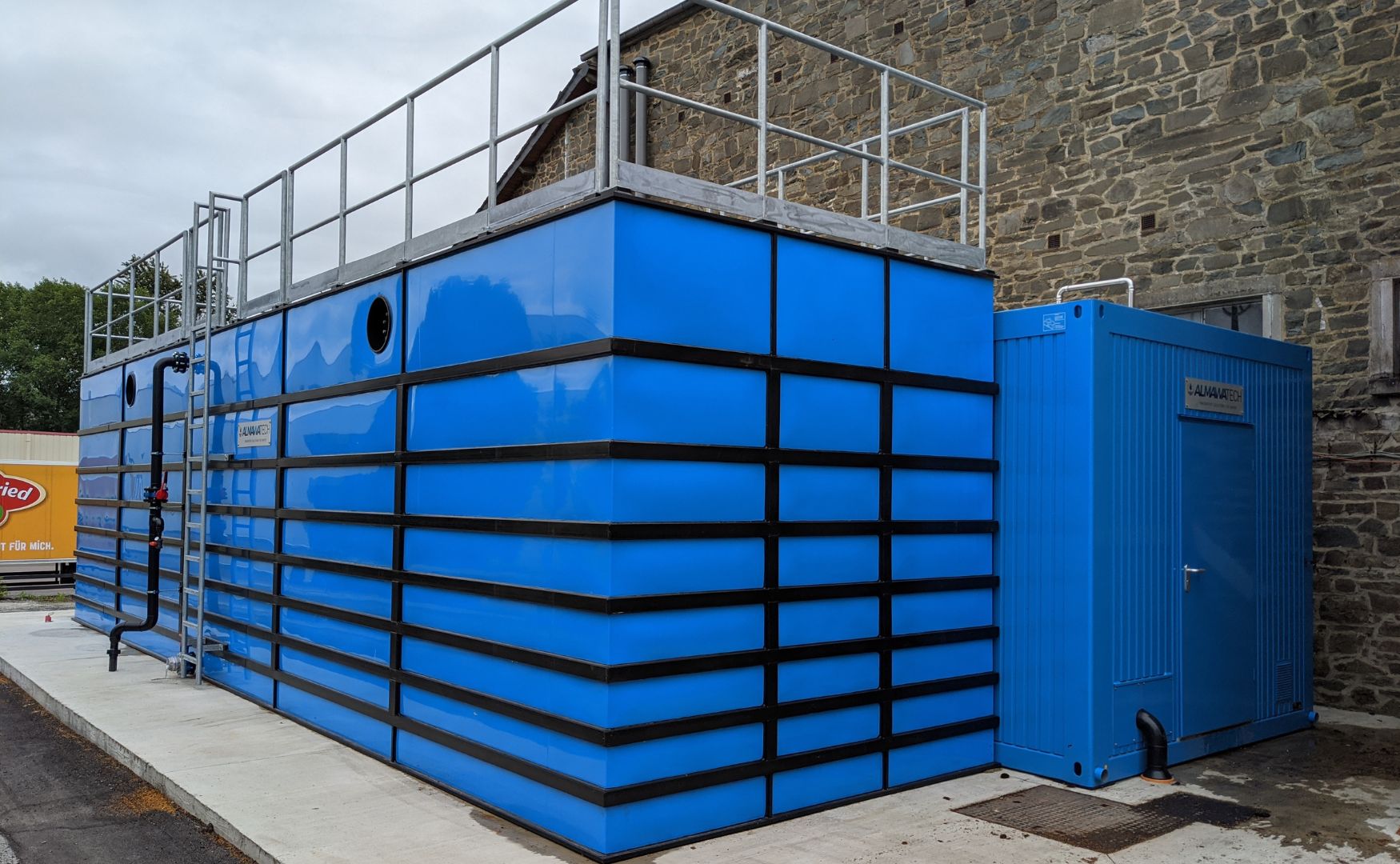
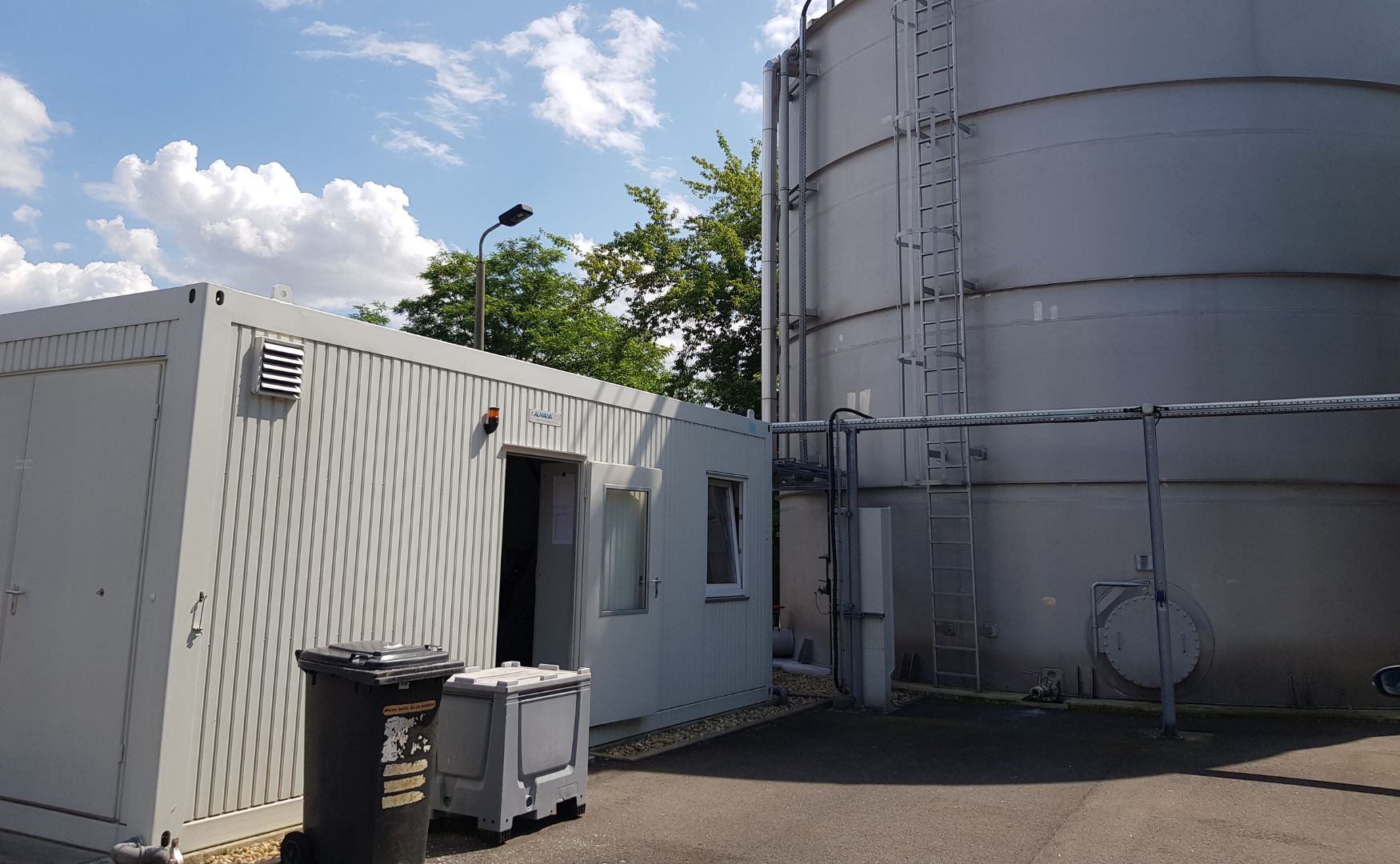
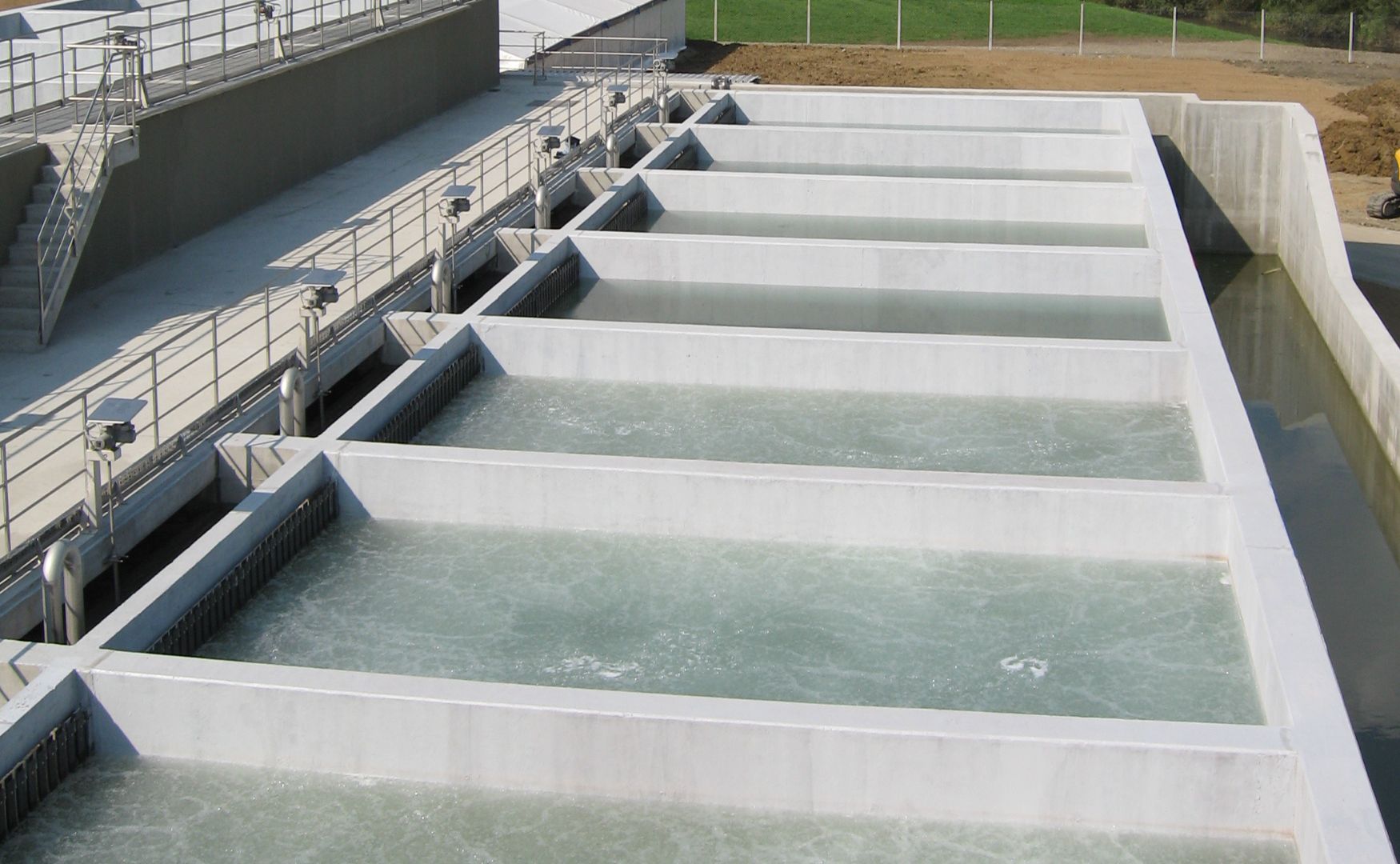
Concrete, stainless steel, PE/PP, or container construction
Reduction of:
CSB, Ammonium, and Nitrogen
Hydraulic power
50–1,000 m³/day

Have an SBR system designed:

dominik_hoffmann_almawatech

Dominik Hoffmann

Head of Project Development

maksim_neuabauer_almawatech

Maksim Neubauer

Head of International Project Development

What is an SBR reactor?

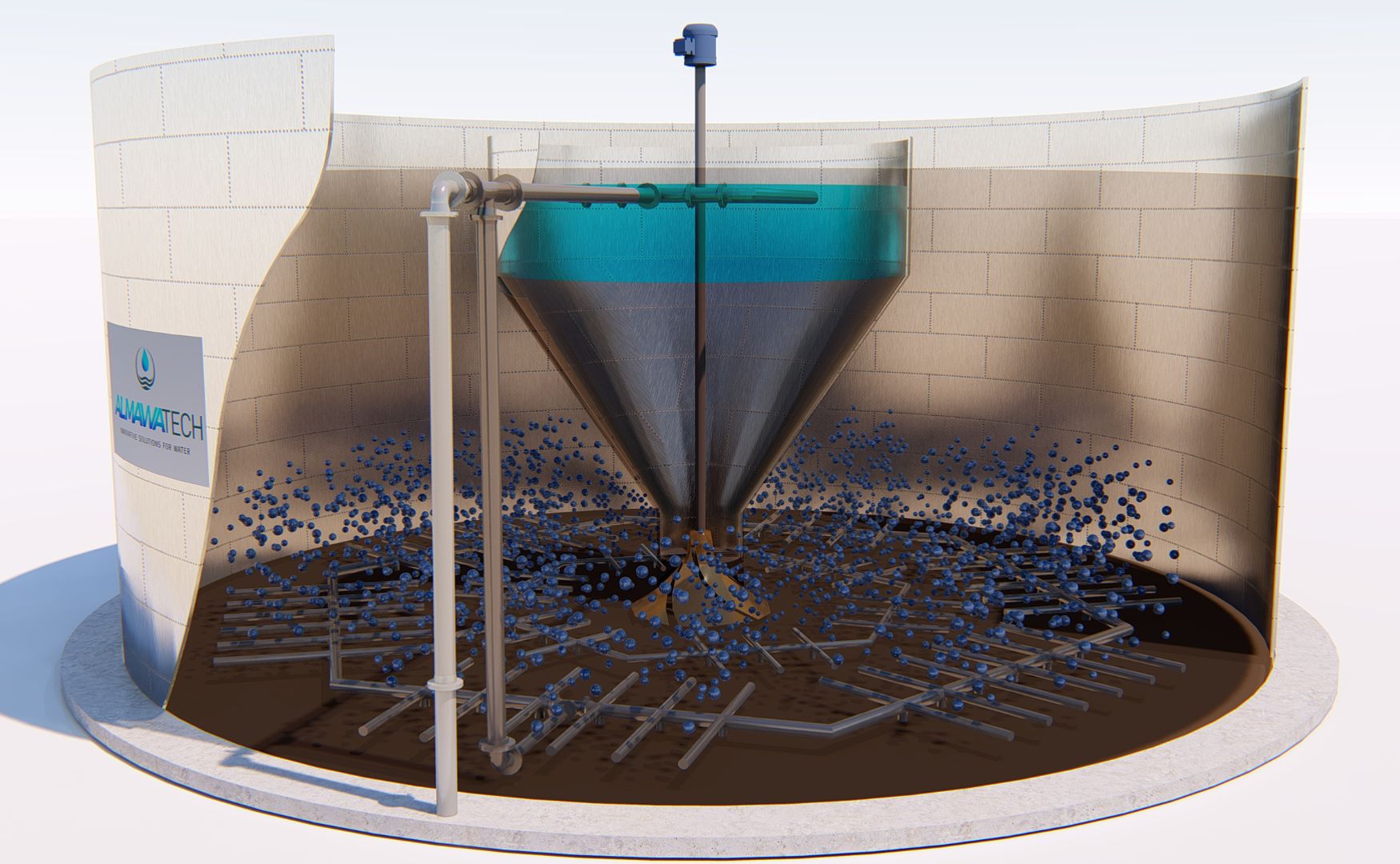
An SBR (Sequencing Batch Reactor) is a batch-operated biological wastewater treatment process. Unlike a continuous activated sludge system, the individual process steps are carried out sequentially over time in the same reactor.

By separating the process phases in time, the same reactor can be operated sequentially under aerobic, anoxic, and sedimentation conditions. This allows for the biologically reduced of both organic loads and ammonium and nitrogen.

1
Filling
2
Biological reaction
3
Sedimentation
4
Clear Water Drain
5
Excess Sludge Removal

An SBR reactor is a biological wastewater treatment plant in which filling, biological treatment, sedimentation, and clear water discharge take place in sequence, one after another, in the same reactor.

How does the ALMA BIO SBR work?

The ALMA BIO SBR operates in recurring biological treatment cycles. The individual phases are configured on a project-by-project basis depending on the wastewater load, treatment objective, and required nitrogen removal.

1

Filling

The industrial wastewater is fed into the SBR reactor and mixed with the active biomass present in the reactor.

2

React biologically

During the reaction phase, microorganisms break down biologically available organic substances in wastewater, thereby reducing COD and BOD.

3

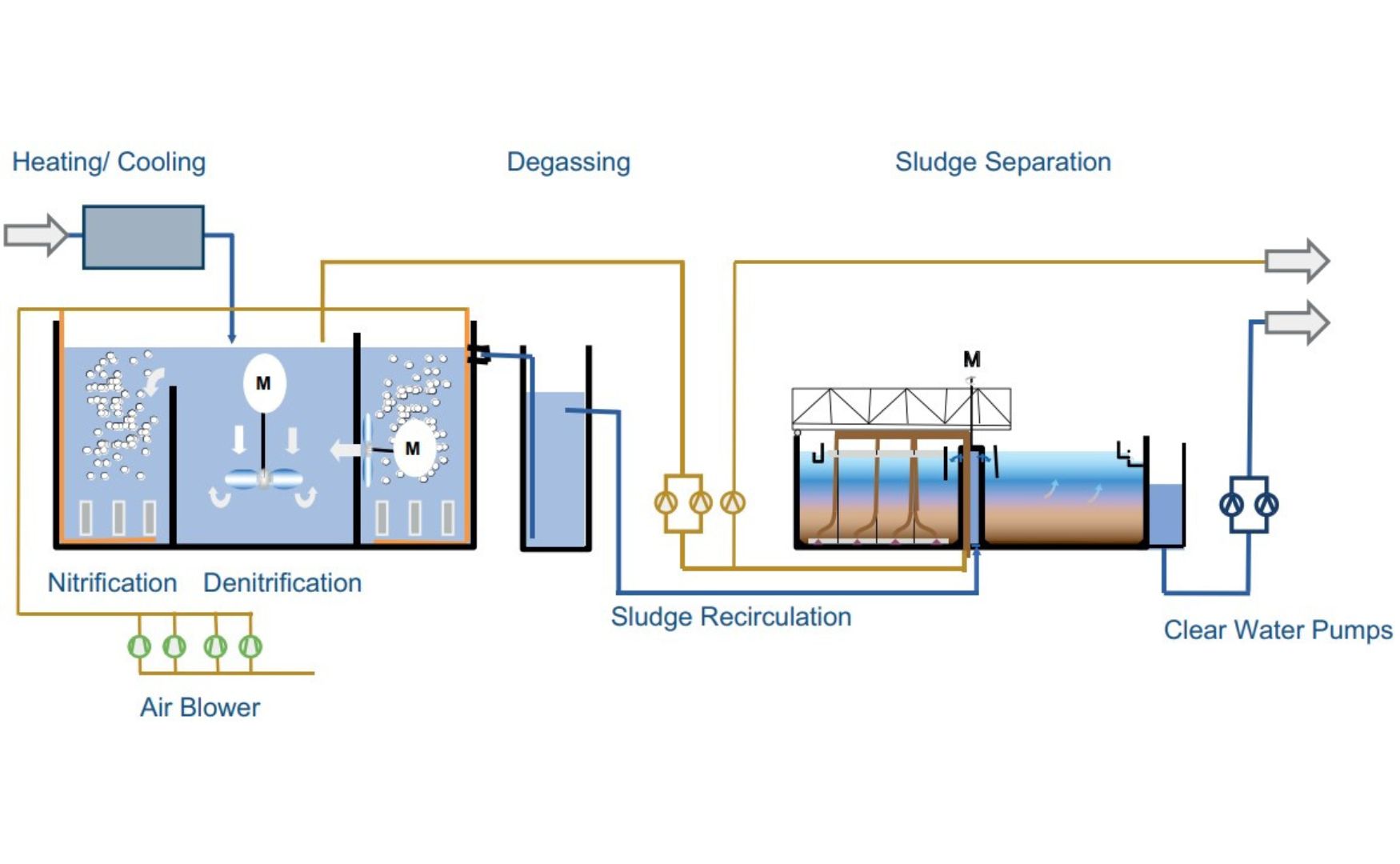
Nitrification

Under aerobic conditions, nitrifying microorganisms biologically convert ammonium via nitrite to nitrate.

4

Denitrification

Through carefully controlled anoxic phases, nitrate can be biologically reduced to elemental nitrogen, thereby reducing total nitrogen.

5

Sedimentation

Once the biological reaction phase is complete, aeration and mixing are stopped. The biomass settles in the SBR reactor.

6

Drain the clear water

After the sedimentation phase, the biologically treated clear water is carefully withdrawn from the reactor above the settled biomass.

7

Remove excess sludge

A portion of the biomass is specifically removed in order to maintain the sludge age and biomass concentration within the desired operating range.

Advantages of the SBR Process

By controlling the timing of the individual process phases, an SBR combines several biological and hydraulic functions in a single reactor and can be flexibly adapted to industrial wastewater conditions.

Multiple process steps in a reactor

Biological treatment, sedimentation, and clear water discharge take place in the same tank. This eliminates the need for a separate conventional secondary clarifier.

Flexible Process Management

Aeration, mixing, sedimentation, and discharge phases can be adjusted depending on the actual hydraulic and biological load.

Good for fluctuating loads

Variable cycle control is particularly suitable for industrial wastewater with fluctuating flow rates, production times, or organic loads.

CSB and Nitrogen Removal

By combining aerobic and anoxic reaction phases, organic loads, ammonium, and total nitrogen can be biologically reduced.

Compact plant design

Since multiple process functions are combined in a single reactor, the plant design can be simplified compared to multistage continuous biological systems.

Automated Operation

Inlet, aeration, mixers, sedimentation, clear water discharge, and sludge discharge can be automatically controlled based on defined process and cycle conditions.

Case Studies in Aerobic Biological Wastewater Treatment

SBR Cycle – Crucial for Biological Treatment Performance

The performance of an SBR reactor is largely determined by the division and duration of the individual cycle phases. For this reason, a fixed standard cycle is not used. The process phases are tailored to each specific project based on the wastewater load, influent profile, and required effluent quality.

Typical Factors Affecting the SBR Cycle

  • Flow Rate
  • CSB and BSB Loading
  • Ammonium load
  • Desired nitrogen removal
  • Wastewater Temperature
  • Oxygen demand
  • Sedimentation Properties of Biomass
  • Desired flow rates
  • Production and Load Profiles
  • Available Reactor Volumes

The key factor is not achieving the shortest possible cycle time. The key factor is a process design in which biological COD removal, nitrification, denitrification, and sedimentation are allowed sufficient time, while at the same time the required wastewater throughput is achieved.

CSB, Ammonium, and Nitrogen Removal in the SBR

The temporal separation of aerobic and anoxic reaction phases makes it possible to specifically combine different biological processes within the same SBR reactor.

Organic load

CSB and BSB Degradation

During the biological reaction phase, heterotrophic microorganisms break down biologically available organic carbon compounds, thereby reducing the COD and BOD loads in the wastewater.

Ammonium

Nitrification

Under conditions of adequate oxygen supply, ammonium is biologically oxidized by nitrifying microorganisms via nitrite to nitrate.

Total nitrogen

Denitrification

During specifically controlled anoxic phases, nitrate can be biologically reduced to elemental nitrogen; this allows for combined nitrogen removal within the SBR cycle.

When is an SBR reactor particularly suitable?

The ALMA BIO SBR is particularly well-suited for industrial wastewater applications in which inflow, load, or production times fluctuate and flexible biological process control is required.

Fluctuating Industrial Wastewater
Discontinuous production processes
Variations in CSB and BSB Loads
Biological Nitrification
Advanced Nitrogen Removal
Limited installation space
Batch-wise wastewater generation
Decentralized Biological Wastewater Treatment
Expansion of Existing Biological Treatment Plants
High level of desired process flexibility

SBR or continuous activated sludge process?

Both processes use suspended microorganisms for biological wastewater treatment. The main difference lies in the spatial or temporal separation of the individual process steps.

Criterion SBR Continuous activated sludge process
Mode of operation Discontinuous / cyclical Continuously
Biological reaction In the SBR reactor In the aeration tank
Sedimentation In the same reactor Separate Secondary Clarification
Clear Water Drain Time-controlled Continuous Process
Nitrification / denitrification Controllable via cycle phases About spatially separated process zones
Fluctuating Loads High flexibility thanks to customizable cycles Continuous Hydraulic Operation Control
Process control Very flexible in terms of time Continuous Process Control
Asset Structure Multiple Functions in a Reactor Often multiple tanks or process stages

The main difference between SBR and a conventional activated sludge process is that, in SBR, biological treatment and sedimentation take place sequentially in the same reactor.

SBR or MBBR—which biological process is best for which situation?

SBR and MBBR are both established processes for biological wastewater treatment, but differ significantly in terms of biomass retention, operating mode, and solids separation.

SBR

In a sequencing batch reactor, the biomass is predominantly present as suspended activated sludge. Biological reaction, sedimentation, and clear water discharge occur sequentially within the same reactor.

MBBR

In a moving-bed biofilm reactor, a significant portion of the biomass grows as a biofilm on freely moving plastic carriers. The removed biomass is then separated via a separate solids separation process.

When is each method particularly useful?

SBR: particularly useful when flexible, cyclic treatment, intermittent wastewater inflow, and integrated sedimentation are desired.
MBBR: particularly suitable for compact biofilm stages, high biomass densities, and applications requiring high robustness against fluctuating loads.

Have an SBR system designed:

dominik_hoffmann_almawatech

Dominik Hoffmann

Head of Project Development

maksim_neuabauer_almawatech

Maksim Neubauer

Head of International Project Development

Automated Process Control of the ALMA BIO SBR

Automation is particularly important in SBR systems, as the filling, biological reaction, sedimentation, clear water discharge, and sludge management must be reliably coordinated. The ALMA BIO SBR is designed on a project-specific basis for wastewater volumes ranging from 50 to 1,000 m³/d and is operated automatically.

Flow Control

The filling process is controlled based on the cycle status, fill level, and available reactor volume.

Oxygen measurement

The oxygen concentration is an essential basis for regulating the aerobic biological reaction phases.

Ventilation Control

The air supply can be automatically regulated based on the biological load and current oxygen demand.

Agitator Control

During anoxic phases, the biomass is mixed, without specifically introducing additional oxygen.

Clear Water Drain

After the sedimentation phase, the biologically treated clear water is withdrawn in a controlled manner from the upper reactor zone .

Sludge Management

Excess sludge removal can be automatically adjusted based on sludge age, biomass concentration, and plant operation .

Process Data & Analysis

Cycle times, oxygen levels, feed rates, operating states, and alarms can be displayed and analyzed in the control system.

Technical Specifications of the ALMA BIO SBR

The ALMA BIO SBR is a custom-designed biological wastewater treatment plant for industrial wastewater flows ranging from 50 to 1,000 m³ per day. Reactor volume, cycle control, aeration, mixing, and automation are all tailored to the wastewater load and the required effluent quality.

Hydraulic capacity 50–1,000 m³/d
Process Sequencing Batch Reactor
Biological Targets COD · BOD · NH₄-N · N
Parameters Design
Procedure Sequencing Batch Reactor (SBR)
Hydraulic power 50–1,000 m³/day
Mode of operation Discontinuous / cyclical
biomass Suspended activated sludge
Stages of the Process Filling, Reaction, Sedimentation, Clear Water Discharge and Sludge Discharge
Biological Objectives CSB/BSB Removal, Nitrification, and Denitrification
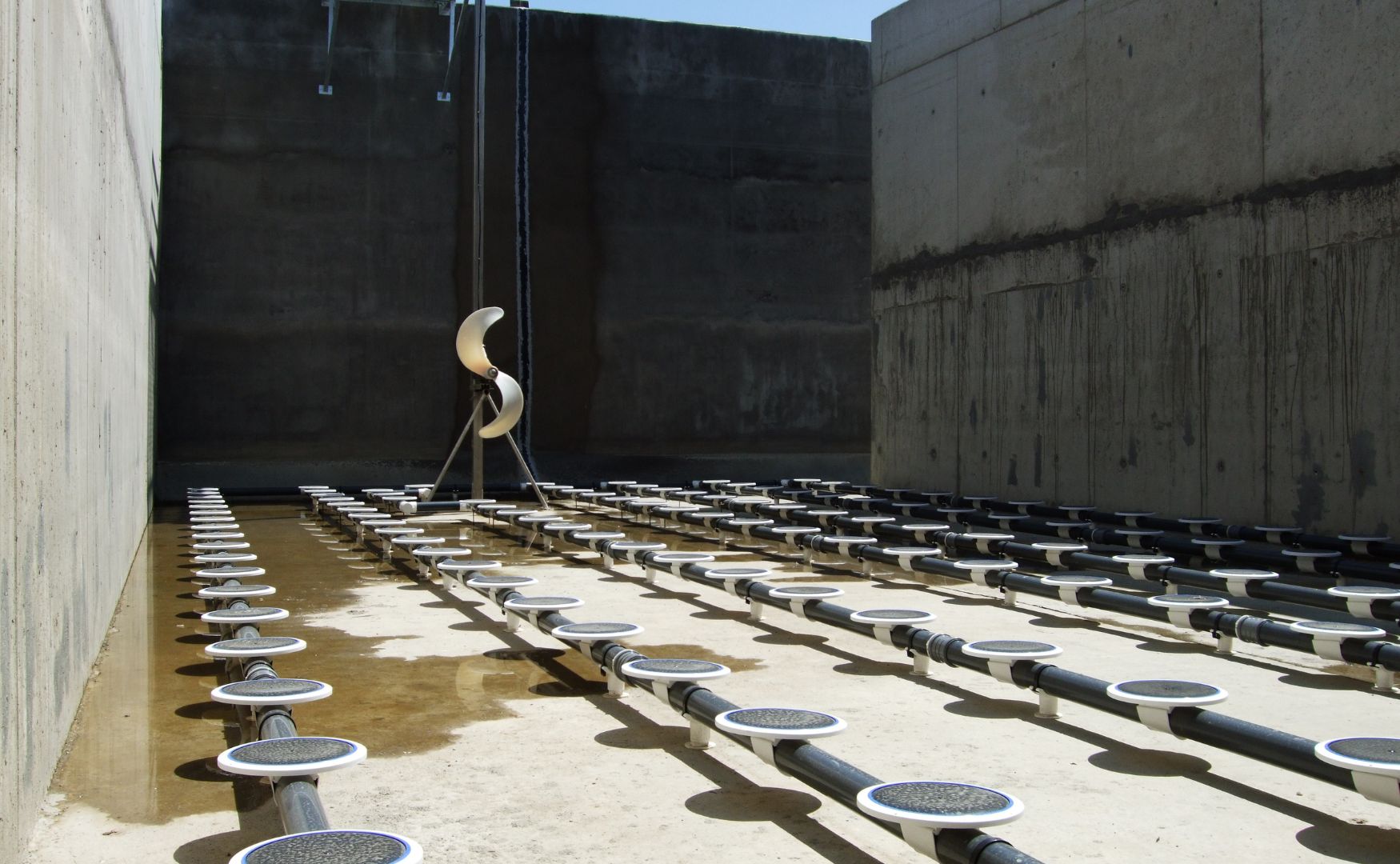
Ventilation Diaphragm aerators or tube aerators, designed specifically for each project based on oxygen requirements and reactor geometry
Mixing Submersible mixer, central mixer, or side-mounted mixers, depending on reactor size and process control
Clear Water Drain Automated clear water discharge after sedimentation
Measurement O₂, pH, redox; optional: COD, NH₄-N, NO₂-N, NO₃-N
Automation Automatic Cycle and Process Control
System Integration New and Existing Facilities

Typical industrial applications

SBR systems are particularly well-suited for industrial wastewater containing biodegradable organic pollutants, varying inflow conditions, or requirements for biological nitrogen removal.

Food industry

Biological treatment of organically contaminated production wastewater with fluctuating levels of COD and BOD loads.

Beverage Industry & Breweries

Treatment of highly biodegradable industrial wastewater with varying production and treatment cycles.

Dairies

Biological treatment of wastewater with high organic loads characterized by significant fluctuations in production and load.

Chemical industry

Treatment of suitable biodegradable sub-streams following pretreatment tailored to the water chemistry.

Pharmaceutical & cosmetics industry

Flexible biological treatment of intermittent biodegradable production wastewater.

Decentralized Wastewater Treatment

Compact biological treatment at sites with intermittent wastewater generation or limited infrastructure.

What data do we need for the SBR design?

When designing an SBR reactor, in addition to the daily wastewater flow rate, the following factors are particularly relevant: the temporal inflow profiles, biological loads, nitrogen load, and the required effluent parameters.

Key Data for the Initial SBR Design

  • Average and Maximum Wastewater Generation
  • Daily and Weekly Quantities
  • Inlet Profiles
  • CSB and BSB
  • Biodegradable COD
  • Ammonium nitrogen
  • Total nitrogen
  • Phosphorus
  • pH value
  • Wastewater Temperature
  • Solids content
  • Production Times
  • Peak loads
  • Desired flow rates
  • Existing Pretreatment
  • Known Inhibitors
  • Existing pool or available installation space
Submit a wastewater analysis and have an SBR system designed

Based on wastewater volume, analysis, influent profile, and effluent requirements, we design the reactor volume, cycle control, aeration, and necessary biological process stages on a project-specific basis.

Have an SBR system designed

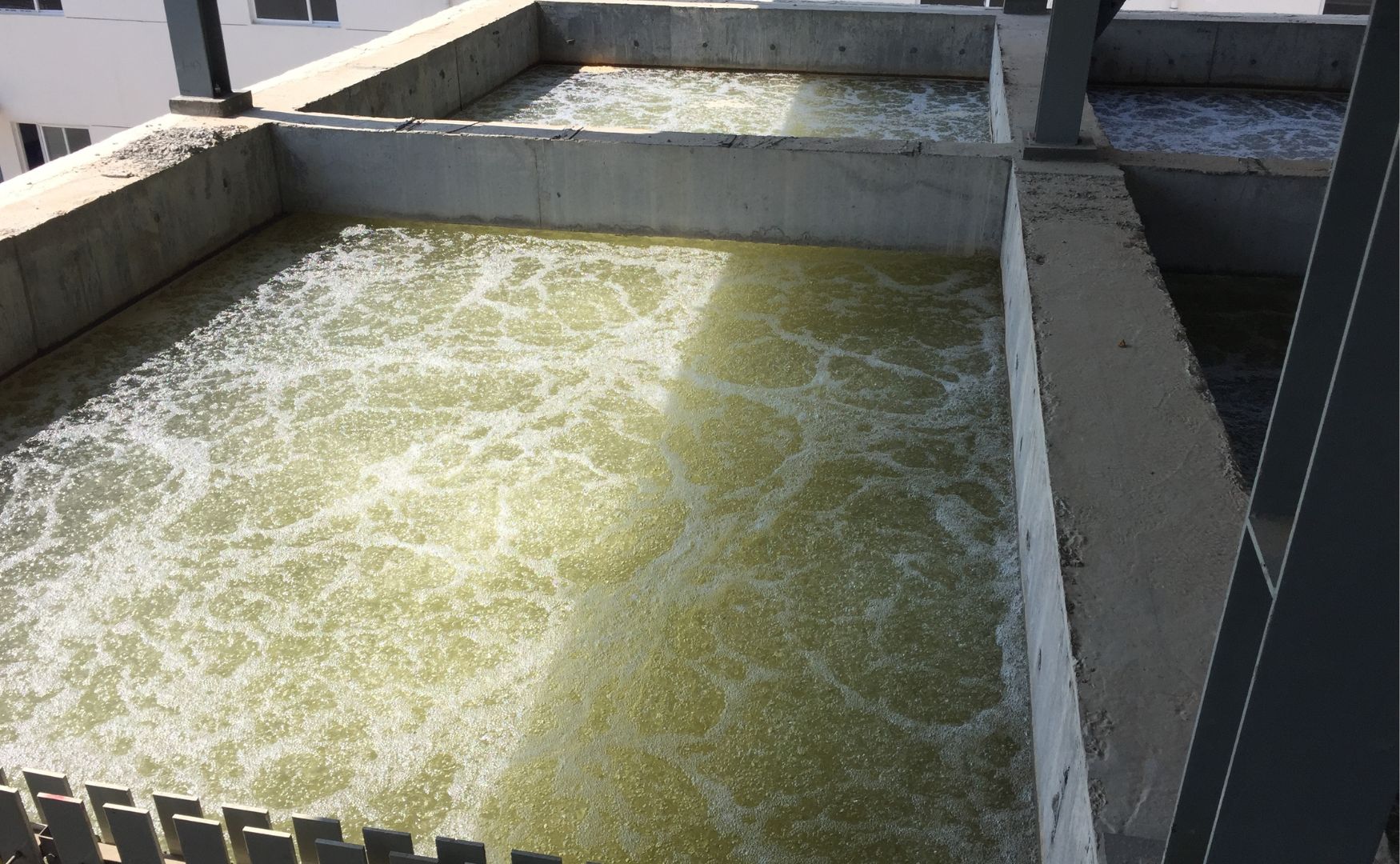
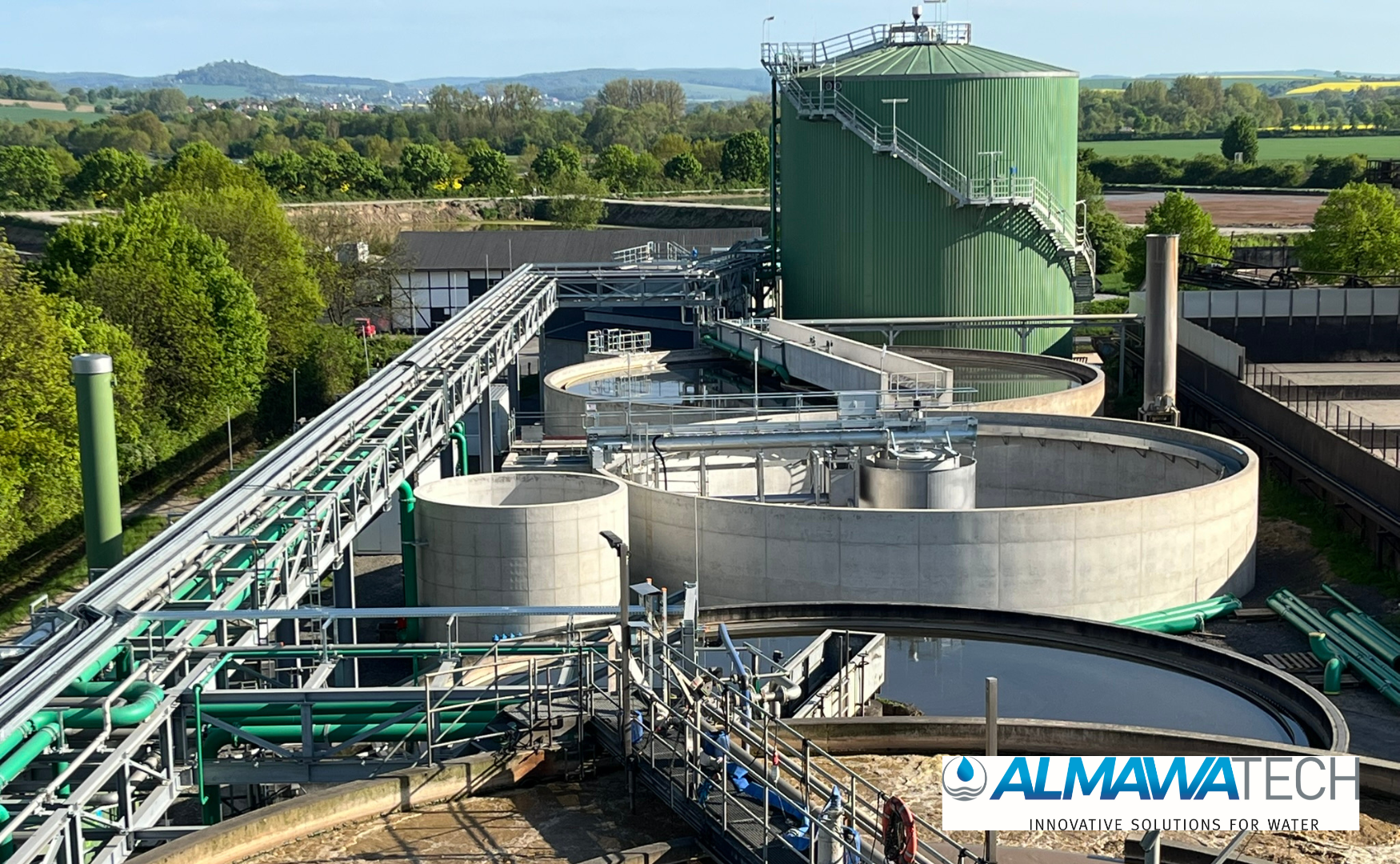
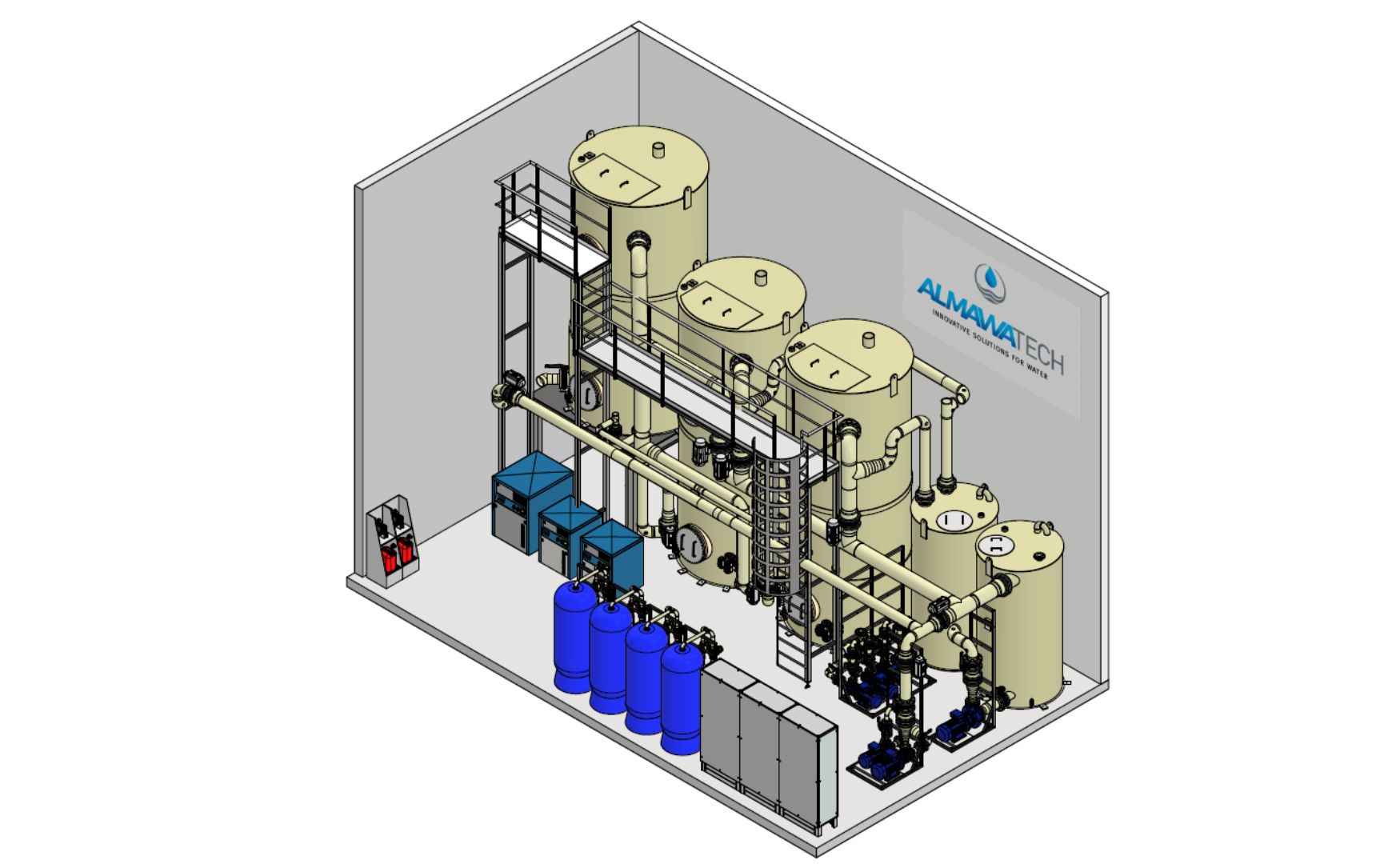
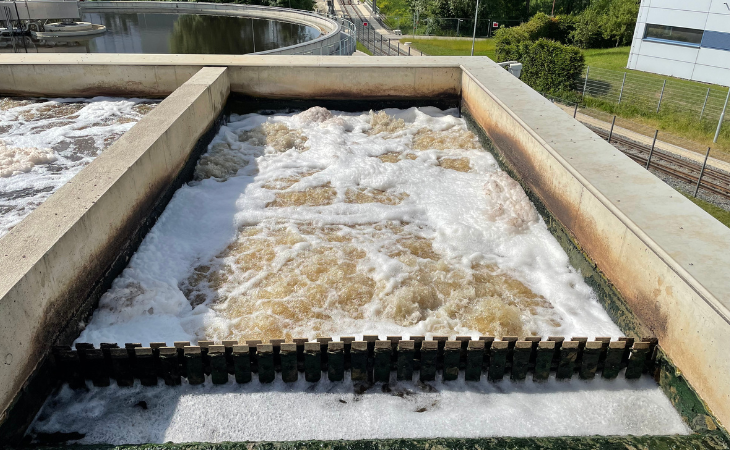
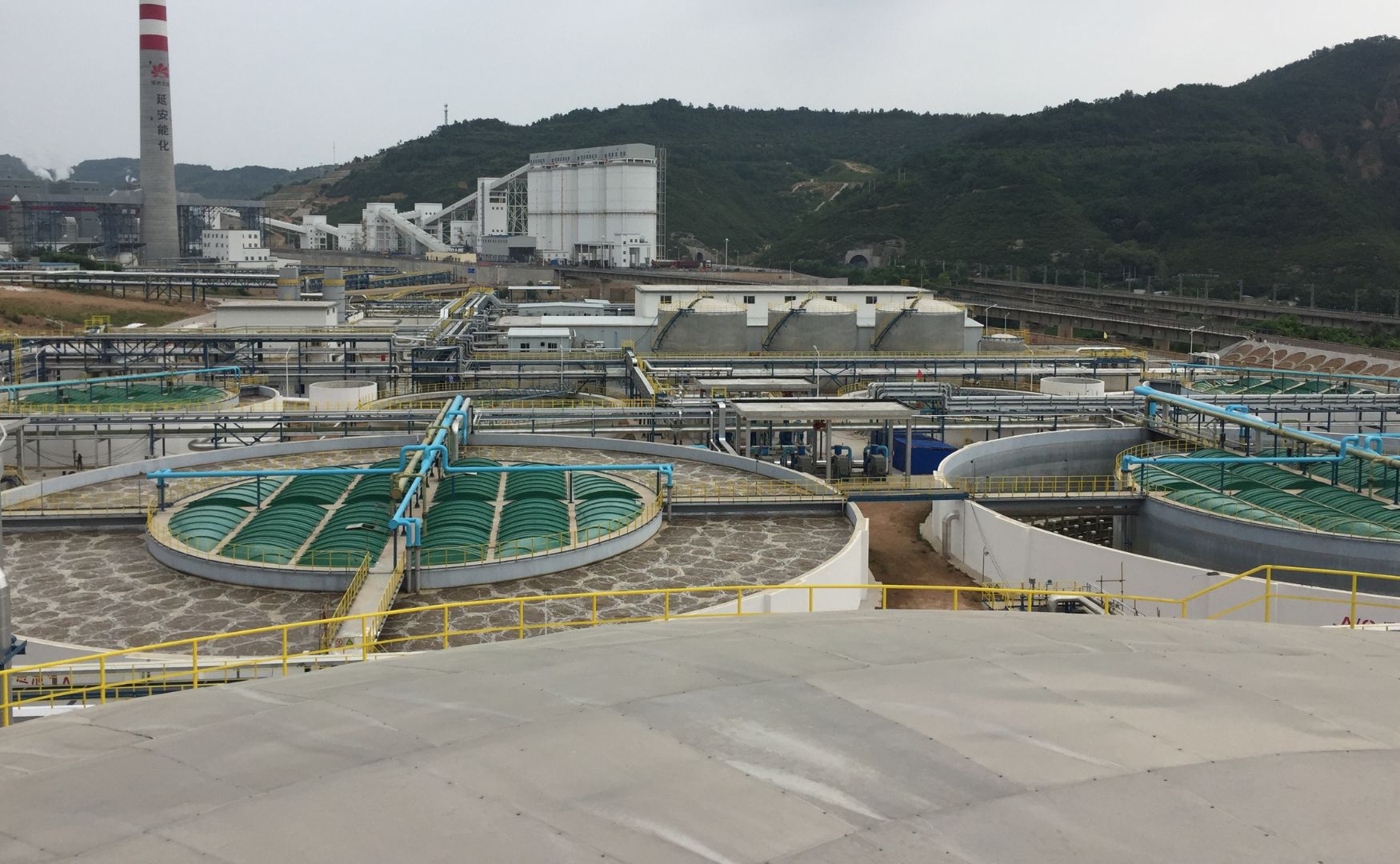
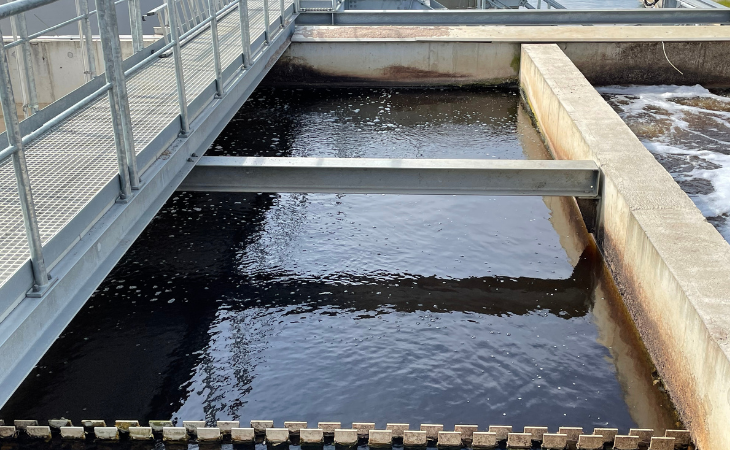
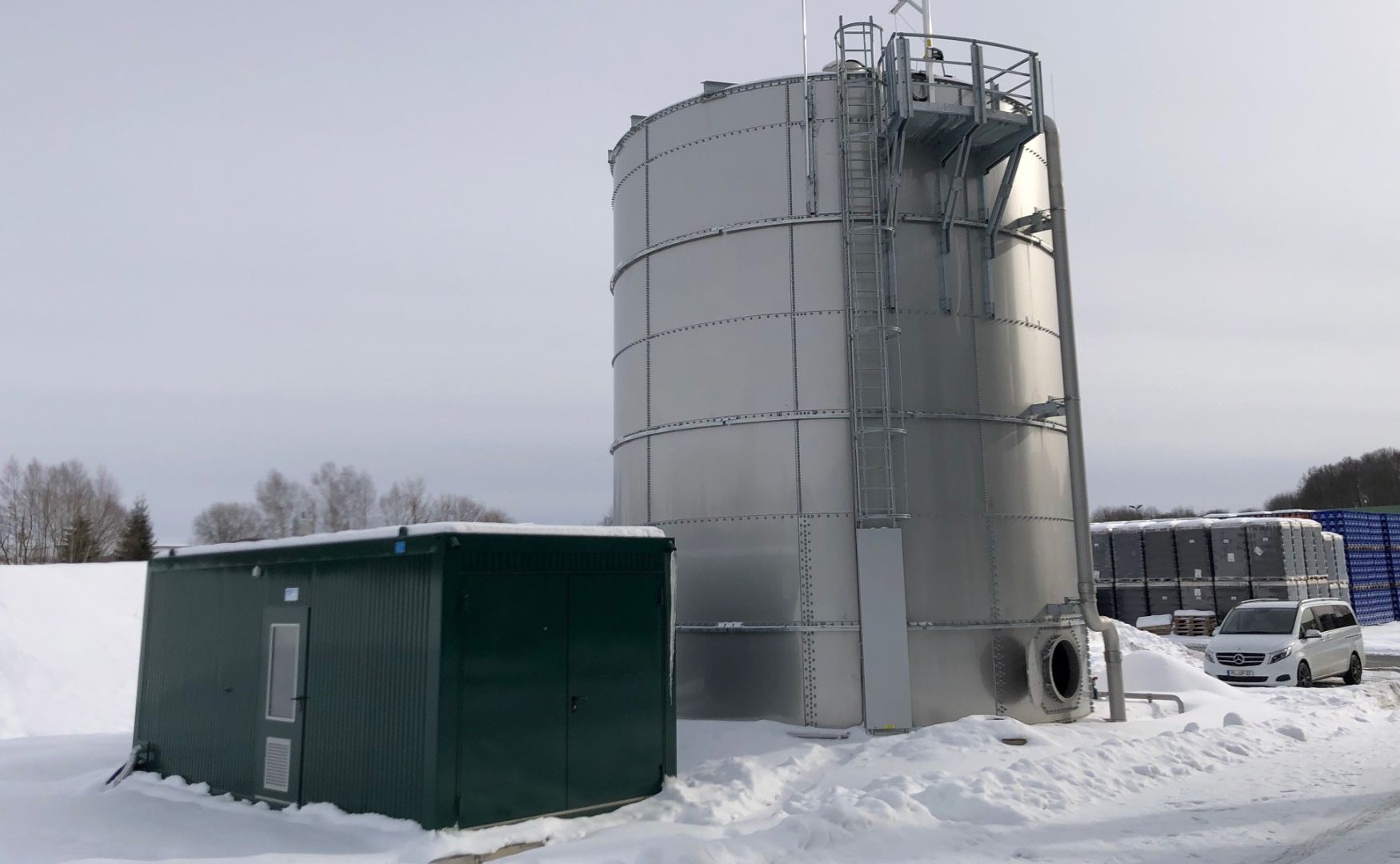
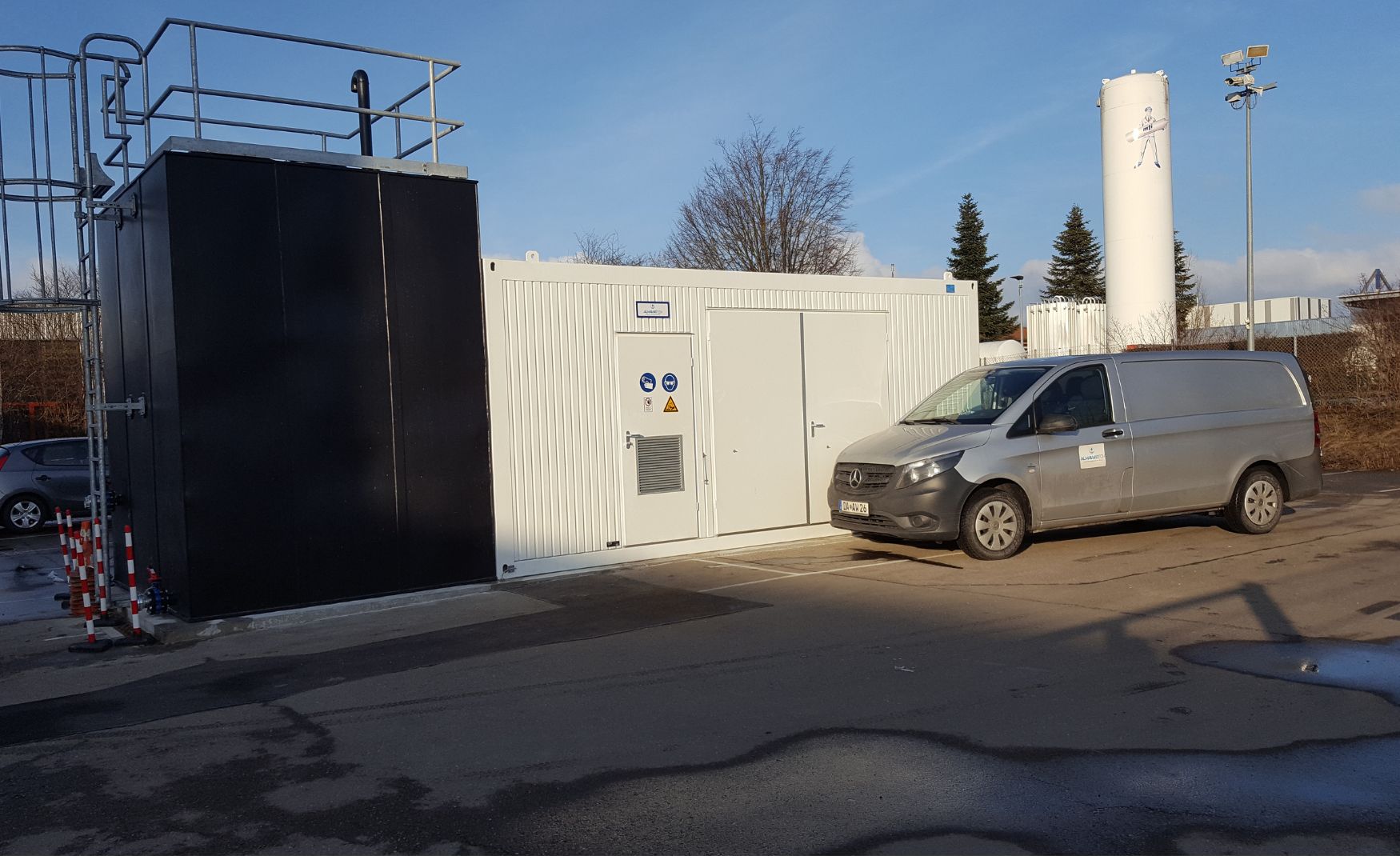
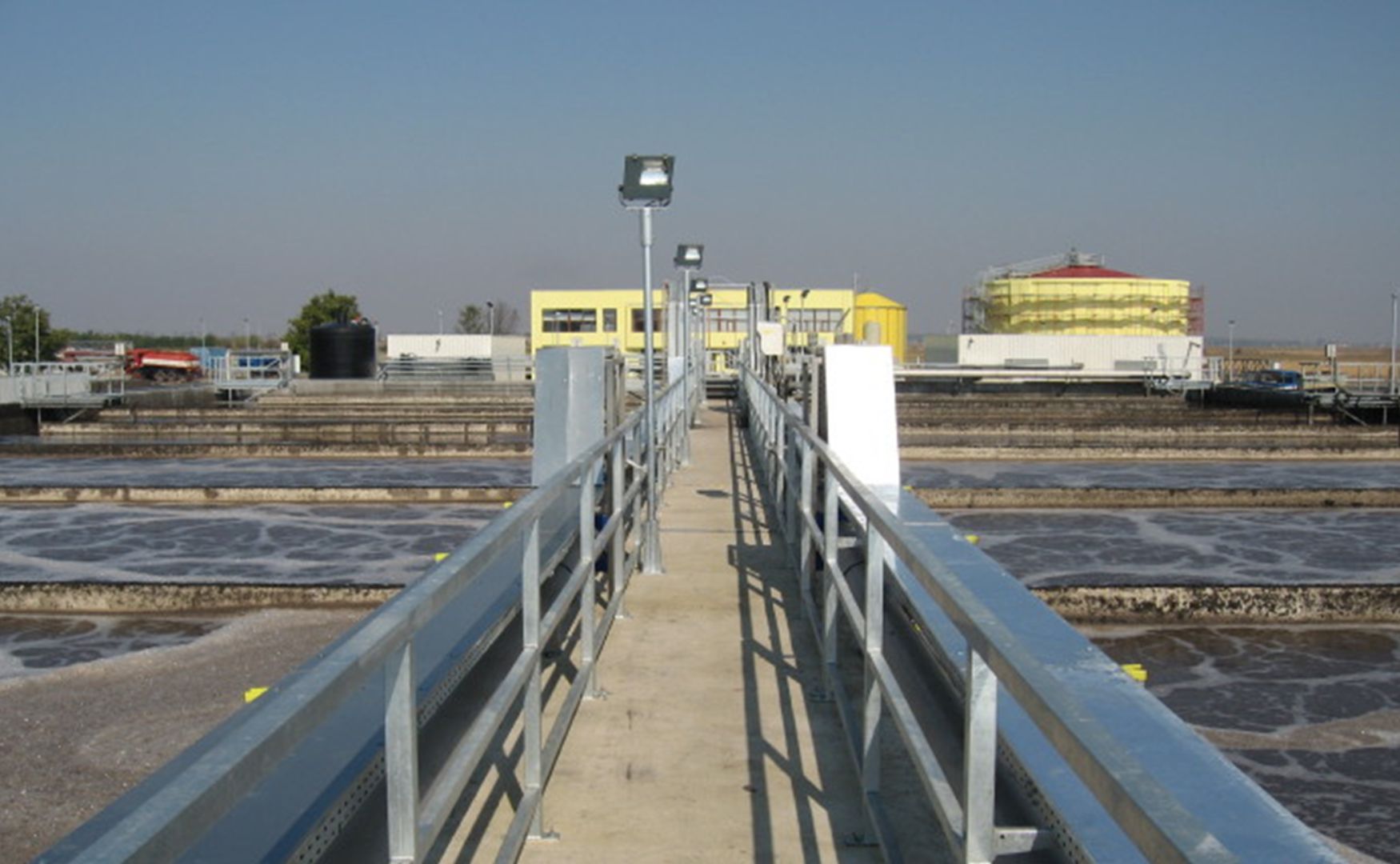
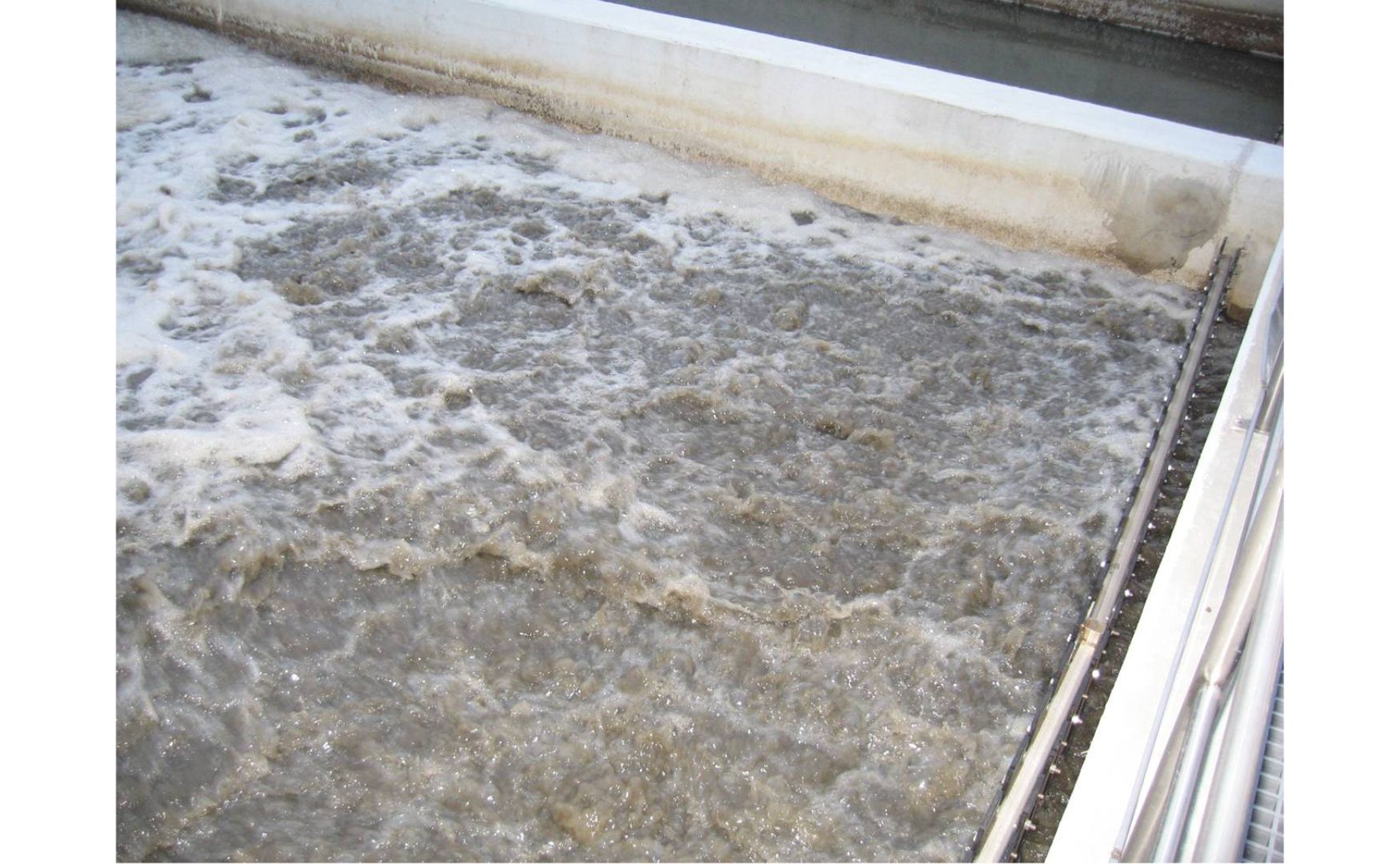
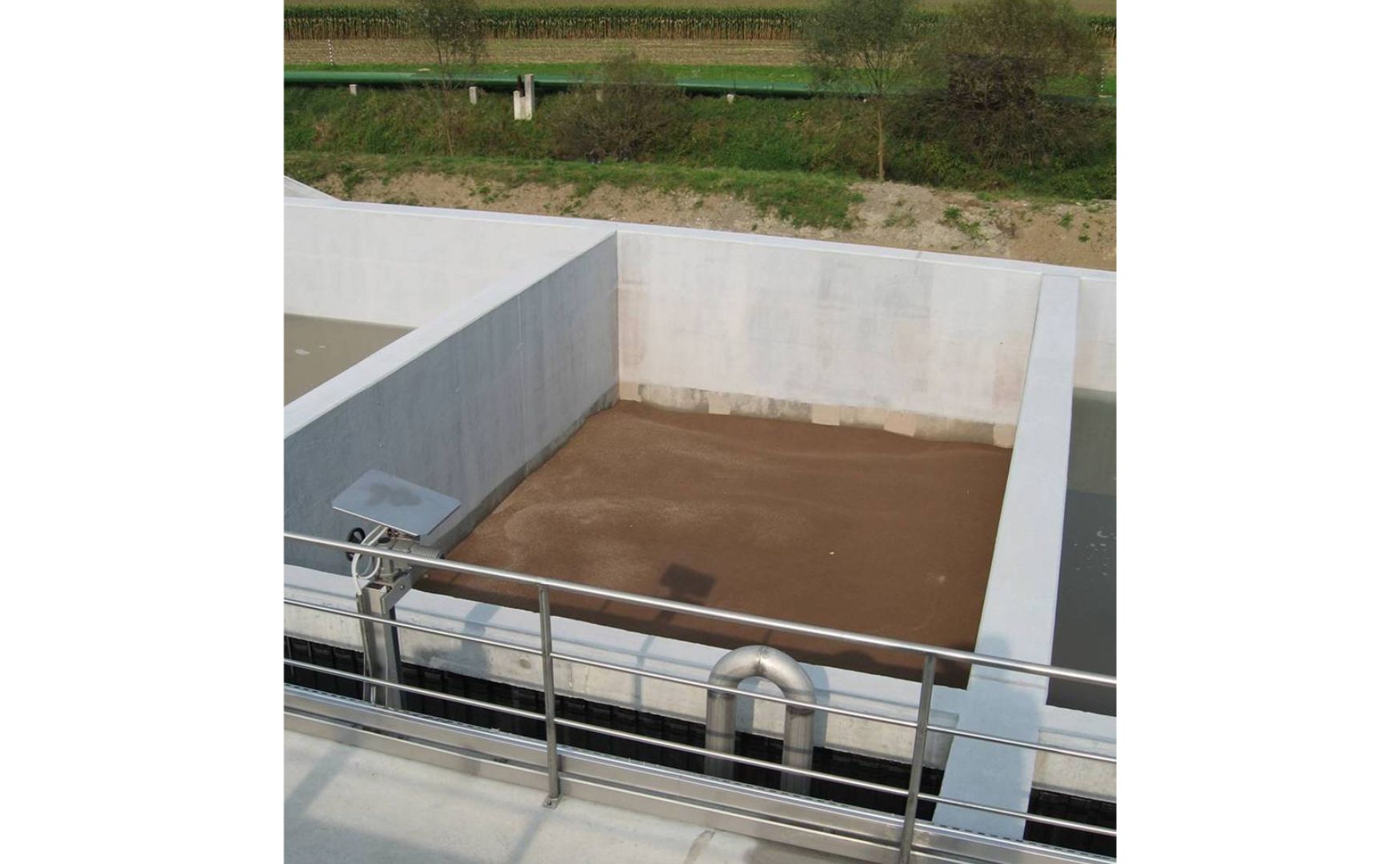
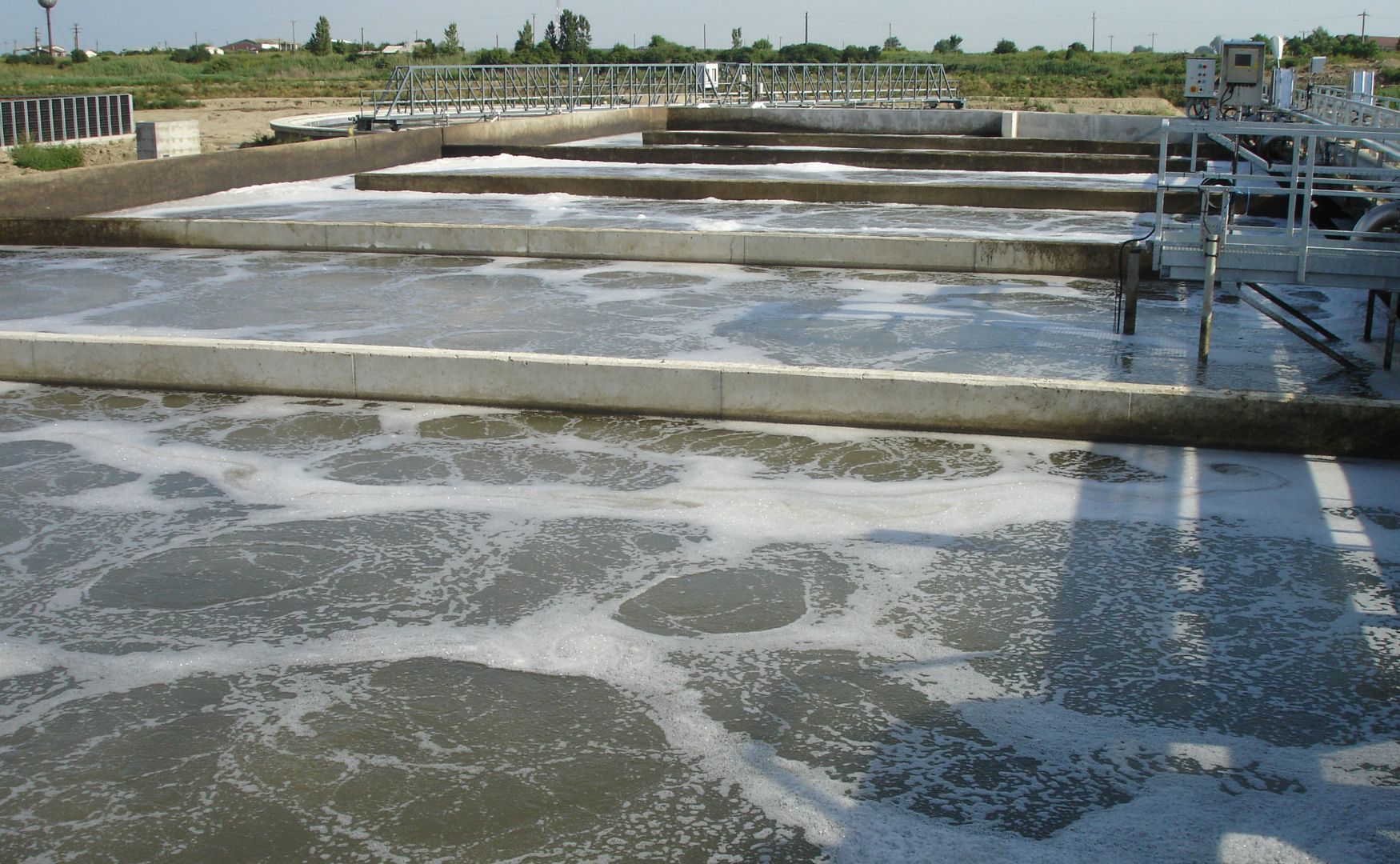
Photos of aerobic wastewater treatment plants

FAQ - ALMA BIO SBR Sequencing Batch Reactor

SBR stands for Sequencing Batch Reactor. In this process, the individual steps of biological wastewater treatment are carried out sequentially in a single reactor. Typical phases include filling, biological reaction, sedimentation, clear water discharge, and excess sludge removal.

An SBR is particularly well-suited for biodegradable industrial wastewater with fluctuating volumes or load levels. Typical applications include, for example, the food, beverage, dairy, chemical, pharmaceutical, and cosmetics industries, as well as decentralized wastewater treatment plants.

Yes. The SBR’s cyclic operation can be particularly advantageous when wastewater is generated in batches or at irregular intervals. This allows the inflow and reaction phases to be adjusted to production schedules and actual wastewater volumes.

Generally not. In SBR systems, the biomass settles directly in the reactor. After the settling phase, the treated clear water is withdrawn in a controlled manner from above the settled sludge. This eliminates the need for a separate, conventional secondary clarification process.

The cycle duration is determined on a project-by-project basis based on wastewater volume, organic load, nitrogen load, temperature, sedimentation, and required effluent parameters. Therefore, there is no universally optimal standard cycle time for industrial SBR systems.

In principle, retrofitting is possible if the tank volume, geometry, and hydraulic boundary conditions are suitable. In addition, systems such as aeration, mixing, clear water discharge, measurement technology, and automation must be adapted to cyclic operation.

Expandability depends on the existing plant design. Depending on the available reactor volume, cycle control and operating mode can be adjusted, or additional SBR lines can be added. Therefore, potential future increases in production should be taken into account early in the design process.

That depends on the composition of the industrial wastewater. Depending on the application, processes such as screening, grease or solids removal, neutralization, homogenization, or chemical-physical pretreatment may be necessary. The goal is to create stable and sufficiently biodegradable influent conditions for the biological SBR stage.

Our Reactors for Aerobic Wastewater Treatment

Have an SBR system designed:

dominik_hoffmann_almawatech

Dominik Hoffmann

Head of Project Development

maksim_neuabauer_almawatech

Maksim Neubauer

Head of International Project Development