


ALMA BHU BIO for the aerobic degradation of biologically contaminated wastewater from the food industry
Aerobic, biological treatment

ALMA BHU BIO

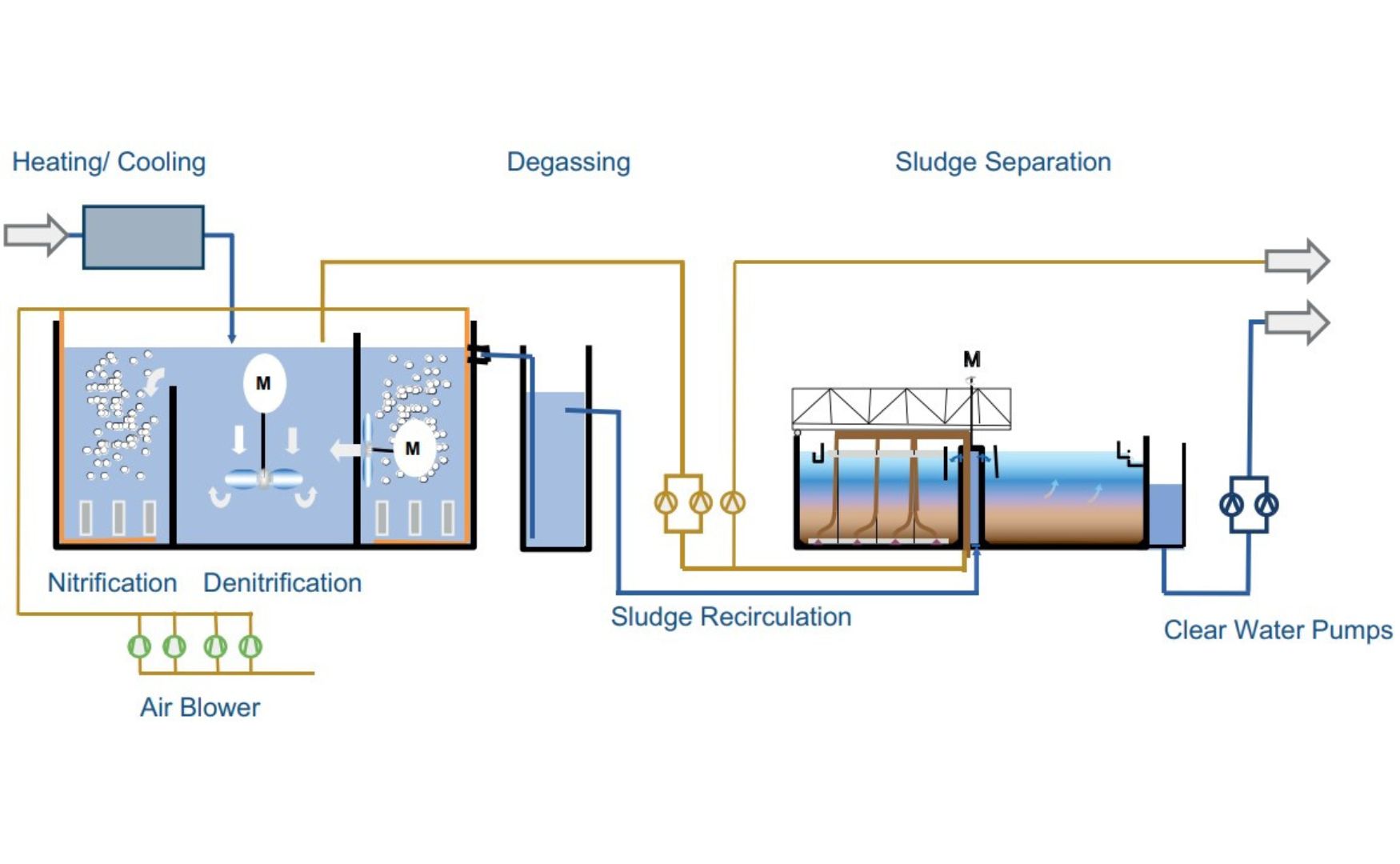
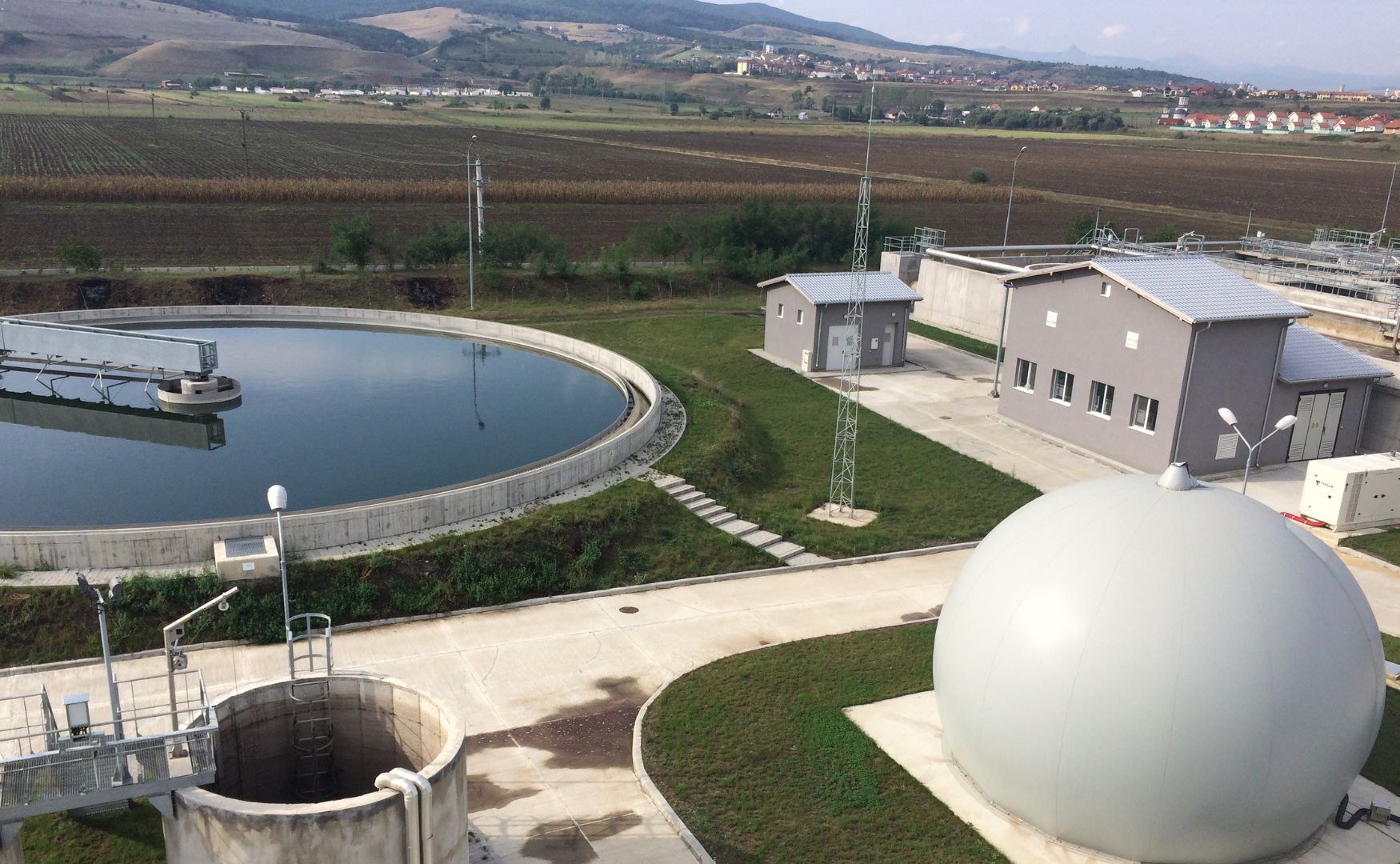
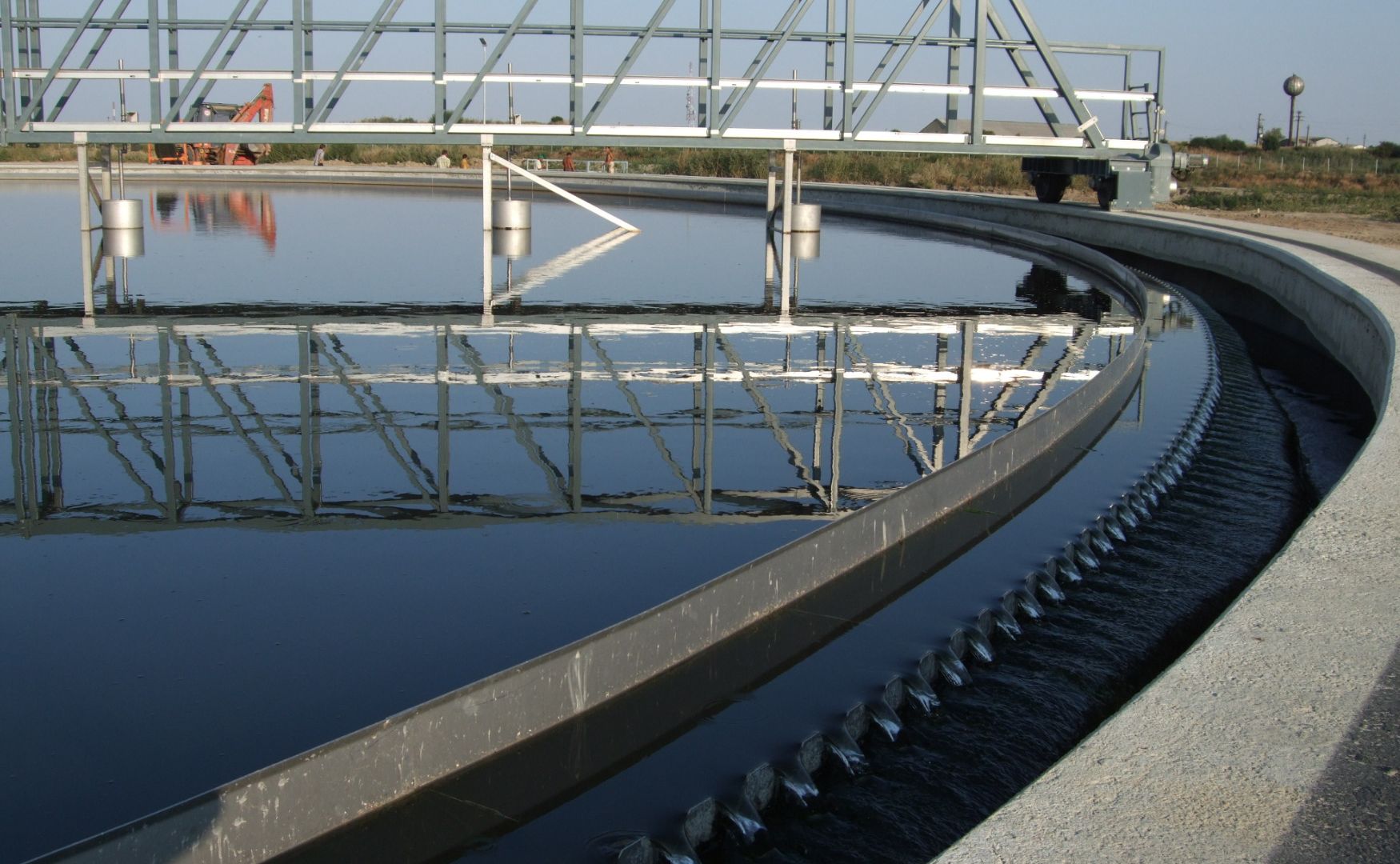
Our ALMA BHU BIO has been specially designed for large wastewater flows of up to 500 m³/h. The combination of denitrification, nitrification with recirculation into denitrification and final sludge separation with sludge recirculation can reduce up to 99 % of the BOD. The aeration system can be customized depending on the type of wastewater and customer requirements.
Technical data
Main applications
Food industry, beverage industry, municipal wastewater
Hydraulic power
20–10,000 m³/h
BOD reduction
max. 99 %
Sludge production:
0.2 kg sludge / kg COD

Your contact for activated sludge systems

maksim_neuabauer_almawatech

Maksim Neubauer

Head of International Project Development & Water Reuse

References activated sludge plants

Aerobic activated sludge system for COD, BOD, and nitrogen removal

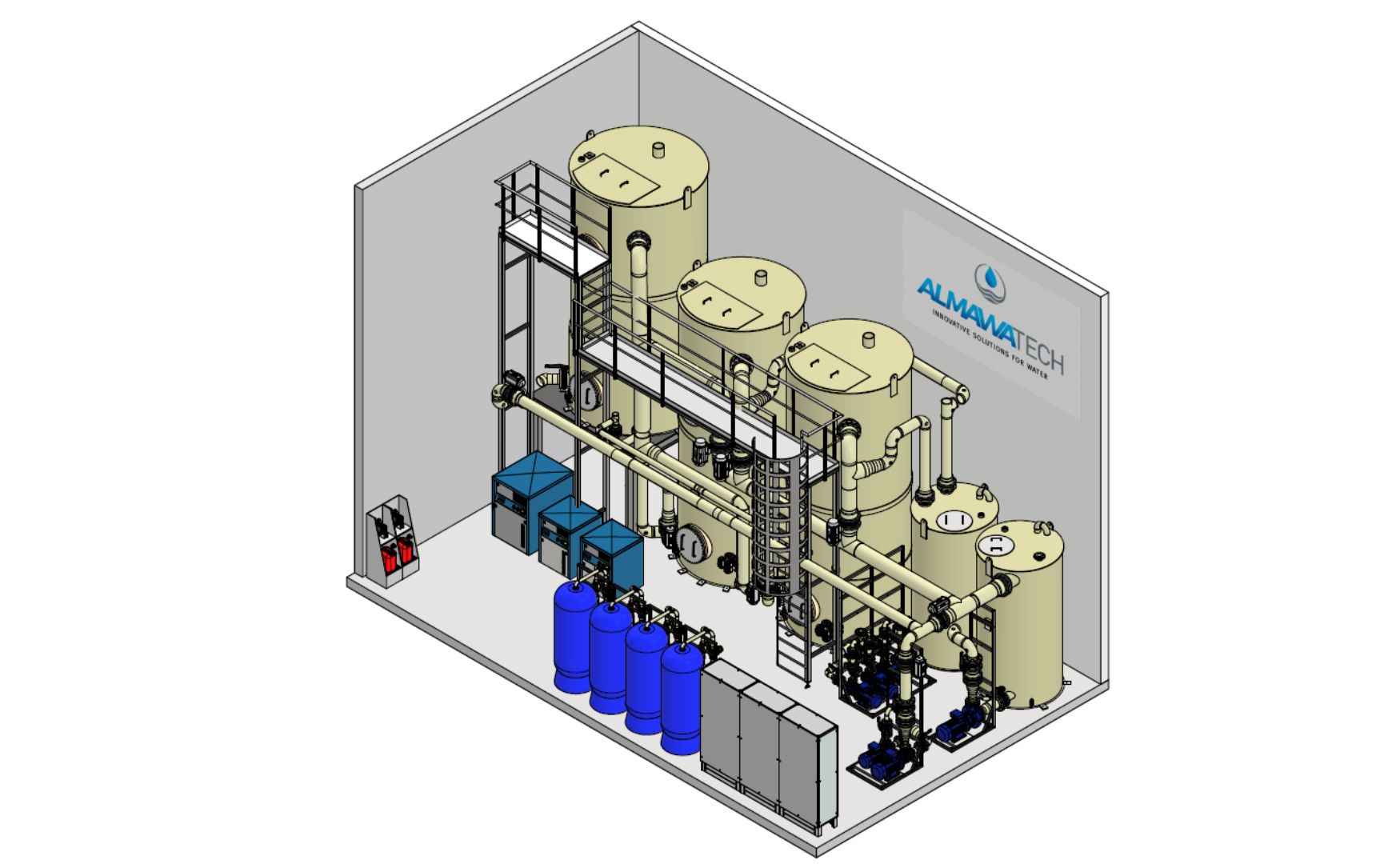
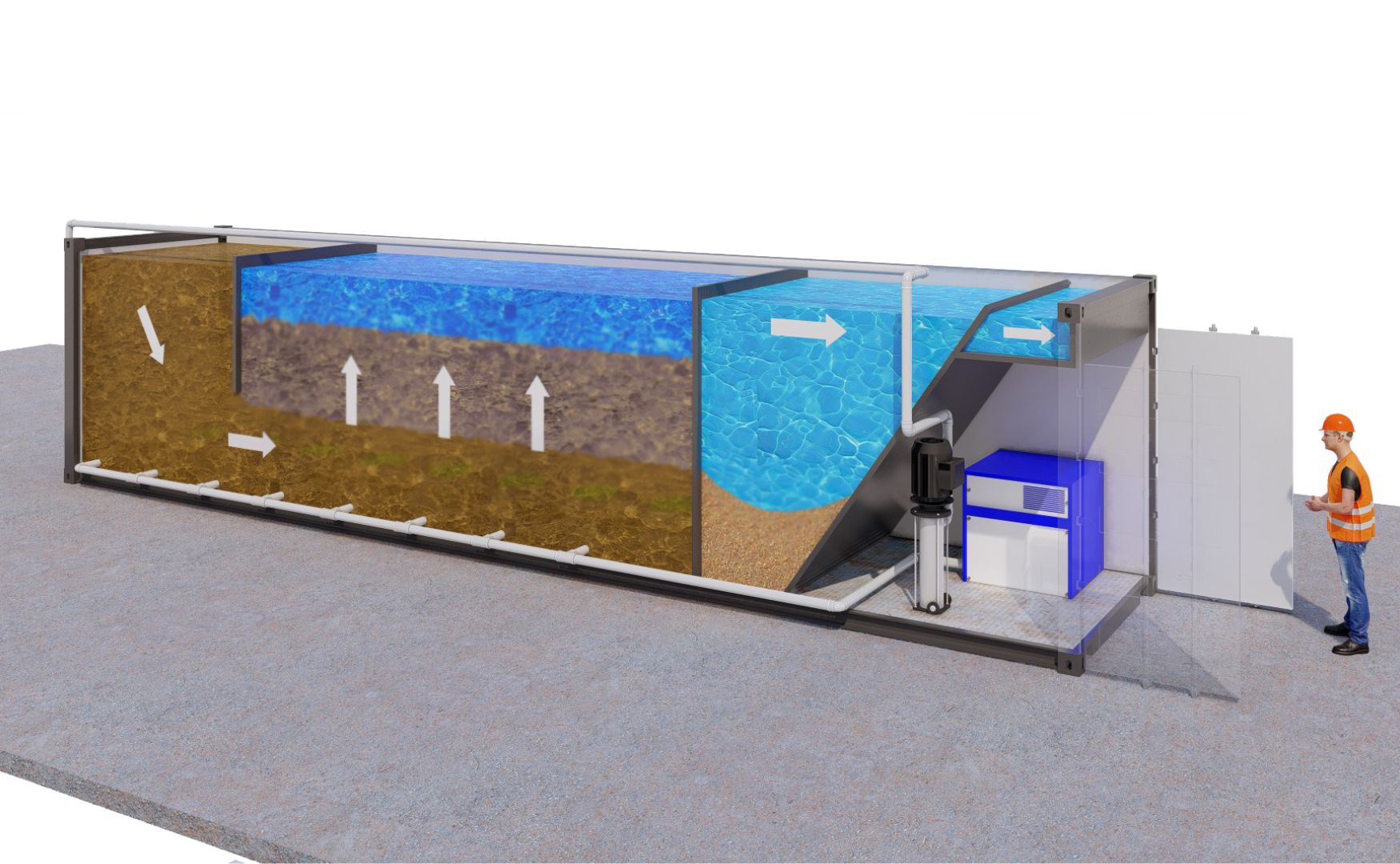
The ALMA BHU BIO is a custom-designed biological wastewater treatment plant for large industrial and municipal wastewater flows. Through a combination of denitrification, aerated nitrification, internal recirculation, and sludge recirculation, organic loads and nitrogen compounds are reliably reduced.

Step 1

Denitrification

Under low-oxygen conditions, nitrate is converted into gaseous nitrogen with the help of biologically available carbon compounds.

Step 2

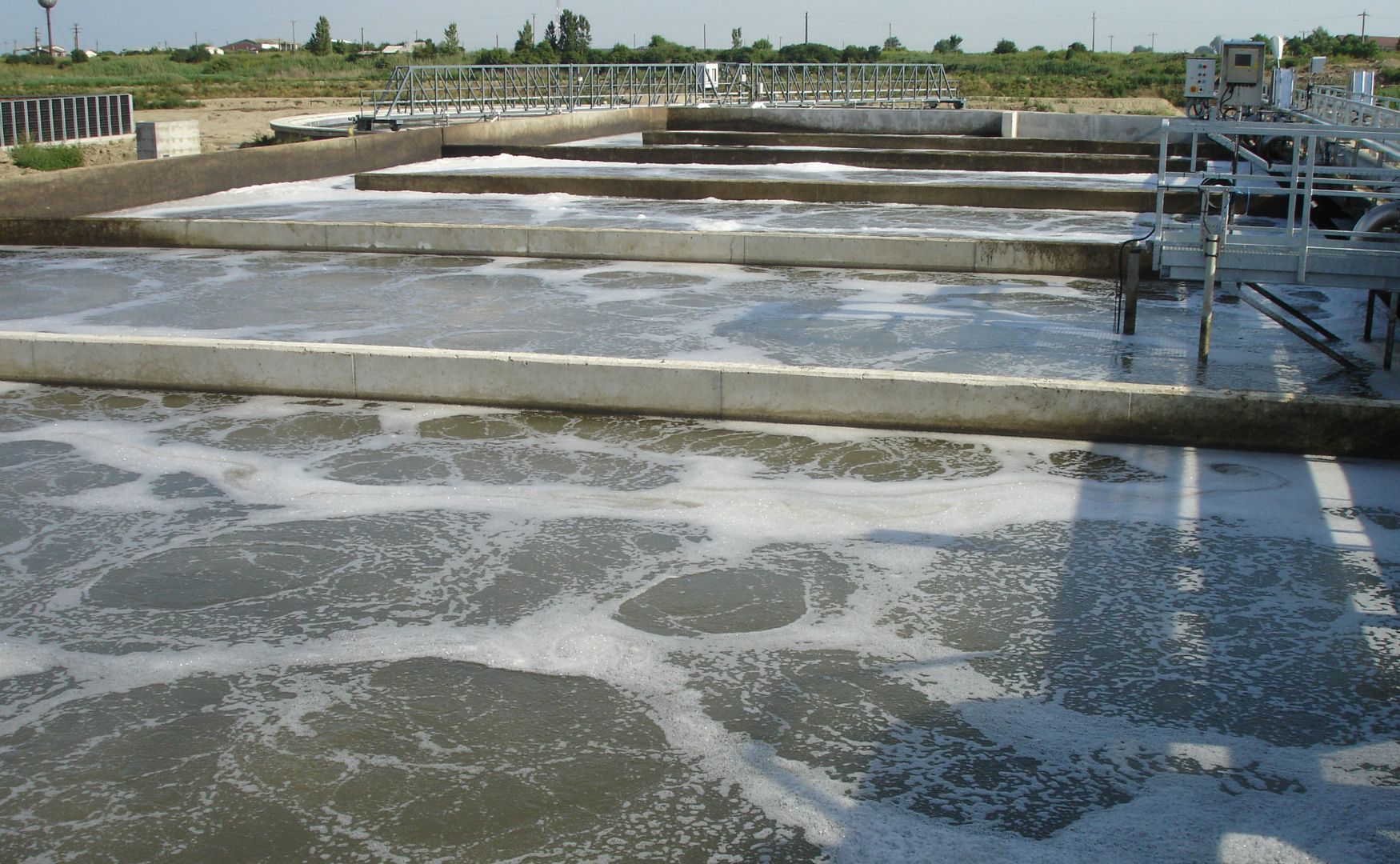
Aerated Activated Sludge Process

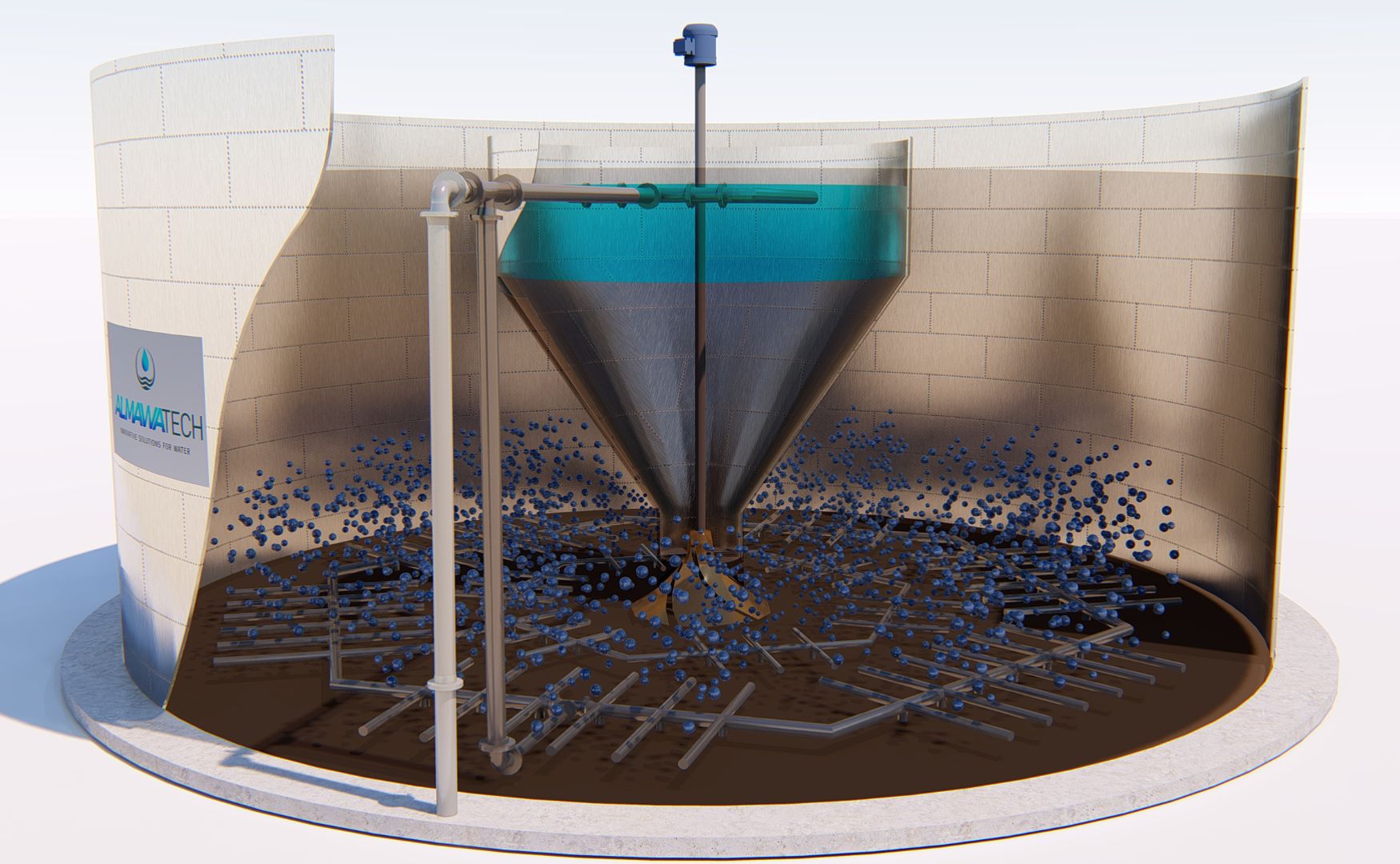
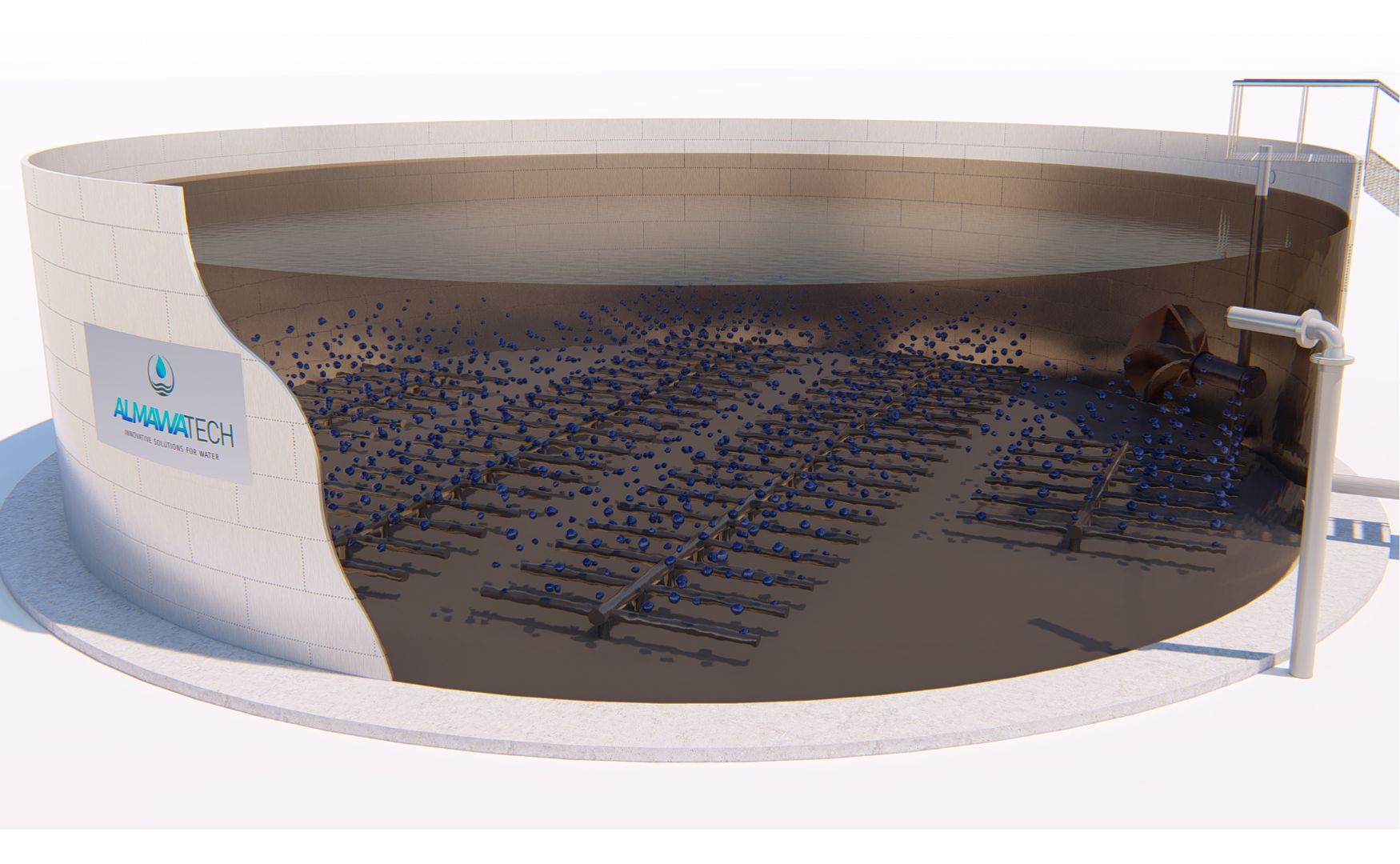
Microorganisms break down dissolved organic matter. An aeration system designed to meet the system's needs supplies the biomass with oxygen.

Step 3

Nitrification

Under aerobic conditions, ammonium is first oxidized to nitrite and then to nitrate.

Step 4

Sludge Separation

Biomass and clarified water are separated from each other by a secondary clarifier or a membrane system.

Benefits of the ALMA BHU BIO

  • High Removal of Organic Contaminants The biological aeration stage reliably reduces biologically degradable COD and BOD compounds.
  • Integrated Nitrogen Removal Nitrification and denitrification are combined into a coordinated biological treatment process.
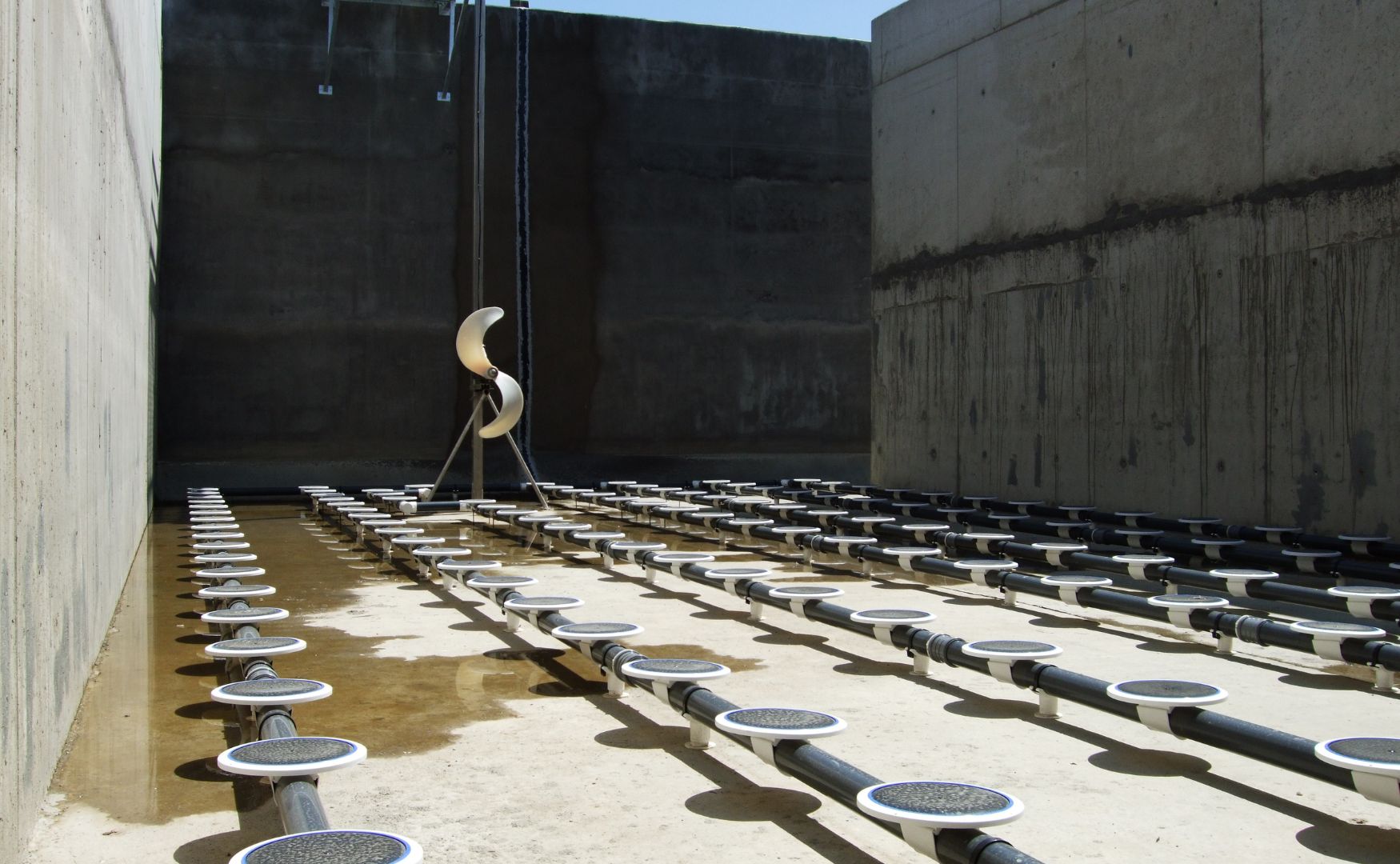
  • Demand-Based Aeration Aerators, tank geometry, and oxygen input are adapted to the type of wastewater, load, and treatment objective.
  • Flexible Sludge Separation Depending on the available space and discharge requirements, a secondary clarifier or a membrane system can be used.
  • Customizable The system can be supplemented with phosphorus removal, filtration, membrane technology, or additional treatment stages.

Secondary clarifier or membrane separation?

Secondary Clarifier for Rugged Standard Applications

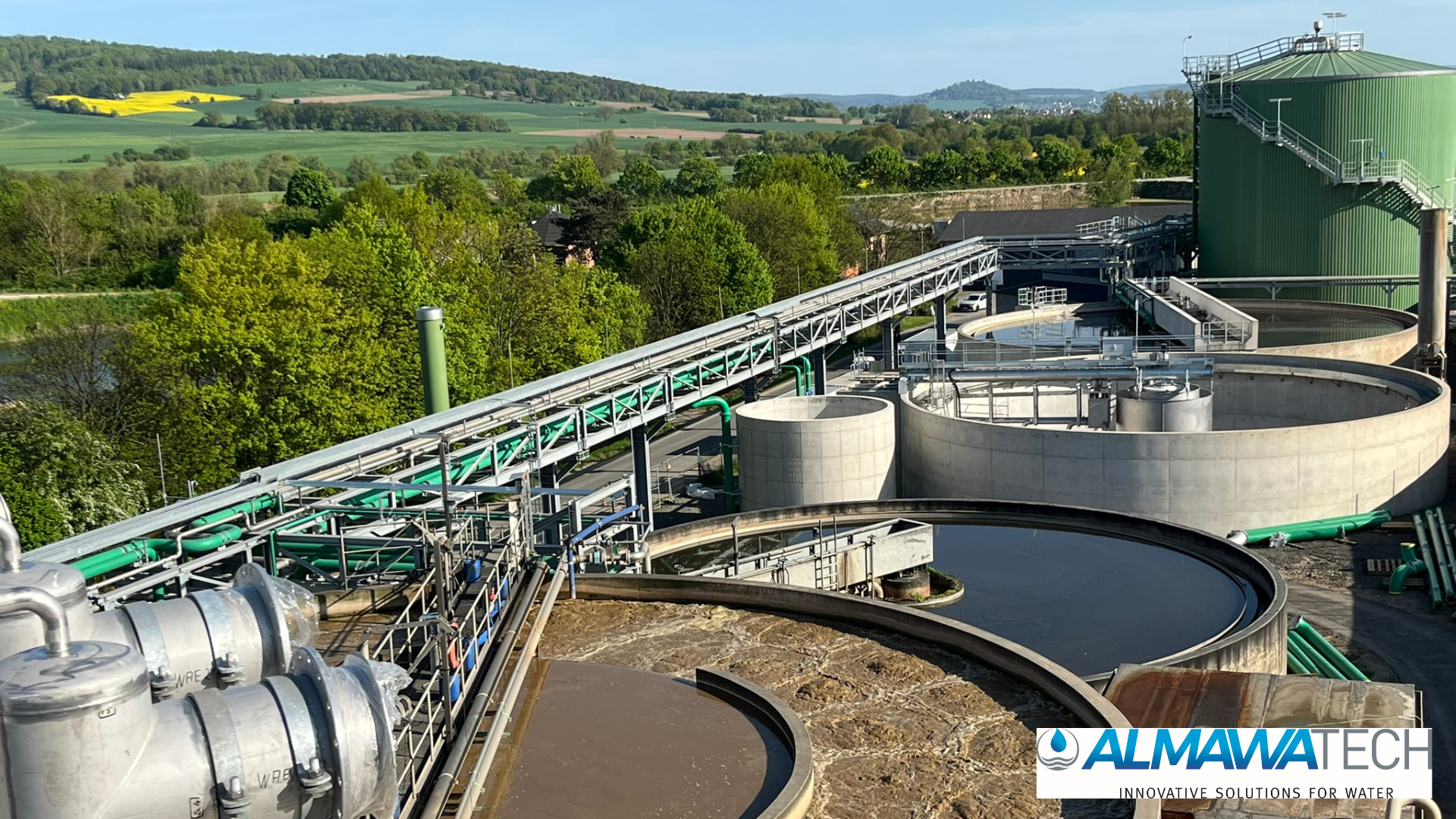
The biomass settles in the secondary clarifier. A portion of the settled sludge is returned as return sludge to the biological treatment stage. This configuration is particularly suitable when there is sufficient space and the sludge settles well.

Membrane separation for high-quality effluent

A membrane directly retains biomass and suspended solids. This makes it possible to achieve high biomass concentrations, compact systems, and very low solids concentrations in the effluent.

The selection is made on a project-by-project basis

Key factors include wastewater volume, sludge settleability, available space, discharge requirements, energy consumption, maintenance plan, and the potential for water reuse.

20–500 m³/h Specified hydraulic performance range
up to 99% Specified maximum BOD reduction
0.2 kg/kg COD Specified sludge production per unit of COD removed

Typical areas of application

Food and Sugar Industry
Beverage Production
Municipal wastewater treatment
Expansion of Existing Biological Wastewater Treatment Plants
Secondary Treatment of Anaerobically Pretreated Wastewater
Combination with Phosphorus Removal or Water Reuse

Process diagram: ALMA BHU BIO

Downloads

Please contact our specialist for biological wastewater treatment plants: E-Mail

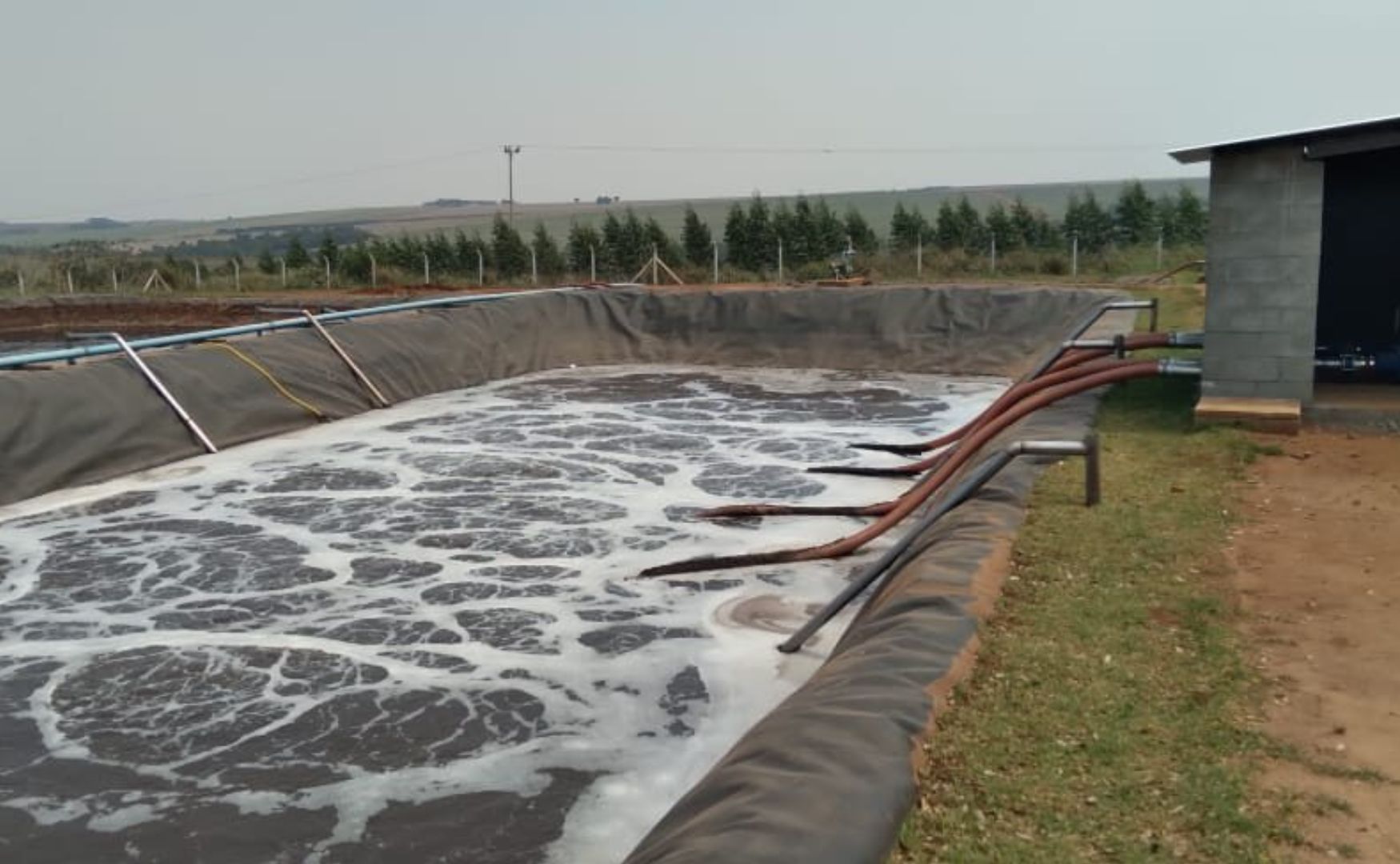
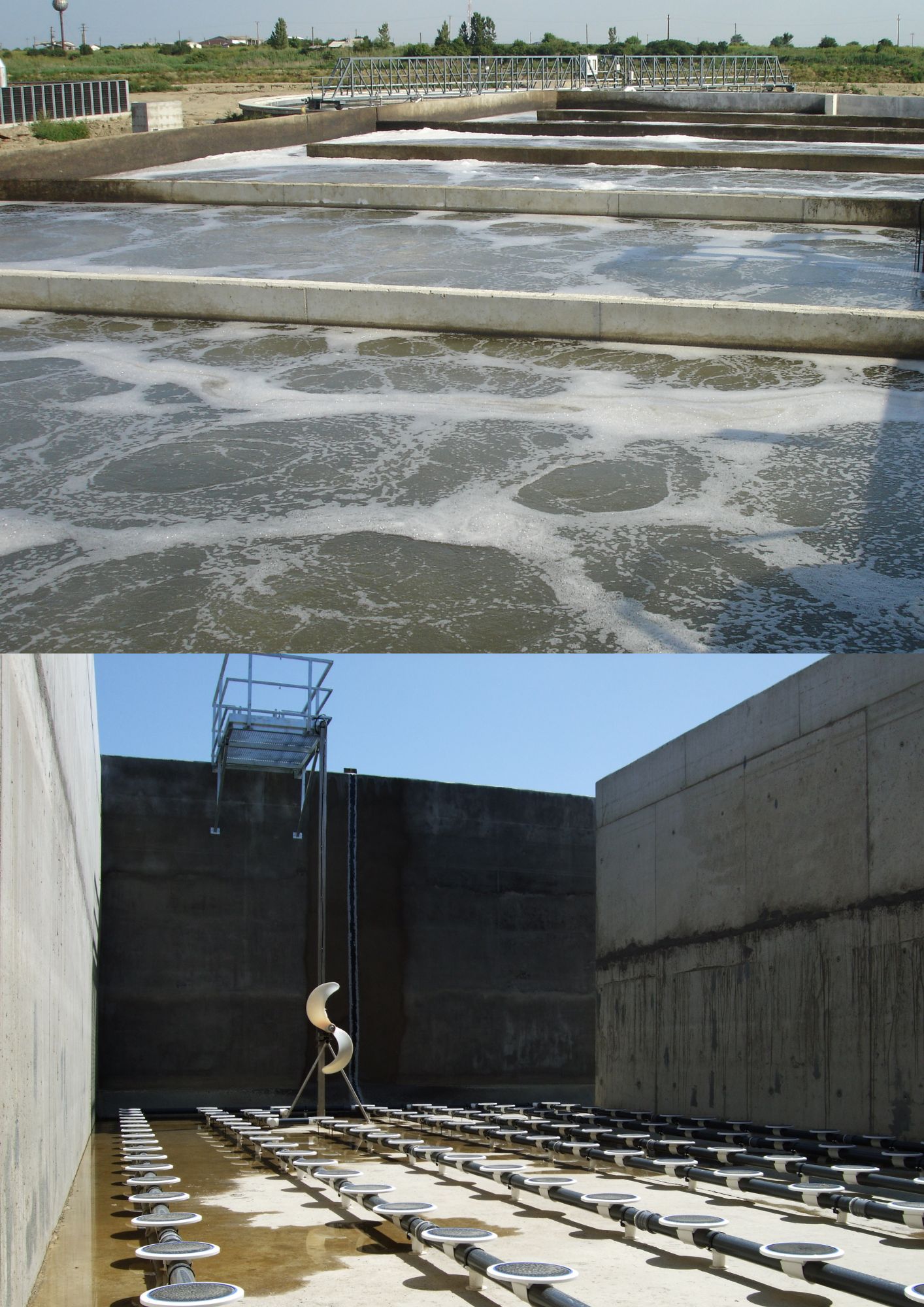
Reference photos

Similar products

Get in touch with us!

maksim_neuabauer_almawatech

Maksim Neubauer

Head of International Project Development & Water Reuse