

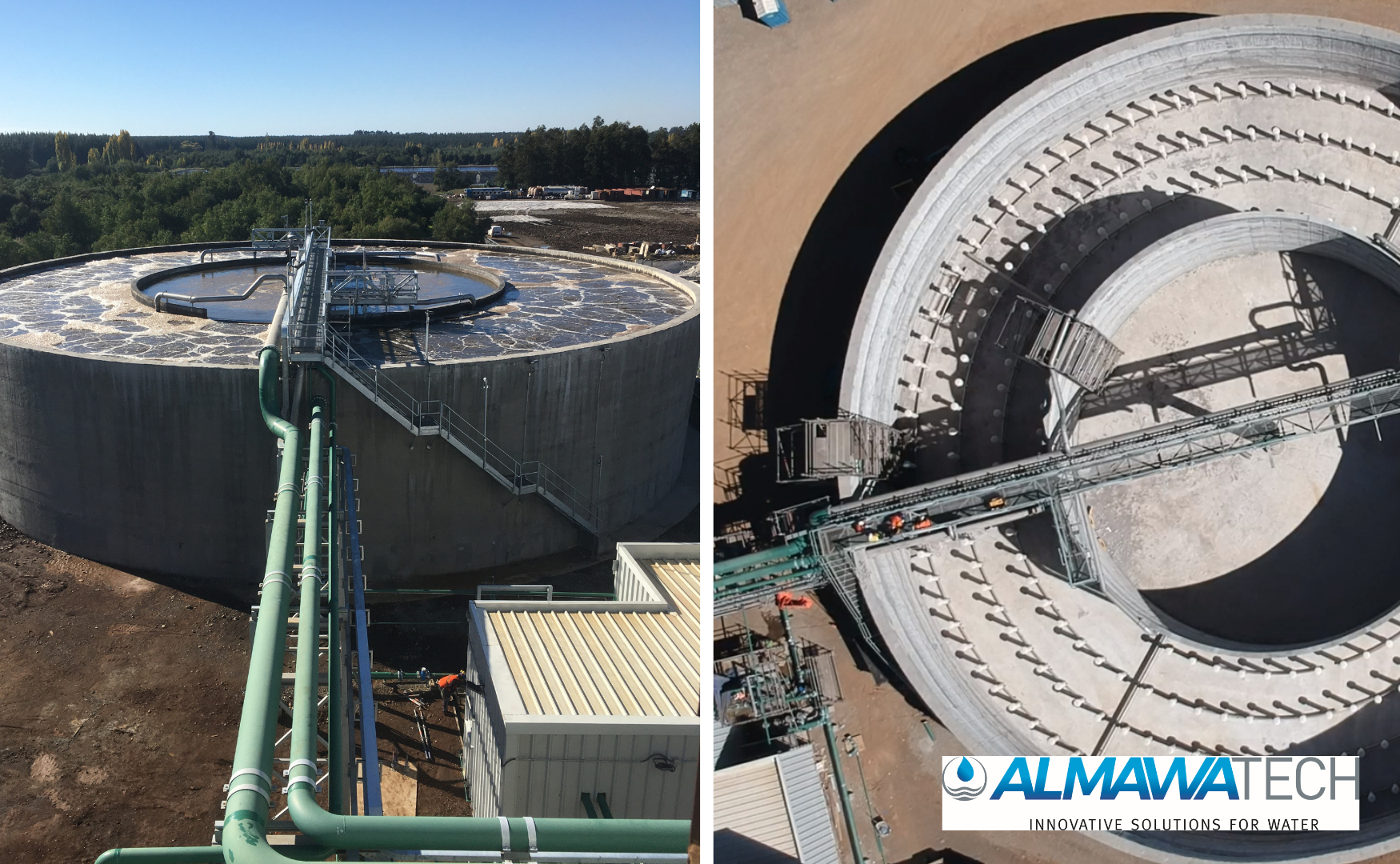
Aerobic Biological Wastewater Treatment Plants for Industrial Use

Biological Processes for COD, Ammonium, and Nitrogen Removal

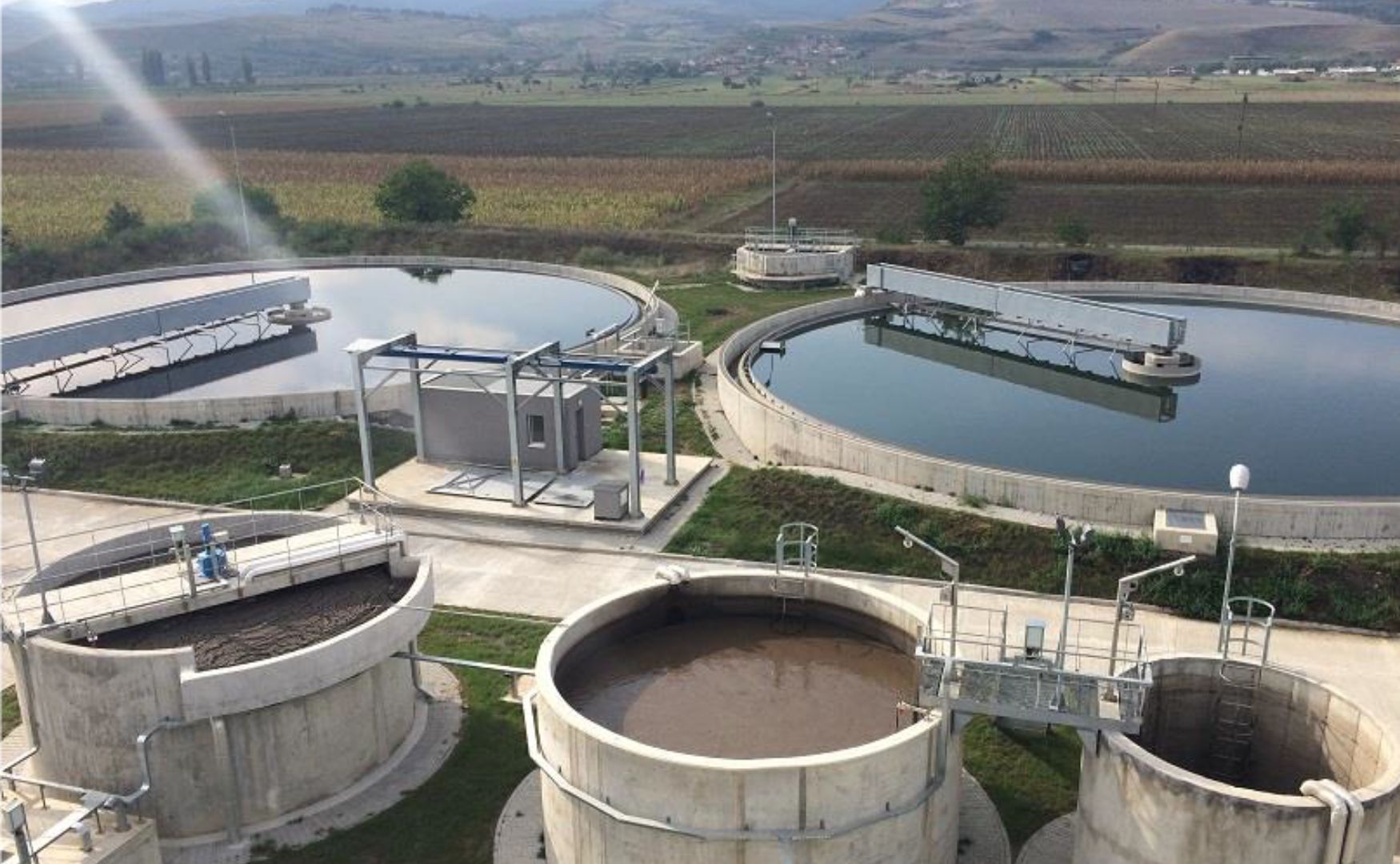
ALMAWATECH designs and builds aerobic biological wastewater treatment plants for industrial applications. Depending on the wastewater composition, organic load, nitrogen load, and desired effluent quality, different biological processes are used.

From compact SBR and MBBR systems to large-scale activated sludge and biofiltration systems, the biological process is tailored to the specific project and the actual wastewater conditions. Aerobic and anoxic process stages can be combined to reduce both COD and BOD as well as ammonium and total nitrogen.
Please send us the water analysis results, flow rate, and COD and nitrogen loads. Our engineers will evaluate the processes and design the plant components.
SBR · MBBR · MBR · BAF · Activated Sludge
CSB and BSB Degradation
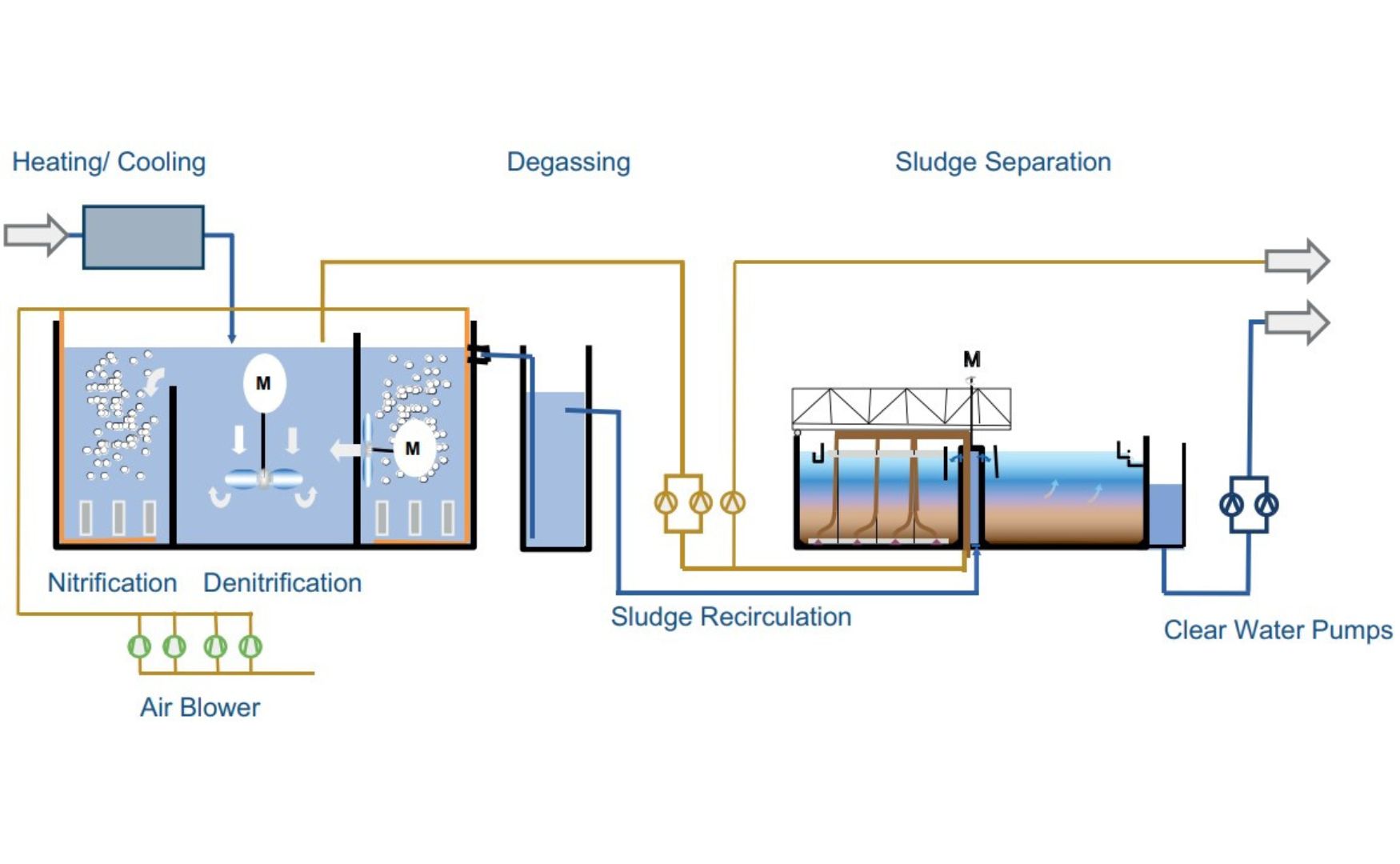
Nitrification & Denitrification
From compact systems to large-scale systems

Have a biological wastewater treatment system designed

dominik_hoffmann_almawatech

Dominik Hoffmann

Head of Project Development

maksim_neuabauer_almawatech

Maksim Neubauer

Head of International Project Development

What is aerobic biological wastewater treatment?

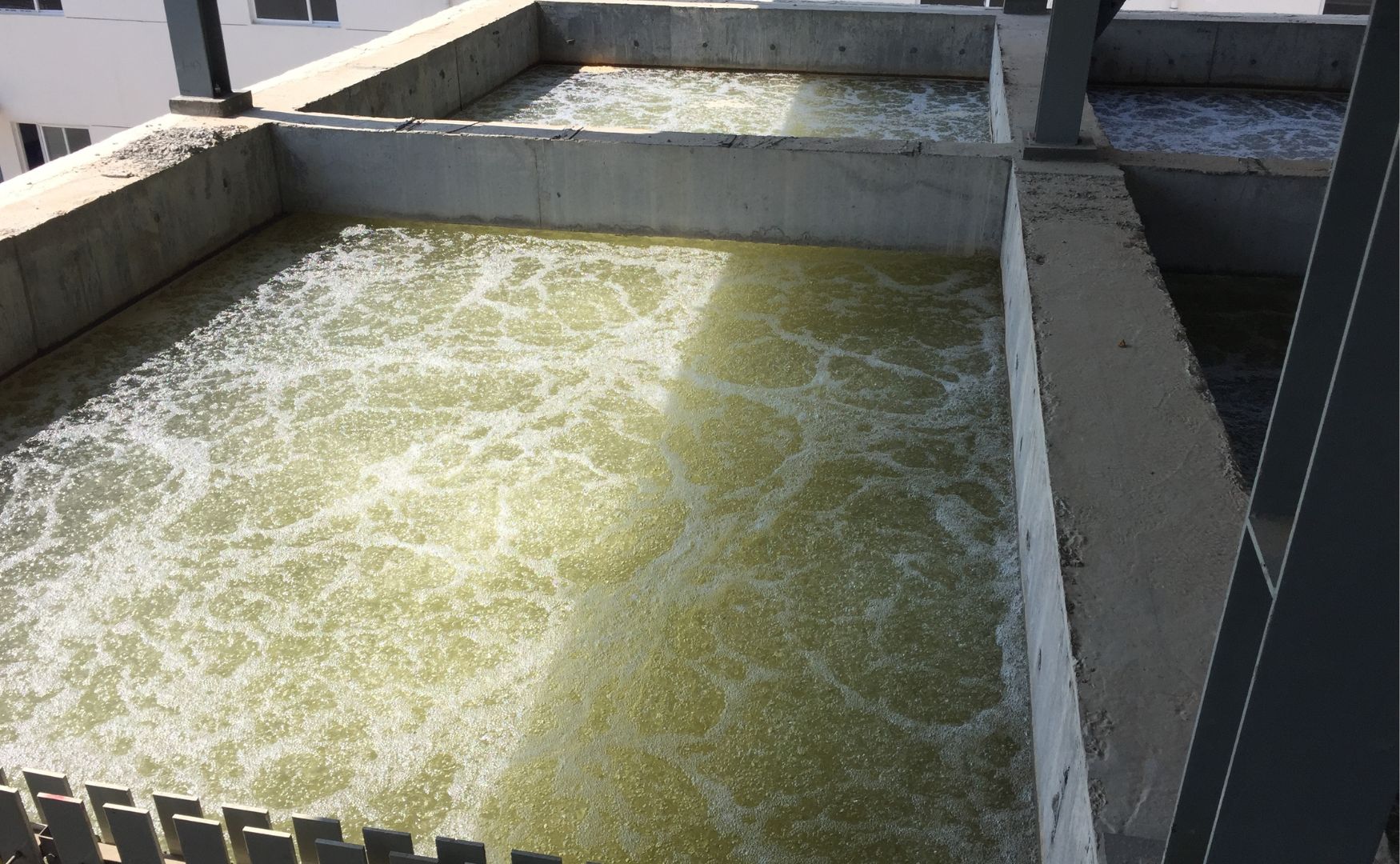
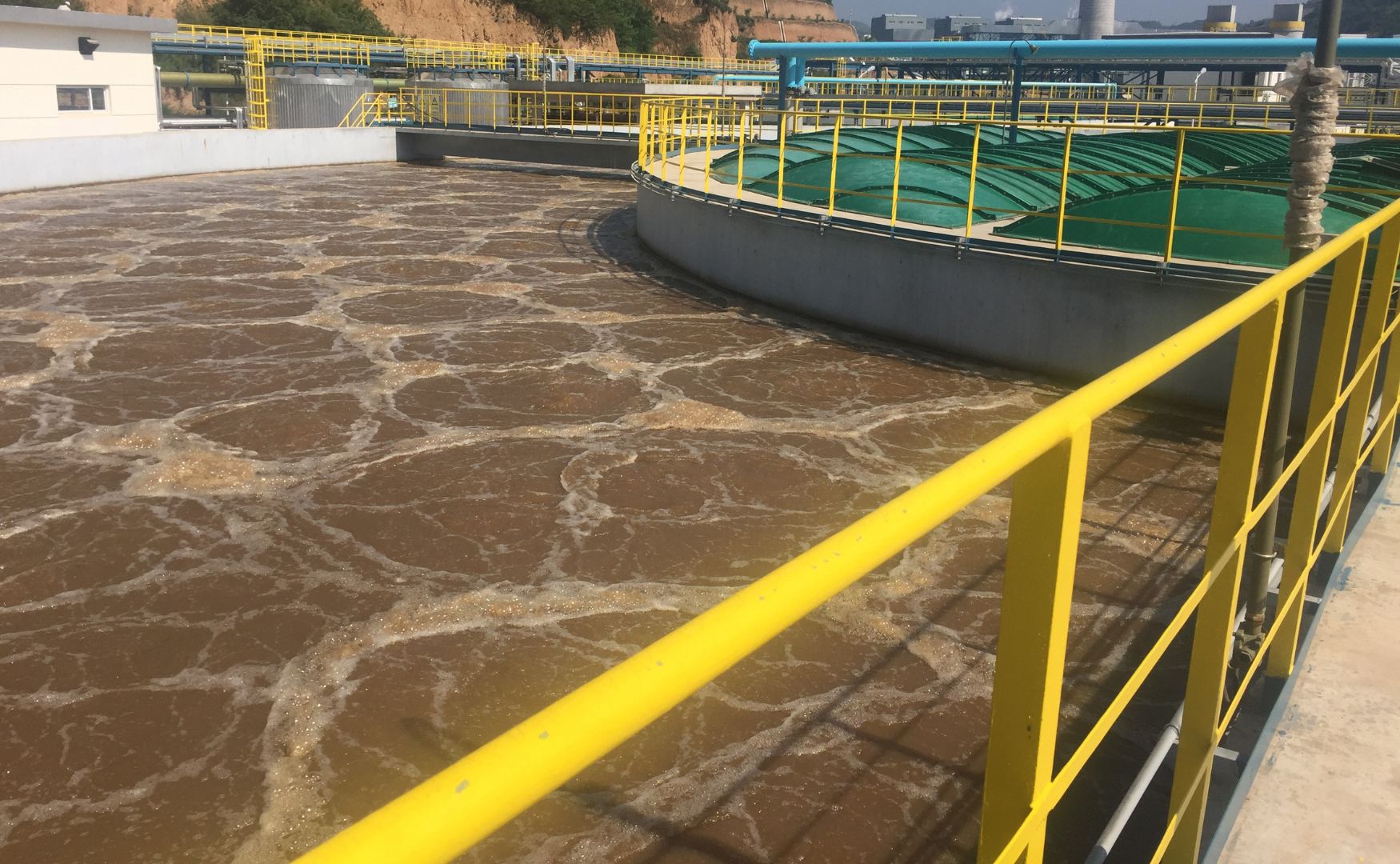
In aerobic biological wastewater treatment, microorganisms use oxygen to reduce biodegradable organic compounds in industrial wastewater. Depending on the process conditions, in addition to COD and BOD, ammonium and nitrogen can also be treated biologically.

Under aerobic conditions, microorganisms biologically break down available organic carbon compounds. With proper process control, ammonium is additionally oxidized through nitrification, first to nitrite and then to nitrate.

For further nitrogen removal, aerobic process stages can be combined with anoxic phases or reactor zones. Under anoxic conditions, previously formed nitrate is reduced to elemental nitrogen through denitrification.

Aerobic biological wastewater treatment uses microorganisms and oxygen to remove biodegradable organic matter from wastewater. Through nitrification and supplementary anoxic denitrification, additional amounts of ammonium and nitrogen can be reduced.

Which substances can be removed biologically from industrial wastewater?

Which substances can be biologically reduced depends on their biodegradability, the composition of the wastewater, and the process configuration selected. The primary functions of aerobic biological treatment plants are carbon removal and nitrogen treatment.

Organic cargo

CSB and BSB

Biologically available organic carbon compounds are metabolized by heterotrophic microorganisms. This helps reduce the COD and BOD loads in the wastewater .

Nitrogen

Ammonium

Nitrifying microorganisms oxidize ammonium under aerobic conditions, first to nitrite and then to nitrate.

Nitrogen elimination

Total nitrogen

During anoxic process phases or in reactor zones, nitrate can be reduced to elemental nitrogen through denitrification and thus removed from the wastewater.

Other Organic Products

Biodegradable trace substances

Depending on the composition of the wastewater, biological systems can also reduce other biodegradable organic compounds . The actual biodegradability is evaluated on a project-by-project basis.

Technical Comparison of Aerobic Biological Processes

SBR, MBBR, MBR, activated sludge, and biofiltration differ primarily in terms of biomass retention, operating mode, solids separation, and reactor design. The technical comparison highlights the fundamental differences between the processes, regardless of the ultimate project-specific selection.

Procedure Biomass Principle Mode of operation Solid-Liquid Separation Technical Feature
SBR Suspended activated sludge Discontinuous / cyclical Sedimentation directly in the SBR reactor Biological reaction and sedimentation occur sequentially in the same reactor
MBBR Biofilm on freely moving carriers Continuously Separate removal of discharged biomass High active biomass density due to biofilm on movable growth substrates
MBR Suspended biomass Usually continuously Membrane Filtration / External UF Biological treatment and external ultrafiltration are combined
Activated sludge Suspended activated sludge Continuously Secondary clarification with biomass recirculation Spatial separation of the biological reaction and sludge removal
BAF / Biofiltration Biofilm on a solid filter or support material Continuously Filtration within or across the filter bed Biological biofilm treatment and filtration are combined in a single process step

Aerobic processes differ primarily in terms of how the biomass is retained within the system and how the treated water is separated from solids. The final choice of process also depends on COD/BOD load, nitrogen load, temperature, load profile, space requirements, and required effluent quality.

Our Aerobic Biological Wastewater Treatment Plants

ALMAWATECH offers various biological treatment processes for industrial wastewater. The selection and design are determined on a project-by-project basis based on wastewater analysis, load profile, and required effluent quality.

Sequencing Batch Reactor

ALMA BIO SBR

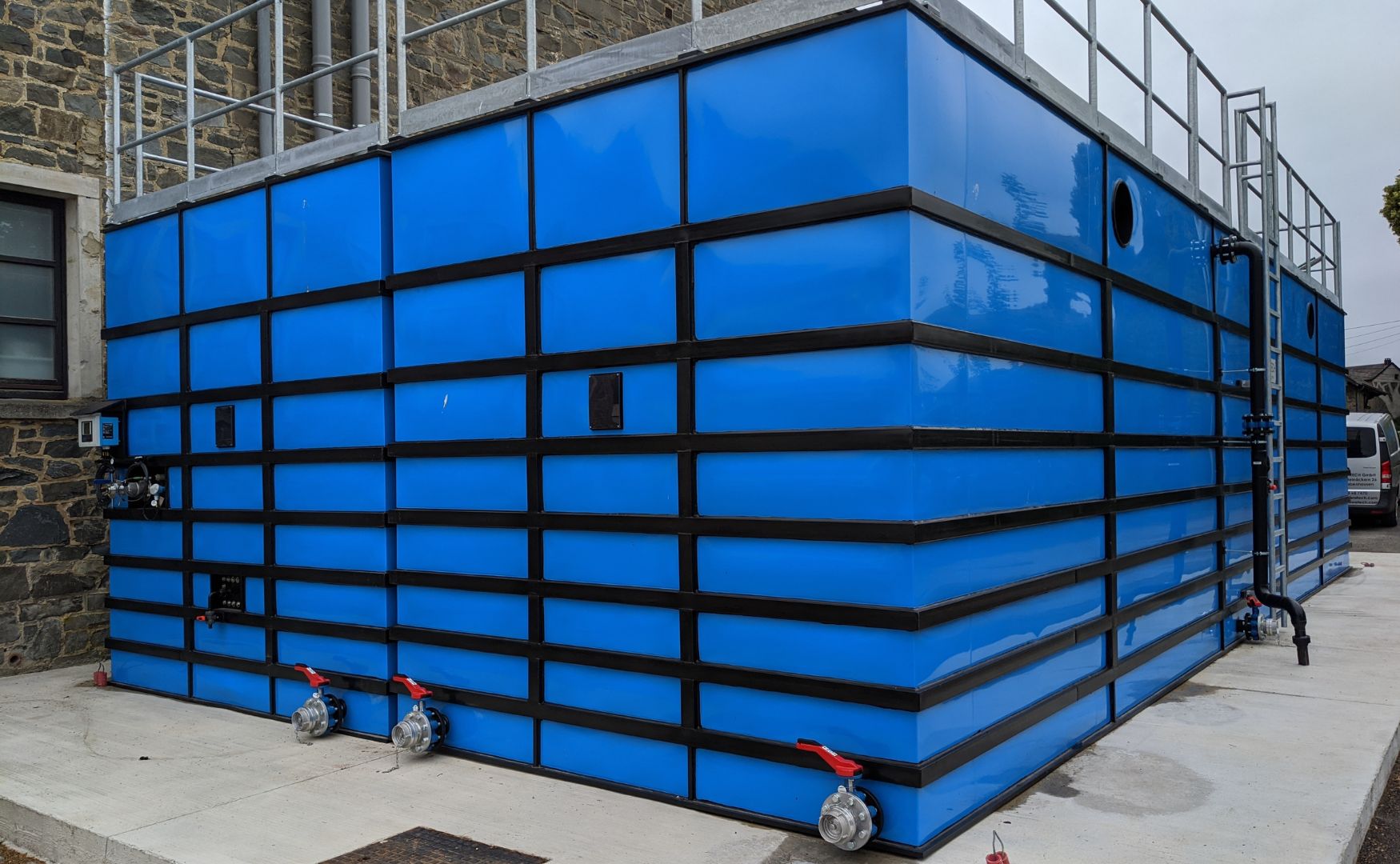
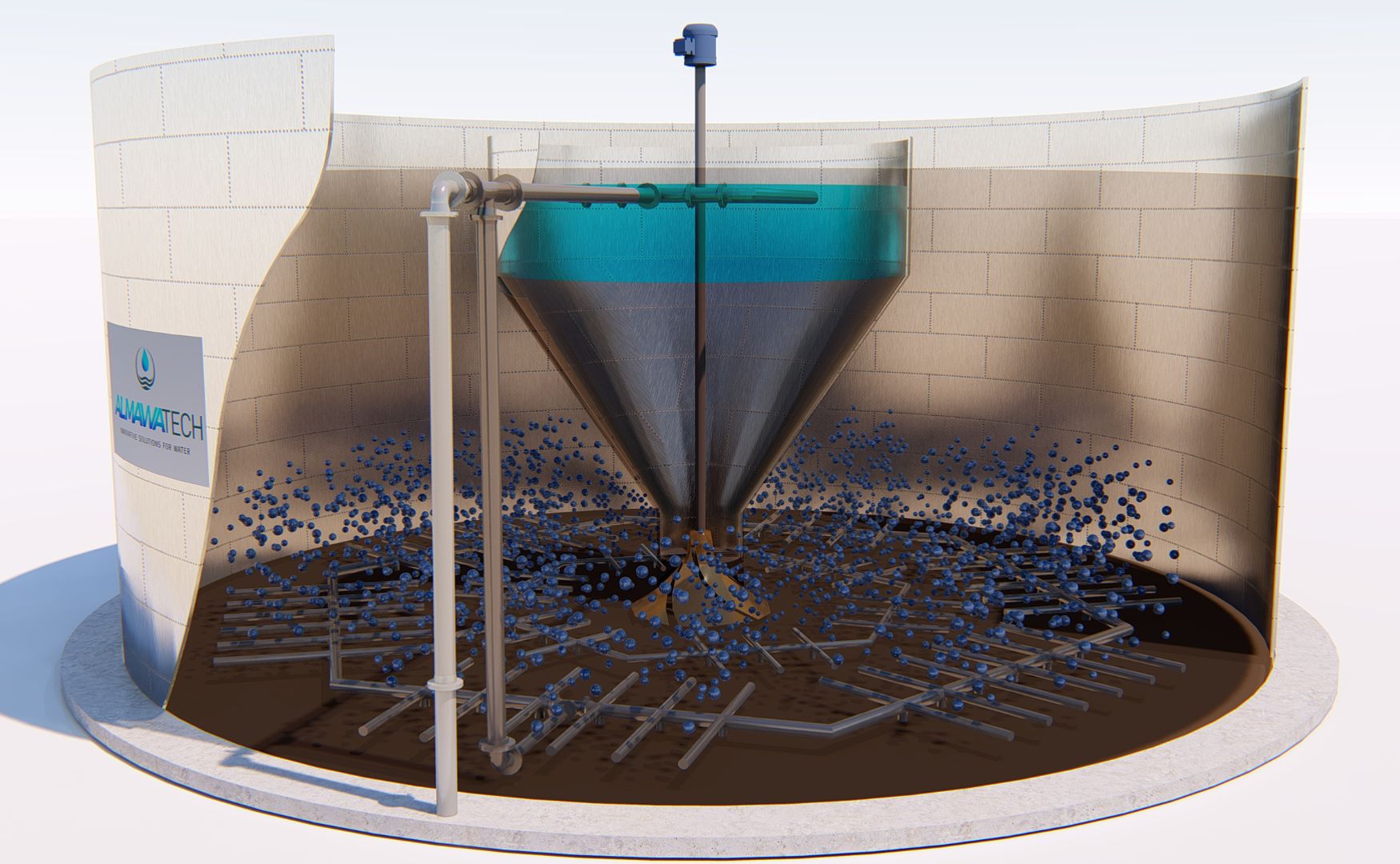
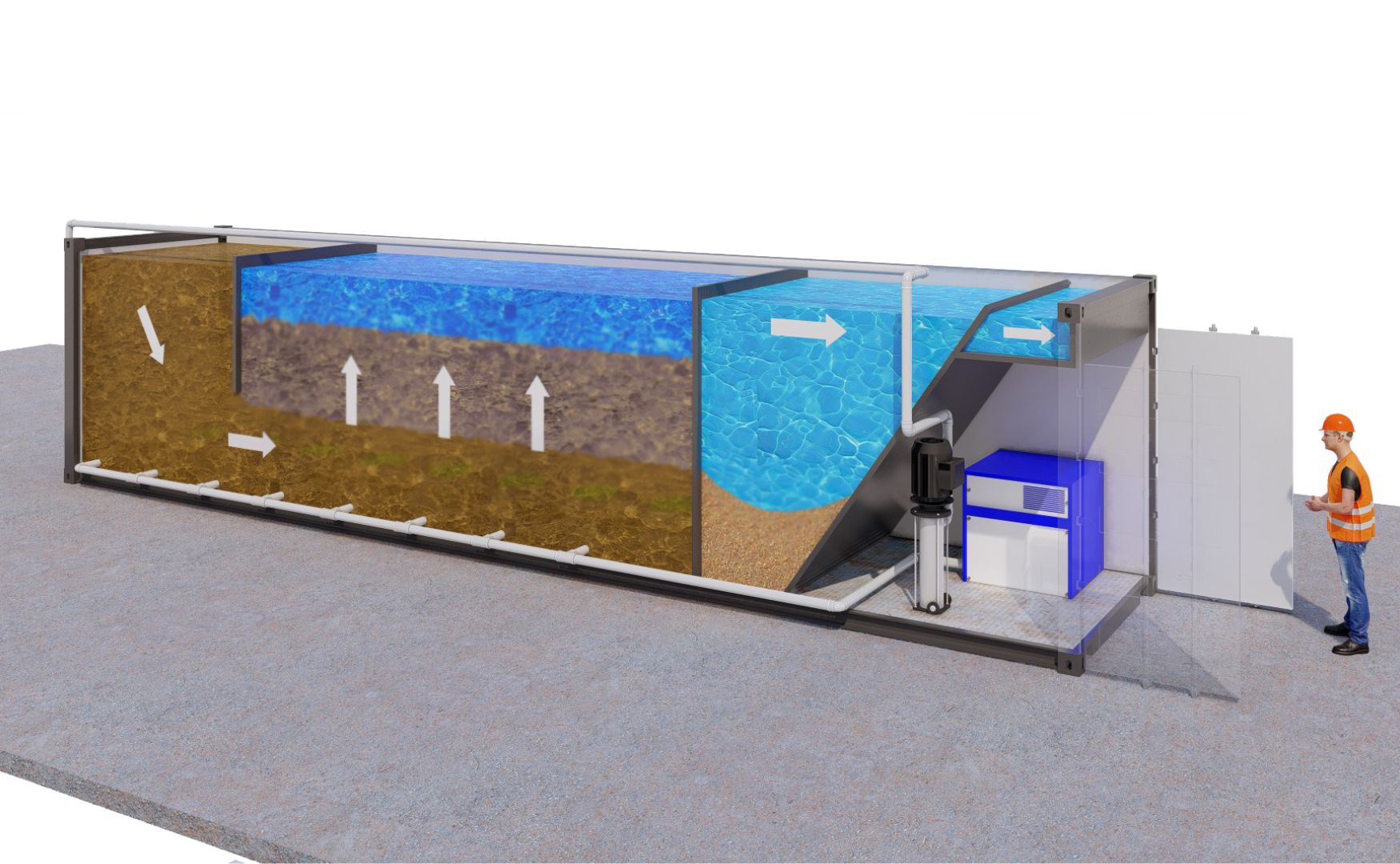
The ALMA BIO SBR is a cyclically operated biological reactor for industrial wastewater streams with varying loads and intermittent wastewater inflow. Filling, biological reaction, sedimentation, and clear water discharge occur sequentially within the same reactor.

Hydraulic capacity 50–1,000 m³/d
Process Principle Cyclic Activated Sludge Process
  • Fluctuating Production Wastewater
  • Batch-wise wastewater generation
  • CSB and BSB Degradation
  • Nitrification and Denitrification
  • Compact biological treatment plants
About the ALMA BIO SBR
Moving-Bed Biofilm Reactor

ALMA BIO MBBR

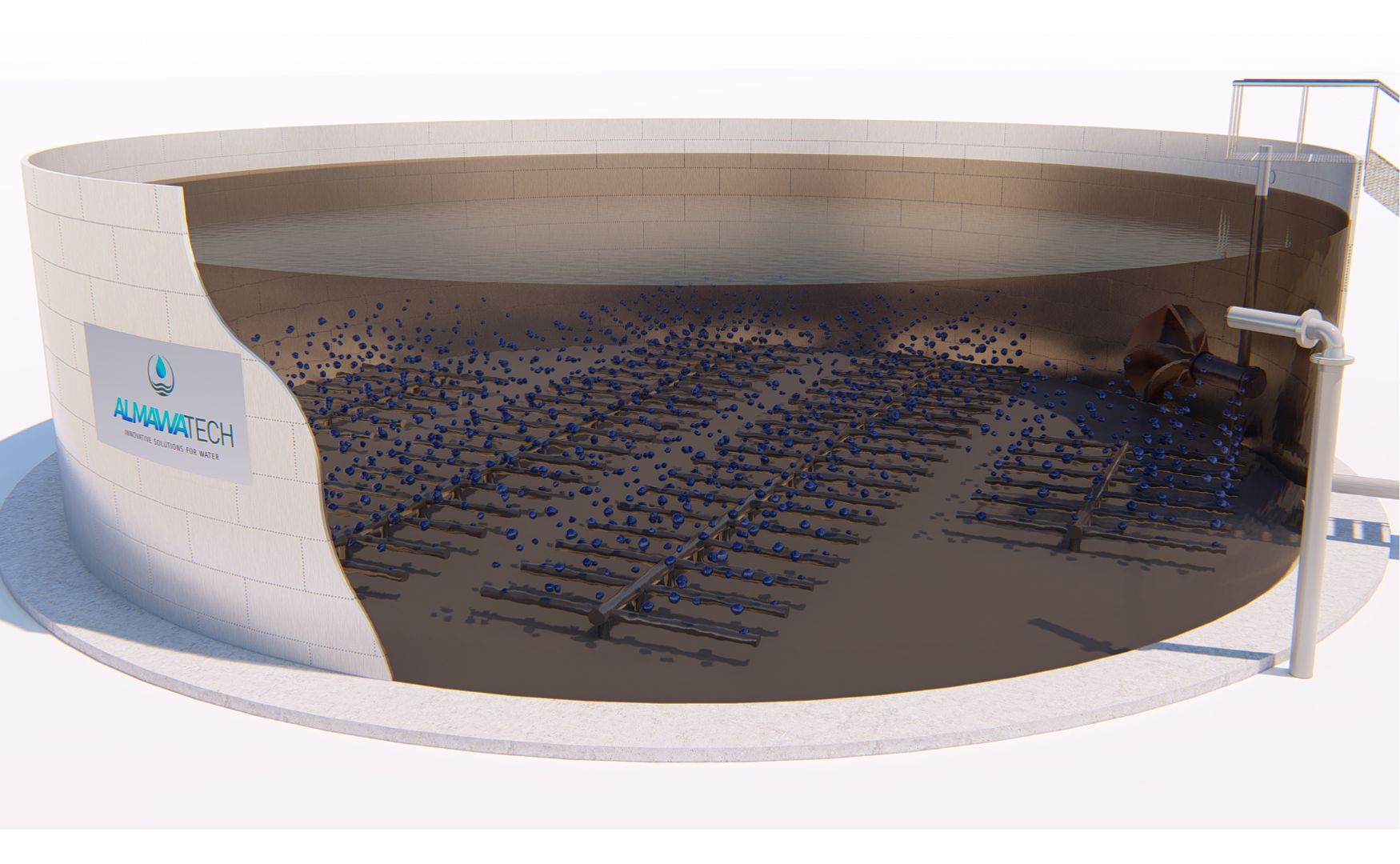
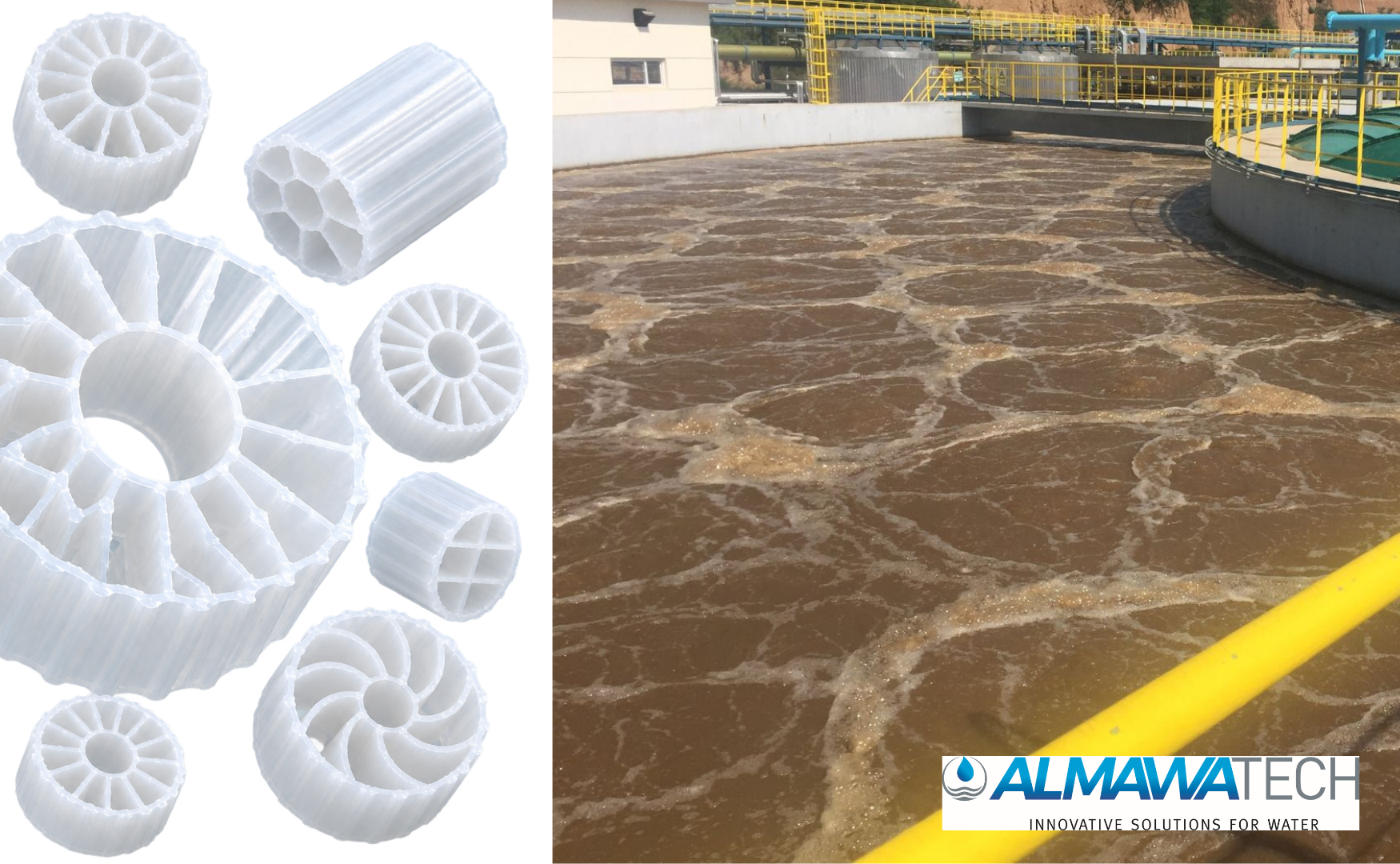
In the ALMA BIO MBBR system, the active biomass grows on freely movable plastic carriers. The large biologically active surface area enables a compact biofilm technology for organic degradation, nitrification, and nitrogen removal.

Hydraulic capacity 20–5,000 m³/h
Carrier growth area approx. 50–750 m²/m³
  • High or fluctuating COD loads
  • Ammonium Degradation
  • Nitrogen elimination
  • Expansion of Existing Biological Treatment Plants
  • Compact Biofilm Stages
About the ALMA BIO MBBR
Membrane bioreactor

ALMA BIO MBR

The ALMA BIO MBR combines biological wastewater treatment with external ultrafiltration. The biomass is retained in the biological stage, while the external UF handles solids removal, thereby ensuring a very low solids load in the effluent.

Hydraulic capacity 10–1,000 m³/h
Solid-Liquid Separation External ultrafiltration
  • High Standards for Process Quality
  • Water Reuse Applications
  • External UF for Biomass Retention
  • Biology and Membrane Filtration Combined
  • Industrial Process Water Reuse
About the ALMA BIO MBR
Industrial-Scale Activated Sludge Process

ALMA BHU BIO

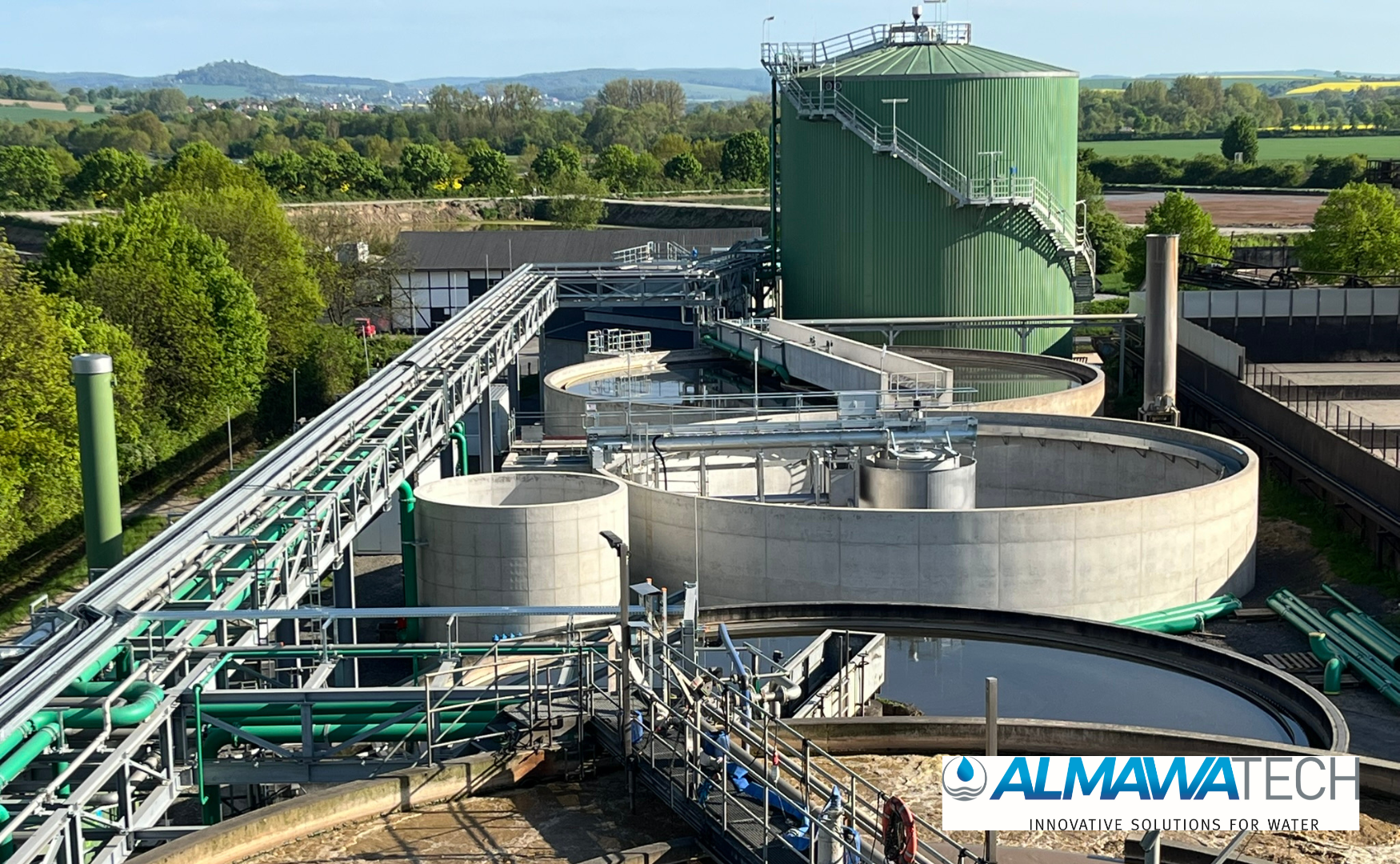
The ALMA BHU BIO is a custom-designed biological activated sludge system for large industrial wastewater flows. Depending on the treatment objective, aerobic and anoxic process stages are combined with sedimentation and biomass recirculation.

Hydraulic Capacity 20–10,000 m³/h
Nitrogen Treatment Nitrification & Denitrification
  • Large industrial wastewater streams
  • Continuous Production
  • CSB and BSB Degradation
  • Nitrification and Denitrification
  • Custom-designed large-scale plants
About ALMA BHU BIO
Compact Activated Sludge Reactor

ALMA BIO BBI

The ALMA BIO BBI is a compact biological wastewater treatment plant based on the activated sludge process. Biological reaction and solids separation are combined in a compact plant design for small- to medium-sized volumes of industrial wastewater.

Hydraulic capacity 20–2,000 m³/d
Solid-Liquid Separation Integrated sedimentation
  • Compact Biological Treatment
  • CSB and BSB Degradation
  • Integrated Sedimentation
  • Small and medium-sized wastewater flows
  • Industrial wastewater containing biodegradable pollutants
About ALMA BIO BBI
Deammonification

ALMA BHU DEA

The ALMA BHU DEA is designed for the biological removal of nitrogen from ammonium-rich wastewater. The deammonification process combines partial nitrification with anammox-based nitrogen conversion.

Hydraulic capacity 20–5,000 m³/h
Process Deammonification / Anammox
  • Industrial wastewater high in ammonium
  • Advanced Nitrogen Removal
  • Partial nitrification
  • Anammox process
  • Project-Specific Biological Design
About ALMA BHU DEA

Other aerobic biofilm processes

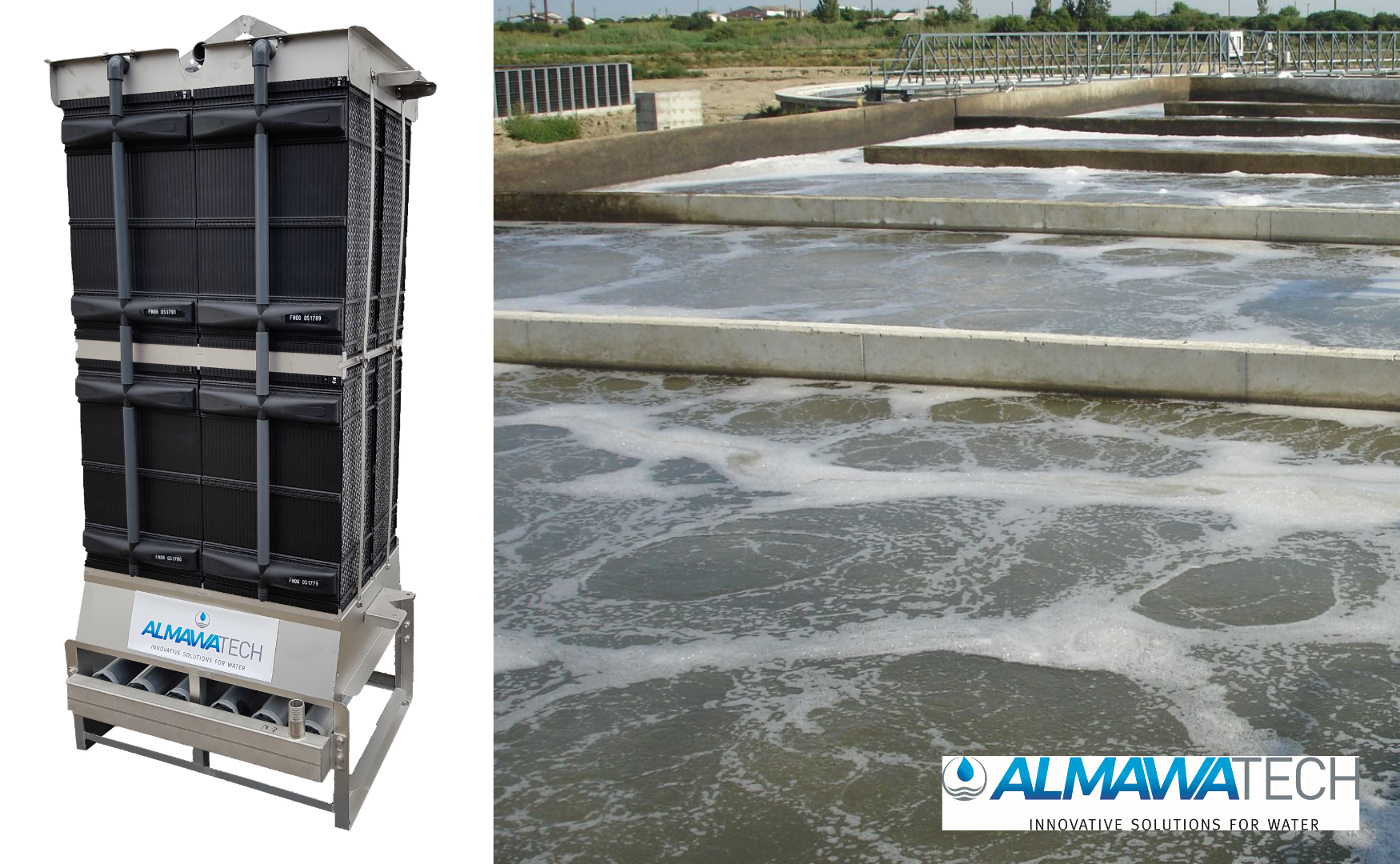
In addition to SBR, MBBR, MBR, and activated sludge systems, ALMAWATECH offers biofiltration systems for various hydraulic capacities, biological post-treatment, and water reuse applications.

ALMA BHU BAF

Biologically Activated Filtration for High Water Flows

The ALMA BHU BAF combines biofilm processes with filtration and is suitable for the biological degradation of organic substances as well as for nitrification and denitrification.

Hydraulic capacity 100–1,000 m³/h
Process Principle Biofiltration / BAF
About ALMA BHU BAF

ALMA BioFil Compact

Compact Biofiltration for Industrial Water Recirculation Systems

The ALMA BioFil Compact is suitable for compact biological applications as well as the treatment of water recirculation systems or permeates, and can be used as a pretreatment for further membrane processes. ```

Hydraulic capacity 10–100 m³/h
Process Principle Compact Biofiltration
About the ALMA BioFil Compact

Have an aerobic wastewater treatment system designed:

dominik_hoffmann_almawatech

Dominik Hoffmann

Head of Project Development

maksim_neuabauer_almawatech

Maksim Neubauer

Head of International Project Development

SBR, MBBR, MBR, or biofiltration—which process is the right one?

The selection of an appropriate biological process depends on the wastewater composition, the load profile, the hydraulic boundary conditions, and the required effluent parameters. Depending on the application, different biological technologies may be technically and economically viable.

Initial situation Technology That Is Often Suitable
Highly fluctuating or batch-based inflow SBR
High process robustness combined with a compact design MBBR
Very high-quality treated water or water reuse MBR
Continuous large volumes of industrial wastewater Activated sludge process
Biological Post-Treatment or Polishing BAF / Biofiltration
Existing biological treatment plant to become more efficient Often MBBR or an additional biofilm stage
Ammonium must be reliably nitrified SBR, MBBR, BAF, or activated sludge – project-specific selection

There is no single biological process that is equally optimal for every type of industrial wastewater. ALMAWATECH selects the appropriate technology based on the actual wastewater analysis, hydraulic and organic load profiles, and the required effluent parameters.

Aerobic or anaerobic wastewater treatment—what's the difference?

Both aerobic and anaerobic processes use microorganisms for biological wastewater treatment, but differ fundamentally in terms of oxygen requirements, process control, and applications.

Aerobic Wastewater Treatment

Aerobic microorganisms require oxygen for the biological conversion of organic compounds. Aerobic systems are particularly suitable for the advanced treatment of wastewater, the degradation of COD and BOD, the nitrification of ammonium, and—in combination with anoxic process stages—nitrogen removal.

Anaerobic wastewater treatment

Anaerobic microorganisms function without a supply of oxygen. Industrial wastewater with a high organic load can thus be biologically pretreated. In this process, part of the organic load is biologically converted into high-energy biogas.

Combining Aerobic and Anaerobic Processes

For heavily contaminated industrial wastewater, an anaerobic pretreatment can be combined with an aerobic post-treatment. The anaerobic stage first reduces a significant portion of the organic load. The downstream aerobic biological treatment stage then takes over further COD removal as well as—depending on the plant design—nitrification and nitrogen removal.

Anaerobic Wastewater Treatment

Case Studies on Aerobic Biological Wastewater Treatment

Automation of Biological Wastewater Treatment Plants

Biological treatment performance depends largely on oxygen supply, hydraulic load, temperature, and organic load. ALMAWATECH therefore combines aerobic biological processes with project-specific measurement and automation technology.

Typical Parameters in Biological Wastewater Treatment Plants

Oxygen
pH value
Redox potential
Flow rate
Level
CSB as needed
Ammonium
Nitrite
Nitrate

Typical Industrial Applications of Biological Wastewater Treatment

Aerobic biological wastewater treatment is used in numerous industrial sectors when organic pollutants, ammonium, or nitrogen need to be reduced biologically.

Food industry

Biological treatment of industrial wastewater with high and frequently fluctuating organic COD and BOD loads.

Beverage Industry & Breweries

Degradation of highly bioavailable organic pollutants as well as nitrification and further nitrogen removal.

Dairies

Treatment of highly organic wastewater with high COD/BOD loads and significant fluctuations in production.

Paper & Packaging Industry

Primary or secondary biological treatment of organically contaminated process wastewater from industrial production processes.

Chemical industry

Treatment of suitable biodegradable stream fractions following pretreatment tailored to the wastewater composition and potential inhibitors.

Pharmaceutical & cosmetics industry

Biological treatment of production and cleaning wastewater containing organic pollutants, following an assessment of its biological degradability.

What data do we need to design a biological wastewater treatment plant?

To select the appropriate process and ensure reliable design, we need information on the hydraulic load, biodegradable load, nitrogen load, and the desired effluent parameters.

Key Data for Initial Process Selection

  • Average and Maximum Flow Rate
  • Daily and Weekly Profiles
  • COD
  • BSB
  • Dissolved and Total CSB
  • Ammonium nitrogen
  • Total nitrogen
  • Phosphorus
  • pH value
  • Wastewater Temperature
  • Solids content
  • Conductivity
  • Peak loads
  • Production Times
  • Existing Pretreatment
  • Desired flow rates
  • Known inhibitors or contaminants
  • Existing pools and available installation space

Which biological wastewater treatment method is right for your wastewater?

Please send us your wastewater analysis, flow rate data, and desired discharge parameters. Our process engineers will determine whether SBR, MBBR, MBR, activated sludge, biofiltration, or a combination of several processes represents the technically and economically suitable solution.

Have a biological wastewater treatment system designed

Design and Construction of an Aerobic Wastewater Treatment Plant

1. Inquiry and Technical Clarification

Please send us information regarding wastewater volume, analysis results, existing wastewater treatment systems, and discharge conditions.

2. On-site Visit & Assessment

Survey to determine space availability, connection points, pipeline routes, and accessibility.

3. Laboratory and pilot-scale tests

For complex wastewater, anaerobic degradation tests can be conducted to determine the appropriate reactor type and space loading.

4. Process and Reactor Selection

Activated sludge processes, MBR, MBBR, or SBR are evaluated and sized based on the actual wastewater conditions.

5. Plant Construction and Integration

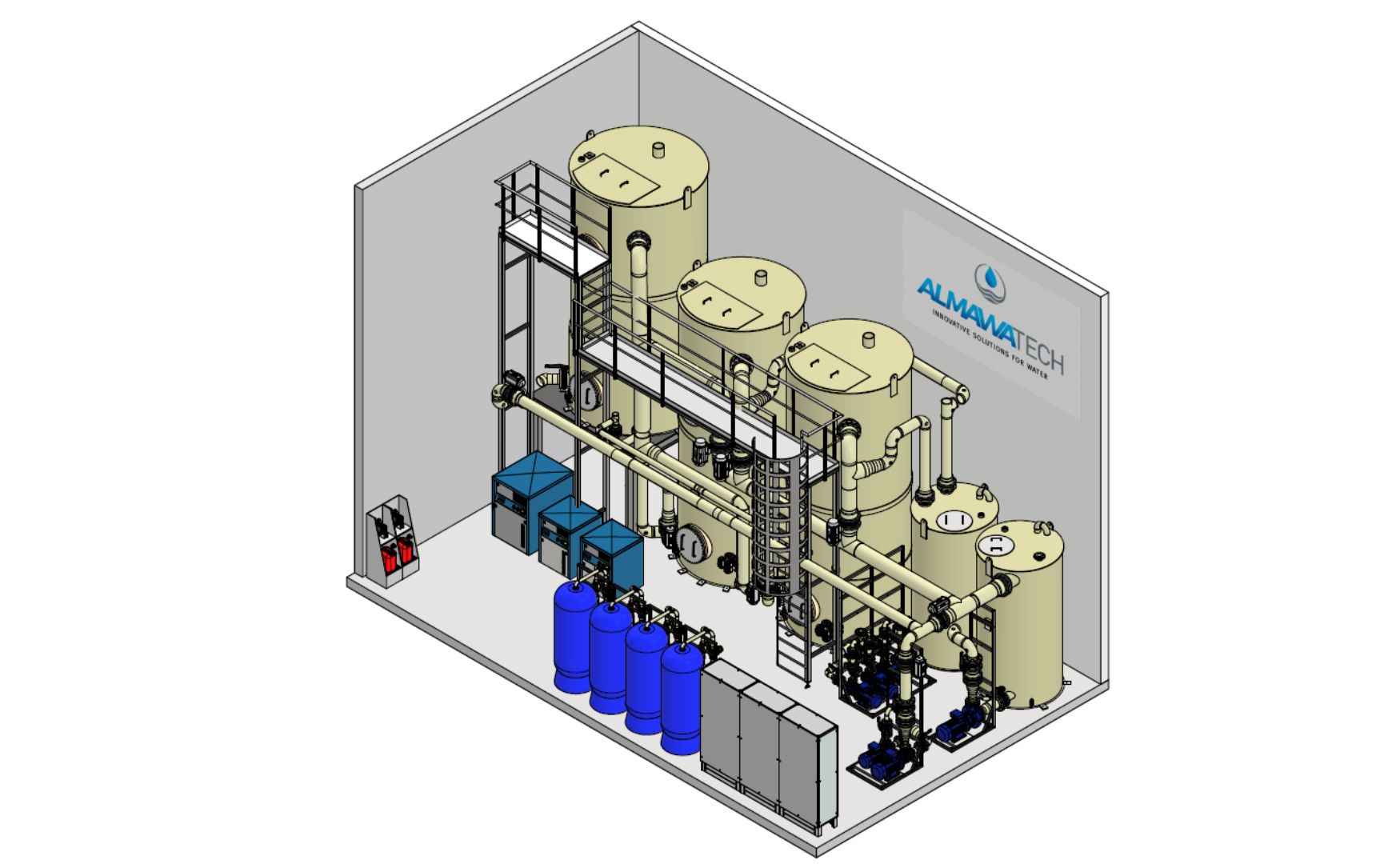
Reactors, pretreatment systems, biogas systems, and measurement and control technology are manufactured to meet the specific requirements of each project.

6. Commissioning and Optimization

The aerobic wastewater treatment system is inoculated with suitable biomass and brought online in a controlled manner to reach the intended organic load.

Technical documentation and data sheets for aerobic wastewater treatment systems

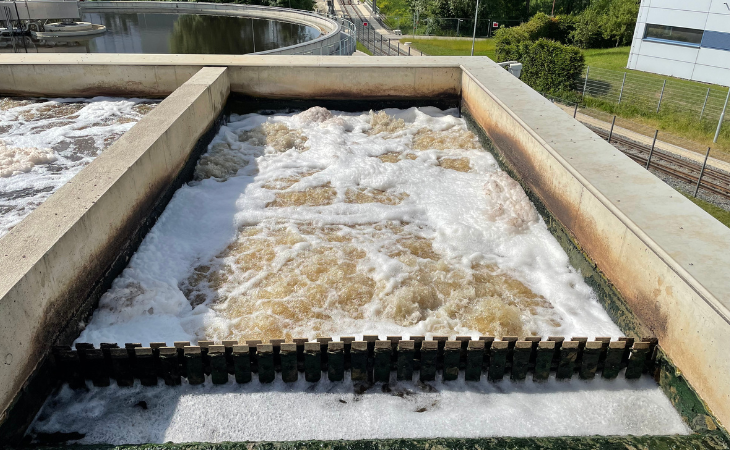
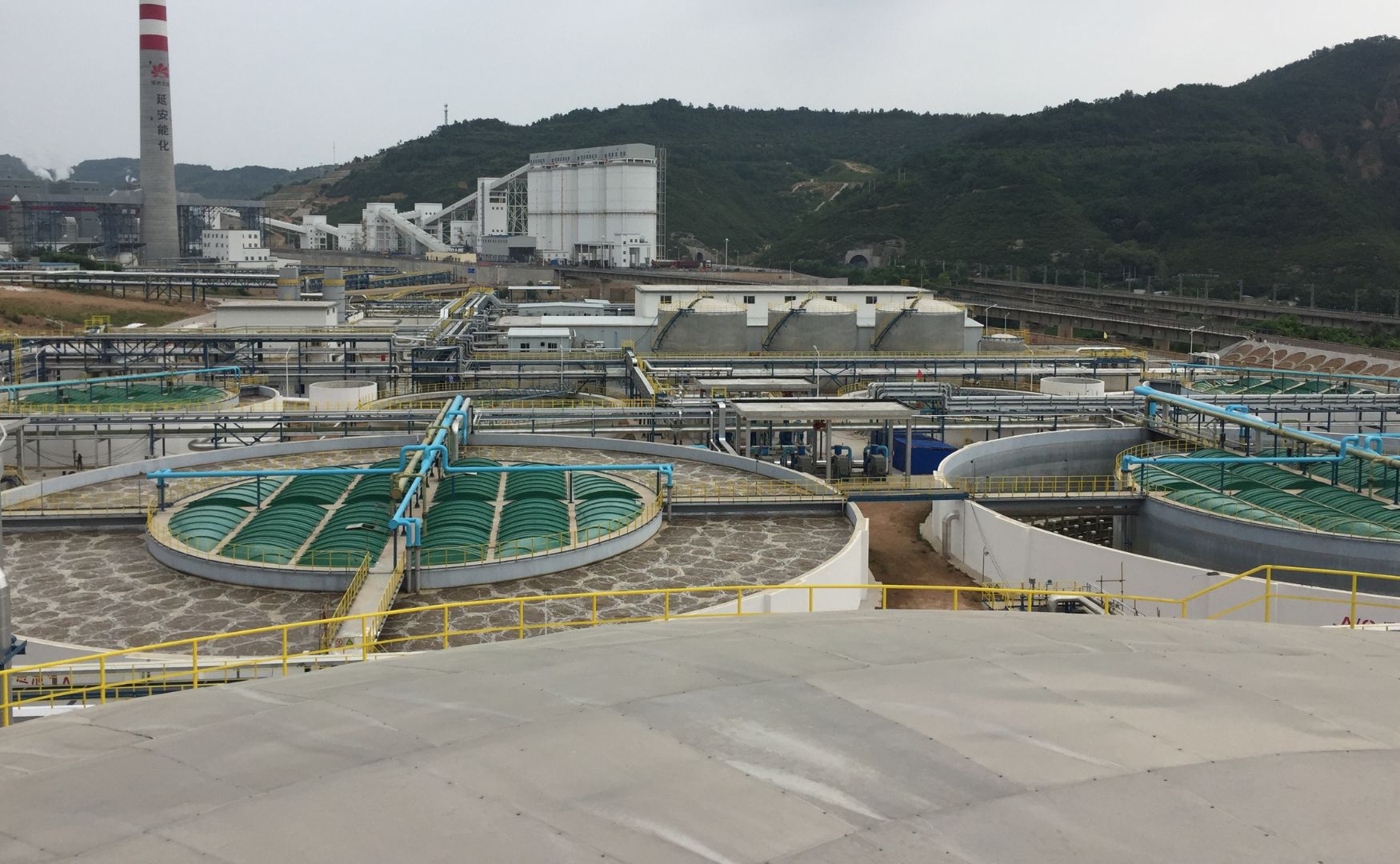
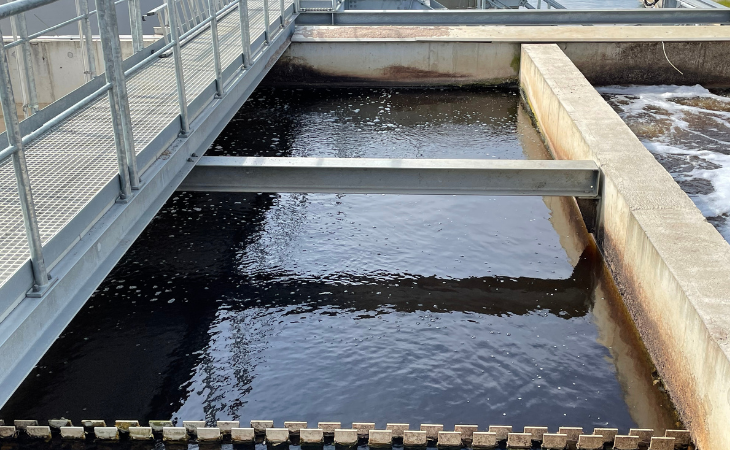
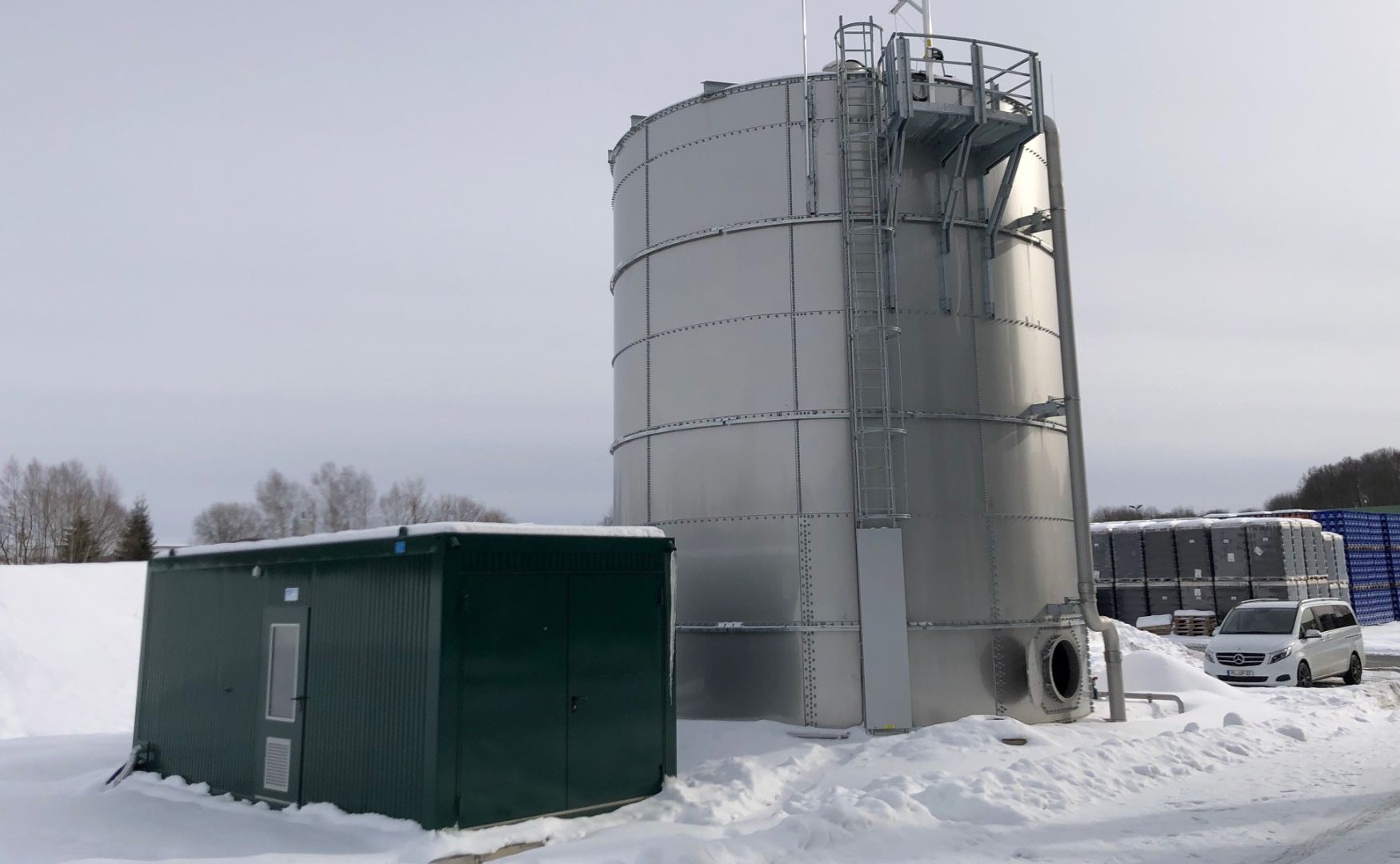
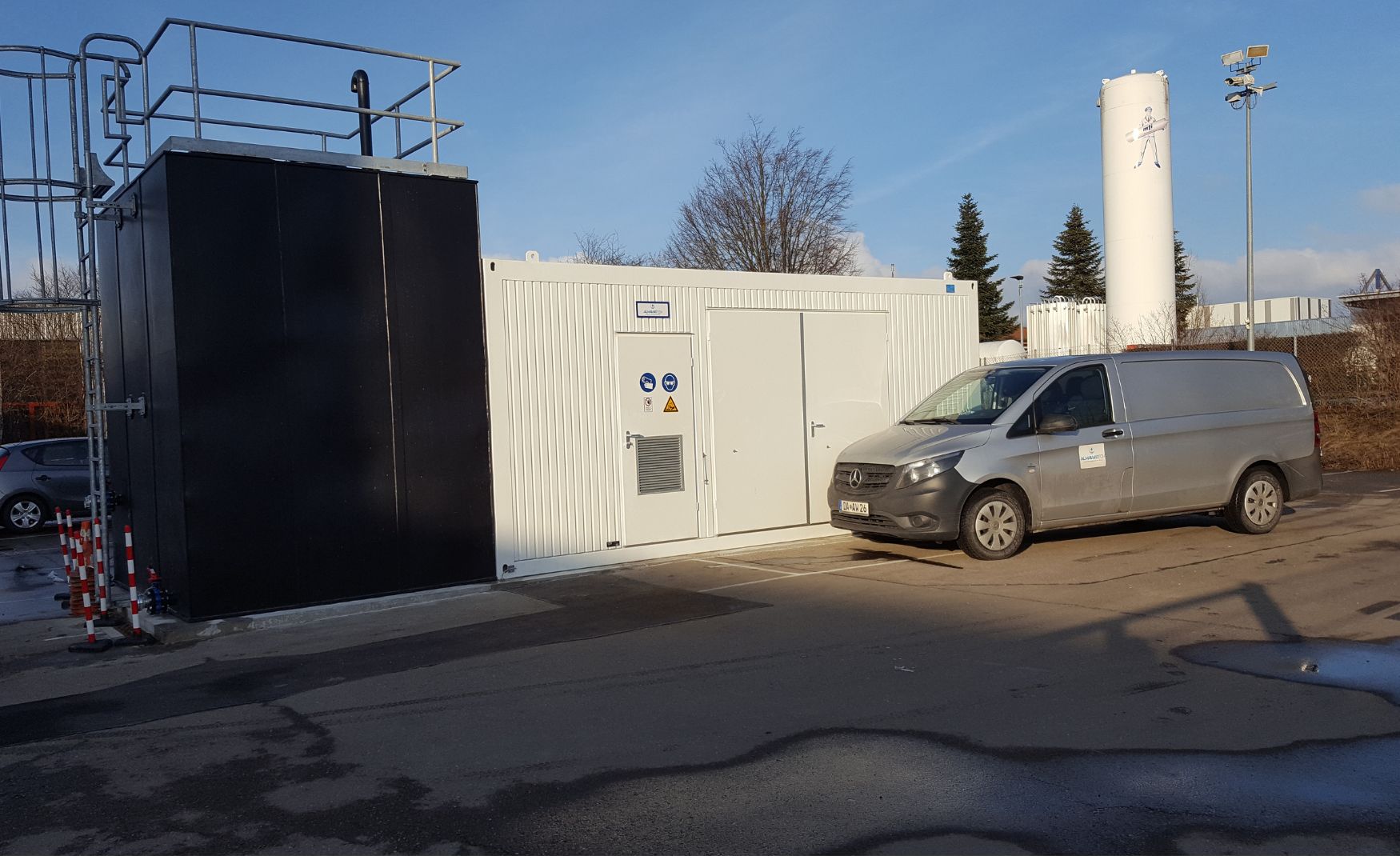
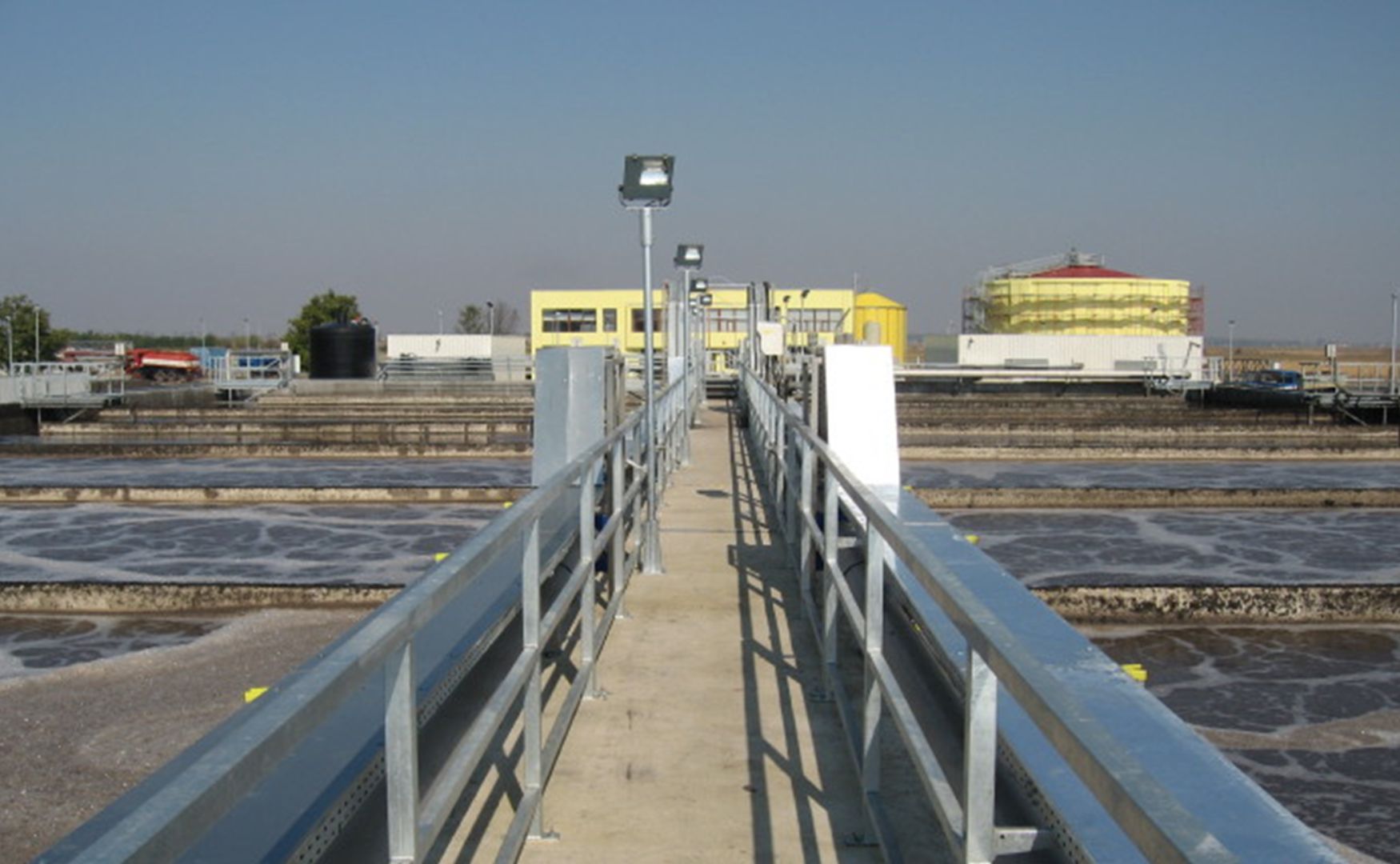
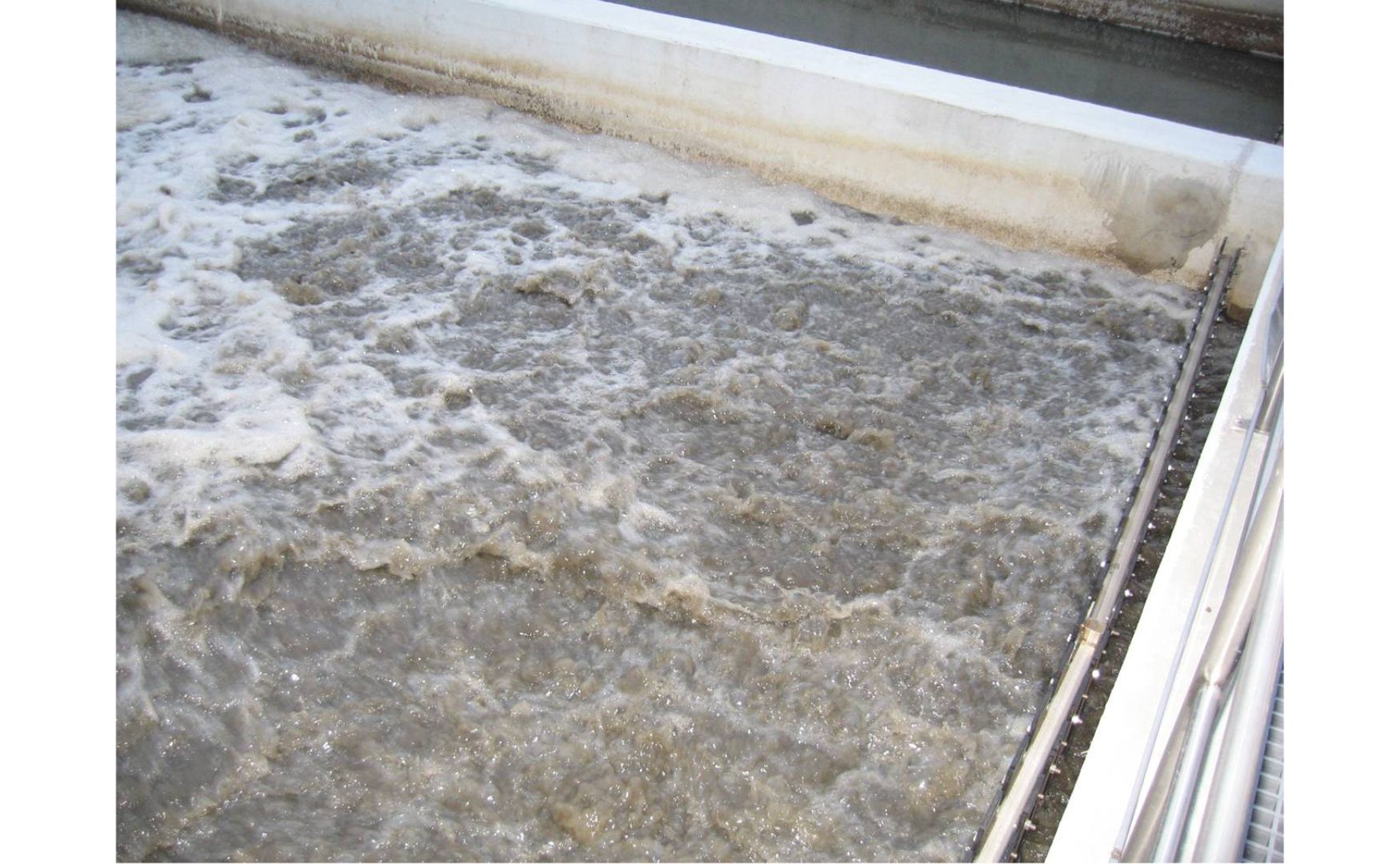
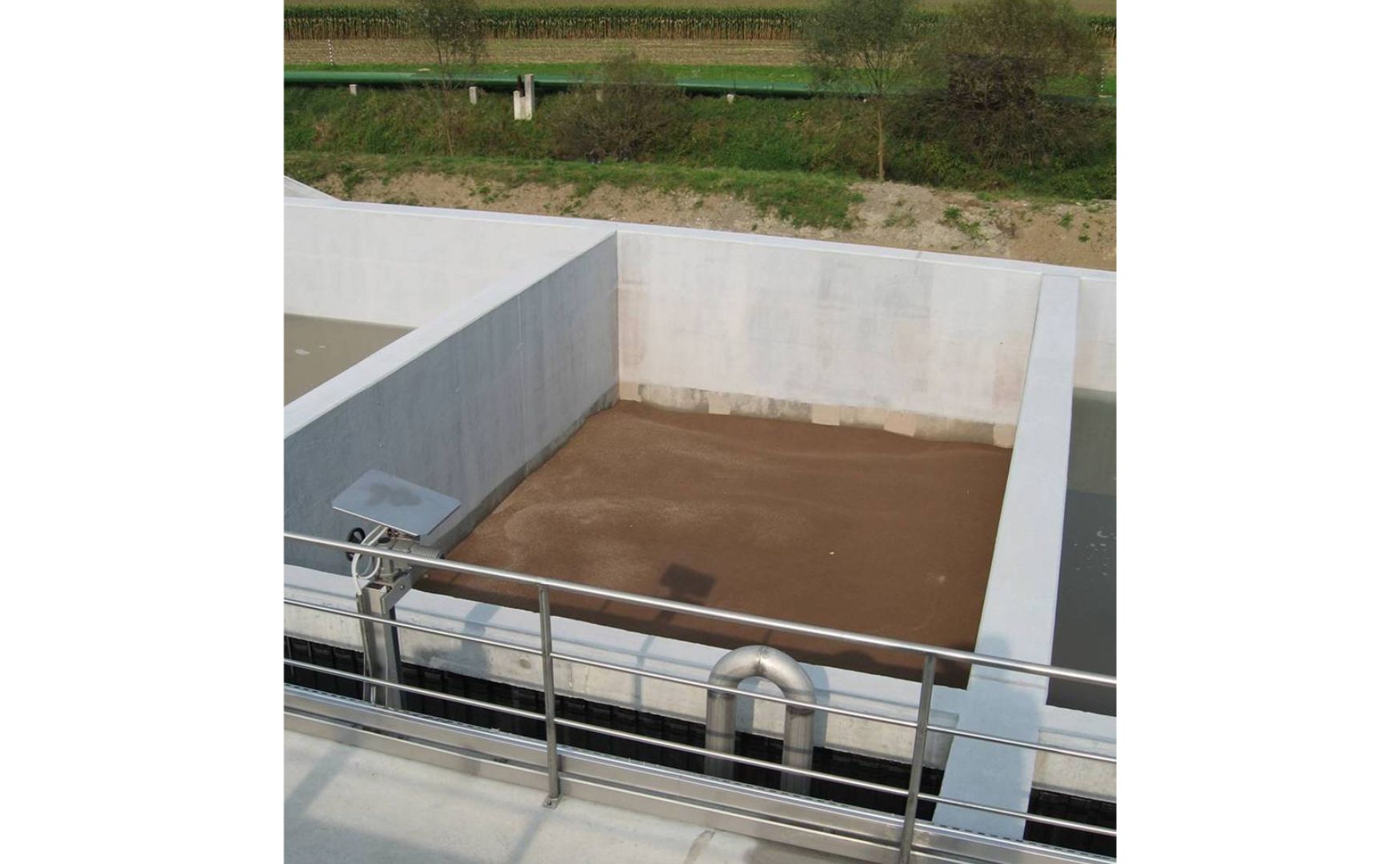
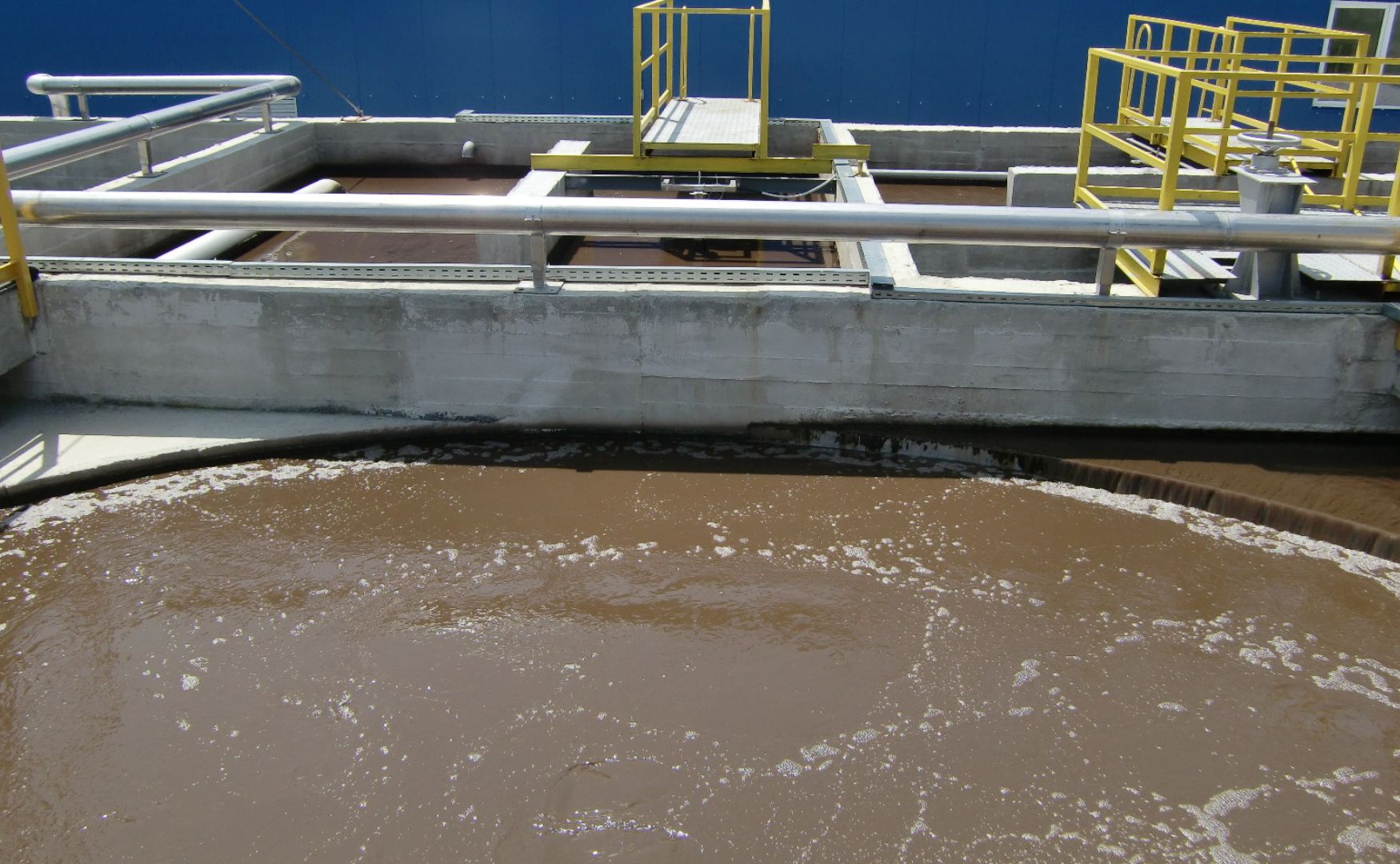
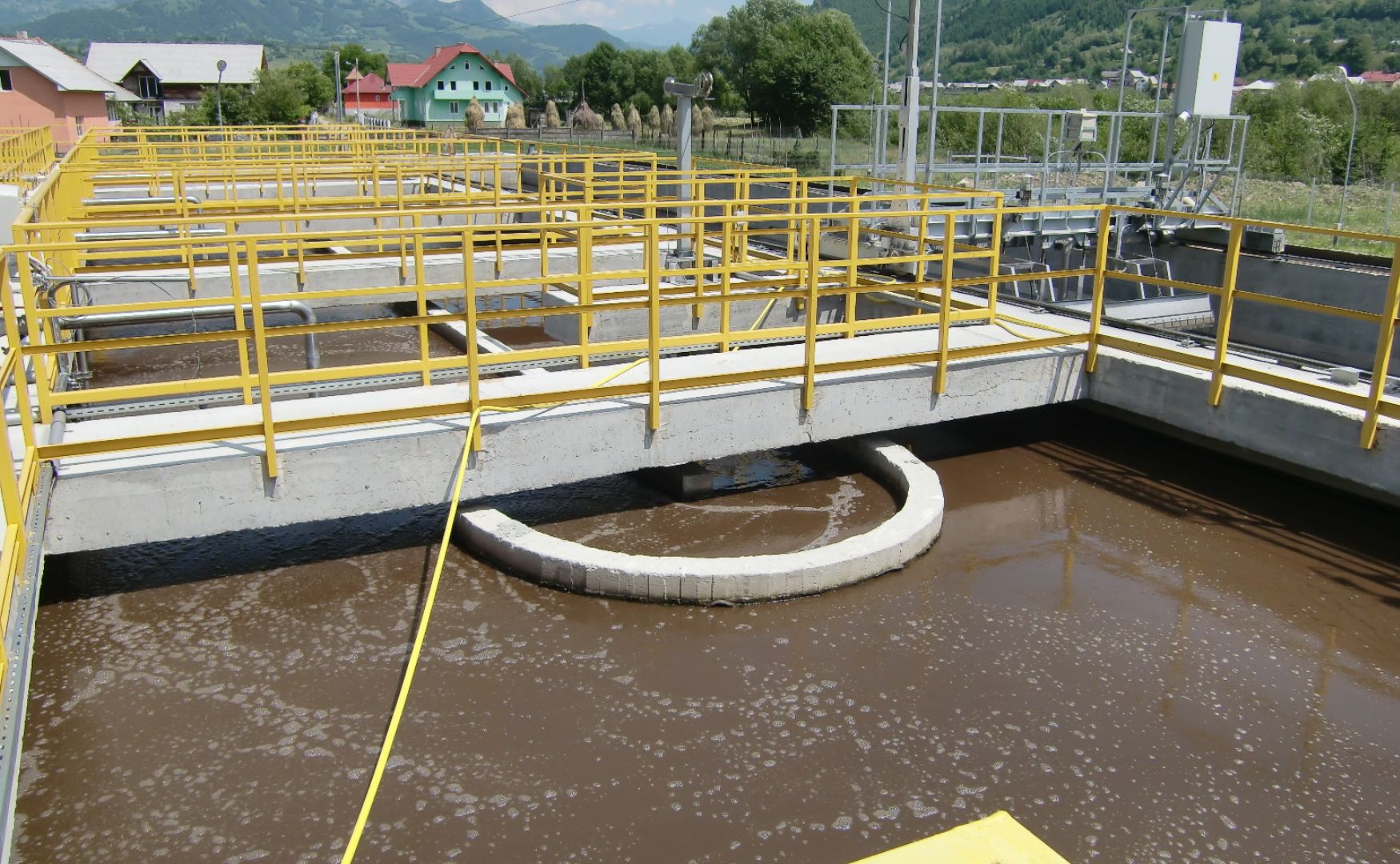
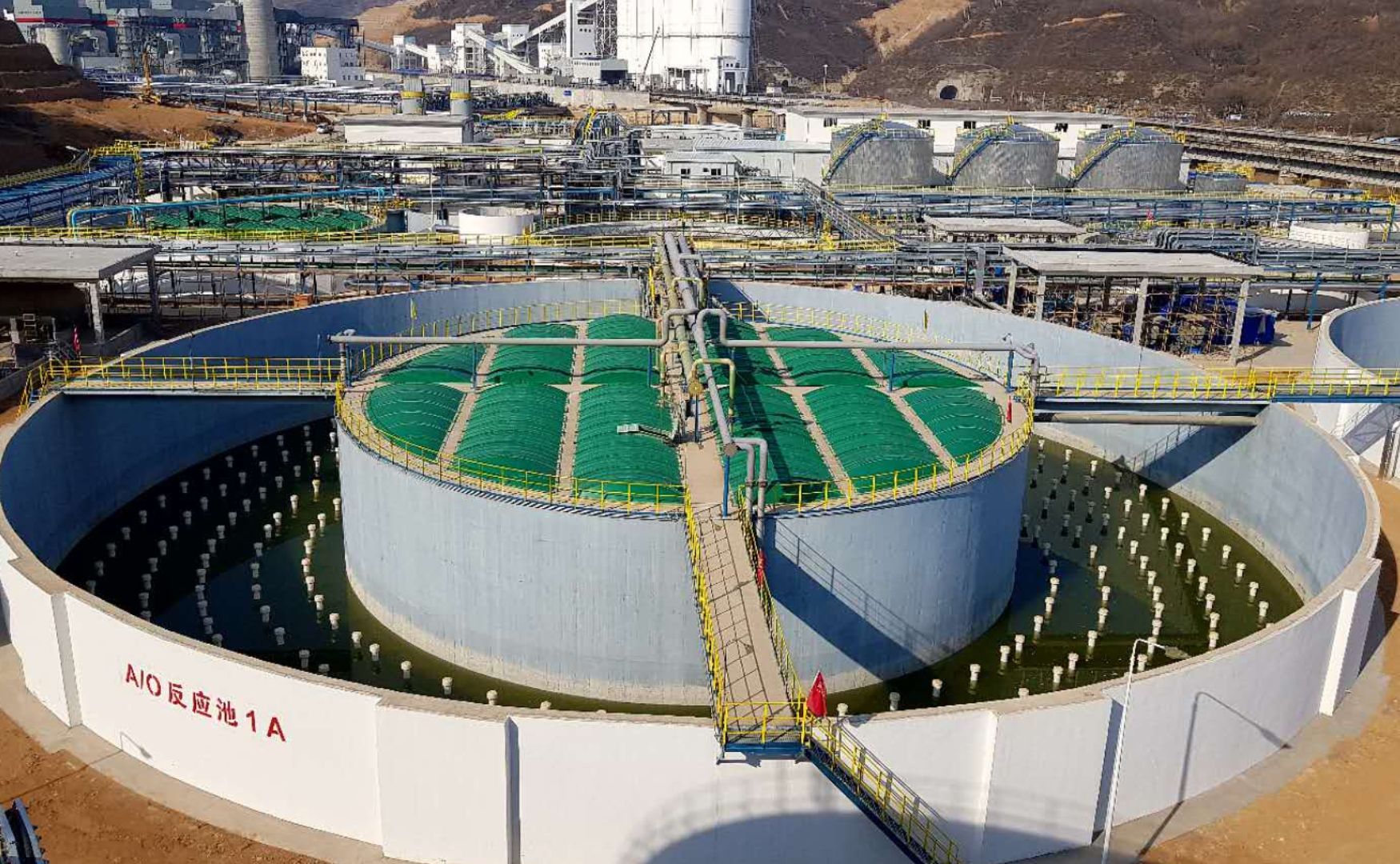
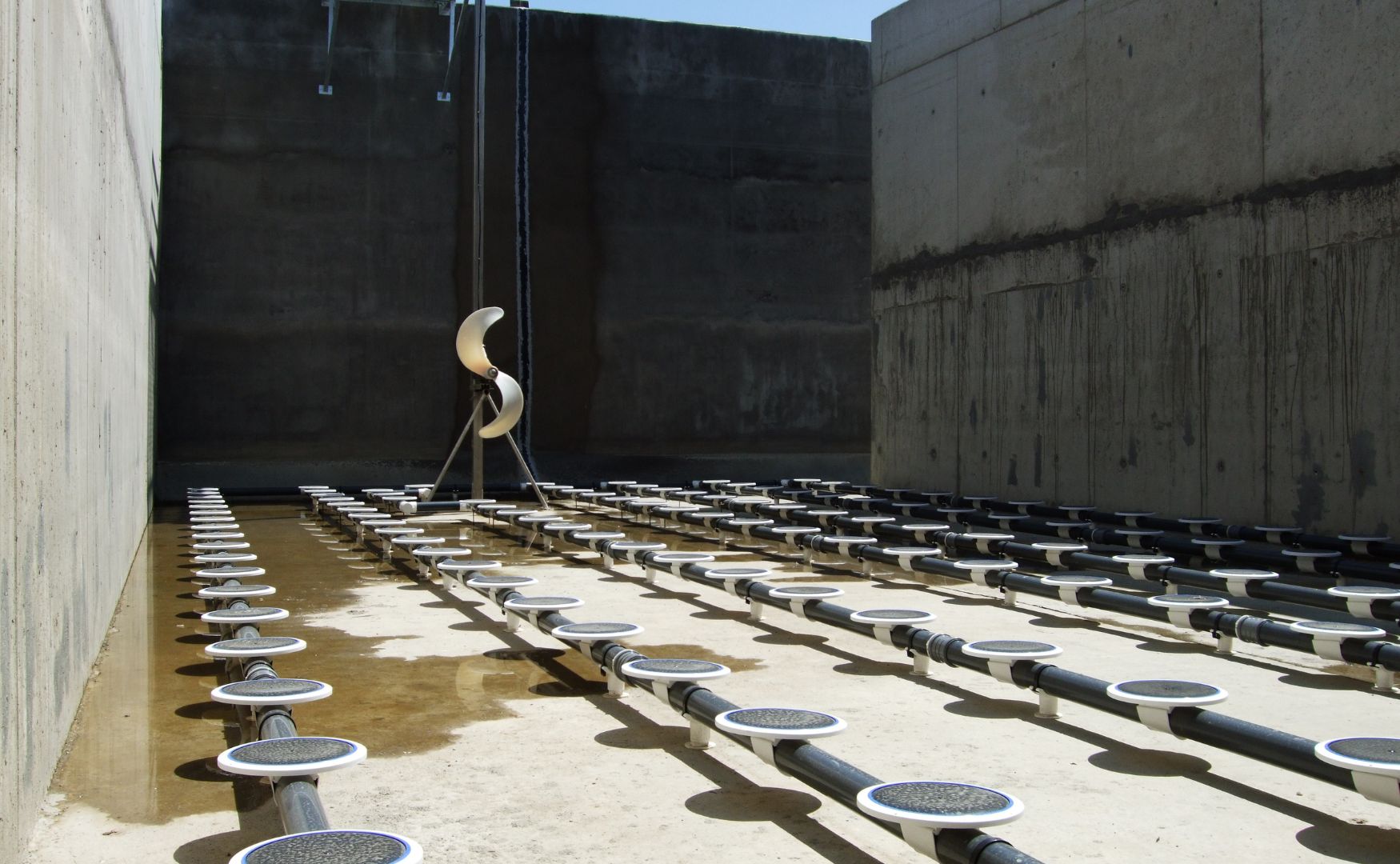
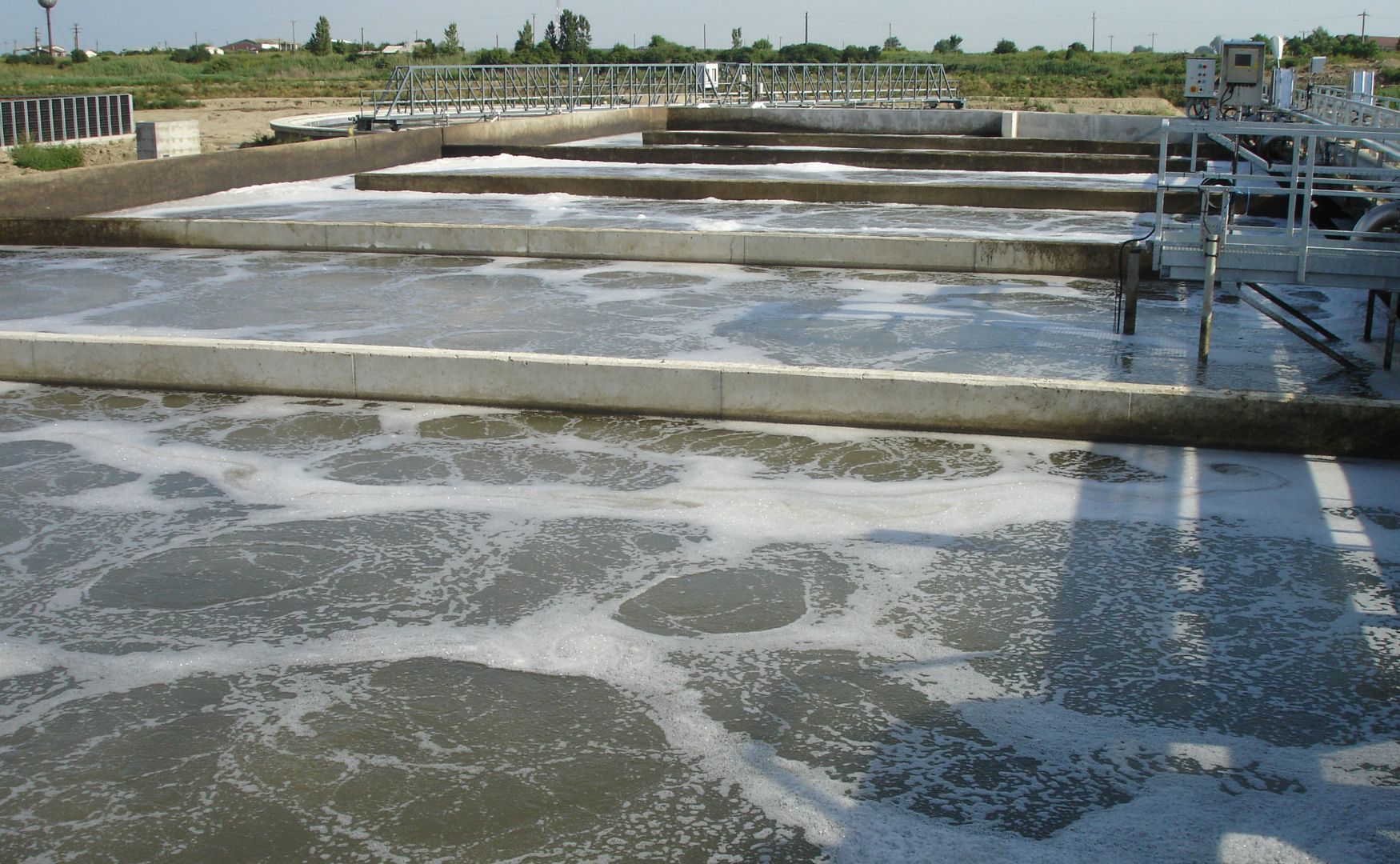
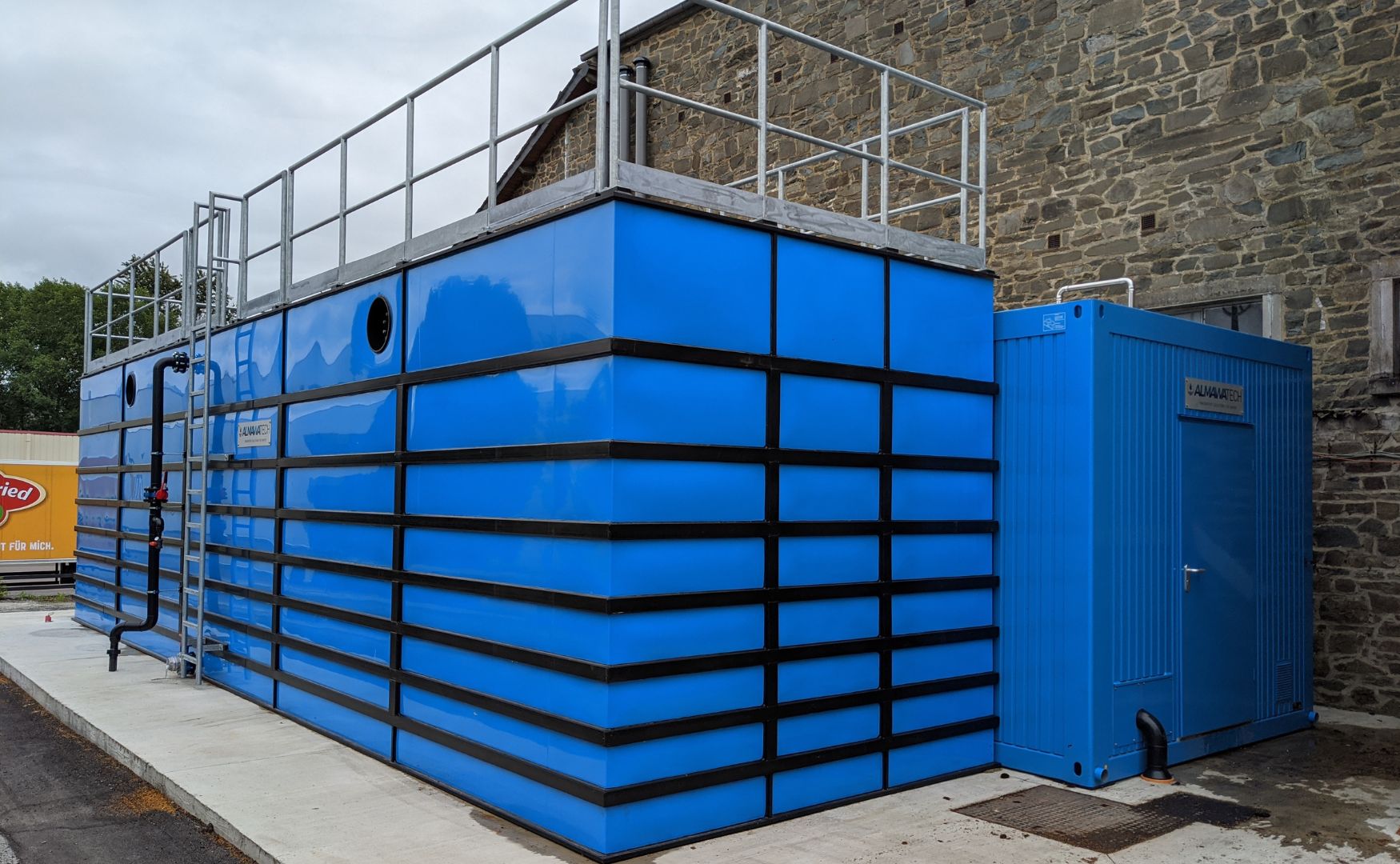
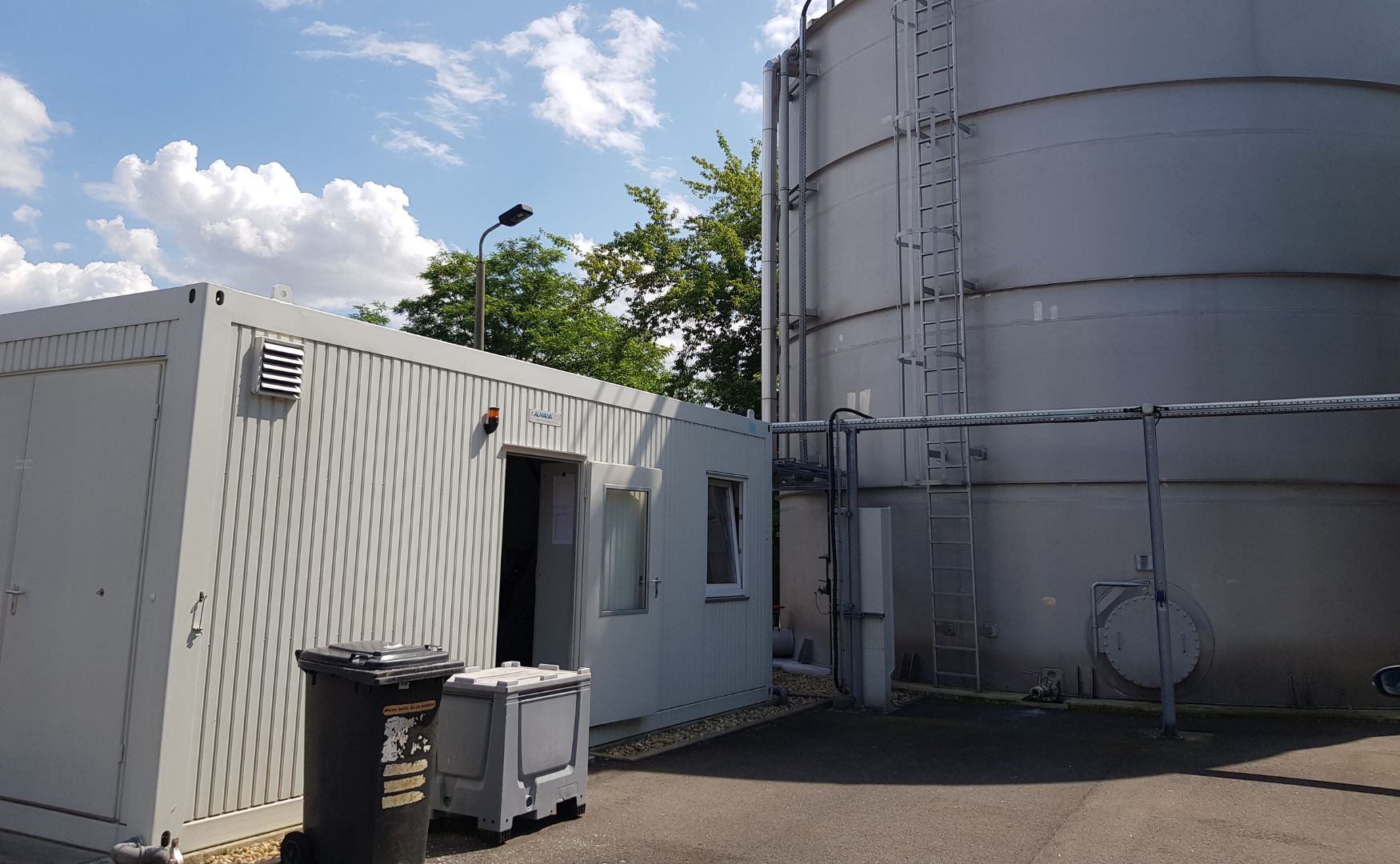
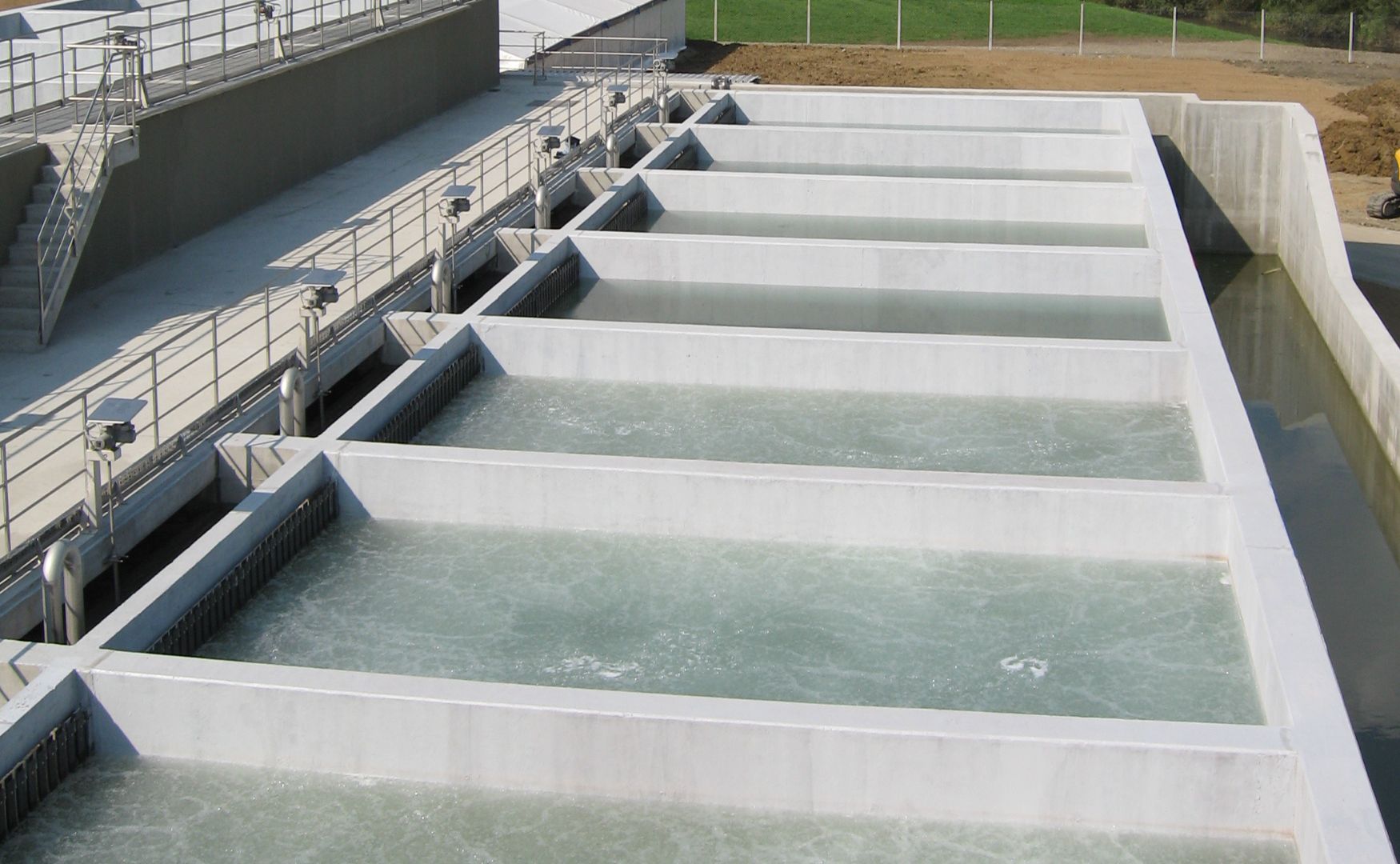
Photos of aerobic wastewater treatment plants

Frequently Asked Questions About Aerobic Wastewater Treatment Systems

In aerobic biological wastewater treatment, microorganisms use oxygen to break down biodegradable organic matter in the wastewater. Depending on the process configuration, ammonium can also be nitrified and nitrogen removed through anoxic denitrification.

This depends on the wastewater composition, load, flow rate, and effluent requirements. For example, SBR is well-suited for fluctuating or intermittent wastewater flows, while MBBR is a compact biofilm technology, and MBR is particularly suitable when effluent requirements are high.

In an SBR, biological treatment and sedimentation occur sequentially within a single reactor. In an MBBR, the biomass grows on movable carriers. An MBR combines biological treatment with membrane filtration to separate solids.

Yes. Processes such as SBR or MBBR can be specifically designed to handle fluctuating hydraulic and organic loads. However, the actual load profiles and potential production peaks are the decisive factors.

Pre-treatment may be necessary if the wastewater contains high levels of solids, grease, heavy metals, or other biologically inhibitory substances. Depending on the application, screening, flotation, neutralization, or physicochemical treatment may be performed as preliminary steps.

Yes. Depending on the tank geometry and treatment objective, existing biological treatment systems can be expanded, for example, by adding additional biofilm stages, MBBR carriers, biofiltration, or additional reactor lines.

Temperature has a significant impact on the activity and growth rate of microorganisms. Nitrification, in particular, is sensitive to low temperatures, which is why temperature must be taken into account when sizing the system.

Yes. Aerobic biological treatment can be a key component of water reuse concepts. In particular, MBR and biofiltration systems can be used as a biological pretreatment stage prior to further membrane processes such as ultrafiltration or reverse osmosis.

Our Anaerobic Wastewater Treatment Plants

Have wastewater data reviewed

dominik_hoffmann_almawatech

Dominik Hoffmann

Head of Project Development

maksim_neuabauer_almawatech

Maksim Neubauer

Head of International Project Development