Lipophilic substances are compounds that prefer to dissolve in hydrophobic (water-insoluble) environments such as fats, oils or organic solvents. The term "lipophilic" is derived from the Greek and means "fat-loving". Typical lipophilic substances include hydrocarbons, fat-soluble vitamins (e.g. vitamins A, D, E, K), as well as certain pesticides and pharmaceuticals.
Table of contents
Chemical properties and structure
Lipophilic substances are characterized by low polarity and a hydrophobic molecular structure. Their structure often has long hydrocarbon chains or aromatic rings, which give them their low solubility in water. Due to these properties, they tend to accumulate in organic phases or at water/oil interfaces.
Significance and challenges in water treatment
Lipophilic substances pose a particular challenge in industrial water and wastewater treatment. Their low solubility in water means that they are difficult to remove using conventional, water-based treatment processes. In addition, they are often difficult to biodegrade and can have toxic effects on aquatic organisms.
Sources of lipophilic substances in industrial wastewater
- Mineral oil and petrochemical industry: Wastewater often contains hydrocarbons such as petrol, diesel or lubricants.
- Food industry: Fats and oils from the production and processing of food.
- Pharmaceutical industry: drug residues, especially fat-soluble drugs.
- Textile and leather industry: Use of hydrophobic chemicals such as softeners and dyes.
- Surface coating industry: solvents and additives.
Process for removing lipophilic substances
1. grease separator
Grease separators are often used as the first stage in wastewater treatment to separate lipophilic substances such as oils and fats. The wastewater is treated mechanically in order to utilize the differences in density between water and lipophilic substances.
2. flotation plants
In chemical-physical plants, such as the ALMA NeoDAF, dissolved air flotation is used to remove the finest oil and grease particles. In this process, the wastewater is permeated with fine air bubbles that adhere to the hydrophobic particles and drive them to the surface.
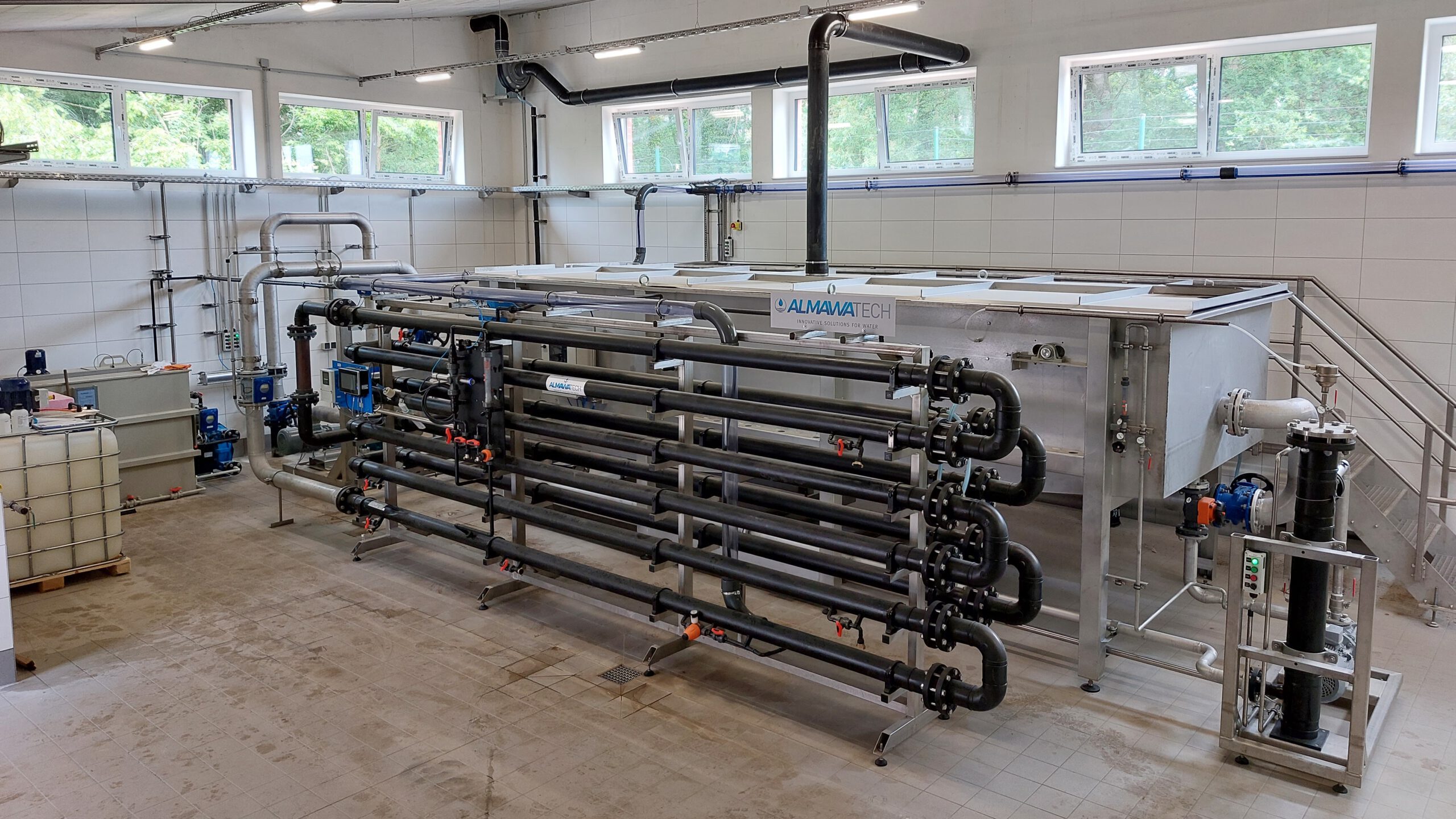
Photo: Our ALMA NeoDAF flotation system with load-proportional precipitant dosing
3. activated carbon adsorption
Lipophilic substances such as pesticides and aromatic compounds can be effectively removed by adsorption on activated carbon. The large specific surface area and hydrophobic properties of activated carbon enable a high absorption capacity.
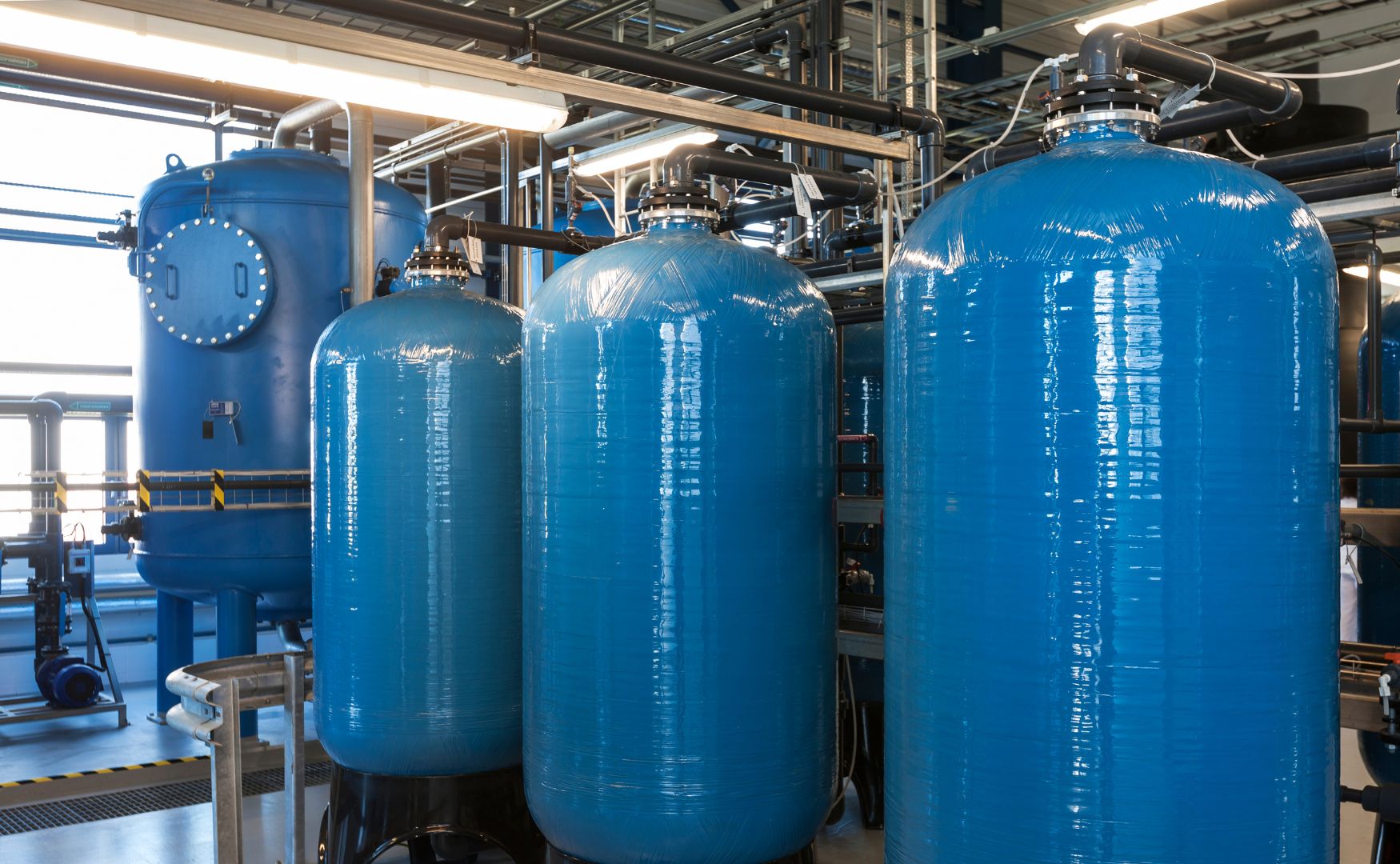
Photo: Our ALMA FIL AK activated carbon filters for industrial applications
4. membrane process
Membrane technologies such as ultrafiltration and nanofiltration provide physical barriers that retain lipophilic substances from the water. These processes are often used for post-treatment to remove residual impurities.
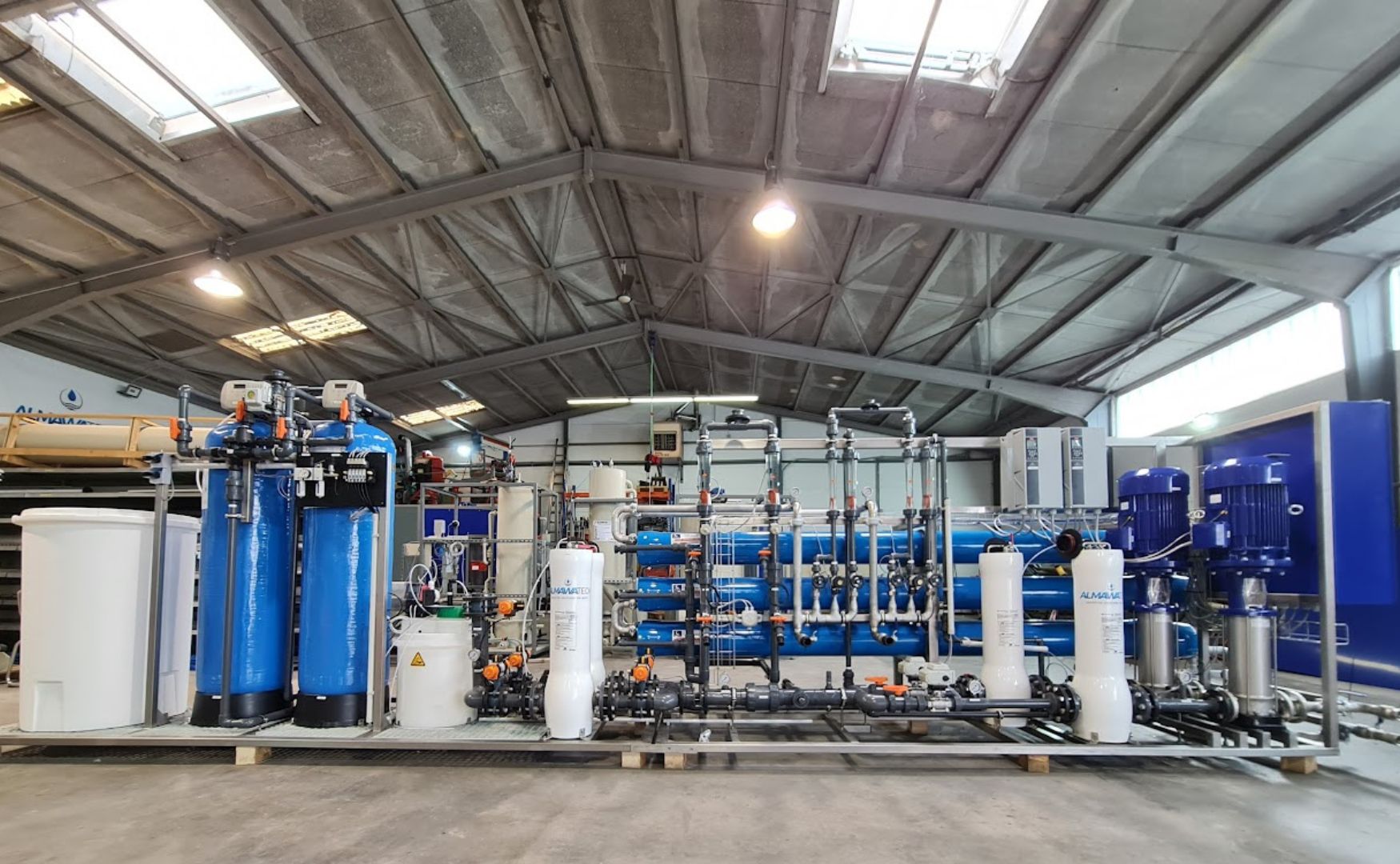
Photo: Our ALMA OSMO Process reverse osmosis system with water softener and pre-filtration
5. biological processes
Some microorganisms can break down lipophilic substances under anaerobic or aerobic conditions. Biofiltration and Moving Bed Biofilm Reactor (MBBR) are particularly suitable for biodegrading organic lipophilic compounds.
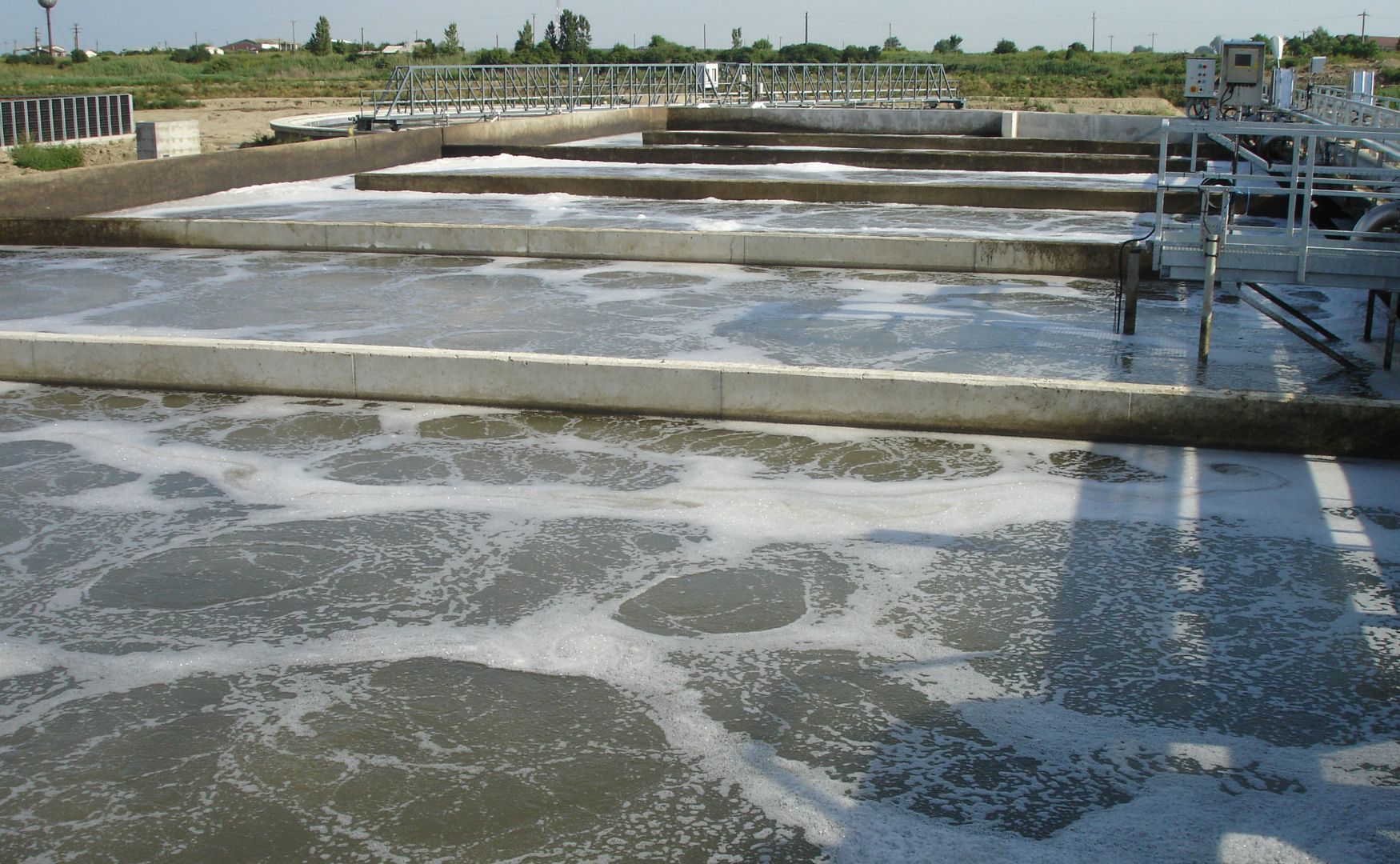
Photo: 3D design of our ALMABioFil Compact biofiltration system
Environmental impact and legal requirements
Lipophilic substances can accumulate in the environment and endanger both aquatic ecosystems and human health. Due to their persistence and toxicity, certain compounds such as polychlorinated biphenyls (PCBs) or polycyclic aromatic hydrocarbons (PAHs) are subject to strict limits in accordance with the EU Water Framework Directive and the Waste Water Ordinance.
Conclusion
The effective treatment of lipophilic substances requires a combination of mechanical, chemical-physical and biological processes. With technologies such as grease separators, flotation systems and membrane processes, ALMAWATECH offers customized solutions to remove lipophilic substances from industrial wastewater and ensure compliance with legal requirements.
For further information on our products, please feel free to contact us at any time!