Total nitrogen (TN) refers to the sum of all nitrogen-containing compounds in a water or wastewater stream. This includes organically bound nitrogen, ammonium (NH₄⁺), nitrite (NO₂-) and nitrate (NO₃-). Nitrogen is an essential nutrient, but in high concentrations it can have eutrophying effects that lead to an overgrowth of algae and a deterioration in water quality.
Table of contents
Nitrogen forms and their significance
Organically bound nitrogen
This is present in proteins, amino acids and other organic molecules. It is biodegradable and is broken down as part of biological wastewater treatment.Ammonium (NH₄⁺)
Ammonium is formed through the ammonification of organic nitrogen. It is often found in wastewater after anaerobic processes and is toxic to fish and other aquatic organisms in high concentrations.Nitrite (NO₂-)
Nitrite is formed as an intermediate product of nitrification. It is an indicator of incomplete conversion processes and has a high toxicity.Nitrate (NO₃-)
Nitrate is the end product of nitrification. In high concentrations, it can cause eutrophication in bodies of water and poses a health risk, especially for drinking water.
Relevance in industrial wastewater treatment
Industrial processes, such as the food, chemical and metal industries, produce wastewater with elevated nitrogen levels. These must be treated to permissible levels before being discharged into the environment. Compliance with the legal limits is mandatory in accordance with the Waste Water Ordinance.
Treatment methods for the reduction of total nitrogen
1. biological processes
- Nitrification and denitrification: In a multi-stage process, ammonium is first oxidized to nitrate (nitrification) and then reduced to elemental nitrogen (N₂) under anoxic conditions (denitrification).
- Activated sludge process: Often used for nitrogen removal in municipal and industrial wastewater treatment plants.
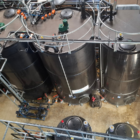
- Biofiltration systems: Systems like ALMA BHU BAF enable targeted elimination of nitrogen compounds and protect downstream reverse osmosis systems.
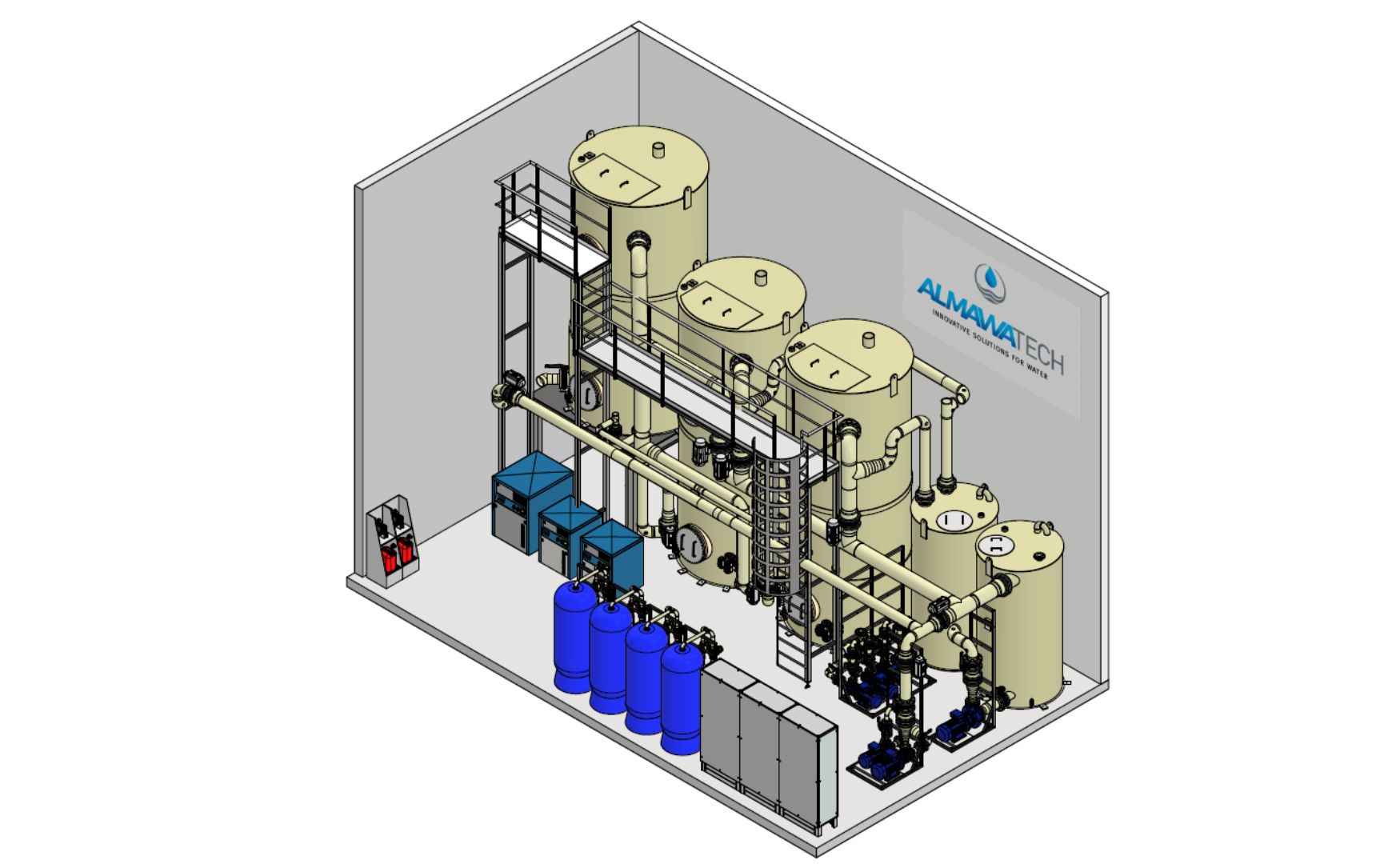
Photo: 3D design of our ALMA BioFil Compact biofiltration system with nitrification and denitrification
2. chemical-physical processes
- Ammonia stripping: By increasing the pH value and aeration, ammonia is removed from the water.
- Ion exchange: selectively removes ammonium and nitrate ions from the wastewater flow.
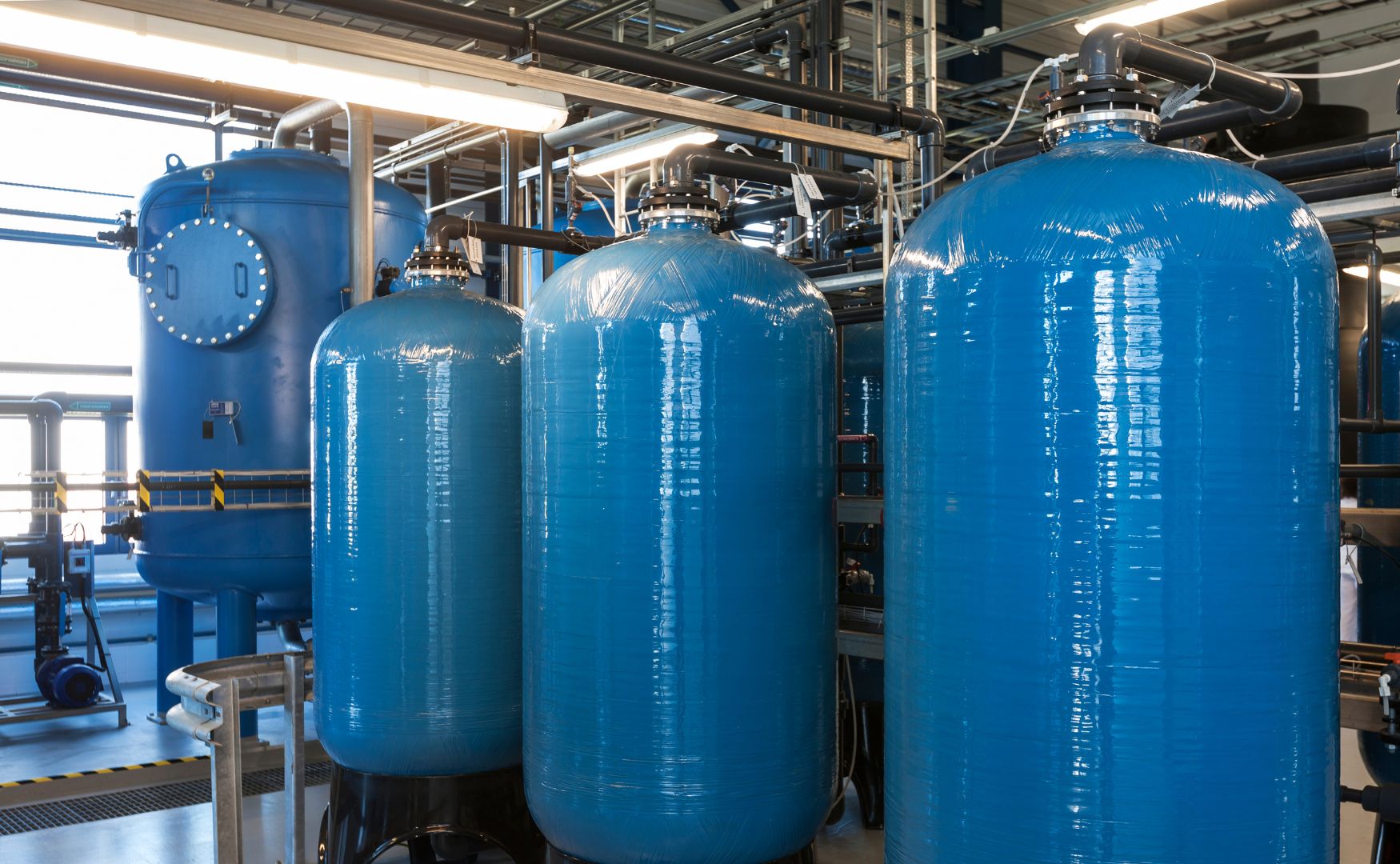
Photo: Our ALMA ION ion exchanger system for industrial applications
3. membrane process
Reverse osmosis and nanofiltration provide a physical barrier against nitrogen compounds and effectively reduce them.
4. advanced oxidation processes (AOPs)
For the treatment of poorly degradable organic nitrogen compounds.
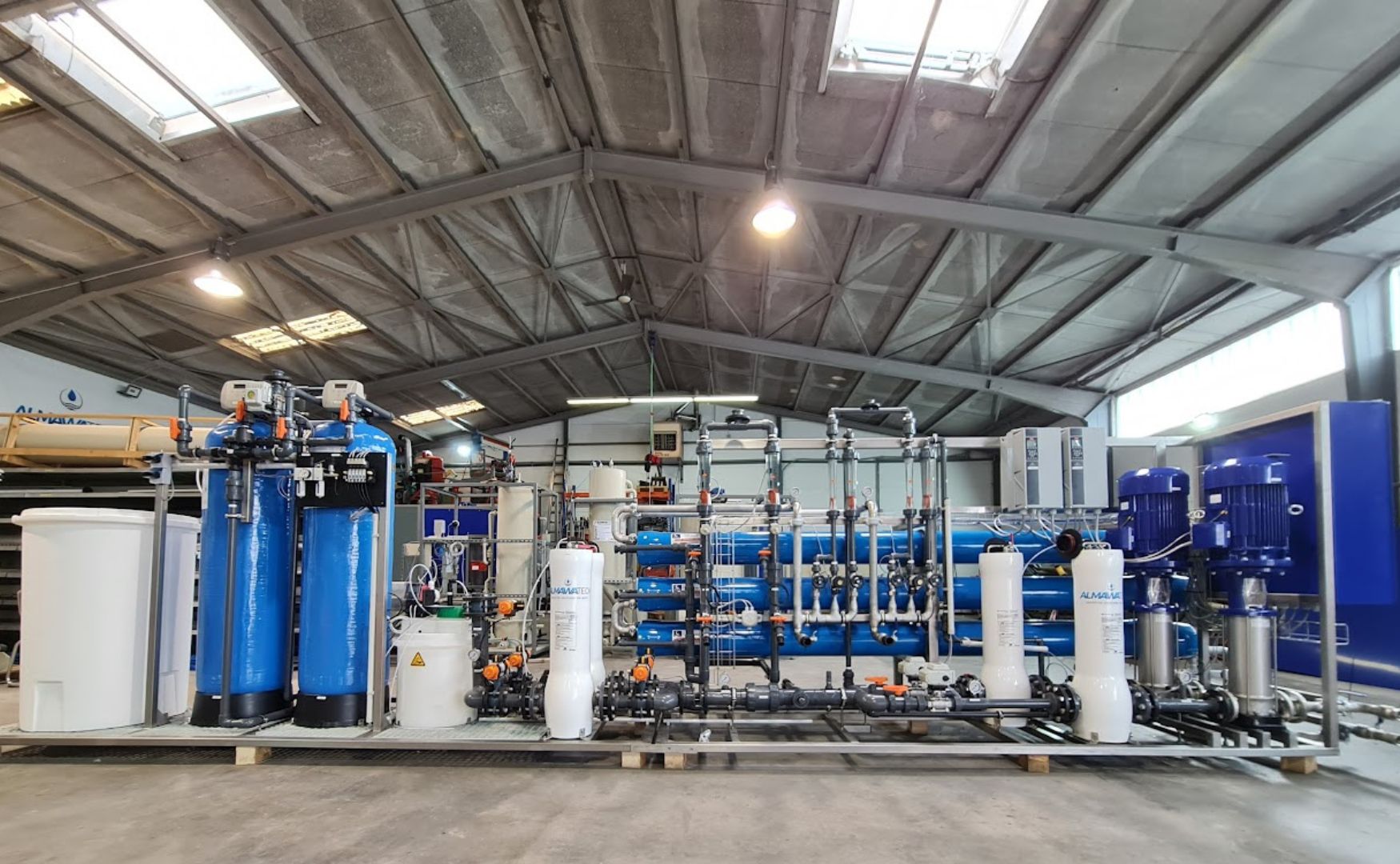
Photo: Our ALMA OSMO Process reverse osmosis system with water softener and pre-filtration
Legal requirements and monitoring
Total nitrogen is a key parameter in water and wastewater treatment. The limit values vary depending on the discharge conditions and industry sector. Monitoring is carried out continuously using online measuring systems that enable precise control and optimization of the treatment processes.
Conclusion
The reduction of total nitrogen is essential for water protection and compliance with legal requirements. With a combination of biological, chemical-physical and membrane-based processes, ALMAWATECH offers customized solutions for nitrogen reduction in industrial wastewater. Our technologies support environmentally friendly and economical water treatment that meets the requirements of various industries.
For further information on our products, please feel free to contact us at any time!