Surface coating is an essential component of numerous industrial processes and is used in a wide range of industries. It is used to improve material properties such as corrosion protection, wear resistance, decorative appearance and chemical resistance. Various technologies and materials are used, such as paints, electroplated coatings, powder coatings or PVD (physical vapor deposition) coatings.
A key issue in connection with surface coating is the treatment of the resulting waste water and process solutions. These are often contaminated with heavy metals, organic solvents and other pollutants and require specialized processes for cleaning and reuse. This article explains the practice of surface coating, the industries and companies involved and the water and wastewater treatment in detail.
Table of contents
Industries and companies that use surface coating
Surface coating is of central importance in numerous branches of industry. Each industry has specific requirements for coatings, which in turn require different processes and materials.
1st automotive industry
Applications
Surface coating plays a crucial role in the automotive industry in order to meet the high requirements for durability, corrosion protection and visual quality. A frequently used process is cathodic dip coating (CDC), in which body parts are evenly coated with a protective layer to prevent corrosion. Decorative coatings are used for trim strips, emblems or wheel rims, where the focus is not only on protection but also on aesthetics. Protective coatings are applied to aluminum or plastic components to increase their resistance to chemical and mechanical stresses.
Challenges
Pre-treatment, for example using phosphating baths, leads to high volumes of wastewater containing heavy metals and oil residues. These must be treated in so-called CP plants or flotation plants in order to ensure compliance with legal limits. In addition, the removal of process chemicals and emulsions requires careful planning of wastewater treatment, as residues in the wastewater can impair the operation of downstream systems.
2. aerospace industry
Applications
Surface coatings are indispensable in the aerospace industry, as the materials used are exposed to extreme environmental conditions such as high temperatures, moisture and corrosive media. Hard anodizing or chromating are often used to make aluminium components more resistant to wear and corrosion. For lightweight components that require high strength and low weight, special protective coatings are applied to extend the service life of the material.
Challenges
The use of highly reactive chemicals such as chromium(VI)-containing compounds represents a significant environmental burden. The wastewater is often highly contaminated and requires multi-stage treatment processes, including precipitation, neutralization and filtration. In addition, the strict environmental regulations are a challenge for the operation of coating plants, especially with regard to the safe disposal of residues.
3. electronics industry
Applications
In the electronics industry, electroplated coatings are often used to coat printed circuit boards with copper, tin or gold. These thin metal films improve electrical conductivity and protect the components from oxidation. Protective coatings are also applied to prevent moisture and electrical interference, particularly in the case of sensitive components such as microprocessors.
Challenges
The wastewater from electroplating processes contains high concentrations of heavy metals such as copper and nickel. These must be removed using complex ion exchange systems or precipitation processes. The wastewater also contains organic solvents and additives, which present an additional challenge.
4. construction and architecture industry
Applications
Powder coatings are frequently used in the construction and architecture industry for façade elements, window frames and steel beams. These coatings not only provide corrosion protection, but also contribute to the visual design. Robust anti-corrosion coatings are essential for steel structures in bridges or high-rise buildings in order to increase the service life of the structures.
Challenges
The wastewater contains residues of powder coatings, color pigments and binding agents that are produced in spray booths and cleaning processes. These particles must be removed by filtration or chemical treatment to ensure compliance with wastewater regulations. In addition, fluctuations in the composition of the wastewater can impair the efficiency of the treatment plants.
5. furniture and wood processing industry
Applications
In the furniture and woodworking industry, lacquers are applied to wooden surfaces to fulfill both a decorative and protective function. High-quality lacquers give kitchen components or pieces of furniture an attractive appearance and provide better protection against moisture, dirt and mechanical influences. Wood veneers and laminate are also made more durable with special coatings.
Challenges
The wastewater often contains organic solvents and color pigments that are difficult to break down using conventional biological processes. Treatment requires treatment in flotation plants in order to remove the pollutants. In addition, the safe disposal of the resulting residues is an important factor in process design.
6. mechanical engineering and metal processing
Applications
Coatings such as galvanizing, nickel plating or hard chrome plating are used in mechanical engineering and metal processing to protect components against corrosion and wear. Powder coatings are used on machine parts or tools to increase their resistance to chemical and mechanical stresses.
Challenges
The rinsing water from electroplating processes contains high concentrations of heavy metals, which must be removed by chemical precipitation in CP systems and filtration. In addition, residues of emulsions and lubricants are often present in the wastewater, which require additional purification steps such as flotation or membrane filtration. Compliance with the strict legal requirements for heavy metals in wastewater poses an additional challenge.
Surface coating process
1. electroplating process
Electroplated coatings use electrochemical processes to deposit metal ions from a solution onto substrate surfaces. Processes such as galvanizing, nickel plating or gold plating are frequently used in the automotive and electronics industries. The resulting wastewater contains heavy metals such as nickel, copper or zinc as well as potentially toxic substances such as cyanides, which have to be treated using multi-stage chemical processes.
2. powder coating
In powder coating, a powdery coating material is electrostatically charged and sprayed onto the surface. The powder is then solidified by heating. During the process, waste water containing particles and organic binders is produced, which is treated by filtration and chemical precipitation.
3. painting process
Liquid paints or varnishes are applied by spraying, dipping or rolling. The resulting cleaning water is often contaminated with organic solvents, color pigments and surfactants. These substances are removed in so-called CP systems.
4. cathodic dip coating (cathodic dip painting)
KTL coating uses electrochemical processes to apply a protective coating to metal surfaces. The waste water contains high concentrations of organic substances and heavy metals, which are removed by flotation systems.
5. PVD and CVD coatings
Thin-film technologies such as PVD (Physical Vapor Deposition) and CVD (Chemical Vapor Deposition) produce extremely thin coatings by physical or chemical vapor deposition. Cleaning the process chambers generates waste water with organic residues that must be treated using physical-chemical processes such as flotation systems or CP systems.
Water and wastewater treatment in surface coating
The treatment of water and waste water in surface coating is crucial to comply with legal requirements, reduce operating costs and protect the environment.
1. mechanical pre-treatment
Mechanical pre-treatment is the first step in wastewater treatment and is used to remove coarse impurities before the subsequent processes take effect.
Screening:
The use of screens efficiently removes coarse particles such as paint residues, powder or other solids from the wastewater. Mechanical screens are particularly suitable for high volumes of wastewater and significantly reduce the load on subsequent treatment steps. Depending on the particle size, different mesh sizes or rotating drum screens are used.Sedimentation:
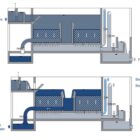
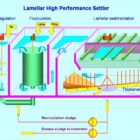
During sedimentation, suspended solids and heavier particles are separated by gravity. Solids settle to the bottom of the clarifier and can be separated as sludge. Sedimentation is particularly suitable for substances that are difficult to dissolve, such as color pigments or metallic residues. Sedimentation aids such as flocculants can be used to optimize the process.
2. chemical treatment
Chemical treatment is an essential step in removing dissolved impurities such as heavy metals or dyes. These processes allow the chemical properties of the wastewater to be manipulated in a targeted manner.
Precipitation and flocculation:
Chemical precipitation is used to remove dissolved heavy metals and dyes from wastewater. By adding precipitants such as iron or aluminum salts, the pollutants are converted into insoluble compounds that can then be removed from the water. To promote particle aggregation, flocculants are used to enable the formation of larger flocs, which can be sedimented or filtered more easily.Neutralization plants:
Precise pH regulation is required to ensure the stability of the wastewater and the effectiveness of subsequent treatment steps. By adding acids or bases, the pH value is adjusted to a neutral level to optimize chemical reactions such as precipitation and minimize corrosive properties of the wastewater.

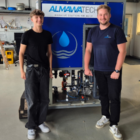
Photo: Our CP system ALMA CHEM MCW for the removal of heavy metals, AOX, hydrocarbons, chromium and cyanides
3. physico-chemical processes
Physico-chemical processes offer an effective way of eliminating dissolved and difficult to remove contaminants from wastewater.
Ion exchange:
This process is used to remove dissolved ions such as nickel, copper or chromium from wastewater. Ion exchange resins selectively bind the unwanted ions and release harmless counter ions such as sodium or calcium. Ion exchange is particularly effective for constant quantities of wastewater with predictable concentrations and allows the treated solution to be reused.Activated carbon filtration:
Activated carbon is a powerful adsorbent that removes organic compounds such as solvent residues, color pigments or surfactants from wastewater. Thanks to its porous structure, activated carbon can bind a wide range of pollutants and therefore helps to purify process water and remove unpleasant odors.
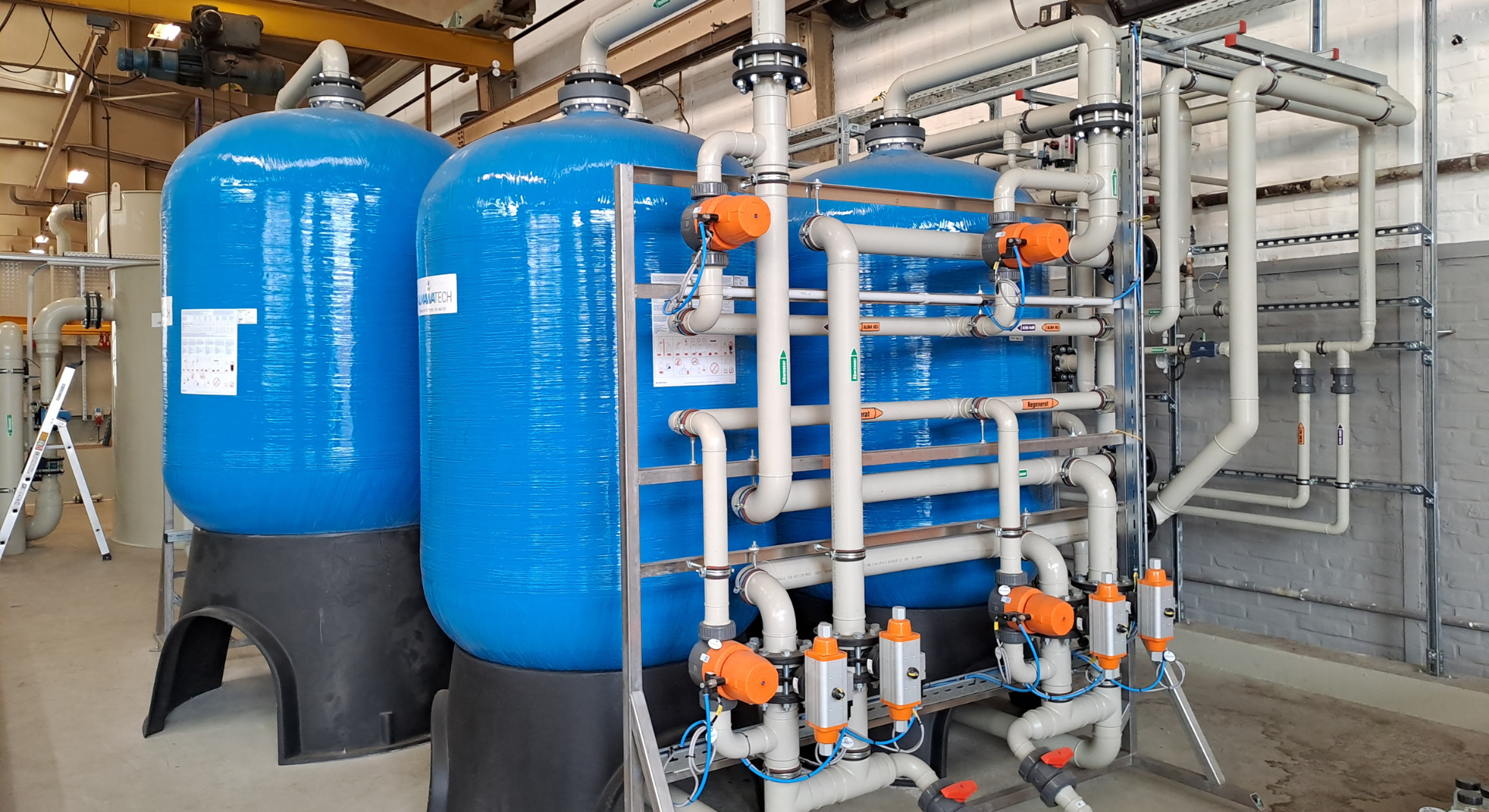
Photo: Our ion exchanger system ALMA ION with upstream activated carbon filtration ALMA FIL AK
4. membrane technologies
Membrane technologies are increasingly being used in water treatment, as they enable physical separation without the use of chemical additives.
- Ultrafiltration (UF):
Ultrafiltration uses semi-permeable membranes to remove emulsions, colloidal substances and macromolecules such as proteins or polymers from wastewater. It is often used as a pre-treatment for other processes and can effectively eliminate oil residues and finely dispersed particles. Ultrafiltration is particularly suitable for wastewater from painting processes and spray booth cleaning.
5. flotation process
- Flotation:
Flotation is a proven technique for separating lighter impurities such as oil or paint particles from wastewater. By introducing fine air bubbles, the particles adhere to the bubbles and rise to the surface where they can be skimmed off as foam. Flotation is a particularly efficient cleaning method for oily wastewater or wastewater with high concentrations of dyes. The use of coagulants and flocculants can further increase the efficiency of flotation.
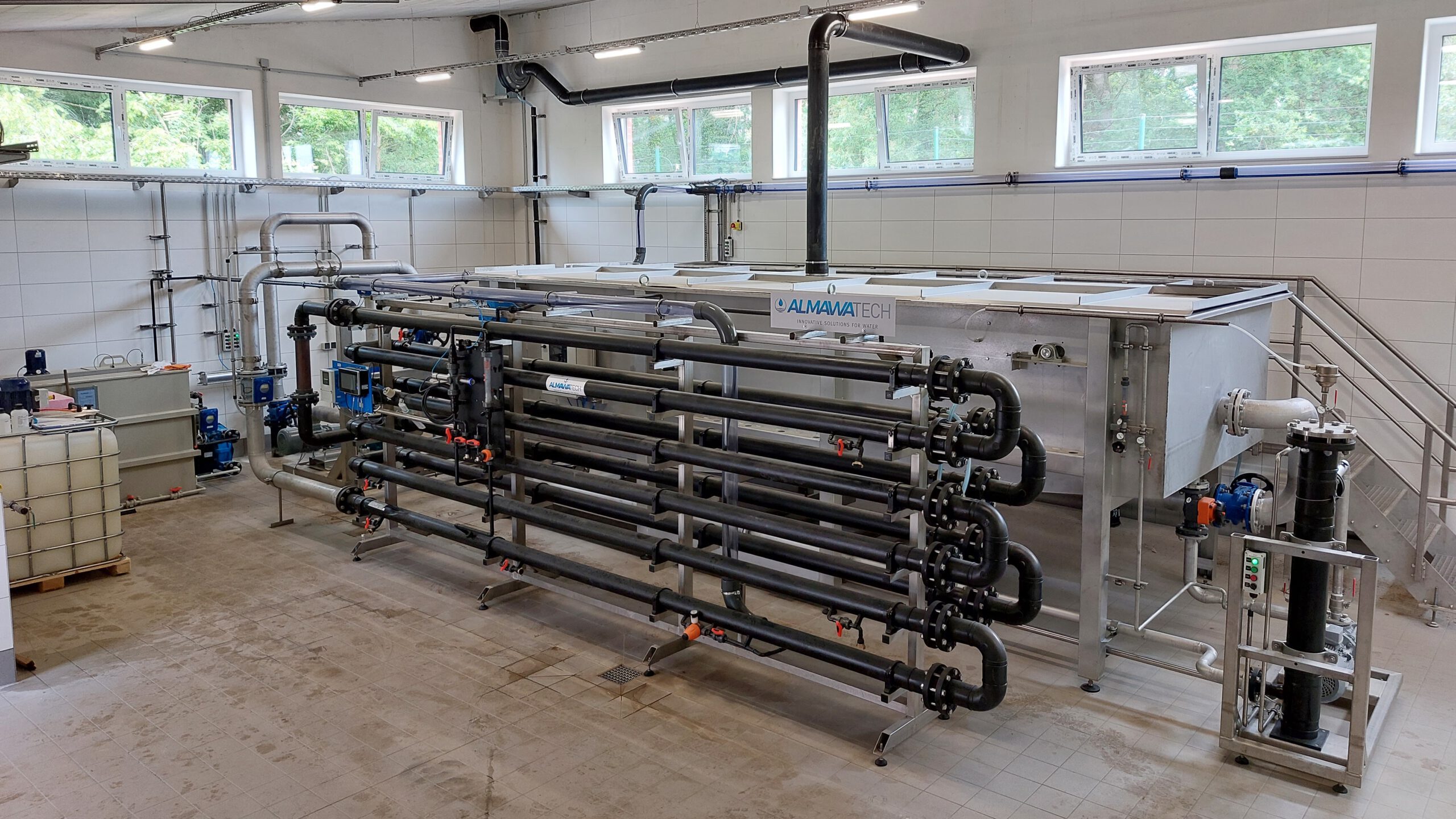
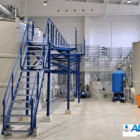
Photo: Our ALMA NeoDAF flotation system with load-proportional dosing of precipitants and flocculants
Conclusion
Surface coating is an essential technology in many industries that places high demands on water and wastewater treatment. From automotive to electronics manufacturing, each industry requires specific solutions to minimize environmental impact and increase operational efficiency. Choosing the right treatment processes - from treatment in CP plants to flotation plants - plays a key role in meeting legal requirements and enabling sustainable production processes.
For further information on our products, please feel free to contact us at any time!