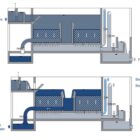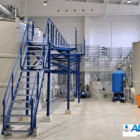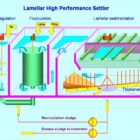

Filterable substances are solid particles and suspended solids that are contained in water or wastewater and can be retained by mechanical filtration processes. These substances include a wide range of particles such as sand, sludge, organic substances, fats, oils and inorganic solids. The filterable solids parameter is a key indicator of the physical contamination of water and wastewater and is often used in wastewater treatment and water purification to evaluate the effectiveness of filtration and purification processes.
Table of contents
Technical background
The determination of filterable substances is usually carried out by gravimetry. A water sample is passed through a standardized filter with a pore size of 0.45 µm. The filtered substances remain on the filter, which is then dried and weighed to determine the amount of solids. This quantity is given in mg/L and is an important parameter for characterizing the contamination of a water system.
Filterable substances can be divided into the following categories:
- Coarse solids: Coarser solids, such as sand or gravel, which settle relatively quickly and can be removed by simple screening or sedimentation.
- Suspended solids: Finer particles that remain suspended in the liquid and must be removed by filtration or flotation.
- Organic and inorganic substances: Filterable substances can be of organic origin (e.g. biomass, fats) as well as inorganic (e.g. mineral solids).
Significance of the parameter for the design of wastewater treatment plants
The quantity and type of filterable substances in wastewater has a major influence on the design of wastewater treatment plants. It largely determines which filtration methods and mechanical separation processes must be used in the plant to ensure effective purification.
1. mechanical pre-cleaning:
Filterable substances are typically removed in the first stage of wastewater treatment - mechanical pre-treatment. This stage includes the use of screens, sieves and grit chambers. A high content of filterable substances requires a robust design of these mechanical treatment stages in order to relieve the subsequent biological and chemical processes. Plants designed for high quantities of filterable substances must include sufficiently dimensioned sedimentation basins or drum screens to efficiently separate the solids.
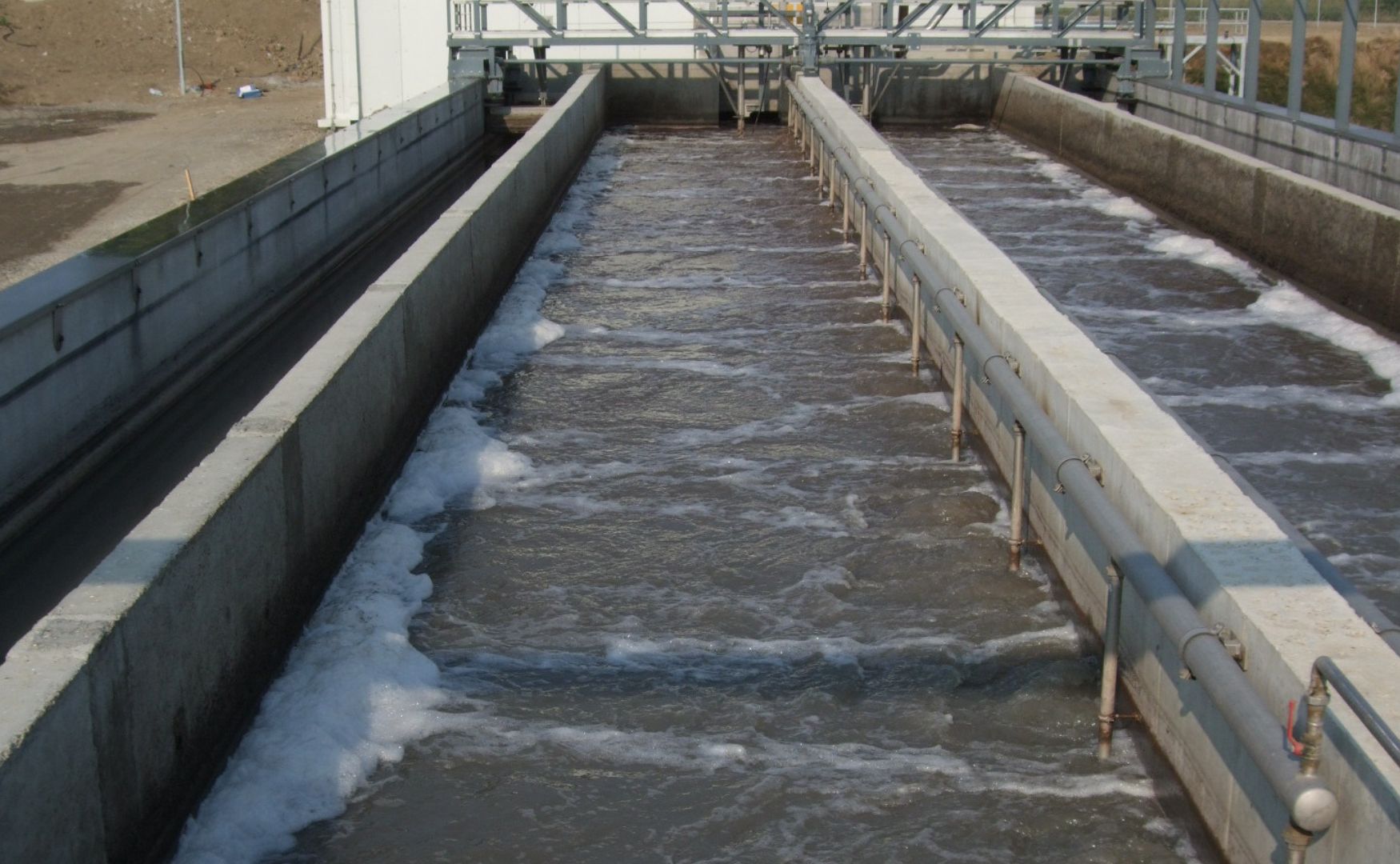
Photo: Example of an aerated grit chamber that removes sedimenting coarse solids as well as floating and fatty substances. The system is part of the pre-treatment of our ALMA BHU BIO system
2. filtration technologies:
Different filtration technologies are used depending on the load of filterable substances in the wastewater:
Multilayer filter:
Coarse filterable substances are often removed by multi-layer filters, gravel filters or sand filters (e.g. our ALMA Fil). These filters have a high retention capacity for suspended solids and are often used in the tertiary treatment stage.
Microfiltration and ultrafiltration:
Fine particles that cannot be completely removed by conventional filtration are treated using membrane processes. Microfiltration and ultrafiltration are able to remove particles down to the micrometer and nanometer range from the water. These processes are particularly important if the wastewater is to be treated for reuse or discharged into sensitive bodies of water.
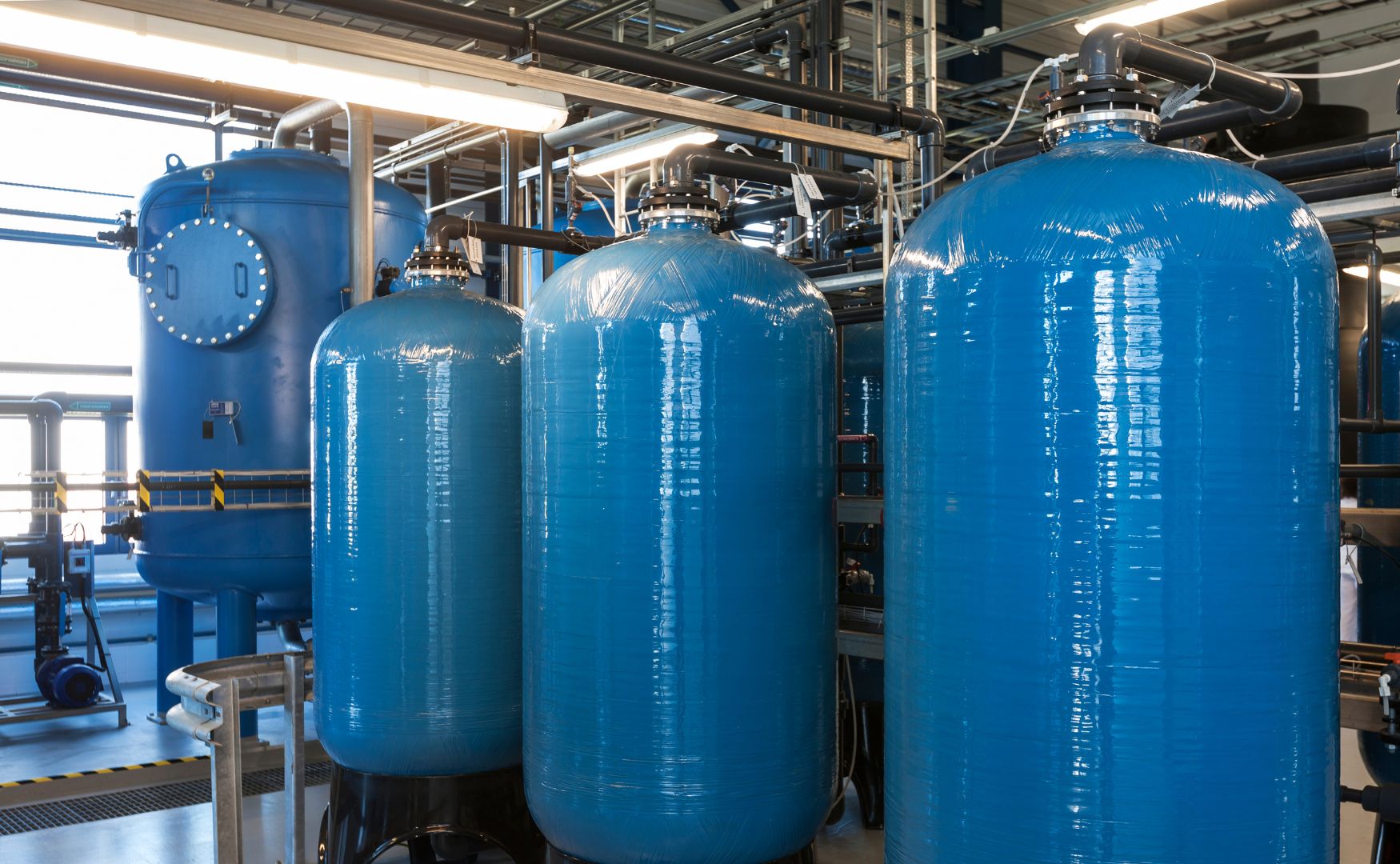
Photo: Multi-layer filter in GRP tanks. The GRP tanks can be filled with different filter materials such as gravel, activated carbon or processed glass(ALMA Fil)
3. flotation:
In flotation , also known as dissolved air flotation, finely dispersed air bubbles are introduced into the wastewater, which adhere to the suspended solids and float them to the surface, where they are skimmed off. This process is particularly suitable for removing greasy or oily-organic particles that float in the wastewater and are difficult to sediment.
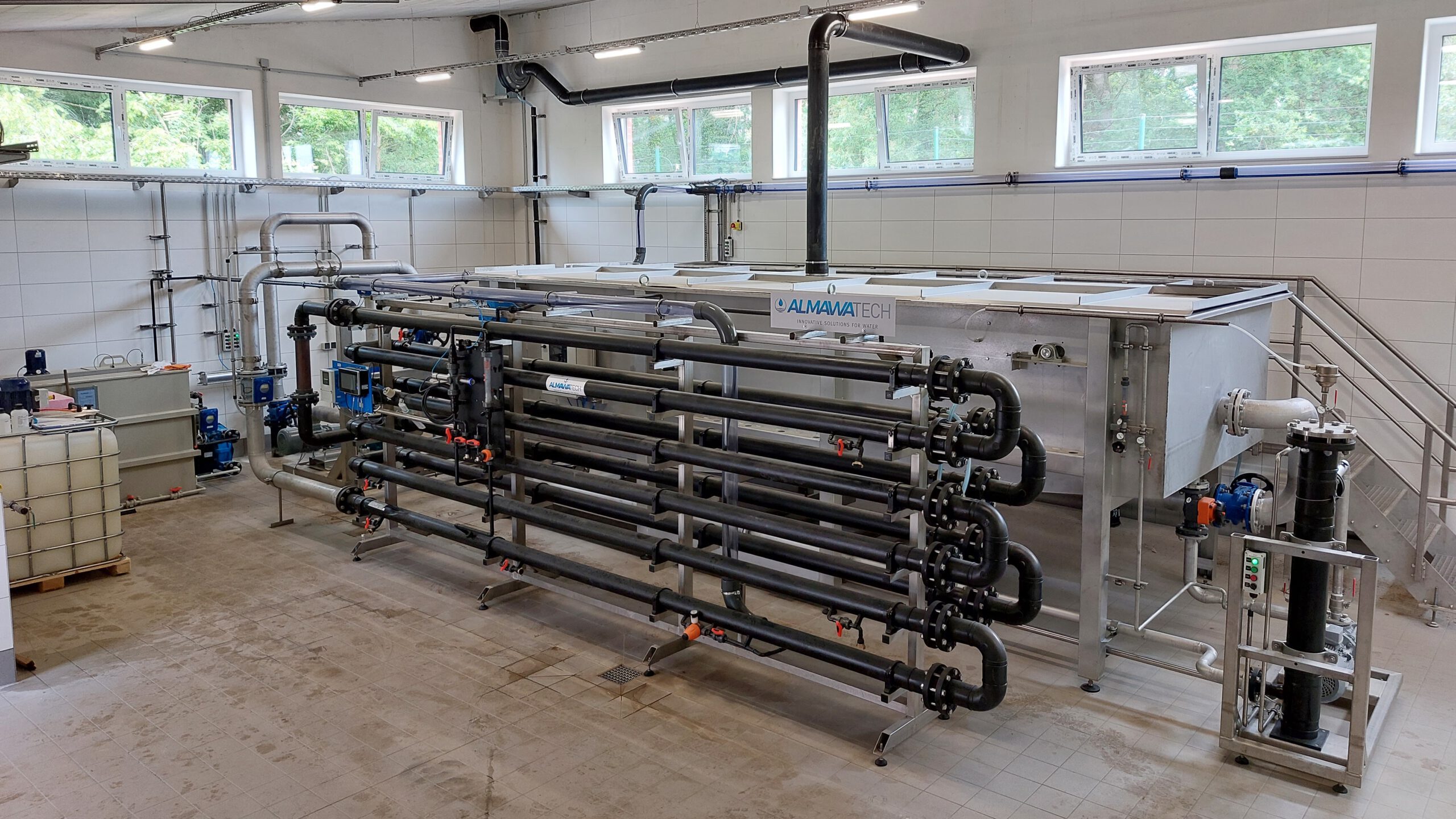
Photo: Dissolved air flotation with tube flocculator for precipitation, neutralization and flocculation of wastewater constituents(ALMA NeoDAF)
4. influence on sludge treatment:
Filterable substances contribute to sludge production, as the separated solids are usually further processed into sludge. A high content of filterable substances increases the amount of primary sludge that needs to be treated in subsequent process steps, such as sludge dewatering and sludge stabilization. Precise knowledge of the content of filterable substances is therefore essential to ensure the correct dimensioning of the sludge treatment equipment in a wastewater treatment plant.
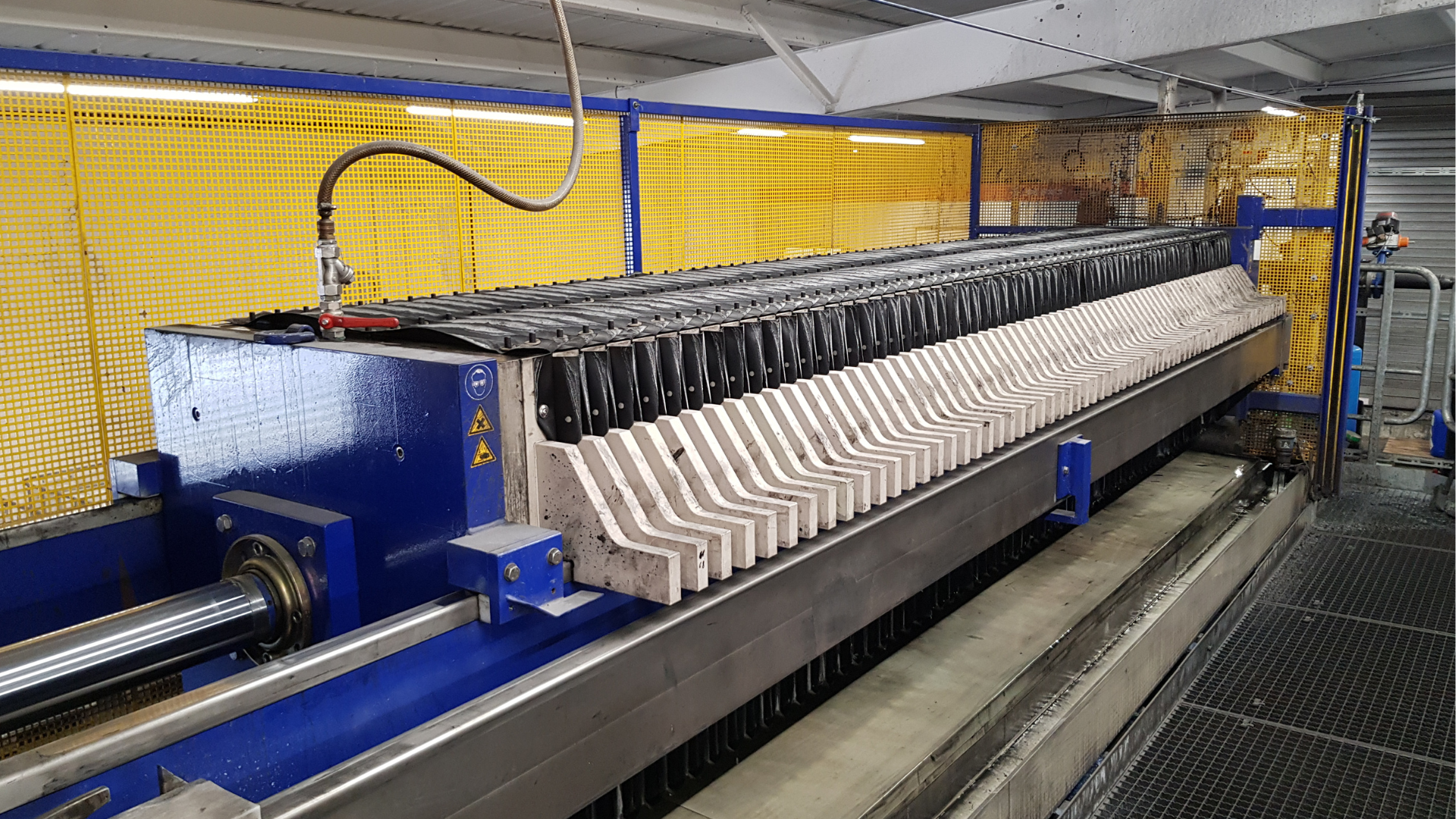
Photo: Sludge dewatering using a chamber filter press(ALMA CFP)
5. tertiary and quaternary stage - removal of micropollutants
In the tertiary and quaternary stages, the wastewater is further purified to remove micropollutants such as pharmaceutical residues, pesticides and hormone compounds. Activated carbon filtration, ozonation or UV treatment are used here. These processes aim to break down the smallest trace substances that remain in the water even after biological and chemical purification.
Photo: Activated carbon filter installed in GRP tanks(ALMA Fil AK)
5. operating costs and energy efficiency:
The higher the content of filterable substances, the more energy and maintenance is required to operate the filtration and separation processes. Regular backwashing and cleaning cycles of the filters are necessary to maintain the efficiency of the system. Therefore, the parameter of filterable substances must also be taken into account in the economic evaluation of the system design and operation.
Practical examples
Food industry: Dairy processing produces large quantities of organic filterable substances such as fats and proteins. These must be removed before biological wastewater treatment in special fat separators and flotation plants to ensure the efficiency of the subsequent purification steps.
Paper industry: Paper production produces large quantities of filterable materials containing fibers. These fibers must be filtered through drum screens and sand filters to prevent blockage of the systems and to ensure the quality of the wastewater before it is discharged into water bodies.
Electroplating industry: The surface treatment of metals produces inorganic solids that are removed by sedimentation or microfiltration from the wastewater. A high proportion of filterable substances can also lead to the avoidance of heavy metal contamination if these are bound to the suspended solids.
Conclusion
Filterable substances play a central role in the design and operation of wastewater treatment plants. The quantity of these solids largely determines which mechanical and physical separation processes must be used and influences the capacities of filtration systems, sludge treatment plants and the overall plant efficiency. A careful analysis of the filterable materials is essential to determine the optimal filtration methods and operating conditions to ensure regulatory compliance and efficient plant operation.