Liquid hazardous waste from industry poses a particular challenge as it often contains highly concentrated pollutants. This waste is generated in numerous industries and differs in terms of its composition and hazardousness. Typical examples are
- Chemical industry: solvents, acid residues, alkalis and reaction residues.
- Metal processing and electroplating: Rinsing water containing heavy metals, emulsions, oil-water mixtures.
- Food and beverage industry: grease separator contents, organic sludge, cleaning water.
- Pharmaceutical industry: production residues, contaminated liquids.
Table of contents
Disposal challenges
The safe disposal of this waste is crucial as it poses environmental and health risks. Disposers must take into account the specific characteristics of the waste in question. These include:
- High hazard potential: Toxic, flammable or corrosive properties.
- Heterogeneous compositions: Require flexible and customized treatment processes.
- High legal requirements: Verification requirements, transport permits and detailed documentation.
Treatment processes for liquid hazardous waste
1. physico-chemical treatment
This process is one of the most important methods for treating liquid hazardous waste. It combines mechanical and chemical processes to remove pollutants or render them harmless.
NeutralizationAcids and alkalis are brought to a pH value in the neutral range by adding neutralizing agents such as milk of lime, caustic soda or sulphuric acid. This is particularly relevant for chemical industrial wastewater.
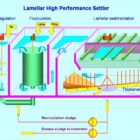
Precipitation and flocculation: Dissolved heavy metals or other pollutants are converted into insoluble compounds by precipitants such as ferric chloride or polyaluminum chloride. These particles are then bundled by flocculation and can be removed in so-called CP plants or flotation plants.
Emulsion splitting: Chemical splitting is used for wastewater containing oil-water mixtures. Special splitting agents help to separate the phases.
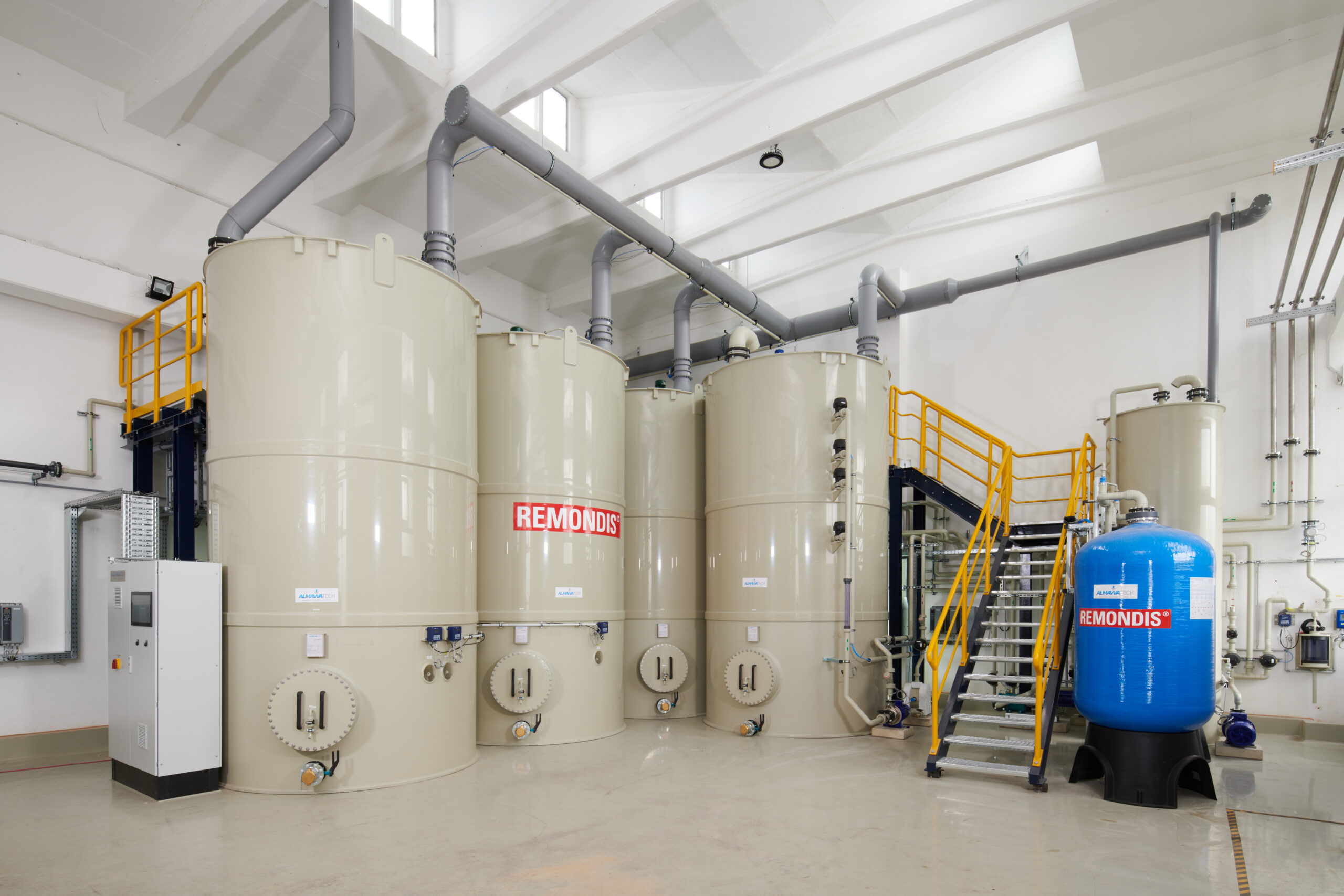
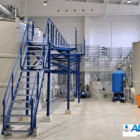
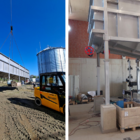
Photo: CP system ALMA CHEM MCW for the elimination of heavy metals, AOX, hydrocarbons and cyanides
2. thermal processes
Thermal processes are ideal for destroying organic pollutants or recovering valuable resources.
- Distillation: Here, solvents are recovered by evaporation and condensation.
- Incineration: Waste with a high organic load that cannot be treated in any other way is incinerated. This not only ensures safe disposal, but can also recover energy.
3. biological processes
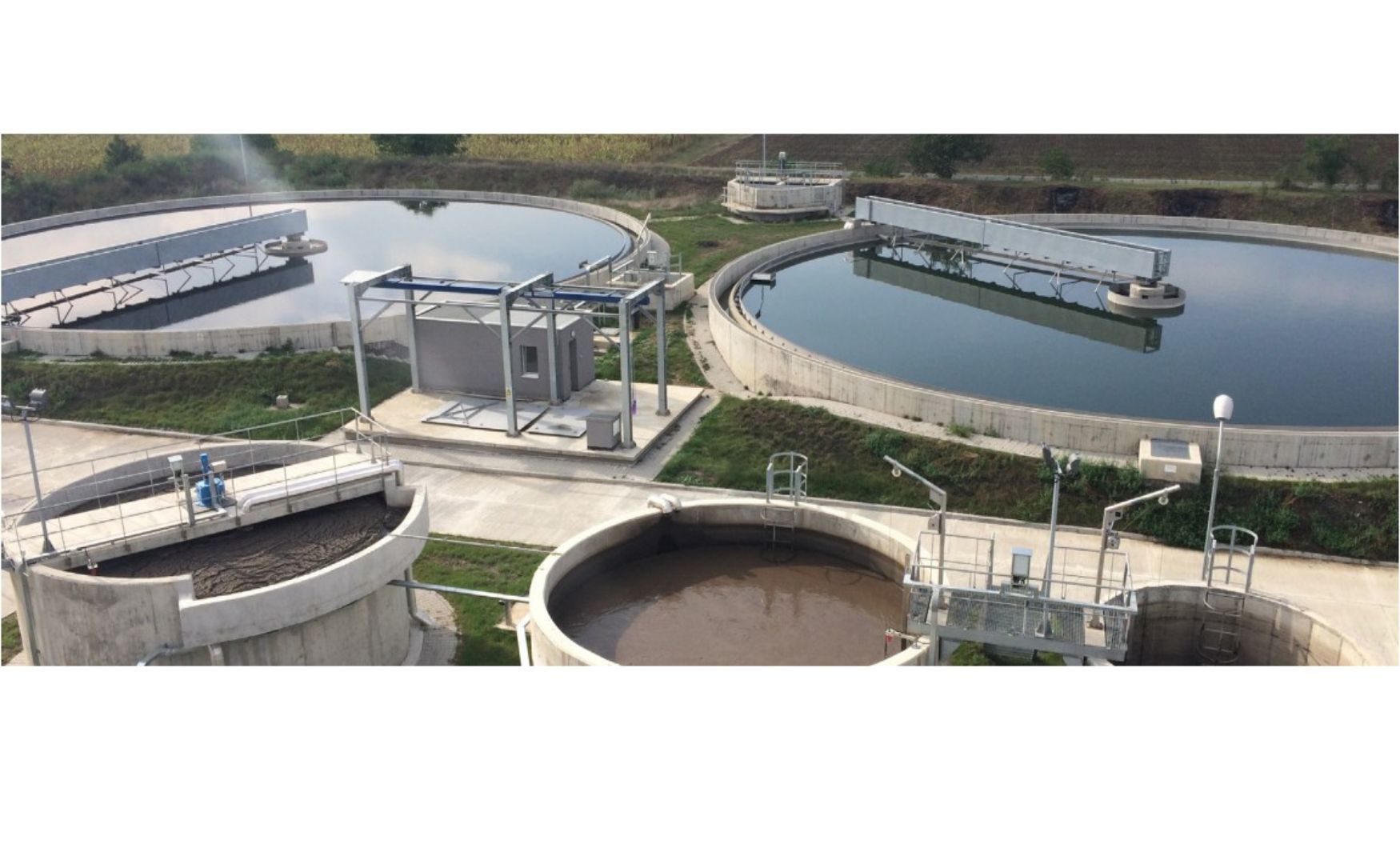
Biological processes offer an efficient solution for organically contaminated wastewater, e.g. from food production.
- Aerobic processes: Microorganisms break down organic compounds in an aerated environment.
- Anaerobic processes: These processes take place in the absence of oxygen and convert organic substances into biogas, which can be used to generate energy.
4. membrane process
Membrane processes are indispensable when it comes to separating very fine particles or dissolved substances.
- Ultrafiltration: Removes particles, bacteria and macromolecules.
- Nanofiltration: For the removal of ions, especially polyvalent salts and organic compounds.
- Reverse osmosis: High retention rate for dissolved salts and organic substances. Often used to concentrate hazardous waste.
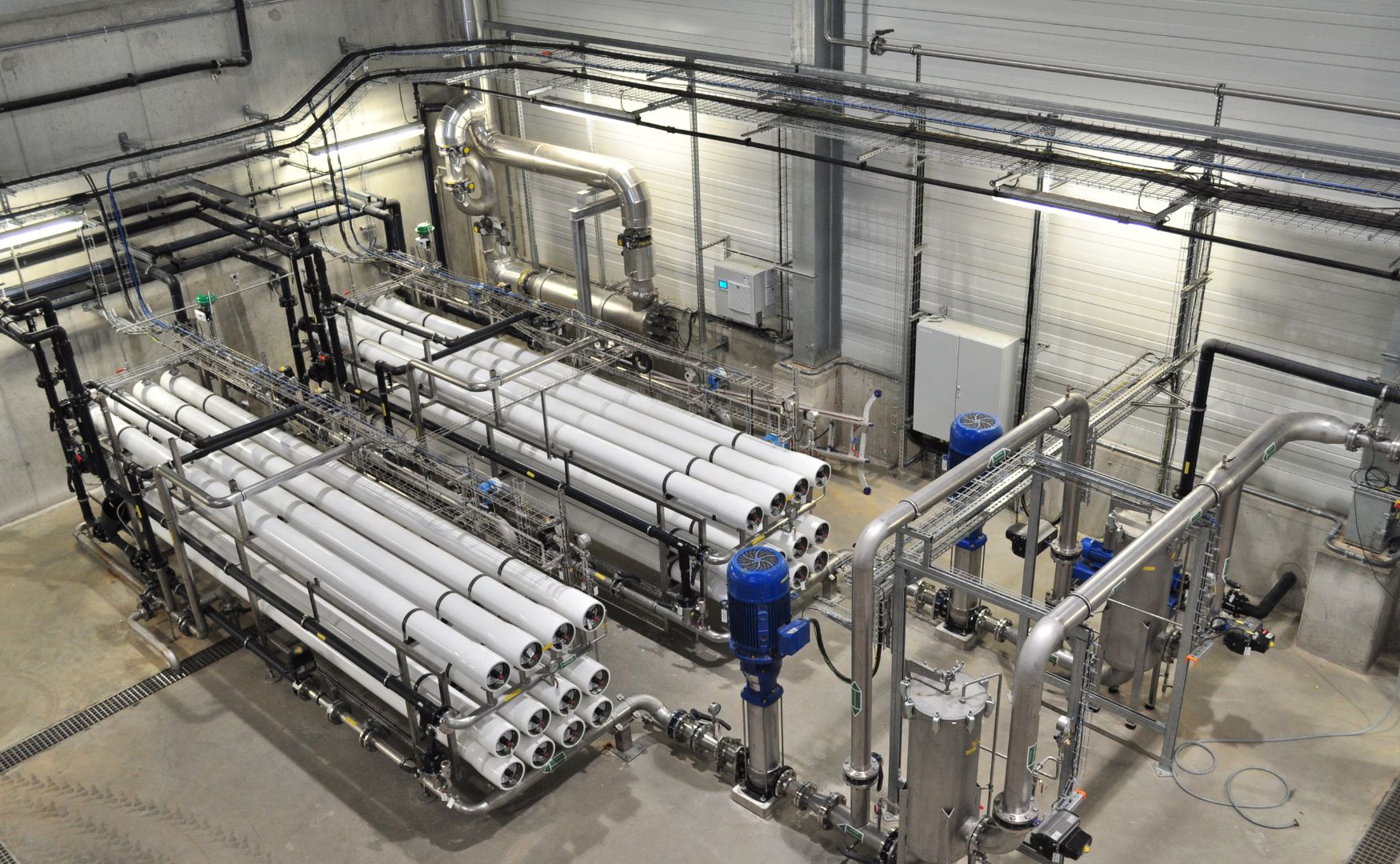
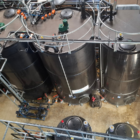
Photo: Reverse osmosis system with prior precipitation and flocculation(ALMA BHU BiosS-Treat)
ALMAWATECH solutions
ALMAWATECH offers specially developed plants for the pre-treatment of liquid hazardous waste, including CP plants and flotation plants as well as membrane plants. Our ALMA CHEM MCW-systems enable flexible and efficient wastewater treatment in manufacturing companies or in the responsible waste disposal companies. We also offer comprehensive pilot tests to determine optimum treatment parameters on an individual basis.
Conclusion
The treatment of liquid hazardous waste is essential for industrial wastewater management. With the right technologies and partners such as ALMAWATECH, companies and waste management companies can achieve both ecological and economic goals while reliably complying with legal requirements.
For further information on our products, please feel free to contact us at any time!