An indirect discharger is a company that does not discharge its wastewater directly into a body of water, but rather into a municipal or industrial wastewater treatment plant via the public sewage system. The legal basis for this is the Water Resources Act (WHG) and the Wastewater Ordinance (AbwV). Indirect dischargers must meet specific requirements to ensure that their wastewater does not impair the functionality of the wastewater treatment plant and does not endanger water bodies after treatment.
Technical background
Indirect dischargers are faced with the challenge of reducing pollutants in wastewater to such an extent that they do not overtax the purification capacity of the downstream wastewater treatment plant. Wastewater from industrial processes can contain numerous problematic components, such as
- Heavy metals: From metal processing or electroplating.
- Organic compounds: From the chemical or pharmaceutical industry.
- Fats and oils: Particularly relevant in the food industry.
- Toxic chemicals: Can inhibit or destroy biological processes in wastewater treatment plants.
Table of contents
Wastewater treatment processes for indirect dischargers
Indirect dischargers require sophisticated wastewater treatment systems to meet the strict discharge limits. Common processes include:
1. biological wastewater treatment
Processes such as the activated sludge process or biogas plants use microorganisms to biodegrade organic compounds and pollutants. This is an effective method for reducing COD and BOD, particularly for wastewater from the food industry.
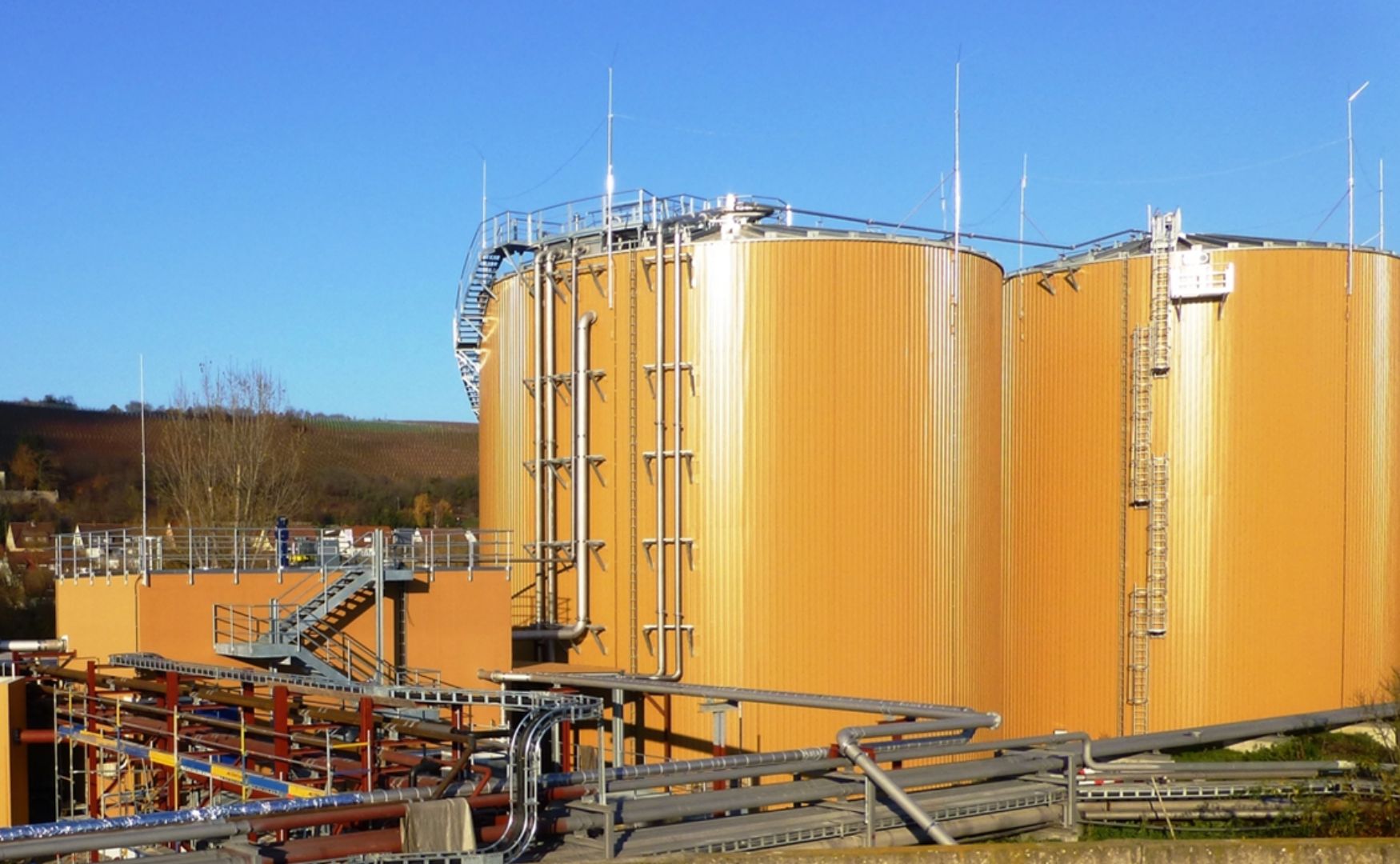
Photo: Example of an anaerobic biological wastewater treatment plant for the production of biogas(ALMA BHU GMR)
2. CP systems
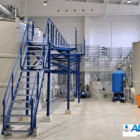
CP plants (chemical-physical plants) such as the ALMA CHEM MCW rely on processes such as precipitation, neutralization and oxidation to remove substances that are difficult to degrade or toxic, including heavy metals or AOX.

Photo: Example of a CP system for the removal of heavy metals, cyanide, AOX and hydrocarbons(ALMA CHEM MCW)
3. flotation process
Dissolved air flotation (DAF) systems, such as the ALMA NeoDAF, are used to remove fats, oils and suspended solids. They are particularly effective in the food industry and metal processing to reduce lipophilic and organic compounds.
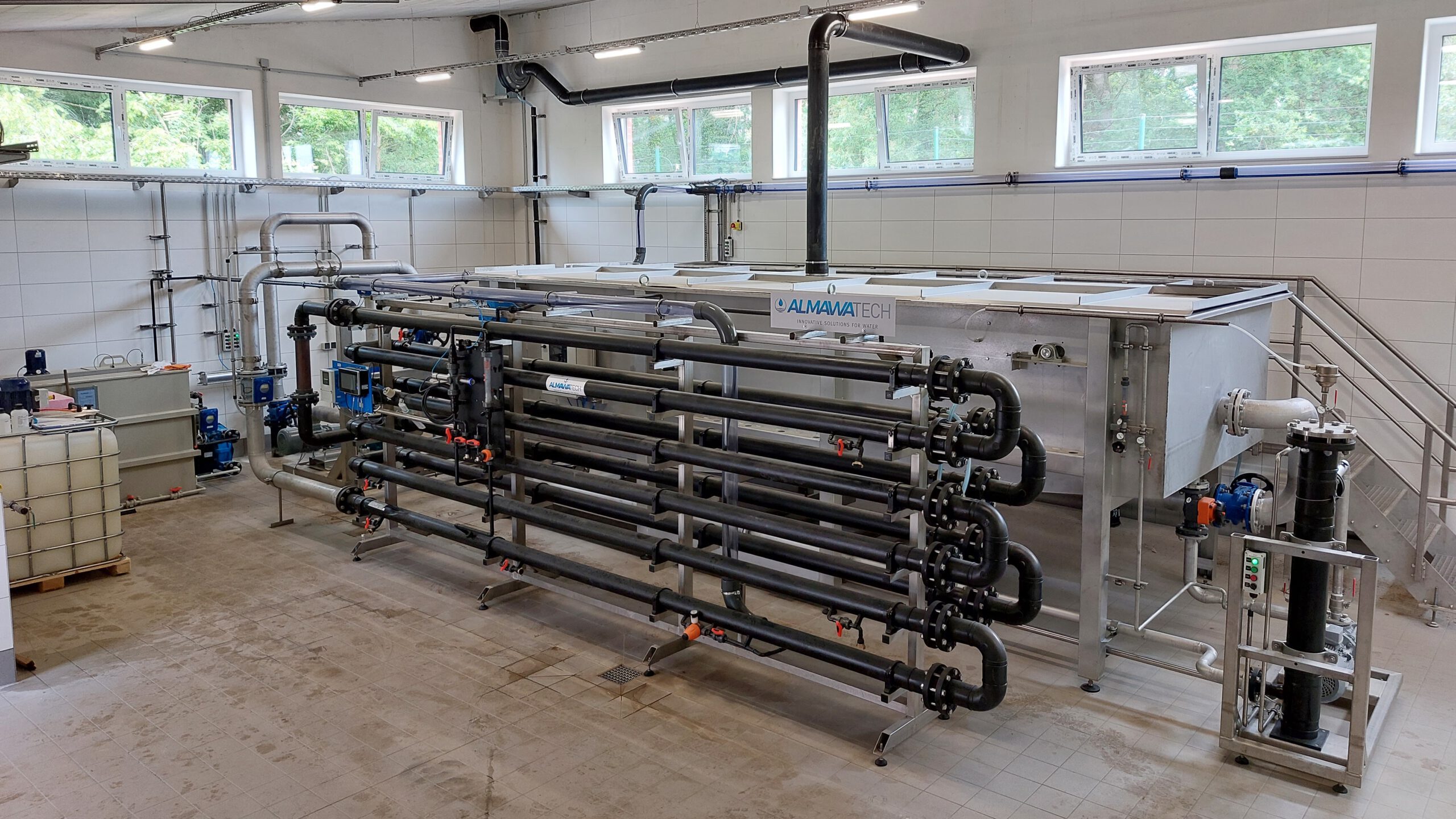
Photo: Our ALMA NeoDAF flotation plant for the pre-treatment of highly contaminated wastewater streams
4. neutralization systems
Depending on the composition of the wastewater, neutralization is required to stabilize the pH value of the wastewater. This can be done using acids, alkalis or innovative processes such as CO₂ neutralization with flue gas.
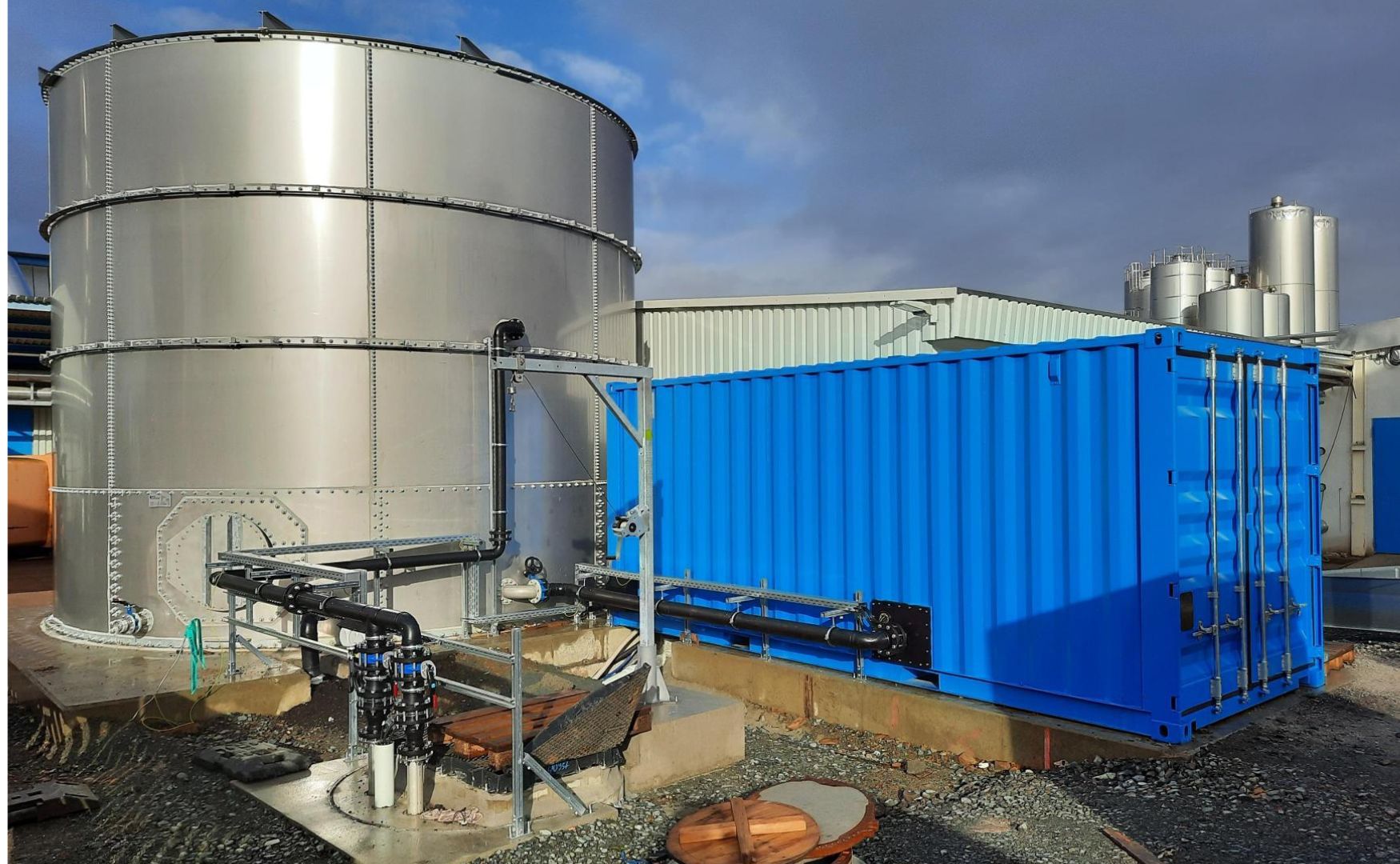
Photo: Example of a neutralization system in container design(ALMA Neutra)
Exemplary industries and wastewater origin
Food industry
Contains organic contaminants such as fats and proteins. Fat separators and biological processes are frequently used here.Chemical industry
Produces complex wastewater containing toxic organic and inorganic substances. Chemical-physical pre-treatment is essential.Metal processing and electroplating
Wastewater with heavy metal contamination requires neutralization and precipitation.Textile industry
High concentrations of dyes and surfactants require adsorption processes and membrane technologies.
Limit values and monitoring
Discharge into the sewage system is subject to strict limits. Typical parameters that are monitored are
- COD (chemical oxygen demand): Measure for organic compounds.
- Heavy metals such as zinc, copper and nickel.
- pH value: Must be in the neutral range.
- AOX (adsorbable organic halogen compounds).
Monitoring and verification
Indirect dischargers must continuously monitor and document the quality of their wastewater. Modern systems offer remote maintenance and online monitoring to record real-time data and detect potential exceedances at an early stage.
Operational management and maintenance support
ALMAWATECH offers comprehensive operational management services, including the monitoring of wastewater parameters and the optimization of pre-treatment. Our remote maintenance system enables continuous monitoring and helps to ensure compliance with legal requirements. You can find more information under Operations Management.
Conclusion
Indirect dischargers bear a decisive responsibility for the protection of wastewater treatment plants and the environment. By using modern technologies and continuous monitoring, they can meet the legal requirements and increase the efficiency of their processes. At the same time, they make an important contribution to resource conservation and sustainable wastewater management.
For further information on our products, please feel free to contact us at any time!