
Chromium(III), also known as chromium III ion or chromium trioxide, is one of the most common oxidation states of chromium (alongside chromium(VI)) and plays an important role in industrial water and wastewater treatment. Chromium(III) is the trivalent cation Cr³⁺ and is chemically and toxicologically very different from chromium(VI), which is considered highly toxic and harmful to the environment. In many industrial processes, it is necessary to remove chromium(III) compounds or treat them in an environmentally friendly manner, as they can occur in various wastewaters, particularly in metal processing and electroplating.
Table of contents
Technical background
Chromium(III) is produced in industrial processes through the use of chromium compounds in surface treatment, chrome plating and in the leather industry. It is also used as an anti-corrosion agent and in dyes. While chromium(III) is less toxic than chromium(VI), it still needs to be controlled in wastewater as it can harm the environment and endanger certain aquatic organisms in high concentrations.
Chromium(III) has a strong affinity for hydroxide ions (OH-) and tends to precipitate as chromium hydroxide [Cr(OH)₃] under neutral to alkaline conditions. This property is exploited in industrial wastewater treatment to remove the chromium by chemical precipitation.
Application in water and wastewater treatment
In industrial wastewater treatment, chromium(III) is often treated together with other heavy metals. The main strategy to remove chromium(III) is to precipitate it as insoluble hydroxide or in complexes. Typical steps for the treatment of wastewater containing chromium(III) include
1. pH control and precipitation
By raising the pH value by adding alkaline solutions (such as sodium hydroxide NaOH), chromium(III) is precipitated as chromium hydroxide [Cr(OH)₃]. This process takes place optimally at a pH value of around 8 to 9, as chromium(III) has a low solubility under these conditions. The chromium hydroxide formed settles as a solid and can then be separated by sedimentation or filtration removed by sedimentation or filtration.
The reaction is as follows:

The dissolved chromium(III) ion reacts with hydroxide ions and forms a sparingly soluble solid, which is deposited.
2. flocculation and sedimentation
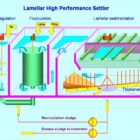
Precipitation is usually followed by the addition of flocculants, which help to aggregate the precipitation products formed into larger flocs that are easier to remove by sedimentation or filtration. filtration removed by sedimentation or filtration.
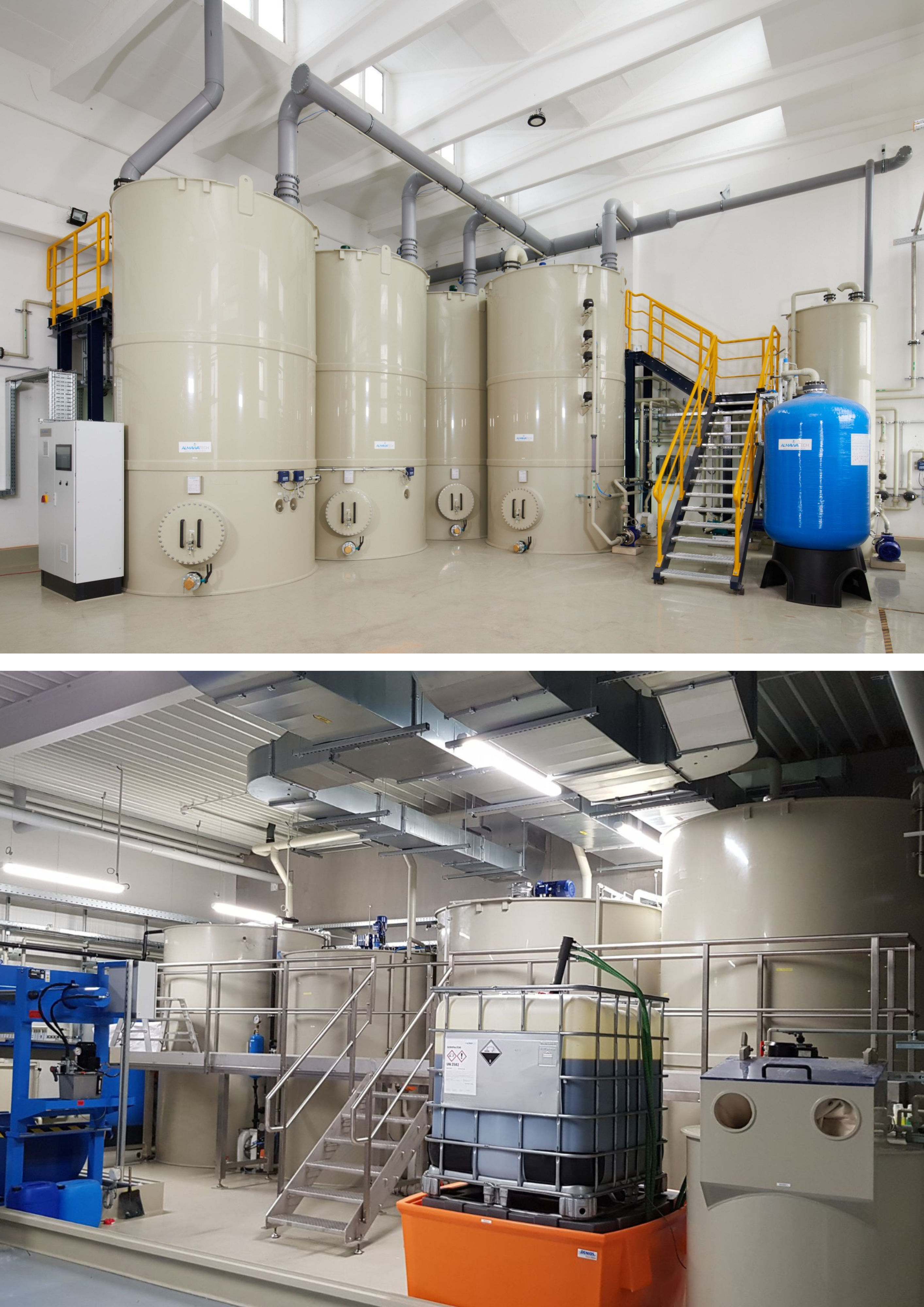
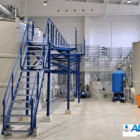
Photo: CP system ALMA CHEM MCW for the removal of heavy metals, AOX, hydrocarbons, cyanide and chromium (using sodium bisulphite)
3. oxidation to chromium(VI) and reduction
In some processes, chromium(III) can be oxidized by chemical or biological processes to chromium(VI), which has a much higher mobility and toxicity. In such cases, the chromium(VI) must be converted back to the less hazardous chromium(III) form by reducing agents such as sodium bisulphite or sulphur dioxide before it is precipitated.
4. ion exchange process
In special cases, when a particularly high cleaning performance is required, chromium(III) is removed using ion exchange processes. In this process, the chromium ions are bound to an ion exchange resin and then regenerated. This process is often used in surface treatment processes or in electrolysis.
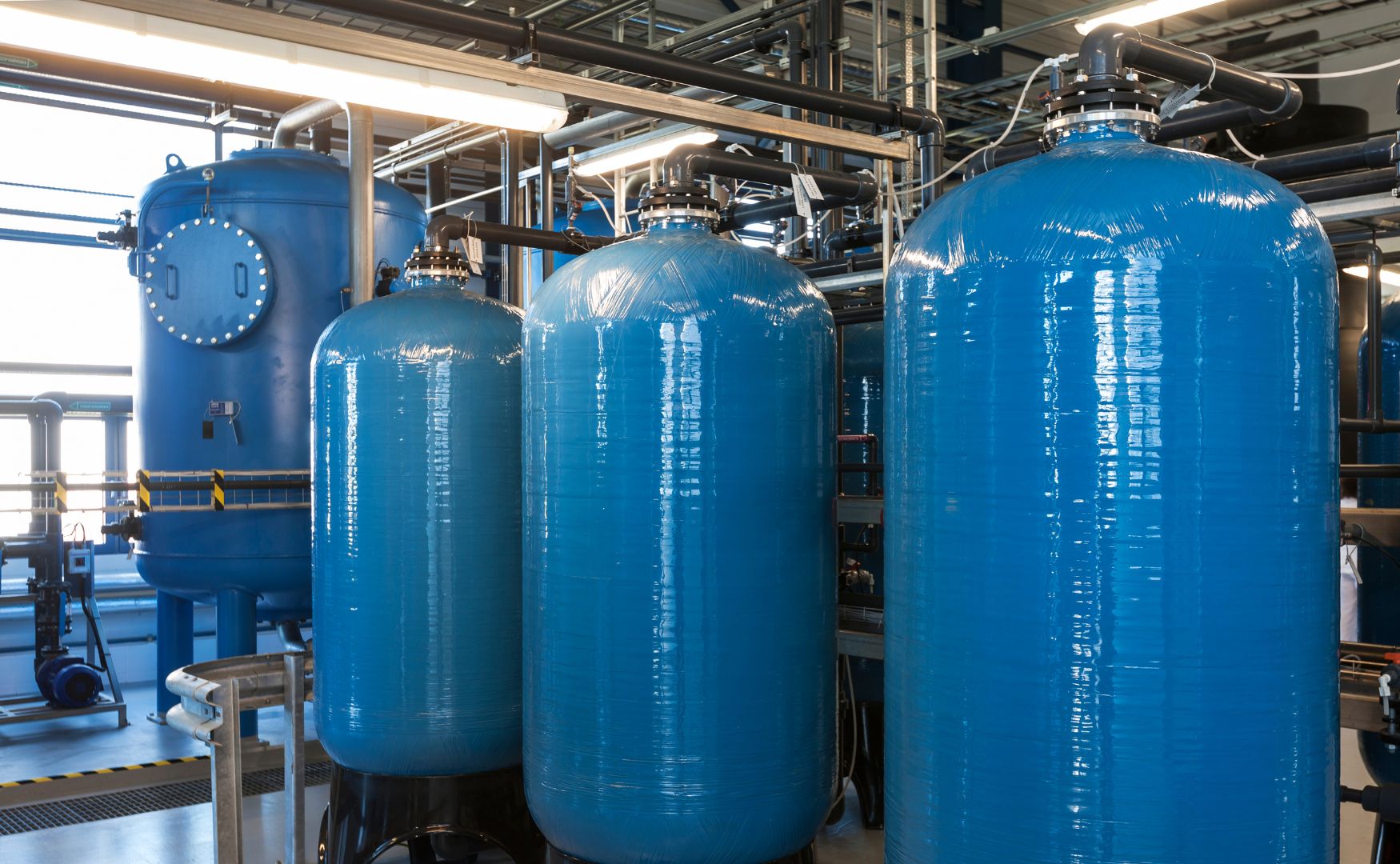
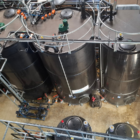
Photo: ALMA ION ion exchanger for the removal of specific pollutants such as chromium
Challenges in the treatment of chromium(III)
pH sensitivity
The precipitation of chromium(III) is strongly pH-dependent. If the pH values are too low, the chromium remains in dissolved form and cannot be precipitated. If the pH values are too high, undesirable side reactions can occur which make treatment more difficult.Formation of stable complexes
In wastewater containing organic compounds, chromium(III) can form stable complexes with these organic substances, which makes precipitation and removal more difficult. Additional steps such as oxidation or the use of chelating agents must be carried out to isolate and remove the chromium.Possible re-oxidation to chromium(VI)
In the presence of oxidizing agents or under certain environmental conditions, the less toxic chromium(III) can be oxidized to chromium(VI), which leads to a considerably greater environmental problem. It is therefore important to design the treatment processes in such a way that this is avoided.
Use of chromium(III) in industry
Waste water containing chromium(III) is mainly produced in industries such as:
Electroplating and metal finishing
Chromium(III) is used in electroplating for the chrome plating of surfaces. These processes generate wastewater with high chromium concentrations, which must be treated before being discharged into the wastewater system.Leather industry
In leather tanning, chromium(III) is used as a tanning agent to stabilize and preserve the leather fibres. Wastewater from this industry often contains high amounts of chromium(III), which must be recovered or removed by precipitation.Paint industry
Chromium(III) is also used in the production of pigments and dyes. This waste water can also contain high concentrations of chromium, which must be treated in an environmentally friendly manner.Ceramic and glass production
Chromium(III) is used as a colorant in ceramic and glass production. Here too, chromium-containing waste water is produced, which must be treated by chemical precipitation and filtration.
Advantages of chromium(III) treatment
Efficient removal by precipitation: Chromium(III) can be removed from wastewater relatively easily by chemical precipitation as hydroxide, which leads to an effective reduction in the chromium concentration.
Lower toxicity compared to chromium(VI): In contrast to chromium(VI), chromium(III) is less toxic and can be safely treated and disposed of under the right conditions.
Conclusion
Chromium(III) is a common form of chromium used in various industrial processes. Although it is less toxic than chromium(VI), it still needs to be removed from wastewater in a controlled manner to minimize environmental impact. Precipitation as hydroxide is a proven and effective method for removing chromium(III) from wastewater. Industrial plants, such as the chemical-physical plants from ALMAWATECH, use this and other processes for the safe and environmentally friendly treatment of wastewater containing chromium(III) in order to comply with legal limits and protect water quality.