
Reverse osmosis, nanofiltration, ultrafiltration, and microfiltration for process water, deionized water, ultrapure water, and water reuse.
Have a membrane system designed


Maksim Neubauer
Head of International Project Development
What are membrane processes in water treatment?
Membrane processes are physical separation methods used in industrial water and wastewater treatment. Depending on the membrane type and separation characteristics, particles, colloids, microorganisms, organic compounds, or dissolved salts can be removed from the water.
In membrane filtration, water is passed through a selective membrane. Which substances are retained depends on the pore size, membrane structure, charge, operating pressure, and the properties of the substances contained in the water.
Microfiltration and ultrafiltration remove, in particular, particles, solids, colloids, macromolecules, and microorganisms. With nanofiltration and reverse osmosis, dissolved ions, hardness components, and salts can also be removed.
Membrane processes separate substances in water based on their size, charge, or solubility. Microfiltration and ultrafiltration primarily remove undissolved substances and colloids, while nanofiltration and reverse osmosis can also retain dissolved ions and salts.
What types of membrane processes are there?
The choice between microfiltration, ultrafiltration, nanofiltration, and reverse osmosis depends on which substances are to be removed and what water quality is required for the permeate.
Microfiltration
Microfiltration is used in particular to remove suspended solids, particles, and microorganisms from process and wastewater streams.
- Solid-Liquid Separation
- Waste water treatment
- Process water treatment
- Emulsion Treatment
- Pre-treatment of additional membrane stages
Ultrafiltration
Ultrafiltration removes finer particles, colloids, macromolecules, and microorganisms. It is often used as a pretreatment step prior to reverse osmosis or nanofiltration.
- RO and NF Pretreatment
- Water reuse
- Process water
- wastewater treatment
- Removal of Colloids and Biological Contaminants
Nanofiltration
In terms of its separation capacity, nanofiltration falls between ultrafiltration and reverse osmosis. It is particularly well-suited for the selective retention of polyvalent ions, hardness components, and larger dissolved organic molecules.
- Softening
- Partial desalination
- Sulfate Reduction
- Selective Ion Separation
- Water reuse
- Organic Material Separation
Reverse osmosis
Rev erse osmosis allows for the extensive retention of dissolved salts, ions, and other dissolved substances in water and is used for desalination, process water, and water reuse.
- Desalination
- Process Water Production
- Demineralized water
- Ultrapure water
- Wastewater recycling
- Water reuse
A Technical Comparison of RO, NF, UF, and MF
The four membrane processes differ primarily in terms of their separation characteristics and the groups of substances that are retained by the respective membrane.
| Procedure | Typical Separation Task | Typical Restricted Substances | Typical Application |
|---|---|---|---|
| MF | Solid and Particle Separation | Particles, suspended solids, and microorganisms | Wastewater, Process Water, and Prefiltration |
| UF | Colloid and Macromolecule Separation | Colloids, ultrafine solids, macromolecules and microorganisms | RO Pretreatment and Water Reuse |
| NF | Selective Partial Desalination | Multivalent ions, hardness components, and larger dissolved organic molecules | Water Softening, Sulfate Reduction, and Partial Desalination |
| RO | Extensive Desalination | Dissolved salts, ions, and numerous other dissolved substances in water | Deionized Water, Ultrapure Water, and Water Reuse |
The choice of membrane process depends not only on the desired water quality. Other decisive factors include the composition of the raw water, the potential for fouling and scaling, the flow rate, the desired recovery rate, the permeate quality, and the treatment or disposal of the resulting concentrate.
Our membrane systems for industrial water and wastewater treatment
ALMAWATECH offers membrane systems for desalination, partial desalination, solids removal, deionized water, and water reuse. Membrane processes, pretreatment, and operating procedures are tailored to each specific project based on water analysis, flow rate, and the desired permeate quality.
ALMA OSMO Process
The ALMA OSMO Process is a fully automated industrial reverse osmosis system for the treatment of process water and pretreated wastewater. Depending on the project, it can also be configured as a nanofiltration system.
Single-stage or multi-stage system designs, as well as pretreatment processes such as water softening, ultrafiltration, and antiscalant dosing, can be integrated into the overall system.
- Process Water Recycling
- Wastewater Reuse
- Water reuse
- Desalination
- Nanofiltration and Partial Desalination
- Multi-stage RO systems
- Concentrate or permeate stages
ALMA OSMO VE
The ALMA OSMO VE is designed for the production of fully demineralized water and ultrapure water for industrial production processes.
Depending on the required water quality, the reverse osmosis system can be combined with water softening, UV treatment, ion exchange, mixed-bed ion exchange, or EDI.
- Demineralized water
- Ultrapure water
- boiler feed water
- Production water
- Pharmaceutical and Electronics Applications
- Sensitive industrial processes
ALMA MEM MF/UF
The ALMA MEM MF/UF is a modular microfiltration or ultrafiltration system designed for industrial process and wastewater streams.
Depending on the separation task, ceramic or organic membranes are used. The system can be designed as a cross-flow or dead-end system and used as a pretreatment for RO or NF systems.
- Solid-Liquid Separation
- Colloid Removal
- Process water
- Waste water treatment
- Water reuse
- Pre-treatment before RO or NF
- Cross-Flow or Dead-End
ALMA BHU BiosS-Treat
The ALMA BHU BiosS-Treat is an integrated treatment system for large water flows. The system design combines several treatment stages, culminating in a final stage of reverse osmosis.
The process is particularly suitable for the extraction of process and utility water from surface water, river water, or suitable industrial water streams.
- Large Water Reuse Facilities
- Surface Water and River Water
- Process Water Production
- Cooling water
- boiler feed water
- Biologically activated filtration
- Reverse osmosis
Have a membrane system designed:
Maksim Neubauer
Head of International Project Development
Which ALMAWATECH product is suitable for which application?
The selection of a suitable membrane system depends on raw water quality, desired permeate quality, flow rate, and separation task. The following overview shows typical applications and ALMAWATECH systems that are frequently suitable.
| Initial situation | A Solution That Is Often Suitable |
|---|---|
| Recovering Process Water from Pretreated Wastewater | ALMA OSMO Process |
| Reduce high conductivity or salinity | ALMA OSMO Process |
| Selectively reduce hardness or polyvalent ions | ALMA OSMO Process as Nanofiltration |
| Producing deionized water or ultrapure water | ALMA OSMO VE |
| Removing Particles and Colloids Before Reverse Osmosis | ALMA MEM UF |
| Separating solids or emulsions using a membrane | ALMA MEM MF/UF |
| High surface water flow for process water | ALMA BHU BiosS-Treat |
| Water Reuse with Multiple Treatment Stages | ALMA OSMO Process or ALMA BHU BiosS-Treat |
Why is pretreatment so important for membrane systems?
Membranes are sensitive to particles, hardness-forming substances, organic contaminants, biological activity, and poorly soluble salts. Appropriate pretreatment is therefore crucial for stable and cost-effective operation.
What does proper pretreatment reduce?
- Fouling
- Scaling
- Diaphragm Blockage
- Cleaning Needs
- CIP Frequency
- Diaphragm Wear
- Business Interruptions
Typical Pretreatment Methods
- sieving
- Microfiltration
- Ultrafiltration
- Softening
- Precipitation and flocculation
- Biofiltration
- Activated carbon
- pH adjustment
- Antiscalant dosage
The pretreatment is tailored to each specific project, taking into account the raw water, the membrane process, and the desired yield. The goal is to minimize fouling and scaling, establish stable operating conditions, and maximize the membrane service life.
Combining Reverse Osmosis with Ultrafiltration
A commonly used combination of processes for industrial water reuse plants is the integration of ultrafiltration with downstream reverse osmosis.
The Purpose of Ultrafiltration
The upstream ultrafiltration step first removes particles, colloids, and microorganisms, thereby reducing the solids and colloid load on the subsequent membrane stage.
The Purpose of Reverse Osmosis
The downstream ALMA OSMO Process then reduces dissolved salts, ions, and other dissolved substances in the water, producing the permeate intended for reuse.
Typical Uses of Permeate
Water Reuse Using Membrane Technology
Membrane processes are a key component of industrial water reuse concepts. Depending on the quality of the raw water, biological, chemico-physical, and membrane-based processes can be combined to reuse treated wastewater as process or service water.
Biological Pretreatment + UF + RO
For industrial wastewater containing organic contaminants, the first step may be biological treatment. A downstream ultrafiltration process removes solids and colloids before reverse osmosis reduces the dissolved salt load.
Chemical-Physical Pretreatment + NF / RO
For other water streams, precipitation, flocculation, filtration, or softening can be used as pretreatment. Nanofiltration or reverse osmosis then handle partial or complete desalination, respectively.
References for Membrane Systems
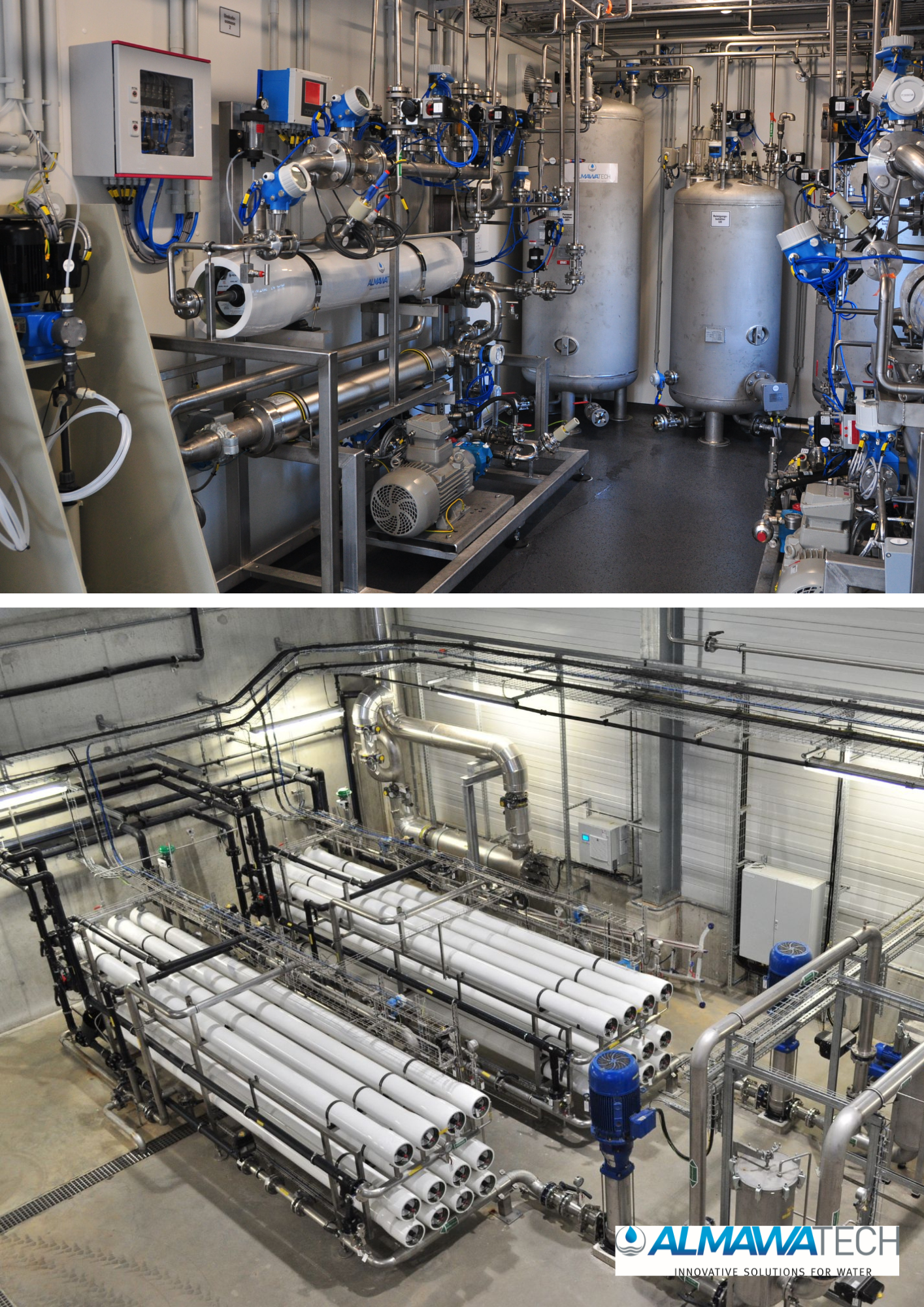
Südzucker, Zeitz, Germany
Treatment of river water to drinking water quality at a rate of 220 m³/h.
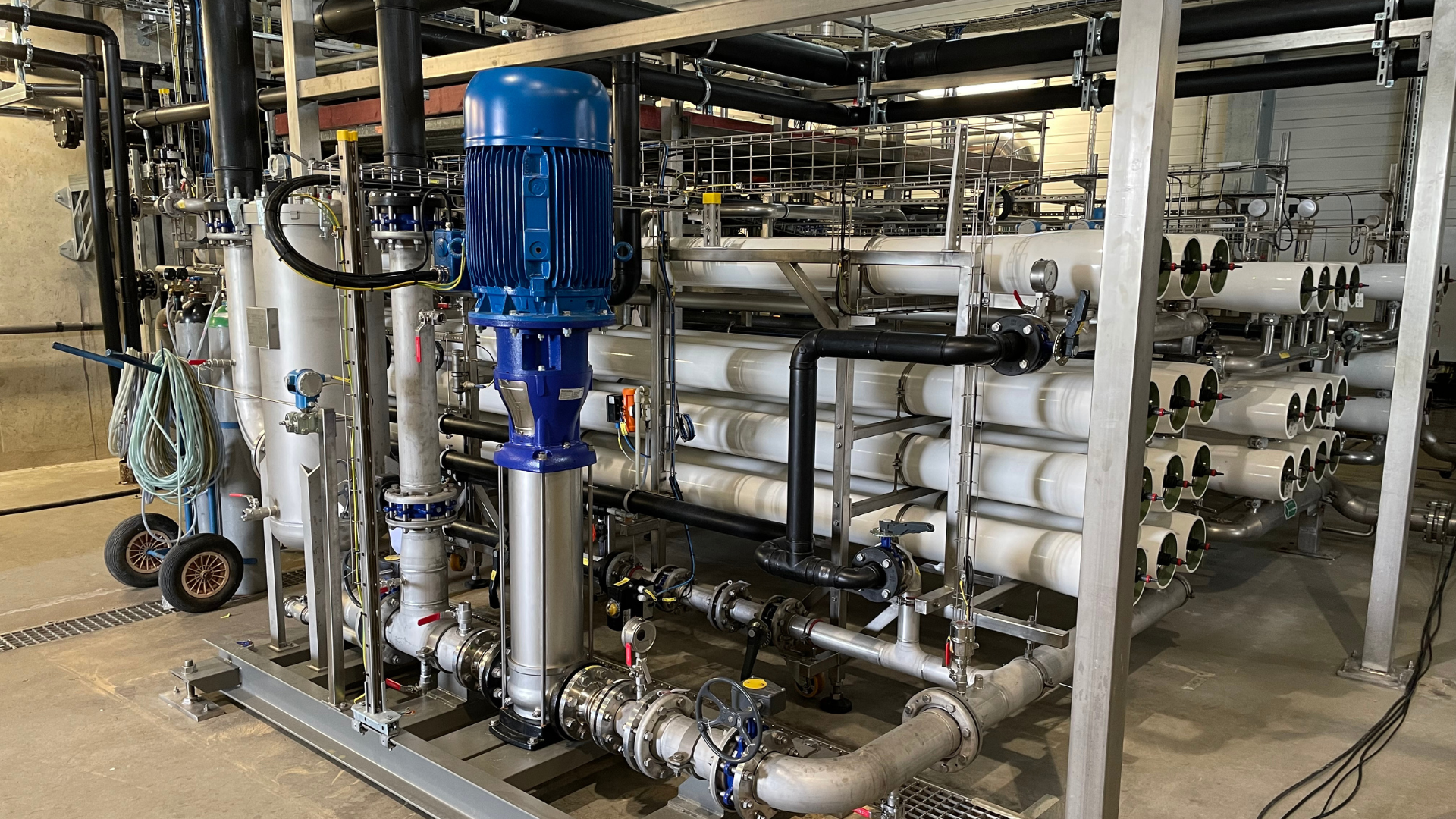
3M, Burgkirchen, Germany
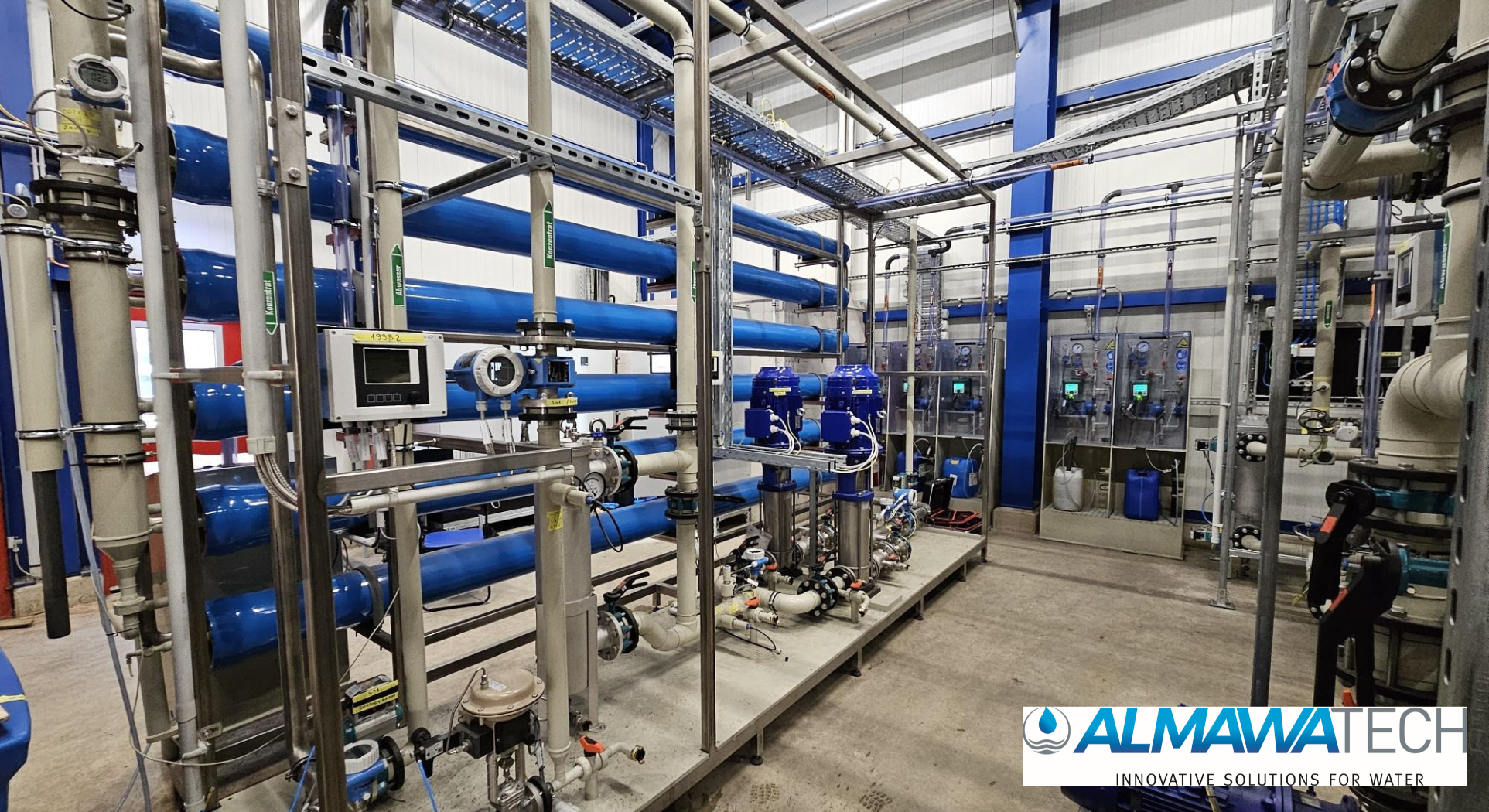
A multi-stage membrane system serving as a pilot plant, integrated into a utility container with a capacity of 2 m³/h.
EEW, Helmstedt, Germany
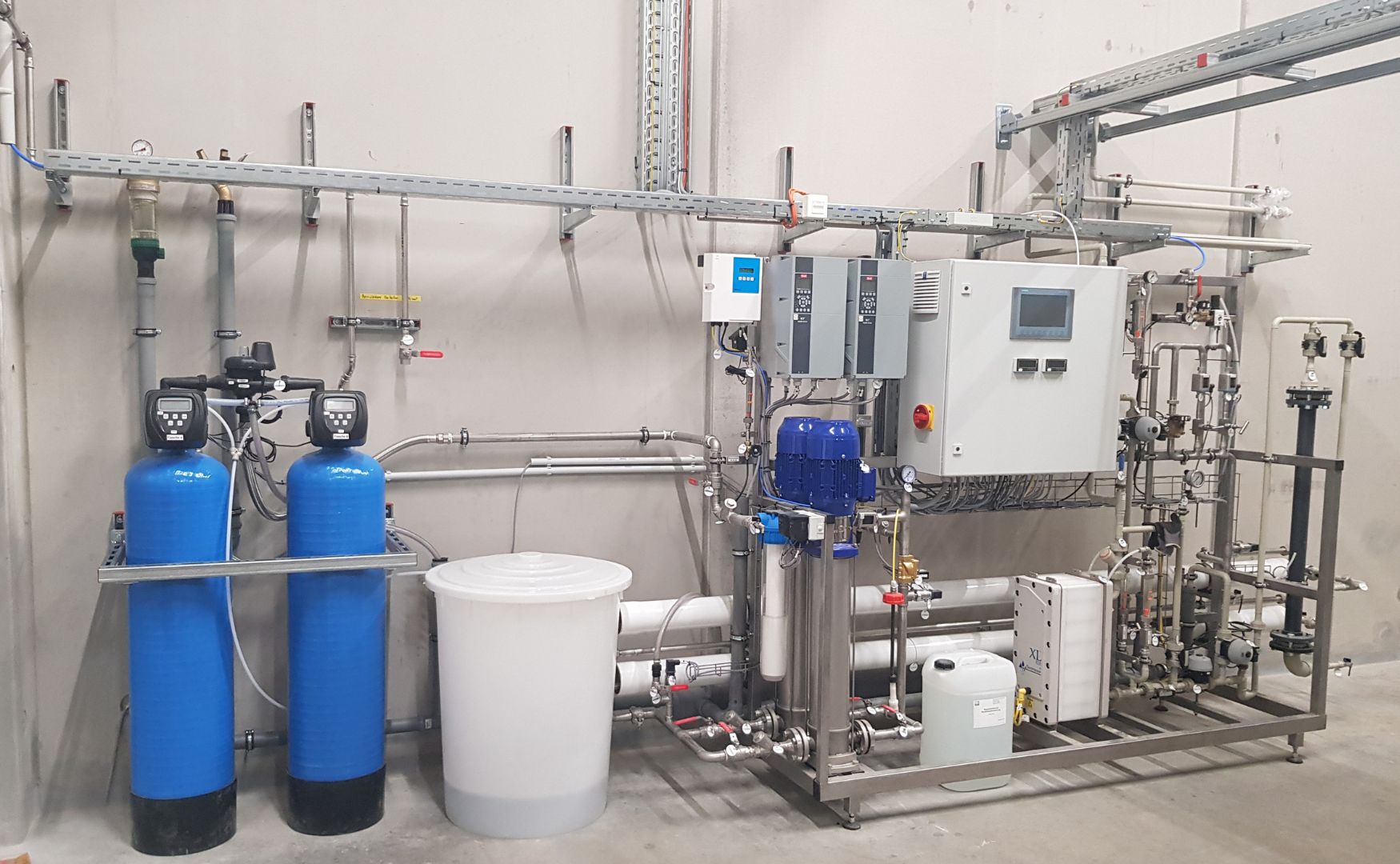
Water recycling of cooling tower water using ultrafiltration and reverse osmosis at a rate of 25 m³/h.
NBG Fiber, Gmünd, Austria
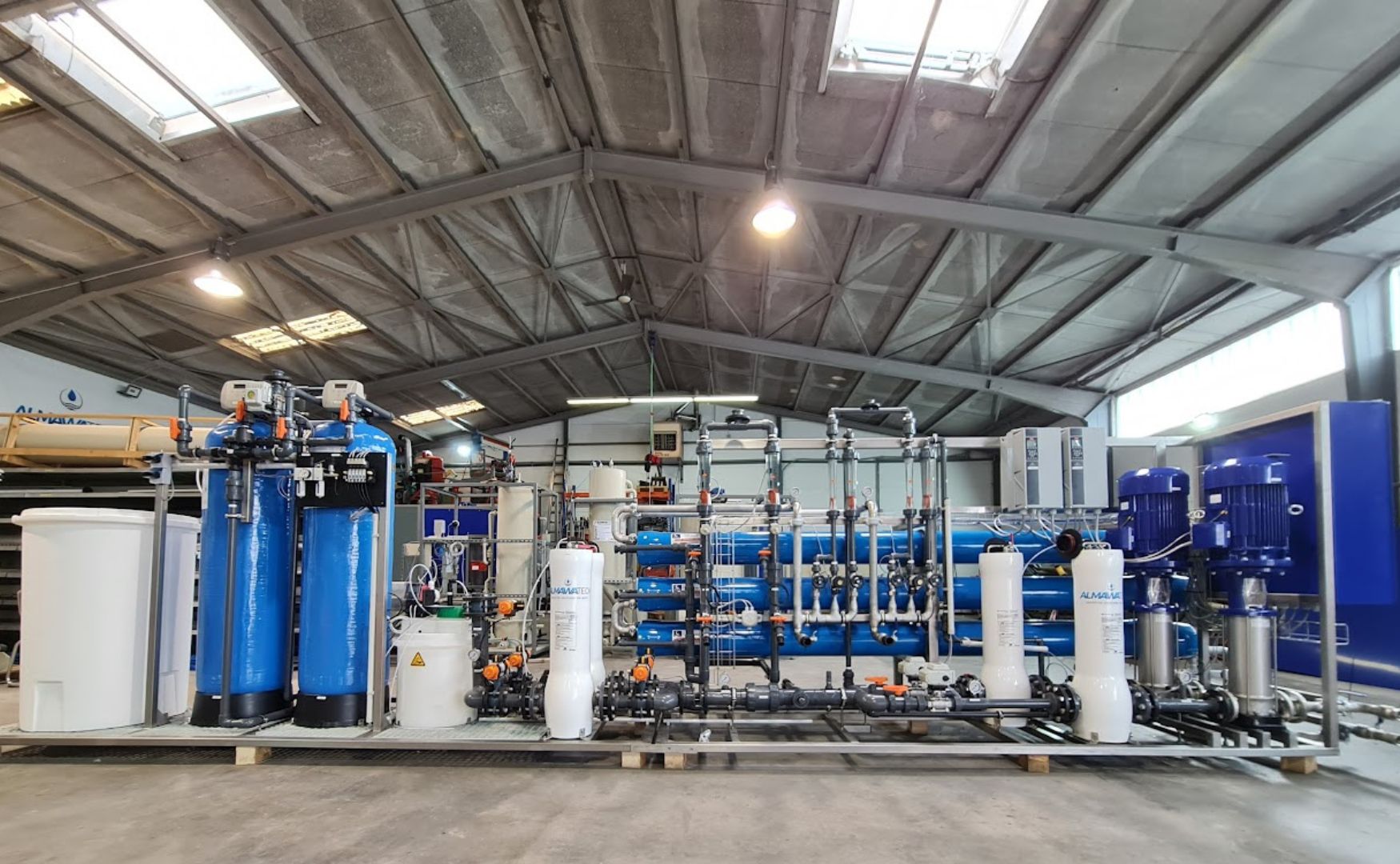
Ultrapure water system with water softening, reverse osmosis, membrane degassing, and EDI for 2 m³/h.
German Aerospace Center
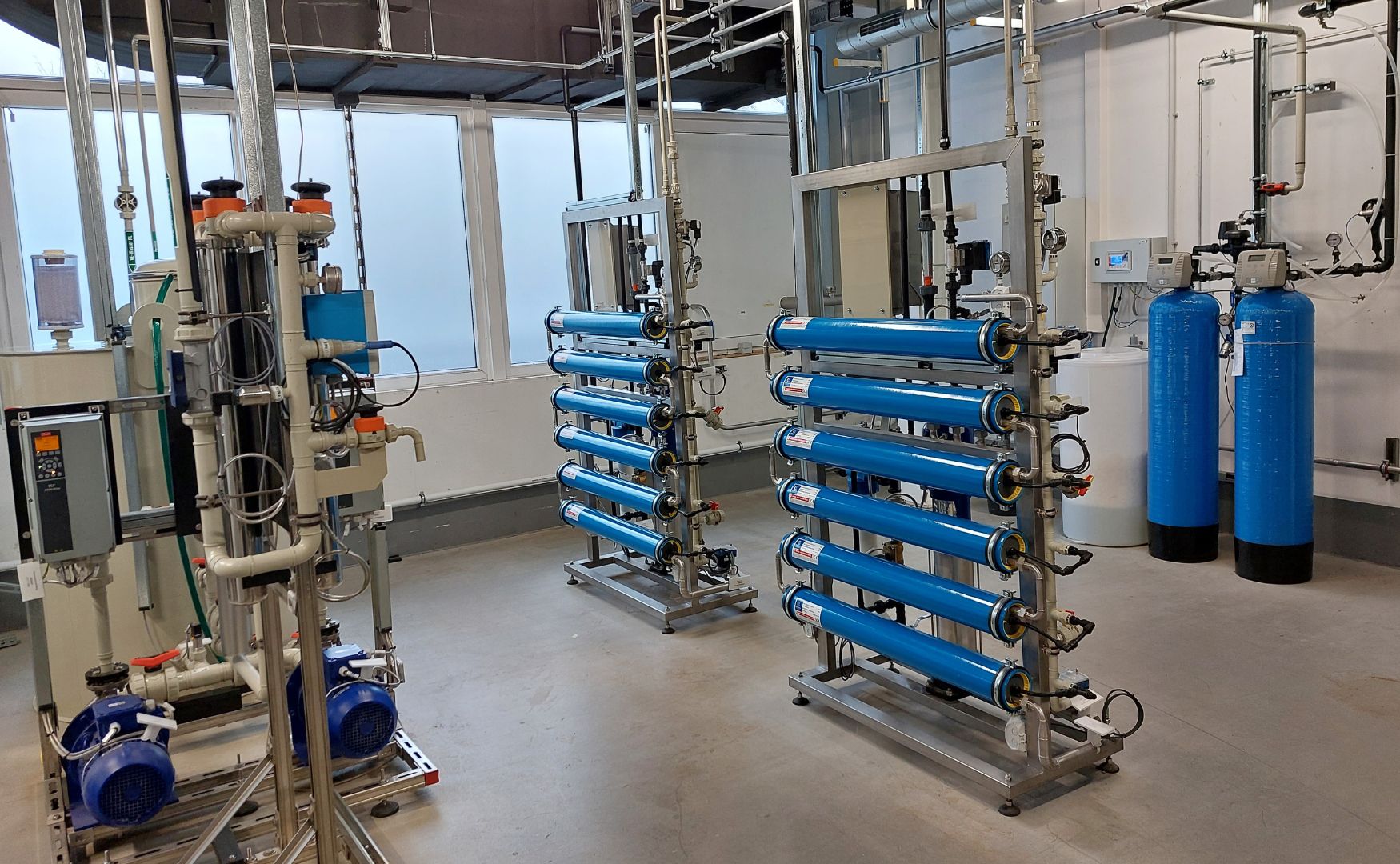
Reverse osmosis system with a capacity of 10 m³/h for the GARS O’Higgins research station in Antarctica.
Deaxo, Dresden, Germany
Redundant reverse osmosis system with UV disinfection and a mixed-bed filter.
Typical industrial applications
Membrane processes are used in numerous industries, when process water is treated, wastewater is reused, or specific water qualities are required for production processes.
Chemical industry
Desalination, water reuse, and treatment of process- and wastewater streams.
Metal and Surface Treatment Industry
Desalination, recirculation, and removal of particles and dissolved substances.
Food and beverage industry
Process water, cleaning water, and water reuse.
Pharmaceutical and cosmetics industry
Production of specified process water and ultrapure water qualities.
Energy and Power Plant Technology
Deionized water, boiler feedwater, and treatment of circulating water.
Pulp and paper industry
Water reuse, process water treatment, and desalination.
Electronics and High-Tech Industry
Deionized and ultrapure water for sensitive manufacturing processes.
Recycling and Waste Disposal
Treatment of complex wastewater streams and recovery of usable water fractions.
What data do we need to design a membrane system?
To select and size a reverse osmosis, nanofiltration, ultrafiltration, or microfiltration system, we need, in addition to the flow rate, a detailed and meaningful water analysis and specifications regarding the desired permeate quality.
Typical Design Data
- Average flow rate
- Maximum flow rate
- Temperature
- pH value
- Conductivity
- TDS
- Calcium
- Magnesium
- Sodium
- Chloride
- Sulfate
- Hydrogen Carbonate / Alkalinity
- Silicate
- Iron
- Manganese
- Barium
- Strontium
- COD
- TOC
- Solids content
- Turbidity
- SDI
- Desired permeate quality
- Desired yield
- Existing Pretreatment
- Planned Use of the Permeate
When designing a membrane system, it is not only the flow rate and desired permeate quality that are critical. Of particular importance are the salt matrix, hardness components, organic load, solids, and the fouling and scaling potential of the feedwater.
Which membrane system is right for your water?
Please send us your water analysis, flow rate data, and the desired permeate quality. Based on this information, our process engineers will determine which membrane process or combination of processes is technically and economically suitable for your application.
Depending on water quality, a combination of several membrane processes or additional pretreatment steps may also be the appropriate solution.
Have a membrane system designedDesign and Construction of a Membrane Plant
1. Inquiry and Technical Clarification
2. On-site Visit & Assessment
3. Laboratory and pilot-scale tests
4. Process and Membrane Selection
5. Plant Construction and Integration
6. Commissioning and Optimization
Technical documentation and data sheets for our membrane systems
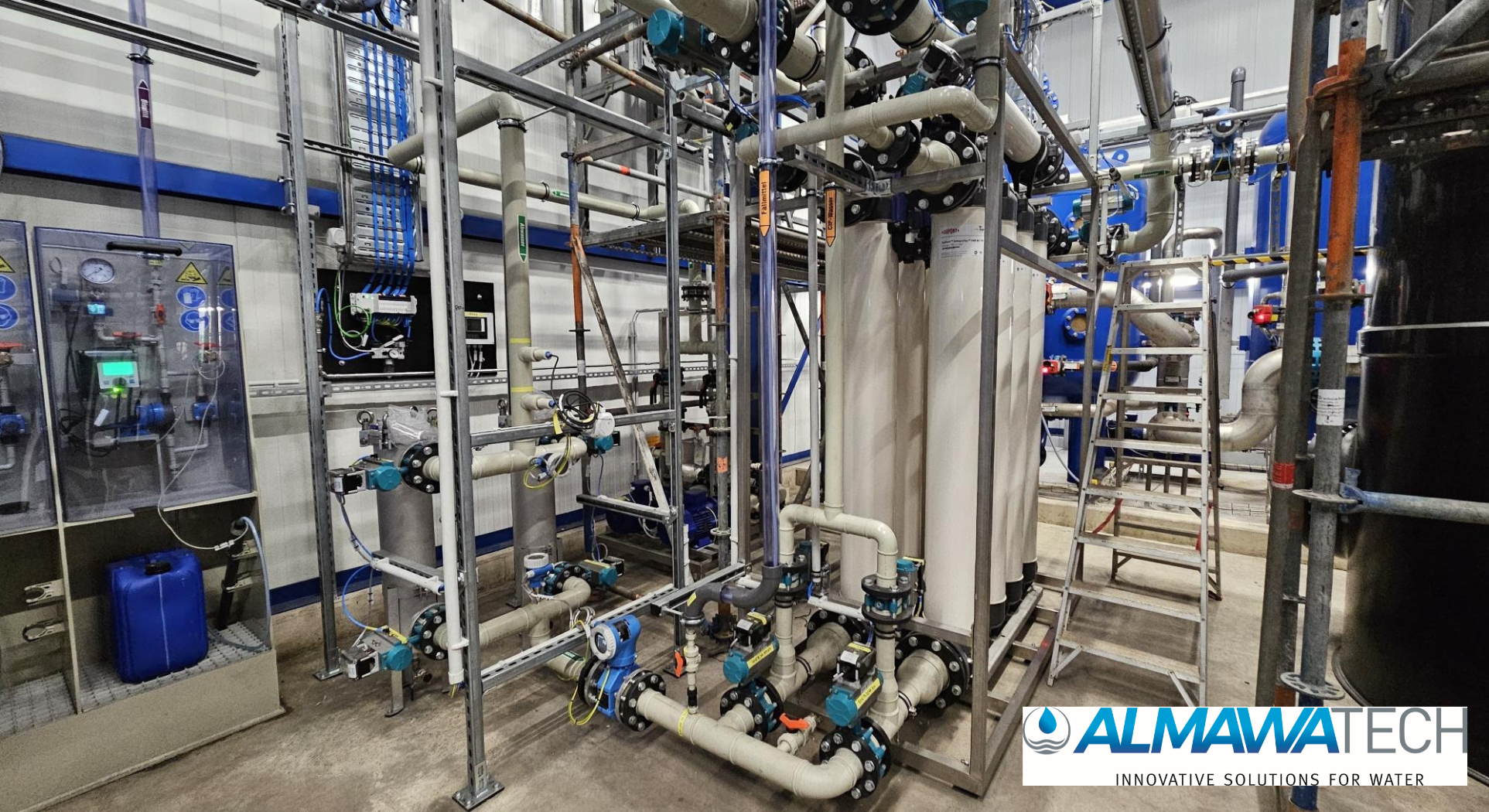
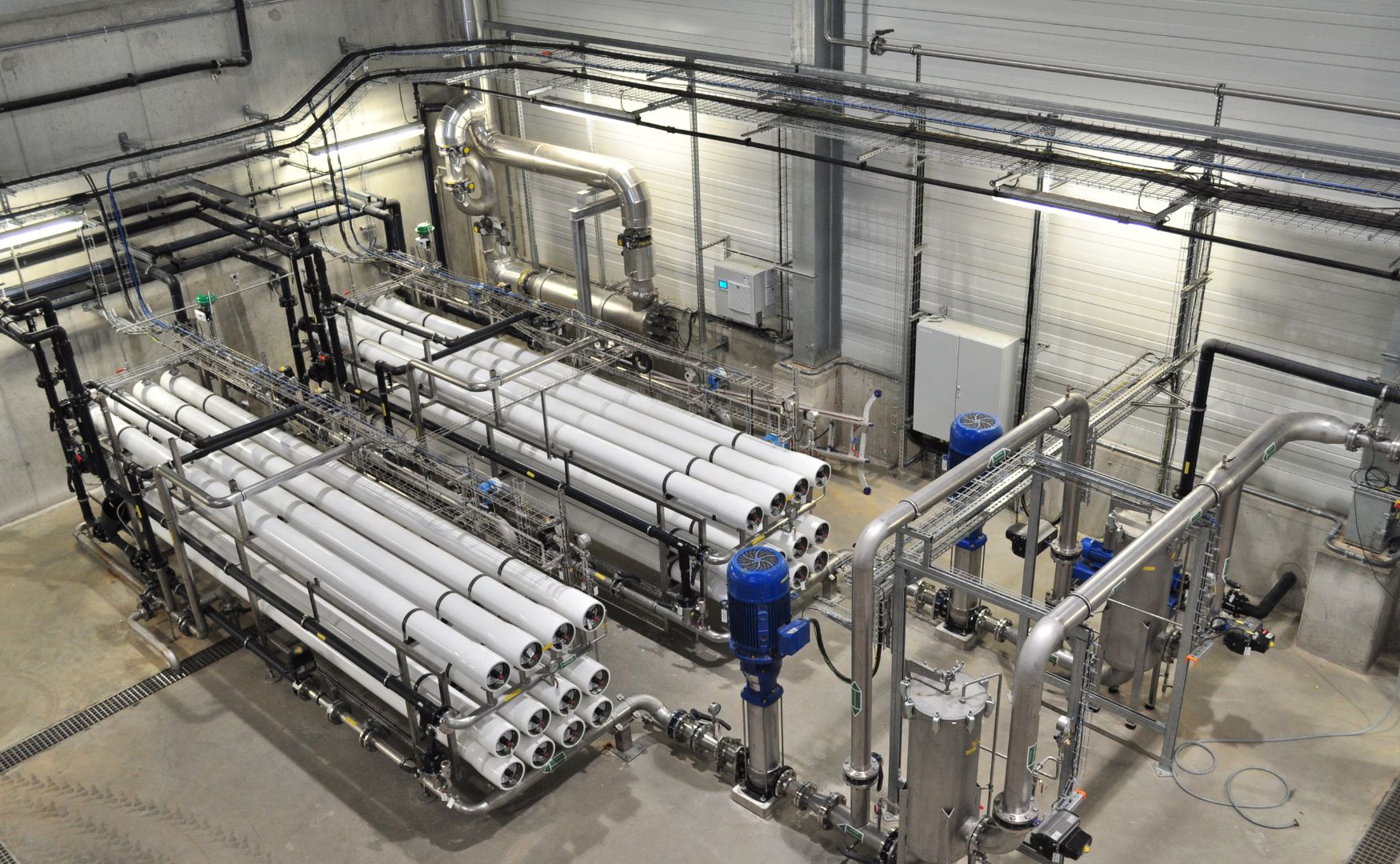
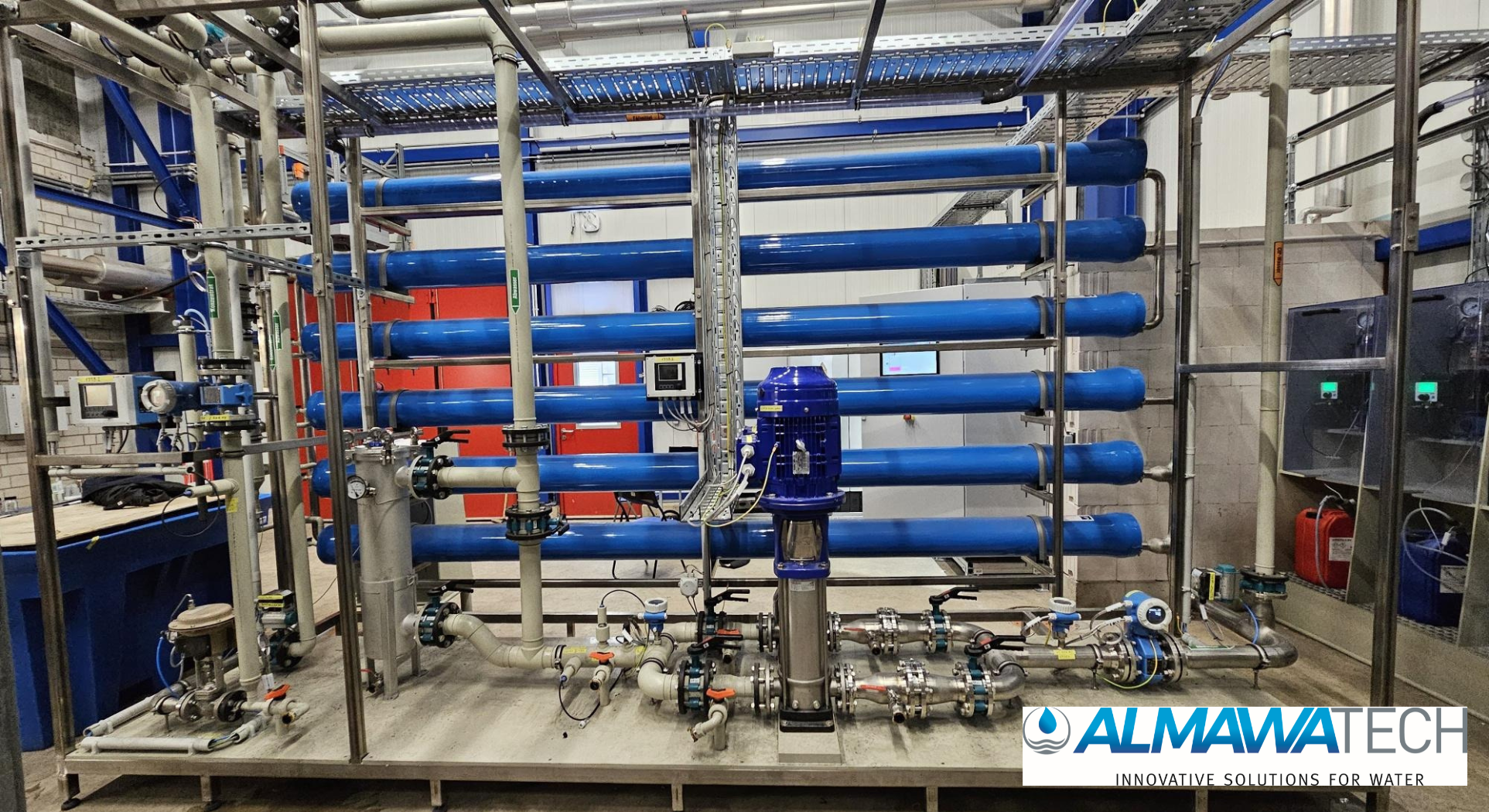
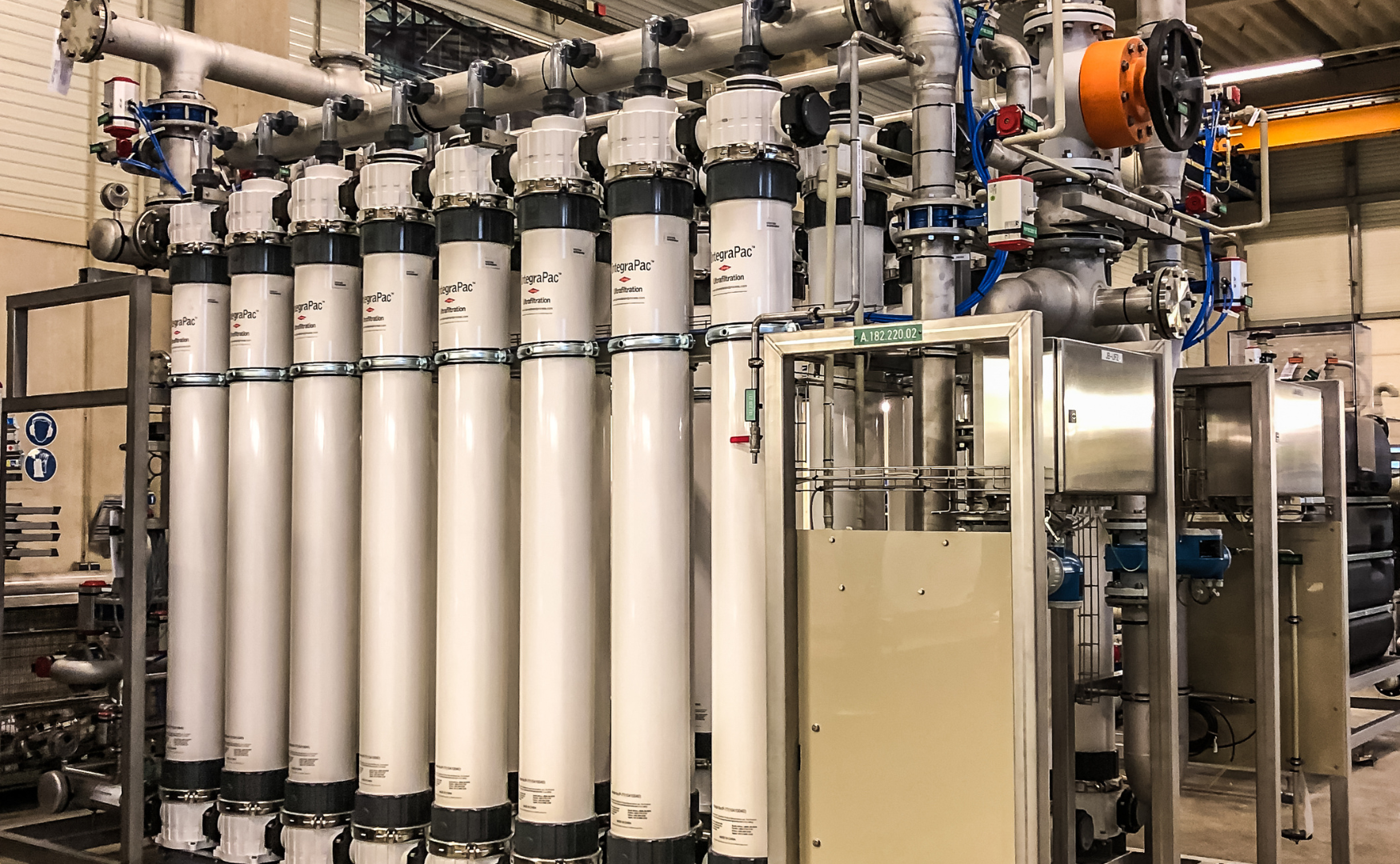
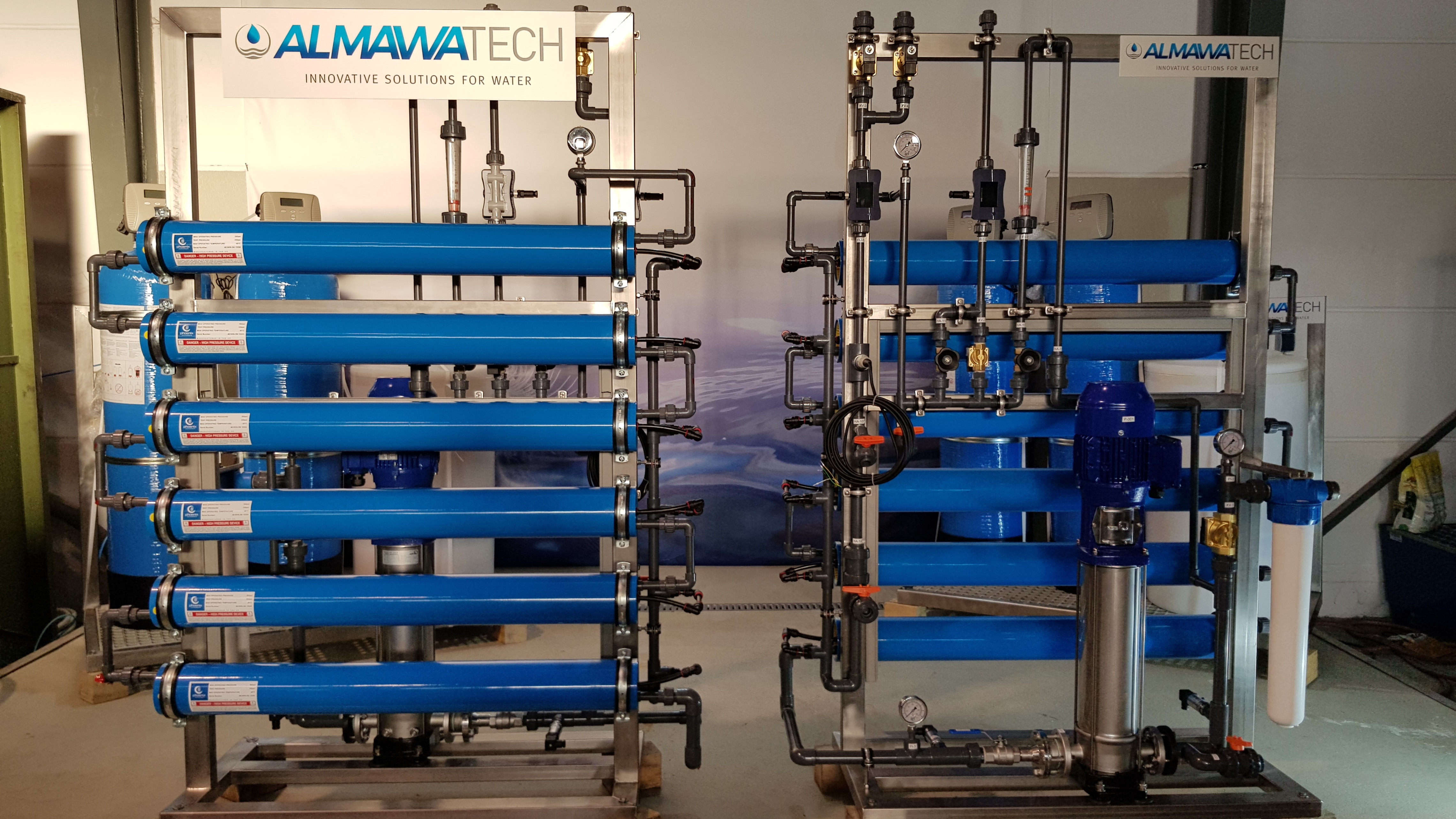
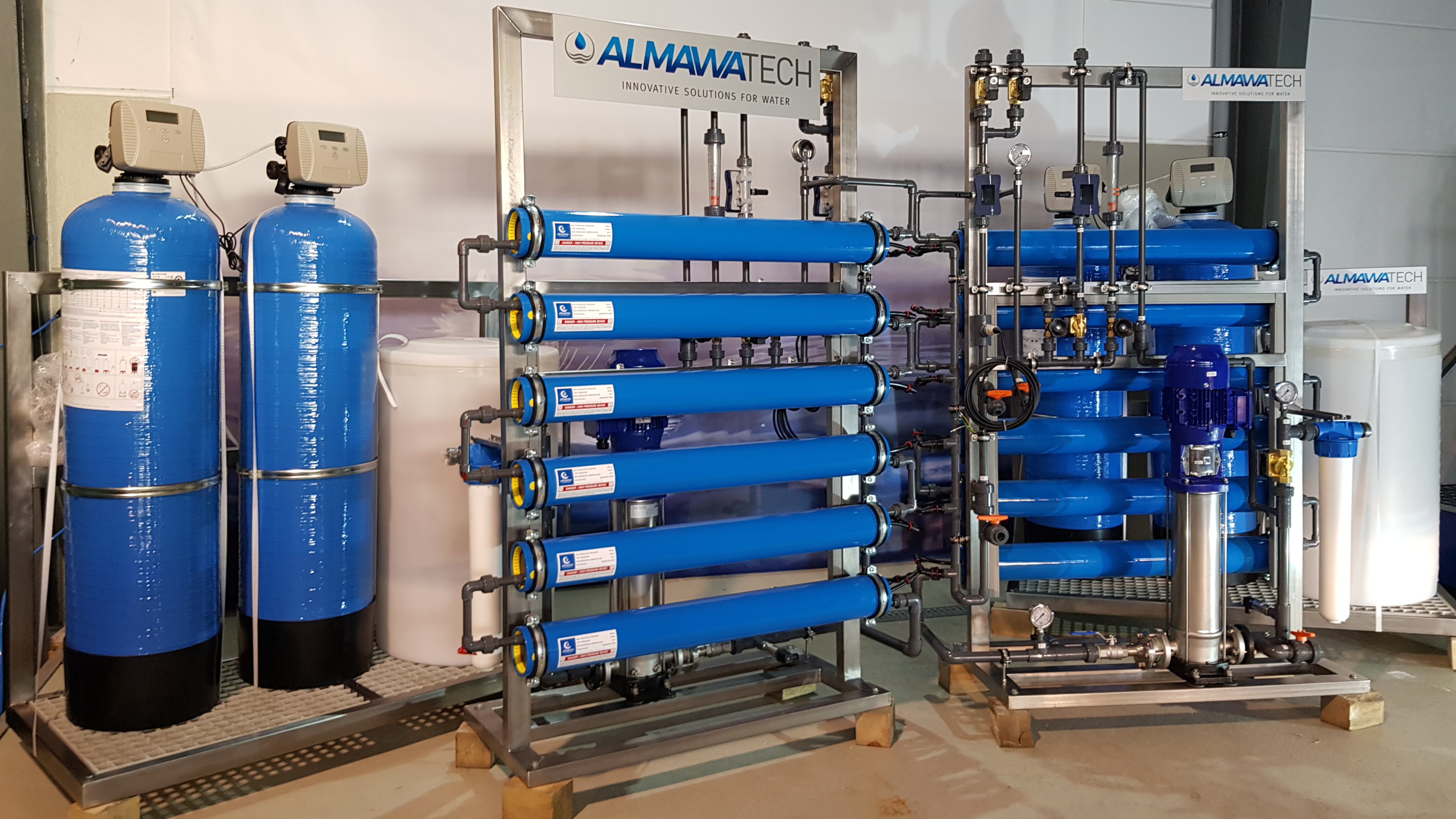
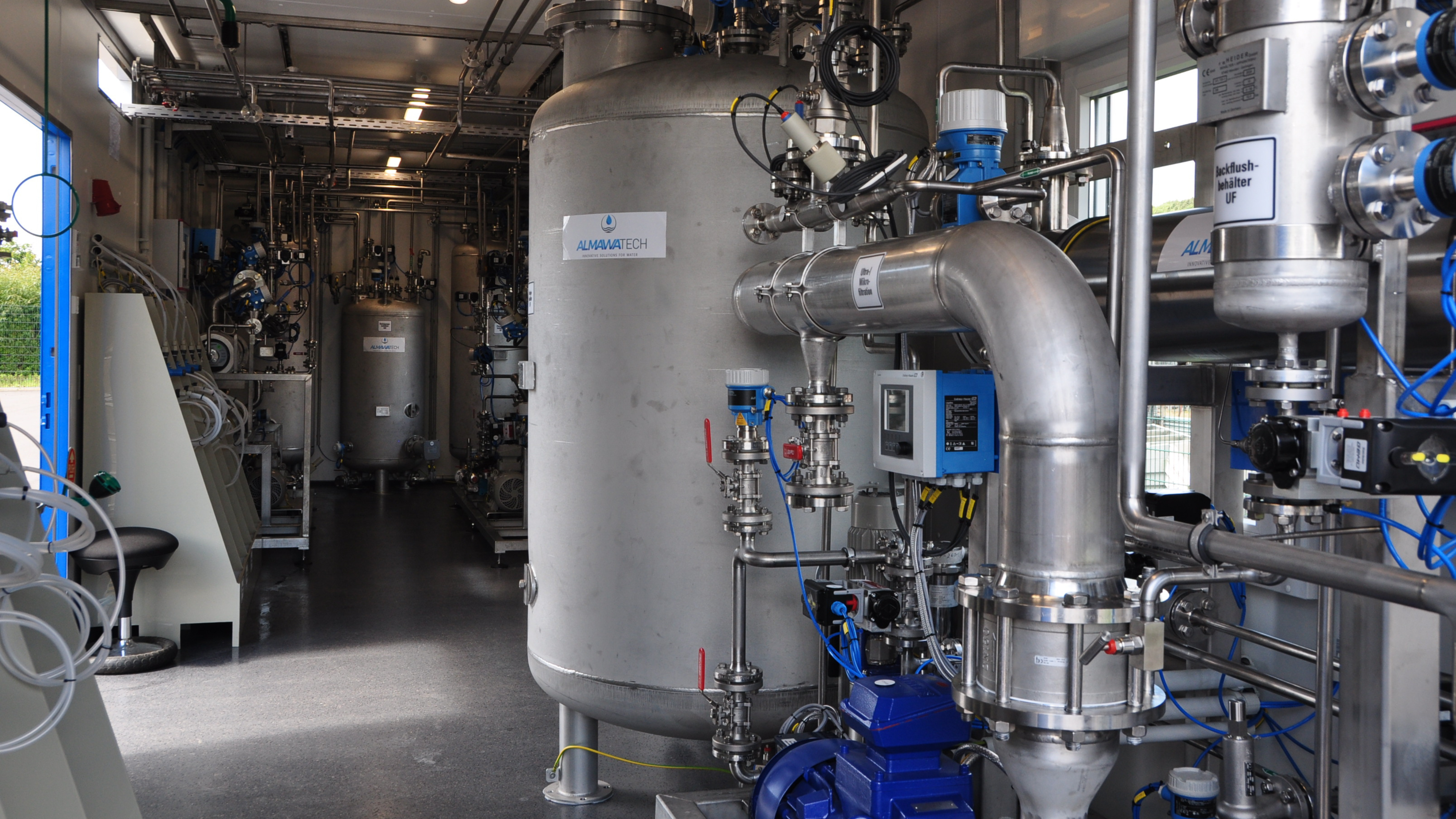
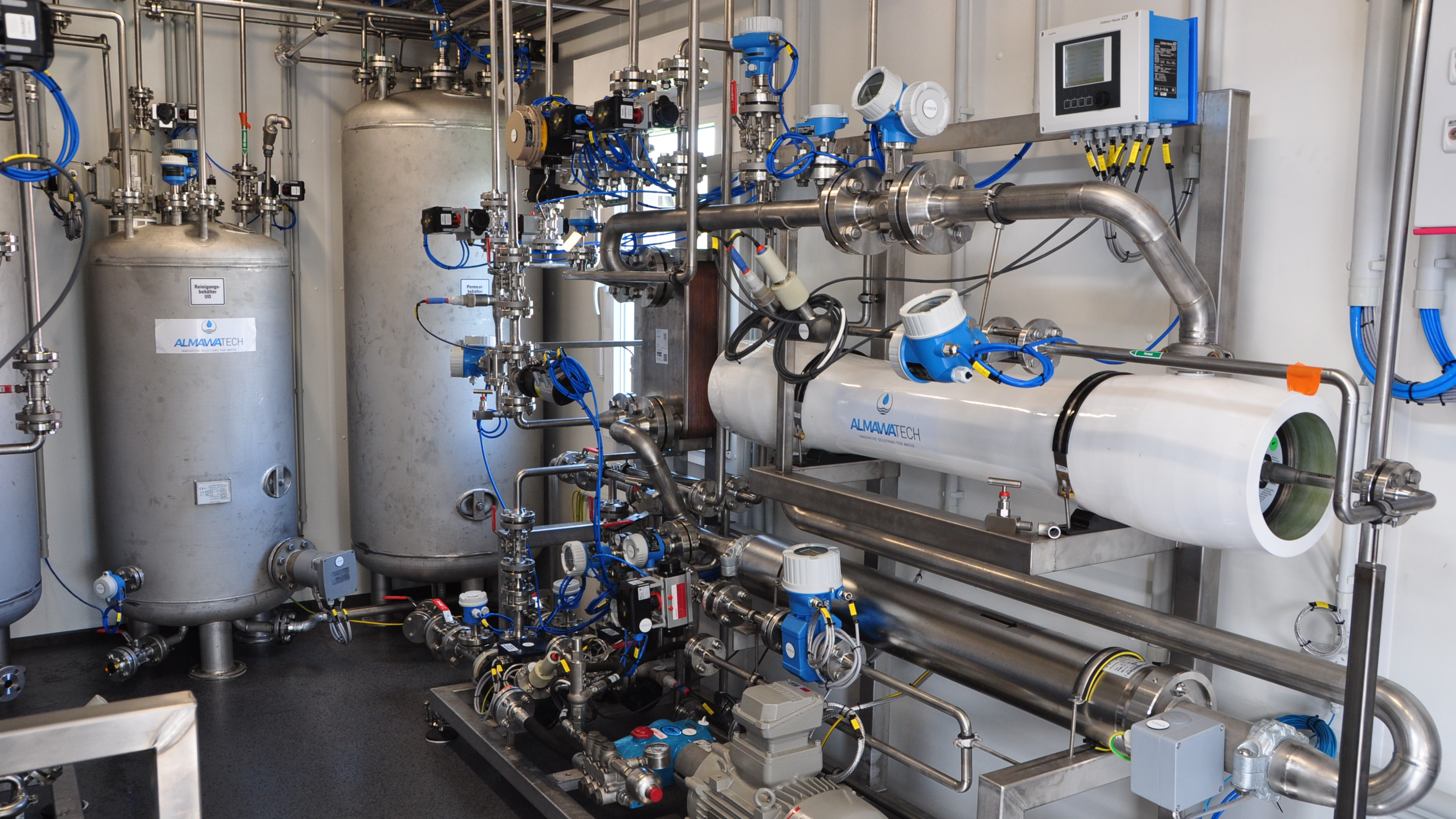
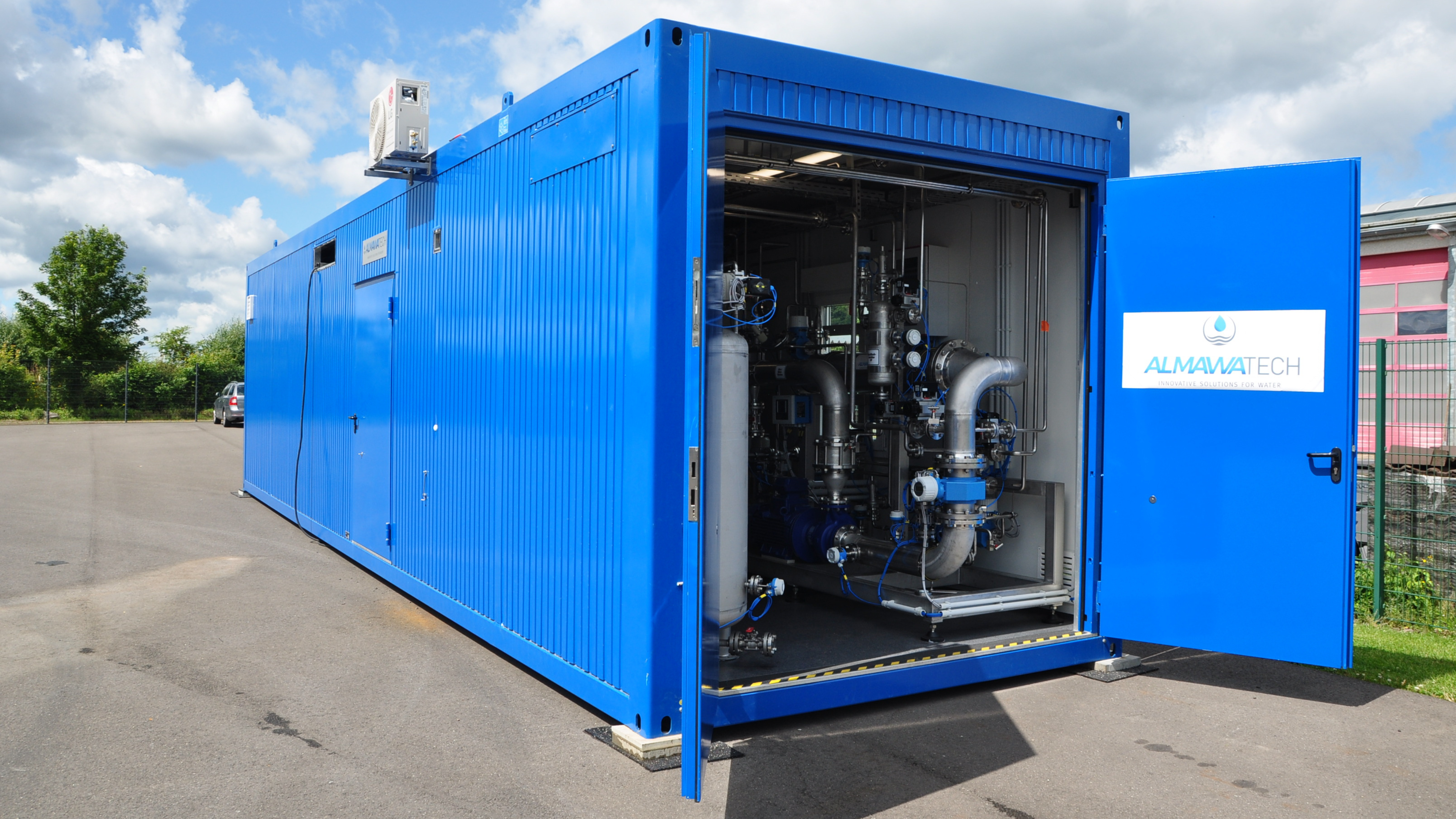
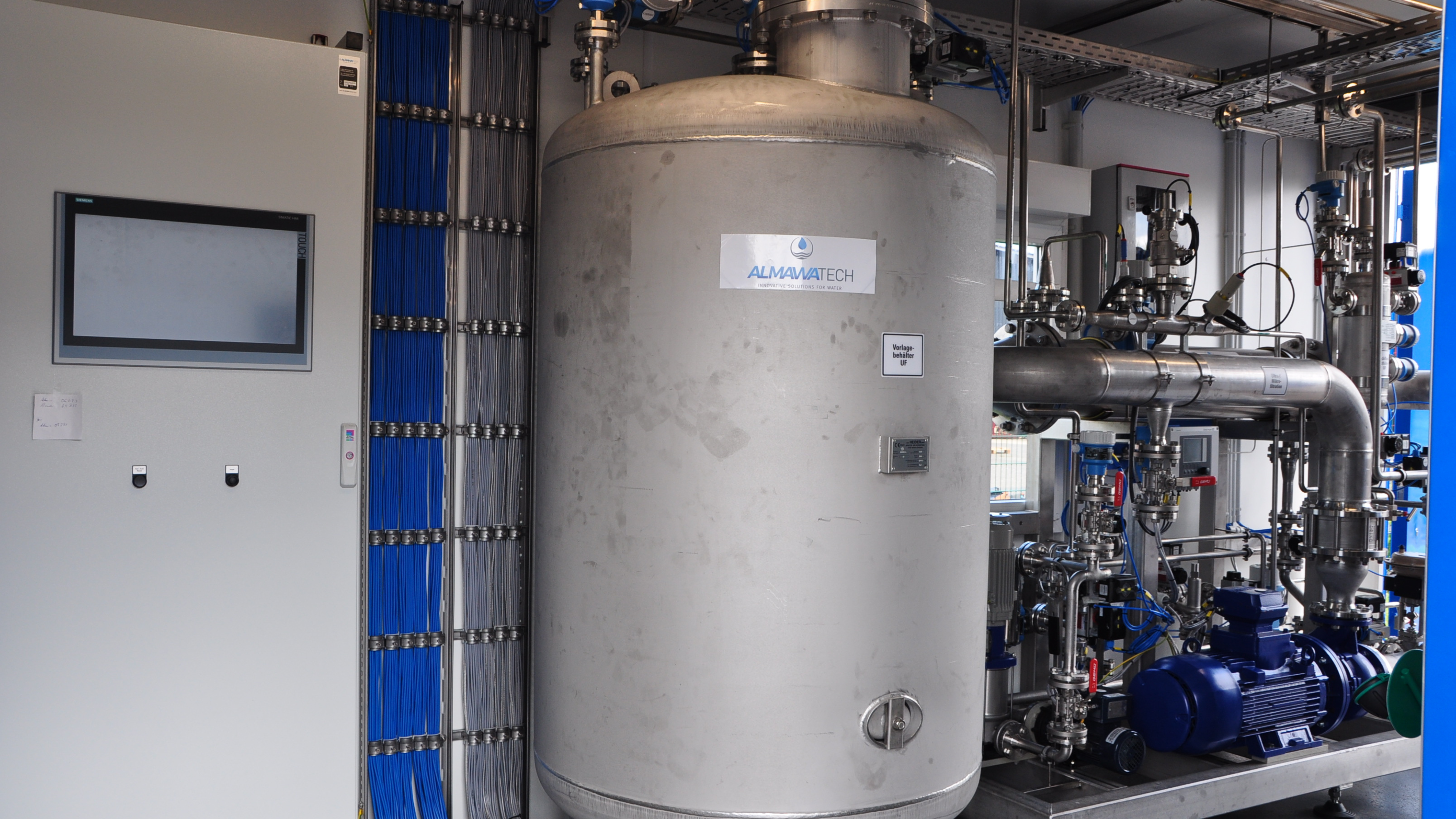
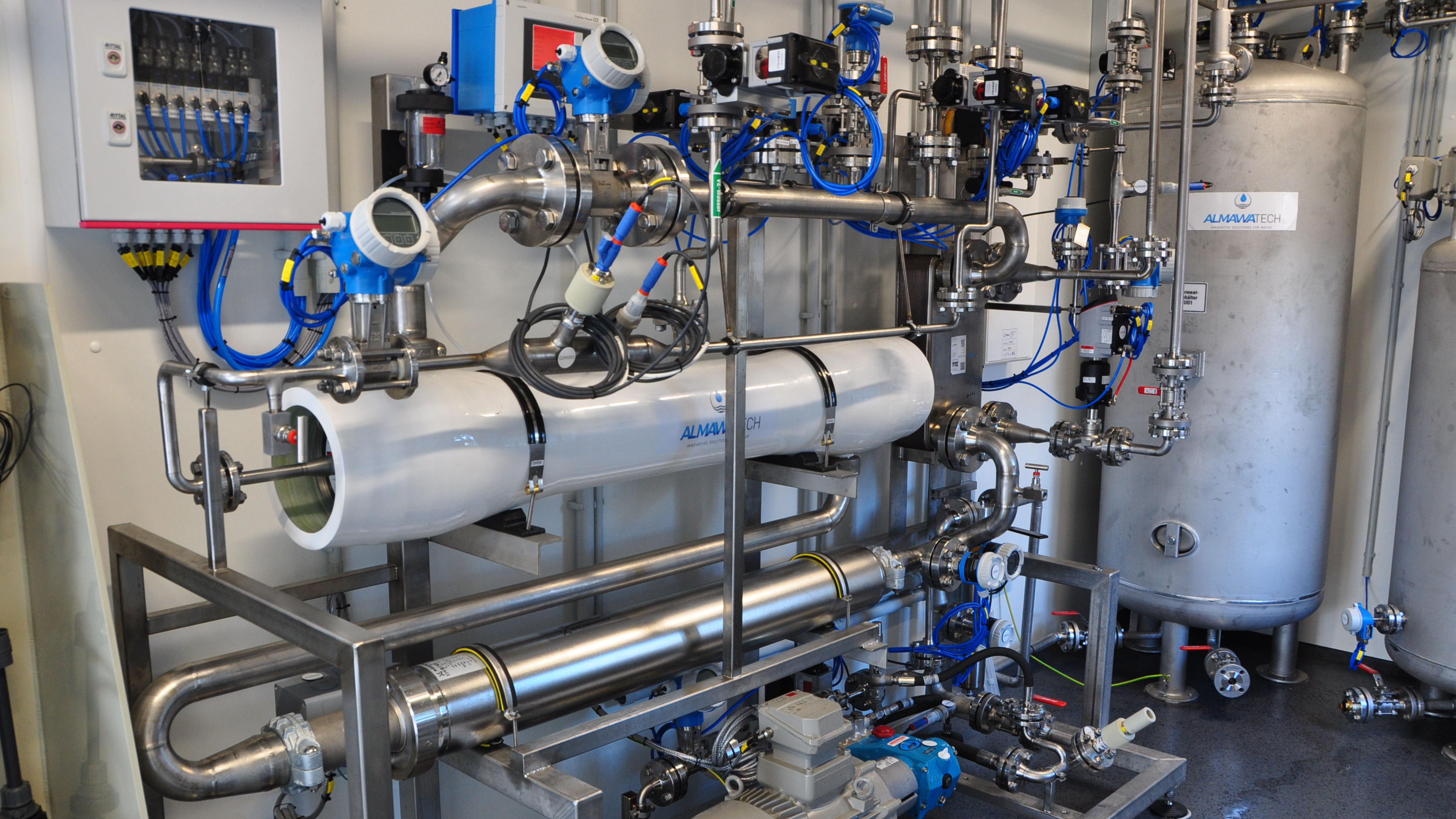
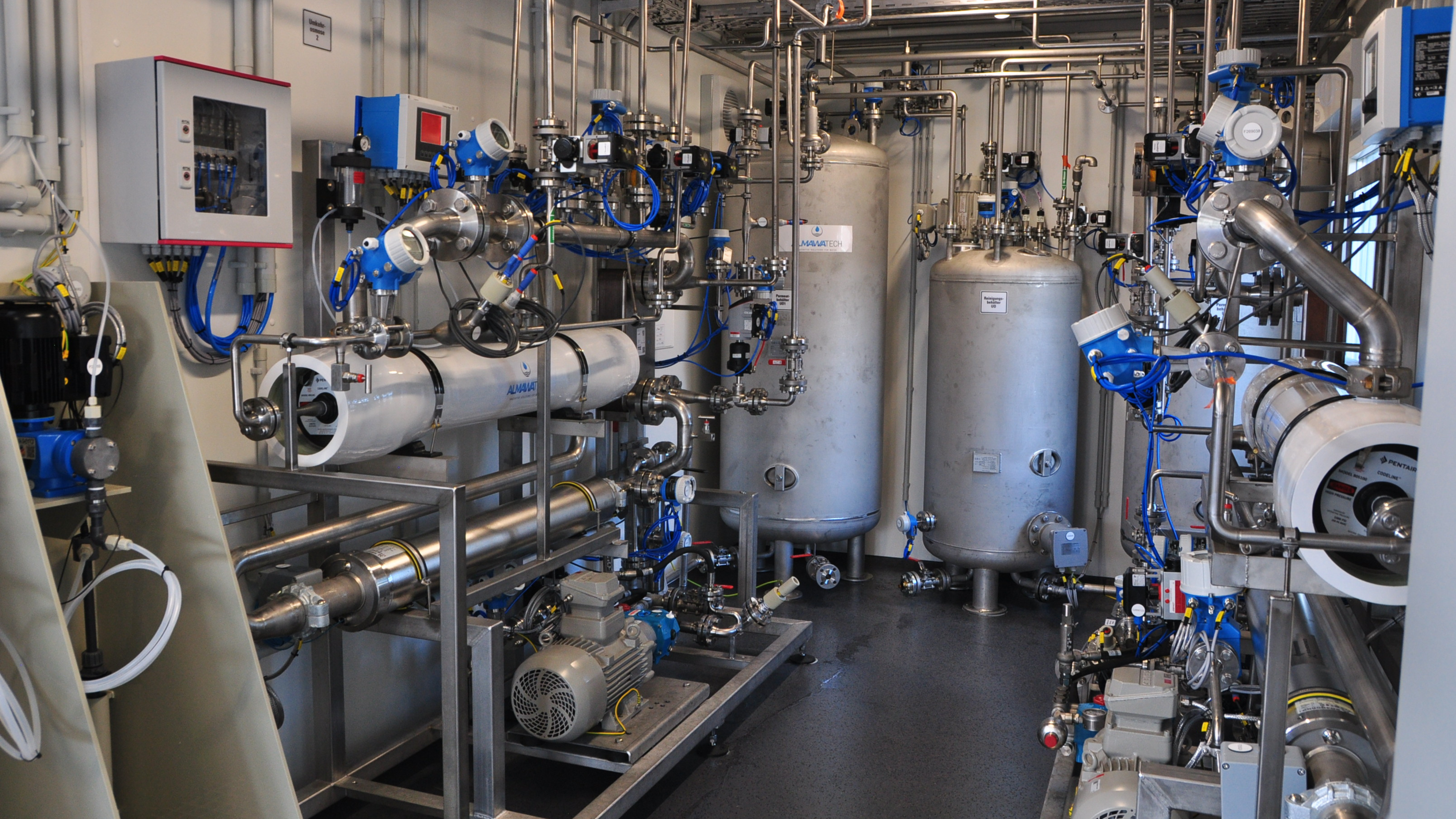
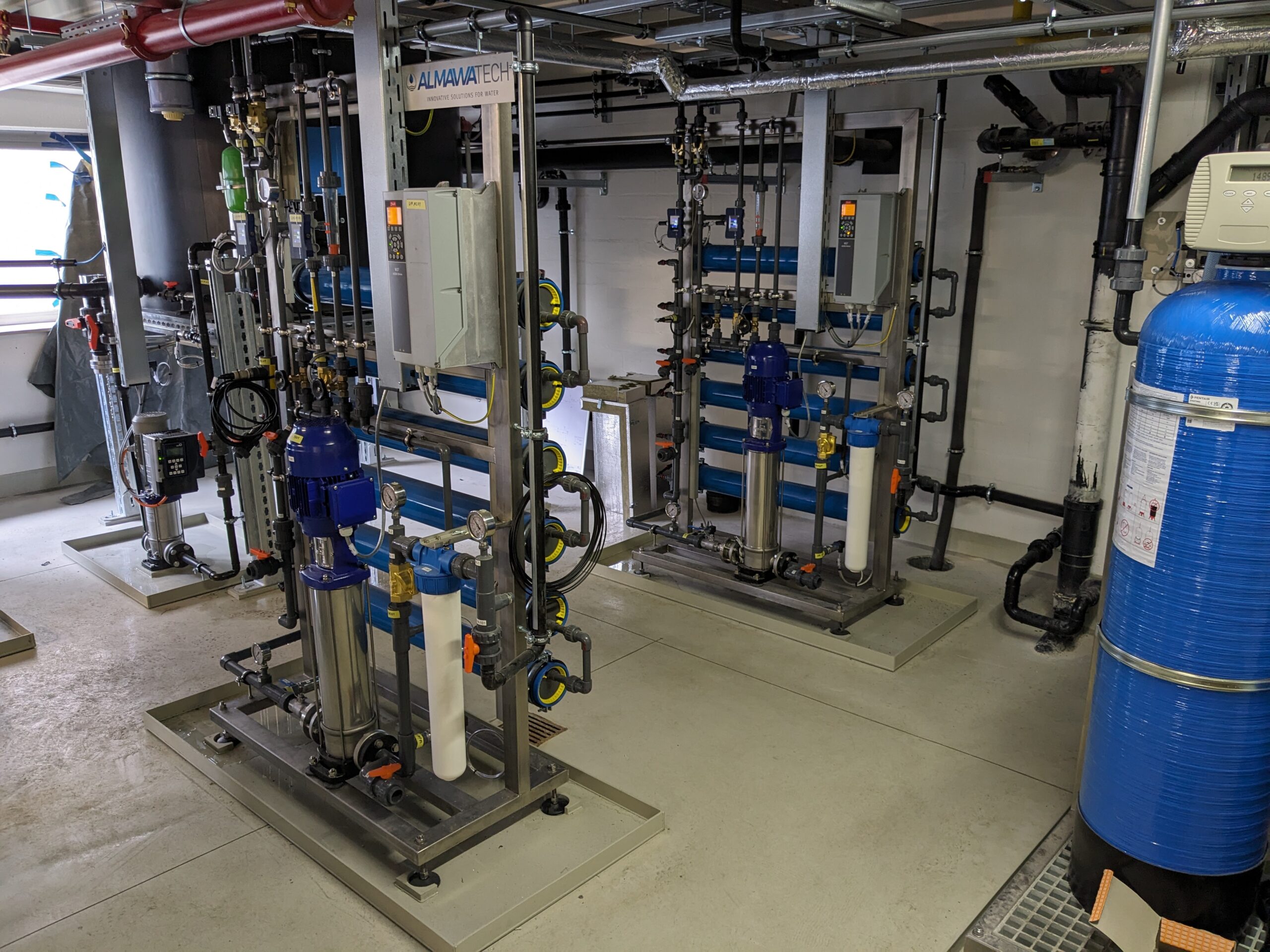
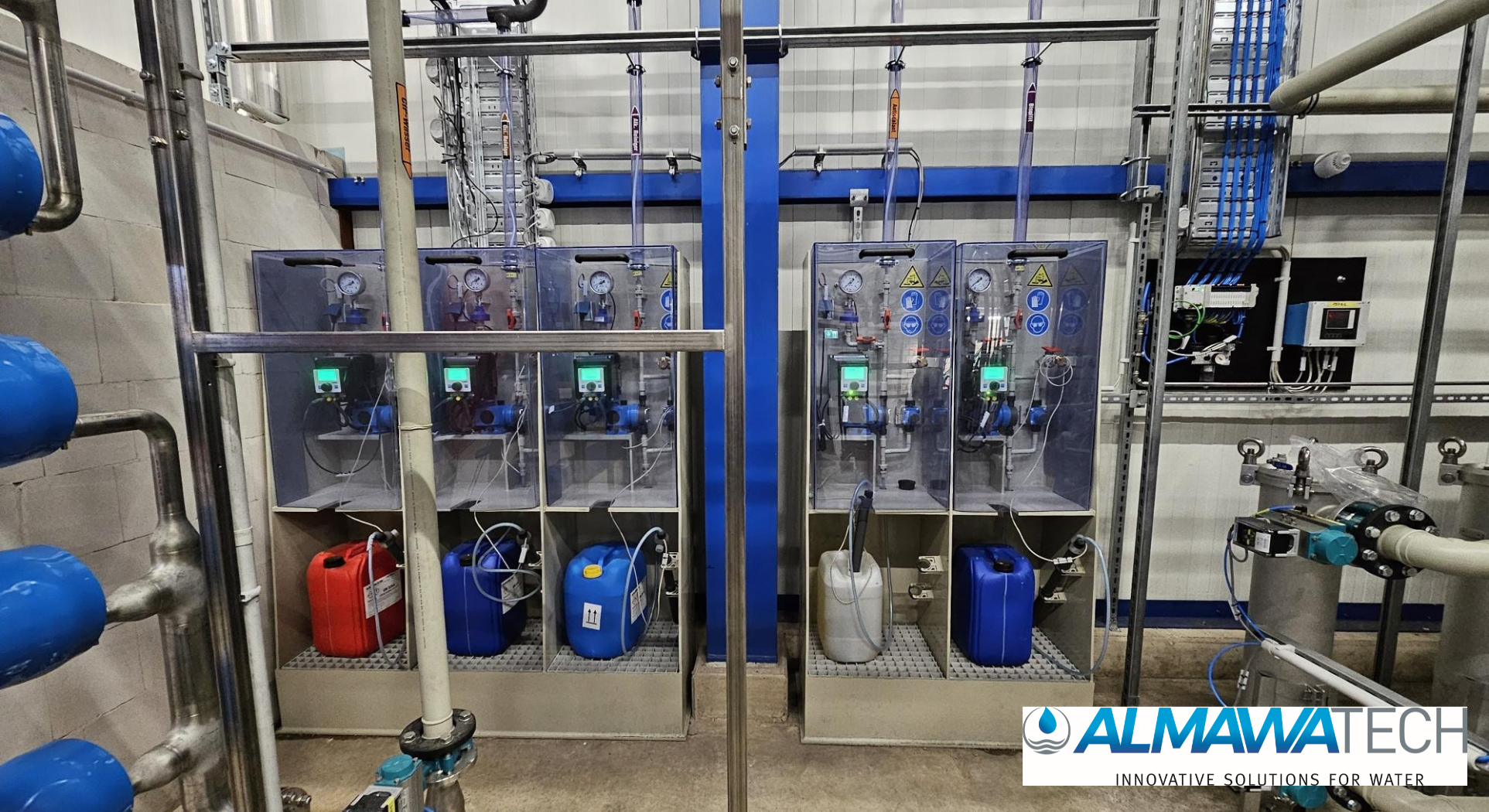
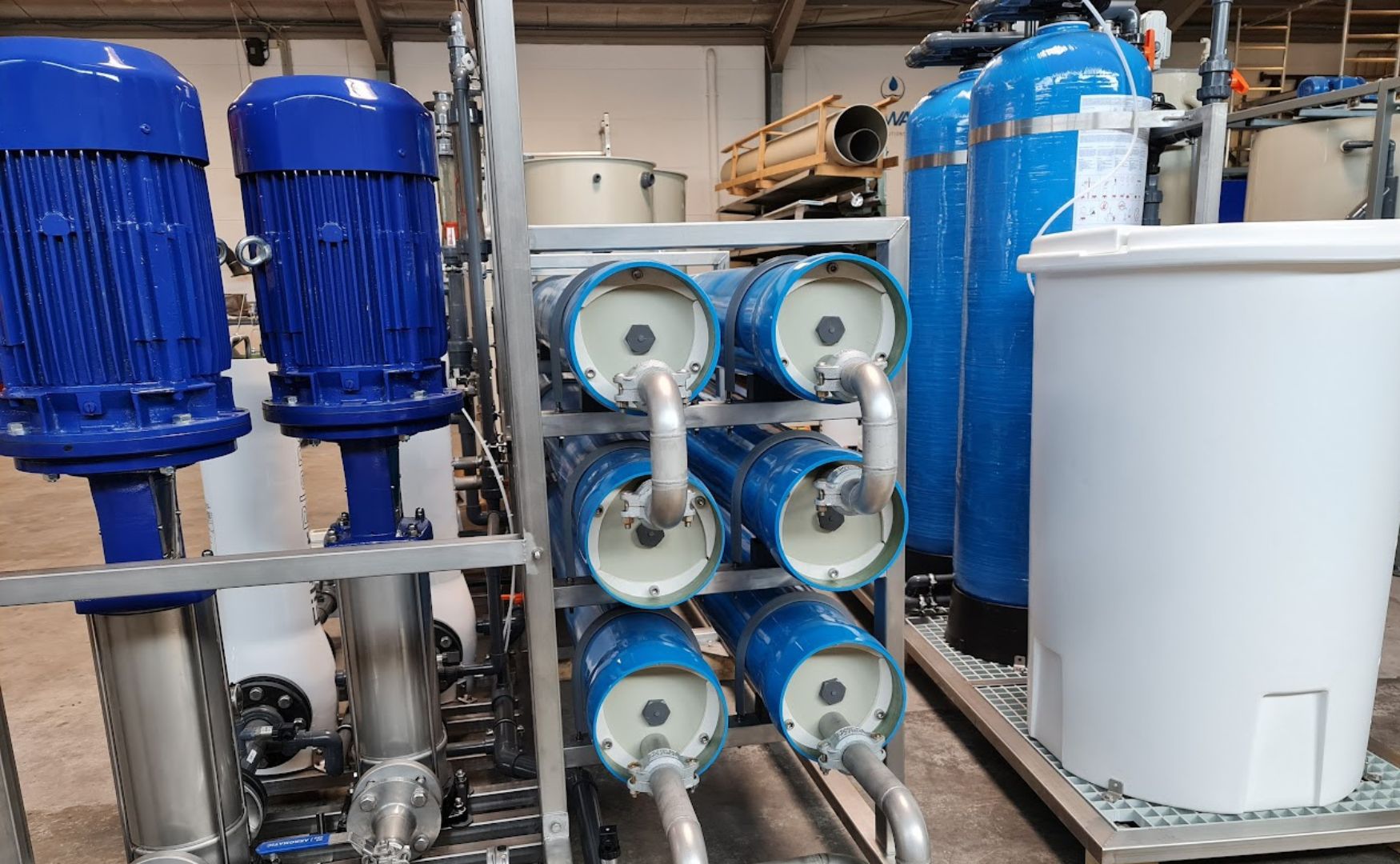
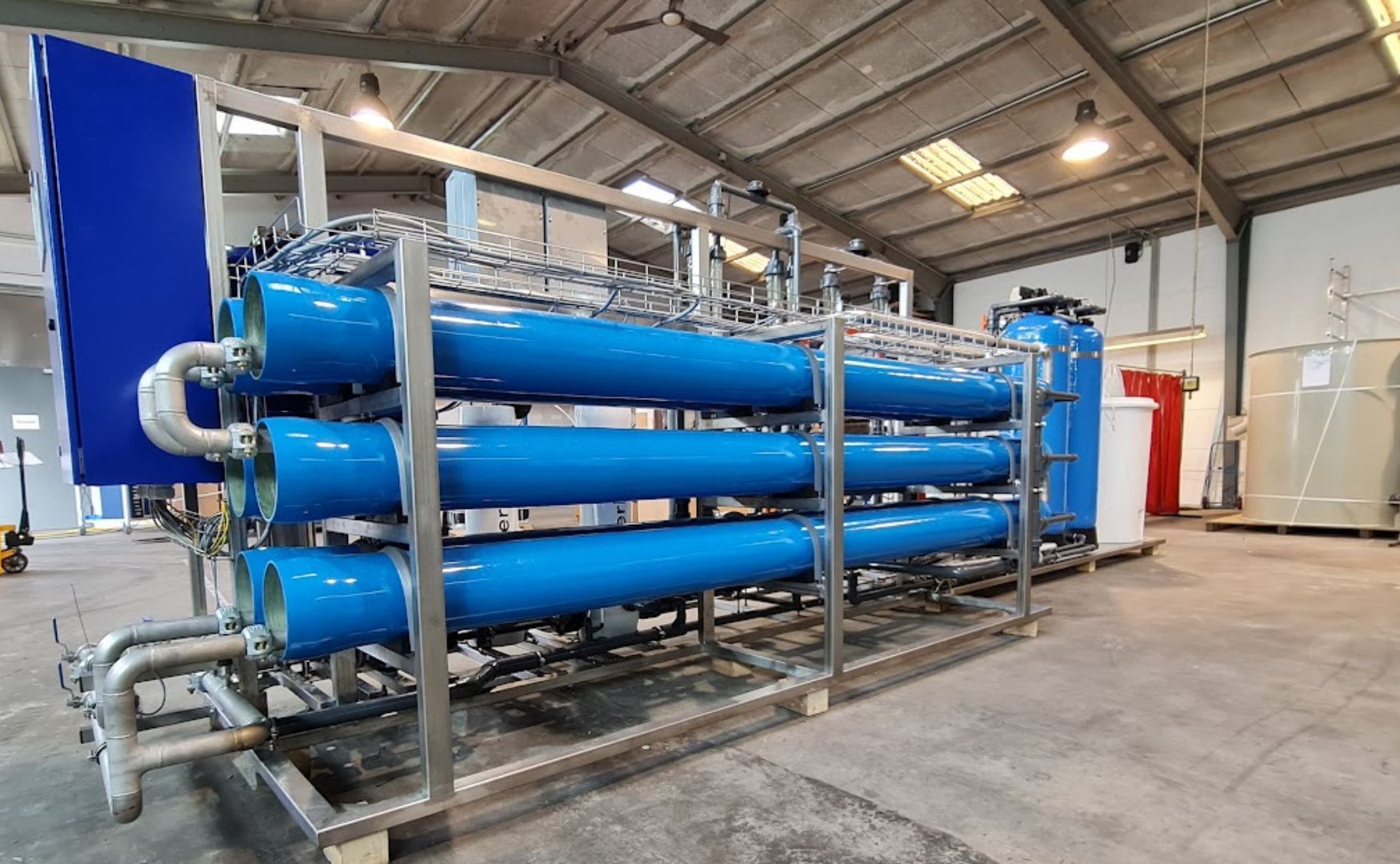
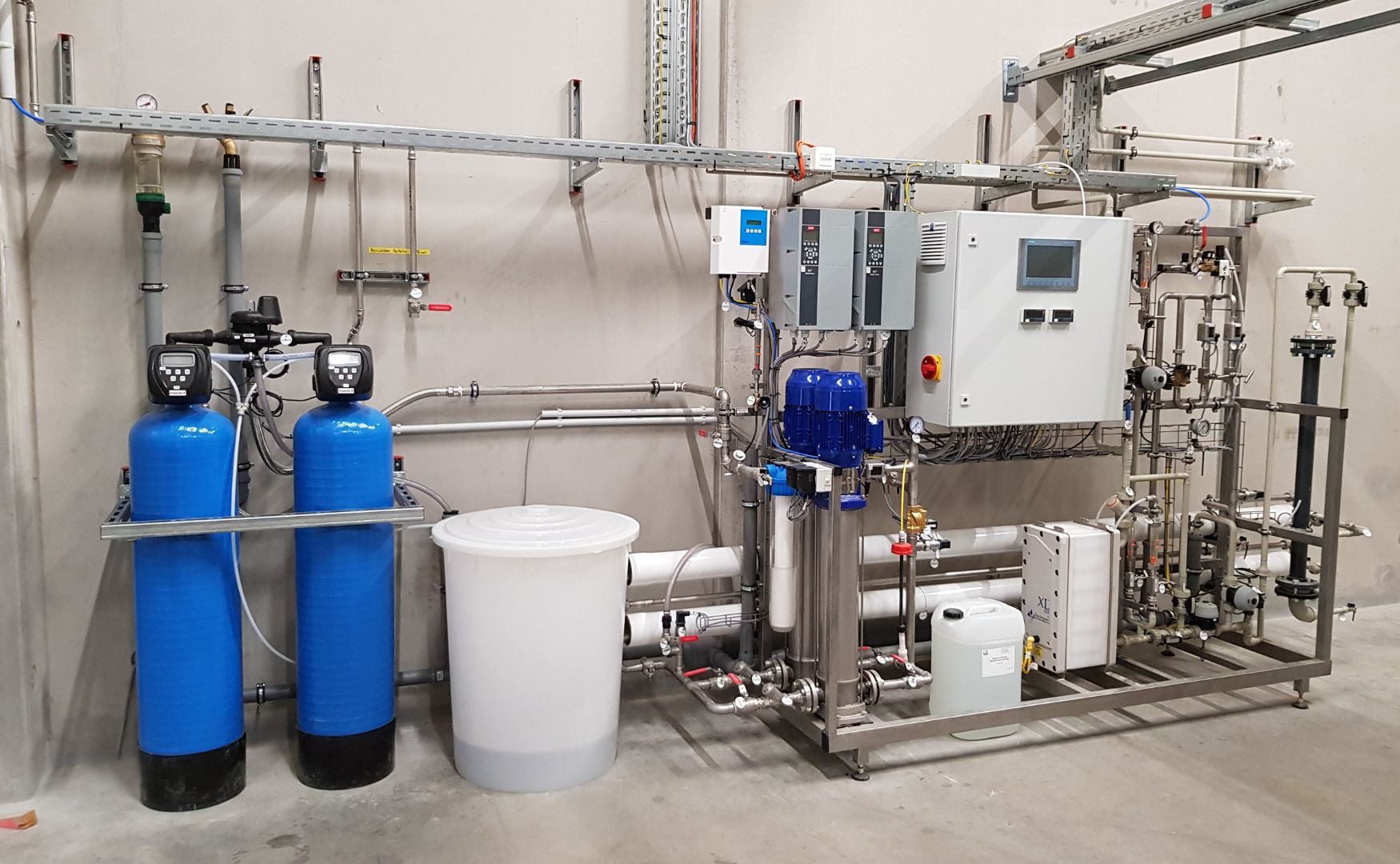
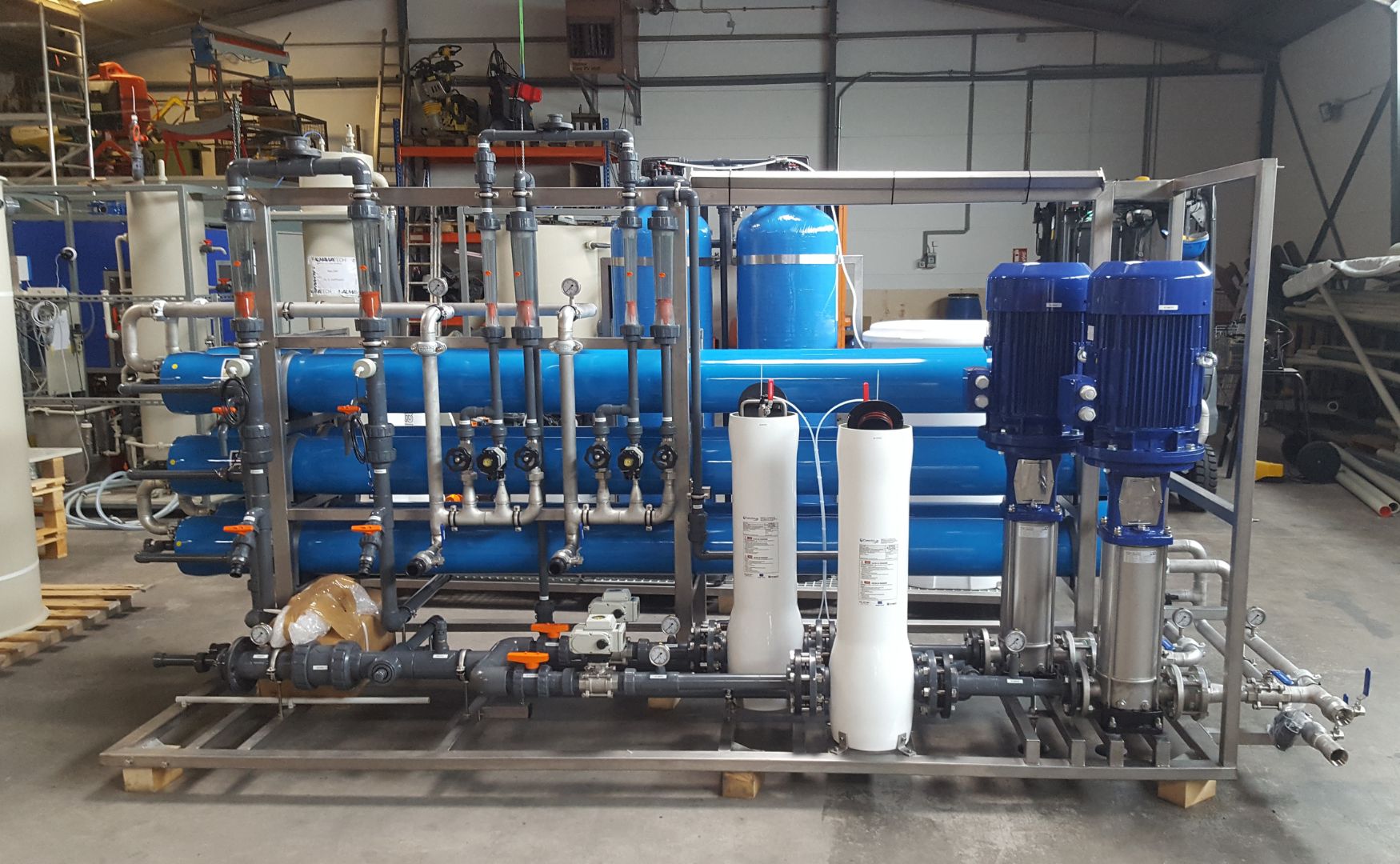
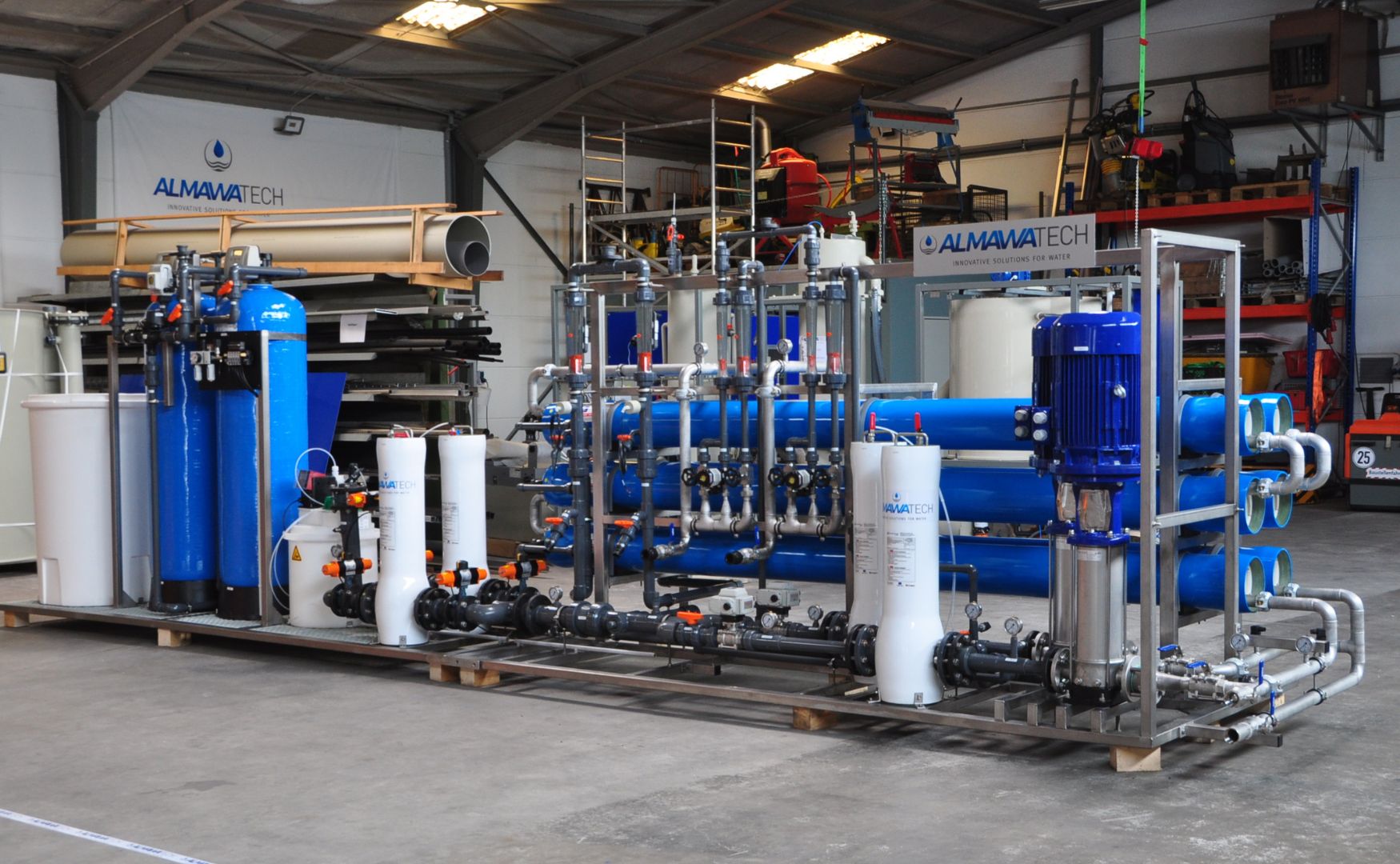
Photos of Membrane Systems

Frequently Asked Questions About Membrane Systems
Which membrane system is right for my water?
The appropriate membrane process depends on the constituents of the water and the desired quality of the treated water. Microfiltration or ultrafiltration are often used to remove solids and colloids. Nanofiltration may be suitable for partial desalination and selective ion separation, while reverse osmosis is used when extensive desalination is required.
To make a reliable selection, the following factors are particularly important: water analysis, flow rate, desired yield, and target quality.
When is nanofiltration a better option than reverse osmosis?
Nanofiltration may be useful when complete desalination is not required and the goal is to specifically reduce polyvalent ions, hardness components, or certain larger dissolved organic substances.
Typical applications include water softening, partial desalination, and sulfate reduction. However, reverse osmosis is generally more suitable for significantly reducing the total salt load.
Can a membrane system be integrated into an existing water treatment plant?
Yes. Membrane stages can often be integrated into existing water and wastewater treatment plants. Typical examples include ultrafiltration upstream of an existing reverse osmosis system, an additional RO stage to improve permeate quality, or an NF stage for selective partial desalination.
The key factors are the existing pretreatment, hydraulic reserves, and the quality of the influent water.
What is the yield of a reverse osmosis system?
The achievable yield varies by project and depends, among other factors, on salinity, hardness components, silicates, scaling potential, temperature, and system configuration. Therefore, it is not practical to provide a general value for industrial plants.
During the design phase, the technically and economically feasible recovery rate is selected so that membrane load, concentrate volume, and operational stability are balanced.
How can fouling in membrane systems be reduced?
Fouling is primarily minimized through proper pretreatment, appropriate membrane selection, and controlled operating conditions. Depending on the water, filtration, ultrafiltration, activated carbon, biological treatment, or chemico-physical pretreatment may be necessary, for example.
In addition, it is important to monitor pressure, flow rate, and permeate quality, as well as to clean the membranes as needed.
How is scaling prevented in reverse osmosis and nanofiltration?
Scaling occurs when sparingly soluble salts in the concentrate exceed their solubility limit. The risk is assessed during the design phase based on water analysis and the expected yield.
Possible measures include water softening, pH adjustment, antiscalant dosing, an adjusted recovery rate, and, if necessary, additional pretreatment steps.
What happens to the concentrate from a reverse osmosis system?
The concentrate produced during RO or NF contains the retained salts and water constituents in higher concentrations. Depending on the location and composition, it can be discharged, further treated, or fed into an additional concentrate stage.
Concentrate treatment should be taken into account as early as the plant design phase, as it can significantly impact the overall economic viability of a water reuse concept.
Can a reverse osmosis system be used for water reuse?
Yes. Reverse osmosis is a commonly used process in industrial water reuse systems, particularly when dissolved salts and ions need to be reduced after pretreatment.
Depending on the required quality, the permeate produced can be used, for example, as process water, cleaning water, cooling water, or boiler feedwater.
When is it advisable to use ultrafiltration before reverse osmosis?
Ultrafiltration is particularly useful when the feedwater contains particles, colloids, or elevated levels of microorganisms. It stabilizes water quality before the RO process and can thereby reduce the risk of fouling in the reverse osmosis system.
For industrial water reuse plants, the combination of UF and RO is therefore often a technically sound solution.
How is deionized water or ultrapure water produced using membrane technology?
For deionized water, reverse osmosis is often used first to significantly reduce the concentration of dissolved salts. If an even lower conductivity is required, an additional polishing stage may follow.
Depending on the quality requirements, ion exchangers or EDI, for example, can be used for this purpose.
Our Membrane Systems
ALMA MEM MF/UF
Microfiltration and ultrafiltration systems using organic or ceramic membranes for the treatment of wastewater and process water.
ALMA OSMO VE
Compact and modular reverse osmosis systems with organic membranes for the production of ultrapure water for critical production processes.
ALMA OSMO Process
Reverse osmosis system, in a multi-stage version if required, for the treatment of waste water and process water for internal reuse.
ALMA BHU BiosS-Treat
The patented BiosS-Treat combines a
precipitation step with subsequent biologically active filtration and reverse osmosis.
Feel free to contact us anytime!
Maksim Neubauer
Head of International Project Development