
Automatic pH Neutralization of Industrial Wastewater
Request Technical Consultation


Maksim Neubauer
Head of International Project Development
Advantages of Custom-Designed Neutralization Systems
ALMAWATECH neutralization systems are tailored to the wastewater composition, target pH value, operating mode, and integration into the existing wastewater treatment system. This results in a safe, cost-effective, and operationally suitable solution for pH adjustment of industrial wastewater.
Consistent maintenance of the target pH level
Automated measurement and control technology continuously adjusts the dosing rate to the actual inflow. This ensures that the desired target range is reliably maintained, even with fluctuating pH levels and varying wastewater flow rates.
Flexible Selection of Equipment
Acids, alkalis, CO₂, or flue gas can be used depending on the wastewater, target values, safety requirements, and cost-effectiveness. In this way, the neutralization process is tailored to the specific project and its actual requirements.
Batch and Continuous Operation
The system design can be configured for continuous, intermittent, or highly fluctuating wastewater flows. As a result, the neutralization process is suitable for both small sub-flows and larger, automatically treated flow rates.
Comprehensive Plant and Safety Engineering
Dosing, storage, reaction, measurement, control, and safety functions are designed as an integrated system. This results in robust plant designs with clearly coordinated components and a high level of operational reliability.
Pre-assembled and modular design
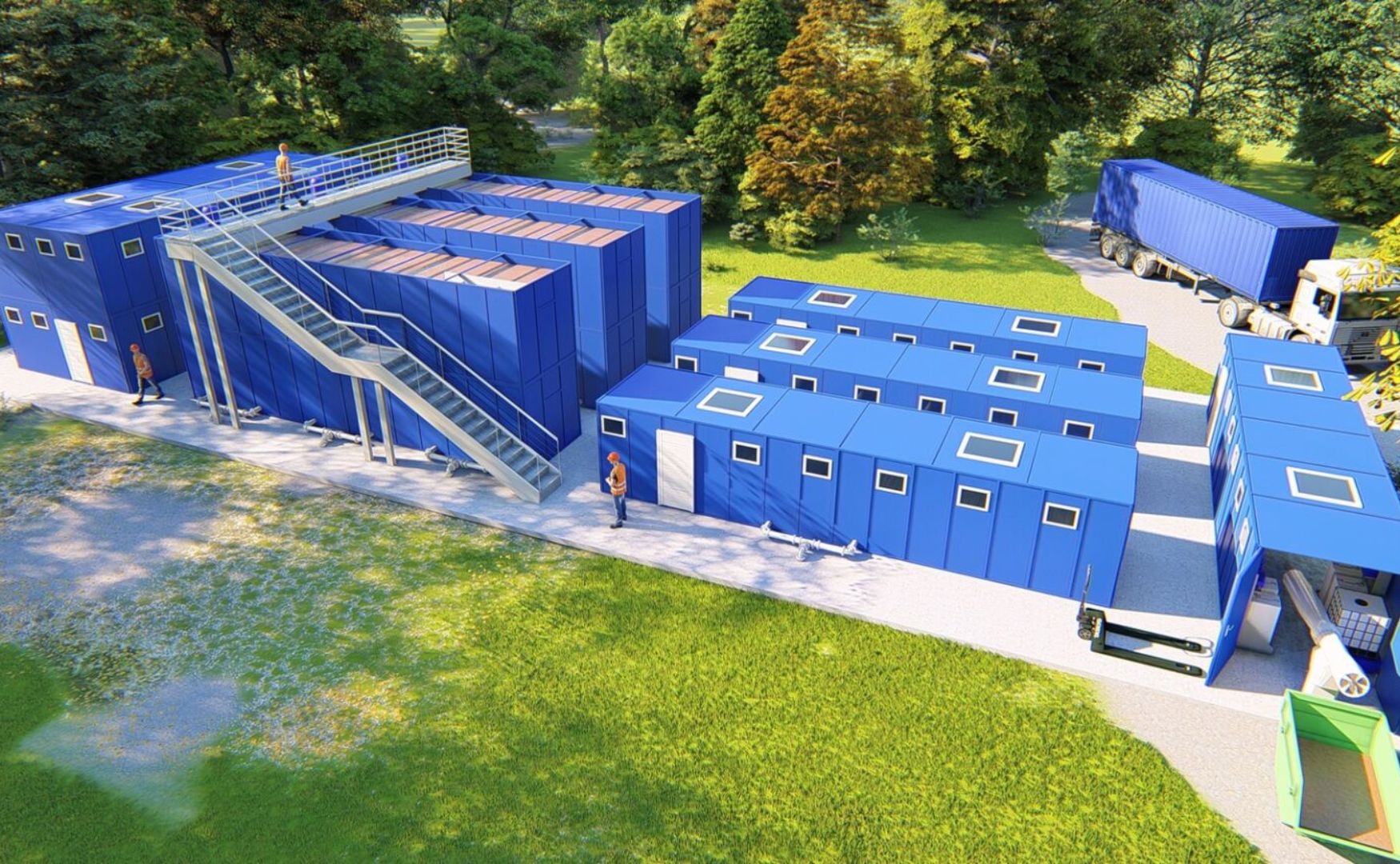
The system can be installed as a freestanding unit, in a utility room, or as a pre-assembled ALMA module. This allows for specific consideration of space constraints, installation effort, and requirements at international or decentralized locations.
Integration into Existing Treatment Plants
Neutralization systems can be integrated upstream of biological treatment, CP systems, flotation, filtration, or membrane technology. This allows pH correction to be specifically integrated into existing process and wastewater treatment systems.
When is a neutralization system for industrial wastewater a good idea?
Typical areas of application for neutralization systems
Industries that generate acidic and alkaline industrial wastewater
Which neutralization system is best suited for this application?
The appropriate design depends on the volume of wastewater generated, pH fluctuations, the installation site, and the neutralizing agent. ALMAWATECH designs neutralization systems for small, batch-type wastewater streams as well as for large, continuous industrial wastewater streams.
| Task | Recommended Configuration | Typical Design |
|---|---|---|
| Small, intermittent volumes of wastewater |
Charge Neutralization
Batch operation |
Compact system with a collection and reaction tank |
| Significant fluctuations in pH levels |
Batch System with Homogenization
Flexible Processing |
Multi-tank or batch system |
| Continuous wastewater flow |
Pass-through neutralization
Continuous operation |
Automatically controlled inline or batch system |
| Limited installation space |
Compact Neutralization System
Space-saving |
Pre-assembled skid or utility room solution |
| Outdoor installation |
ALMA Module
Container-based construction |
Insulated and weather-protected container facility |
| Alkaline wastewater |
Acid or CO₂ neutralization
pH reduction |
Liquid dosing or gas injection |
| Acidic wastewater |
Alkali Neutralization
pH Increase |
Dosage of caustic soda, lime milk, or soda ash |
| Usable CO₂-containing exhaust gas |
Flue Gas Neutralization
Process Gas Utilization |
Gas Treatment and Customized Feed System |
Technical Specifications at a Glance
Throughput Range
0.5 to 5,000 m³/hFor small partial flows up to large continuous industrial wastewater streams.
Materials
Stainless steel, PE, PP, or PVDFBased on temperature, wastewater constituents, and the neutralizing agents used.
pH measurement
Inline and continuousAutomatic detection and control of the dosage based on the current pH value.
Redundancy
Possible in all areasFor example, for sensor technology, metering pumps, control systems, and conveyor technology.
Design
Skid, utility room, or containerPre-assembled and tailored to the installation area and site conditions.
Control Room Connection
Modbus or PROFINETCommunication with higher-level control and automation systems.
Data Logging
Automatic and traceableOperating data, alarms, min/max values, charts, and reports are saved upon request.
ALMA SmartCare
Digital Equipment MonitoringAutomatic reports, pH trends, dosing amounts, alarm notifications, charts, and minimum and maximum values.
Request a neutralization plan
Maksim Neubauer
Head of International Project Development
Which neutralizing agent is suitable?
The selection of the neutralizing agent depends on the initial pH, buffer capacity, target pH, flow rate, and operational requirements. For industrial wastewater, acid, caustic soda, CO₂, and CO₂-containing flue gas are available.
Neutralization with Acid
Sulfuric or hydrochloric acid rapidly and precisely lowers the pH value of highly alkaline wastewater. The compact reaction system is particularly well-suited for high neutralization capacities and tightly defined target values. Storage, dosing, materials, and reaction heat are all incorporated into the plant’s safety concept.
Typically suitable for:
- highly alkaline industrial wastewater
- Narrow and precise target pH ranges
- high neutralization capacities
- Compact and rapid response management
Neutralization with Lye
Sodium hydroxide, lime milk, or soda raise the pH level of acidic industrial wastewater. The process is suitable for continuous and batch-produced process, pickling, and cleaning wastewater. When using lime milk, the resulting solids are taken into account during solids separation and sludge treatment.
Typically suitable for:
- acidic process wastewater
- Pickling and Rinsing Wastewater
- Acidic CIP and cleaning wastewater
- Applications Requiring an Increase in pH
Neutralization with CO₂
CO₂ forms carbonic acid in water and lowers the pH value of alkaline wastewater. In this process, carbon is bound in the water as bicarbonate or carbonate and permanently converted into stable compounds through mineralization. CO₂ neutralization replaces mineral acids and thereby reduces the treatment’s carbon footprint.
Typically suitable for:
- alkaline industrial wastewater
- moderate target pH ranges
- Food and Beverage Processes
- Locations with available CO₂ infrastructure
Neutralization with flue gas
Flue gas containing CO₂ can be used to lower the pH value of alkaline wastewater. This allows an existing process stream to be utilized as a resource and replaces additional neutralizing chemicals. Gas quality, contaminants, injection technology, and any necessary pre-treatment are adapted to the specific site.
Typically suitable for:
- Locations with a usable flue gas stream
- Process Integration and Waste Utilization
- sufficiently consistent gas quality
- Customized gas purification and injection technology
Batch or continuous neutralization?
The appropriate operating mode depends on the wastewater load, pH fluctuations, flow rate, and the desired effluent control. Batch systems offer high flexibility for varying wastewater streams, while continuous-flow systems automatically treat continuous production streams.
Charge Neutralization for Fluctuating Wastewater
The wastewater is collected, homogenized, and treated as a single batch. Only after the specified target pH value has been reached and verified does the controlled release for discharge or for the next treatment stage take place.
Typically suitable for:
- intermittent wastewater generation
- Significant fluctuations in pH and load
- small or heavily loaded partial currents
- CIP and cleaning wastewater
- strict requirements for process control
Flow-Through Neutralization for Continuous Wastewater Streams
The pH value is measured continuously while the flow is ongoing and is automatically controlled. Neutralization takes place continuously, without the need to temporarily store the entire wastewater stream in batches.
Typically suitable for:
- continuous production processes
- medium and high flow rates
- largely stable inflow conditions
- automated continuous operation
- limited container capacity
References for Neutralization Systems and Industrial pH Neutralization
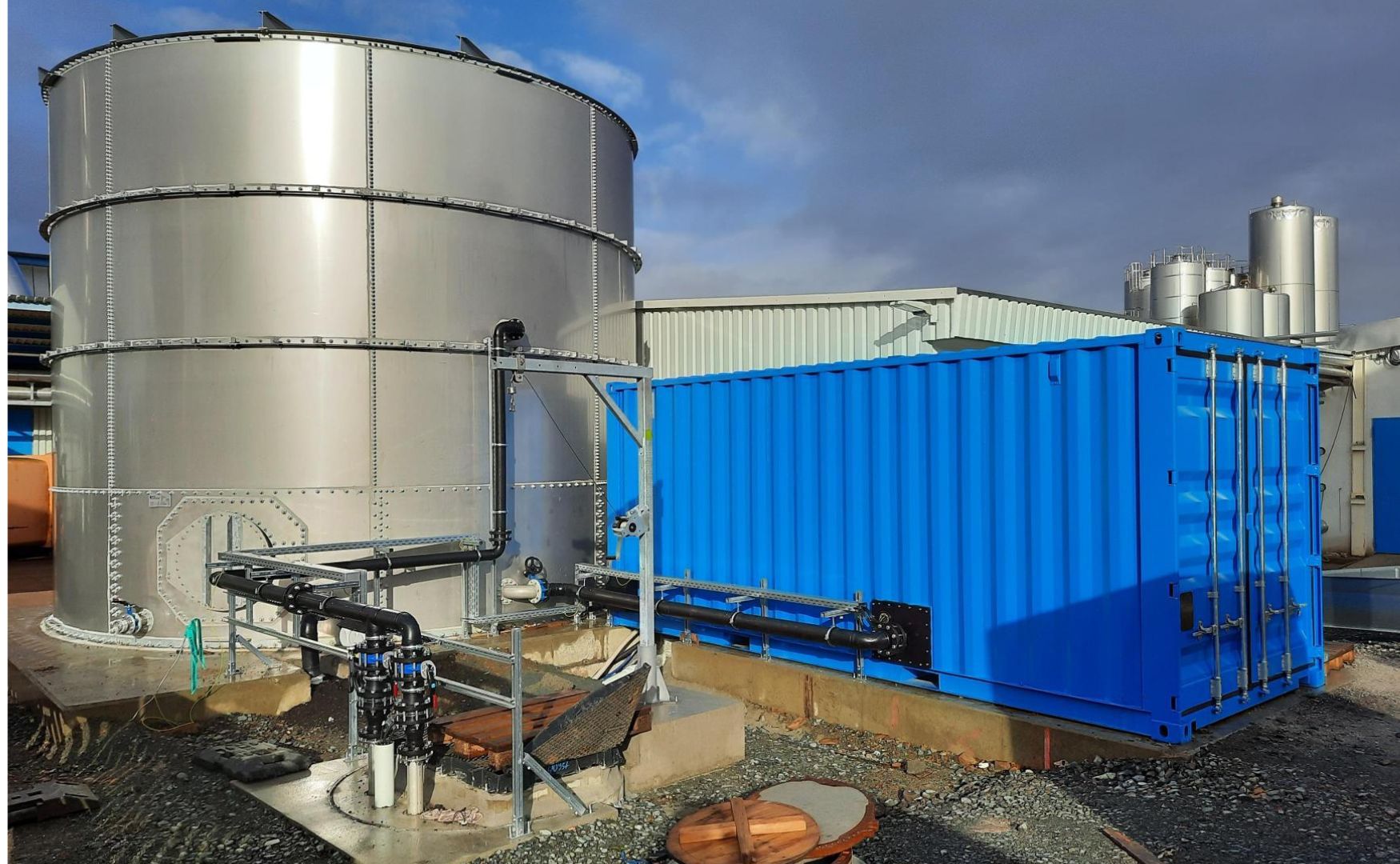
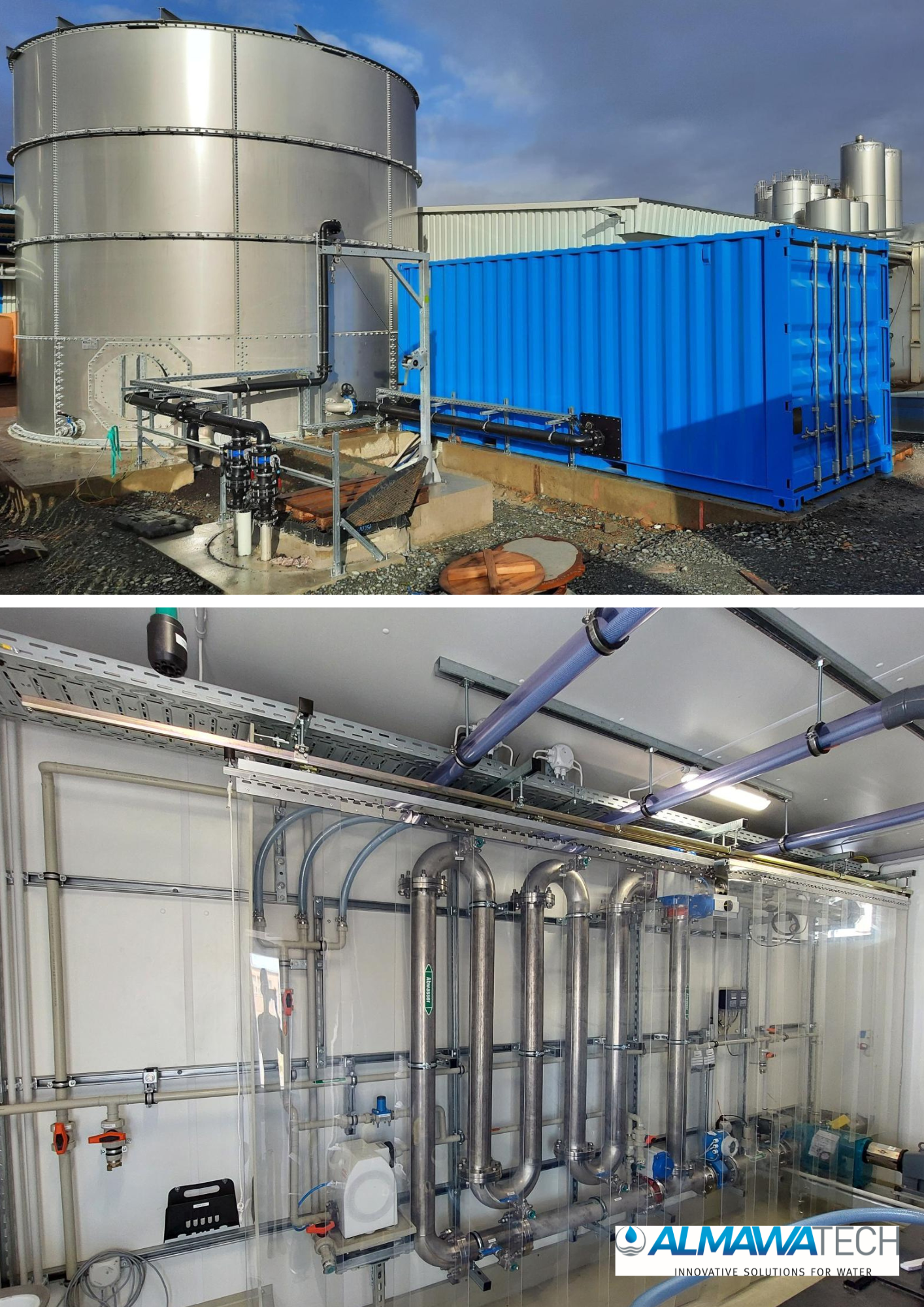
Vogtlandmilch GmbH, Germany
A grease trap with a neutralization system (ALMA Neutra) installed in the ALMA module.
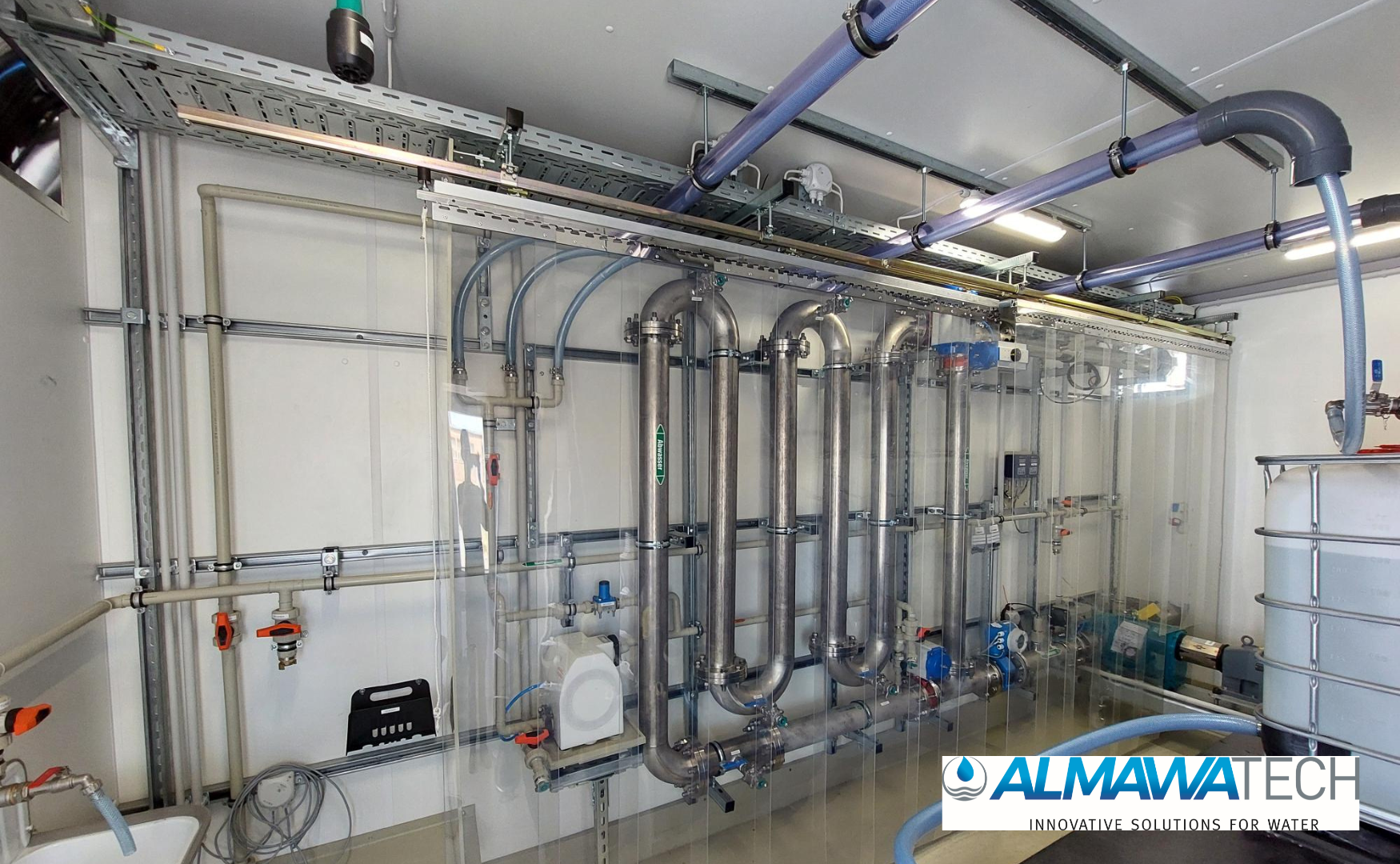
Waste Management Company, Germany
Neutralization of 75 m³ of industrial wastewater using spent acids, installed in a utility container.
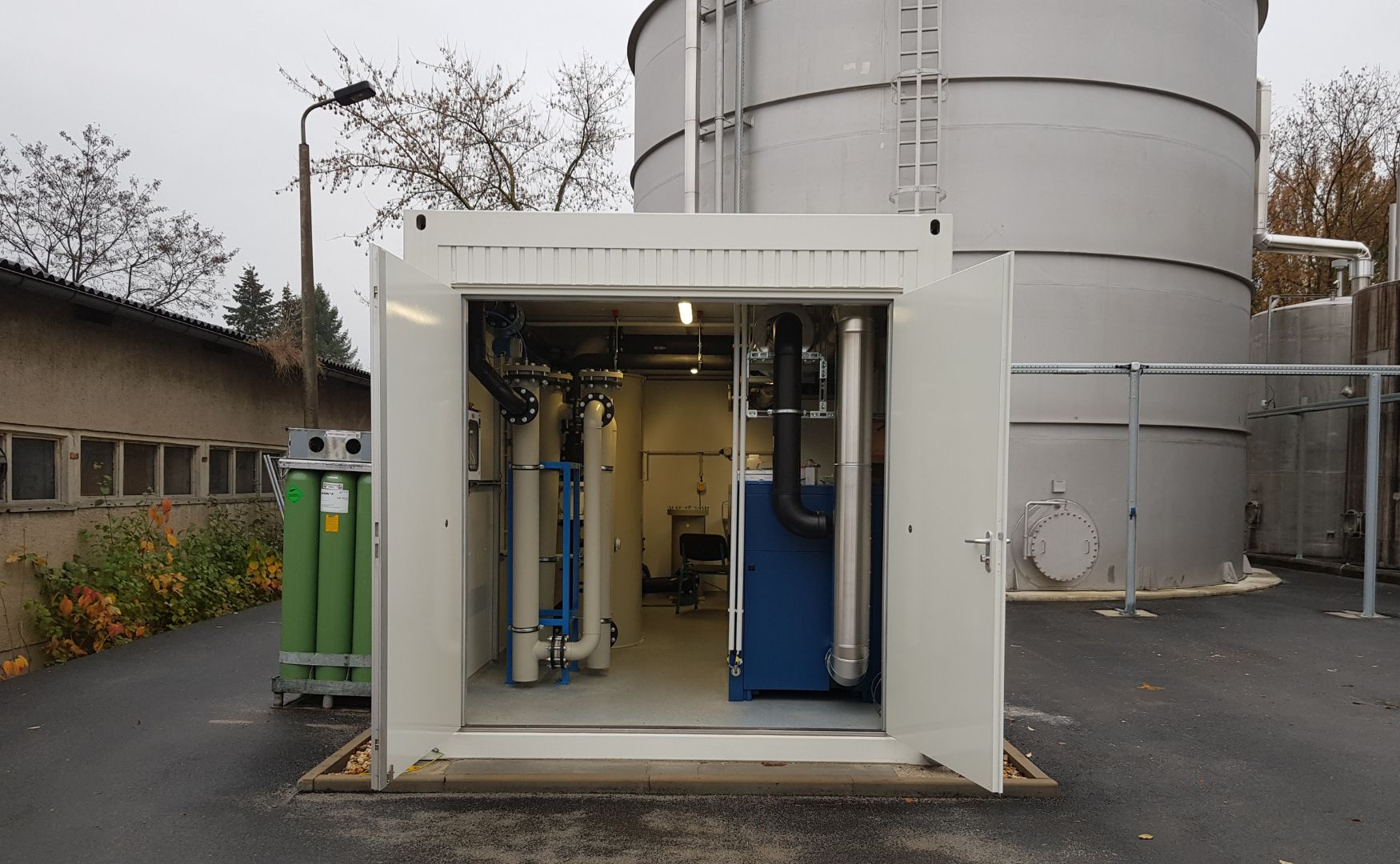
Niesky Dairy, Niesky, Germany
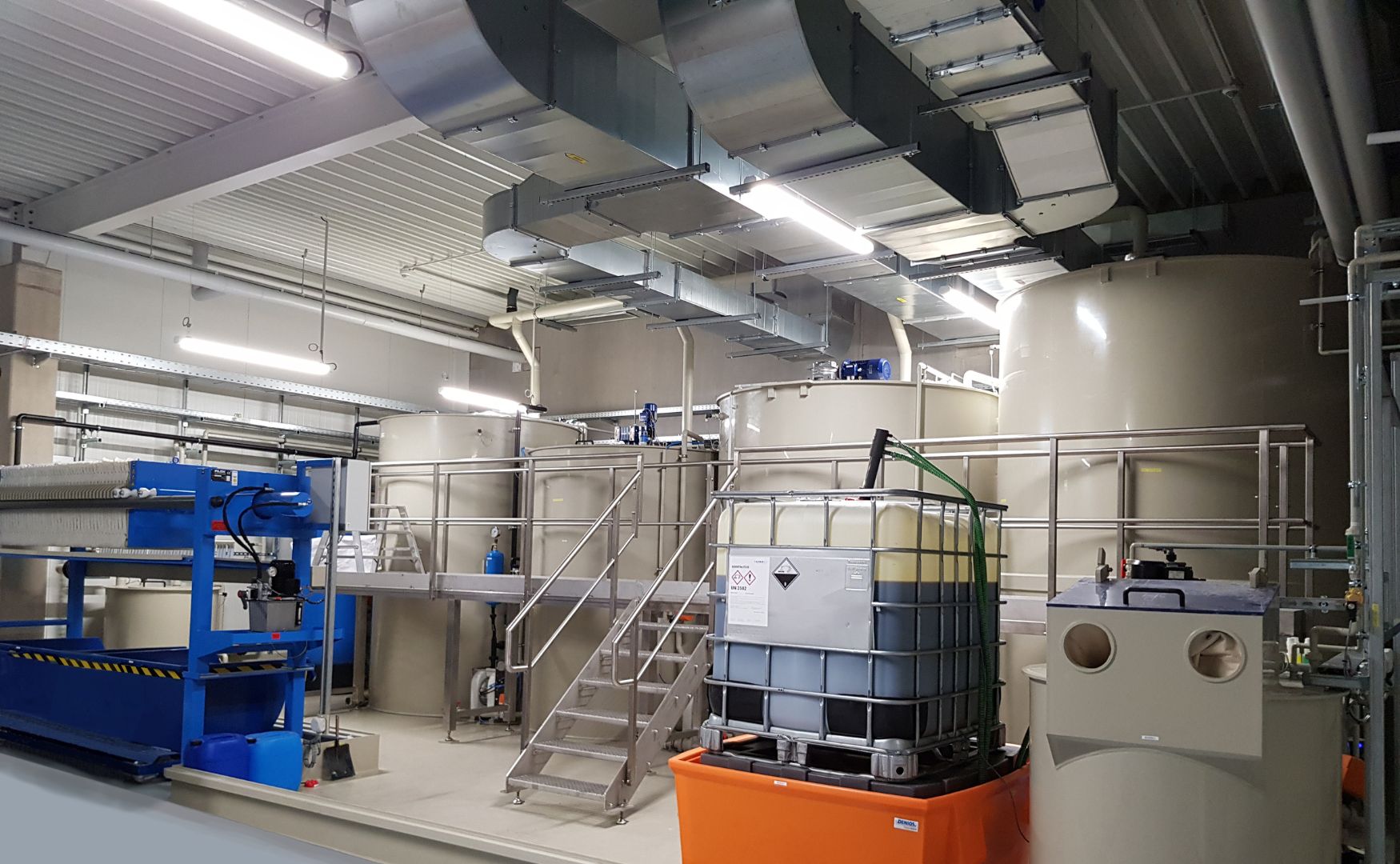
Ventilated mixing and equalization tank with downstream CO₂ neutralization, installed in the ALMA module.

Cosmetics manufacturer, Switzerland
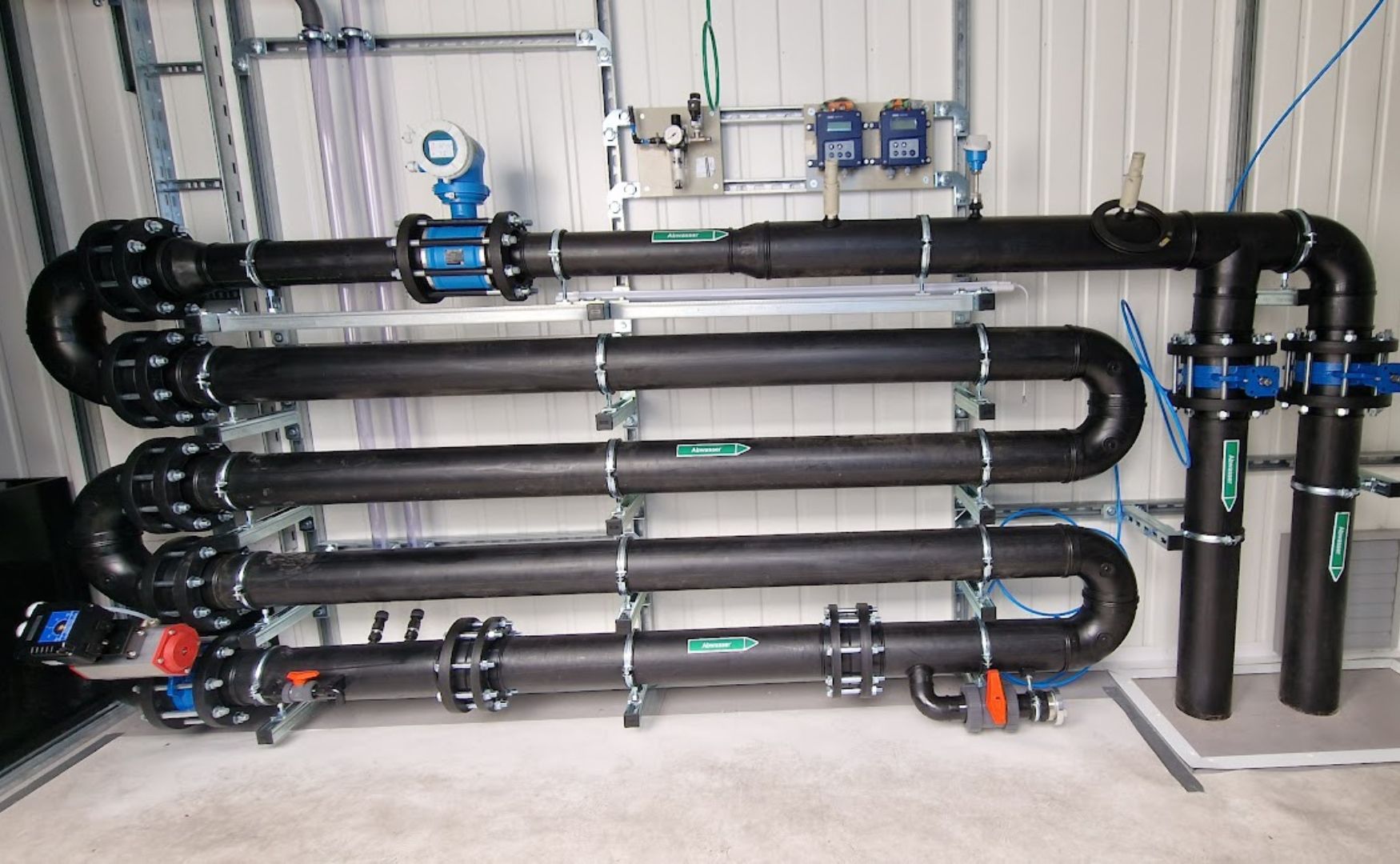
Redundant neutralization system with a stainless steel tubular reactor in a skid-mounted design.
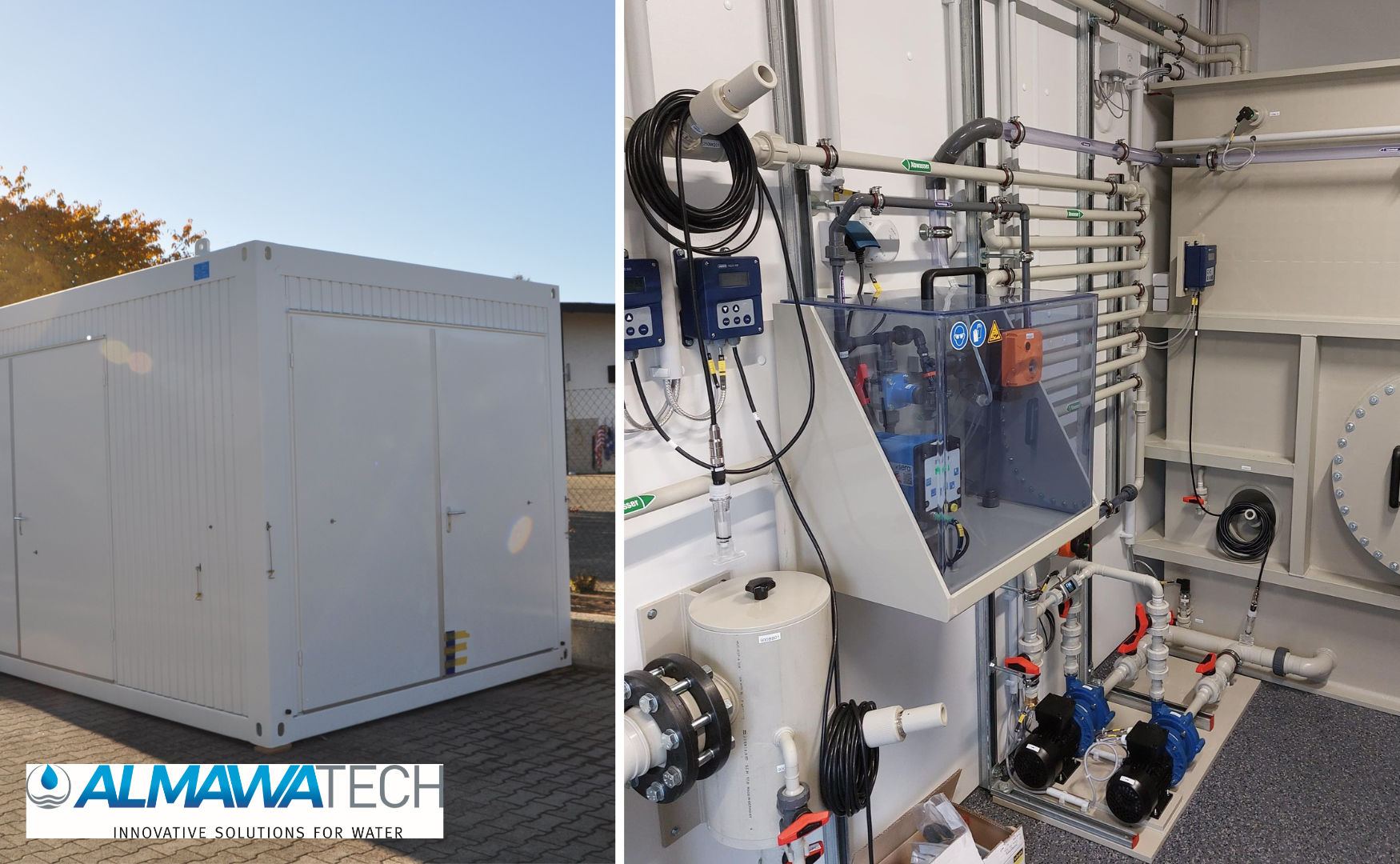
Tobacco Factory, Luxembourg ALMA Neutra
Compact container-style neutralization plant for treating 30 m³/day of acidic wastewater.
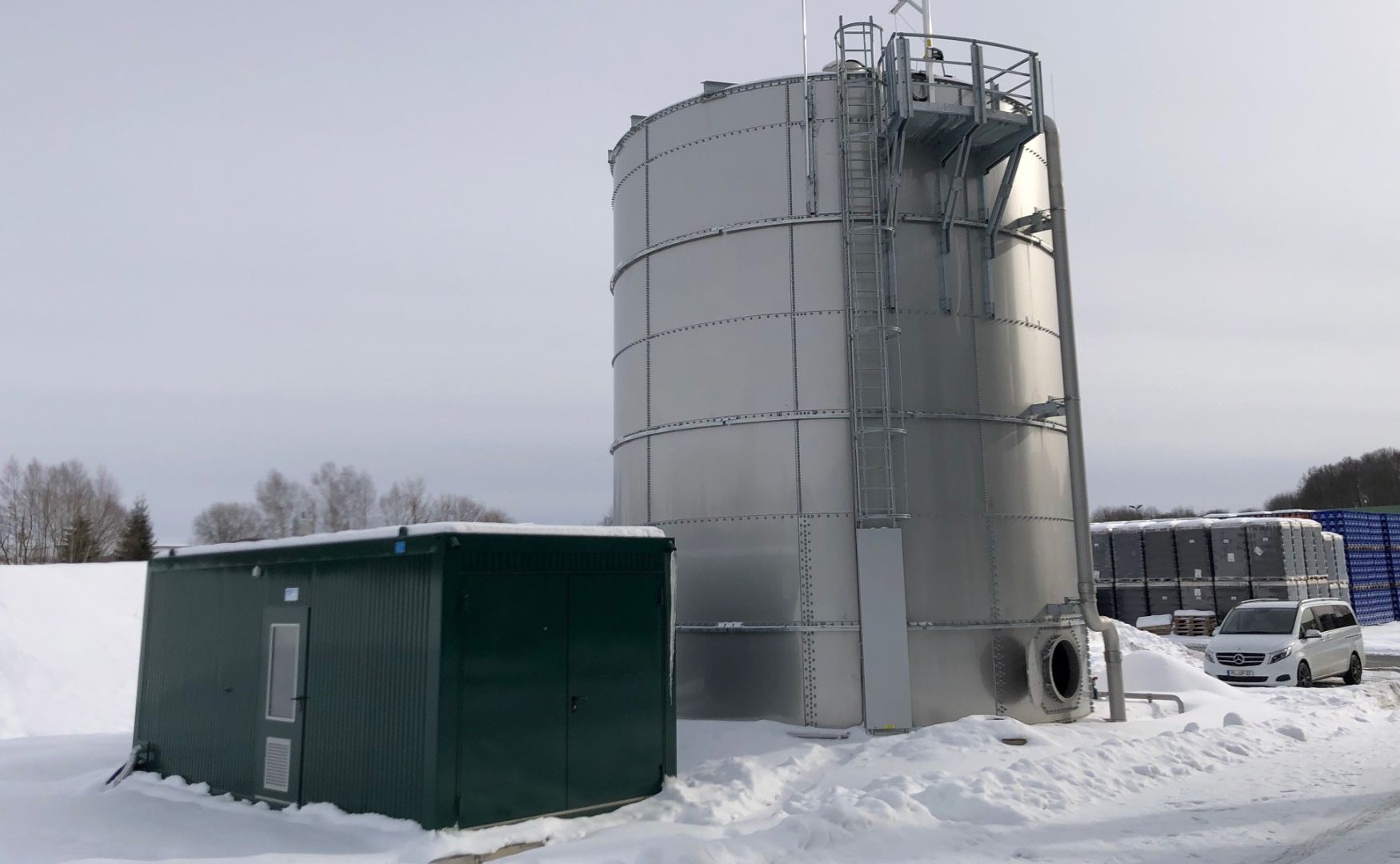
Sternquell Brewery, LLC, Plauen
Treatment of 360m3 of brewery wastewater per day using a pump station and a neutralization plant.
How a Neutralization System Works
A neutralization system measures the pH of the incoming wastewater and automatically doses the appropriate neutralizing agent. Through intensive mixing and sufficient reaction time, the pH is controlled to bring it within the specified target range. Only then is the treated water forwarded to the next treatment stage or for discharge.
Collect and homogenize wastewater
Fluctuating partial flows are collected in a mixing or equalization tank and smoothed out.
Continuously measure the pH level
Sensors measure the current pH value and transmit the measurement data to the system controller.
Dosing the neutralizing agent
Depending on the initial value, acid, alkali, CO₂ or a suitable alternative medium is added.
Mix and let it react
Agitators, circulation, or gas injection ensure a uniform mixture and a controlled reaction.
Check the target pH and continue feeding water
After successful testing, the water is discharged or sent to a subsequent treatment stage.
- Volume flow
- minimum and maximum pH values
- Target pH
- Temperature
- Conductivity
- Neutralization capacity
- Mixing and Reaction Time
- Sensors
- Chemical Safety
Planning, Plant Construction, Automation, and Service—All from a Single Source
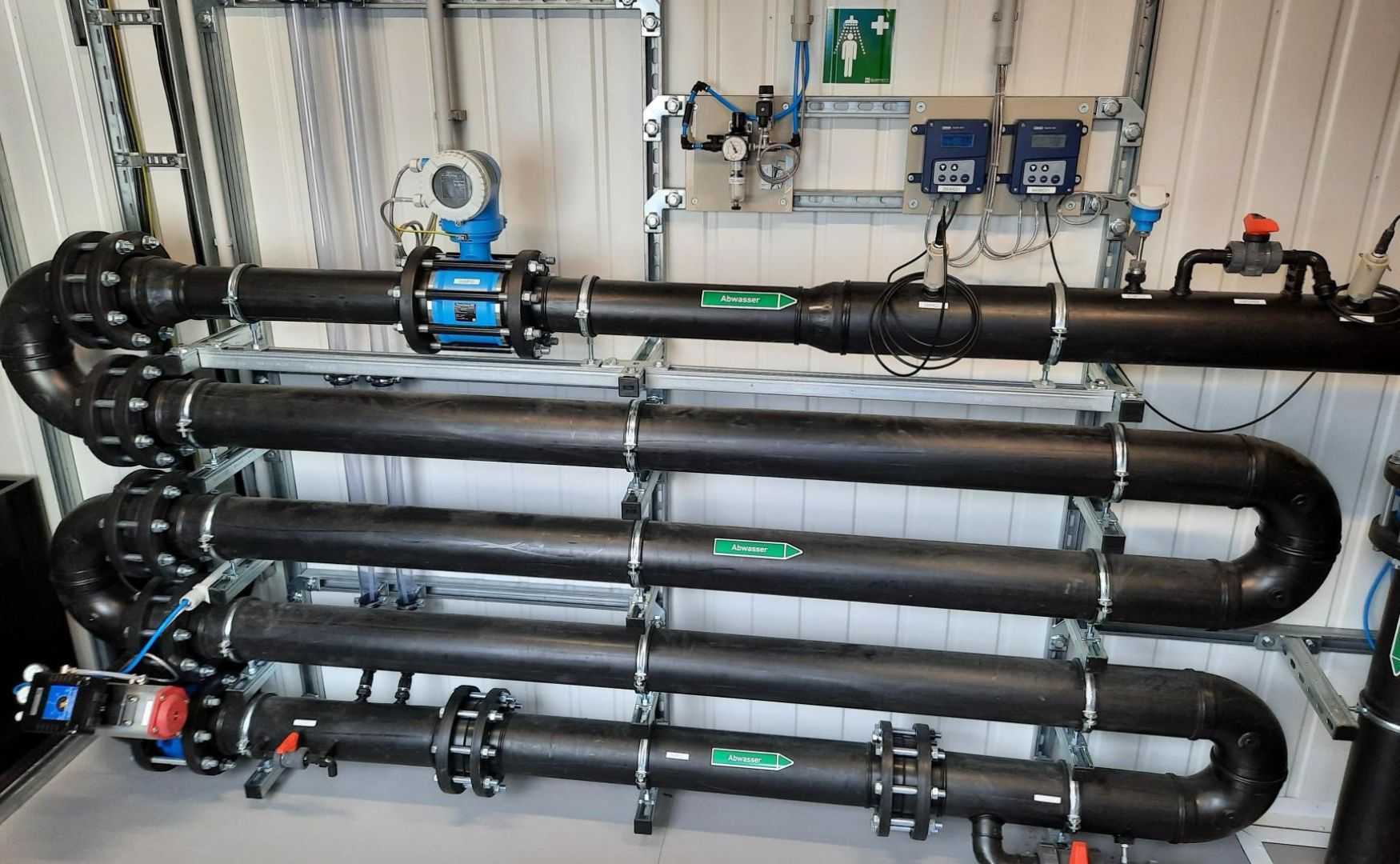
Design and Construction of a Neutralization Plant: From Wastewater Sampling to Commissioning
1. Inquiry and Technical Clarification
2. On-site Visit & Assessment
3. Analysis & Preliminary Tests
4. Design and Proposal
5. Plant Construction and Integration
6. Commissioning and Optimization
Technical documentation and data sheets for neutralization systems
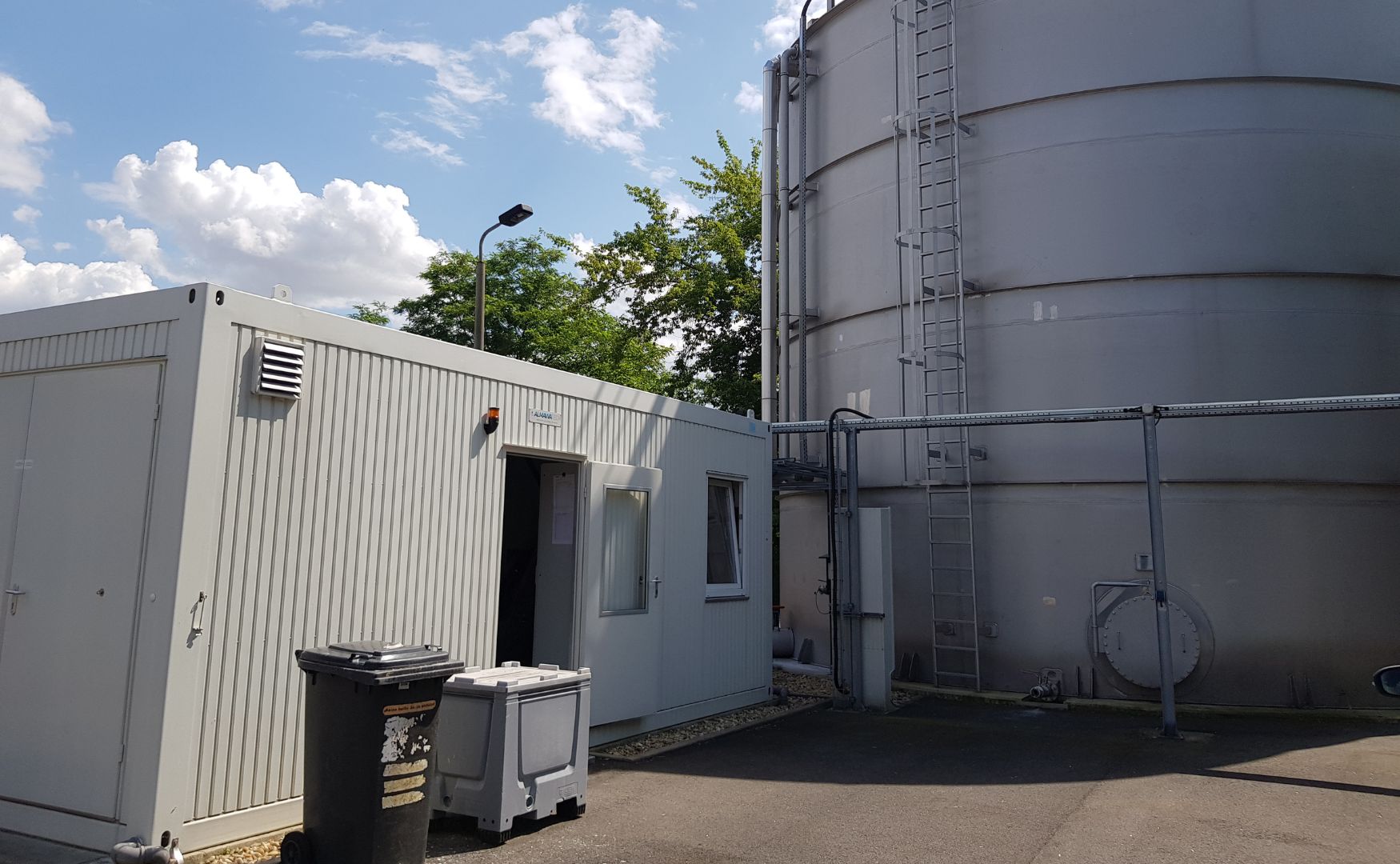
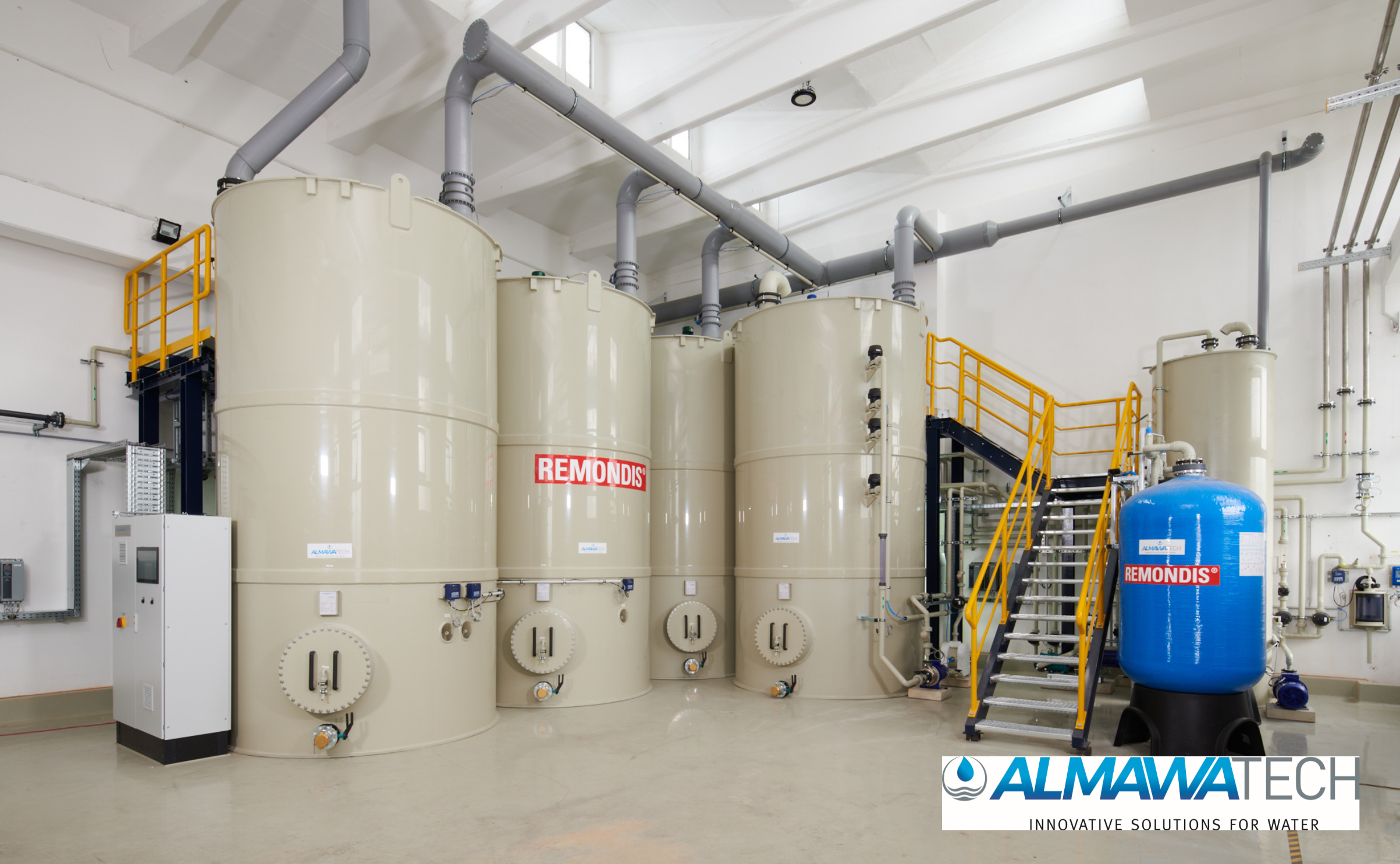
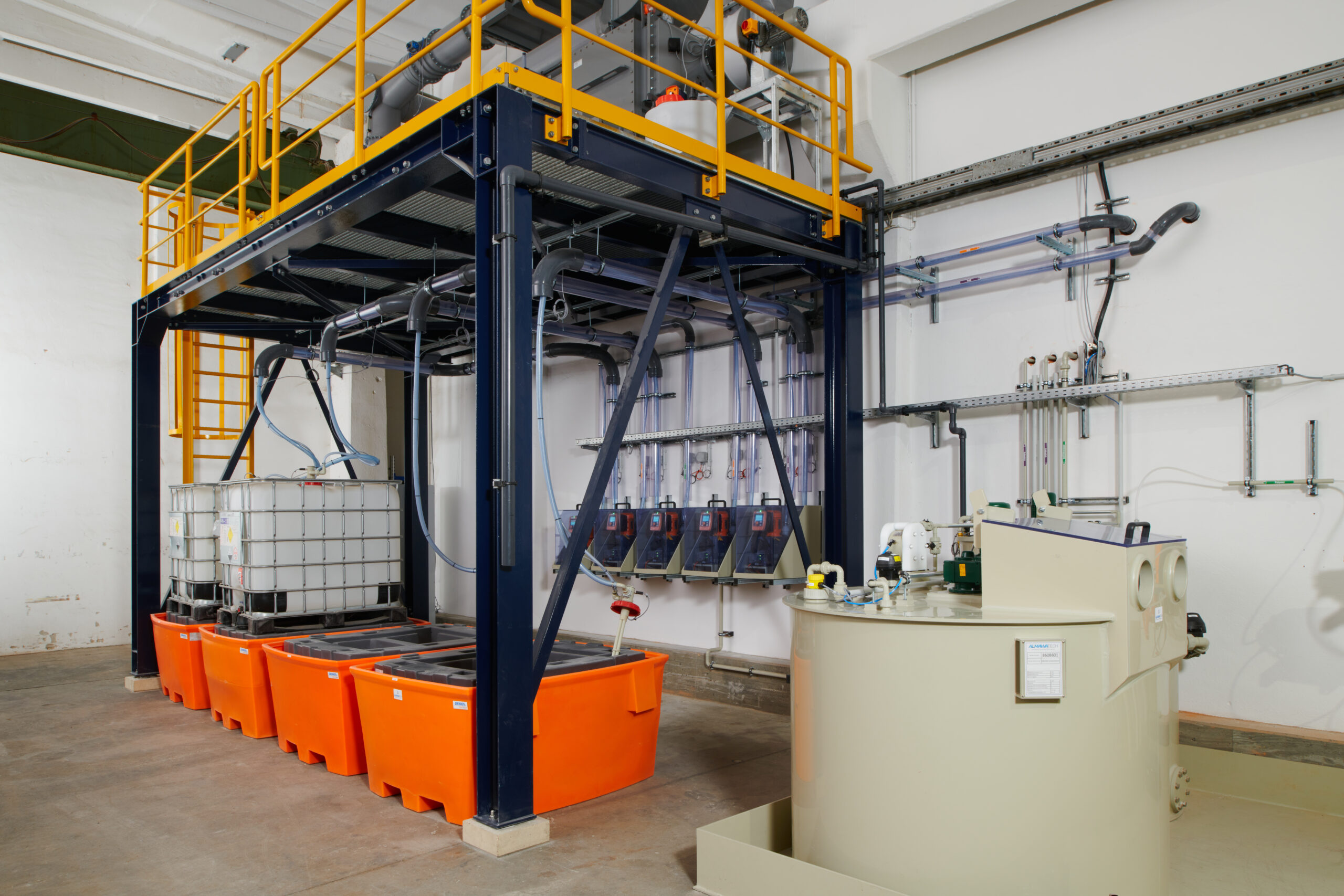
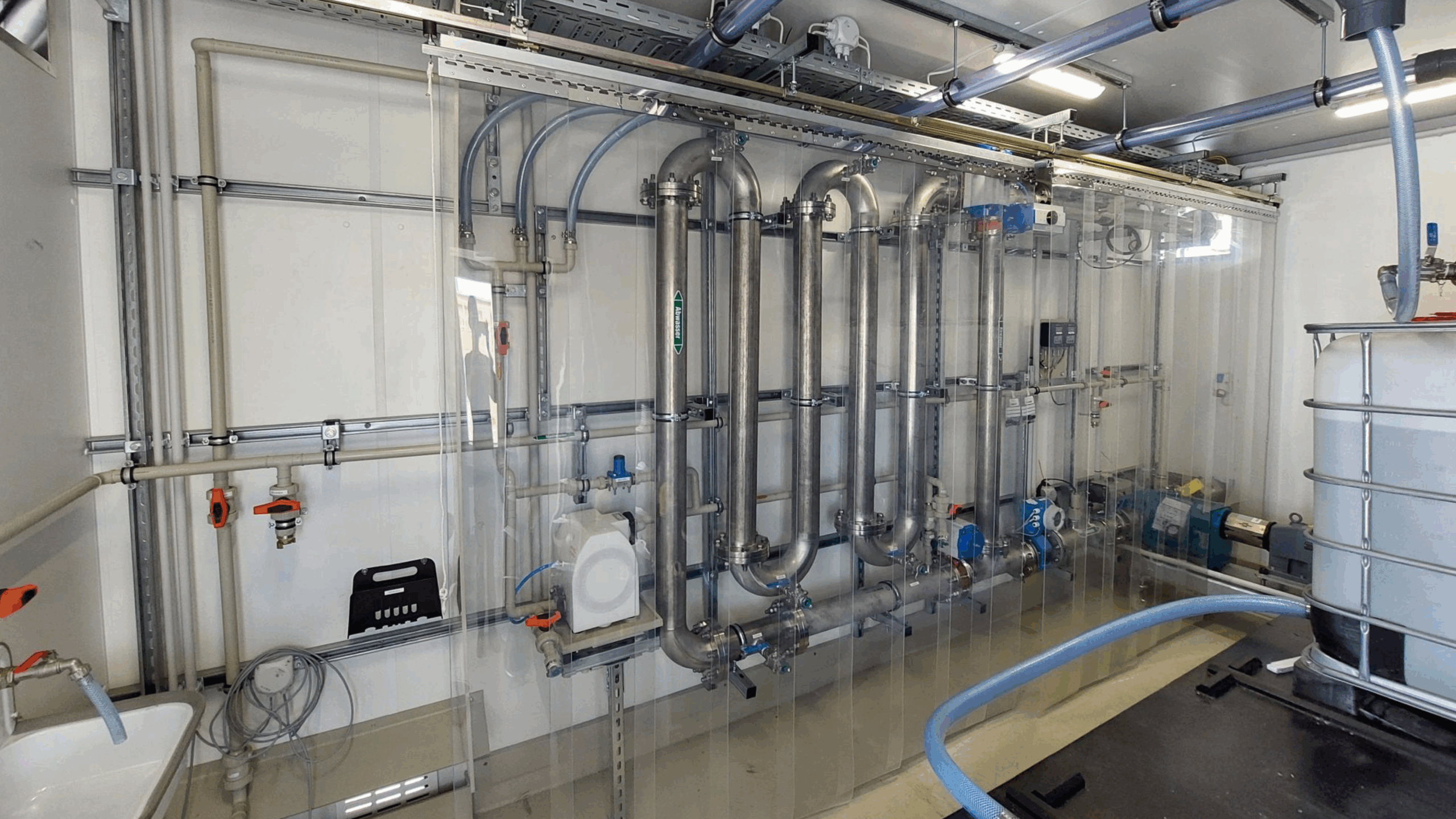
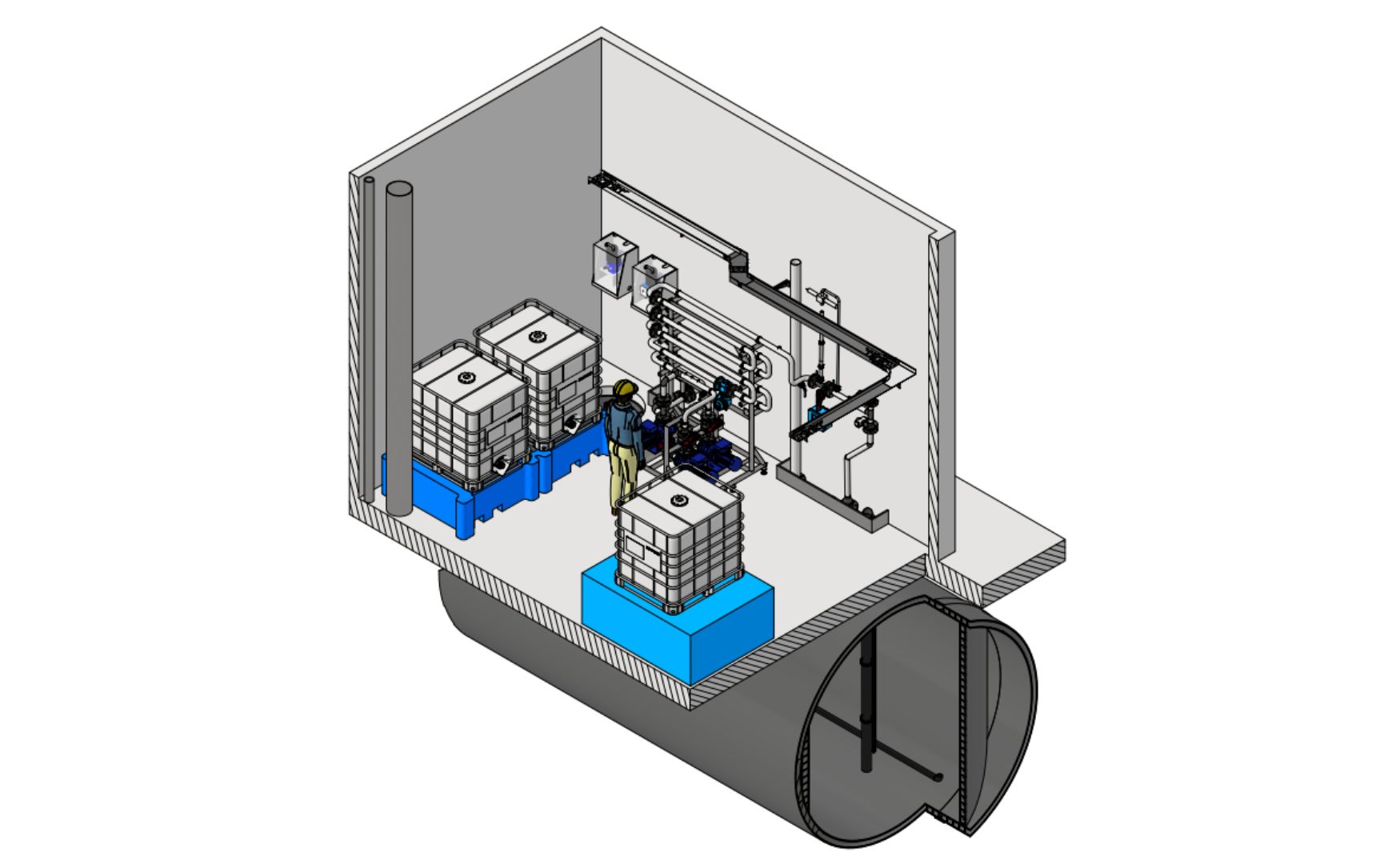
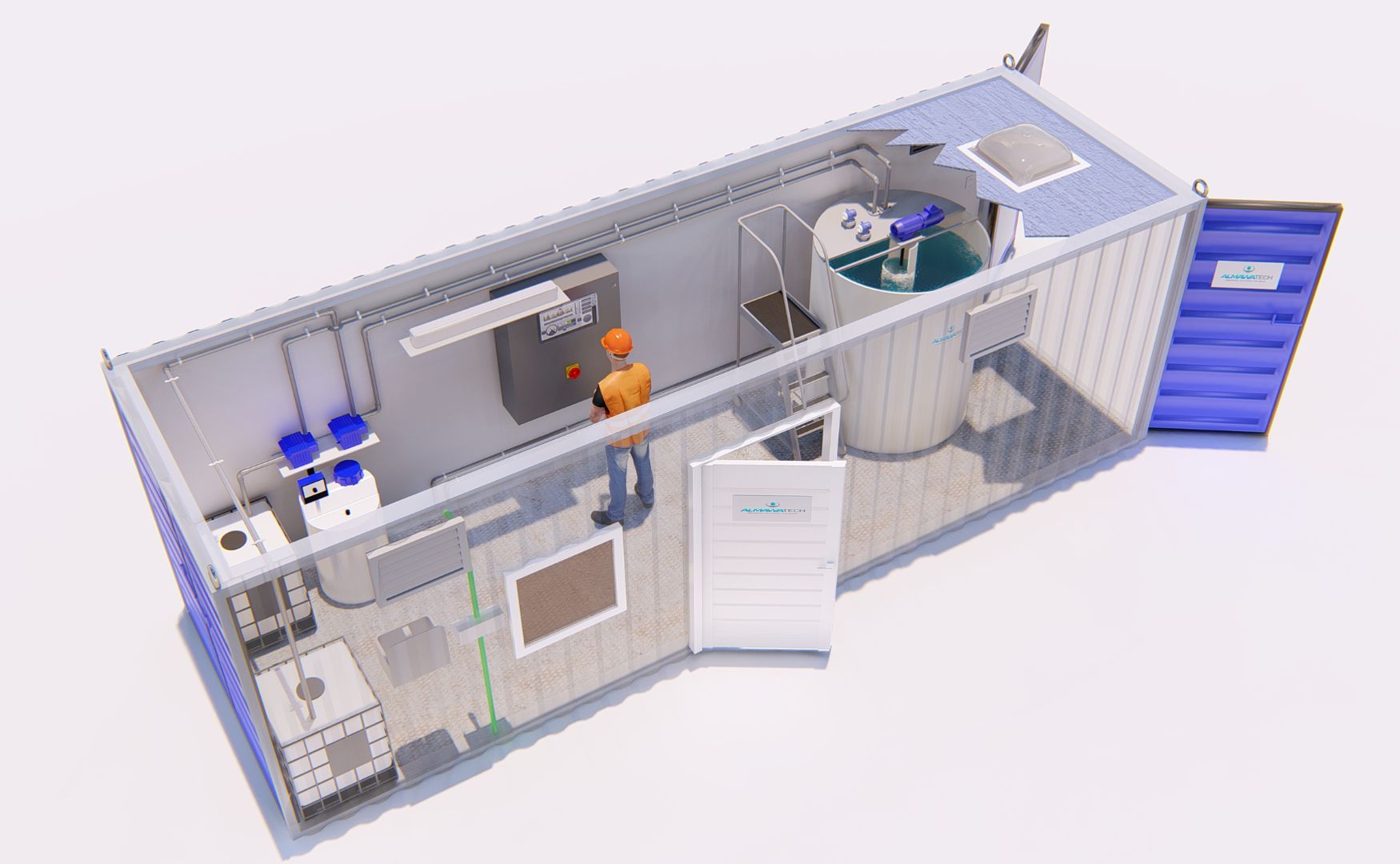
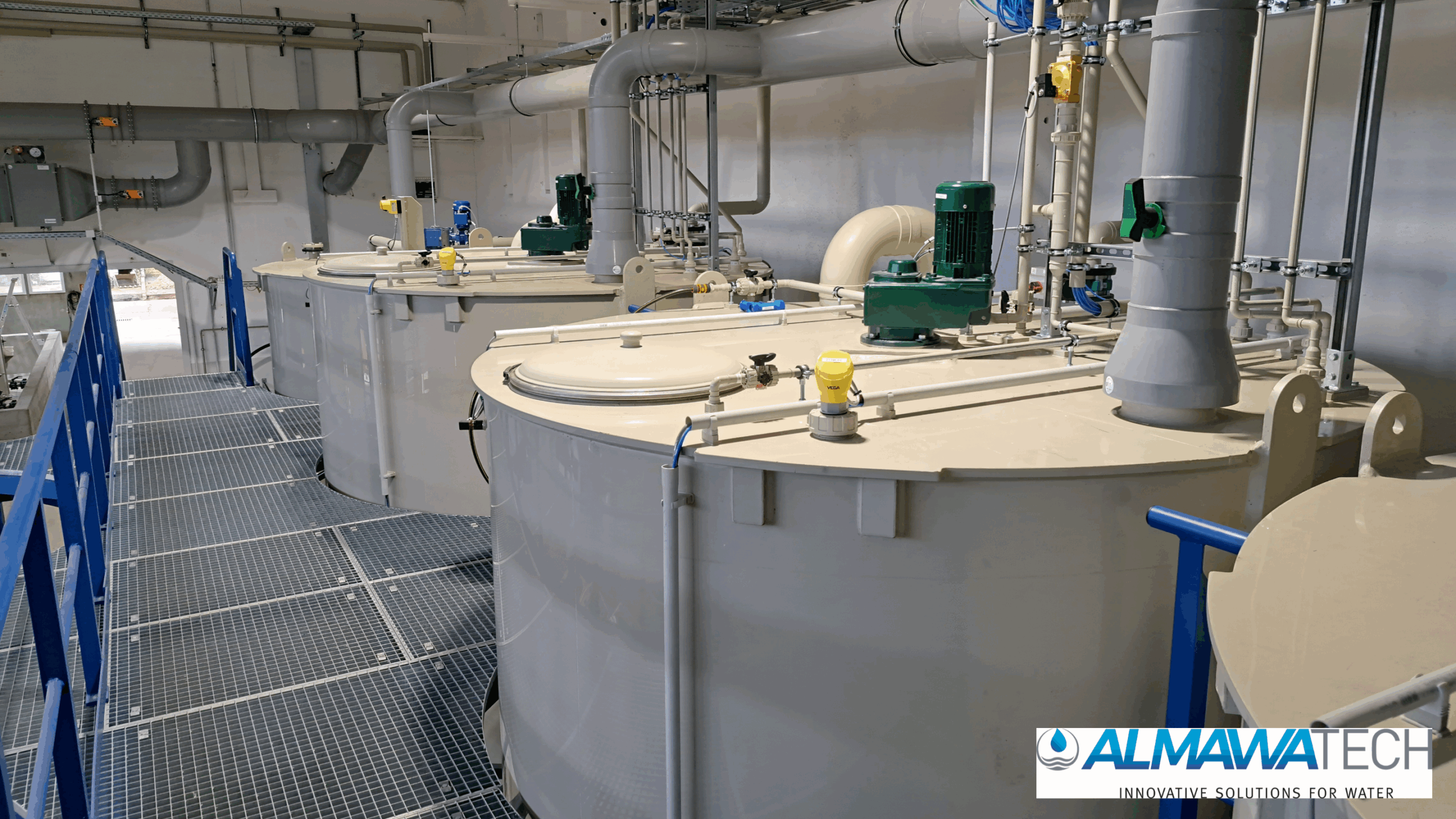
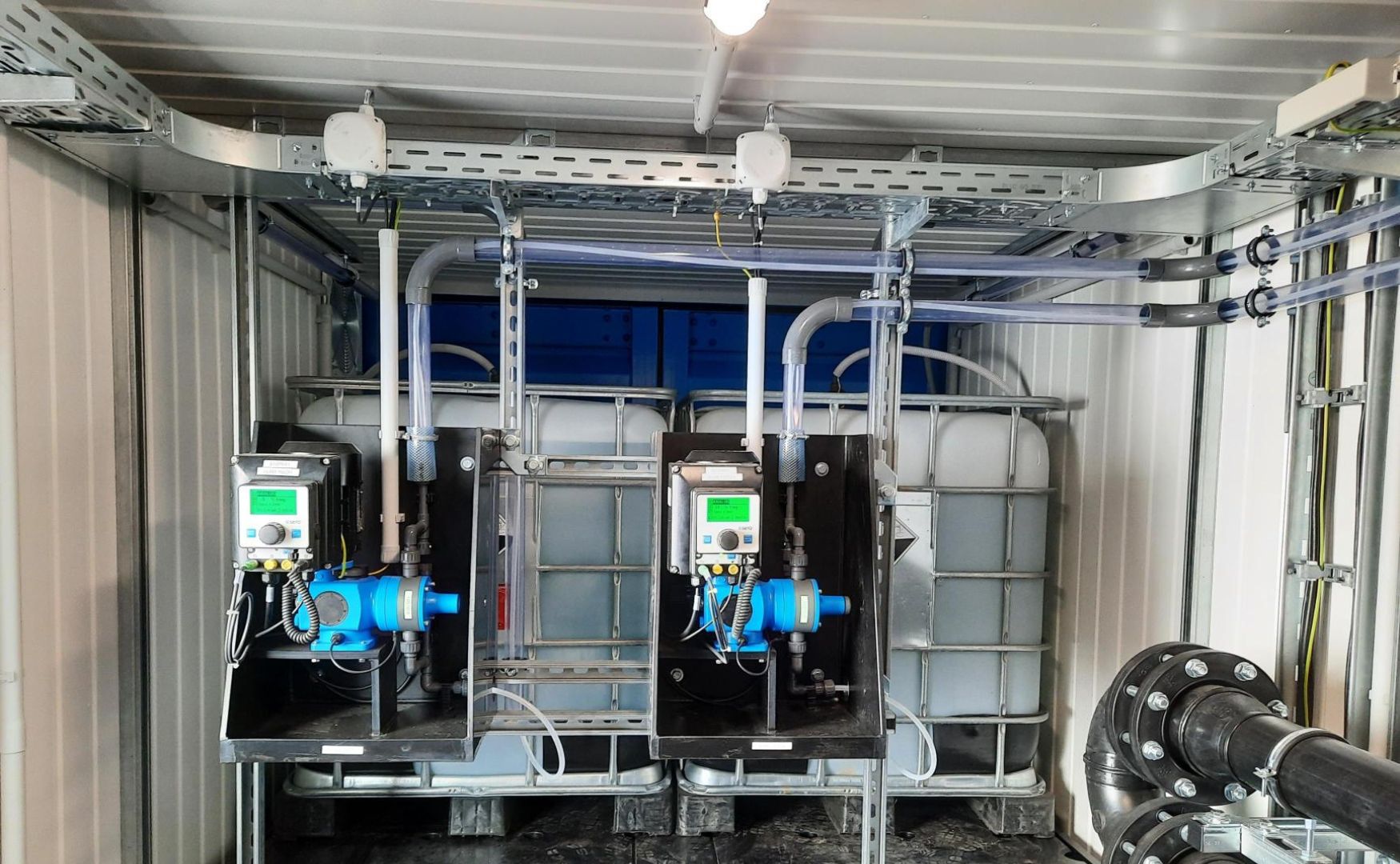
Photos of wastewater neutralization plants


Frequently Asked Questions About Neutralization Systems
How large should a neutralization system be designed to be?
The required system size is not determined solely by the average flow rate. Other critical factors include peak flow rates, the timing of wastewater generation, buffer capacity, pH fluctuations, the required reaction time, and the desired operating mode. If the inflow fluctuates significantly, a sufficiently sized mixing or equalization tank may be necessary.
What discharge limits must a neutralization plant comply with?
The permissible pH range depends on the discharge route, regulatory requirements, and the specifications of the sewer system or wastewater treatment plant operator. The system is designed to meet the project-specific target range and can monitor and document the discharge process, and shut it down or reverse it in the event of deviations.
How can an overdose of acid or lye be prevented?
Dosing is controlled via pH measurement, control algorithms, and defined safety limits. Depending on the application, multiple measurement points, limited dosing rates, release conditions, alarm functions, and a final verification measurement may be used.
What are the operating costs associated with a neutralization system?
Operating costs consist primarily of neutralizing agents, energy, maintenance, sensors, wear parts, and, if necessary, sludge disposal. Chemical consumption is determined largely by the buffer capacity of the wastewater and not solely by the measured pH value.
How often do pH probes need to be maintained and calibrated?
The maintenance interval depends on the composition of the wastewater, temperature, solids content, and operating time. Dirty or fouled sensors can cause measurement errors. Therefore, cleaning, calibration, and functional testing should be an integral part of the operating procedure.
Can existing containers be used for neutralization?
Existing vessels can often be incorporated, provided that their volume, material, agitation technology, geometry, and condition are suitable. Before they are reused, reaction time, mixing efficiency, chemical resistance, and required safety equipment are examined in particular.
What happens in the event of a malfunction or an incorrect process pH value?
In the event of deviations, the system control can shut off the discharge, keep the water in the system, or divert it to a retention tank. In addition, visual and audible alarms, as well as messages, can be sent to a higher-level control room.
How long does it take to design and manufacture a neutralization system?
The project duration depends on the plant size, the scope of automation, vessel construction, chemical storage, and installation conditions. Standardized compact solutions can usually be implemented more quickly than multi-stage or fully containerized custom plants.
What documents are required for a specific quote?
To provide a reliable quote, we need the most up-to-date water analysis results, flow rates, pH trends, target values, operating hours, installation conditions, and information about the existing equipment. Photos, flow diagrams, and details regarding the chemical supply will help speed up the technical evaluation.
Our neutralization systems for industrial wastewater
ALMA Neutra
Neutralization system for pH value regulation with acid/alkali/CO₂ in the compact ALMA module.
ALMA CHEM MCW
Removal of heavy metals via neutralization precipitation as an extension to the conventional neutralization plant.
ALMA BHU LHPS
Neutralization precipitation and decarbonization system using pH adjustment as an extension to the ALMA Neutra.
Have neutralization systems designed for your wastewater
Maksim Neubauer
Head of International Project Development