

ALMA CHEM MCW
COD
Your experts for CP systems - directly accessible
Maksim Neubauer
Head of International Project Development
References CP systems

Waste management company, Germany, ALMA CHEM MCW
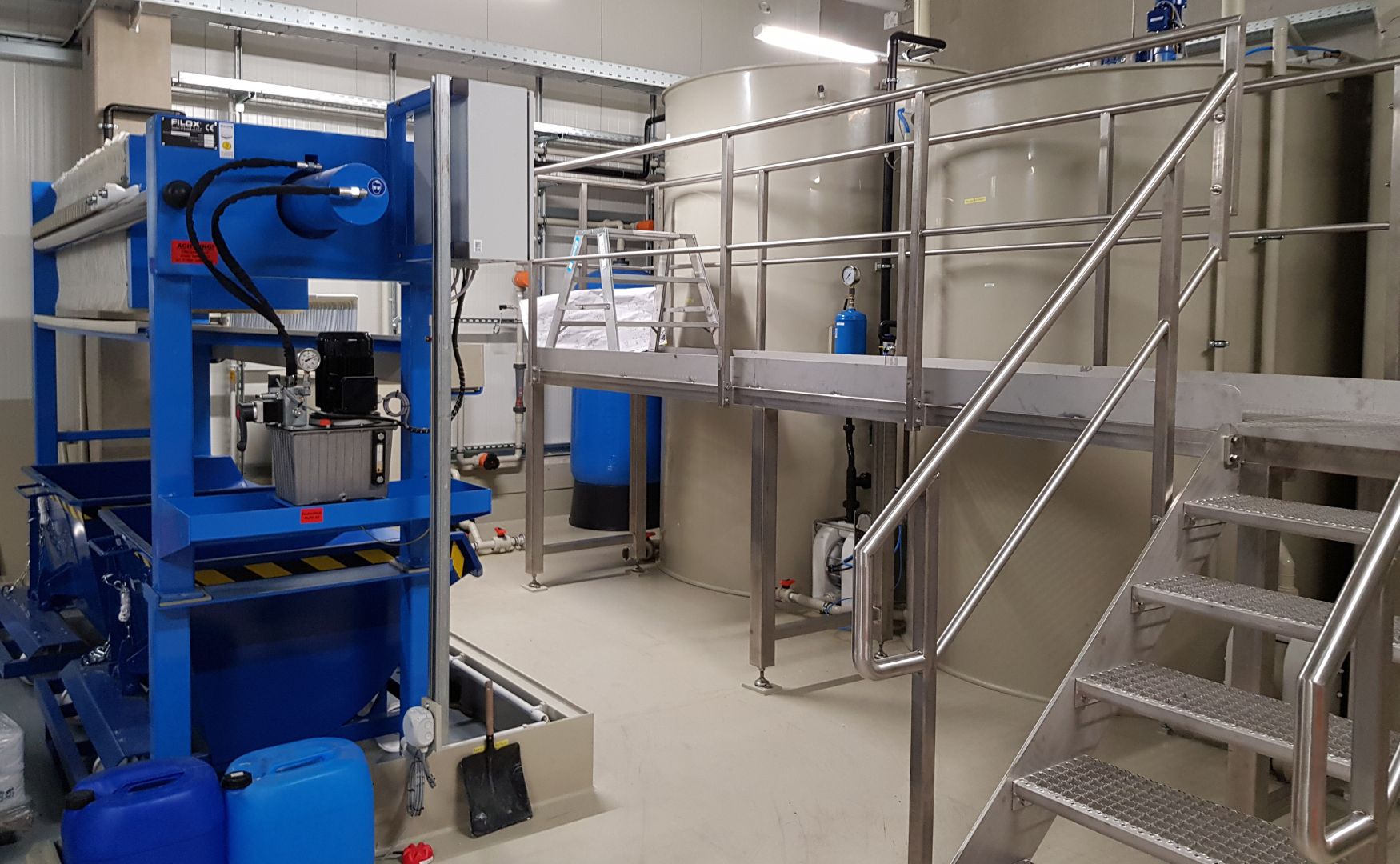
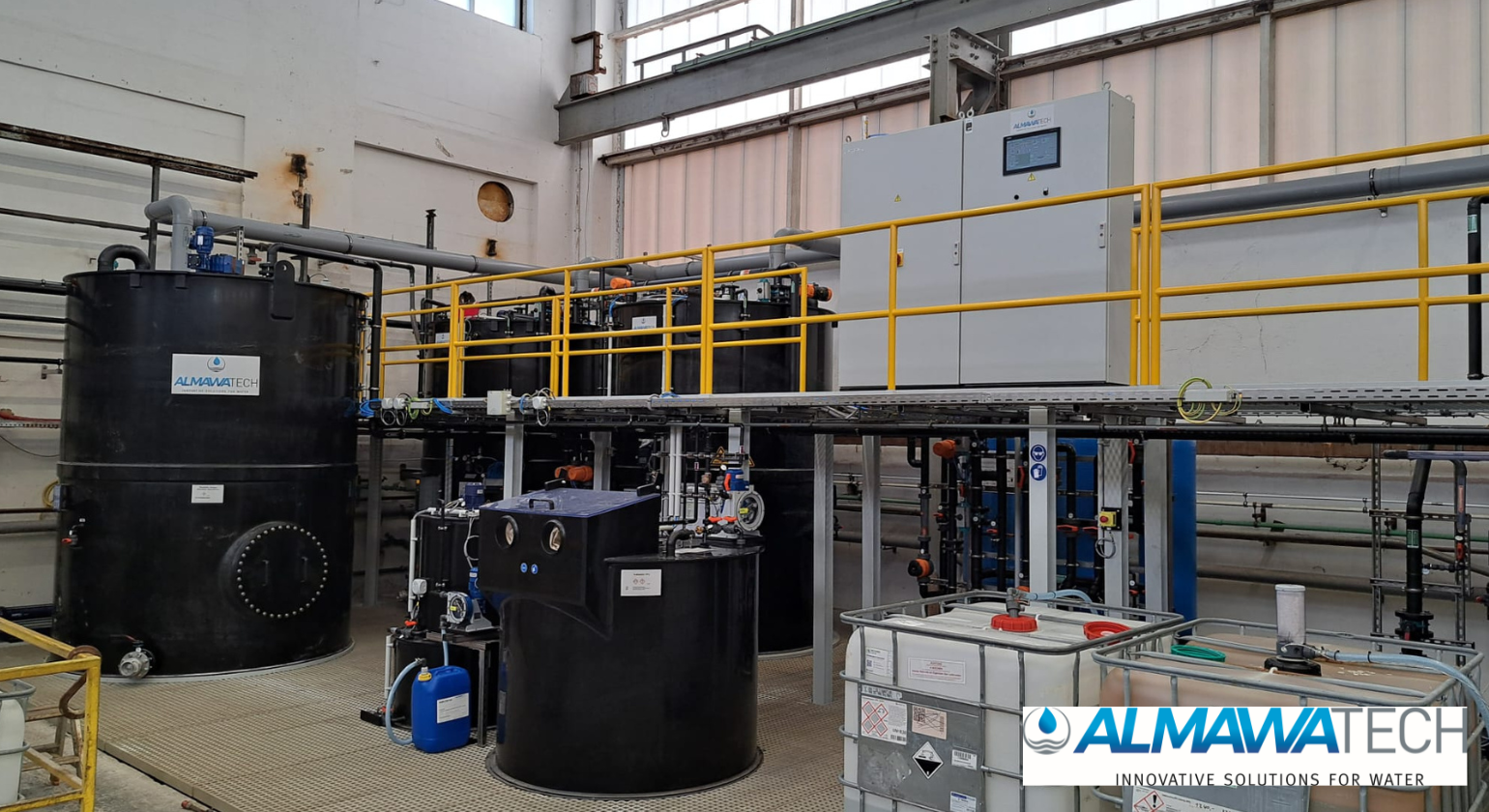
Construction of an ALMA CHEM MCW CP batch treatment plant with a capacity of 90 m³/day, designed for expansion to 120 m³/day. The plant treats oil separator effluent containing high concentrations of heavy metals, AOX, hydrocarbons, and solids through chemical precipitation, neutralization, and filtration.
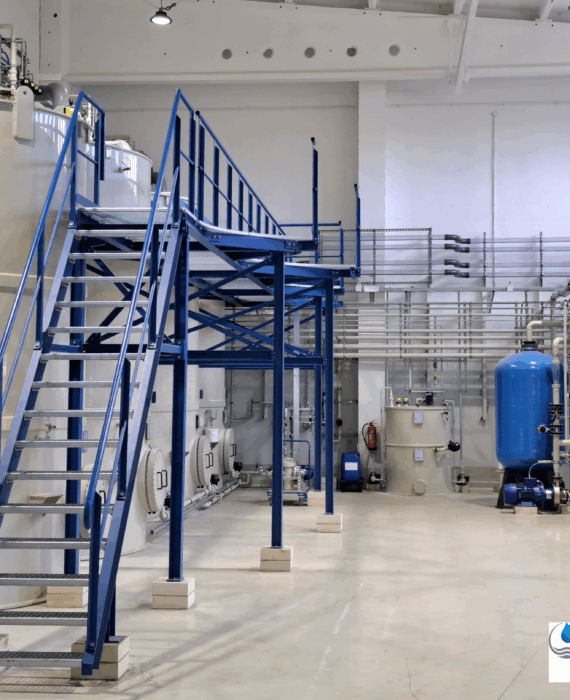
Waste management company, Germany, ALMA CHEM MCW
Construction of a wastewater treatment plantto treat 60 m³/day of wastewater from the disposal of hazardous waste. The project utilizes ALMA AQUA wastewater treatment products, which are custom-designed to ensure maximum efficiency and operational reliability.
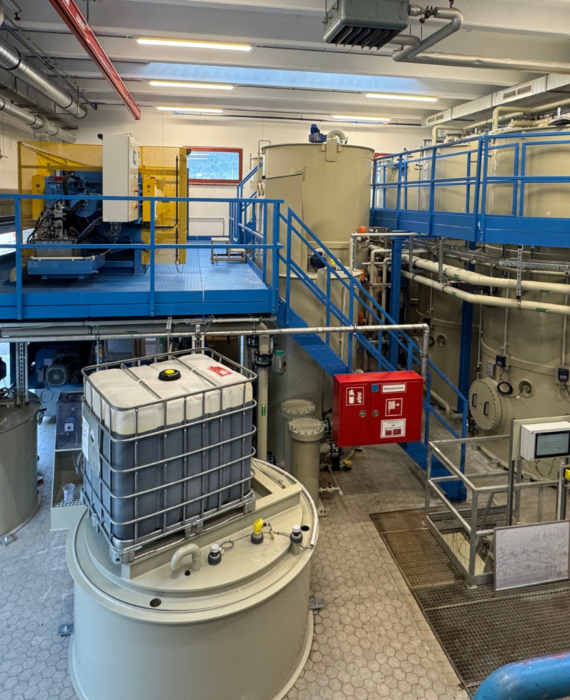
ADLER Paints, Austria, ALMA CHEM MCW
Construction of a wastewater treatment plant for ADLER-Werk Lackfabrik Johann Berghofer GmbH & Co KG in Schwaz (Austria) to treat 60 m³/day of wastewater from paint production. The project utilizes ALMA AQUA wastewater treatment products, which are custom-designed to ensure maximum efficiency and operational reliability.
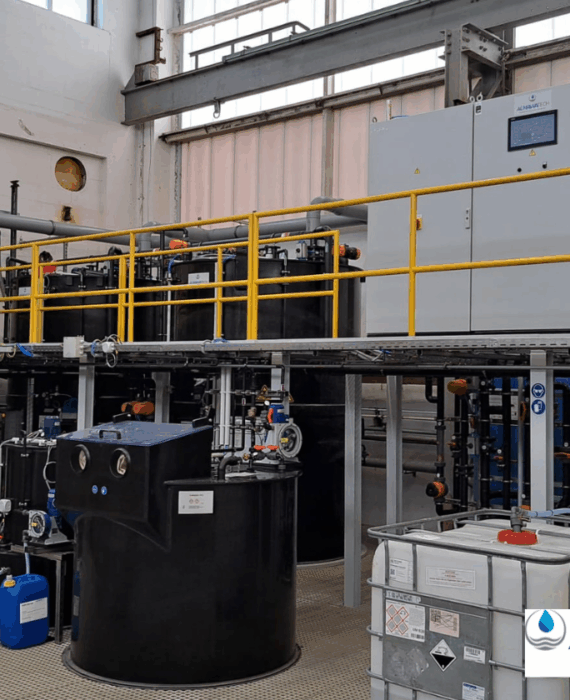
Specialty chemicals, CP plant, ALMA CHEM MCW
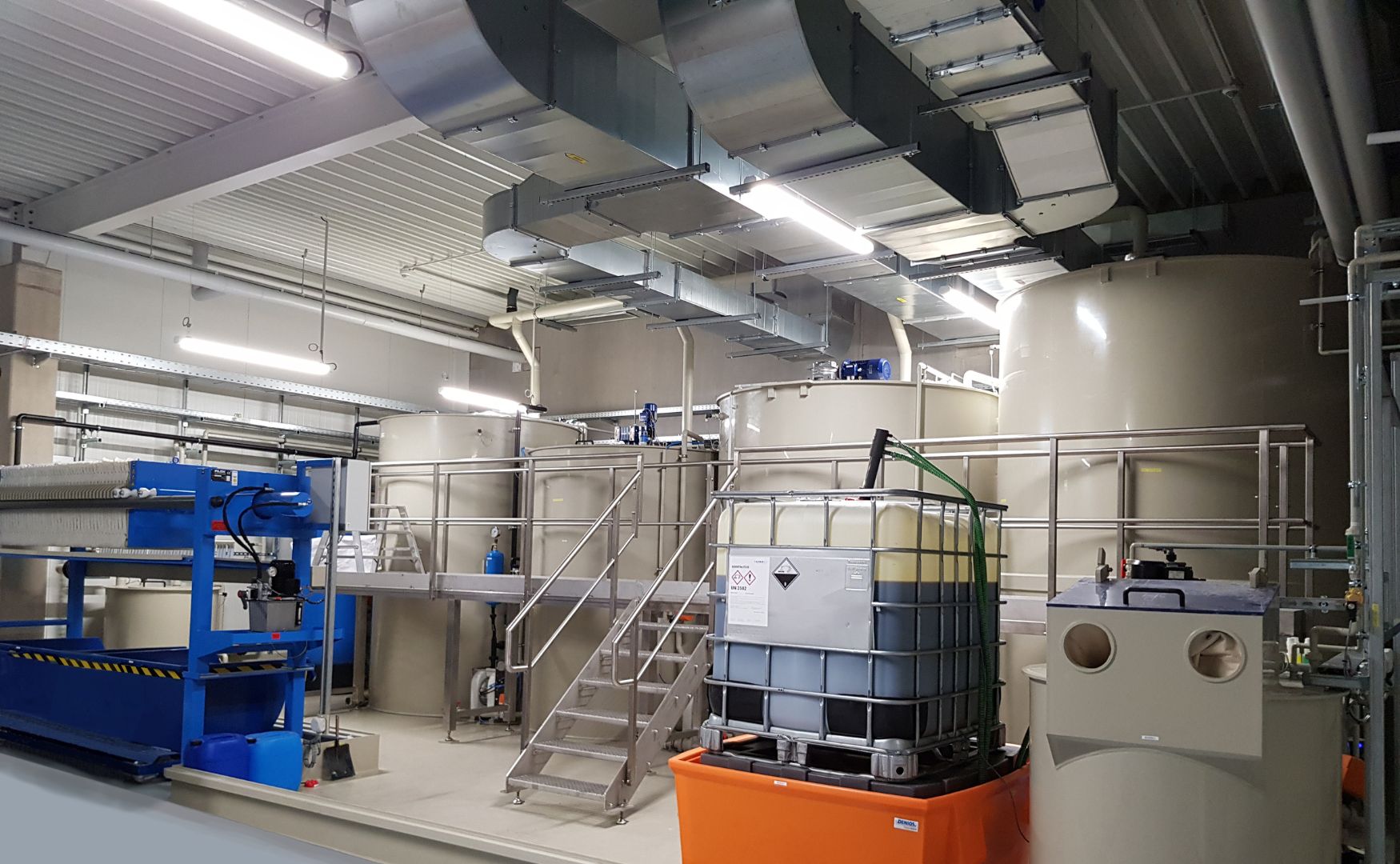
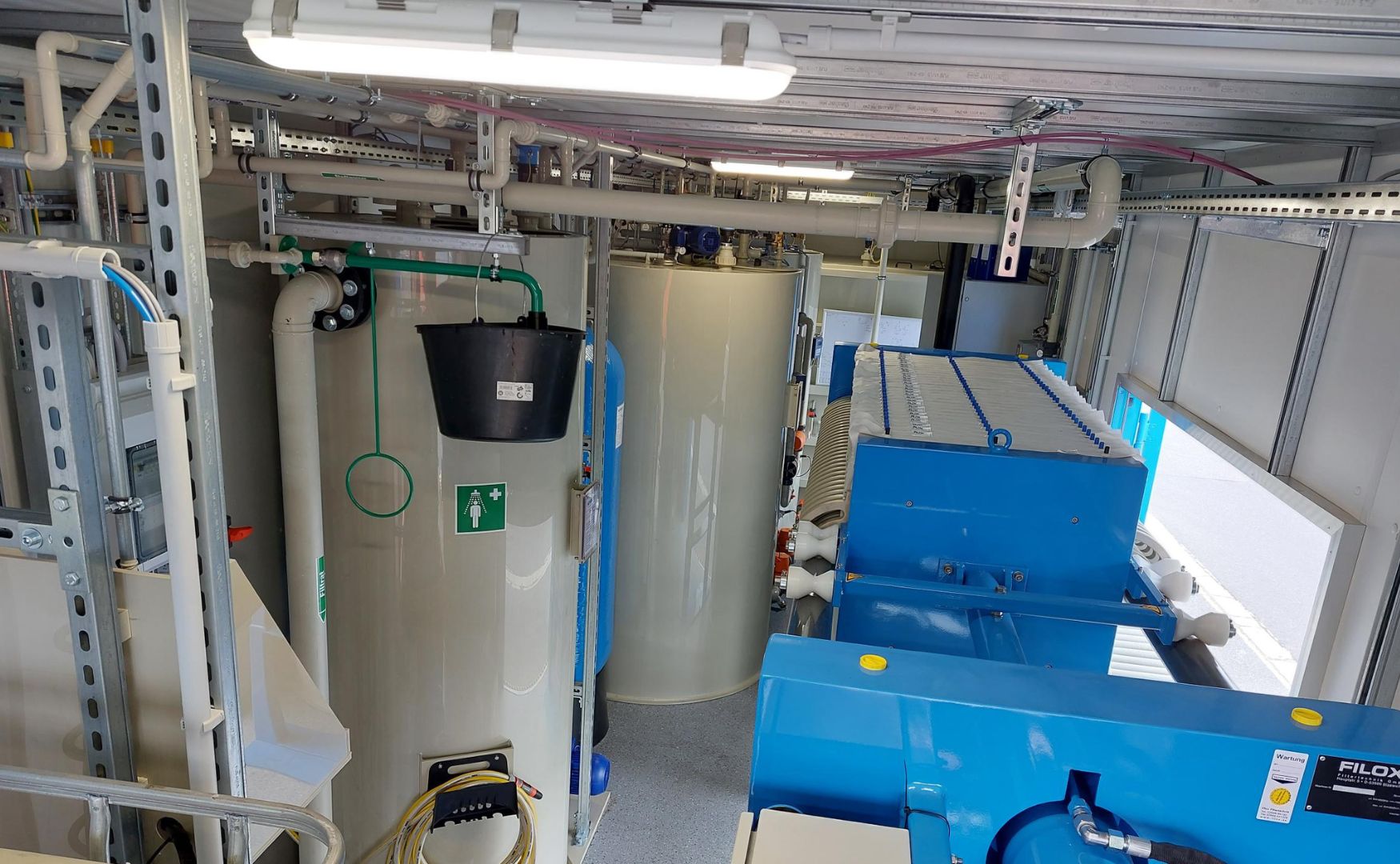
ALMAWATECH installed an ALMA CHEM MCW chemical-physical batch plant for the pre-treatment of around 20 m³ of wastewater per week at a specialty chemicals site in Leipzig. The aim was to remove heavy metals, AOX, hydrocarbons and chromium(VI) in accordance with Annex 40. The plant combines precipitation, flocculation, neutralization, chamber filter press, gravel filter and ion exchanger.
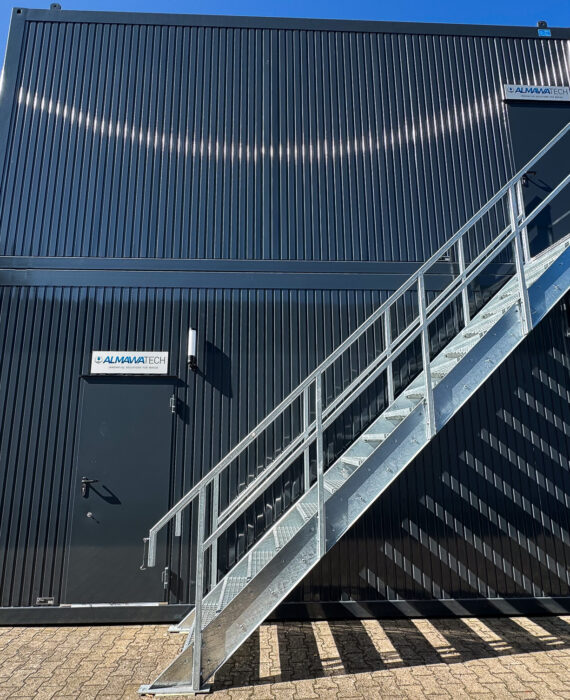
Möller Medical GmbH, Germany, ALMA CHEM MCW Modular
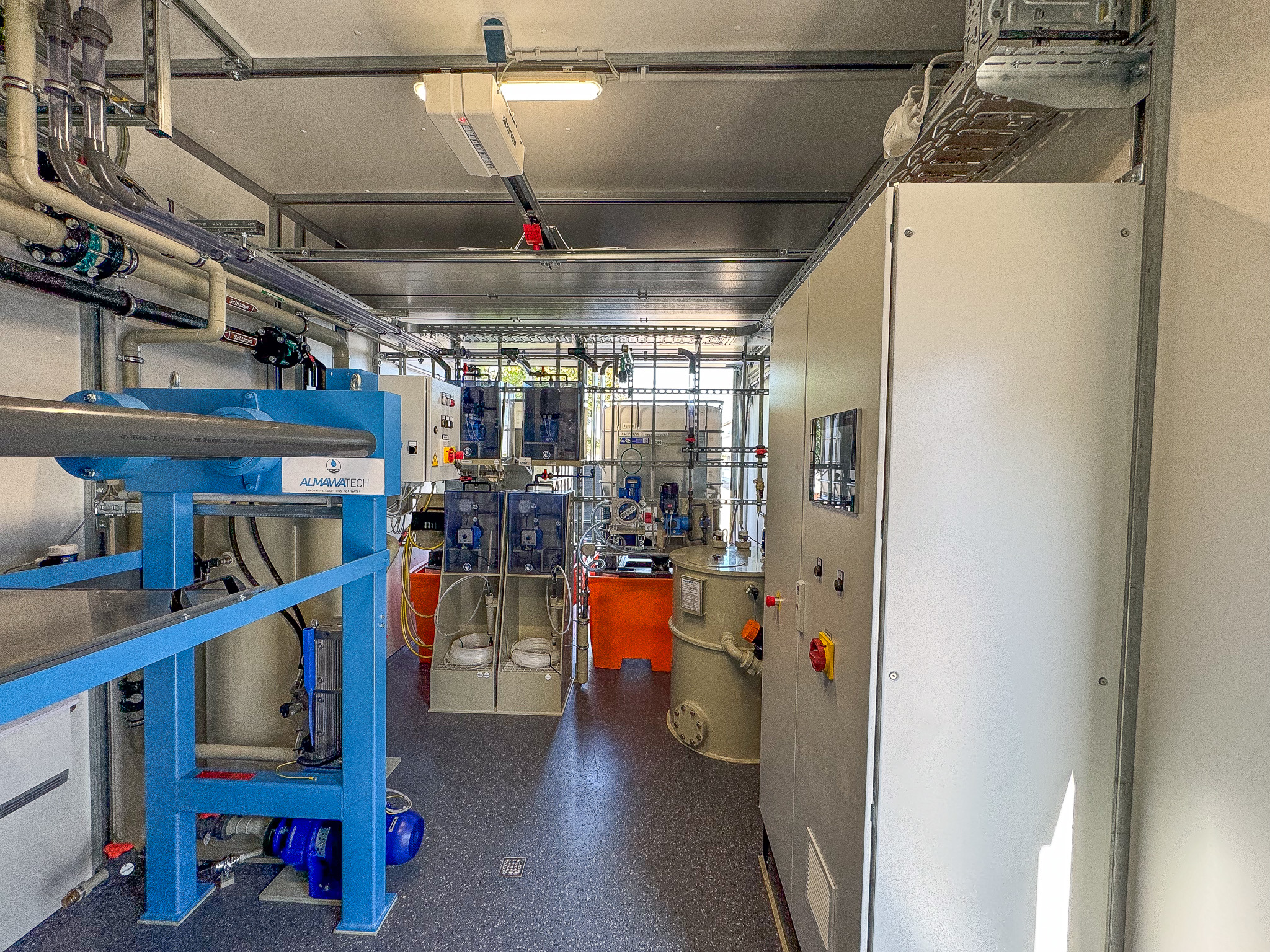
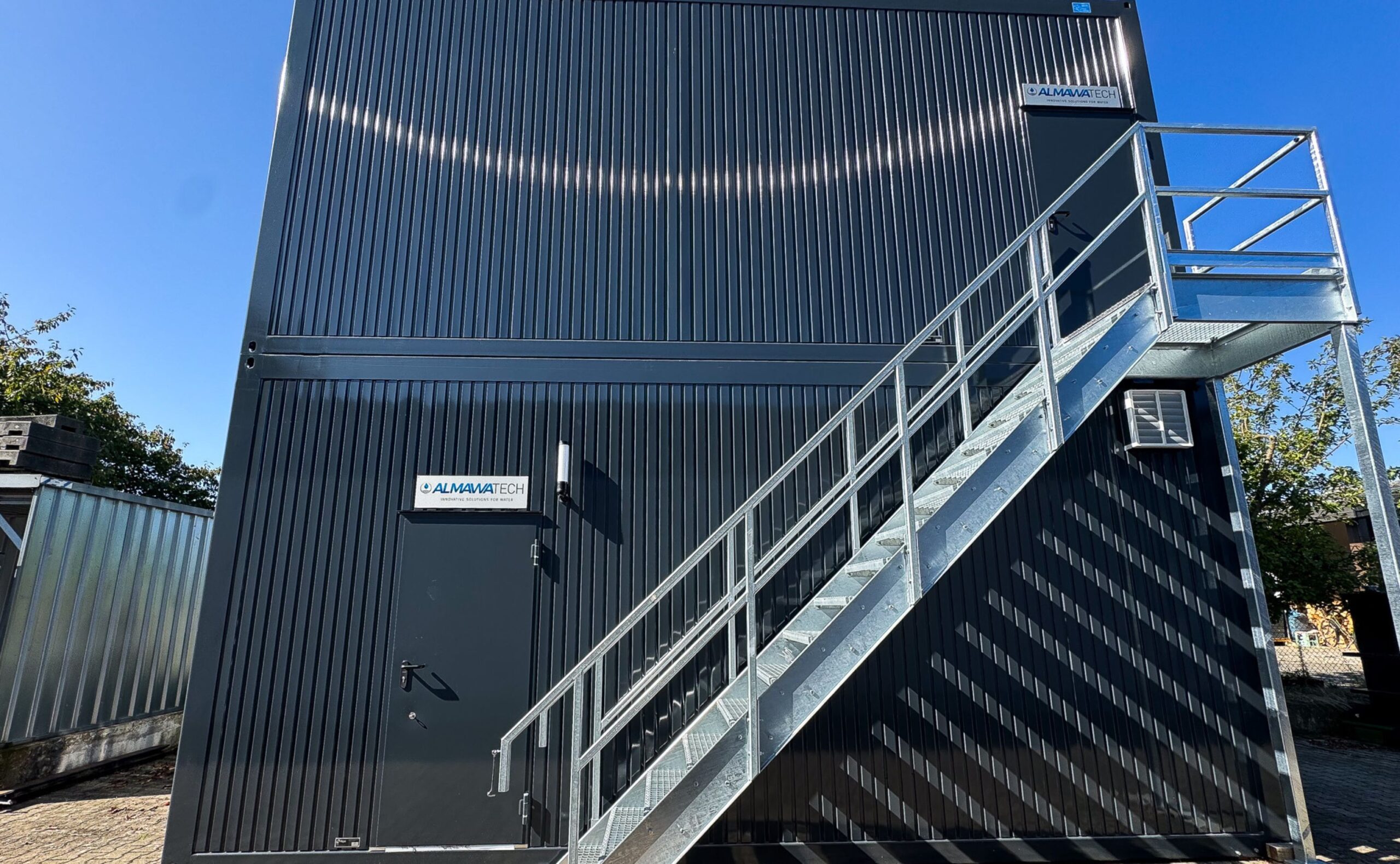
Treatment of 12m3 of acidic and metal-containing wastewater from electroplating, mass finishing and electropolishing, installed in a two-storey ALMA module for the medical technology manufacturer Möller Medical GmbH.
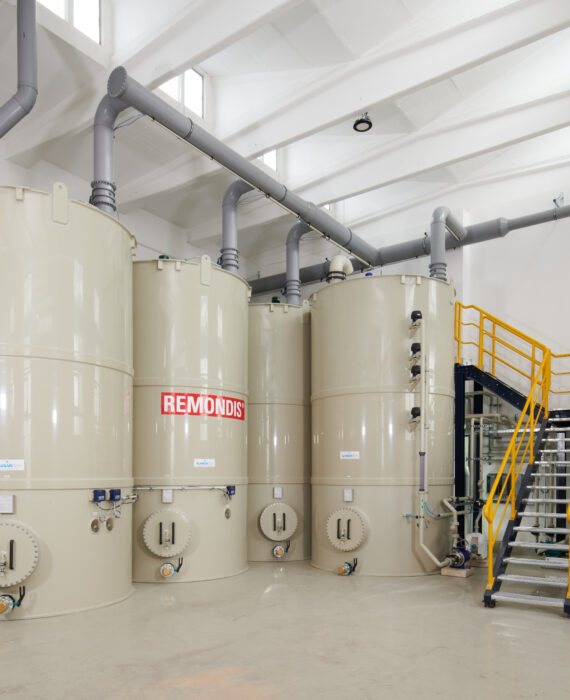
REMONDIS Industrie Service, ALMA Chem MCW
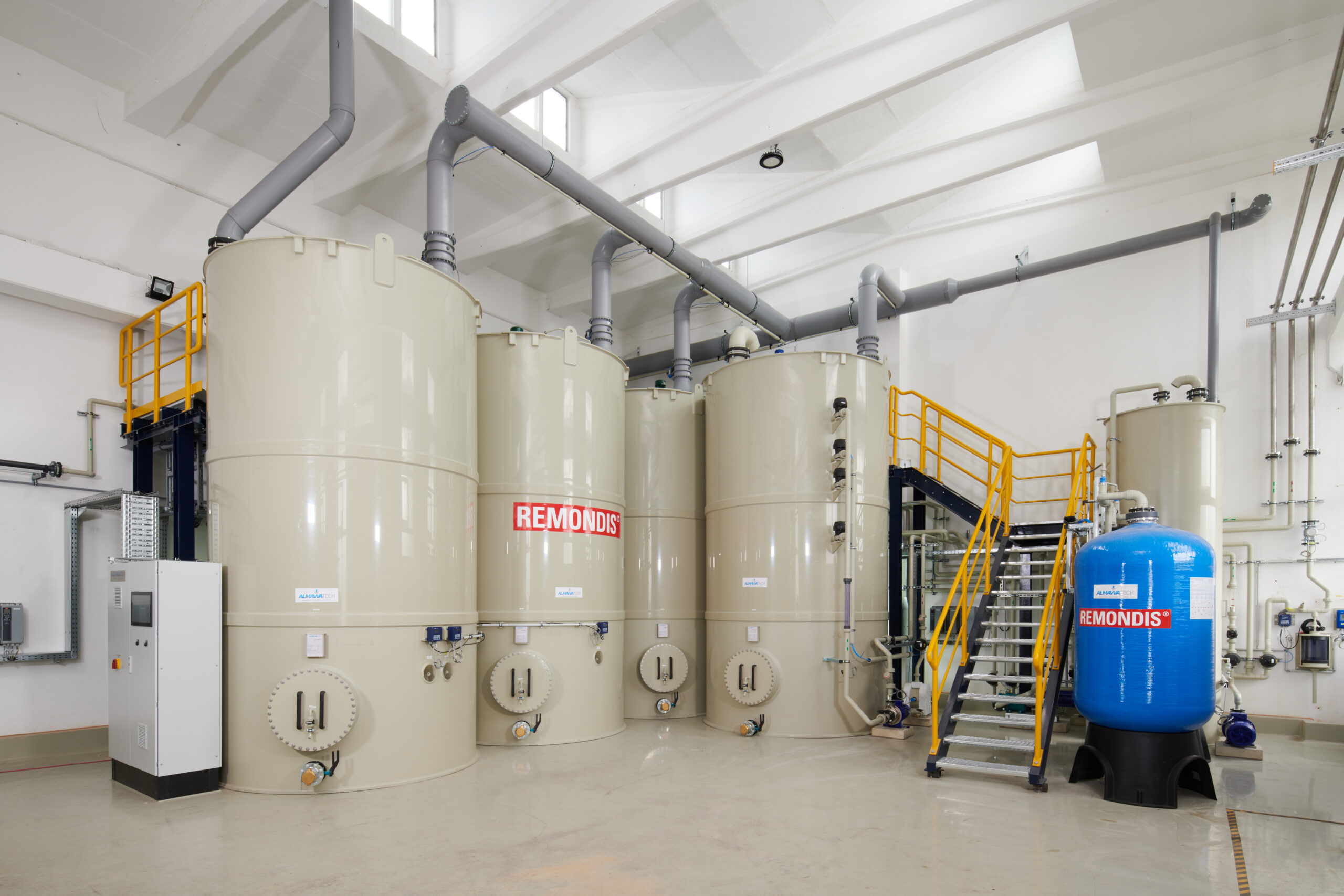
A CP batch plant (ALMA CHEM MCW) with cyanide decontamination and gravel filtration for REMONDIS Industrie Service in Leuna.
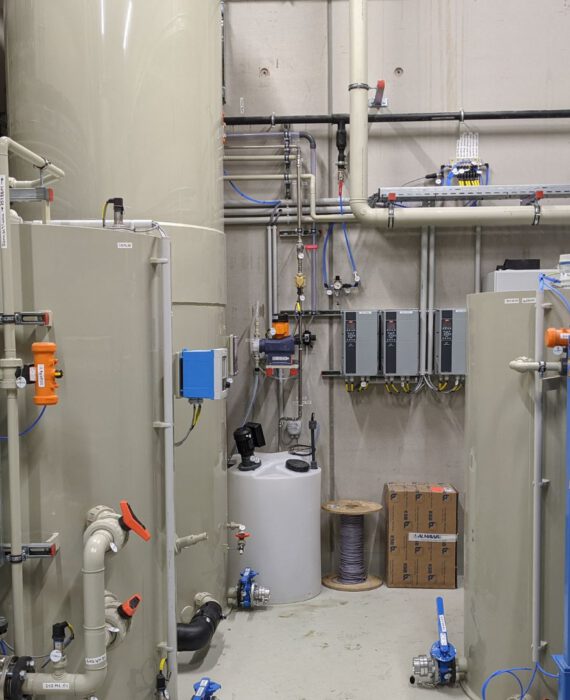
NBG Fiber GmbH, Austria, ALMA CHEM MCW
Treatment of 7.2m3 of laboratory wastewater per day using a precipitation and flocculation plant in batch operation for NBG Fiber GmbH.
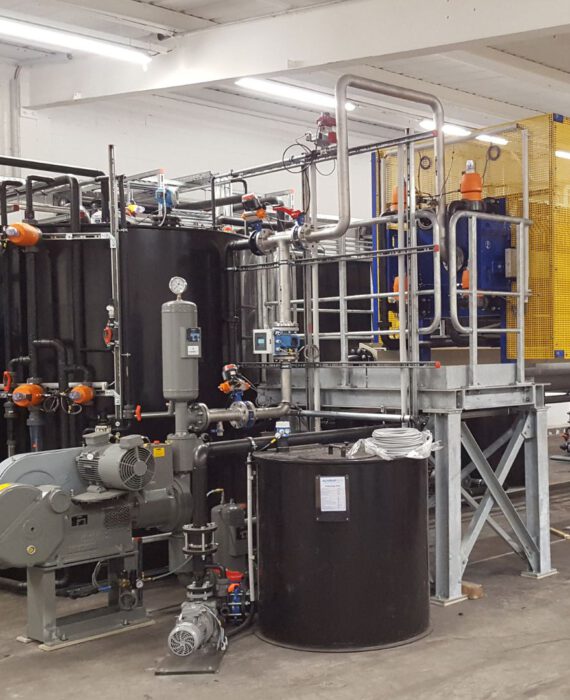
Harold Scholz & Co. GmbH, ALMA CHEM MCW, ALMA FIL
Treatment of 18m3 of cleaning wastewater per day from color pigment production with a precipitation/flocculation system and final filtration for Harold Scholz & Co. GmbH.
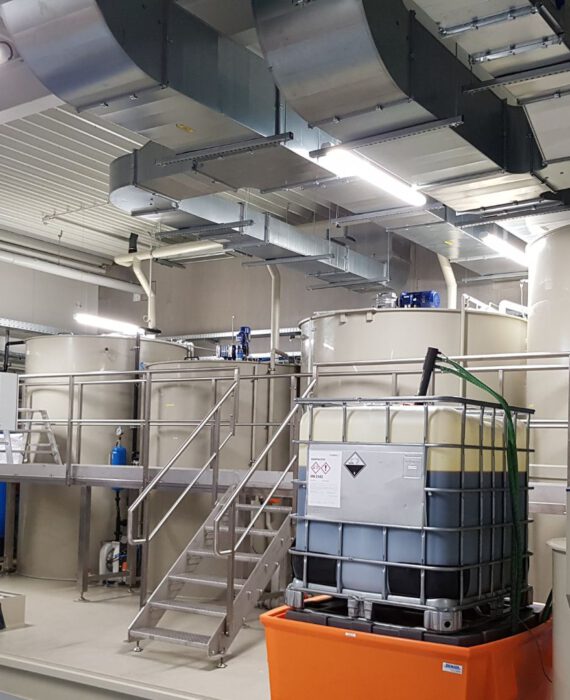
BRAZETEC GmbH, ALMA Chem MCW
A CP batch plant (ALMA CHEM MCW) with gravel filtration for the new plant of BRAZETEC (formerly SAXONIA Technical Materials GmbH).
You are currently viewing placeholder content from Vimeo. To access the actual content, click on the button below. Please note that data will be passed on to third-party providers.
You can find more information directly on Vimeo.Advantages of our precipitation and flocculation system
Technical data: CP system ALMA CHEM MCW
| Hydraulic power | Procedure | Sludge treatment | Option | 2-stage version |
|---|---|---|---|---|
| Continuous flow systems | ||||
| 2 m³/h | Precipitation/flocculation/sedimentation | Chamber filter press | Gravel filter/powder activated carbon | Hydroxide/sulfide precipitation |
| 5 m³/h | Precipitation/flocculation/sedimentation | Chamber filter press | Gravel filter/powder activated carbon | Hydroxide/sulfide precipitation |
| 10 m³/h | Precipitation/flocculation/sedimentation | Chamber filter press | Gravel filter/powder activated carbon | Hydroxide/sulfide precipitation |
| 20 m³/h | Precipitation/flocculation/sedimentation | Chamber filter press | Gravel filter/powder activated carbon | Hydroxide/sulfide precipitation |
| 30 m³/h | Precipitation/flocculation/sedimentation | Chamber filter press | Gravel filter/powder activated carbon | Hydroxide/sulfide precipitation |
| Batch plants | ||||
| 2 x 10 m³ | Precipitation/flocculation/sedimentation | Chamber filter press | Gravel filter/powder activated carbon | Hydroxide/sulfide precipitation |
| 2 x 15 m³ | Precipitation/flocculation/sedimentation | Chamber filter press | Gravel filter/powder activated carbon | Hydroxide/sulfide precipitation |
| 2 x 25 m³ | Precipitation/flocculation/sedimentation | Chamber filter press | Gravel filter/powder activated carbon | Hydroxide/sulfide precipitation |
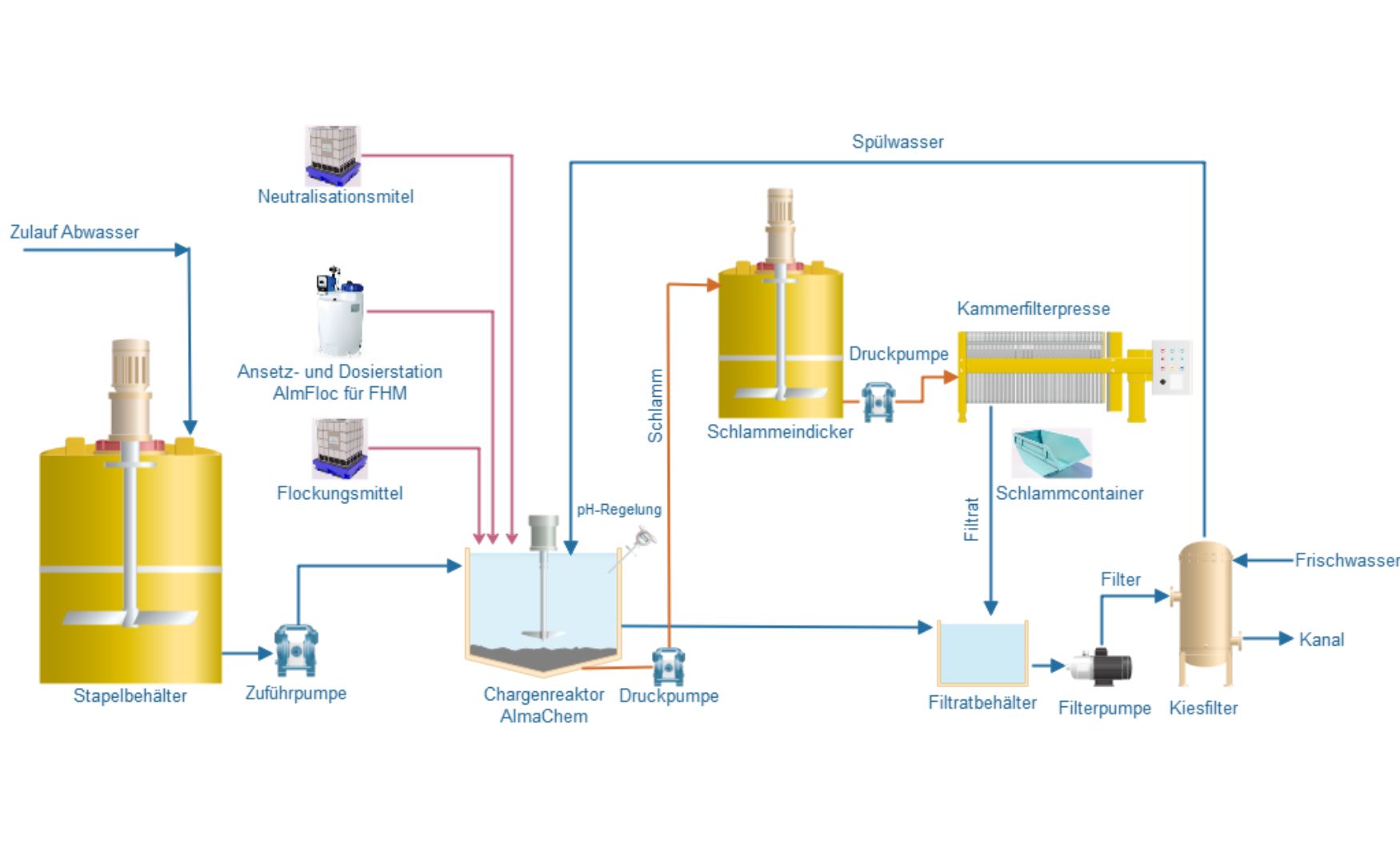
Process diagram: Batch system
Downloads
Tender text
Please contact our specialist for precipitation and flocculation systems: E-Mail
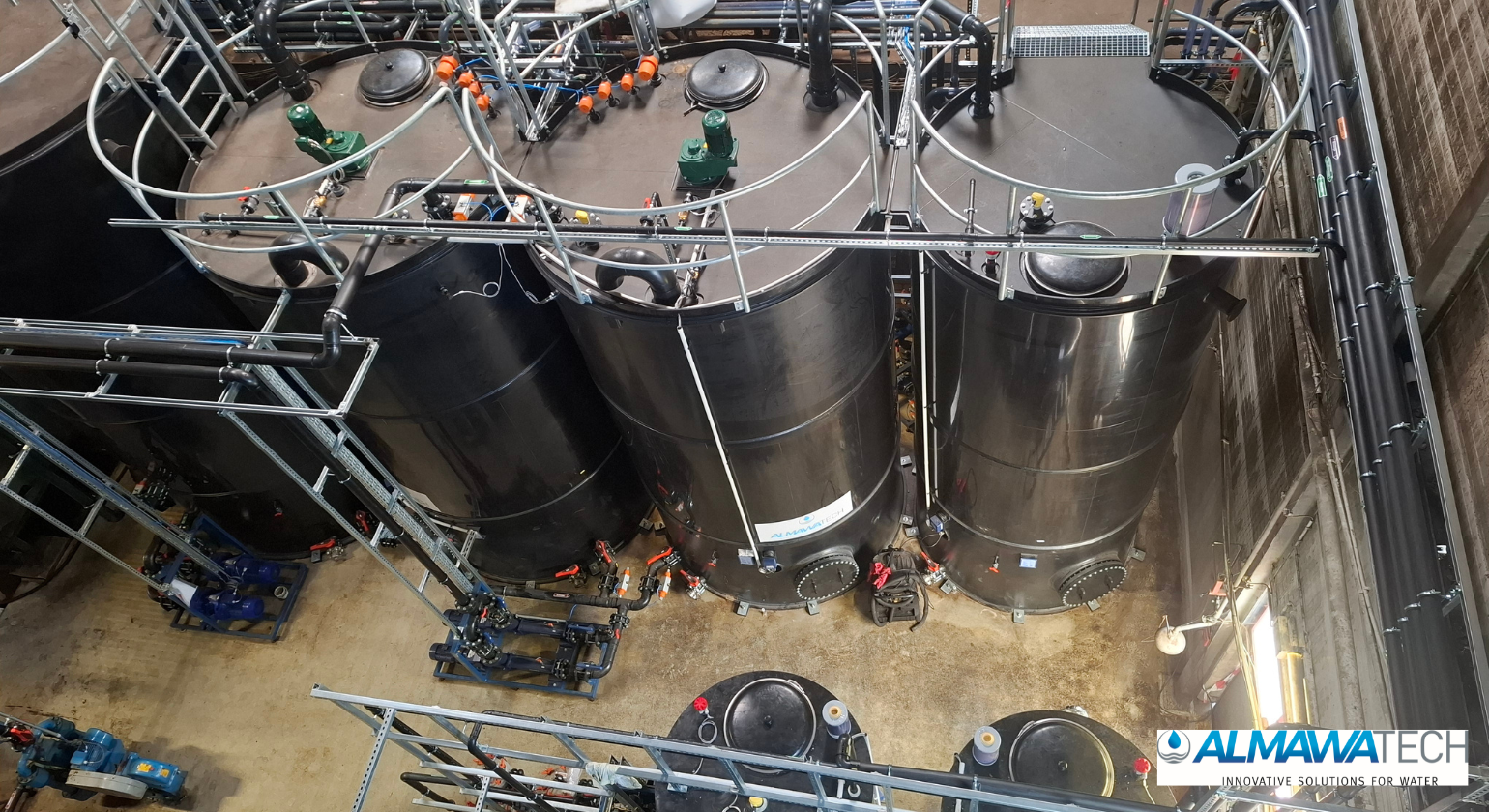
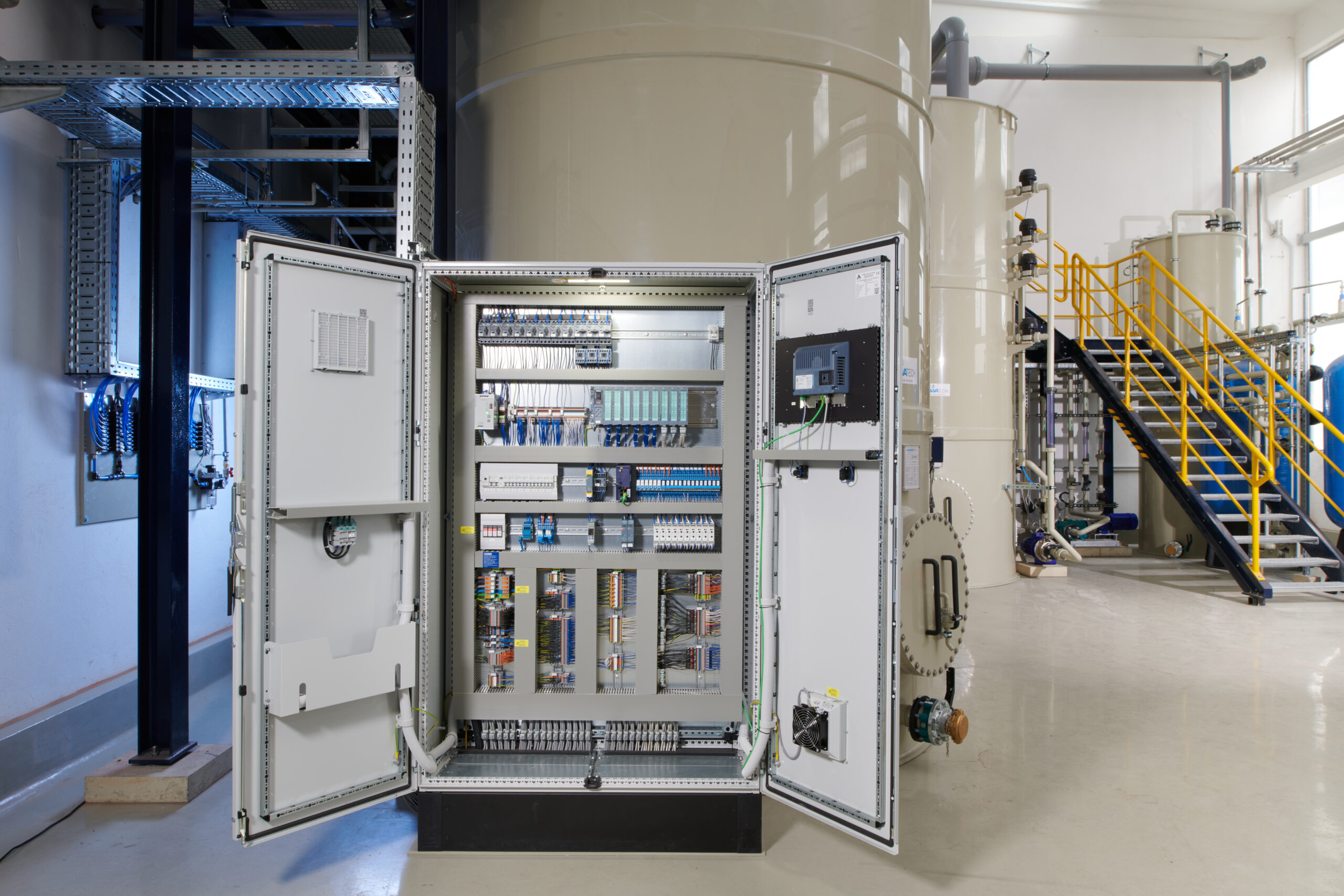
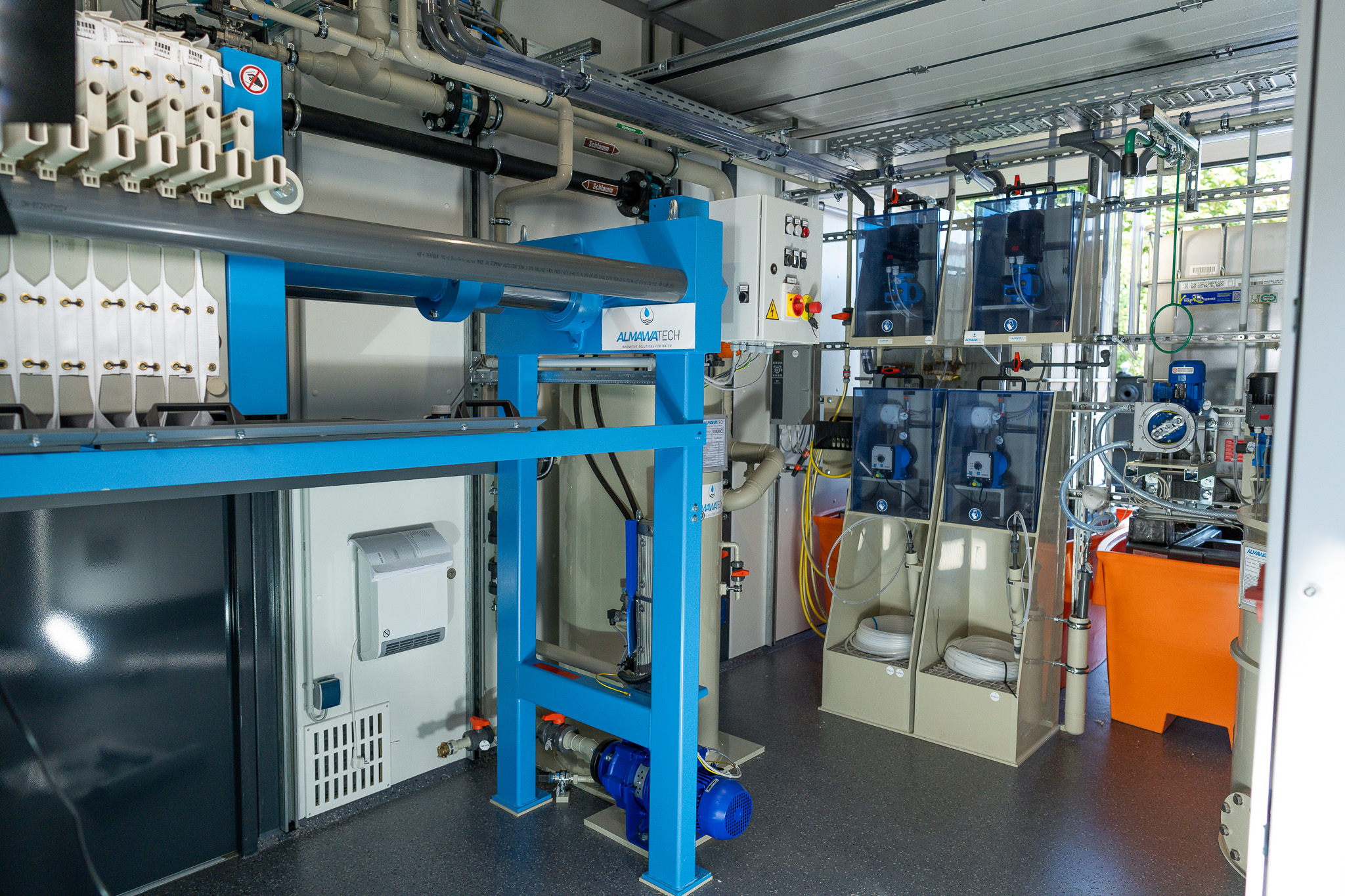
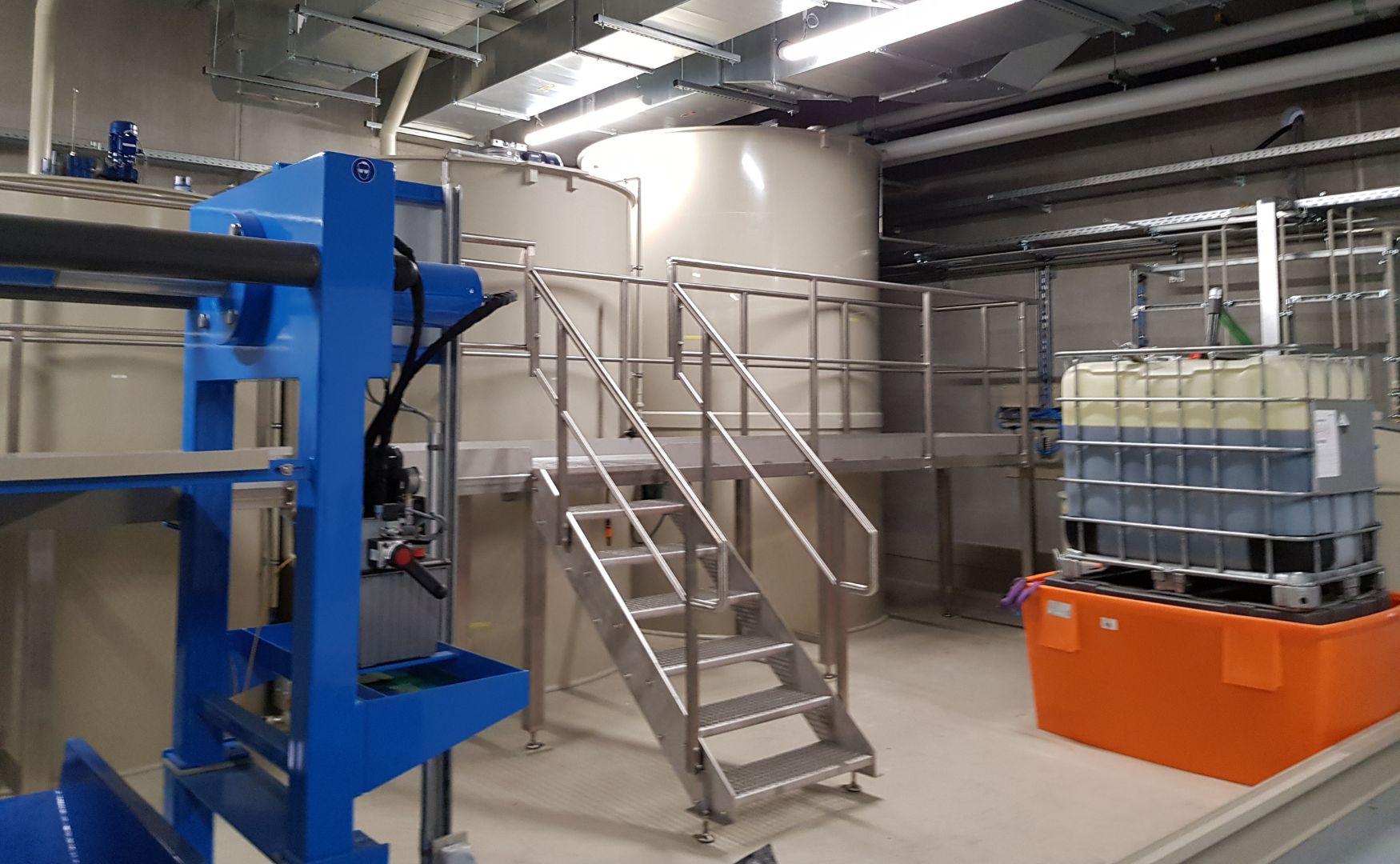
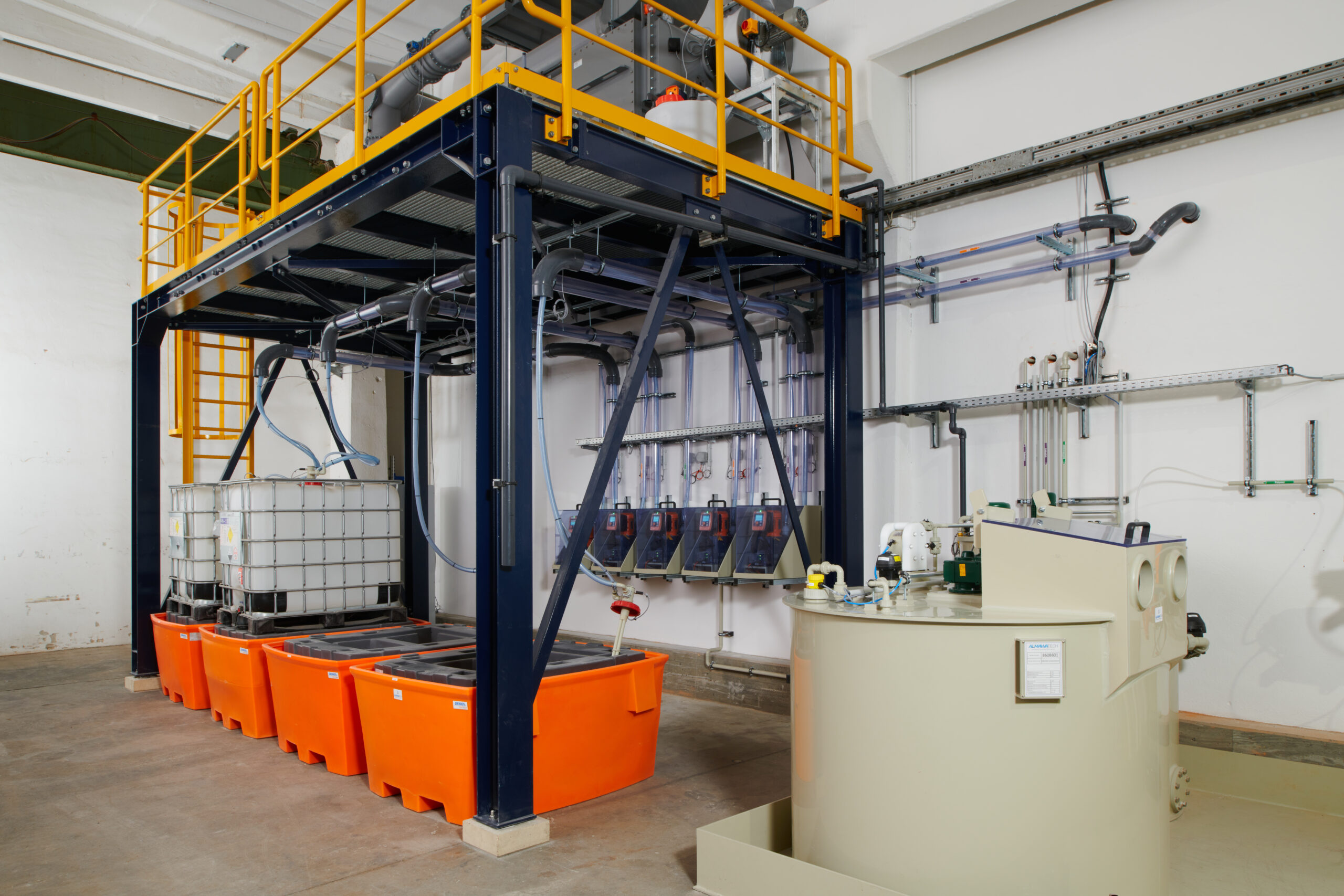
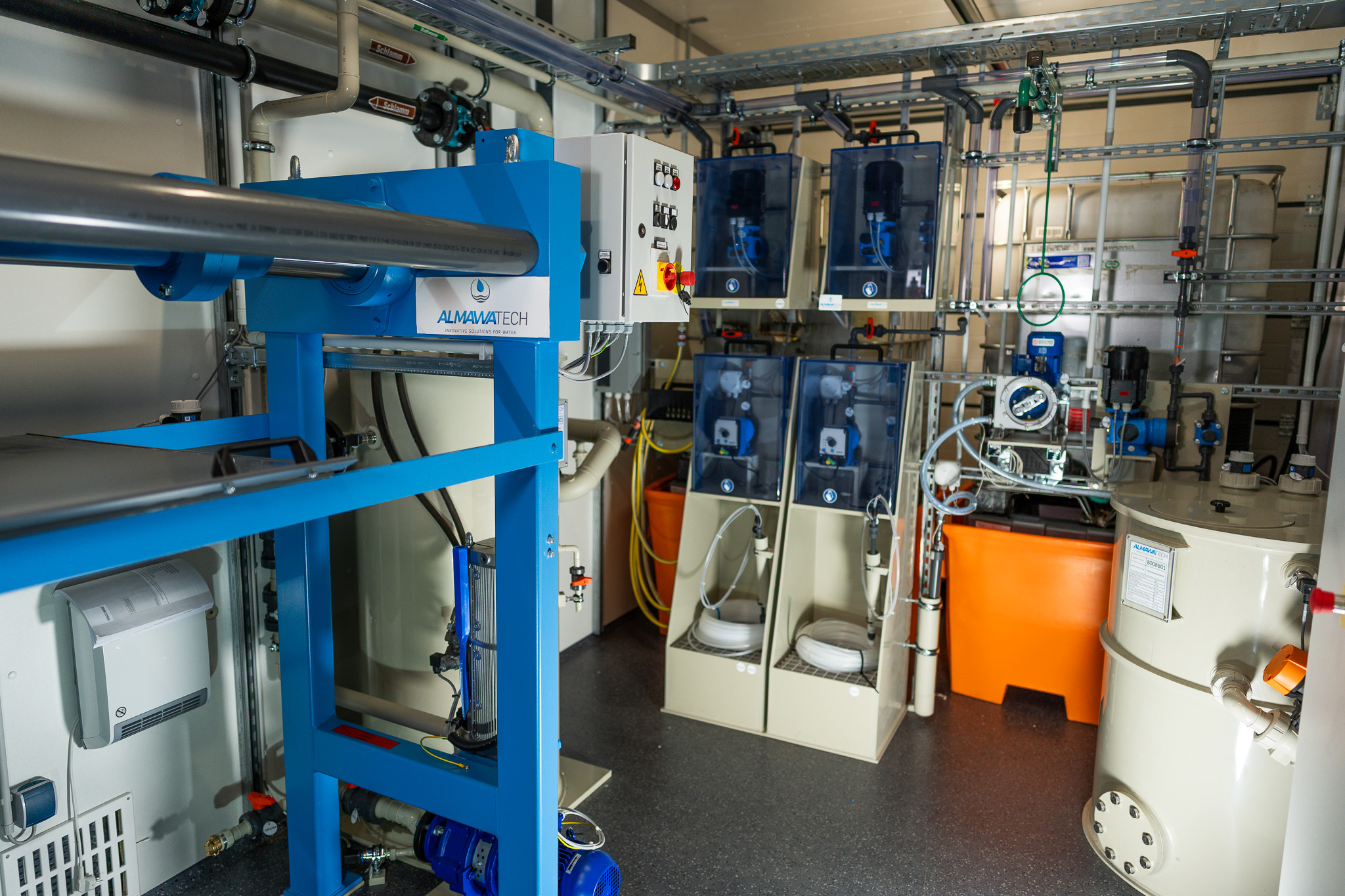
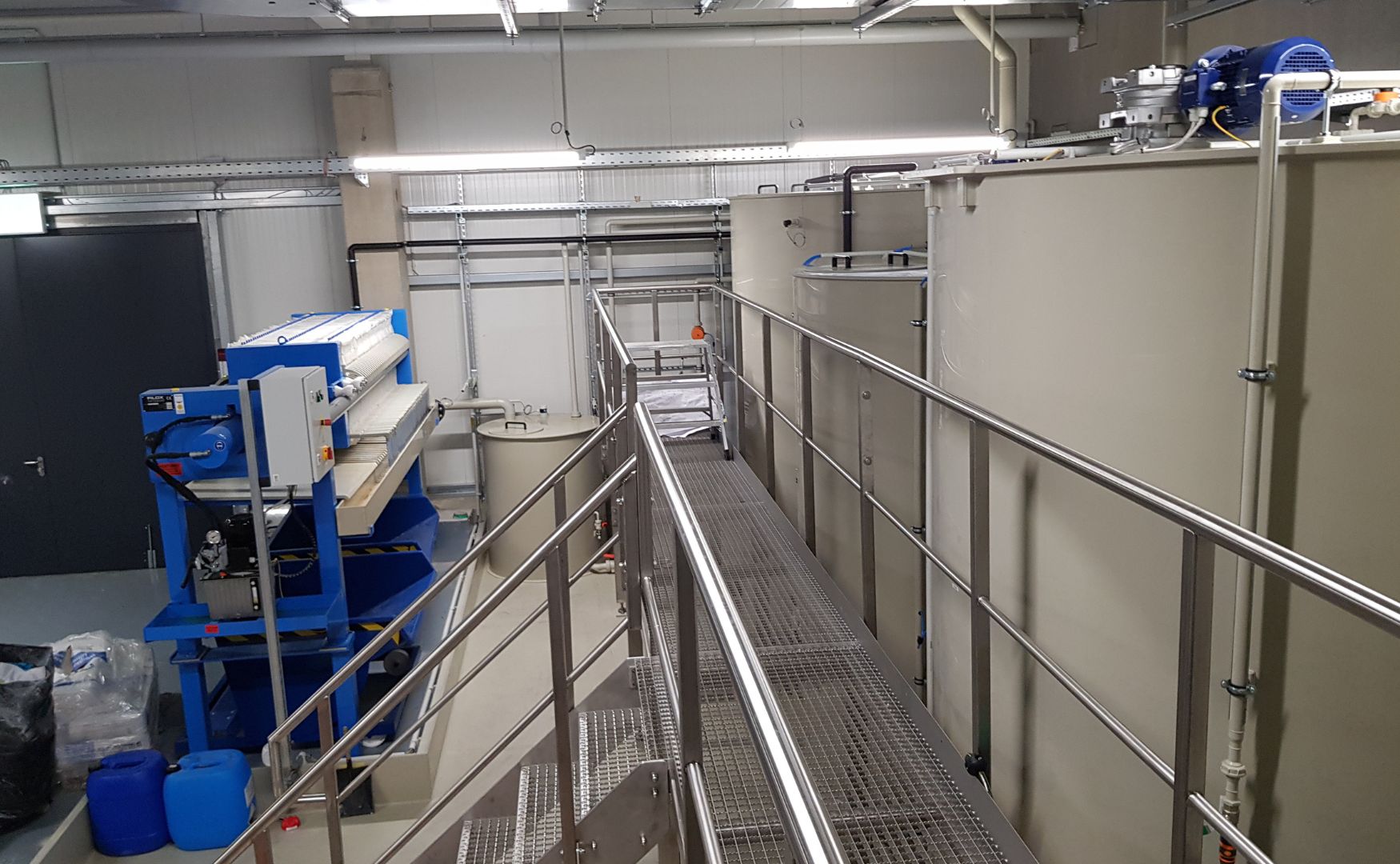
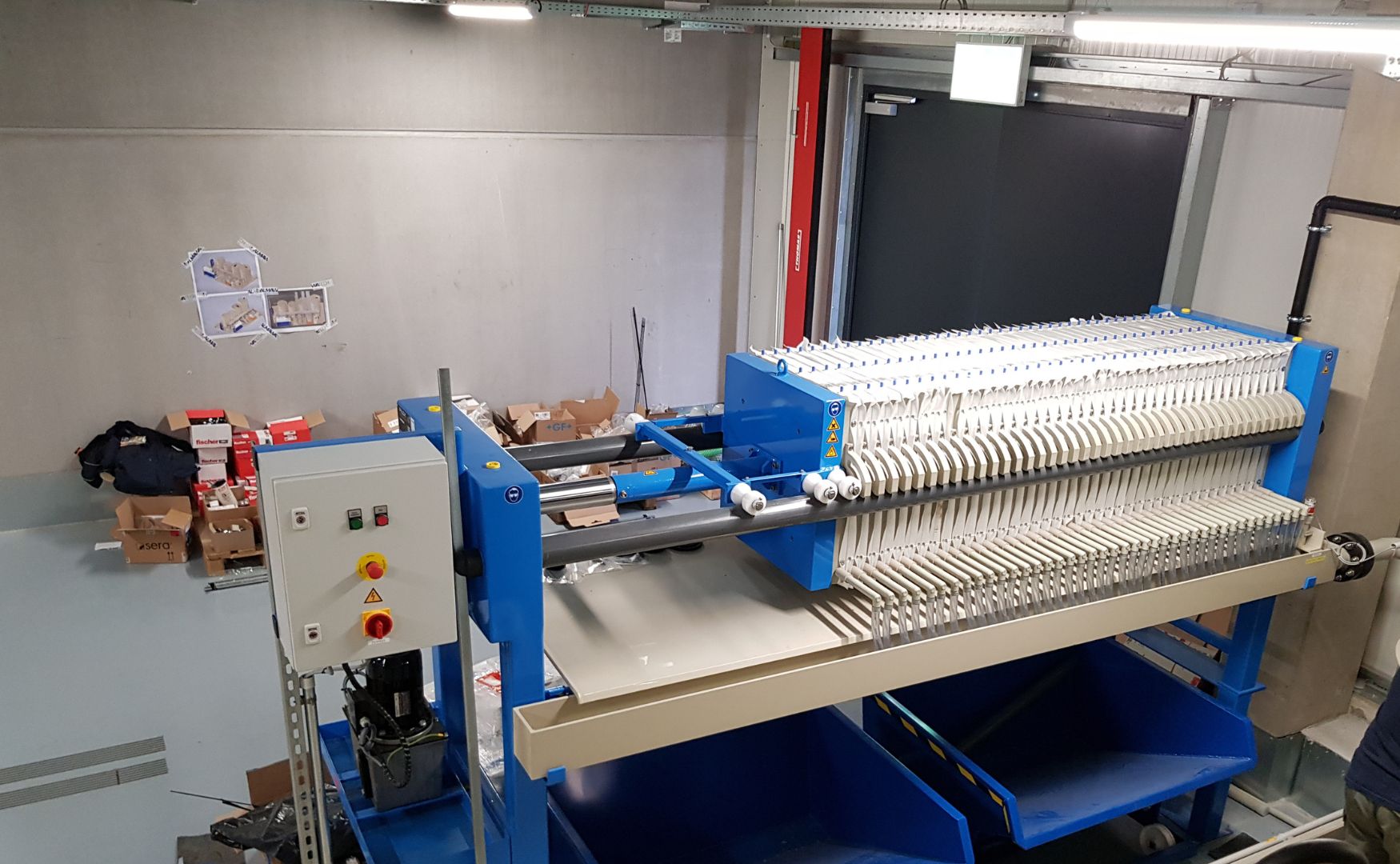
Reference photos
FAQ: CP systems
What is the difference between a neutralization plant and a CP plant?
The difference between a neutralization plant and a CP plant (chemical-physical wastewater treatment plant) lies in the scope of treatment, the purpose of the plant, and its ability to remove pollutants.
Neutralization systems – Range of functions
A neutralization plant serves exclusively to adjust the pH value of wastewater to an acceptable range. Acids or alkalis are dosed to neutralize acidic or alkaline wastewater.
Characteristics of neutralization plants:
Focus exclusively on pH control
No targeted removal of dissolved pollutants
No heavy metal, AOX, or cyanide removal
Rather simple process engineering
Often used as a preliminary stage or minimum requirement
Neutralization plants are therefore only suitable for wastewater that does not contain any relevant pollutants other than pH value.
CP plants – Advanced wastewater treatment
CP systems such as the ALMA CHEM MCW go far beyond neutralization. They combine several process steps:
Neutralization
Chemical precipitation
Flocculation
solid-liquid separation
Sludge removal and treatment
This allows dissolved pollutants to be specifically converted into a solid phase and then removed from the wastewater.
Typical pollutants that can only be removed with CP systems:
Heavy metals
AOX
cyanides
Chromium (including chromium(VI) reduction)
sulfides
Hydrocarbons
Summary
Neutralization systems only adjust the pH value, while CP systems also remove heavy metals, AOX, cyanides, and other pollutants through precipitation and separation.
What is the difference between batch plants and continuous plants in CP plants?
CP plants can be operated either as batch plants or as continuous plants. The choice of operating mode has a significant impact on process reliability, flexibility, and plant performance.
Batch plants
In a batch plant, a defined amount of wastewater is fed into a reactor and treated completely before the next treatment step begins. All chemical reactions are time-controlled and monitored.
Advantages of batch systems:
Very high process control
Ideal for highly fluctuating wastewater composition
High operational reliability with complex pollutants
Precise compliance with legal limits
Typical applications:
Metalworking industry
Chemical industry
steel processing
waste disposal companies
Continuous flow systems
In continuous flow systems, wastewater is continuously passed through several reaction and separation stages. The processes run in parallel and continuously.
Advantages of continuous flow systems:
High throughput rates
Constant plant operation
Suitable for uniform wastewater loads
Economical for large volumes of wastewater
Typical applications:
large-scale industry
Continuous production processes
Summary
Batch CP systems treat wastewater in batches with maximum process control, while continuous flow CP systems are designed for continuous, uniform wastewater flows.
For which pollutants and areas of application are CP systems such as the ALMA CHEM MCW suitable?
The ALMA CHEM MCW is designed for the targeted removal of critical, dissolved, and particle-bound pollutants from industrial wastewater.
Typical pollutants
Heavy metals
Copper, nickel, zinc, lead, cadmium
Hydroxide precipitation or sulfide precipitation
AOX (adsorbable organically bound halogens)
Chemical and petrochemical processes
Multi-stage precipitation and flocculation concepts
cyanides
Free and complex-bound cyanide
Multi-stage treatment processes
chromium
Reduction of chromium(VI) to chromium(III)
Subsequent precipitation and separation
Hydrocarbons
Emulsified or dispersed organic compounds
Combination with flocculation and separation
Typical areas of application
Chemical industry
Petrochemical industry
steel processing
- surface technology
Metal processing
Pharmaceutical industry
Waste disposal and recycling companies
Summary
CP systems such as the ALMA CHEM MCW remove heavy metals, AOX, cyanides, chromium, and hydrocarbons from complex industrial wastewater.
What advantages do ALMA CHEM MCW CP systems offer over conventional solutions?
ALMA CHEM MCW CP systems have been specially developed for demanding industrial wastewater treatment applications where high process reliability, cost-effectiveness, and flexibility are crucial. Compared to conventional chemical-physical systems, they offer a range of technical and operational advantages that have a direct impact on operating costs, system availability, and effluent quality.
Fully automatic operation with high process reliability
The ALMA CHEM MCW is designed for fully automatic continuous operation. All relevant process steps—neutralization, precipitation, flocculation, separation, and sludge handling—are monitored and controlled via integrated control and regulation technology.
Advantages for the operator:
Minimal personnel costs
Reproducible process values
Reduction of operating errors
High system availability even in 24/7 operation
Multi-stage precipitation systems for complex wastewater
Unlike simple CP systems, ALMA CHEM MCW systems can be designed as single-, double-, or triple-stage precipitation systems. This allows different pollutants to be removed in a targeted and sequential manner.
Technical benefits:
Optimal reaction conditions for each pollutant
Combination of different precipitating agents (e.g., hydroxide and sulfide precipitation)
Guaranteed compliance with low limit values
High flexibility with changing wastewater compositions
Optimized and patented sludge removal systems
A key distinguishing feature of the ALMA CHEM MCW is its optimized and patented sludge removal system. This ensures reliable separation and controlled discharge of the precipitation and reaction sludge produced.
Operational advantages:
Stable sludge removal without clogging
Reduced maintenance requirements
Improved sludge consistency
Efficient further processing or disposal
Integration of sulfide precipitation steps
The plants can be specifically equipped with sulfide precipitation stages. These are particularly effective in separating heavy metals that are difficult to precipitate.
Advantages of sulfide precipitation:
Very low residual concentrations of heavy metals
High process reliability for critical wastewater
Expansion of the CP system's range of applications
Resource-saving operation thanks to optimized measurement and control technology
A significant cost factor in CP plants is the consumption of precipitation agents and auxiliary materials. The ALMA CHEM MCW uses modern measurement and control technology that precisely adjusts the dosage to the actual wastewater load.
Result:
Avoidance of overdosing
Reduced chemical consumption
Lower sludge volume
Lower disposal and operating costs
Flexible system concepts: batch or continuous
The ALMA CHEM MCW can be implemented as both a batch plant and a continuous flow plant. This allows the plant concept to be optimally adapted to the respective process and the volume of wastewater.
Flexibility advantages:
Adaptation to fluctuating or constant inflows
Integration into existing plant structures
Scalability for production changes
Robust, durable construction for industrial use
All systems are designed for long-term industrial continuous operation. High-quality materials, robust components, and a clear, maintenance-friendly design ensure a long service life.
Optional:
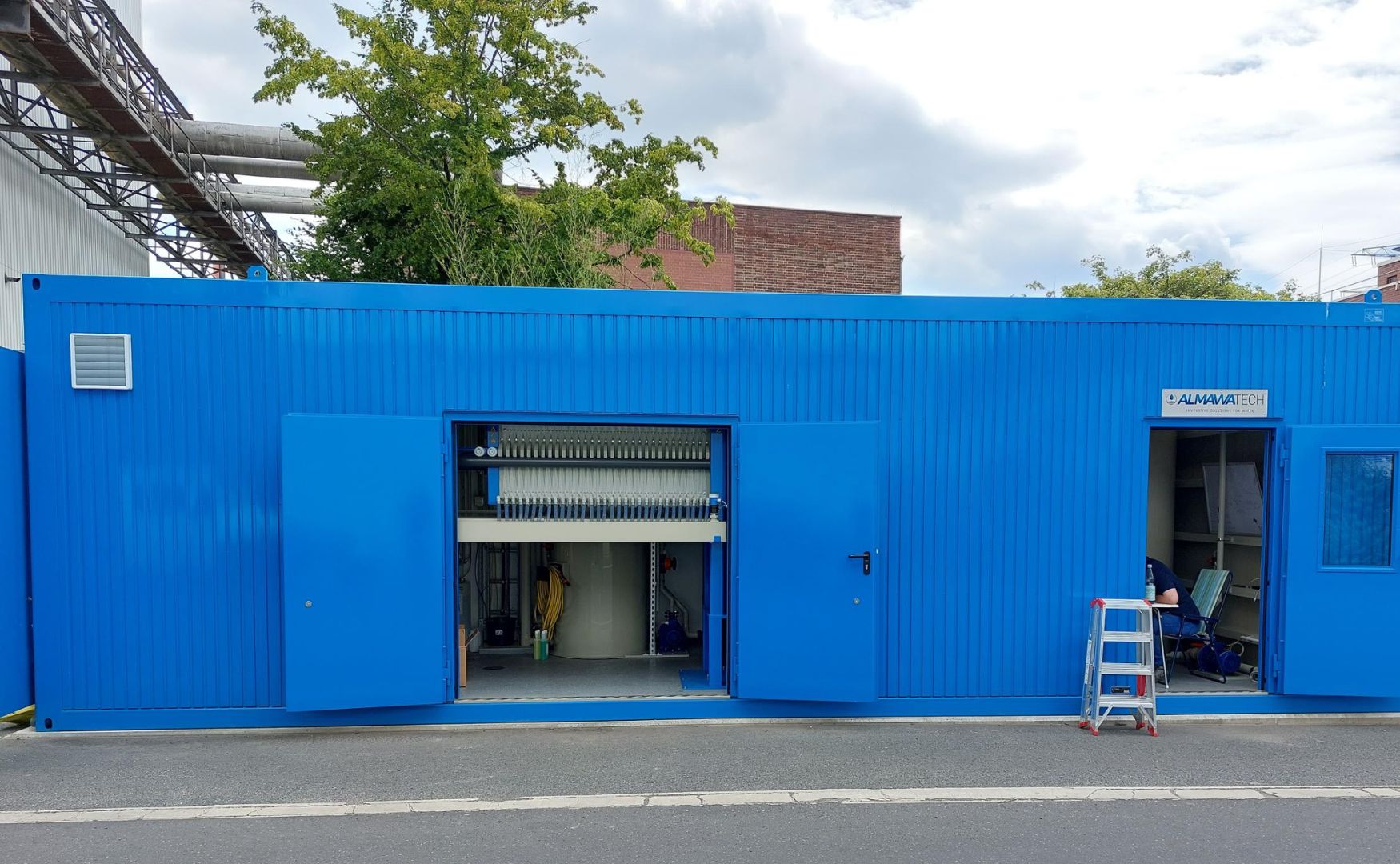
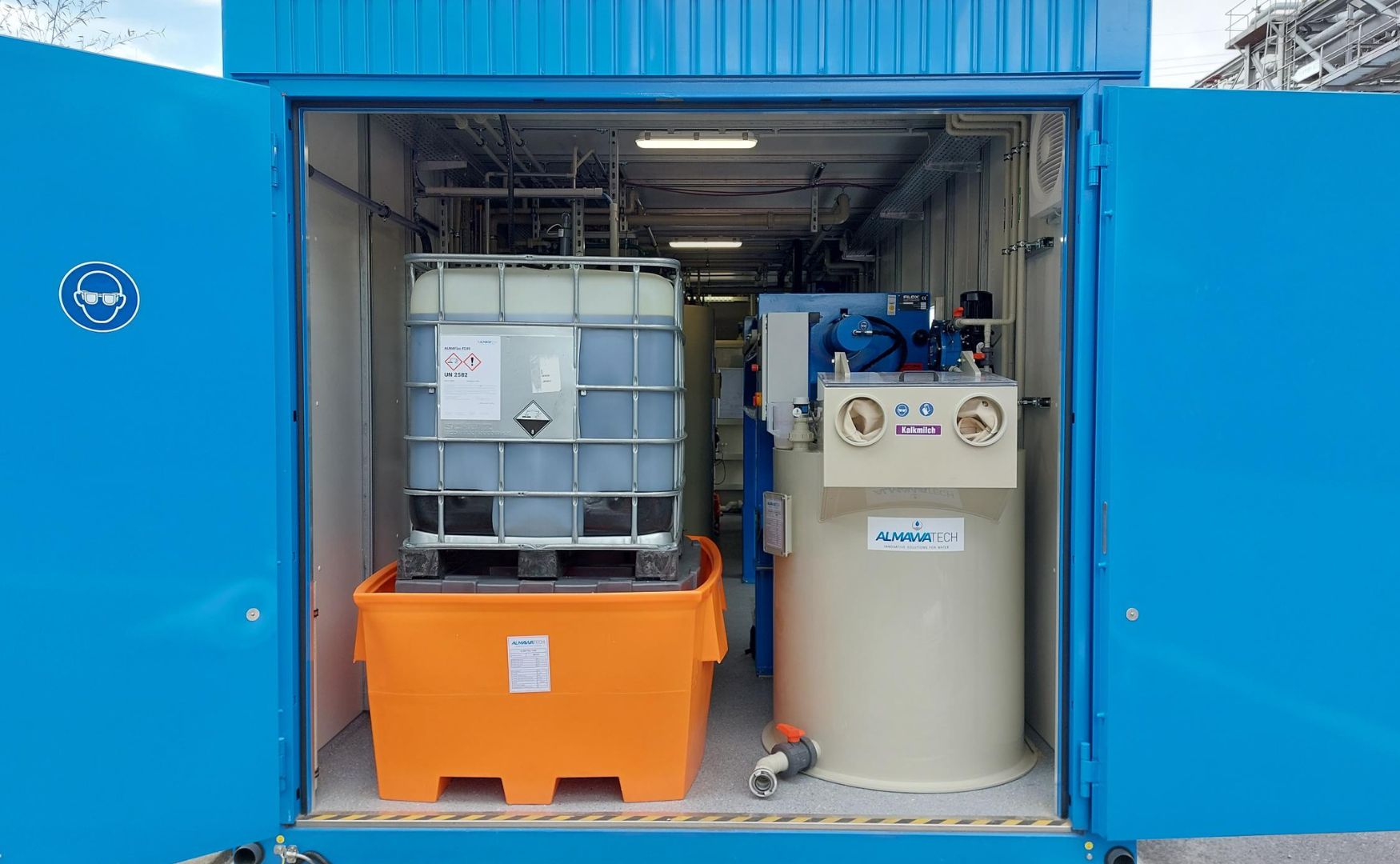
Container design for space-saving installation and quick commissioning
Experience and references
ALMA CHEM MCW is based on many years of experience in chemical-physical wastewater treatment and a large number of successfully implemented reference plants in various industries.
Summary of advantages
The ALMA CHEM MCW CP systems offer:
Maximum process reliability through automation
Flexible, multi-stage precipitation concepts
Low operating costs thanks to optimized dosing
Reliable sludge separation
Adaptability to a wide range of wastewater requirements
Summary
The ALMA CHEM MCW offers fully automatic operation, multi-stage precipitation, sulfide heavy metal precipitation, low chemical consumption, reliable sludge separation, and flexible plant concepts for demanding industrial wastewater.
When is it advisable to use a CP system—especially for biologically non-degradable or toxic wastewater constituents?
The use of a CP system (chemical-physical wastewater treatment) is particularly useful and often indispensable when industrial wastewater contains non-biodegradable, difficult-to-degrade, or toxic substances, as is typically the case in the chemical and metalworking industries.
Biologically non-degradable or difficult-to-degrade wastewater constituents as a key decision-making criterion
Many industrial wastewater constituents are:
not biodegradable or only degradable very slowly
toxic or inhibitory to microorganisms
highly variable in concentration and composition
These include, among others:
dissolved heavy metals (e.g., Cu, Ni, Zn, Cr, Cd)
complex metal compounds
cyanides
AOX
sulfide compounds
Special process chemicals from pickling, coating, or finishing processes
Such substances can, in biological systems:
damage or kill the biomass
lead to inconsistent cleaning performance
require long dwell times, which are not economically feasible
Limitations of biological processes for toxic industrial wastewater
Biological wastewater treatment processes are designed to break down easily biodegradable organic substances. However, they reach their fundamental limits when it comes to toxic or poorly degradable substances:
Inhibition or loss of biological activity
Accumulation of toxic substances in sludge
Increased sludge and disposal costs
Unstable process values and limit value exceedances
Biological treatment alone is generally not possible or not permitted, particularly in the case of heavy metals, cyanides, AOX, or chromium.
Why physical separation methods are not sufficient here
Purely physical separation methods such as:
Sedimentation
Filtration
sieving
Separator
are only capable of removing particulate or separable phases. However, critical pollutants are often found in industrial wastewater:
largely resolved
complexly bound
colloidally stabilized
before.
In addition, these wastewater streams often contain high levels of substances that are incompatible with membranes and filtration, such as:
heavy metal ions
Complexing agent
aggressive chemicals
finely dispersed or dissolved organic substances
This leads to the following:
Filtration systems quickly become fouled or blocked
Membrane systems are not economically viable
a purely physical separation is not technically feasible
Role of the CP plant: Conversion of dissolved pollutants into a separable phase
This is precisely where the decisive advantage of a CP system lies:
It specifically converts dissolved, toxic, or persistent substances into a solid phase, which can then be safely separated.
This is achieved by:
targeted neutralization
chemical precipitation (e.g., hydroxide or sulfide precipitation)
Flocculation
Separation and sludge treatment
Only through this step do pollutants become:
biologically harmless
physically separable
legally compliant
Typical industries in which CP systems are indispensable
The use of CP systems is particularly useful and often state-of-the-art in the following industries:
Chemical and waste disposal industry
waste disposal companies
hazardous waste treatment
Chemical industry
Metalworking industry
Cold rolling mills
steel mills
aluminum rolling mills
Surface treatment and coating
galvanization
copper plating
coating companies
surface finishing
Metallurgical process industry
pickling plants
electroplating companies
metal finishing
These industries have the following in common:
high concentrations of dissolved heavy metals
toxic or inhibiting ingredients
low biodegradability
High requirements for discharge and introduction limits
Conclusion of the decision
A CP system is always the right solution when industrial wastewater:
are not biodegradable or are difficult to degrade biologically
contain toxic or inhibitory ingredients
mainly contain dissolved pollutants
cannot be treated using purely physical methods
Membrane or filtration systems would pose a risk
In these cases, the CP system is not only useful, but absolutely essential to ensure safe, economical, and legally compliant operation.
Summary
CP plants are necessary for non-biodegradable, toxic, and dissolved wastewater constituents from the chemical and metalworking industries that cannot be reliably removed either biologically or physically.
How can I find out whether a CP system is necessary for our wastewater, and how does ALMAWATECH approach the design process?
The question of whether a CP system (chemical-physical wastewater treatment) is necessary for your wastewater often arises when limit values cannot be reliably complied with, processes are unstable, or new discharge conditions apply. There is rarely a blanket answer, but there are clear technical criteria that can be used to reliably assess the need.
Technical indicators that speak in favor of a CP system
A CP system is generally useful or necessary if at least one of the following points applies:
The wastewater contains heavy metals, AOX, cyanides, chromium, or other toxic/inhibitory substances.
The ingredients are not biodegradable or are difficult to degrade.
Limit values can only be complied with at great expense or are not reproducible.
Biological or membrane-based systems exhibit instabilities (e.g., inhibitions, fouling, frequent cleaning).
Physical processes (filtration, separators) are not sufficient, as pollutants are largely present in dissolved form.
High operating costs are incurred due to excessive chemical consumption or high sludge/disposal costs.
Chemical-physical treatment is often the most technically reliable way to convert dissolved pollutants into a separable phase.
How does ALMAWATECH design a CP system?
At ALMAWATECH, CP systems are not designed according to a standard formula, but rather based on data and application-oriented:
1. Analysis of wastewater
Evaluation of relevant wastewater parameters (e.g., heavy metals, AOX, COD, pH value, conductivity, sulfide, cyanide)
Assessment of the biodegradability and toxicity of wastewater constituents
Classification of applicable discharge or runoff requirements (direct discharge, indirect discharge, internal process requirements)
2. Laboratory tests in the technical center
Conducting laboratory tests in our own technical center for process engineering evaluation
Selection and optimization of suitable flocculants and coagulants
Determination of optimal pH windows, reaction times, and step sequences
Verification of achievable flow values under realistic conditions
Estimation of chemical consumption and sludge production
3. Pilot tests with pilot plants (optional)
Conducting pilot tests with mobile pilot plants for challenging or new wastewater compositions
Validation of the process under practical operating conditions
Evaluation of plant performance with fluctuating inflows and load peaks
Reduction of planning and investment risks prior to implementation
4. Procedural concept
Selection of suitable precipitation and treatment strategies (e.g., hydroxide or sulfide precipitation, multi-stage concepts)
Determination of the necessary process stages (neutralization, precipitation, flocculation, separation, sludge treatment)
Decision on batch or continuous operation based on wastewater characteristics
5. Technical and economic evaluation
Estimation of investment and operating costs
Assessment of chemical consumption, sludge production, and energy requirements
Comparison with alternative treatment approaches (biological, physical, membrane-based)
Derivation of the most economically and technically viable solution
6. Implementation and integration
Design of the CP plant as a stationary solution or in container construction
Integration into existing wastewater and process structures
Support with commissioning, fine-tuning, and optimizing plant operation
Make contact (conversion trigger)
If you are unsure whether a CP system is necessary for your wastewater, please feel free to contact us. Together, we will assess your situation and suggest the appropriate course of action, including laboratory tests in our technical center and, if necessary, pilot tests with pilot plants.
summary Whether a CP system is required depends on pollutants, biodegradability, and limit values. ALMAWATECH evaluates your wastewater, conducts laboratory tests in the technical center on request, and can also validate the solution through pilot tests with pilot plants under practical conditions.
Similar products: CP systems

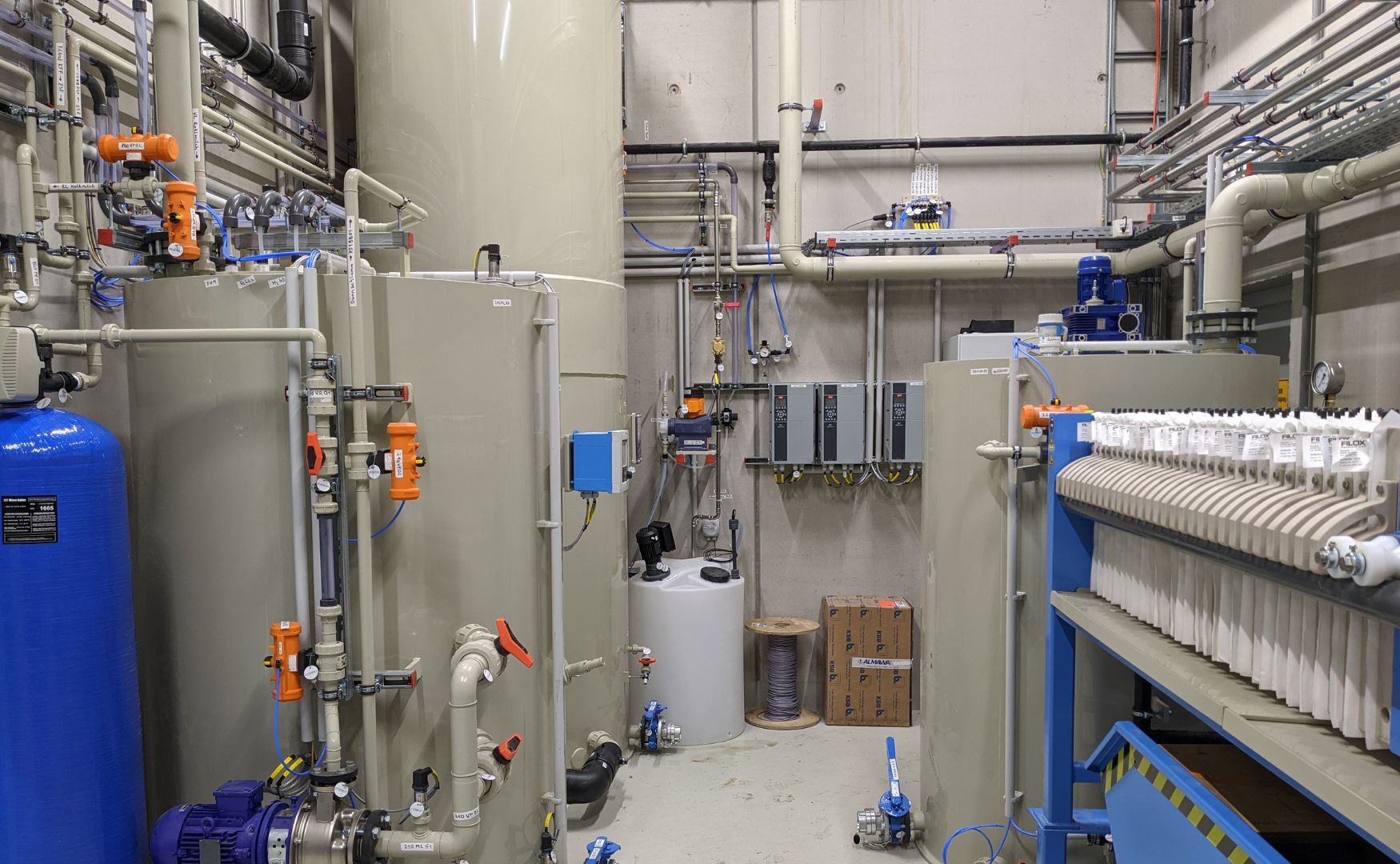
ALMA CHEM MCW Modular
Modular precipitation and flocculation system, with reverse osmosis module for water reuse if required.
ALMA OXI Fenton
Combination process of precipitation and flocculation plant with dosing of hydrogen peroxide for the elimination of poorly degradable COD and trace substances.
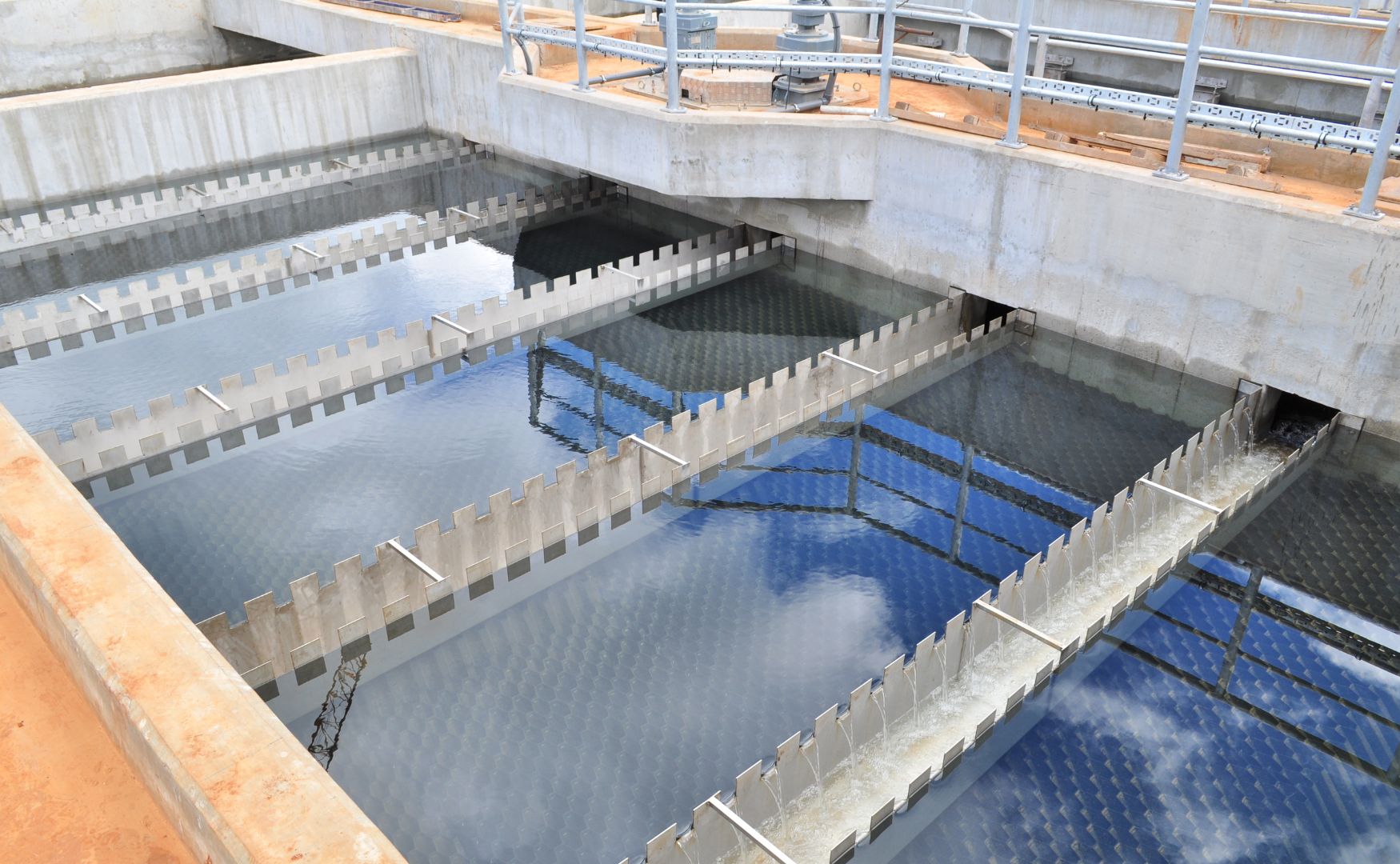
ALMA BHU LHPS
Continuous flow system for precipitation and flocculation as a compact system for large wastewater flows of up to 3,000 m³/h with special honeycomb-shaped lamella separator.
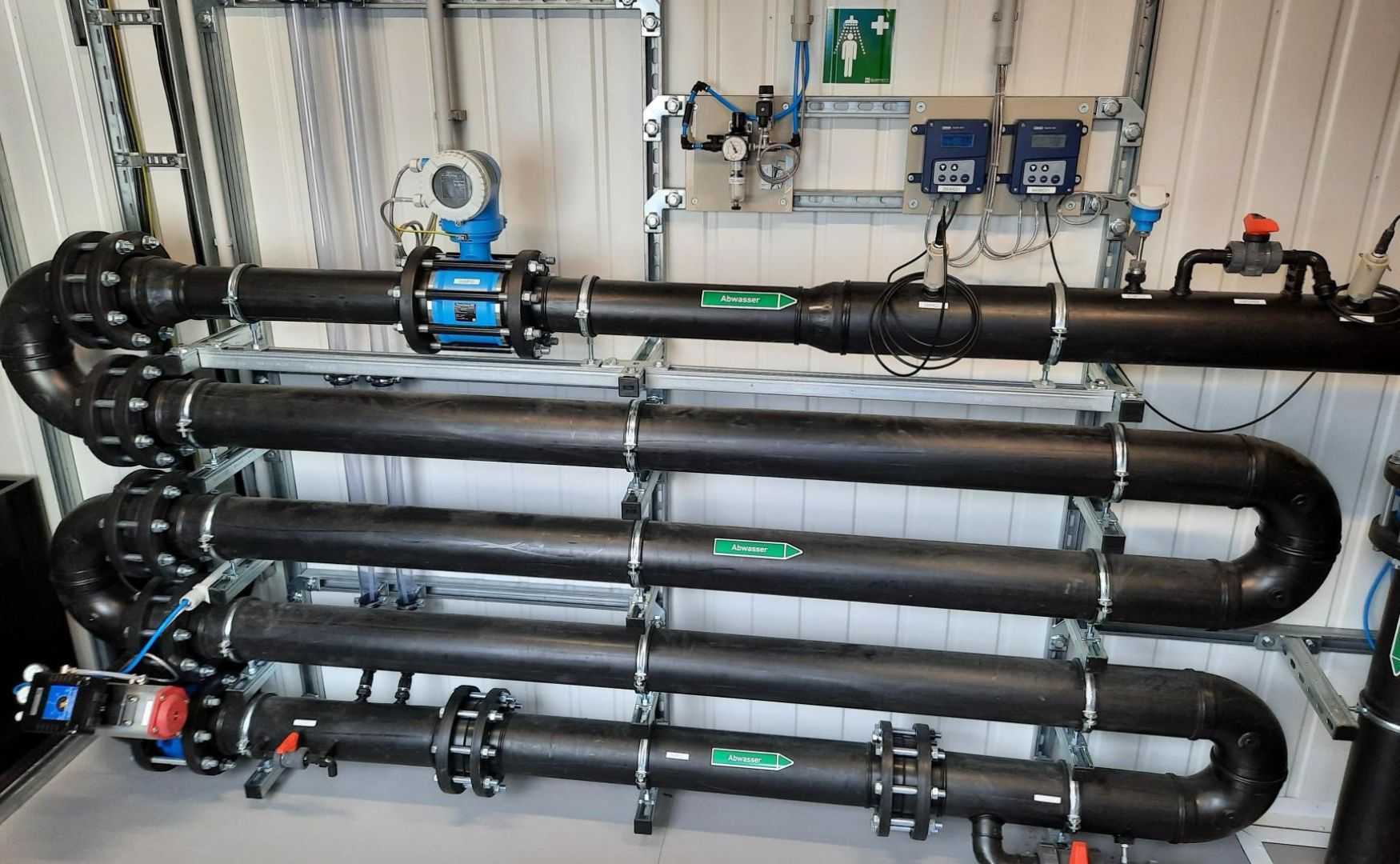
ALMA Neutra
Neutralization system for pH value regulation with acid/alkali/CO₂ in the compact ALMA module.
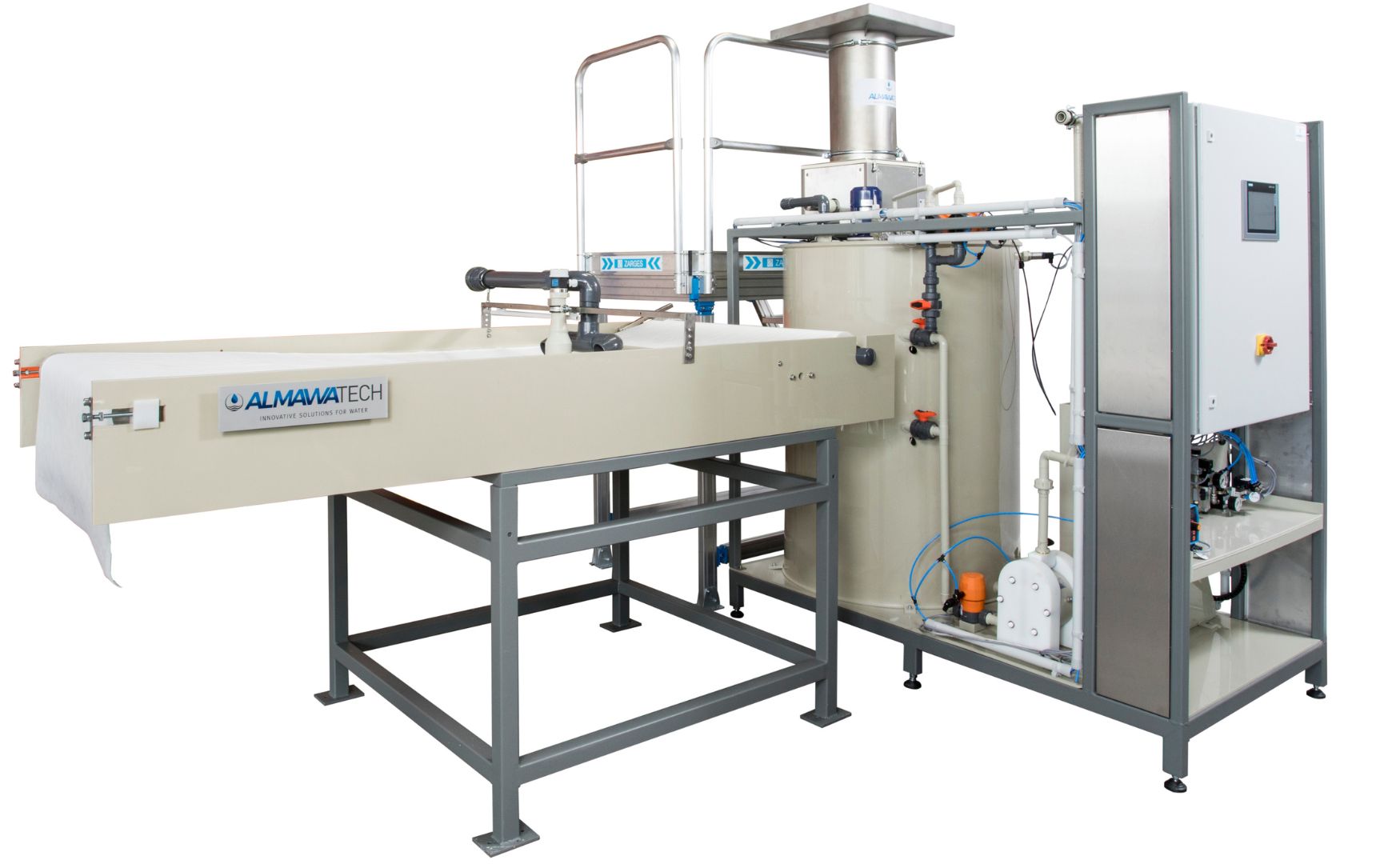
ALMA CP Compact
Compact CP system for precipitation and flocculation of dissolved impurities with subsequent sludge separation via a belt filter.
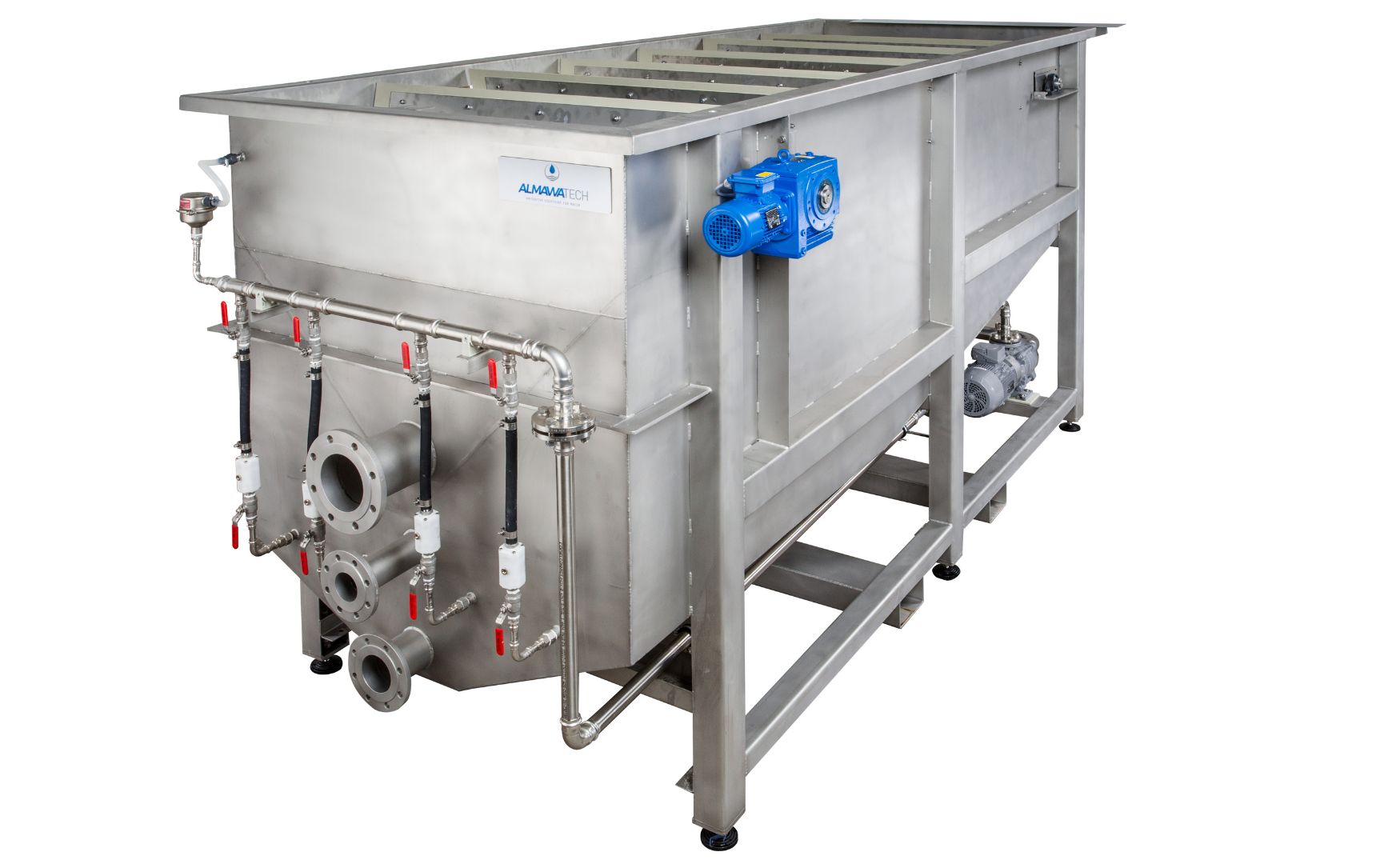
ALMA NeoDAF HDED
The ALMA NeoDAF HDED is a dissolved air flotation system for wastewater flows of 12 - 150 m³/h.
Get in touch with us!
Maksim Neubauer
Head of International Project Development