
Wastewater is a generic term for all types of water that are contaminated through domestic, commercial, industrial or agricultural use and therefore require treatment before being returned to the environment. In industrial water treatment and wastewater treatment, the term primarily refers to water that is contaminated by industrial production processes and contains pollutants, chemical compounds and biological or organic contaminants. The handling of wastewater requires specific technologies and processes to ensure safe disposal or reuse.
Table of contents
Technical background
Wastewater is divided into two main categories:
Wastewater: Water from domestic, commercial or industrial processes that is contaminated by contact with pollutants such as grease, oil, chemicals, organic substances and other contaminants. This water must be treated before it is returned to the environment or recirculated.
Precipitation water: Rainwater or meltwater that runs off surfaces such as roofs, roads or industrial areas and absorbs impurities in the process. This water can also be important in industrial treatment, as it requires appropriate pre-treatment depending on the contamination.
Origin and composition of wastewater in industry
In industrial water treatment, wastewater is produced by a variety of processes, including cleaning, cooling, production and chemical reactions. The composition of wastewater varies depending on the industry and production process. Typical ingredients of industrial wastewater are
- Heavy metals (e.g. from metal processing and electroplating)
- Chemicals such as acids, alkalis and solvents
- Organic pollutants (e.g. from the food or pharmaceutical industry)
- Oils and fats (especially from food processing and the machine industry)
- Nutrients such as nitrogen and phosphorus
- Solids such as sludges and colloids
These contaminants make it imperative to treat the wastewater in order to comply with environmental regulations and either discharge the water safely or reuse it.
Wastewater treatment in practice
The treatment of industrial wastewater takes place in several stages in order to remove the various pollutants and contaminants in a targeted manner. The most common processes include
1. mechanical cleaning
Here, larger solids are removed using screens, sieves or sedimentation tanks. Mechanical cleaning steps are the first step in wastewater treatment and ensure that coarse impurities do not impair the subsequent processes.
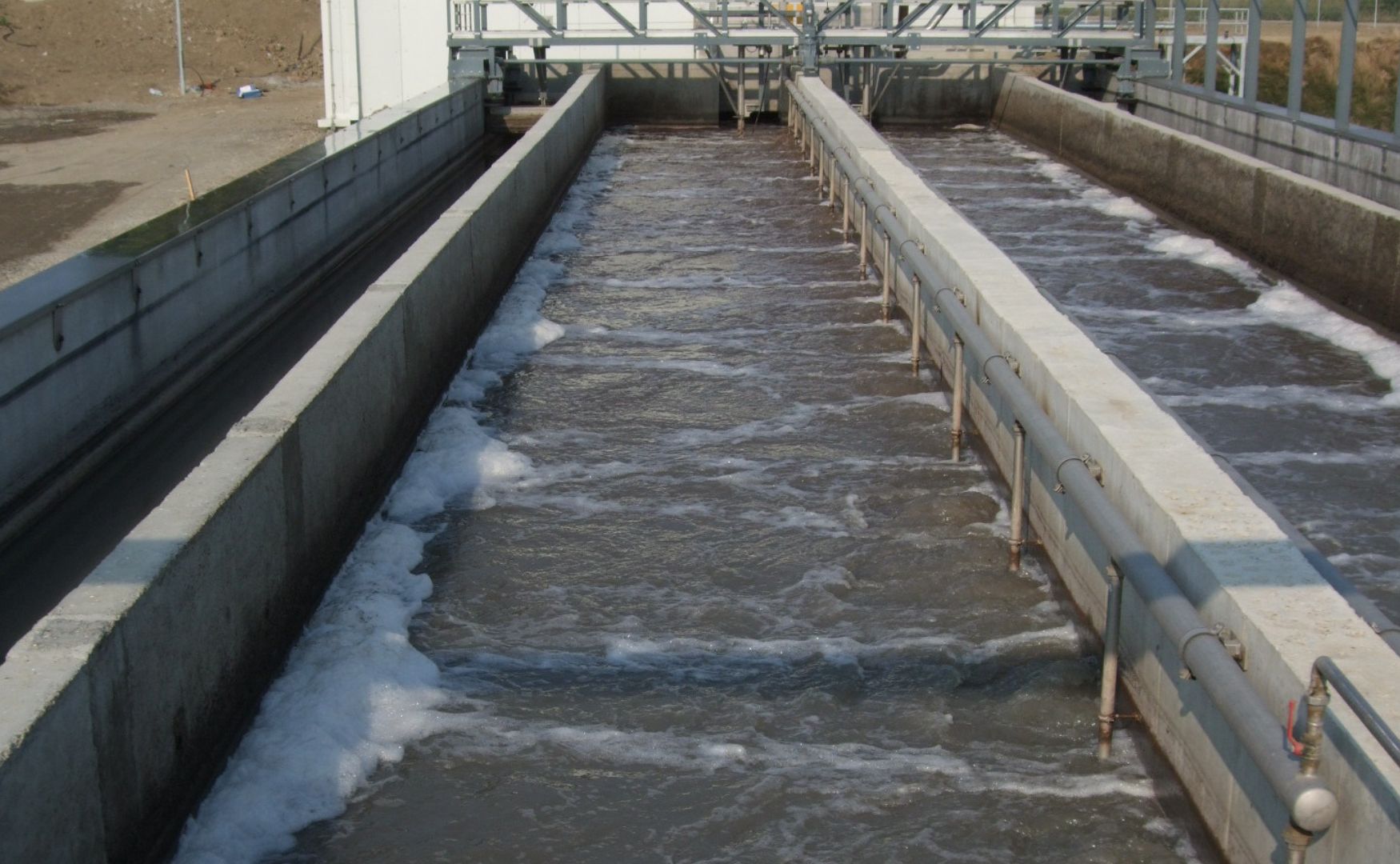
Photo: Aerated grit chamber for the removal of coarse solids as well as floating matter and grease(ALMA BHU BIO)
2. chemical-physical treatment (CP plants)
Chemical-physical treatment involves the use of chemicals to precipitate, neutralize or bind dissolved substances. Typical processes are
Precipitation and flocculation:
- Use of precipitants such as aluminum chloride or ferric chloride to precipitate dissolved heavy metals or phosphates and convert them into solids that can then be separated.
- Product overview of precipitation and flocculation systems
Neutralization:
- The wastewater is adjusted to a neutral pH value by adding acids or alkalis to enable further treatment or discharge.
- Product overview of neutralization systems
Adsorption:
- Pollutants such as organic compounds are bound to adsorbents such as activated carbon.
- Product overview of filtration and ion exchange systems

Photo: Precipitation and flocculation plant, also known as CP plant, with sludge dewatering through our chamber filter press(ALMA CHEM MCW)
3. biological wastewater treatment
In biological treatment, microorganisms are used to break down organic compounds in wastewater. Typical processes are
Revitalization process:
- Microorganisms in activated sludge break down the organic substances in an aerated tank.
- Product overview activated sludge process (aerobic)
Biologically activated filtration:
- Systems such as the ALMA BioFil Compact use microorganisms to remove residual impurities. This is particularly important in order to reduce low residual contamination before water recycling and to enable the operation of reverse osmosis systems .
Anaerobic processes:
- These processes take place in the absence of oxygen and are used for highly concentrated organic wastewater. They produce biogas that can be used to generate energy.
- Overview of our anaerobic treatment plants
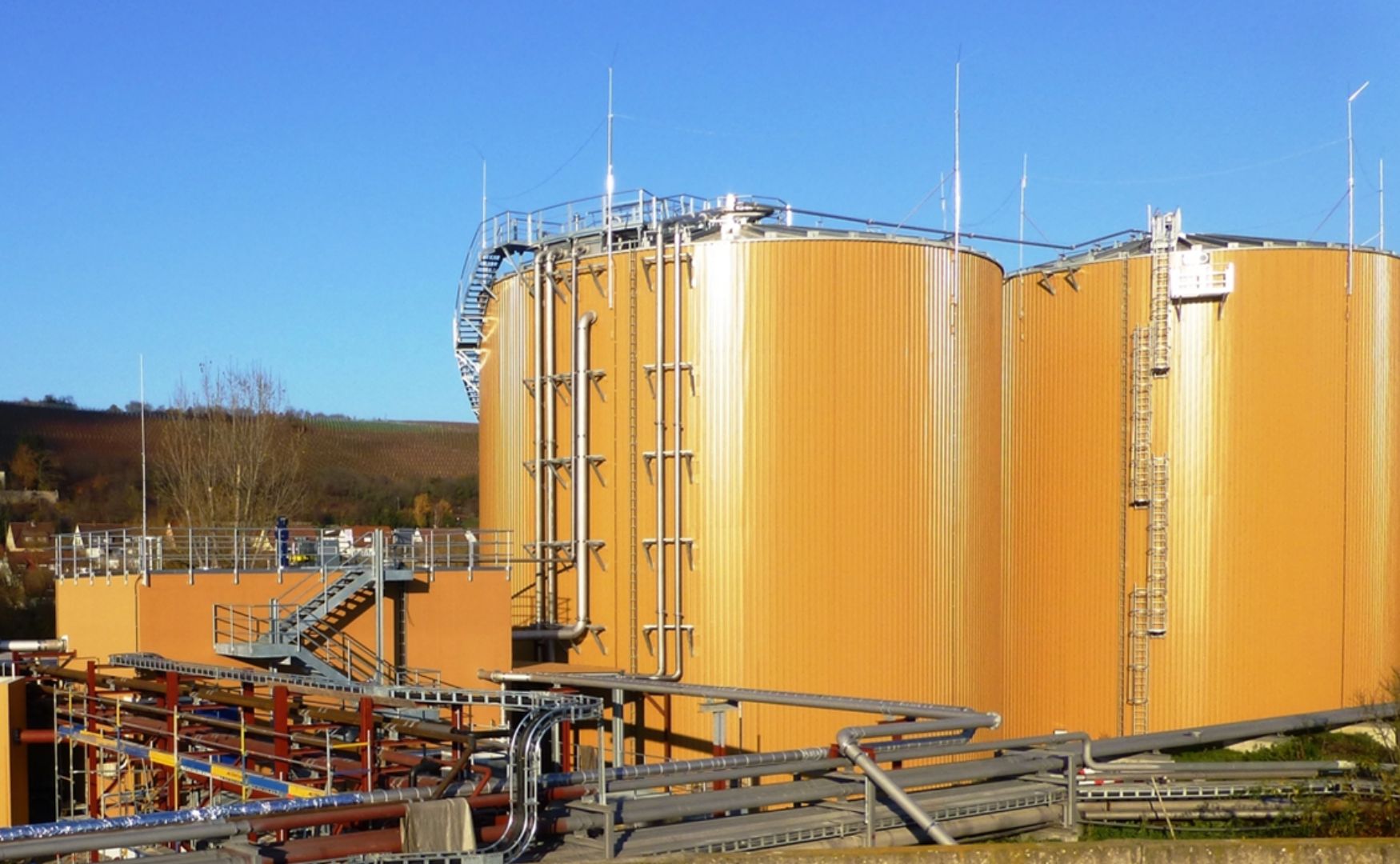
Photo: Our ALMA BHU GMR anaerobic biogas plant for generating energy from wastewater
4. membrane process
Membrane systems such as ultrafiltration or reverse osmosis are used in wastewater treatment to remove very fine particles and dissolved substances from the water. Membrane systems can be particularly effective in achieving high water qualities and preparing the wastewater for reuse in the production process.
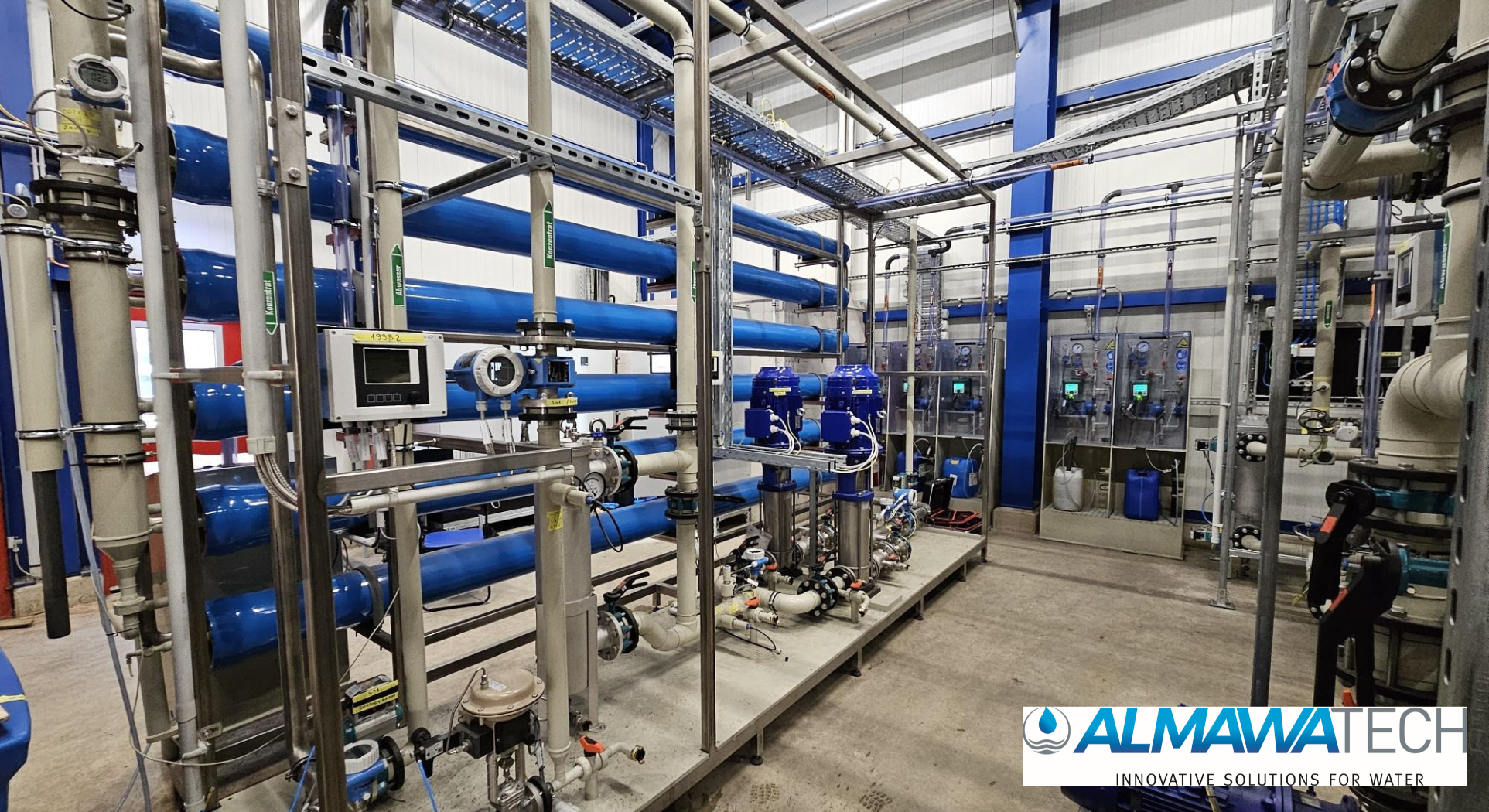
Photo: Our ALMA OSMO Process reverse osmosis system with water softener and ultrafiltration
Disposal and reuse of wastewater
After treatment, the treated wastewater can either be discharged into surface waters or returned to the production process to reduce water consumption in industry. Water recycling is an important goal in many industries in order to conserve resources and reduce costs. Processes such as reverse osmosis make it possible to obtain high-purity water that can be reused in sensitive processes.
Legal framework
The discharge and treatment of wastewater is subject to strict legal regulations in order to prevent environmental damage. In Germany, the Water Resources Act (WHG) and the Wastewater Ordinance (AbwV) regulate the limit values for pollutants in wastewater that must be complied with before discharge into public waters or wastewater systems. Industrial companies are obliged to provide evidence of compliance with these limits through regular analyses and reports.
Conclusion
Wastewater is a key challenge in industrial production as it can contain a variety of pollutants and contaminants. By using mechanical, chemical, biological and membrane-based processes, these contaminants can be removed and the wastewater treated so that it can either be safely disposed of or reused. Efficient wastewater treatment is not only important for environmental protection, but also for long-term cost reduction and resource conservation in industry.