The wastewater from biodiesel production results from the production of biodiesel by transesterification of vegetable oils or animal fats with alcohol (often methanol) and a catalyst (e.g. sodium hydroxide or potassium hydroxide). These processes lead to the formation of wastewater containing specific impurities such as glycerine, methanol, soaps, fatty acids, oils and salts. This wastewater places special demands on treatment, as both organic contaminants and toxic substances must be removed before the wastewater can be safely disposed of.
Table of contents
Technical background
The wastewater from biodiesel production is mainly made up of the following components:
Process water: This contains residues from chemical conversion, including methanol, glycerine, catalysts, free fatty acids and soaps. These organic and chemical substances lead to a high biochemical (BOD5) and chemical oxygen demand (COD).
Wash water: The wash water is used to remove glycerine, methanol and excess chemicals from the raw biodiesel, resulting in a high concentration of dissolved and emulsified fats and inorganic residues.
Treatment of wastewater from biodiesel production
The treatment of wastewater from biodiesel production requires a combination of processes to remove the high organic load and potentially harmful chemical contaminants.
1. pre-treatment - flotation plants and grease separators
Effective pre-treatment is crucial in order to prepare the wastewater for the subsequent cleaning processes. Due to the high concentration of oils, fats and suspended solids, flotation is a very efficient process for separating these substances.
Flotation plants: Dissolved air flotation (e.g. our ALMA NeoDAF) is a common process in wastewater treatment for biodiesel production. Air is introduced into the wastewater under pressure. During the subsequent depressurization, fine air bubbles are created which attach themselves to fats, oils and suspended solids and transport them to the surface of the water. There they are skimmed off and removed. This process enables very efficient separation of hydrophobic substances, which occur in large quantities in biodiesel production.
Grease separators: In addition to flotation, grease separators are used to remove oils and fats from wastewater before it enters the biological treatment processes. Grease separators use the density differences between water and grease to collect the grease on the surface where it can be removed.
The combination of flotation plants and grease separators is particularly important, as the wastewater from biodiesel production has a high concentration of residual oils and greasy substances, which not only impair the biological purification process, but could also have a major impact on the environment if they are not removed correctly.
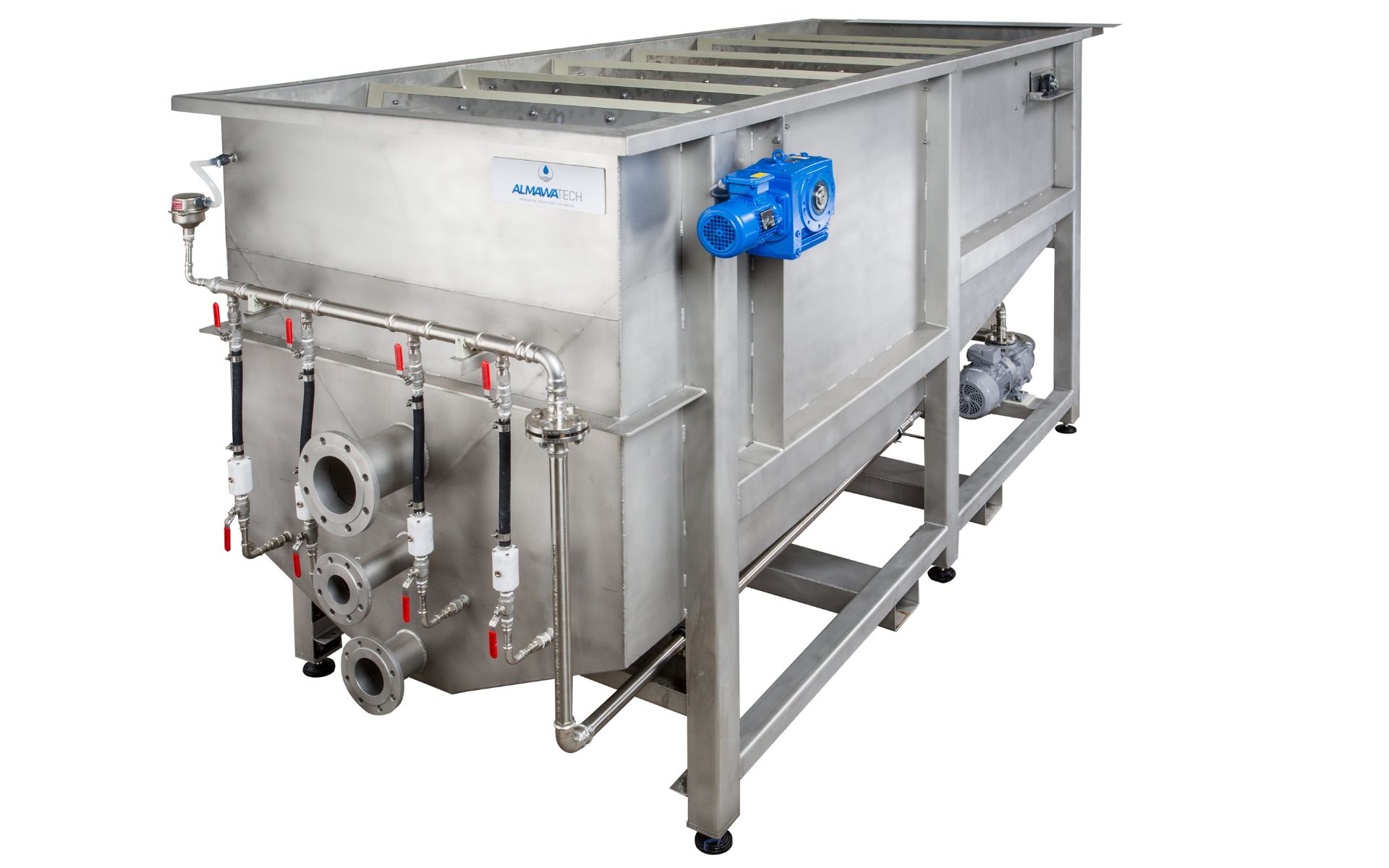
Photo: Our ALMA NeoDAF flotation plant
2. biological treatment
After mechanical pre-treatment and the removal of fats and oils, the wastewater can be treated biologically. This involves the use of microorganisms that break down organic compounds such as glycerine and methanol. However, in many cases, due to the high toxicity of the wastewater, thorough pre-treatment is necessary to remove harmful substances that could inhibit the biological degradation process.
- Activated sludge process: Due to the high organic load, the activated sludge process is suitable for reducing organic impurities in wastewater. Microorganisms break down glycerine, methanol and other organic substances, significantly reducing BOD5 and COD.
- Anaerobic treatment: In many cases, anaerobic treatment(product overview of anaerobic treatment processes) can be beneficial for converting organic substances into methane (biogas), which can be used for energy. These processes are particularly efficient for heavily contaminated wastewater.
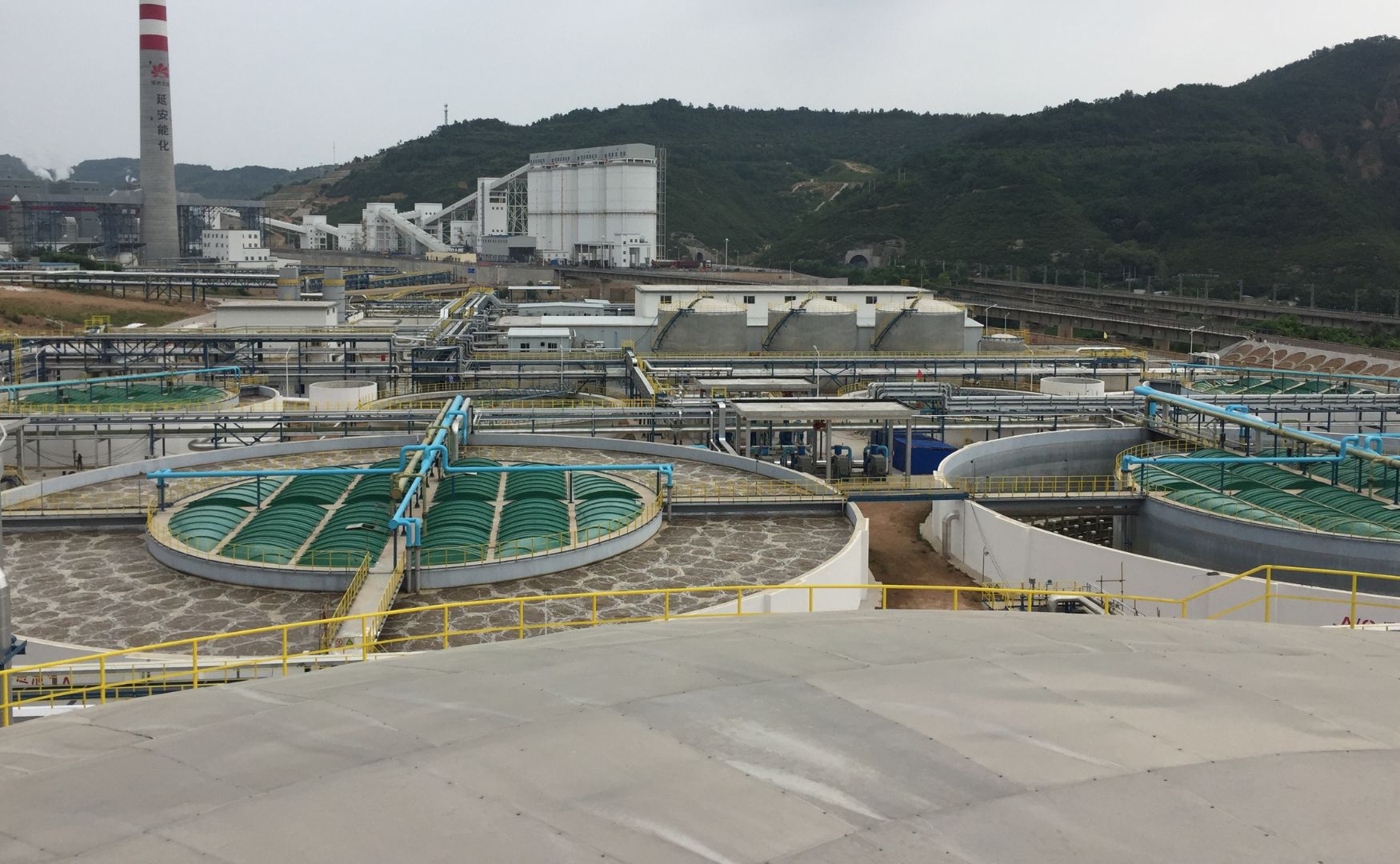
Photo: Aeration tank for wastewater from a refinery(ALMA BHU BIO)
Challenges and special features
Methanol: Methanol is a potentially toxic compound that is used in large quantities in biodiesel production. Its removal or degradation is essential, as methanol not only damages biological purification processes, but can also severely pollute the environment.
Oils and greases: The high proportion of grease and oil in wastewater requires robust pre-treatment in order to protect downstream systems and biological processes from overloading. The combination of grease separators and flotation systems is particularly effective here.
High organic load: The high BOD5 and COD in the wastewater from biodiesel production makes it necessary (depending on the discharge conditions) to use efficient biological treatment processes. Care must be taken to ensure that the toxicity of the wastewater is reduced before biological treatment so as not to harm the microorganisms.
Conclusion
Due to its specific composition, in particular the high proportion of fats, oils and toxic compounds such as methanol, the wastewater from biodiesel production poses particular challenges for wastewater treatment. Thorough pre-treatment using flotation plants (e.g. our ALMA NeoDAF) and grease separators is essential in order to protect the subsequent biological treatment processes such as the activated sludge process (e.g. ALMA BHU BIO) and to reduce the pollutant load of the wastewater.