Hydrophobicity describes the property of molecules or materials to repel water. Hydrophobic substances have no or only a few polar groups, which means that they cannot form hydrogen bonds with water molecules. Instead, they prefer to interact with other hydrophobic substances. Examples of hydrophobic molecules are hydrocarbons and organic solvents such as petrol.
Technical background
Hydrophobic substances are of central importance in water treatment, particularly in the removal of oils, greases and other water-insoluble organic compounds. Due to their hydrophobic properties, materials such as polytetrafluoroethylene (PTFE) are often used in membranes to repel water and only allow gaseous substances to pass through.
Applications in water and wastewater technology
Oil separators and grease separators
In industrial wastewater treatment, hydrophobic substances such as oil and grease are removed using physical separation processes. Special separators use the differences in density to separate hydrophobic substances from water.Membrane degassing
Hydrophobic membranes, for example for membrane distillation, effectively separate liquids and gases as they form a water-repellent barrier. Such membranes are particularly resistant to biofouling, as microorganisms are less likely to adhere.Defoaming
Foams are often created by hydrophobic substances that stabilize at the interface between gas and liquid. Special defoamers aim to destroy these stabilizing hydrophobic molecules.Organic residues in wastewater treatment
In biological systems such as activated sludge processes, hydrophobic substances are more difficult to biodegrade. Pre-treatment by precipitation or adsorption on activated carbon is therefore essential.
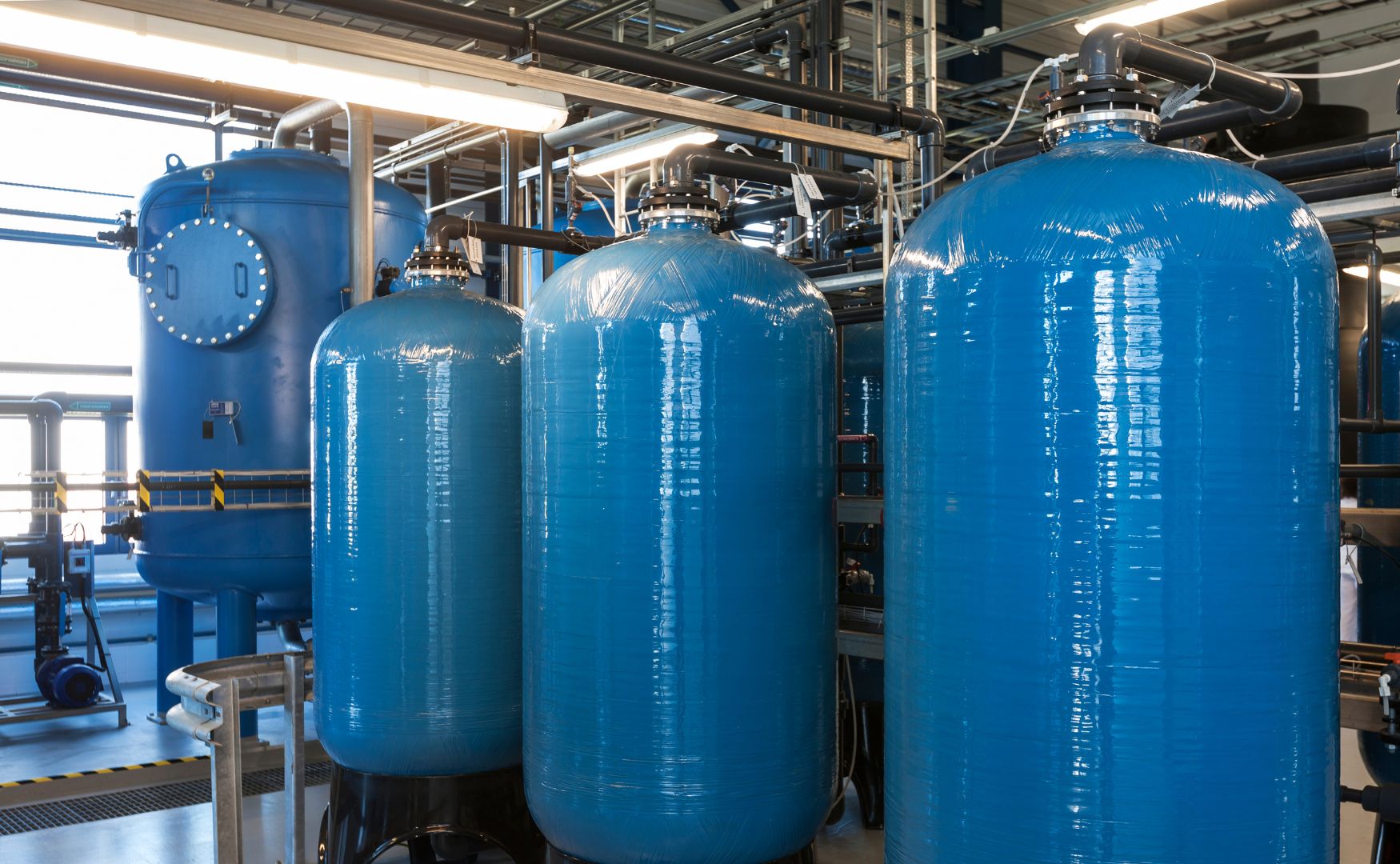
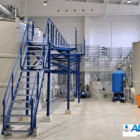
Photo: Our ALMA FIL AK activated carbon filtration for industrial applications to remove hydrophobic substances
Process for removing hydrophobic substances
- Activated carbon adsorptionHydrophobic molecules adhere strongly to the surface of activated carbon.
- Flotation processesThese processes use air bubbles to bring hydrophobic substances to the surface.
- Coalescence separator: Here, hydrophobic liquids such as oil are collected and combined into larger droplets, which can then be easily separated.
Importance in practice
Hydrophobic substances occur in many industries, including the petrochemical industry, electroplating and food production. Their efficient removal is crucial to ensure compliance with legal limits and the smooth functioning of downstream processes such as biological purification stages.
Conclusion
The treatment of hydrophobic substances requires specialized technologies and processes. Hydrophobicity is often a challenge in water and wastewater treatment, but also offers the opportunity to increase process reliability and efficiency through innovative systems such as flotation and hydrophobic membranes.
For further information on our products, please feel free to contact us at any time!