
Anaerobic Wastewater Treatment with Biogas Production
Have your biogas potential assessed:


Maksim Neubauer
Head of International Project Development
Why anaerobic wastewater treatment?
In the case of industrial wastewater with a high organic load, purely aerobic treatment requires a significant amount of energy for aeration and can produce large amounts of excess sludge. Anaerobic wastewater treatment, on the other hand, uses the organic load as an energy source for microorganisms.
This process primarily produces biogas and significantly less excess biological biomass. The biogas produced can be used to generate energy, thereby significantly reducing the load on the subsequent aerobic treatment stage.
Reduce High CSB Loads
Anaerobic reactors are particularly well-suited for industrial wastewater with high levels of organic pollution and high biologically degradable COD loads.
Generating Biogas from Wastewater
Biodegradable organic materials are converted into methane-containing biogas in the absence of oxygen and thus made usable as an energy source.
Reduce Energy Consumption
Anaerobic degradation does not require energy-intensive aeration of the reactor, thereby reducing the electricity consumption of the biological treatment process.
Less excess sludge
Anaerobic microorganisms produce significantly less biological excess biomass than aerobic treatment processes.
Reduce the Load on Aerobic Secondary Treatment
A large portion of the organic load is already removed before the aerobic stage. This reduces the load on subsequent biological treatment stages.
Combining Energy and Wastewater Treatment
The treatment of heavily polluted industrial wastewater is combined with the recovery of usable energy from the organic wastewater load.
When is anaerobic wastewater treatment appropriate?
Typical Applications of Anaerobic Wastewater Treatment Systems
Typical Industries for Anaerobic Wastewater Treatment Systems
UASB, EGSB, GMR, or CSTR—which reactor is the right choice?
UASB and EGSB reactors are particularly suitable for dissolved, readily biodegradable industrial wastewater. CSTR reactors offer advantages for wastewater with higher solids content and highly variable composition. The GMR is particularly suitable for calcium-rich wastewater and applications with high requirements for mixing.
| Task | Recommended Reactor | Distinctive Feature |
|---|---|---|
| Highly biodegradable, dissolved industrial wastewater |
ALMA BIO UASB
Granular sludge |
Granular sludge bed with integrated 3-phase separator |
| Very high dissolved COD load and minimal space requirements |
ALMA BHU BIO EGSB
High-Load Reactor |
High organic load per unit area and an expanded granular sludge bed |
| Industrial wastewater high in calcium |
ALMA BHU GMR
Gas mixture |
Intensive gas-based complete mixing of the anaerobic reactor |
| Wastewater with higher solids content |
ALMA BHU CSTR
Fully mixed |
Mechanical or hydraulic full-batch mixing using agitators, recirculation, and mixing nozzles |
| Significant fluctuations in wastewater composition |
ALMA BHU CSTR or GMR
Robust process control |
Intensive mixing and uniform reaction conditions in the reactor |
| High continuous loads of dissolved COD |
EGSB or UASB
Compact high-load bioreactor |
High biomass concentrations with a compact reactor design |
| Challenging industrial wastewater with high biogas potential |
Project-Specific Selection
Custom Design |
Selection based on CSB load, degradability, solids, water chemistry, and biomass properties |
Technical Design of Anaerobic Wastewater Treatment Systems
Reactor Technologies
UASB, EGSB, GMR, and CSTRSelection based on CSB load, degradability, solids, calcium content, and hydraulic conditions.
Reactor Materials
Project-Specific MaterialsFor example, stainless steel or enameled steel, selected based on reactor size, medium, and operating conditions.
Process Measurement
pH, Temperature, RedoxContinuous monitoring of the relevant biological and process engineering conditions.
Biogas Monitoring
Gas Volume and Gas QualityMonitoring of relevant biogas parameters in accordance with the planned gas and energy utilization plan.
Biomass Retention
Reactor-specificGranular sludge, 3-phase separation, or external biomass recirculation, depending on the reactor design.
Automation
Fully Automated Process ControlControl of feed, recirculation, nutrients, temperature, and relevant safety functions.
Control Room Connection
Modbus, PROFINET, and InterfacesIntegration of the anaerobic wastewater treatment system into existing process control and automation systems.
ALMA SmartCare
Digital Equipment MonitoringAutomatic data logging, trend charts, alarm history, min/max values, and reporting.
Have an anaerobic wastewater treatment system designed:
Maksim Neubauer
Head of International Project Development
Anaerobic Wastewater Treatment Systems from ALMAWATECH
The selection of the appropriate reactor type depends on COD load, biodegradability, solids content, water chemistry, and hydraulic conditions. ALMAWATECH uses UASB, EGSB, GMR, or CSTR reactors, depending on the specific application, for anaerobic wastewater treatment.
ALMA BHU GMR
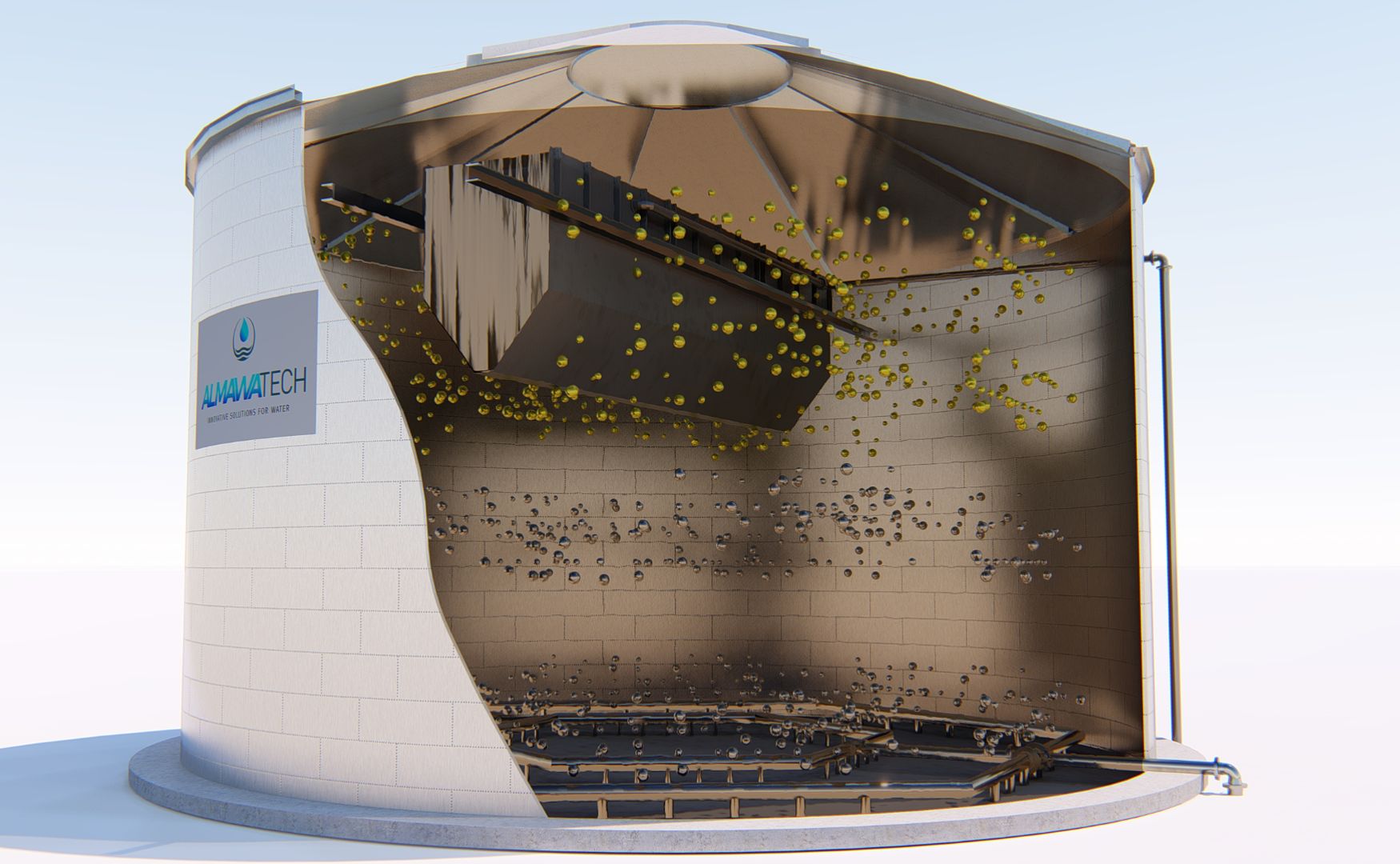
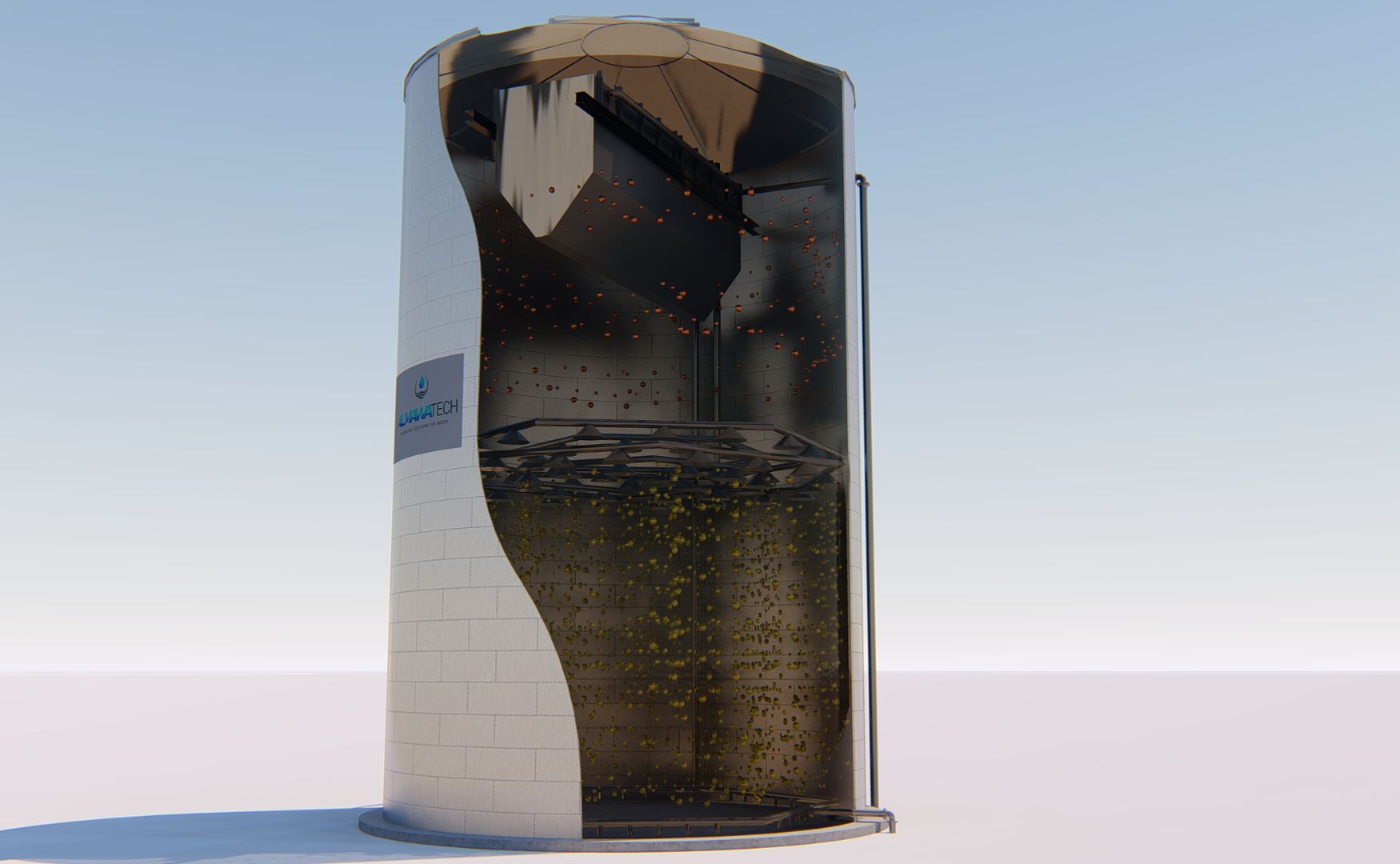
The ALMA BHU GMR is a fully mixed anaerobic reactor designed for industrial wastewater with high organic loads. The mixing is achieved using recirculated and compressed biogas, creating homogeneous reaction conditions throughout the entire reactor volume.
Gas-based circulation offers advantages, particularly with calcium-rich wastewater, as it can reduce scaling. External biomass separation with recirculation reliably maintains active microorganisms in the process.
Particularly suitable for:
- Industrial wastewater high in calcium
- high organic COD loads
- Food and Sugar Industry
- variable loads
- high demands on process stability
ALMA BHU BIO EGSB
The ALMA BHU BIO EGSB operates with an expanded anaerobic granular sludge bed. The high biomass concentration enables the treatment of large amounts of dissolved organic matter at high volumetric loading rates and with a compact reactor footprint.
The reactor is particularly well-suited for continuously generated, highly biodegradable industrial wastewater. High upflow velocities ensure intensive contact between the wastewater and the anaerobic biomass.
Particularly suitable for:
- High levels of dissolved COD
- highly biodegradable wastewater
- limited installation space
- continuous industrial wastewater
- high levels of organic pollutants in the air
ALMA BIO UASB
The ALMA BIO UASB is an upflow anaerobic sludge blanket reactor for highly biodegradable industrial wastewater. The wastewater flows upward through a highly active granular sludge bed and comes into intensive contact with the biomass.
An integrated three-phase separator separates biogas, biomass, and treated wastewater. As a result, the active biomass remains in the reactor, enabling compact and stable anaerobic wastewater treatment.
Particularly suitable for:
- Industrial wastewater that is readily biodegradable
- continuous wastewater flows
- Food and beverage industry
- stable hydraulic conditions
- Compact anaerobic pretreatment
ALMA BHU CSTR
The ALMA BHU CSTR is a fully mixed anaerobic reactor for industrial wastewater containing organic matter, process streams, and media with high solids content or highly variable composition.
Mixing is achieved using side agitators, external recirculation with circulation pumps and injection mixing nozzles, or a combination of these systems. This ensures that the biomass, substrate, and temperature are distributed evenly.
Particularly suitable for:
- Wastewater with elevated levels of solids
- Fluctuating organic loads
- highly concentrated industrial wastewater
- organic waste streams
- Applications Involving Intensive Mixing
What wastewater data is critical for the design?
When designing an anaerobic wastewater treatment plant, it is not enough to consider only the flow rate and COD. The key factor is the interaction between organic load, biodegradability, water chemistry, and hydraulic loads.
The CSB value alone is not sufficient for selecting an anaerobic reactor. The decisive factors are what proportion of the organic load is biologically anaerobically degradable and under what hydraulic and chemical conditions the process is operated.
Biogas from Industrial Wastewater – Wastewater Treatment Becomes a Source of Energy
Anaerobic microorganisms convert biodegradable organic substances in wastewater into methane-containing biogas. This reduces the organic COD load while simultaneously generating a stream of energy-usable products.
Harnessing the Energy from Organic Wastewater Loads
In anaerobic wastewater treatment, a portion of the biodegradable organic load is converted, under anaerobic conditions, into methane and CO₂. The biogas produced in this process can be collected, treated, and used to generate energy within the facility.
Anaerobic treatment thus combines the reduction of high COD loads with the recovery of energy from industrial wastewater.
Possible Uses of Biogas
Based on CSB load, anaerobic degradability, and wastewater volume, we calculate the technical biogas potential and evaluate suitable reactor designs.
Pre-treatment and Post-treatment of Anaerobic Wastewater Treatment Systems
An anaerobic stage is often part of a multi-stage industrial wastewater treatment process. Pre-treatment and post-treatment stages are designed based on the composition of the wastewater and the required effluent quality.
Possible Pretreatment
- Screening and Solid Separation
- Grease and Oil Separation
- Flotation
- Neutralization of Wastewater
- Mixing and Equalization Tanks
- Pre-acidification
- Nutrient Dosage and Heating
Possible Follow-Up Treatment
- Aerobic Biological Wastewater Treatment
- Flotation for Solid-Liquid Separation
- Filtration
- Membrane process
- Advanced wastewater treatment
- Water Reuse Technologies
- Process water treatment
Case Studies on Anaerobic Wastewater Treatment and Biogas Plants
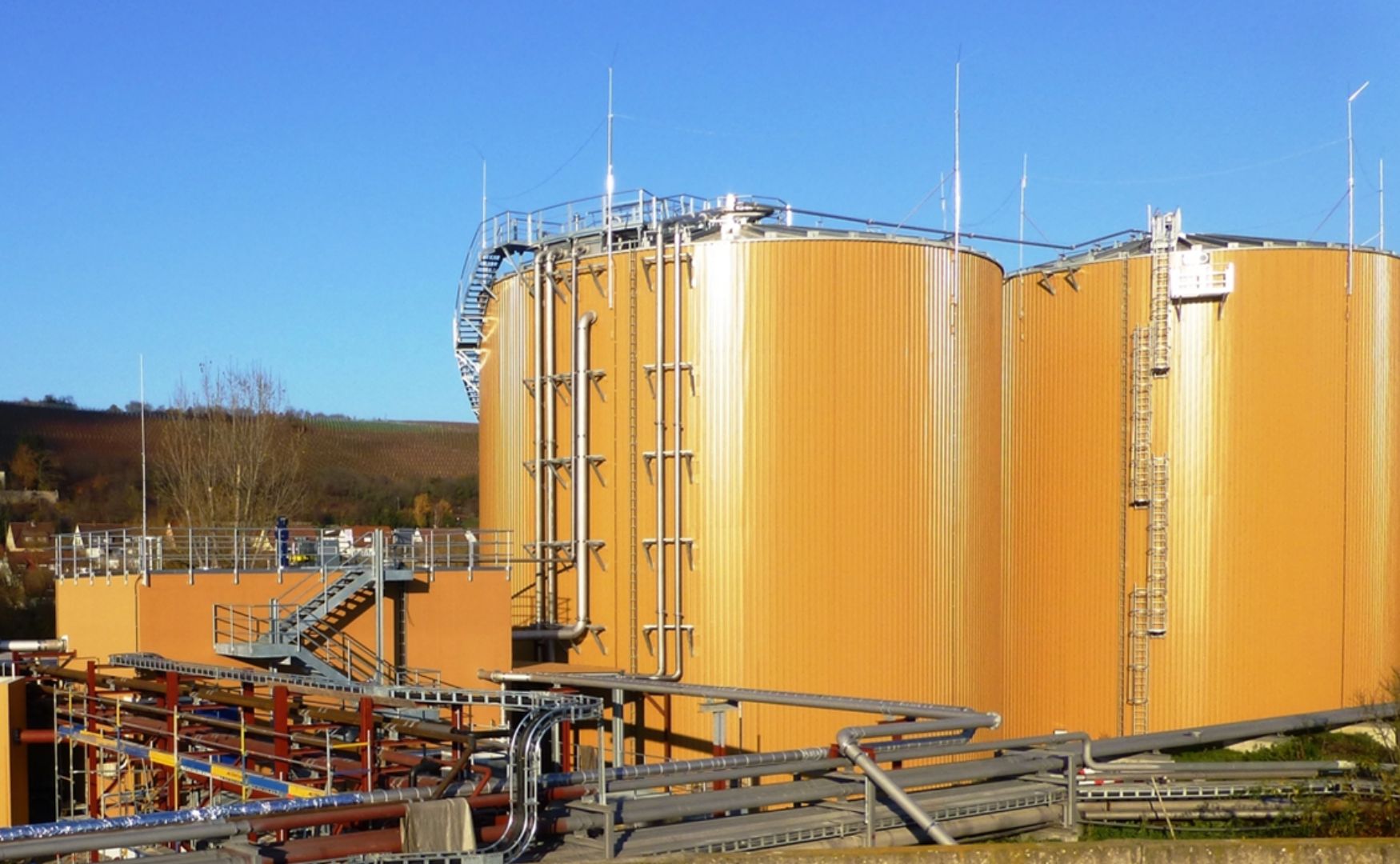
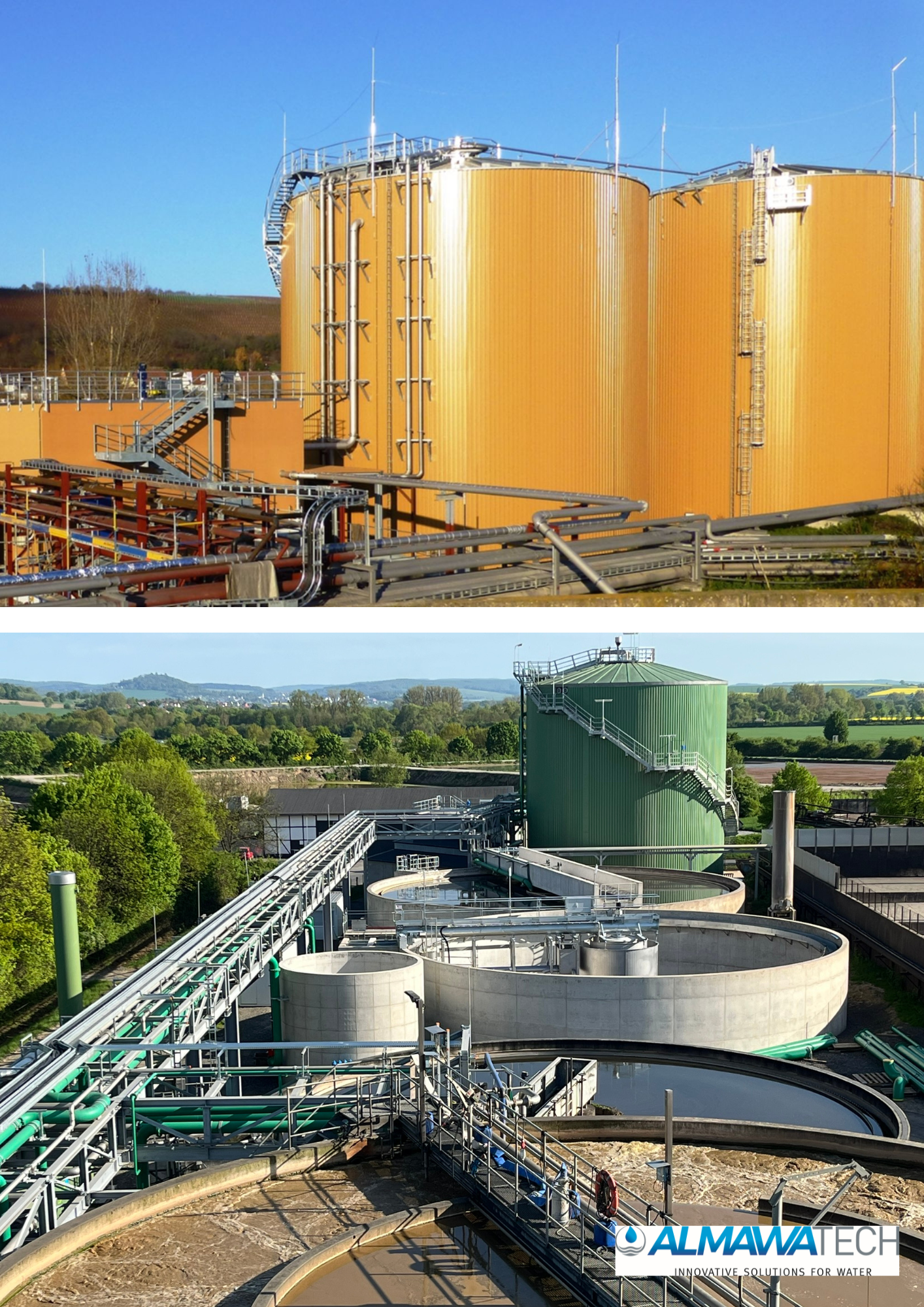
Südzucker,
Ochsenfurt
Anaerobic treatment of sugar beet washwater with an organic load of approximately 45,000 kg COD/day.

Bioethanol Production, Germany
Anaerobic wastewater treatment of approximately 10,000 kg COD/day using an EGSB reactor with a volume of approximately 700 m³.
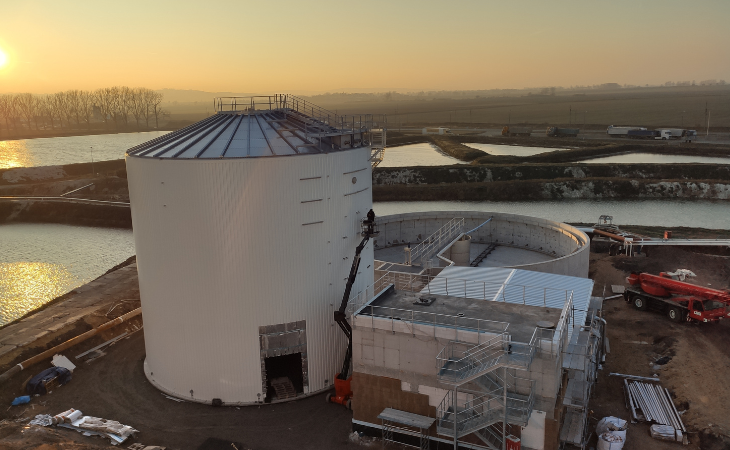
Sugar Factory,
Poland
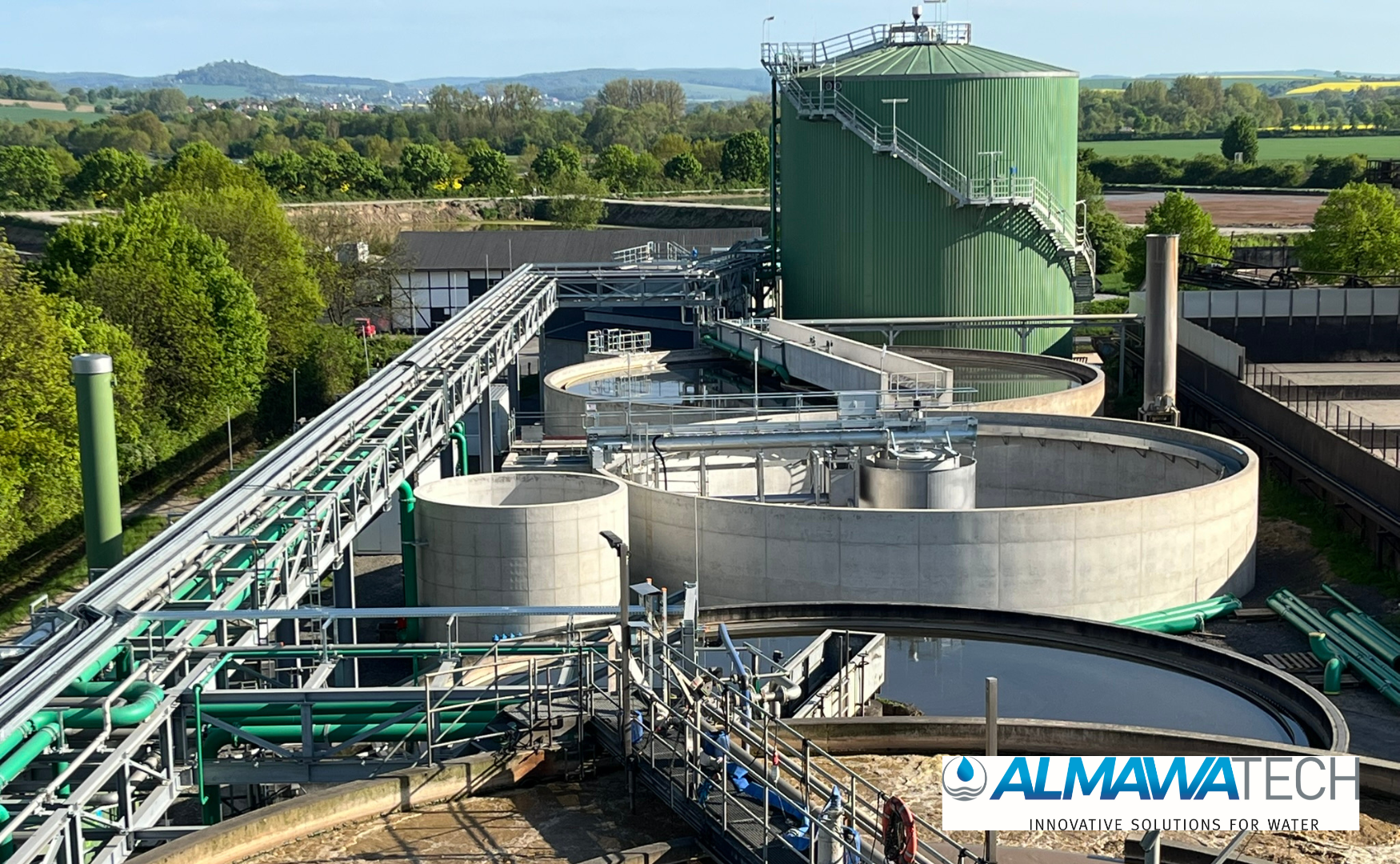
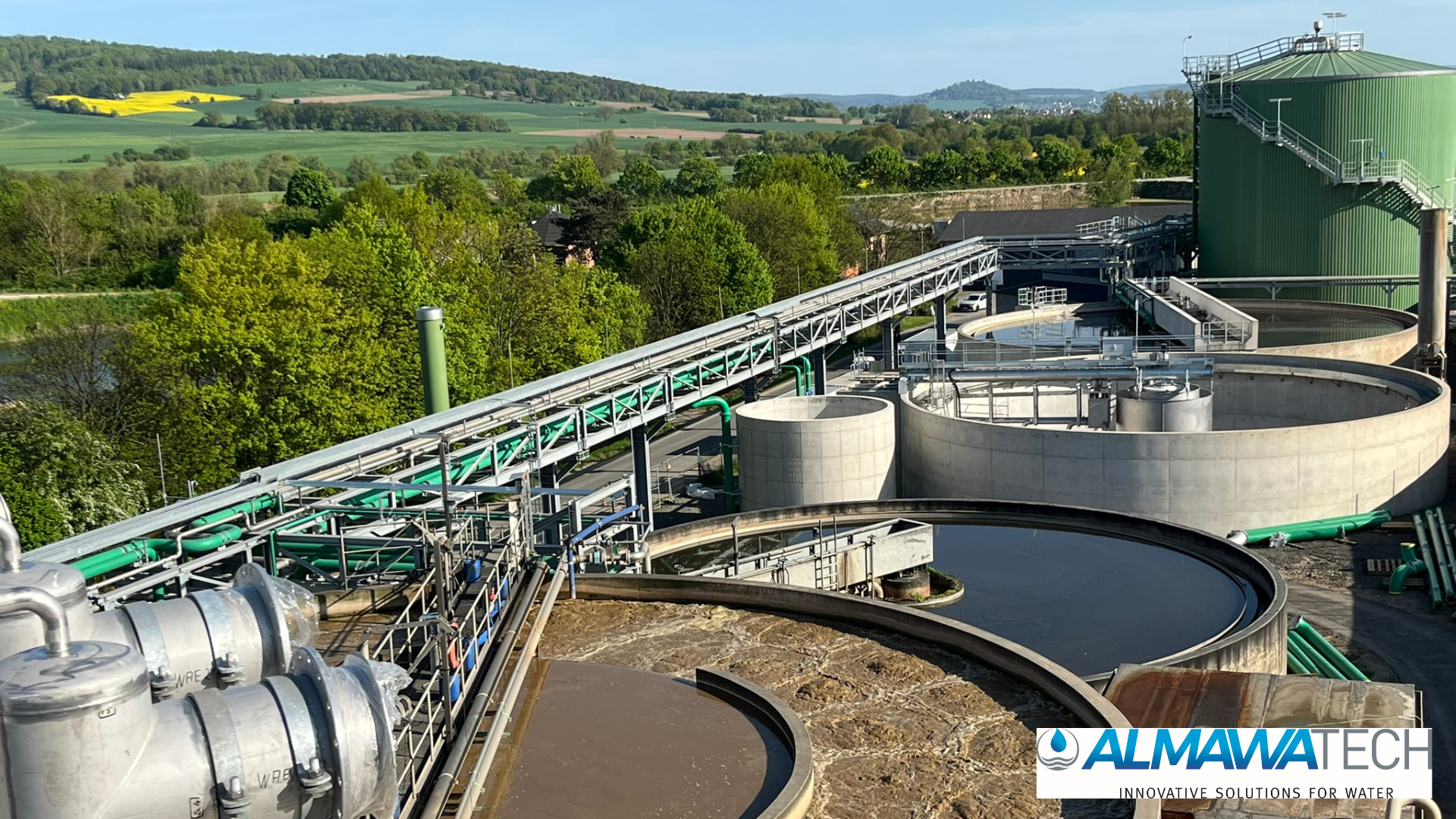
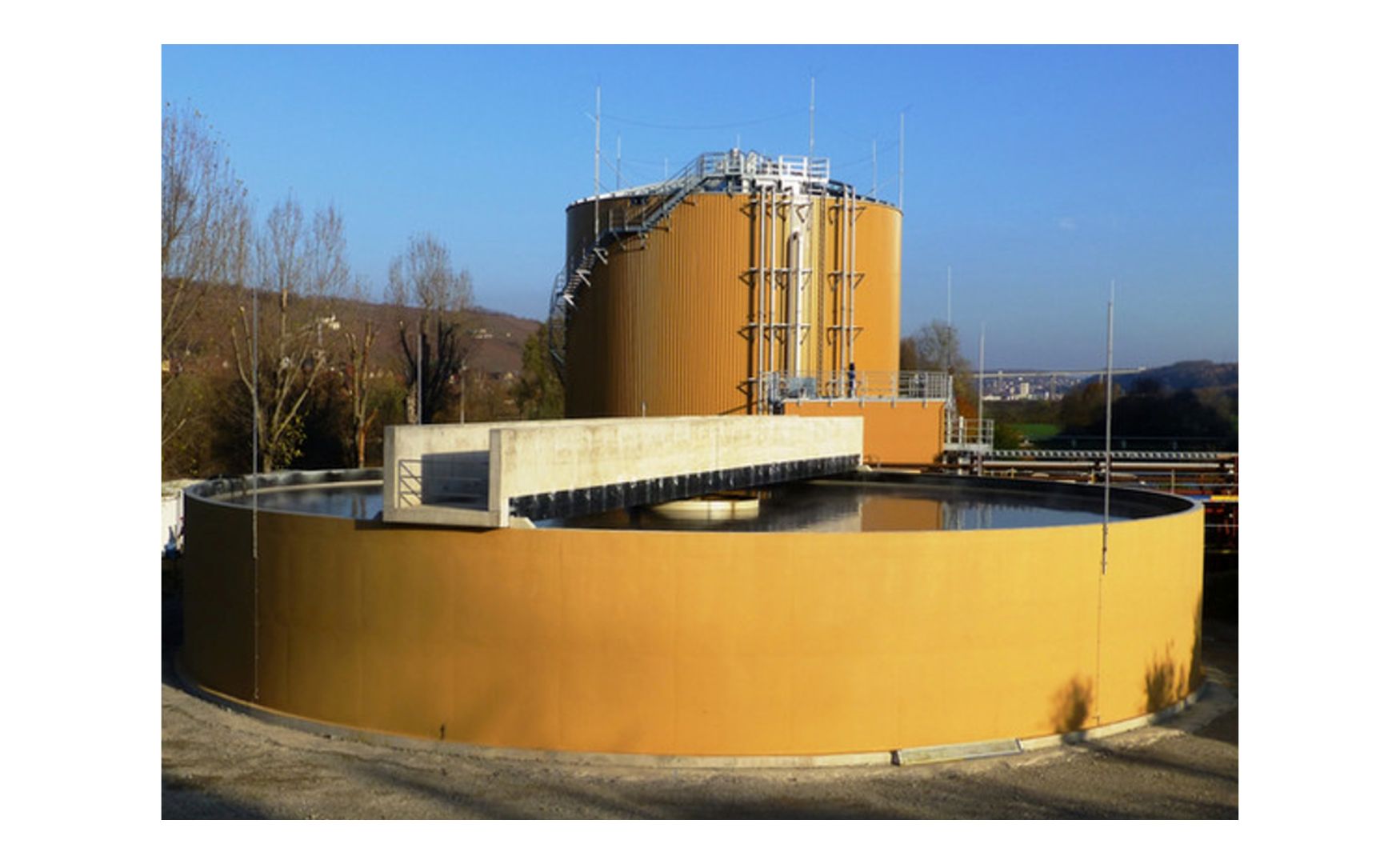
Anaerobic treatment of sugar industry wastewater using an ALMA BHU GMR at a flow rate of 125 m³/h.
Sugar Industry,
Germany
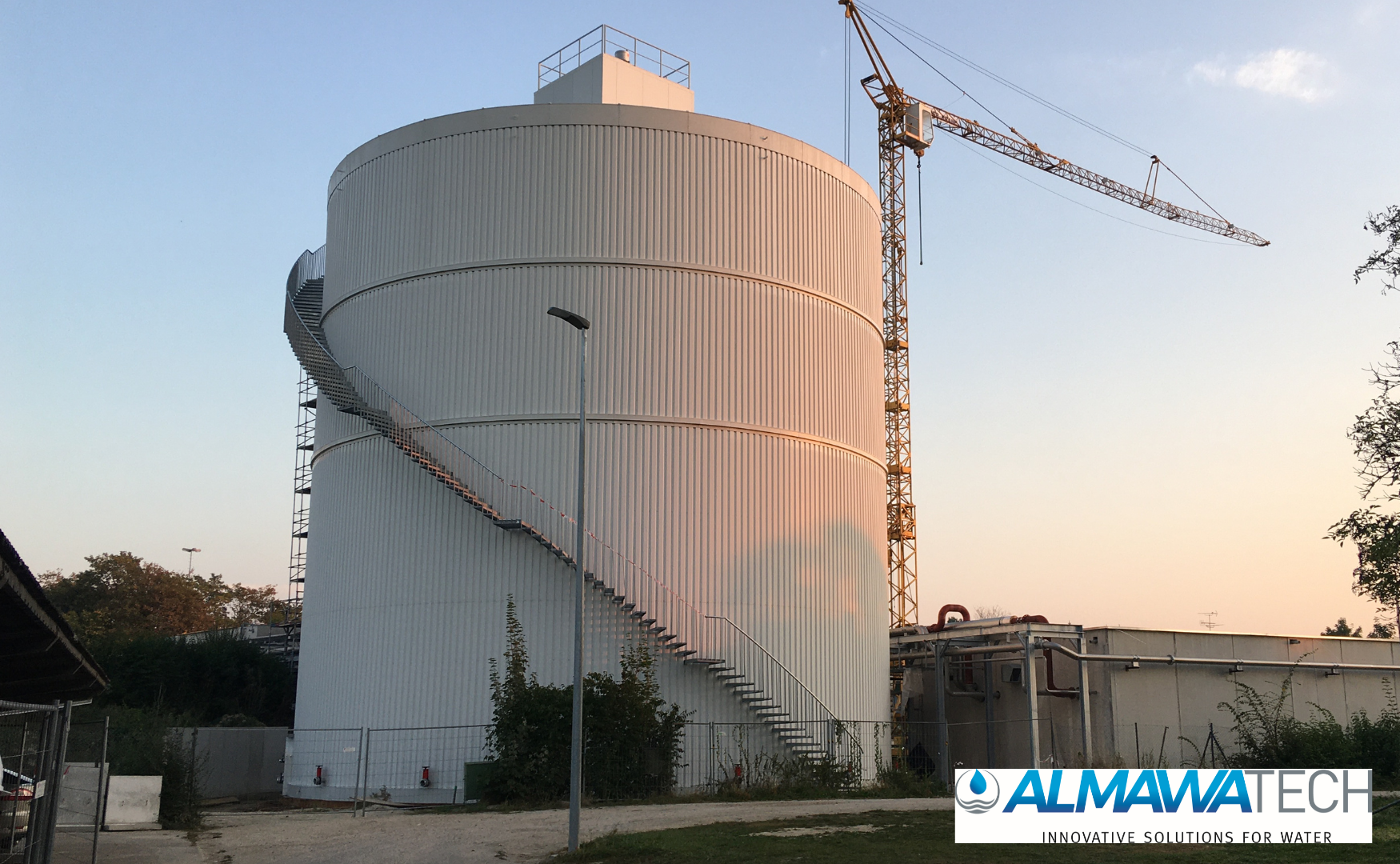
Anaerobic treatment of industrial wastewater using an ALMA BHU GMR at a flow rate of 220 m³/h.
Sugar Industry, Southern Germany
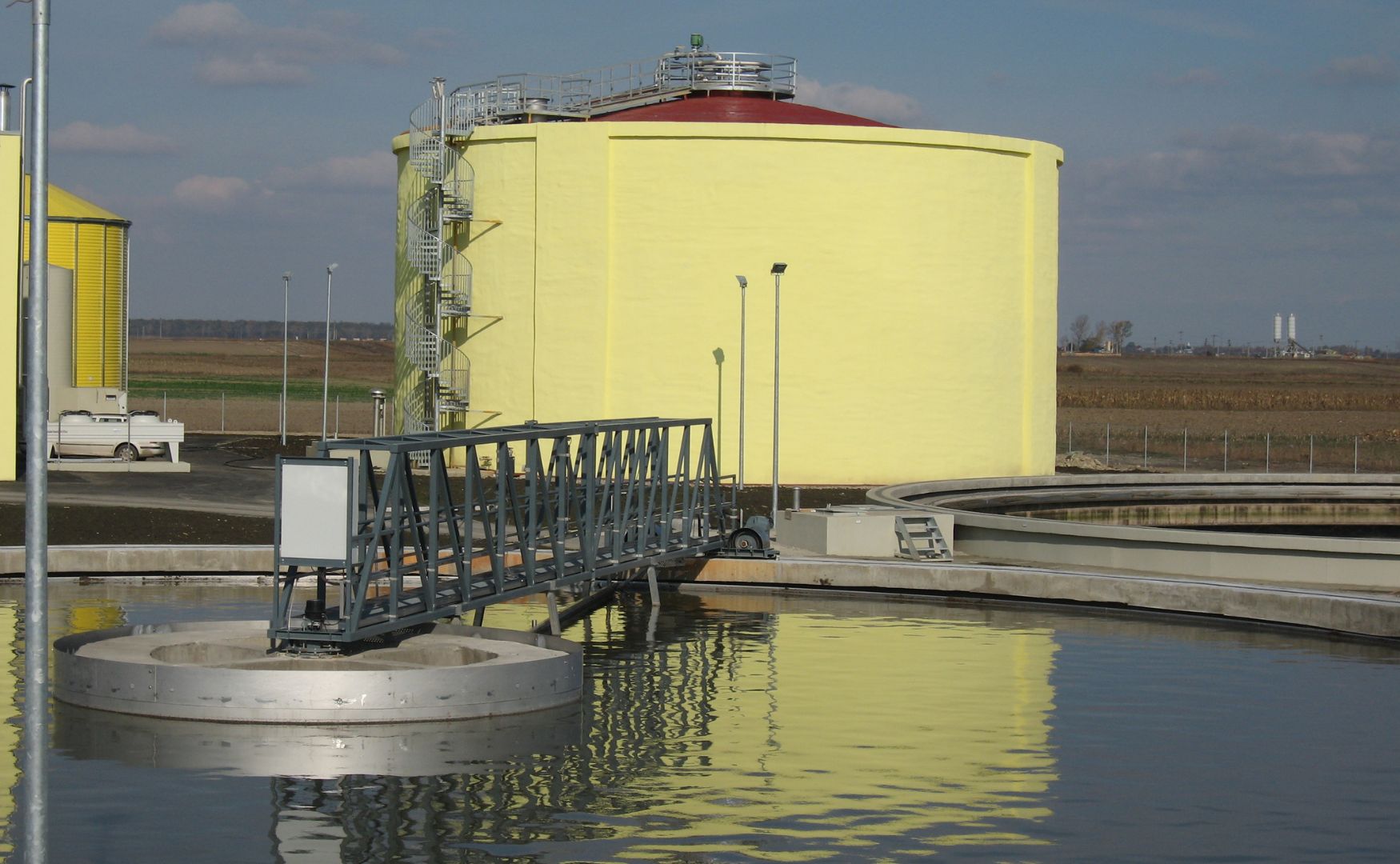
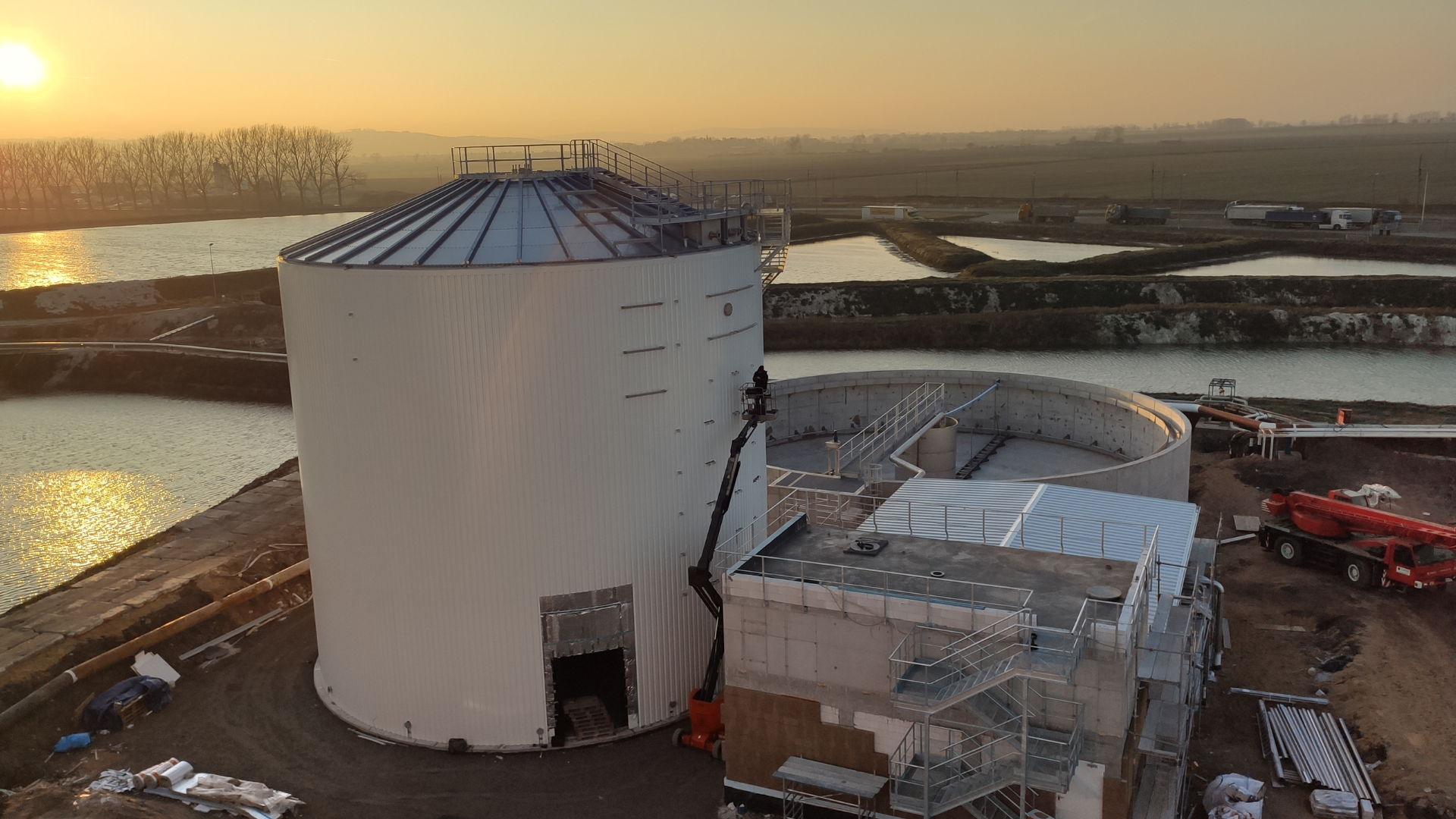
Anaerobic wastewater treatment using an ALMA BHU GMR reactor with a capacity of 45 metric tons of COD per day.
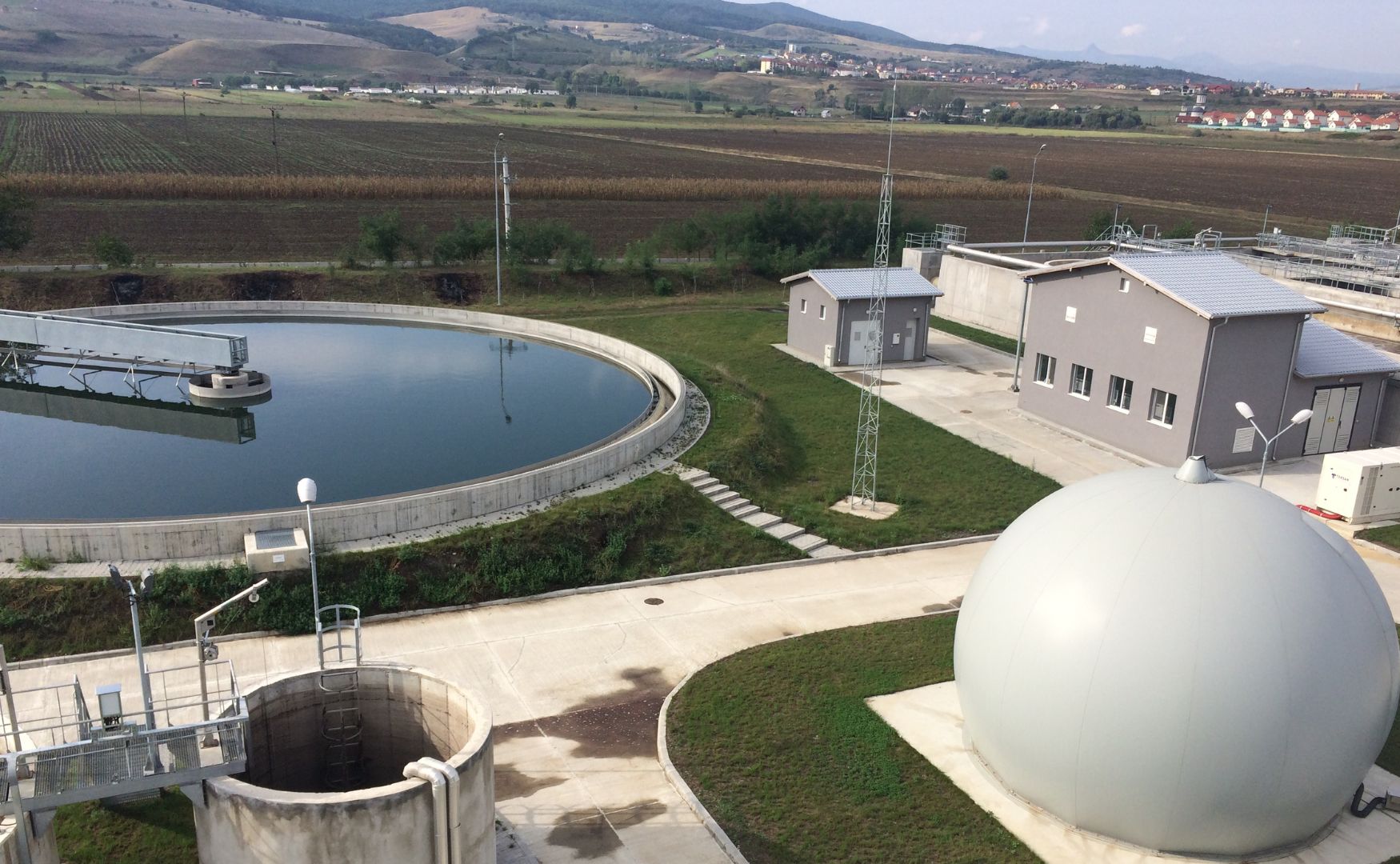
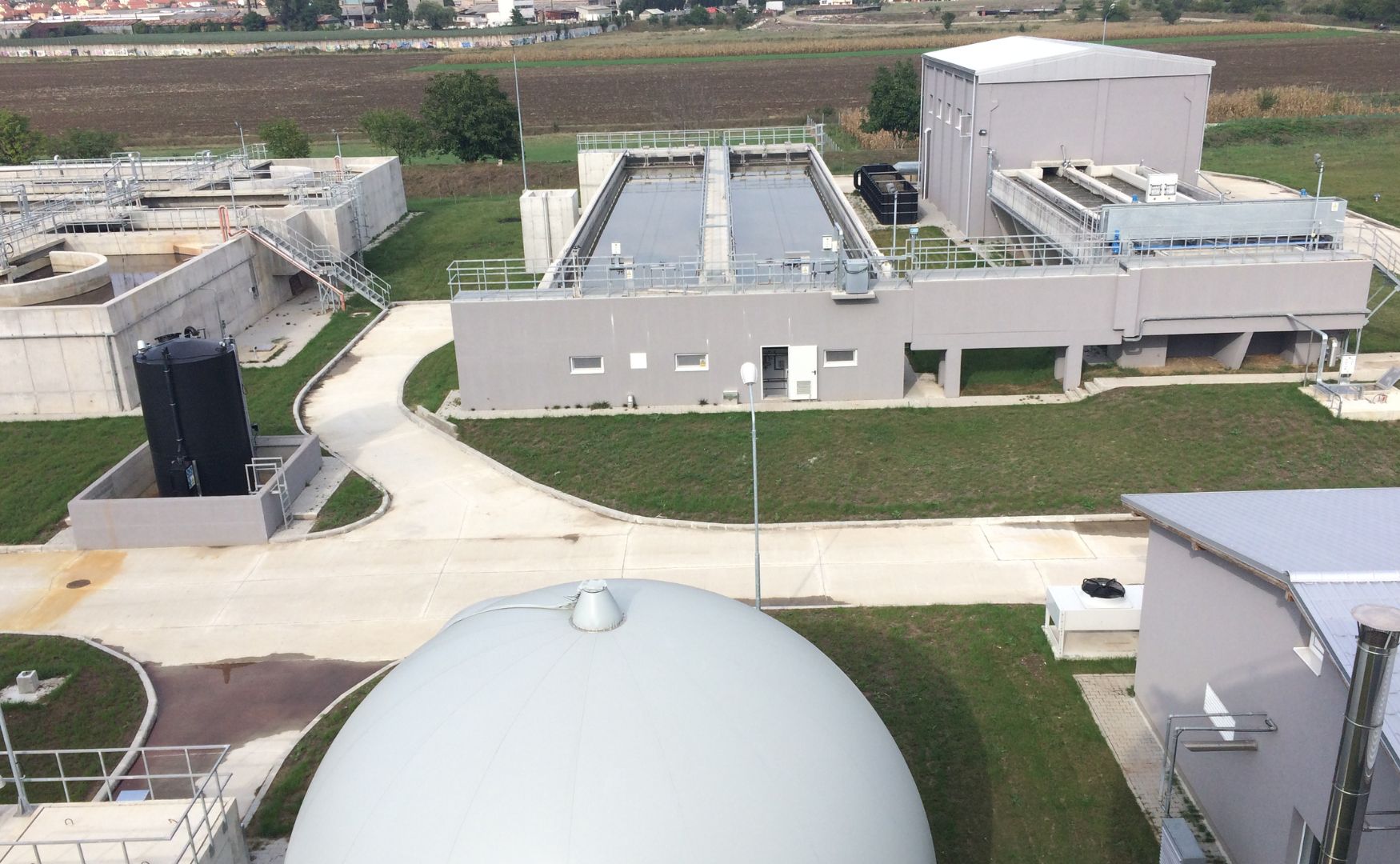
Focsani Wastewater Treatment Plant, Romania
Turnkey municipal wastewater treatment plant with a capacity of 40,000 m³/d and anaerobic sludge digestion.
How Anaerobic Wastewater Treatment Works
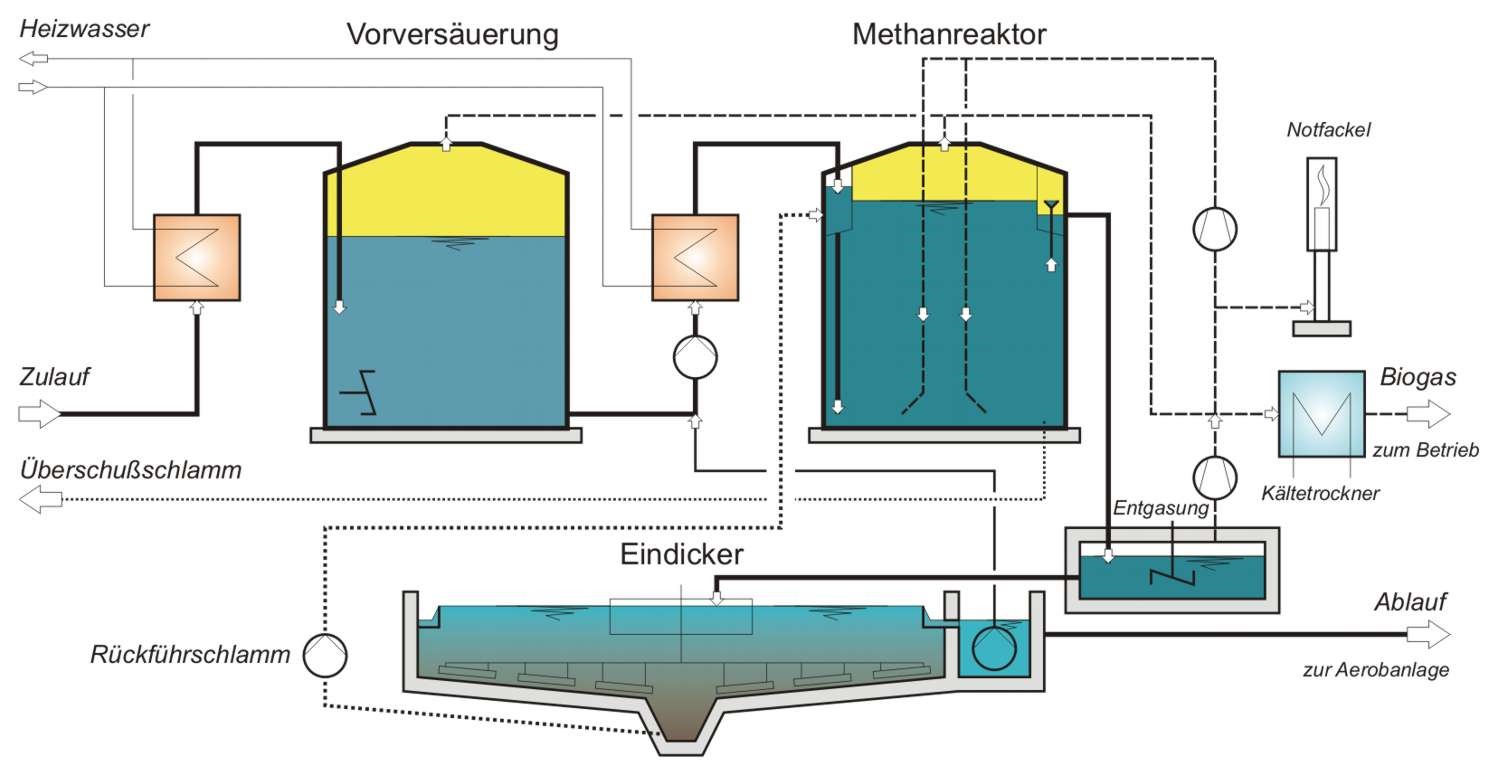
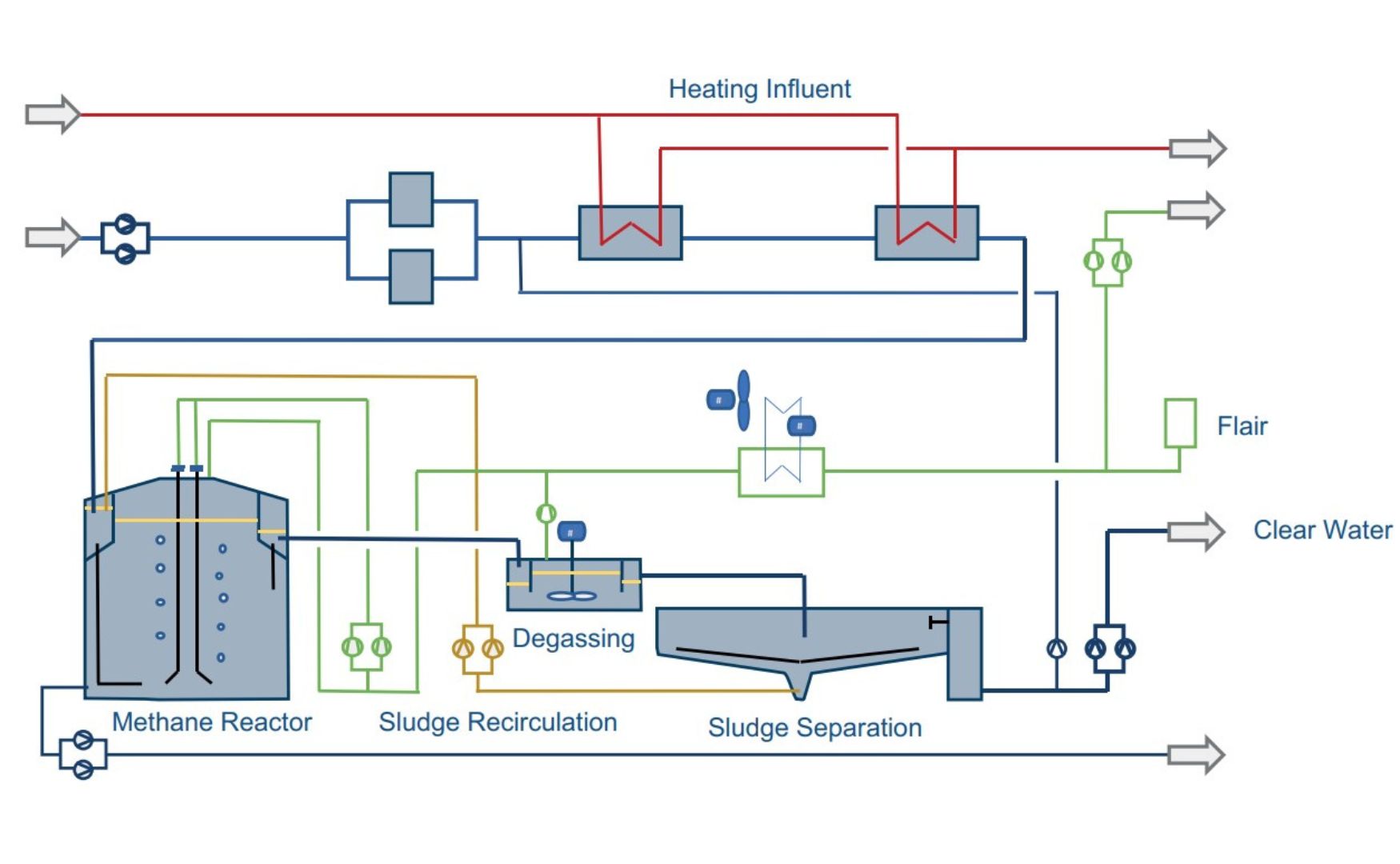
In anaerobic wastewater treatment, organic substances are biologically degraded in the absence of oxygen and converted into biogas. Pretreatment, reactor operation, biomass retention, gas utilization, and post-treatment are all tailored to the specific industrial wastewater.
Pre-treatment and pre-acidification
The industrial wastewater is homogenized, temperature-controlled, neutralized, and adjusted to suitable process conditions. If necessary, complex organic compounds are converted into more easily degradable intermediate products during a pre-acidification step.
Anaerobic biodegradation
Anaerobic microorganisms break down biodegradable organic substances in the absence of oxygen. In the process, the organic COD load is gradually converted into simpler compounds for methane production.
Generate biogas
The organic intermediates are converted in the anaerobic process primarily into methane and CO₂. This produces methane-containing biogas, which is available as a product stream that can be used to generate energy.
Retain biomass
Depending on the reactor type, active biomass is retained in the system via granular sludge, sedimentation, internal separators, or external recirculation. This ensures that high biomass concentrations remain available in the reactor.
Capturing and Utilizing Biogas
The biogas produced is collected, dewatered, and, if necessary, further processed. It can then be used, for example, in a combined heat and power plant, a steam boiler, or for further gas processing.
Follow-up on the process
Depending on the required effluent quality, the anaerobic treatment is followed by an aerobic biological stage, flotation, filtration, or another advanced treatment step for the pre-treated industrial wastewater.
ALMAWATECH, a plant manufacturer specializing in anaerobic wastewater treatment
Design and Construction of an Anaerobic Wastewater Treatment Plant
1. Inquiry and Technical Clarification
2. On-site Visit & Assessment
3. Laboratory and pilot-scale tests
4. Process and Reactor Selection
5. Plant Construction and Integration
6. Commissioning and Optimization
Technical documentation and data sheets for anaerobic wastewater treatment systems
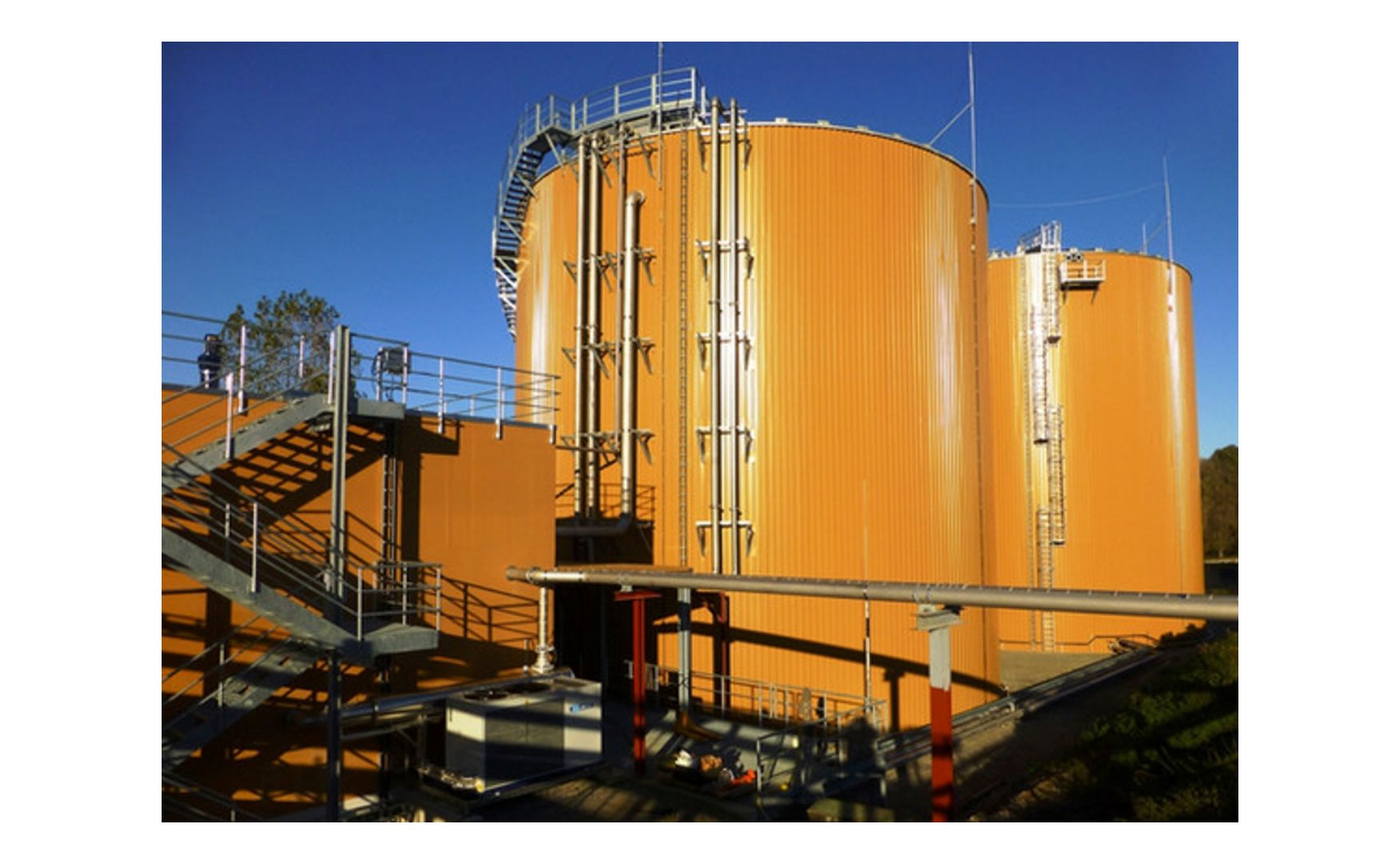
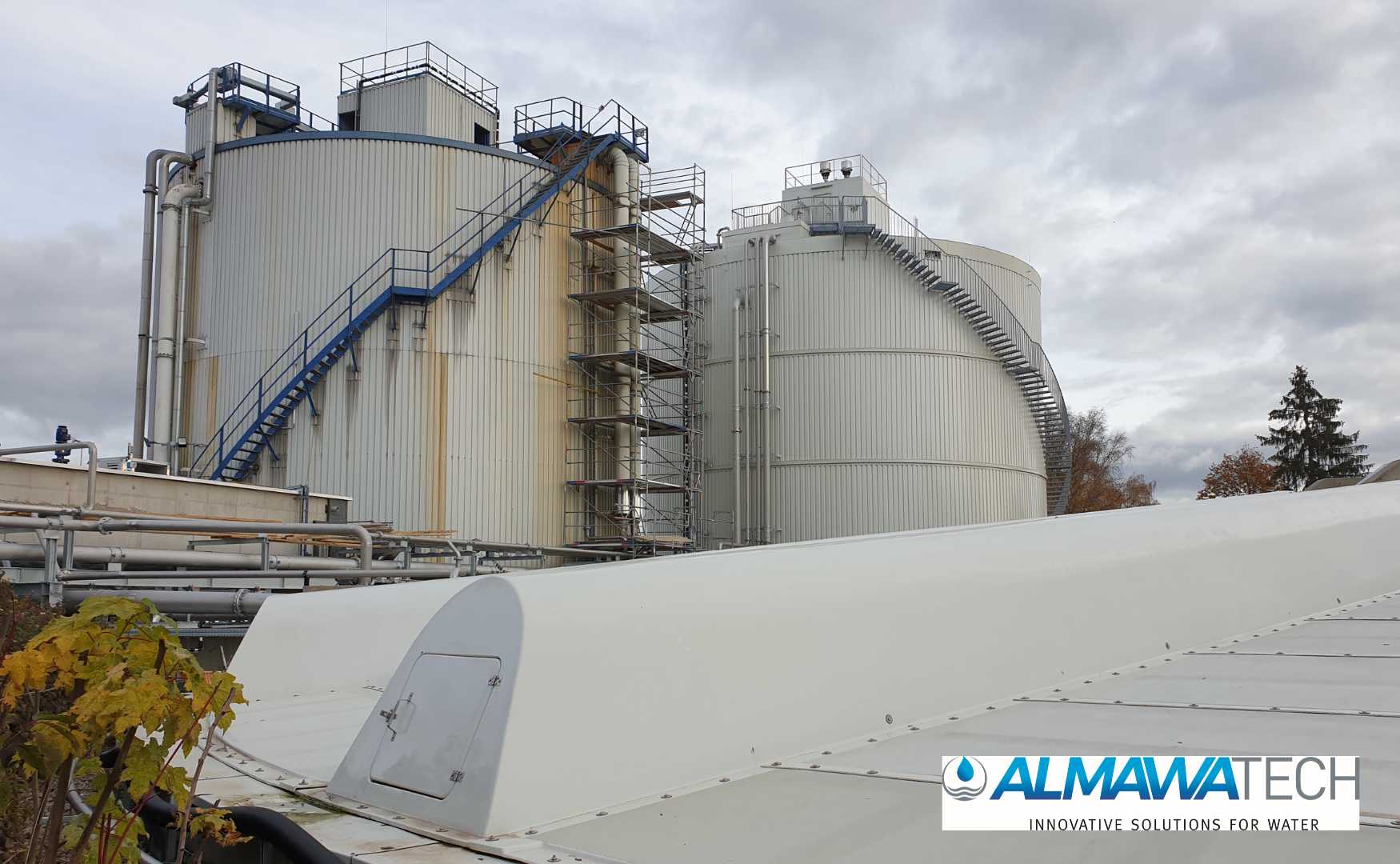
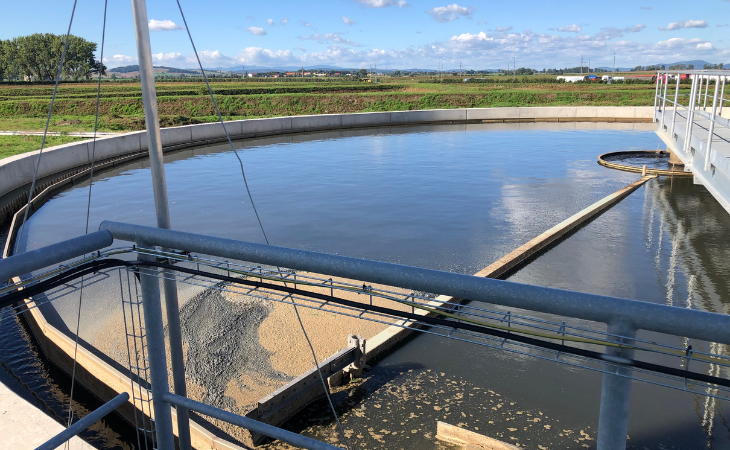
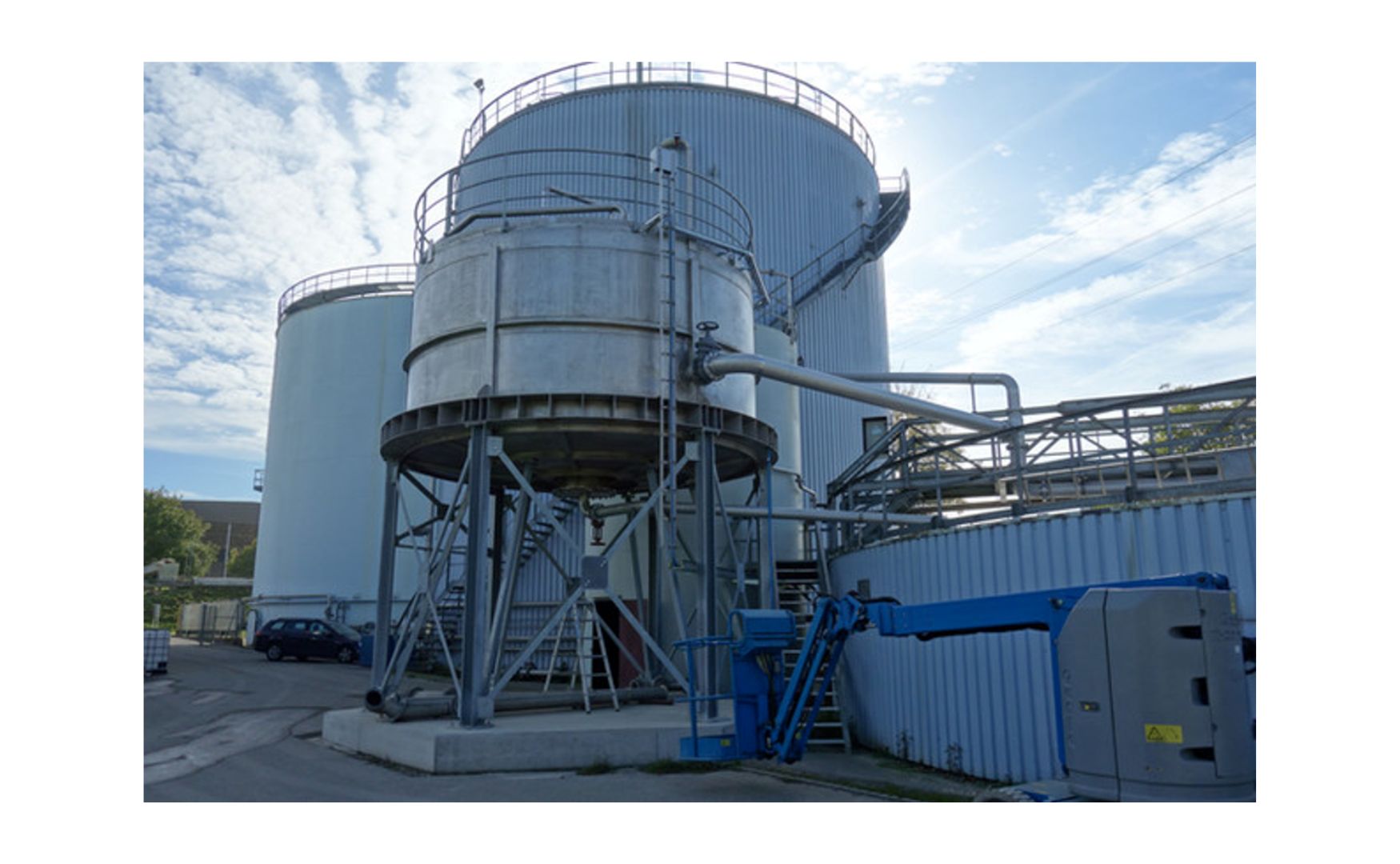
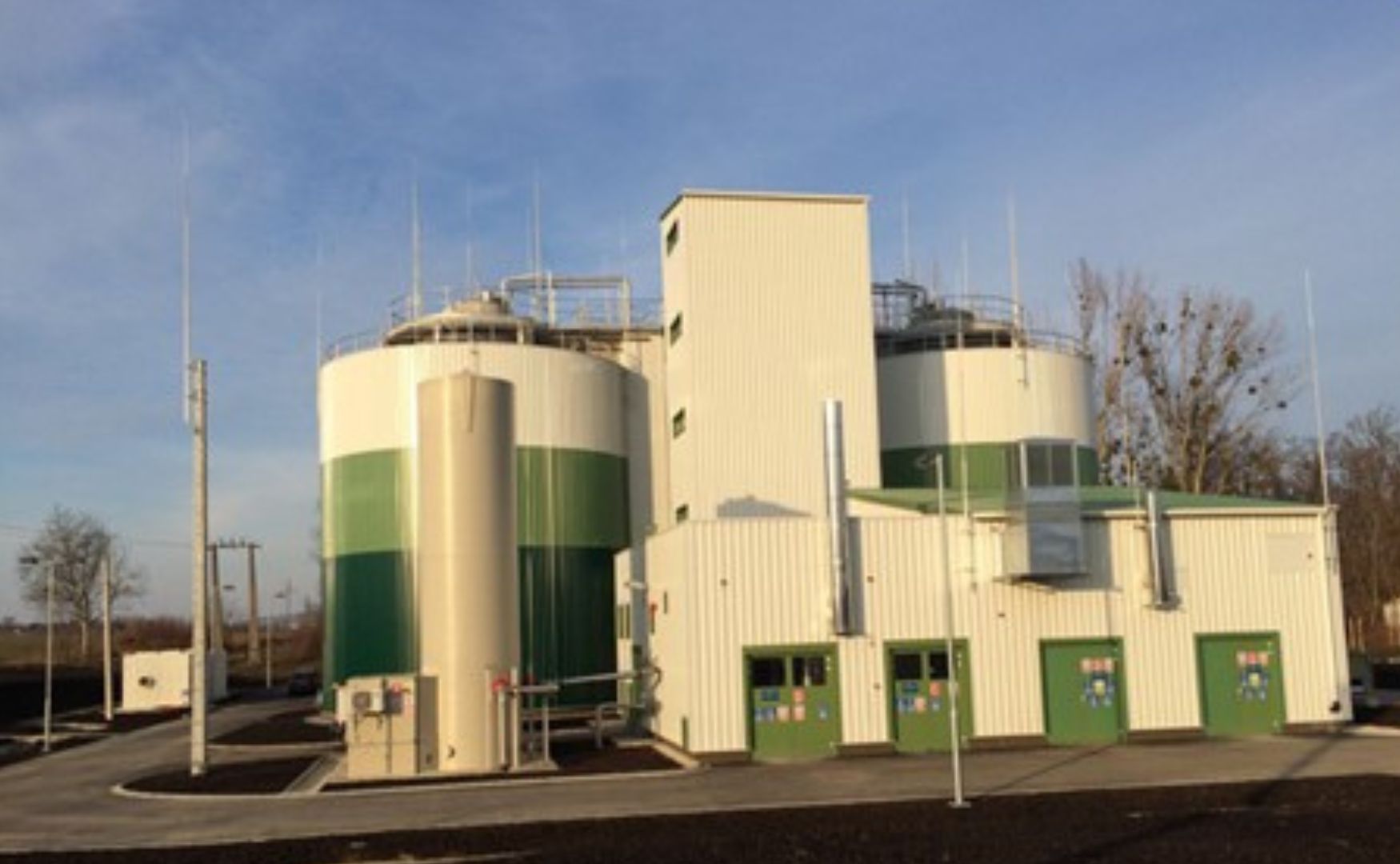
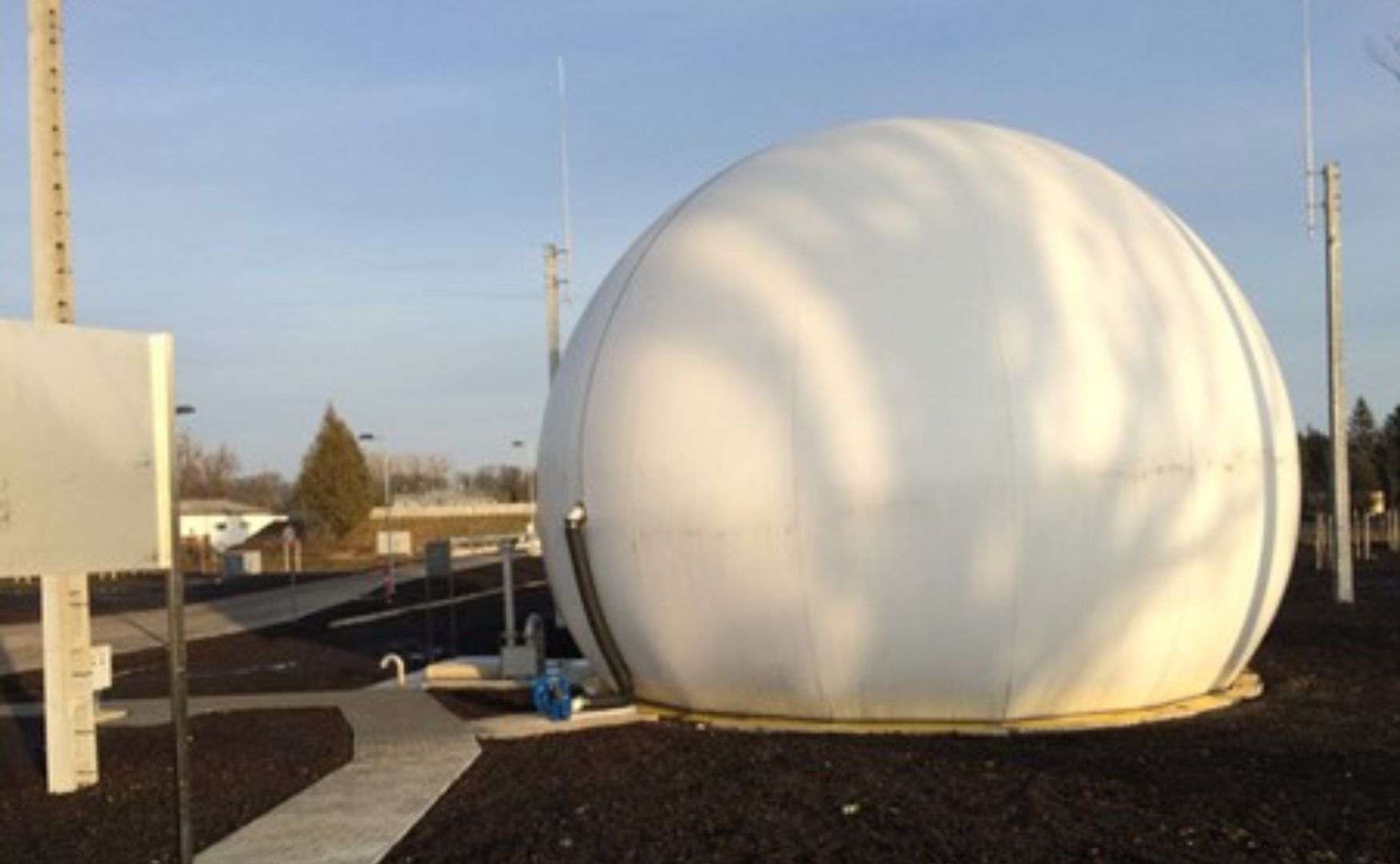
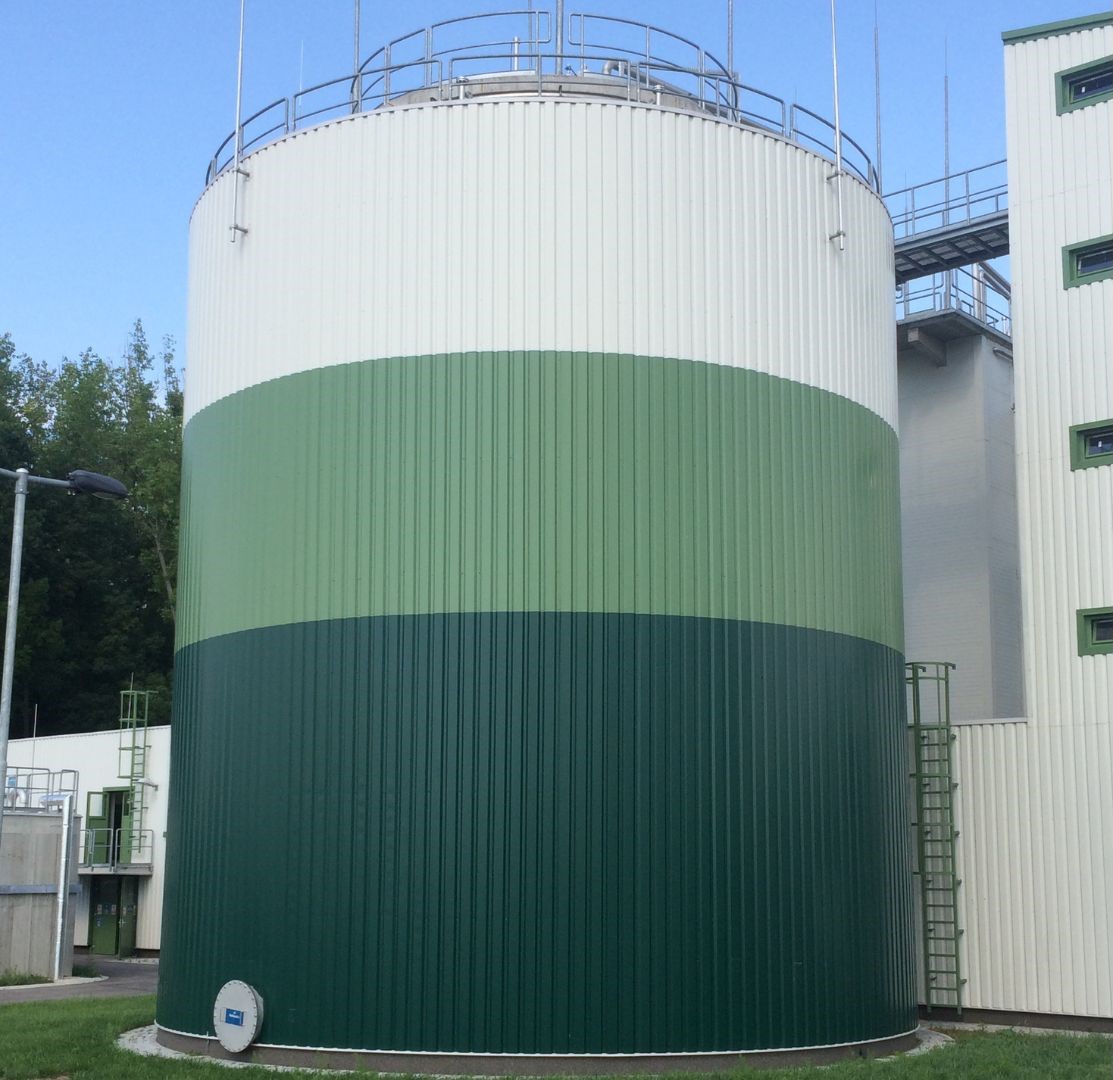
Photos of anaerobic wastewater treatment plants



Frequently Asked Questions About Anaerobic Wastewater Treatment Systems
For which types of industrial wastewater is anaerobic wastewater treatment suitable?
Anaerobic wastewater treatment is particularly well-suited for industrial wastewater with a high load of biodegradable organic matter. Typical applications include the food, beverage, sugar, starch, and fermentation industries, among others. In addition to the COD load, biodegradability, solids content, temperature, and water chemistry are also critical factors.
At what CSB load level does anaerobic wastewater treatment become advisable?
There is no fixed COD limit. The key factor is the daily load of biologically anaerobically degradable COD. As the organic load increases, the benefits of anaerobic treatment—in terms of aeration energy, excess sludge, and biogas production—generally become greater. For a reliable assessment, wastewater volume and composition must be considered together.
How much biogas can be produced from industrial wastewater?
The potential for biogas production depends primarily on the amount of anaerobically degradable organic matter. Key factors include COD load, degradability, wastewater volume, and process conditions. Based on a wastewater analysis, the technical biogas potential can be estimated, and a suitable plant design and utilization concept can be developed.
Which anaerobic reactor is suitable for my wastewater?
The choice between UASB, EGSB, GMR, and CSTR depends on the wastewater composition and operating conditions. UASB and EGSB are particularly suitable for dissolved, readily degradable loads, while CSTR systems are suitable for higher solids content and fluctuating effluents. The GMR offers advantages, particularly for calcium-rich industrial wastewater and when high mixing requirements apply.
Can an existing aerobic wastewater treatment plant be expanded to include an anaerobic stage?
Yes. Anaerobic pretreatment can significantly reduce the load on existing aerobic wastewater treatment plants by removing a large portion of the organic COD load before it reaches the aerobic biological treatment stage. Whether retrofitting is technically and economically feasible depends on the wastewater load, existing plant technology, available space, and the required effluent parameters.
What data is needed to design an anaerobic wastewater treatment system?
In particular, the following parameters are required: flow rate, total and dissolved COD, BOD, the anaerobically degradable fraction of COD, solids content, pH, temperature, and relevant water constituents such as calcium, sulfate, nitrogen, and phosphorus. In addition, potential inhibitors and daily or seasonal fluctuations in load should be known.
Does the wastewater need to be pretreated before entering an anaerobic reactor?
That depends on the composition of the wastewater. Possible pretreatment steps include screening, solids removal, grease and oil separation, flotation, neutralization, temperature control, equalization tanks, or pre-acidification. The goal is to create stable conditions for anaerobic biological treatment and to reduce disruptive substances before they enter the reactor.
Is further treatment required after anaerobic wastewater treatment?
Often, yes. An anaerobic stage reduces high organic loads very efficiently, but it is not always the final treatment stage. Depending on discharge limits or reuse requirements, for example, aerobic biological treatment, flotation, filtration, or phosphate precipitation may be added downstream.
How long does it take to commission an anaerobic wastewater treatment plant?
Anaerobic systems require a biological start-up phase during which the active biomass adapts to the specific industrial wastewater. The duration depends, among other factors, on the reactor type, the inoculum used, the wastewater composition, and the gradual increase in organic load. The start-up process is therefore tailored to each individual project.
Can ALMAWATECH determine in advance whether my wastewater can be treated anaerobically?
Yes. Based on existing wastewater analyses and operational data, it is possible to initially assess the basic suitability. For complex or previously unknown wastewater streams, additional laboratory or pilot-scale tests may be advisable. From these results, it is possible to determine anaerobic degradability, biogas potential, and suitable reactor designs for further plant planning.
Our Anaerobic Wastewater Treatment Plants
ALMA BHU BIO EGSB
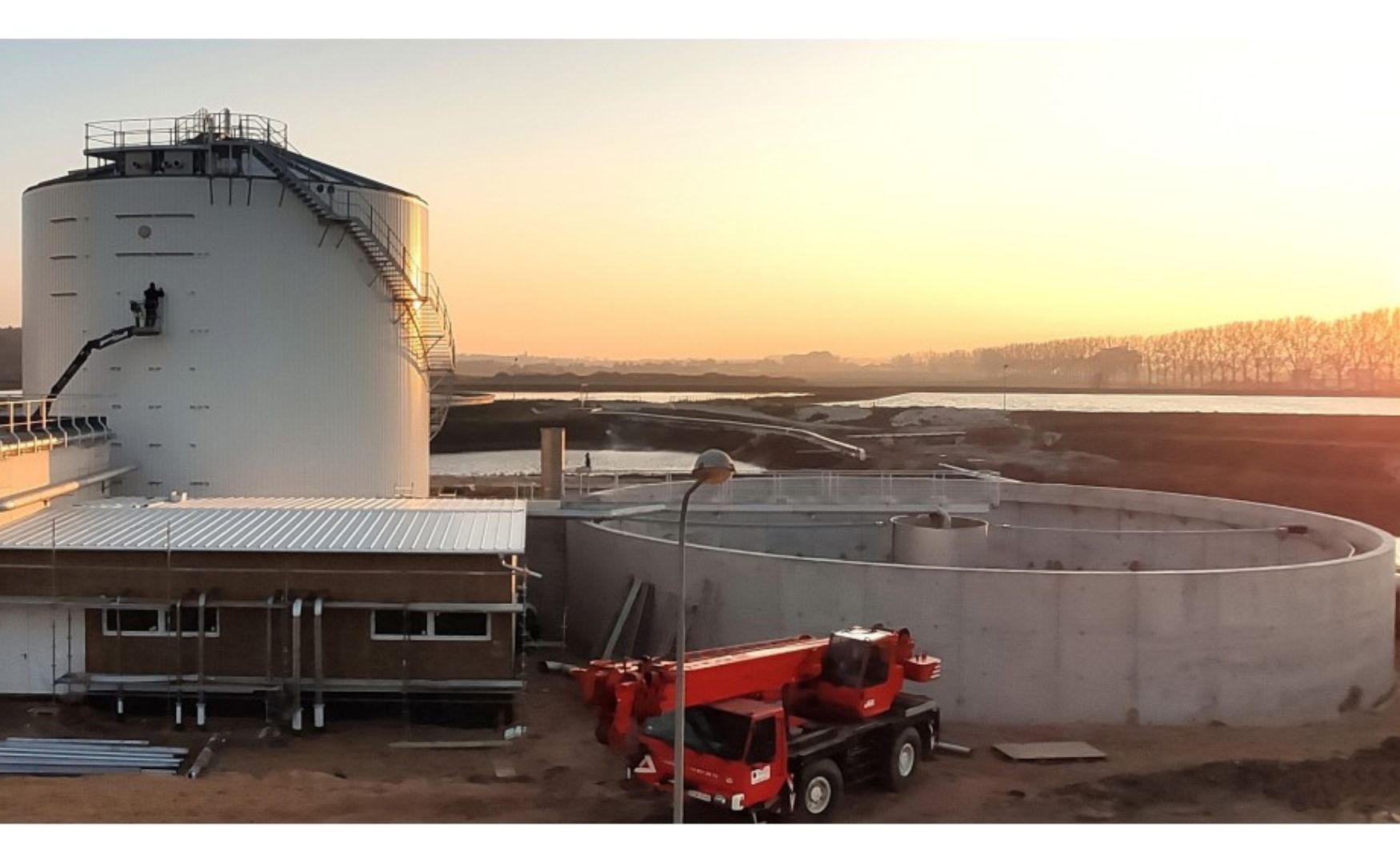
Two-stage anaerobic reactor ALMA BHU BIO EGSB, which can be fed with a high COD load due to the two-stage biogas extraction.
ALMA BHU GMR
ALMA BIO UASB
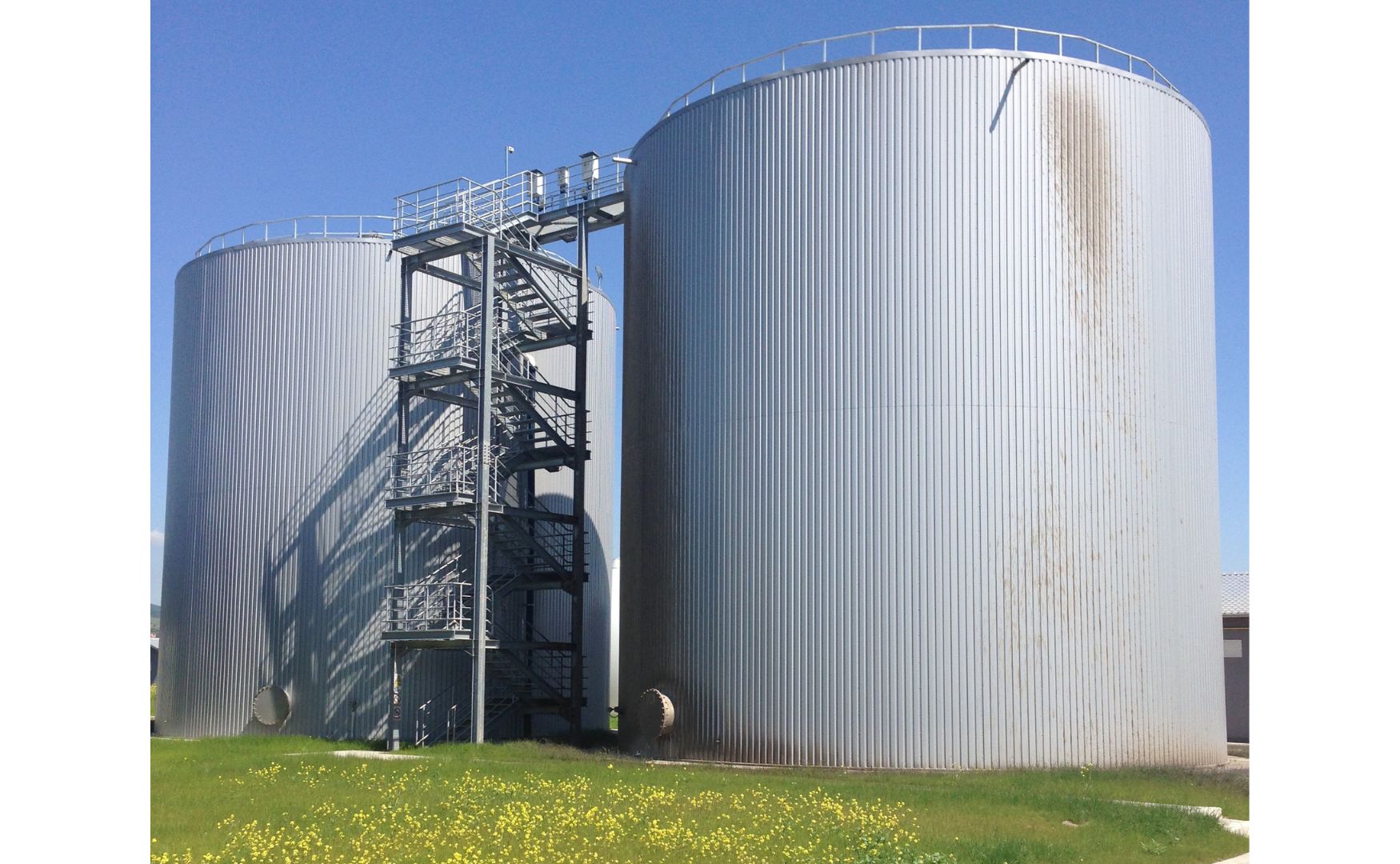
Single-stage anaerobic reactor ALMA UASB for the production of biogas from waste water from the food industry with reactor sizes up to 3,000 m³ and biomass recirculation.
ALMA BHU CSTR
A fully mixed anaerobic reactor that can be operated stably even at high solids concentrations thanks to intensive mixing.
Have wastewater data reviewed
Maksim Neubauer
Head of International Project Development