

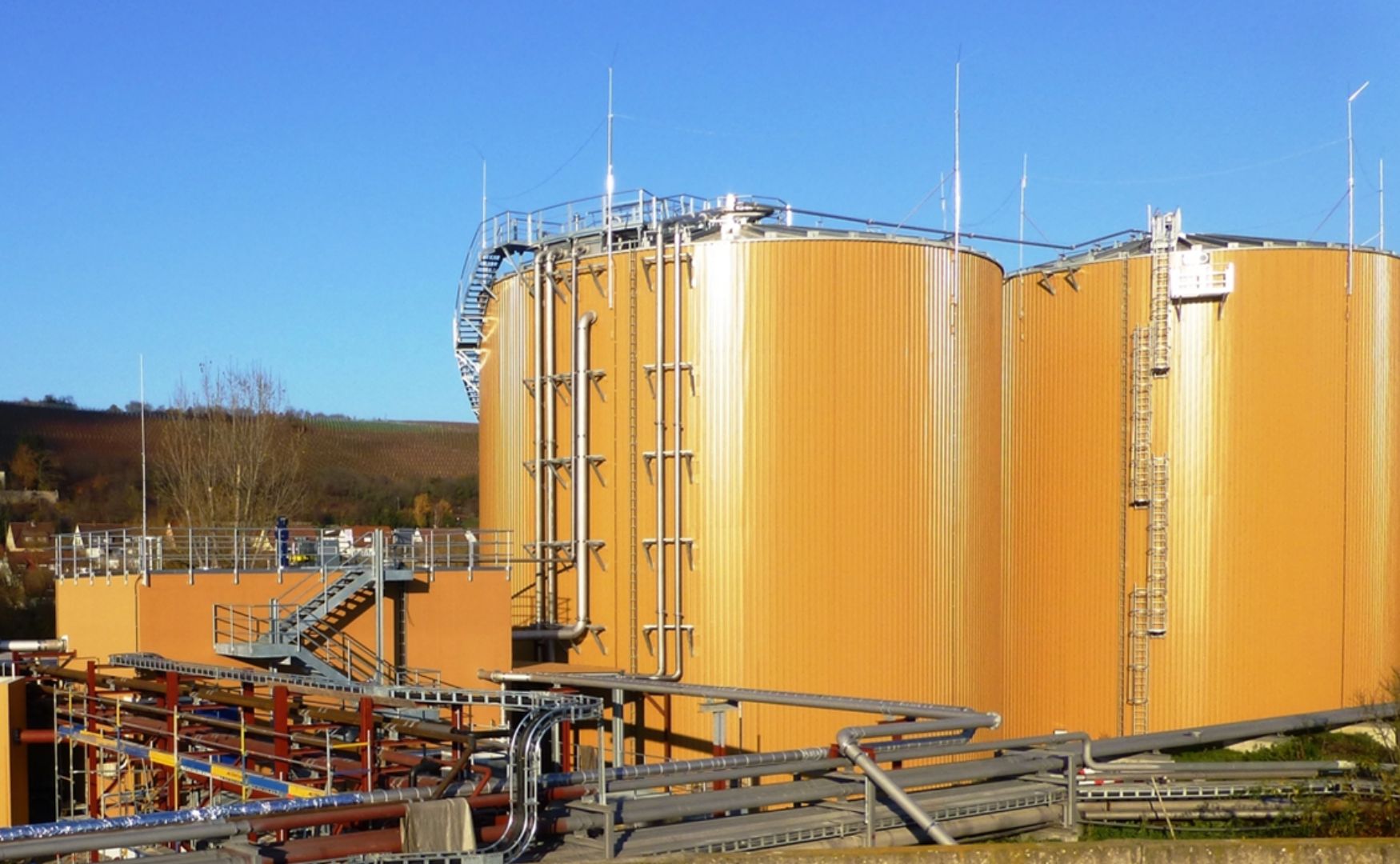
ALMA BIO UASB for the anaerobic treatment of waste water and biogas production
Anaerobic, biological wastewater treatment

ALMA BIO UASB

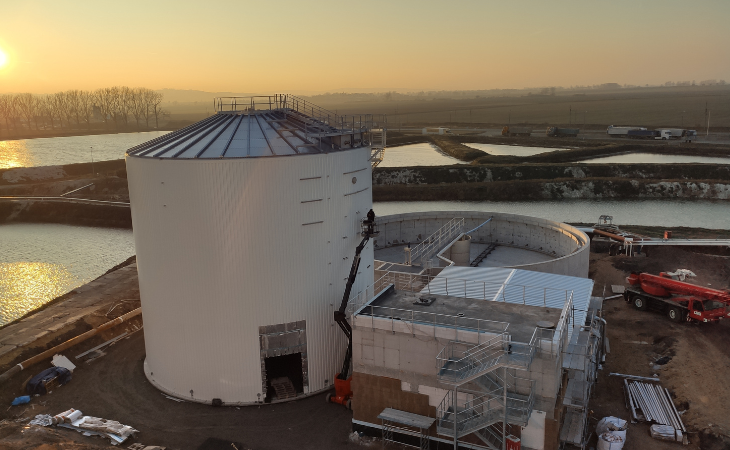
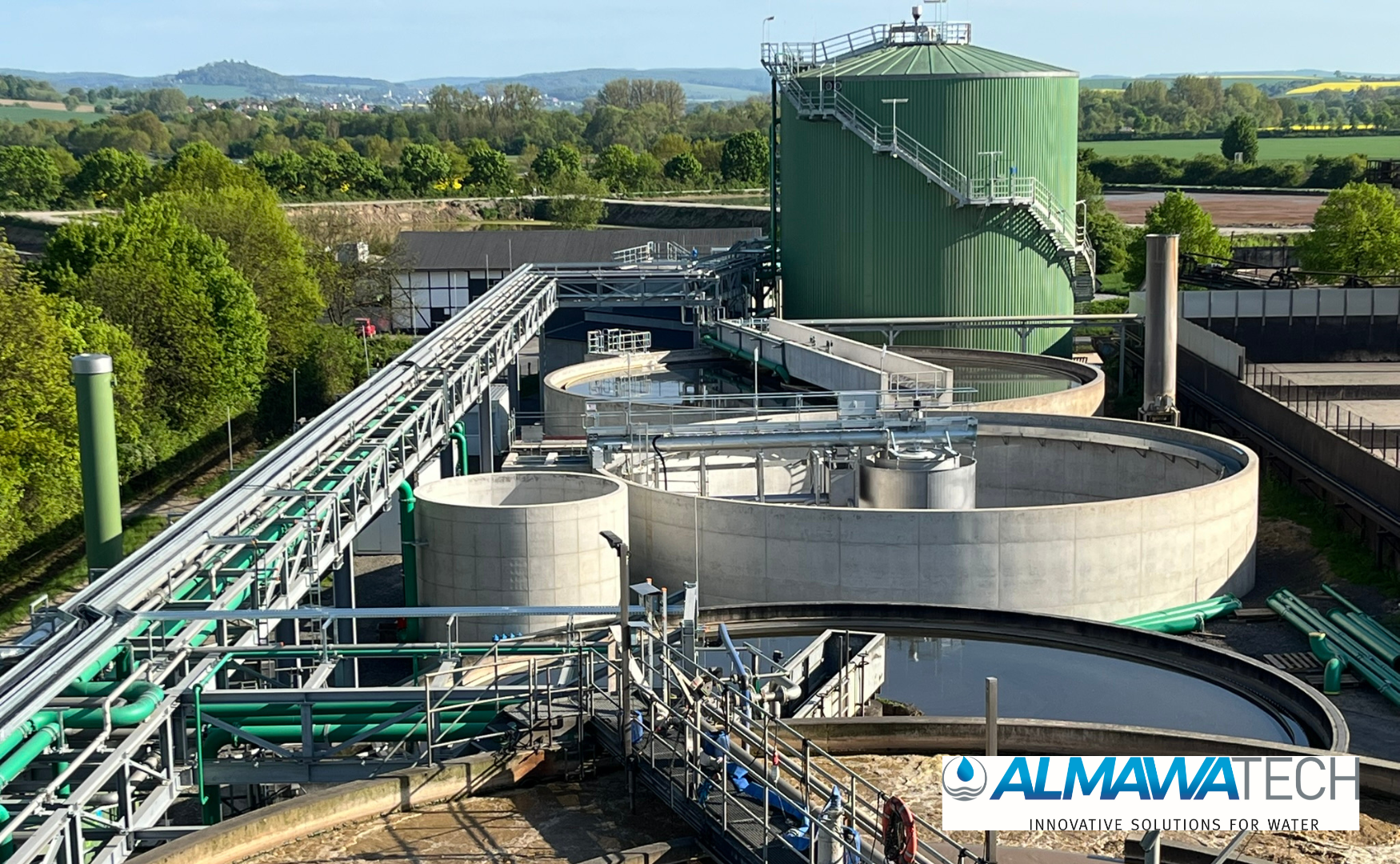
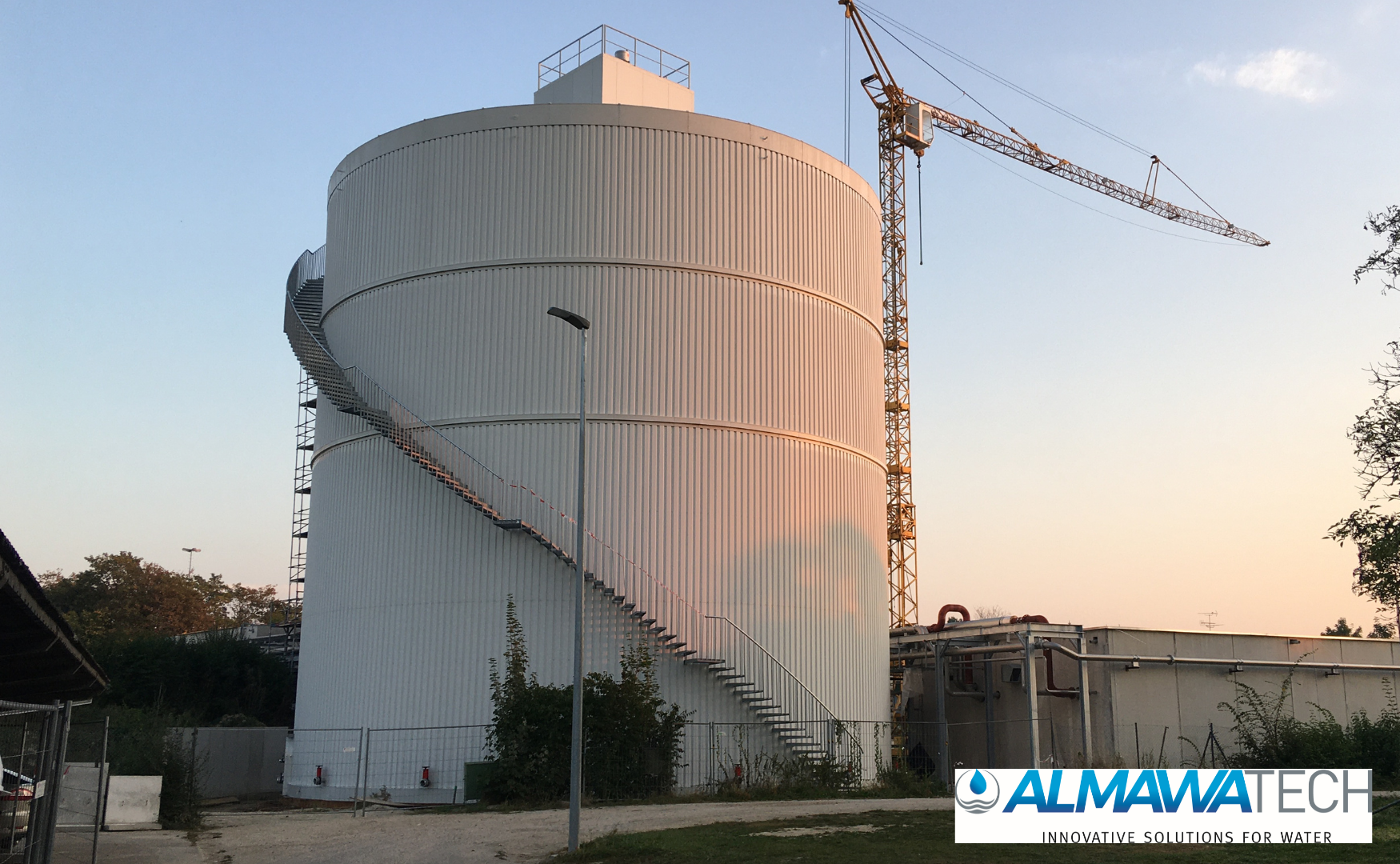
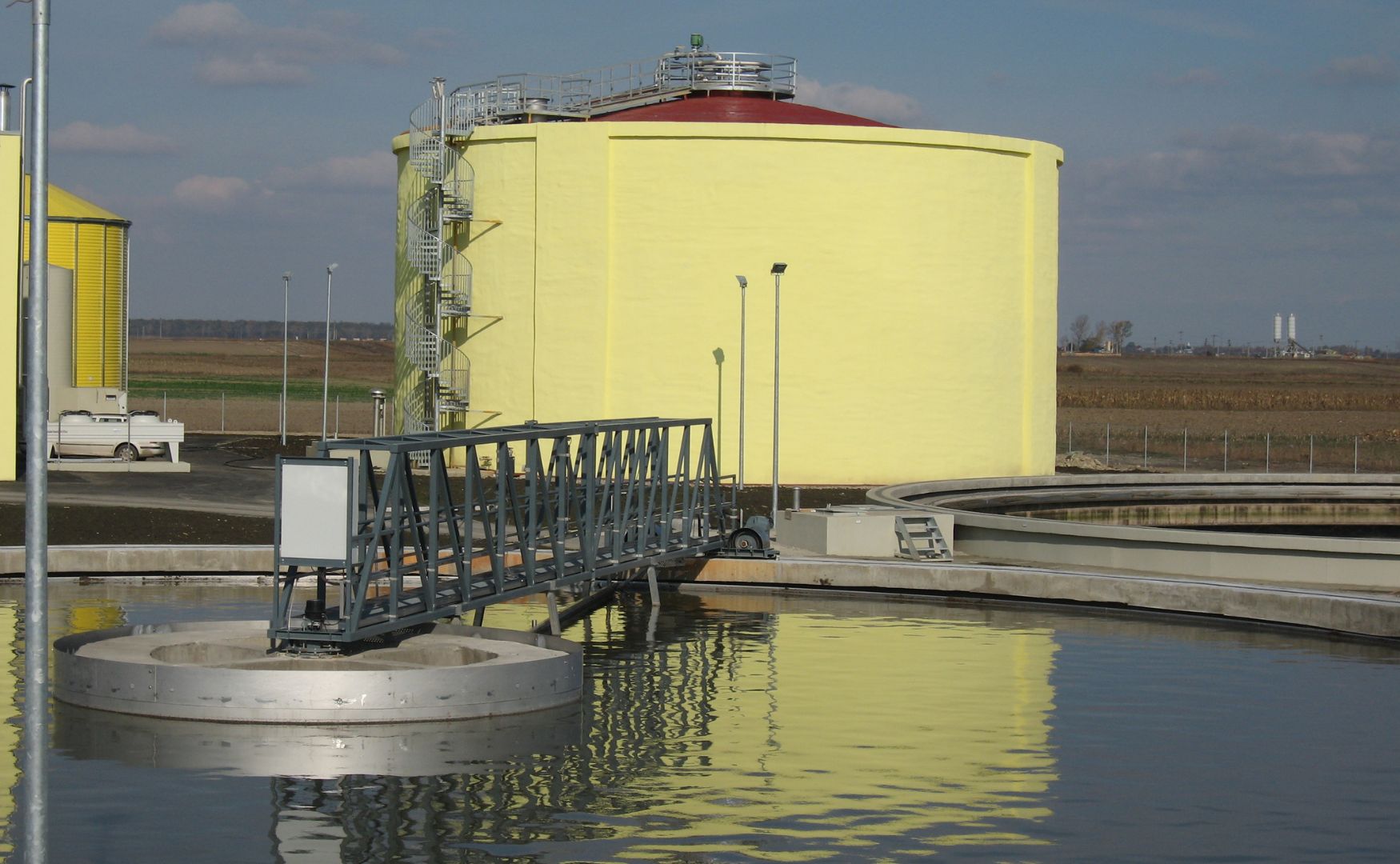
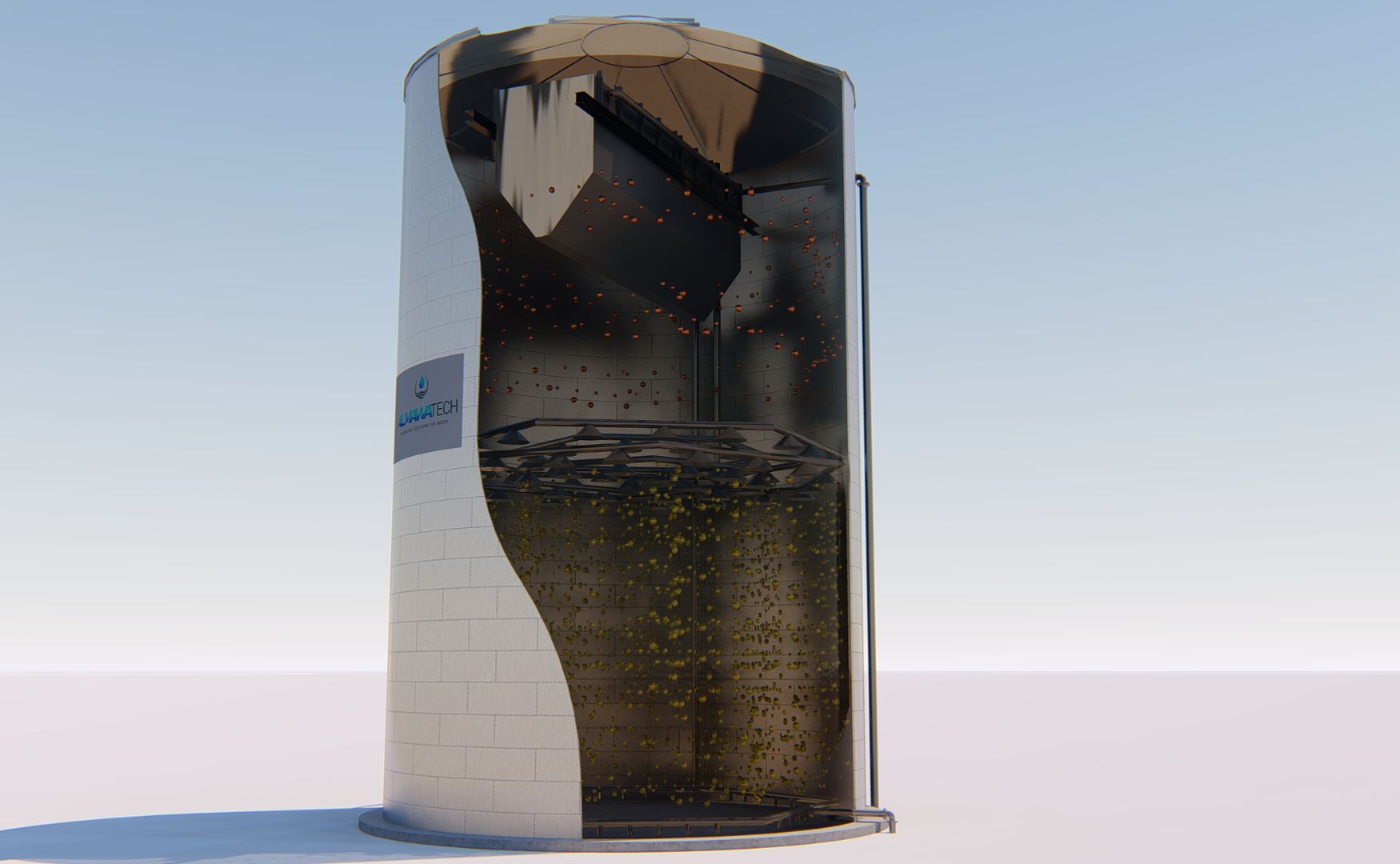
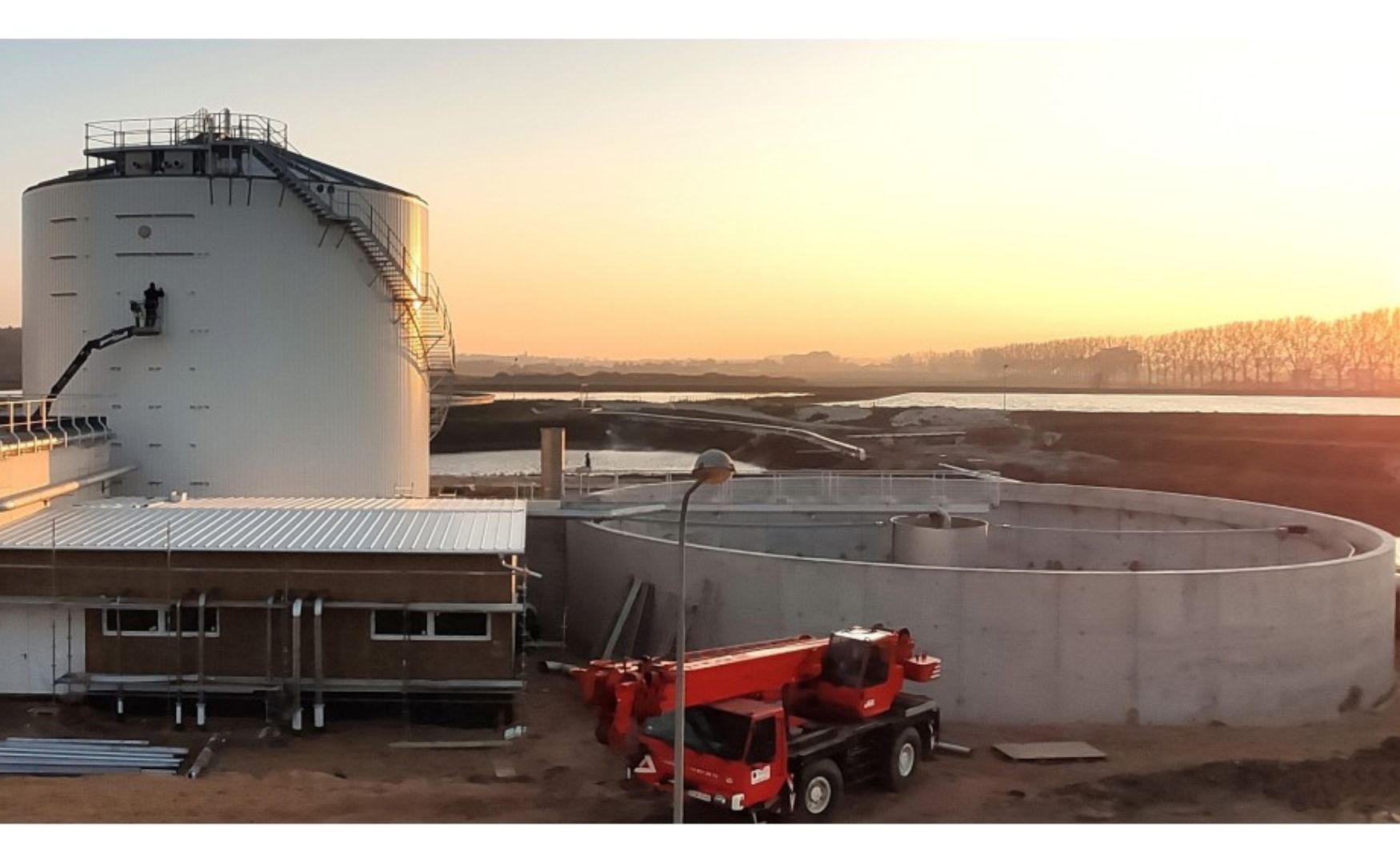
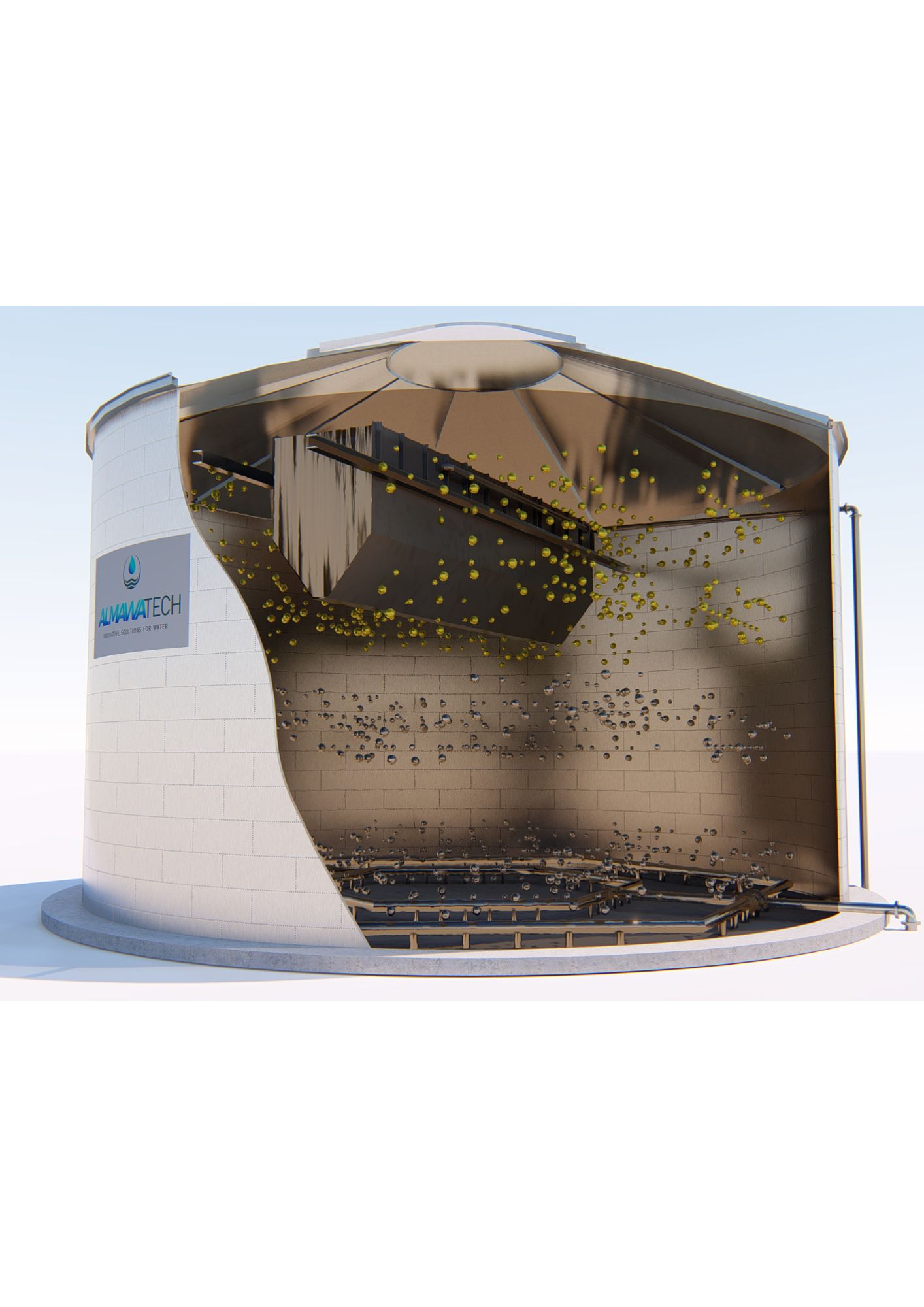
The ALMA BIO UASB (Upflow Anaerobic Sludge Blanket) is a robust, single-stage reactor with external biomass recirculation and is an extremely cost-effective solution for various wastewaters from the food industry. It is characterized by a customizable and flexible tank design made of either welded or bolted stainless steel. In addition, it offers an integrated ALMA pre-separator system in durable, welded plastic construction as well as internal gas storage.
Technical data
Main applications
Food industry Beverage industry Dairy industry Paper industry
Reactor size
50 - 3.000 m³
COD reduction
70 - 95 % COD degradation
CSB room ventilation
up to 12 kg COD / m³ / d
Biogas production
0.5 - 0.7 m³ biogas / kg COD

Your experts for biogas plants - reliably available

dominik_hoffmann_almawatech

Dominik Hoffmann

Head of Project Development

maksim_neuabauer_almawatech

Maksim Neubauer

Head of International Project Development

References biogas plants

Rugged, low-energy anaerobic wastewater treatment

The ALMA BIO UASB is an anaerobic upflow reactor for organically loaded industrial wastewater. The wastewater flows from the bottom through a biologically active sludge bed. In the process, organic substances are broken down and converted into usable biogas. This simple reactor technology is particularly suitable for continuous or evenly buffered wastewater streams.

Why the UASB is Economically Viable and Reliable

  • Simple and Proven Reactor Technology The UASB does not require a mechanical agitator in the reactor and has comparatively few moving or high-maintenance components.
  • Natural Mixing Through Biogas The gas bubbles produced during anaerobic digestion promote mixing and contact between wastewater and active biomass.
  • Stable retention of biomass Anaerobic biomass that settles well forms a sludge blanket with high biological activity and low tendency to be carried out.
  • Low energy and maintenance requirements The elimination of energy-intensive aeration and mechanical reactor mixing reduces ongoing operating costs.
  • Reduced Load on Subsequent Treatment Stages Anaerobic COD degradation reduces the organic load prior to aerobic post-treatment and can thereby reduce aeration requirements and sludge production.

How the UASB Reactor Works

1
Pre-treatment and Leveling

Industrial wastewater is buffered as needed, pre-treated, temperature-controlled, and adjusted to suitable pH and nutrient levels.

2
Upward flow through the sludge blanket

The inflow is evenly distributed in the lower section and then flows from the bottom to the top through the anaerobic biomass.

3
Anaerobic Degradation and Biogas Production

Microorganisms break down biologically available organic substances in the absence of oxygen and produce methane-containing biogas in the process.

4
Three-Phase Separation

In the upper section of the reactor, biogas, treated wastewater, and biomass are separated from one another. The biomass largely remains in the reactor.

5
Procedure and Possible Follow-Up Treatment

Depending on the required effluent parameters, the anaerobically treated wastewater is either discharged directly or sent for aerobic or further post-treatment.

When is the ALMA BIO UASB particularly useful?

Organic wastewater constituents that are readily biodegradable
Continuous or sufficiently buffered wastewater flows
Moderate to high COD concentrations
Relatively consistent wastewater composition
Desired load reduction for an aerobic treatment stage
Focus on simple technology and low operating costs
50–3,000 m³ Specified range of reactor sizes
70–95% Specified range of COD reduction
up to 12 kg COD/(m³·d) Technical specification for COD load per unit volume
0.5–0.7 m³/kg COD Specified specific biogas production

Which type of anaerobic reactor is best suited for this application?

UASB: Robust and Cost-Effective

Suitable for highly biodegradable and relatively uniform wastewater flows when simple technology, low energy consumption, and high operational reliability are the primary considerations.

EGSB: Higher Power Density

Suitable for higher organic loadings and compact reactor designs with increased upflow, external recirculation, and an expanded granular bed.

GMR: Intensive Full Mixing

Suitable for high-load or calcium-rich wastewater when intensive gas-based reactor circulation and external biomass recirculation are required.

Downloads

Please contact our specialist for biogas plants: E-Mail

FAQ - ALMA BIO UASB biogas plant

The ALMA BHU UASB (Upflow Anaerobic Sludge Blanket) reactor is an anaerobic wastewater reactor for treating industrial wastewater with medium to high organic loads. It is one of the most proven anaerobic processes worldwide and is used in particular when robust, energy-efficient, and durable solutions are required.

Functional principle of the ALMA BHU UASB

In the ALMA BHU UASB, wastewater flows from bottom to top through a sludge blanket made of anaerobic biomass. The organic substances are broken down by microorganisms and converted into biogas (methane).

The rising gas bubbles ensure natural mixing without the need for mechanical agitators. In the upper part of the reactor, a 3-phase separator separates:

  • the biogas produced

  • the treated wastewater

  • the biomass retained in the reactor

Role of the UASB in the plant design

The ALMA BHU UASB often serves as:

  • central anaerobic stage

  • economic pretreatment before aerobic systems

  • CSB reduction stage with simultaneous energy recovery

Summary
The ALMA BHU UASB is an anaerobic upflow reactor that breaks down organically contaminated wastewater, produces biogas, and operates without mechanical mixing.

The ALMA BHU UASB is designed for industrial wastewater with medium to high COD concentrations and is particularly suitable for applications with stable or moderately fluctuating loads.

Suitable CSB areas

Typical conditions of use are:

  • CSB concentrations from approx. 800–1,000 mg/l

  • easily biodegradable organic substances

  • continuous or evenly buffered wastewater accumulation

Maximum room load

The ALMA BHU UASB achieves organic loadings of up to
15 kg COD/m³·d.

This puts him:

  • below the power density of an EGSB reactor

  • significantly above classic large-volume bioreactors

This load allows for economical and stable wastewater treatment with moderate space requirements.

Typical industries of application

  • Food and beverage industry

  • Dairies

  • breweries

  • Sugar and starch industry

  • Process wastewater with uniform composition

Summary
The ALMA BHU UASB is suitable for COD concentrations above 1,000 mg/l and allows for space loads of up to 15 kg COD/m³·d.

The ALMA BHU UASB features a simple, robust, and proven reactor geometry that is specifically designed for continuous industrial operation.

Sludge blanket with high biological activity

The anaerobic biomass forms a stable sludge layer with:

  • good sedimentation capacity

  • high biodegradability

  • low discharge tendency

Efficient 3-phase separator

The integrated 3-phase separator ensures:

  • Safe separation of gas, water, and sludge

  • low biomass losses

  • clear flow quality

Low energy and maintenance costs

Since no mechanical agitators are required:

  • the energy requirement is very low

  • maintenance requirements are significantly reduced

  • plant availability increases


Summary The ALMA BHU UASB utilizes a stable sludge blanket and an efficient 3-phase separator for low-energy and low-maintenance operation.

The ALMA BHU UASB is particularly advantageous when operational reliability, simplicity, and durability are paramount.

Key advantages at a glance

  • Proven method used worldwide

  • Room load up to 15 kg COD/m³·d

  • Very low energy consumption

  • No mechanical agitators in the reactor

  • High operational reliability

  • Long service life

  • Numerous references in the industry

Compared to high-load systems such as EGSB, the UASB is:

  • less complex hydraulically

  • more tolerant of operational deviations

  • particularly suitable for even inflows

Summary
The ALMA BHU UASB impresses with its simple technology, low energy consumption, and high operational reliability for medium to high COD loads.

The use of an ALMA BHU UASB is particularly useful when:

  • a robust anaerobic base level is required

  • Wastewater composition is relatively constant

  • Energy efficiency is a priority

  • Investment and operating costs should be minimized

Economic benefits

  • Reduction of COD load prior to aerobic post-treatment

  • Savings in ventilation energy

  • Biogas production for own energy supply

  • Low maintenance and spare parts requirements

The UASB is often the most economical anaerobic solution when extreme space constraints are not an issue.

Summary
The ALMA BHU UASB is economically viable for constant, easily degradable wastewater and moderate space loads of up to 15 kg COD/m³·d.

The ALMA BHU UASB can be flexibly integrated into existing wastewater treatment concepts:

  • as a preliminary stage before aerobic treatment stages

  • in combination with neutralization, CP plants, or flotation

  • as part of modular ALMA complete systems

Thanks to its simple design, the reactor can:

  • be bolted or welded

  • be adapted to existing hydraulic concepts

  • can be easily expanded or retrofitted

Summary

The ALMA BHU UASB can be flexibly integrated into existing industrial wastewater treatment plants as an anaerobic pre-treatment stage.

Similar products: Biogas from waste water

Get in touch with us!

dominik_hoffmann_almawatech

Dominik Hoffmann

Head of Project Development

maksim_neuabauer_almawatech

Maksim Neubauer

Head of International Project Development