


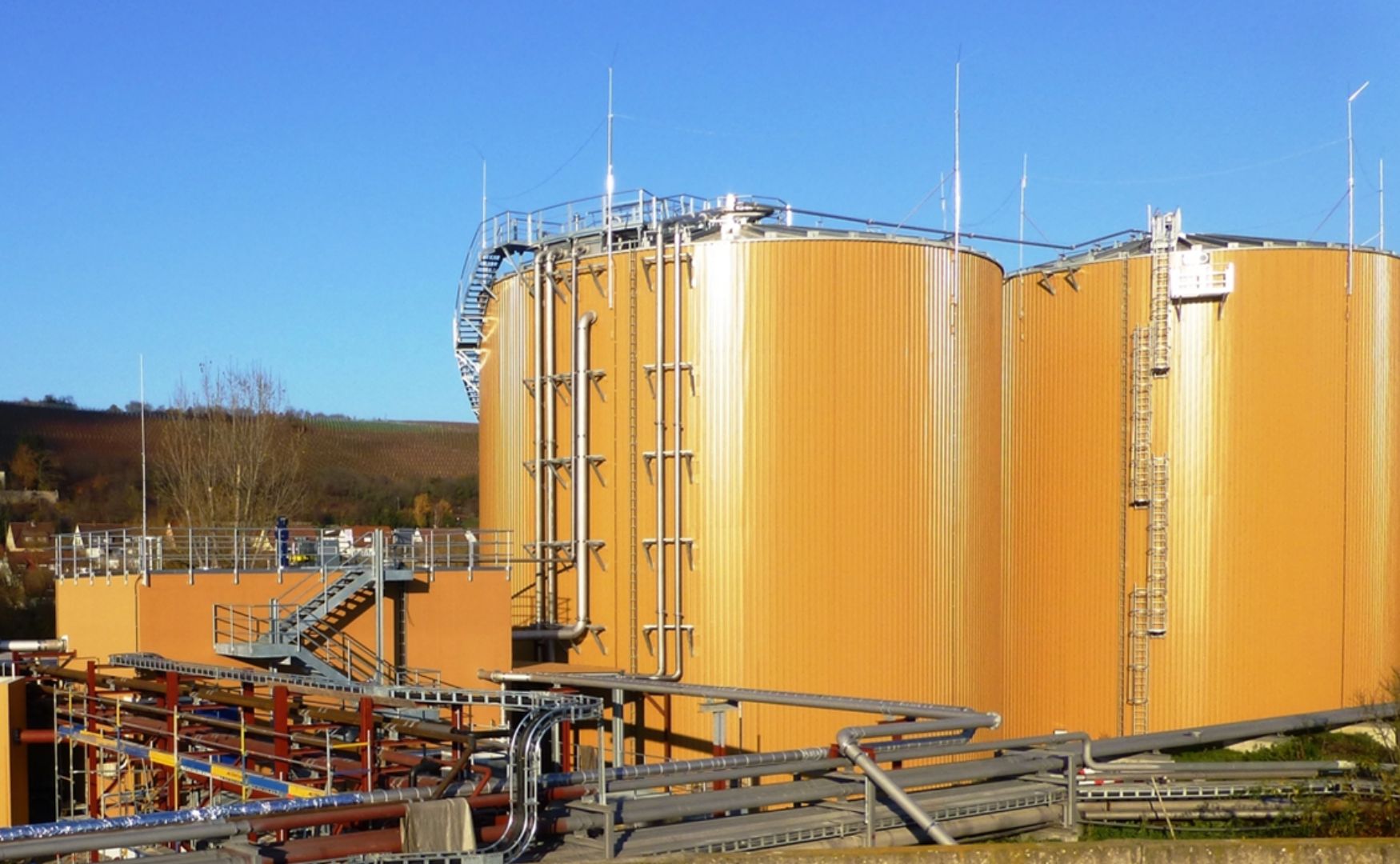
ALMA BHU GMR
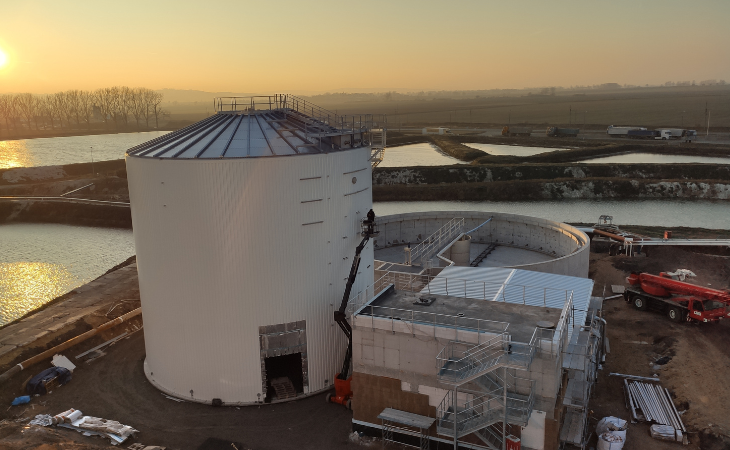
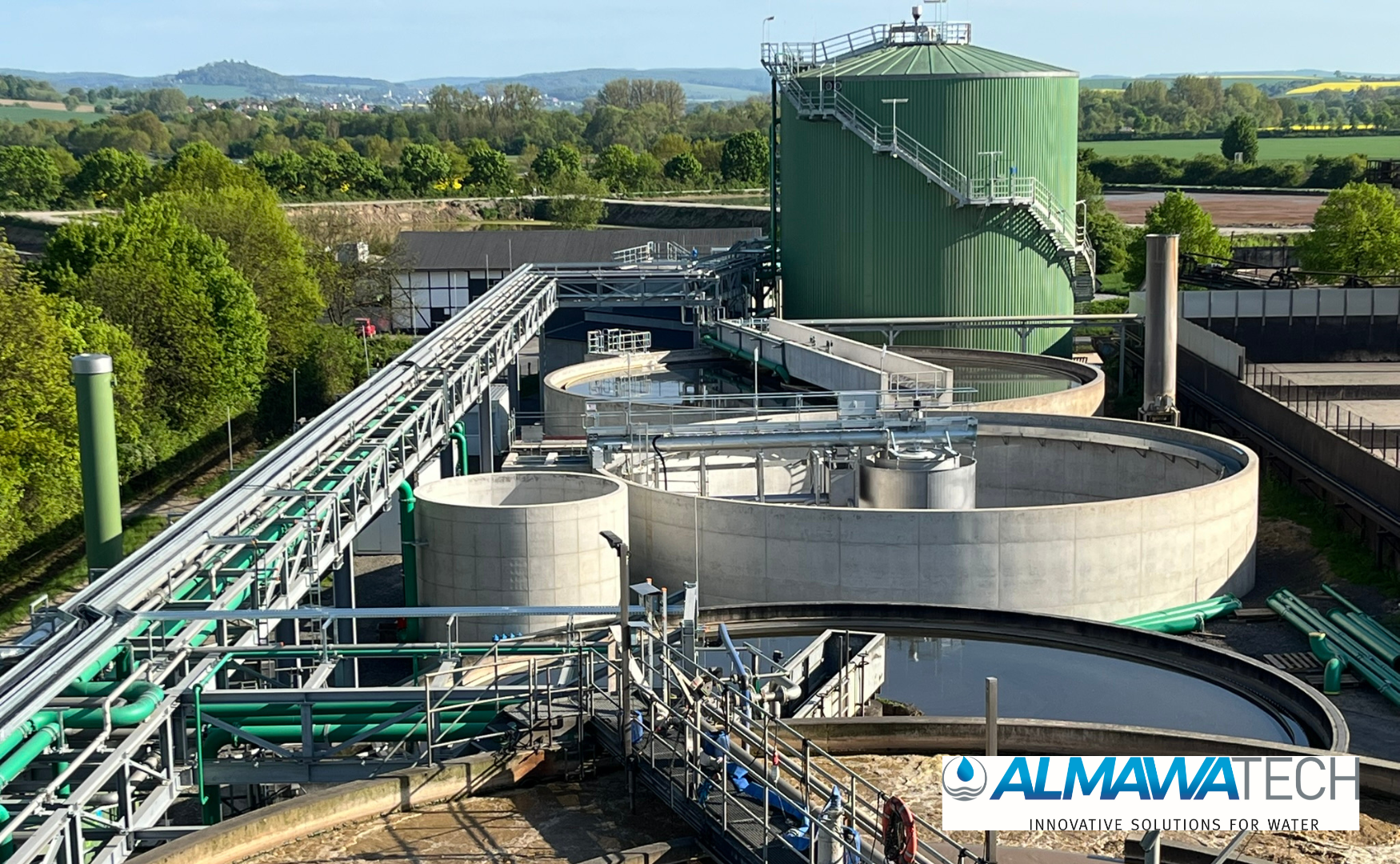
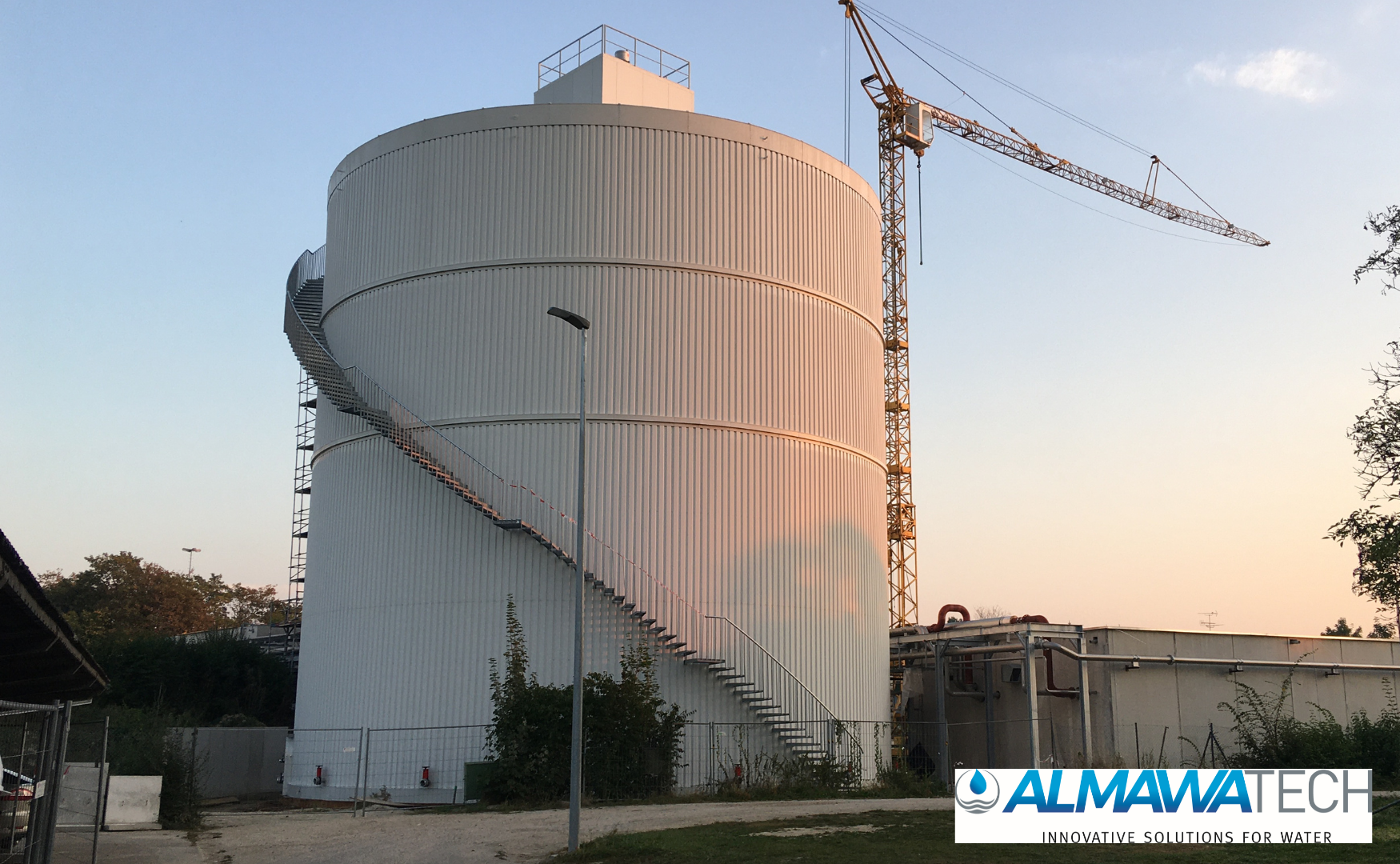
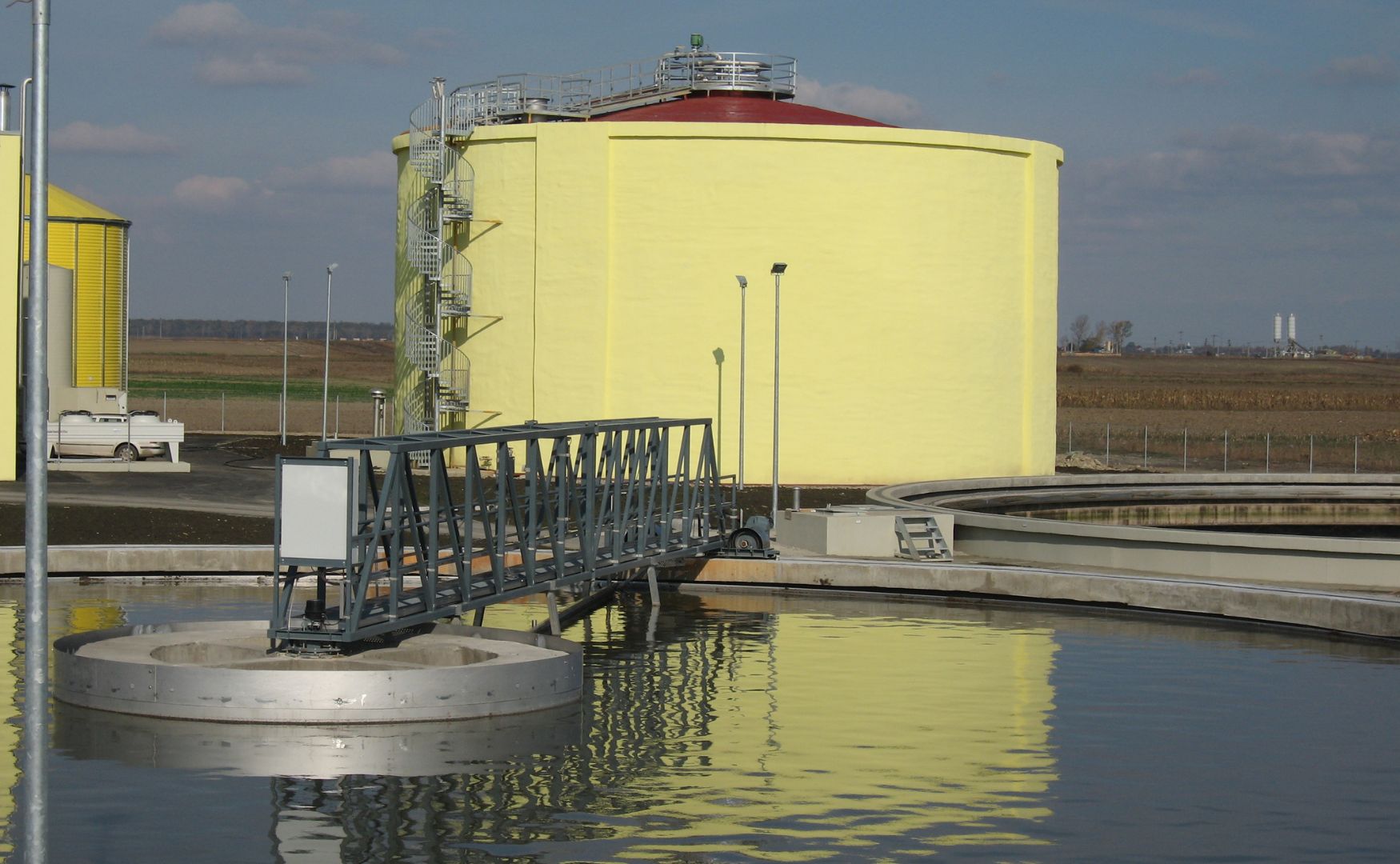
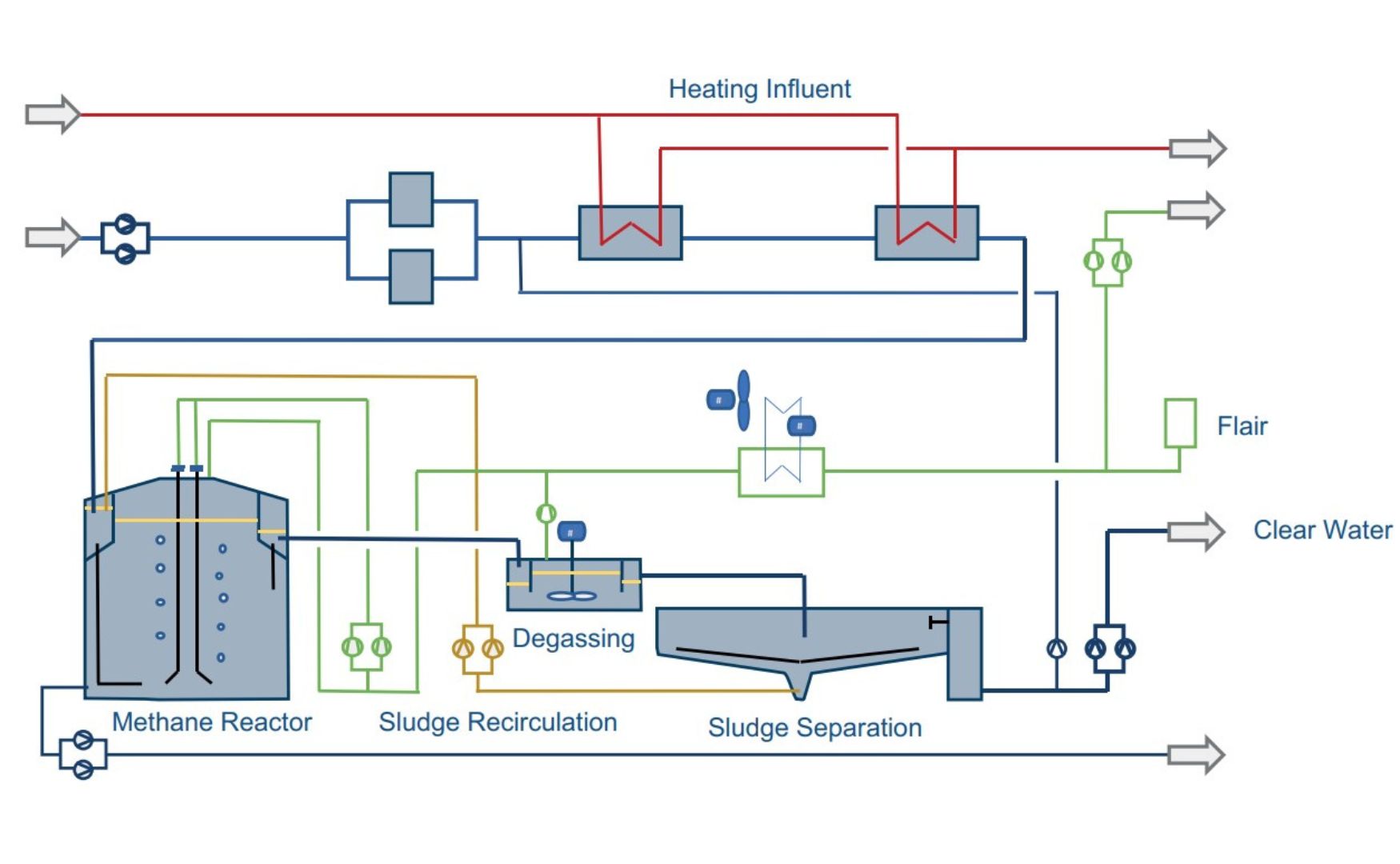
This innovative process also includes a downstream sedimentation tank that effectively returns the biomass to the anaerobic reactor. This targeted recirculation enables the biogas yield to be maximized and contributes to the overall efficiency of the ALMA BHU GMR.
Your expert for biogas plants - reliably responsive
Tibor Kretschman
Head of International Project Development & Water Reuse
References biogas plants

Bioethanol, EGSB biogas reactor, ALMA BHU EGSB
Construction of an EGSB reactor with approx. 700 m³ and a COD load of 10,000 kg/d for the recovery of biogas from the production of bioethanol.

Sugar factory, Germany, ALMA BHU GMR
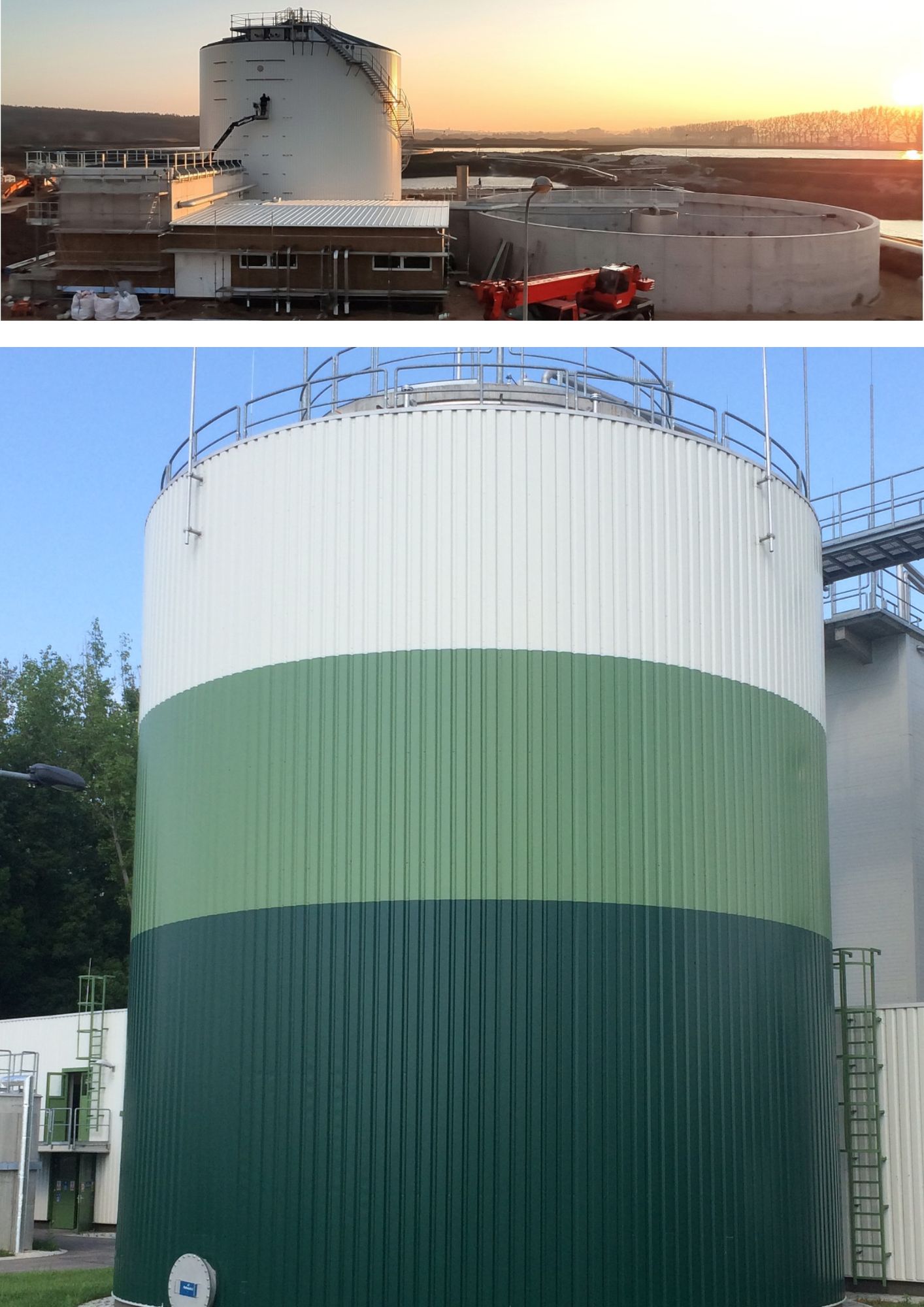
Construction of an anaerobic treatment stage or biogas plant for the recovery of energy from waste water from a sugar factory with a hydraulic capacity of 220 m³/h in Germany.

Sugar factory, Poland, ALMA BHU GMR
Construction of an anaerobic treatment stage and a biogas plant to generate energy from sugar production wastewater with a hydraulic capacity of 125 m³/h in Poland.

Südzucker AG, Ochsenfurt, ALMA BHU GMR, BIO
Treatment of sugar beet wash water in a biogas plant with pre-acidification and a COD load of 45,000 kg COD/d, for Südzucker in Ochsenfurt.

Biogas plant for Keszthely sewage treatment plant, Hungary, ALMA BHU GMR
Construction of a biogas plant for the sludge utilization of a municipal sewage treatment plant with an energy production of 2,000 kWh/d in Hungary.
Advantages of anaerobic wastewater treatment
Advantages of our gas mixing reactor
Process diagram: ALMA BHU GMR
Downloads
Tender text
Please contact our specialist for biogas plants: E-Mail
FAQ - Fully mixed biogas reactor
What is the ALMA BHU GMR biogas plant and how does it work?
The ALMA BHU GMR is a fully mixed biogas plant for the anaerobic treatment of organic wastewater and substrates from industry, particularly from the food and beverage industry. It is designed for stable, continuous operation with fluctuating loads.
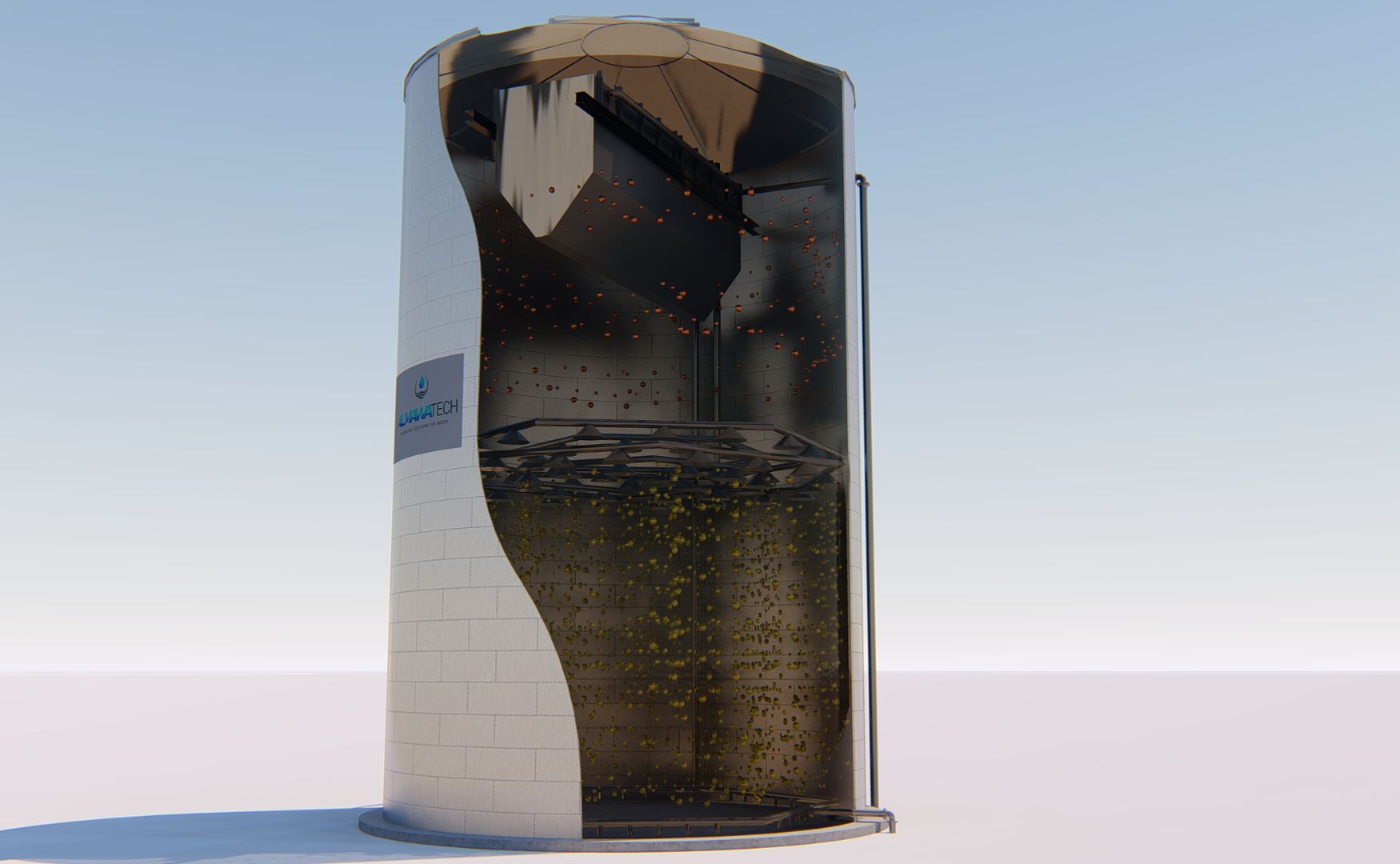
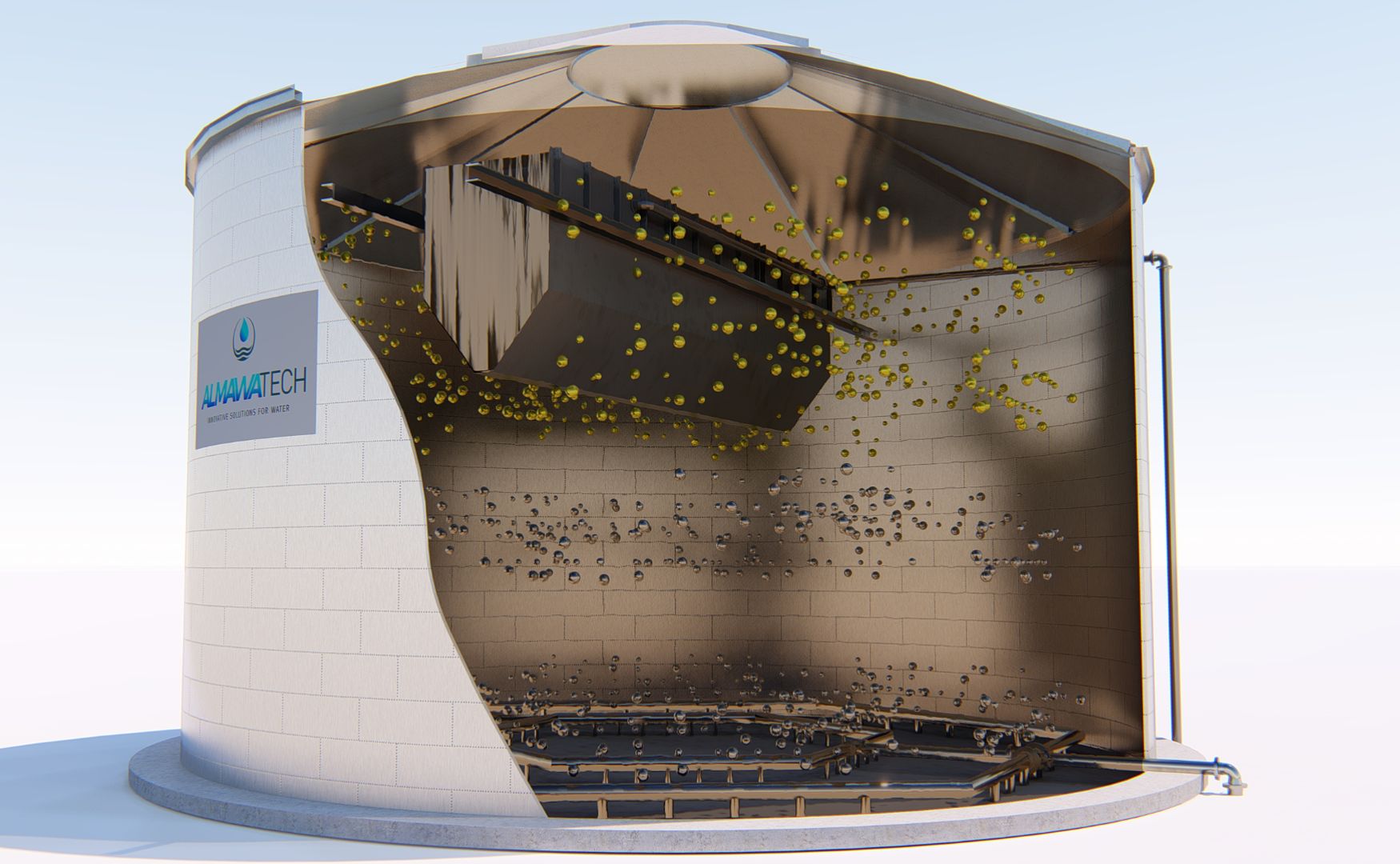
The reactor operates as a fully mixed vessel, ensuring homogeneous distribution of substrate, biomass, and temperature throughout the entire reactor volume. Mixing is achieved via a gas-based circulation system that does not require mechanical agitators in the fermenter.
A key feature is the external biomass recirculation, which ensures high biological activity in the reactor and significantly increases process stability.
Summary
The ALMA BHU GMR is a fully mixed biogas reactor with gas-based circulation and external biomass recirculation for stable anaerobic treatment of industrial wastewater.
What are the advantages of a fully mixed biogas reactor with a gas recirculation system?
A fully mixed reactor with a gas circulation system offers significant operational and technical advantages over mechanically stirred systems.
Advantages of gas-based mixing
Uniform mixing without mechanical installations in the fermenter
Reduced wear and tear and lower maintenance costs
No dead zones or short-circuit currents
High operational reliability even with high dry matter content
The biogas produced is used specifically for circulation, which minimizes the energy required for mixing and at the same time supports biological activity.
Advantages of thorough mixing
Homogeneous substrate distribution
Constant process conditions for microorganisms
High methane yield and stable gas production
Good control of load and concentration fluctuations
Summary
A fully mixed biogas reactor with gas recirculation ensures consistent process conditions, low maintenance, and high operational reliability without mechanical agitators in the fermenter.
What role does external biomass recycling play in the ALMA BHU GMR?
External biomass recirculation is a key feature of the ALMA BHU GMR and contributes significantly to the process stability and performance of the biogas plant.
By returning part of the active biomass:
A high concentration of methanogenic microorganisms remains in the system.
biological degradation performance is increased
higher organic room loads can be operated
the system becomes less sensitive to load and volume fluctuations
Biomass recycling is a decisive factor for robust and stable continuous operation, especially in the case of industrial wastewater with varying compositions.
Summary
External biomass recycling increases the concentration of active microorganisms, improves process stability, and enables higher organic loads in the biogas reactor.
For which applications and industries is the ALMA BHU GMR particularly suitable?
The ALMA BHU GMR is specially designed for industrial applications where highly organic wastewater or substrates are produced and energy in the form of biogas is to be recovered at the same time.
Typical applications
Anaerobic wastewater treatment
Pre-treatment prior to aerobic biological stages
Reduction of COD and BOD loads
Energy generation from organic wastewater
Industries with a particularly large number of references
Food industry
beverage industry
Dairies
Meat and fish processing
Sugar, starch, and processing industries
The ALMA BHU GMR is widely used in these industries and has established itself as an economical and reliable solution.
summary The ALMA BHU GMR is particularly suitable for the food and beverage industry for the anaerobic treatment of organic wastewater with simultaneous biogas production.
What advantages does the ALMA BHU GMR offer over other biogas plants?
The ALMA BHU GMR combines proven process engineering principles with an industrial-grade design.
Key advantages at a glance
Fully mixed reactor for stable process conditions
Gas circulation system without mechanical agitators in the fermenter
External biomass recycling for high biological activity
High operational reliability with fluctuating inflows
Low maintenance and long service life
Numerous references in the food industry
Integration into existing wastewater treatment plants possible
These characteristics make the system suitable for both new installations and for retrofitting or expanding existing systems.
summary The ALMA BHU GMR impresses with its fully mixed operation, gas-based circulation, external biomass recirculation, and numerous references in the food industry.
When does it make economic sense to use ALMA BHU GMR?
The use of ALMA BHU GMR is particularly economical when:
high organic COD loads are present
Energy costs should be reduced or biogas should be used
aerobic stages must be relieved
Stable processes are required when inflows fluctuate.
The combination of COD reduction and energy generation reduces operating costs and significantly improves the overall economic efficiency of wastewater treatment.
Summary
The ALMA BHU GMR makes economic sense for organically highly polluted wastewater if COD is to be reduced and biogas is to be used for energy production at the same time.
Similar products: Biogas from waste water

ALMA BHU BIO EGSB
Two-stage anaerobic reactor ALMA BHU BIO EGSB, which can be fed with a high COD load due to the two-stage biogas extraction.

ALMA BIO UASB
Single-stage anaerobic reactor ALMA UASB for the production of biogas from waste water from the food industry with reactor sizes up to 3,000 m³ and biomass recirculation.
Get in touch with us!
Tibor Kretschmann
Head of International Project Development & Water Reuse