The activated sludge process is a biological process for wastewater treatment that is widely used in municipal and industrial wastewater treatment. It is based on the activity of aerobic microorganisms that are suspended in the wastewater in the form of activated sludge. These microorganisms use the organic substances contained in the wastewater as a food source and break them down in an aerobic environment. The process leads to a significant reduction in organic impurities and is often also used to remove nitrogen and phosphorus.
Table of contents
Technical background of the activation process
The activated sludge process utilizes the natural potential of microorganisms for the biological oxidation of organic compounds. The process takes place in aeration tanks in which oxygen is supplied by aeration systems to promote biological activity. The degradation process can be divided into different phases:
Decomposition of organic substances: The microorganisms break down the organic substances in the wastewater by converting them into carbon dioxide (CO₂), water and new biomass (cell growth). This takes place under aerobic conditions, i.e. in the presence of oxygen. This biological oxidation is the central step in the activated sludge process and ensures the reduction of the biological oxygen demand (BOD) and the chemical oxygen demand (COD).
Nitrification and denitrification: The activated sludge process can be extended to also remove nitrogen compounds. This takes place in two steps:
- Nitrification: In the first phase, specialized microorganisms, so-called nitrifiers, convert ammonium (NH₄⁺) into nitrite (NO₂-) and then into nitrate (NO₃-). This process requires a sufficient supply of oxygen and takes place in the aerobic range.
- Denitrification: In a second step, which takes place under anoxic conditions (without oxygen), the nitrate is converted by the microorganisms into nitrogen gas (N₂), which escapes into the atmosphere. This process is carried out by denitrifiers and contributes to the reduction of the total nitrogen content in the wastewater.
Phosphate elimination: Some activated sludge processes are designed to also remove phosphates from wastewater. This is done either by the absorption of phosphates by polyphosphate-storing bacteria or by chemical precipitation in combination with biological treatment.
Sludge recirculation: Part of the activated sludge formed in the activated sludge process is returned to the aeration tank after separation in the secondary clarifier in order to maintain a stable population of microorganisms. The part that is not returned is referred to as excess sludge and must be further treated and disposed of.
Variants of the activation process
There are different variants of the activated sludge process, which are used depending on the type of wastewater, the specific requirements and the existing plant conditions:
Conventional activated sludge process: The classic process in which the wastewater flows continuously through the aeration tank. After a sufficient retention time, the water is fed into the secondary clarifier, where the activated sludge is separated from the purified water.
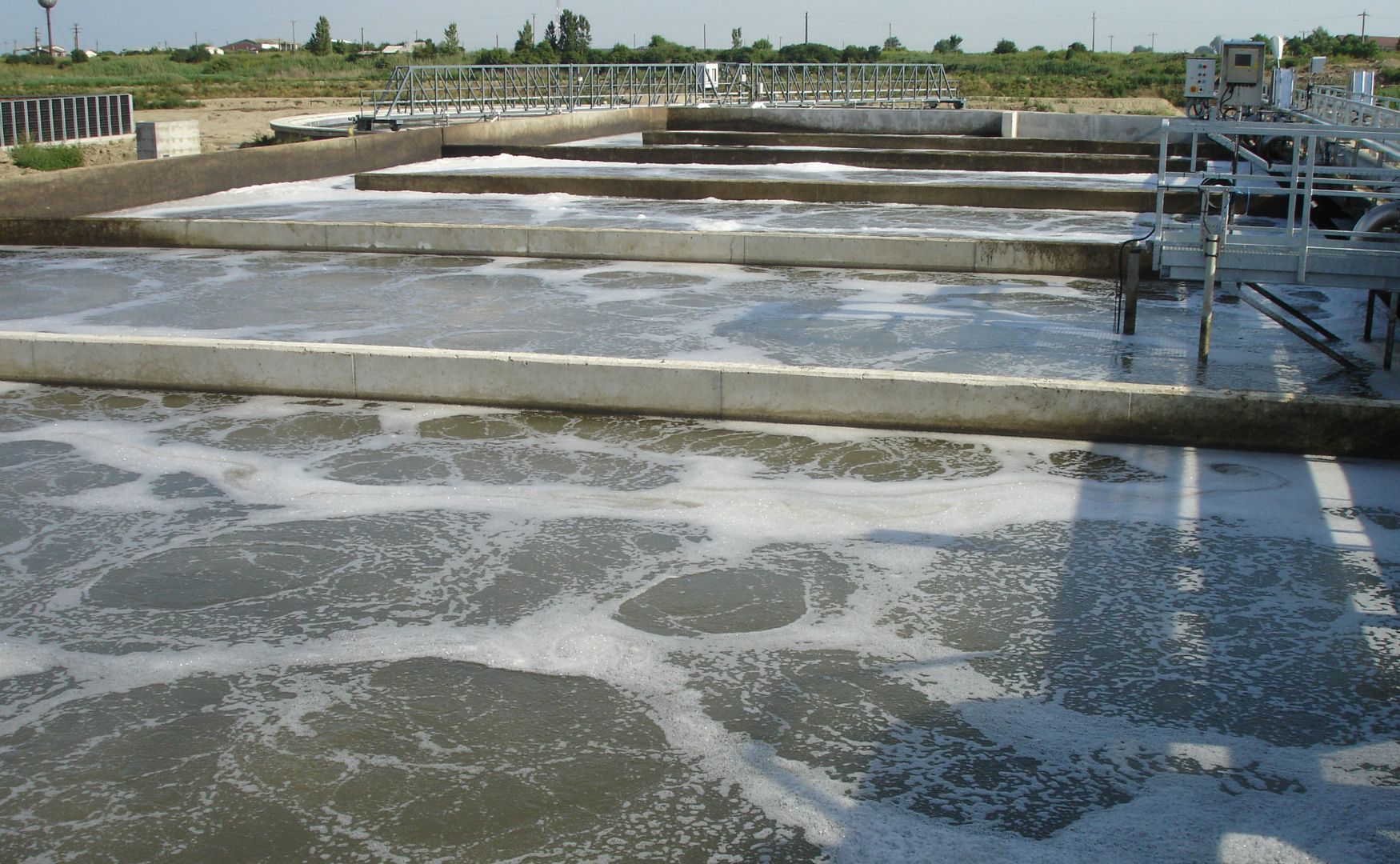
Photo: Classic aeration tank (process: ALMA BHU BIO)
Sequencing Batch Reactor (SBR): In the SBR process, the wastewater is treated in batches. The entire process (aeration, degradation, sedimentation and discharge of the treated water) is carried out in a single reactor. This technology is particularly advantageous for plants with fluctuating wastewater volumes or for smaller wastewater treatment plants.
- Cascade aeration: Here, the wastewater is passed through several aeration stages in succession, which enables more efficient use of oxygen and improves the degradation rate. This process is particularly suitable for the treatment of heavily contaminated wastewater.
- Denitrification aeration: In this variant, nitrogen removal is specifically optimized by combining aerobic and anoxic zones in the activated sludge process. These activated sludge processes are primarily used for industrial wastewater that contains a high proportion of nitrogenous compounds.
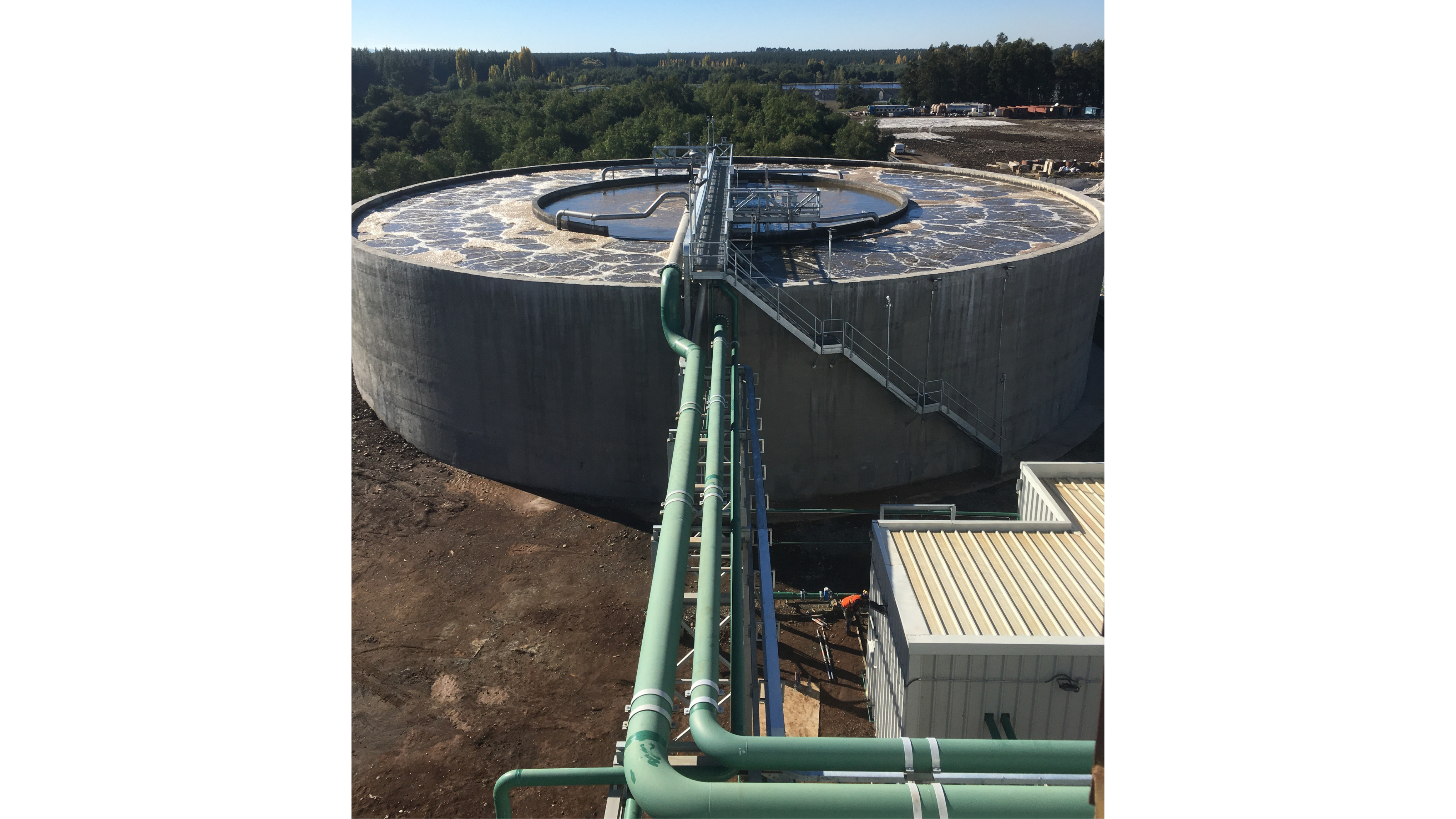
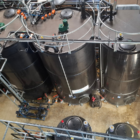
Photo: Aeration tank with denitrification and nitrification for wastewater from the food industry (process: ALMA BHU BIO)
Application in practice
The activated sludge process is used in a variety of applications, both in municipal wastewater treatment plants and in industrial wastewater treatment. Typical areas of application include
Municipal wastewater treatment: Here, the activated sludge process is the standard process for reducing organic substances and nutrients such as nitrogen and phosphorus. It is used in most wastewater treatment plants worldwide.
Industrial wastewater treatment: In sectors such as the food and beverage industry, the chemical industry or paper production, the activated sludge process is widely used due to the high organic loads in the wastewater. It can be adapted to the specific requirements of each industry.
Water recycling: In water recycling processes, the activated sludge process can be used as a pre-treatment for membrane processes such as reverse osmosis to minimize the risk of biofouling and extend the service life of the membranes.
Advantages of the activated sludge process
High purification performance: The activated sludge process achieves an effective reduction of organic compounds and is able to remove nutrients such as nitrogen and phosphorus, making it ideal for wastewater with high organic loads.
Flexibility: The process can be easily adapted to different wastewater volumes and compositions. By varying the operating parameters, such as sludge age, aeration intensity and retention time, the process can be optimized to meet specific requirements.
Sustainability: The activated sludge process uses natural biological processes to treat wastewater, minimizing the use of chemicals. This makes it an environmentally friendly solution.
Cost-efficient: Compared to other advanced technologies, the activated sludge process is relatively inexpensive to purchase and operate, especially for large volumes of wastewater.
Challenges of the activation process
High energy requirement: The supply of oxygen through aeration systems requires a considerable amount of energy. The energy requirement is one of the largest operating cost factors of the aeration process, which is why energy-efficient aeration systems are crucial.
Sensitivity to toxic substances: The activated sludge process is sensitive to toxic compounds in the wastewater, which can damage the microorganisms. Careful monitoring and pre-treatment of the wastewater is therefore necessary.
Sludge management: The excess sludge produced in the process must be regularly removed and further treated. This requires additional infrastructure and incurs operating costs.
Fluctuations in wastewater composition: Highly fluctuating loads in the wastewater can affect the performance of the process, which is why precise process control is required to ensure cleaning performance.
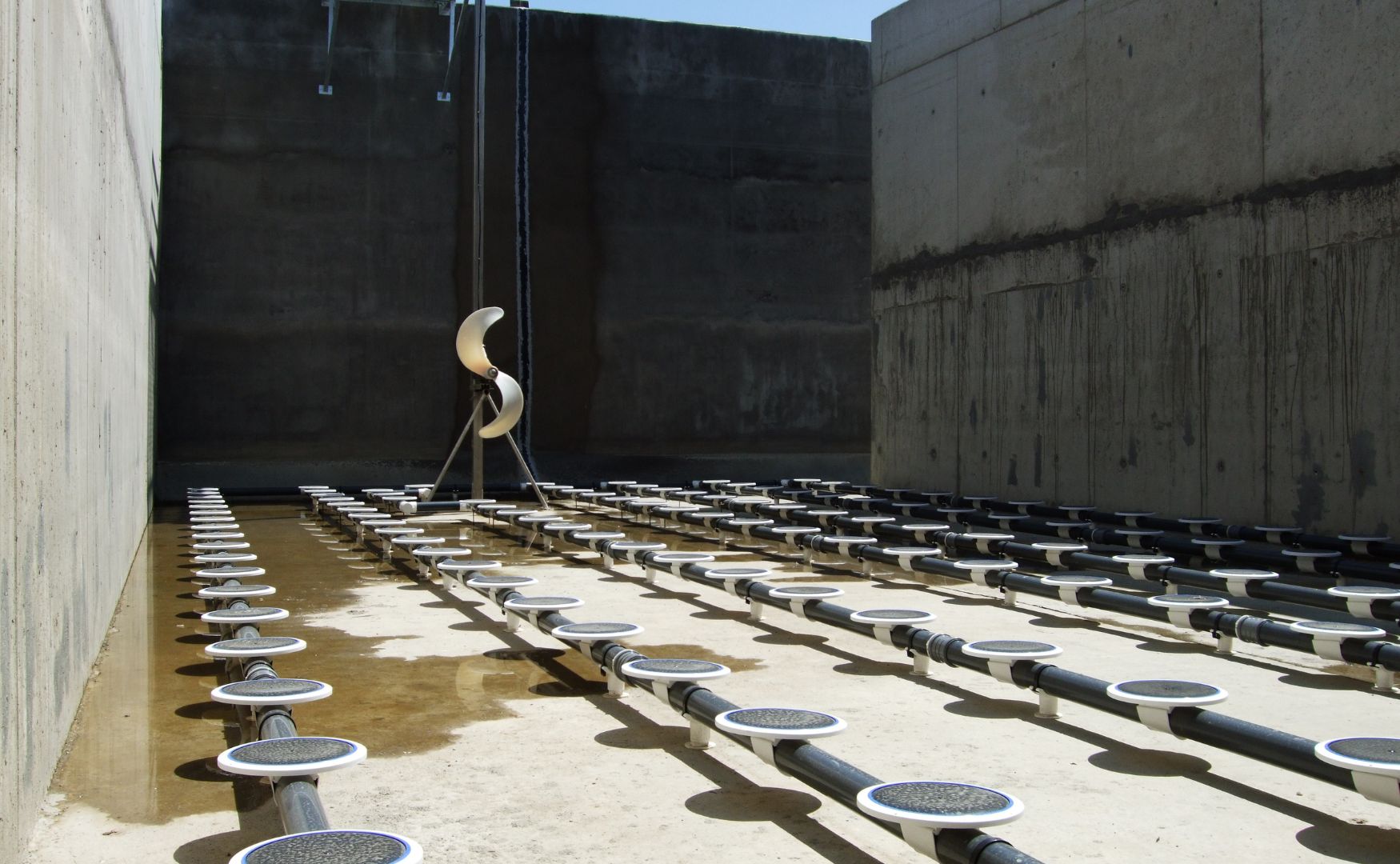
Photo: Aeration system in the activated sludge tank of the ALMA BHU BIO system
Conclusion
The activated sludge process is one of the most frequently used technologies for biological wastewater treatment. It offers high purification performance for the reduction of organic compounds, nitrogen and phosphorus and can be used in many industrial and municipal applications. Despite some challenges, such as the high energy requirement and the necessary sludge management, the activated sludge process remains an efficient and flexible solution for sustainable wastewater treatment.