Precipitation is a fundamental chemical-physical process in industrial wastewater treatment that aims to convert dissolved substances such as heavy metals, phosphates and other inorganic and organic compounds into insoluble solids. Through the addition of specific precipitants these substances are converted into a settleable or filterable form, making it possible to remove them from the wastewater. Precipitation plays a key role in meeting legal limits and contributes to improving water quality.
Table of contents
Technical background
Chemical reaction of the precipitation:
- Precipitation is based on the addition of chemical precipitants, such as iron(III) chloride, aluminum sulfate or calcium hydroxide. These reagents react with the dissolved substances in the wastewater and form sparingly soluble hydroxides, phosphates or sulphides, depending on the substances present.
- For example, metal ions such as copper, zinc or nickel react with iron or aluminum salts and form hydroxide compounds that precipitate as particles. These particles are usually very fine and must be aggregated into larger flocs by further processes (such as flocculation) in order to be separated efficiently.
pH adjustment:
- A decisive factor for the efficiency of precipitation is the pH value of the wastewater. Many precipitation reactions are pH-dependent, as the solubility of the compounds to be precipitated changes significantly when the pH value is adjusted. In neutralization precipitation, the pH value is therefore specifically adjusted (e.g. by adding acids or alkalis) in order to optimize the formation of insoluble compounds.
- For example, the precipitation of metal hydroxides is most effective at neutral to slightly alkaline pH values (pH 8-9), as the hydroxide compounds can be best separated from the water at these values.
Specific precipitation methods:
- Neutralization precipitation: In this process, the pH value is adjusted so that dissolved metals are precipitated out of the water as hydroxides. This is a widely used process in the electroplating and metal processing industry to remove heavy metals such as nickel, copper or zinc. The adjustment of the pH value is crucial here to ensure maximum precipitation of the hydroxides.
- Sulphidic precipitation: Sulphidic precipitation can be used for particularly high concentrations of heavy metals or in cases where simple hydroxide precipitation is not sufficient. In this process, sodium sulphide or another sulphide is added to precipitate the metals as metal sulphides. These sulphides are extremely poorly soluble and can therefore be separated very effectively. This technique is often used in the chemical and mining industries, where toxic metals such as lead or mercury need to be treated.
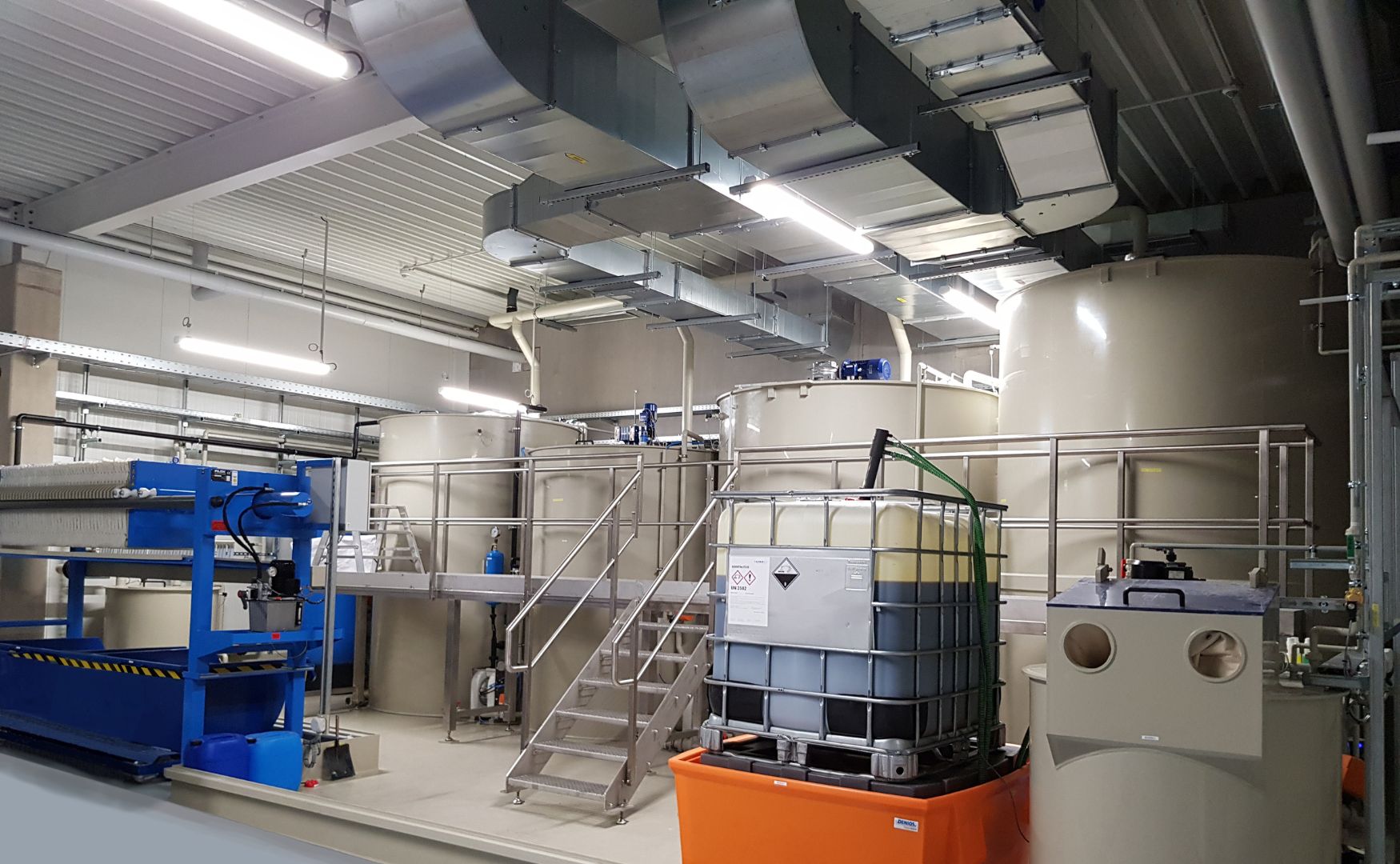
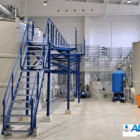
Photo: Our ALMA CHEM MCW wastewater treatment plant for the precipitation and flocculation of heavy metals, AOX, hydrocarbons and cyanides
Areas of application
Metalworking industry:
- In the metal industry, particularly in electroplating, wastewater often contains high concentrations of heavy metals that need to be removed by precipitation. By combining neutralization precipitation and sulphide precipitation, metals can be converted into stable, poorly soluble compounds and then separated by sedimentation or filtration.
Food and beverage industry:
- Wastewater from the food industry often contains high concentrations of phosphates and organic substances. By adding iron or aluminum salts, the phosphates are converted into insoluble compounds, which are then aggregated and separated by flocculation. This is crucial to prevent the eutrophication of water bodies.
Paper and pulp industry:
- This industry produces wastewater that is rich in organic fibers and solids. Precipitation is used to convert the fibers and dissolved organics into insoluble compounds to reduce the chemical oxygen demand (COD). Calcium compounds are often used here to promote the formation of flocs, which can then be easily settled.
textile industry:
- Wastewater from textile processing often contains dyes, heavy metals and surfactants. Precipitation processes with iron and aluminum salts as well as lime are used to precipitate dye molecules and metal ions before the flocs are removed by filtration or sedimentation. This technique is essential to reduce color and contaminant levels and ensure compliance with legal limits.
Petrochemical industry:
- Here, wastewater often contains oils, emulsions and organic hydrocarbons. Specific precipitation reactions convert these organic compounds into solid particles, which are then further aggregated and separated by flocculation. Precipitants such as calcium or aluminium salts are commonly used here to maximize the effectiveness of pollutant removal.
Pharmaceutical industry:
- The manufacture of medicines produces wastewater containing complex organic compounds and heavy metals. Precipitation processes are necessary to bind specific pollutants such as phosphates, heavy metal compounds and other soluble substances and precipitate them as solid compounds. Special chemicals are also used here to ensure targeted treatment.
Mining and mineral processing:
- In the mining industry, wastewater is often contaminated with high concentrations of sulphates and heavy metals. Precipitation and flocculation techniques are used to remove these pollutants by precipitation in the form of stable solids. This contributes significantly to the detoxification of wastewater and the protection of the environment.
Paint and coatings industry:
- The wastewater from this industry typically contains pigments, solvents and heavy metals. Precipitation processes are used to convert the pigments and heavy metal ions into insoluble compounds. Flocculation is then carried out to form larger, settleable flocs, which are separated by sedimentation or flotation.
Surface technology:
- In surface treatment, such as electroplating, the waste water often contains high quantities of acids, alkalis and heavy metals. Metals such as chromium, copper and nickel can be converted into insoluble compounds and removed by precipitation with iron or aluminum salts. These processes are necessary in order to comply with the legal regulations for wastewater discharges and to improve wastewater quality.
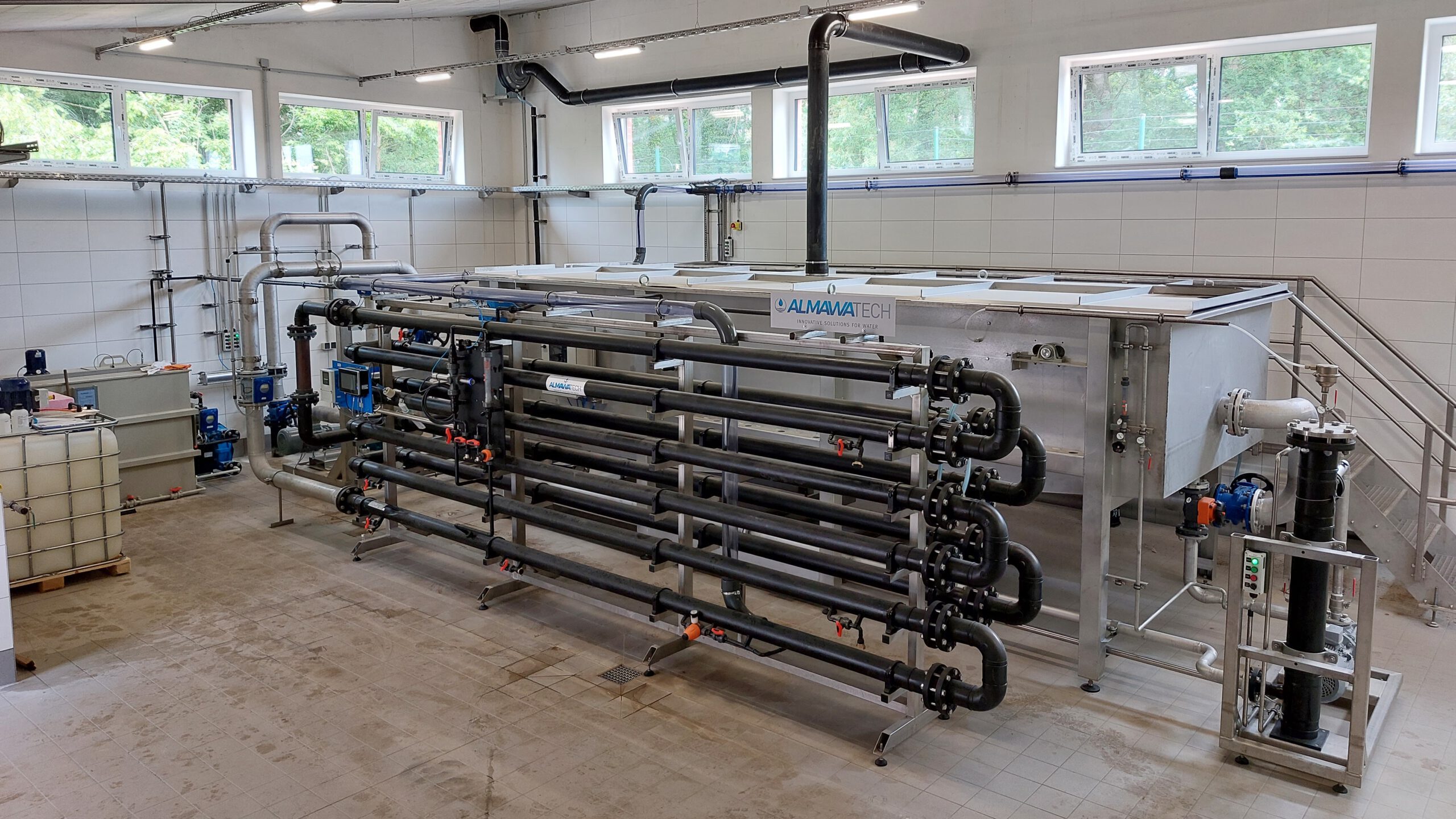
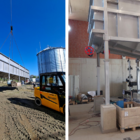
Photo: ALMA NeoDAF flotation plant with reaction loop for precipitating phosphates, nitrogen and COD from dairy wastewater
Conclusion
Precipitation is an indispensable process in industrial wastewater treatment that converts dissolved impurities into solid-like particles through the targeted use of chemical precipitants. It enables the effective removal of heavy metals, phosphates and other pollutants, resulting in high water quality and compliance with legal limits. Precise control of the pH value and the selection of a suitable precipitant are crucial in order to optimize the precipitation process and ensure effective particle separation.
For further information on our products, please feel free to contact us at any time!