

Highly effective biocides & system protection
Our ALMA AQUA product line for biofilm control includes
Biofouling in the cycle? Act now!

Frank Kuntze
Sales Manager Water and Process Additives
Why biocide treatment is indispensable
Proof of Performance - Our references





Your advantages with ALMA AQUA biocides
Service & technology - everything from a single source
Advice & system recording
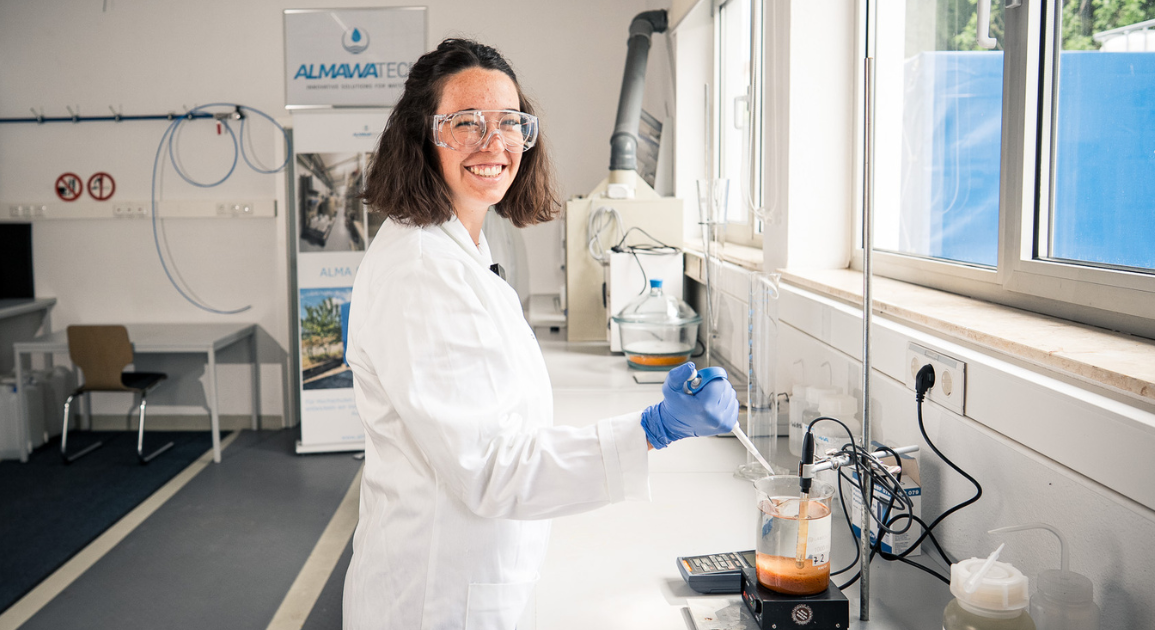
Analytics & field tests
Online monitoring & software solutions
Integrated dosing and control technology
Automated additive replenishment
Documentation & biocide protocol
Formulations & compatibility
OEM & private label solutions
FAQ
What is the difference between oxidative and non-oxidative biocides?
Oxidative biocides (e.g. hypochlorite, peracetic acid, chlorine dioxide, hydrogen peroxide) act quickly and strongly - they destroy cell walls through oxidation and are therefore particularly suitable for open cooling circuits with a high biological load.
Non-oxidative biocides (e.g. isothiazolinones, glutaraldehyde, THPS) attack the metabolic processes and enzymes of microorganisms. They act more slowly, but are often more pH-stable, less sensitive to temperature and more long-lasting - ideal for closed systems or as a basic treatment. Both types of biocide can be combined to prevent the development of resistance and optimize protection.
How do you recognize biofilms in the system?
Biofilms are complex layers of microorganisms, mucilage and organic material. They prefer to adhere to heat-transferring surfaces, plastic pipes or dead zones in the system.
Typical signs:
Decreasing heat transfer (increasing flow temperature)
Pressure losses
Odor formation
Visible layers of slime or algae deposits
Elevated iron or bacterial counts in the water analysis
For targeted detection, we use biofilm detectors, ATP rapid tests, bacterial probes or coupon measurement - also as a mobile service on site.
How often should a biocide be dosed?
The dosing strategy depends on the type of system, the bacterial growth, the water parameters and the control system. Possible strategies:
Continuous dosing for constant background treatment
Interval / alternating dosing to avoid biocide resistance
Shock dosing (e.g. weekly or when limit values are exceeded)
Event-controlled dosing in the event of load changes or critical temperatures
We create individual dosing plans - tailored to your system, the legal requirements (e.g. 42nd BImSchV) and your profitability targets.
Which biocides are suitable for the food industry?
For hygienically sensitive areas, we offer low-toxic, low-residue biocides based on active ingredients such as THPS, hydrogen peroxide or special polyguanide compounds. These are suitable for indirect contact in cooling or CIP circuits and meet the requirements of HACCP, IFS, FDA-compliant manufacturing processes or internal audit systems.
We supply complete safety and residue documentation for every product. On request, we provide support with validations or the preparation of protocols as part of hygiene monitoring.
How is the efficacy of biocides tested?
We use modern methods such as
Determination of bacterial count (TVC/CFU test) on culture media
ATP measurement (detects all living organisms)
Biofilm measurement using coupons, probes or tube models
Redox measurement for the control of oxidative biocides
Microscopy / CFU determination for special requirements
These methods help to monitor the biocide effect, refine dosing strategies and detect limit value violations in good time - documented in our digital service logs.
What is a biocide protocol and when is it mandatory?
A biocide log is a legally required documentation tool for tracking the use of biocides - especially in systems that fall under the 42nd BImSchV (evaporative cooling systems, wet separators).
It must contain:
Biocide name and active substance
Concentration and dosing time
Contact time and rinsing procedure
Proof of effectiveness (e.g. germ count reduction)
Date, time, person responsible
We offer a digital biocide protocol solution with automated documentation, an interface to online monitoring systems and an audit export function - ideal for plant managers and QA officers.
How does a biofilm measurement work and why is it useful?
Biofilm measurements enable a targeted assessment of the microbiological condition of pipes, heat exchangers and other surfaces in contact with water.
Methods are:
Biofilm coupons: Removable material samples from the cycle
Sensors: Inline probes for biofilm thickness measurement
ATP rapid tests: measurement of biological activity on surfaces
Staining methods / microscopy: e.g. to differentiate between types of bacteria
These analyses help to optimize the biocide strategy and plan disinfection measures or system cleaning.
What is shock disinfection and when is it used?
Shock disinfection is a targeted high dosage of a biocide, usually with an oxidative effect, to remove acute microbial contamination or biofilms in the system. It is particularly effective:
After system shutdowns or when refilling
If microbial limit values are exceeded
As a hygiene measure following legionella findings
For the initial treatment of new systems
The shock treatment is planned precisely: Selection of the active ingredient, dosage, contact time, rinsing quantity, disposal. We support you with a complete shock disinfection protocol including safety measures and official documentation.
What regulatory requirements apply to the use of biocides?
Important legal framework conditions are
Biocidal Products Regulation (EU) No. 528/2012 (BPR): Use only approved active substances
42nd BImSchV: For evaporative cooling systems and wet separators - regular germ monitoring and logging
VDI 2047 sheets 2 & 3: Technical rules for circuits and hygiene
TA Luft / WHG / DVGW guidelines: In case of direct or indirect entry into the environment, waste water or drinking water systems
We supply all biocides in compliance with regulations and advise on documentation, verification and audit preparation.
For which applications does ALMA AQUA offer biocides?
Our biocides are versatile and can be used in:
Open cooling circuits & recooling towers
Closed heating and cooling circuits
Wet separators & gas scrubbers
Sprinkler systems & reserve water storage tanks
CIP circuits & fermentation plants
Refrigeration and air conditioning systems with glycol content
Hygiene zones in the food & beverage industry
Pharmaceutical production, laboratories and clean rooms
Each application requires specifically coordinated active ingredients, dosing strategies and legal documentation - we provide support with selection, monitoring and operation.
Are your biocides BPR-compliant?
Yes - all the products we use comply with the EU Biocidal Products Regulation (BPR). We work exclusively with approved or notified active substances, check the product classification (product type PA2, PA11 etc.) and supply each product:
Safety data sheet (SDS)
BPR status verification
Application protocol
Certificate of conformity for internal or external audits
This means that our biocides are legally compliant and auditable - even for sensitive sectors such as chemicals, pharmaceuticals and food.
What packaging sizes and delivery forms are available?
We supply our biocides in packaging units suitable for industrial use - adapted to your consumption, your dosing technology and your safety requirements:
25 liter PE canister
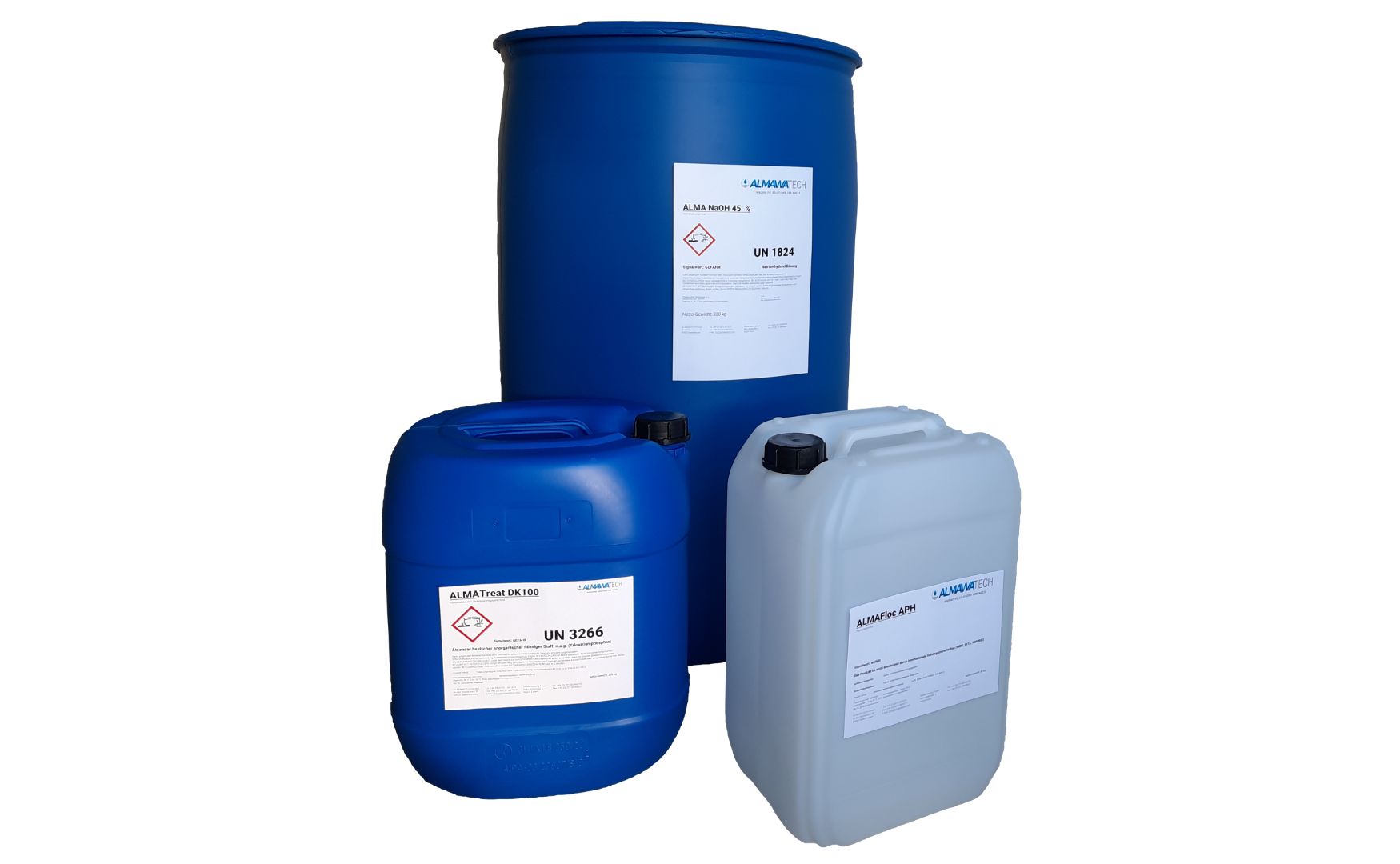
200 liter drum with UN approval
1,000-liter IBC with optional fill level measurement
Disposable cartridges for automatic dosing devices
OEM special bottling in your branding (private label)
With accessories on request: non-return valves, hoses, RFID, labeling according to GHS/CLP. Our logistics offers delivery on demand, scheduled intervals or automated replenishment control.
How can I effectively combat legionella in cooling systems - and what regulations do I need to observe?
Legionella are bacteria of the genus Legionella pneumophila, which prefer to multiply in warm, stagnant water with biofilm formation. In technical systems - e.g. in evaporative cooling systems, recooling towers, wet separators or hot water systems - they can be released and inhaled via aerosols (e.g. through cooling tower operation).
This can lead to severe pneumonia (Legionnaires' disease), particularly in the vicinity of common areas. Strict regulations therefore apply in Germany to protect public health:
42nd BImSchV (Ordinance on Evaporative Cooling Systems, Cooling Towers and Wet Separators):
Obligates operators to, among other things:
regular microbiological monitoring (especially Legionella spec.)
Documentation & measures if limit values are exceeded (e.g. 1,000 CFU/100 ml)
Creation and maintenance of a biocide log
Compliance with inspection intervals, maintenance and inspection obligations
🔹 VDI 2047 sheets 2 & 3:
Technical rules for the planning, commissioning and hygienic operation of evaporative cooling systems. Sets requirements for:
Water quality management
Biocide strategy (e.g. continuous or interval dosing)
Risk assessment & maintenance
Obligation to train the operating personnel
Infection Protection Act (IfSG):
The IfSG applies in the event of a Legionella finding with a notifiable disease and can result in officially ordered shutdowns or immediate measures.
Our solution:
ALMA AQUA offers highly effective, BPR-compliant biocides with documented legionella efficacy, as well as a complete hygiene service in accordance with the 42nd BImSchV:
Selection of suitable biocides (oxidative, non-oxidative, depot effect)
Determination of an effective dosing strategy with shock treatment & continuous dosing
Creation of biocide protocol & hygiene plan
Carrying out microbiological germ tests incl. Legionella detection
Online monitoring & digital alarms when limit values are exceeded
Training & instruction of personnel in accordance with VDI 2047
This means that you not only meet all legal requirements, but also ensure hygienic and legally compliant system operation in the long term.
Need an individual biocide strategy?
Frank Kuntze
Sales Manager Water and Process Additives