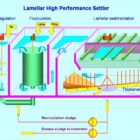

A separator is a technical device used in water and wastewater treatment to remove unwanted substances such as solids, grease, oil, heavy metals or suspended solids from liquids. Separators are used to increase the efficiency of subsequent treatment processes, to protect systems from blockages or damage and to ensure compliance with legal limits. They are mainly used in industrial water treatment, wastewater treatment and in recirculation systems of water technology plants.
Table of contents
Technical background
Separators are based on physical separation principles that are based on the differences in density or size of the substances to be separated. Depending on the type of contaminants to be removed, different types of separators are used. These can work mechanically, chemically or physically. Gravity, flotation or centrifugal force is often used to separate heavier or lighter substances from the water.
Types of separators
1. grease separator
Grease separators are used in wastewater systems to separate fats, oils and organic substances from wastewater. They work on the basis of gravitational separation, in which the lighter grease and oil components rise to the surface and are skimmed off from there. Grease separators are used particularly in the food industry, restaurants and commercial kitchens to prevent grease contamination from clogging pipes and impairing biological wastewater treatment.
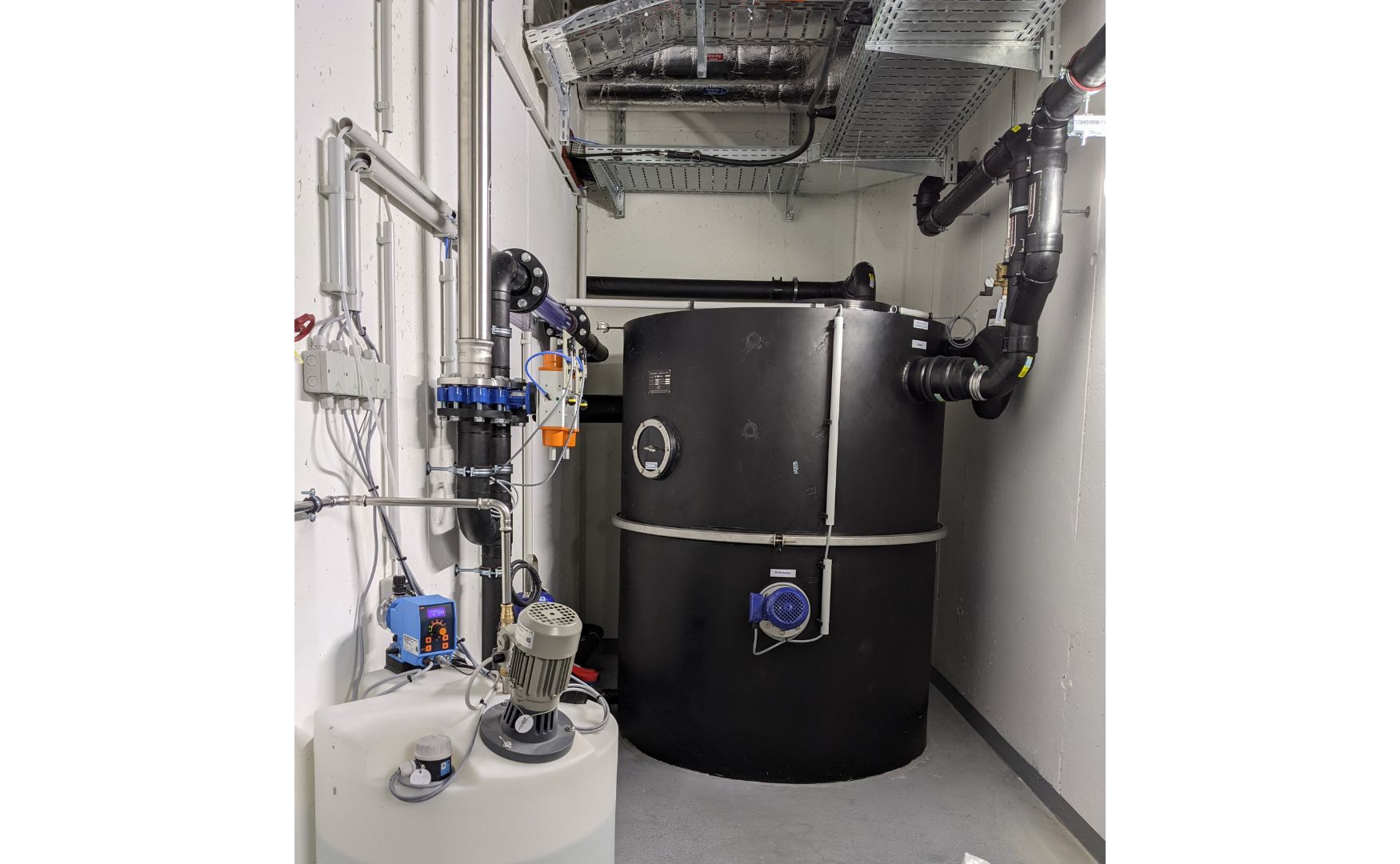
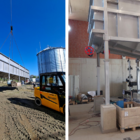
Photo: A grease separator installed above ground as pre-treatment for one of our ALMA NeoDAF flotation systems
2. sludge separator
Sludge separators are used to separate solid particles such as sand, sludge or other sediments that are suspended in water. They are often used in industrial wastewater treatment plants where large quantities of suspended solids are produced. Sedimentation, i.e. the sinking of the heavier solids, is the underlying principle of these separators. They are also used in grit chambers or sedimentation tanks.
3. light liquid separator
These separators are used specifically for the separation of light liquids such as oil or gasoline. They also work with the gravity method, in which the lighter liquids collect on the surface of the water. Light liquid separators are usually found in the automotive industry, workshops or petrol stations, where they prevent oily wastewater from entering the sewer system.
4. coalescence separator
A coalescence separator is a special type of light liquid separator that works on the principle of coalescence. Fine oil droplets coalesce to form larger droplets, which can then be more easily separated from the water. Coalescence separators are often used in the oil and gas industry and in the petrochemical industry to separate oil from water.
5. flotation separator
In flotation systems (e.g. the ALMA NeoDAF), air bubbles are introduced into the wastewater, which adhere to suspended solids or oils and float them to the water surface. The suspended solids and fats can then be easily skimmed off. This process is often used in the food industry, meat processing and the paper industry, where large quantities of suspended solids or grease need to be removed. A typical example of a flotation separator is dissolved air flotation.
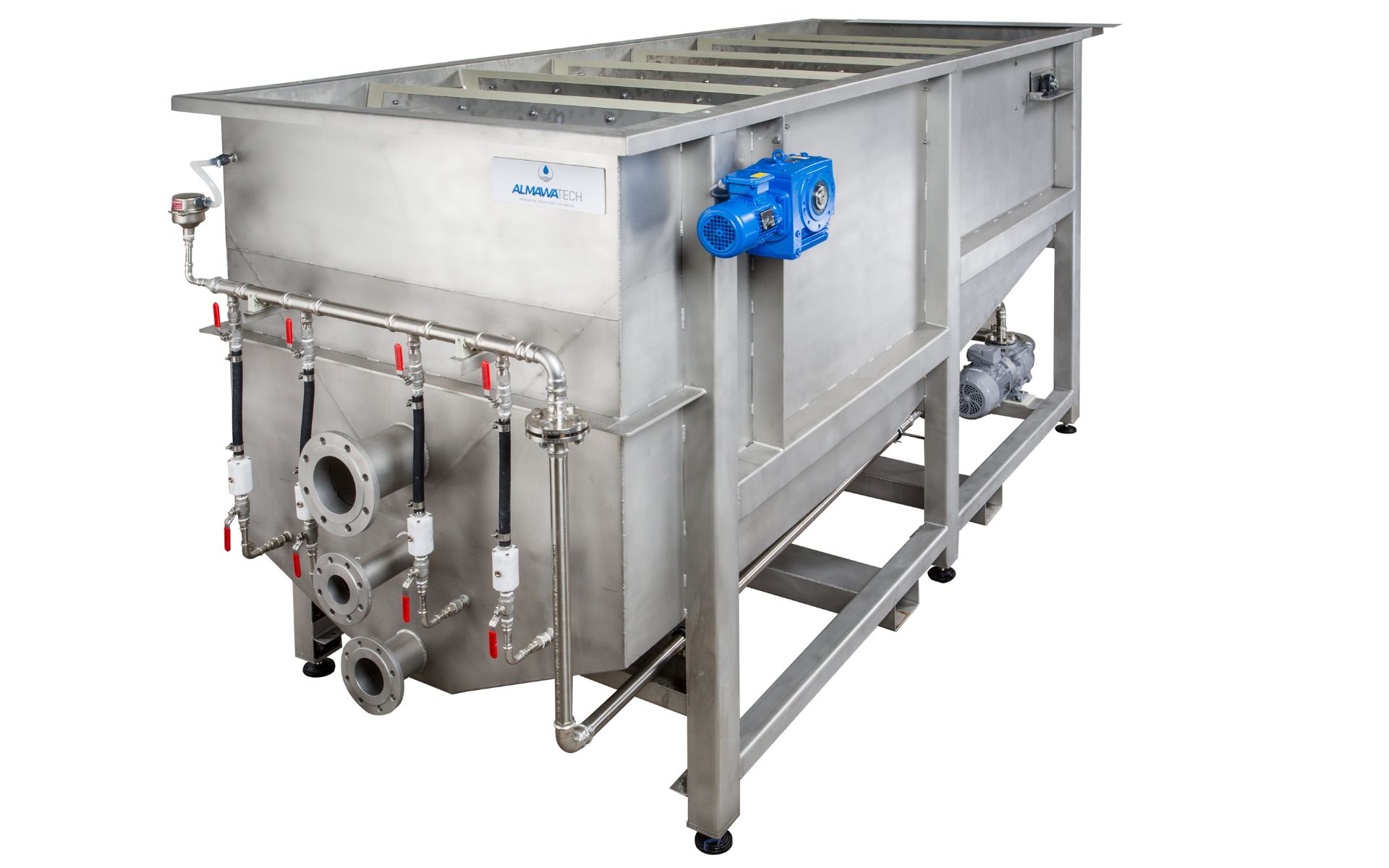
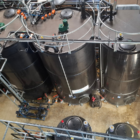
Photo: Our stainless steel ALMA NeoDAF flotation system
6. cyclone separator
Cyclone separators separate solids or liquid droplets by using centrifugal force. The water is directed into a tangential vortex, forcing heavier particles outwards and depositing them on the walls of the separator. This technology is often used in cooling water circuits or industrial sites where fine solids or abrasive materials need to be removed from the water.
Importance of separators in practice
Separators are indispensable in industrial water treatment and wastewater treatment, as they help to reduce the level of contamination in wastewater before subsequent treatment stages. By removing solids, grease, oils and other pollutants at an early stage, the downstream biological, chemical or membrane-based processes can work more efficiently and cost-effectively.
Some examples of the practical importance of separators are:
Pre-treatment of wastewater:
In many industrial plants, the separator is the first step in the mechanical pre-treatment of wastewater. This helps to remove coarse impurities at an early stage and relieve the downstream stages of water treatment, thereby increasing the service life of pumps, valves and pipes.Protection against blockages:
Greases and oils tend to build up in pipes and pumps, which can lead to blockages and corrosion. The use of grease and oil separators prevents this and significantly reduces the operating costs for system maintenance.Compliance with legal regulations:
In many industries, there are strict regulations governing the discharge of wastewater into sewers or bodies of water. Separators help to ensure compliance with these regulations by efficiently removing pollutants from the wastewater and thus improving the discharge values of the systems.Reduction of pollution:
By using separators, the amount of chemicals required to further purify the water can be reduced. This leads to cost savings and reduces the environmental impact, as fewer pollutants are released into the environment.
Practical examples for the use of separators
Food industry:
Slaughterhouses and dairy processing plants produce large quantities of fatty wastewater. Grease separators are essential here to remove the fats and oils before they are discharged into the sewer system, thus preventing blockages and hygiene problems.Car workshops and petrol stations:
Light liquid separators are used here to separate petrol, oil and other hydrocarbons from wastewater before it enters the sewage system. These separators help to protect the environment from hazardous pollutants.Paper industry:
Paper production generates large quantities of suspended solids, which are effectively removed in flotation separators before the water is further processed or reused. This technology increases the efficiency of wastewater treatment and enables a more sustainable use of water in production.
Conclusion
Separators are crucial components in industrial water and wastewater treatment. They contribute to the pre-treatment of wastewater, protect plants from contamination and blockages, improve the efficiency of subsequent treatment stages and help to comply with legal limits. The choice of a suitable separator depends on the type of substances to be removed and the specific requirements of the respective industrial sector. Careful design and maintenance of these systems are essential to ensure trouble-free operation and sustainable water treatment.